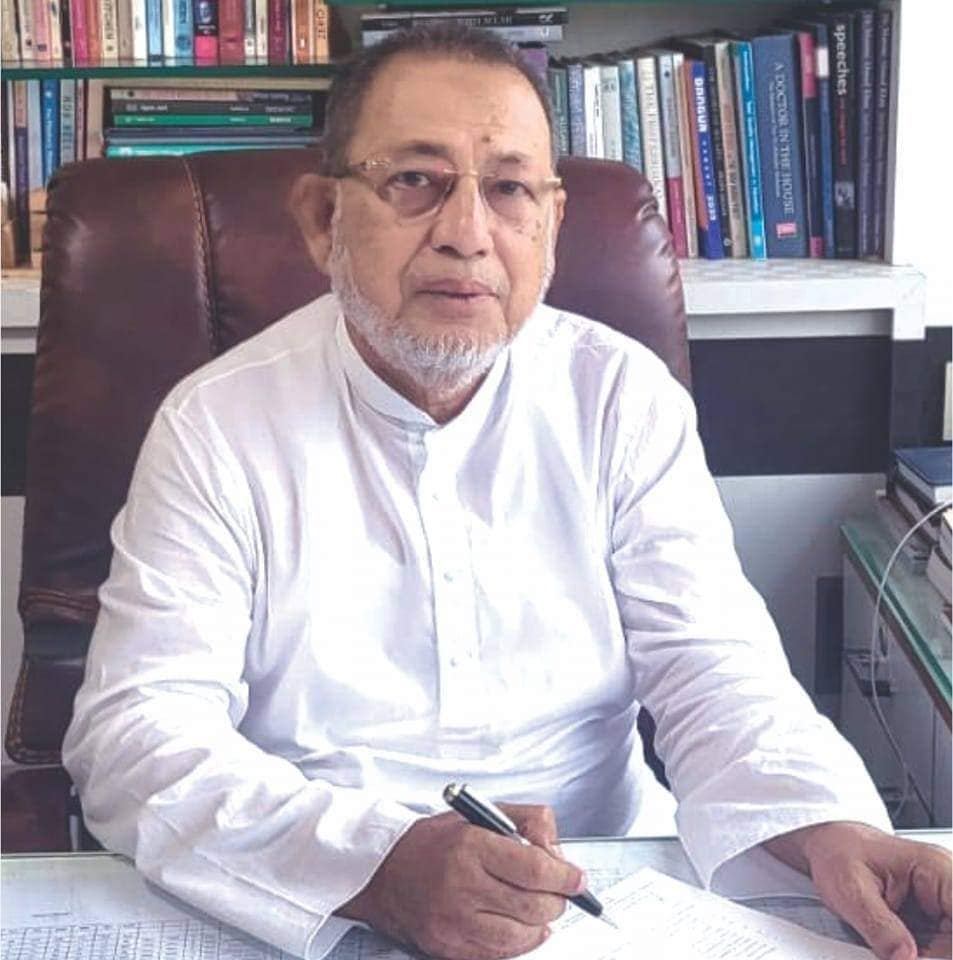
A former footballer and a veteran sports administrator, Hakim suffered a stroke and was being treated at a hospital in Gulbarga.
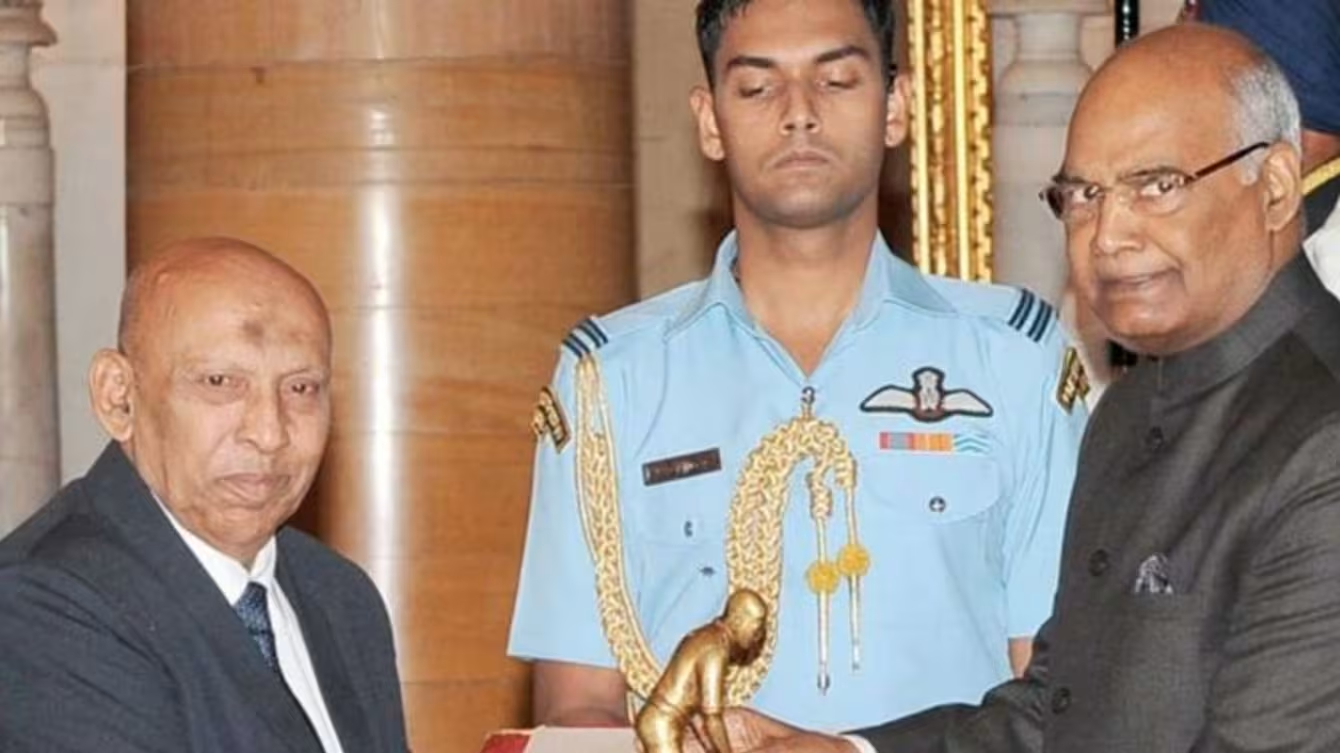
picture: SAI / Hakim received the Dhyan Chand award in 2017
Former Indian footballer and Olympian Syed Shahid Hakim passed away at the age of 82 in Gulbarga, Karnataka, on Sunday morning.
SS Hakim, who represented India at the 1960 Rome Olympics, was being treated at a hospital after suffering a stroke two days back.
“He suffered a cardiac arrest at 8 AM today and passed away at 8:30 AM,” Sadia Syeda, wife of Hakim, told Sportstar.
SS Hakim played an integral role for the development of football in India both as a footballer and a coach. He was awarded the Dhyan Chand Award for Lifetime Achievement in Sports and Games in 2017.
Born in Hyderabad, SS Hakim was the son of legendary coach Syed Abdul Rahim, who guided India to two Asian Games gold medals and the semi-final of the 1956 Melbourne Olympics
During his playing days, SS Hakim won the Santosh Trophy in 1960 while plying his trade for Services football team and continued to play till 1966. He also played for City College Old Boys and Indian Air Force at club level.
The highlight of SS Hakim’s international career was the 1960 Rome Olympics. The Hyderabadi was a member of the Indian team, coached by his father.
India failed to make it past the group stages at Rome but famously held France to a 1-1 draw.
SS Hakim turned to coaching after his playing days, following the footsteps of his father.
A former assistant coach of the Indian national team, Hakim managed the Durand Cup-winning side of Mahindra and Mahindra in 1998 and also coached Salgoacar and Bengal Mumbai FC.
Along with coaching, the Hyderabadi was a FIFA referee and officiated at the 1988 AFC Asian Cup in Qatar.
A former squadron leader of the Indian Air Force, Hakim also held the role of Regional Director of Sports Authority of India, Kolkata.
Hakim ‘saab’, as he was fondly called, is survived by his wife and two daughters.
source: http://www.olympics.com / Olympics.com / Home / by Aarish Ansari / August 22nd, 2021
The All India Football Federation condoled the death of former India midfielder DMK Afzal, who passed away, on Wednesday, May 7, 2025. Afzal is survived by his wife.
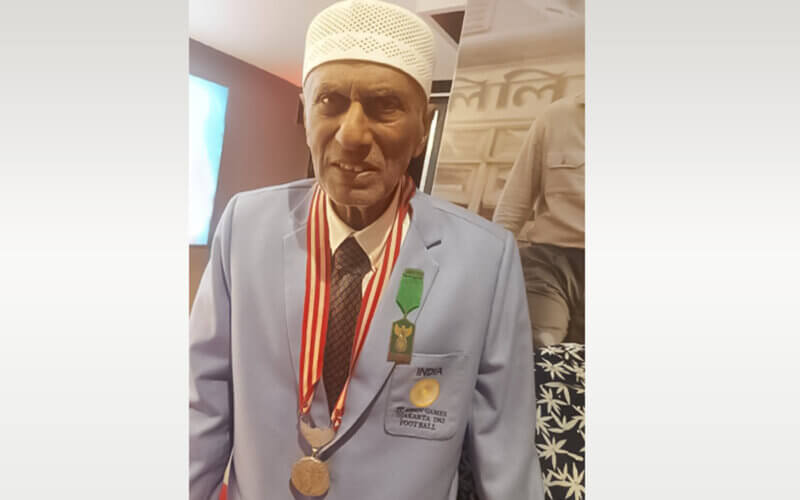
An excellent midfielder of his times, Afzal was a part of the gold medal-winning India team at the 1962 Asian Games in Jakarta, Indonesia. Afzal has two appearances in the India shirt, making his debut against the Republic of Korea in the group stage of the 1962 Asiad.
Condoling Afzal’s death, AIFF President Shri Kalyan Chaubey said, “D.M.K. Afzal was a fine midfield maestro of his times, and served the beautiful game with the utmost passion and dedication. I extend my sincerest condolences to his family in this sorrowful hour.”
At the domestic front, Afzal has the distinction of winning the Santosh Trophy with Andhra Pradesh in 1965. With his club, Andhra Police, he won the Durand Cup (1961), Rovers Cup (1962, joint winners), and the DCM Trophy (1965).
He later moved to Kolkata with East Bengal, and won the Calcutta Football League (1966), IFA Shield (1966), Rovers Cup (1967), Durand Cup (1967), Sait Nagjee Trophy (1968), Kerala FA Shield (1968), and the Bordoloi Trophy (1968).
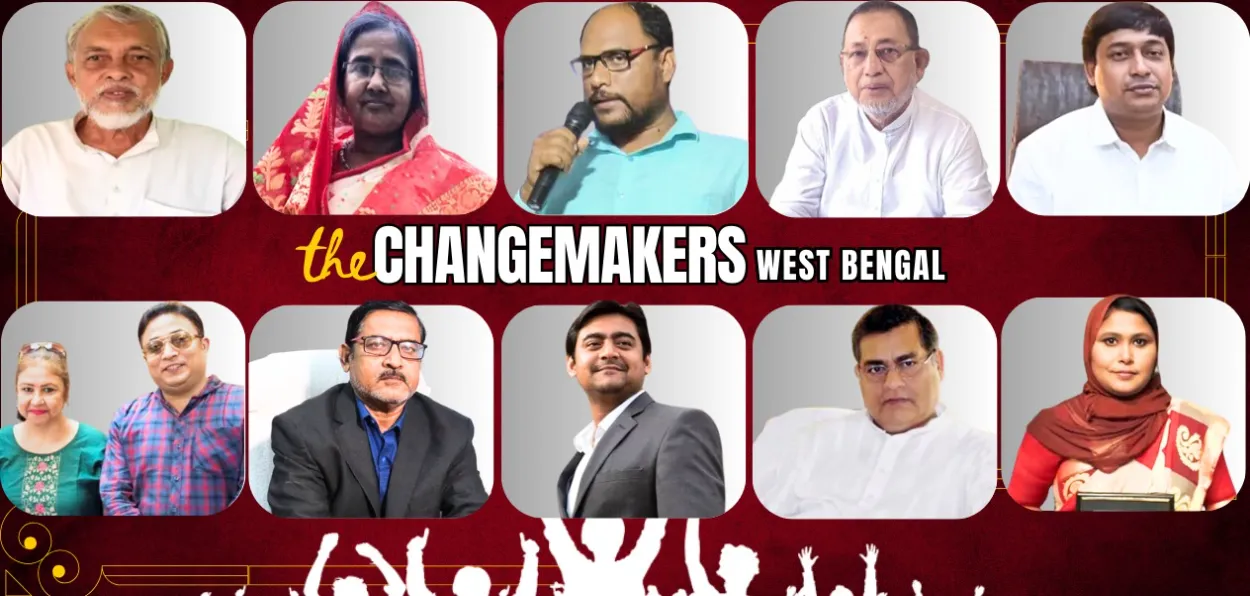
The people of Bengal have a strong tradition of scholarship, literature, and debate. They are known for their deep appreciation of music, poetry, cinema, theatre, painting, and social service. The Changemakers from the Muslim community are only adding to the high values cherished in this region.
Halima Khatun
Halima Khatun has dedicated herself to uplifting marginalized communities, particularly women. She guides and mentors women who struggle to establish themselves despite adversity. Her first significant intervention was with women from fishing communities in the Sundarbans, standing alongside them, addressing their issues, and consistently supporting their struggles.
Her organization has helped over 700 bidi workers obtain official identification. Many families resort to marrying off young daughters in the hope of survival, a practice Halima fights to prevent. Known for her fearless interventions, she has successfully stopped numerous child marriages, often with police assistance, earning comparisons to a “Dabangg” — a fearless enforcer.
Sattar Master
Abdus Sattar has dedicated the majority of his life to the cause of education. Hailing from the Jhalongi block, he is affectionately known across Shantipur, Domkal, Islampur, and surrounding areas simply as “Sattar Master.”
Abdus Sattar has become a revered figure because of his boundless compassion and dedication to the welfare of others.
Imaran Nahar
Imaran Nahar from Pandua in the Hooghly district is preserving a treasure trove of lost folklore. Over the years, he has documented more than five hundred fairy tales from various sources. In the face of a modern, indifferent society, centuries-old proverbs and oral traditions from rural Bengal are vanishing.
While some proverbs found their way into grammar books, most survived only through spoken tradition. Nahar has painstakingly rescued over three thousand nearly-forgotten Bengali proverbs, reviving a crucial link to cultural memory.
Hafizur Rahman
Hafizur Rahman has set a shining example of humanitarian service. Through his organization, girls from both Hindu and Muslim communities have received training to become self-reliant. Under his guidance, sewing machines have been provided to impoverished girls, fostering interfaith harmony and empowerment.
Yet, Rahman’s work does not stop there. Every last Sunday of the month, his organization hosts doctors to provide free medical checkups, eye tests, and medicine to those in need. He also facilitates local employment initiatives to prevent people from seeking low-wage work far from home, ensuring sustainable livelihoods for the community.
Sheikh Baharul Islam
According to Sheikh Baharul Islam, founder and current editor of Sojag Mancha, the organization has quietly traversed many milestones over the years. When asked about the motivation behind Sojag Mancha, he explains, Sojag Mancha was founded so that we could step forward, even if in a small way, to help those in need.” Islam adds, “Most NGOs remain focused on securing their own survival, but we chose a different path.
We dared to invest our own resources in education, and that courage has made us widely recognized. Guided by selfless service, our organization continues to move forward at lightning speed, driven by the desire to make a difference.”
Golam Faruk
Social worker Golam Faruk began his journey driven by a commitment to human welfare. His organization, Rights for All, has been actively working to make Kolkata cleaner, while also conducting anti-drug campaigns with the support of the South Division of Kolkata Police on International Anti-Drug Day.
Faruk ensures that disadvantaged children have access to educational trips and facilities, while his organization serves as a beacon for justice, inclusion, and human dignity.
Muhammad Nurul Islam
Under the leadership of Muhammad Nurul Islam, a courageous team has chosen the challenging path of spreading education at all levels, often navigating routes where no one has tread before. Their mission is clear: to empower historically marginalized minority communities, transforming them into confident, educated societies.
They aim to uphold quality and excellence in education while continuously supporting talented students who are socially and economically disadvantaged. Guided by principles of fairness, equality, and transparency, they have steadily advanced this cause.
Jahangir Mallik
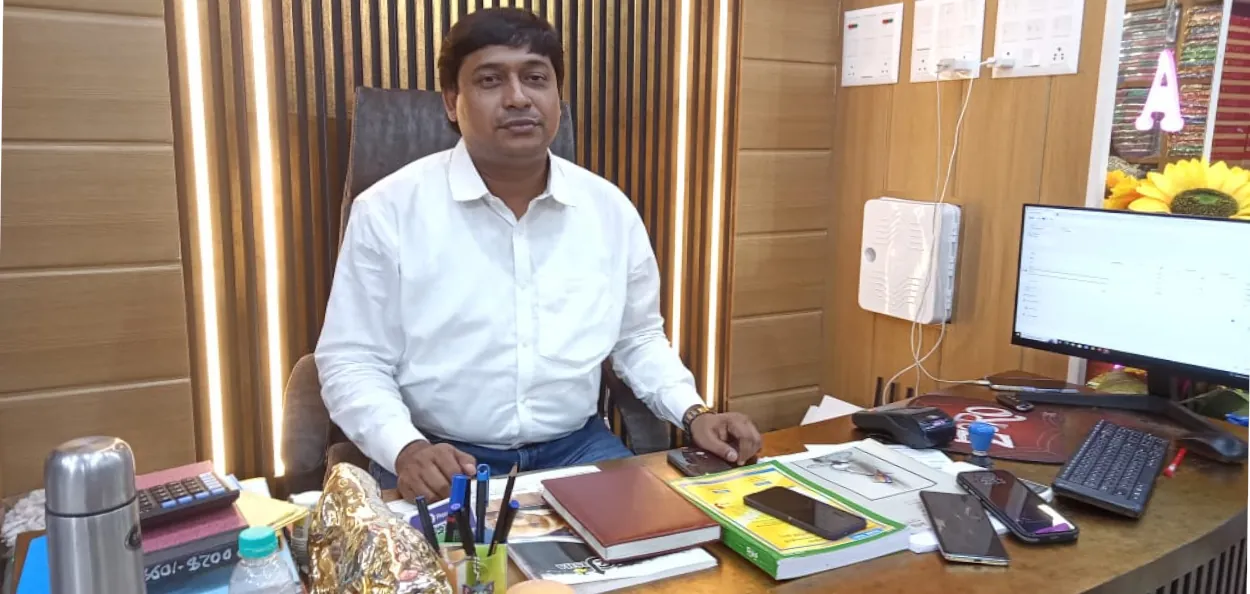
Thanks to Jahangir Mallik, thousands of people can earn their livelihoods directly or indirectly. A native of Bulbulitala in Burdwan, Mallik founded J.M. Bazar in 2019. His roots, however, are deeply entwined with Shantipur. In 2006, he started selling sarees from a small stall in Ghosh Market. Through perseverance, intelligence, and honesty, he now owns two large counters in the same market, having reached remarkable heights by the age of 40.
Despite his success, he has never forgotten his humble beginnings. Driven by social responsibility, he continuously supports those in need. Hundreds of rickshaw drivers earn their daily wages directly through his initiatives, while thousands more depend on him indirectly, demonstrating the remarkable scale of his impact.
Matiar Rahman
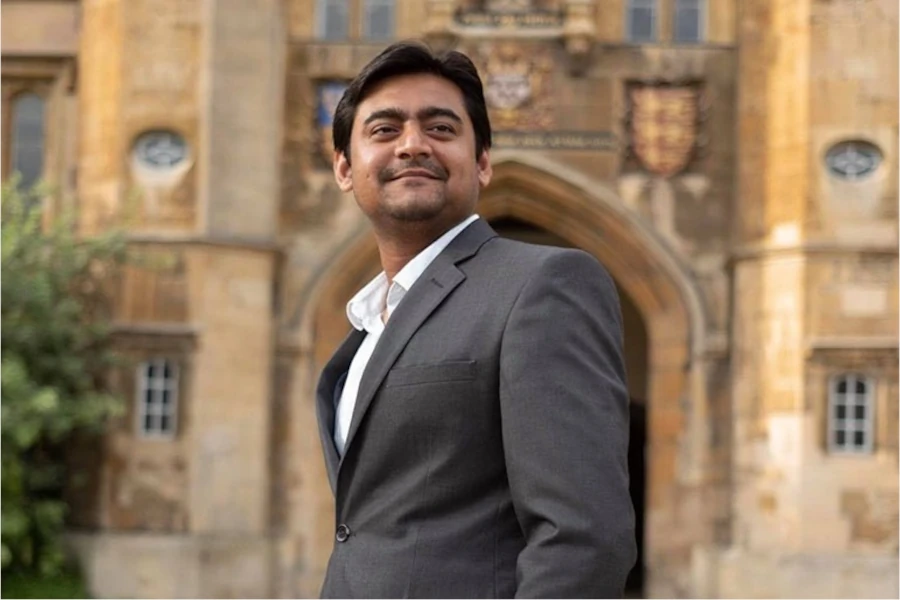
Saving the world from disaster has become the most pressing challenge of our time. Rising to meet this challenge with relentless determination is Bengali scientist Matiar Rahman. A senior scientist at the University of Cambridge, Rahman, together with Shubhajit Bhattacharya, developed the Artificial Leaf — a device that produces liquid fuel and oxygen using sunlight, water, and carbon dioxide.
Published in Nature Energy, this breakthrough transforms atmospheric CO₂ into ethanol, propanol, and other fuels while releasing oxygen. Since the fuels are generated from excess carbon dioxide, the process is net-zero, offering a renewable solution that could play a pivotal role in reducing atmospheric CO₂ in the near future.
Mostaq Hossain
Mostaq Hossain, one of West Bengal’s prominent industrialists and education enthusiasts, is widely recognized for his philanthropy. His initiatives have earned his village a notable place on India’s map. Deeply compassionate and committed to education, Hossain is also devout in his faith.
Through community-run residential schools, he promotes education without discrimination, fostering moral development and social responsibility.
He ensures that knowledge reaches everyone — regardless of religion, class, or background — guiding students to become responsible and empathetic citizens. With limited resources and immense dedication, he has planted the seeds of these ideals across more than 50 residential schools, nurturing the next generation.
source: http://www.awazthevoice.in / Awaz, The Voice / Home / posted by Aasha Khosa / August 30th, 2025
The seven-decade-old Urdu paper is set to go digital
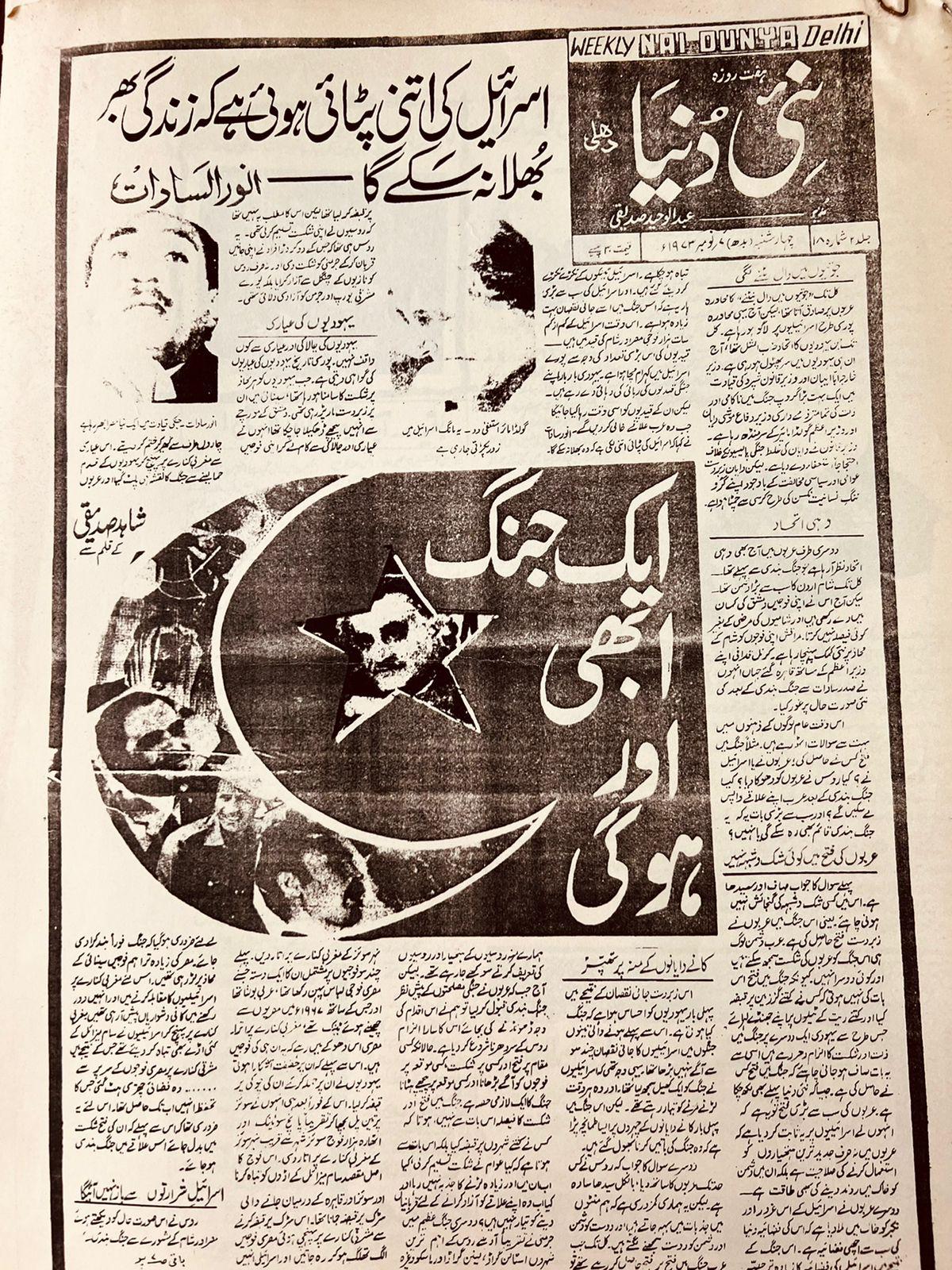
Milestone: Nai Duniya issues of 1973 | Photo Credit: Special Arrangement
A 72-year-old newspaper is ready to shave off its white beard. Helping it speak to the hep and happening young readers is the equally old editor-politician-author Shahid Siddiqui.
Starting in 1950 as an eveninger, Nai Duniya was among the first victims of COVID-induced restrictions and challenges. Now it is poised for a comeback albeit as a weekly in digital format. Siddiqui says, “At a time when it is difficult for even English magazines to find vendors, and given the increased online traffic, it makes sense to re-launch Nai Duniya in the language of the new world. We will revive Nai Duniya as an Urdu weekly in digital format.”
Siddiqui is the right person to revive the paper. He had re-launched it in 1973 after his father Abdul Waheed Siddiqui had to pay the price for skirmishes with the government. Recalls Siddiqui, “I was still pursuing my Master’s degree from Delhi University when I realised there was a demand for Nai Duniya. I revived the paper a little before Emergency and took on an established paper like Blitz which was quite popular among Urdu readers. At the time of Emergency, we were the only Urdu newspaper to criticise the government. Incidentally, Indira Gandhi gave us an interview soon after losing power in 1977.”
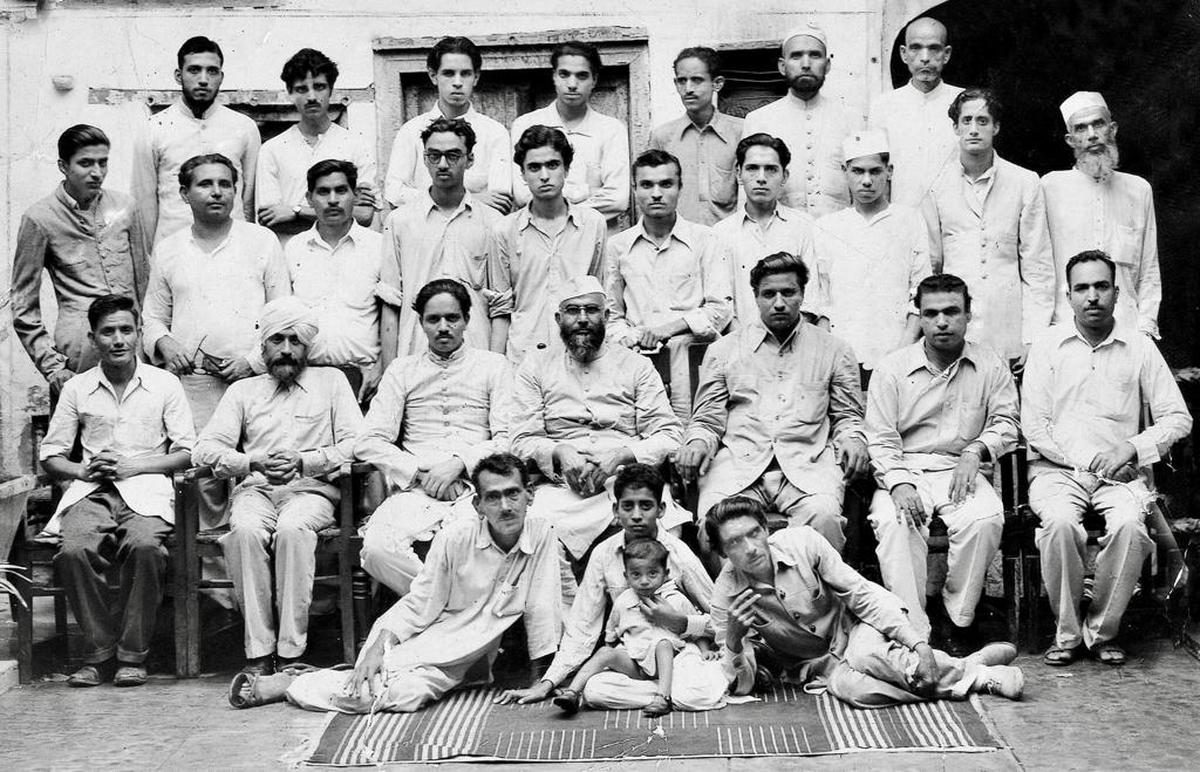
THOSE WERE THE DAYS Staff of Nai Duniya in 1951 with the founder Abdul Waheed Siddiqui (seated in the centre). Young Shahid Siddiqui, the present editor, can be seen in the lap of his brother. | Photo Credit: Special Arrangement
Though Nai Duniya developed distinct political contours over time, it started as a hangout zone for the best Urdu writers and poets of Old Delhi. Shortly after the paper went to press around 3 p.m., the poets and writers would gather at its office in Haveli Hisamuddin in Ballimaran. Over endless cups of tea, they would recite poetry, crack jokes and take a dig at the society and polity. Among them were the likes of Zubair Rizvi, Salam Machchlishahri and Josh Malihabadi.
As Siddiqui says, “My father had worked with Al Jamiat. After Independence, the newspaper refused to speak against the Congress party. He parted ways and started Nai Duniya instead.”
The good times of soirees and gentle jokes did not last long. Soon the paper found itself embroiled in a controversy related to Kashmir. The paper had opposed the arrest of Sheikh Abdullah. Its entry was banned in the State. The declaration of the paper was cancelled, its security forfeited and in 1964-65, the paper had to fold up.
“My father brought out two other papers instead – Himmat and Taqat. They did not last long. Then Nai Duniya was revived after Feroz Gandhi introduced a private member’s Bill in Parliament against asking for a security deposit for a newspaper. The Bill was passed. Nai Duniya once again raised its voice against the ongoing riots and paid the price. There were raids at our place, all the stuff was checked, even the pillows were ripped apart to see anything suspicious hidden there,” recounts Siddiqui.
Milestone: Nai Duniya issue of 2002 | Photo Credit: Special Arrangement
Finally, Nai Duniya came back in a new avatar as a weekly. Within six months, it became the highest-selling weekly in the country, selling from stalls in Kashmir to Karnataka. Denizens of Old Delhi, in particular, used to wait for it and would discuss its stories over endless cups of tea all over again. The government took note too. Its founding editor Abdul Waheed was arrested during the Emergency.
The Kashmir challenge remained for the paper. Siddiqui received death threats from Lashkar-e-Taiba, Hizbul Mujahideen, etc in the mid-80s. Recalls Siddiqui, “I was arrested under TADA after Farooq Abdullah’s government was felled.”
Yet amidst all the challenges, Nai Duniya flourished. Its office moved from the cultural hub of Old Delhi to the more upmarket Nizamuddin. From an eight-pager, the paper grew into a 24-page tabloid with stories carrying a punch. Along the way, it was the first to introduce computers in Urdu newspapers, started the concept of theme-based pages and invited the best journalists to write for it.
It worked well until the pandemic enforced its closure. Now at 72, it is set to revive again, this time as a digital newspaper, yet with the same old fire and punch.
source: http://www.thehindu.com / The Hindu / Home> News> Cities> Delhi / by Ziya Us Salam / June 24th, 2022
Speakers talked poignantly at the launch of Shahid Siddiqui’s novel about the indivisible history of India and Pakistan
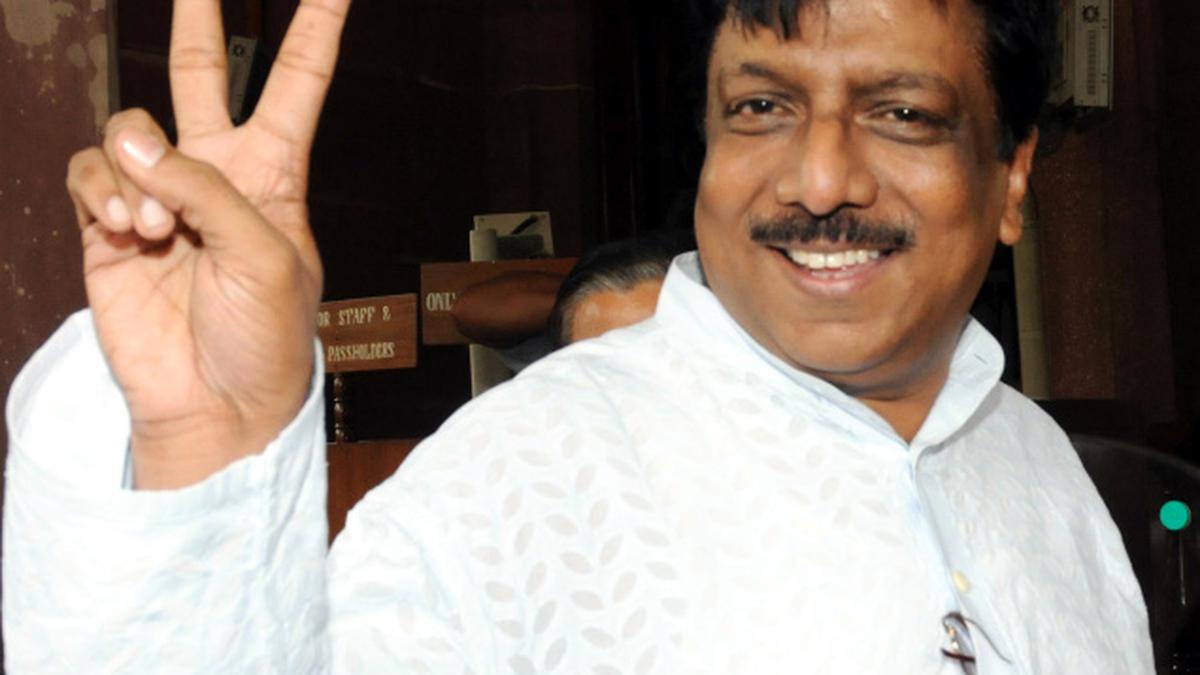
Shahid Siddiqui. Photo: R.V. Moorthy
The love-hate relationship between the people of India and Pakistan has been masterfully woven around the lives and aspirations of two brothers, Shiraz and Aijaz, by the politician and journalist turned author, Shahid Siddiqui. The launch of Siddiqui’s first work of English fiction, “The Golden Pigeon”(Harper Collins), saw a packed house at the India International Centre this Wednesday.
pix: harpercollins.co.in
The book was released by veteran journalist Kuldip Nayar who spoke passionately about the need to believe in Gandhi’s ideas of secularism and pluralism in this time of increasing hatred and ‘love jihad’. Barkha Dutt, group editor NDTV, moderated an interesting dialogue between the author, Nayar and noted film director Mahesh Bhatt.
Nayar recounted his experience of covering the post Partition riots — the disillusionment, horror of countless people rendered orphans and homeless, killed and maimed, families torn apart — and felt that Siddiqui’s book brought out the trauma and fear of Partition in a very sensitive manner. “The book reminds me of my younger days in Ballimaran — the old world charm, the magic of an era forgotten, the memories of riots. Reading the book brought tears to my eyes,” he said.
Barkha commented that the book is a story at many different levels, of schizophrenia about Pakistan’s devious designs to stir trouble in India, of dysfunctional love, manufactured stories about love jihad and passion.
Siddiqui said the book was rooted in his experiences of growing up in Shahjahanabad, the struggles of people in post Partition India, the invisible line drawn between the two countries, of aspirations, anger and fear of a people divided by a political decision. “My book is full of magical realism and begins from where the famous movie Garm Hava ends. It is a bird’s-eye view of the social upheaval and political turmoil in the subcontinent and post Partition angst. But this is not a political book at all,” said Siddiqui emphatically.
Bhatt felt that the book has what he likes to call ‘the perfume of sorrow’ and said he could easily identify with the central characters in the novel. “This book caught me by my jugular. It’s my life in print — a fiction of facts,” said Bhatt while discussing at length the dichotomy of growing up as the love child of a Muslim woman and a Hindu man. He recounted how his mother braved the odds to raise him as a Hindu while she hid her own identity as a Muslim under the garb of a mangalsutra and bindi. He also said the character of the beautiful Hina Kauser in the book was a portrayal of his mother’s steely determination to survive the odds. “The compass of our nation and that of Pakistan points towards hope. A time will come when the boundaries in our hearts and minds will fade away. The change has already begun,” said Bhatt.
source: http://www.thehindu.com / The Hindu / Home> Features> Metroplus / by Anasuya Basu / image edited : Harper Collins / November 21st, 2014
An excerpt from Shahid Siddiqui’s fascinating memoir of culture, society and politics
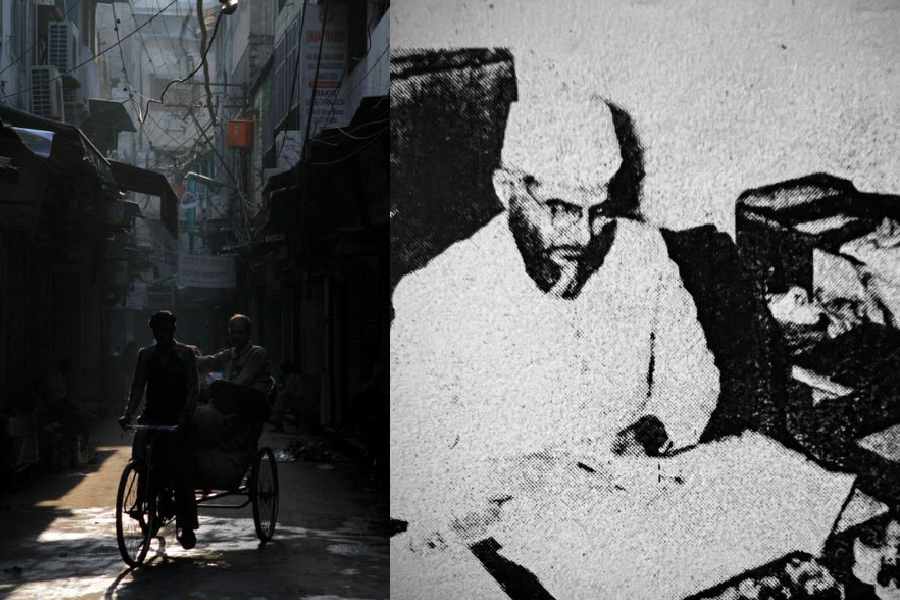
WORLD APART: The tangled lanes of Old Delhi where Abdul Waheed Siddiqui (right) started the evening daily Nai DuniyaSourced by the Telegraph
In those post-Partition days, there were unseen borders drawn in old Delhi — what in today’s parlance is called Delhi-6. There were Muslim and Hindu areas within the same lane. Haveli Hesamuddin in Ballimaran was the mohalla (locality) of a prosperous Muslim business community called Punjabis or the Shamsi baradari. It was, therefore, in common parlance known as ‘Punjabi Phatak’ (Punjabi Gate). In reality, they were not Punjabis, but had migrated from Central Asia; they were very fair-skinned, some of them had blue eyes and blond hair. None of them spoke Punjabi. Most of them owned shops and businesses in Chandni Chowk and Sadar Bazar. Many of them owned large showrooms and hotels in Connaught Place and Kashmiri Gate, with palatial houses in Civil Lines, which was at that time the most expensive and posh residential area of Delhi. Our family was one of the few non-Punjabis living there, and was looked upon with suspicion. The government and administration allotted us a house that belonged to a prosperous Muslim family that had migrated to Pakistan…
…In the 1950s, Ballimaran was in great turmoil, and undergoing significant demographic and emotional changes. While some prominent families had migrated to Pakistan, others were gravitating to this place from different parts of India. It emerged as the hub of new post-Partition Muslim politics and cultural renaissance. Things were changing, and education was becoming popular. Mohani shifted to our mohalla, and brought all the writers, poets, revolutionaries and freedom fighters with him. Ballimaran was known as the Mohalla of Mirza Asad Ullah Khan Ghalib. With Mohani also spending his last days here, it became a centre of activity for all those with patriotic zeal and revolutionary ideas. Prominent journalist Kuldip Nayar, who migrated from Lahore, came here to spend time with Mohani and practise Urdu journalism. Famous poet Josh Malihabadi, whenever he was in Delhi, preferred to stay here. Theatre practitioners like Habib Tanvir and Baba Niaz Haider found refuge in Haveli Hesamuddin and Ballimaran.
When Abba decided to resign from Aljamiat and launch a daily newspaper Nai Duniya in 1951, the ground floor of the haveli was converted into a newspaper office. For some time, we lived on the upper floor of this two-storey house, but later shifted to a house next door. The upper floor, with large rooms and enormous terraces, became the refuge for those who had no place to go. Nai Duniya was an evening newspaper, so all office work was over by the afternoon. After that, the whole office, its courtyard and terraces were available to idealists, culturally adventurous political mavericks, revolutionary young men, and the most outspoken journalists to spend their time there.
There would be rehearsals for a play on one terrace, while impromptu mushairas would be organized on the other if Jigar Moradabadi or any other famous poet were visiting the city. While Communist Party members would have heated debates on the class character of Nehru’s government in one room, in another, some ulema would plan relief work for some place where a communal riot had broken out. From Habib Tanvir and young M.F. Hussain to poets like Gulzar and Zubair Rizvi, many creatives spent their time in the Nai Duniya office. There were dozens of cots (charpai or khat as we call them in Hindustani) on the terrace. Anyone could sleep there, and have a cup of tea and nahari-roti for breakfast. Thus, in my growing years, my young mind was exposed to the most exciting and dynamic melee of ideas and cultural cocktails possible.
In 1952, a young woman called Sarla Gupta, who belonged to a prominent family of Delhi lalas, and lived in Haveli Hyder Quli in Chandni Chowk, came to meet Abba. She wanted to contest the municipal corporation elections from Ballimaran on a Communist Party of India ticket. She had just graduated from Delhi University, and was burning to change society and build a new India. It was unthinkable for a communist to contest and win from a predominantly Muslim constituency, and that too when the candidate was a young woman who had just graduated from university.
Muslims, who had been divided between the Indian National Congress and the Muslim League before Independence, believed that in independent India only Congress could help and protect them. Even those who harboured a dislike for Nehru, Azad and Patel now looked at them as their saviours, and voted for Congress.
They looked at the Hindu Mahasabha and the newly formed Bharatiya Jana Sangh (BJS) with suspicion and fear, apprehending that if these parties came to power, they would marginalize them and treat them as second-class citizens. They regarded any third party as ‘vote katwa’ (divider of their votes), which would ultimately help parties like the Hindu Mahasabha and BJS, which were trying to gain a foothold among Hindus in the post-Partition atmosphere of suspicion and hatred.
Abba’s undeniable spirit pushed him forward, and he agreed to back Sarla Gupta. She defeated the powerful Congress candidate with Abba’s support. It was a prestigious election for Muslim Congressmen, and a test case inasmuch as it was the first post-Partition election. This made the Congress government extremely wary.
Govind Ballabh Pant, a freedom fighter, close confidant of Sardar Vallabhbhai Patel, and the first chief minister of Uttar Pradesh from 1946 to 1954, was highly wary of communists, and regarded them as dangerous for the country. Sarla’s victory from a Muslim area was exaggerated to foment the fear that Muslims were gravitating in large numbers towards the communists. Some rightist Hindu organizations saw this election as a massive conspiracy — a political takeover of India by the communists with the help and support of Muslims. In the aftermath of the Partition when most Muslim leaders, even progressive ones, had left Indian Muslims in the lurch and migrated to Pakistan, the latter had no one to look up to or raise their voice, and believed that democracy was not meant for them, but only for the Hindu majority.
Reproduced with permission from I, Witness; by Rupa Publications
source: http://www.telegraphindia.com / The Telegraph Online / Home> Life / by Shahid Siddiqui / August 17th, 2025
During my childhood, I heard in Deoband that Haji Mastan, a notorious smuggler with the image of Robinhood, had sought permission to shoot a film at Darul Uloom, the famous Islamic educational institution in Uttar Pradesh. The film was based on a touching story of the undivided India and was about a Hindu woman adopting a Muslim child and raising him along with her son.
After the Partition, the Muslim boy migrated to Pakistan. Both boys became pilots in their respective countries’ air forces. They come face to face in the Indo-Pak war of 1965, where their planes collide and both die. The last scene of the film is heart-wrenching—the mother is seen carrying the bodies of both her sons on her shoulders.
I was reminded of this incident when I watched a vlog by retired Pakistani Lieutenant General Amjad Shoaib, in which he shared a true incident.
He told how Sahibzada Yakub Khan, who later became Pakistan’s foreign minister, was wounded by his elder brother, Yunus Khan, on the battlefield, at the hands of a brother.
Sahibzada Yakub Khan was born in Rampur in a Nawabi family. Before Partition, he and his brother Yunus Khan were officers in the British Army. After Partition, Yakub went to the newly created Pakistan, and Yunus stayed in India.
During the first Indo-Pak war of 1948, the two came face to face at the Kashmir border at the rank of Major. During the firing, Yunus Khan shot at a Pakistani officer—when he realised that the man was none other than his younger brother Yakub, he shouted, “Don’t mourn, Chotey (little one). We are soldiers, and we have done our duty.”
When General Manekshaw, a top officer of the Indian Army at the time, learned about this incident, he praised Yunus Khan’s courage and expressed sympathy for Yakub.
Years later, almost 36 years later, the two brothers met at Yakub’s wedding in Kolkata. They hugged and cried—a tearful reunion of brothers separated by war.
This incident makes it clear that questioning the patriotism of Indian Muslims is not only wrong but also unjust. Time and again history has shown—whether it is Brigadier Usman, Param Vir Chakra winner Abdul Hamid, or the Muslim soldiers martyred in Kargil—Indian Muslims have protected the country by putting their lives at stake.
People with fundamentalist ideologies, be they soft or hard, are unable to understand that Indian Muslims were not ‘internal enemies’ even in 1947 and they are not so even today.
They are spreading poison that neither benefits the country nor religion. After all, who would be foolish enough to think himself safe from the fire in his neighbor’s house?
Partition not only robbed Indian Muslims of their leadership but also deprived them of the educated class and family ties. Even today, there are thousands of families divided across the borders, who have not seen each other for years.
Children of Indian-Pakistani origin born in countries like America and Britain also face visa difficulties to meet their grandparents.
Late MP Syed Shahabuddin rightly said, “Indian Muslims are the real casualties of Partition.”
The story of Major Yunus Khan, who was forced to fire at his brother in battle while performing the duty of a soldier, has become a symbol of the complex identity of Indian Muslims and true patriotism. Hundreds of such Muslims have shed their blood for this soil, and this is our proud history.
source: http://www.awazthevoice.in / Awaz, The Voice / Home> Stories / by M Ghazali Khan / May 01st, 2025
Sheikh Abdul Karim, the star-soldier of the 1971 India-Pakistan War, is smiling again. The reason for his renewed happiness is the visit of a senior Indian Army officer to his home where he honoured him by presenting him a memento as a token of appreciation of his role in the 1971 war.
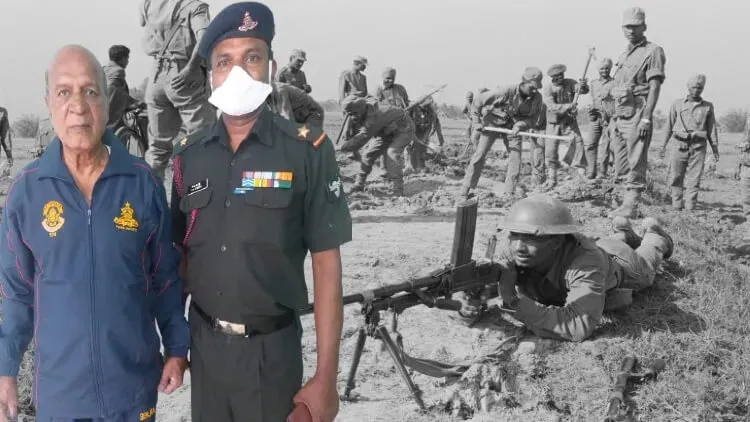
He was recently presented a track suit of the Artillery Regiment (Artillery), of which he was once a part; the visitor photographed him in the track suit before presented the same as a memento to him.
He was told that these photographs will be displayed in the regimental centers on the occasion of the Golden Jubilee of the 1971 war when the services of the brave soldiers like him will be recalled and commemorated.
It may be recalled that the media including Awaz-the Voice had highlighted the story of Sheikh Abdul Karim, who was facing extreme financial troubled in the wake of the Covid-induced lockdown.
On the instructions of Colonel Ajay, Commandant of Artillery Regiment, Subedar PK Swami reached the house of Sheikh Abdul Karim. He made him wear the track suit and clicked his picture before presenting the dress to him.
Picking media reports, the Army reconnected with Sheikh Abdul Karim and recalled his services. He was invited to his regiment where he was felicitated and welcomed by the personnel and the officers.
From that day, the Indian army has taken up the task of backing him up in getting all his issues, including non- payment of pension, sorted.
Sheikh Abdul Karim had served in the Army for nine years and participated in the India-Pakistan wars of 1965 and 1971.
In the 1971 war, he was deployed as a wireless operator on the Lahore border. This is the area where Pakistan had entered 10 to 15 km inside the Indian territory and where Havaldar Abdul Hameed destroyed a full fleet of Pakistani Patton tanks and attained martyrdom.
He was awarded the Star Medal in addition to the special award in the 1971 war. His name is also inscribed on the medal.
However, today at the age of 71, he has become an auto-rickshaw driver to support his family. He doesn’t even have a house and lives in rented accommodation.
Abdul Karim served in the army for almost 9 years. Received several medals for outstanding services.
Speaking to Awaz-The Voice, Sheikh Abdul Karim said that Army is in touch with him regarding all his unresolved problems. The army not only encouraged them, but also helped in getting his problem resolved.
Sheikh Abdul Karim had been allotted 5 acres of land in Golapali, by the government for being as ex-serviceman. The land remained was in his name when one dayu he found, the government had reallocated it among seven locals.
After he complained he was allocated five acres of land at the other place. However, the documents of this allotment are yet to get finalized and reach him. Sheikh Abdul Karim said that the army has taken cognizance of this problem.
Sheikh Abdul Karim also asked the Telangana government to provide him a double bedroom house as he currently lives with his wife in a small rented house.
He expressed happiness on the support provided by the Indian Army.
source: http://www.awazthevoice.in / Awaz, The Voice / Home> Stories / by Sheikh Mohammed Yunus, Hyderabad / November 05th, 2021
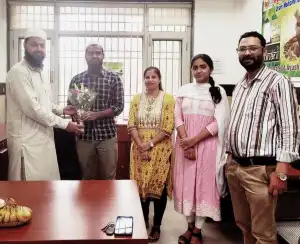
Interview of A young doctor Mustaqeem Pathan resident of Erandol Tehsil of district Jalgaon, Maharashtra has been selected for the post of Research Officer (Scientist) in CCRUM under the Ministry of AYUSH, Government of India.
The Central Council for Research in Unani Medicine has released the list on june 30 of the candidates,who were selected for the post of Research Officer,in which Mustaqeem Pathan of the historic city of “Erandol” has secured the Class-I Gazetted Post Group-A. This achievement is very important for Mustaqeem as his journey of success has been full of difficulties.
Mustaqeem’s parents worked hard to gave him the jewel of higher education. Mustaqeem’s father was a porter and his mother managed her son’s education by sewing & running the household.
Mustaqeem started his early education from ZP urdu medium School. Mustaqeem Passed 10th and 12th from Anglo-Urdu High School. Later completed his BUMS degree in 2017 from Jamia Akkalkuwa and was topper of the Maharashtra Health University in two subjects.
Musaqeem started his own clinic to ease the burden of financial problems to give comfort his parents. Mustaqeem told, I got an opportunity to serve the people, enthusiastically I practice for one year,but despite this I never feel satisfaction, though i help lots of poor people. I started preparing for PG entrance with passion and to do something more got admission in National Institute of Unani Medicine, Bangalore on the basis of very good All India Rank.
Thoughts of preparing competitive exams comes in my mind when I am in 2nd year of my Medical PG at Banglore. As soon as I finished PG, I started preparing for civil services. I joined Aligad Muslim University (RCA) after qualifying interview but due to some problems I had to come back to my home town.
In an exclusive conversation Dr Mustaqeem Pathan further said, I started self-study again while staying at home. Appeared the prelim exam of UPSC but could not get success with due to few marks only.
Later I moved to Hamdard RCA, Delhi, after discussion to Deputy Director of JHRCA in Hamdard, I joined Liaquat Sahibs private coaching in Batla House Delhi, where i am preparing for the last 7 months. It was from here that I successfully cleared the stages of Asst. Professors exams and the CCRUM exam.
I would like to attribute my success to my parents especially my dear father who passed away a few years ago. It is the result of their hard work that I have reached on this place today.
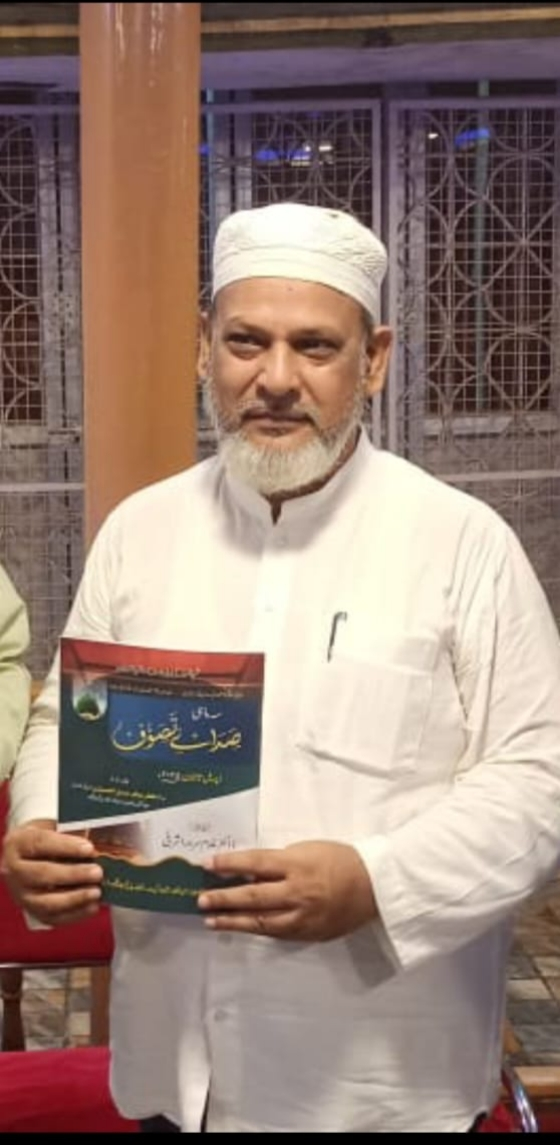
Dr Syed Ahmad Iqbal founder Chancellor Halima Aziz University, Manipur & Goodwill Ambassador Indo Arab Society Mumbai Attended as Guest of Honour Research Book on History of Khanqah Peer Damaria, Bhagalpur,Bihar& Quarterly Magazine Sada-E-Tasawuf in Urdu Language Release function held at Khanqah Peer Damaria,Khalifa Bagh on Wednesday,18th June 2025.
On this Special Occasion Sajjada Nasheen of Khanqah Peer Damaria Syed Shah Fakhre Alam Hasan Mazahari Presided over the function .
Cross section of the Society including Research Scholars, Historians, Educationist and Journalists attended the function and appreciated the welfare Works and Movement and Message for National Integration, communal Harmony, Love and Peace among the Communities from Khangah Peer Damaria, Khalifa Bagh, Bhagalpur.
source: http://www.salaampeople.com / Salaam People / Home> Community Round Up / by Salaam People National Desk