Category Archives: Uncategorized

How a Khoja Family Helped Wire the Empire: The Chinoys and the Making of Cosmopolitan Capitalism

Mumbai (formerly Bombay), MAHARASHTRA :

Bombay’s Chinoy family pioneered India’s international wireless communication and shaped cosmopolitan capitalism in the colonial era.
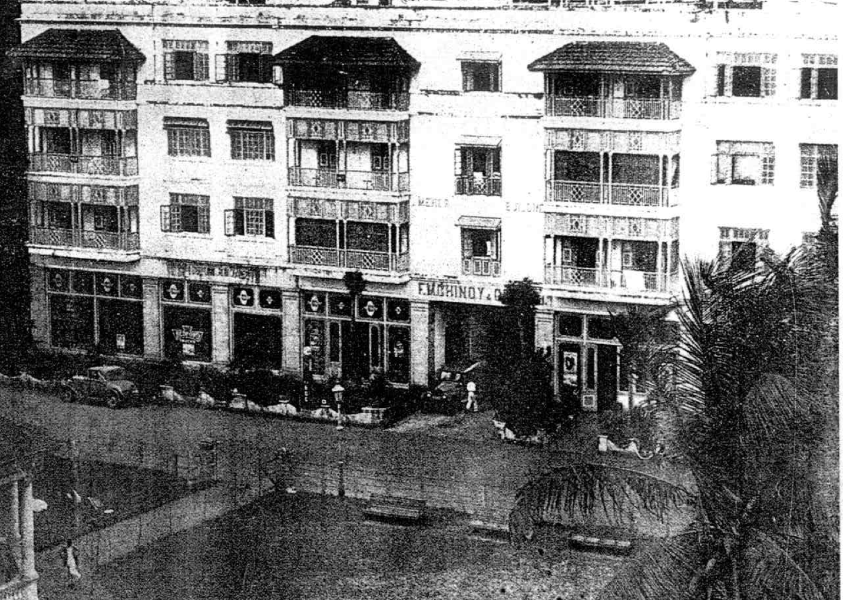
The Bombay Garage in Meher Building, near Chowpatty Band Stand in Bombay, was chosen as the family home by Sultan Chinoy, one of Meherally Chinoy’s four sons. Photo: Public domain.

In the crowded economic history of colonial India, the spotlight is often trained on a familiar cast: the Parsis of Bombay – Tatas, Wadias, Godrejs; the Marwari financial giants of Calcutta like the Birlas; and Hindu industrial houses. These communities unquestionably shaped the contours of Indian capitalism. Yet this focus obscures the contributions of other groups who played pivotal roles in connecting India to global circuits of technology, finance and communication.

One such story is that of the Chinoys, a Khoja Ismaili Muslim business family from Bombay. Their rise from the China trade to the helm of India’s international wireless communication network illuminates a distinctive moment in India’s economic history – one in which indigenous capital, imperial technological ambition and flexible, cross-community partnerships came together to produce what we may call cosmopolitan capitalism.

This story not only unsettles the notion that Gujarati Muslim traders were confined to Indian Ocean commerce; it shows how local entrepreneurial families could position themselves at the centre of the empire’s most advanced technological systems.

The Chinoys: a family emerges

Like many Bombay merchant families, the Chinoys began in maritime trade. Their patriarch, Meherally Chinoy, started in the mid-nineteenth century as an apprentice to the Khoja merchant prince Jairazbhoy Peerbhoy. Through repeated voyages to China and Japan, he built a reputation for commercial acumen and established both capital and credibility. His sons consolidated and expanded this base.

By the 1920s, the family firm – Fazalbhoy Meherally (F.M.) Chinoy & Co. – had diversified into wheat, pearls, kerosene, postal contracts, cinema exhibition and, most famously, the Bombay Garage, one of India’s earliest and most successful motor car agencies.

Diversification, community networks and political visibility placed the Chinoys among Bombay’s prominent business families. They sat on the Municipal Corporation, held the Sheriff’s office and participated in legislative bodies. This broad civic footprint would soon prove crucial when new technological horizons opened.

The opportunity of empire: wireless communication

By the early twentieth century, the British Empire faced a strategic challenge: the submarine cable network, long considered the Empire’s “nervous system”, was overstretched. Radio communication offered a faster and cheaper alternative. The Marconi Wireless Telegraph Company proposed in 1910 an ambitious ‘Imperial Wireless Chain’ linking London to its colonies through long-wave radio. Yet Britain hesitated. Monopolistic power for a private company raised political alarms, and various government committees stalled progress.

The late Meherally M. Chinoy, who began by acquiring the licence for Shell, and the late Fazulbhoy M. Chinoy, one of Meherally Chinoy’s four sons, who was in the automative business in Bombay. Photo: Public domain.

Meanwhile, the Government of India – more pragmatic and less suspicious of private enterprise – was open to experimentation, provided the enterprise was Indian-led and financially sound. Into this space stepped the Chinoys.

In 1921, Sultan Chinoy travelled to England to negotiate with the Marconi Company and secure rights for India. It was a bold move; a single Bombay firm seeking to collaborate with one of the world’s pre-eminent technology companies was far from routine. But the Chinoys had two advantages: capital and credibility. Marconi demanded stringent terms, including a steep price for patents and proof that at least half the investment would be raised in India.

Understanding that they needed support beyond their own family, the Chinoys assembled a board that looked like a snapshot of Bombay’s commercial elite: the Parsi industrialists Cusrow and Ness Wadia, the Hindu financier Sir Purshottamdas Thakurdas, and the respected Muslim leader Ibrahim Rahimtoola, among others.

This coalition reassured the colonial state that the venture was both financially stable and politically broad-based. The resulting company, the Indian Radio Telegraph Company (IRTC), represented one of the most ambitious examples of cross-community capitalist cooperation in the late Raj.

Beam wireless comes to India

In 1925, the IRTC secured a ten-year licence from the Government of India. But just as the long-wave system was ready to proceed, Marconi announced a breakthrough: shortwave or “beam” wireless, capable of transmitting messages 95% cheaper and three times as fast. The IRTC pivoted immediately, abandoning the long-wave model in favour of the beam system. By 1927, the India–England beam service opened to great fanfare.

Within a week, message traffic exceeded expectations; within a year, the company handled millions of words of international communication. Beam wireless rapidly undermined the older cable telegraph companies, leading to a merger in 1932.

The new entity, the Indian Radio and Cable Communications Co. (IRCC), managed virtually all of India’s external traffic. In short order, an Indian-led company had assumed control of India’s most sensitive international communication infrastructure.

The IRTC succeeded because the Chinoys excelled at uniting Parsi, Hindu and Muslim capitalists, ensuring political legitimacy and financial strength. The brothers also recognised that mastery of cutting-edge communication technology would give Indian business unprecedented leverage.

Bombay was a major centre for the Khilafat movement, and many Muslim merchants faced financial ruination because of their association with the pan-Islamic movement. The Chinoys, however, stayed away from politics generally and the movement specifically, and prospered. The Khilafat movement was seen as a threat by the empire.

The Chinoys also led the Indian Broadcasting Company (IBC), launched alongside the IRTC. But while beam wireless thrived, the IBC collapsed. The reasons were structural. The government could not agree on the scale and scope of broadcasting, the sector required heavy infrastructure investment. Besides, the company was undercapitalised.

By 1930, it was liquidated; by 1936, its successor became All India Radio. Yet even this failure generated influence. Sir Rahimtoola Chinoy became president of the All India Radio Merchants’ Association, a powerful industry group, positioning the family at the centre of radio trade and regulation.

The legacy of cosmopolitan capitalism

The wireless story reveals a great deal about Bombay’s business world. In an era of rising nationalism and sharpening communal boundaries, major commercial projects still relied on inter-communal coalitions. The IRTC’s leadership – Khoja Muslim entrepreneurs partnering with Parsi industrialists and Hindu financiers – represented an economic cosmopolitanism that was both pragmatic and visionary.

The Chinoys used this moment not simply to participate in imperial networks but to shape them. Their stewardship of India’s international communication system lasted until 1947, when the newly independent state nationalised the IRCC. By then, they had already secured their place among the country’s leading capitalists and public figures, holding senior positions in banks, municipal bodies and national economic delegations.

The Chinoys’ story disrupts familiar narratives of Indian capitalism. Gujarati Muslim traders were not merely marginal or ocean-oriented merchants; they were capable of driving technological transformation at the very heart of colonial infrastructure. Their story underscores how families could convert commercial networks, political relationships and technological foresight into durable economic power.

For readers interested in the full archival study and the complete analytical argument, the original research article is available in Indian Economic and Social History Review.

Danish Khan is a historian and journalist based in London. His DPhil thesis is under contract to be published by Cambridge University Press.

source: http://www.thewire.in / The Wire / Home> Analysis> History / by Danish Khan / November 26th, 2025
Bridging Divides, Building Bonds: How ‘Know Your Neighbour’ Is Redefining Harmony in Kolkata

Kolkata, WEST BENGAL :

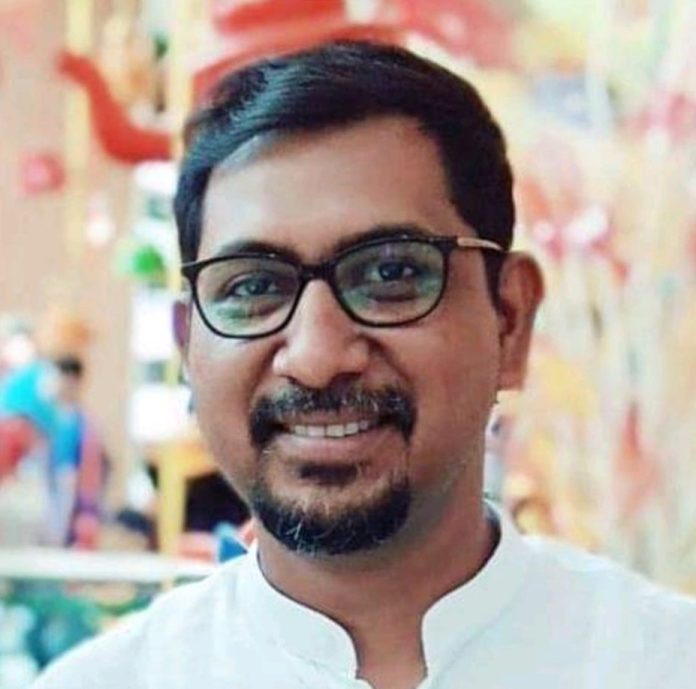
Sabir Ahamed, Programme Director at Pratichi Institute, Pratichi (India) Trust, and Founder Director of the Sabar Institute

Sabir Ahamed is the Programme Director at Pratichi Institute, and Founder Director of the Sabar Institute. His research spans the socio-economic status of Muslims in India, child protection, and education. He is proficient in analysing official datasets (NSS, Census, DISE, AISHS) using tools like Stata and R. Sabir has led largescale research and evaluation projects for the Government of West Bengal, including assessments of Kanyashree Prakalpa, Sabooj Sathi, Duare Sarkar, Lakshmir Bhandar, and the PM Poshan School Nutrition Garden Survey. He is currently leading the Human Development Report 2025 for West Bengal and directed the Second Human Development Report for Tripura.

His experience includes work with international organisations like Railway Children UK on projects supported by the European Union and UNICEF.

He served as the West Bengal State Lead for a UNICEF-commissioned study on secondary education transitions and was awarded the Just Transition Writing and Research Fellowship at IIT Kanpur (2022–2023).

He actively promotes the RTI Act (2005) in West Bengal and is a core member of the Know Your Neighbour campaign. He contributes op-eds to national dailies and has co-edited publications on development issues.

Excerpts from his interview with Mohd. Naushad Khan:

Q: How was the idea Know Your Neighbour conceptualised, when and how did it start, and what was the basic objective of this campaign?

We started the initiative because we noticed a deep division between different communities in our city.  The immediate context was the publication of a report titled ‘Living Reality of Muslims in West Bengal’ in 2013. The findings shed lights on the deplorable condition of Muslims in West Bengal, yet a large section of people was unaware the status of Muslims. Many academics and Journalists were surprised to see those facts, especially they were educationally and economically backward. Secondly, historically different communities are living in the city for generations, Partition has created some chasm between Hindus and Muslims. The worst outcome is the spatial segregation – this led to the concept call ‘living together separately’. This gave birth of a plethora of myth and misconception about the Muslims.

We found that even well-meaning and educated people in Kolkata knew very little about the city’s Muslim community, even though it makes up 20% of the population.

We learned that most people didn’t visit Muslim-majority neighbourhoods because they didn’t have friends there or, in some cases, they believed the areas were unsafe.

To break the misinformation about Muslims and its neighbourhood, Know Your Neighbour (KYN) started neighbourhood walk in 2026. Till then, thousands of young people had participated in the walks and discussion.

The main goal is to build familiarity between communities that live close to each other but knew little about the other. The campaign aims to break down stereotypes and overcome the ignorance and distrust that can grow from different religious identities. This ignorance and distrust are the biggest barriers to communal harmony.

Q: Since its inception, how do you see the journey of KYN, and what were the challenges faced so far?

The journey of KYN involves actively bringing people from different backgrounds together. The main way it does this is by organising walks or visits to:

  1. Areas with large Muslim populations, like Metiabruz and Rajabazar, Kidderpore, etc.
  2. Places with shared, syncretic histories, like the Daptaripada area near College Street, where book-binding communities have co-existed.
  3. Sites that remind people of the legacy of past communal violence, such as Selimpada.
  4. Areas facing common problems that affect everyone, like pollution in the Rajapur canal, where both Hindus and Muslims use the water.

The campaign also organises events like Dosti ki Iftar (Friendship Iftar) and joint Durga Puja celebrations, allowing people to learn about and join in each other’s religious festivals.

The main challenge the campaign faces is ignorance, stereotypes, and fear that keep communities separated from each other.

Q: What has been the impact of KYN in Bengal, and how have people responded to this campaign?

Over the years, neighbourhood walks conducted by KYN have made a lasting impression on young minds, promoting peace, social cohesion, and pluralism. Around 1,500 students have joined us in exploring overlooked neighbourhoods across Kolkata through these immersive walks.

The initiative aims to instil core constitutional values – secularism, pluralism, and fraternity – through lived experiences and encounters with historical memory embedded in the urban fabric. These walks offer students a unique opportunity to engage with diverse communities, reflect on shared histories, and foster a deeper understanding of inclusive citizenship.

In collaboration with Maulana Azad College, our language course in Arabic, Persian, and Bengali enabled about 90 students to learn the basic reading of these languages. These programmes strengthen cultural roots and encourage appreciation for linguistic plurality.

We run a WhatsApp support network of over 850 students from marginalised areas, offering career counselling, peer mentoring, job opportunities, and regular workshops to help them navigate academic and professional spaces. We have trained more than 250 students on career counselling.

In partnership with Swayam and Azad Foundation, we’ve held group counselling sessions for children affected by communal tension, providing psychological support and nurturing safe spaces for recovery.

We conducted a hands-on RTI (Right to Information) workshop for students and professionals, teaching them how to use RTI to uncover critical datasets and hold government institutions accountable. Many participants have since used RTI to pursue issues of social relevance.

We host regular book reading and discussion sessions with acclaimed writers and scholars. Sabar Institute’s data for better lives initiative regularly post data on discrimination, lack of opportunity among the disadvantaged communities.

People, including college students, have started visiting Muslim-majority areas, even without our facilitation. The response from students has been particularly rewarding. These students, who had often been told by their parents not to go into minority areas, visited them and reported that they do not feel unsafe.

Q: Why do you think such campaigns are necessary in Bengal and elsewhere in the country?

Campaigns like KYN are necessary to repair growing divisions in our society. They are needed to address the loss of camaraderie between communities. The goal is to stop ignorance and indifference from turning into alienation.

Even among the educated city-dwellers, there is often a lack of friendship and familiarity with people from other communities. Campaigns are necessary to remove the distrust and ignorance that come from religious differences, calling this the biggest barrier to communal harmony. In a time of divisive politics and attacks on secular values, new ways of building unity are needed. Campaigns like KYN are important because they build social solidarity and brotherly or sisterly bonds directly between citizens.

Q: Finally, how can such a campaign add to the concept of a value-based society?

These campaigns are a key part of building a value-based society, as they focus on human connection.

The campaign helps build fraternity, which is a core value in the Indian Constitution. This means it focuses on building strong relationships and bonds of trust among citizens.

Instead of just using rational intellectual arguments for equality, these campaigns use shared cultures, local histories, and neighbourhood connections. This has a broad emotional appeal and helps trigger empathy in people.

By creating deeper emotional solidarity, the campaign helps people connect based on the shared value of equality. Ultimately, by creating new friendships and shared celebrations, these campaigns help to repair and restore the social fabric and build a more inclusive and united society.

source: http://www.radiancenews.com / Radiance News / Home> Face To Face> Focus / by Radiance News Bureau / November 20th, 2025

7 ways in which Indian Muslims are making India great

INDIA :

Indian Muslims

Indian Muslims can play a vital role in making a strong India by actively participating in the country’s development and progress. Here are the seven ways that can make Muslims, about 15 percent of India’s population, participate as equal citizens in making India a peaceful and prosperous nation.

1. Education: Education is the key to empowerment and progress. Indian Muslims should focus on getting a good education, particularly in science, technology, engineering, and mathematics (STEM). This will benefit them individually and make them contribute to the country’s growth. The literacy rate of Muslims is 68.5%, much below the national average. Madrassa education needs to be complemented by regular education. In recent years there has been a lot of activity within the community for better educational outcomes.

2. Entrepreneurship: Indian Muslims should explore entrepreneurship opportunities and start their businesses. The community has produced renowned entrepreneurs who are an important part of India’s growth story like Azim Premji (Chairman, Wipro), M. A. Yusuff Ali, Chairman of LuLu Group and Yusuf Khwaja Hamied (Chairman, Cipla) Entrepreneurship is the most effective antidote against joblessness within the community.

3. Community Development: Indian Muslims should actively participate in the development of their communities. They can contribute to social welfare projects, health initiatives, and education programs to uplift their communities. Faith-based organizations play an important role to fill the gap between government and NGOs.

4. Political Participation: Indian Muslims should actively participate in the political process by voting and running for public office. This will enable them to have a voice in the country’s decision-making process and help shape policies that benefit all communities. They must put development and progress above everything else and benefit from the fruits of democracy. India has seen Muslims holding the highest offices in the Country, like the President of India, Vice President of India, Chief Justice of India, Chief Election Commissioner of India, and the Director of the most sensitive Intelligence Bureau. India is a land of equal opportunity for all communities.

5.  Interfaith Harmony: Indian Muslims should promote interfaith harmony and work towards building bridges with other communities. This can be done by organizing cultural exchanges, community events, and dialogues to foster understanding and respect among different religions and cultures. There are a lot of misunderstandings within the community about other faiths and there are also a lot of wrong ideas prevalent in other communities about Islam. It is only through dialogue and search for common ground that these fault lines can be bridged.

6. Patriotism: Indian Muslims should take pride in their country and work towards its development and progress. They can participate in initiatives such as Swachh Bharat Abhiyan, Digital India, and Skill India to contribute to the country’s growth. Confusion is spread that Islam is a transnational faith and there is no scope for patriotism in it. However, scholars like Javed Ahmad Ghamidi have argued that nationalism can be a positive force if used to protect the rights and interests of Muslims and promote their welfare. In his book Mizan, Ghamidi writes that “The Quran and the Sunnah do not prohibit nationalism, but they do prohibit the use of nationalism to justify aggression and oppression against other people or groups.

7. Muslim women and marginalized Muslims: Indian Muslim community needs to fast-track various reform initiatives that can help Muslim women in realizing their rights and develop to full human potential. There has been a lot of resistance to accepting new ideas on this front and Muslim women and trans-people, Pasmanda Muslims, Shia, Ahmadi, and other divergent schools of thought within Islam need to be tolerated and respected. India’s syncretic traditions are all about a sense of community between people of different denominations. And by promoting ideas of tolerance and acceptance, Indian Muslims will be doing a great service to the idea of India.

Dr Shomaila Warsi teaches in the Department of Political Science and International Relations, Maharaja Agrasen College, Delhi University.

source: http://www.awazthevoice.in / Awaz, The Voice / Home> Heritage / by Dr Shomaila Warsi / February27th, 2023

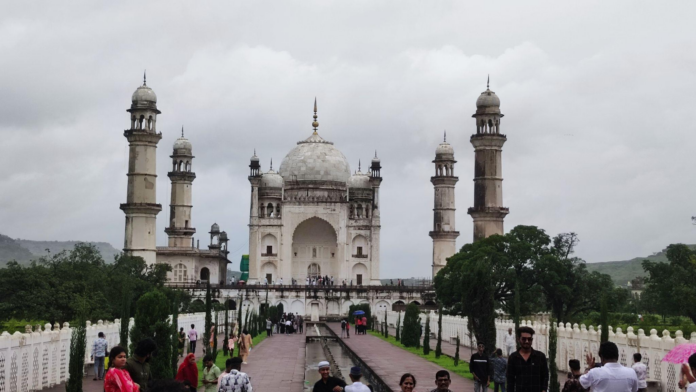
Once a Rival to Taj Mahal, Mughal Gem Bibi Ka Maqbara in Aurangabad Struggles to Survive, Loses Its Luster

Aurangabad, MAHARASHTRA :

The Archaeological Survey of India, which manages the site, seems to have turned its gaze elsewhere, leaving the Maqbara to weather time’s relentless assault. (Courtesy: Aditya Porwal)

Aurangabad (Maharashtra): 

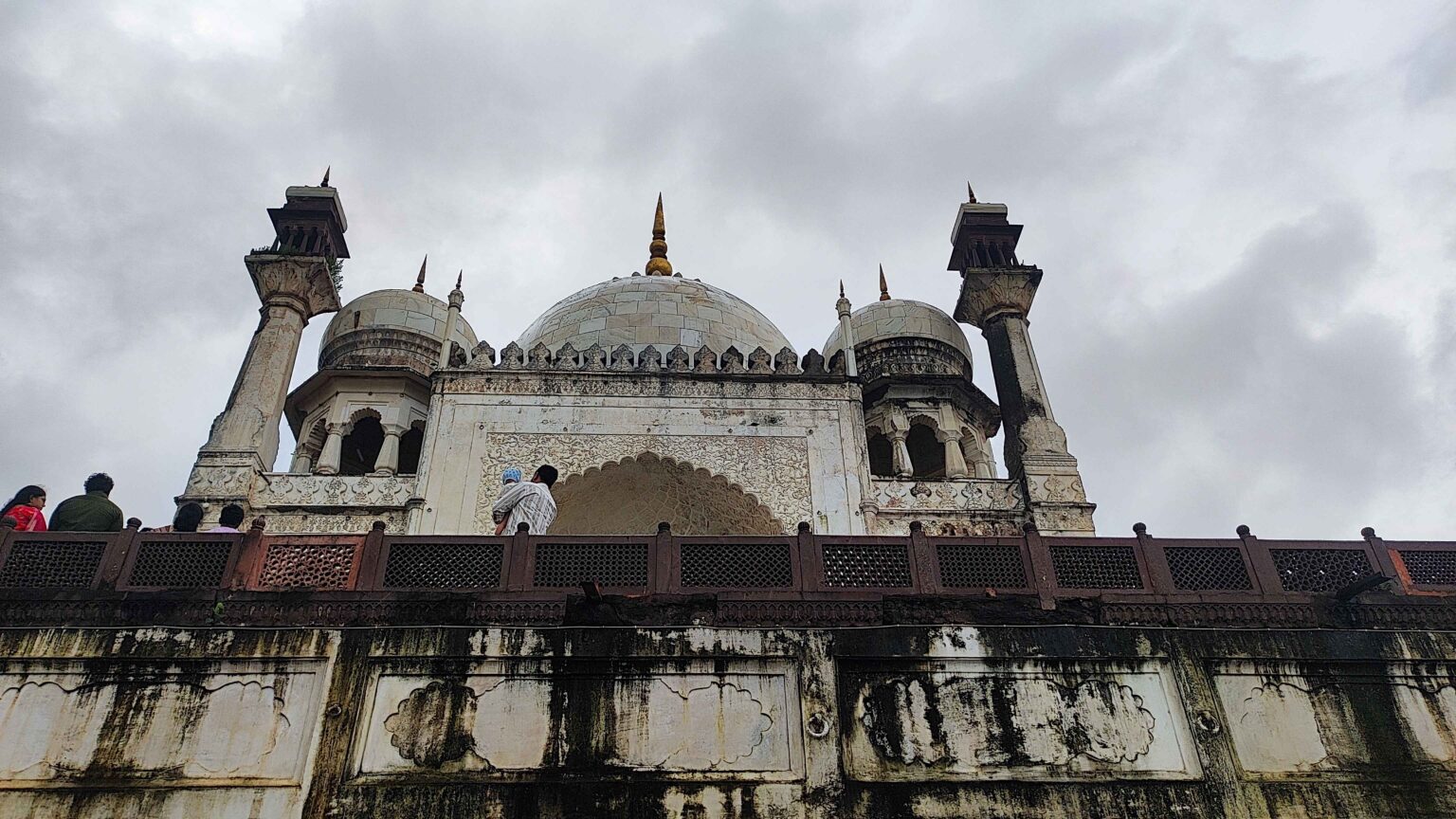
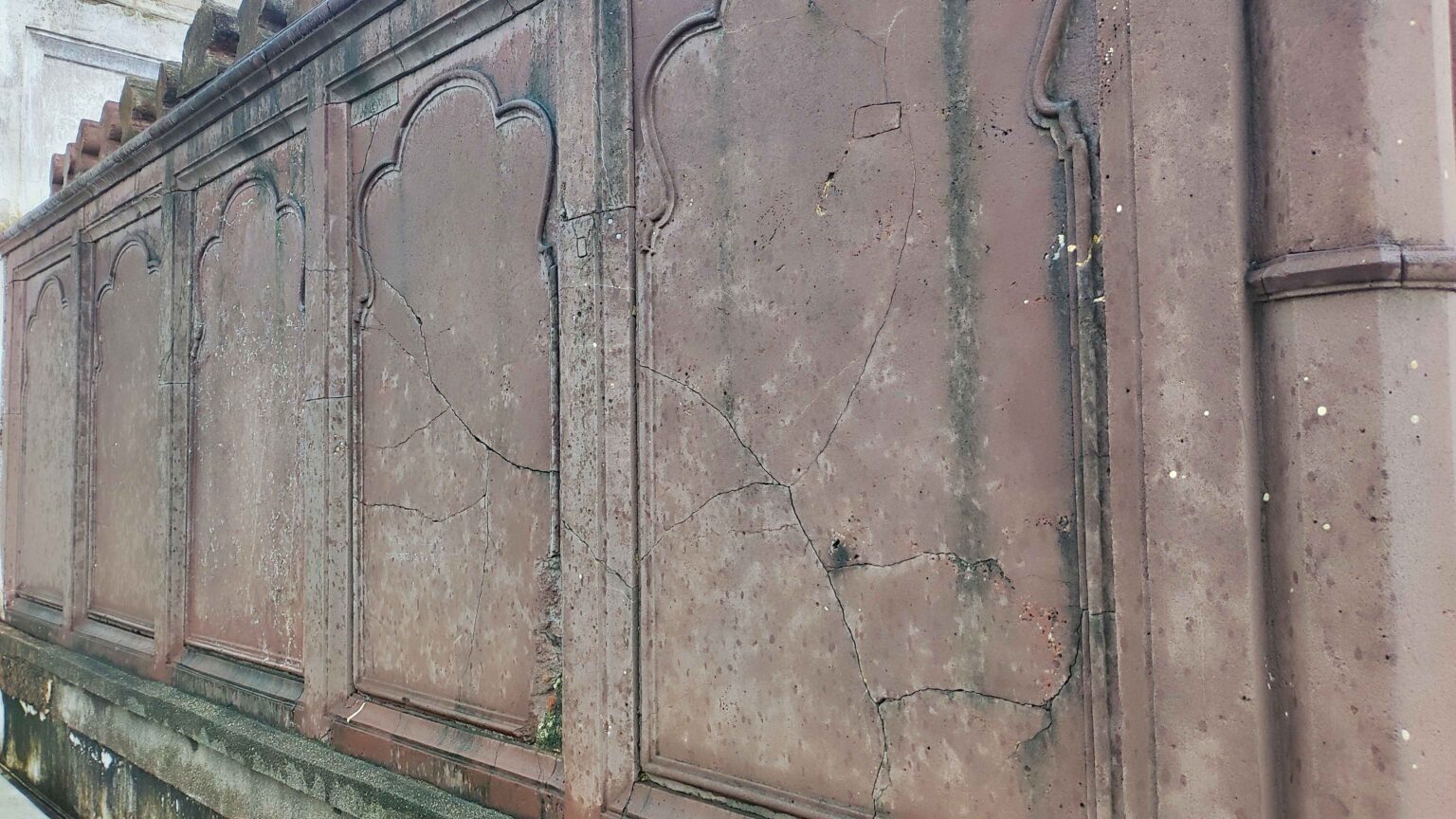
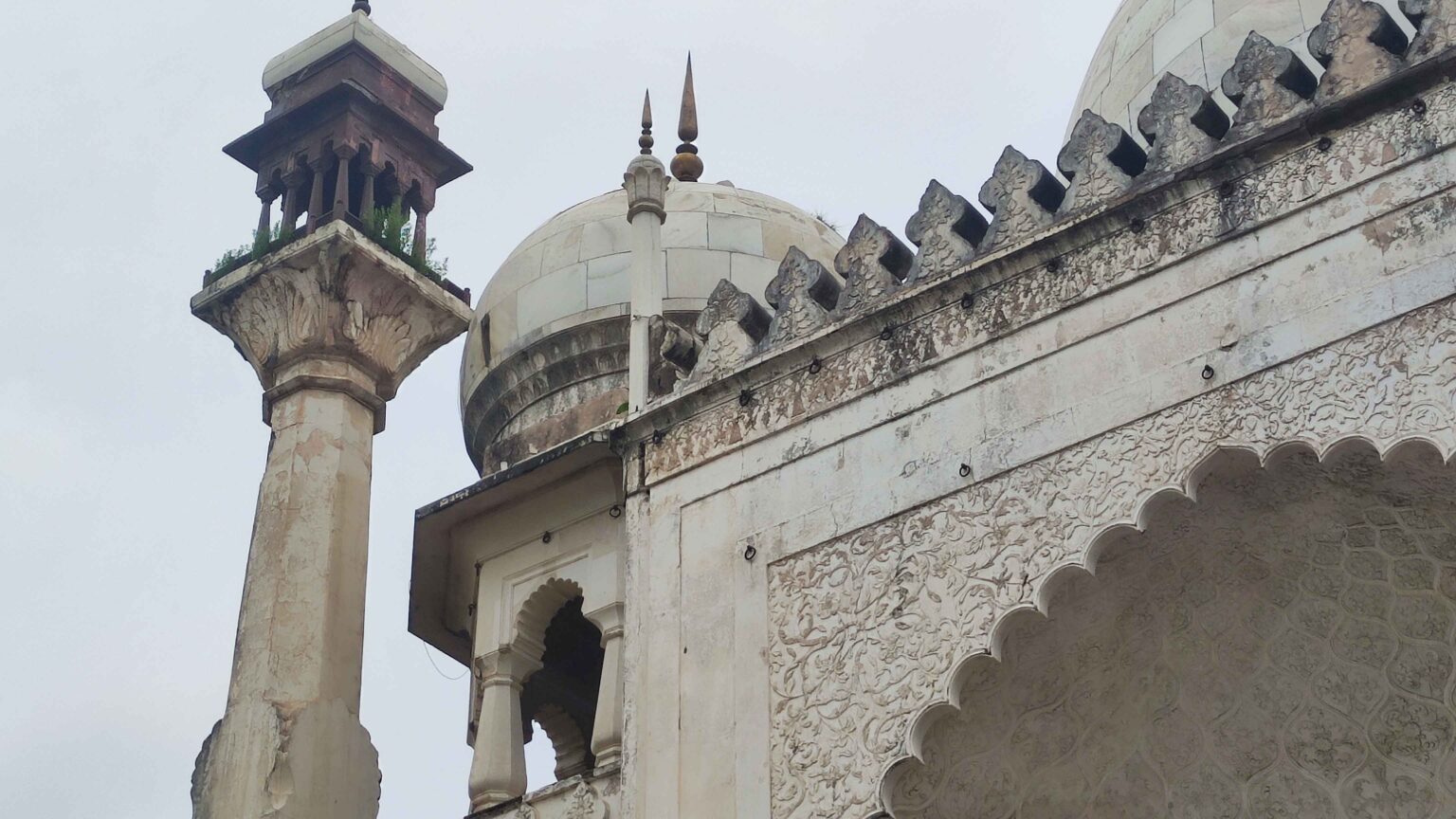
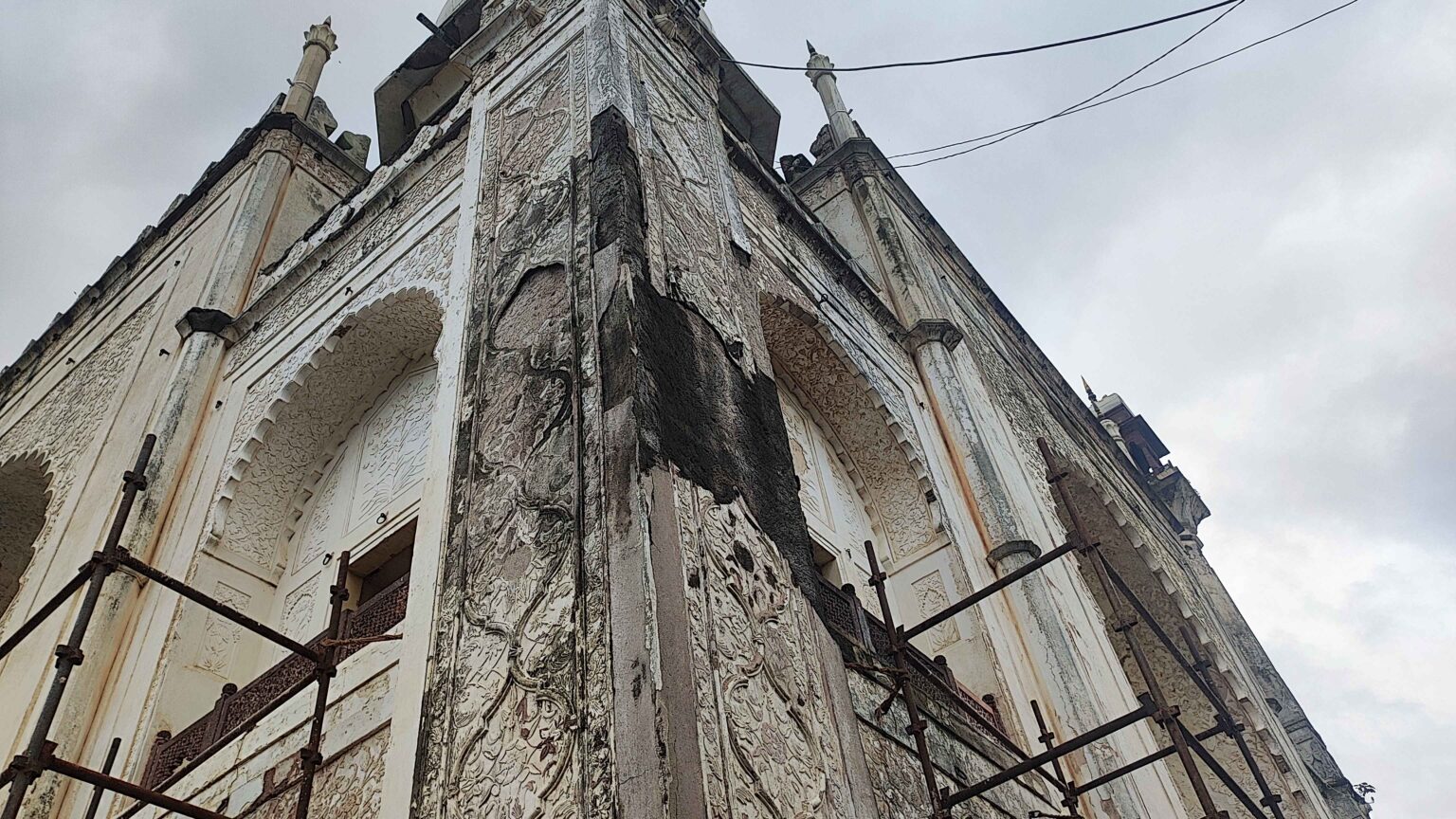
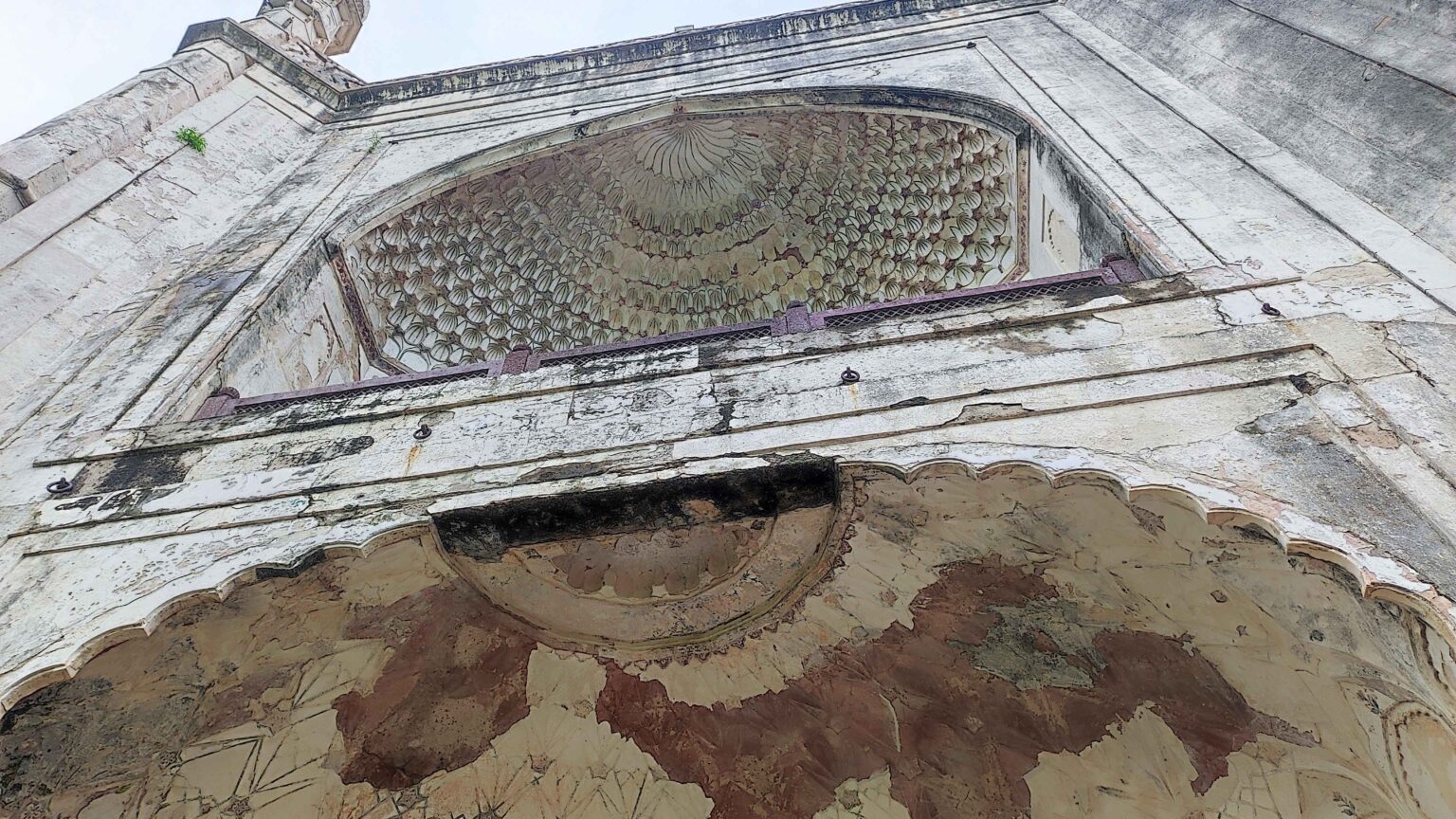
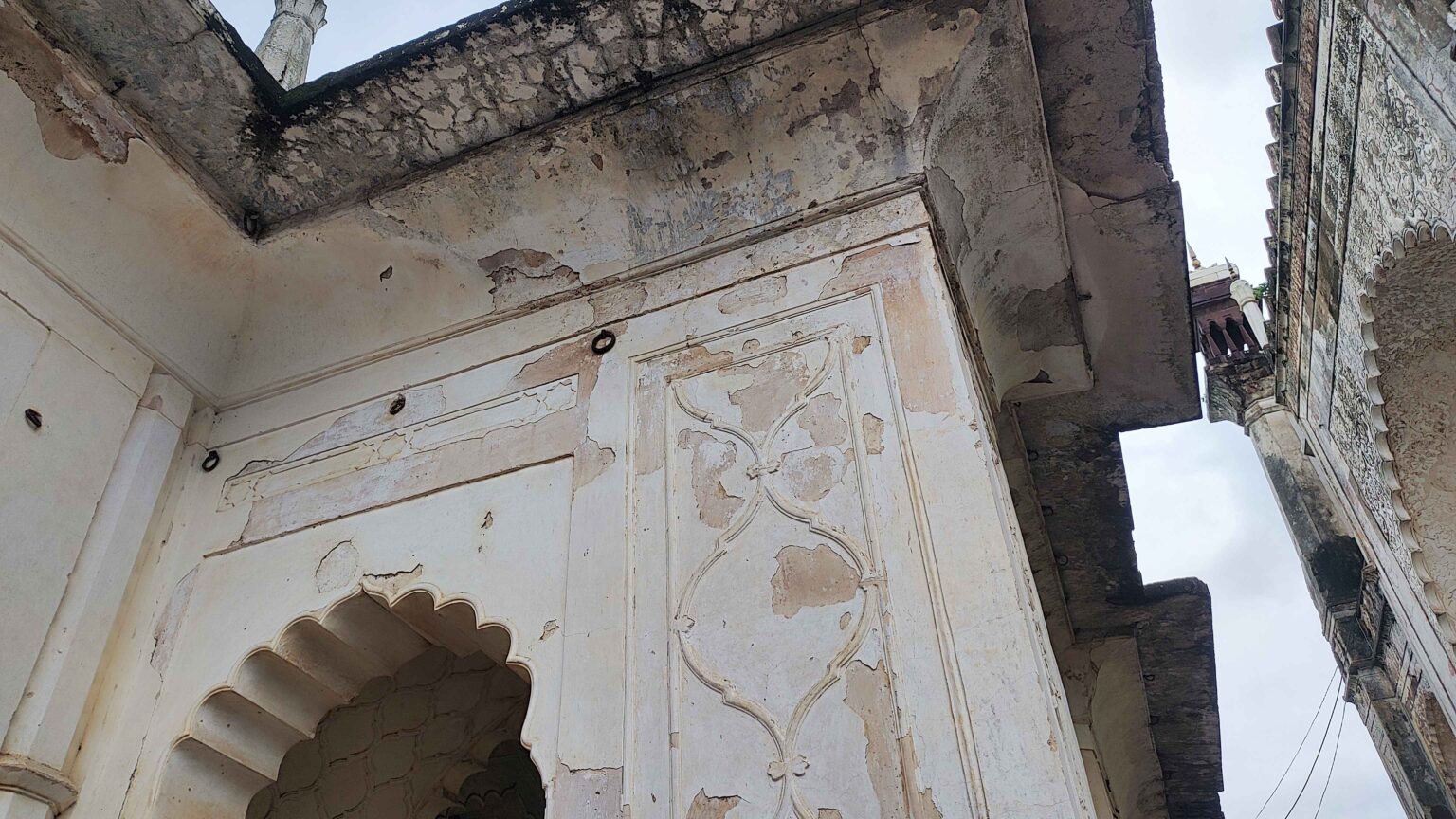
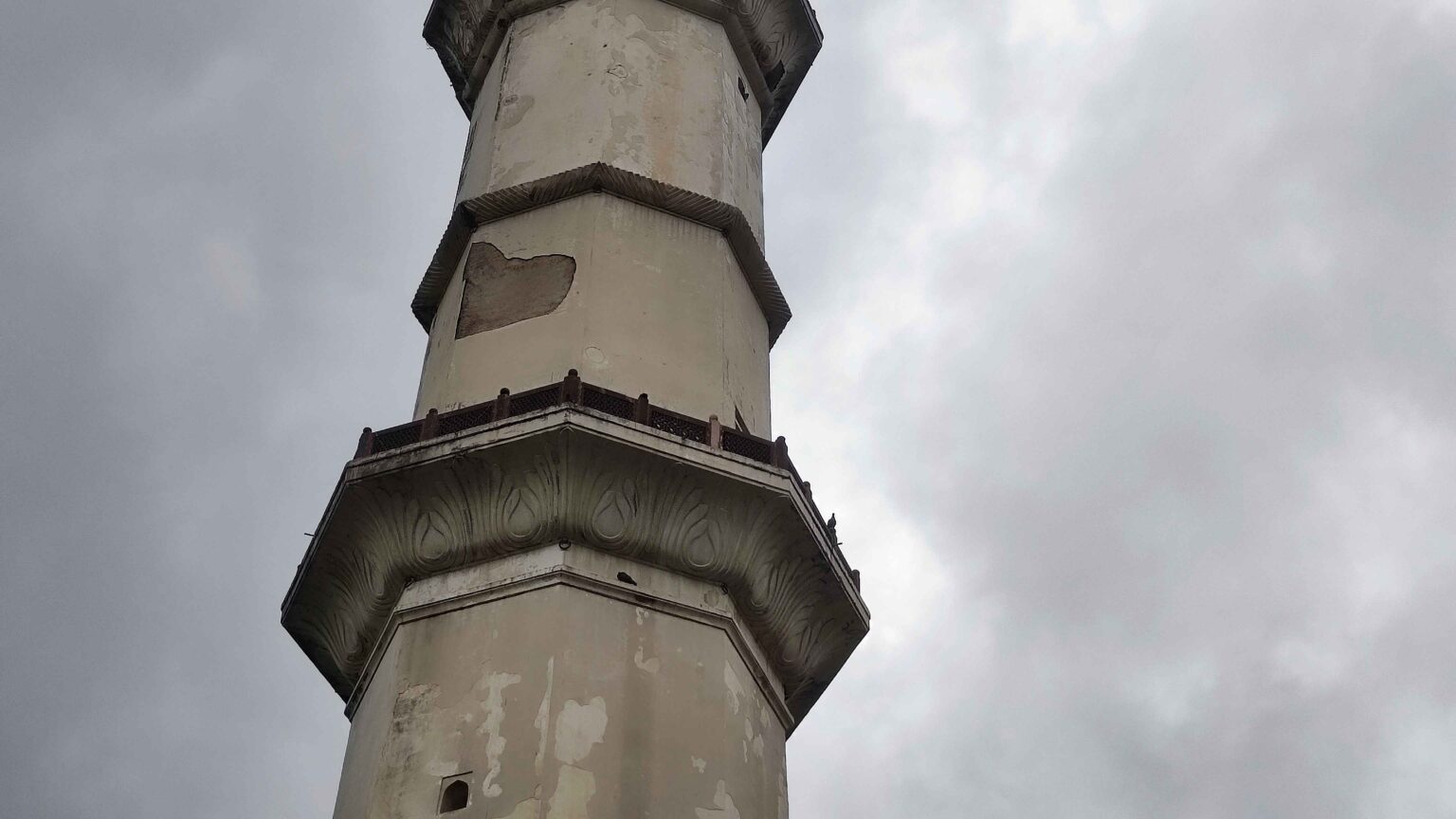
Bibi Ka Maqbara, the 17th-century Mughal monument in Maharashtra’s Chhatrapati Sambhajinagar, is slipping into ruin. Known as the “Taj of the Deccan”, its blackened marble, cracked walls and fading engravings reveal a neglect.

Built in 1651 by Aurangzeb in memory of his wife Dilras Banu Begum (Rabia Durrani), the mausoleum was completed over nine years, later repaired by his son, Prince Azam Shah, in 1676. It was meant to echo the Taj Mahal’s splendour, but today it looks worn and abandoned, with its story of love hiding beneath layers of neglect.

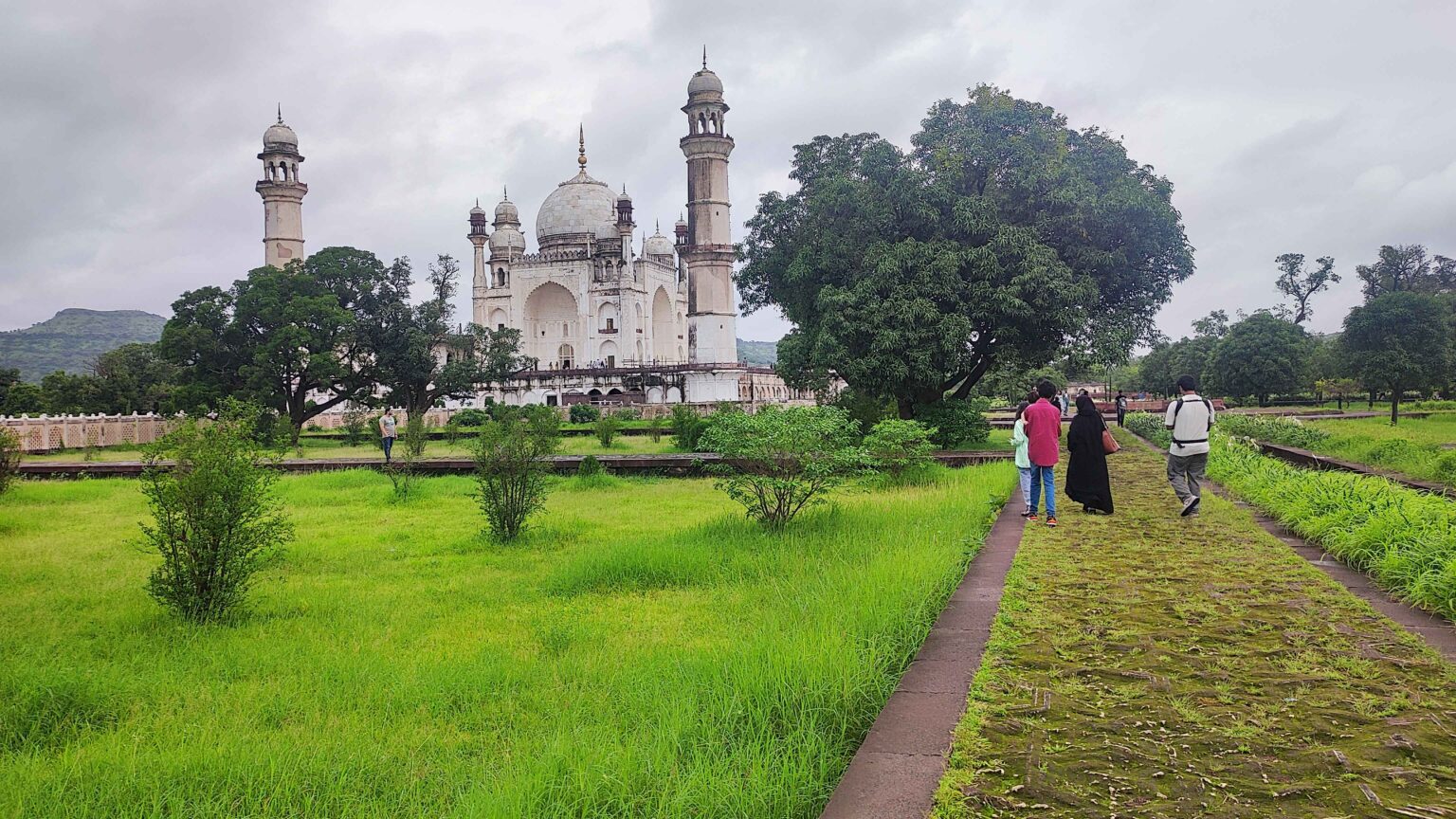
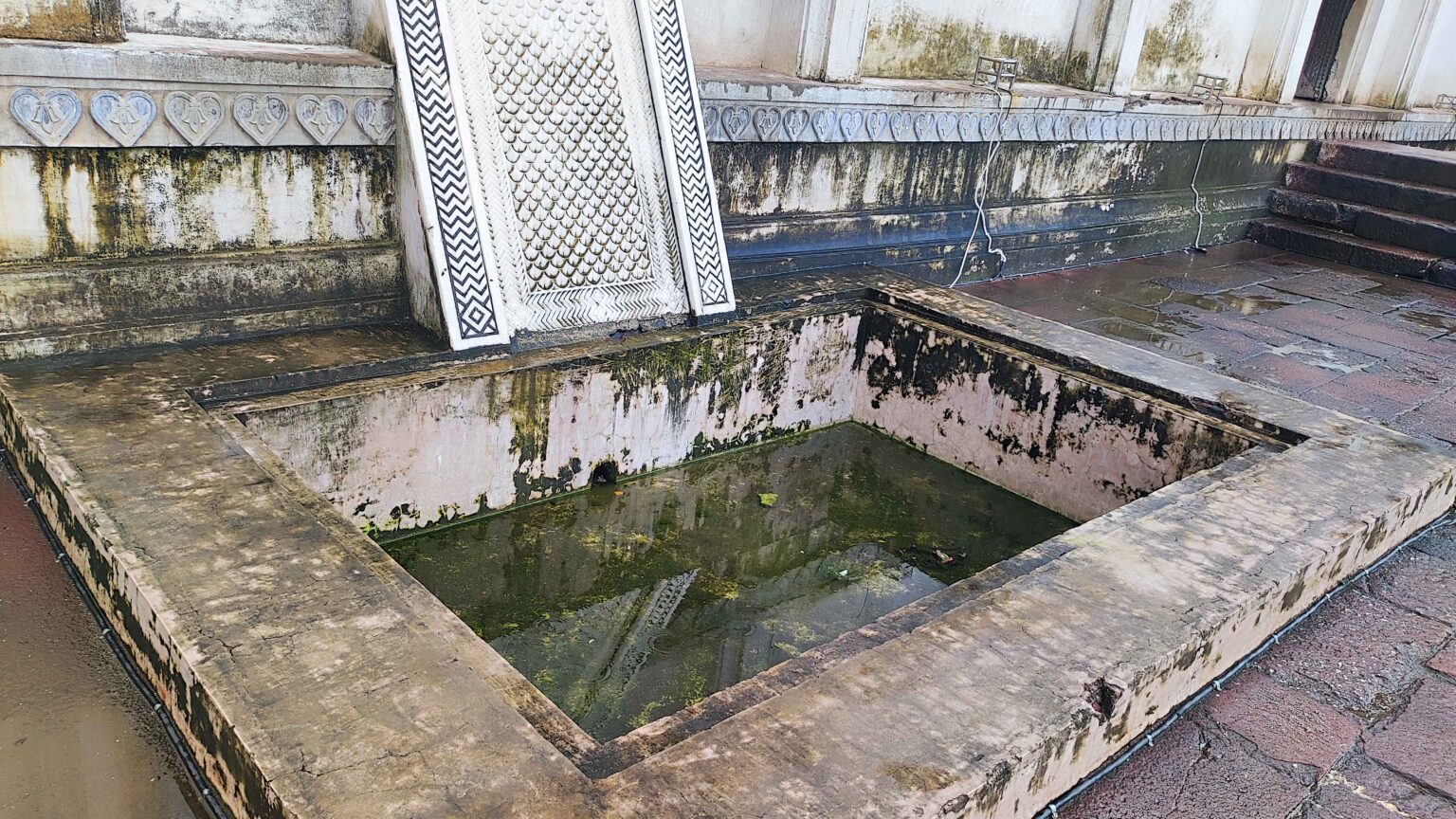
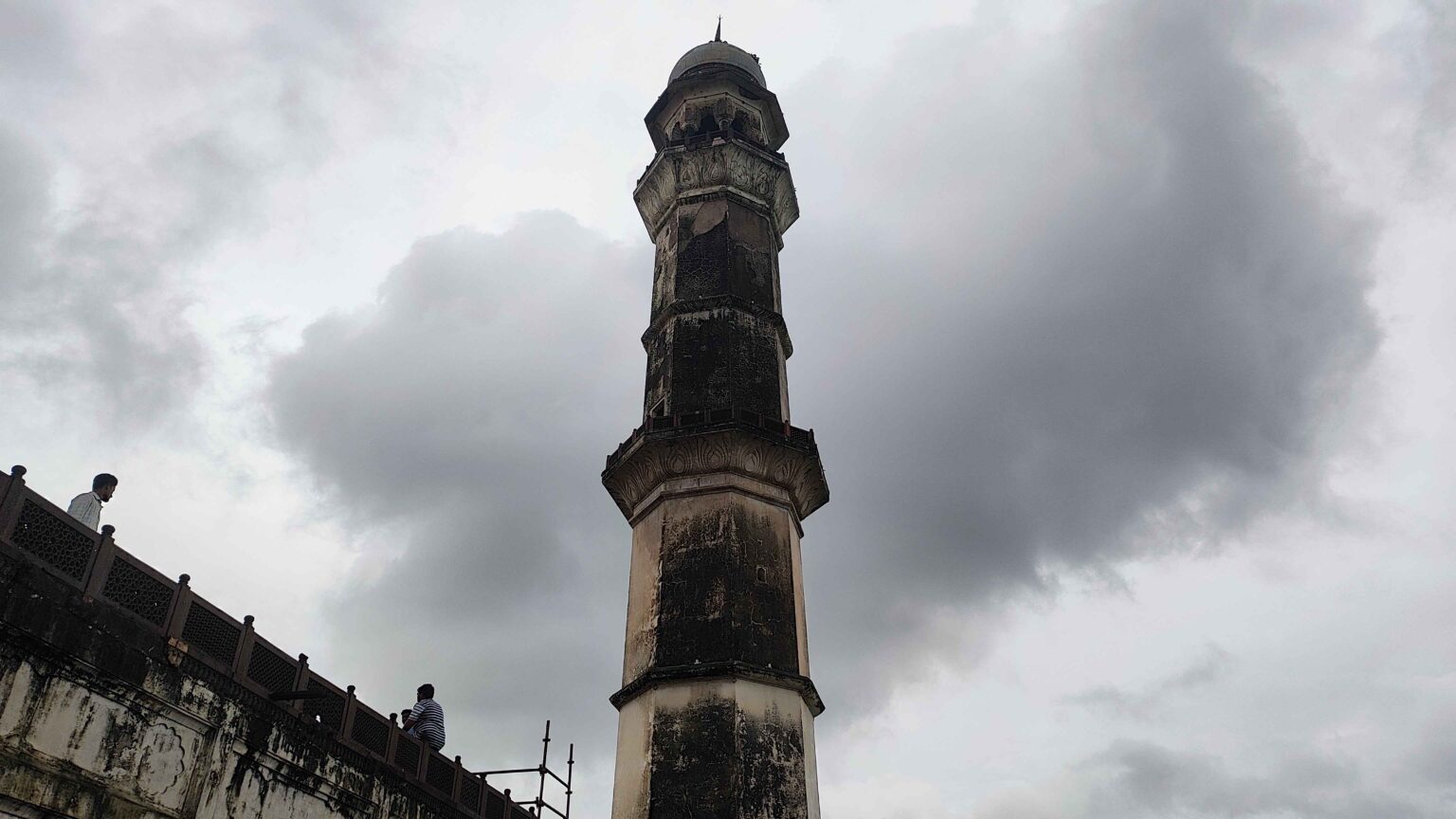
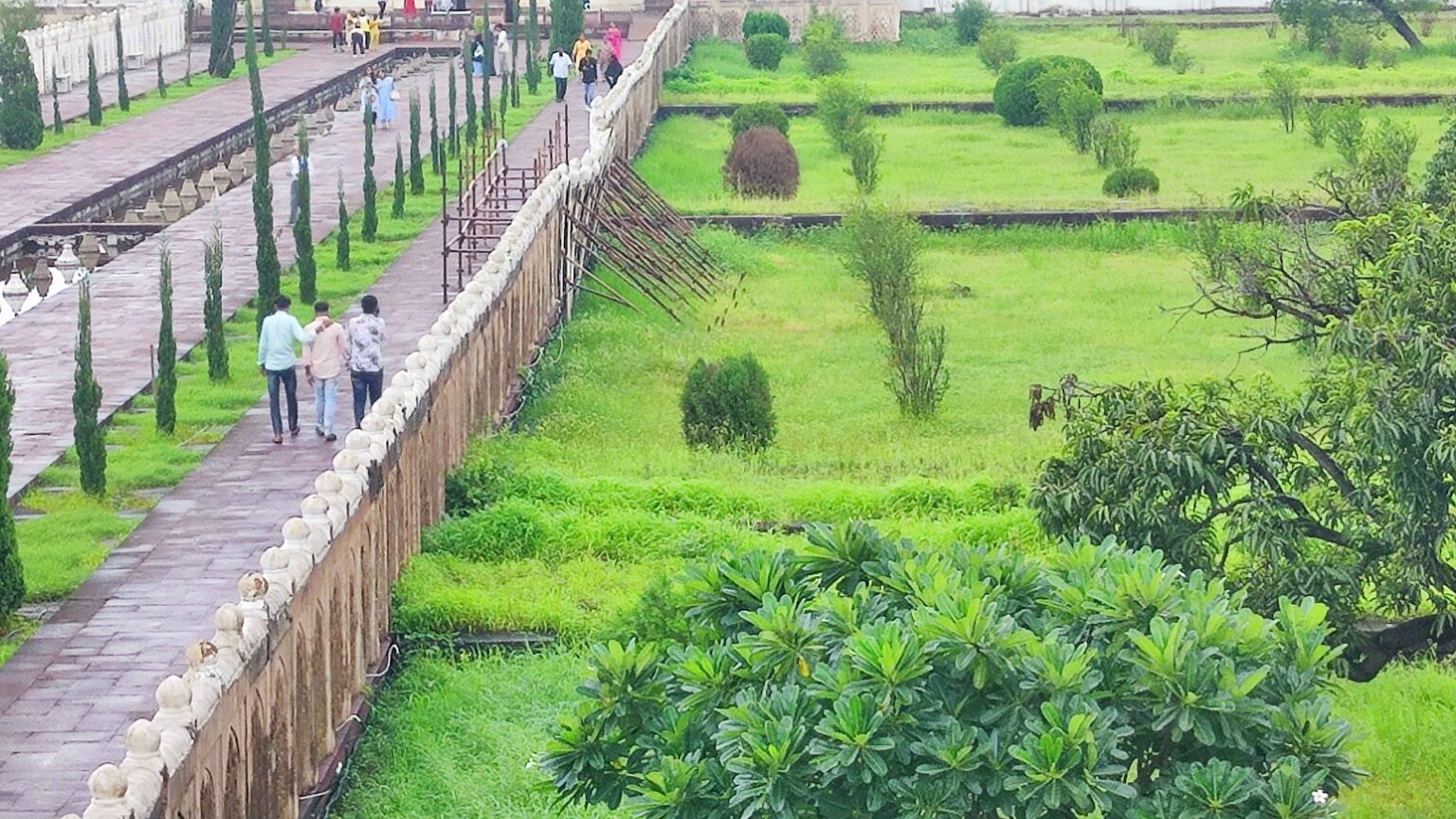
The monument shows its wear as the light fades in the evening. The paths are broken, weeds have spread across the gardens, the carvings have almost disappeared into the stone and water stains have dimmed the marble dome. Once built to rival the Taj, the so-called jewel of the Deccan now slips further into neglect while those meant to protect it look away.

The Archaeological Survey of India (ASI) manages the site, but signs of care are faint. Despite being a major tourist draw and revenue earner, the Maqbara’s decline speaks of how India chooses which parts of its heritage to protect.

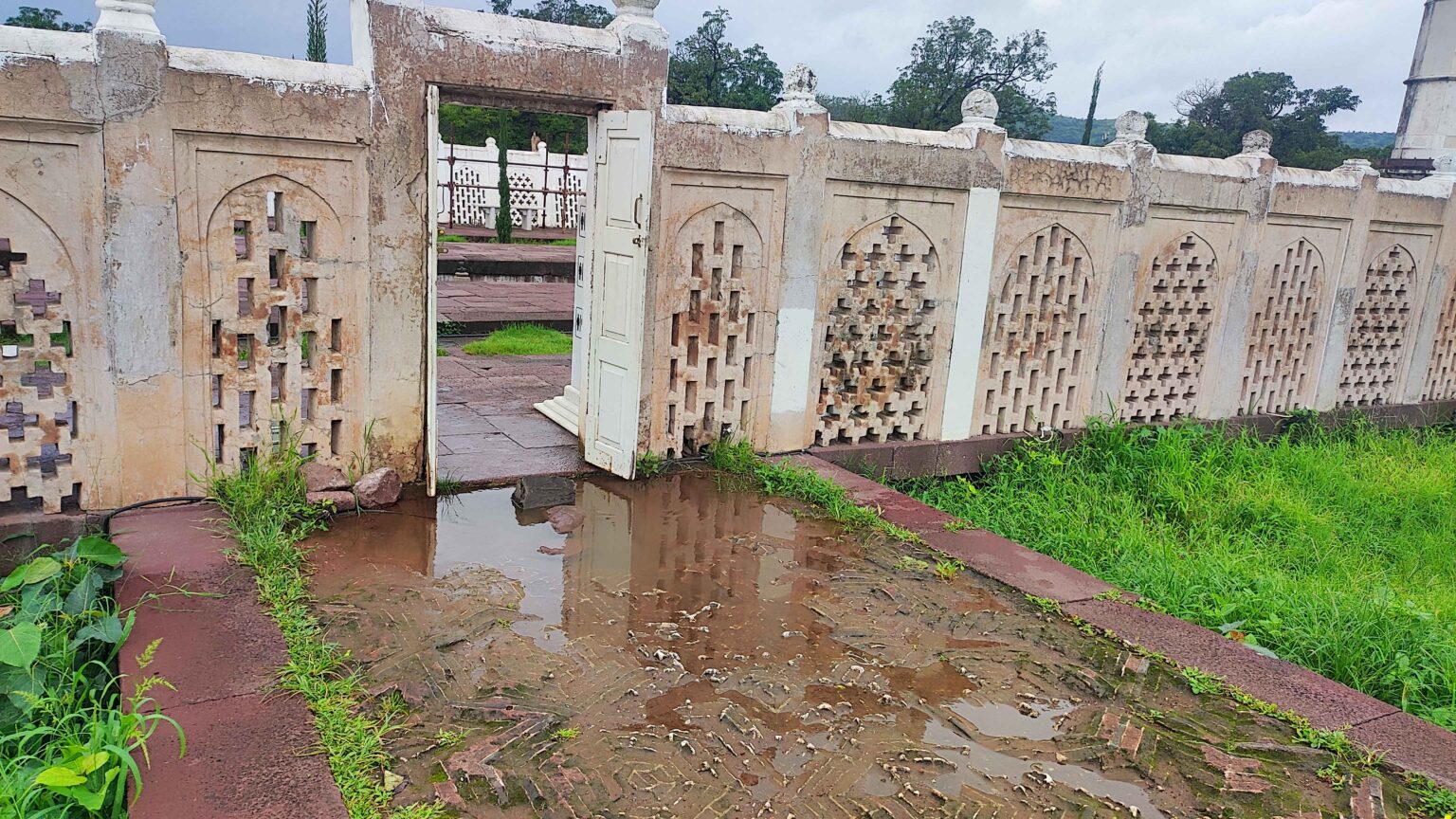
In the Charbagh garden, the symmetry has given way to uneven paths and missing tiles. The stucco floral motifs crumble, waterlogging eats at the marble and monsoon rains pool at the base of the tomb.

“It is very sad to see the monument in this condition. This is our pride. This is our history. But every year, its situation is deteriorating. The tourists come, they take pictures, but they also ask why it is in such bad shape. I do not know what to tell them, “Says Anil Patil, a tourist guide for more than two decades.

Designed by Ataullah, son of Ahmad Lahauri, the architect of the Taj Mahal, Bibi Ka Maqbara carries its own narrative. The marble brought from Jaipur, hauled by 300 ox-drawn carts, still glimmers faintly, though plaster patches betray incompleteness.

“It is not just a poor man’s Taj. Bibi Ka Maqbara has its own character and its own story. It is a love letter from a son to his mother, and that emotional depth deserves respect,” says Dr. Meera Singh, historian of Mughal architecture.

The monument still languishes. In 2023, it welcomed over 350,000 visitors and raised nearly Rs 8 crore in revenue. But the site remains underfunded. Drainage systems are broken, and parts of the outer wall lean on bamboo scaffolds for survival.

“The ASI patches things up after complaints, but it is like putting a bandage on a broken leg. We need proper drainage systems, not quick fixes. The water eats away at the marble, and no one seems to care,” says Rukhsana Begum, a local resident.

The neglect of the Maqbara feels more pronounced when compared with the political spotlight on Aurangzeb’s tomb in nearby Khuldabad. Protests and debates swirl around the emperor’s grave, while his wife’s mausoleum, which is larger and historically significant, too remains ignored.

“It is ironic. Aurangzeb’s tomb, which he wanted simple, gets all the noise, while Bibi Ka Maqbara, a monument of architectural and emotional significance, is ignored. It is like we are punishing the monument for its association with Aurangzeb,” says historian Sanjay Sonawani.

This shadow of politics lingers over heritage. Locals suggest that the emperor’s “divisive” legacy influences the lack of care. Tourism suffers too. A 2024 report shows only 10% of visitors found facilities “satisfactory” compared to 65% at the Taj Mahal.

Though the Marathwada Tourism Development Chamber organises an annual October fair at the Maqbara, yet funding remains meagre. In 2023, Ajanta and Ellora received Rs 15 crore for conservation. Bibi Ka Maqbara got Rs 2 crore, which was barely enough for basic upkeep.

A total of 3,600 monuments across India are under ASI protection, but most receive little attention. A 2022 audit highlighted 40% in disrepair, with Bibi Ka Maqbara among them. The small archaeological museum beside the tomb is often locked and its exhibits are forgotten.

“I came here because I heard it is the ‘Mini Taj’. But it feels abandoned. There is no information board and no proper guides. What is there is just a few signs. It is such a shame for a place this beautiful,” says Priya Sharma, a tourist from Delhi.

Proposals for restoration that include new drainage, reinforced walls and revived gardens remain buried in files. Approvals move slowly and promises vanish.

The Maqbara reflects a cultural amnesia. Its Mughal-Deccani blend once celebrated India’s syncretic past. Even the Marathas, despite their wars with Aurangzeb, respected his monuments. Chhatrapati Shahu I’s visit to Aurangzeb’s grave in 1710 is still remembered as an act of dignity.

Now, the Maqbara’s minarates rise against the Aurangabad sky, graceful but fragile. Its stones seem to call out for attention, for care and for repair before the years of neglect erase what remains.

For now, the “Taj of the Deccan” waits.

source: http://www.twocircles.net / TwoCircles.net / Home> Art-Culture> Historical Facts> Indian Muslim> Lead Story / by Aditya Porwal & Sumit Singh / September 25th, 2025

Dr. U.T. Iftikhar honoured as ‘Star of the Year’ in Rehabilitation at Thumbay Hospital Conference

KARNATAKA / Ajman, U.A.E :

Ajman, UAE:

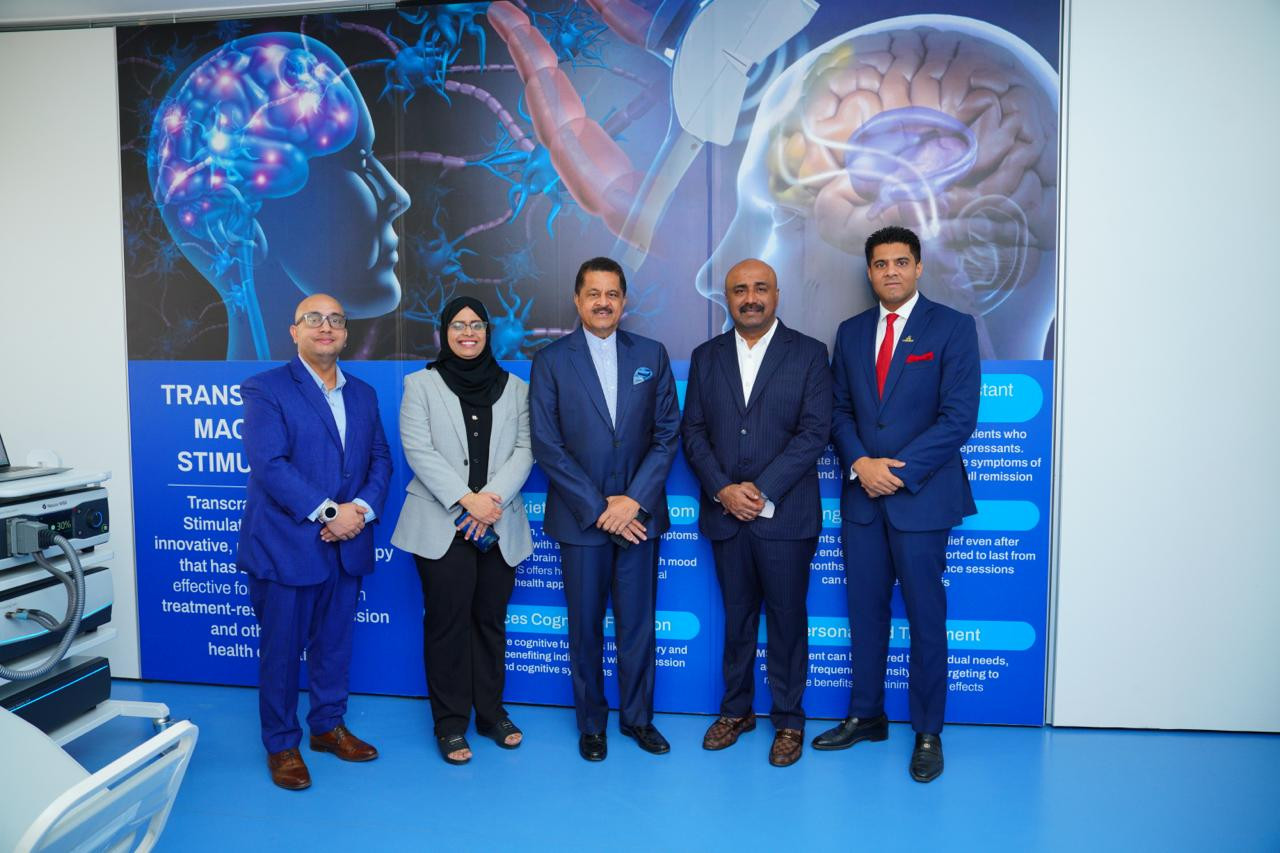
Dr. U.T. Iftikhar, Chairman of the State Allied and Health Care Council, has been conferred the prestigious ‘Star of the Year Award in Rehabilitation’ at the 5th International Annual Awards and Conference on Innovation in Rehabilitation Practice and Medicine, hosted by Thumbay Physical Therapy and Rehabilitation Hospital at Thumbay Medicity in Ajman.

The award recognises Dr. Iftikhar’s remarkable contributions to advancing rehabilitation care and promoting evidence-based medical practices in the UAE. Widely respected in the healthcare community, Dr. Iftikhar has played a key role in improving patient recovery outcomes and setting high standards in the field of rehabilitation.

The event was organised by Thumbay Physical Therapy and Rehabilitation Hospital, a part of the College of Health Sciences at Gulf Medical University (GMU) and the Thumbay Healthcare Division.

The ceremony was held in the presence of H.E. Sheikh Dr. Majid Bin Saeed Al Nuaimi, Chairman of the Ruler’s Court, Ajman, and Dr. Thumbay Moideen, Founder President of Thumbay Group. During the occasion, His Excellency Sheikh Dr. Majid praised Thumbay Rehabilitation Hospital as the best rehabilitation hospital in the UAE, acknowledging its innovative medical practices, advanced infrastructure, and patient-focused services.

The conference also marked the launch of the UAE’s most advanced Hyperbaric Oxygen Therapy and Transcranial Magnetic Stimulation (TMS) therapies, setting a new benchmark in rehabilitation care across the country.

source: http://www.english.varthabharati.in / Vartha Bharati / Home> Gulf / October 25th, 2025

Mangaluru’s Essam Mansoor becomes first Beary boy selected for Qatar U-19 National Cricket Team

Mangaluru, KARNATAKA / Doha, QATAR :

Young cricketer Essam Mansoor

Doha: 

In a proud moment for the Beary community, young cricketer Essam Mansoor, who hails from Mangaluru, has been selected to represent Qatar in the Under-19 National Cricket Squad. Essam is the elder son of Mansoor Hasanabba Hentar and Razia Sulaiman Salmar, residents of Doha, Qatar.

Essam, who is currently in his first year of graduation at the University of Doha for Science and Technology (UDST), has earned the spot after years of consistent performance and dedication to the sport. His selection marks a notable milestone, as he becomes the first boy from the Beary community to secure a place in Qatar’s national cricket team.

Officials confirmed that Essam will leave for the United Arab Emirates on November 17 to participate in the Under-19 ACC Premier Cup. The tournament will offer him the opportunity to compete at an international level and showcase his skills before a wider cricketing audience.

Community members, friends and well-wishers in Qatar and back home in coastal Karnataka have expressed pride and appreciation for Essam’s achievement. His accomplishment is being seen as an inspiration for several young Beary athletes who aspire to pursue sports professionally.

Family members said that Essam’s commitment, discipline and passion for cricket have played a key role in his rise through Qatar’s junior cricket framework. They added that the selection is both a matter of personal joy and a moment of collective pride for the Beary community.

Essam’s parents, engineer Mansoor Hasanabba Hentar and Razia Sulaiman Salmar, said they are hopeful that he will continue to excel and make the country proud at the ACC Premier Cup and in future cricketing opportunities.

Essam Mansoor’s selection has been widely celebrated as a landmark achievement for a community that has been increasingly encouraging its youth to explore opportunities in sports, academics and professional fields.

source: http://www.english.varthabharati.in / Vartha Bharati / Home> Gulf / November 19th, 2025

BCCI Qatar Chapter inaugurated; U.T. Khader attends as chief guest

KARNATAKA / Doha, QATAR :

Qatar:

The BCCI Qatar Chapter was formally inaugurated on the 8th, with U.T. Khader, Speaker of the Karnataka Legislative Assembly, attending the event as the chief guest.

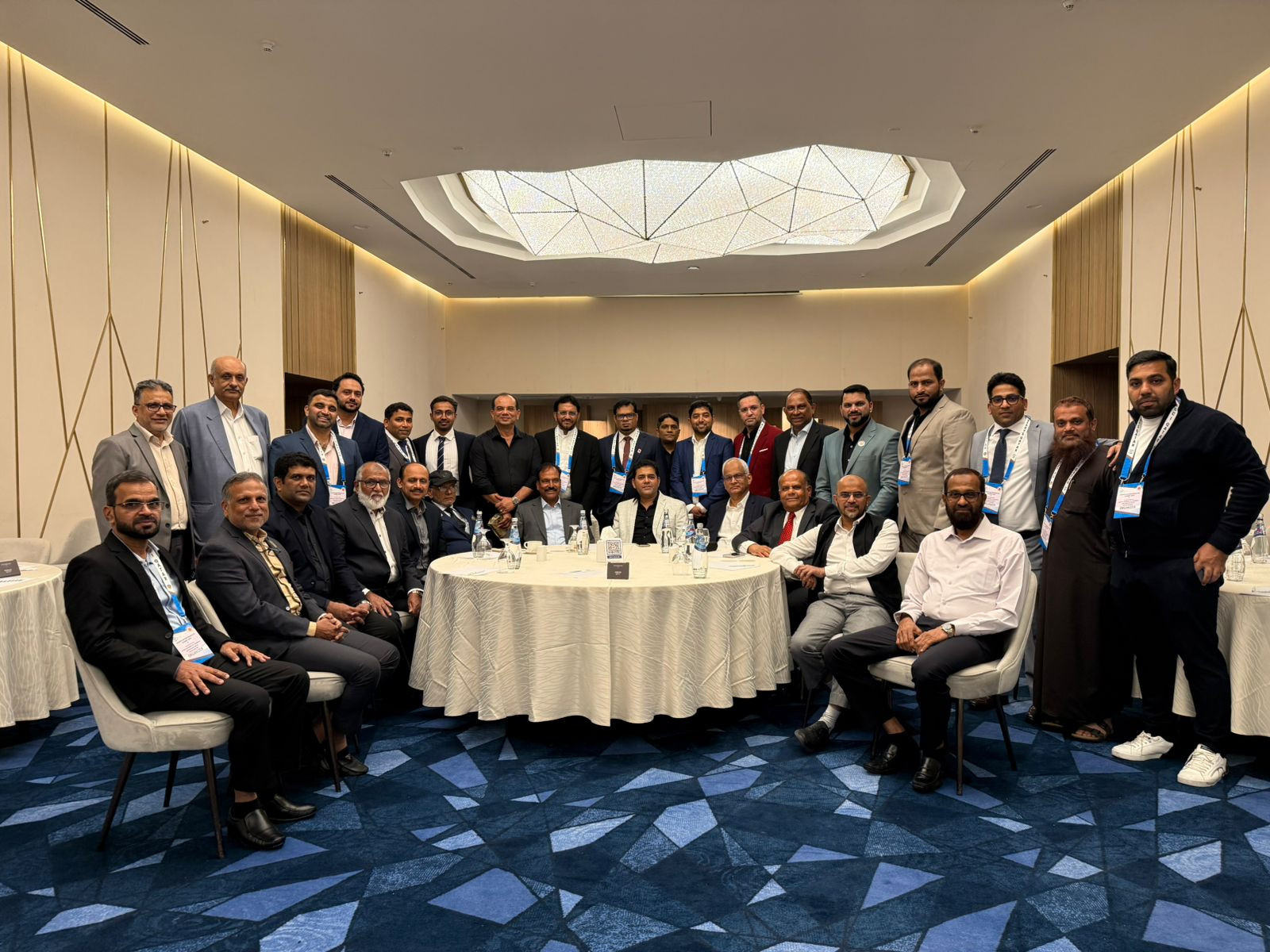
Speaking on the occasion, BCCI President Dr S.M. Rasheed said the organisation was founded to promote collective business support and to encourage start-ups within the Beary community. He noted that BCCI had already launched its first collective business venture, Bearys Associates LLP, and has expanded its presence by opening chapters in Dubai, Jubail, Hassan and Chikkamagaluru.

The programme was attended by BCCI Vice Presidents Zakariya Jokatte, Imtiaz Mansoor, Dr Ifthikar U.T., Saukath Suri, Mohammed Haris, Nasir Lucky Star, Asif Home Plus, Razak Goltamajal and Badruddeen Dalta Rauf Sulthan.

During the ceremony, Abdul Monu was announced as the President of the newly formed Qatar Chapter.

Leaders from other regions including Mohammed Ali Uchil, Asraf Karnire, Abdul Basher (NCMS), Hidaya (UAE), K.C. Hameed (Qatar), Azeez Akara (Qatar), Jafar, and Ibrahim Gadiyar (UAE) — were also present and extended their support.

source: http://www.english.varthabharati.in / Vartha Bharati / Home> Gulf / November 15th, 2025

Bhatkal Science Fair Brings Together 52 Student Research Teams

Bhatkal, KARNATAKA :

Bhatkal:

The second Bhatkal inter school and inter college science fair brought together 52 student teams from 10 institutions to present research based projects and scientific demonstrations. The event took place at the Dr M. T. Hassan Bappa Auditorium and was organised by Shams PU College and the AJ Academy of Research and Development. The organisers said the aim was to build scientific temperament among students and encourage analytical thinking.

Chief guest Dr Mohammed Zubair Kola, vice president of Anjuman Hami e Muslimeen, spoke about the need for quality education that encourages inquiry. Guest of honour Dr Virendra V. Shanbhag, principal of The New English PU College, spoke about skill based learning and pointed to real world examples of innovation. Abdullah Javed, director of the AJ Academy of Research and Development, highlighted the importance of originality and clear methodology in student research. The programme was presided over by Nazir Ahmed Qazi, chairman of Tarbiat Education Society.

The event opened with a recitation of the Quran by Ahmed Zain. Mohammed Azaan presented the translation. New Shams School principal Liyakat Ali welcomed the gathering. Shams PU College principal Mohammed Raza Manwi introduced the judges. Science fair convener Dr Mamatha Naik closed the programme with a vote of thanks.

A panel of experts evaluated the projects. The judges included Prof Quratulain Waseem H., Dr Chetan Pai, Prof Al Shifa, Dr Vinayak Anand Kamat, Dr Rupa D. Shanbhag and Prof Shaheeda Ikkeri. Organisers noted that the fair focused on research work supported by data, models and practical demonstrations.

As reported in sahilonline.org

source: http://www.radiancenews.com / Radiance News / Home> Latest News> Report / by Radiance News Bureau / November 25th, 2025

Kerala Engineer Ershad Kunnakkadan Becomes CEO of Gumroad

KERALA :

Kochi:

Ershad Kunnakkadan, a 33-year-old engineer rooted in Kerala’s free-software community, has taken charge as the new CEO of Gumroad. His appointment marks a striking rise from local open-source groups to the leadership of a global e-commerce platform that records over 100 million dollars in Gross Merchandise Value.

Gumroad founder Sahil Lavingia announced the transition and described Ershad as the perfect leader to guide the platform after fourteen years of his own stewardship. Ershad, who shifted to New York only in May as a staff software engineer after working remotely with the company since 2020, said he felt honoured and ready to serve creators with greater commitment.

His journey has drawn wide attention in Kerala. His interest in computers grew in a government school classroom, through a gifted Ubuntu 8.04 CD, and through active involvement in Swathanthra Malayalam Computing. The collective helped shape his early work in open-source development and localisation.

A detailed post by Menlo Ventures partner Deedy Das has been widely circulated. It traces Ershad’s teenage immersion in terminals, scripting contests, Linux administration, security work, and blogging. College studies lost priority as he explored the free-software world. He left a private engineering college in Kerala after his second year, promising his family he would complete his education. He later earned a degree through a distance programme while gaining industry experience through internships and workshops. He also identified security bugs in Github and Prezi and secured a Google Summer of Code selection.

His appointment has sparked pride across Kerala’s tech community.

source: http://www.radiancenews.com / Radiance News / Home> Entrepreneurship> Latest News> Report / by Radiance News Bureau / November 24th, 2025

Jamaluddin Abdullah, My Teacher and Mentor, Passes Away

Malegaon, MAHARASHTRA :

Jamaluddin Abdullah, my teacher and mentor who was revered by his students as Jamaluddin Sir, passed away in Malegaon Tuesday November 18, 2025

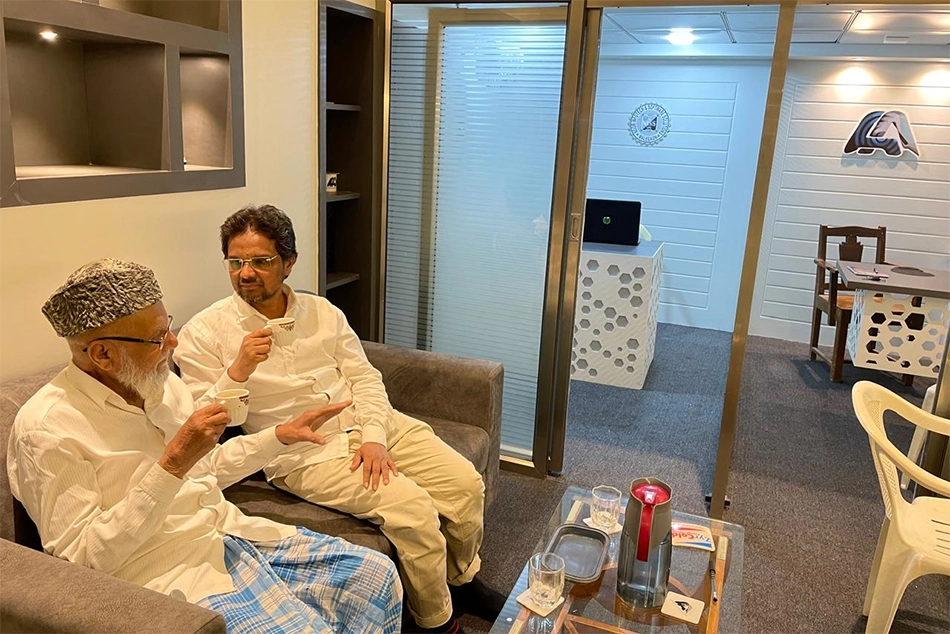
[Jamaluddin Sir with the writer at ummid.com office (Photo: ummid.com)]

Malegaon: 

Jamaluddin Abdullah, my teacher and mentor who was revered by his students as Jamaluddin Sir, passed away in Malegaon Tuesday November 18, 2025.

He was 82, and is survived by three sons and four daughters.

Jamaluddin Sir was ailing since last few years and passed away around 10:00 AM Tuesday. He was buried in the afternoon at the Bada Qabristan in Malegaon in the presence of hundreds of his students, former colleagues, friends and family members.

“One of the Best Teachers”

Jamaluddin Sir was one of the finest teachers of Social Science. Geography is considered as a boring subject for a good majority. However, Jamaluddin Sir had a special skill and unique style of making the subject fascinating.

He retired from A.T.T. High School, the oldest school of Malegaon, in 2002-03 as Assistant Head Master.

“Oh! Jamaluddin Sir? He was a teacher of class!” This was Ayaz Gulshan’s immediate response about Jamaluddin Sir when he was told he is no more.

Sajid Nadir and other students agreed.

“He was one of the best teachers we had”, Sajid Nadir told ummid.com after hearing the sad demise of Jamaluddin Sir.

“He had a good memory even while he was ailing and suffering from various health issues”, Sajid said.

Sajid said he had visited him six months ago with some other students to invite him for a felicitation event organized.

“He asked us to invite this and that teacher, surprisingly listing them all name by name”, he said.

“Jamaluddin Sir also taught English language in lower classes where too he left ever lasting mark on his students because of his unique style of teaching”, Shahid Faizee, my younger broher and one of his students, remembered.

Paying tribute to Jamaluddin Sir, his retired colleague, Mohd Ismail Sir, praised his devotion and dedication to the teaching profession.

“He was one of those teachers who were devoted and enormously dedicated to the teaching profession”, he said.

Maulana Naeemuz Zafar Milli, who was appointed as Arabic Teacher at A.T.T. High School, said since he came from a Madrasa background, the daily school routine work was a tedious job for him.

“But, Jamaluddin Sir was always there to help me out”, he said.

Jamaluddin Sir and Me

I began my education at a Municipal Primary School and was doing remarkably well. I was in the 4th standard when – along with my elder brother, cousin and uncle, I was shifted to Jamia Muhammadia Mansoora. But, we had to discontinue – suddenly and in the middle of the academic year, our education at Jamia Muhammadia Mansoora after three years. Our academic activities were totally disturbed because of the sudden change. We were in dark and unsure how to deal with the situation.

It was then that Jamaluddin Sir came as a savior.

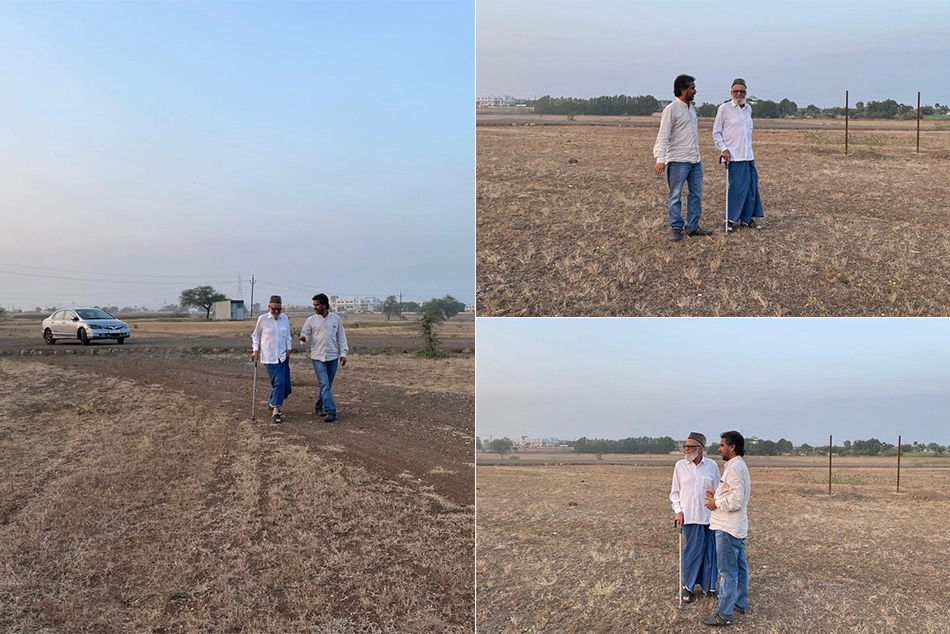
[Jamaluddin Sir inspecting the land where SEWA Educational Campus is coming soon. (Photo: ummid.com)]

Jamaluddin Sir was my father’s closest friend. They were actually three – Jamaluddin Sir, Dr Haroon Firdausi and my father Mohd Anwer Faizee. Their friendship is cited as an example in Malegaon even today.

Because of the strong bond between the trio, they had a special affinity for me also. Dr Haroon Firdausi lived in Kuwait for more than 20 years. He used to regularly write letters for my father and Jamaluddin Sir. Interestingly, he would write common letters for Jamaluddin Sir and my father. But, in the envelope, a small piece written for me was part and partial, even if it was a few lines.

Sensing my father’s worries about our academic uncertainties, Jamaluddin Sir took it upon himself to find a solution and did everything needed to get ourselves admitted at A.T.T. High School and bring our academic activities back to the right track. And, he did this so successfully that we all Madrasa dropouts – my elder brother Dr Abdul Awwal Faizee and cousin Dr Pervez Faizee finally became doctors, and my uncle Abdullah Faizee is regarded as one of the best Electrical Engineers in Malegaon.

And me?

The Special Grace of Allah, The Almighty, has been foremost, but behind whatever little I am able to do today is the mentorship of Jamaluddin Sir.

Jamaluddin Sir’s efforts paved the way for dozens other who dropped out from Madrasa to rejoin schools and continue their education. They are working today as doctors, engineers and teachers in various places.

After the demise of – first Dr Haroon Firdausi and later my father Mohd Anwer Faizee, Jamaluddin Sir’s care for we siblings became manifold.

Whenever we were in any problem the one person to always stand with us would be Jamaluddin Sir, our Jamal Baba.

Our every problem would make him restless, and our every small or big achievement was a cause of big celebration for him.

A Community Leader, A Man of Principles

Besides rendering his duty as a teacher at A.T.T. High School, Jamaluddin Sir was also a community leader. For every small or big problem in his Mohallah Rasoolpura he was there with a helping hand.

Jamaluddin Sir was also a very religious person. He used to offer prayers at Hayat Masjid and Rasoolpura Masjid where he would reach before the call to prayers. The same remained his practice when he became old, and suffered from various age related illnesses and started walking with the help of a stick.

He was also administering the affairs of Rasoolpura Masjid, and would also lead the Panchayat held to resolve family disputes where his decisions were respected and honored.

He used to lead from the front in marriages and other functions. In case of any death in the area, he was the one to perform funeral rites that also included giving bath to the deceased’s body.

As if a teacher in him never died even after retirement, Jamaluddin Sir taught and trained a number of people about funeral rites.

“He called me once when a person died in our locality, and trained me about how to give bath to the deceased’s body”, Raees Ahmed Manzoor Ahmed, a Social Volunteer, said.

He was also a man of principles. Compromising with the management so as to “adjust and get sons and daughters recruited” after retirement has been a norm. There are hundreds of examples in Malegaon when sons and daughters got jobs in the same institute where their father or mother worked. But, Jamaluddin Sir did not “choose this option” for his son.

An Example During Illness

Jamaluddin Sir was very jolly by nature, and would always be found cheering and in happy mood. He, however, lost his charm after the death of his wife in 2020. In later years, he suffered from various age related health issues, but was able to hold his composure.

He had a huge following, and visitors used to frequent his residence to meet him and enquire about his wellness. But, it was he who would initiate the conversation.

Kya haal hai beta? (How are you my son?)”, used to be his question whenever I visited him.

His three sons set an example about how to take care of an ailing father. But, it was Jamaluddin Sir himself who will advise them to do this and that for his good health.

In about five years when he was on and off on the bed, Jamaluddin Sir never gave up and was always ready to do something. Few months ago, I requested him to visit the land I have bought to establish an educational institution. He agreed despite his poor health and came along. But, three weeks before his death when I visited him, it appeared to me, he had realized that the time has come to pack up.

[The writer, Aleem Faizee, is Founder Editor of ummid.com. Aleem Faizee has also worked as a Researcher at Tata Institute of Social Sciences (TISS) and with Action Aid for its research work published as “BROKEN PROMISES -A study on the socio-economic status of Indian Muslims: Seven years post Sachar”. His research work “Mollywood: The Rise and Fall of a Subaltern Cinema” is part of the book “Creative Industries in India” published by Routledge India of Taylor and Francis Group, London. A prolific writer, Aleem Faizee has also wrote for The Times of India as a Freelance Journalist for over 10 years. Aleem Faizee has also served as Honorary Lecturer at J.A.T. Senior College Malegaon for over twenty years.]

source: http://www.ummid.com / Ummid.com / Home> Obituary / by Aleem Faizee / November 19th, 2025