Category Archives: Women/Girls(since May26-2021)

Meet Dr. Nafisa Begam: Uncovering Polymer Nanocomposites And Protein Dynamics

INDIA / GERMANY :

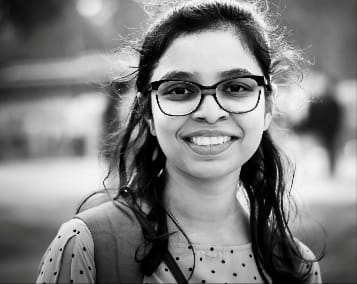
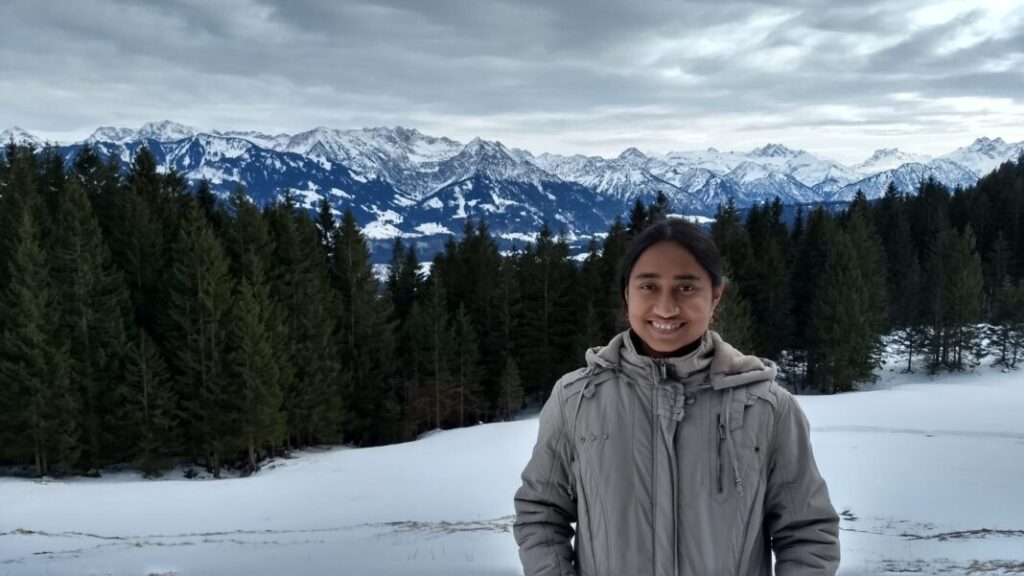
Dr. Nafisa Begam.

This is the fourth part of the series named `Scientist Says’, where we bring for our readers some of the significant and commendable research works of young scientists in their respective fields.

Dr. Nafisa Begam completed her Ph.D. in the year 2016 at the Indian Institute of Science(IISc), Bangalore. Presently, she is working as Alexander von Humboldt postdoctoral research fellow at the Institute of Applied Physics, University of Tuebingen, Germany. She shares her significant research works with Rashida Bakait of India Tomorrow. Here are the excerpts of the interview.

Q. Please give a brief explanation about your research works.

Ans: During my PhD, in the group of Prof. J K Basu, Department of Physics, IISc. Bangalore, I characterized polymer nanocomposites with a desire to create novel materials with unique and remarkable physical properties (such as electrical, optical properties sometimes with high temperature resistance) but considerably lighter weight, compared to their conventional metal-based counterparts. Polymer nanocomposites is a material where organic/inorganic particles, rods or cylinders of nanometer dimensions (i.e. nanofillers) are embedded in a polymer matrix. I investigated several experimental parameters (e.g. temperature) that influence the processing of these composites and studied their dynamics using state-of-the-art technique- coherent X-ray scattering.

Besides the above-mentioned research, I have currently deviated my work towards bio-physics. Now I am studying structure and dynamics of proteins, in the University of Tuebingen (the Schreiber group), Germany, as an Alexander von Humboldt postdoctoral research fellow, including steering biochemical reactions rates, sensing, or signaling.

Q. What was the aim behind your research works on `polymer nanocomposites’ and dynamics of protein?

Ans: During my masters, I experienced several experimental techniques in the department of physics, Indian Institute of Technology, Kharagpur. I was inspired by the quality of work being done there and decided to carry out research in the field of experimental physics. As I got into the laboratory of Prof. J K Basu, conducting extra-ordinary researches in the field of soft matter physics, especially polymer nanocomposites, for my Ph.D research, I started my work aiming that I will have a contribution in this field. The worldwide application and interest in the research of polymer nanocomposites led me to choose this system and explore the underlying physics behind its unique properties.

The aim of my studies on structure and dynamics of proteins is to understand the behaviour of protein-based systems such as egg white which are versatile products in our daily life, food industry, biotechnology, medicines and also in condensed matter physics. I study the temperature sensitivity on protein systems as it is highly impactful on proteins’ applications in bio-physics, foods, and their functions in intracellular organizations.

Q. What kind of new findings were highlighted in your research works?

Ans: My research work on microscopic dynamics of nanoparticles inside polymer matrix revealed an anomalous temperature dependent viscosity which enhances under confinement as well as with reducing temperature due to the presence of hydrodynamic slip at nanoparticle-polymer interface. This work highlights that the interface slip present in a polymer nanocomposites can alter the properties significantly with respect to their pure polymer properties. My work was published in various reputed journals such as, American Chemical Society, Royal Society of Chemistry, Nature Communications (Nature), Polymer (Elsevier), American Institute of Physics and American Physical Society.

I would also like to share my recent, very interesting, investigation on the gelation process, i.e. the cooking of egg white which reveals how the structural growth occur and the transparent egg white forms a turbid and solid gel. During this process, the proteins in the egg white denature and form a network structure due to heating. Understanding such gelation mechanism not only has important implications for food science, but also for polymer, soft matter Physics, and biophysics researchers. Due to the special interest of this system and the importance of the sophisticated technique used, this study has been highlighted in American Physical Society, and various press release in Germany, and UK.

Q. What kind of challenges did you face?

Ans: Researchers struggled to understand the dynamics of nanoparticles in polymers or complex protein based systems, particularly at the length scales of hundreds of nanometers to micrometers, relevant for the taste buds of our tongue. We tackled this problem with a powerful tool: coherent X-ray scattering. In order to examine the exact molecular structure of the material, short-wave radiation such as X-ray light is necessary, which penetrates the opaque systems and whose wavelength is no longer than the structures to be examined. Such a sophisticated technique is only available in few synchrotron radiation sources, e.g. Petra III (DESY, Germany), ESRF (Grenoble, France). This facility is provided to a very few research groups every year through exclusive review process by the synchrotron experts.

Q. Any scholarships or awards for research?

Ans: I was honored by the Prof. Anil Kumar Memorial Medal for best PhD thesis 2016-2017 (in experimental Physics, IISc. Bangalore), India. Recently, I received the Alexander von Humboldt postdoctoral research fellowship since February 2019 in Germany.

Q. How do you think your research would be beneficial to the society or any other industry?

Ans: During my PhD, I worked on the characterization of polymer nanocomposites which is a new class of materials with unique properties such as electrical, optical, thermo-mechanical properties. By doing so I could contribute to the understanding of the materials used in various applications, e.g. high quality food packaging, coating, painting, electronic devices (solar cells) and automotive industries.

As far as my recent research on protein dynamics is concerned, it is expected to have benefits in condensed matter physics, food industry as well as our daily diet. For example, the famous “spring egg” is cooked at temperatures between 63 oC and 66 oC, resulting very soft and transparent gel. My research will contribute towards understanding the underlying mechanism behind such gel properties and hence helping to produce food gels of desired properties.  

Q. When did you begin and complete your PhD/research?

Ans: I started my Ph.D on polymer nanocomposites in the group of Prof. Jaydeep K Basu, department of Physics, Indian Institute of Science, Bangalore in August 2011 and finished in July 2016. Presently, I am doing my postdoctoral research work on the protein dynamics.

Q. What was the conclusion of your research on polymer nanocomposites?

Ans: I observed that the nanoparticle-polymer interface nature plays a crucial role in deciding the microscopic dynamics of these materials and hence their thermo-mechanical and rheological properties. My research shows the tunability of the dispersion of nanoparticles and how it influences the relevant physical properties in a polymer nanocomposite. This outcome could have potential in processing high quality materials in various application field, e.g. in automotive industry, an appropriate polymer nanocomposite can significantly enhance the fuel efficiency.

Q. How do you think your research works can be carried forward?

Ans: Polymer nanocomposites is a broad field. It can be carried out further in many directions. For example, to completely understand the dynamical behavior of the nanoparticles inside polymer, it is needed to investigate the systems by varying the nanoparticle/polymer interactions over a broad range. It would be interesting to study the microscopic dynamics of such systems. In addition to that, model a system which can represent the thin film behavior and explore the confinement effect using simulations to understand the observed experimental phenomena microscopically.

My present work on protein dynamics has tremendous potential for researchers working in the area of soft condensed matter physics, food science, biotechnology, medicines as well as the understanding proteins’ functions in living organizations i.e. in biology. Proteins’ functions are not fully understood due to their complexity and technological limitations. Our study is one among the first investigations along this line and we expect it to pave the way for future experiments to shed light on processes in proteins highly relevant for the food industry and soft matter physics. This work can be continued by employing this newly developed experimental technique to investigate other relevant proteins and materials making foams, gels etc. in one of our primary interesting fields, food industry.

Q. Apart from the above-mentioned research works, would you like to share any other new research works you are working on now?

Ans: Currently, I am working on the dynamics of a chocolate melt at temperatures close to human body temperatures. This work is expected to have potential impact on colloidal physics as well as the chocolate industry by providing information over the parameters to control the chocolate quality.

Q. Lastly, please give few suggestions to the budding scientists.

Ans: Research is entirely different from the usual courses or subjects we study where we can easily acquire information from the available sources, whereas in research one has to tackle an unknown problem which requires a deeper and thorough understanding of the related subject/field. You might fail or succeed. Research requires patience to continue after learning from the failed attempts. Failing in one research attempt is most probable but that is the only way to learn and a way to move forward towards success.

source: http://www.indiatomorrow.net / India Tomorrow / Home> Education> Featured / by Rashida Bakait , India Tomorrow / April 10th, 2021
Indian student gets 10-year UAE Golden Visa

Alappuzha District, KERALA / Dubai, UAE :

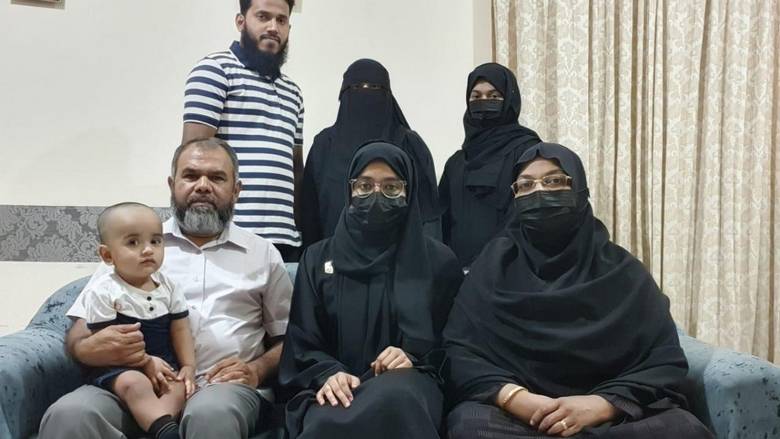
Standing: (from left) Safeer (husband of first daughter Sumayya), Amal (daughter); (sitting) Aslam with grand son Mazyoun , Tasneem Aslam and mother Sunitha Syed. (Supplied)

Tasneem Aslam is pursuing a PG degree in Islamic jurisprudence from the University of Sharjah.

Tasneem Aslam, an Indian student from India’s southern most state Kerala’s Alappuzha district and a namesake of Pakistan’s career diplomat and a former spokesperson of the Ministry of Foreign Affairs, is a proud recipient of a coveted honour of the UAE government.

Her hard work, diligence and intelligence have paid off.

The UAE government has recognised her merit and excellent academic credentials to extend her a 10-year Golden Visa, which is reserved only for prominent global personalities.

Tasneem received the Golden Visa in the exceptional student category and is allowed to stay in the country till 2031, as the UAE unveils major reforms to attract global talents from people belonging to all walks of life.

Tasneem, but naturally, is thrilled by the honour.

“This is one of the best moments in my life. I feel privileged to achieve this and I am thankful to Almighty Allah. My parents ‘support has been enormous, and Insha Allah I hope to sponsor them in near future,” Tasneem told Khaleej Times.

“I take this opportunity to express my gratitude to the wise and visionary leadership of this great nation that has been making rapid strides to promote education. Students, educators, and institutions enjoy great value in this young nation that’s celebrating 50 years of its foundation. I seek solace in the immortal words of Sheikh Mohammed bin Rashid Al Maktoum, Vice-President and Prime Minister of the UAE and Ruler of Dubai, that ‘knowledge is the shortcut to success,’ ” she said.

Tasneem studied Islamic Sharia from Al Qasimia University in Sharjah and topped her class, which consisted of pupils from 72 nationalities, with a grade point average (GPA) of 3.94 on 4.

Tasneem has memorised the Quran. She has enroled for a postgraduate degree in Fiqh (Islamic Jurisprudence) at the University of Sharjah.

She had attended the Emirates National School in Sharjah, where her mother Sunita works as a teacher, and had secured 95.6 per cent in her Grade XII examinations.

Tasneem’s father Muhammad Aslam is a former employee of the Sharjah City Municipality and now runs a typing centre in the emirate.

Her father is ecstatic about their daughter’s feat.

He said: “I’m proud of her achievements. We’ve been flooded with congratulatory calls and messages for the past two days from our friends and relatives from across the globe.”

Tasneem, who is proficient in Arabic, has multitasking skills. She helps her father with Arabic translation at the typing centre and simultaneously manages the social media account of Zahaar perfumes.

Earlier, she worked as a teacher at Nobel Qur’an and Sunnah centre in the emirate. She also taught the Quran and hadith at the Abu Bakr Siddique mosque in Sharjah.

“Tasneem is very creative, and she spends her free time designing her own abaya,” her father signed off

source: http://www.khaleejtimes.com / Khaleej Times / Home> News / by Syed Ayaz Basha, Dubai / filed May 29th, 2021 and updated June 02nd, 2021

Bhaag Beanie Bhaag Producer Seher Aly Latif Passes Away

Mumbai, MAHARASHTRA :

Seher Latif also worked in multiple international projects including Sense 8.

Seher Aly Latif, producer of Swara Bhasker starrer Bhaag Beanie Bhaag, passed away on 7 June of a cardiac arrest. She was reportedly admitted to Mumbai’s Lilavati hospital for renal failure. Seher also worked as the casting director for Maska, Shakuntala Devi, and Durgamati: The Myth among others.

Director Neeraj Udhwani, who worked on Maska with Seher, confirmed the news to Indian Express. “It’s unbelievable. It’s so hard to process. Last week only I donated blood for her and I was told she was recovering. And this morning, I got to know about it. She had an infection due to which she suffered renal failure. She was admitted to the hospital last weekend. Doctors had put on her antibiotics, and we thought she was recovering,” he said.

Seher is remembered fondly by many people who’ve worked with her. About his experience of working with Seher, Neeraj said, “Her default expression was a smile. You would always find her smiling. She was one of the nicest, kindest people I ever met.”

Nimrat Kaur, who played the lead in Lunchbox, tweeted a picture of Seher with her cat and wrote, “One of the kindest, most loving people Mumbai gifted my life with. Still trying to process this unreal news…. Travel on into the light my dearest, sweetest Seher. The unpredictable, ghastly shortness of life remains baffling…Await to meet you on the other side.”

(Photo Courtesy: Twitter)

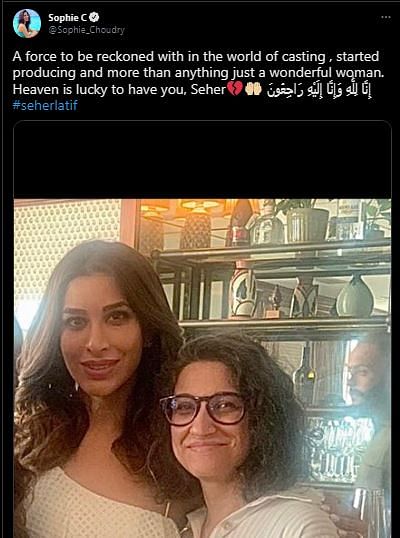
British singer Sophie Choudry tweeted, “A force to be reckoned with in the world of casting , started producing and more than anything just a wonderful woman. Heaven is lucky to have you, Seher.”

(Photo Courtesy: Twitter)

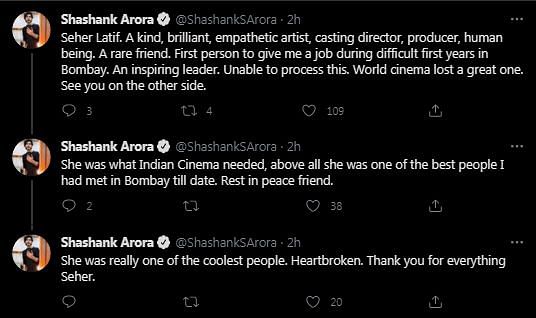
Made In Heaven actor Shashank Arora wrote a heartfelt tribute to the producer. “She was what Indian Cinema needed, above all she was one of the best people I had met in Bombay till date. Rest in peace friend,” he tweeted.

(Photo Courtesy: Twitter)

Seher Latif. A kind, brilliant, empathetic artist, casting director, producer, human being. A rare friend. First person to give me a job during difficult first years in Bombay. An inspiring leader. Unable to process this. World cinema lost a great one. See you on the other side,” he also wrote.

Seher’s repertoire also contains international projects including Eat Pray Love, Viceroy’s House, McMafia and Sense 8. She also founded Mutant Films with producer Shivani Saran in 2016. She is survived by her husband and parents.

source: http://www.thequint.com / The Quint / Home> Quint Entertainment> Celbrities / by The Quint / June 08th, 2021

This four-year-old girl just broke a world record in Qatar

Doha, QATAR :

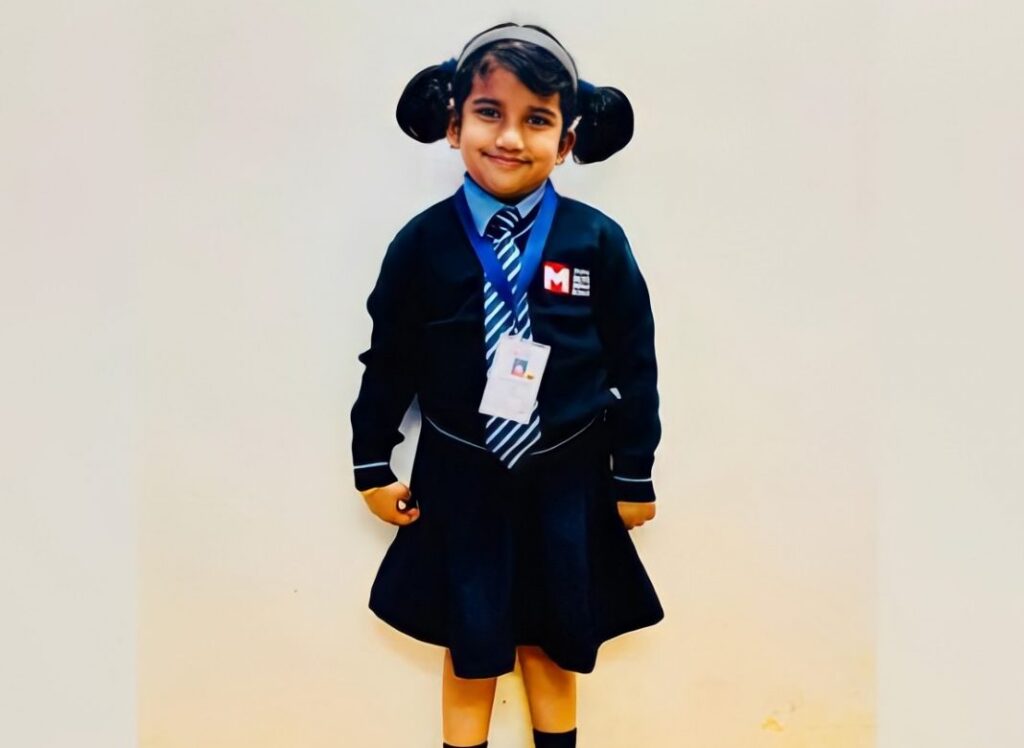
Young Eshal’s great achievement was recorded in the International Book of Records of 2021.

At just four years old, little genius Eshal Marwa Firos Khan set the world record for reciting all the elements in the Periodic Table in just 2 minutes and 28 seconds.

The kindergartener at Doha Modern Indian School didn’t only learn all the elements of the periodic table by heart, but also recited them in record-breaking time, earning her a spot in the International Book of Records on March 26, 2021.

“The World Record of “FASTEST RECITATION OF PERIODIC TABLE BY A KID” is achieved by ESHAL MARWA FIROS KHAN on 26th March 2021 from Doha, Qatar,” the organisation said.

“4 years 8 months Eshal recited all the elements of periodic table in 2 minutes 28 seconds and has set a new world record for International Book of Records,” it added.

Now, Eshal holds the record for “Fastest Recitation of Periodic Table By a Kid,” making her family and wider community in Qatar proud.

But that’s not the little girl’s only achievement.

Eshal is also documented in the India Book of Records and Champions Book of Records for identifying 55 critical human body parts, eight planets of the solar system, and 14 prime ministers of India in the shortest possible time.

Highlighting the girl’s achievement, the school extended their gratitude and pride towards her teachers for their support and guidance.

“On behalf of our esteemed Principal, Senior Leadership Team, Management, Staff and Students of DMIS we wish her further success and greater glory in the years to come,” said DMIS.

source: http://www.dohanews.co / Doha News / Home> Family Life / by Menatella Ibrahim / May 02nd, 2021

Chennai dessert boutique Sweet Spot teams home-baked treats with music recommendations

Chennai, TAMIL NADU :

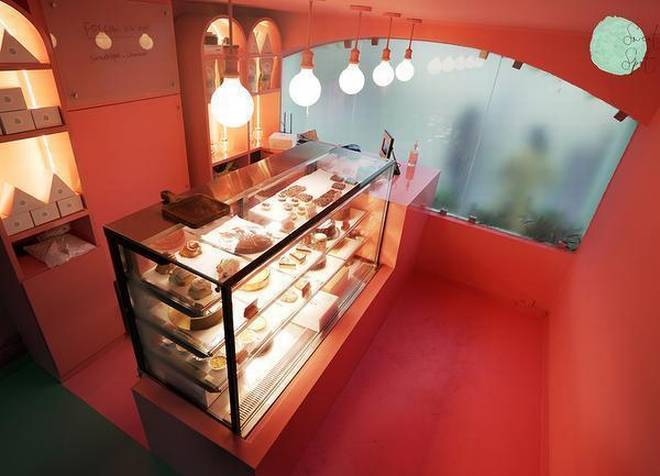
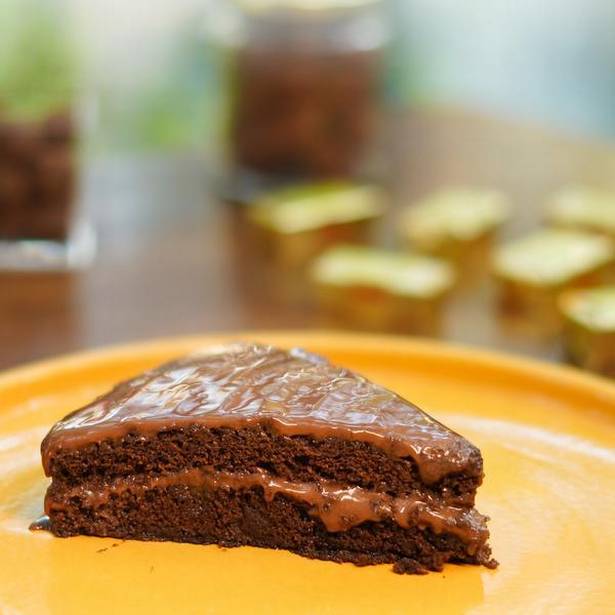
Sweet Spot’s best-sellers include milk chocolate salted caramel cake, baklava tart and dark chocolate cheesecake. The latest entrant on the menu is sheer shahi kurma

There is a lot one can discover over dessert. As I plunge my spoon into a gooey chocolate cake, my palate is surprised by what lies beneath: shreds of coconut, coated in luscious Belgian chocolate.

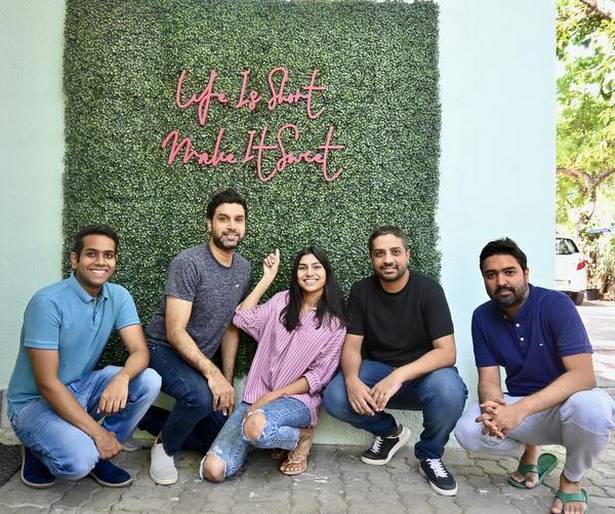
Keeping me company is a soulful Nepali track — a recommendation by the Sweet Spot team. It came written on a neon sticky note, attached to the neat box laden with brownies, tarts and cookies. Sweet Spot, started in April by Zeeshan Anees, Ahad Anaikar, Mohamed Faraaz, Pooja Reddy and Mohamed Samee aims to give home bakers a platform to promote their products.

The desserts are sold under the label of the person who created them, explains Samee. The idea is not to monopolise the dessert market, but to even out the playing field. And along with the goodies come song recommendations from the team. These include: ‘Hataarindai, Bataasindai’, ‘Parchaiyon Main’, ‘Heat Waves’, ‘100 words’…

“The idea came to us during the last lockdown, when we noticed an increase in home bakers. We were ordering a lot of desserts from them,” says Samee. Soon, they transformed a small space, in the same compound as the old Nolita (in Nungambakkam), into a dessert parlour.

The team put all interested home bakers through a series of quality checks, filtering out what did not work for them. “Earlier, the concern most clients had with home bakers was, they had to order two days in advance or buy a full kilogram of cake, even if all they wanted is one slice,” says Samee. Now, these wrinkles have been ironed out.

Empowering the homebaker

On an average, the boutique features items by 15 home bakers, the number goes up to 20 during the weekends. Each bakers typically stocks two to three of her creations. “Sixty to 70% are products by our anchor brands such as Meltz by Aishwarya, Whisk by Safra, Serendipia, Chef Srishti, Coucou, Baked by Faz, Zoya’s bakes, and the rest are from upcoming bakers,” says Samee.

The best-sellers include milk chocolate salted caramel cake, baklava tart and dark chocolate cheesecake. The latest entrant on the menu is sheer shahi kurma. They are trying to bring in variety with Indian desserts as well as savoury snacks like quiches and cream cheese-filled Korean buns.

On weekends they sell out. Their clients order from as far as ECR, Chrompet, Madipakkam and Velachery. The number of orders range from anywhere between 70-100 a day.

Order via their Instagram page, @sweetspot_chennai.

source: http://www.thehindu.com / The Hindu / Home> Life & Style> Food / by Priyadarshini Paitandy / Chennai – June 02nd, 2021

Four, including Zaibul Nisha, of Odisha are AITT 2020 toppers

ODISHA :

Close to 24 lakh candidates had appeared in the national level test conducted under the Craftsmen Training Scheme.

Bhubaneswar:

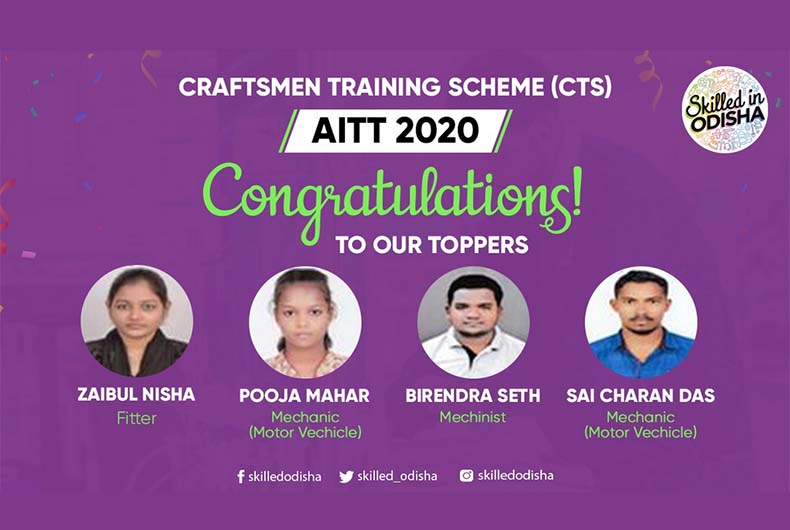
Zaibul Nisha, a Muslim girl from Odisha, is among the four toppers of All India Trade Test (AITT) 2020.

Close to 24 lakh candidates had appeared in the national level test conducted under the Craftsmen Training Scheme.

In an impressive performance, all top four positions of AITT 2020 have been secured by Odisha professionals.

“All four AITT toppers from Odisha”

Besides Zaibul Nisha, other AITT toppers are Pooja Mahar, Sai Charan Das and Birendra Seth.

A beaming Chief Minister, Naveen Patnaik, has congratulated the four on their historic success.

“CM @Naveen_Odisha congratulated @skilled_odisha professionals – Zaibul Nisha, Pooja Mahar, Sai Charan Das & Birendra Seth for making it to top 10 in the Craftsmen Training Scheme. CM expressed happiness that concerted effort to build a robust skill ecosystem is being recognized”, a message posted on CMO Odisha official Twitter handle said.

Odisha Skill Development Authority too is on cloud nine after the success of Odisha professionals.

“#SkilledInOdisha professionals ace it again at the national level! Glad to share that 4 of our professionals – Zaibul Nisha, Pooja Mahar, Sai Charan Das & Birendra Seth are national toppers Craftsmen Training Scheme (CTS) – All India TradeTest 2020”, it wrote on its Twitter handle.

“About All India Trade Test”

All India Trade Test (AITT) is conducted by the Directorate General of Training under the aegis of National Council for Vocational Training (NCVT) for its various schemes. The exam is held twice a year.

The Craftsmen Training Scheme is implemented through about 15,000 Industrial Training Institutes (it is) in 137 trades.

The AITT is held at the end of the training year. Candidates who qualify in the AITT are awarded National Trade Certificates (NTC).

source: http://www.ummid.com / Ummid.com / Home> Education & Career / by ummid.com News Network / June 04th, 2021

Dr. Hina Khan: Designing And Synthesizing Organic Molecules

INDIA / U.S.A :

Dr. Hina Khan

This is the eighth part of the series called `Scientist Says’, where we bring for our readers significant research works of young scientists in various fields.

Dr. Hina Khan started her research journey in year 2014 with Prof. Tushar K. Chakraborty research group, Department of Organic Chemistry, IISc Bangalore. After completing her PhD in July 2019, she worked as a Research Associate in the same lab for a year. In September 2020, she joined a Biocon-group company as a Research Investigator where she worked in collaboration between Bristol Myers Squibb and Syngene International. Currently, she is a postdoctoral fellow at the University of Pittsburgh, United States. She shares her significant research work with Rashida Bakait of India Tomorrow. Here are the excerpts of the interview.

Q. Please briefly explain your research.

Ans. Chemistry is frequently described as the central science and chemical synthesis lies at the heart of the subject. Synthetic organic chemistry underpins several areas of chemistry, including drug discovery, chemical biology, materials science, and engineering. However, the practice of total synthesis of natural products has a rich history of achievements and benefits to science and society that ranges from replicating the molecules of nature in the laboratory to the preparation and production of pharmaceuticals, developing new synthetic strategies and methods, and also synthesizing designed molecules for biology and medicine.

In contributing to the everlasting field of “the art of making molecules”, my research work mainly focuses on the discovery of new organic transformations which are of significant interest to the fields of medicinal chemistry and pharmaceutical development and also uncovering the practical application of Titanocene (III)monochloride in the synthesis of architecturally challenging and biologically important natural products and their inspired synthons.

Q. When did you start and complete your research?

Ans. I started my learning to be a researcher in Aug 2014 with Prof. Tushar K. Chakraborty at IISc, Bangalore, submitted my doctoral thesis in July 2019, and defended the thesis in March 2020. Later in the year 2020, I joined Biocon-group company as a research investigator and worked till April 2021. Currently, I am working as a postdoctoral fellow in University of Pittsburgh, United States.

Q. What was the objective of your research?

Ans. With the ever increasing demand of developing new, efficient, and cheaper methods to construct biologically relevant molecular frameworks, my research aims on the design and developing new synthetic strategies for concise entry to important functionalized bioactive synthetic scaffolds/target.

Q. What were the findings of your research?

Ans. The research findings revolves around two main areas:

I : In developing a synthetic methodology which is flexible and provide single potential route for the diastereoselective construction of diversely substituted 1,3-X,N-heterocyclic variants as valuable scaffolds for natural products and pharmaceuticals, in a diversity-oriented approach. The methodology is amenable for a broad range of substrates based on a metal-free approach.

II. In exploring the synthetic utility of Titanocene(III)monochloride-promoted radical cyclization protocol on to the findings:

a) We have developed a concise and unified approach to gain access to handful iridoid monoterpenes that exhibit wide range of pharmacological activity.

b) We have portrayed a synthetic route to a bicyclic lactone containing a bridgehead hydroxy group, a structure that is present in many natural products of biological and medicinal relevance.

c) Furthermore, an efficient route for the construction of pyrrolo/piperidino[1,2-a]indole derivatives have been developed.

During my research endeavour I have also been involved in the synthesis of sugar amino acid (δ-SAA) based linear lipopeptides (Almiramide analogues) that were screened for their biological activities, viz. antileishmanial and anticancer and the extension of this work is currently active.

Q. What was the conclusion of your research?

Ans. Driven by the ever-increasing demands for small functionalized bioactive scaffolds and the need of broadening the toolbox of unexplored chemical space, our designed strategy provides a flexible route to construct the unique five/six membered 1,3-heterocycles by exploring the synthetic utility of α-phenyl-β-enamino ester following a Mitsunobu-Michael reaction sequence. Next, taking advantage of Cp2Ti(III)Cl-mediated reductive epoxide opening-cyclization, we have developed an expedient and the most concise and unified approach till date in the total synthesis of iridoid monoterpenes in an enantiomerically divergent manner starting from (+)-β-citronellene. Further expansion of the strategy was made to fix hydroxylated bridgehead chiral centre, in the fused/bridged bicyclic lactone, a structure that is present in many natural products of biological and medicinal relevance. Furthermore, as part of our ongoing research interest, we have successfully extended yet another practical application of Ti(III)-mediated epoxide opening-cyclization protocol to devise a simplified route to a pyrrolo/piperido[1,2-a]indole framework, featuring many useful functionalities on the saturated ring, which is ideally suited for further manipulation.

Q. What kind of challenges did you face?

Ans. A doctorate is a long project so your motivation will dip and peak along the way. In multi-step synthesis, designing a synthetic route to the target molecule, optimizing every step of the synthetic plan with the best possible outcome, revising the plan, if needed and starting all-over again is really a burnout process. I would say you can learn more from your failures than successes. They are often catalysts for positive change in the long term. And remember one thing that you are training to be a researcher.

Q. Any scholarships or awards for research?

Ans. For my Ph.D. and Research Associateship (Aug 2014 – Jul 2020), I have received funding from Indian Institute of Science. I have received award for my research work in Indian Peptide symposium, in 2017. Currently, for my postdoctoral program I am receiving scholarship from University of Pittsburgh, United states.

Q. How do you think your research would be beneficial to the industry or society?

Ans. Organic synthesis, the art and science of constructing substances, natural or designed, in the laboratory to replicate the molecules of living creatures, and create other molecules like them, is a remarkable development in human history. Organic synthesis in general, have led to an impressive host of benefits to society, including useful products ranging from pharmaceuticals, dyes, cosmetics and agricultural chemicals to diagnostics and high-technology materials used in computers, mobile phones and spaceships. My research on designing and developing synthetic route to construct heterocycles, terpenoids, alkaloids will provide a new synthetic approach and scope to replicate some of the most intriguing molecules of living nature in the laboratory and apply the developed synthetic strategies to construct variations of them to facilitate biology and medicine.

Q. Any new research you are working on now.

Ans. My current research at University of Pittsburgh, as Post-doctoral fellow is to rationally design and synthesize more efficacious 2-Pralidoxime analogs (2-PAM) which is the only therapeutic countermeasure that is approved by the United States Food and Drug Administration for treating Organophosphorus nerve agents (OPNA) poisoning. However, 2-PAM is not centrally active due to its hydrophilicity and resulting poor blood−brain barrier permeability; hence, these deficiencies warrants the need for antidotes with the development of more hydrophobic analogs.

Q. How do you think your research can be carried forward?

Ans. Taken together, the simplicity and efficiency of the designed strategies can further be adopted to obtain other enticing heterocyclic variants, highly functionalized iridoids/cyclo-pentanoid natural product, also having bridgehead hydroxyl group in a bicyclic lactone, [a]-annulated indole frameworks, which are beneficial to the science of organic synthesis for further innovative applications.

Q. Please give few tips and suggestions to the budding scientists.

Ans. Research is a never-ending journey of learning something new, honing your problem-solving skills and challenging yourself in new ways. I would advise the young scientists to stay curious and stay determined. Science is not easy, become comfortable with failure because a major component of the scientific process is trial and error. Failure is okay! Failing provides some of the biggest learning opportunities and finding new scientific discoveries.

It is not about perfection but curiosity and perseverance. Keep exploring, keep experimenting, keep learning, keep improving. Avoid burnout and look after your mental health to make you more productive in the long run.

Remember to take five-minutes brain break by walking away for a moment, rest that brain and then resume.

source: http://www.indiatomorrow.net / India Tomorrow / Home> Education> Featured / by Rashida Bakait, India Tomorrow / May 19th, 2021

Covid-19: Wajid Ali Shah’s scion passes away

Kolkata, WEST BENGAL :

A file photo of Prince Anjum Qudr, Dr Kaukub Quder Sajjad Ali Meerza and Prince Nayyar Qudr posing for a photo with Meerza’s daughter, Manzilat Fatima, at Imambara Sibtainabadin Metiabruz, Kolkata, sometime during 1985-1986

Kolkata / Lucknow :

Kaukub Quder Sajjad Ali Meerza, the great-grandson of Awadh’s last monarch, Nawab Wajid Ali Shah, and grandson of Nawab Birjis Quder, died of Covid-19 in Kolkata on Sunday afternoon, aged 87.

Considered an authority on Wajid Ali Shah’s literary and cultural contributions, he is survived by his wife, two sons and four daughters.

Meerza may be buried on Monday at the royal burial ground(Gulshanabad Imambara), about a kilometre from the Sibtainabad Imambarah in Metiabruz, where Wajid Ali Shah rests.

A popular figure in the billiards and snooker fraternity of  the country, Quder had graduated with honours in economics from St Xavier’s College in the same batch as Amartya Sen.  He studied political science and then a three-year law course.

Subsequently, he studied Urdu at CU, won a silver medal in 1962 and also earned a UGC Junior Fellowship for research on the “Literary & Cultural Contributions of Wajid Ali Shah” in the department of Urdu at Aligarh Muslim University. In 1967, he joined the department as a lecturer and earned a doctorate for his thesis.

Kaukub Quder Sajjad Ali Meerza’s daughter, Talat Fatima, is now translating his book from Urdu to English. “His research was extremely rich. This book, published in the late 70s, has a compilation of some 42 works of Wajid Ali Shah. Some of them are in Persian,” she said, adding that her father preferred to be addressed as “Dr Kaukub Quder Sajjad Ali Meerza” instead of using the title of a prince.

It was his academic interest in his forefather that had also got Satyajit Ray to get in touch with him during the making of “Shatranj ke Khilari”.

On Ray’s birth anniversary this year, his daughter, Manzilat , had tweeted: “There are a couple of letters that were exchanged between Bawa [her father] and Satyajit Ray during the making of Shatranj Ke Khilari.” On Sunday, she spoke about how Ray  had even visited their 11 Marsden Street residence that is popularly known as ‘House of Awadh’. “Ray could have gone to anyone else for information. But he chose to get in touch with my father. In fact, he had made many attempts to meet my father but the meeting never happened. Hence, it was through correspondence that he got the information regarding Wajid Ali Shah. I feel Ray had portrayed Wajid Ali Shah in the right light. Many often claim that Wajid Ali Shah had been exiled, but that isn’t true. He had left the kingdom of his own volition. I believe my father’s information helped him give authentic information about Wajid Ali Shah,” she said.

Quder was also a great connoisseur of food. A big photograph of him along with his two brothers hangs in the rooftop restaurant opened by his daughter. “He was happy when he saw how, in my capacity, I was upholding the family name. Awadhi food was already losing its identity. He was happy I was making the effort to popularize that food,” Manzilat said.

Incidentally, he was the chief referee of first World Snooker Championship held at the Great Eastern Hotel in Kolkata in 1963-64. He had remained the chief referee of the National Billiards & Snooker Championship till it left the Palm Court of the Great Eastern Hotel in the 70s .

“It was my father who coached me to play snooker and billiards. I became the first woman participant from India to play the games at the national level,” said Manzilat.

The rolling trophy of the IBSF World Snooker Championship, the MM Baig Trophy, was designed by him. In the 70s, he had also brought out a pioneering Billiards magazine, “The Baulkline”.

According to his son, Irfan Ali Mirza, “He was the founder-secretary of The Billiards & Snooker Federation of India, The West Bengal Billiards Association and The Uttar Pradesh Billiards & Snooker Association.

Sudipta Mitra, the chief executive officer (CEO) of Peerless Hospital and a student of Meerza, describes his mentor’s demise as a “huge loss”. “A part of our cultural history is lost with his demise. He came with pneumonia and was admitted to the ICCU. Unfortunately, he passed away today afternoon due to Covid pneumonia. Jawaharlal Nehru had initiated the idea of the government of India bearing the expense of his education. He was my research guide while writing the book titled ‘Pearl by the River: Nawab Wajid Ali Shah’s Kingdom in Exile’,” Mitra said

The Peerless Hospital CEO, said according to his research, he was “the last royal pension holder”. “In 1892, the British government had created a royal pension book where only the lineage of Birjish and his wife, Mahtab Ara Begum, who was the granddaughter of Bahadur Shah Zafar, the last  Mughal Emperor of India, was recognized.

Birjish, who was the only son of Wajid Ali Shah and Begum Hazrat Mahal, was the eldest surviving son of Wajid Ali Shah when the latter died in 1887. That is why this lineage has been recognized for royal pension,” Mitra said.

source: http://www.timesofindia.indiatimes.com / The Times of India / Home> News> City News> Kolkata / by Priyanka Dasgupta and Yusra Husain / TNN / September 14th, 2020

With hijab around her head, this Kerala Muslim girl has conquered Kalaripayattu

When Arifa Kodiyil, a Muslim woman started learning Kalaripayattu at the age of five, it raised many eyebrows. Now, the five-time-national champion is an example to strong women who fight their ground.

Mallapuram, KERALA :

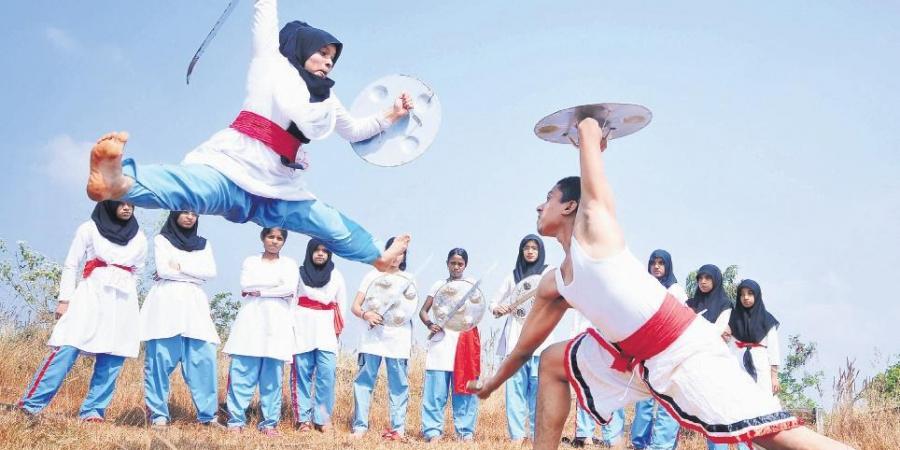
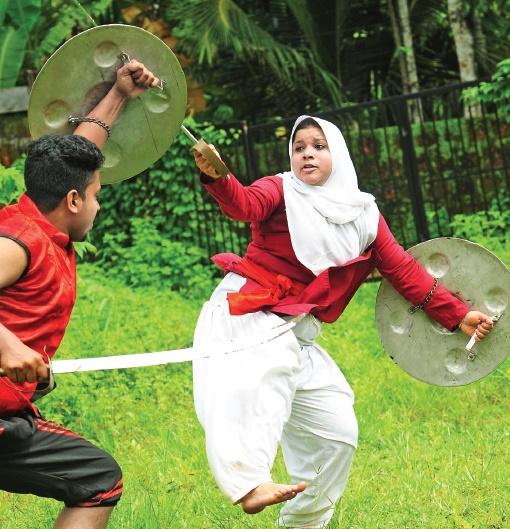
Arifa can effortlessly handle many weapons including, Urumi, Vaal and Paricha, katara (dagger), kathi, kuntham (spear), kuruvadi (blunt wood stick) and neduvadi.

Kochi : 

Kalaripayattu, the traditional martial art form that originated in Kerala, has always been a man’s game. But veteran Kalari trainer, Hamzathali Gurukkal brought a change to this custom when he decided to introduce his five-year-old granddaughter Arifa Kodiyil to the artform. The Malapuram-native didn’t have a good start. A Muslim girl learning Kalari did raise many eyebrows. 

Having turned 26 recently, hijab-clad Arifa slays her competitors, flashing her urumi with all might, following the footsteps of legendary warrior Arackkal Ayesha. “Growing up, I used to watch the men in my family practice and teach Kalari. I used to think everyone needed to learn Kalaripayattu. At the age of five, seeing my interest in the art form, my uppuppa decided to train me,” says Arifa. 

Road less taken
This five-time national champion was the first girl from Malapuram to master the art form. “Since I didn’t have any women to practice with, my brother Ashif used to spar with me. At most competitions too, I was the only girl, or rather, the only Muslim who represented Malapuram back in the day,” says Arifa. 

After the demise of Gurukkal Hamzathali, his son K M Haneefa Gurukkal runs the Hamzathali Gurukkal Smaraka Kalari. “When Arifa was introduced to Kalari lessons, many people from the community asked us to not let her perform on stage, that Kalari is not ideal for a woman to practice. We, as a family never paid heed to those words. We always asked our kids not to get bogged down by the comments,” says Haneefa. 

The ones who pointed fingers soon clapped for the family when they realised the importance of self-defence techniques. “We are living in a time when both genders need to know how to protect themselves. More parents have started sending kids in the age of four to our centre,” adds Haneefa.


A woman’s game
Arifa believes it is essential for women to learn martial arts. “In the women-only batch, around 50 girls are being trained at the gurukulam by my father, sister Anshifa, and me,” says Arifa.

Arifa claims that if you know the right moves, a woman can use anything — bag, umbrella, pen or purse — to protect herself. “After undergoing training in ‘Drishti’ a woman will be able to intimidate an attacker or an eve teaser with just a sharp gaze,” says Arifa. 

Arifa can effortlessly handle many weapons including, Urumi, Vaal and Paricha, katara (dagger), kathi, kuntham (spear), kuruvadi (blunt wood stick) and neduvadi. Kalaripayattu trainees can wield weapons only after gaining several years of practice in Meytaari, the first step of training which focuses on grip. 

Eyes Forward
Arifa, an optometry graduate is now living with her spouse in Chekkannor, Palakkad. Her sister, 21-year-old Ashifa, manages the women’s batch. Arifa steps in during special classes and competitions. “My students bagged gold at the recent state competition held in Thiruvananthapuram. Due to Covid, classes are being now conducted online. The training for the upcoming national event is underway,” said Arifa.  

The Central Government’s decision to include Kalaripayattu in the Khelo India Youth Games will benefit many students, says Arifa “It will be a major boost to Kerala’s centuries-old art form. A few of my students have secured scholarships as well,” says Haneefa.

source: http://www.newindianexpress.com / The New Indian Express / Home> Good News / by Mahima Anna Jacob, Express News Service / May 29th, 2021

The last Begum of Bhopal: How Begum Sultan Jahan fought patriarchy and educated a generation of women

Bhopal, MADHYA PRADESH :

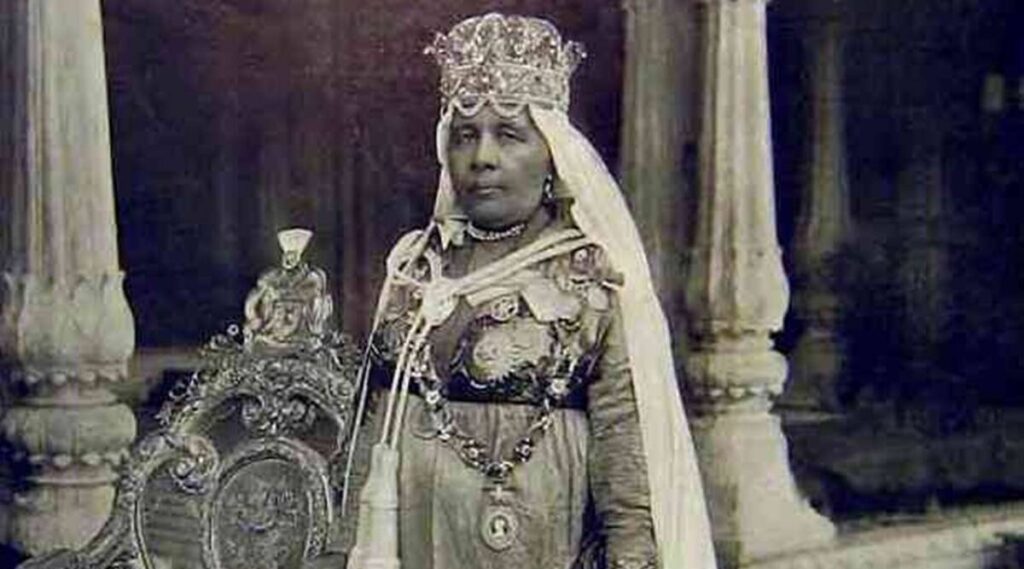
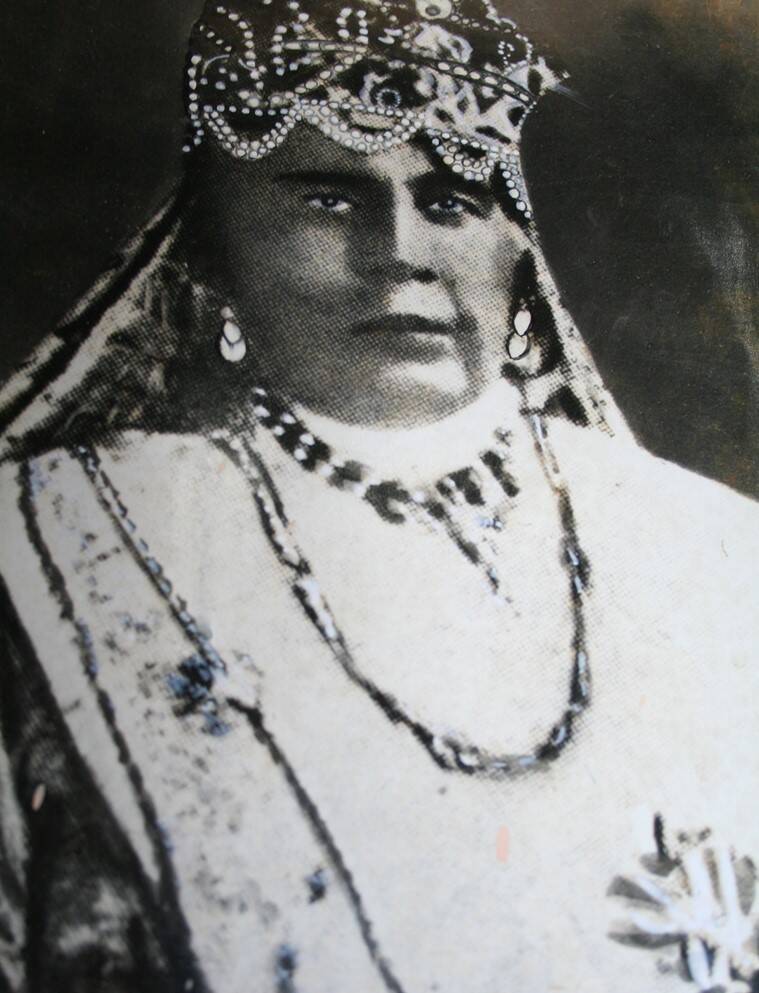
Born in 1858, Begum Sultan Jahan ascended the throne in 1901. While she was the fourth female ruler of Bhopal, she is credited with many firsts. She was known for ruling in the present with her eyes set on the future. Her progressive policies for women, at a time when they were shackled by the forces of patriarchy, have made her a feminist icon even today.

Begum Sultan Jahan was a pioneer in the field of education and even authored a book, Dars-e-Hayat, about the education and parenting of young girls.

Nearly a century ago, when the term feminism was not yet part of common parlance, the princely estate of Bhopal was run by a line of powerful women. In the absence of male successors, they initiated a matrilineal reign from 1819, which continued till 1926. These rulers are often referred to as the Begums of Bhopal.

During this era, they ruled with authority, dignity and bold reforms — disrupting the patriarchal system that had been laid down centuries before them.

The last Begum of Bhopal was Begum Sultan Jahan. She ruled from 1909 to 1926 after which she stepped down and was succeeded by her son.

Begum Sultan Jahan died on May 12, 1930 at the age of 71. She was known for ruling in the present with her eyes set on the future. Her progressive policies for women, at a time when they were shackled by the forces of patriarchy, have made her a feminist icon even today.

Apart from being a philanthropist and prolific writer, she was a symbol of women empowerment, known for taking up the cause of female education. She was the first female Chancellor of Aligarh Muslim University, which she had nurtured during its nascent stage, when it was still known as the Mohammadan Anglo Oriental College.

In a time when it was rare for women to venture out due to a strict purdah system, she famously constructed a Meeting Hall for Ladies in Lahore.

But above all, Begum Sultan Jahan was an astute ruler who restored the glory of her estate.

It is hard to find a female ruler who authored over 40 books, designed school curriculum, founded women’s clubs, travelled to Europe, met British officials with authority, funded almost all major institutions — both in the country as well as one in Saudi Arabia — and even headed a University as its first female Chancellor.

Interestingly, film actress Sharmila Tagore is the granddaughter-in-law of Nawab Hamid Ullah Khan, the youngest son of Begum Sultan Jahan.

Begum Sultan Jahan, the ruler of Bhopal

Born in 1858, Begum Sultan Jahan ascended the throne in 1901. While she was the fourth female ruler of Bhopal, she is credited with many firsts.

She was not one to stand on the sidelines. An incident from the early days of her regime is often cited to highlight her penchant for ruling from the front. When she took over as Queen, there was only Rs 40,000 in the treasury which was not enough to even pay the salary of her employees. Begum Sultan Jahan decided to tour her kingdom and interact with the village folk. After learning their concerns, she set up the municipality system and even introduced municipal elections.

She also constructed a walled city and a palace for herself. She took steps for improving public health, sanitation, and water supply in the walled city and implemented widespread vaccination drives for its residents.

Apart from being a philanthropist and prolific writer, she was a symbol of women empowerment, known for taking up the cause of female education.

Recognising that women needed a space exclusively for them to assemble and discuss ideas, she laid the foundation stone for a meeting hall in Lahore in 1913.

To encourage women and promote handicrafts, she organised an exhibition called ‘Numaish Masunuaat e Hind’ in Bhopal, where she displayed her own creations. Queens from other kingdoms, such as Gwalior, Jhanjhar, Sultanpur, Narsinghgarh and Gulburgah also participated and displayed their handiwork.

Begum Sultan Jahan as an educationist

She was a pioneer in the field of education and even authored a book, Dars-e-Hayat, about the education and parenting of young girls. There was a time when almost every city of the country had one or more educational institutes for girls which were funded by Begum Sultan Jahan.

To encourage parents to educate their daughters, she set up several schools. However, most initially resisted the idea, as at the time it was considered socially acceptable to teach their daughters at home.

Undeterred, she started the Sultania School and also improved the condition of two existing schools — Madarsa Bilqisia and Madarsa Victoria. She even revamped the syllabus and added subjects such as English, Urdu, Arithmetic, Home Science and crafts. These schools were meant for underprivileged children and hence their expenses were borne by the Bhopal estate. Even in those times, she got the Madarsa Sultania affiliated to the Allahabad Board. This Madarsa was well equipped and even had an ambulance and sections for medicine and nursing. Later she also started a nursing school called Lady Minto Nursing School.

Begum Sultan Jahan did not solely focus on uplifting Muslim girls. She famously founded the Barjeesiya Kanya Paathshala’ and even instituted a scholarship for the underprivileged students of Jain Shwetambar Paathshala.

Despite being a small princely estate, Bhopal had an education budget of one lakh rupees. The educational institutions she supported were not confined to Aligarh alone. She was also funding a Madarsa in Deoband, Nadwatul Uloom in Lucknow and even Madarsa Sultania in Mecca, Saudi Arabia. Institutions such as Lady Hardinge Medical College, Delhi and some renowned colleges in Bombay (now Mumbai), and Calcutta (now Kolkata) received generous grants from her.

Begum Sultan Jahan established the Ladies Club in Bhopal with the aim of involving more women in her mission. She addressed the functions of the Ladies Club. Later, she even organised an event under the aegis of All India Women Association in Sadar Bhopal and established the Sultan Jahan Endowment Trust with a corpus of Rs three lakhs for helping needy students.

Begum Sultan Jahan also went as far as encouraging the rulers of other princely states to promote education. Even Lord Harding praised her efforts.

She authored 41 books, many of which were distributed for free. She also translated a number of English books into Urdu.

Begum Sultan Jahan and AMU

Around that time, more than 600 kilometres away from Bhopal, in the province of Uttar Pradesh, the Mohammedan Anglo Oriental College was taking shape in Aligarh.

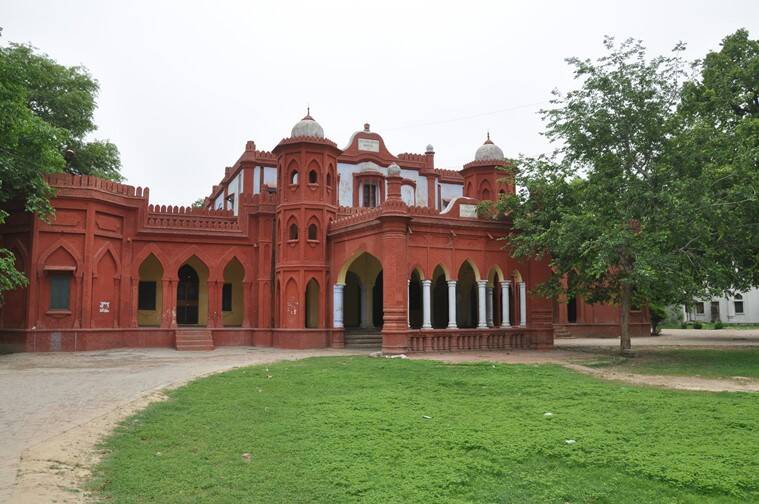
In 1910, while returning from Mussoorie, she stayed in Aligarh for the first time. During her visit, she donated Rs 50,000 for the construction of the All India Muhammadan Educational Conference, which still exists today and is known as Sultan Jahan Manzil.

A monthly grant of Rs 100 was sanctioned by her for the girls school started in Aligarh by Sheikh Abdullah, which is now known as the Women’s College of AMU. She designed the syllabus herself and offered it to the school authorities. It was done at a time when there was a paucity of funds and women ’s education had taken a backseat. Later, when MAO College became AMU, she was named its first Chancellor.

During AMU’s centenary celebrations on December 22, 2020, Prime Minister Narendra Modi paid tribute to Begum Jahan and her contribution to the historic institution — “The AMU has the rare distinction that Begum Sultan Jahan took over the responsibility of its founder chancellor. How daunting it would have been one hundred years ago!”

In 1910, she stayed in Aligarh for the first time. During her visit, she donated Rs 50,000 for the construction of the All India Muhammadan Educational Conference, which still exists today and is known as Sultan Jahan Manzil.

As Chancellor of the AMU, she addressed its first-ever convocation ceremony in 1922 amidst renowned scholars from across the country. She also arranged cars and lodging for 175 persons during the jubilee ceremony of the University. Begum Sultan Jahan visited Aligarh seven times, with her last visit being in 1929.

Her speech during the foundation stone laying ceremony of Sultania Boarding House in Women’s College reflects her vision. She said, “Today is the beginning of a new era in the history of Muslims. And, whenever, in the coming time, the history of this era is recorded, today’s programme will be remembered as one of its brightest chapters.”

Her prophecy came true. The school patronised by Begum Sultan Jahan has grown into a college drawing over 3,095 female students from across the country and overseas enrolled in 34 courses taught by 107 faculty members.

The women’s college attracts international students from more than 20 countries including, Afghanistan, Malaysia, Turkey, Thailand, Indonesia, Iran, UAE, Iraq, Yemen, Bangladesh, Libya, Nepal, Syria among others.

The Nasrullah Hostel for Boys in AMU, too, was constructed with her support. It is often said that whenever AMU needed help, Begum Sultan Jahan of Bhopal Estate was among the first to step up.

Following in her footsteps, her son Hamidullah Khan, who studied in Aligarh, founded a Science College in the city, and donated Rs two lakh to it.

(Nasir is Assistant Professor, Department of Law, Aligarh Muslim University; Fareed is Media Advisor, AMU)

source: http://www.indianexpress.com / The Indian Express / Home> Lifestyle> Art & Culture / by Faisal Fareed & Mohammad Nasir (Aligarh, UP) / May 27th, 2021