Saba Sultan, daughter of Tiger Pataudi, the only women custodian of royal endowment properties in Saudi Arabia, appointed a new secretary and member, here on Monday. With appointment of Azam Tirmizi as secretary and social worker Abdul Tahir as a member, process of completion of six-member executive board came to an end. The board advises Sultan on financial, administrative and legal issues.
Resignation of two members, including former secretary Mohammed Hasim necessitated freshappointments. Sultan heads Rs-1,200 crore Auqaf-e-Shahi, a royal endowment charitable trust of erstwhile Bhopal State with its properties spread across Bhopal and also in the holy city of Mecca and Medina.
Monday’s meeting comes in backdrop of a confrontation between trust advisor Gufran-e-Azam and current MP Waqf board chairman Shoukat Mohammed Khan.
In presence of Sultan, Azam claimed Auqaf-e-Shahi is independent as it only registers its Indian properties with Madhya Pradesh Waqf Board, which is a caretaker and paid chanda nigrani (token amount from rent/earnings).
Azam took on MP Waqf Board over jurisdiction claim on Auqaf-e-Shahi, a royal endowment trust of former Bhopal State.
Saba Sultan reiterated she was ‘mutawalli’ (custodian), a position accepted by Saudi Arabia and MP Waqf Board. She said her agenda was now to augment rent collection and, in return, provide better pay to all Auqaf-e-Shahi workers and imams of mosques under the trust.
source: http://www.timesofindia.indiatimes.com / The Times of India / News Home> Cities> Bhopal / TNN / November 21st, 2014
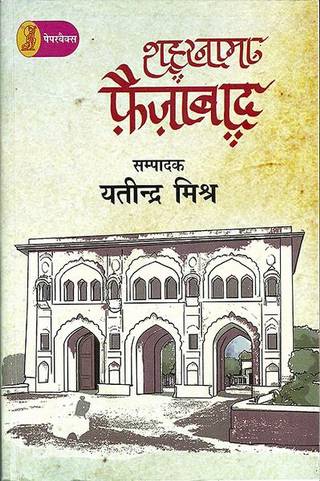
“Shaharnama Faizabad” offers detailed information about the social and cultural life of the historic town
Although Faizabad had acquired prominence during the reign of the early Nawabs of Awadh, it lost some of its lustre when, soon after taking over the reins of the kingdom in 1775, Nawab Asif-ud-Daula shifted the capital from Faizabad to Lucknow.
Yet, it continued to enjoy a lot of influence until the last Nawab Wajid Ali Shah was deposed and banished to Matia Burz near Calcutta (now Kolkata). It was so because of its famed Begums who wielded considerable political and financial clout. However, in the last century, a Begum of a different kind brought the town national recognition when, at the end of every gramophone recording, she would proudly announce: “Mera naam Akhtari Bai Faizabad”. For most of her performing career, Begum Akhtar was known as Akhtari Bai Faizabadi and she truly represented the refined composite culture of Faizabad that abuts the Hindu holy town of Ayodhya.
Last year, Vani Prakashan had brought out an excellent book on Lucknow that offered scholarly research along with useful touristic information. Titled ‘The Other Lucknow: An Ethnographic Portrait of a City of Undying Memories and Nostalgia’, it was edited by Nadeem Hasnain and was based on a research project sponsored and funded by the Ayodhya Shodh Sansthan (Ayodhya Research Institute), an autonomous organisation of the Uttar Pradesh government’s Department of Culture.
It’s a matter of rejoicing that this year, Vani Prakashan has published a companion volume on Faizabad with the help of the same Ayodhya Shodh Sansthan. The fact that this volume is in Hindi and it offers very detailed information about the historic town, its social and cultural life, and places of religious and cultural significance would warm the cockles of everybody’s heart. Hindi writer Yatindra Mishra, who recently won the President’s Golden Lotus award for his biography of Lata Mangeshkar, has edited this 640-page tome titled “Shaharnama Faizabad” (A Chronicle of Faizabad). A scion of the erstwhile ruling family of Ayodhya, Mishra’s love for Faizabad is evident in the care and fastidiousness with which he has performed this daunting task with the help of many experts including historians Salim Kidwai, Madhu Trivedi and Yogesh Pravin, Islamic culture scholar Mirza Shahab Shah and Kosala Museum’s Deshraj Upadhyaya, to name only a few. Mishra has not only edited the book but has also contributed a large number of detailed comments on the Faizabad region’s history and culture, making use of painstakingly done research into archival material and other sources.
The book is divided into five sections and opens with the history of Faizabad and the way its architecture and culture took shape under the Nawabs. After Nawab Saadat Khan ‘Burhan-ul-Mulk’ was awarded the Suba of Awadh by the Mughal Emperor, he built a temporary fort called Qila Mubarak near Lakshman Ghat in Ayodhya. After some time, he built a cantonment at a distance of five kms from Qila Mubarak and it was known as Bangla. During the reign of Nawab Mansur Ali Khan ‘Safdarjung’, Bangla acquired the name of Faizabad. This section also tells us a very interesting fact about the royal emblem of the Nawabs as it depicted fish (considered to be auspicious) along with the bow and arrow of Ram, the presiding deity of the adjoining Ayodhya. Detailed information about the arts, architecture, music, jewellery and ornaments, and prominent Nawabs and Begums and their Hindu and Muslim courtiers has been provided in this opening section.
The second section is one of the most interesting and valuable parts of this book as it deals with the events and heroes of the great revolt of 1857, often described as the First War of Indian independence.
Ripple effect
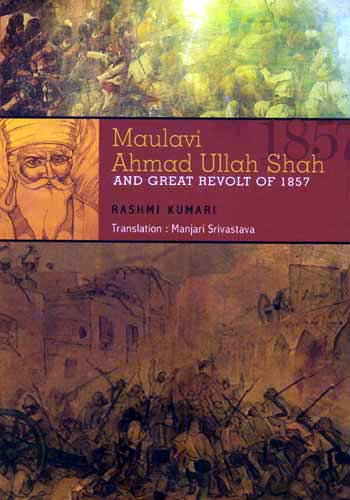
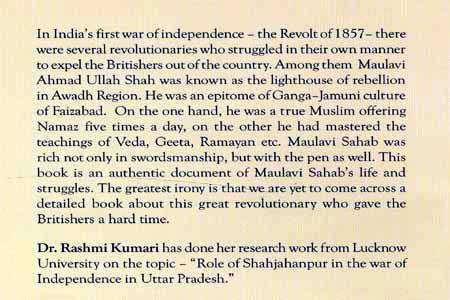
As is well known, the deposition of Nawab Wajid Ali Shah had also played an important role in spreading anger and anguish among the sepoys who hailed from the Awadh region in considerably large numbers. Mangal Pandey belonged to village Dugvan-Rahimpur of Tehsil Sadar in Faizabad district. We also come to know about Maulavi Ahmad Ullah Shah alias Danka Shah who, as early as in February 1857, had started condemning foreign rule in his public speeches. He was imprisoned and sentenced to death. Faizabad remained independent till January 6, 1858 and was defeated by the Nepalese army that attacked its forces and subdued them.
While the third section gives detailed descriptions of important religious places belonging to all the religions present in the region, the fourth section offers invaluable historical information about the writers, poets, courtesans, high-brow as well as folk musicians, folk art, village fairs as well as local festivals, bazaars and traditional haats, instruments and their makers, journalists, newspapers, magazines and printing presses of the region. It’s a fairly long list and offers a glimpse into the cultural richness of Faizabad.
The fifth and final section deals with prominent social workers, sportspersons, educational institutions and public libraries, thus completing a full circle. It’s not possible to discuss such a voluminous book in any detail here. Suffice it to say that those who are interested in knowing the history and culture of Awadh cannot afford to ignore this work.
source: http://www.thehindu.com / The Hindu / Home> Books / by Kuldeep Kumar / June 16th, 2017
Arcot, MADRAS (now TAMIL NADU ) / Faizabad, UTTAR PRADESH :
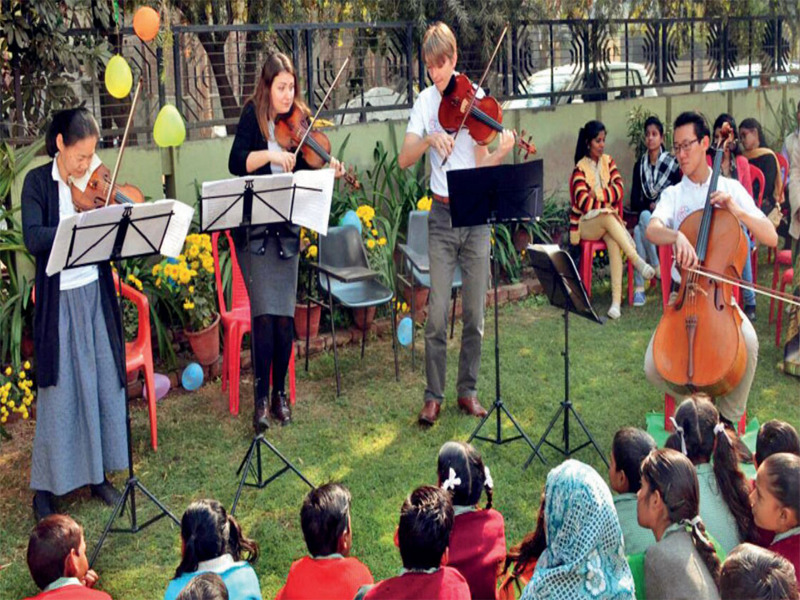
A German music band celebrates Christmas with children
Faizabad
Built 200 years ago, Wesleyan Chapel, a fine specimen of British Architecture, for the British soldiers posted in Faizabad Cantonment, Church of North India is all decked up to celebrate Christmas.
Wesleyan Chapel, built in 1816, merged with Diocese of Lucknow in 1970 and then came to be known as Church of North India.
Talking to TOI, Rev Kaushalendra Solomon, pastor of the church said that special prayer service would be held at midnight on Christmas and then in the morning. Different religious activities will continue in the church till December 31and a special watch night service would be held on New Year eve.
The church committee led by secretary Chitij Charles has ensured special decoration with flowers and lighting as the Church has completed 200 years. Rev Solomon said that they get special cakes baked for Christmas celebrations at a local bakery.
“Ghulam Mohammad, a local scholar, said that Maulvi Ahmad Ullah Shah, who was leading the 1857 mutiny against Britishers from Faizabad, had instructed his soldiers not to damage the Wesleyan Chapel because it was a place of worship.”
source: http://www.timesofindia.indiatimes.com / The Times of India / Home> Neww> City News> Lucknow News / by Arshad Afzal Khan / TNN / December 25th, 2017
The results of the AU study conclude that fisetin can protect the brain from damage induced by aging. (HT)
A team of scientists at the Allahabad University has established that a natural compound called fisetin, found in strawberry, apple, onion and cucumber, can restore brain functions which deteriorate during aging.
A team of scientists at the Allahabad University has established that a natural compound called fisetin, found in strawberry, apple, onion and cucumber, can restore brain functions which deteriorate during aging.
The findings of the team,led by Prof SI Rizvi from the department of biochemistry at AU, have been published in the latest issue of American research journal Life Sciences.
Scientists acknowledge that oxidative stress is a major factor responsible for age-related changes in living organisms. Oxidative stress is the condition when the damage, due to the toxic form of oxygen molecules, exceeds the capacity of the body to repair such damage.
“It is a paradox that oxygen, which is essential for life, becomes the cause of aging,” said Prof Rizvi.
“In human body, most of the oxygen is consumed by the brain. Therefore, it is the brain that becomes more vulnerable to oxidative stress. With increase in age, brain cells degenerate leading to diseases and loss of brain function,” he said.
Through experiments, the research team analysed a host of biomarkers of aging, including pro-oxidants, antioxidants, mitochondrial function, expression of genes, and apoptosis cell death.
The results of the AU study conclude that fisetin can protect the brain from damage induced by aging.
“The study was carried out on rats of different ages and also on those which were chemically induced to age faster,” said Prof Rizvi.
Fisetin was given to rats of old age and the effect was compared with the younger ones. Fisetin-treated old rats were protected from brain damage.
Among all anti-aging strategies being explored, caloric restriction is the most promising which, in common terms, can be defined as less food intake.
Caloric restriction has been effectively tested in small organisms like fruit fly and earthworms. The strategy becomes difficult to implement in humans where several ethical issues are involved.
Scientists have stumbled upon a class of compounds which mimic the effect of caloric restriction. With the use of these compounds, known as caloric restriction mimetics, the body feels like it is food restricted without the need of eating less.
According to Prof Rizvi, fisetin works as a caloric restriction mimetic in showing its anti-aging effect on rats. “Scientists are hopeful that compounds exhibiting caloric restriction mimetic effects will prove to be good anti-aging drugs,” he said.
Several experimental drugs are being tested in Prof Rizvi’s lab for possible anti-aging effects. “Although an increase in human lifespan may not be possible, it may increase the health span,” Prof Rizvi added.
source: http://www.hindustantimes.com / Hindustan Times / Home> Cities> Lucknow / by K. Sandeep Kumar , Hindustan Times, Allahabad / January 08th, 2018
Surat, GUJARAT / London, UNITED KINGDOM / Mumbai, MAHARASHTRA :
The book “Surat” by Moin Mir begins with a truth that will send a chill down anyone’s spine.
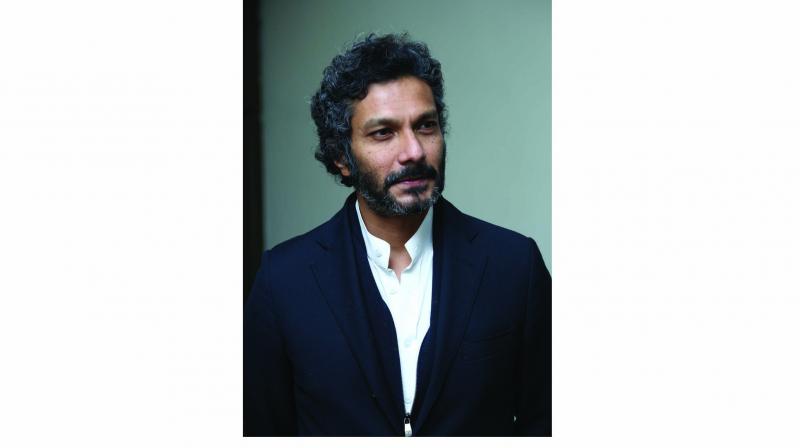
Moin Mir
Breaking all the shackles and bending, actually, even defying all the ‘rules’, the prince of Surat, Meer Jafar Ali Khan fought a battle all by himself. And win he did!
The book “Surat” by Moin Mir begins with a truth that will send a chill down anyone’s spine. “It is about how the East India Company took control of the great port city, Surat. They violated a treaty with the Nawab of Surat which stated that his family would be secure from generation to generation by stopping the family’s income, usurping the palaces, estates, jewellery and all that was part of the private estates of the Nawab, leaving the infant granddaughters of the last Nawab on the brink of destitution. In a counter attack Meer Jafar Ali Khan, father of the two infant girls stood to defy an empire and expose the corrupt practices of the Company in Victorian England. Spearheading a legal offensive that would shatter the Company’s reputation, Khan’s campaign for justice generated great heat and debate in British Parliament. Fighting against all odds this prince won it all back for his daughters and found true love” says Mir.
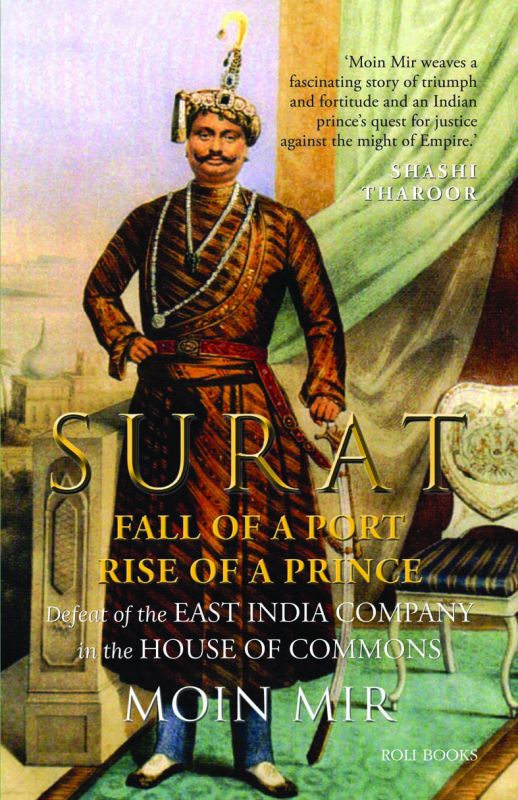
SURAT FALL OF A PORT, RISE OF A PRINCE by Moin Mir, Roli Books, pp. 250, Rs 495
“Two things that inspired me to write this, one that the lead character was a fathr on a quest to fight for justice in 1844 by planting himself there and defying an empire on its own soil.
The second reason to write this book was the city of Surat which was an important port. I wanted people to know that how this thriving maritime port was brought down by the English East India Company,” he adds.
Wanting to release the book on Meer Jafar Ali Khan’s 200th birth anniversary, Mir thought that 2017, was the right time to release it. The message he wants to give is that it is a story of a man who believed in his cause. “It’s a story of a city, an individual, a father and an Indian man in London in 1844. That is rare. And not just being an Indian in London but fighting the empire on their home turf. What are the chances of you winning? Zero! As the empire was at the peak of its power,” he signs off.
source: http://www.asianage.com / The Asian Age / Home> Books / by Kavi Bhandari / January 03rd, 2018
Begamon ka Bhopal is a lyrical ode to a forgotten time.
An 18-year-old widow who declared her infant daughter queen; a wife who survived an assassination attempt and held her husband captive; a princess who abdicated the throne in favour of her mother; a ruler who served as the only woman chancellor of Aligarh Muslim University.
The erstwhile royalty of Bhopal has borne some of the bravest, most dynamic rulers in the 19th and 20th century India. These nawabs were popular, fair, reformist, and fierce; they were also women.
While several women have enjoyed power as regent mothers and influential wives throughout history, Bhopal and its royalty are unique. Between 1819 and 1926, the kingdom saw four women rule it – women who were Nawab Begums, not just Begums, who ruled through inheritance, not proxy.
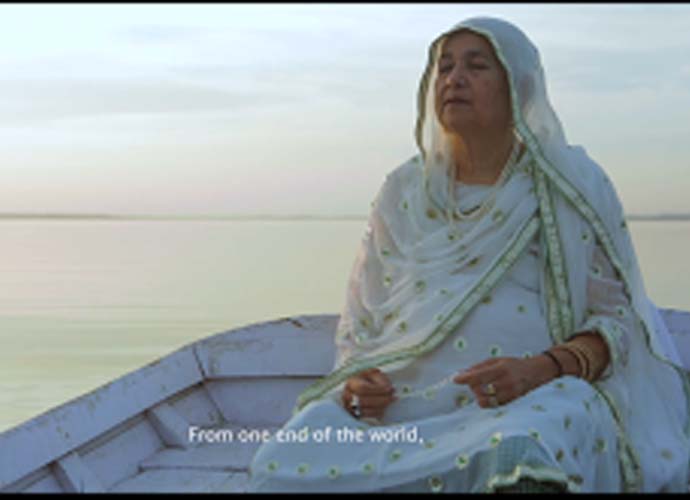
A still from Begamon ka Bhopal.
The movie
Much has been written about these women and their reign, including by the Nawab Begums themselves, documenting both the personal and the political events of their times.
The footprints they left behind have become part of Bhopal’s everyday life, informing and forming its consciousness and character. It is the exploration of this connect that has resulted in Begamon ka Bhopal, a short film, which is both an ode to the universal feeling of nostalgia, and a document of how an interaction with history can turn deeply existential and personal.
The movie has been directed by Rachita Gorowala, a 30-year-old alumna of Xavier Institute of Communications, Mumbai, and FTII, Pune, and will be available to viewers in January on filmsdivision.org.
Gorowala says she made the movie as her own experiment with truth: “A fascination with Pathan woman rulers who ruled Bhopal for over 100 years started me on Begamon ka Bhopal. A journey that may have begun on the lines of fascination with history became existential, introspective and deeper as an experiment with cinema.”
The movie speaks of a Bhopal long past, and seeks to conjure it up through a writer rooted in the city, a grandson who has preserved reels of films shot by his grandfather between 1929 and 1975, two royal descendants, a royal attendant.
The overarching emotion running through the movie is huzoon, a Persian word for powerful nostalgia, a longing for something lost but not gone. The characters speak of their own past lives, or their engagements and attempts to understand the past life of their city.
The emotion and the sense of old Bhopal is created through both audio and visual evocations – the magnificence and now the absence that marks palaces (Moti Mahal, Shaukat Mahal), the Taj-ul Masjid that is a solid link to the past and the present of the city. Music has been used powerfully – songs written and sung by Firoza Khan, one of the former royals who features in the movie – play like both a dirge and an ode.
“As a student of cinema, I learnt that a film is a medium of time and not of telling stories. Stories are meant to be heard and read. It is through juxtaposition of images and sounds that one creates an emotional journey,” says Gorowala.
Begamon Ka Bhopal is her first short film in the genre of poetic-realism, “a lyrical, musical, introspective journey”. “The movie is an ode to the times that once existed in Bhopal, through an everyday nostalgia that is lived by a writer, a film keeper and royal descendants. Each in their own way hold onto time and thus become it,” she says.
The movie has a lot of frames that show only parts, fragments – walking feet, hands busy with embroidery, dry rustling leaves – which seem to reflect the fragments in which we understand and engage with the past, the parts we hold on to, some passages, some stories that call out to us especially, and through which we try to understand the whole, through which we seek to anchor ourselves in the ocean of time.
The character Salahuddin, writer Manzoor Etheshaam, Nawabiyat descendants Firoza Khan and Meeno Ali, the royal attendant Zohra Phupo, all have important roles, the three women are symbols of the past and have survived into the present, the two men belong to the present and are trying to hold onto their connect with the past.
There is a powerful scene of Firoza fingering dolls as she talks of her own moulding into a member of a royal family post her marriage in 1961; she talks as she dresses up, her begum-ness coming alive with each addition of earrings, kangan, kaajal.
The Begums
For her movie, Gorowala had rich material to draw on. Bhopal’s famous Begums had a lot of variety among them in terms of personality and traits – the first, Qudsia, defied her court’s nobles and conventions to declare her infant daughter King in 1819.
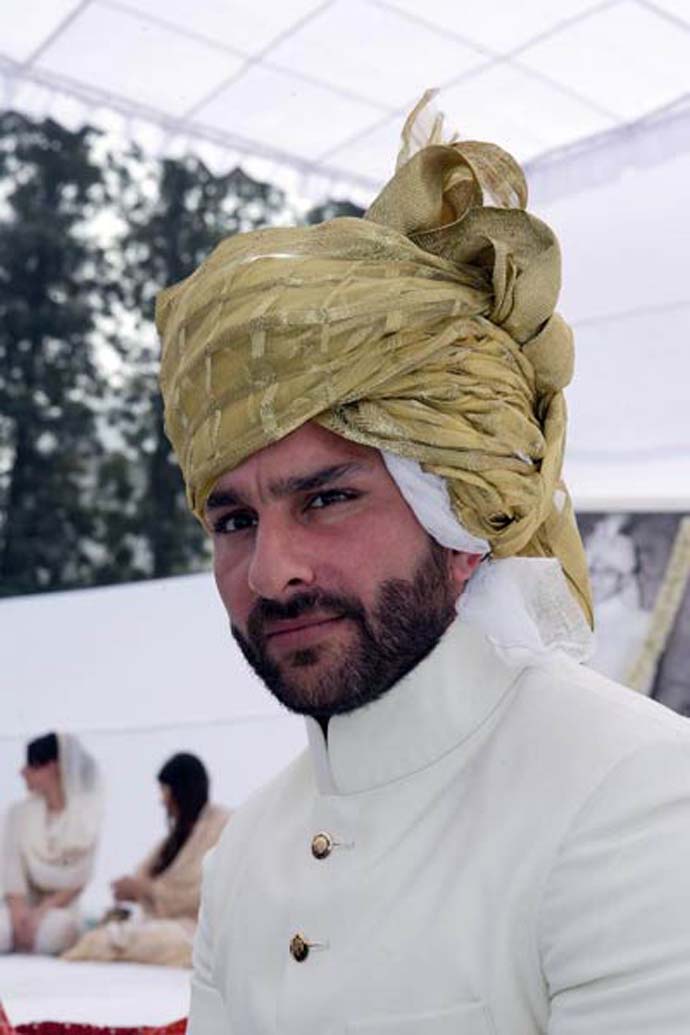
Saif Ali Khan Pataudi has the blood of these begums in his veins. Photo: India Today
Qudsia ruled as proxy for her daughter for 18 years, defending her kingdom against the battering armies of the mighty Marathas – Scindias, Holkars, Gaekwads – and her daughter’s inheritance against internal opposition.
However, some nobles managed to convince the British that a woman ruler was un-Islamic. Thus began a period of daughters inheriting the kingdom and their husbands ruling it. Qudsia’s daughter, Sikander, was married to her cousin Jahangeer. Jahangeer proved unpopular. He even tried to kill his pregnant wife, but she escaped, took refuge in another fort, and subsequently managed to imprison him inside the fort.
Jahangeer died at 26, and once again, his six-year-old daughter Shahjahan was declared king, with power to pass on to her husband when she would get married.
However, Qudsia argued and harangued the British till this clause was removed. Thus, Sikander, and then Shahjahan, both ruled Bhopal as kings who inherited the kingdom. After Shahjahan’s death in 1901, her daughter Sultan Jahanascended the throne.
While Qudsia was brought up illiterate and in purdah, she rose to the occasion when the need befell her. Sikander was raised to be king. Shahjahan was the most feminine and the least austere of the four, and wrote several books. Sultan Jahan went back to observing purdah, and was the first chancellor of Aligarh Muslim University.
After Sultan Jahan, the throne went to a man, her son Mohammad Hamidullah Khan. However, after Hamidullah died in1960 and his eldest daughter Abida Sultan migrated to Pakistan, his younger daughter, Sajida Sultan, came to power. Sajida’s husband was Iftikhar Ali Khan Pataudi, the grandfather of Saif Ali Khan.
Incidentally, Abida Sultan’s son Shaharyar M Khan, Pakistan’s former foreign secretary, authored the book, The Begums of Bhopal, on his path-breaking ancestors.
source: http://www.dailyo.com / Daily O / Home> Art & Culture / by Yashee @ yasheesingh / December 24th, 2017
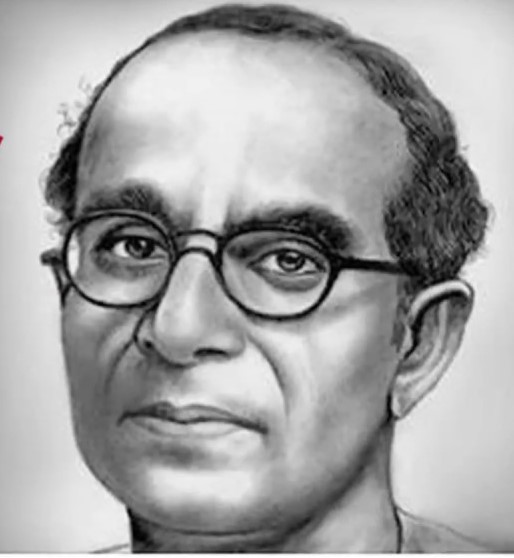
Both “Quit India” and “Simon Go Back” slogans were coined by a lesser-known hero of India’s struggle for freedom, Yusuf Meherally. Here’s his untold story.
India’s fight against colonial rule was a long drawn out battle that gained momentum in several phases since it started in the early 20th century. Examples of these phases are the Non-Cooperation movement of 1920-22 and the Civil Disobedience movement of 1930-32. However, the one rallying call that gave the country its ultimate push towards complete independence was “Quit India”.
By far the strongest and most vociferous appeal made by the Indian National Congress (INC), “Quit India” asked the British, loud and clear, to leave India once and for all. Interestingly, contrary to popular belief, it wasn’t Mahatma Gandhi who coined this iconic slogan.
Both “Quit India” and “Simon Go Back” slogans were coined by a lesser-known hero of India’s struggle for freedom, Yusuf Meherally.
The son of a well-to-do businessman, Yusuf Meherally was born in Bombay on September 3, 1903. Fifty years earlier, his great-grandfather had established one of Bombay’s first textile mills and the family had prospered ever since.
As a young boy, Meherally was curious about the nationalist movements developing around him. While he was in high school, he would spend much time reading about the revolutionary movements of the different nations and the role youth had played in them. Having witnessed his family’s upper class prejudices all his life, the sensitive boy was also deeply affected by the struggles of the working class.
Having soon become a staunch supporter of the freedom struggle, young Yusuf was looked upon as an embarrassing renegade by his pro-British family. Unaffected by their disapproval, he joined the movement immediately after finishing his schooling from Bharda High School.
After earning a B.A. in History and Economics from Elphinstone college, he was studying law at the Government Law College in February 1928 when Simon Commission reached Bombay. A group of seven British Members of Parliament, the Simon Commission had arrived in India to suggest constitutional reforms but didn’t have a single Indian member. This unfair and insulting decision had led to much anger and disappointment among Indians.
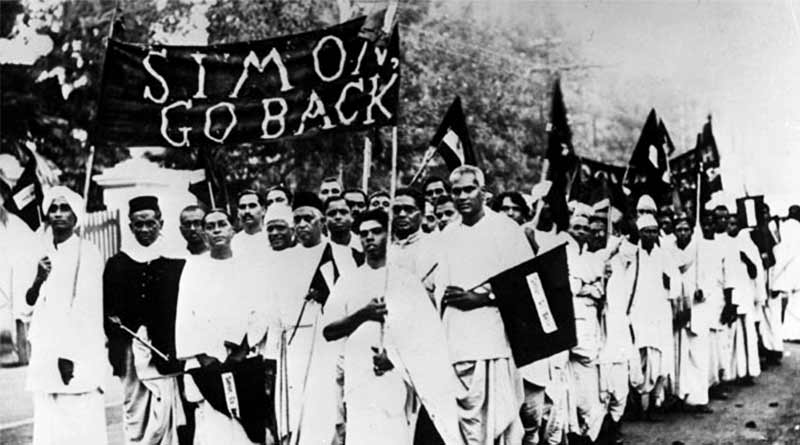
Having founded the Bombay Youth League the very same year, Meherally immediately organised a protest against the Simon Commision. He had initially planned an ambitious expedition on boats to meet the members at sea itself, but the plan was leaked and the police took stringent steps to prevent it from happening.
Undaunted, Meherally and other young men dressed up as coolies to get access to the Bombay port where they greeted the members of the commission with black flags and the slogan “Simon Go Back”. The resolute demonstrators were lathi-charged thrice but they did not budge an inch. As the news of the demonstration spread like wildfire, establishments across the city began observing spontaneous hartals.
Overnight, Meherally’s courage and slogan were on everyone’s lips, including Mahatma Gandhi’s. Not only had he dared to shout his slogan to the face of a powerful British politician, he had also defied the directions of his political seniors who counselled inaction.
Threatened by his growing popularity and radical views, the British debarred him from practising law to the consternation of his family. The rarity of this action can be seen from the fact that though several nationalist leaders were lawyers, none of them had been barred from practising law.
Two years later, when the Civil Disobedience movement was launched, Meherally and his band of young volunteers worked tirelessly to keep the morale of the public up in face of the severe repressive measures that the British unleashed.
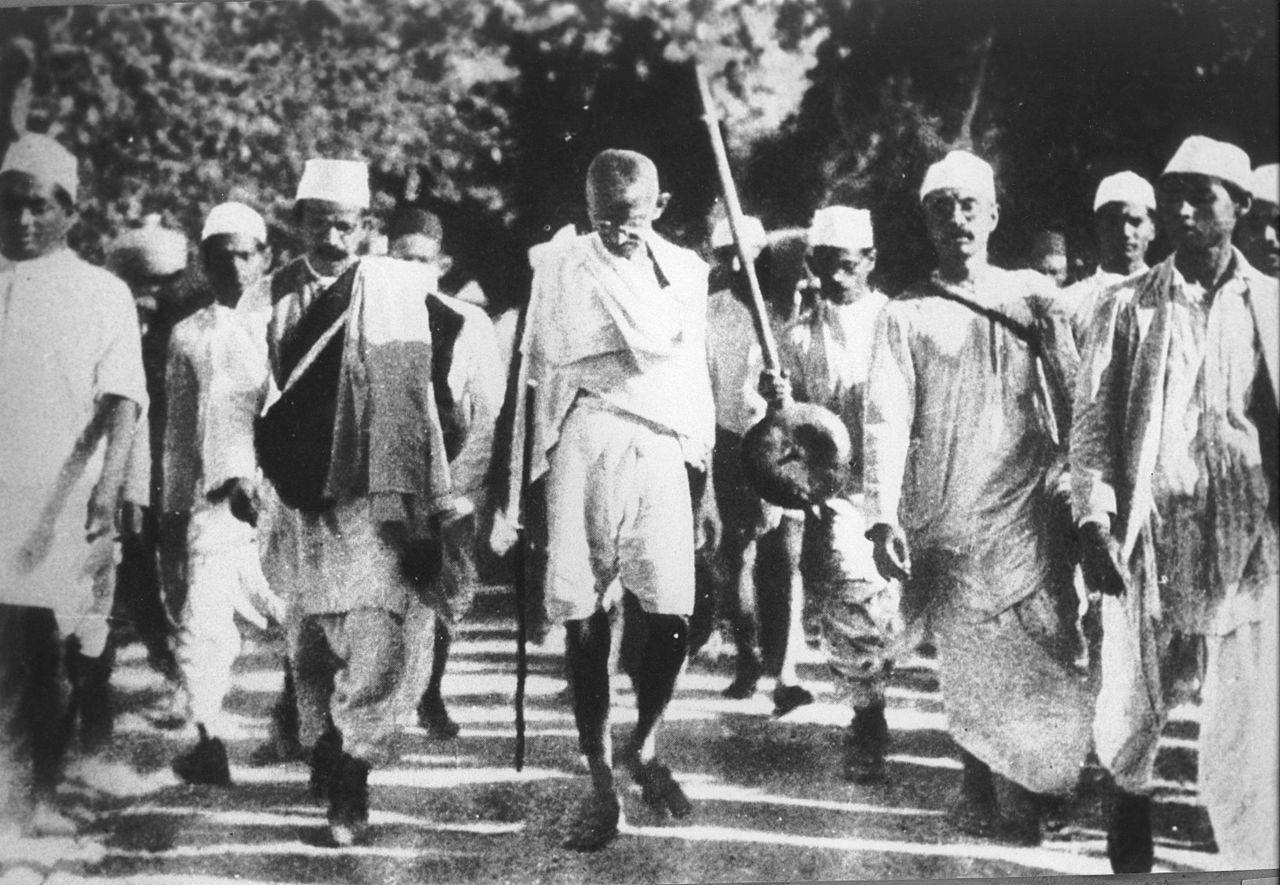
As INC’s prominent leaders courted imprisonment and went to jail during the Salt Satyagraha, Meherally kept the movement running till he himself was arrested in 1930 and sentenced to four month’s imprisonment.
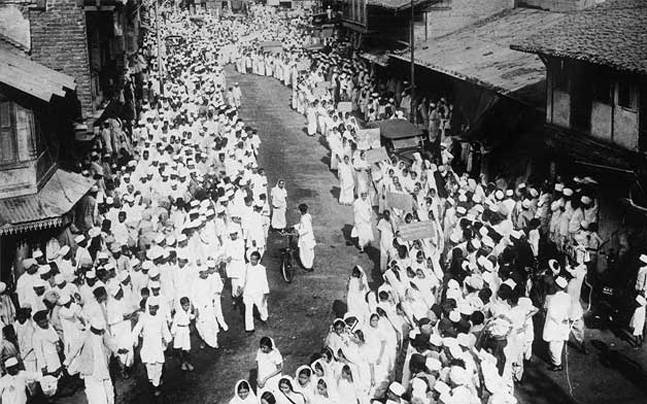
Gandhi during the Salt March, March 1930
In 1932, Meherally was again arrested for conspiracy and sentenced to a two-year term in the Nasik prison. It was here that he met and interacted with the radical socialist leaders of the freedom struggle.
After his release in 1934, he joined hands with Jayaprakash Narayan, Asok Mehta, Narendra Dev, Achyut Patwadhan, Minoo Masani and others to found the Congress Socialist Party. The organisation hoped to transcend communal divisions through class solidarity and bring about economic empowerment through decentralized socialism (i.e farmer co-operatives and trade unions).
In 1938, Meherally led the Indian delegation to the World Youth Congress in New York before attending the World Cultural Conference taking place in Mexico. Here, he was struck by the lack of literature on contemporary issues in India when compared to the West. Determined to fill this gap, he authored a series of books titled ‘Leaders of India‘ that focused on current topics and translated them to Gujarati, Hindi and Urdu.
Here is an excerpt from the foreword he wrote:
“The rise of the pamphlet and the booklet as a powerful weapon for the spread of ideas has been truly remarkable. During my visits to these continents (US and Europe) I was greatly impressed by the part that such brochures play in moulding public opinion. In Europe and America there exists a wealth of topical literature that is in striking contrast to its scantiness in India.
The Current Topics Series of Padma Publications is an attempt to meet this need. The idea is to publish every few months a booklet on a subject of topical or special interest having regard to present-day controversies and their bearing on the future. The series will not be restricted to political questions only. Every title will be published in a pleasing format, at a price within the reach of all.”
In the next few years, Meherally was arrested several times for defying prohibitory orders and participating in Individual Satyagraha (launched by Gandhi to affirm one’s right of speech and oppose the British decision to involve India in World War II without the consent of its people).
In 1942, he was still in Lahore Jail when he was nominated by INC for the election to Bombay Mayoralty.This nomination was personally backed by Sardar Vallabhbhai Patel who knew that Meherally belonged to that rare breed of leaders for whom personal gratification meant ensuring the well-being of fellow countrymen.
Released from prison to participate in the elections, Meherally won comfortably, becoming the youngest Mayor in the history of Bombay’s municipal corporation. During his tenure, he became immensely popular among the public due to his dedication towards ensuring effective civic service.
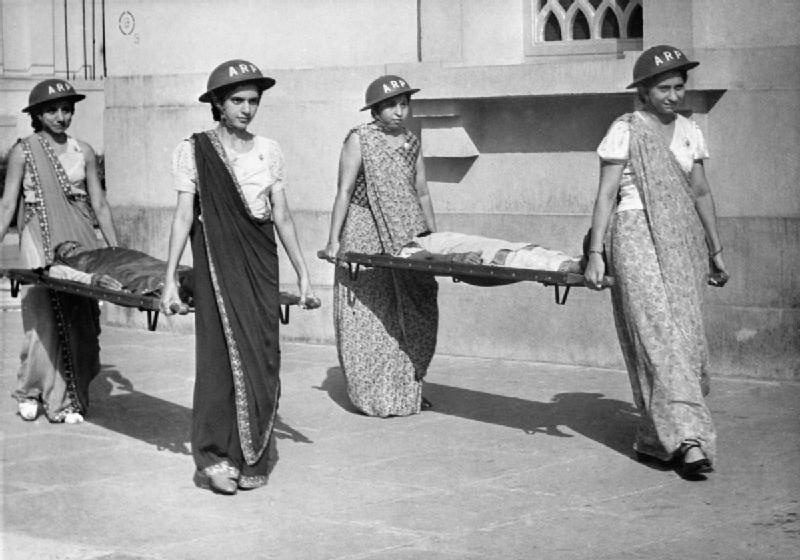
One of Meherally’s first steps as a mayor was to introduce a quick dispatch system for files and deal with slacking officials with an iron hand. Other than personally attending to citizens’ complaints on civic issues, he took the unprecedented decision of refusing to pay municipal money for the British Government’s Air Raid Precautions (ARP) scheme.
The ARP scheme was a programme initiated for the protection of civilians from the danger of air raids. It included the organisation of ARP wardens, messengers, ambulance drivers and rescue parties who would liaison with police and fire brigades in case of an air raid.
Earlier, Bombay’s municipal corporation used to pay Rs 24 lakh to the British government for the ARP scheme but an adamant Meherally argued that the defense of the city should be in the hands of those who would remain on the scene no matter what and not the British who would probably withdraw in case of an attack (just like they had done in Malaya and Burma).
This led to the organisation of the People’s Volunteer Brigade in Bombay and the city became the only one in India where the municipal corporation was allowed to run the ARP scheme.
Indian women training for air raid precautions (ARP) duties in Bombay, 1942. IND 1492 Part of WAR OFFICE SECOND WORLD WAR OFFICIAL COLLECTION No 9 Army Film & Photographic Unit
All this while, he continued being involved in the country’s fight for freedom. On July 14, 1942, INC’s working committee had met at Wardha and demanded complete independence, failing which a massive civil disobedience movement would be launched.
Soon after, at a meeting in Bombay, Gandhi conferred with his closest associates on the best slogan for the movement. C Rajagopalachari suggested ‘Retreat’ or ‘Withdraw’ but it didn’t find much favour with the leader. It was Meherally who then came up with the succinct phrase — ‘Quit India’ — that got Gandhi’s approval.
In preparation for the nationwide movement, Meherally published a booklet titled Quit India (that sold out in a matter of weeks) and got over a thousand ‘Quit India’ badges printed to popularise the slogan. On August 8, 1942, Gandhi delivered his powerful Quit India speech at Mumbai’s Gowalia Tank Maidan. The next day, he was arrested along with practically the entire INC leadership.
Realising that these arrests had created a vacuum in the communication between the leadership and the masses, Meherally immediately mobilized his socialist colleagues – Aruna Asaf Ali, Ram Manohar Lohia and Achyut Patwardhan – to take charge of the Quit India movement while hiding underground, just before he himself was caught and put in prison.
It was during this last tenure in prison that Meherally suffered a debilitating heart attack. The prison authorities offered to shift him to St George Hospital for special treatment but the principled man demanded that two other ailing freedom fighters should also get the same facilities. When the authorities refused, he chose to remain in prison.
Over the following few months, freedom fighters across India responded with waves of civic rebellion despite the violent backlash from the British authorities. While the Quit India Movement did not result in immediate attainment of freedom, it did indeed create the massive pressure that resulted in India bidding farewell to the British just three years later.
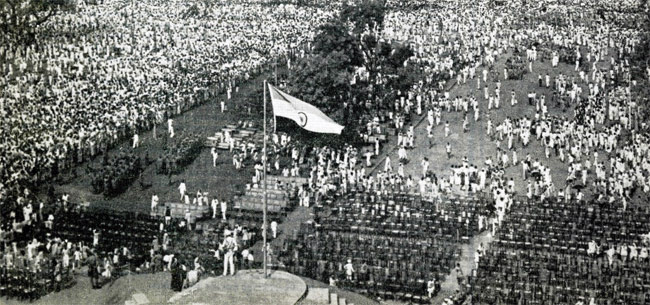
By the time he was released in 1943, Meherally’s health had deteriorated sharply but he continued to contribute to the cause of Indian independence. The selfless leader was over the moon when his beloved motherland finally unshackled the chains of colonialism and awoke to freedom on August 15, 1947.
Independence day of India, August 15, 1947
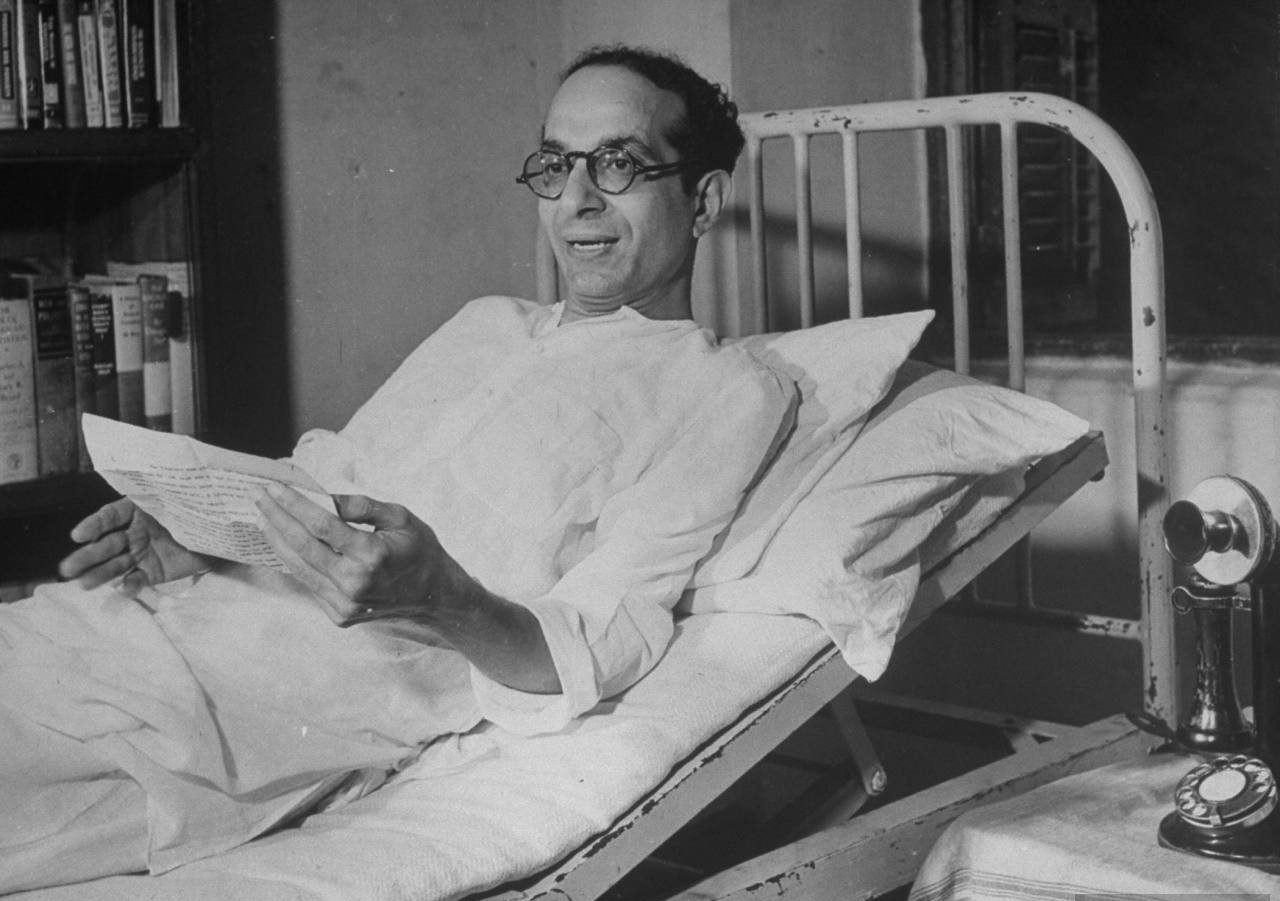
However, the years of struggle had taken its toll, rendering him weak and bed-ridden, though only physically and not in spirit. Even from his hospital bed, he continued to work to highlight India’s vibrant diversity and rich heritage.
In October 1949, Meherally organised a one-of-its-kind exhibition that displayed more than 200 pictures and paintings that traced the evolution of India’s freedom struggle since 1857. He also organised several cultural and literary events at Bombay’s famed Kala Ghoda, inviting Indian personalities who were legends in their respective fields.
On July 2, 1950, Yusuf Meherally passed away at the age of 47, his death rousing the same passion in the public as his slogans. Shocked at the loss of their beloved leader, all of Bombay was in collective mourning. The next day, as the clock struck noon, buses, trams and trains across the city stopped for a few minutes.
Almost all schools, colleges, shops, factories and mills remained shut. The Bombay Stock Exchange, an iconic symbol of the city’s financial strength, witnessed no trading though officially open for business. The city that never stopped, Bombay stood still in the memory of the man who had literally given his lifeblood for the city’s well-being and the country’s cause.
source: http://www.thebetterindia.com / The Better India / Home> Freedom Fighter> History> Lede / by Sanchari Pai / September 28th, 2017
IN 1942, a daughter was born to Fathema Ismail, the sister of cotton king and Congress financier Umar Sobhani, and Mohammad Hasham Ismail, a government of India trade commissioner posted in Mombasa. She was fondly named Usha – after the Goddess of dawn – in the expectation of a new dawn as the city and the country was immersed in the Quit India movement. Fathema Ismail was closely involved with Kulsum Sayani (the mother of Ameen Sayani) in women’s education and the establishment of All India Village Industries Association. When Usha turned three the family discovered that she had polio.
“Amma was dejected with the news, but at the same time she was determined to get the best treatment for me,” recalls Usha Cunningham who is now based in New York. She recalls the turbulent years where India fought and finally achieved freedom from the British, which ran parallel to her own fight with polio. Patel Manzil at Nepean Sea Road, where Usha grew up was a safe haven for underground activists. “Aruna khaala (Aruna Asaf Ali) and other leaders would live under assumed names in our house. My mother’s nationalist leanings were well-known but as my father was a trade commissioner, we escaped scrutiny.”
In her search for a doctor, Fathema was referred to Dr M G Kini, an orthopaedic surgeon based in Madras. “Dr Kini was a crusty, old man who first declined to accept my case. Amma would literally sit outside his residence and accost him in the morning, afternoon and evening when he would travel between his house and clinic. He ultimately agreed and we stayed in Madras for around eight months,” recalls Cunningham. Under Dr Kini’s guidance Usha showed tremendous improvement.
The Madras visit also marked the beginning of Fathema’s discovery about the lack of facilities for children afflicted with polio. Soon her husband Mohammad was transferred to Iran from Mombasa, but she stayed in India. After Madras, the next stop was Pune, where, Fathema had gathered, there were some facilities for rehabilitating injured soldiers at the British Army Hospital. “There were three British physiotherapists who would treat the injured soldiers with the help of a few trained Indian assistants. Amma requested similar training and after some reluctance was allowed access,” remembers Cunningham.
What worked in her favour was the fact that Fathema had gone to Vienna to study medicine in 1920 after finishing her schooling, but had to return due to a financial crisis in the family. For three years she had stayed alone in Vienna absorbed in her studies. Decades later, those three years of study helped facilitate a better understanding of the process of rehabilitation. More than two years of treatment and therapy changed Cunningham’s life. From “totally paralysed”, she regained remarkable mobility in her right leg. Little did she know that she would soon become an exemplar of how patients with polio need not be confined within the walls of their house – ignored and neglected.
Fathema was now determined to start a facility for the countless poliostricken children and their parents. Her experience and observation in Madras and Pune gave her the confidence to start a clinic in Bombay (as it was known then). But finding a suitable space amidst a financial crunch plus low awareness of the disease were formidable hurdles. She also had to ensure she had enough medical equipment to attend to the children. The war had ended and the imminent departure of the British meant that the Army hospital in Pune faced an uncertain future.
In 1946 she had established the Society for the Rehabilitation of Crippled Children (SRCC) but despite her pleadings, the hospital was not willing to share or sell the equipment. She then convinced two of the Indian assistants to get the various equipment and kits transferred to Bombay while the hospital was winding up. “She promised them jobs and convinced them of the immense good this would do for the poor patients,” recalls Cunningham, the excitement in her voice palpable as she recounted her mother’s exploits.” Not many people know that six truckloads of machinery were taken out from Pune,” she says.
These surreptitiously transported kits formed the base for a polio clinic that was opened in May 1947 in the empty Chowpatti premises offered by Dr A V Baliga, who was going to the United States on a study tour. After few months the Bombay government gave space in the empty barracks at Marine Drive as the clinic’s immense popularity led to a waiting list. In the wake of Independence, Bombay and India, had woken up to the need of rehabilitating the differentlyabled. Medical journals and international aid organisations took note of Fathema Ismail’s enterprise.
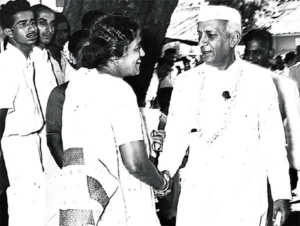
Fathema Ismail and Jawaharlal Nehru at the opening of her clinic in the military barrack at Marine Drive in 1947
In 1951, she visited the United States on the state department’s invitation for a four-month tour of various hospitals, and the same year went to Europe to attend international conferences. She was now determined to open a full-fledged hospital. “She caused quite a headache to Prime Minister Nehru as she demanded a plot near the race course at Haji Ali. It was a prime location and Nehru would say ‘Fati, why only that plot? I can request the Bombay government to give some other place’. But Amma was insistent. The racecourse was frequented by the rich and the famous and one of the reasons for the request was that she wanted larger society to be fully aware and responsive to the problem of polio.”
The result was a children’s orthopaedic hospital, which opened in 1952 and was inaugurated by Nehru, which continues to operate to this day. After roughly 30 surgeries and years of therapy, Cunningham who is now 75 years old, has no regrets. “I have climbed mountains, ran a business in Delhi, shifted to America, got married, have a caring husband and daughter. This is what Amma wanted. Similarly she convinced several industrialists to offer training for the handicapped at her centres so that they could get employment.” In 2011, India announced that it had eradicated polio but the foundation stone for this incredible campaign was laid by a lady who had the grit and determination to envision a polio-free society over 70 years ago.
source: http://www.ahmedabadmirror.indiatimes.com / Ahmedabad Mirror / Home> Others> Sunday Read / by Danish Khan, Ahmedabad Mirror / August 20th, 2017
An amazing collection of artefacts, inscriptions and photographs are on display at the refurbished tourist information centre and museum opened by the Archaeological Survey of India on the fort premises here on Wednesday.
The museum had been closed for two years for restoration.
The old museum housed in the Royal Bath room inside the Turkash Mahal complex has been moved to the Awwal Talukdar office near the front gate, opposite Rangeen Mahal.
It has tools used by hunters in Neolithic times that were found in 11 archaeological sites in Bidar district. Stone tablets dating from the 1st century; inscriptions that speak of the genealogy of Hassan Gangu Behman, the founder of the Bahmani dynasty; and a space saving tablet that has an inscription on one side and a design on the other, are among the exhibits.
The weapons section is full of guns of various shapes and sizes, cannon balls and thorns and grenades. Metal armour, swords, and khanjars are on display.
Of special interest are implements used by doctors in the 14th century, ornaments made from sea shells, terracotta tiles and painted wall hangings.
It also has artefacts found in neighbouring sites of Sannati, Maski, Kalaburagi, Vijayapura and Basavakalyan.
Archaeologist Prasanna Kumar took visitors and students around the museum and explained the significance of the artefacts. He spoke of sculptors used soap stone to carve female figurines to symbolise that beauty fade away over time, like the rock it was carved on. Abdul Samad Bharati read Persian and Arabic inscriptions to the delight of young visitors.
A.M.V Subrahmanya, Superintending Archaeologist, ASI, pointed out that some Madanika busts found in Basavakalyan and other sites in Bidar district were older than those found in Belur and Halebid.
A 30-minute audio guide about Bidar would be prepared to help tourists, he said. He also said work would start on an interpretation centre and sound and light show in Bidar fort.
The ASI is working with various government departments to draft a proposal to be sent to the UNESCO seeking heritage city status to Bidar- Kalaburagi and Vijayapura, he said.
Hanchate Sanjiv Kumar inaugurated the museum and asked youth to take pride in their history. Prakash Nikam, Superintendent of police, asked youth to desist from defacing monuments. “If we don’t etch on the walls at home, why should we do so on the walls of monuments that are national treasures?” he said
source: http://www.thehindu.com/ The Hindu / Home> News> States> Karnataka / by Rishikesh Bahadur Desai / Bidar – February 05th, 2016