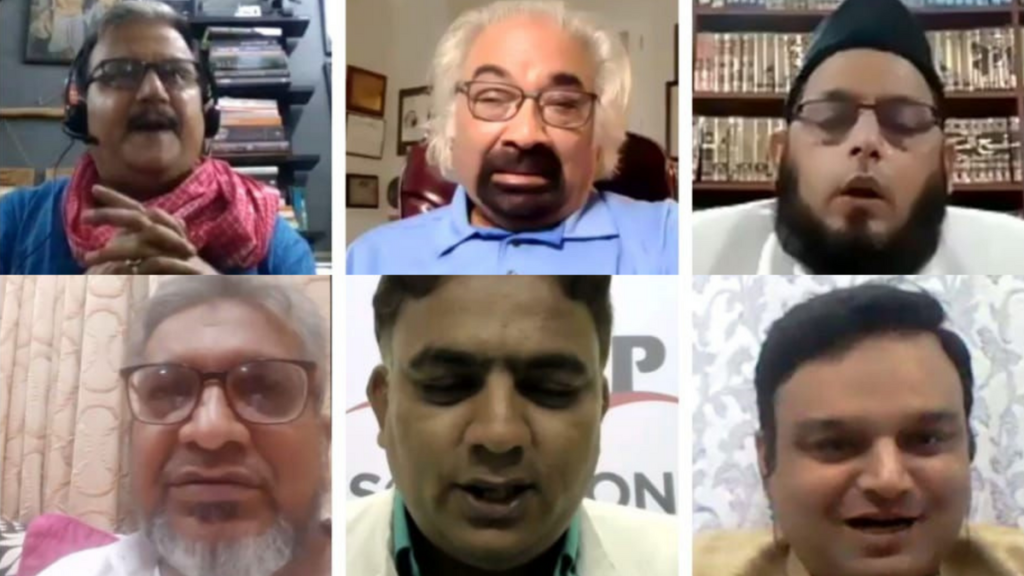
(L-R: Dr Manoj Kumar Jha, Sam Pitroda, Maulana Khalid Rashid Farangi Mahali, Navaid Hamid, Aamir Edresy and Farooque Siddiqui)
inners of 1st AMP National Awards for Social Excellence 2021 was announced on the evening of Independence Day, 15th August in a ceremony attended by guests and a large gathering of participants from across India.
Association of Muslim Professionals (AMP) is an organisation of volunteer Muslim professionals, who are working towards the socio-economic empowerment and development of Muslims in India. Started in 2007 by Aamir Edresy, AMP is present in more than 100 Cities of India and as many as 16 countries globally.
15 Organizations were given the National Award of Excellence 2021 and the Best NGO Award was given to a minimum of 3 Organizations from all the States of India. Also, the Special Jury Award was given to some top performers of every state.
Apart from NGOs, 200 Individual Change Makers were also awarded, including The Cognate‘s Founder, Editor Shaik Zakeer Hussain. These are individuals who worked in the last year for the welfare of the people, especially during the Corona crisis.
While speaking to the audience Former Advisor to Prime Minister Mr Sam Pitroda said that an active civil society is the most important element of any successful democracy. It is the duty of the people who are governing the country to involve civil society in all its decision and policymaking. He congratulated the winners and spoke about the importance of collaboration in today’s world.
Mr Navaid Hamid (President All India Muslim Majlis e Mushwarat) said that it takes courage to appreciate and recognize the efforts of others. He said this spirit is continuously increasing in Muslims and most of the organizations are now open and ready to work with each other. He further said that he hopes AMP will be the torchbearer in this movement of change and will take the community to greater heights.
Rajya Sabha Member Dr Manoj Kumar Jha said that it is very heartening to note that close to 1000+ nomination has come from three States of Bihar, Uttar Pradesh & Jharkhand where we together really need to do a much better job as these three states is at bottom of all index with respect to education, employment and empowerment.
Renowned Islamic Scholar Maulana Khalid Rashid Farangi Mahali from Lucknow spoke about the importance of social work and helping the needy and poor in the light of Islamic teachings. He appreciated the efforts of all the organizations and specially AMP in establishing this platform to work jointly.
In his inaugural speech, AMP President Mr Aamir Edresy spoke about AMP’s efforts in the last 14 years for the welfare of the Muslim community and nation. He spoke about the importance of partnership and collaboration among Muslim organizations across India for better results and wider reach.
National Award for Social Excellence was awarded to Rahmani 30, All India Ideal Teachers Association, Centre For Information And Guidance India (CIGI), Hamdard National Foundation, Human Welfare Foundation, Indian Civil Liberties Union (ICLU), Jamia Markazu Ssaquafathi Ssunniyya, Mercy Mission, Millat Foundation For Education Research & Development (MFERD), Minhaj Interfaith And Welfare Foundation, Quill Foundation, Rehab India Foundation, Safa Baitul Maal, Taraqqi Foundation and Zakat Foundation Of India.
The Lifetime Achievement award was presented to the President of All India Muslim OBC Organization Mr Shabbir Ahmed Ansari Sahab for his relentless service for the cause of not only Muslims but for all for the last 50 Years.
Mr Farooque Siddiqui (Head of AMP NGO Connect Initiative) hosted the event. While introducing the Awards Mr Farooque Siddiqui said that getting nominations of 2300+ organizations is a stepping stone for a big transformation of the rural part of the nation. He said that this Award function is just the beginning and we will work closely with all NGOs who all have shown their interest in joining hands with us in Community/Nation Building.
Dr Zahida Khan gave the welcome speech and Mr Shoeb Syed (AMP West Zone Head) gave the vote of thanks. The awards were presented by AMP Team including Mr Reyaz Alam (AMP Bihar Head), Mr Qamar Faheem (AMP Jharkhand Secretary), Miss. Shaheen Islam (AMP UP Head), Mr Chand Mohammed Shaikh (AMP Rajasthan Head), Mr Sayeed (AMP Hyderabad Head), Mr Manzar Hussain (AMP East Zone Head) and Mr Saphat Ajmeri (AMP Central Zone Secretary).
The program was concluded with the Dua by AMP North Zone Head Mr Ameen Mohammed.
source: http://www.thecongnate.com / The Cognate / Home> News / by The Cognate News Desk / August 17th, 2021
This year’s seven Wikimedian of the Year award winners were announced today at the 2021 virtual Wikimania convening .
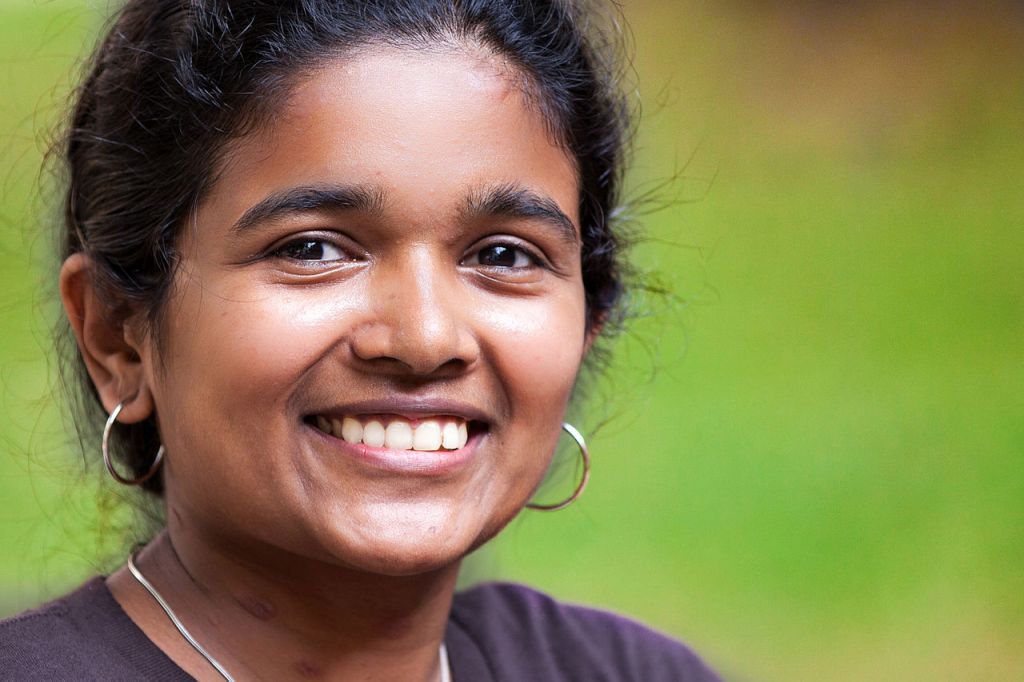
Read the interview below with Dr. Netha Hussain, recipient of the Honourable Mention Award.
Dr. Netha Hussain has been a Wikimedia volunteer for over a decade, as well as a medical doctor and researcher who has contributed to English and Malayalam languages of Wikipedia, Wikidata, Wikimedia Commons, and Meta-Wiki.
Throughout the COVID-19 pandemic, Netha wrote, updated, and translated dozens of Wikipedia articles to ensure reliable information about the pandemic is available for everyone. She also recently launched a project to improve information about vaccine safety topics on Wikipedia, helping combat misinformation. In the process, Netha has collaborated with Wikimedians around the world and inspired many others to ensure information is verifiable and reliable.
“The idea of sharing free knowledge with millions of people around the world excites me, and this serves as a motivation to keep doing more.”
Additionally, Netha has contributed to outreach and research surrounding the diversity of participation and content on Wikimedia projects, particularly of the gender gap. In 2020, she was recognized by Red Hat as a 2020 Women in Open Source Award winner.
The Wikimedian of the Year Honourable Mention award recognizes exceptional Wikimedians who already have a strong presence in the movement, as well as public exposure such as press coverage, local recognition, and national titles. pix02
This recognition is one of seven awards made this year to celebrate contributors who have made an exceptional impact on our movement. The awards were announced at this year’s virtual Wikimania celebration by Wikipedia Founder Jimmy Wales (watch the announcement!).
“Dr. Hussain is a role model in the Wikimedia movement for her staggering medical and scientific contributions to Wikipedia, contributions she balances alongside her own medical career. Throughout the COVID-19 pandemic, her work has brought increased visibility to Wikipedia’s unique role as a source for reliable public health information about the virus and the vaccines. In addition, her constant advocacy to address the gender gap and her support for Indic communities demonstrate the values of collaboration and contribution that are integral to our movement.”
– Jimmy Wales
We spoke with Netha to learn more about her experiences and perspectives on the Wikimedia movement. Here are some highlights:
Q: Can you share a favorite memory from your time contributing to Wikimedia?
“Creating my first article is a special memory that I cherish to this day. The process did take a long time because, back in 2010, I was running on a 128 kbps internet connection in a six year old desktop computer on an old version of the browser.
I wanted to create an article about an Indian cuisine called chutney in Malayalam language Wikipedia. I wasn’t sure about the rules one has to follow while editing, but I thought I will make a try anyway. I created some text and saved it as a new Wikipedia page. The next day, I was surprised to find out that other editors have improved upon that page by adding media and more content. This was the first nudge which paved the way for the rest of my Wikimedia volunteering journey.
Another memory was when I saw that a pathology image that I added to Wikimedia Commons was re-used on a prominent medical website. This made me reflect on the scarcity of good quality medical images in online sources, and prompted me to start the first of its kind GLAM [galleries, libraries, archives, and museums] collaboration with Government Medical College, Kozhikode.”
Q: What motivates you to contribute to Wikimedia projects?
“I am motivated by the satisfaction of having done a small part in making the world a better place. The idea of sharing free knowledge with millions of people around the world excites me, and this serves as a motivation to keep doing more.”
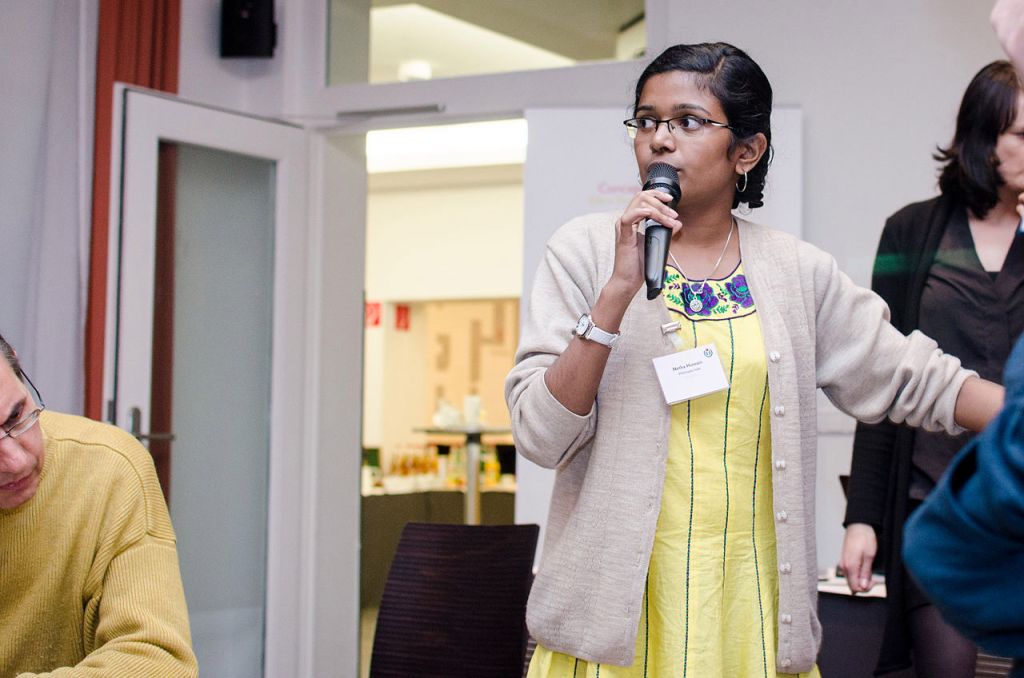
Netha Hussain presenting at the Wikimedia Diversity Conference in 2013 (Christopher Schwarzkopf (WMDE), CC BY-SA 3.0)
Q: How has Wikipedia helped tackle COVID-19 disinformation and misinformation?
“Wikimedia was able to play a large role in tackling COVID-19 disinformation because of its people, technology, and policies.
The people who make up the Wikimedia movement are experts from a wide variety of subject areas. They perform tasks such as copyediting, structuring, and adding rich media to Wikimedia pages. Wikimedia has robust policies around verifiability, neutrality, and original research, which warrants the use of sources with high credibility. The technology used in Wikimedia provides a simple interface for editing and has provisions to counter vandalism.
All these factors taken together, as well as learnings from the movement’s previous experience in responding to crisis situations helped Wikimedia tackle disinformation effectively.”
“It is hard to imagine all the ways that Wikimedia will influence the future of the ecosystem of free knowledge in medicine, but I am convinced that Wikimedia will continue to occupy a central role in the process.”
Q: How does your work on Wikipedia contribute to the future of medicine?
“I was a medical student when I started contributing to Wikimedia in 2010. At that time, I worked on concepts that I learned at medical school. Later on, I focused on building content around specific topic areas. My current focus is on creating content related to COVID-19 and vaccination. The articles created by me in English and Malayalam languages are being edited several times by other editors and are becoming richer and more comprehensive by the day. I think that these articles will continue to educate (and perhaps also entertain and enlighten) people in the future.
The text and media that I and fellow editors created will continue to be remixed, curated and magnified several times by third party sources such as search engines, websites, and virtual assistants. Additionally, the edit history of the work that we performed on Wikimedia is likely to serve as a historical documentation of how events unfolded in time and how scientific evidence changed over time.
Our discussions on talk pages would serve as a reminder for how and why we made some decisions regarding the policy or structure of Wikimedia entities. The metadata of our edits are likely to act as data points for researching about trends and patterns in editing, paving way for insightful conclusions regarding the growth and diversification of Wikimedia projects. The structured data contributed by us would serve as the database for search engine and machine learning algorithms. It is hard to imagine all the ways that Wikimedia will influence the future of the ecosystem of free knowledge in medicine, but I am convinced that Wikimedia will continue to occupy a central role in the process.”
“In the process of researching health conditions and treatment options, people…eventually to Wikimedia projects. Therefore, it is important that Wikimedians should work in the interest of public health.”
Q: What is Wikipedia’s role in public health?
“Wikipedia is the largest non-profit website in terms of pageviews. Wikipedia has become a popular source of healthcare information because of its simplicity of content, higher ranking in search results, easiness in accessibility, availability of citations, presence of photo/video illustrations, ability to edit quickly and possibility to navigate in multiple language editions.
Most often, in the process of researching health conditions and treatment options, people go online, and eventually to Wikimedia projects. Therefore, it is important that Wikimedians should work in the interest of public health and invest resources for making its medical content reliable, comprehensive and updated.”
“I wish everyone knew that they have something to contribute to the Wikimedia movement.”
Q: What is one thing you wish everyone knew about Wikimedia projects?
“I wish everyone knew that they have something to contribute to the Wikimedia movement. People usually shy away from contributing to Wikimedia because they think that the expertise they have is trivial or irrelevant for Wikimedia.
We need not only content creators and curators, but those interested in technology, outreach, fundraising, strategizing, to name a few. We need to make non-content related contributions more visible and rewarding so that everyone knows what is possible for them to do on Wikimedia projects, and enjoys doing what they love or care about.”
Congratulations, Netha!
About the 2021 Wikimedian of the Year Awards
The Wikimedian of the Year is an annual award that honours contributors to Wikimedia projects, including Wikipedia editors, to highlight major achievements within the Wikimedia movement in the previous year. The tradition dates back to 2011 and has evolved since then in dynamic ways to welcome and celebrate Wikimedians from different backgrounds and experiences. This year’s celebration is bigger and more inclusive than ever before, recognizing seven exceptional contributors to the Wikimedia movement in six categories , including Newcomer of the Year, 20th Year Honouree, Rich Media and Tech contributors, and Honourable Mentions, as well as the Wikimedian of the Year.
*This interview has been edited for clarity and length.
source: http://www.diff.wikimedia.org / Wikimedia.org / Home> Wikimania 2021 / by Wikimedia Foundation / August 15th, 2021
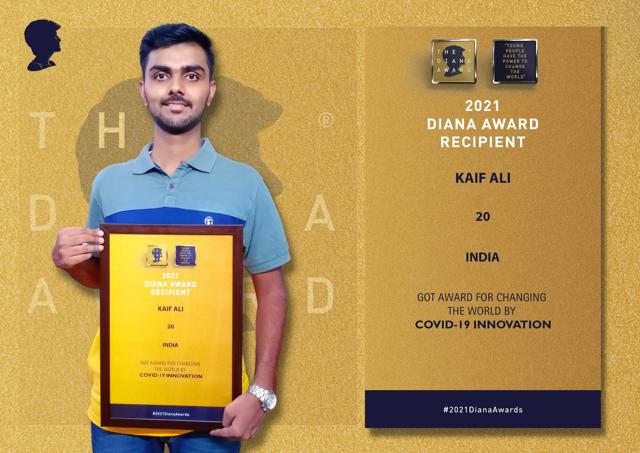
Born and brought up in New Delhi, twenty-year-old Kaif Ali is an architecture student at Faculty of Architecture & Ekistics, Jamia Millia Islamia, New Delhi. Ali was honoured with The Diana Award 2021 for his work on Covid-19 Innovation–Space era recently, which is a module for demountable and portable shelter space for Covid-19 era. This is his story.
New Delhi :
Every child has drawn their family with a house in the background and most probably made sandcastles at beaches too. However, in the grownup’s world, not everyone can have a house built like that. Twenty-year-old Kaif Ali, an undergraduate student of Jamia Millia Islamia, New Delhi after entering the world of architecture found out that homelessness is a major issue in the world and there are many without proper houses.
Born and brought up in New Delhi, twenty-year-old Kaif Ali told TwoCircles.net, “Just 200 meters away from my apartment is a settlement made above the sewage lines. In nights, the people there sleep on footpaths since snakes sneak out of sewage.”
Ali could not help noticing how unjustly the metropolitan city is majorly designed commercially for a few per cent of the population. After witnessing these inequalities, Ali wanted to take up architecture as a profession and develop a sustainable model.
Beyond survival Homeless people are of many types, which include urban poor, migrant labourers and refugees. However, the government made arrangements for these homeless people can barely be called a home. There is no privacy nor any sense of security as sought by a family since most facilities are gender-separated. Open cooking and sanitation, poor waste management, unavailability of electricity and potable water, the list go on.
Ali recollects that it was a documentary called “Cry for Syria” that sensitized him into the refugee crisis. As an attempt to address the issue, Ali went on to design shelter spaces for Syrian refugees, during his early college days.
When asked whether he is concerned about these temporary shelter spaces becoming the permanent settlement of refugees and others, as is the norm, Ali said that his concept of shelter is a home for living and not for mere survival. Therefore, along with houses, Ali also designs schools, gyms, and other recreational spaces using the same modular technology, which facilitates easy assembling and dismantling.
Quoting a few success stories of refugee assimilation with the host country, Ali believes that if refugees are housed holistically, they will not remain on the fringes. “Shelter is the start of all,” he said.
From housing to quarantining For the last two years, Ali has invested himself in designing shelter spaces for the homeless. As the Covid-19 pandemic broke out, Ali witnessed the dire demand for quarantining thousands in cramped up cities.
That is how he began working with his project last March and designed a portable intermediary quarantine facility of 2.5m x 6m, using PUF panels or shipping containers, which can be assembled with ease, have massive room for expansion, with natural ventilation and 6 layers of social distancing.
The facility can also be later used as refugee camps or disaster relief camps.
Kaif Ali was awarded the international Diana Award 2021 for the same. His design follows all Covid-19 protocols and is more efficient than home quarantine or mass quarantining facilities.
Ali’s quests stem from his immediate realities. Even his intermediary quarantine shelter came up observing the spread of the virus in enclosed spaces through the air, even before WHO confirmed the spread through the air. “That is the power of observation and study. I apprehended that Covid-19 would spread through the air from my study and by keeping this in mind, I have designed the quarantine facility,” Ali said.
Thinking architecture ‘out of the box’ Having varied interests, Ali is good at juggling different pursuits. The twenty-year-old has taken home several awards in architecture and photography. It is the introduction to various international competitions that expanded Ali’s network.
Upon winning Climate Innovation Lab conducted by Climate Technology Centre and Network, Ali has been receiving mentorship of Biplab Ketan Paul, IIT Kanpur incubation mentor and social entrepreneur.
Referring to Ali’s Covid-19 relief work, Paul said proudly, “Kaif Ali is a good samaritan.”
Soon, Ali’s design would shelter the people of Lagos in Nigeria. His project has received appreciation across the world from architects of Germany, Iran, South Africa, Turkey, the US, & Brazil. Ali has also featured in the United Nations top 11 emerging innovation start-ups solving climate action.
Twenty-year-old Ali has not shied away from approaching several state governments. After the Karnataka government appreciated him, organizations working with the Maharashtra government are willing to implement his project.
To make his designs financially viable, Ali said he uses his father’s counsel, who is in the construction business. “His advice comes in handy, especially when deciding the materials and other factors. It is the context that is my foremost priority,” Ali said, elaborating that climate and clients’ context guides his design.
Moreover, Ali aspires to make the language of architecture accessible to common people. His drawings are easily readable for policymakers and politicians alike. “Future architectures cannot limit themselves to space and cost crises alone. In times of rising refugees of climate, wars and poverty, expanding socially responsible entrepreneurial perspective in architecture is a must,” concludes Ali.
source: http://www.twocircles.net / TwoCircles.net / Home> Lead Story / by Arfa Backer, TwoCircles.net / July 30th, 2021
Ruler of Oman, Sultan Qaboos bin Said has honoured Dr. M.I.H.Farooqi, with an award of US$ 25,000 (Rs 12 lakh) in appreciation of his books Plants of the Quran and Medicinal plants in the Traditions of Prophet Mohammad.
Both the books contain scientific descriptions of plants mentioned in the Qu’ran and Sunnah .
Dr. Farooqi is a well-known Lucknow-based plant chemist with more than 125 research papers to his credit, published in Indian and foreign journals.
He is also the author of several books and more than hundred articles in English, Hindi and Urdu on science subjects of common interest like environment, modern technology, medicinal plants, economic plants, Islamic science and Prophetic Medicine.
Plants of the Quran has been translated and published in several languages including Hindi, Urdu, Persian, Kannada, Malayalam and Indonesian languages. Based on Quranic and Prophetic Plants, UNESCO has approved Multimillion Dollars Project of Quranic Botanical Gardens in the Gulf countries.
Works on the establishment of such gardens in Sharjah and Qatar have already started.
(Dr. MIH Farooqi may be contacted at mihfarooqi[@]gmail.com)
source: http://www.milligazette.com / The Milli Gazette / Home> News> Focus / by The Milli Gazette / March 26th, 2011
Olympaid swimmer Srihari Nataraj’s coach, Nihar Ameen in a candid chat with CE, shares why Tokyo Olympics 2020 was the toughest mission for him
Bengaluru :
He may not have won a medal at the recently-concluded Tokyo Olympics 2020. But swimmer Srihari Nataraj’s coach, Nihar Ameen, is proud of his student who has faced several lows during the last one-and-a-half years as he prepared for the biggest sporting event. During a tete-a-tete with the coach on a weekday afternoon, Ameen shows no sense of disappointment at his ‘shishya’ not bringing home a medal. Instead, following Nataraj’s elimination at the Olympics, Ameen has got down to business immediately. He’s working on Nataraj’s performance who he feels needs to be stronger and fitter. “We are just waiting for the 2022 calendar to come out and we have already started the preparations for the Asian Games. We have got three years now to set everything right and we will come back with a medal from Paris in 2024,” says Ameen, a Dronacharya awardee.
Along the course of the conversation, Ameen, who has been a trainer for nearly four decades, confides that this has been the toughest mission for him so far.While the fear of Covid-19 remained on one side, the task to prepare Nataraj for the Olympics to “start from scratch” was another. Following the lockdown in India during 2020, a lot of sports arenas and training centres were shutdown. Swimming pools were no different. Ameen believes that the closure of swimming pools did take a severe toll on training. “In India, pools were completely shut for seven-eight months. Srihari got no training whatsoever. If at all the lockdown was relaxed and swimming centres opened early in 2020, Nataraj’s results would be different. I am confident that he would have reached the finals,” says Ameen, who had little time to get Nataraj to the top 16 in the world.
The inconsistent training periods also proved to be a major challenge for the coach. “Sportspersons become very rusty if there is no consistent training. I had to bring Nataraj from zero because he was not in the best of shapes. Although Nataraj is tough mentally, however, we had to build the natural processes. Being out of water for so long, he also suffered a shoulder injury during an event in Dubai,” says Ameen, adding that Nataraj had just 10 days to come to his best ahead of the competition at Tokyo Olympics.
From a very festive departure in New Delhi to a very subdued welcome at Tokyo, Ameen admits he was shocked and surprised at the “dead atmosphere” that shadowed the world’s most important sporting event. After landing in Tokyo, the team was made to wait for over six hours due to the strict health protocols enforced at the airport. “This wait too, affected the minds of participants,” feels Ameen.
The rapport between Ameen and Nataraj is like any other case study of a guru and his disciple. Ameen believes that with the right nurturing, Nataraj will go places. “He is a self-motivated person, and is a national asset who needs to be nurtured well,” Ameen adds. The two often sit together and plan the training programme. “Once he gets down to do what he is supposed to do, I am there to supervise. We don’t have any verbal communication after that,”says Ameen.
source: http://www.newindianexpress.com / The New Indian Express / Home> Cities> Bengaluru / by Sanath Prasad, Express News Service / August 12th, 2021
A non-resident Indian healthcare entrepreneur based in the United Arab Emirates on Monday announced a Rs one crore cash reward for the Indian men’s hockey team goalkeeper P R Sreejesh
P R Sreejesh, Indian men’s hockey goalkeeper
A non-resident Indian healthcare entrepreneur based in the United Arab Emirates on Monday announced a Rs one crore cash reward for the Indian men’s hockey team goalkeeper P R Sreejesh.
The announcement by Dr. Shamsheer Vayalil comes days after the Indian men’s team won the bronze medal at the recently concluded Tokyo Olympics.
Sreejesh, who belongs to Kerala, pulled off a series of stunning saves to help the country win its first Olympic medal in hockey after 41 years.
“Through his outstanding performance at the Olympics, Sreejesh has brought joy to Indians around the world. As a fellow Malayali, I take tremendous pride in his achievement,” Vayalil, Chairman and Managing Director of VPS Healthcare, was quoted as saying in a media release.
Vayalil also called Sreejesh to congratulate him for his exemplary performance.
Dr. Shamsheer has congratulated the entire team for this great achievement and offered his support to us. The announcement of the Rs. 1 crore reward caught me by surprise. A reward for winning a medal in the Olympics is delightful news and I feel very fortunate to be the recipient, said Sreejesh.
Over the last two decades, Sreejesh has carved a niche for himself in the field of hockey. Entering the junior national hockey team in the early 2000s, Sreejesh worked hard to make his way to the national team.
He also served as the captain of the national team in 2016. His quick reflexes and consistent performance have earned him the moniker The Great Wall of India’.
Sreejesh, who returns to India on Monday after the successful Tokyo campaign, will be presented with the cash prize at a special function in Kochi.
(Only the headline and picture of this report may have been reworked by the Business Standard staff; the rest of the content is auto-generated from a syndicated feed.)
source: http://www.business-standard.com / Business Standard / Home> Sports> Tokyo Olympics 2020> News / by Press Trust of India, Dubai / August 09th, 2021
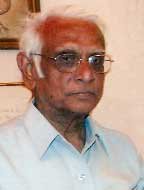
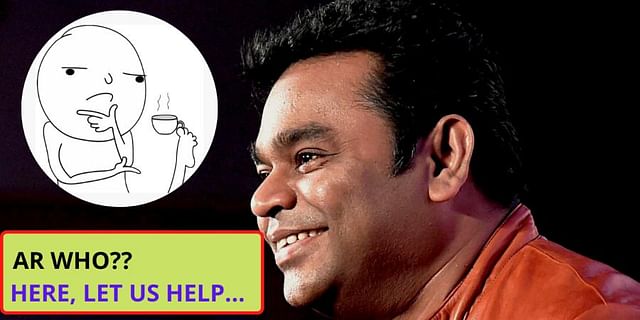
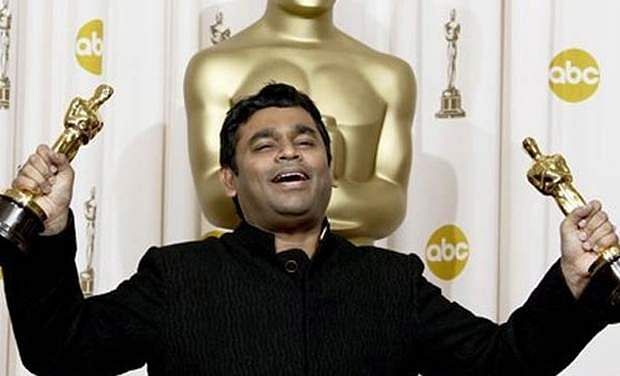
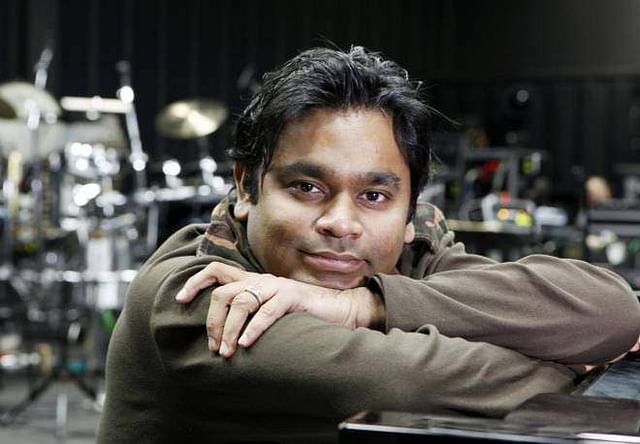
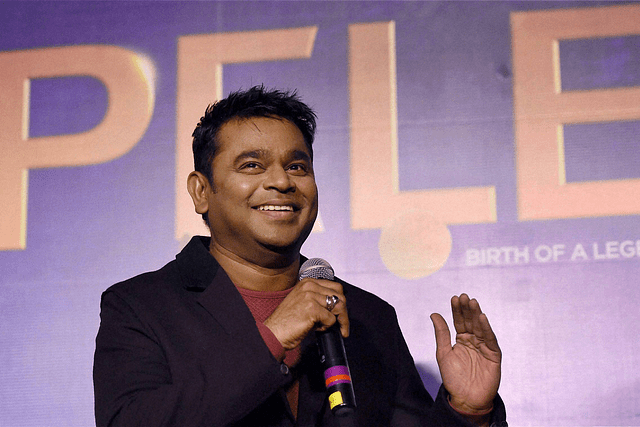
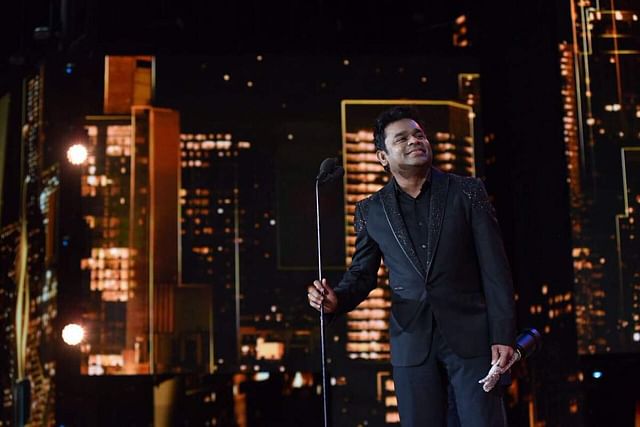
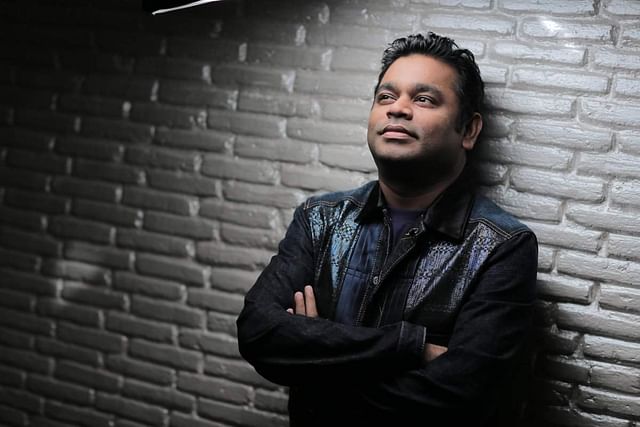
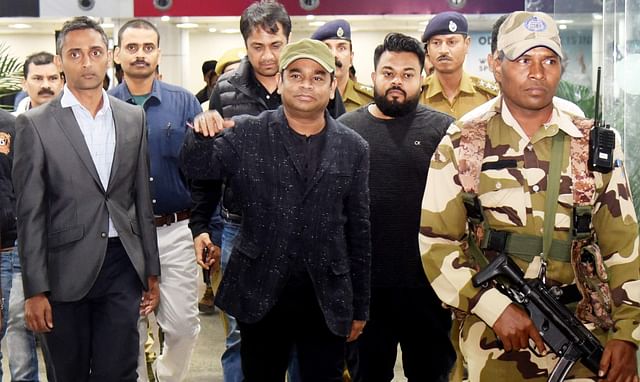
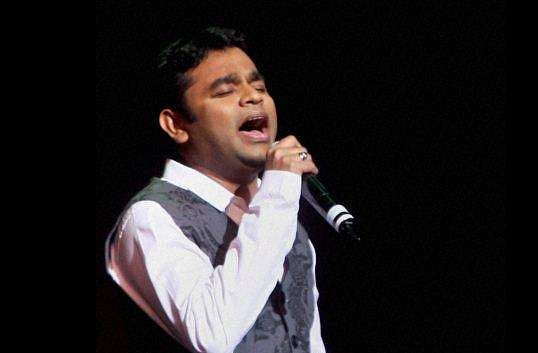
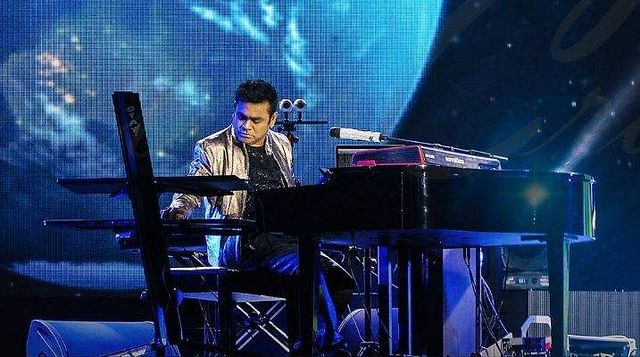
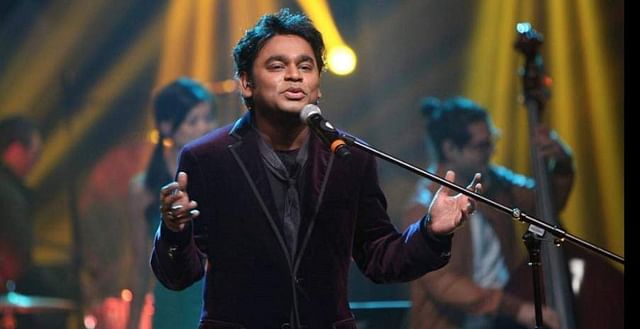
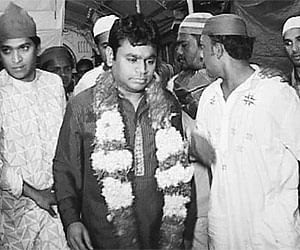
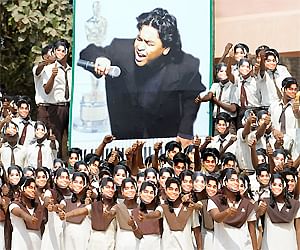
It is Henry Ford who said, “Anyone who stops learning is old — whether at twenty or eighty. Anyone who keeps learning stays young. The greatest thing in life is to keep your mind young.” While it isn’t a crime not to know who AR Rahman is, one must also know icons who fill each cell of your body with pride are hard to come by. A true legend of his craft, it is never late to know a thing or two about the gifted man who has made every Indian proud. Here are 10 facts that could help a complete stranger to know the giant AR Rahman is, and why he is a true emotion that bonds the entire country.Winner of six National Film Awards, two Academy Awards, two Grammy Awards, a BAFTA Award, a Golden Globe Award, fifteen Filmfare Awards and seventeen Filmfare Awards South, AR Rahman is fondly called “the Mozart of Madras.”(Photo | AP)In 2012, AR Rahman revealed that he was invited for a dinner at the White House by the family of the President of the United States. (Photo | AP)Considering his professional experience ARR was given the scholarship to study at Oxford’s Trinity College, where he received a degree in Western classical music. (Photo | PTI)AR Rahman is the first Asian to win two Oscars in the same year. (File Photo)In 2013, a street in Markham, Ontario, Canada, was named after him to honour his contributions to the world of music. (Photo | Twitter)In 2000, a French TV commercial for Volvic starring football icon Zinedine Zidane used a piece of theme music composed by ARR for the movie ‘Bombay’. (File Photo)In 2011, GQ (formerly called Gentlemen’s Quarterly), an American international monthly men’s magazine, elected him Legend of the Year. (File Photo)In 2003, ARR-composed ‘Chaiyya Chaiyya’ from ‘Dil Se’ was voted 9th in “The World’s Top Ten” songs of all time by BBC World Service. (Photo | PTI)ARR composed Airtel’s signature tune, which had over 150 million downloads by 2019 – the most in the world in the mobile music genre.(Photo|Facebook.com/arrahman, BTOS PRoductions)In 2009, Rahman’s soundtrack for ‘Lagaan’ was ranked No. 45 on Amazon.com’s “The 100 Greatest World Music Albums of All Time” list. (Photo | Youtube screengrab)11 / 13‘Roja’, ARR’s debut soundtrack, was listed in TIME’s “10 Best Soundtracks” of all time by film critic Richard Corliss in 2005. (File Photo)‘Heroes get remembered, but legends never die!’: Max Holloway (File Photo)
source: http://www.newindianexpress.com / The New Indian Express / Home> Galleries> Entertainment / July 22nd, 2021
Having learnt about it, senior students joined the project and the college managing director had approached Dassault Systemes in France for help in designing the ambulance.
Anantapur :
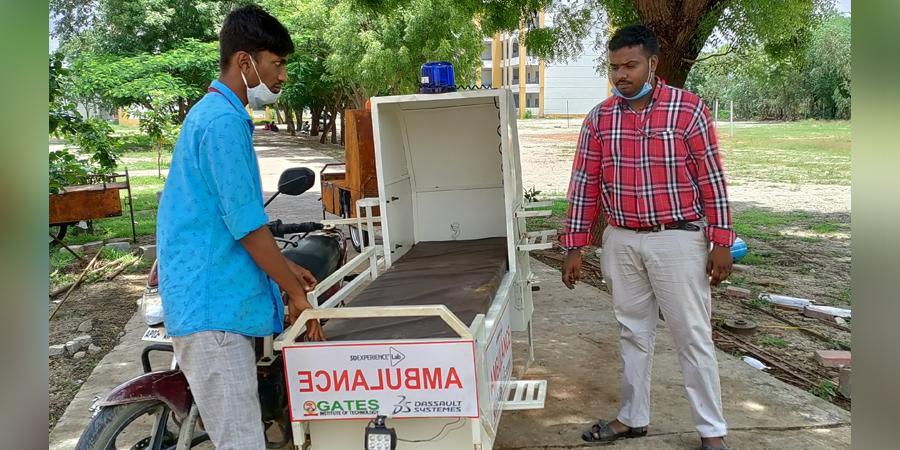
Deeply moved on seeing a report of a man carrying the body of his mother due to non-availability of ambulance during the Covid-19 pandemic, S Yashwant, a second year student of GATES Engineering College, Gooty, hit upon an idea of developing a cost-effective two-wheeler ambulance, which is easy to operate even on village roads. He immediately shared it with his friend Izaz Ahamed and both of them started giving a shape to the idea in Idea Lab of the college.
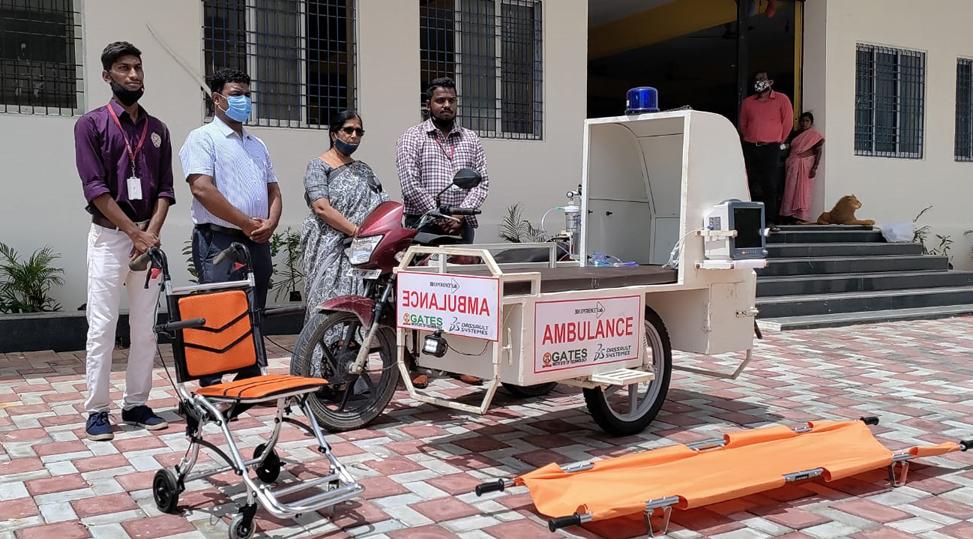
Having learnt about it, senior students joined the project and the college managing director had approached Dassault Systemes in France for help in designing the ambulance. Impressed by the idea and the objective behind it, Dassault had developed the prototype of ambulance using 3D design platform CATIA. The French company also sent its representative Suhas Preetipal to provide help to the students in the project.
Yashwant and Izaz Ahamed, under the supervision of Suhas Preetipal and college chief administrative officer V Anand, started giving a shape to their idea based on the design provided by Dassault. After 40-50 days of effort, they developed the two-wheeler ambulance, which can be attached to any 100 CC two-wheeler and it costs around Rs 50,000.
The maximum speed of the two-wheeler ambulance is limited to 35 kmph and it can be operated on any type of roads due to its sturdy structure. It is equipped with oxygen cylinder and other emergency medical equipment. It can be used not just for Covid cases, but also for any medical emergency.
Village secretariat to get first ambulance
Speaking to TNIE, Anand said the first two-wheeler ambulance designed and produced by them will be donated to the village secretariat for use in medical emergencies. “If produced in a large scale, the cost of ambulance can be brought down to Rs 25,000 to Rs 30,000.
We are not applying for a patent for it, but uploading the design of ambulance on Dassault Systemes website, so anyone can download and make it. Our objective is to ensure that it is useful to all,” he said. Expressing happiness over the success of his project, Yashwant said their efforts were made easy with the involvement of the college management and help from Dassault.
Izaz Ahamed said their objective is to make an ambulance that is immensely useful to people, especially in rural areas, during medical emergencies. “Idea Lab in our college helped us give a shape to our plans and if not for the support and encouragement from the college management, our idea might not have transformed into a reality. We designed the two-wheeler ambulance in such a manner that it is not only lightweight and economical, but also sturdy at the same time,” he said.
source: http://www.newindianexpress.com / The New Indian Express / Home> Good News / by CP Venugopal, Express News Service / August 01st, 2021
Rashad Hussain is the Director for Partnerships and Global Engagement at the National Security Council.
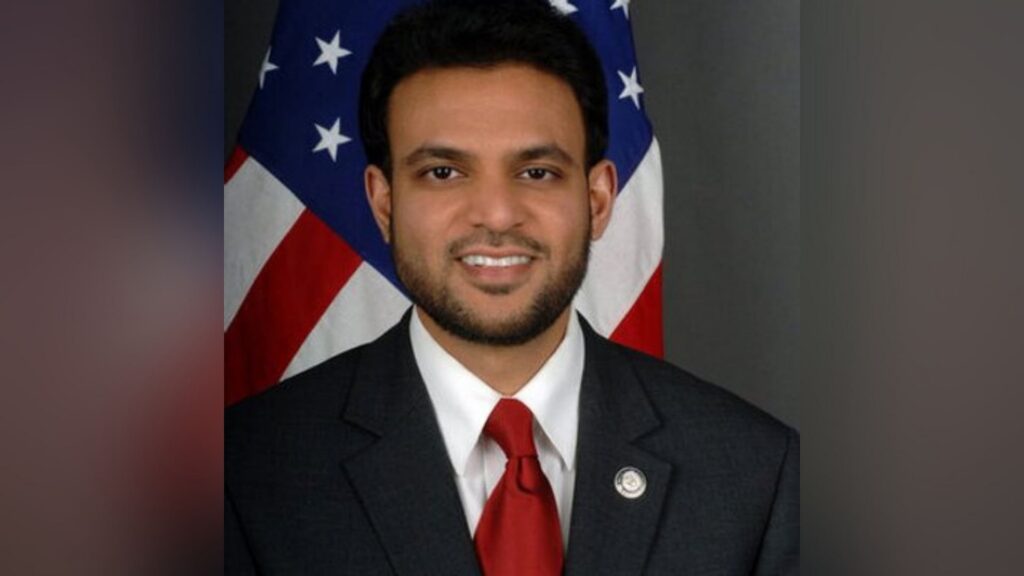
President Joe Biden has nominated an Indian American, Rashad Hussain, as the Ambassador-at-Large for International Religious Freedom, and if approved by the Senate he will be the first Muslim to head US diplomacy for advancing religious liberties.
Making the announcement on Friday, 30 July, the White House said that Biden is appointing a Pakistani American Khizr Khan to be a member of the US Commission on International Religious Freedom (USICRF), along with two others.
The USICRF publishes the annual report of religious freedom around the world as it advocates for religious freedom around the world and designates violators of religious liberties.
WHO IS RASHAD HUSSAIN?
Hussain is the Director for Partnerships and Global Engagement at the National Security Council has worked as a Senior Counsel in the Justice Department’s National Security Division.
Like many Biden appointees, Hussain is an alumnus of President Barack Obama’s administration in which he served as the US special envoy to the Organization of Islamic Cooperation (OIC) and the US special envoy for Strategic Counterterrorism Communications.
“Rashad also spearheaded efforts on countering antisemitism and protecting religious minorities in Muslim-majority countries,” the White House said.
Hussain, who has a law degree from Yale University and a master’s in Arabic and Islamic Studies from Harvard University, has also worked with the House of Representatives Judiciary Committee.
The position of Ambassador-at-Large for International Religious Freedom was set up by the Congress within the State Department with the mandate to “advance the right to freedom of religion abroad, to denounce the violation of that right, and to recommend appropriate responses by the US Government when this right is violated.”
Khan is a lawyer who is the founder of the Constitution Literacy and National Unity Project.
His son, US Army Captain Humayun Khan, was killed in action in Iraq.
As one of the speakers at the Democratic Party’s National Convention that nominated Hillary Clinton as the party’s nominee for president in 2016, Khan criticised the Republican Party candidate Donald Trump saying he “consistently smears the character of Muslims.”
Trump made a snide comment suggesting that because of that religion, the captain’s mother did not speak at the convention and it evoked strong criticism for attacking “Gold Star” parents, as the parents of military personnel killed in action are reverentially called in the US.
An Indian American, Anurima Bhargava, is a member of the USICRF as one of the three members appointed by Speaker Nancy Pelosi.
Three others are appointed by the leader of the Senate.
source: http://www.thequint.com / The Quint / Home / by IANS / July 31st, 2021
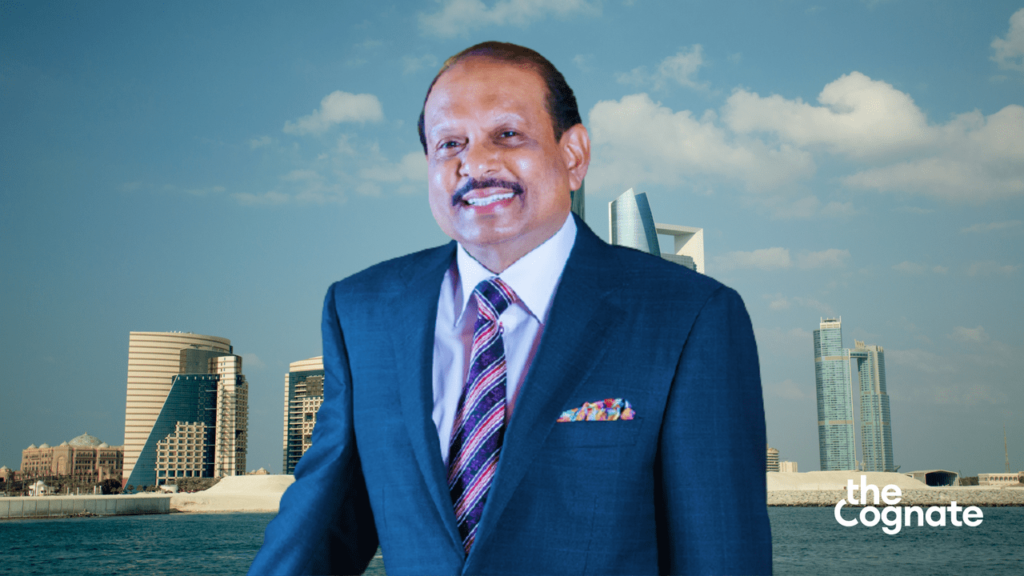
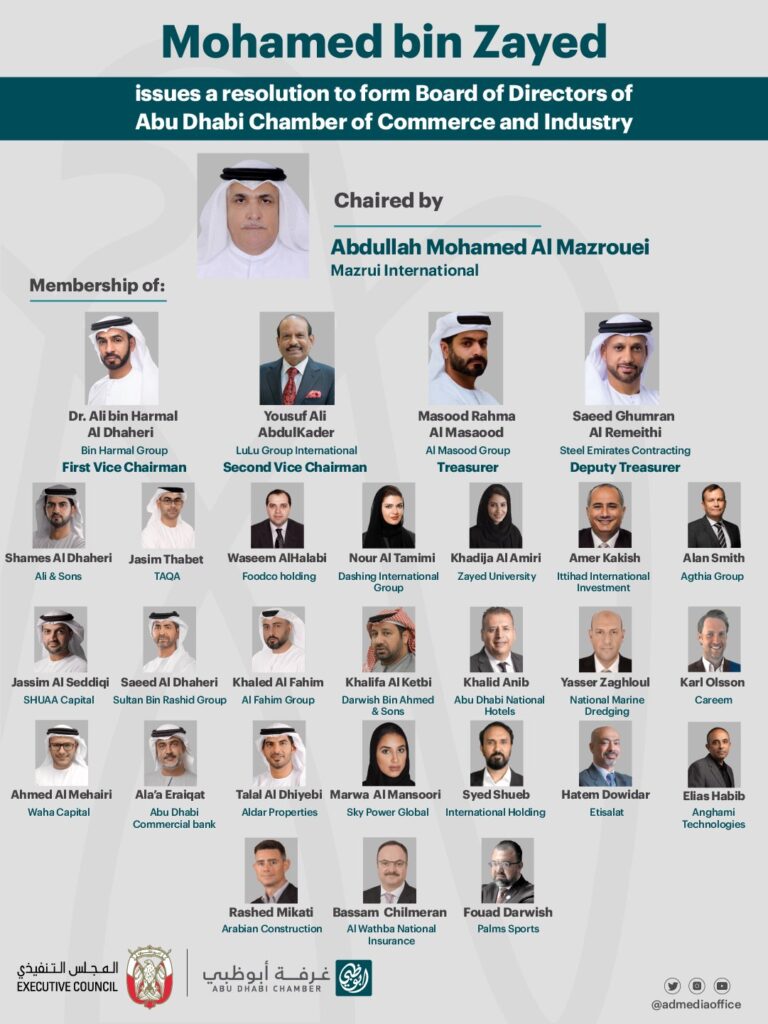
Crown Prince of Abu Dhabi Sheikh Mohamed Bin Zayed Al Nahyan has appointed prominent Indian businessman M.A. Yusuff Ali as the vice-chairman of the apex government body for all businesses operating from the UAE’s capital city, making him the only person from India on the 29-member board.
Yusuff Ali is the chairman and managing director of UAE-based Lulu Group International, which runs a chain of businesses with an annual turnover of over 8.1 billion dollars.
Mohamed bin Zayed has issued a resolution to form a new Board of Directors for Abu Dhabi Chamber of Commerce and Industry, chaired by Abdullah Mohamed Al Mazrouei.
65-year-old Yusuff Ali was ranked the richest expat in the UAE by Forbes magazine 2019 and is the first Indian to receive permanent residency in Saudi Arabia. Ali also has a sizeable stake in Cochin International Airport Ltd. which runs and operates the Kochi airport.
Sheikh Mohammed issued a resolution to form a new Board of Directors for the Abu Dhabi Chamber of Commerce and Industry (ADCCI), chaired by Abdullah Mohamed Al Mazrouei and Yusuff Ali as the Vice-chairman.
The ADCCI is the apex government body of all businesses established in Abu Dhabi. It will function as an effective bridge between the government and the business sector. Accordingly, every business establishment in Abu Dhabi has to be licensed by ADCCI.
Yusuff Ali described his appointment as “a very humbling and proud moment” in his life.
“My sincere gratitude to the visionary leadership of this great country and I will strive to do my best towards justifying the great responsibility entrusted upon me. Apart from working for the growth of Abu Dhabi economy & the larger business community, I will sincerely work towards further boosting the Indo-UAE trade relations,” he said.
Ali was recently honoured with the Abu Dhabi Award 2021, the highest civilian honour for his almost 5-decade long contributions in the fields of economic development and philanthropy.
source: http://www.thecognate.com / The Cognate / Home> News / by The Cognate News Desk / July 26th, 2021