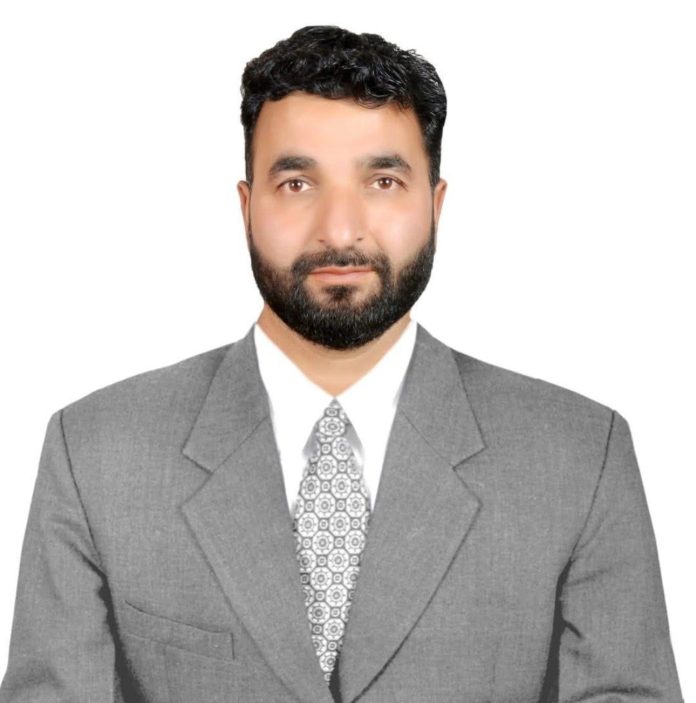
The National President of All India Unani Tibbi Congress (AIUTC), Professor Mushtaq Ahmad, has appointed renowned Unani practitioner from Baramulla, Kashmir, Hakeem Mohammad Ashraf Lone as the Provincial President of All India Unani Tibbi Congress Pharmacy Wing.
Additionally, Hakeem Imtiaz Ahmad has been named as the Vice President, and Dr. Mohammad Yousuf Dintho has been designated as the General Secretary.
The General Secretary of All India Unani Tibbi Congress, Dr. Syed Ahmad Khan, in a statement, stated that the Pharmacy Wing has been established to ensure the availability of Unani medicines. He emphasised that increasing the number of Unani dispensaries is essential to ensure the public can access Unani medicines easily.
Along with assigning the responsibility of Provincial President to Hakeem Ashraf Lone, he has been requested to complete the selection process for all office-bearers in J&K within a month as per the prescribed regulations.
source: http://www.radiancenews.com / Radiance News / Home> Latest News> Report / by Radiance News Bureau / March 28th, 2025
The Association for Protection of Civil Rights (APCR), Nagpur Chapter, has launched a Free Legal Advice Centre aimed at providing legal guidance and support to underprivileged and oppressed individuals. The initiative seeks to assist those struggling with legal issues by offering free counsel on various legal matters.
The legal clinic will operate every Friday and Saturday at 7 PM at Rifah Building, Behind Sandesh Dawa Bazar, Nagpur – 440018. It will feature legal experts, including Justice M. N. Gilani, retired judge of the Bombay High Court, Nagpur, and Adv. Shoeb Inamdar, Secretary of APCR Maharashtra.
The initiative is designed to educate people about their legal rights, provide guidance on seeking justice, and simplify legal procedures for those in need. APCR encourages individuals facing legal difficulties to avail themselves of this free service.
For more information, individuals can visit the APCR Legal Clinic at the mentioned address during the designated hours.
source: http://www.radiancenews.com / Radiance News / Home> Uncategorized / by Radiance News Bureau / March 27th, 2025
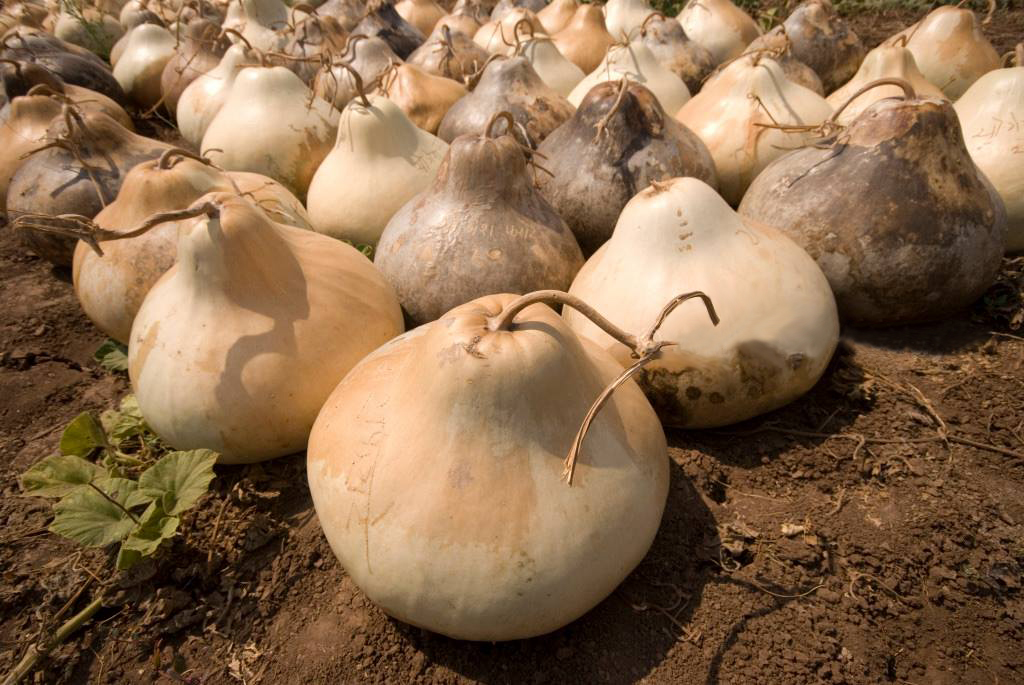
Move over, Cinderella. The humble pumpkin has a higher purpose to fill.
As a small team working to push the boundaries of Indian art, Darbar recognises that many musical milestones are only made possible while standing on the shoulders of giants—people essential to the industry who often have hidden histories and aren’t acknowledged in the public eye. Music Behind the Scenes spotlights the less visible, but no less instrumental, people and processes that help Indian Classical Music thrive.
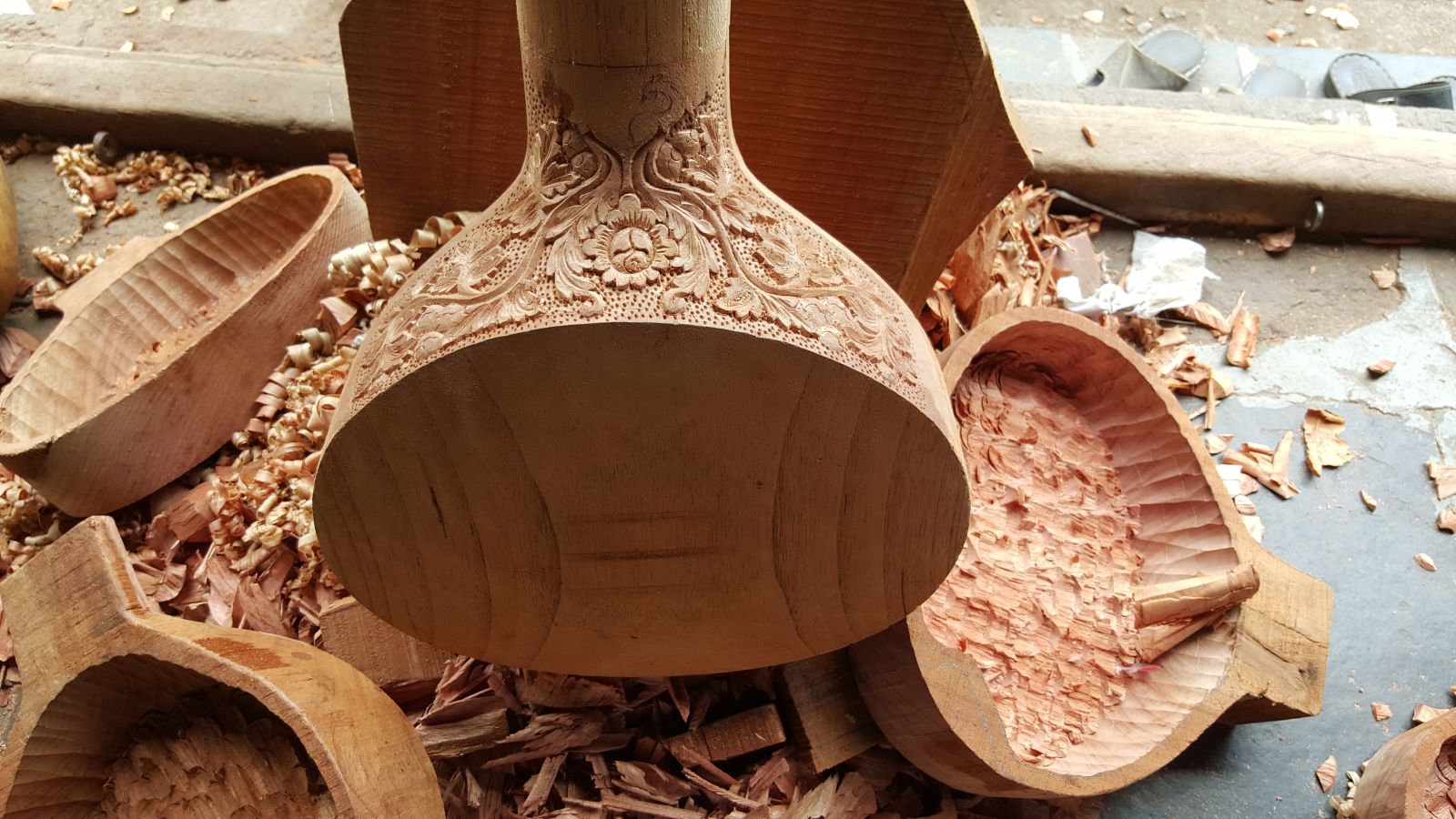
The sitar is one of the most prominently recognised instruments in Indian Classical Music, and stands as a symbol for the exoticised, reverberating sound of the East. Conjuring up images of celestial delicacy, few sounds evoke the entire canon of Indian Classical Music—and, by extension, Indian tradition and culture, as the sitar. It consists of a resonating chamber made from a gourd (often ornately and exquisitely carved) attached to a large, hollow neck fitted with frets.
And yet, it is so much more than a string instrument. Almost aspirational in its appeal, it’s the unofficial sound of the nation, as synonymous with India as bagpipes are with Scotland. Scientists have struggled to enscapsulate the complexity of the instrument’s total acoustic environment using mathematical modelling alone. Past masters have constantly re-contextualised the landscape of the sitar, adding their decadently harmonic interpretations to the tradition of the instrument. Listen closely, though, and you will hear undertones of the nuanced history it represents .
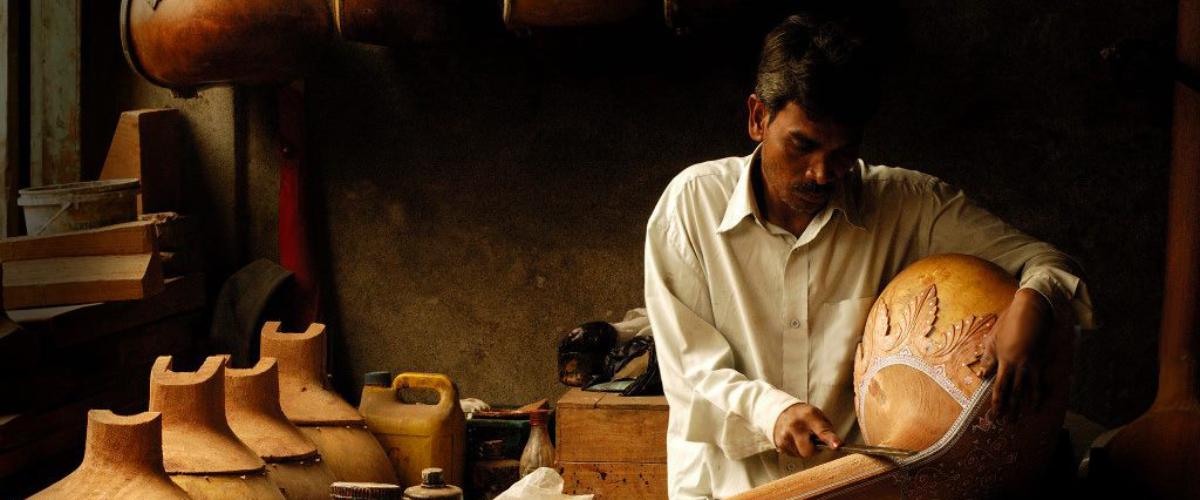
But where does the sitar come from? Who are the makers, the artisans—dare we say, magicians—turning gourds into godly musical instruments and dedicating their lives to the craft?
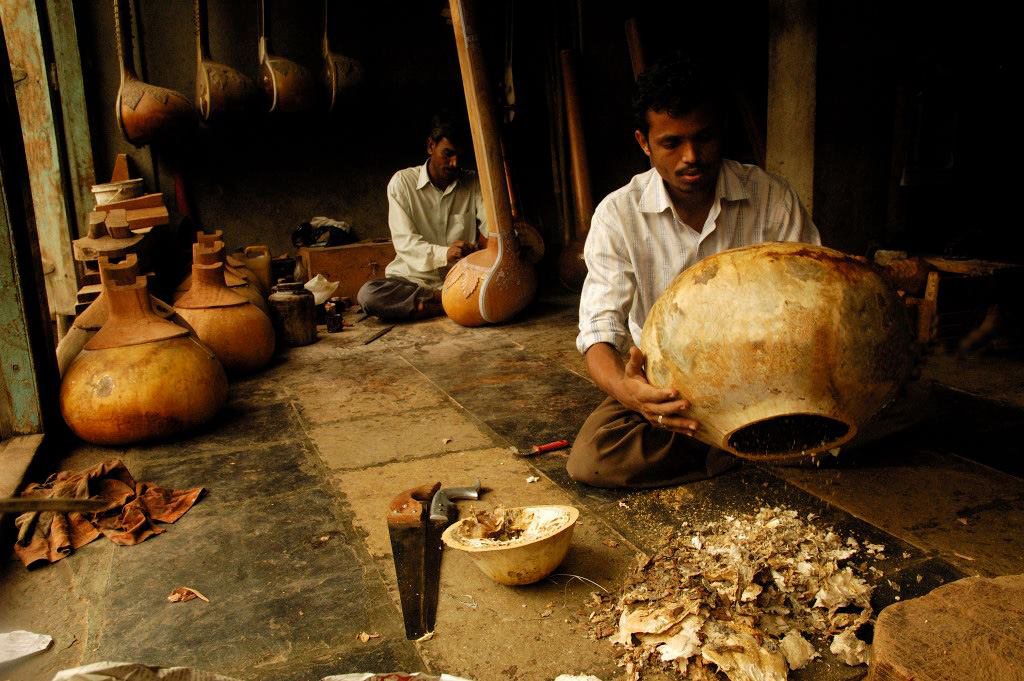
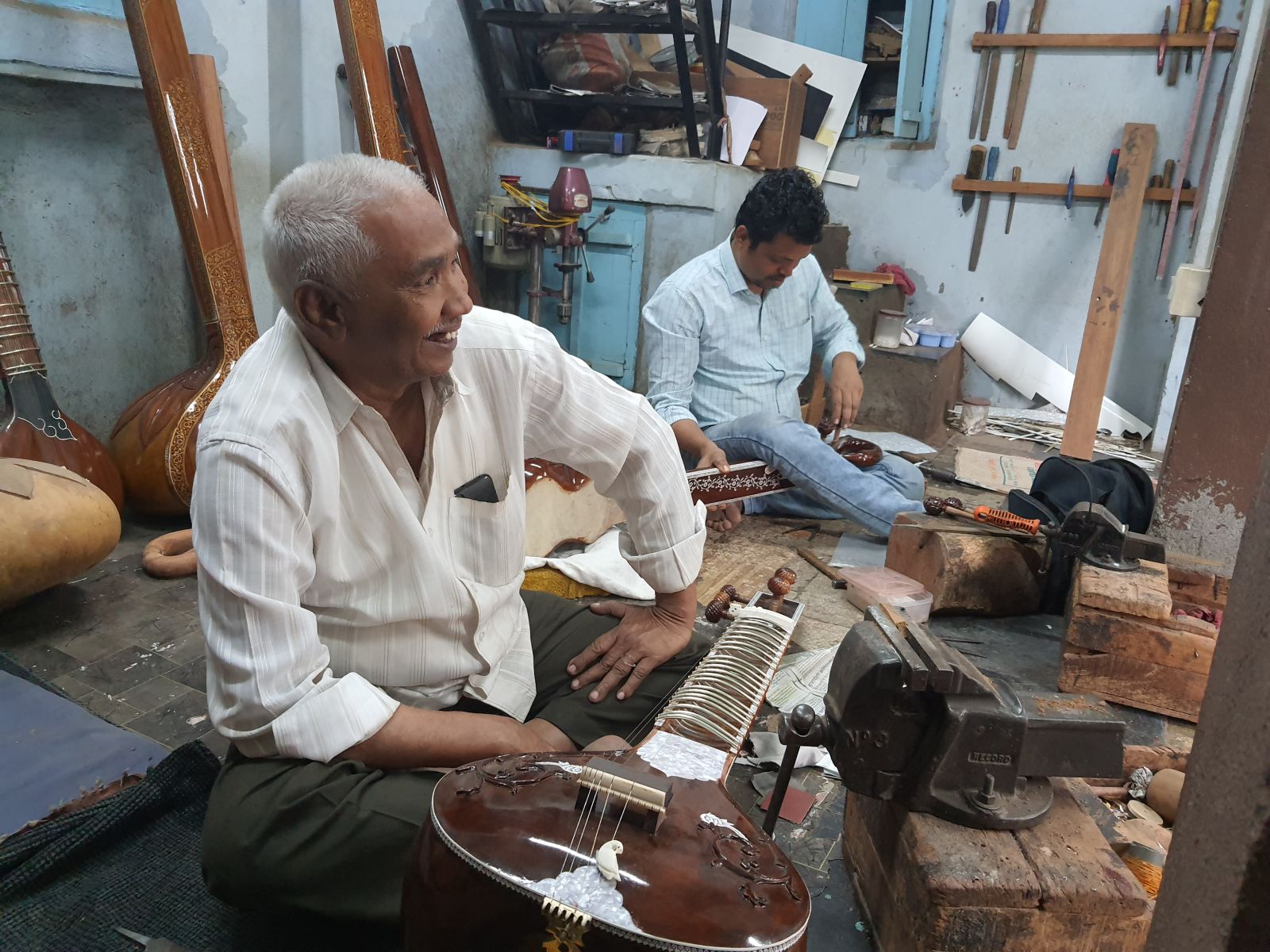
Nestled deep in the heart of the Sangli District in southern Maharashtra, India, Miraj is a famed centre known for its finesse in instrument making, particularly sitars. Altaf Mulla and Zakir Mulla are fourth generation sitar-makers in Miraj. Their work begins a hundred kilometers from their hometown, in the fields of Pandharpur and Begampur, where pumpkins are cultivated especially for use in sitar making. They make the yearly trek to attain this crucial raw material. The entire process to complete one sitar can take 25 to 30 full working days, and each step shines with specificity, refinement and idiosyncrasies, as the sitar-maker’s labour is one of both dexterity and painstaking precision as well as unbridled love. Read on to learn about the dramatic transformation from humble pumpkin to regal sitar.
Interview with Zakir Mulla of GS Musicals , manufacturers of Indian instruments since 1904.
Editor’s note: This conversation has been condensed, restructured and edited for clarity.
Could you tell us how you started making sitars?
Started? I feel we were destined for this. My brother Altaf Mulla and I are fourth generation sitar makers. Our great-grandfather, the founder of GS Musicals, was Siraj Yusuf Mulla, our grandfather, Ghudulal Siraj Mulla, continued the legacy, and my father, Yousuf Mulla, taught us. Today, we make many instruments including the tanpura, dilruba, esraj, taus, santoor, swarmandal and sitar—sitars are our specialty.
I’m not sure how to articulate it, because it’s like we unknowingly internalised it. It becomes an instinct almost. My father, bless his soul, educated us, and I tried adjusting to employment opportunities ‘out there’ for a while—I was equipped with the skills to do so—but this way of life was so deeply entrenched within me that ‘dil hi nehi laga’ (my heart wasn’t in it). The type of satisfaction the artisan gets when making a high quality sitar…the self-actualisation we feel…no conventional employment can rival that. Our village, Miraj, is humble and quaint, but it’s one of the hubs of sitar-making.
Why is that?
Because of the tradition this place is steeped in. New places can’t recreate it or duplicate our centuries of tradition. Making sitars is our way of life; we often start going to the shop with the elders when we’re five or six, so we learn the tools of the trade early. These technicalities would take one or two years to learn, but we imbibe them—almost through osmosis—before we even start. Other localities could potentially become efficient or popular, but I don’t think a new centre could emerge as a hub simply because of our history and the way it’s part of our genetic makeup, almost. Our soil is infused with hundreds of years of collective experience, and we also have a strong community led by innovation, passion and continuous discussion and improvement.
What does innovation look like within your community?
I’d say there are about 150-200 people involved in sitar-making in Miraj. Of course, the quality of the work or individual speciality varies, but we’re all united by this one passion. It’s not a board room or an official meeting where we gather to innovate, but a mindset. We sit with a cup of chai in the evening and have healthy discussions—this wood is posing a certain problem, or we’re facing this idiosyncratic demand from a client. When you’re all cut from the same cloth, bound by the same thread, innovation is inevitable.
But my brother and I took it a step further to try to create bespoke sitars to our customers. I had this customer…he was about 4 foot 9 inches, and I knew that the standard size wouldn’t suit him. That got us thinking about how much the physique matters, and what a pivotal difference it makes to have a customised instrument. That’s what gives pleasure in the hand of the musician. Girls might naturally have daintier hands, and for some of the sitars we export to European countries, the hand span might be broader than a typical Indian physique. You need the comfort of your own size, so your height and build all come into play. My brother and I try to have a consultation meeting with the artist before we even start making the sitar to understand who they are and their temperament. At the very least, we ask for a picture of the musician.
So tell us about the journey from pumpkin to sitar.
The process starts with the pumpkin, or the gourd. These aren’t the typical pumpkins you’re used to seeing and eating, though. In fact, this type of gourd is so bitter that even animals don’t consume it. We make a yearly visit, usually between March and May, to the special fields in Pandharpur to get our pumpkins. Preparation actually starts before our visit, as the farmer carefully cultivates the crops according to our requirements. You see, there might be 15-20 pumpkins on one vine, but overcrowding doesn’t let the pumpkin become big enough. Farmers retain only three or four pumpkins per vine till maturity. The pumpkins the farmers cultivate are between 40-60 inches, so we group them into categories and classify them according by circumference. 40 to 44 inch pumpkins are used for the sitar, with the 47 to 48 range reserved for the female taanpura, 50 to 51 for the surbahar and 54 to 60 inch pumpkins for the gents taanpura. We suspend the pumpkins after sorting them, and leave them for four to five months to dry. We never put them on the floor. And subconsciously, even within our sitar category, we’re sorting out the most superiorly shaped pumpkin. After all, being able to join the neck to a gourd at the right angle is much easier and makes for the most unadulterated tone.
Right, what happens next?
Then we source the wood. In the Karnataka stretch of Sakleshpur, amid coffee and tea gardens, there are Tunna Cedara trees. We’ve found that this is less susceptible to bacterial infection Tunna Cedara is a resilient wood—and has a superior ability to project sound. That’s what we use for the galaa or the neck. Joining the neck to the gourd is a veritable art. Our forefathers used naturally sourced Falcon resin adhesive, or a heavily whipped mixture of flour and water, as an adhesive. But these days we have powerful glue in the market. It’s a commonly held belief that you need to get the joining right the first time. The more you adjust and redo it, the more compromised the sound will be. That’s the crucial step, and we can start decorating it next.
How is the sitar decorated?
We use the French polishing technique, dipping cloth in spirit and shellac and hand-polishing the instrument, which can take three to four days. But the decoration and carving takes place before that. Usually, we adorn our sitars with grapes, roses or traditional paisley motifs. Is there any symbolism behind these designs? Not that I know of, but they nestle nicely on the shape of the gourd. There’s wood carving, which requires great patience and dexterity, and the pen carving on plastic or cellulite. Then, the final fitting of the pegs can take place, and we start checking the tone.
How long does the complete process take?
25 to 30 full working days, working for eight hours a day. But it’s our family work, and we have six to seven people all trained perfectly in their part of the process, so we’ve all specialised and divided our labour. Everyone’s an expert at their own thing. Sometimes we can anticipate orders or running items in advance and partially prepare the pieces for assembly, but we always do the final fitting after receiving the order. It’s rare to find a fully prepared sitar at our shop, unless it’s a student version for a lower cost. But that’s not an artist’s sitar.
Can you describe what constitutes a good sitar?
It’s in the details. Right down to the selection of the pumpkin or the grains of the wood. A good sitar isn’t made on a whim. It’s beckoned by the musician—he or she summons it. A discerning musician is concerned with the quality of sur, tone quality, depth of resonance, the friction on frets and overall stability in the sitar. How many notes are on one fret? When he or she plays one note, will it dissipate quickly or will it reverberate deep within the hollow of the gourd? How is the resonance? A superiorly made sitar will allow the notes to resonate and circle within the gourd and linger before they fade out gracefully.
Some musicians want a more robust tone, whereas others want more resonance. It’s a matter of diagnostics really. We aren’t musicians in the sense that we could play an entire raag, but this work teaches us the sur and we can tell when a note sounds true. Fitting the frets and checking the tone is a finicky process, but almost like trying to unravel a thrilling mystery.
What’s a typical day like for you and your team?
We’re literally family, but when we’re working, we’re joined by this higher purpose. I always try to make sure that we eat and pray together. When one of us is feeling low or has had a hard day at home, we don’t do major things like joining or checking the resonance that day. If you’re not in the right head space, the joint will appear ‘masculine’, or the tone won’t sit right, or the sur won’t sing as beautifully. The more you adjust an instrument, the harder it becomes to redeem its essence and sound. But if everything connects, it’s like God’s gift to the world.
What is something music connoisseurs and beginners alike might not recognise as an essential part of the sitar making process?
You can’t have a cookie-cutter, one size fits all sitar. It’s not plastic or something dead. These are grains. Gourds. Wood from every part of the tree. ‘Jaan hai is me’ (There’s life in all of these things). It’s so important to match the life of the raw materials to their musical destiny. And that’s not a formulaic calculation. It’s learnt from experience, from what I absorbed while watching my father and grandfather or stowed away in the recesses of my mind while they spoke to me as a child.
For example, the annual growth rings inside a tree trunk bend of their own volition, and the distance between them varies. Have you ever wondered why? It’s because each of those rings is testimony to phases in the tree’s life. When there’s a drought, those grains are thinner…they veer in different directions and they’re sparse. But when the tree gets ample rainfall, those rings are a reflection of optimal conditions. They’re closer together then. In fifty years of the tree’s life, you’re not going to get the same annual rainfall pattern or mean temperature, so the patterns inside will also vary. And those, in turn, affect the sound and tone. It’s the same with the soil. You need to respect where the disparate parts came from to appreciate the harmonious whole. It’s a process with a million nuances, but it doesn’t end when the sitar is ready.
Really, how so? When do you feel like you can see the final fruit of your labour?
Even when we’ve fully prepared the sitar, it’s only half done. Then, it’s the artist’s job to play it, and to play it well. That’s when it becomes seasoned and perfect. All those things, the decoration, polish, sound, fitting, pumpkin selection and wood grains all burst forth with this impetus and fulfil their calling.
It feels terrible when we pour our soul into a beautiful instrument and it ends up on a mantle or in a museum. It’s when it’s played that we get satisfaction. When the instrument comes back after a year or so for maintenance like Jawari work, that’s when we know how it’s doing.
What changes are you witnessing?
Well, social media makes it easier for us to share things; we can get clients, conduct consultations and see our instruments being played in concert. In my grandfather’s time, things were a lot harder. There wasn’t a concept of a payment advance, and people often wrote letters commissioning sitars. It made it harder to receive payment on time and lags were common. Compared to that epoch, these are small conveniences we have today. But e-commerce also makes the process commercialised, and the customisation option isn’t always available.
Do you hope your children will continue this legacy?
I have two sons, and Altaf bhai has a son and a daughter. We’re both teaching them about sitar making, but also educating them in school. The scope for sitar making is shrinking. And it’s up to them if they want to choose this path less taken or opt for mainstream employment. Ultimately, they have to want it, if they don’t have that passion, they’ll produce ‘ghatiya’ (slang for terrible and lousy) work.
How do you feel about advances in the electric sitar?
With the advent of Indo fusion, I suppose it’s inevitable. Classical music is also trying to reimagine itself in the domain of fusion. But the pumpkin takes sound inside the depths of its once-living soul. You don’t get that with a fully electric sitar; the bass takes over. There’s always the inherent danger that with an electronic tanpura, you might learn the wrong notes if the voltage fluctuates. I don’t support fully electric instruments, because with some natural elements, there’s still life in it, you know?
What keeps you doing this work?
Making a sitar is like raising a child. When the musician says, “Wah! Sitar bariya banaya hai!” (Wow! You’ve made a lovely sitar!), then it’s just the most exhilarating feeling. Conscientious parents are always on the lookout for any potential character flaws. We’re like that with our sitars also. There are times when the wood might let us down, or the joint may be compromised. But there are also times when the sitar is adjacent to divinity. The artisans and enthusiasts give us great respect and ask for our good blessings before taking the sitar home. We get so much innate satisfaction. That’s why we work tirelessly to do this work for them.
Would you like to say anything else?
Creating art like this is only possible when your stomach is full. We don’t wish for a lot, we live hand to mouth but we can educate our children and feed our families, That’s enough. But the financial repercussions of Covid have left things strained, and I often worry about the last ten to 20 years of life. It’s that last stretch that I’m concerned about. There’s no security.
Music will always stay alive. But it’s important to keep the makers alive.
source: http://www.darbar.org / Darbar / Home> Articles> New to Indian Music> General / by Aysha Imtiaz
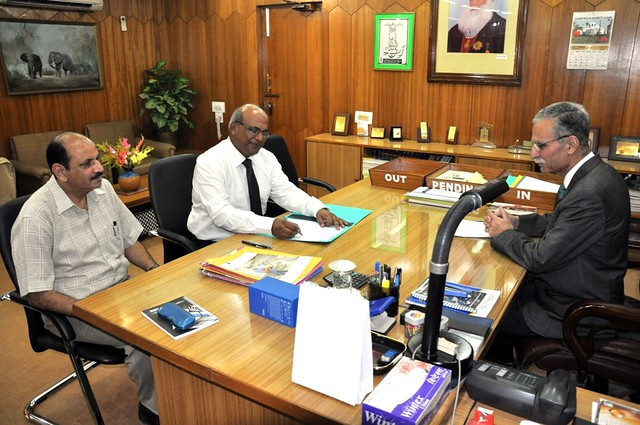
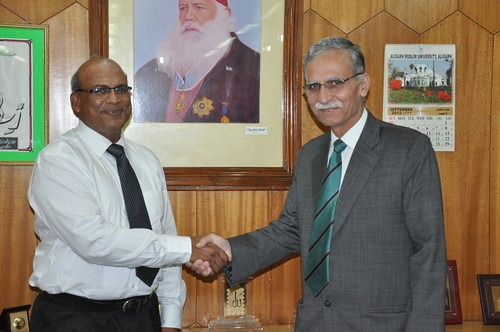
Brigadier Syed Ahmad Ali, a retiree from Indian Infantry (Kumaon Regiment) on Wednesday assumed charge as the Pro-Vice Chancellor of Aligarh Muslim University. Vice Chancellor of AMU, Lt. General (Retd.) Zameer Uddin Shah has appointed him to the coveted post for a period of five years.
R-L: AMU Vice Chancellor, Lt. Gen. Zamer Uddin Shah, new PVC, Brigadier S. Ahmad Ali and Registrar Gr. Cap. Shahrukh Shamshad
Born in 1954, Brigadier Ali has 35 years’ experience of working in army in different capacities. He has also been associated with academic institutions of army training and served as Chairman/Member, Board of Governors of leading schools such as La Martiniere College, Lucknow and Army Public Schools. Brigadier Ali originally belongs to Allahabad.
pix02
Brigadier Ahmad Ali received his BA degree from Allahabad University in 1976 and M. Sc. (Defense Studies) from Chennai University in 1990. He completed his Master of Management Studies course at Osmania University, Hyderabad in 2002 along with an Advance Course in Management from All India Management Association, New Delhi.
AMU Vice Chancellor welcoming the newly appointed PVC Brig. S. Ahmad Ali
Brigadier Ali has been awarded Sena Medal for his services during Kargil War and holds the honour of having received Chief of Army Staff Commendation Card and Commander-in-Chief Andaman & Nicobar Command Commendation Card.
He also served as the member of Indo-US Executive Steering Committee constituted to promote bilateral military ties. He has the distinction of serving as a single point interface between army and Ministry of Defence and was entrusted with the planning, control, allocation and monitoring of Army’s budget as Director at Financial Planning Directorate at Army Headquarters.
source: http://www.twocircles.net / TwoCircles.net / Home> Indian Muslim / by TCN News / September 26th, 2012
Nanil Village (Anantnag District), JAMMU & KASHMIR :
Ghulam Nabi Pandith alias Ghulam Nabi Aatash
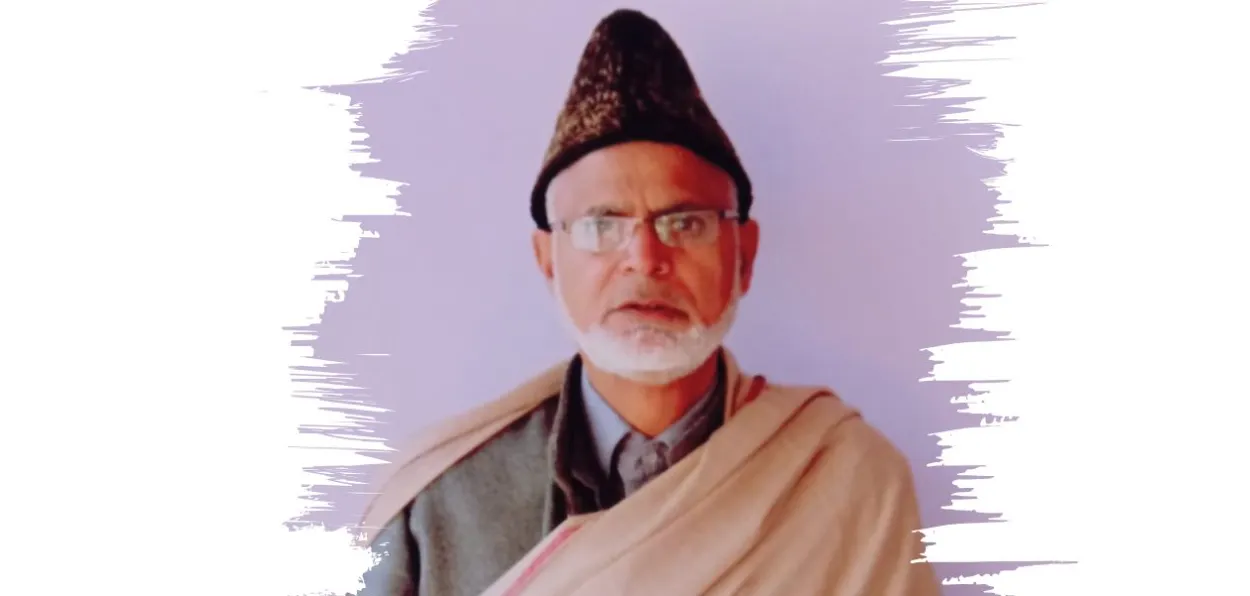
“Jayakanthan has focussed on the downtrodden people of South India. His works highlight the life and aspirations of the poor”, said Ghulam Nabi Pandith, known by his penname Ghulam Nabi Aatash, whose book has been selected for the annual Translation Prize for the 2024 Sahitya Akademi award.
Speaking with Awaz-the Voice from his home in Nanil village of the Anantnag district, about 70 km South of Srinagar, Aatash said “This (Jayakanthan’s) novel among his umpteen works also focuses on the same issues like the social and religious life of the people”.
Ghulam Nabi Pandith, popularly known by his penname Ghulam Nabi Aatash has been selected for the Sahitya Akademi Prize 2024 for his translation of the well-known Tamil writer Jayakanthan’s novel Oru Manidhan Oru Veedu Oru Ulagam” about the life of the poor people in South India. The book’s title in Kashmiri is “Akh Insaan, Akh Gharre, akh Duniya” (A Man, A Home, A World).
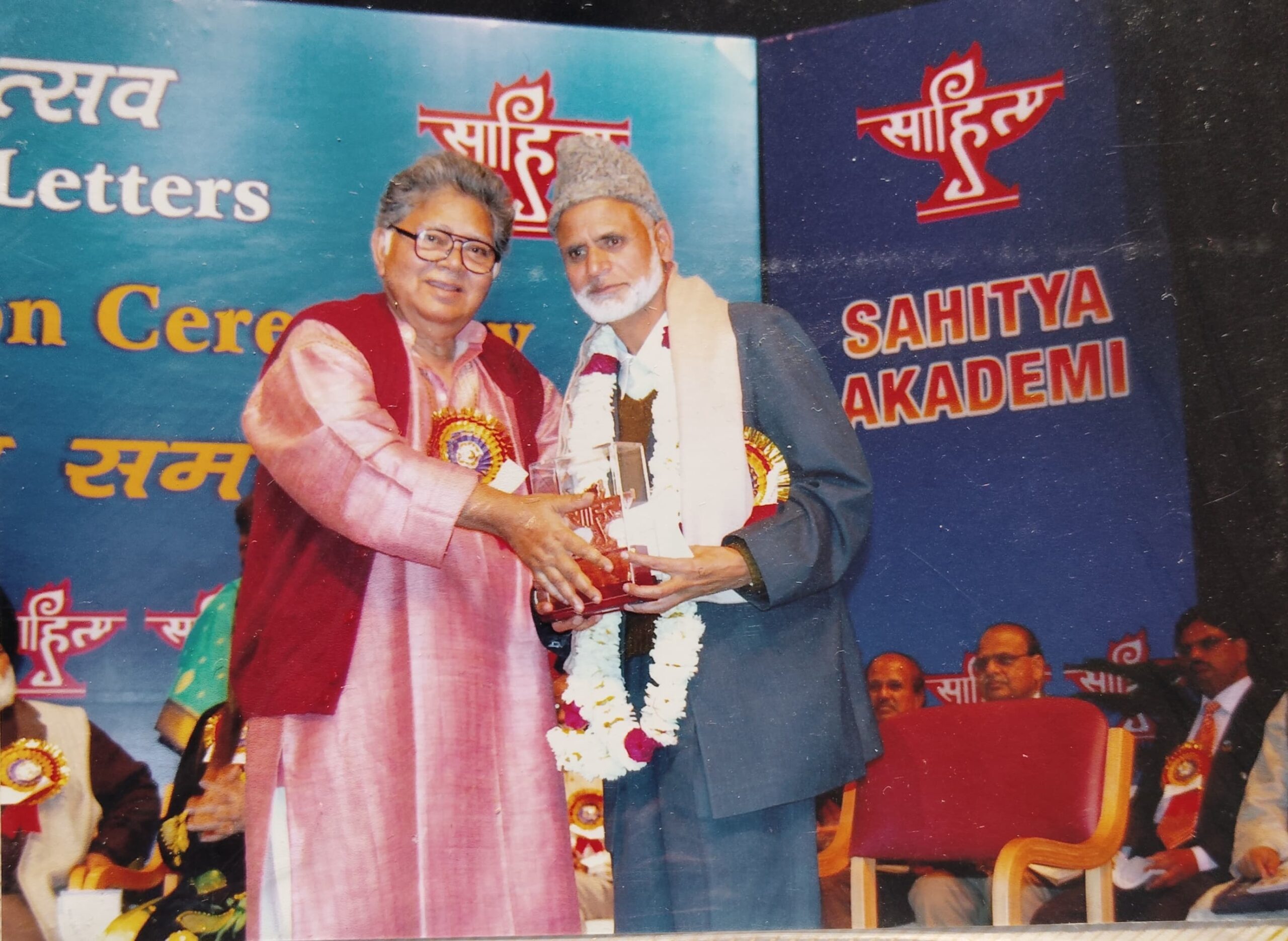
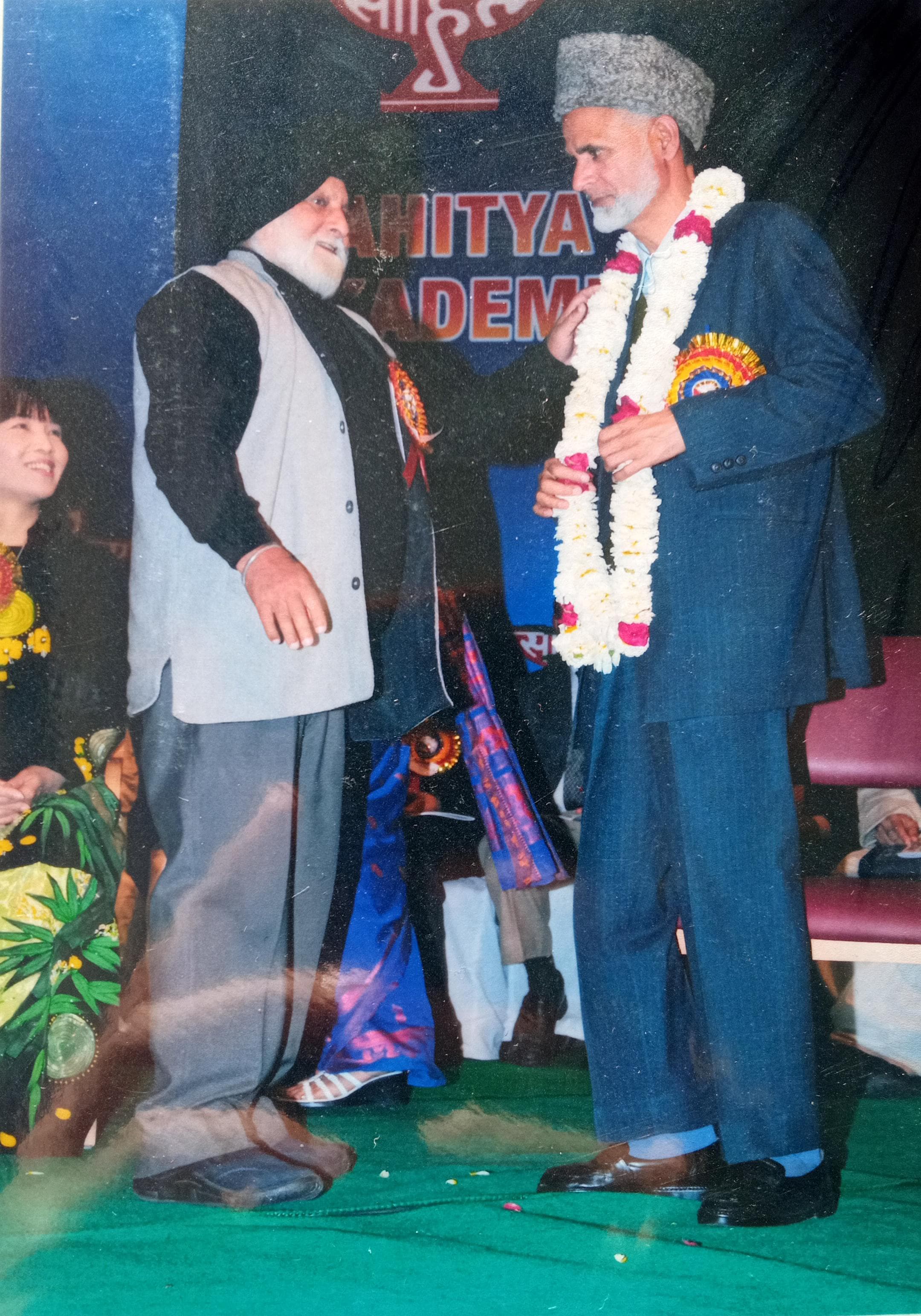
Ghulam Nabi Aatash receiving his Sahitya Akademy Award on an earlier occasion
He said the recipient of the Jnanpith in 2002 and Padma Bhushan in 2009, Jayakanthan is known for his works, many of which have been translated into different languages.
However, this is not the first Sahitya Akademi award for the Kashmiri writer and poet, Aatash, 76, who has been active in the literary circles of the Valley for over five decades.
His falling health during the past two decades has not deterred his literary activities.Despite this and praticularly his poor eyesight, Aatash has at least 10 manuscripts ready to be published. These include two books in Urdu and eight in Kashmiri languages. He told Awaz-The Voice that he would get his works published soon.
So far his 80 works including poetry collections, Research and Criticism, Folklore, Children’s literature, translations, and monographs have been published.
He was conferred the Sahitya Akademi award for Kashmiri language in 2008 and Bal Sahitya Puraskar (Sahitya Akademi) in 2011 for children’s literature. He was also the recipient of the international Soviet Land Nehru Award in 1981.
He first got the Best Book award from the J&K Academy of Art, Culture, and Languages in 1979 at the age of 30 year for his Kashmiri poetry collection “Zool Amaaran Hund (Illumination of my wishes)”.
He received the Best Book Award from the J&K Academy of Art, Culture, and Languages in Kashmiri criticism and research work “Sarmaaye teh Saam”. So far he has received at least 19 awards from literary and academic institutions and many felicitations from literary organizations and educational institutions.
These include at least 14 works in Kashmiri folklore and 13 works in children’s literature. His notable works include translations of foreign travelers’ travelogues on Kashmir. At least ten such works include “Kashmir ghair mulky sayaahoon kay safar naamon mein” (Kashmir in the travelogues of foreign travellers) and a publication in the English language entitled “Intangible Cultural Heritage of Kashmir.
As a school teacher, he nurtured his literary activities along the banks of the Lidder stream flowing from the upper reaches of Pahalgam in South Kashmir into river Jhelum.
Aatash retired as a Lecturer in higher secondary school 18 years ago.
Aatash taught in different schools at various levels for more than three decades during which he also worked as Zonal Coordinator of SSA, District Coordinator of Cultural Education Wing, Provincial Level Teacher Trainer/Resource Person.
He also helped many Ph D scholars and researchers in accomplishing their assignments.
Aatash was a member of the Expert committee constituted by the J&K Board of School Education for deciding the syllabus and textbook of Kashmiri language, and played a vital role in conceiving, compiling, and drafting all the textbooks”.
He has worked as a member of the Revision Committee of Urdu textbooks as well.
source: http://www.awazthevoice.in / Awaz, The Voice / Home> Stories / by Ehsan Fazili , Srinagar / March 19th, 2025
Rumana Ali was also honored by the Citizen Rights Forum for her contributions
Pune:
Social worker Rumana Ali has been appointed as the General Secretary of the Women’s Wing for the Minority Front of the Pune City Bharatiya Janata Party (BJP).
The official appointment ceremony was held on Saturday, October 19, at City Lawn, Parge Nagar, Kondhwa. The event was presided over by Imtiaz Momin, head of the BJP Minority Front for Pune City.
The ceremony saw the attendance of several notable figures, including Khwaja Iqbal, Maulana Idris Qari, Satpal Parge, Isak Pansare, Taufiq Shaikh, Nitin Boke, Nurjaha Shaikh, and Sameer Pathan. During the event, Rumana Ali was also honored by the Citizen Rights Forum for her contributions.
Addressing the gathering, Rumana Ali expressed her commitment to working in alignment with the policies and objectives of the BJP. She emphasized her dedication to the party’s vision.
Imtiaz Momin, speaking at the event, highlighted that the BJP is dedicated to social advancement through grassroots engagement, which has led to increased trust and support for the party.
Earlier, BJP spokesperson Ali Daruwala was appointed as a senate member on the governing council of Dr. P.A. Inamdar University, Pune.
In his new role, Daruwala will play a key part in overseeing the institution’s governance, focusing on academic policies and strategic initiatives on behalf of the government. His involvement is anticipated to enhance the university’s alignment with public policy and strengthen its regulatory framework.
source: http://www.thebridgechronicle.com / The Bridge Chronicle / Home> News / by Salil Urunkar / October 20th, 2024
Indians keep on doing extraordinary things, surprising not only the world but also themselves sometimes.
Feroz Momin (L). In the background is the helicopter he repaired. (Image source: Twitter)
Indians keep on doing extraordinary things, surprising not only the world but also themselves sometimes. One such example has been reported from Kolhapur in Maharashtra where a car mechanic repaired a helicopter recently, making it fly-ready in just 30 seconds.
India Today reports that the incident happened at the late Congress leader DY Patil’s residence in Kolhapur. Some guests had arrived at the bungalow in a helicopter but when they were ready to leave, the chopper couldn’t fly.
When they contacted the helicopter company, they were informed that an engineer would take at least two hours to reach the spot. Then someone remembered a local mechanic Imtiaz Momin, who had in 2006 made a car that could move in water along with his brother Feroze Momin. The brothers had then also given a demo of their car by driving it in a pond. They had won accolades from several quarters for their effort.
When someone went to call Imtiaz to repair the helicopter, only Feroz was present at their garage. Feroze had never even touched a helicopter. However, after some persuasion, he agreed to take a look. The report says that Feroz repaired the helicopter in just 30 minutes after taking some inputs from the pilot. The pilot first took a test flight and then left the city with the guests.
Kolhapur is home to several brilliant car mechanics. At one point of time, the city was famous for having the maximum number of luxury Mercedes cars.
source: http://www.financialexpress.com / Financial Express / Home> Business News> India News / by FE Online / November 01st, 2016
The initiative underscores the importance of nurturing a diverse pool of legal talent equipped to address the complex societal issues facing diverse communities.
pix: X.com /@AleemIlahi
Kochi :
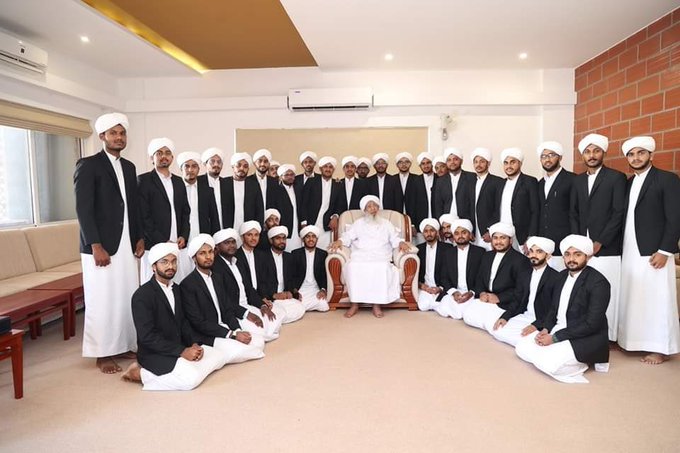
Responding to the pressing need for diverse representation in the state’s legal sphere, particularly to counter communalism, a Muslim organisation in Kerala has taken proactive measures.
It identified a crucial gap in the representation of Muslims in the judicial apparatus of the state and recently qualified and enrolled 50 Islamic scholars as advocates in Kerala High Court.
The southern state has a significant Muslim population and a commendable literacy rate in the community.
The organisation embarked on a training initiative for law graduates after recognising the need for informed legal practitioners well-versed in Shariah-related matters.
This initiative aimed to bridge the gap in Muslim representation in the judiciary, ensuring adequate expertise in addressing legal issues pertaining to the Muslim community.
The successful integration of modern education with religious teachings has been a hallmark of Kerala’s educational landscape. Leveraging this trend, the organisation trained the lawyers who are expected to play a pivotal role in advocating the rights and interests of the Muslim community, particularly in matters concerning Islamic Shariah.
The initiative’s significance extends beyond the confines of Kerala, serving as a model for other states grappling with similar challenges. It underscores the importance of nurturing a diverse pool of legal talent equipped to address the complex societal issues facing diverse communities.
The absence of qualified legal representation among Muslims has often resulted in judgements which do not fully consider Shariah principles. By empowering Muslim scholars with legal expertise, this initiative aims to rectify this imbalance and ensure fair and informed judicial outcomes.
As the need for competent legal practitioners among Muslim communities continues to grow, initiatives like these stand as crucial steps towards fostering a more inclusive and equitable legal landscape.
source: http://www.clarionindia.net / Clarion India / Home> Editor’s Pick> Indian Muslim / by Clarion India (pix edited source by X / @AleemIlahi / February 19th, 2024
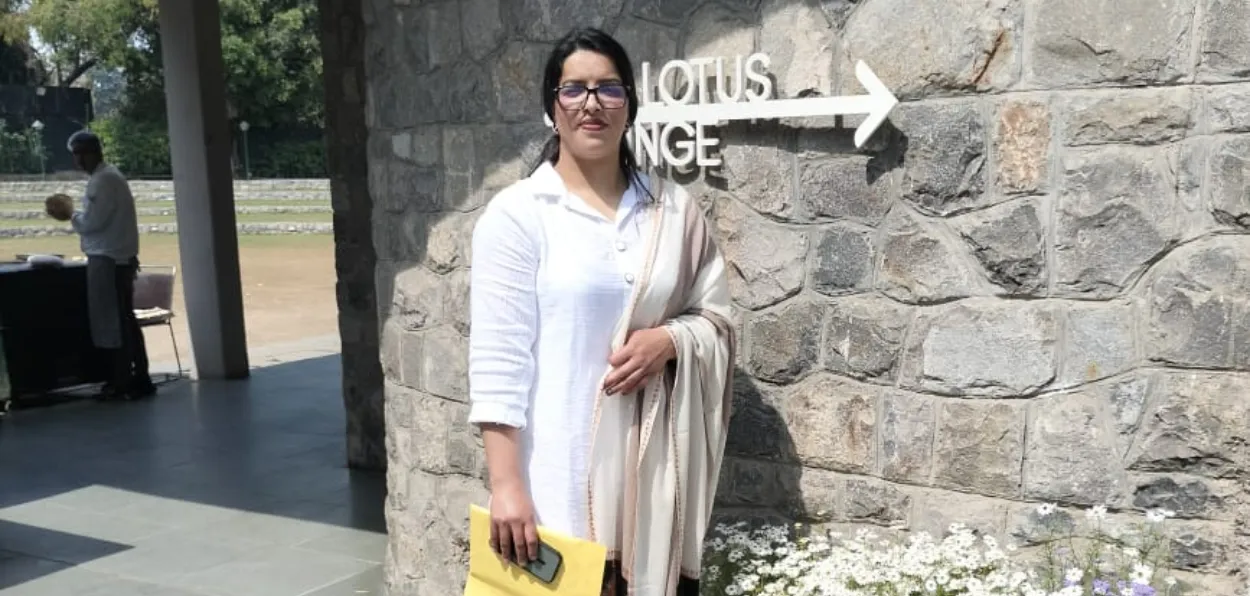
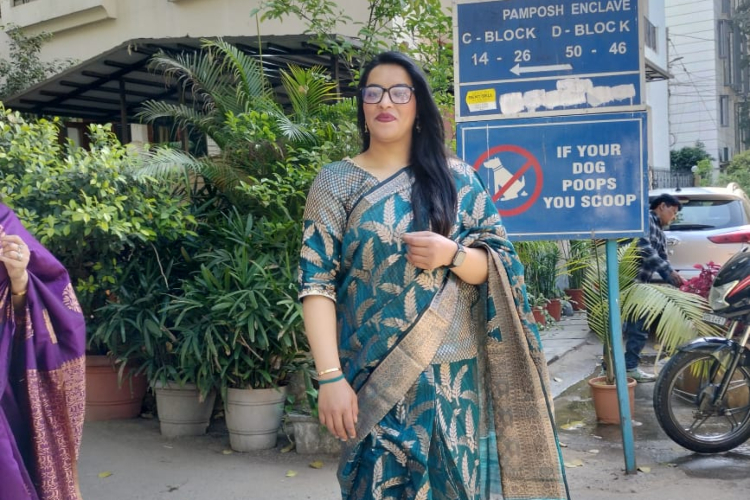
A remarkable woman from North Kashmir is breaking stereotypes and inspiring change in Kashmir. Advocate Tabassum who prefers to be known as Advocate Sibgat, a lawyer-cum-wrestler, is not just fighting legal battles in the courtroom but also empowering women by educating them about their rights and guiding them toward a brighter future.
Sibgat’s journey has been anything but conventional. She hails from the village Tujar Sharif, close to the apple town of Sopore which was once the hub of terrorism.
Losing her mother at a young age in 2012, she stepped into a leadership role within her family. Despite societal norms that often frown upon step-relations, she urged her father to remarry.
Defying expectations, she and her sibling embraced their stepmother wholeheartedly. “Our society doesn’t easily accept the concept of step-relations. But I insisted and got my father married again. We accepted our stepmother as our own; she did the same for us. I made sure the revolution began at home,” she recalled.
This belief in challenging societal norms shaped her into the woman she is today. Sibgat pursued law to fulfill her late mother’s dream of seeing her in the black coat. Now, as an advocate at the Srinagar High Court, she dedicates her life to making legal awareness accessible to the people, especially women.
“Women in our society have always been kept secondary. They are taught to live under the dominance of their fathers and later their husbands. Why is that so? Women must have control over their own lives and be able to make their own decisions,” says Sibgat. Through her legal practice, she educates and consults women on their rights, encouraging them to stand up for themselves and fight against injustices.
Beyond her legal career, Sibgat is also a national-level arm wrestler, competing in the 75kg and 95kg categories and the winner of several medals in the sports. She was even selected for international competitions but could not participate due to personal and professional commitments. “Paron ko khol zamana udaan dekhta hai, Zameen pe baith ke kya aasmaan dekhta hai?” she says, emphasising the importance of ambition and perseverance.
For a woman from Kashmir, excelling in sports, especially a physically demanding one like arm wrestling, is no small feat. “I was always inclined towards sports, but in my area, it wasn’t easy for women to pursue it. I want to pass on this strength to young girls and encourage them to break barriers,” she stated passionately.
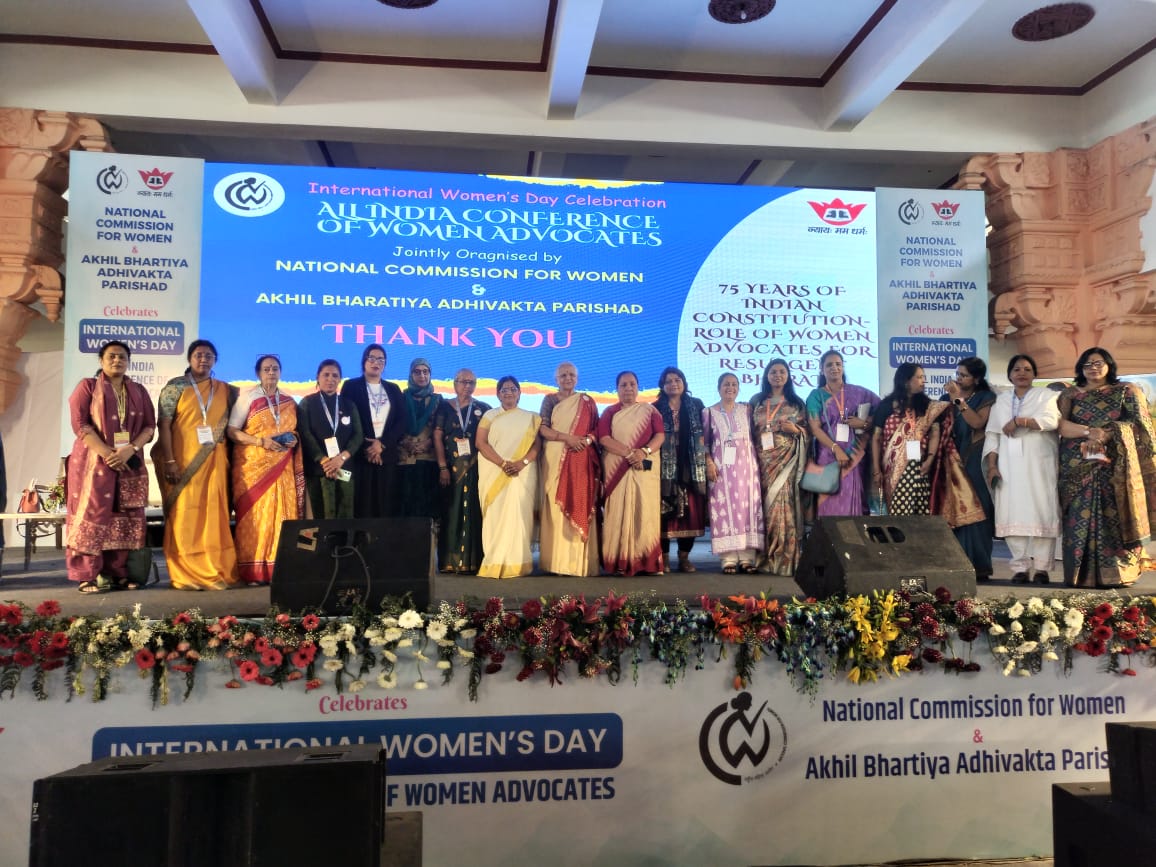
Advocate Tabassum alias Sibgat attending a conference of Women advocates in Delhi
Her commitment to societal well-being extends beyond law and sports. Recognizing the growing influence of digital spaces, Sibgat is spreading cyber awareness.
“Youth is an essential part of our society; they are taking over social media and cyberspace. It is crucial to educate them about cyber laws and digital safety,” she explained.
Advocate Sibgat’s story is one of resilience, determination, and change. Whether in the courtroom, on the wrestling mat, or in society, she continues to fight for justice and empowerment. Her unwavering spirit is a beacon of hope for women in Kashmir and beyond, proving that no societal norm is too rigid to be challenged and no dream too big to be pursued.
source: http://www.awazthevoice.in / Awaz, The Voice / Home> Stories / by Vidushi Gaur, New Delhi / March 24th, 2025
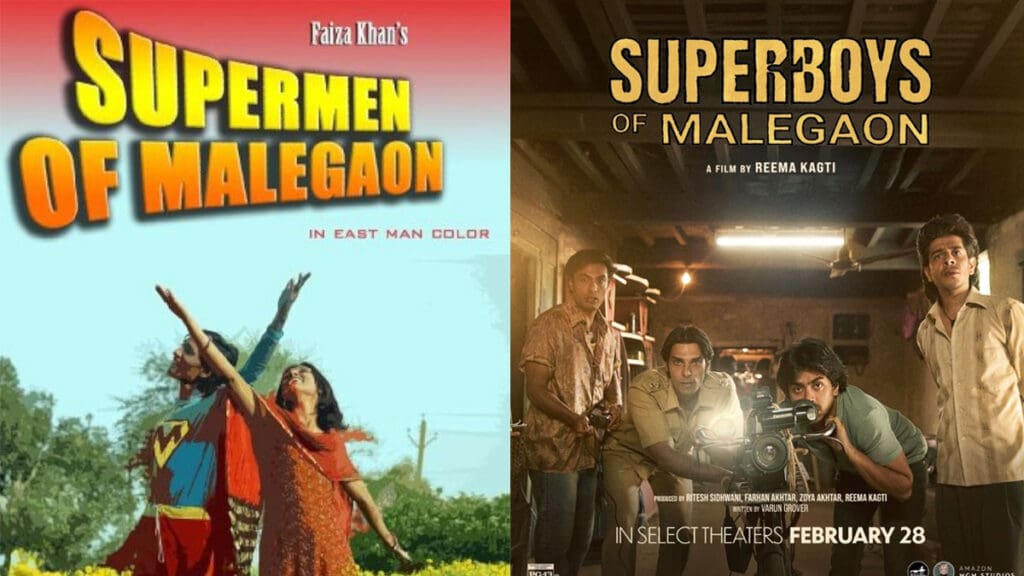
Cinema, at its best, is an act of discovery—a way to reveal untold stories, amplify unheard voices, and explore cultures beyond mainstream narratives. Faiza Ahmad Khan’s celebrated documentary, Supermen of Malegaon (2012), did precisely that. It offered an authentic, heartfelt portrayal of a town’s passion for cinema, honestly capturing Malegaon’s people’s struggles, aspirations, and resilience.
Enter Superboys of Malegaon , a film emblematic of mainstream Hindi cinema’s exploitative tendencies—appropriating genuine experiences into sanitized narratives.
Superboys of Malegaon fails ethically and creatively, offering no fresh perspective while recycling Khan’s original vision. The filmmakers behind Superboys claimed “life rights” yet sidelined Khan when she sought acknowledgement, providing only a perfunctory shout-out at the film’s end—masking intellectual theft. This echoes the controversy involving Dalit writer Yashica Dutt, whose work was appropriated without credit in the series Made in Heaven. Powerful creators (also the same) behind these productions repeatedly draw from marginalized voices without meaningful acknowledgement, silencing concerns when challenged.
Such incidents highlight mainstream Hindi cinema’s transactional activism—superficially engaging marginalized spaces for fleeting relevance, prioritizing optics over authenticity. Some argue that under a politically charged climate with a right-wing fundamentalist government at the centre, this diluted portrayal is the best achievable representation—but accepting superficial representation as an acceptable standard of progress only normalizes mediocrity and stifles genuine change, further entrenching injustice rather than challenging it.
Erasing Malegaon’s complexity
Supermen of Malegaon succeeded precisely because it didn’t shy away from reality. Malegaon is more than just a quirky small town—it’s a working-class Muslim community shaped by poverty, systemic discrimination, and communal violence, including devastating bomb blasts in 2006 and 2008, initially blamed on local Muslims but later linked to Hindu nationalist groups (such as those implicated in investigative reports and legal proceedings, including the Malegaon blasts cases, as detailed in various court judgments and media investigations). This complex history has continued to profoundly impact residents, whose filmmaking is not merely artistic expression but an act of resistance and survival.
However, Superboys strips away these critical layers, presenting Malegaon as an optimistic yet sanitized locale devoid of historical context or socio-political nuance. Even the town’s distinctive dialect—a rich blend of Marathi, Urdu, and Dakhani—is diluted to a more palatable version. The film carefully constructs picture-perfect frames, evading the filth and squalor that define the neglected streets of Malegaon. This visual sanitization is emblematic of the state’s apathy towards Muslim ghettos—neighbourhoods that are frequently labelled ‘Pakistan’ as a means of deliberate alienation and justification for withholding even the most basic amenities.
Christoph Jaffrelot and Laurent Gayer, in Muslims in Indian Cities, document the systemic oppression and deprivation faced by Muslims in these spaces, reinforcing how Superboys dilutes Malegaon’s reality into an aestheticized, palatable narrative for mainstream consumption.
While some applaud the mere presence of Muslim characters, depicting a predominantly Muslim town without engaging its realities constitutes tokenism, not meaningful representation. Authentic storytelling demands acknowledging the community’s lived experiences, struggles, and resilience—precisely what Superboys avoids.
Flattening reality
Ironically, Superboys of Malegaon, despite proclaiming, “Writer baap hota hai,” suffers from a weak screenplay devoid of the sweat, grime, and authenticity central to Malegaon’s sole filmmaker featured in the film, Nasir Shaikh.
Excessive close-ups, overly polished aesthetics, and sanitized set designs further detach the film from reality, undermining grassroots storytelling. Casting choices deliberately select bodies that cannot represent those that labour—bodies that do not carry the marks of a lifetime of struggle, calloused hands, or the weight of exhaustion.
The film’s music, rather than reinforcing the struggles of Malegaon, renders them more palatable, smoothing over the jagged edges of survival. Crucially, the plotline completely erases a key detail from Faiza Ahmad Khan’s documentary—that every child born in Malegaon sleeps to the lullaby of the working mill. The hum of the power looms is the constant soundscape of the town, an unbroken rhythm of survival and labour. Superboys silence this ever-present industrial echo, replacing it with a more sanitized, digestible version of struggle that aligns with Hindi cinema’s broader tendency to aestheticize hardship while stripping it of its deeper socio-political implications.
Additionally, Superboys completely sidesteps critical caste dynamics influencing Malegaon’s filmmakers, isolating characters from the complex social hierarchies shaping their reality. This omission reflects mainstream Hindi cinema’s broader reluctance to engage meaningfully with caste or class, further flattening the film’s portrayal.
Industry machinery of mediocrity
Mainstream Hindi cinema’s insular ecosystem—an interconnected network of privileged filmmakers, critics, and cultural commentators—enables such mediocrity. Films like Superboys evade genuine criticism because their perception is managed by an influential elite. Glowing reviews, interviews, and festival accolades form a self-sustaining validation loop disconnected from authentic evaluation, shielding Superboys from any meaningful critique. Instead of being judged against the documentary it so evidently draws from, or the socio-political realities it claims to depict, the film is celebrated within elite industry circles that determine cinematic ‘success’ on the basis of marketability rather than integrity. The same privileged class that overlooked Faiza’s Supermen of Malegaon, now eagerly praises its sanitized counterpart.
Ultimately, Superboys of Malegaon isn’t a tribute—it’s appropriation. Mainstream Hindi cinema frequently silences creators lacking resources to challenge this imbalance. The filmmakers had the opportunity to respectfully acknowledge Khan’s vision but instead rebranded it as their own, altering the title likely for legal convenience rather than ethical accountability.
Contrasting this with other films that have successfully adapted documentary narratives into feature films, one can observe how respectful adaptations can retain the depth and authenticity of the original. For instance, Joshua Oppenheimer’s The Act of Killing (2012) directly influenced the narrative choices of the Indonesian feature film Solo, Solitude (2016), which recontextualized the atrocities explored in the documentary through a more personal fictionalized lens while preserving the socio-political depth. Similarly, City of God (2002), though not a direct remake, was heavily inspired by real-life events documented in News from a Personal War (1999), translating raw documentary insights into an electrifying yet authentic cinematic experience.
In contrast, Superboys strips away the very essence that made Supermen of Malegaon so compelling. Where films like Solo, Solitude and City of God retained the unsettling truths and urgency of their documentary counterparts, Superboys prioritizes aesthetics over authenticity, sanitizing uncomfortable truths for a wider audience. By ignoring the socio-political fabric that shaped Malegaon’s filmmakers, it reduces lived experiences to an easily consumable narrative devoid of the structural forces that shape them.
In a just world, such dishonesty would have consequences. Unfortunately, powerful creators routinely rewrite narratives without accountability. To experience the magic of Malegaon in its raw and real form, watch Supermen of Malegaon—a film that not only respects its subjects but builds a narrative that rejects neatness and celebrates their wins—a film that authentically respects its subjects, allowing their voices to be genuinely heard. Superboys, by contrast, reminds us of mainstream Hindi cinema’s continued failure toward meaningful representation.
Zeeshan Hasan Akhtar is a Mumbai-based theatre practitioner and screenwriter whose work interrogates identity, caste, class, and memory through intimate yet politically charged storytelling.
source: http://www.maktoobmedia.com / Maktoob Media / Home> Features / by Zeeshan Hasan Akhtar / March 21st, 2025