Tennis star Nazneen Rahman Zaffar proves age is just a number

Guwahati, ASSAM :

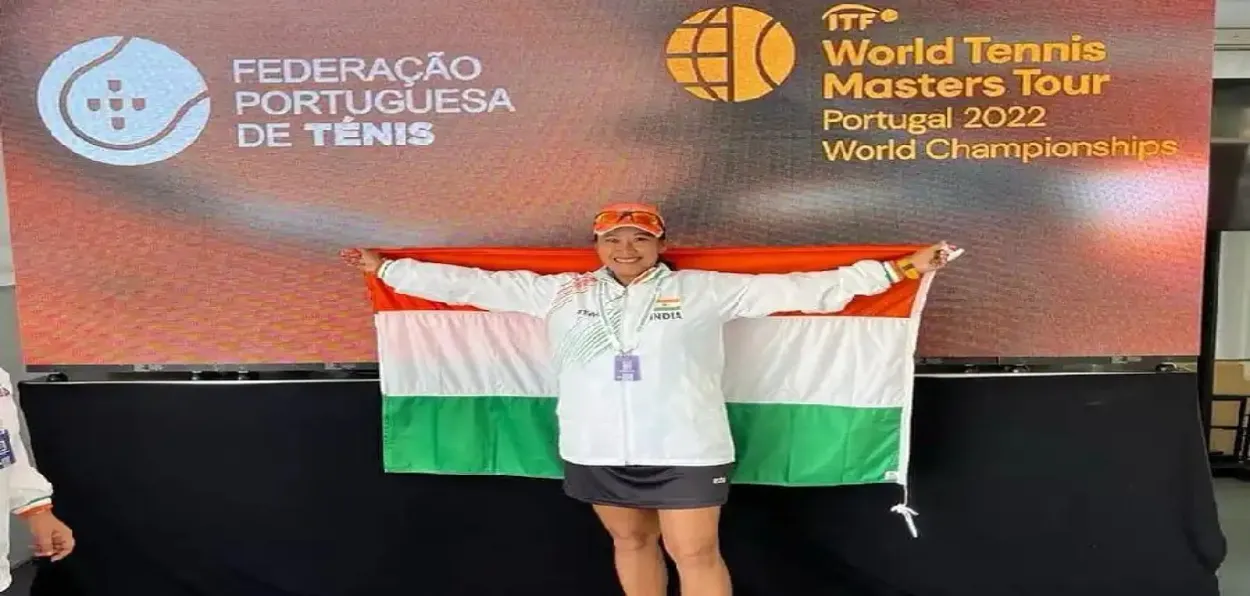
Nanzeen Rahman Zaffar at the World tennis Masters’ Tour in Portugal

A woman in her 40s; a homemaker, a doting mother, and an ideal daughter-in-law – Nazneen Rahman Zaffar of Guwahati is all this yet has a distinct identity. She is an international tennis player.

Nazneen proves that age is no bar to success She is a mother of two children manages her family well and is yet able to find the time and energy to excel in sports.

“I played sports in school but never got into sports professionally. In college, I was focused on studying. I started playing late in life after I got married.’  After 10 years of playing tennis, she took a break to care for her children and family.

“I started playing tennis in 2011 and the next year, I participated in the state-level tournaments. Tasting success, I was even more interested in playing, and later on, I trained well and played at the national level,” Zaffar told Awaz-The Voice.

Nazneen Zaffar playing tennis

Later Nazneen Zaffar finished among the top 10 at the ITF Masters.

She says her daughter encouraged and inspired her to play tennis. Her daughter is currently pursuing her higher studies at the A&M University in Texas.

“When I took my daughter Raina Zaffar to the stadium for tennis training, I too wanted to play. Some of my friends always told me that I played good tennis and I should continue. They told me that they wanted to see me at the international level in Indian colours. I thought; why not give it a try? I participated in the international games held by the All India Tennis Association in Haryana where I won my first trophy in the doubles event.”
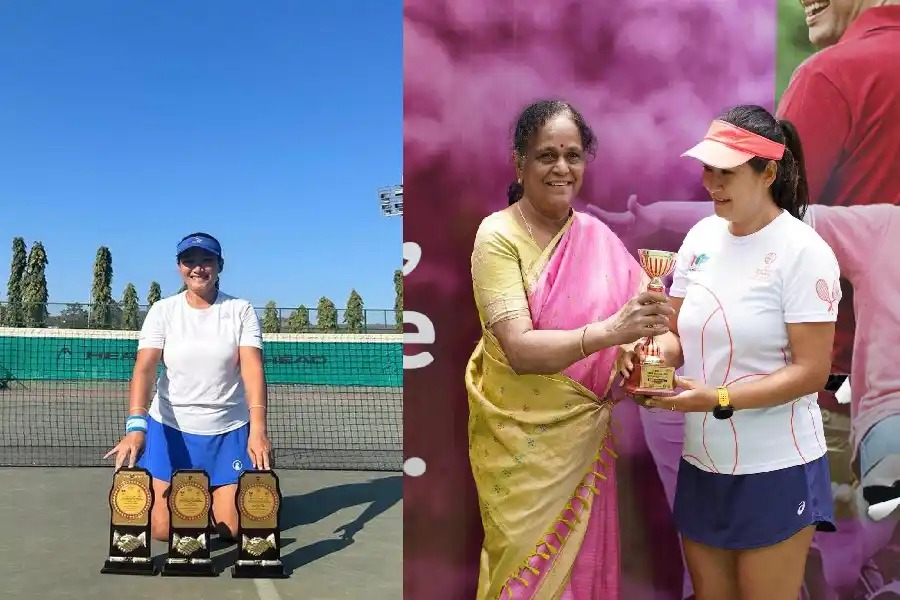
Nazneer Zaffar with her trophis and receiving a trophy

Nazneen Zaffar won the All Assam CTC Mixed Doubles titles in 2023 and 2024, finished runner-up in World Masters Tournament 200 in Dubai in 2023, won titles in Masters Tournament 200 in Guwahati and in Darjeeling in 2023 and a Masters Tournament 100 in Gurugram in 2023.

She also won the doubles title in a Masters 400 in Thailand.

“I gradually started participating in more tournaments and my ranking improved. Then when India sent a women’s team for the World Championships, I was appointed its Captain.”

She took the first women’s tennis team to Portugal. “Most importantly, every player in our team was a mother. It’s nice to think that we have made a distinct identity after having children.”
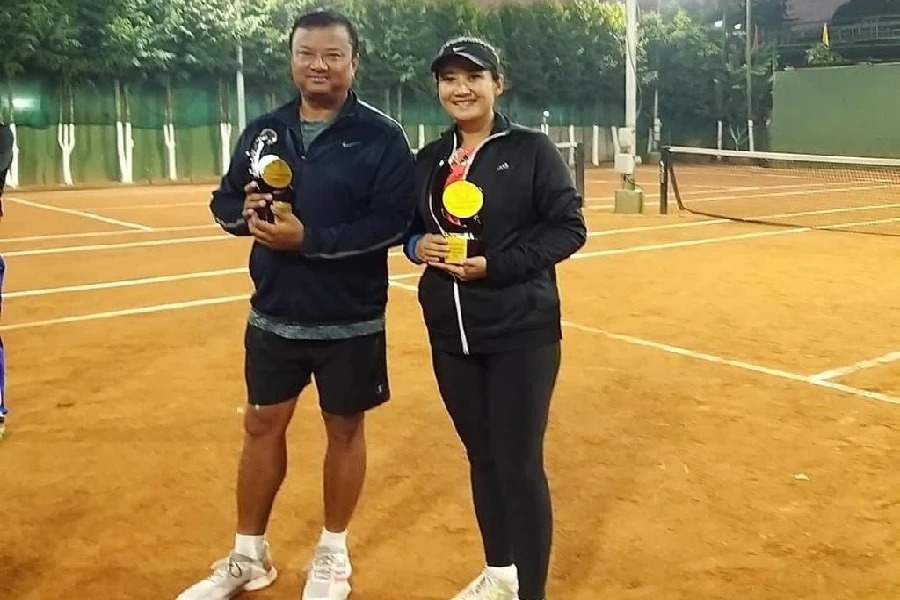
Nazneen Zaffar with her husband Shahnawaz Zaffar.

Nazneen has broken the myth that it is difficult for women to maintain physical fitness after becoming mothers. Nazneen is an athlete and an active fitness influencer on social media as well.

“I think sports and physical education are always complementary. When I had to take my daughter to different places for sports, I had to take care of her body and fitness. Since it becomes too expensive to take a fitness coach with us every time, I studied how we can keep ourselves fit; and how a tennis player can take care of her fitness.”

“It becomes quite difficult for women of my age to keep fit after bearing children. Many women give up self-care. However, I believe that every woman should take care of herself, not just because she has to play sports, but for her physical and mental health. They must walk and do yoga. Muscle formation slows down in a woman after the age of 30. On the other hand, when the time of menopause comes at the age of 40, many hormonal imbalances occur.

Raina Zaffar in the tennis court (Left) Nazneen and his family in Tennis court

“We have to keep ourselves fit to deal with all these problems. There are so many women who after a certain age would say we can’t do this… we can’t do that. But I think there is no age to stop learning. Even a woman in her 80s and 90s can learn or do many things if she has the confidence and desire. When I started playing, there were very few women in Assam, but now many women have come out,” Nazneen said.

“I have been imparting free yoga training at the Khanapara ground. I believe apart from physical fitness, we must also focus on mental health. When we are mentally fit, we live happily and can also keep others happy; and deal with all the problems. When members of a family see this change in the woman, they too want to change,” the fitness influencer emphasized.

In many cases, a woman, especially a Muslim woman, finds going out a hassle. As a Muslim woman, Nazneen Zaffar has never encountered someone questioning or blocking her; rather she receives support from her family.
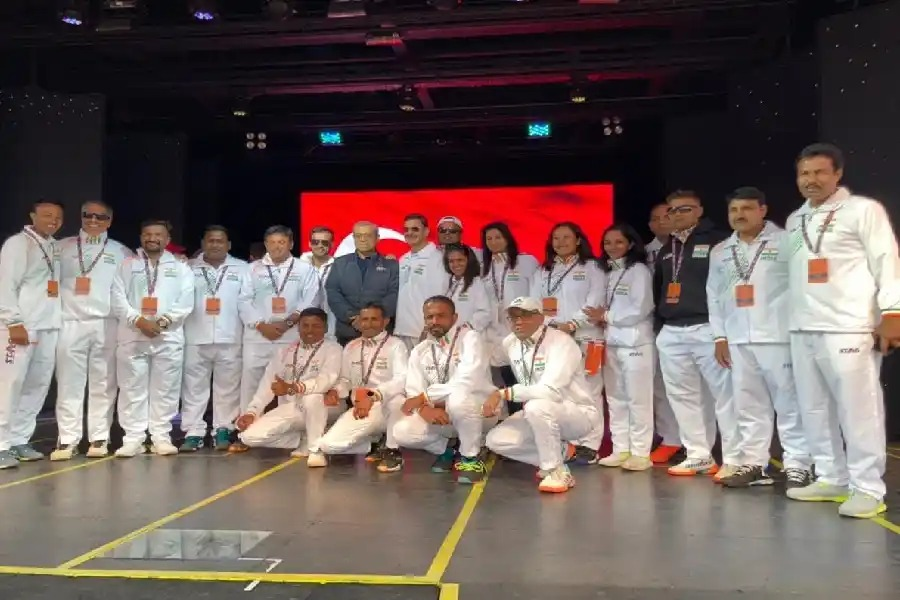
Nazneen Zaffar with the Indian team

“I get a lot of support from my family. My father supported me when I was young and later it was my husband Shahnawaz Zaffar. He is an NIS-accredited tennis coach. He guides me on many aspects of the game. Many women, especially Muslims, are reluctant to go out. I am very fortunate that my family supports me financially and mentally.”

Nazneen also links sports with religion and spiritualism. “I pray and fast regularly except sometimes when I am playing for competitions. When I have to go out for sports, I stay in a single room so that I can carry on with my religious activities smoothly. Religion helps us keep our bodies healthy. We fast for a month which is a very positive practice and this rule of fasting has many scientific implications for an athlete,” she said.

Since a player faces various situations during sports how can the player maintain mental stability to cope with good and bad situations are some difficult aspects of sports. Nazneen Zaffar, an athlete and fitness influencer, has done a course in sports psychology. Through this, she has been advising many players on how to keep their mental state stable.

“I did a course in sports psychology. Tennis is a very difficult game. There are many good and bad experiences. Since my daughter and son play along with me, I’ve done this course,” she said.
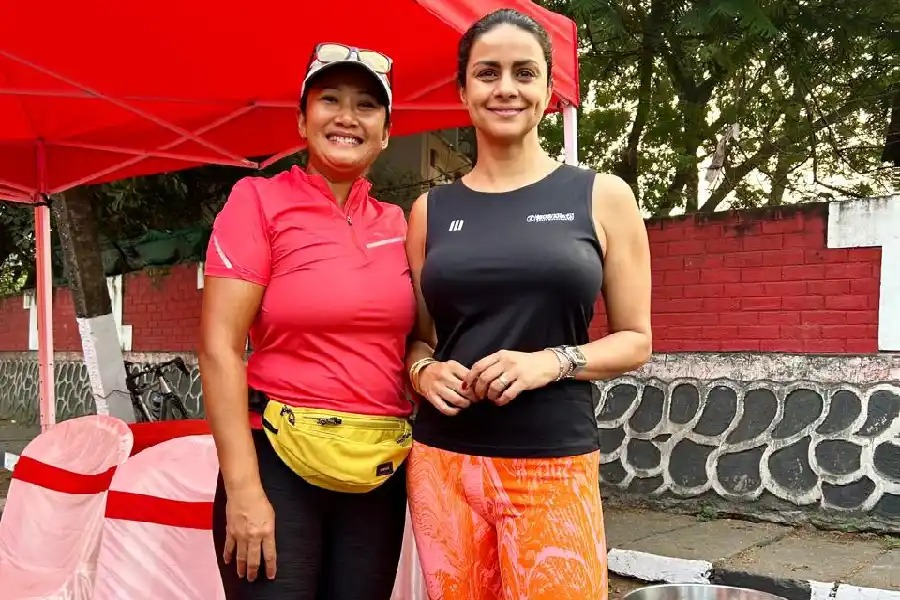
Nazneen with Bollywood actor Gul Panag

“I have been able to help my children stay mentally stable. I also advise many other players to stay strong. The course teaches how to deal with situations after losing a game or how to be determined. For instance, I have to decide the moment I enter the court that I have to win this game anyway, no matter who the competitor is. It helps me to keep up with the expectations of the audience,” she explained.

Of late Nazneen has been promoting a relatively new sport in Assam – pickleball.

“Pickleball is a fast-spreading sport in Assam. It is spreading rapidly in the US as well as in Asian countries. It is spreading in India as well. This game is simple and convenient. It has no hard and fast rules. It is a mixture of tennis, table tennis, badminton, etc, and can be played by people of all ages. It is a game where a polymer ball is played with a small paddle made of fiber, micro-fiber, and wood.  We have brought this game to Assam. We recently demonstrated pickleball in several schools and IAS Colony and got a very good response.”

Pickleball has been launched in 23 states of India. In NCR, Delhi NCR, and Western India, new coaches are coming up and about 10,000 players have registered. An institute named Pickleball World Ranking was launched recently in Dubai.

source: http://www.awazthevoice.in / Awaz, The Voice / Home> Story / by Munni Begum, Guwahati / August 06th, 2024
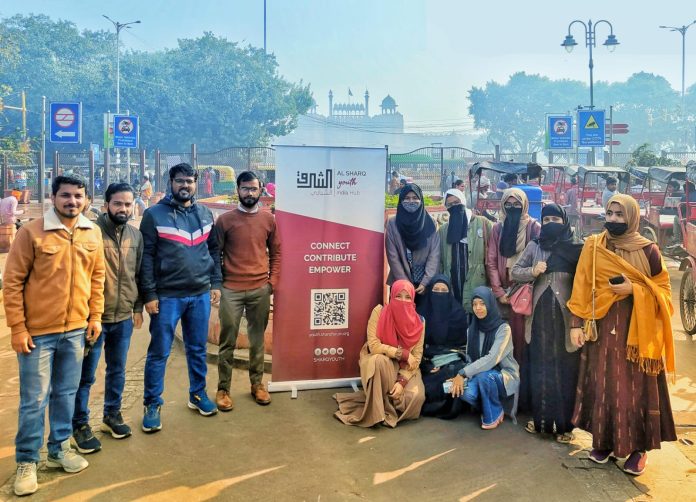
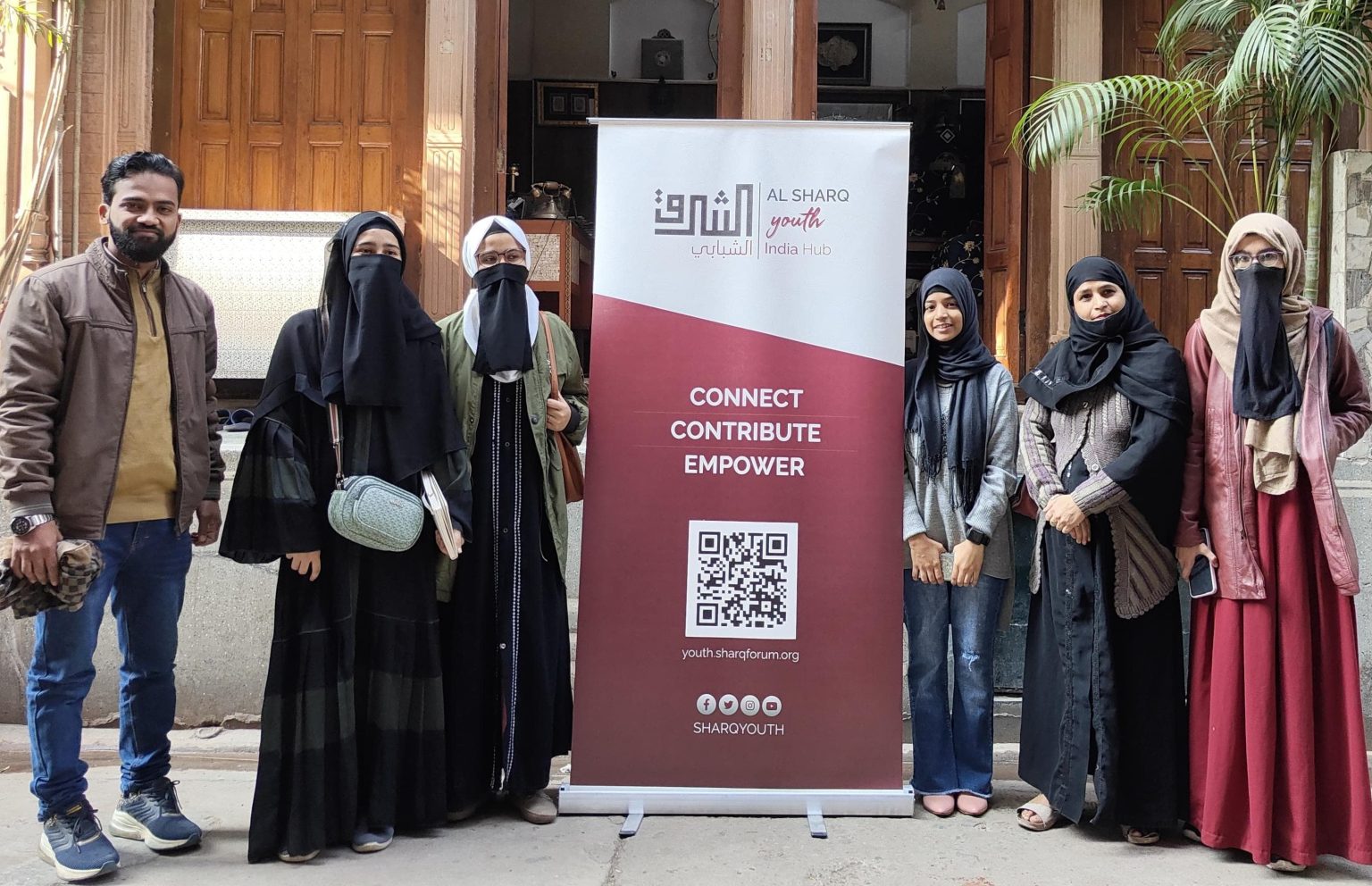
Al Sharq Youth India Hub’s Heritage Walk Unveils Cultural Riches of Old Delhi

DELHI :

New Delhi :

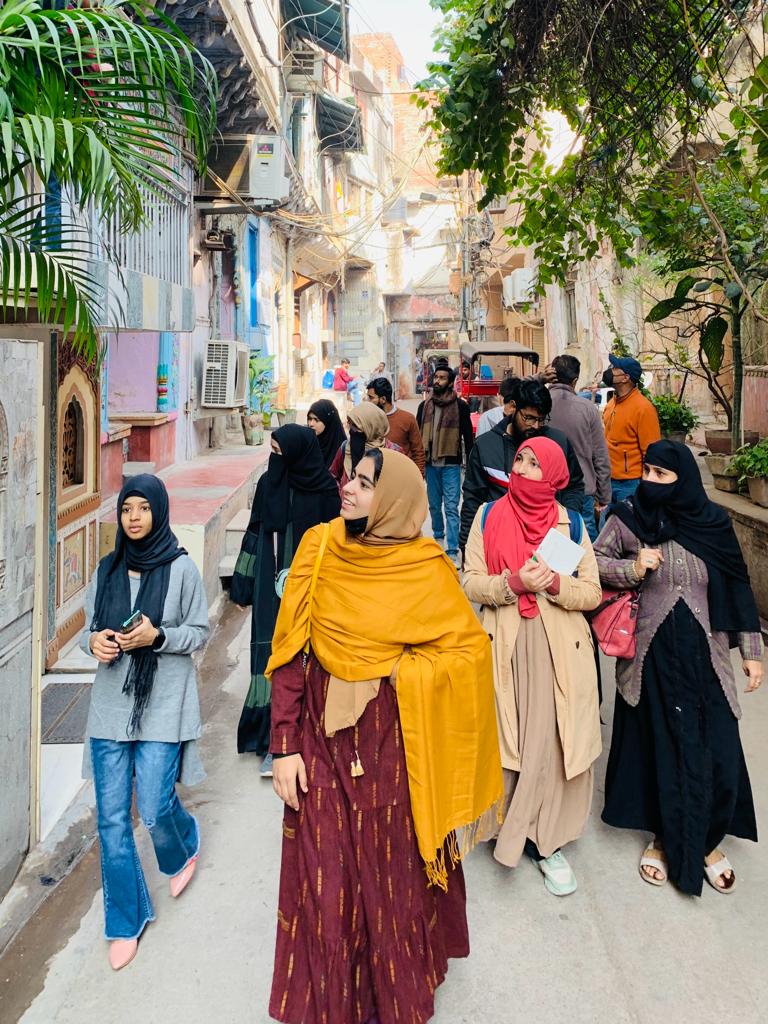
Al Sharq Youth India Hub organized a heritage walk on Monday onwards. This heritage walk was an interesting way to understand and experience the essence of Old Delhi’s life, which is immersed in a rich cultural tapestry.

Al Sharq Youth India Hub is an extension of Al Sharq Forum, an independent, international non-profit organization that aims to consolidate the values of pluralism and justice while developing long-term strategies and programs that contribute to political development, economic prosperity, and social cohesion in the world.

Zahid Afzal of Al Sharq Youth India Hub said heritage walks provide a tangible connection to a country’s rich history and diverse culture. He added that such educational experiences offer an understanding of recognizing cultural heritage as a valuable resource, which can encourage youth to explore career paths in fields such as archaeology, history, conservation, anthropology, etc.

Altogether, 15 youth embarked on the journey to explore the heritage sites of Old Delhi, which contributed to a stronger sense of identity. The group covered 20 heritage sites in old Delhi, which was formerly known as Shahjahanabad. It first visited the abandoned havelis of Gali Khazanchi. Through the Paranthe Vali Gali, the group explored Kinari Bazar.

The next stop was the Naughara, which is occupied by nine houses that were owned by the top nine elite families at the time of the Mughal Empire.

One of these houses is potentially a visiting spot for history lovers, as there are countless antique artifacts on display, including the original round pair of spectacles of Mahatma Gandhi. The owner of this house was one of the great freedom fighters of India and also a very close friend of Mahatma Gandhi.

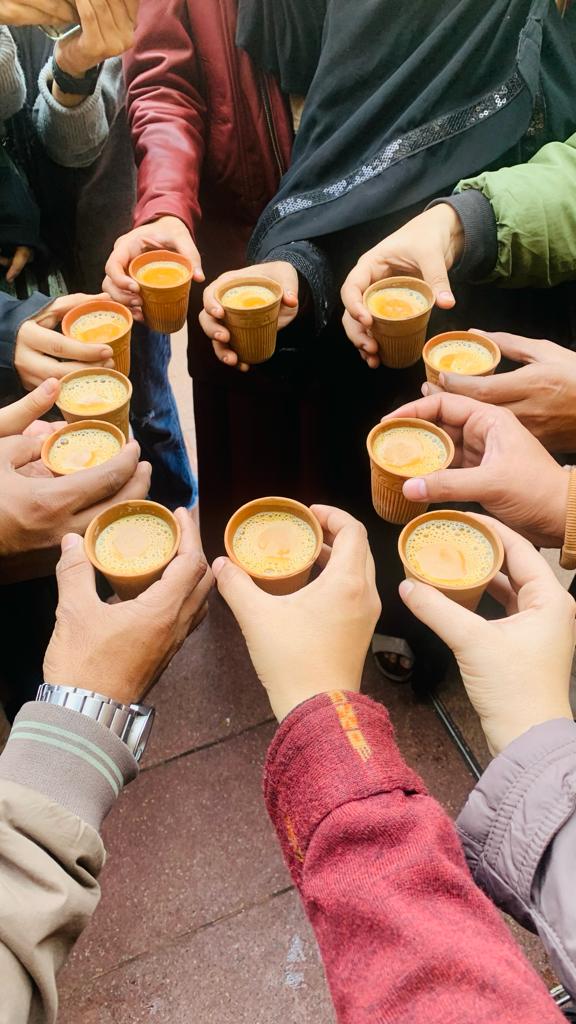
With the visit to Ghalib ki Haveli and Ballimaran, the heritage adventure ended with the kullad of Nagori Chai.

Safia, the core team member, said, “The heritage walk organized by Al Sharq Youth Hub India was a wholesome experience for me.  For someone who is extremely interested in Mughal history and the things they used in their daily lives, this walk in unexplored lanes of Chandni Chowk was a delightful experience.”

Khatiba Jamal, a class tenth student, said, “We learned a lot from the heritage walk. This was all interesting and we had lots of fun.”

Sumbul Atique, a resident of Old Delhi and a core team member of Al Sharq Youth India Hub guided the group through the walk.

source: http://www.radiancenews.com / Radiance News / Home> Art & Culture> Latest News / by Radiance News Bureau / October 28th, 2023

Workshop urges creation of high-quality Islamic children’s literature

NEW DELHI :

New Delhi :

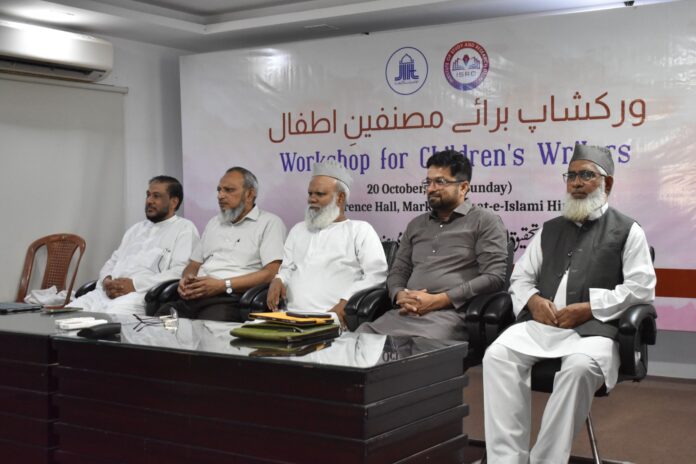
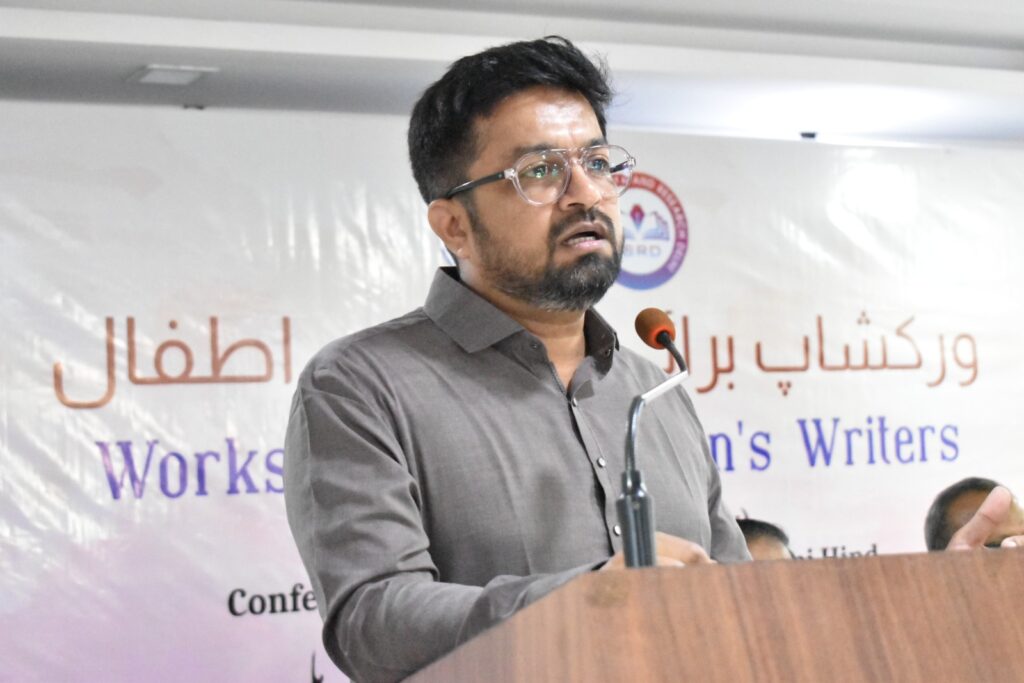
A recent workshop for children’s writers and authors, organized by the Institute of Study and Research Delhi (ISRD), highlighted the urgent need for quality Islamic literature for children and called for initiatives to train the youth and new generation in this endeavour.

Held at the Jamaat-e-Islami Hind headquarters here, the workshop was attended by over 50 research scholars and individuals interested in children’s literature, affiliated with institutions such as Jamia Millia Islamia, Jawaharlal Nehru University, National Council for Educational Research and Training (NCERT), and the Education Department of the Delhi Government, with nearly half of the participants being women, some of whom have been working in the field of children’s literature for several decades. ISRD, which conducted the workshop, has been actively promoting Islamic thought and encouraging writing and authorship through various programmes for the last more than five years.

Speaking on the occasion, AIMPLB spokesperson and editor of the monthly Urdu magazine Afkar-e-Milli Dr Syed Qasim Rasool  Ilyas, critically reviewed children’s Islamic literature under the title “Reimagining Children’s Islamic Literature: A Critical Analysis for Modern Needs.” He emphasized that today, the primary goal of acquiring knowledge and education has become mainly about obtaining good jobs and accumulating wealth, which fosters a materialistic approach and attitudes among children. He stressed that education should focus on developing children into good human beings, ethical individuals, and righteous Muslims.

ISRD secretary Asif Iqbal presented a survey conducted among 254 children in the area to understand their reading habits. Through a PowerPoint presentation, he highlighted key findings, noting that children demonstrate a keen interest in reading books and still place high value on printed materials. Both parents and teachers should adopt a positive and proactive role in fostering children’s reading habits. He pointed out that children tend to read more in Hindi and English compared to Urdu, indicating a need for special attention in this area, likely due to education in English schools.

While it is true that screen time on mobile devices reduces children’s reading time, authors and publishers should consider how to capture children’s attention through mobile platforms to make their content accessible.

The survey revealed that children enjoy reading adventure stories, Islamic history, and fiction, with a particular interest in Islamic heroes in the current context. Parents provide children with books, and they often receive books as gifts. Notably, children are also purchasing books with their pocket money, which is commendable and should be encouraged further. There remains a significant preference for reading printed books compared to e-books and audiobooks.

However, the question persists: to what extent are we meeting the needs of children in the community? While it is a fact that children engage with online games, social media, and various internet content, they also recognize that books play an essential role in their lives, and they express a desire to read. They prefer simple and accessible language along with colourful, graphic books available at affordable prices. Authors and publishers should focus on these aspects.

In his presidential address, renowned Islamic scholar and author of more than 100 books, Dr Muhammad Raziul-Islam Nadvi, Secretary of Jamaat-e-Islami Hind, emphasized that children’s authors should keep three key principles in mind: (1) While writing stories, consider the tastes and psychology of children, subtly incorporating Islamic values, teachings, and culture into their works; (2) present credible material, particularly regarding Islam, and avoid incorrect or misleading information; (3) use very simple and accessible language.

Dr Raziul-Islam Nadvi noted that during the initial period of Jamaat-e-Islami Hind, its members produced quality religious literature for children, but there has been a decline in this area over time. However, he affirmed that renewed attention is now being given to this vital aspect.

Renowned children’s author Mohammad Siraj Azeem, founder secretary of All India Adab-e-Atfal Society Delhi, delivered a lecture titled “Exploring Pluralistic Society and Its Impact on Children Amid Increasing Extremism.” He highlighted several factors contributing to extremist tendencies in children: 1) the destruction of the joint family system, 2) parents’ indifferent relationships and callous connections with their children, 3) uncontrolled technological advancements and excessive use of electronic gadgets, including mobile devices by children, and 4) various pressures from parents, the environment, or technology. Addressing the question of how tendencies towards violence arise in children, he urged parents to connect well with their children, give them ample attention, and focus on their all-round training and nurturing, as parents serve as crucial role models for their children, thus they should demonstrate the best conduct and behaviour.

The workshop commenced with welcoming remarks from Mr Saleemullah Khan, Delhi state president of Jamaat-e-Islami Hind. Following this, experts delivered insightful lectures on various aspects of children’s literature.

Maulana Inaamullah Falahi, associated with the JIH Markazi Taleemi Board, spoke on “The Need and Importance of Children’s Literature in the Light of Islamic Values.” Dr Shadab Musa, JIH Assistant Secretary, presented on ‘Understanding Stages of Cognitive and Intellectual Development in Children’.

Dr Faizan Shahid discussed “The Effects of Short Stories on the Psychological, Social, and Moral Growth of Children .”

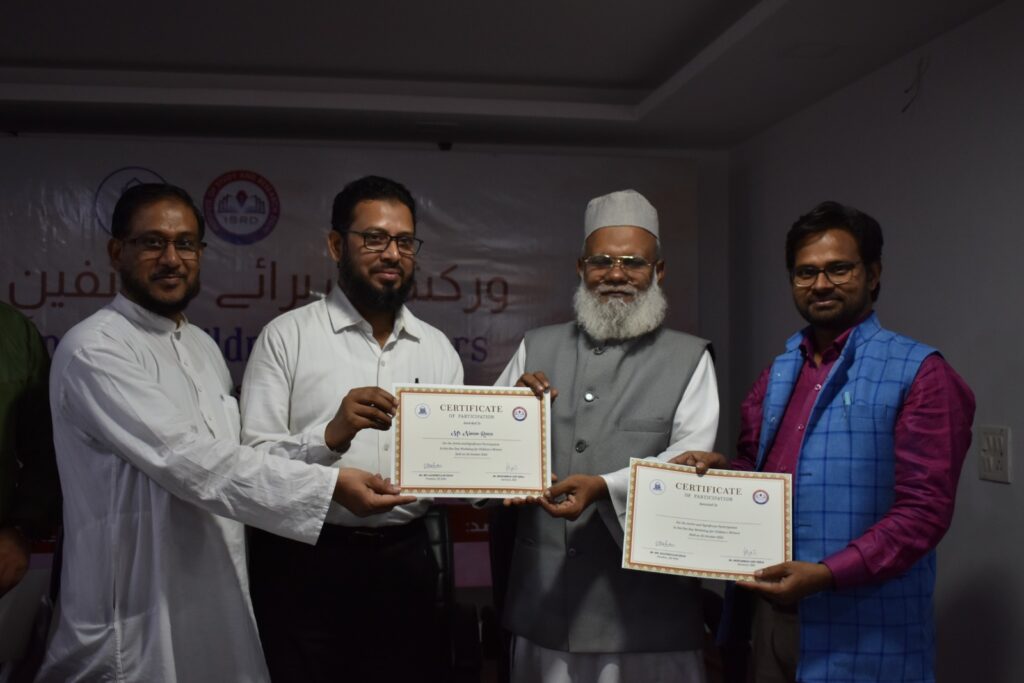
The workshop consisted of three sessions, moderated by Noor-ul-Islam Rahmani, Naim Raza, and Muhammad Maaz. All participants were awarded certificates.

source: http://www.indiatomorrow.net / India Tomorrow / Home> Education / by admin india tomorrow / October 23rd, 2024

Atif Manna, Anitha nominated as Virajpet TMC Councillors

Virajpet (Kodagu), KARNATAKA :

Mysuru:

The Karnataka Government has ordered the nomination of representatives from newly added villages to the Virajpet Town Municipal Council (TMC).

The appointments are set to take immediate effect, with prominent names being included as additional members to the Municipal body.

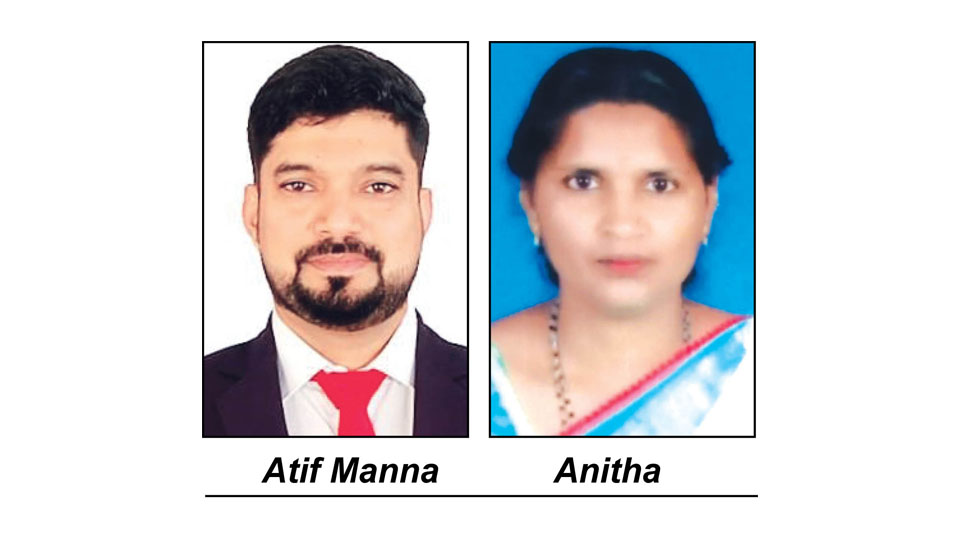
Among those nominated as Councillors is Atif Manna, son of late Shahul Hameed Manna, a former Councillor of Virajpet Town Municipality. Another appointee is H.B. Anitha, wife of Ahmed Wahid.

Atif Manna, who belongs to the Nawayathi community, brings with him a rich political legacy. His family has played a vital role in Virajpet’s governance for decades.

The first Nawayathi Councillor and President of Virajpet Municipality was late Janab Maani Hussain Saheb Bahadur, who served as the President for 11 years. His contributions to the region were recognised by the Coorg Government, which honoured him with the title ‘Bahadur.’

The family’s political involvement spans generations. Atif Manna’s grandfather, Meera Manna, was a Councillor for three terms and once served as Vice-President of the Municipality. His father, Shahul Hameed Manna, served two terms — once through an election and once by nomination.

Continuing this lineage, Atif Manna has now been nominated as the Councillor to represent the newly expanded areas of Virajpet TMC.

source: http://www.starofmysore.com / Star of Mysore / Home> News / October 25th, 2024

Leh’s Oldest 17th century Public Mosque, Know the Name, History, Architecture and Design

Leh, LADAKH :

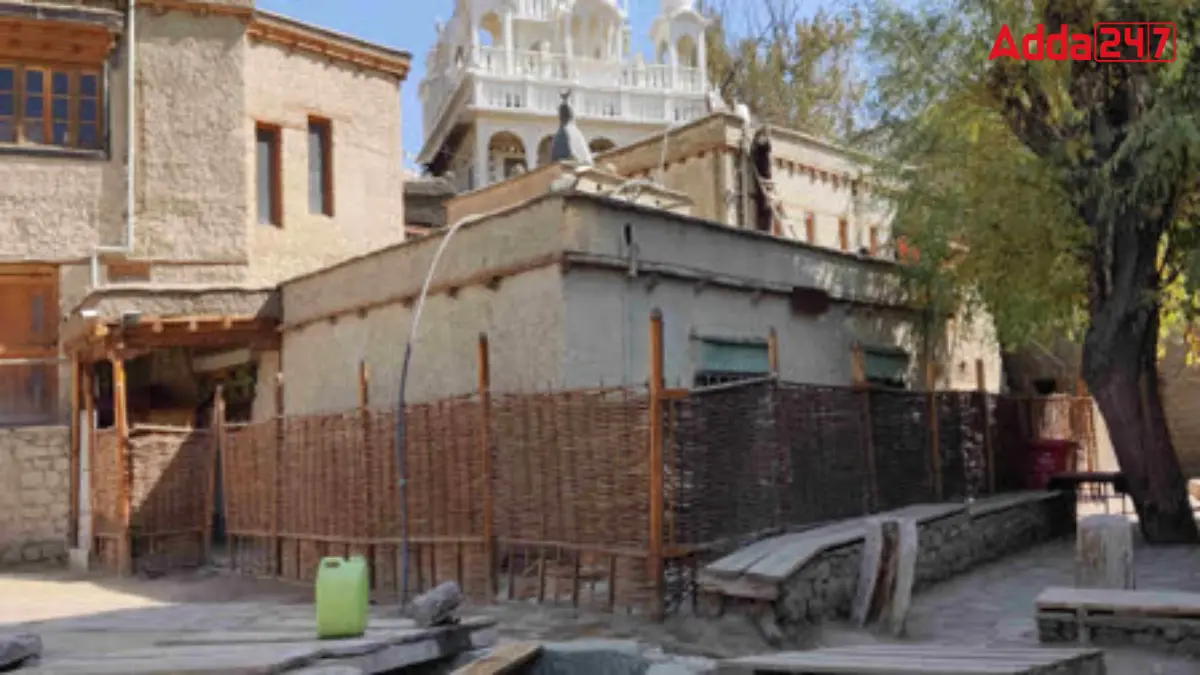
Leh’s oldest public mosque, the Tsas Soma Mosque, was built in the 17th century. Located in the heart of Leh, it served as a worship and learning center for Muslim traders traveling along the ancient Silk Route.

The Tsas Soma Mosque, located in the heart of Leh, Ladakh, is an important historical landmark. This mosque has roots dating back to the 17th century and has witnessed the vibrant history of trade and culture in the region. Here, we explore the mosque’s history, significance, and restoration.

Oldest Public Mosque of Leh

Leh’s oldest public mosque, the Tsas Soma Mosque, was built in the 17th century. Located in the heart of Leh, it served as a worship and learning center for Muslim traders traveling along the ancient Silk Route. Although it fell into disrepair by the 1950s, it was restored in 2007, preserving its historical features and cultural significance.

History of Leh’s Oldest Public Mosque

In the 1600s, Leh was a bustling trade center along the ancient Silk Route. The town attracted traders from different regions, including Central Asia, Kashmir, and Punjab. Many of these traders were Muslims, and they needed a place to pray. In response to their request, King Sengge Namgyal provided land for a mosque. This led to the establishment of the Tsas Soma Mosque, offering a place for worship and religious gatherings.

The Mosque Role as a Worship Center

The Tsas Soma Mosque was more than just a place for prayers. It also served as a Madrasah, where religious education took place. During its active years, the mosque was used by the local community for worship, including women who came to pray. The mosque continued to be functional until the 1950s, after which it fell into a state of disrepair.

The Tsas Soma Mosque Served as a Popular Stop for Traders

Leh was an important stop for traders traveling from Lhasa, Punjab, Kashmir, and other regions, including Iran and Europe. The Tsas Soma area became a key camping site for these travelers, with multiple camping grounds set up around the town. Caravans and their animals rested at various spots, including near the present-day police station and taxi stand. The mosque played a role in the community by allowing these traders to gather for prayers and even conduct barter trades.

Restoring a Piece of History

By the 1950s, the mosque was in poor condition and was largely abandoned as the main mosque in Leh was already established. However, the Tibet Heritage Fund (THF) and the Anjuman Moin ul-Islam Society worked together in 2007 to restore the Tsas Soma Mosque. The original features, such as the main door and wooden beams, were preserved to maintain its historical character.

Design and Architecture of the Tsas Soma Mosque

The Tsas Soma Mosque is a simple single-story building. It consists of one large room with six wooden pillars that have traditional Ladakhi-style carvings. The mosque originally had a wooden dome, which has since been moved to the Shah Hamdan Mosque at Shey. Notably, the mosque does not have a minaret, a feature typically found in many other mosques.

The Mosque’s Place in Ladakh’s Heritage

The mosque stands as a reminder of Ladakh’s diverse cultural and religious past. It reflects a time when Leh was a significant center for trade and cross-cultural interaction. The Tsas Soma Mosque is now part of the Central Asian Museum compound, attracting visitors who are interested in the history and culture of Ladakh.

source: http://www.currentaffairs.adda247.com / Adda247.com / Home> General Studies / by Akansha Arora (headline edited) / October 24th, 2024

Advancing equity and inclusion: The need and relevance of Muslim studies in India

NEW DELHI :

New Delhi :

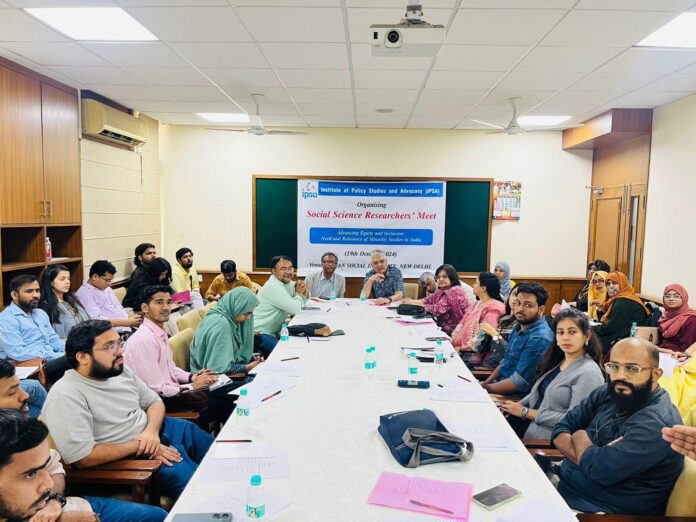
On October 19, 2024, the Institute of Policy Studies and Advocacy (IPSA) hosted a one-day workshop at the Indian Social Institute, focusing on the prospects and challenges of conducting research on minorities in the context of social inclusion.

The event aimed to gather key stakeholders—academics, PhD scholars, students, policymakers, and civil society organizations—to discuss the importance of minority studies, particularly regarding the Muslim community in India, and to propose actionable recommendations for aligning research with national and state policies.

The workshop brought together over 40 research scholars and senior academics from various universities, including Jawaharlal Nehru University, Jamia Millia Islamia, and Delhi University. The Social Science Researchers’ meet, titled “Minority Studies in India,” sought to create a collaborative environment for scholars to share insights and identify areas needing further exploration.

Dr. Jawed Alam Khan, General Secretary of IPSA, initiated the discussions by outlining the workshop’s objectives and context. He emphasized IPSA’s ongoing initiatives in minority research and highlighted the necessity for continued dialogue in this field.

Dr. Furqan Qamar, a professor at Jamia Millia Islamia, underscored the critical role of institutions in development and articulated the significant challenges faced by Indian Muslims. He called for studies that investigate the underlying causes of Muslim marginalization, including their access to financial resources, and stressed the importance of producing accessible and critical literature.

Dr. Tanvir Aeijaz from Delhi University contributed to the discourse by examining the distinction between “minority” and “Muslim” in academic literature. He discussed the need for equity and affirmative action, particularly in the context of the Post-Sachar Report, and raised crucial questions about citizenship amid rising deprivation and exclusion practices.

The workshop also featured a panel discussion chaired by Dr. Asheref Illiyan, Professor and Head of the Department of Economics at Jamia Millia Islamia. Dr. Ghazala Jamil, an Assistant Professor at Jawaharlal Nehru University, urged the need for fresh perspectives in studying Muslims, advocating for a shift away from outdated stereotypes. She emphasized areas like land rights, urbanization, and the unique challenges faced by Muslim women.

Dr. Khalid Khan discussed the importance of empirical research on inclusion and development theories, while Dr. Zakaria Siddiqui called for a redefinition of minority status and highlighted the critical gaps in data concerning Muslim communities.

Following the panel, an Open House session allowed participants to share their research and discuss the future of minority studies. Scholars expressed the need for collaborative efforts, research groups, and support mechanisms to foster engagement among minority researchers. The session was addressed by Professor Arvinder Ansari and Dr. Ghazala Jamil, who responded to participants’ questions and concerns.

In conclusion, the workshop highlighted the urgent need for in-depth research on Muslim communities in India, advocating for a multidisciplinary approach to address issues of equity, representation, and social justice. Participants agreed on the importance of forming a dedicated agency for minority research, which could produce newsletters, journals, and foster a network of scholars committed to advancing minority studies in India.

source: http://www.indiatomorrow.net / India Tomorrow / Home> News> Society / by admin india tomorrow / October 25th, 2024

JNU Professor Dr. Mazhar Asif appointed Jamia Millia Vice Chancellor

NEW DELHI :

Professor Mazhar Asif of Jawaharlal Nehru University (JNU) has been appointed the new vice-chancellor of Jamia Millia Islamia, an official statement said Thursday

New Delhi: 

Professor Mazhar Asif of JNU has been appointed the new vice-chancellor of Jamia Millia Islamia, an official statement said Thursday.

Professor Mazhar Asif, School of Languages JNU, will serve on the post for five years.

“The President of India in her capacity as the Visitor of the university has appointed Professor Mazhar Asif, School of Languages, JNU New Delhi as the vice-chancellor of Jamia Millia Islamia for a period of five years,” the statement said.

The appointment of Dr Mazhar Asif, came after Prof. Najma Akhtar demitted Jamia VC office in 2023. Prof Najma was the first and so far only woman VC of Jamia Millia Islamia.

About Prof Mazhar Asif

Born on January 02, 1971, Dr Mazhar Asif is currently serving at Centre for Persian & Central Asian Studies, School of Language Literature & Culture Studies, Jawaharlal Nehru University, New Delhi.

Prof Mazhar is specialised in Indian Knowledge System, Sufism and Mysticism and has more than 27 years of teaching experience, including over 10 years as Professor.

As per his bio, he is fluent in Assamese, Bhojpuri, English, Hindi, Persian, Urdu and Vajjika.

He is Trustee, Dara Shikoh Research Foundation, Member, North East India History Association, Member, All India Persian Teachers Association and also holds a number of other posts and positions.

A very interesting mention in his bio is that during his time as a student at JNU, Prof Mazhar Asif was a member of the Akhil Bharatiya Vidyarthi Parishad (ABVP). ABVP is the students wing of the BJP and is affiliated with the right wing RSS.

source: http://www.ummid.com / Ummid.com / Home> Education & Career / by ummid.com news network (headline edited) / October 24th, 2024

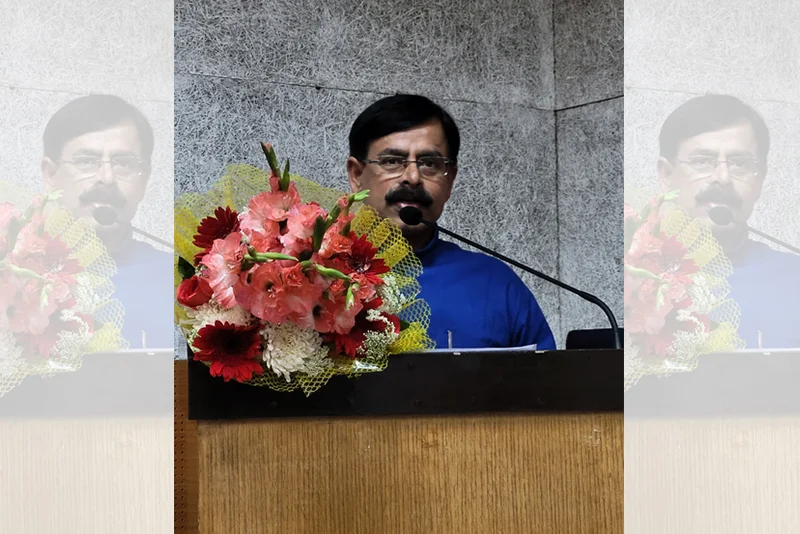
Celebrating the 207th Anniversary of Sir Syed Ahmad Khan: Award Honoree Wali Rahmani Shares Inspirational Message on Science and Faith

Kolkata, WEST BENGAL : Aligarh, UTTAR PRADESH :

“If we only remember Sir Syed over a plate of biryani once a year, we miss the essence of his mission. AMU was created to serve the community, and it’s our duty as graduates to stay true to that vision.”

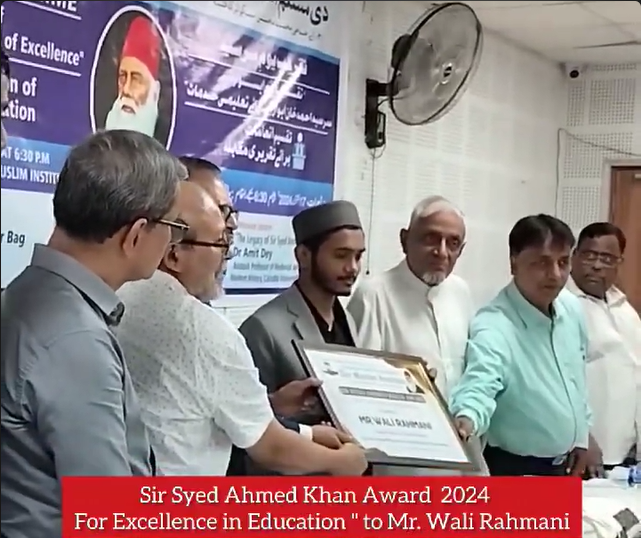
The Aligarh Muslim University (AMU) recently celebrated the 207th birth anniversary of its founder, Sir Syed Ahmad Khan, a visionary leader known for his contributions to education and social reform. On this occasion, Wali Rahmani, a prominent speaker and recipient of Sir Syed Ahmad Khan Award 2024 for Excellence in Education, delivered a compelling message urging the audience to deeply understand the compatibility between science and faith.

During his address, Rahmani challenged the common notion that science and religion are separate, emphasising that the Quran encompasses scientific principles. “To say that one hand holds science and the other the Quran implies that the Quran lacks scientific understanding, which is a misconception,” he stated.

“The Quran isn’t void of science; it contains scientific wisdom. When we speak of education, we must start in the name of Allah. Education divorced from His name isn’t complete.”

Reflecting on Sir Syed Ahmad Khan’s legacy, Rahmani highlighted how Sir Syed dedicated his life to the cause of education, building AMU to serve the community. He noted that Sir Syed’s vision extended beyond the establishment of a university; it was about empowering the community through knowledge and service.

“It is essential to remember why leaders like Sir Syed did the work they did,” he remarked, adding, “If we merely commemorate his work without continuing it, we aren’t doing justice to his legacy.”

Rahmani emphasised the need to go beyond token celebrations, stating, “If we only remember Sir Syed over a plate of biryani once a year, we miss the essence of his mission. AMU was created to serve the community, and it’s our duty as graduates to stay true to that vision.”

Expressing his gratitude, Rahmani acknowledged the honour of receiving an award in Sir Syed’s name, though he humbly expressed his doubts about deserving it.

“It’s an honour for my work to be recognised, but I also feel a sense of responsibility,” he shared. “While I cannot force anyone to become like Sir Syed, I can call them towards the truth, towards what is right.”

Rahmani’s words resonated with the audience, reinforcing the values and mission that Sir Syed Ahmad Khan championed – education, community service, and a harmonious integration of science and faith.

source: http://www.radiancenews.com / Radiance News / Home> Pride of the Nation> Awards> Education> Focus / by Radiance News Bureau / October 26th, 2024

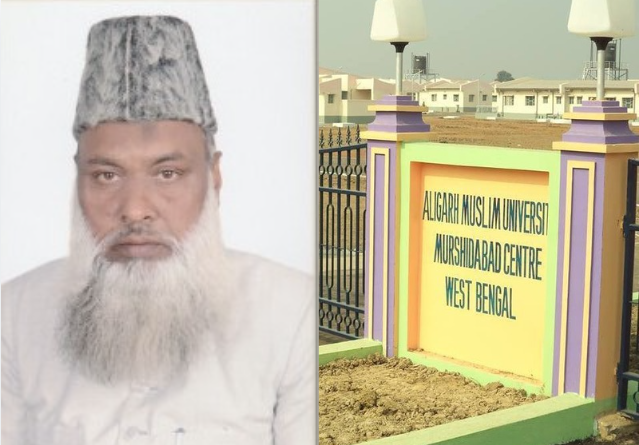
AMU Murshidabad Centre gets Dr Mahboobur Rahman as its New Director

Aligarh, UTTAR PRADESH / Murshidabad, WEST BENGAL :

Aligarh:

Dr. Mahboobur Rahman, Associate Professor in the Department of Sunni Theology at Aligarh Muslim University (AMU), has been appointed Director of the AMU Murshidabad Centre in West Bengal. His term will last for one year or until further orders or the convening of the General Selection Committee.

With over two decades of experience in teaching and research in theology, Dr. Rahman has been associated with AMU’s Department of Theology and has also taught at Senior Secondary School (Boys). His teaching portfolio includes a range of subjects such as Islamic culture, Quranic exegesis, Indian religions, sciences of Prophetic traditions, Islamic history, jurisprudence, and social sciences.

Dr. Rahman has authored two books, one of which is co-authored with Prof. Muhammad Ismail from the Department of Islamic Studies, and has published more than 50 research papers and articles in renowned national and international journals.

He previously served as Nazim-e-Deeniyat (Sunni) from 2012-2018, was Joint Editor of Fikr-o-Nazar, President of the Theological Society at AMU, and has been a member of several administrative bodies within AMU and beyond.

source: http://www.radiancenews.com / Radiance News / Home> News> Report / by Radiance News Bureau (headline edited) / October 26th, 2024

Idris Naikwadi: The only Muslim in the Maharashtra Upper House

MAHARASHTRA :

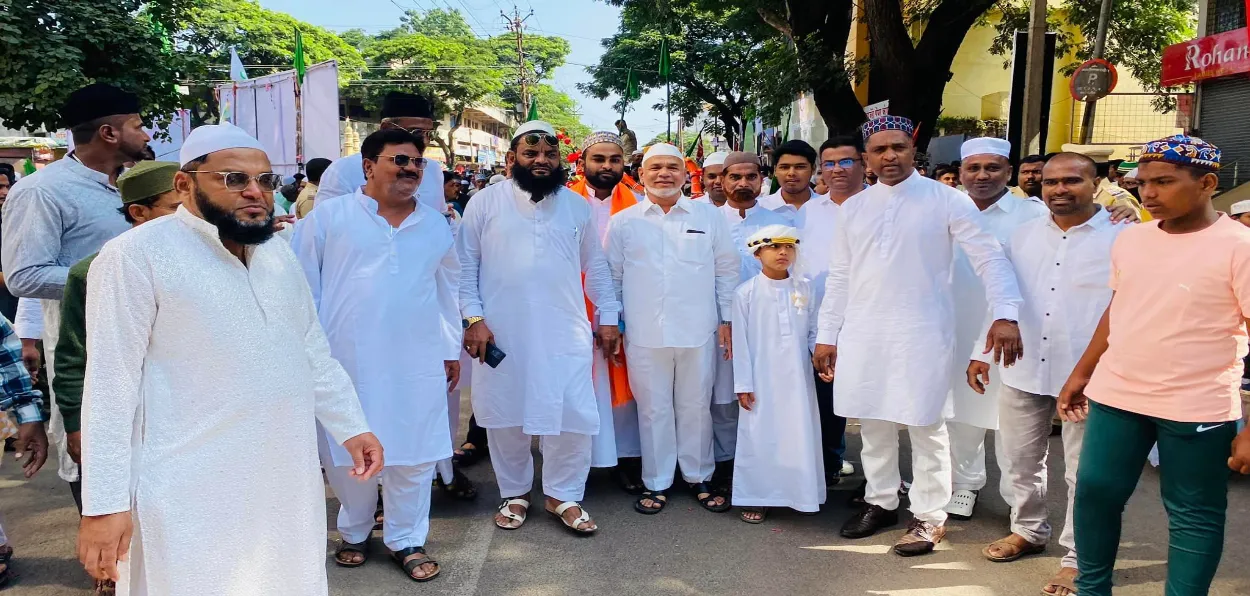
Idris Naikwadi celebrating Eid (Fourth from left, wearing a white skull cap)

A few days ago, elections were announced in Maharashtra and the code of conduct came into force in the state. Now preparations for the elections are going on everywhere. Before the code of conduct, many big and important decisions were taken in Maharashtra.

One of these was the Governor appointed seven nominated members of the Legislative Council which had been hanging fire for four years.,As per the rules, the governor of Maharashtra appoints 12 members having special knowledge or practical experience in respect of matters such as literature, science, art, co-operative movement and social service.

In the Legislative Council, BJP has three nominated members – Chitra Wagh, Vikrant Patil and Babusingh Maharaj Rathod, Eknath Shinde’s Shiv Sena is represented by Manisha Kayande, Hemant Patil  and Ajit Pawar’s NCP hasPankaj Bhujbal and Idris Naikwadi.

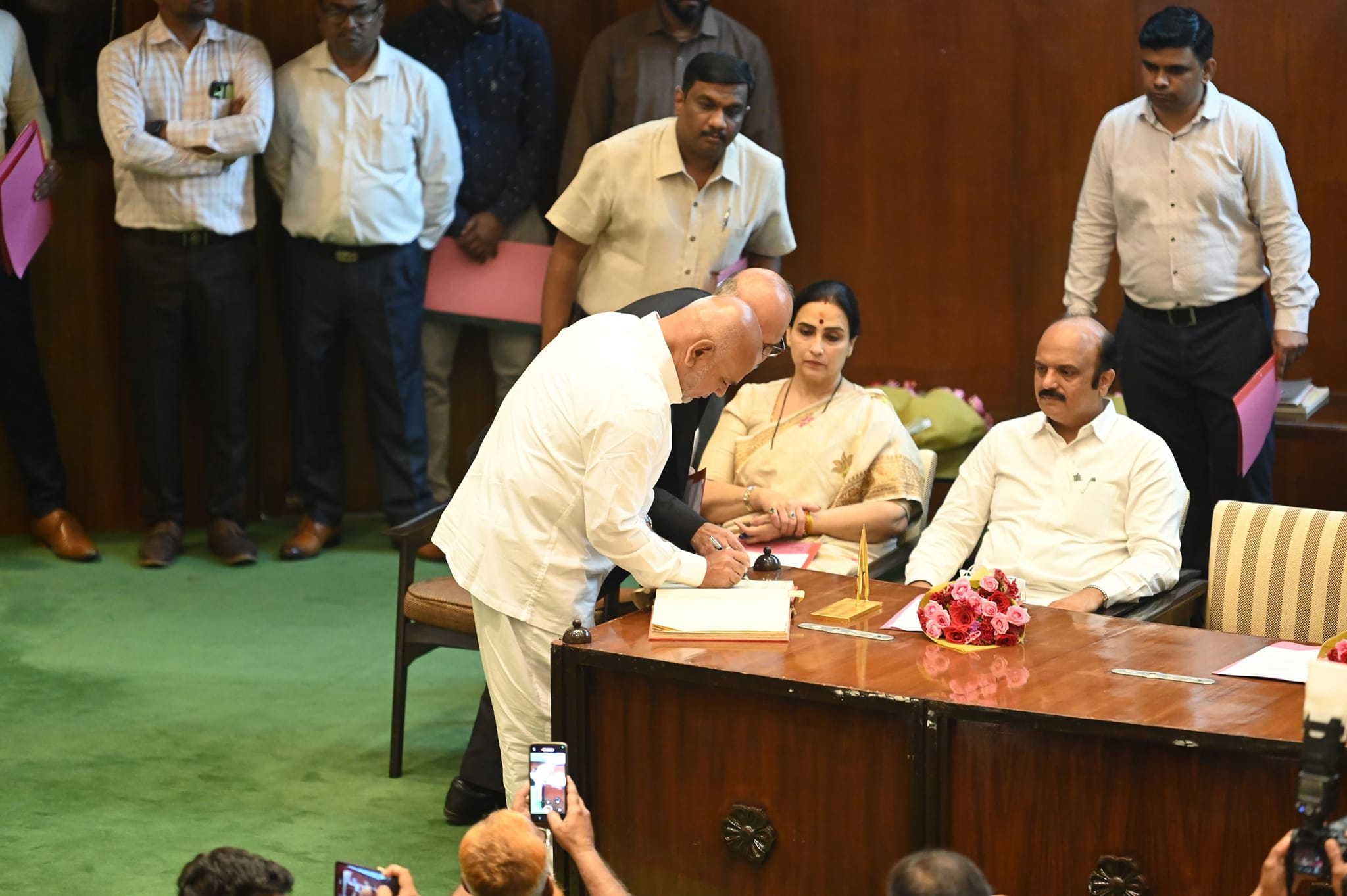
Idris Naikwadi signing his papers as a Member of Legislative Council

Thus Idris Naikwadi is the only Muslim member of the Maharashtra legislative council. It may be recalled that Maharashtra, Bihar and Andhra Pradesh, Uttar Pradesh, Telangana and Karnataka are the only states to have an upper House.

Naikwadi, a former Mayor has always been associated with the Nationalist Congress Party. Seen as a strong leader, Idris Naikwadi has always been active in public life.

He has worked as a councilor in Sangli Mira and became a Mayor of Sangli, Miraj, and Kupwad City Corporation.

For the first time, no Muslim was elected to the Legislative Council. The move was seen as a brazen phenomenon in keeping Muslims out of the legislative body.

Naikwadi was sworn in as a member of the Legislative Council sending thrill across Muslim communities in the State.

The NCP faced a split just before the Lok Sabha elections with 40 MLAs going with Ajit Pawar.

Analysts feel Idris Nayakwadi’s nomination to the Legislative Council is aimed at garnering Muslim votes in the upcoming Legislative Assembly elections.

After being sworn in as MLC, Idris Nayakwadi told the media, “Ajit Pawar’s role is for the justice of the loyal workers. My family has been with the Nationalist Congress for 20-25 years. I am thankful to my leader for keeping my work in mind and allowing me to become a member of the Legislative Council,’

He said,” I will not beg for the unity of the minority community with the Nationalist Party in the upcoming assembly elections. I will meet the migrant workers and minority workers across Maharashtra.”

source: http://www.awazthevoice.in / Awaz, The Voice / Home> Story / by Fazal Pathan, Mumbai / October 26th, 2024