Tag Archives: Jammu & Kashmir Muslims

Winds of change: Stories of quiet revolution in Jammu & Kashmir

JAMMU & KASHMIR :

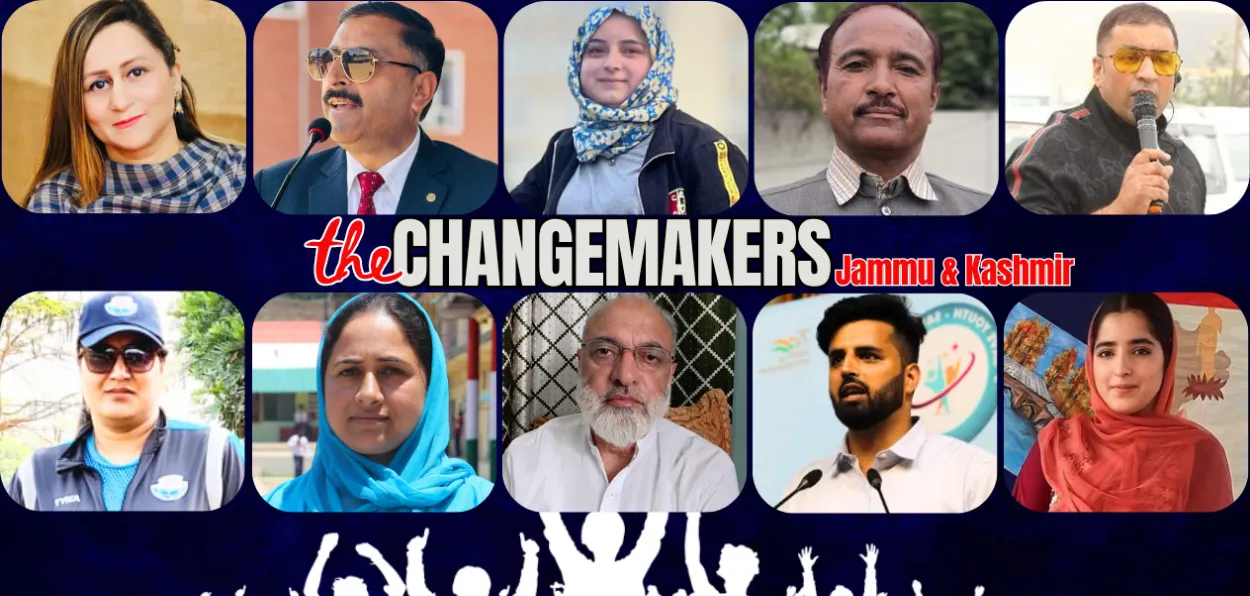
Changemakers of Jammu and Kashmir

Srinagar :

In a land shaped by upheaval—where countless dreams were long overshadowed in remote corners—a silent revolution is underway. Far from the spotlight, a group of remarkable individuals is reshaping the social fabric of Kashmir. They are quietly overcoming obstacles, challenging norms, and inspiring countless others with their unwavering commitment to progress.

Sakeena Akhtar

Sakeena Akhtar is a trailblazer who has shattered deep-rooted gender norms in Kashmir, where women in sports—particularly cricket—have historically faced stigma and exclusion. From being the only girl playing cricket in the narrow lanes of Munawarabad to becoming India’s first female National Cricket Coach from Jammu and Kashmir, her journey is a powerful testament to resilience, courage, and transformation.
Seerat Tariq

At just 19, Seerat Tariq has turned her personal journey of artistic expression into a movement for empowerment and cultural revival. With national records and international accolades to her name, she uses her platform to amplify the voices of others—especially young women in conflict zones—helping them discover their strength and creativity through art.
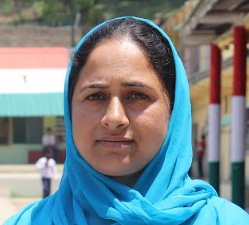
Shabnam Kausar

In a conflict-ridden region, Shabnam Kausar stands as a beacon of purpose-driven leadership. Starting with just four students and no infrastructure, she transformed the Army Goodwill School in Bandipora into a nationally recognized educational institution. Her story exemplifies the transformative power of education, vision, and resilience.

Suhail Saeed Lone

Born in Bandipora and scarred by the violence of militancy, Suhail Saeed Lone could have succumbed to disillusionment. Instead, he channeled his trauma into storytelling through cinema. Now working in Mumbai’s film industry, he uses the medium to share narratives of courage, sacrifice, and patriotism, turning pain into powerful, purposeful expression.
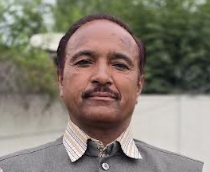
Sarwar Bulbul

Sarwar Bulbul is preserving and redefining Kashmir’s spiritual and cultural legacy through the timeless medium of music. As a celebrated Naat Khwan and founder of the Bulbul Academy of Performing Arts (BAPA) in rural Rafabad, he mentors underprivileged youth in Kashmiri classical, Sufi, and devotional music—ensuring that age-old traditions are passed on with reverence and relevance.

Irtiqa Ayoub

Irtiqa Ayoub is changing the game—literally—for women in Kashmir. As the region’s youngest Rugby Development Officer, she challenges patriarchal norms in a male-dominated sport. Her work promotes empowerment, equality, and confidence among young women, showing that sports can be a powerful platform for social change.
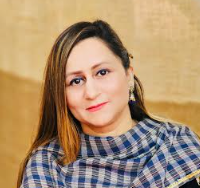
Anissa Nabi

Anissa Nabi seamlessly fuses public service with personal passion. As a JKAS officer and Chief Sports Officer, she champions grassroots sports development across Jammu and Kashmir. A marathoner and fitness advocate, she founded the Wondrous Women community and serves as an ambassador for the Fit India Movement—proving that leadership thrives on action, inclusivity, and inspiration.
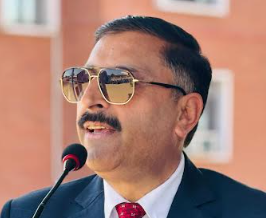
Ghulam Nabi Tantray

Ghulam has launched educational institutions such as a B.Ed. college in Bandipora and the Doon International School in Jammu to mentoring rising sports stars like Tajamul Islam, Ghulam Nabi Tantray has made community empowerment his life’s mission. In times of crisis, he has stepped up with compassion and aid. Despite accolades at the national and international levels, he remains deeply rooted in his community—proving that true leadership begins with purpose, not position.
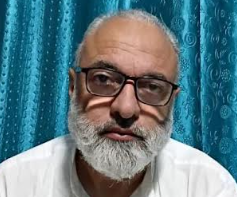
Mohammad Hafeez Furqanabadi

Mohammad Hafeez Furqanabadi has dedicated his life to transforming society through education and compassion. In an environment where girls’ education was often discouraged, he visited homes personally to shift mindsets and advocate for equality. As a teacher and founder of a charitable trust, he has provided free education and resources to countless underprivileged children—regardless of religion or background—promoting communal harmony and opportunity.
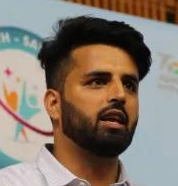
Wajahat Farooq Bhat

Once a stone-pelting teenager driven by rage and radical ideologies, Wajahat Farooq Bhat’s life took a transformative turn after an unexpected encounter with SSP Imtiyaz Hussain in Baramulla in 2018. As a young man from Sheeri village near Baramulla, Wajahat grew up amid narratives of jihad, revenge, and martyrdom, reinforced by mosque sermons and community glorification of violence. However, a deeply personal moment, witnessing the hypocrisy of a local cleric, and later, a heart-to-heart with the soft-spoken SSP during his NCC stint, triggered his awakening. Imtiyaz’s message. Today, he leads Jammu and Kashmir Save Youth Save Future, a grassroots organisation that has helped deradicalise over 3,000 Kashmiri youth. Wajahat aspires to take his mission global, to inspire hope where despair once reigned.

These changemakers may not often make headlines, but their impact is undeniable. Through courage, creativity, and conviction, they are not only rewriting narratives in Kashmir but also illuminating a path for others to follow. Their stories are a reminder that even in the most challenging environments, transformation is possible—quietly, steadily, and powerfully. In the days to come Awaz-The Voice will bring their detailed stories for our readers.

source: http://www.awazthevoice.in / Awaz, The Voice / Home> Stories / by ATV, posted by Aasha Khosa / June 22nd, 2025
Padma Shri for Shafi Shauq: National Honour for a Lifetime Devoted to Kashmiri Literature

Kaprin Village (Shopian District), JAMMU & KASHMIR :

Shafi Shauq (Kashmiri poet and academic)

Srinagar :

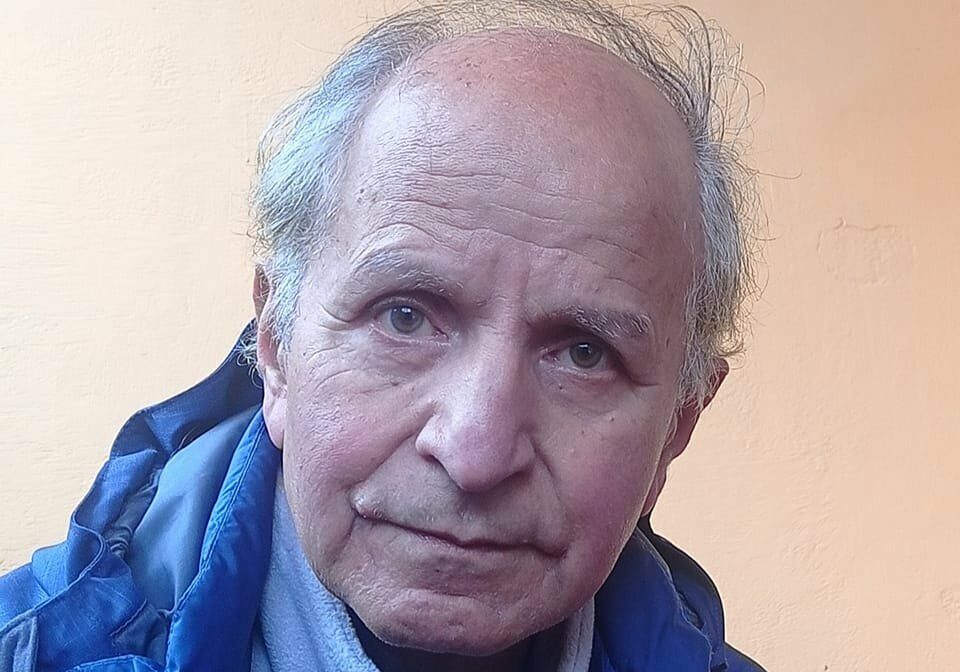
Eminent Kashmiri scholar, poet, linguist and translator Prof Shafi Shauq has been named among the recipients of the Padma Shri Award 2026, India’s fourth-highest civilian honour, in recognition of his outstanding contribution to education and literature. The award places Shauq at the forefront of this year’s honourees from Jammu and Kashmir and Ladakh, marking a major national acknowledgement of his lifelong work in preserving and enriching the Kashmiri language and its literary heritage.

Born in 1950 in Kaprin village of Shopian district, Shafi Shauq is widely regarded as one of the most authoritative voices in Kashmiri studies. Over a distinguished academic career spanning more than three decades at the University of Kashmir, he authored, edited and translated over 100 books across Kashmiri, Urdu, Hindi and English. His seminal works—including Keeshur Lugaat (Kashmiri Dictionary), Keeshryuk Grammar, and Kaeshir Zaban ti Adibuk Tawaariekh (History of the Kashmiri Language and Literature), are considered foundational texts and remain indispensable to scholars, students and researchers.

The Padma Shri citation recognises not only Shauq’s scholarly output but also his role as a cultural custodian who ensured that Kashmir’s rich Sufi, poetic and intellectual traditions reached both national and international audiences. His celebrated series The Best of Kashmiri Literature, featuring iconic mystic-poets such as Lal Ded and Nund Reshi, played a crucial role in preserving and popularising Kashmir’s spiritual and literary canon beyond linguistic boundaries.

Alongside Prof Shafi Shauq, the Government of India has also announced Brij Lal Bhat (Social Work, Jammu and Kashmir) and Dr Padma Gurmeet (Medicine, Ladakh) as Padma Shri awardees for 2026, recognising exemplary service in their respective fields. However, Shauq’s inclusion has drawn particular attention in literary and academic circles, being seen as a long-overdue national honour for a scholar who devoted his life to safeguarding the linguistic soul of Kashmir.

Social worker Brij Lal Bhat has been conferred the Padma Shri 2026 for his sustained and wide-ranging contributions to social service. Known for his grassroots engagement, Bhat has worked extensively to strengthen spiritual and community institutions through yoga shiksha shivirs, spiritual retreats and Bhandara Seva. He has actively promoted social cohesion and communal harmony by organising inclusive festivals and community programmes, while also contributing to rural development by reclaiming barren land for apple and walnut orchards. His work is widely recognised for combining social service with spiritual outreach and environmental stewardship.

In addition to Shauq and Bhat, Dr Padma Gurmeet of Ladakh has been named a Padma Shri awardee in the field of medicine, underscoring the diverse range of contributions from the region honoured in 2026.

source: http://www.kashmirlife.net / Kashmir Life / Home> Kashmir Latest News / by KL News Network / January 25th, 2026

Kashmir’s Wushu sister Anas, Ayeera win golds at Moscow

JAMMU & KASHMIR:

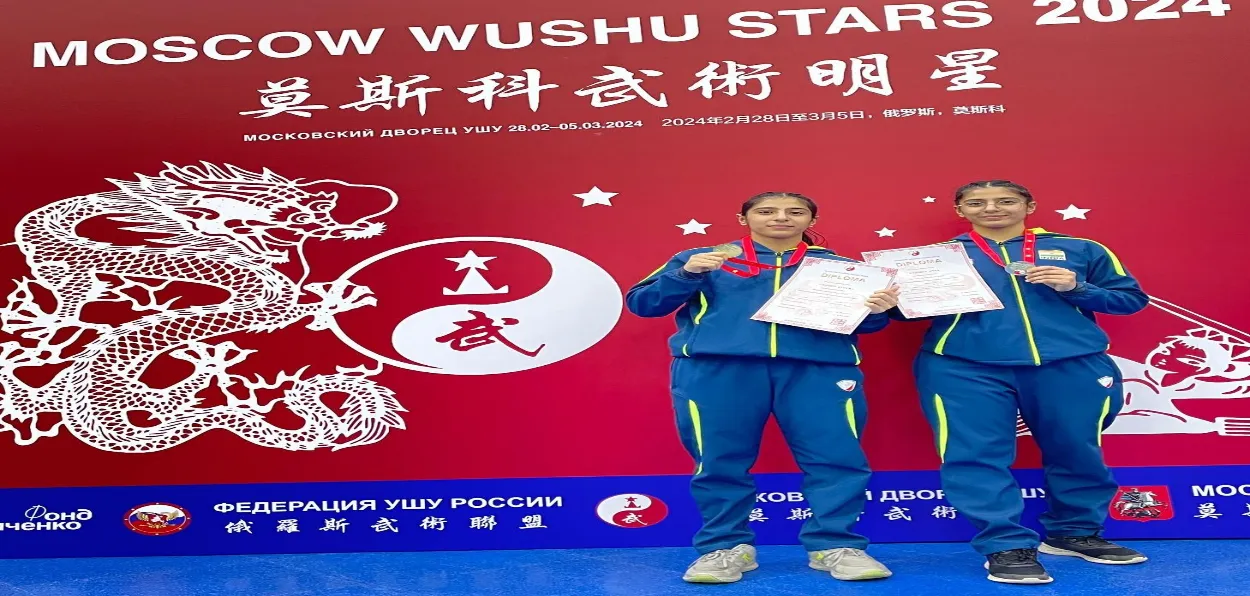
Ansa Chisti and Ayeera Chisti showing their medals at Moscow

New Delhi :

Kashmir’s Wushu Sisters, Ansa Chishti and Ayeera Chishti brought laurels to India by clinching Gold medals in the Russian Moscow Stars Wushu International Championship.

The ongoing championship started in Moscow on 28 February and will conclude on March 5, 2024.

Both players performed exceptionally in their respective weight categories of 52 and 56. They beat their Russian opponents in the finals and made their fans proud as well as the entire sports fraternity of J&K.

J&K Sports Council Chief Nuzhat Gull asked people to cheer the two bright women sportspersons fromthe Valley on  X:

Both players performed exceptionally in their respective weight categories of 52 and 56. They beat their Russian opponents in the finals and made their fans proud as well as the entire sports fraternity of J&K. 

This is the 3rd International medal for Ayeera as she won Gold in Georgia and Bronze in the World championship in Indonesia earlier. Now it’s 3rd consecutive medal in the international Wushu Championship and last year she was also shortlisted for the State Award.

Ayeera is the 1st Wushu Female Athlete who was shortlisted for this prestigious award. Similarly, Ansa, who won the 2nd Medal in the international Wushu Championship, had won Silver in the Georgia International Wushu Championship.

With today’s medal, she has won her 1st Gold medal in an international championship. Notably, both players are National Champions in their weight category as they won many medals in National championships.

source: http://www.awazthevoice.in / Awaz, The Voice / Home> Story / by ATV / March 04th, 2024

Atiqa Bano’s Meeras Mahal heritage museum to be refurbished

Sophore (Suvyyapur) Town (Baramulla District), JAMMU & KASHMIR :

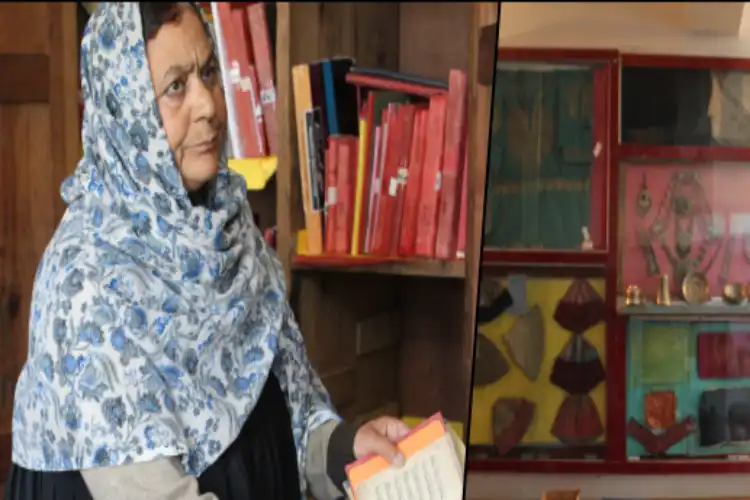
Atiqa Bano
Atiqa Bano

Atiqa Bano’s vision that the generations to come must know how people lived in Kashmir over centuries had made this retired Kashmiri educationist collect ancient households articles like hey mats (Waguv), multipurpose earthen pots, wooden doors, latches, and possibly all things used by humans over two centuries and create the first-ever private museum in the Valley.

Called “Meras Mahal” (The palace of heritage), it houses more than 5,000 artifacts reflecting the social and cultural life of Kashmir over two centuries.

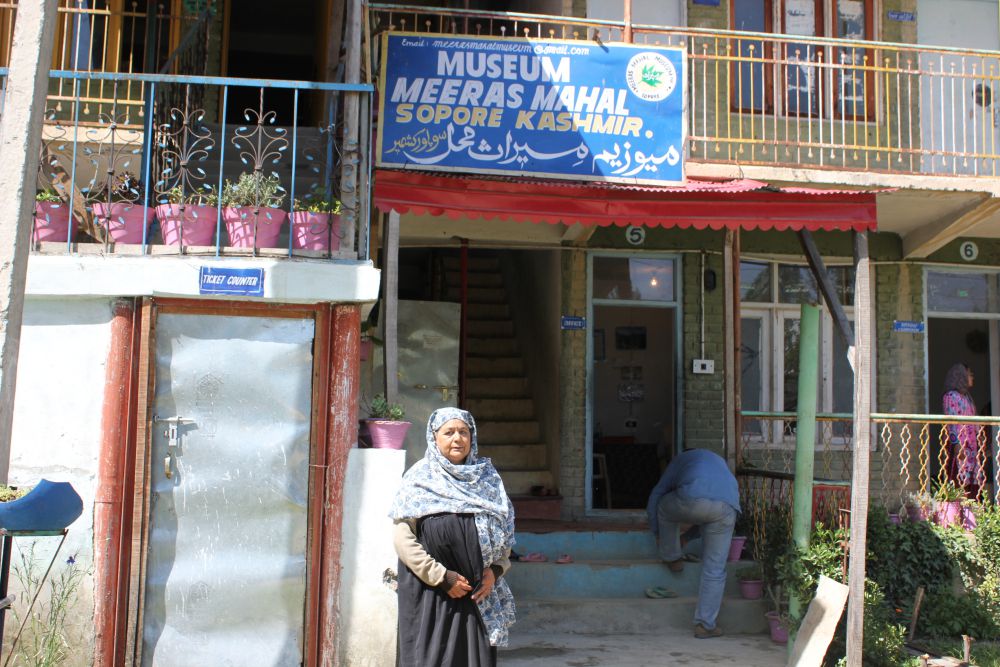
Atiqa Bano standing in front of Meeras Mahal

Atiqa Bano passed away in 2017 and her family continued to struggle to maintain it and not let forces of Nature damage this treasure trove. However, they always lacked resources for this gigantic task.

Finally, Atiqa Bano’s love of her labour is all set for a major revamp and scientific conservation as this historic treasure had attracted the attention of the Indian National Trust for Art and Heritage (INTACH), J&K Chapter.

Atiqa Bano, an educationist, had made great efforts to collect the exhibits over two decades after she retired from the J&K Government services in 1998. A woman of strong resolve, Atiqaji, as she was popularly called, had taken to looking after her father after her mother’s death. She had chosen to remain single and devote her life to education, women’s welfare, and society.

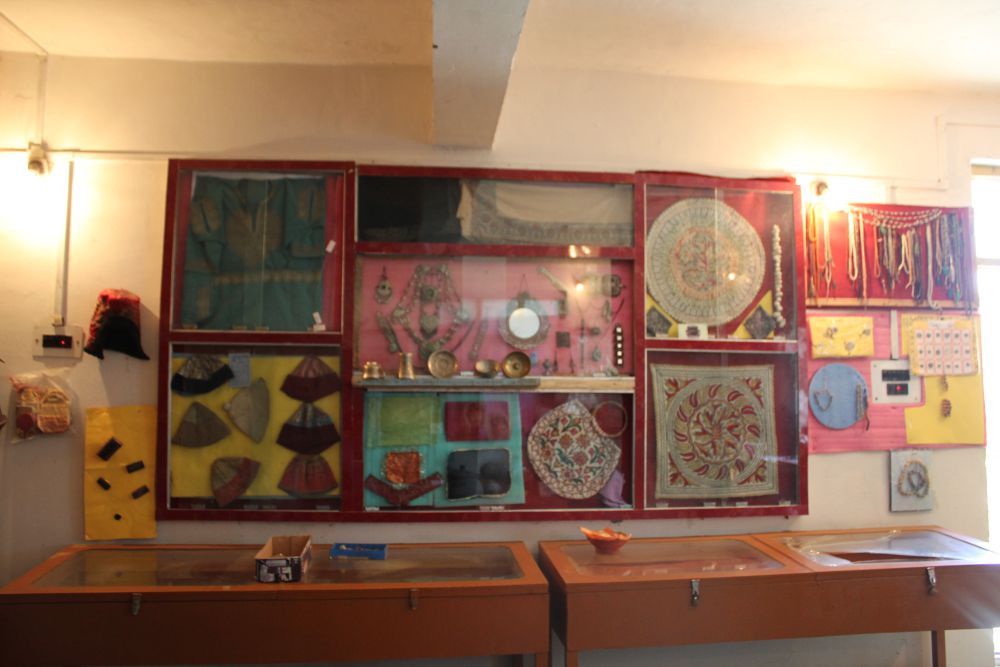
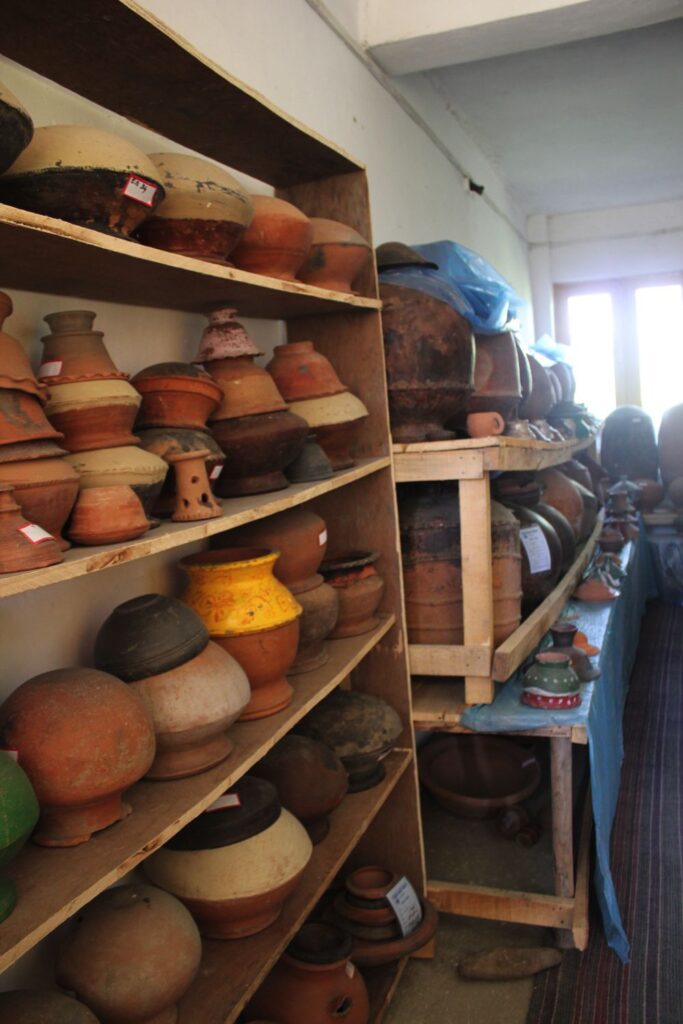
Household items on display in Meeras Mahal

It was during her campaigns for women’s empowerment that she was drawn to the collection of rare kitchenware, old ornaments, agricultural tools, clothing, earthenware, and manuscripts lying around in many Kashmiri households. It dawned upon her that with the changing times, all these human inventions would be lost to time if not preserved for posterity.

She started collecting artifacts in 2002 and continued her mission till her death.

Atiqa Bano is gone from this world, but her memory and work is commemorated for posterity, and, as she wished, for the generations to come.

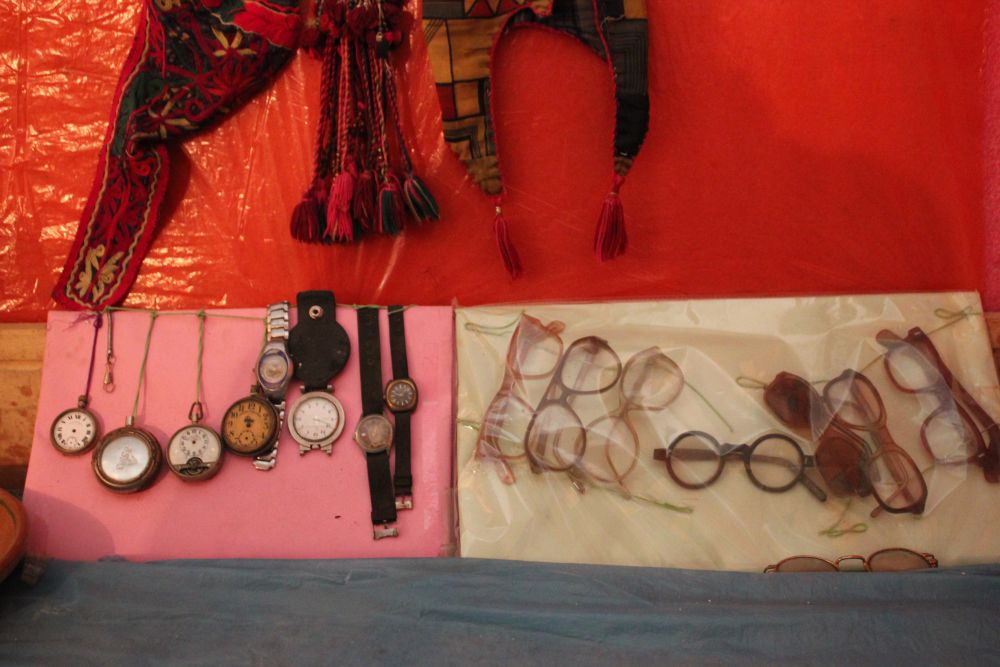
A collection of watches and eye glasses on display at Meeras Mahal

Realizing the importance of Atiqaji’s rich heritage collection, the J&K Chapter of INTACH and HELP Foundation have taken up the gigantic task of rejuvenating  Meeras Mahal.

Saleem Beg, head of the INTACH, J&K Chapter, said, “Saima Iqbal and INTACH team are digitizing, curating and contextualizing the rich collection of vernacular objects after preventive conservation. The museum will have a thematic display demonstrated through sketches and write-ups supported by an elaborate digital presence.”

Saima Iqbal said, the work, supported by ALIPH- an international alliance for the protection of heritage in conflict areas, is getting streamlined. She stated that a team comprising a web designer, photographer, conservator, curator, and illustrator is working in tandem as all are interdependent and need to work in sync.

Earthenware used in Kashmiri households in Meeras Mahal

“I have to say that the challenges are many and we are making the best use of available meager resources here but the passion is alive and the project will be a great success”, she said.

“The first article preserved in the museum is Kondul, an earthen bowl that holds smoldering embers in Kangri, a personal and portable heating device of Kashmiri, said Muzamil Bashir Masoodi, Caretaker or (Honorary) President of the five-member Trust of prominent literary personalities, constituted to look after the museum.

Muzamil, who is also Atiqa Ji’s nephew had been taking a keen interest in maintaining and preserving the rare articles of the museum. The initially preserved items also included hand-written books of Ghulam Mohammad Hanfie, a scholar, Ateeqa Ji’s grandfather.

“All the items are counted one by one like 10 different Charkhas (spinning wheels) are counted as 10 separate items”, explained Muzamil.

The museum was initially set up in their private B. Ed College, Kashmir Women’s College of Education, at Noorbagh, Sopore. It was shifted in 2012 and called Meeras Mahal to a Hostel building of the College, at Highland Colony, where the rare items are “stored” due to the paucity of space.

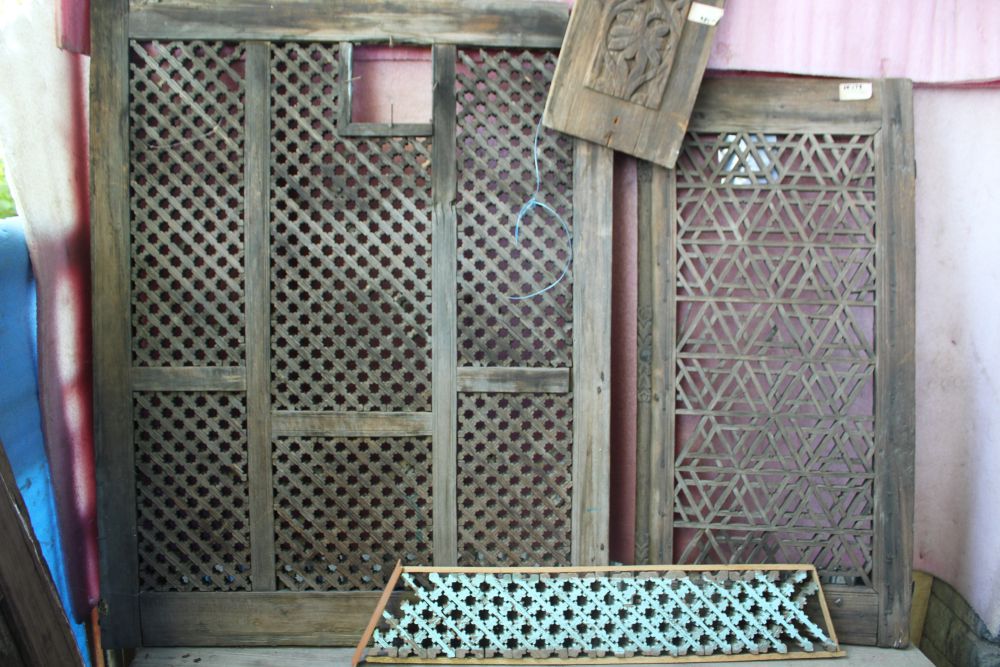
Doors and windows used in Kashmiri architecture

Muzammil said that “we cannot provide the normal gap of at least two feet between the items”, which makes it difficult to maintain the entire treasure. “There has been no support from the Government”, he said. He said so far he has been getting a token amount from the college funds for maintaining the museum.

“During the Covid restrictions, when everything was closed, we managed to be in the museum to provide basic maintenance,” Muzamil said. He had submitted a detailed project report, for conservation and preservation of the museum to the UT Government in 2019.”

Nothing has came his way so far.

source: http://www.awazthevoice.in / Awaz, The Voice / Home> Culture / by Ehsan Fazli, Srinagar / April 11th, 2022