Tag Archives: Positive News of Indian Muslims

‘Who Is Responsible?’ Book on Partition Launched in New Delhi

NEW DELHI :

New Delhi: 

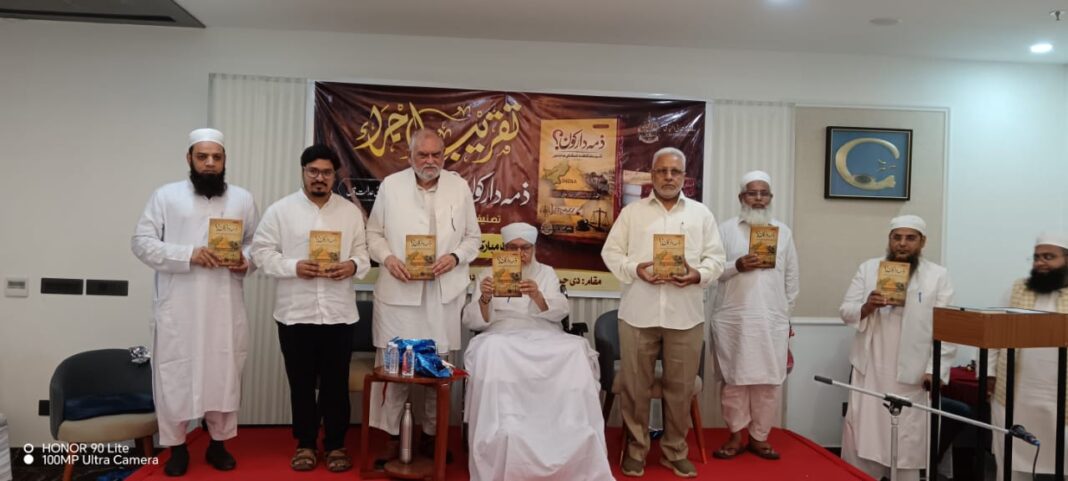
A book titled “Zimmedar Kaun? Taqseem-e-Hind Ka Muqaddama Insaaf Ki Adalat Mein” (Who is Responsible? The Case of the Partition of India in the Court of Justice) was released by well-known Islamic scholar Hazrat Maulana Khalil-ur-Rahman Sajjad Nomani, at the Jasola Hotel here on Friday.

Authored by researcher Muhammad Sujood-ul-Aziz Al-Qasmi, the publication offers an unbiased, objective examination of the 1947 Partition of India. Utilizing primary documentary evidence, historical facts, and key correspondence, the author frames Partition as a courtroom trial to deliver a fair analysis of the respective roles played by the British Raj, the All-India Muslim League, and the Indian National Congress.

Key speakers—including veteran journalist Dr. Zafarul-Islam Khan and senior journalist Masoom Moradabadi—lauded the author’s painstaking research and the book’s scholarly depth. Attended by prominent local religious figures, distinguished women, and numerous students, the gathering widely praised the volume as a landmark contribution to historical and socio-political literature.

Eminent senior Urdu journalist, columnist, and editor of “Jadeed Khabar”, Mr. Masoom Moradabadi, brought a sharp journalistic and analytical lens to the podium. Opening his address, he reflected on the purpose behind literary works, noting that while Urdu media frequently publishes book reviews, truly purposeful and substantive contributions remain rare. The supreme merit of Al-Qasmi’s work lies in its rigorous research methodology. Eschewing oral hearsay and unverified folklore, the author navigated authentic Urdu, English, and historical archival sources with academic discipline, producing an investigative masterpiece that warrants the highest commendation.

Transitioning to the broader context of Partition historiography, Moradabadi challenged the conventional narrative that places Muslims exclusively in the dock. He drew attention to significant analytical works published across the border, such as Syed Hasan Riaz’s monumental 1,400-page volume ‘Pakistan Naguzeer Tha’ and Chaudhry Khaliquzzaman’s ‘Shahrah-e-Pakistan’, alongside notable Indian contributions like Kamleshwar’s ‘Kitne Pakistan’. Addressing the core question of why this retrospective debate matters nearly eighty years post-independence, he underscored that the Partition remains one of history’s worst human catastrophes, claiming nearly a million innocent lives.

While political theorists often argue that a unified nation would have spared Indian Muslims their current socio-political vulnerability, historical realities demand deeper contemplation. Pakistan, founded upon religious nationalism as a “Mamlekat-e-Khudadad,” fractured along linguistic lines in 1971 with the emergence of Bangladesh. Highlighting the irony inherent in majoritarian political demands, Moradabadi shared his frequent counsel to proponents of a mono-cultural state: “If you wish to reshape India, as a “Hindu Rashtra” look first at the complex realities and fragmentation haunting Pakistan’s history!”—a challenge that invariably leaves proponents silent.

Detailing the grim socio-economic realities of migrant communities (Muhajirs) in urban centers like Islamabad and Karachi, he emphasized that the sacrifices underpinning Pakistan’s creation were heavily compromised by feudal hegemony and elite governance. The systemic marginalization faced by minority and migrant populations across borders serves as a poignant reminder of the failures of majoritarian statecraft. In India, the continuous weaponization of Partition to demand questioning of community loyalty constitutes a malicious scheme by fringe extremist elements. Moradabadi concluded with an earnest recommendation: to bridge cultural divides and counter misinformation effectively, this stellar research work must be translated into Hindi and edited by linguistic experts to reach a broader national readership where the book trade thrives.

Eminent Islamic scholar and founder-editor of The Milli Gazette, Dr. Zafarul-Islam Khan delivered a keynote address characterized by intellectual rigor and fearless candor. Opening his remarks, Dr. Khan congratulated the author for steering clear of emotional rhetoric and adopting a balanced, scholarly methodology that refreshes historical debate.

Focusing on community communication failures, Dr. Khan observed that Indian Muslims have historically failed to articulate their grievances and historical narrative effectively to the global and national mainstream. Whatever documentation existed remained confined to Urdu—a language that itself became a victim of Partition’s linguistic reorganization. Had unity been preserved, Urdu would likely have stood alongside Hindi as a national co-official language. While English persists as an administrative bridge for non-Hindi speaking southern and eastern states, Northern India’s “Cow Belt” has overwhelmingly adopted Hindi as its vernacular baseline. Despite these shifts, Dr. Khan stressed the urgent moral imperative to protect and propagate Urdu, noting that after Arabic, the richest theological and literary heritage of Islamic scholarship resides within Urdu texts, surpassing even Persian in certain analytical compilations.

Reflecting on constitutional history, Dr. Khan recounted the tragic marginalization of Urdu during Constituent Assembly voting, where a initial majority favouring Urdu was overturned due to political compromises. He recalled that Begum Ezaz Rasul’s casting vote in the Constituent Assembly made Hindi the national language but she failed to extract the concession to make Urdu the second official language. He recalled Sardar Patel’s historic assurances regarding minority integration and political reservations and protections that minority leadership voluntarily relinquished in good faith within a secular framework, only to face systemic erosion decades later. Contrasting this trajectory with international models, he cited the Jewish community’s systematic efforts to memorialize historical persecution through literature, cinema, and rigorous legal protections across Western Europe. While external political actions continue to reshape global sympathies, minority communities in pluralistic societies must master modern bridge languages—specifically English —to project their contributions and historical truths accurately.

Challenging simplistic attributions of blame for the Partition, Dr. Khan offered a nuanced structural analysis. The tragedy cannot be reduced to a single culprit; colonial conspiracies played a decisive role. British imperial strategy abhorred the prospect of leaving behind a monolithic superpower comprising India, Pakistan, and Bangladesh—an economic titan commanding a huge chunk of global GDP. Colonial historiography, spearheaded by chroniclers like Elliot and Dawson post-1857, systematically injected communal poison into historical texts. In reality, the Mughal rulers and Muslim dynastic governance integrated disparate principalities into a cohesive economic and administrative grid stretching from Kabul to south India. Concluding his address, Dr. Khan endorsed the book as a monumental, objective contribution that paves the way for intellectual clarity. He suggested that the book should be translated at least into Hindi.

In his visionary presidential address, renowned Islamic scholar Hazrat Maulana Khalil-ur-Rahman Sajjad Nomani elevated the discourse from political critique to civilizational psychology and spiritual resilience. Analyzing the dynamics of societal rise and fall, Maulana Nomani emphasized that navigating severe socio-political adversity requires a balanced, composed psychological state. Despair, panic, and emotional reactivity cloud intellectual clarity and paralyze collective progress. Just as individuals experience biological cycles of health and illness, nations traverse historical epochs of ascendancy and decline governed by universal divine laws.

Addressing the contemporary hopelessness gripping the Muslim community, the Maulana asserted that the current cycle of decline is neither permanent nor absolute. Prophetic traditions explicitly outline periods of trial for the Ummah, but they equally promise a grand renaissance—a ‘Nishat-e-Saaniya’—wherein past prestige and moral leadership will be restored through divine providence. Achieving this revival, however, demands systematic intellectual, moral, and emotional training. During times of intense crisis, leadership must extinguish fear, kindle hope, and foster critical self-accountability.

Maulana Nomani cautioned against internal inferiority complexes fuelled by historical ignorance and unverified propaganda. The persistent self-doubt among the younger generation—questioning whether elders erred in pursuing Partition—stems from a superficial reading of history. A rigorous historical inquiry must examine the complex web of British divide-and-rule tactics, broken political pacts, and compelling existential pressures that forced communities into corners. He praised young scholar Muhammad Sujood-ul-Aziz Al-Qasmi for stepping forward with methodological rigor to counter emotionally charged, rhetorical narratives with archival documentation.

Presenting an extensive and deeply reflective introduction to his work, author Maulana Muhammad Sujood-ul-Aziz Al-Qasmi addressed the audience with an impassioned discourse on the imperatives of historical truth and collective memory. Nearly eighty years have passed since the partition of the country, yet the socio-political climate shows no signs of healing or progressive evolution. Muslims—who shed the most blood and offered unprecedented sacrifices for the liberation of their beloved motherland—find themselves regrettably thrust into the dock of public scrutiny today. An insidious indictment is consistently levied against them, branding them as the primary culprits and sole architects of the Partition of India. The rhetoric has reached such a distressing juncture that the community’s collective fate is brazenly framed around coercive premises: ‘Since a separate nation was carved out in the name of Islam, those who remained here must accept life as second-class citizens’, and ‘If Pakistan could be founded in the name of Islam, why shouldn’t a Hindu Rashtra be established in the name of Hindus?’

Reflecting on the psychological burden this narrative places on the community, the author noted that without access to true historical facts, even conscientious citizens are often left uncomfortable when confronted with such probing queries from fellow countrymen. For years, he harboured a profound internal conflict, mindful of the immense sacrifices rendered by Muslims during the freedom struggle—especially the tragic saga of the First War of Independence in 1857. During that dark period, freedom fighters were crushed in oil mills across the landscape from Chandni Chowk in Delhi to Lahore, and the bodies of martyrs hung from trees as grim reminders of colonial brutality. Even after enduring such devastation, following a principled and collective consensus, a vast majority of Muslims chose to remain in their homeland. Yet, when a portion of undivided India was partitioned in the name of religion, public discourse persistently questioned the moral validity of demanding equal citizenship and rights in the residual nation.

Though fundamentally flawed and unreasonable, this relentless propaganda deeply unsettled empathetic and thoughtful minds for decades. The author expressed profound gratitude to his mentor, Hazrat Maulana Khalil-ur-Rahman Sajjad Nomani, whose comprehensive lecture on the subject nearly a decade ago provided a vital paradigm shift in thought and critical analysis. Extensive reading followed, gradually dissolving the lingering, undeserved sense of collective guilt. In today’s climate—where hate-mongering elements are hyperactive and Muslim communities face constant taunts—an average citizen committed to national welfare easily falls prey to mental distress and a defensive posture. This environment pressures even the well-educated to entertain regressive notions. Consequently, uncovering hidden archival truths preserved in British libraries and independent historical records became an absolute necessity.

Unpacking the methodological challenges of historical inquiry, Al-Qasmi observed that writing history requires rigorous engagement with the works of preceding scholars. The primary challenge lies in navigating the conflicting ideological biases of historical actors and commentators to extract objective truth. Maintaining strict neutrality on a monumental tragedy like the Partition of India is exceptionally difficult, yet vital for scholarly integrity. History is not merely a chronicle of past events; it serves a higher purpose. Rather than recounting the entire chronology of independence, this study isolates a singular, crucial inquiry: Were Muslims truly the culprits of Partition, or were external and multi-party forces responsible?

Examining the multi-layered political landscape, the author noted that existing literature tends to mirror partisan narratives—British justifications, Congress frameworks, or Muslim League stances. Comprehensive works offering an inclusive Muslim perspective remain scarce, often prioritizing leadership actions while overlooking the tireless efforts of organizations like Jamiat Ulema-e-Hind to preserve a united country through workable constitutional formulas. The book endeavours to synthesize a holistic perspective, moving beyond mutual recrimination. With British archival documents now declassified, facts stand in crystal-clear clarity: the Muslims of India were not self-fragmented; rather, they were systematically partitioned under a calculated imperial strategy. Ultimately, the division weakened all parties, fracturing the largest global Muslim community since the Ottoman era. Finding answers to these foundational questions forms the bedrock of this timely research study.

source: http://www.indiatomorrow.net / India Tomorrow / Home / by Zillur Rahman Haider / October 23rd, 2026
Bulandshahr’s Nabiya Parvez creates history, secures AIR 29 in UPSC exams

Dariyapur Jaka Village (Bulandshahr District), , UTTAR PRADESH :

New Delhi :

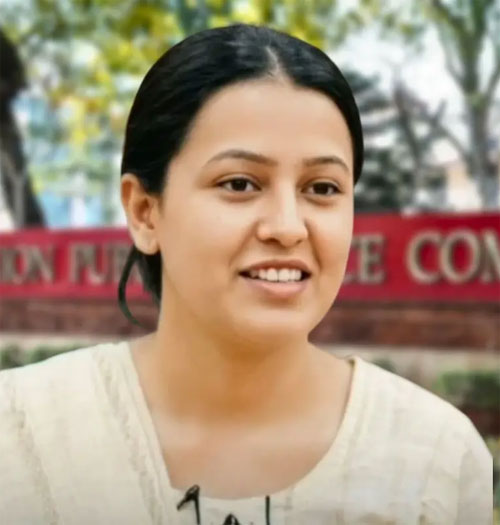
The final results for the UPSC Civil Services Examination 2025 have been declared, with a total of 958 candidates clearing the prestigious exam this year. Nabiya Parvez from Bulandshahr, Uttar Pradesh, has achieved a remarkable feat by securing All India Rank (AIR) 29.

Her outstanding achievement has brought an atmosphere of celebration not only to her family but to the entire district. Hailing from an ordinary family in Dariyapur Jaka village of Bulandshahr, Nabiya’s success proves that with clear goals and consistent hard work, no dream is out of reach.

Nabiya pursued her Bachelor of Architecture (BArch) at Jamia Millia Islamia in New Delhi. She had set her sights on the civil services during her college years. She was a student at Jamia Millia Islamia’s Residential Coaching Academy (RCA), which played a crucial role in her preparation. Her continuous effort and proper guidance helped her secure a spot in the top 30 in the highly competitive examination.

Meanwhile, Anuj Agnihotri secured the first position with AIR 1 in the UPSC CSE 2025 results. The other candidates making it to the top 10 list include Rajeshwari Suve M, Aakansh Dhul, Raghav Jhunjhunwala, Ishan Bhatnagar, Jinnia Arora, A R Raja Mohideen, Pakshal Secretary, Aastha Jain, and Ujjwal Priyank.

source: http://www.daijiworld.com / Daijiworld.com / Home> Top Stories / by Daijiworld Media Network – New Delhi / October 20th, 2026

AMU Faculty Members and Research Scholars Receive Patent for Novel Bioformulation

Aligarh, UTTAR PRADESH :

Aligarh :

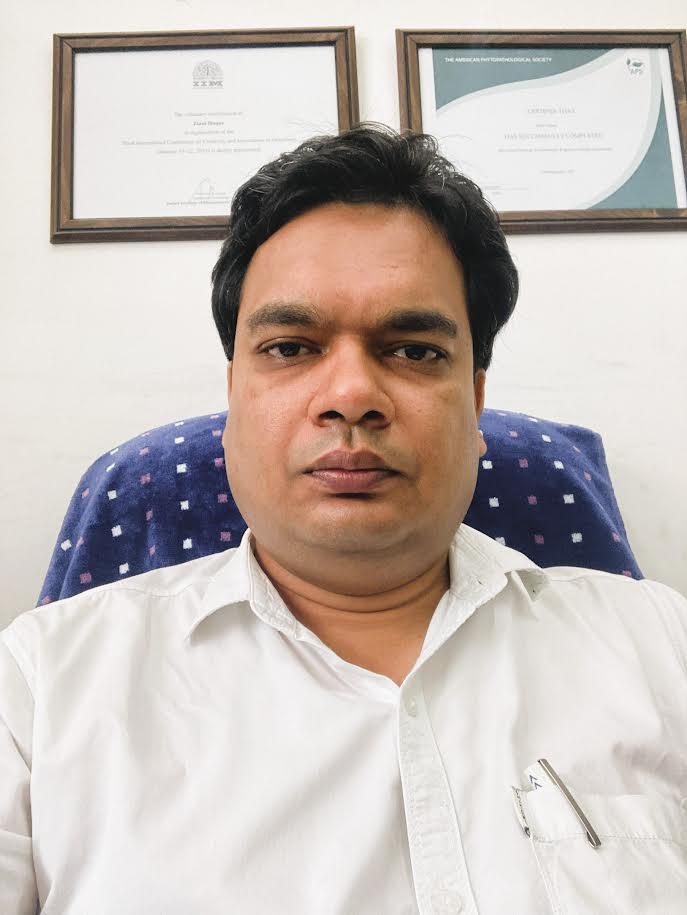
The Indian Patent Office has granted a patent to Aligarh Muslim University (AMU) faculty members and research scholars for an innovation titled “A Novel Bioformulation and a Process for the Preparation Thereof” (Patent No. 605826).

The invention was developed by a team led by Dr. Ziaul Haque, along with Prof. Mujeebur Rahman Khan, Sarwar Nawaz, Lavi Haider and Mohd Shahid Anwar Ansari. Filed through AMU’s IP Cell, the patent marks a significant contribution to sustainable plant protection and bioformulation technology.

The achievement highlights AMU’s continuing research efforts in biocontrol and innovation.

source:http://www.indiaeducationdiary.in / India Education Diary / Home> Educational News> University News / by iednewsdesk / October 16th, 2026

Abdul Hameed Remembered as Educationist, Institution-Builder and Champion of Humanity

NEW DELHI :

Rich tributes paid to the legacy of renowned Unani medicine at a seminar in New Delhi; speakers recall his multifaceted contributions to Ghalib Academy.

New Delhi :

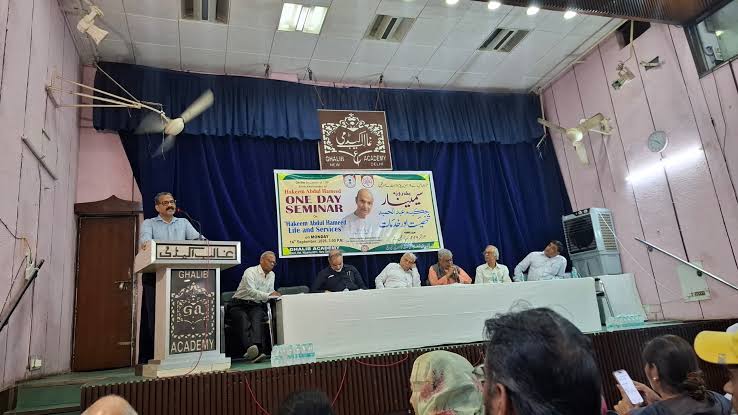
Rich tributes were paid to Hakeem Abdul Hameed, the visionary institution-builder, educationist, Unani physician and champion of humanity, at a seminar organised at the Ghalib Academy here recently to mark his 118th birth anniversary.

Eminent Unani medicine experts, writers, academics and scholars recalled his multifaceted contributions to medicine, education, Urdu language and literature, public welfare and humanitarian service. Several speakers also presented papers highlighting different aspects of his life and enduring legacy.

Welcoming the participants, Dr Aqeel Ahmad, secretary of the academy, said Hakeem Abdul Hameed laid the foundation of the Ghalib Academy in 1935 after acquiring land near the tomb of Mirza Ghalib. The academy, he said, was among the earliest institutions established by Hakeem Abdul Hameed and has continued the tradition of commemorating its founder’s birth anniversary every year.

Delivering the presidential address, eminent litterateur Dr G R Kanwal said Hakeem Abdul Hameed had rendered an “unforgettable service” to Urdu through the establishment of the Ghalib Academy.

“He spoke little, slept little and ate little,” Dr Kanwal said, describing him as a simple and unassuming person. The Ghalib Academy was inaugurated by Dr Zakir Husain, then President of India and a noted admirer of Mirza Ghalib, he added.

Dr Kanwal said Hakeem Abdul Hameed remained detached from honours and recognition. “Honours and awards were contrary to his nature. In the real sense, he was a Bharat Ratna. He was a leader of humanity. Sufism was reflected in his actions. He was a man of action—Abu-ul-Amal,” he said.

Dr Amanullah of the Central Council for Research in Unani Medicine (CCRUM) said Hakeem Abdul Hameed, guided by patience, gratitude and contentment, transformed Hamdard, founded by his father, into a major institution.

Prof. Akhtar-ul Wasey, former president of Maulana Azad University, Jodhpur, said Hakeem Abdul Hameed’s mother had raised him “like a living saint”. Recalling his contribution to education, he said Hakeem Abdul Hameed established the Rabia Girls Public School in Old Delhi and later set up an English-medium school in Sangam Vihar. The latter, he said, has attracted families living abroad seeking quality education for their children.

Prof Wasey said the establishment of the Ghalib Academy marked an exceptional contribution to Urdu language and literature. Hakeem Abdul Hameed also launched Hamdard Sehat, helping to pioneer medical journalism, he added.

Dr Syed Farooq, CEO of Himalaya Drugs, described Hakeem Abdul Hameed as a remarkable personality with a deep interest in education. He established a hospital in Burhanpur and extended assistance to people in need, Dr Farooq said.

Presenting a paper titled “Hakeem Abdul Hameed: Hikmat, Services and a Beacon of Humanity,” Hakim Nazish Ihtisham Azmi said Hakeem Abdul Hameed occupied a prominent place in India’s modern intellectual, medical and social history.

His contributions, he said, illuminated and strengthened several fields, including Unani medicine, higher education, public welfare and humanitarian service. He described Hakeem Abdul Hameed’s life as a rare combination of knowledge and action, moral excellence, institution-building, personal discipline and sincerity of purpose.

Dr Rakhshanda Roohi from Jamia Millia Islamia, presenting a paper titled “Champion of Linguistic Harmony: Hakeem Abdul Hameed,” said his contributions went far beyond medicine and education. He played an important role in promoting national integration, India’s composite Ganga-Jamuni culture, and cultural and linguistic harmony between Hindi and Urdu, she said.

Dr Roohi said Hakeem Abdul Hameed had established the Indian Project at the Ghalib Academy under the leadership of Prof Mohammad Hasan, reflecting his commitment to India’s composite cultural heritage.

Dr Samar Jahan, a teacher in a govt school, also presented a paper highlighting the life and multifaceted services of Hakeem Abdul Hameed.

Prof. Shareef Husain Qasmi, formerly associated with the Persian Department in Delhi University, recalled several scholarly and research-related episodes from Hakeem Abdul Hameed’s life. He said many important medical works were written in Persian until the time of Aurangzeb. Hakeem Abdul Hameed arranged for such works to be translated and also established an institution called Islamic Studies, where Arabic works were translated.

Syed Ausaf Ali headed the institution and played an important role in advancing its work, Prof Qasmi said.

The seminar was attended by a large number of scholars, writers, academics and other prominent personalities, including Dr Nigar Azim, Shama Afroz Zaidi, Zaheer Ahmad Barni, Prof Moazzamuddin, Mazhar Mahmood, Dr Tabassum Shadab, Prof Salim Qidwai, Advocate Sharfuddin Ahmad, Sarfaraz Ahmad Faraz, Ehteram Siddiqui, Kamaluddin, Arif Husain, Shamim, Abu Noman, Ravi Patwardhan, Khizr-ul-Islam, Khursheed Bano, A Bari Masoud, Saud Akhtar, Menak Aston Sufi, Sadiq Shirwani, Shri Kant Kohli, Parveen Vyas, Pawan Kumar Tomar, Nitin Chadha and Sabiha, among others.

source: http://www.clarionindia.net / Clarion India / Home> Editor’s Pick> India / by Abdul Bari Masoud / September 20th, 2026

New book debunks stereotypes, reclaims Malappuram’s rich legacy

Malappuram, KERALA :

The historical accounts of Malappuram were written by outside people

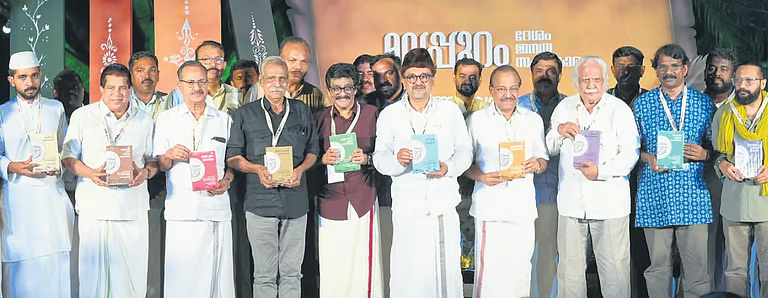
Release of the book on Malappuram Photo / Express

Kozhikode :

Why does Malappuram continue to appear as a trouble spot and the hub of religious fundamentalism in popular imagination and in some political utterances? A book on the history of the geographical area, which is part of the multi-volume project on different aspects of the district, asserts that the notion that Malappuram is a ‘fanatic zone’ was the creation of colonialists, which continues to linger in popular discourses even after the country became independent.

“People of this area fought against the British invasion and boycotted their language as a token of protest. Naturally, the colonialists had an antagonism towards the people.

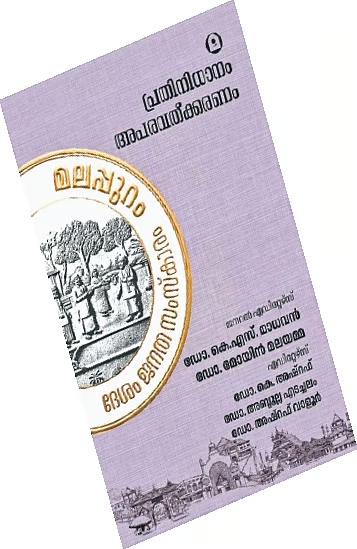
But the tragedy is that there are people who still nurture the colonial mindset,” said Minister for Industries and IUML national general secretary P K Kunhalikutty, while launching the 10-volume book ‘Malappuram: Geography, People, Culture’ in Malappuram on October 4.

“The areas under the present Malappuram came under British rule in 1792. Since then, there were resistances against the British and the colonialists brought a number of black laws like the Mappila Outrages Act to contain the agitations.

There were a number of British reports like that of T L Strange, which depicted Malappuram as an unmanageable spot,” said Moyin Hudavi Malayamma, one of the general editors of the volume.

“The historical accounts of Malappuram were written by outside people. The people of Malappuram seldom got a chance to express what they actually are. Our project, in a way, is people writing their own history,” he added.

“Colonial records were the only available materials for those who studied the history of Malappuram. Naturally, those who wrote about Malappuram later were heavily influenced by these records.

The Hindutva narrative on Malappuram was built on this notion. Curiously, the Left is also parroting the narrative,” said Ashraf Valoor, one of the editors of the volume.

“Ours is an academic response to stereotyping. This is an alternative to the colonial and Hindutva narratives on Malappuram,” Valoor said. “It is true that early writers like EMS Namboodirippad viewed the 1921 agitation from the correct perspective. But later we see that the Left also internalised the colonial notion and that is why anti-Malappuram remarks are coming from some CPM leaders at regular intervals,” he added.

Valoor believes that the fact that the IUML is on the other side of the political spectrum also compelled the CPM to take an antagonistic stand towards the people of Malappuram. “Political enmity of some CPM leaders sometimes crosses the border and descends to communal level,” he said.

The volume contains academic articles on the process of ‘otherisation’ of Malappuram, the hate campaign during the formation of the district, the stories on the ‘aggression’ by Tipu Sultan and the communal amity in Malappuram. The project was envisaged by the Malappuram district committee of the Muslim Youth League and financially supported by the Saudi unit of Kerala Muslim Cultural Centre (KMCC), a feeder organisation of the IUML.

source: http://www.newindianexpress.com / The New Indian Express / Home> Kerala / by MP Prashanth / October 17th, 2026

AMU Wildlife Faculty Member and her Research Scholar Present Papers on Yellow-Throated Marten at International Conference in Poland

Aligarh, UTTAR PRADESH :

pix

Aligarh :

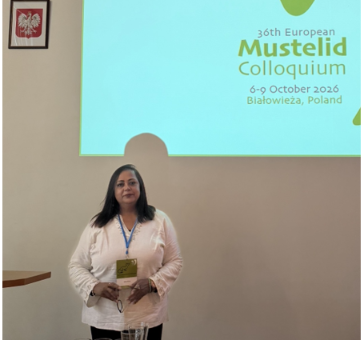
Prof. Orus Ilyas of the Department of Wildlife Sciences, Aligarh Muslim University (AMU), and research scholar Umrah Viqar presented their research at the 36th European Mustelid Colloquium, held alongside the Białowieża Ecology Conference in Białowieża, Poland.

Prof. Ilyas presented a paper titled “The Underappreciated Apex: Reviewing the Ecological Role and Conservation Status of the Yellow-throated Marten (Martes flavigula) Across the Himalayan and East Asian Bioregions”, examining the species’ ecological significance and conservation status across the Himalayan and East Asian regions.

Umrah Viqar presented her research on “Ecological Insight into the Yellow-throated Martens, Martes flavigula: Habitat Use and Dietary Pattern in the Reserved Forest of Ranikhet Kumaon, Himalayas”, focusing on the species’ habitat use and dietary patterns in the Himalayan region.

The presentations highlighted the ecological importance of the yellow-throated marten and the need for a better understanding of its ecology, distribution and conservation challenges.

Prof. Ilyas received financial assistance from the Anusandhan National Research Foundation (ANRF), Government of India, and the Indian National Science Academy (INSA) to participate in the conference, while Umrah Viqar received support from the organisers.

source: http://www.indiaeducationdiary.in / India Education Diary / Home> Educational News> University News / by iednewsdesk /October 16th, 2026

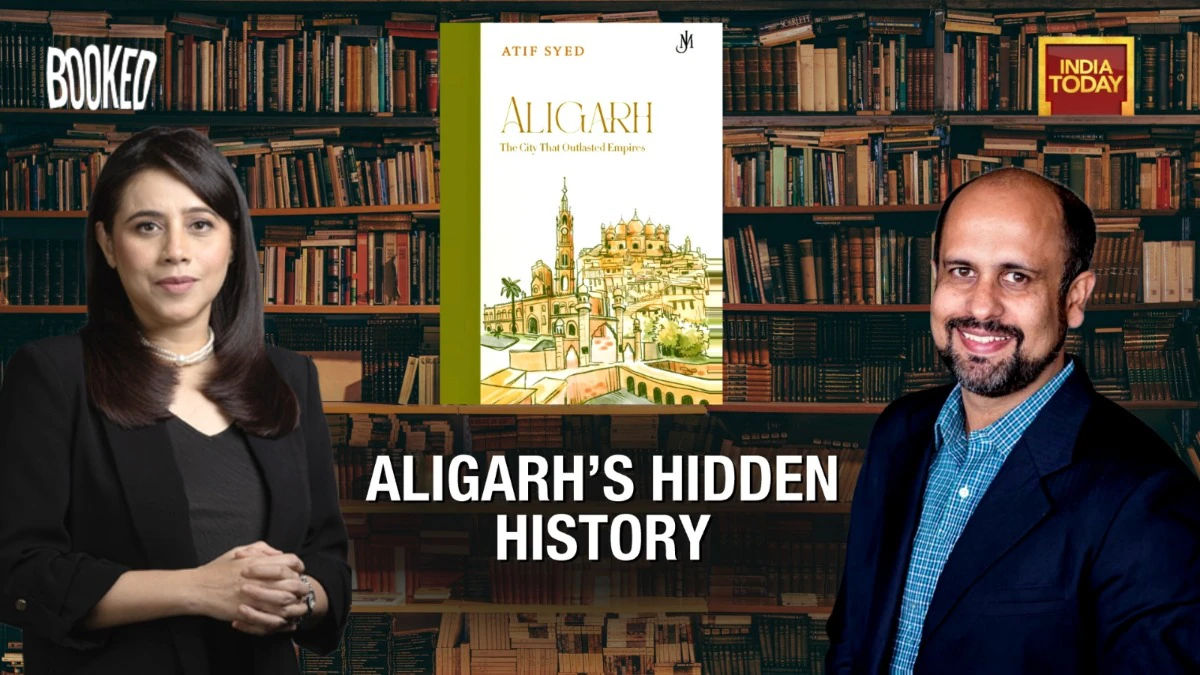
Aligarh Beyond AMU: Atif Syed on the Forgotten History of a City That Outlasted Empires

Aligarh, UTTAR PRADESH :

Atif Syed tells Booked how his new book recovers Aligarh’s overlooked past. The account places AMU within a longer history of battles, migration and heritage.

Aligarh Beyond AMU: Atif Syed on the Forgotten History of a City That Outlasted Empires

For many people, Aligarh is inseparable from Aligarh Muslim University and the Aligarh movement led by Sir Syed Ahmad Khan. But the city’s history stretches across centuries, encompassing successive rulers, military campaigns, French families, forgotten neighbourhoods and monuments that remain largely outside the public imagination.

In a conversation with Marya on Booked, Atif Syed, author of Aligarh: The City That Outlasted Empires, discusses his attempt to recover these overlooked narratives and place them within a larger account of the city.

The project began as a personal curiosity. Born in Aligarh but having left relatively early, Syed wanted to understand more about the city beyond its familiar identity. As he researched, he found that much of the existing narrative concentrated on the more recent past, leaving earlier chapters comparatively unexplored.

Among the discoveries that surprised him were the French families who lived in Aligarh for generations. One of them, George Peche, learnt Persian and Urdu and became an Urdu poet. Syed also describes the historical accounts of visitors, residences, gardens and neighbourhoods that reveal a more cosmopolitan and layered past than is commonly associated with the city.

The story reaches back much further. Syed discusses the settlement’s earlier identity as Koil or Kol, the conquest associated with Qutb al-Din Aibak, and the detailed accounts preserved by Persian historians. He also examines the 1857 uprising in Aligarh and the Battle of 1803, when British forces fought the Marathas and their French allies.

For Syed, the city’s geography is central to understanding its history. Located along routes connecting larger centres such as Agra and Delhi, Aligarh repeatedly became entangled in wider struggles for power. Its older town played a significant role long before the development of the Civil Lines area and the expansion of the institution that would become Aligarh Muslim University.

This does not mean diminishing the university’s importance. Syed describes the Aligarh movement as transformative, but argues that focusing exclusively on it risks losing the centuries of people, personalities and events that came before. He compares the movement to the finale of a story: the ending makes more sense when the audience knows the entire plot.

The author also explains his approach to historical research. He says he relied on primary accounts, academic sources, historical journals and documentation, distinguishing traditional accounts from claims grounded in historical evidence. His aim was to make the book readable as a narrative while remaining careful about the sources behind it.

Preserving the city’s physical heritage is another part of the project. Syed says that some historical sites, including tombs and monuments hidden in narrow lanes, are difficult to locate. His book therefore includes a map linked to QR codes that direct readers to the sites. He hopes greater awareness will encourage efforts to conserve monuments that are in poor condition.

Aligarh: The City That Outlasted Empires is thus both a historical exploration and a tribute to the author’s birthplace. Its central proposition is that a city cannot be understood through a single institution, period or identity. To see Aligarh more fully, its lesser-known stories must be brought back into view.

source: http://www.indiatoday.in / India Today / Home> Books / by India Today Web Desk / October 16th, 2026

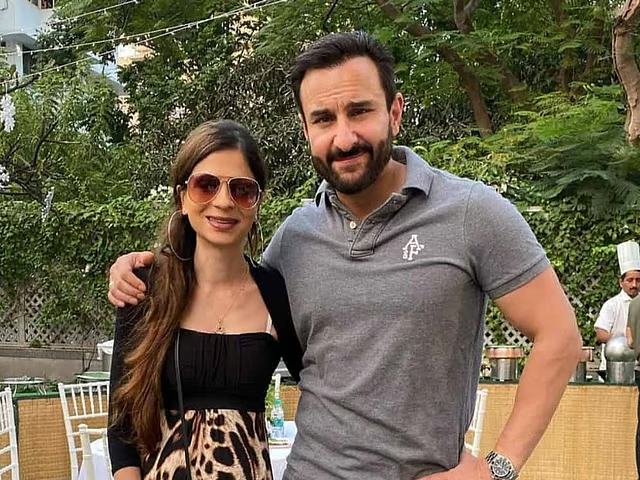
Saif Ali Khan’s sister Saba opens up about managing the family’s Rs 10 billion legacy

Bhopal, MADHYA PRADESH :

Saba recalled her father’s lessons in composure, fairness and thoughtful speech.

Saif Ali Khan and Saba share a bond rooted in family and memories. IANS

Dubai:

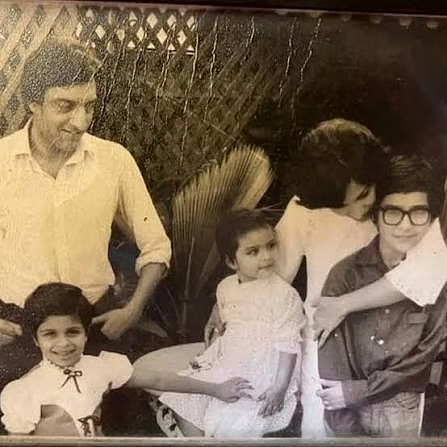
Saba Pataudi, sister of Bollywood actor Saif Ali Khan, has opened up about her responsibility for managing the Pataudi family’s legacy, revealing that her late father, former Indian cricket captain Mansoor Ali Khan Pataudi, entrusted her with the role.

Saba, the daughter of actor Sharmila Tagore and the late Mansoor Ali Khan Pataudi, oversees responsibilities connected to the family’s Bhopal estate and the Auqaf-e-Shahi trust. The family’s legacy has been estimated at more than Rs 10 billion.

In an interview, Saba explained that her father played a defining role in preparing her for the responsibility.

“Abba left that to me,” she said, reflecting on the trust her father placed in her and the lessons she continues to draw from him.

Lessons from her father

Saba recalled how her father taught her to remain composed, treat people fairly and choose her words carefully. She said those principles continue to guide her approach to managing the family’s affairs.

She also described her father as someone she continues to turn to spiritually, even after his death. His guidance, she said, helped her understand the responsibilities associated with the family’s heritage.

Mansoor Ali Khan Pataudi, popularly known as Tiger Pataudi, was one of India’s prominent cricketers and captained the national team. His marriage to Sharmila Tagore brought together two well-known families from Indian sport and cinema.

What does the family legacy involve?

Saba’s responsibilities extend beyond the management of a family estate. As the mutawalli of the Auqaf-e-Shahi trust, she oversees the trust’s properties and charitable responsibilities.

These include mosques and other properties linked to the family’s historical ties to Bhopal, as well as facilities for pilgrims visiting Makkah and Medina.

The reported valuation of more than Rs 10 billion relates to the wider family legacy and should not be interpreted as Saba’s personal wealth. Her role involves stewardship and management of the trust’s assets and responsibilities.

Saba has also discussed plans for initiatives benefiting women and girls, including a girls’ school and a hospital for women, subject to the resolution of pending legal matters involving family property.

A responsibility entrusted by her father

Saba’s reflections offer a glimpse into a side of the Pataudi family that extends beyond celebrity and cricket. While Saif Ali Khan and Soha Ali Khan are widely recognised for their careers in the entertainment industry, Saba has taken on responsibilities associated with preserving the family’s historical and charitable legacy.

For her, the role is closely tied to her father’s confidence in her abilities and the values he instilled in her. She continues to regard those lessons as central to carrying forward the responsibilities he entrusted to her.

source: http://www.gulfnews.com / Gulf News / Home> Entertainment> Bollywood / by Devadasan K P, Chief Visual Editor / October 14th, 2026

Hidden in the grass: Researchers discover three new species of ‘musical’ katydids in Kashmir

Aligarh, UTTAR PRADESH / JAMMU & KASHMIR :

During extensive field surveys across the Jammu and Kashmir region, researchers identified three previously unknown species of the genus Conocephalus, more commonly known as meadow katydids or long-ho…

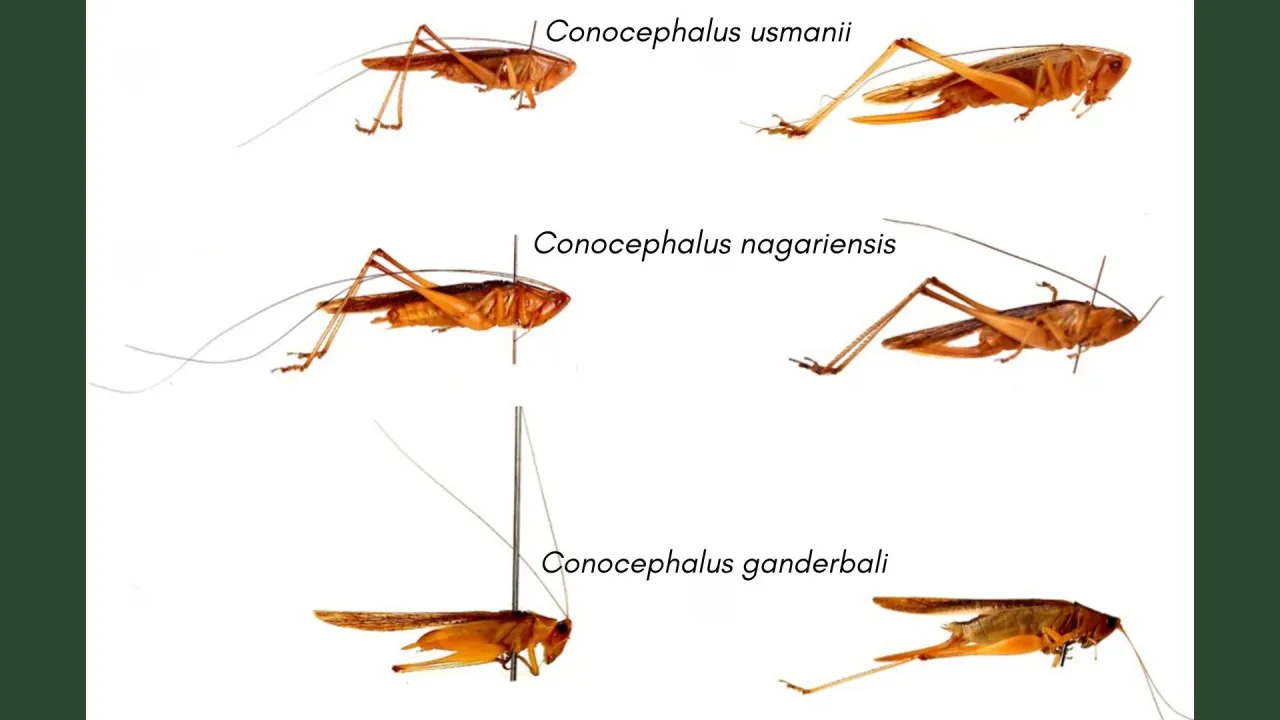
During extensive field surveys across the Jammu and Kashmir region, researchers identified three previously unknown species of the genus Conocephalus, more commonly known as meadow katydids or long-horned grasshoppers. The discovery was led by Muzamil Syed Shah and a team of entomologists from Aligarh Muslim University. The new species have been named Conocephalus usmanii, Conocephalus nagariensis, and Conocephalus ganderbali.

Prior to this study, the mountainous region of Kashmir was thought to host only a single species of this genus. The team’s findings suggest that the area’s complex topography, which includes the Western Himalayas and the Pir Panjal Range, has fostered a much richer variety of insect life than previously recorded. To find these elusive insects, the researchers trekked through various habitats, including tall meadow grasses, bushes, and deciduous forests, collecting adult specimens during the day.

The researchers used Scanning Electron Microscopy (SEM) to distinguish the new species from their known relatives. This allowed them to capture high-resolution images of the stridulatory files, a microscopic row of teeth on the male insect’s wings that acts like a musical comb to produce their characteristic chirping sound. By counting these teeth and measuring the shape of the insects’ body parts, the team was able to prove they had found entirely new branches of the tree of life.

Each of the three new species possesses unique physical blueprints that set them apart. Conocephalus nagariensis, found in the Budgam district, is distinguished by its spindle-shaped appendages (cerci) and a stridulatory file containing exactly 34 teeth. It is dedicated to Dr. Rajendra Nagar, a researcher credited with discovering several other species of katydids across the country, and bears his name.

In contrast, Conocephalus ganderbali, discovered in the Ganderbal region, is notably small and slender, with a musical file of only 28 teeth and a unique V-shaped incision on its underbelly. Its name is derived from the Ganderbal district in Kashmir, the specific locality where the researchers first collected the specimens.

The third species, Conocephalus usmanii, features a flat, elongated plate on its abdomen and a musical file with 36 teeth. It was named in honour of Professor Mohd Kamil Usmani, a scholar who has made significant contributions to the study of Orthoptera (the group of insects including grasshoppers and katydids) in India.

Beyond the three new species, the study also provided new records for other katydids in the region, such as Conocephalus longipennis and C. kwasiphaiensis, which were previously known only in other parts of India. This suggests that Kashmir serves as a vital corridor for insect migration and evolution.

The discovery highlights how much of the natural world remains unexplored, even in well-known geographical areas. The researchers noted that because Kashmir is so biologically diverse yet understudied, many more species likely remain hidden in plain sight within its mountain valleys. The physical type specimens used to describe these new insects have been deposited in the Museum of Zoology at Aligarh Muslim University, where they will serve as a permanent reference for future generations of scientists.


This article was written with the help of generative AI and edited by an editor at Research Matters.

__________________________________________________________________________

source: http://www.researchmatters.in / Research Matters / Home> General / by Research Matters Staff Writer(s) / January 06th, 2026

Dr. Abdul Razzaque Ahmad: From India’s Hinterland to the Global Corridors of Academia

Wani (Vidarbha Region), MAHARASHTRA / Boston, U.S.A. :

Dr. Abdul Razzaque Ahmad

Wani, historically known as Wun, is an old town of the Vidarbha region whose history reflects the changing political boundaries of central India. At different times, the Wani area was connected with the Nizam’s dominions, while the neighbouring Chandrapur region was historically associated with the Gond rulers. To the east and south lay territories of the erstwhile Hyderabad State, including the area that subsequently became Adilabad district and is today part of Telangana.

Wani’s political identity changed with successive territorial reorganisations. The area was once associated with the Nizam of Hyderabad. After independence, it came under the larger Central Provinces and Berar/Madhya Pradesh administrative framework before becoming part of Maharashtra when the state was formed in 1960.

This layered history is important in understanding the social background of Dr Abdul Razzaq Ahmed, a prominent Muslim of Wani. His family belonged to an established local community whose standing was associated with both landholding and professional achievement. Dr Abdul Razzaq Ahmed was a dermatologist, while later generations entered administration, medicine, and law.

Today, Dr A. Razzaque Ahmed, MD, DSc, is internationally recognised as a dermatologist, immunologist and academic physician, and as a pioneer in autoimmune blistering diseases. He has served as Professor of Dermatology and Director of the Centre for Blistering Diseases at Tufts University School of Medicine in Boston. He is associated with the Ibn Sina Professorship. His career has brought together clinical medicine, molecular immunology, laboratory research, therapeutic innovation, teaching and philanthropy.

Yet his significance lies not simply in professional distinction. His life represents the transformation of education into knowledge, knowledge into healing, and achievement into service.

Roots, Education and the Making of a Cosmopolitan Mind

Dr Ahmad spent his early childhood in Wani in a house built by his great-grandfather around 1875. He was the son of Salam Ahmed and Begum Noor Jehan and grew up in a family that regarded education and social advancement as important instruments of human development.

That ethos subsequently found institutional expression through the Begum Noor Jehan Salam Ahmed Trust in Yavatmal district. Under Begum Noor Jehan’s leadership, the Trust established educational institutions including the Sunrise English Medium Convent, Wani; the Noor Jahan Begum Salam Ahmed Arts and Commerce College, Wani; and the Noor Jahan Begum Salam Ahmed Women’s College of Law.

The women’s law college was particularly significant, reflecting a deliberate commitment to giving women access to professional education, legal knowledge and greater independence. The family tradition therefore gave education a meaning larger than individual advancement: it expanded opportunity and enabled others to participate more fully in society. That principle would later find expression in Dr Ahmad’s own teaching and philanthropy.

His early education exposed him to unusually diverse intellectual and cultural environments. Until the age of seven, he studied at a convent run by French nuns and later attended a Jesuit Catholic boarding school in Nagpur.

At fifteen, an American Field Service International Scholarship took him to Le Mars, Iowa, where he lived with the Thompson family, attended the local high school and studied at Westmar College. The experience gave a young student from central India an early encounter with American society and education, broadening his intellectual horizons.

Returning to India, he pursued pre-medical studies at Nagpur University before entering the All-India Institute of Medical Sciences in New Delhi. At AIIMS, he distinguished himself academically, standing first in many classes and receiving the Gold Medal as the outstanding graduate of his cohort. The movement from Wani to Nagpur and from Nagpur to AIIMS marked the first major stage in a life that would repeatedly cross geographical and intellectual boundaries.

After completing his medical education, Dr Ahmad moved to the United States for specialist training. He trained in Internal Medicine at the University of Pittsburgh, Dermatology at the University at Buffalo and Clinical Immunology at the University of California, Los Angeles, where he subsequently joined the faculty.

His growing interest in the molecular basis of disease led him to Harvard, where he pursued advanced research in molecular immunology and earned a Doctor of Science degree. His investigations attracted National Institutes of Health support and developed into the Ahmed Laboratory, which remained NIH-funded for more than two decades.

A defining feature of his career was integrating laboratory science with clinical medicine. Disease encountered in the clinic generated scientific questions; laboratory research sought their answers; and those discoveries returned to patients through improved diagnosis and treatment.

From Molecular Discovery to a New Paradigm of Care

Dr Ahmad became an international authority on autoimmune blistering diseases, particularly pemphigus and mucous membrane pemphigoid. These rare disorders can be debilitating, disfiguring and, in severe cases, life-threatening.

His research examined the immunological and genetic mechanisms underlying these diseases. Among his key contributions was identifying associations between specific HLA-DQB1 genes and pemphigus in different populations. He reported the association of HLA-DQB10402 with Jewish pemphigus patients and HLA-DQB10501 with non-Jewish patients. Studies of relatives helped demonstrate that low titres of pemphigus autoantibodies could occur without full clinical disease. He also distinguished pathogenic from non-pathogenic autoantibodies, demonstrating the pathogenic significance of IgG4 and the non-pathogenic character of IgG1 in pemphigus.

His investigations involving patients from Northwestern Iran and comparisons with Ashkenazi Jewish patients in the United States and Israel revealed striking genetic homology. They contributed to wider research concerning the population history of Ashkenazi Jews.

His molecular research extended to mucous membrane pemphigoid. He identified alpha-6 integrin as a putative antigen in oral pemphigoid and beta-4 integrin in disease involving other mucosal sites, identified epitopes on these molecules and investigated their role experimentally in animal models and tissue cultures. These studies helped shift the field from clinical description towards molecular understanding.

But Dr Ahmad’s contribution did not end with discovery. He sought to create a system that could translate scientific knowledge directly into comprehensive patient care. In Boston, he established the Centre for Blistering Diseases, bringing together specialists in oral medicine, ophthalmology, ENT, gastroenterology, urology, gynaecology, proctology, internal medicine, nutrition and clinical psychology.

The multidisciplinary model reflected the nature of the diseases themselves, which can affect several organs and mucosal surfaces. Rather than leaving patients to navigate separate specialities, the Centre organised care around the patient’s complexity.

His commitment to patients extended beyond medical treatment. In 1993, he established the Boston Blistering Diseases Support Group, recognising that people living with rare and potentially life-threatening disorders also require emotional support, information and a community of shared experience. The model was subsequently emulated elsewhere, including by the International Pemphigus and Pemphigoid Foundation.

Transforming Treatment and Restoring Lives

One of Dr Ahmad’s most consequential contributions was his pioneering work with intravenous immunoglobulin (IVIg) in autoimmune blistering diseases.

Severe disease had traditionally been treated with corticosteroids and other immunosuppressive drugs, which could themselves produce serious complications. Dr Ahmad developed and refined IVIg protocols that enabled some patients to achieve prolonged remission and, in certain cases, discontinue conventional therapy.

He also addressed access. Because IVIg is expensive, he presented clinical and pharmacoeconomic evidence involving 160 patients to Medicare authorities. The resulting policy permitting Medicare coverage for IVIg in blistering diseases helped broaden access, and private insurers later adopted similar policies.

His work with rituximab marked another major therapeutic advance. In collaboration with Harvard oncologists, he developed a protocol combining rituximab and IVIg that targeted the B-cell mechanisms involved in autoimmune disease. The results were reported in the New England Journal of Medicine, with subsequent long-term follow-up demonstrating sustained disease control in treated patients.

Some patients achieved exceptionally prolonged remission without continuing therapy, in some cases for more than 20 years. His continuing research has examined whether successful treatment can restore immune balance rather than merely suppress disease. Long-term follow-up of patients with pemphigus treated with IVIg contributed to this emerging understanding, with findings reported in the Proceedings of the National Academy of Sciences in 2024.

His work has also addressed ocular cicatricial pemphigoid, a rare autoimmune disease capable of causing progressive scarring and irreversible blindness. Research into its mechanisms helped establish therapeutic approaches involving IVIg and subsequently rituximab combined with IVIg.

The significance of such work extends beyond disease control. Preventing blindness preserves independence, employment, family life and human dignity. It exemplifies a broader principle in Dr Ahmad’s career: the ultimate measure of medical success is not simply suppressing disease but restoring a patient’s capacity to live a meaningful life.

This philosophy also shaped the institutions he built. He developed an outpatient infusion model that enabled patients to receive sophisticated intravenous therapies without prolonged conventional hospitalisation, attracting patients from across the United States and other countries.

As a teacher and mentor, he has influenced generations of medical and dental students, residents and researchers. Many former trainees subsequently became professors and departmental leaders. He has lectured internationally for decades and served as a visiting professor at universities worldwide. His influence has therefore travelled not only through publications and therapies but through the people he taught.

The breadth of his contribution has been recognised through numerous professional honours, including the William Gies Award, the Walter F. Lever Award, lifetime achievement and research contribution awards, and international awards for excellence. The International Pemphigus and Pemphigoid Foundation honoured him as Physician of the Year, and he has also received India’s Charaka Award. In 1999, the Governor of Massachusetts and the Massachusetts House of Representatives separately recognised his contribution to the Commonwealth’s citizens.

Science, Faith and the Larger Meaning of Service

Another dimension of Dr Ahmad’s life is his religious commitment. During his extensive international travels, he has repeatedly visited Makkah and performed more than one hundred Umrahs. His scientific and spiritual commitments have existed alongside one another. Scientific inquiry seeks to understand disease; faith provides a framework of gratitude, humility and responsibility.

That sense of responsibility has also shaped his philanthropy. In addition to the educational legacy of the Begum Noor Jehan Salam Ahmed Trust, Dr Ahmad has devoted substantial resources to educating disadvantaged young people, particularly women, supporting higher education, professional training, books, computers, transport and leadership development.

The results have reportedly reached thousands of students, with women beneficiaries entering the judiciary, public prosecution and legal practice. The objective is therefore not simply charitable relief but the creation of durable opportunities through education.

Dr Abdul Razzaque Ahmad’s life is not merely a story of migration from India to America or advancement from a small town to elite academic institutions. It is a story of continuity through transformation.

Wani provided the beginning; Nagpur broadened the horizon; AIIMS supplied an exceptional medical foundation; Pittsburgh, Buffalo and UCLA provided specialist training; Harvard deepened his scientific inquiry; and Boston became the centre from which his clinical and research contributions reached the wider world.

The ancestral house in Wani and the laboratories, clinics and lecture halls of Boston may appear to belong to different worlds. In his life they form a single continuum. The family gave him an inheritance of education and responsibility. He transformed that inheritance into scientific discovery and clinical innovation, and then extended its benefits through teaching, patient care and philanthropy.

His legacy is therefore measured not only by publications, professorships and awards, but by what those achievements enabled: patients who obtained relief, individuals protected from irreversible disability, students who gained educational opportunities, physicians shaped by his mentorship, and a field of medicine advanced by his research.

The distance from Wani to Boston is considerable. The distance his ideas travelled is greater still. A journey that began in the hinterland of India entered the global corridors of academia. Its deepest destination, however, was neither fame nor distinction, but service—to the patient seeking relief, the student seeking opportunity, the scientist seeking truth, and society seeking a more humane future.

source: http://www.muslimmirror.com / Muslim Mirror /Home>Personalities> Positive Story / by Moin Qazi / October 10th, 2026