Kozhikode, KERALA :

“We must understand that the political system often frames individuals, and their families suffer for no fault of their own,” reflected Razik Raheem, a Muslim activist in Kerala who spent years in jail under the draconian UAPA before being acquitted.
“For me, my belief kept me strong, and it’s important for the younger generation to be prepared for such injustices.”
Razik Raheem stood before the gathering at Vidyarthi Bhavan in Kerala’s Kozhikode on Saturday, his words carrying the weight of years spent in prison, of trials both legal and personal, of a fight that never truly ended. The room was filled with activists, students, and community members—some familiar with his story, others hearing it for the first time.
The occasion was the discussion of his recently launched book, Thadavarakkalam (Prison Days), a work he never intended to write.
But something changed. The crackdowns on young activists during the anti-CAA protests, the faces of students and dissenters dragged into police custody, the silence that followed—it all forced him to put pen to paper, Razik told the audience. Thadavarakkalam, a Malayalam book published by Pratheeksha Books, became more than a memoir; it became a guide. A survival manual for those who might find themselves framed, convicted, forgotten.
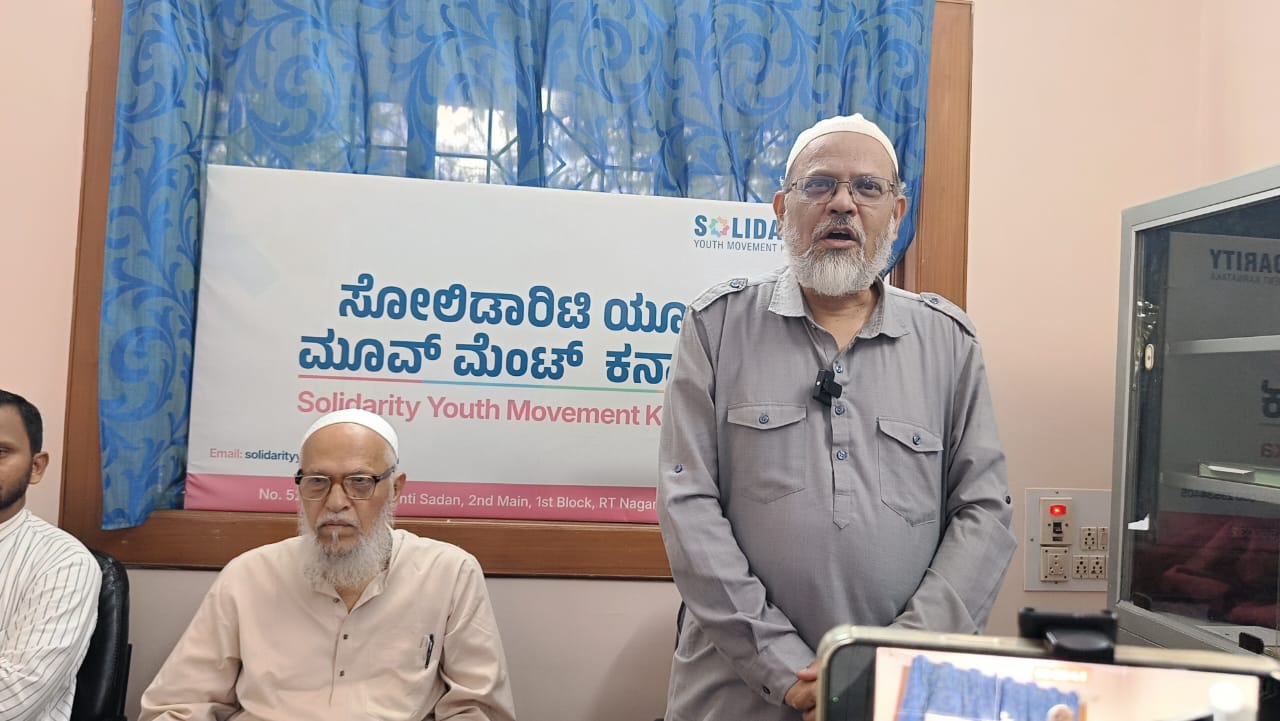
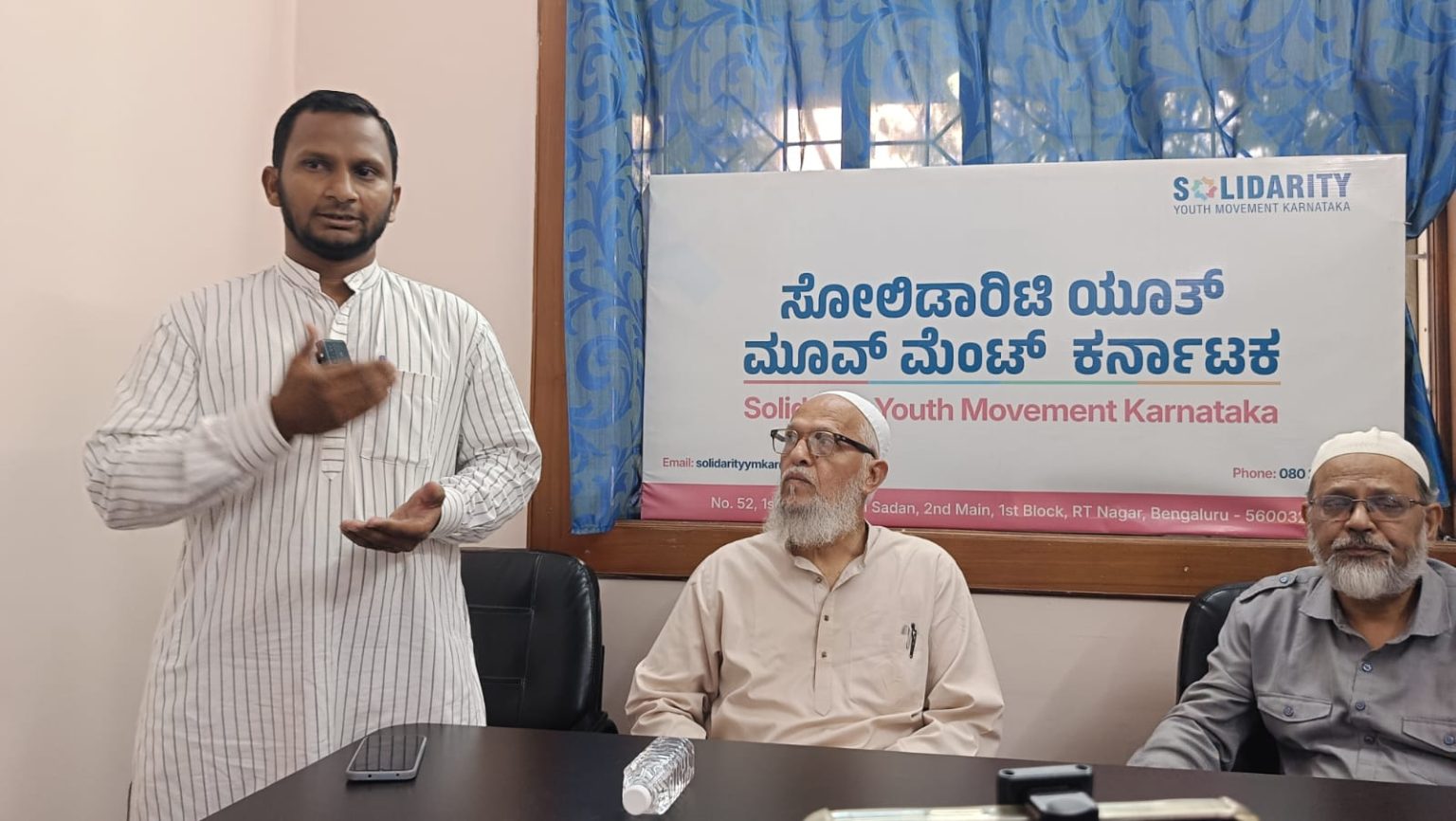
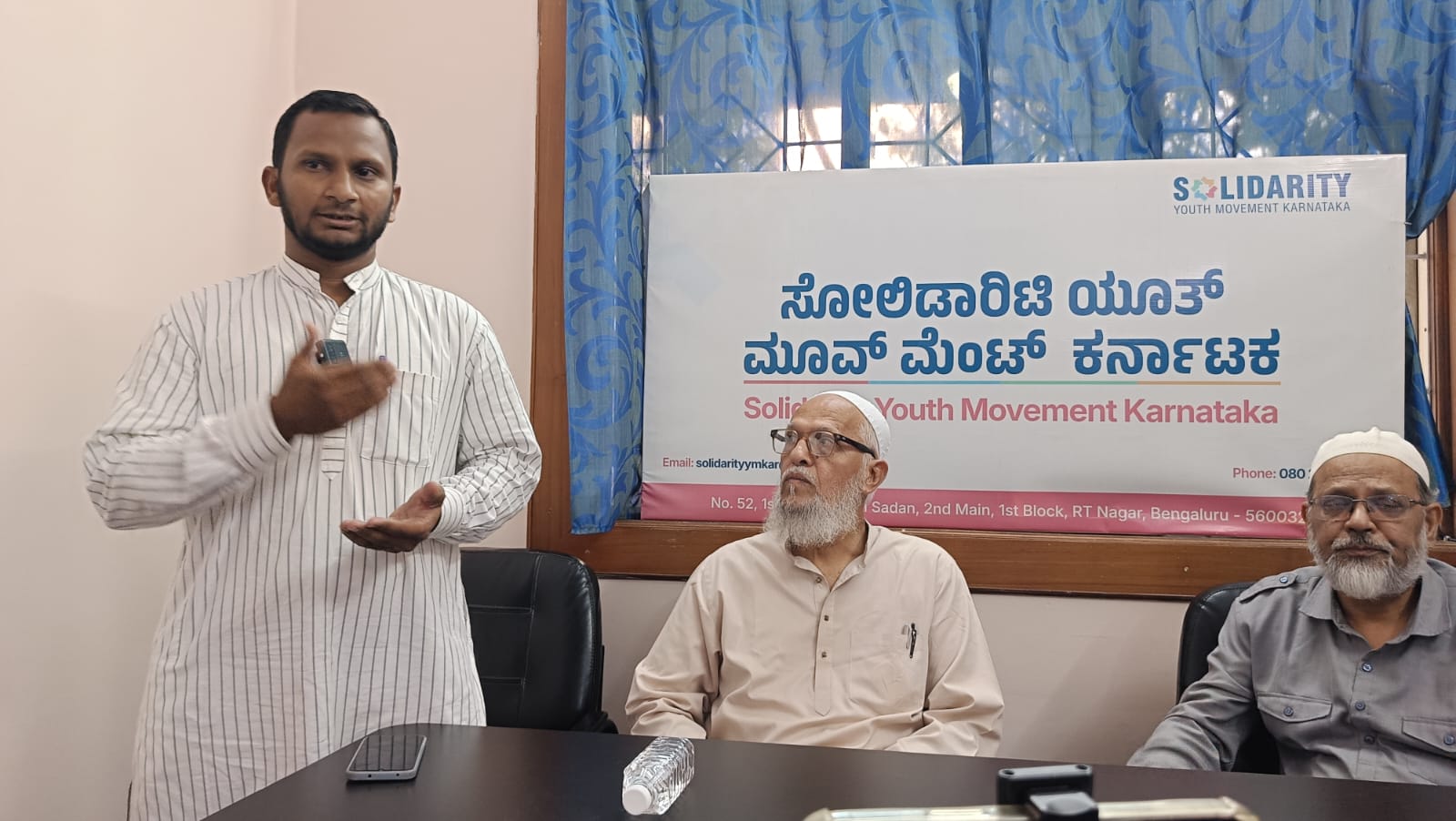
The event, organized by the Solidarity Youth Movement, was more than just a book discussion. It was an indictment of a system that Razik and others on the stage knew too well.
Faseeh Ahmed, Solidarity Kozhikode’s secretary and a researcher, spoke at length about the book and its political significance. He connected Razik’s ordeal to the broader struggles of political prisoners across India. The Panayikulam SIMI case, once a headline, now a footnote, was revisited.
“We must stand firm in our efforts to provide assistance and ensure these prisoners and their families are not forgotten,” said Thoufeeq Mampad, Solidarity Kerala’s president. He recalled visiting Beeyumma, the mother of Zakariya from Parappanangadi, who had been imprisoned for 16 years and is still in jail under the draconian UAPA, even without trial. There was a reason these stories kept resurfacing—they weren’t over.
Sadiq Uliyil, from the APCR, reminded the audience of the absence of literature documenting the lives of Muslim political prisoners. “In Kerala, which prides itself on political awareness, there is still very little concern for the number of prisoners suffering under oppressive laws,” he pointed out.
Independent researcher Afnan Hussain echoed this, stressing the urgency of writing. “It forces the public to acknowledge the flaws in our justice system and the suffering of countless families.”
The Panayikulam case was a warning, a precedent. In 2006, Razik Raheem and four others—Nizamudeen, Shammas, Ansar, and PA Shaduli—were arrested for allegedly organizing “a secret meeting of the banned Students’ Islamic Movement of India (SIMI).” The state claimed it was a terror gathering. The men, who insisted it was merely a public seminar on the “Role of Muslims in Indian Independence,” were tried under the Unlawful Activities (Prevention) Act (UAPA).
In 2015, an NIA court sentenced Ansar and Razik to 14 years in prison for sedition. The others received 12-year terms. It would take another four years for the Kerala High Court to finally acquit them, ruling that there was no evidence against them. By then, they had already spent years behind bars—years they would never get back.
The book is not about seeking sympathy. It is about recognition, about making sure that when another young activist is thrown into a prison cell, they will know what to expect, the author said. It is about breaking the cycle of silence, he added.
source: http://www/maktoobmedia.com / Maktoob Media.com / Home> Bookshelf / by Muhammed Hisham / February 17th, 2025