Category Archives: Amazing Feats

Bihar Collective to Release Booklet “Remembering Muslim Makers of Modern Bihar” in Patna on Feb 23

Patna, BIHAR :

Patna :

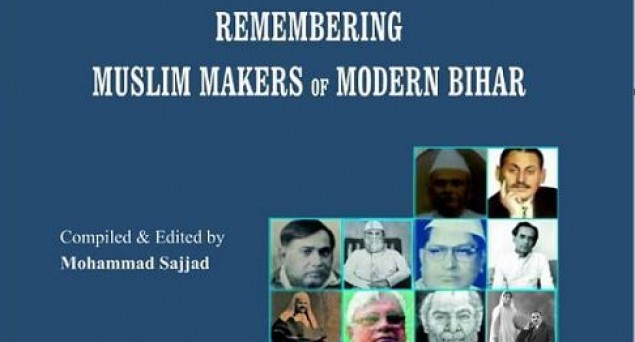
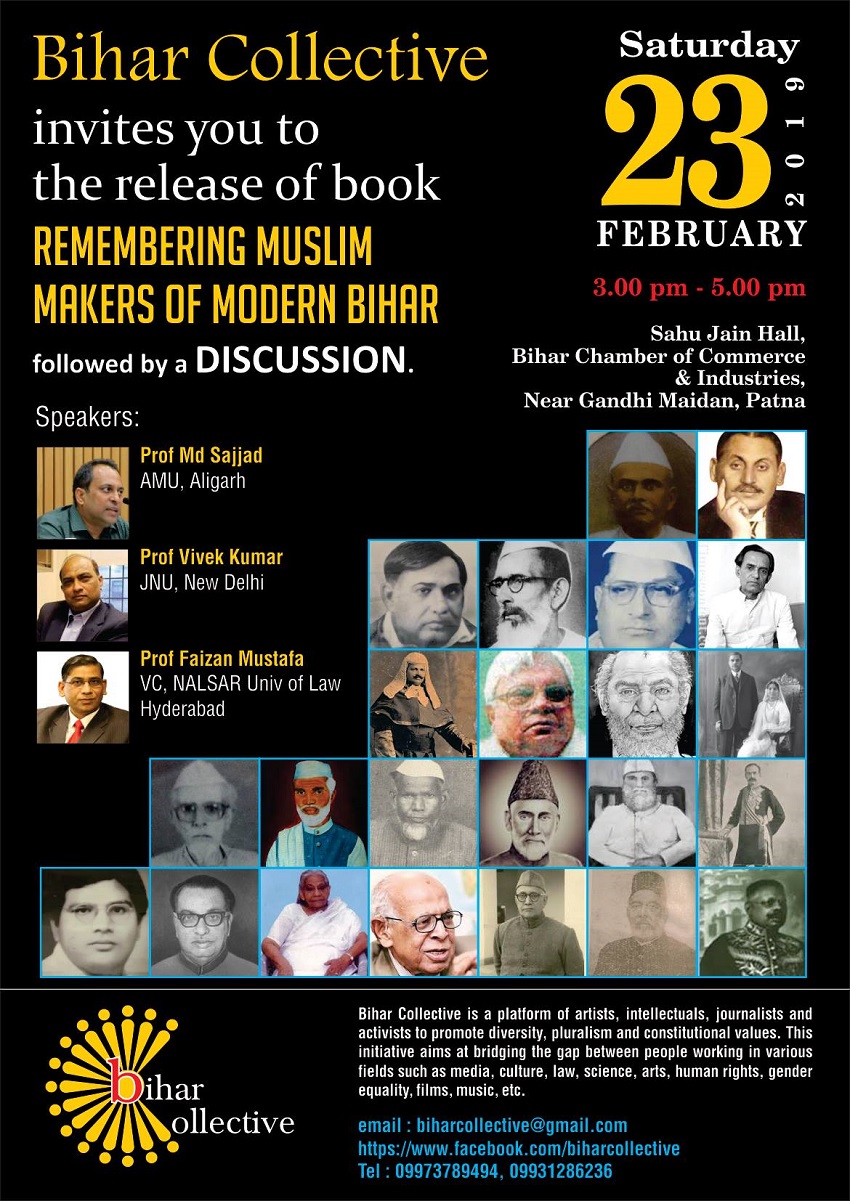
In an era of unprecedented majoritarian ascendance and anti-Muslim hatred, Bihar Collective, a platform of intellectuals and activists, has brought out a booklet highlighting the contribution of eminent Muslims in making the modern Bihar in the last 200 years.

The booklet titled Remembering Muslim Makers of Modern Bihar has been compiled and edited by renowned academician and writer Prof. Mohammad Sajjad on the initiative of Bihar Collective.

The booklet will be released at an event in Patna on Saturday (February 23).

On the occasion, a discussion will also be held with Prof Faizan Mustafa, Vice Chancellor, NALSAR University of Law, Hyderabad; Prof Vivek Kumar, JNU, New Delhi; and Prof Mohammad Sajjad, AMU, Aligarh as panelists.

A Brief about Booklet:


Pre-empting a reasonable question about the title of the booklet, Prof Sajjad, who has compiled and edited it, writes in its preface: “A simple and obvious question that may readily arise is: why only Muslim makers of modern Bihar? Why not others too? This is indeed a valid and pertinent question.”

Responding to the question, he further says: “Candidly put, this is because of an unprecedentedly menacing rise of majoritarianism, bigotry, and anti-Muslim hatred, with open support of the state.

The Muslim identities are ominously threatened. There are also unabated attempts to dilute (or even take away) whatever little accomplishments have been made by the forces of social justice and secularism.

Only the Muslim segment however is threatened by the jingoist, exclusionary, violent nationalists, to be thrown out to another country. As if the other country is a dustbin, owned by these bigots, into which they can throw away everything they dislike! As if only the religious majority constitutes the nation! Notably, these jingoists had aligned with the British and had stayed away from the national movement.”

“Muslim contributions in the nation-making (and in the freedom movement) remain under-acknowledged, forgotten or even omitted. Erasure of their histories and memories seem to have become even more pronounced and vociferous, now, than ever before…The Bihar Collective therefore decided to compile a short profile of these inspiring role models, history-makers…This is small and humble step towards retrieving and restoring the nationalist provincial pantheons bearing Muslim identities,” says Prof Sajjad.

He, however, admits that the list of Muslim heroes of Bihar given in the booklet is not exhaustive as “…many have been left out essentially because of lack of documentations and researches. Not many have left their own accounts/memoirs; the available memoirs/accounts have not written much about all the personalities. In many cases, even otherwise “resourceful” descendants and/or associates of the history-makers have not been able to provide us with adequate (and credible/verifiable) details.”

Prof Sajjad hopes this small exercise may lead to some big academic work on these history-makers. “In short, this kind of venture may be said to be an ongoing exercise. This effort may hope to open up (and obtain) more details about such history-makers and would also get to know about many more of such peoples and processes, we failed to include here in this hastily prepared tiny volume, amidst constraints of resources and time.”

Names of Muslim Makers of Modern Bihar Mentioned in Booklet:
1. Syed Imdad Ali (d.1886]
2. Khuda Bakhsh (1842-1908)
3. Syed Amir Husain (1843-1910)
4. Imdad Imam Asar (1849-1934)
5. Shah Badruddin(1852-??)
6. Syed Ali Bilgrami (1853-1911)
7. Rasheed-un-Nesa (1855-1926)
8. Syed Noorul Huda (1855-1939)
9. Justice Syed Sharfuddin (1856-1921)
10. Shaikh Gulab (1857-1920)
11. Sarfaraz Husain Khan (1860-1931)
12. Maulana Mazharul Haque (1866-1930)
13. Batakh Miyan Ansari (1867-1957)
14. Sir Fakhruddin (1868-1933)
15. Syed Ali Imam (1869-1932)
16. Syed Hasan Imam (1871-1933)
17. Salahuddin Khuda Bakhsh (1875-1931)
18. Shafi Daudi(1875-1949)
19. Khwaja Md. Noor(1875-??)
20. Abdul Wadood (d.1955)
21. Syed Abul Hasan (1878-1960)
22. Sir Sultan Ahmad (1880-1963)
23. Maulana Sajjad (1880-1940)
24. Pir Mohammad Munis (1882-1949)
25. Abdul Bari (1882-1947)
26. Syed Sulaiman Nadvi (1884-1953)
27. Mohammad Yunus (1884-1952)
28. Shah Md. Zubair (1884-1930)
29. Syed Abdul Aziz (1885-1948)
30. Zubaida Begum Daudi (1886-1972)
31. Syed Tafazzul Karim (1886-1964)
32. Mr. Mohammad Shafi (1888-1955)
33. Qazi Ahmad Husain (1889-1961)
34. Dr. Syed Mahmud (1889-1971)
35. Ali Husain Aasim Bihari (1890-1953)
36. Shah Mohammad Umair (1894-1978)
37. Abdul Ahad Mohammad Noor (1894-1975)
38. Hakeem Md. Kabiruddin (1894-1976)
39. Maulana Usman Ghani (1896-1977)
40. Manzoor Ahsan Aijazi (1897-1969)
41. Shah Md Ozair Muni’mi (1899-1961)
42. Maghfur Aijazi (1900-1966)
43. Syed Jafar Imam (1900-1965)
44. Syed Badruddin Ahmad (1901-1983)
45. Mohammad Tahir (1903-???)
46. Syed Jafar Imam (1903-1979)
47. Syed Fida Husain (1904-80)
48. Abdul Qaiyum Ansari (1905-1974)
49. Wajihuddin Minhaji (1907-1984)
50. Syed Md. Aiyub (1910-1964)
51. Abdul Sami Nadvi (1913-????)
52. Abul Hayat Chand (1914-1958)
53. Ahad Fatmi(1915-1980)
54. Zawwar Husain (1916-80)
55. Shafiqullah Ansari (1917-1980)
56. Shah Mushtaq Ahmad (1917-2002)
57. Abdul Ghafoor (1918-2004)
58. Col. Mahboob Ahmad (1920-1992)
59. Taqi Raheem (1920-1999)
60. Zahra Daudi(1923-2003)
61. Shakoor Ahmad (1924-1981)
62. Syed Hasan (1924-2016)
63. Yunus Lohia (1925-2019)
64. Ghulam Sarwar (1926-2004)
65. Syed Shahabuddin (1935-2017)

A Brief about Author:


Prof Mohammad Sajjad teaches late-colonial and post-independent Indian history at the Centre for Advanced Study in History, Aligarh Muslim University. He has written several books including Muslim Politics in Bihar: Changing Contours; and Contesting Colonialism and Separatism: Muslims of Muzaffarpur since 1857.

His articles are published in reputed academic journals from Routledge, Sage, EPW etc. and also in anthologies from the Oxford University Press and Cambridge University Press.
Bihar Collective:
It is a platform of artists, intellectuals, journalists and activists to promote diversity, pluralism and constitutional values. It aims at bridging the gap between people working in various fields such as media, culture, law, science, arts, human rights, gender equality, films, music, etc.
Email: biharcollective@gmail.com
Facebook: https://www.facebook.com/biharcollective

source: http://www.indiatomorrow.net / India Tomorrow / Home> Society / by India Tomorrow / February 21st, 2019
Poland university honours Thumbay founder

Mangalore, KARNATAKA / Ajman, Dubai, U.A.E :

Dr Thumbay Moideen was honoured for transforming the Thumbay Group into a global model of purpose-driven entrepreneurship in healthcare, education & Research.

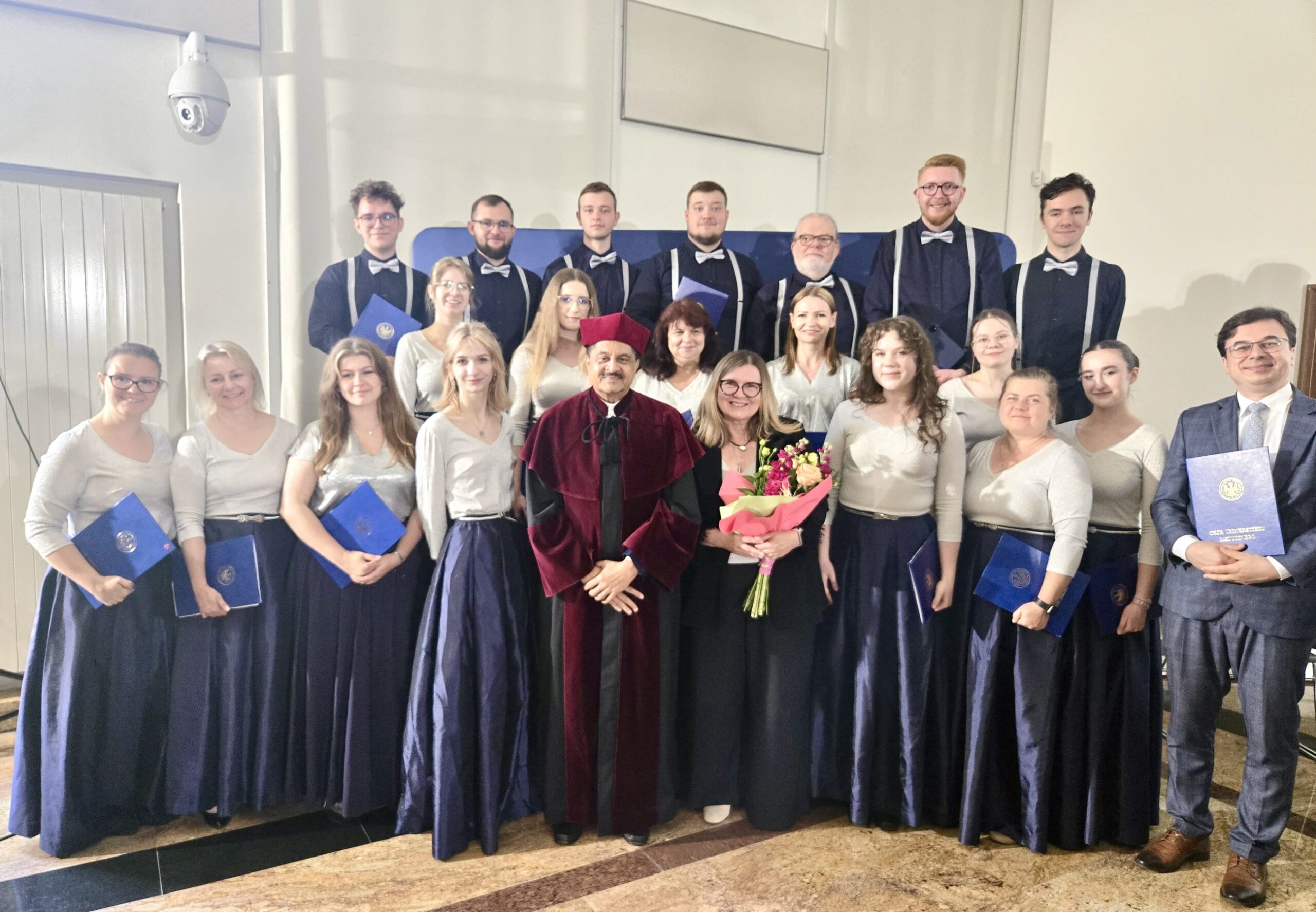
In a moment of immense pride and global recognition, Dr. Thumbay Moideen, Founder and President of Thumbay Group, has been conferred his Fifth Honorary Doctorate, this time by the prestigious University of Lublin, Poland.

This accolade reaffirms his unmatched contributions to global healthcare, medical education, and Research for the community development.

The honorary doctorate was awarded in recognition of Dr. Moideen’s extraordinary leadership in establishing the First Private Academic Health Sytem and the region’s largest private medical university — and for transforming Thumbay Group into a global model of purpose-driven entrepreneurship in healthcare, education & Research.

Under his visionary leadership, Thumbay Group has impacted millions across more than 175 nationalities, offering compassionate care, research excellence, and world-class medical training.

The University of Lublin acknowledged Dr. Moideen’s pioneering efforts in integrating innovation with empathy, notably through the Thumbay International Research Grant (TIRG) — an initiative investing AED 3 million annually in areas like cancer immunology, AI in healthcare,precision medicine and many more Area’s of Research.

From a young entrepreneur in Karnataka to being celebrated as the most respected Indian Muslim and leading Beary in the world, Dr. Thumbay Moideen’s journey is a testament to what’s possible when faith meets action. Recognized as the leading NRI from Karnataka in the Gulf region, he is admired not just for his accomplishments, but for the values that drive them.

Once someone who measured success through projects and milestones, he has evolved into a changemaker who defines impact by how many lives his work touches.

With this latest recognition, Dr. Moideen joins an elite group of globally honoured visionaries who have reshaped industries while staying rooted in service, humility, and impact.

This doctorate reflects not only his entrepreneurial brilliance but also his enduring belief that health and education are fundamental rights, not privileges.

Speaking at the ceremony, Dr. Moideen said: “If our work has empowered others to dream, to heal, to grow, then I consider it a success. It’s no longer about how far I’ve gone, but how many I’ve taken along. I want Thumbay Group to be remembered as a force that empowered the underprivileged, raised the standards of education, healthcare & Research.”

The vision of Thumbay Group is to deliver excellence by building a seamless ecosystem of education, healthcare, and innovation. From its flagship Gulf Medical University to hospitals, labs, rehabilitation centers, and AI-driven research programs, the Group continues its mission of shaping the future of healthcare —the Group plans to Double its Healthcare capacity and expand its all business to grow 5 fold and have a global presence.

source: http://www.gulftoday.ae / Gulf Today / Home> News / by Gulf Today, Staff Reporter / June 18th, 2025

Adiba Anam becomes Maharashtra’s first Muslim woman IAS officer, daughter of an auto-rickshaw driver

Yavatmal Town, MAHARASHTRA :

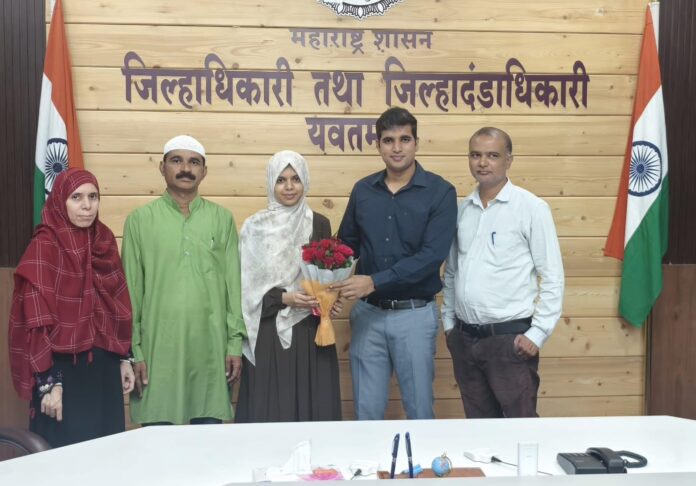
Adiba Aman in the centre.

New Delhi :

 The Union Public Service Commission (UPSC) declared the results of the 2024 Civil Services Examination on April 22, with 1009 candidates clearing one of India’s most competitive exams. Among them, Adiba Anam has made history by becoming the first Muslim woman from Maharashtra to be selected for the Indian Administrative Service (IAS).

Hailing from Kalam Chowk in Yavatmal, a small town in eastern Maharashtra, Anam secured an all-India rank of 142. Her achievement has been widely hailed as a breakthrough for both women and minorities in the state. Her father, Ashfaq Ahmed, earns a living by driving an auto-rickshaw.

Raised in modest circumstances, Anam completed her schooling in Urdu medium from a local Zilla Parishad school. Despite limited resources, she consistently excelled academically—scoring 94% in her Urdu board exams and 92% in 12th grade with a science stream.

Speaking to India Tomorrow, Anam recounted her journey through UPSC. Her first attempt in 2021 ended at the preliminary stage. Undeterred, she progressed to the mains in her second attempt, and finally, in her fourth attempt, clinched success with a rank likely to earn her an IAS cadre.

“My parents never asked me to give up on my education. There were people who suggested I take up a small job to ease our financial burden, but my parents never let those voices affect me,” she said.

Anam noted the social barriers women often face in her community. “Yes, girls do face restrictions. But these challenges only overpower us if we allow ourselves to feel weak. Once we build our mental strength, those obstacles lose their power,” she said. Her message to young women: “Stay mentally strong. Chase your dreams with courage and determination.”

Initially aspiring to become a doctor, Anam couldn’t clear the NEET exam. It was then that her uncle, Nizamuddin Sheikh—a local NGO secretary in Yavatmal—encouraged her to consider civil services as a way to serve the public.

Adiba Anam draws inspiration from the poetry of Allama Iqbal. Two couplets, in particular, fuel her determination:

“Khudi ko kar buland itna ke har taqdeer se pehle, Khuda bande se khud pooche, bata teri raza kya hai, ” meaning, “Elevate your selfhood to such heights that even destiny, before shaping your fate, is compelled to ask you: ‘Tell me, what is it that you desire?’”

This powerful verse emphasizes self-empowerment, urging individuals to strengthen their character and willpower to such an extent that even fate bows before their determination.

“Amal se zindagi banti hai jannat bhi jahannam bhi, Yeh khaaki apni fitrat mein na noori hai na naari hai.” This translates in English as “Through actions, life can become either a paradise or a hell. This being (the human) made of dust is by nature neither angelic nor demonic.”

The couplet underscores the idea that our actions determine the quality and direction of our lives. Human beings are not inherently good (like angels) or evil (like demons); it is their actions (amal) that shape their destiny and define their identity.

Explaining the two couplets, she said, “These lines remind me of the power of action. If you just sit still, nothing will change. But if you act, if you try to change your situation, something will definitely happen,” she said.

Anam’s journey—from a small-town Urdu-medium student to a future IAS officer—stands as a powerful story of resilience, ambition, and the transformative potential of education.

Here is the list of 26 Muslim candidates who cleared the UPSC Civil Services Examination this year, with their ranks written in front of their names.

•             Iram Chaudhary – Rank 40

•             Farkhanda Quraishi – Rank 67

•             Mohammad Muneeb Bhatt – Rank 131

•             Adiba Anam Ashfaq Ahmed – Rank 142

•             Wasim ur Rehman – Rank 281

•             Md. Nayab Anjum – Rank 292

•             Mohammad Haris Mir – Rank 314

•             Mohammad Shaukat Azeem – Rank 345

•             Alifa Khan – Rank 417

•             Nadia Abdul Rashid – Rank 429

•             Najma Salam – Rank 442

•             Shakeel Ahmed – Rank 506

•             Shah Mohammad Imran Mohammad Irfan – Rank 553

•             Mohammad Aftab Alam – Rank 560

•             Mohsina Bano – Rank 585

•             Syed Mohammad Arif Moin – Rank 594

•             Ghulam Haider – Rank 633

•             Hasan Khan – Rank 643

•             Ghanchi Gajala Mohammad Hanif – Rank 660

•             Mohammad Salah T.A. – Rank 711

•             Sadaf Malik – Rank 742

•             Yasir Ahmed Bhatti – Rank 768

•             Javed Mev – Rank 815

•             Nazeer Ahmed Bijran – Rank 847

•             Arshad Aziz Quresh – Rank 993

•             Iqbal Ahmed – Rank 998

source: http://www.indiatomorrow.net / India Tomorrow / Home> Education / by Mohammad Akram / April 2025

Standing tall with the new minaret

Salem, TAMIL NADU :

The latest addition at the historic Jamia Masjid, Salem, is the nine-tier tower

The historic Jamia Masjid on the southern banks of River Tirumanithar in the heart of Salem city has got a 135 ft. tall ‘minaret.’ This is said to be one of the tallest minarets to be constructed in a mosque in South India in the recent past.

The minaret is a significant feature of mosques across the world, and is one of the earliest characteristics of Islamic architecture. The ‘muezzin,’ a person who announces the call of prayer, usually delivers the ‘azaan’ from the minarets.

Jamia Masjid in any town or city is considered as the chief mosque. They are known as congregational mosques, as Muslims gather in large numbers to offer prayers on Fridays and during Ramzan, Bakrid and other festivals.

Rich past

Jamia Masjid in Salem city, standing on about 1.5 acres of land, has a rich past. It is one of the oldest mosques in the state and was said to have been built by the Mysore ruler Tipu Sultan (1750 – 1799), popularly known as the Tiger of Mysore, more than two centuries ago. Tipu Sultan, who had visited the Salem region on various occasions, is said to have offered prayers in this mosque. He has also donated inams (properties) for this mosque. The British regime, which understood the importance of this Jamia Masjid, also extended assistance to this mosque and gave ‘inams’.

This Jamia Masjid is built on the lines of the North Indian mosques. The prayer hall of this grand mosque stands on an elevated ground and is decorated with tall, elaborate granite pillars. On Fridays, this masjid gets more worshippers from the town and neighbouring areas of Salem.

According to S.R. Anwar, the Muthawalli of the Jamia Masjid, the minaret has nine small tiers ranging between 10 ft. and 20 ft. The cornice (metal kalasam), atop the minaret was made in Kumbakonam. A silver cone and crescent decorate this metal structure.

Anwar says that this Jamia Masjid plays a stellar role in promoting communal harmony in the entire western belt and has been held in high esteem by everyone.

S. Veerappan, an expert architect from Kamanayakkanpatti, led a team which was in-charge for the construction of this minaret. His name is engraved on the inaugural stone. “It is a great honour that my name is on the tablet stone of the mosque,” says Veerappan. “This highlights the mutual respect and goodwill that the people from different communities have for each other,” he adds.

The new minaret was inaugurated recently by A. Anwar Raajha, MP and Chairman of Tamil Nadu Wakf Board, in the presence of MPs V. Panneer Selvam, P.R. Sundaram and K. Kamaraj.

source: http://www.thehindu.com / The Hindu / Home> Today’s Paper> Features> Friday Review / by Syed Muthahar Saqaf / July 06th, 2018

UAE-based Indian doctor Shamsheer Vayalil announces Rs 6 crore aid for Air India crash victims

KERALA / Abu Dhabi, U.A.E :

PC: mathrubhumi

Dubai :  

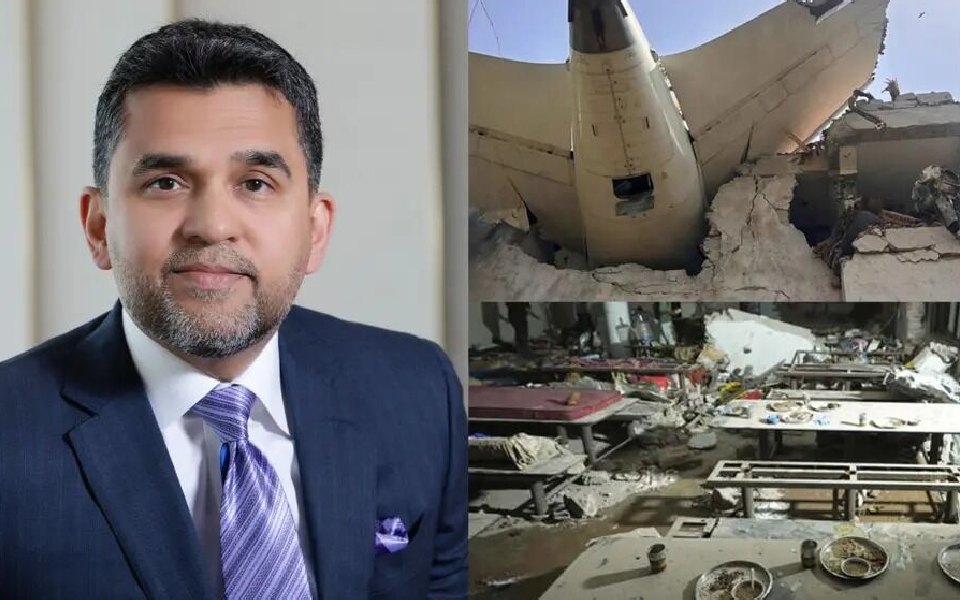
UAE-based Indian doctor and philanthropist Dr Shamsheer Vayalil has announced Rs 6 crore in financial aid for the families of medical students and doctors affected by the Air India plane crash in Ahmedabad last week.

The ill-fated aircraft struck the BJ Medical College’s Atulyam hostel complex during lunch hour, reducing student residences and the dining hall to rubble.

All but one of the 242 passengers and crew on board the Boeing 787-8(AI 171) and another 29 persons, including five MBBS students, on the ground were killed when the London-bound aircraft crashed, moments after it took off from the Sardar Vallabhbhai Patel International Airport.

Announcing the relief from the UAE capital of Abu Dhabi, Dr Shamsheer, founder and chairman of Burjeel Holdings and managing director of VPS Health, said he was deeply shaken when he saw the aftermath of the crash.

As someone who had lived in similar hostels during his medical education at Kasturba Medical College in Mangalore and Sri Ramachandra Medical College in Chennai, the images struck a chord, he said.

“I saw the footage from the mess and the hostel, and it truly shook me. It reminded me of the places I once called home, the corridors, the beds, the laughter, the pressure of exams, and the anticipation of a call from family,” he said.

“No one expects a commercial aircraft to come crashing into that world,” he added.

“Those students started the day thinking about lectures, assignments, and patients. Their lives ended in a way none of us could ever imagine. It hit close. Too close,” he said.

Dr Shamsheer’s relief package includes Rs 1 crore for each of the four deceased students’ families, Rs 20 lakh each for five seriously injured students, and Rs 20 lakh each for the families of doctors who lost loved ones.

The financial assistance will be delivered in coordination with the Junior Doctors’ Association at BJ Medical College, ensuring that those in need receive support swiftly.

This is not the first time Dr Shamsheer has responded to such a crisis. In 2010, following the Mangalore air crash, he provided financial assistance and employment opportunities to affected families at Burjeel Holdings, a leading healthcare provider in the Middle East.

source: http://www.english.varthabharati.in / Vartha Bharati / Home> Gulf / by Vartha Bharati / June 17th, 2025

AMU PMRF Scholar Mohd Zeeshan Named Among India’s Top 40 for Research Excellence

Aligarh, UTTAR PRADESH :

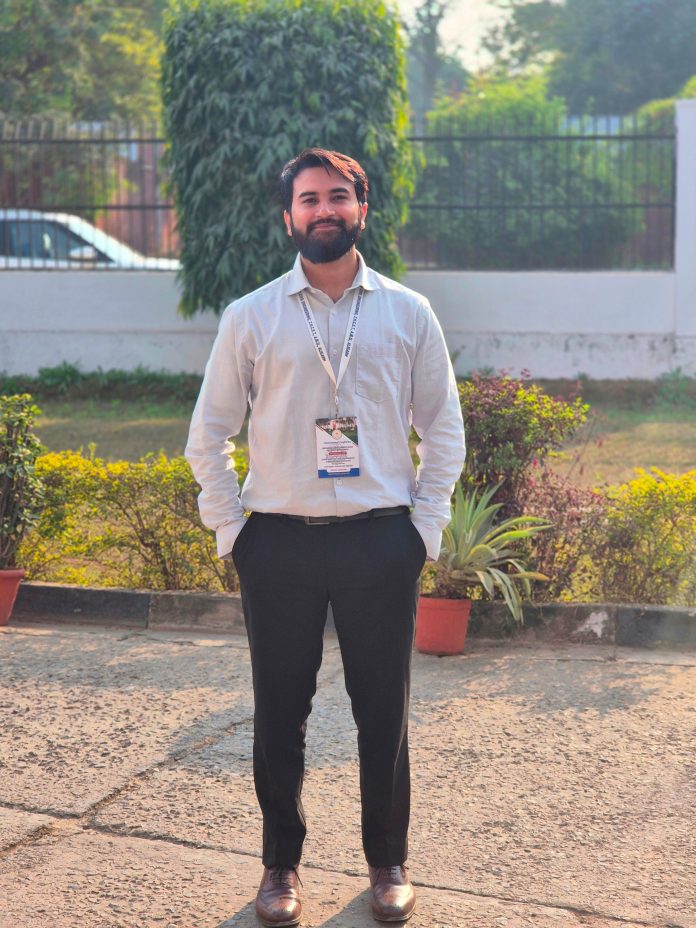
Mohd Zeeshan, a PMRF and doctoral researcher at Department of Chemistry, AMU, has earned national recognition as one of the Top 40 PMRF scholars across India for his exemplary contributions to cutting-edge research in CO₂ fixation

Aligarh:

Mohd Zeeshan, a Prime Minister’s Research Fellow (PMRF) and doctoral researcher at the Department of Chemistry, Aligarh Muslim University (AMU), has earned national recognition as one of the Top 40 PMRF scholars across India for his exemplary contributions to cutting-edge research in carbon dioxide (CO₂) fixation.

Zeeshan’s research is centred on the development of heteroatom-functionalised linkers and metal–organic framework (MOF)-based materials for CO₂ capture and wastewater remediation. The selection was based on the national impact of his work, which combines experimental innovation with real-world applicability, addressing pressing environmental challenges.

His research has been conducted under the mentorship of Dr. M. Shahid, a noted scientist with over 170 publications.

Zeeshan acknowledged the constant academic and moral support of Professor Zeba N. Siddiqui, Chairperson of the Department of Chemistry, who congratulated him on receiving this prestigious honour. He also thanked Professor Aasim Zafar, PMRF Coordinator at AMU, for his dedicated mentorship, proactive engagement, and seamless coordination.

Zeeshan has authored 13 peer-reviewed research papers published in leading international journals, including Dalton Transactions and CrystEngComm (Royal Society of Chemistry), and Coordination Chemistry Reviews (Elsevier), with impact factors reaching up to 20.3. He has also contributed two book chapters, holds a granted patent, and has received multiple accolades for best poster and oral presentations at national and international conferences.

In recognition of his achievements, Zeeshan has been invited by the Ministry of Education, Government of India, for a high-level interaction with senior officials, where he will represent AMU and share insights on enhancing the PMRF scheme.

source: http://www.radiancenews.com / Radiance News / Home> Latest News / by Radiance News Bureau / June 21st, 2025

Taxi Driver’s Daughter Iqra Wins Gold Medal in Maharashtra Medical Exams

Nashik, MAHARASHTRA :

A Muslim girl from Nashik tops the university in audiology and speech therapy, thanks to hard work, parental support and help from MESCO Educational Trust

New Delhi / Mumbai :

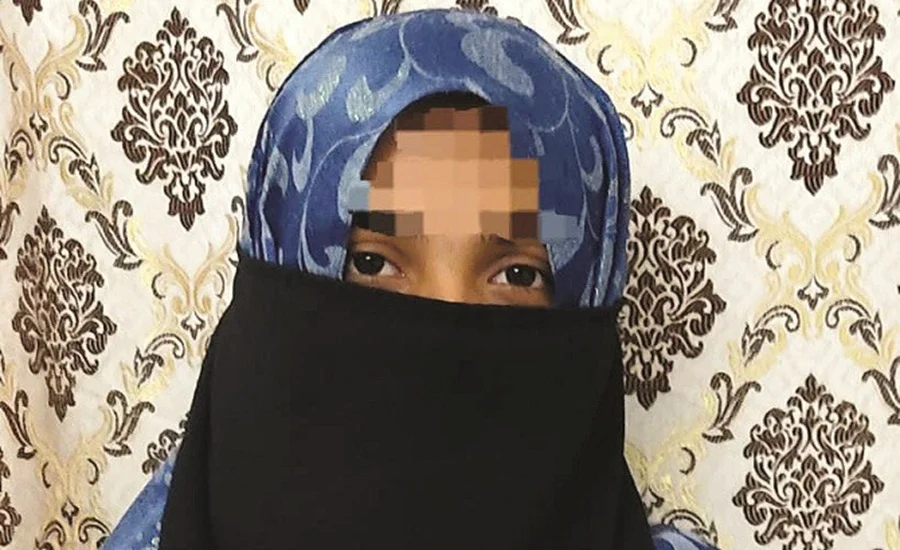
A young Muslim girl from a low-income family in Nashi has brought pride to her community by topping her university exams. Ansari Iqra Marzban, daughter of a taxi driver, secured the highest marks in the audiology and speech therapy course at the Maharashtra University of Health Sciences (MUHS). She was awarded the gold medal for her outstanding performance.

“I had never imagined I would be the university topper. It’s only because of my parents’ duas (prayers) and the help I received that I reached here,” Iqra told Clarion India over the phone.

Iqra comes from a simple home where her father, Marzban Ansari, drives a taxi to support the family. Despite financial struggles, Iqra worked hard and refused to give up on her dream of becoming a medical professional.

She completed her SSC from Anjuman Islam Begum Sharifa Kalsekar Girls English High School and her HSC from Peace Science College in Dadar. Though she failed to clear the NET entrance exam on her first try, she did not lose hope. On her second attempt, she scored 486 marks and gained admission to Topiwala National Medical College (Nair Hospital) in Mumbai.

Her father was overcome with emotion when he learned of her success.

“I had tears in my eyes when I heard she topped the university. We couldn’t afford the course, but Iqra insisted on continuing her education. She’s our pride,” he said.

Iqra’s achievement also shows the silent but strong role of Muslim organisations that help students in need. After getting admission, Iqra faced a major problem — a lack of funds for her studies. That is when MESCO Educational Trust came forward and paid for all her education expenses.

“I had lost hope, but when MESCO came forward, it felt like Allah had opened a door for me,” Iqra said with emotion.

A MESCO official said, “Iqra is one of hundreds of students we help every year. Her achievement proves that with a little help, our children can do wonders.”

Iqra scored 950 out of 1,200 marks in her first and second semester exams — the highest in the state. She received the gold medal and praise from her teachers and classmates alike.

Dr Shaikh Aamir, a faculty member at Nair Hospital, said, “Iqra is a dedicated and humble student. Despite all odds, she kept performing well in class and in exams. We’re proud to have her.”

Iqra’s story is important at a time when Muslims often face discrimination or are shown negatively. Her success proves that Muslim girls can do well when they get the right support.

Iqra had a message for other girls facing struggles: “Don’t give up. Work hard, pray regularly, and look for help from the right places. Allah will make a way.”

She also said more awareness is needed about support systems in the Muslim community. “Many people don’t even know that groups like MESCO are ready to help. Our people should come forward and ask for help when needed,” she added.

Prof Azra Fatima, a social activist and educationist, praised Iqra’s success. “Iqra’s victory is a strong reply to those who say Muslim girls are not interested in education. It’s not interest that’s lacking, it’s opportunity.”

Now, Iqra plans to continue studying and work in speech therapy to help children with speech problems. But for many, her biggest achievement is the inspiration she gives to other Muslim girls.

“We didn’t have money, but we had faith. And today that faith has brought us respect,” said her father.

Iqra’s gold medal is more than a personal victory. It is proof of what Muslim youth can achieve with faith, family support, and community help.

source: http://www.clarionindia.net / Clarion India / Home> Editor’s Pick> India> Indian Muslims / by Mohammad Bin Ismail / June 19th, 2025

From Orphanage to IAS: Abdul Nasser of Kerala Overcomes Poverty, Hardship

Thalassery (Kannur District), KERALA :

Abdul Nasser’s childhood in orphanages and years of working multiple jobs show his courage and determination. His phenomenal rise proves that dedication can defeat all obstacles

New Delhi :

Abdul Nasser’s life began in the modest town of Thalassery in Kerala’s Kannur district. His early years were shadowed by tragedy when his father passed away when Nasser was only five years old. This loss pushed the family into severe financial difficulties. His mother, striving to make ends meet, took on various jobs to feed her children, but the hardship was such that Nasser and his siblings had to spend a large part of their childhood in orphanages.

Nasser spent about 13 years in various orphanages across Kerala. Despite the challenges of living without parental support and the difficulties of orphanage life, he never lost his desire to learn. At times, he ran away from these institutions, but the pull of education and a better future brought him back each time.

Speaking about his early struggles, Nasser once said, “I never allowed my circumstances to define me. Each time I faced hardship, I reminded myself that education was my way out.”

While still a child, Abdul Nasser took on multiple jobs to support his education and ease his family’s burden. When he was just ten, he began working as a cleaner in a local hotel. His hard work earned him additional responsibilities, and soon he was also helping as a supplier at the same hotel. To raise more funds for his studies, he also distributed newspapers, took up tuitions, and worked as a phone operator.

This early experience of juggling work and education shaped Nasser’s character and showed his commitment to personal growth. “Every job I did was a step towards my dream. I never allowed fatigue or failure to stop me,” he explained in a recent interview.

Despite these difficulties, Nasser’s dedication to education remained strong. He completed his graduation at a government college in Thalassery, a significant achievement for someone from his background. Determined to further his knowledge, he earned a postgraduate degree in 1994.

Education was not just a personal achievement for him but also a beacon of hope for those in similar difficult situations. His academic success inspired many young people in Kerala facing financial or family hardships.

After completing his postgraduate degree, Nasser entered the Kerala Health Department as a government employee. His sincerity, hard work, and dedication quickly became apparent to his superiors. He earned respect and opportunities through his honest approach to public service.

In 2006, Nasser took the Kerala State Civil Services Examination. His success led to his appointment as Deputy Collector, an important administrative post. His work was marked by sensitivity and a focus on social welfare, which earned him special recognition. In 2015, he was named the best Deputy Collector in Kerala, a clear sign of his dedication and impact.

Traditionally, entry into the Indian Administrative Service (IAS) requires passing the Union Public Service Commission (UPSC) examination, considered one of the most difficult exams in India. However, Abdul Nasser’s journey took a different path.

Because of his consistent performance, leadership skills, and administrative ability, the Kerala government promoted him to the IAS cadre in 2017 without requiring the UPSC exam. This rare achievement highlights the respect he had earned within the government.

“This promotion showed me that honest work and dedication can break barriers. It was a moment of great pride not just for me but for all those who struggle silently,” Nasser said.

After becoming an IAS officer, Abdul Nasser was appointed to key roles, including Kollam District Collector and Housing Commissioner in the Kerala Government. In these positions, he continued to serve the public with the same passion and commitment that had defined his career.

Nasser’s life story is more than just personal success. It sends a powerful message to all young people facing difficulties: with determination and hard work, one can rise above any circumstance.

People who know Abdul Nasser well speak highly of his journey and character. A fellow officer commented, “Nasser’s rise is an example of true grit and dedication. His background shows how difficult it is to succeed, yet he has done it with humility and hard work.”

A local social worker added, “His life encourages so many children who have lost their families or face poverty. He proves that where there is will, there is a way.”

Abdul Nasser’s story stands out because it breaks common stereotypes about who can succeed in the Indian civil service. Coming from a background without financial support or family guidance, many would have given up. Instead, Nasser found ways to keep moving forward.

In a society where many young people struggle to access education and opportunities, Nasser’s life offers hope and inspiration.

“I want every child growing up in hardship to know that their past does not determine their future. Keep working, keep believing,” he said.

source: http://www.clarionindia.net / Clarion India / Home> Editor’s Pick> India> Indian Muslims / by Team Clarion / June 20th, 2025

With a 99.97 Percentile, Musa Kaleem of Assam Makes History in NEET UG 2025

South Village (Guwahati), ASSAM :

The historic achievement brings pride to his family, the state, and the nation; it proves that dedication, family support, and strong values can lead to exceptional results.

New Delhi / Guwahati :

In a proud moment for Assam and the entire Muslim community, a young boy from the South Village in Guwahati has written his name in the history books. Musa Kaleem, 18, has emerged as the state topper in the National Eligibility cum Entrance Test (NEET-UG) 2025, leaving behind over 42,000 aspirants from Assam. With the 99.97th percentile, Musa’s achievement is not just academic excellence — it is a powerful reminder of the potential of the Muslim youth.

Out of 20.08 lakh students who appeared for the NEET UG exam nationwide, 12.36 lakh students cleared the cut. Among them, Musa stood out in Assam, becoming the number one in the state. Nationally, the top rank went to Mahesh Keshwani of Hanumangarh, Rajasthan. While Mahesh made the nation proud, Musa brought immense joy and hope to Assam by becoming the highest scorer in the state.

Musa’s story begins in Sri Bhumi, Assam, where he was born. His family later moved to South Village in Guwahati. His father, Anwar Hussain, once worked as an engineer in Sri Bhumi. Now, he runs a small cosmetic shop in Guwahati. His mother, Rehana Begum, is a homemaker. Coming from a modest background, Musa’s success becomes even more meaningful.

Speaking to Salam TV, Musa said, “I am very happy. I give all the credit to my parents. Their support never stopped. They stood by me in every moment.”

Musa prepared for the exam at Allen Coaching Institute in Guwahati. Known for his quiet focus and regular study schedule, his teachers describe him as a student who never wasted time. He avoided distractions and remained deeply committed to his goal of becoming a doctor.

At a time when many from the Muslim community face social bias and economic challenges, Musa’s result shines like a ray of hope. His determination sends a clear message: success is possible through effort and discipline, even without wealth or privilege.

Speaking to reporters, Musa said, “My dream is to serve the country. I don’t just want to become a doctor. I want to become someone who helps the poor and stands with those who have no support.”

His words reflect the values many Indian Muslims hold dear—serving humanity, staying humble, and always standing for justice.

Musa’s father, Anwar Hussain, expressed deep happiness over his son’s success. With teary eyes and a proud smile, he said, “I never asked him to run after money. I always told him to become a good human being first. Only then will you become a good doctor.”

His advice is touching. In a world where success is often measured in numbers and bank balances, Anwar Hussain’s simple yet strong message brings back the true meaning of education—character and compassion.

News of Musa’s achievement quickly spread across Assam, especially among the Muslim community. Social media platforms and local mosques were abuzz with congratulations and prayers. From imams to teachers, everyone expressed pride.

Maulana Naseeruddin, an Islamic scholar from Guwahati, said, “This boy has shown what true Islam teaches us—to seek knowledge and to serve mankind. May Allah bless him and make him a source of pride for the community.”

In a time when Muslims are often portrayed unfairly in the media, stories like Musa’s are a reminder of the silent majority who quietly focus on education, ethics, and contribution to the nation.

Local leaders and education officials have praised Musa for his outstanding performance. Assam’s education minister, during a press conference, said, “We congratulate Musa Kaleem. This is a big moment for Assam. He is an inspiration for students across communities and regions.”

Although no government reward has been announced yet, many believe that a talent like Musa deserves both recognition and support for future studies.

For decades, Muslims in India have faced multiple challenges in the field of education—poor access to quality schools, financial constraints, and social discrimination. Yet, despite these odds, young Muslim boys and girls continue to prove their strength.

Educational researcher Dr Sameera Ahmad pointed out, “Musa’s result is part of a quiet revolution. More and more Muslim families are investing in their children’s education, even when they don’t have enough for themselves. This is courage, not just sacrifice.”

Musa Kaleem’s story stands as an answer to those who stereotype Indian Muslims as backward or uninterested in studies. It shows that when given a fair chance, they can lead in merit-based competitions like NEET UG.

Musa plans to join a top medical college to continue his studies. His dream is to work in rural and poor areas where healthcare is still far from reach. He believes that doctors have a duty to serve beyond city hospitals and five-star clinics.

“I want to go where people have no help,” he said. “A real doctor should always be available for the needy.”

This thinking, especially from such a young man, shows maturity and compassion, traits India needs from its future doctors.

Musa Kaleem’s story is not just about topping an exam. It’s a story of dreams, belief, and values. It reminds the country that Indian Muslims are not behind. They are rising, despite hurdles, with dignity and dedication.

The achievement also calls upon society to treat Muslim students fairly, to support their education, and to highlight their success, not just their failures.

As Musa moves forward in his journey to become a doctor, he carries with him the hopes of many—of parents who never gave up, of teachers who believed, and of a community that wants nothing more than peace, respect, and a better future for its children.

“Success will come and go,” Musa said quietly. “But being a good human being is forever.”

source: http://www.clarionindia.net / Clarion India / Home> Indian Muslims / by Mohammad Bin Ismail / June 17th, 2025

Assam: 2 Hafiz-e-Quran from Assam on their way to become doctors

ASSAM :

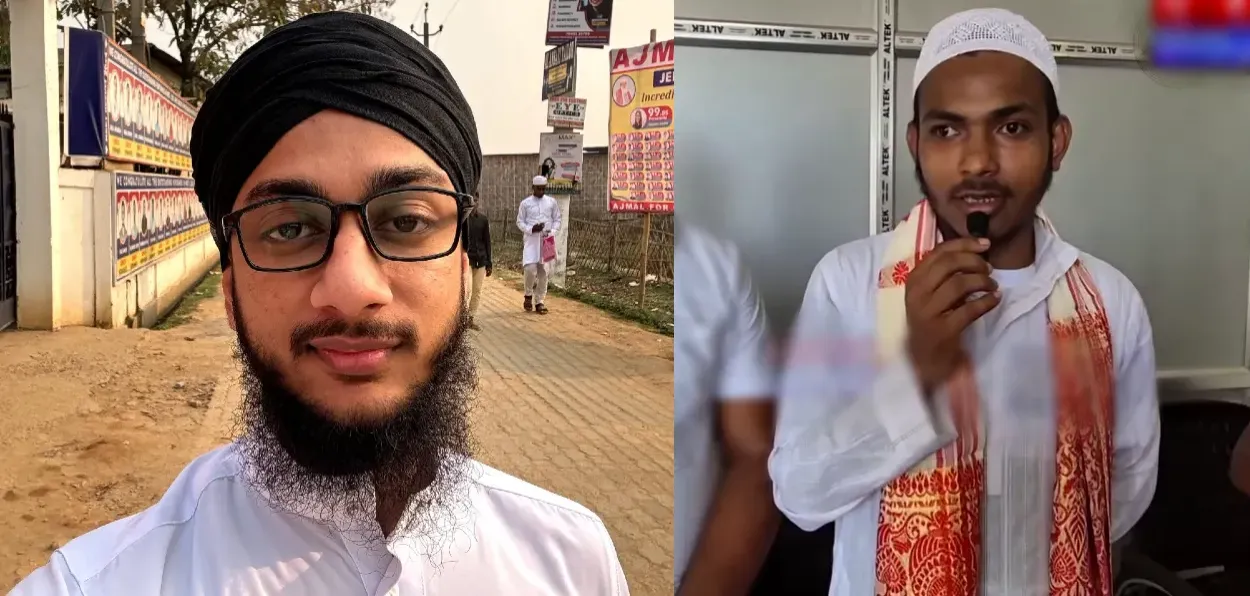
Hafiz Huzaifa Laskar (right) and Hafiz Momtazul Hassan Choudhury

Most people have a misconception that students of madrasa can only become Hafiz or Maulana. Breaking this myth two Hafiz-e-Quran (Degree in memorizing Quran) in Assam have cracked the National Eligibility cum Entrance Test 2025, (NEET) examinations, 2025, and are on their way to joining Medical college to fulfill their dream of becoming doctors.

Hafiz Momtazul Hassan Choudhury and Hafiz Huzaifa Laskar proved that one can become a doctor even after enrolling themselves in a Madrasa.

Thanking his parents and teachers, Momtazul Hassan Choudhury said: “If anyone works selflessly behind their children’s success, it is their parents. At first, when I was weak in studies and did not even know the basic formulae of Mathematics, my brothers Noor Ahmed and Anwar Hussain Laskar helped me.”

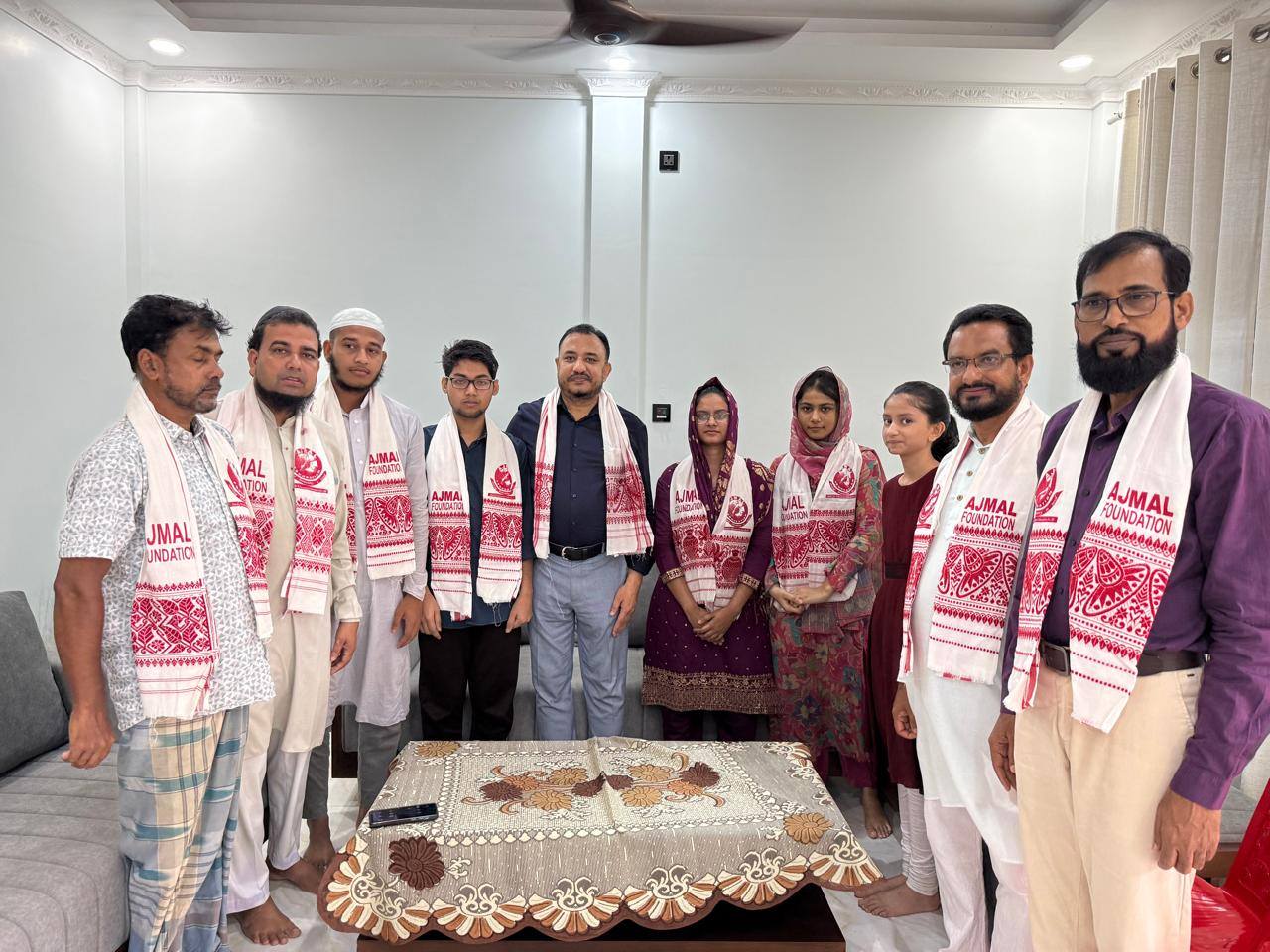
Hafiz Huzaifa with other successful candidates of Ajmal Super40’s andd their guardians and Ajmal Foundation officials

“I want to go further. I want to crack higher examinations. Please pray for me. And I will work tirelessly to be successful,” he added.

Momtazul Hassan Choudhury took the NEET examination after attending coaching classes at the Anfar Super 50 at Hojai in central Assam. This is the second year of the center preparing students for the NEET examination.

This year, Momtazul Hassan Choudhury and seven other students from the centre have cleared the NEET examinations.

Maulana Mustaq Anfar, founder of the coaching center had waived off the fee for Hafiz Momtazul Hassan Choudhury.

On the other hand, Hafiz Huzaifa Laskar of Ganirgram Shantipur in Katigora area of the Cachar district wrote the NEET examinations after preparing at the Ajmal Super 40, another Hojai-based coaching institute. Huzaifa Laskar, son of Abdullah Laskar and Fatima Bilkis Laskar, cleared the NEET with distinction with 547 marks. Huzaifa’s brother Muyaz Laskar recently cracked the JEE examination and is studying at NIT Silchar.

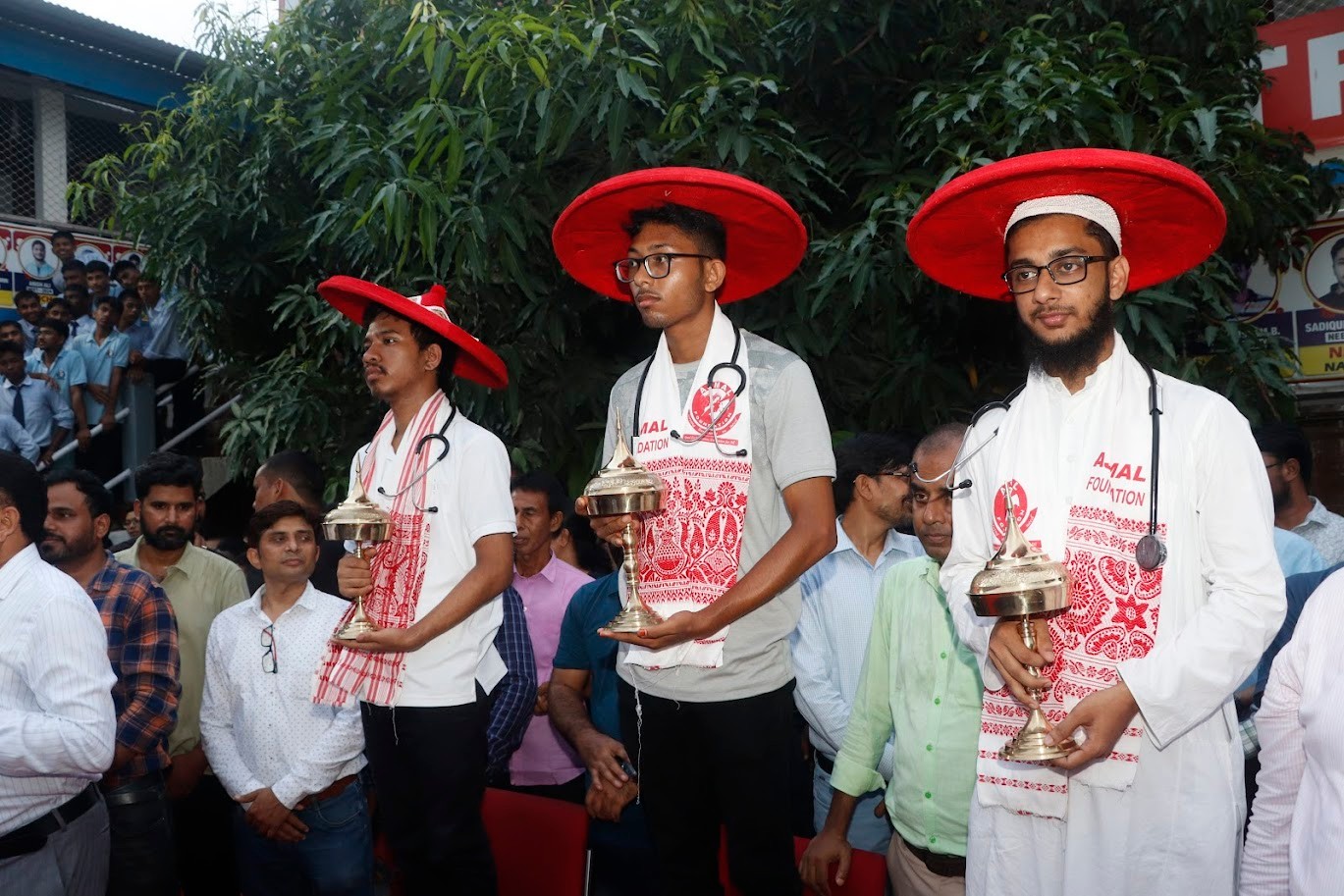
Hafiz Huzaifa Laskar being felicitated along with other successful NEET at Ajmal Super40 in Hojai

Talking to Awaz –The Voice, Islamic scholar Maulana Nurul Amin Qasimi said: “One can pursue general education along with madrassa education. People may not have understood this. Those who want to study for Hafiz, they enroll themselves in madrassas after studying general school till class five or six. A good student completes the Hafiz course in three years. He also pursues general education alongside the standard of Class IX. Once they clear Hafiz, they are promoted to Class IX where they are registered for the High School Leaving Certificate examinations and they concentrate on the rest of their general education from there.”

“There are many examples of students educated in madrasas who have secured good jobs or got good positions in society. So, nowadays people are understanding it and preparing accordingly to become doctors, engineers, professors, etc after completing Hafiz or Maulana courses in madrassas,” Qasimi added.

A total of 22,76,069 students from across India applied for the NEET UG examination this year out of which 22,09,318 took the examinations. 12,36,531 students emerged successful in the examination.

Mohammad Musa Kalim of Assam secured the All India 509th rank in the NEET 2025 examination. Musa Kalim has topped the list of students in Assam. Musa Kalim secured the 99.97 percentile.

From Assam, 41,848 candidates wrote the examination in 2025 and 19,809 cleared it.

source: http://www.awazthevoice.in / Awaz, The Voice / Home> Story / by Ariful Islam, Guwahati / June 20th, 2025