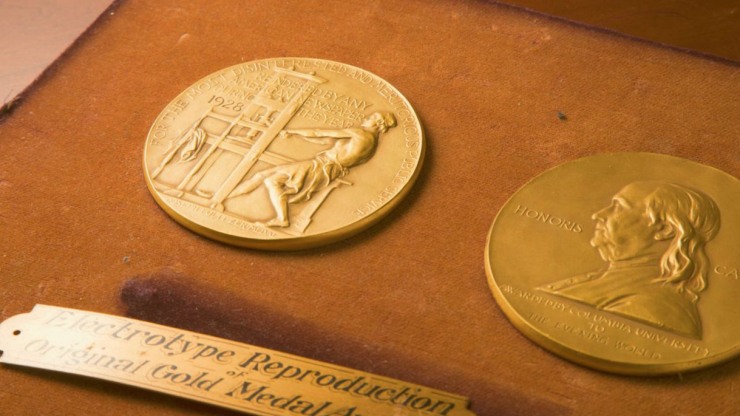
Obverse and reverse sides of the gold Pulitzer Prize for Public Service medal, which also serves as a symbol of the Pulitzer Prizes in general
A Kashmiri photojournalist Rafiq Maqbool was named finalist for the Pulitzer Prize along with Eranga Jayawardena of Sri Lanka for breaking news photography for images capturing anger over economic collapse in Sri Lanka.
“Rafiq Maqbool and Eranga Jayawardena of Associated Press. For a compelling visual narrative documenting public fury over Sri Lanka’s economic collapse, including clashes between protesters and police, the takeover of government buildings and jubilation as protesters occupied the plush presidential mansion,” Pulitzer Prize mentioned.
The winners of the 2023 Pulitzer Prizes were announced from Columbia University on Monday afternoon.
The Pulitzers are regarded as the highest honor that a US based journalist or organisation can receive.
“At a time when the media business is abuzz with excitement and anxiety about powerful new tech tools, there is nothing — nothing — artificial about the courageous reporting and storytelling the Pulitzer Prizes honors today. Journalism is a differentiator, not a commodity,” said Poynter President Neil Brown, the co-chair of the Pulitzer Prize Board.
source: http://www.freepresskashmir.news / Free Press Kashmir / Home> Achievers / by News Desk / May 09th, 2023
Zaggigam Village (Pulwama District), JAMMU & KASHMIR :
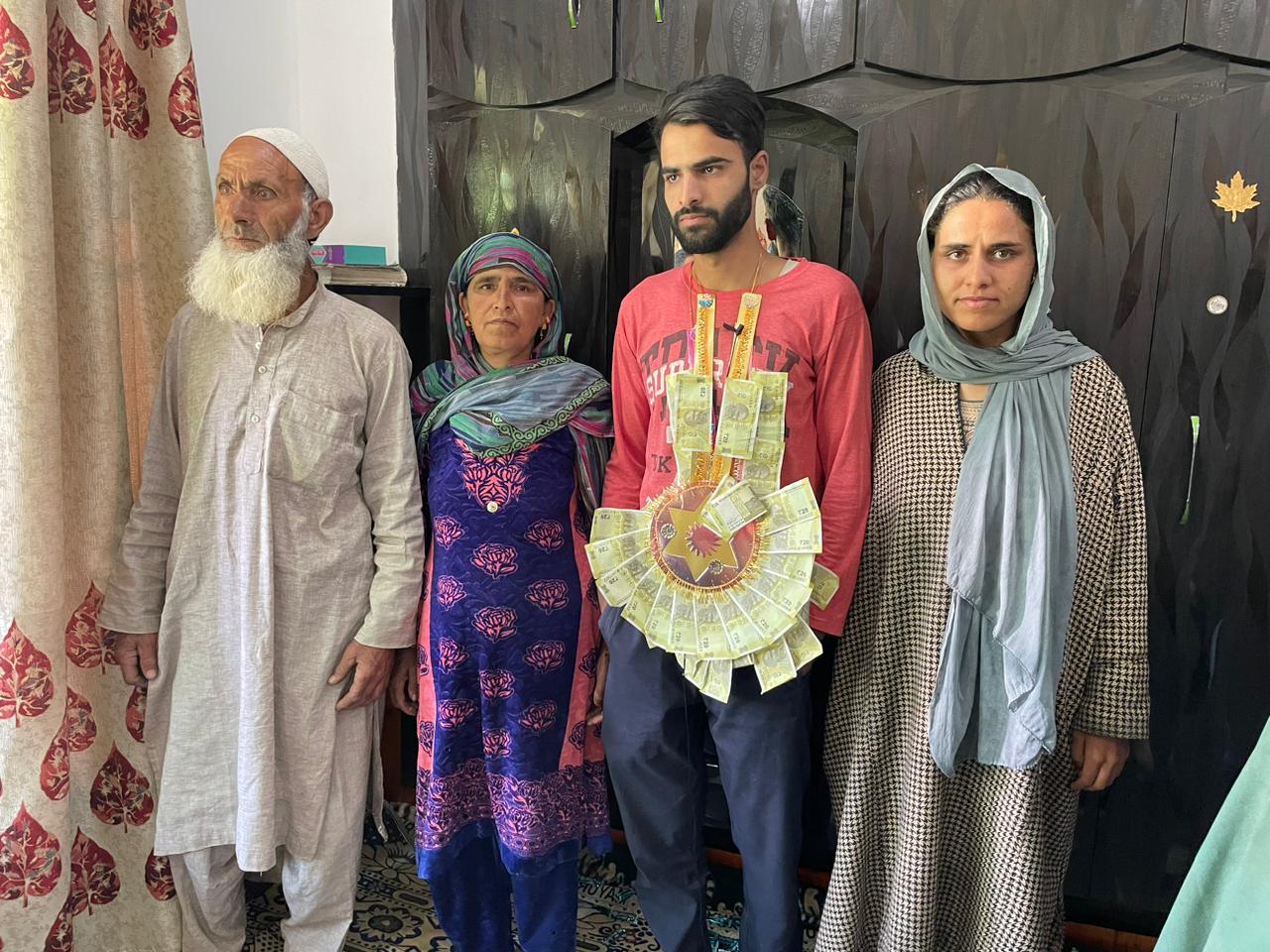
Umar Ahmad Ganie of Zaggigam village of Pulwama district, he cleared the NEET 2023 with 601 marks. (Photo: Qayoom Khan)
Pulwama:
As the National Testing Agency (NTA) announced results of the National Eligibility cum Entrance Test-Undergraduate or NEET UG 2023, on June 13, one among the successful candidates was Umar Ahmad Ganie of Zaggigam village of Pulwama district.
Currently, Umar is away from home and working as a painter to support his family. He secured 601 marks in the test signifying a remarkable achievement and a testament of self-study, hard work, dedication, and perseverance.
What makes his achievement unique is that he has never enrolled in any coaching institute be it a class 11th, 12th or for the NEET.
Umar’s family was informed by locals that their kin has cleared the NEET, which is a single entrance test for admissions to MBBS and BDS colleges across India. After appearing for the NEET exam, Umar joined a local painter who helped him to give work as he wanted to support his family.
“He is currently outside the village working as painter to help his poor family,” said one of his neighbours, Gulzar Ahmed Naikoo.
Umar had even decided to leave studies as he wasn’t in a condition to afford the registration and other fees for college after the 12th class.
His exceptional performance in the exam is a reflection of his knowledge, skills, and commitment to his studies. He has shown a great determination and focus, and his success is well-deserved, Naikoo said.
Another candidate Abdul Basit from Chewa-Kalam village has bagged first position from Jammu and Kashmir. At All India Ranking (AIR), Basit has secured 113th rank.
Twin sisters from Damhal Hanjipora in Kulgam district have also qualified the entrance in their first attempt.
Syed Bismah and Syed Sabiya from Watoo village have secured 625 and 570 marks, respectively.
Pertinently, in 2022, the pass percentage of UG NEET qualifiers had increased by nearly 10 percent in Jammu and Kashmir corresponding to the previous year
In NEET-2021, only 42.59 percent students from JK had qualified the exams. But this year, more than 52 percent of students have qualified for the exams.
The official figures revealed by the National Testing Agency showed that in 2022, a total of 38,140 students had registered from JK and of them 36,374 appeared and 20,005 qualified it.
Likewise, in 2021, a total of 34, 615 candidates had registered from JK out of which 31,479 appeared and 14,743 qualified.
Bora Varun Chakravarti of Andhra Pradesh and Prabanjan J of Tamil Nadu energed as toppers of NEET Exams 2023.
source: http://www.freepresskashmir.news / Free Press Kashmir / Home> Achievers / by Qayoom Khan / June 14th, 2023
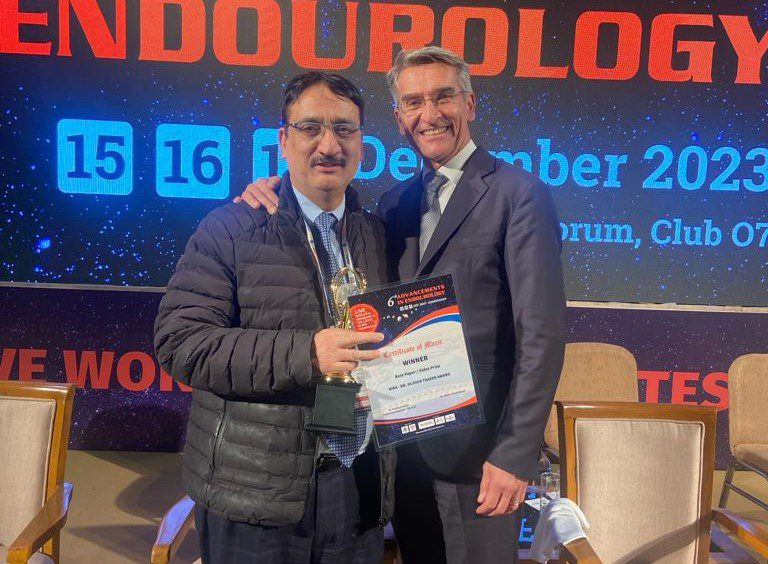
Professor Syed Sajjad Nazir, the Head of the Department of Urology and Renal Transplantation at SS Hospital GMC Srinagar, Jammu and Kashmir has been honoured with the Oliver Trexar Award.
The recognition was bestowed upon him for his video presentation on the use of laser techniques in treating impacted large upper ureteric calculi.
This work was showcased at the 6th Advancements in Endourology in Ahmedabad from December 15-17, 2023, attended by a distinguished international faculty.
The video presentation demonstrated a novel methodology, earning praise from peers and experts in the field.
The award was presented during an international conference inaugurated by Home Minister of India Amit Shah and Chief Minister of Gujarat Bhupinder Bhai Patel.
In response to receiving the award, Professor (Dr) Syed Sajjad Nazir expressed his deep honour and commitment to advancing urological care.
The Department of Urology, under his leadership, has been at the forefront of minimally invasive techniques for renal stones, particularly with the introduction of RIRS since 2018.
Congratulating the department, Principal/Dean GMC Srinagar Dr Masood Tanvir commended the team’s efforts in improving patient care and outcomes.
Dr Tanveer Iqbal, Associate Professor of Urology, emphasised that the recognition not only applauds the urology team’s dedication but also underscores the importance of laser techniques in treating upper ureteric calculi.
source: http://www.freepresskashmir.news / Free Press Kashmir / Home> Achievers / by News Desk / December 21st, 2023
In a riveting revelation, Dr. Sahar Qazi, a Bioinformatician—born in Kashmir and raised in Delhi—unveils a groundbreaking vision for transforming healthcare in the region. Witnessing the exodus of Bioinformatics enthusiasts from the valley due to limited opportunities, Dr. Qazi advocates for the establishment of Bioinformatics as a standalone department in Kashmir universities. The urgency becomes apparent as she addresses the prevailing healthcare challenges, with breast cancer topping the list among women, necessitating transformative contributions through Bioinformatics integration.
Dr. Qazi details how Bioinformatics holds the key to revolutionizing healthcare in Kashmir. From Cancer Genomic Medicine for personalized treatment plans to AI-driven early detection systems, her work is poised to shape a healthier future for the people of Kashmir. Her exclusive interview with Free Press Kashmir unveils the myriad avenues where Bioinformatics is making unprecedented strides, from unravelling the mysteries of microbial communities to identifying various SARS-CoV-2 strains during the COVID-19 pandemic.
Dr. Qazi’s accolades, notably the DST-AWSAR Award, highlights her commitment to bridging the gap between complex research and public understanding. As a Scientist-B (Bioinformatics) at AIIMS, her role in dissecting genomic data and predicting genetic variations stands as a testament to the transformative power of Bioinformatics in elevating the precision and overall quality of healthcare delivery.
Let’s start with your journey into Bioinformatics. Can you share with our readers what inspired you to pursue this field, and how has it shaped your career?
My introduction to Bioinformatics in my 12th grade back in 2012 marked the beginning of a transformative journey. Bioinformatics, a field encompassing physics, chemistry, biology, statistics, computer science, and mathematics, intrigued me with its flexibility – the ability to work from anywhere, breaking free from the conventional 9 to 6 lab setting.
Post-school, my exploration continued through graduation at the University of Delhi, where I delved into the practical aspects of Bioinformatics, not just its theory. The seamless fusion of my computer science and biology background made this multidisciplinary field easily comprehensible. Pursuing both master’s and doctoral degrees in Bioinformatics, I harnessed computational tools to unravel the intricate complexities of biological data.
In essence, Bioinformatics has given me the insight to navigate the vast biological data landscape. Like a skilled goldsmith refining raw gold into a radiant masterpiece, I, as a bioinformatician, decipher unstructured biological data to understand nature. This dynamic journey has not only broadened my understanding of life sciences but also fuelled my passion for research, contributing to the advancement of knowledge in genomics, proteomics, and beyond. I can say, Bioinformatics has been the guiding force sculpting my career, fostering a profound appreciation for the symbiotic relationship between biology and computational sciences.
For our readers unfamiliar with Bioinformatics, could you provide a simplified explanation of what you do and why it’s crucial in today’s scientific landscape?
In the realm of Bioinformatics, envision it as an amoeba, diverse yet unified in its significance. My role centers on applying computational techniques to dissect extensive biological datasets. Proficient in data analysis, programming, and statistical modelling, I decode complex patterns within genomics, epigenomics, transcriptomics, and proteomics. Using algorithms, I unveil genetic variations and delve into molecular interactions.
The importance of Bioinformatics today is paramount. With the surge in biological data from technologies like high-throughput sequencing, Bioinformatics becomes the linchpin for managing, analysing, and interpreting this wealth of information. It catalyses scientific discovery, aiding in disease understanding, drug development, and personalized medicine. Essential in genomics, epidemiology, and systems biology, Bioinformatics propels advancements in healthcare, agriculture, and environmental science. As our comprehension of biological systems grows, Bioinformatics becomes pivotal in navigating big data for innovative solutions to intricate biological challenges, ultimately benefiting society at large.
With a significant number of publications and book chapters, could you highlight one of your most impactful research findings or contributions to the field of Bioinformatics?
In the expansive landscape of Indian healthcare, marked by its burgeoning population, my focus lies in the critical realm of cancer research, particularly gynaecological malignancies. Breast, ovarian, and cervical cancers loom large in Indian women’s health, presenting a complex interplay of genetic, environmental, socio-economic, and cultural factors. Notably, these cancers often evade early detection, limiting treatment options and compromising survival rates.
My contribution to this field involves crafting novel algorithms for personalized medicine in cancers, a pioneering approach that tailors medical treatments based on an individual’s genetic makeup. As a Scientist-B (Bioinformatics) at AIIMS, New Delhi, my role revolves around dissecting genomic data from ovarian and breast cancer patients. By identifying specific genetic markers associated with gynaecological diseases, my work delves into predicting genetic variations, gene-disease associations, drug responses, and the survival of patients pre/post-chemotherapies. This integration of advanced computational methods has remarkably hastened the translation of genomic data into actionable insights, revolutionizing the practice of medicine. This research stands as a testament to the transformative power of Bioinformatics in elevating the precision, effectiveness, and overall quality of healthcare delivery, aligning with the evolving landscape of personalized healthcare.
Your accolades include three national awards, with the most recent being the DST-AWSAR Award in 2022. How have these recognitions influenced your research and career trajectory?
The DST-AWSAR Award, a recognition bestowed by the Department of Science and Technology (DST), Government of India, has significantly shaped my research journey. This accolade, centered on enhancing writing skills for articulating research, provided a unique platform to communicate complex scientific concepts to a broader audience. In my award-winning entry in the Ph.D. category, I creatively narrated the story of ovarian cancer formation and metastasis, drawing inspiration from literary works like George Orwell’s “Animal Farm,” Hussain Zaidi’s “Dongri to Dubai,” and the South Indian blockbuster “Pushpa: The Rise.”
The challenge was to distil intricate scientific findings without resorting to jargon. I metaphorically portrayed unhappy ovarian cells as hooligans, orchestrating chaos in the fictional city of The Ovary and spreading their mischief to neighbouring cities like “The Los Liver,” “The United Lung Emirates,” “The Spleen,” and “The Brain.” The recognition from the Ministry of Science & Technology, India, not only added a fun dimension to my research but also emphasized the importance of effectively communicating science. This award has reinforced my commitment to making science accessible and engaging, bridging the gap between complex research and public understanding.
Tell us about your current research and your role at AIIMS. What are some current projects or areas of focus for you and your team?
At AIIMS, New Delhi, our focus revolves around pioneering an AI-based early detection system for ovarian and breast cancers, coupled with the identification of specific clinical biomarkers. The developed AI system is currently undergoing enhancements through the integration of pan-omics data, elevating its predictive accuracy. In a significant stride, we’ve implemented this model at the Department of Gynae & Obstetrics and the Department of Dentistry, AIIMS, for immediate clinical support.
Simultaneously, our team is delving into the intriguing realm of the cancer-testis antigen (CTA) gene family, specifically exploring the POTE (Prostate placenta, ovary, testis, embryo expression) gene family. This gene family has emerged as a pivotal factor in various human cancers, including prostate cancer, ovarian adenocarcinomas, cervical cancers, colon cancer, and non-small cell lung cancer (NSCLC). Our research aims to unravel the intricacies of POTE’s involvement in cancer development, paving the way for targeted interventions and advancements in cancer diagnostics and treatment.
Considering the healthcare landscape in Kashmir, how can Bioinformatics contribute to developing more targeted and effective healthcare strategies for the people in the region?
Born in Kashmir and raised in Delhi, I’m deeply aware of the challenges faced by aspiring Bioinformaticians in the region, witnessing many students leaving the valley to pursue this field. With only a handful of institutions offering professional degrees in North India, there’s a compelling case for establishing Bioinformatics as a standalone department in Kashmiri universities. Turning to the healthcare landscape in Kashmir, where breast cancer ranks as the most prevalent among women, alongside lung, colorectal, and esophageal cancers, the integration of Bioinformatics promises transformative contributions.
Bioinformatics can pioneer targeted and effective healthcare strategies in Kashmir through several avenues. From enabling Cancer Genomic Medicine for personalized treatment plans, tracking diseases through robust epidemiological analysis, and enhancing early detection with Bioinformatics-based algorithms, to accelerating drug discovery for region-specific health challenges—each facet bears the potential to revolutionize healthcare delivery. Moreover, integrating diverse healthcare data sources and leveraging health informatics can provide a comprehensive view of the population’s health, leading to improved patient care. The collaborative efforts of healthcare professionals, researchers, and Bioinformaticians are crucial for the successful implementation of these strategies, ultimately shaping a healthier future for the people of Kashmir.
Given your background in Computer-Aided Drug Design, how do you foresee the future of drug discovery and development, particularly with advancements in computational methods?
The future of drug discovery and development is poised for transformation, driven by leaps in computational methods. The rise of artificial intelligence, machine learning, and big data analytics is making pharmaceutical research more predictive and data-centric. Computational approaches, fuelled by vast datasets, are revolutionizing the identification and optimization of drug candidates, potentially shortening development timelines. Precision medicine, shaped by individual patient data analysis, is steering towards personalized therapies for enhanced efficacy and minimized side effects. The integration of structural biology and molecular dynamics simulations provides unprecedented insights into molecular interactions, guiding rational drug design. As this computational revolution unfolds, ethical considerations and regulatory frameworks will be pivotal in ensuring responsible and secure technology application. The future promises a convergence of computational prowess and biological understanding, ushering in an era of targeted, effective, and personalized therapeutics. This interdisciplinary landscape, blending computational methods, data science, and traditional approaches, is set to accelerate innovation, delivering more effective and targeted therapies across various diseases.
The field of Bioinformatics has witnessed some remarkable strides. Can you shed light on some of the game-changing advancements that are reshaping research and healthcare, and how these innovations are making an impact?
In the dynamic field of Bioinformatics, remarkable strides are reshaping research and healthcare. The cost-effective next-generation sequencing is unlocking the era of personalized medicine, tailoring treatments based on individual genetic profiles. Structural Bioinformatics, employing techniques like cryo-electron microscopy, is revolutionizing drug design by offering precise visualizations of molecular structures. Metagenomics and microbiome research, powered by bioinformatics tools, are unravelling the mysteries of microbial communities, influencing our understanding of human health. During the COVID-19 pandemic, Bioinformatics played a pivotal role in identifying different SARS-CoV-2 strains, showcasing its critical importance in infectious disease surveillance. Single-cell omics and artificial intelligence integration are providing unprecedented insights into cellular behaviour, expediting data analysis, biomarker discovery, and the identification of therapeutic targets. These advancements represent a paradigm shift, presenting unparalleled opportunities to enhance patient outcomes, elevate diagnostics, and propel biomedical research into uncharted territories.
How do you envision the future of Bioinformatics, and what career opportunities do you see emerging in this field?
Bioinformatics, far from being a recent venture, traces its roots back to the 1950s, pioneered by Margaret Oakley Dayhoff, aptly known as “The Mother & Father of Bioinformatics.” Despite the coining of the term in the 1970s, Bioinformatics has been an integral part of the developmental eras of computation and sciences. Today, the landscape has evolved into translational bioinformatics, pushing beyond conventional boundaries. The future promises a dynamic expansion of translational bioinformatics, driven by technological innovation and enhanced integration with other scientific disciplines. As biological data continues to burgeon in volume and complexity, bioinformatics stands as the linchpin for extracting meaningful insights, propelling advancements in personalized medicine, drug discovery, and agriculture.
The convergence of bioinformatics with artificial intelligence, machine learning, and quantum computing is poised to usher in a new era of data analysis and interpretation. Anticipating this trajectory, career opportunities in bioinformatics are set to surge across sectors like healthcare, pharmaceuticals, biotechnology, and agri-genomics. Professionals equipped with expertise in data science, computational biology, and bioinformatics will be in high demand, occupying roles such as bioinformatics scientists, data analysts, computational biologists, and bioinformatics engineers. The interdisciplinary nature of bioinformatics ensures diverse career paths, from academia to industry, fostering a vibrant landscape of innovation and discovery.
Moving beyond Bioinformatics, let’s talk about the broader digital transformations in society. How do you think these transformations are shaping our perspective and lifestyle, and what role does bioinformatics play in this digital era?
Advancements in Bioinformatics are at the forefront of transformative changes shaping our perspective and lifestyle in the digital era. Bioinformatics, unravelling the complexities of genomics and biological data, is not just a scientific tool but a catalyst for a deeper understanding of our biology. This knowledge influences lifestyle choices by promoting personalized approaches to health, empowering individuals to make informed decisions based on genetic predispositions. The integration of bioinformatics into healthcare marks a paradigm shift, enabling preventative measures and personalized treatments. Beyond health, bioinformatics fosters collaboration and accelerates discoveries, impacting various aspects of our lives. In this digital age, bioinformatics emerges not merely as a tool but as a transformative force, guiding our perception of health and steering us toward a future where precision and personalized approaches become the norm.
As we wrap up, what advice do you have for aspiring bioinformaticians and individuals interested in the intersection of biology and technology?
For those venturing into the realm of Bioinformatics and the captivating intersection of biology and technology, my advice is to build a robust foundation in both domains. Develop proficiency in programming languages, statistical methods, and data analysis tools while nurturing a profound understanding of biological principles. Embrace the interdisciplinary nature of bioinformatics by staying inquisitive, keeping pace with advancements in biology and technology. Gain hands-on experience through real-world projects, collaborations, and contributions to open-source initiatives. Networking is pivotal, so actively participate in conferences and connect with professionals. As the field evolves, maintain adaptability and be ready to apply your skills to diverse challenges in healthcare, genetics, and beyond. The amalgamation of biology and technology holds boundless potential, and your passion, skills, and commitment can leave an indelible mark on the forefront of scientific innovation. In essence, be as adaptable as an amoeba, navigating the dynamic landscape with a smile.
With Artificial Intelligence (AI) and Machine Learning (ML) techniques leaving their mark across diverse fields, it’s intriguing to explore their influence on Bioinformatics. Dr. Sahar Qazi, could you elaborate on how these technologies are impacting the landscape of bioinformatics, and what potential they hold for the future of research and applications in this field?
AI and machine learning are reshaping Bioinformatics, unlocking new possibilities in processing and interpreting vast biological datasets. In the realm of big medical data, characterized by its four Vs – volume, variety, velocity, and veracity, these technologies shine. Their prowess lies in identifying intricate patterns within genomics, proteomics, and other -omics data, propelling more efficient drug discovery, disease diagnosis, and personalized medicine. In drug discovery, machine learning expedites candidate identification by predicting potential drug-target interactions and assessing compound properties. Beyond this, they enable personalized medicine by integrating diverse patient data to tailor treatments based on individual genetic profiles. As AI advances, its potential in predicting protein structures, understanding complex biological networks, and deciphering the genetic basis of diseases expands. The future of bioinformatics hinges on the seamless integration of AI and machine learning, promising unparalleled opportunities to decode the complexities of biology and usher in transformative breakthroughs in research, diagnostics, and therapeutic interventions.
source: http://www.freepresskashmir.news / Free Press Kashmir / Home> Achievers / by Aashiq Hussain Andrabi / January 06th, 2024
Jailed Kashmiri journalist Irfan Mehraj, digital and TV journalist Akanksha Saxena, and Srinagar-based journalist Khalid Khan have been announced as the winners of the 2024 Human Rights and Religious Freedom Journalism Awards (HRRFJ).
The awards, organised by the Indian American Muslim Council, a Washington, D.C.-based advocacy group, were presented at a ceremony in Chicago, Illinois. This year, the competition received over 210 entries across four categories.
The prestigious award for ‘Best Video Story on Human Rights and Religious Freedom’ was jointly won, with the top honour going to the three journalists from Deutsche Welle for their impactful documentary, “On Drugs – Kashmir’s Heroin Epidemic.”
The piece stresses upon the growing heroin crisis in Kashmir and lives of people ravaged by addiction in the region.
Among the finalists, Tej Bahadur Singh from Newsreel Asia was recognised for his work titled “UNEQUAL LIVES | Everyday Struggles of Dalits in Gujarat,” which explores the persistent struggles faced by the Dalit community in Gujarat.
Danish Faooq Pandit from The Wire was also acknowledged for his compelling report “Haldwani Unrest: Violence, Arrests and Unanswered Questions,” which scrutinises the violence and ongoing tensions in Haldwani.
Saptarshi Basak from The Quint made it to the final list with his moving documentary, “One Year of Manipur Violence: Horrors of Relief Camps — From Imphal to Churachandpur,” depicting the grim realities of life in relief camps following the violence in Manipur.
According to a Human Rights Watch statement issued earlier, said, “While on a professional assignment on 20 March 2023, Mehraj was summoned for questioning and detained by the National Investigation Agency (NIA) of India in Srinagar under provisions of the Indian Penal Code and the Unlawful Activities (Prevention) Act.”
Irfan has been booked under the draconian UAPA. According to the NIA, Irfan was previously summoned to Delhi in a case related to “NGO terror funding”. The NIA in its press note claimed he was a “close associate” of the Kashmiri human rights defender Khurram Parvez.
In June 2023, United Nations experts expressed serious concerns regarding the charges against and arrest of Mehraj and Parvez, stating that their continued detention is ‘designed to delegitimize their human rights work and obstruct monitoring of the human rights situation in Indian-administered Jammu and Kashmir.’
On 7 March 2024, UN experts sounded the alarm on the “harassment and prolonged detention of human rights defenders and journalists” in the country.
source: http://www.freepresskashmir.news / Free Press Kashmir / Home> Achievers / by News Desk / August 26th, 2024
How a series of breakfast conversations grew into an exhibition and a book.
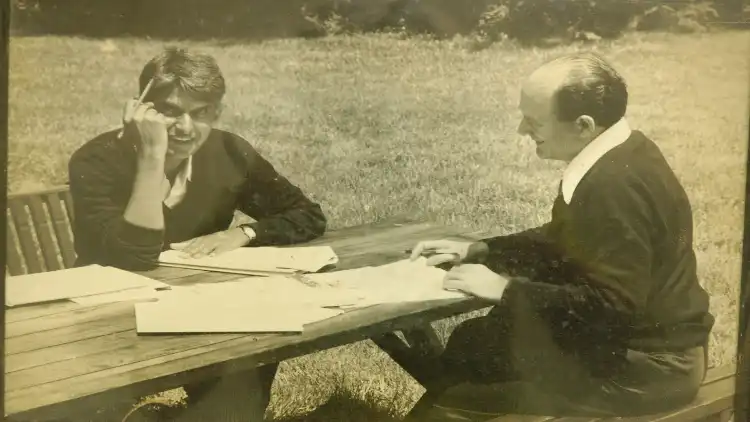
On some mornings, Diba Siddiqi would sit down at the breakfast table in her parents’ home in Bengaluru, and record her father’s voice.
He would hold forth on everything under the sun – science, history, justice, conflict, photography, politics, poetry, philosophy, the evolution of language and silence. The musings continued well after the meal was over and an Olympus digital voice recorder Diba Siddiqi had placed nearby would capture her father’s thoughts.
The sheer range of topics wasn’t surprising. Obaid Siddiqi was one of India’s most eminent scientists whose pioneering work in the field of molecular biology and neurogenetics are well known.
Siddiqi was keen to have an account of her father’s stories in his own voice so that she could revisit them later. She had tried taking notes, but found the process distracting. She started using the digital recorder so that she could give him his full attention.
But the recordings, which started in 2007, ended in 2013 when the senior Siddiqi was killed in an accident while taking a stroll near his home. He was 81.
Immersed in history
Months later, Diba Siddiqi finally revisited the “breakfast monologues” as she called them.
She immersed herself in the stories her father had shared of growing up in eastern Uttar Pradesh in pre-Partition India and the sadness at how the Siddiqis lost track of family members who moved to Pakistan.
It wasn’t long before Siddiqi began to dig through old family photographs, many of them developed in darkrooms by her father and his siblings.
It didn’t stop at that. Diba Siddiqi’s mother, Asiya, is a distinguished historian, who has spent a large part of her life studying Mumbai’s past. Siddiqi began to delve into her mother’s life too.
The result is Rooh: The Enduring Spirit, an exhibition of old family photographs interspersed with new images Diba Siddiqi has taken of places that played an important part in her parents’ lives. A book of the same name is set to be released shortly.
Dominating figure
It’s obvious that Obaid Siddiqi was an overarching presence for his daughter. “My father was this colossal figure in my life,” said Siddiqi. “No language is adequate to express his continuing presence in my life. I still find myself quietly and unconsciously carrying on conversations with him.”
Born in Basti, Uttar Pradesh, in 1932, Obaid Siddiqi completed an MSc from Aligarh University before obtaining a doctorate from the University of Glasgow in Scotland. His family lived in Benares in two spells between 1932 and 1948 before finally settling down in Aligarh.
Preventive detention
The includes an account of the two years Obaid Siddiqi spent in jail from 1949 under preventive measures at a time when 30,000 communists were detained across country. Recalling his period of detention in the company of 13 Communist leaders, he said:
“So you see jail authorities, they used the criminals, who were called pukkas, to beat us up. They were prisoners who had served ten years, fifteen years, had life imprisonment… They acted like small unofficial wardens to control other prisoners. They were dressed to look like police. They beat up our friend Syed Ali badly, giving him galis, saying, ‘Pakistan se saala Pakistani Communist banta hai!’
However, Obaid Siddiqi could also recognise the benevolent side of the police officer who had beaten up the comrades, realising that human nature can never be categorised as entirely good or bad.
His parents and six siblings managed to send him letters during his imprisonment. His sisters arranged to smuggle letters in and out of jail while delivering home-cooked food to him once a week.
In 2014, Siddiqi visited Benares, where her father spent some time as a child. Waking at the crack of dawn every day, she walked around the ancient city, photographing the people and its streets.
Mumbai chronicler
Siddiqi also took many pictures in Mumbai, a city whose past her mother has written about extensively. One of Asiya Siddiqi’s celebrated works recreates the lives of people who went bankrupt in the 19th century. Roaming the bylanes of Mohammad Ali road and Dongri, in Mumbai, Siddiqui imagined that the ghosts of these people “and their descendants surely dwell in the neighbourhood I roamed in… The descendants of tailors, carpenters, blacksmiths, milk vendors, courtesans, dancing girls and prostitutes may continue to live and work here.”
Though the project is intensely personal, she believes it has broad appeal. She said she hoped viewers would let her work touch their mind and spirit and perhaps remind them of their own histories. “It is an expression of life that I have been a part of,” she said. “It has been about finding a voice in the images and bringing it together in one space.”
Rooh: The Enduring Spirit can be viewed at Bangalore’s 1 Shanthi Road gallery until February 11.
source: http://www.scroll.in / Scroll.in / Home> Photo Feature / by Zinnia Ray Chaudhuri / February 09th, 2016
Obaid Siddiqi, one of the most outstanding scientists of modern India, died in a freak accident in Bangalore on July 26. While he was out on a walk on July 21, a moped being driven by a young person of the neighbourhood rammed into him, and caused severe brain damage from which he could not recover.
He leaves behind his wife, Asiya Siddiqi, who is herself a very distinguished historian, and four gifted children: Yumna, whose area is English literature, Kaleem, who is a scientist, Diba, a promising photographer, and Imran, also a scientist whose work on seed-cloning has the potential to revolutionize agriculture in developing countries and questions the rush to Bt for raising yields.
But I want to talk not about the family that Obaid and Asiya raised but about the family of siblings and their spouses that surrounded Obaid, the larger family, as it were, to which he belonged. It was such a remarkable family, it so captured within itself all that is salutary in the development of modern India, that its individual members are worth recalling.
There were two sons, including Obaid, and five daughters, born to his parents. The youngest daughter, Imrana, married to the well-known social activist, Anubrata (Dunu) Roy, was a paediatrician at the All India Institute of Medical Sciences who turned to academic work in the social sciences and became one of the founders of the Centre for Social Medicine and Community Health at the Jawaharlal Nehru University. This centre, of which Binayak Sen was once a faculty member, remains to this day an unparalleled institution in India.
She was for decades our neighbour on the JNU campus. She was not just a close friend but one who epitomized what friendship should be, and it is through her that I came to know the remarkable Siddiqi family. Being a doctor in residence, in the early years of JNU when the campus had meagre medical facilities, she was the informal physician for every household, cheerfully available day and night; and she saw my family, especially my two children, through numerous medical emergencies. Because of her unbounded generosity, we called her “the Florence Nightingale of the JNU campus”; but that was unfair to her, since she was also a highly skilled medical practitioner, unlike Florence, and combined her expertise with a radical social philosophy.
One of her older sisters, Maimoona, was married to Ali Ashraf, a founder of the communist party in Bihar, and the first to translate the Communist Manifesto into Urdu. (Maulana Azad had earlier translated and published only some extracts in his newspaper.) Maimoona was herself a communist activist, and, together with her husband, worked at the party headquarters in Bombay bringing out its Urdu newspaper, and lived in the famous party commune set up by its general secretary, P.C. Joshi. In later years, she taught Urdu first at the Patna College and subsequently at the Aligarh Muslim University.
Ali Ashraf’s friend, Ziaul Hasan, also a very early member of the communist party in Bihar, married another of the Siddiqi sisters, Tahira, and also lived for long at the Bombay party commune while working for the party’s Urdu newspaper. B.T. Ranadive, then in ‘disgrace’ following the collapse of his 1948 line, was at the same commune and comrades were somewhat circumspect about socializing with him; but the Hasans struck up a deep friendship with him. Ziaul Hasan was then sent to Srinagar to work with Sheikh Abdullah, when the latter sought the help of the communists for carrying out land reforms in the state. Jammu and Kashmir, as is well-known, was the first state in India, even before Kerala and West Bengal, to implement radical land redistribution. He and his family lived with Imrana on the JNU campus for some years when he was working as a journalist on the staff of the Patriot newspaper, and my discussions with him on several evenings, when he would be reminiscing about the commune or berating me for my sectarian understanding, are a treasured memory.
Yet another of the sisters, Sayera, a highly distinguished economist who taught at the Aligarh Muslim University, was the first person, after the nationalist writers of the colonial period, to make an estimate, and a meticulous one at that, of the magnitude of “the drain of surplus” from India to Britain. A life-long communist, she married a fellow student against whom she had once taken disciplinary action as the All India Students Federation leader on the AMU campus. This fellow student, belonging to the AISF, was Irfan Habib, the famous historian and pre-eminent Marxist intellectual of the country.
The last sister, Shaista, was attached to the medical college at AMU and built from scratch its department of obstetrics and gynaecology. The other brother, Aslam, also belonged to the AMU faculty, to the department of engineering. He was asked to set up the university’s computer centre; he did so and served as its director for some time.
Obaid Siddiqi belonged to this family. All the traits that characterized the family, the generosity, the brilliance, the gentleness, the self-effacing commitment to work, the contempt for careerism, and the disdain for fame and status, were concentrated, as it were, in him. And he also shared the family’s social commitment and passion for effecting a revolutionary transformation in the country. Irfan Saheb once remarked to me that Obaid Siddiqi must have been the only Fellow of the Royal Society in its entire history who had spent time in jail for communist activities. That was during the “BTR period”, following the party’s Calcutta congress, when Obaid was an activist of the AISF at the AMU.
His passions included Urdu poetry (he was chancellor of the Urdu University at Hyderabad), Persian, and above all, music. He learned to play the sarod from Annapoorna Devi, and played it beautifully. He was meticulous about doing riyaz everyday, and later took lessons from the Dagar brothers who became his good friends.
I met Obaid Siddiqi occasionally on the JNU campus when he stayed overnight at Imrana’s place, having come for some meeting from Mumbai where he was then located at the Tata Institute of Fundamental Research. But I got to know him better when he came to deliver the Krishna Bharadwaj Memorial Lecture at the Centre for Economic Studies and Planning of JNU. The topic was “Do animals think?” and Obaid Siddiqi gave, in very simple language to a packed and overflowing audience, an account of his internationally acclaimed research into the neurology of the Drosophila fly. His answer to the provocative question of the title of the lecture was that while “thinking” was too ambitious a term to describe what animals did, several very elementary forms of it, suggesting a more developed consciousness beyond mere instinct, appeared to characterize them. The discussion that followed the lecture carried over into dinner and long afterwards into the night.
I met him a little more frequently when we both served on the research council of the National Institute of Science, Technology and Development Studies of the CSIR. But I got a chance for closer interaction at the convocation of the Kalyani University in 2003. By then he had moved to Bangalore where the TIFR was setting up an off-shoot for research on biology; he had been asked to head it and had already gathered around him a brilliant group of young researchers. Kalyani University was conferring an honorary doctorate on him, and on Sunil Gangopadhyay and Ganesh Pyne; and I had been asked to deliver the convocation address. We were lodged together at the same guest house for the event.
His acceptance speech was brief but extraordinarily illuminating. It was based on research work done at the Indian Statistical Institute, Calcutta, and highlighted the fact that the Indian population, barring small numbers inhabiting remote regions, was remarkably racially mixed, and hence far less diverse than commonly supposed. His interest in the area had possibly been stimulated by his radicalism, which approved a scientific finding that undermined any racial segregation of the population; but he referred only to the scientific finding itself.
Obaid Siddiqi was a compelling speaker, without flourishes, but with a solid command over facts and a meticulousness of reasoning that did not allow one’s attention to stray. His using the brief Kalyani speech to present what he thought was interesting rather than his own research is indicative of an attitude that values scientific advance over personal achievement, and sees knowledge as interconnected. He shared this perception of interconnectedness of knowledge with his friend, another great scientist from the subcontinent, Abdus Salam; it lifted him above the normal run of scientists into an outstanding intellectual. His death is a huge loss to the country.
_________________
The author is Professor Emeritus, Centre for Economic Studies, Jawaharlal Nehru University, New Delhi / Prabhat Patnaik The Author Is Professor Emeritus, Centre For Economic Studies, Jawaharlal Nehru University, New Delhi
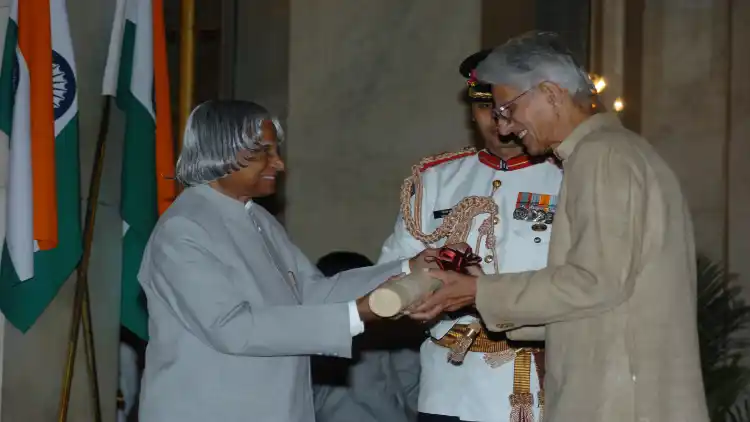
Obaid Siddiqui receiving Padma Vibhushan from the President
Genes and DNA are the words we hear frequently on our Televisions and other media. Genetic mapping has revolutionised the way humans understand organisms in general and themselves in particular. The past few decades have witnessed developments in biotechnology and genetics leading us to understand and treat diseases hitherto thought curable. Very few among us know that one of the important men who laid the foundation of this revolution was an Indian, Obaid Siddiqui.
Born on this day in 1932 in Basti, Uttar Pradesh, Obaid Siddiqui completed his Masters in Botany from Aligarh Muslim University (AMU) in 1953. Initially, he joined AMU as an agricultural scientist, after his Masters, and later moved to Indian Agriculture Research Institute (IARI), New Delhi. At IARI Siddiqui had prepared a testbed for wheat crossbreeds. But a devastating hail storm destroyed the crop and ruined his year-long labour. A frustrated Siddiqui, who had a keen interest in genetics, an emerging field at the time, wrote a letter to Professor Guido Pontecorvo at Glasgow asking him for a research opportunity with him. Pontecorvo accepted him and Siddiqui started his PhD at Glasgow on microbial systems – a paradigm shift from Botany.
During his PhD, Obaid made some path-breaking observations, which revolutionised the field of Genetics. Two very important observations made by him were:
His studies were the first reports of fine mapping of a gene.
He pointed out the concentration of mutational sites in a small part of genes.
Obaid Siddiqui with Semour Benzer
So, when he submitted his PhD thesis in 1961 Siddiqui had already revolutionised the sciences in general and genetics in particular. Considering the fact that he shifted from Botany to a different field makes his achievement even more stellar.
The same year Siddiqui moved to Pennsylvania to work with Alan Garen as a postdoctoral fellow. Here, he discovered the suppressors of “nonsense” mutations. In simpler words, he discovered why a few mutations in a gene would not express themselves and remain suppressed. The discovery was a logical result of his earlier pioneering work in mapping of genes. Another important impact of this discovery was the finding of “nonsense” codons, the stop signal of genes. Har Gobind Khorana, Robert Holley, and Marshall Nirenberg received the 1968 Nobel prize for identifying “nonsense” codons and they personally acknowledged the role of Siddiqui in their research.
Siddiqui did not pursue his study of Codons further which got others a Nobel Prize because his heart was not in the USA. Siddiqui wanted to return to India to serve his motherland. This selfless patriot left the lucrative opportunities and told Alan Garen, in 1962, that he wanted to return to India.
Garen asked renowned physicist Leo Szilard to write to Homi Bhabha asking him to arrange a position for Siddiqui in India. Ignoring the opposition from fellow scientists in India, Bhabha showed confidence in Siddiqui and gave him the responsibility of establishing a molecular biology unit at Tata Institute of Fundamental Research (TIFR).
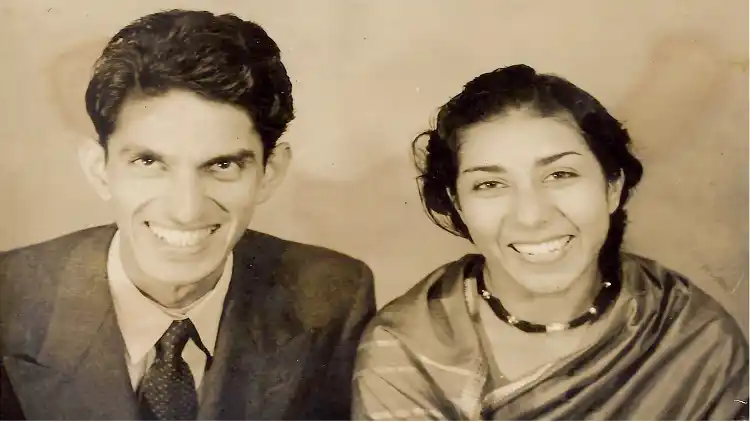
Obaid ASiddiqui with Wife Asiya Siddiqui
At TIFR, Siddiqui nurtured a younger crop of scientists and also brought Indians working in foreign labs back to India. With one of his students, P. Vijay Sarathy, Siddiqui showed that recombinant bacteria inherit DNA of bi-parental origin thus laying the foundation of principles of lateral gene transfer. In layman’s language his findings are the basis of the now well-known principle that genes pass from one generation to another.
With his other students like Kavita Arora and Veronica Rodrigues, Siddiqui showed that taste and smell of Drosophila have a genetic basis and thus opened a new field of chemosensory neurogenetics. These findings led others to research the role of genes on sensory perceptions, learning and memory.
Siddiqui was not a man who would compartmentalize his intellect to one branch of science. He contributed to fields as diverse as plants, Drosophila, bacteria, and genetics. He did not stop at research. He was an institution builder and established the National Centre for Biological Sciences in 1992 in Bangalore. Siddiqui was known for nurturing young minds by giving them the freedom to question.
Moreover, Siddiqui was a man who believed that sciences cannot operate in isolation of society. Scientists have a social responsibility and Siddiqui understood this. He stood for Human Rights, campaigned against communalisation and took part in social movements. Not only a music lover of Hindustani Music, Siddiqui was an established Sarod artist.
Obaid Siddiqui was awarded the second-highest civilian award, Padma Vibhusahan, by the Government of India. He was the true son of the soil who left lucrative offers in a foreign land to establish a research culture in India. His students are now serving the nation, which includes the present Principal Scientific Advisor of India, Professor Vijay Raghavan.
source: http://www.awazthevoice.in / Awaz, The Voice / Home> Stories / by Saquib Salim / July 26th, 2021
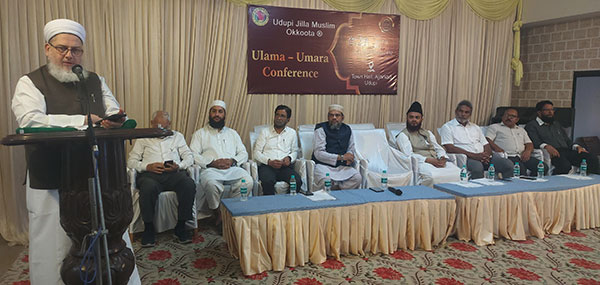
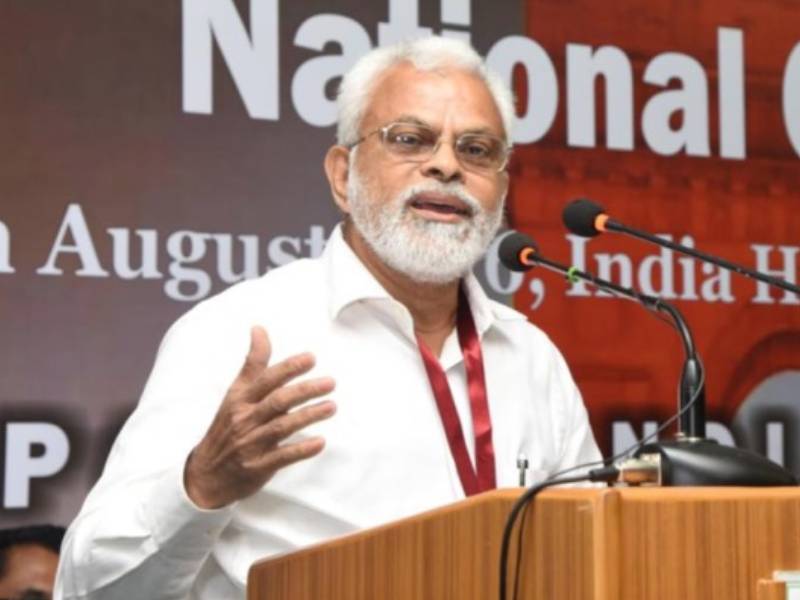
“There is growing concern among communal forces regarding the progress of the Muslim community, and this has led to them being increasingly targeted,” said Maulana Syed Tanveer Hashmi, a member of the Karnataka State Waqf Board and All India Muslim Personal Law Board. He stressed that the community must intensify its efforts towards educational and overall development, especially encouraging the youth to aspire for civil services.
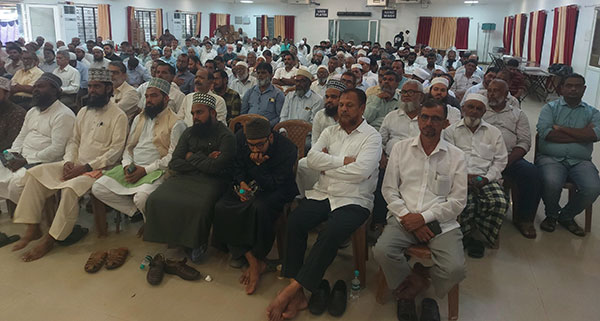
He was addressing a seminar titled “Current scenario and our responsibilities” organised by the Udupi District Muslim Federation at the mini auditorium of the Udupi Town Hall on Tuesday.
Maulana Hashmi highlighted the need to integrate Islamic values deeply into daily life to reform the challenges prevailing in society. “The community must actively engage in social service, extend help to the underprivileged, and foster harmonious relationships with people of other religions. During festivals, we must invite our non-Muslim brothers and share the joy of the celebration with them,” he said.
He further emphasised that Muslims should fully practice religious values and instil Islamic principles within their families, including children, women, and men. Education must be prioritized, with awareness cultivated within the community to promote academic growth.
Cautioning against objectionable behaviour on social media, he urged the youth to be responsible and avoid provocative posts. “We must stay away from the hateful narratives of ‘Godi Media’, communal provocations, and toxic online environments,” he stated.
Sulaiman Khan Sahib from Bengaluru, assistant general secretary of the All India Milli Council and Karnataka co-coordinator of the “Save Waqf, Save Constitution” movement, also addressed the gathering.
The event was presided over by Udupi District Muslim Federation president Muhammad Wawla. During the seminar, a book titled ‘Dharmadharma’ authored by federation member and writer Mustaq Hennabail was released.
The stage was graced by senior vice president Rafiq Kundapur, vice presidents Shabhi Qazi, Fareed Sheikh, and Fayyaz Byndur. The programme began with a recitation from the Holy Quran by Udupi Jamia Masjid Imam Maulana Rasheed Umri.
The event was welcomed by Maulana Zamir Ahmad Rashadi. Former district president M P Modinabba delivered the introductory address.
General secretary Ismail Hussain Katapady extended the vote of thanks, while Yaseen Kodibengre compered the event.
source: http://www.daijiworld.com / Daijiworld.com / Home> Karnataka / by Daijiworld Media News Network – Udupi / July 29th, 2025
E. Abu Bakar (born in 1952) is a significant figure in the socio-political landscape of India, particularly known for his role as a leader in the banned Popular Front of India (PFI). He is also a founder member of All India Muslim Personal Law Board,
Born and raised in Kerala, Abu Bakar became actively involved in social and political activism early in his life, driven by a deep sense of commitment to the rights and empowerment of marginalized communities, especially Muslims.
Abu Bakar’s leadership in PFI has been marked by his efforts to address issues related to social justice, communal harmony, and the upliftment of the downtrodden. Under his guidance, PFI has focused on various initiatives aimed at improving the socio-economic conditions of underprivileged communities. These initiatives include educational programs, legal aid, and awareness campaigns about constitutional rights and social justice.
A charismatic and articulate leader, E. Abu Bakar has been vocal about the challenges faced by Muslims in India, advocating for their rights in a democratic framework. He has been actively involved in organizing campaigns and movements that highlight issues of discrimination, police brutality, and state excesses. His approach often emphasizes the need for community unity and strategic action to address these challenges.
However, Abu Bakar’s leadership has also been contentious. PFI has faced criticism and legal scrutiny over its activities, with allegations of involvement in extremist activities and incitement of violence. Despite these controversies, Abu Bakar has maintained that PFI is committed to lawful activism and peaceful advocacy for the rights of marginalized groups.
Throughout his career, E. Abu Bakar has remained a polarizing figure, admired by many for his unwavering commitment to social justice, while also facing criticism from those who view his methods as provocative.
He has been in custody for two years following his arrest on September 22, 2022, under UAPA from his residence in Kozhikode.
At the time of his arrest, Abubacker, had no prior criminal record. He has been bedridden since January 2020 due to severe health conditions. He underwent extensive treatment for cancer, including chemotherapy and surgery, which involved the surgical removal of 80% of his abdominal and intestinal area. This has left his digestive system severely compromised. He also suffers from Parkinson’s disease, diabetes, vision loss, and hypertension, further deteriorating his overall health.
source: http://www.the100indianmuslims.com / The100 Indian Muslims / Home / 2024