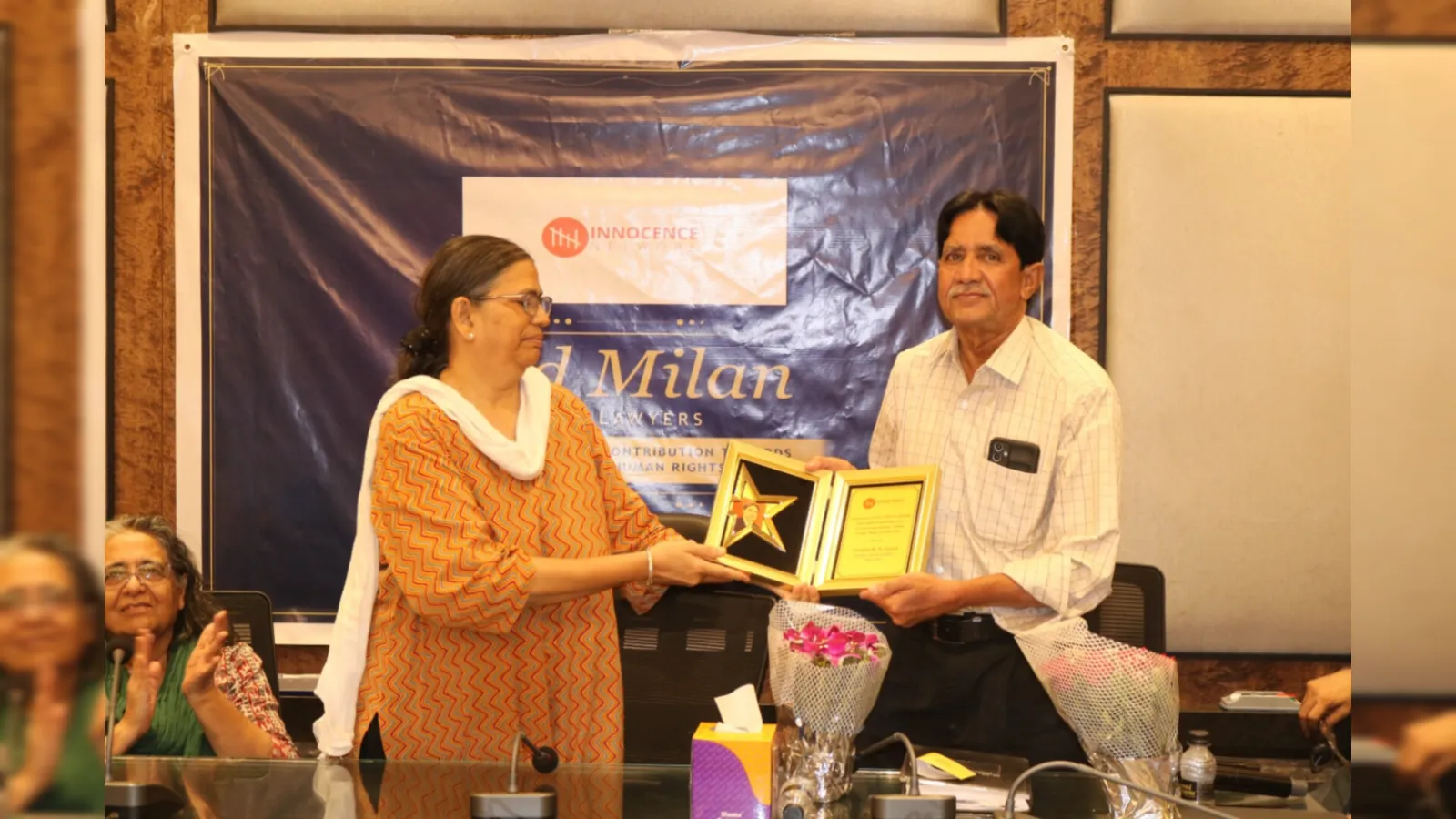
A packed hall at Islam Gymkhana witnessed a festive Eid Milan that brought together over a hundred lawyers, scholars, activists, and students, culminating in the conferment of the Champions of Human Rights Award 2026 on three prominent legal practitioners.
Held on March28, by the innocence network, the event blended celebration with reflection, as attendees marked the festive occasion while foregrounding ongoing struggles within the justice system. The highlight of the programme was the recognition of three advocates for their sustained contributions to civil liberties and defense law.
Among the awardees was Advocate Surendra Gadling, currently incarcerated in connection with the Bhima Koregaon case. In his absence, the award was received by his son, Sumit Gadling.
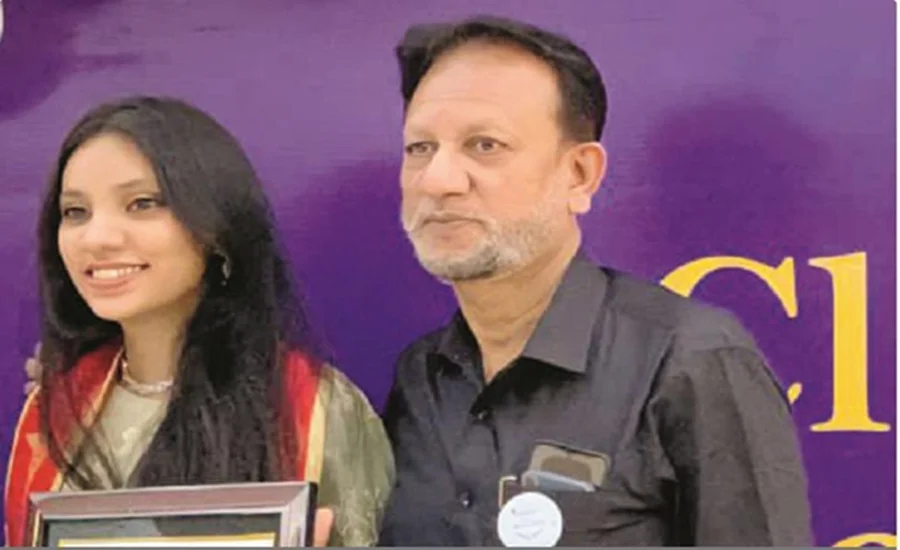
Also honoured was Advocate Ibrahim Harbat for his legal representation of Ayan Sheikh, a 20-year-old student recently arrested by Mumbai’s ATS, and his work despite threats by the ATS The third awardee, Advocate M M Sayyad, was recognised for his work defending several accused in cases linked to the Students Islamic Movement of India.
The gathering featured addresses by noted speakers, including Trade Unionist an Human Rights Lawyer Sudha Bharadwaj, herself an accused in the Bhima Koregaon case, who underscored the importance of legal aid and the intellectual rigour required in rights-based litigation. She reflected on the continued relevance of collective legal efforts in safeguarding civil liberties.
Senior advocate Gayatri Singh spoke candidly about the layered challenges of navigating the profession as a Muslim and a woman , while emphasising resilience and the need to persist despite systemic barriers.
The evening concluded with the formal presentation of awards and a shared resolve among attendees to continue engaging in human rights work.
The programme closed with a community dinner, marking both solidarity and celebration at the conclusion of the Eid Milan gathering.
source: http://www.muslimmirror.com / Muslim Mirror / Home> Human Rights / March 31st, 2026
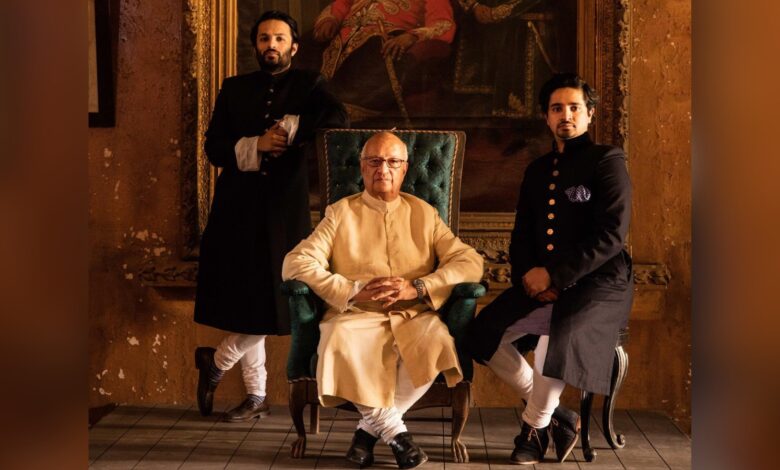
The family of Ali Khan Mahmudabad, the Ashoka University professor whose social media post on Operation Sindoor set off a storm, footprint on Indian history stretches back to the medieval period.
Prof Ali Khan Mahmudabad, his father Raja Mohd Amir Mohd Khan (centre) and brother Rajkumar Amir Hasan Khan. Image courtesy: Mahmudabad Estate
The Supreme Court on March 16 closed the case against Prof Ali Khan Mahmudabad, the Ashoka University historian and columnist, after the Haryana government declined to grant sanction for his prosecution for his social media post on Operation Sindoor, a decision the court had itself nudged the state towards in an earlier order.
A Division Bench comprising Chief Justice of India (CJI) Suryakant and Justice Joymalya Bagchi had, in its order of January 6, asked the Haryana government to consider refusing sanction as a “one-time magnanimity.” The state obliged, bringing to an end a case that had drawn global attention to questions of free speech and academic freedom in India.
The matter had originated in a social media post made by Prof Mahmudabad in connection with Operation Sindoor of 2025. It snowballed rapidly after he received summons from the Haryana State Women’s Commission on May 12, 2025. The Supreme Court had granted him interim bail on May 21.
The man behind the case
Prof Mahmudabad holds a doctorate and a master’s degree from the University of Cambridge and teaches history and political science at Ashoka University. Also known by his courtesy title “Raja of Mahmudabad,” he is the latest in a long and storied line – a family whose footprint on Indian history stretches back to the medieval period.
During the Nawabi rule in Awadh and later under the British, the Rajas of Mahmudabad were among the largest Taluqdars, or feudal landholders, of the region, controlling over 400 villages and extensive urban properties across Lucknow, Sitapur, Lakhimpur Kheri and Nainital.
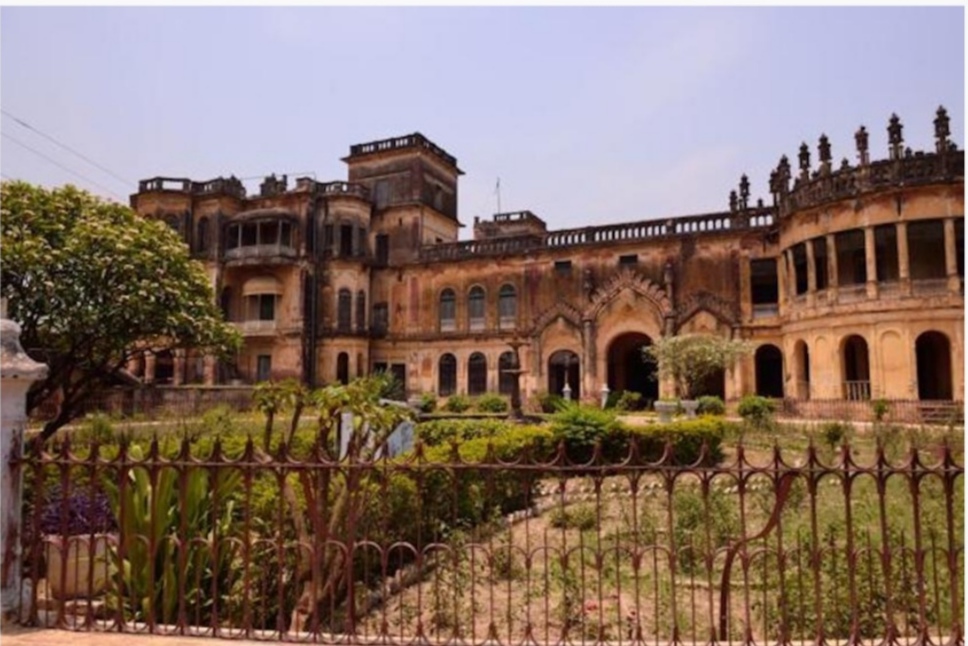
The family’s most visible legacy is the Mahmudabad Fort in Sitapur, a 19th century structure built in the Indo-Saracenic style that counts among the largest private residences in the world. It has hosted royalty, diplomats, political leaders and intellectuals from across the globe. Its library holds thousands of rare books and manuscripts in English, Hindi, Urdu, Sanskrit, Persian and Arabic – including handwritten copies of the Quran, the Bhagavad Gita and the Mahabharata, some dating to the 16th century.
The fort’s kitchens, too, have kept alive culinary traditions that have largely disappeared elsewhere. The original mud fort on the site was set ablaze by the British during the Revolt of 1857 and later rebuilt.
The family’s syncretic character runs deep. Its charitable endowments include temples, one gifted to the Udasin Sect founded by Sri Chand, son of Guru Nanak, replicas of the Muslim shrines of Najaf and Karbala in Iraq and a caravanserai built to shelter travellers.
Revolt of 1857 and after
The family’s political legacy is equally significant. During the Revolt of 1857, Muqim-ud-Daula Raja Nawab Ali Khan commanded several thousand rebel troops before being killed by British forces – the same forces that burned down his 16th century fort. His role has been documented in historical accounts of the period and in the Urdu novel “Aghaz-e-Sahar” by Khan Mahbub Tarzi, translated into English by Prof Mahmudabad himself under the title “The Break of Dawn.”
His son, Amir-ud-Daula Raja Sir Mohammad Amir Hasan Khan, served on the Legislative Council of the Lieutenant Governor of the North Western Provinces. Lucknow’s Amir-ud-Daula Public Library and Amir-ud-Daula Islamia Degree College are named after him.
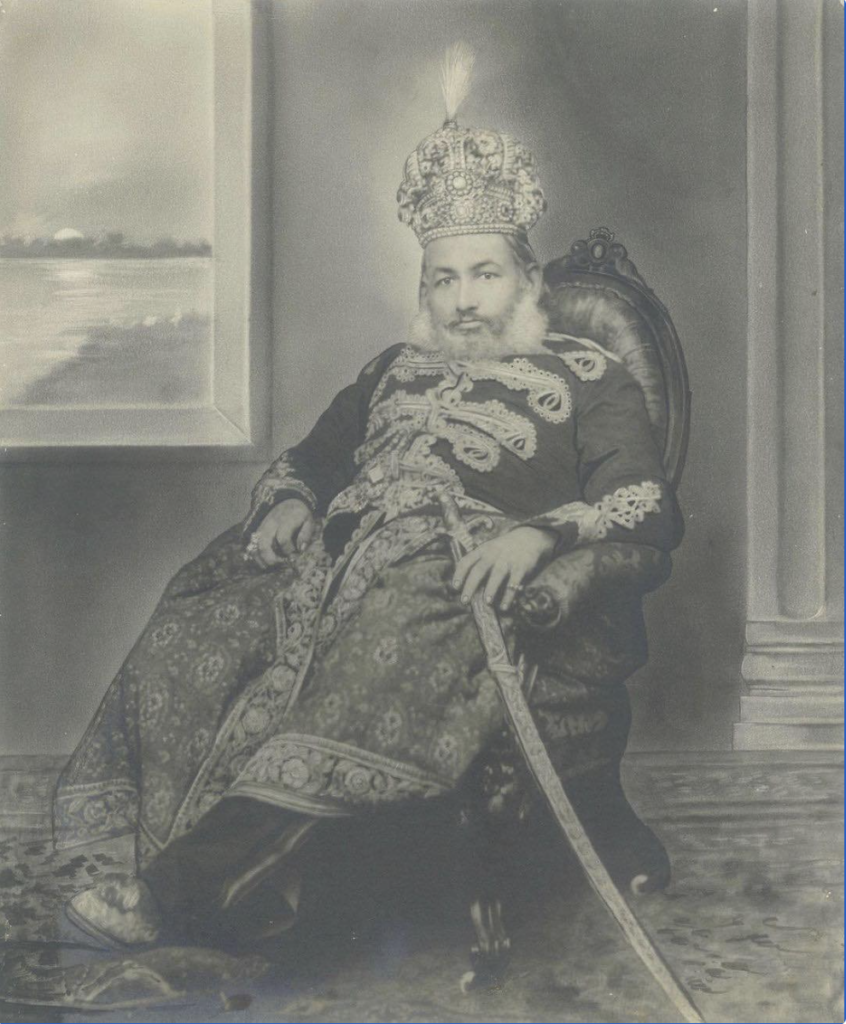
Amir-ud-Daula Raja Sir Mohd Amir Hasan Khan. Image courtesy: Mahmudabad Estate
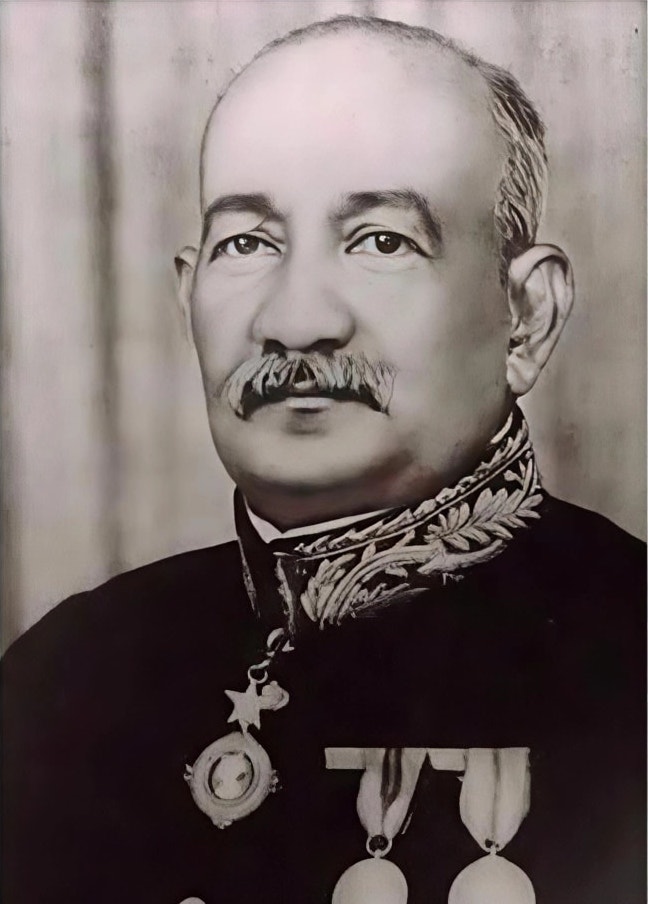
His son, Prof Mahmudabad’s great-grandfather Maharaja Sir Mohammad Ali Mohammad Khan was a pioneer of education who played a central role in establishing both Lucknow University and the Aligarh Muslim University, serving as the latter’s first Vice-Chancellor from 1920 to 1923. A residential hostel, Mahmudabad House, in Aligarh Muslim University’s Sir Shah Sulaiman Hall is named after him. He also served as the Home Member of the Governor of UP’s Executive Council.
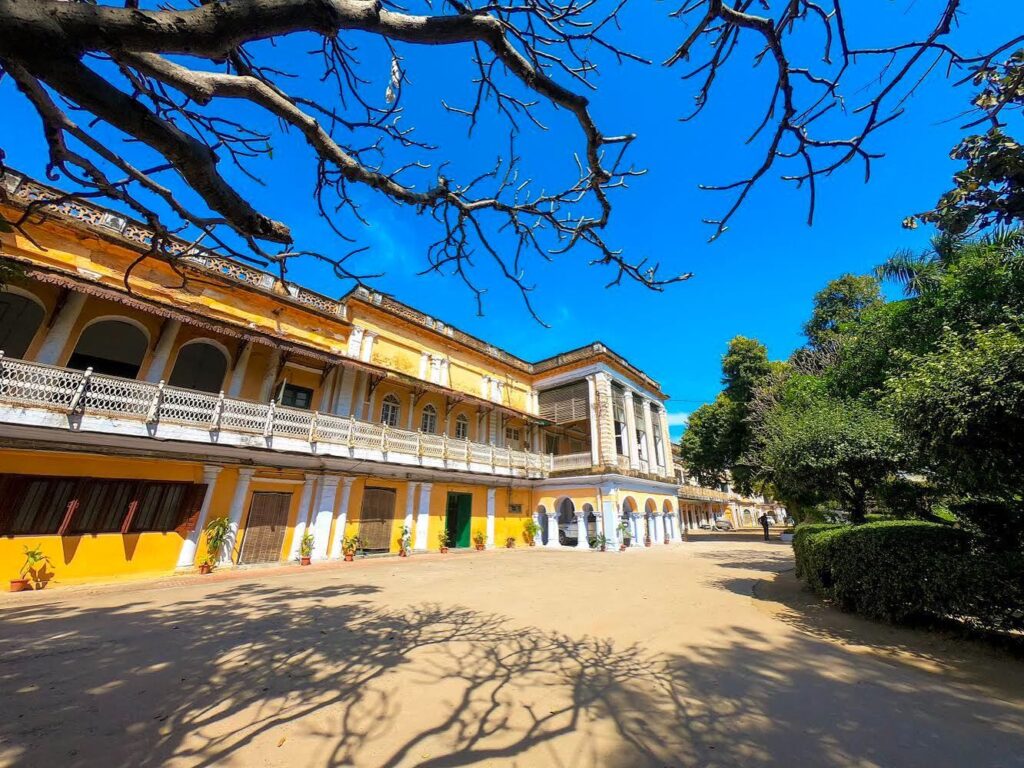
Mahmudabad House in Lucknow. Image courtesy: Mahmudabad Estate
A close friend of Motilal Nehru, he was instrumental in the signing of the Lucknow Pact of 1916 and served on the Imperial Legislative Council, the Council of State and the United Provinces Legislative Council. Lucknow’s Butler Palace, named after former UP Governor Sir Spencer Harcourt Butler, was built by him.
Maharaja Sir Mohammad Ali Mohammad Khan
Prof Mahmudabad’s father, Raja Mohammad Amir Mohammad Khan, was also a Cambridge graduate and an occasional professor of astrophysics at Imperial College London and the Institute of Astronomy at Cambridge. He was elected twice to the UP Legislative Assembly on a Congress ticket, in 1985 and 1989.
When he passed away in October 2023, thousands joined his funeral procession across religious lines, and schools, markets and commercial establishments across the area shut down in mourning.
A vindication, and a reminder
Prof Mahmudabad’s Lucknow home, Mahmudabad House – part of the historic Qaiserbagh Palace complex – continues to serve as a gathering place for intellectual and cultural exchange, much as the family’s spaces have for centuries.
The closure of his case, then, is more than a personal reprieve. Coming at a time of heightened scrutiny over free expression in India, it is being seen as a reaffirmation, however fragile, of the right to speak, question and dissent.
(Aman Alam is a student Barrister at the University of London and an Advocate in the Supreme Court. He has been a former Law Clerk-cum-Research Associate to a Supreme Court judge. He is also a Fellow of the Royal Asiatic Society of Great Britain and Ireland)
source: http://www.siasat.com / The Siasat Daily / Home> Featured News / by Aman Alam, Guest Contributor March 27th, 2026
Justice Munshi said the names of his wife and elder son continue to remain under adjudication.
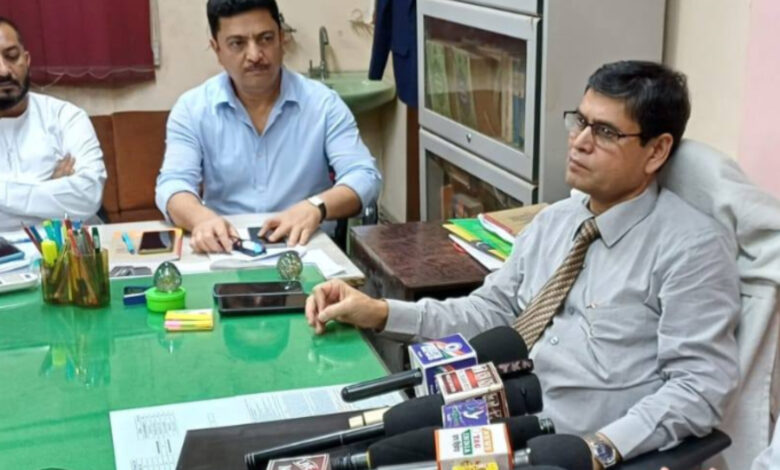
Retired Calcutta HC judge Shahidullah Munshi
Kolkata:
After the first supplementary list of “under adjudication” voters was published on Monday, March 23, Calcutta High Court’s retired judge and West Bengal Waqf Board chairperson Shahidullah Munshi claimed that his name had been deleted and decided to move an appellate tribunal.
This comes amid the growing number of reports indicating a rise in Muslim voter names being deleted or filed under adjudication during West Bengal’s Special Intensive Revision (SIR) process as it reaches its final stages.
Justice Munshi said the names of his wife and elder son continue to remain under adjudication.
The chairperson of the state Waqf Board also said he had appeared for the SIR hearing, submitted his passport and offered to provide his Aadhaar and PAN cards.
The retired judge said his family found their names marked as “under adjudication” in the post-SIR electoral roll published on February 28.
“My name was deleted in the first supplementary list. I have submitted all required documents, including my passport, but I received no acknowledgement,” he said on Thursday, March 26.
About 8.3 pc of electorate deleted
According to official data released on February 28, as many as 63.66 lakh names, around 8.3 per cent of the electorate, have been deleted since the SIR process began in November last year, reducing the voter base from about 7.66 crore to just over 7.04 crore.
In addition, over 60.06 lakh electors have been placed in the “under adjudication” category, and the eligibility of these people as voters is being determined through scrutiny by judicial officers.
Describing the situation as distressing, he said, “So far, only my name has been deleted, while the names of my wife and son are still under consideration. This is extremely humiliating and amounts to harassment. I do not understand how the decision was taken or on what basis my name was removed.”
Munshi said he would soon move the appellate tribunal seeking restoration of his name in the electoral rolls.
The retired judge said he and his wife were earlier voters of the Bowbazar Assembly constituency and had later shifted to Entally.
TMC criticises ECI, CPI(M) forms legal teams to assist voters
The issue has triggered a political row, with the ruling Trinamool Congress criticising the Election Commission over the exclusion.
“When a former high court judge’s name is deleted from the voters’ list, one can imagine the plight of ordinary citizens, including the poor and marginalised,” a TMC leader said.
Meanwhile, West Bengal’s Communist Party of India (Marxist) on Thursday said it has formed teams consisting of lawyers and volunteers to assist those whose names were deleted from the electoral rolls.
Md Salim, CPI(M) state secretary, said the SIR is being processed aligned with Prime Minister Modi’s “demographic mission.”
“It is a demographic mission of Narendra Modi, a part of the divisive propaganda of the Rashtriya Swayamsevak Sangh (RSS) — raising issues like infiltration, the Rohingya and jihadis to mislead people. It is unfortunate that the Election Commission has become a part of this mission,” he said.
Muslim-dominated areas seeing mass voter deletion
Multiple pockets of rural Bengal, specifically the Muslim-dominated areas, have seen major disenfranchisement, with residents claiming they ensured every step was followed but their names were still not included.
In Malad district, at least 427 voters were excluded from the first supplementary electoral roll in the Silampur 1 Panchayat of the Sujapur Assembly constituency. These individuals claimed to have attended all necessary hearings and submitted the required documents during the SIR process and yet their names did not appear on the final list.
The Election Commission has not issued any official statement on the matter so far.
Meanwhile, a senior Bharatiya Janata Party (BJP) leader said there were legal remedies available in case of discrepancies.
“If there has been any error, the person concerned can approach the tribunal as permitted by the court. The legal route is open,” he said.
(With inputs from PTI)
source: http://www.siasat.com / The Siasat Daily / Home> News> India / by News Desk X / March 27th, 2026
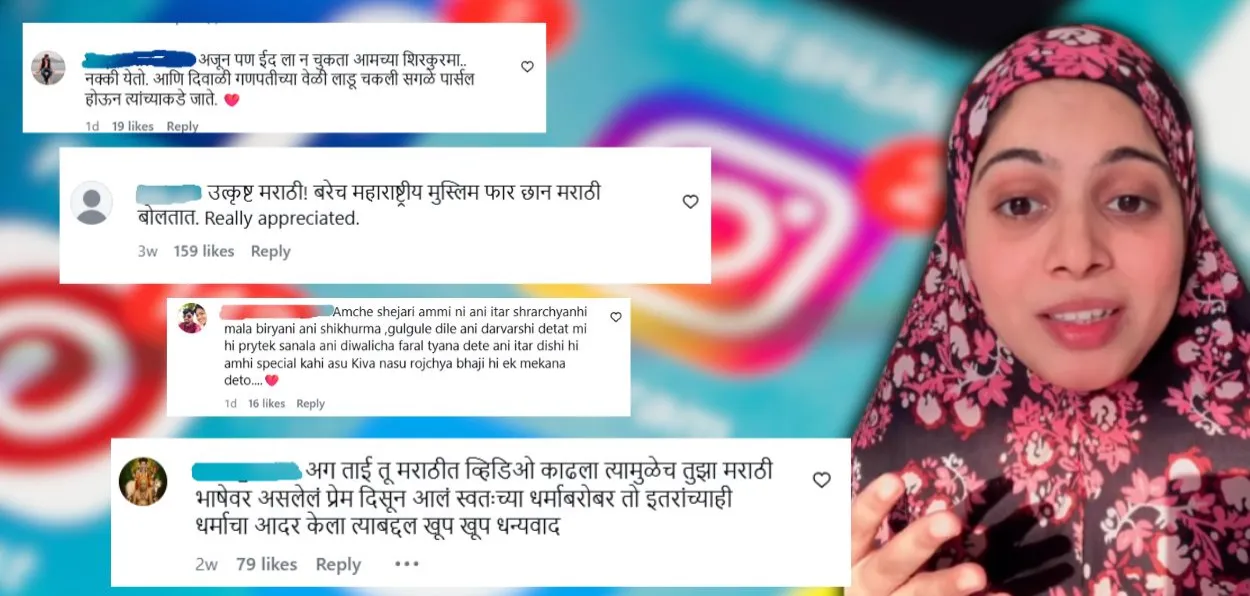
Using social media, Tanuja Mohsin Sande, a young Muslim woman from Pune, Maharashtra, is addressing a general perception that Muslims in Maharashtra do not speak Marathi. Tanuja has shattered this myth through her videos POSTED ONLINE.
In her videos, the Hijab-wearing Tanuja is seen communicating in fluent Marathi.
She says, “Many people think that Muslim people do not speak Marathi. But I want to tell them that I am a Maharashtrian Muslim and I was born in this very soil. Therefore, taking pride in the language, I decided to make my videos only in Marathi. And the majority of the audience watching my videos is Marathi-speaking. “
This style of speaking and her activism on social media were behind her special initiative ‘Ramadan Eid cha Dabba’ (Ramadan Eid Lunchbox).
Because of TV news and videos on social media, a perception is that there is inherent enmity between Hindus and Muslims.
However, if you peek into the life of a common man, the picture looks different. Through her initiative, Tanuja has highlighted this reality.
Tanuja spent her childhood in the police line of Dadar Hindmata, Mumbai. Her father, Rashid Shaikh, was an Assistant Sub-Inspector (ASI) in the Mumbai Police force.
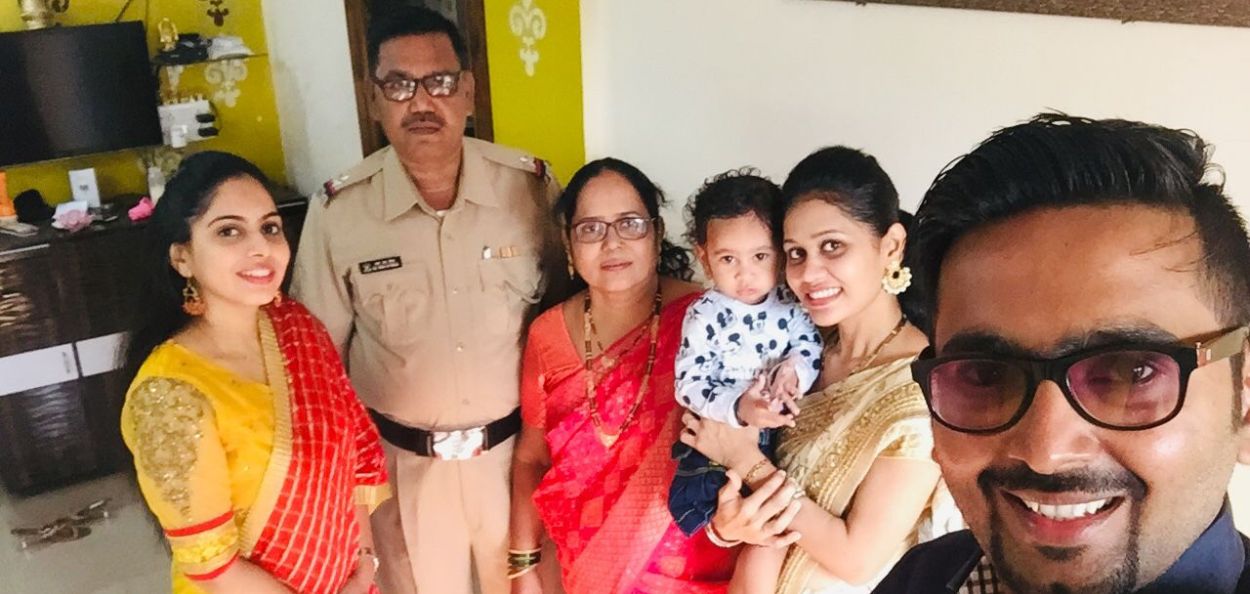
Tanuja Mohsin Sande (Holding the baby) with her family
Spending her childhood in the police line, she says she never faced discrimination in the name of religion. Despite hers being the only Muslim house in the colony, she celebrated all festivals like Holi, Dahi Handi, and Shimga (a form of Holi) along with her Hindu neighbours.
Even today, while living in Pune, she preserves this legacy. Jain, Marwadi, and many Hindu families live in her society. On the day of Diwali, after the Lakshmi Pujan, the first plate of Faral (Diwali snacks) is delivered at her place.
Similarly, on Eid, Tanuja personally delivers 30 to 35 lunchboxes to her neighbours before the family eats their meal. This year, under the concept of ‘Ramzadan Eid chaDabba‘, of her offering to her neighbours, Tanuja made a video and posted it on social media.
In that video, she mentioned that she was giving Eid lunchboxes to her Hindu neighbours. And she also gave a message of communal harmony.
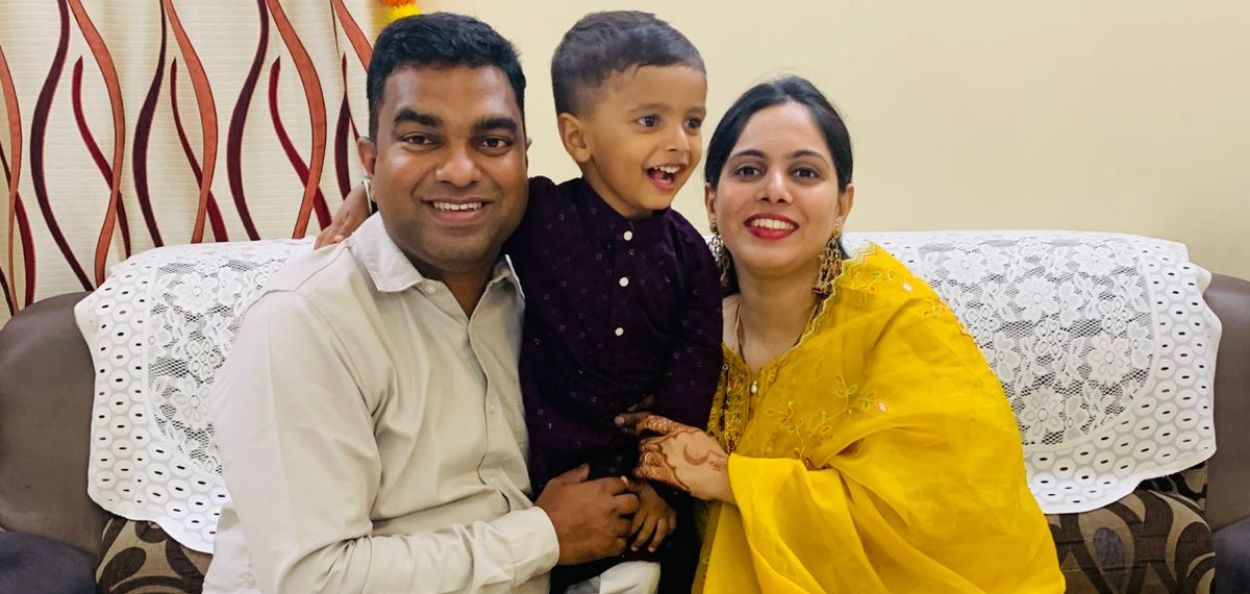
Tanuja Mohsin with her husband and son
Tanuja Sande explained the concept of her ‘Ramadan Eid cha Dabba’ initiative.
She says, “The politics in the name of religion makes people feel that Hindu-Muslim means something that creates enmity. But in reality, there is nothing like that. We are all still together today. When I participate in Hindu festivals, no one ever considers me an outsider. The things shown on social media are not true; what we actually experience is very different from the world of social media.”
She further says, “While giving the Ramadan lunchboxes, there is no compulsion of non-vegetarian food on anyone. To those who want vegetarian food, I lovingly give Sheer Khurma. Actually, our neighbours are very eagerly waiting for the Sheer Khurma.
How did you make this? What ingredients did you put in it? They ask for its recipe with such questions. And the joy one gets while sharing this recipe and spreading sweetness cannot be put into words.”
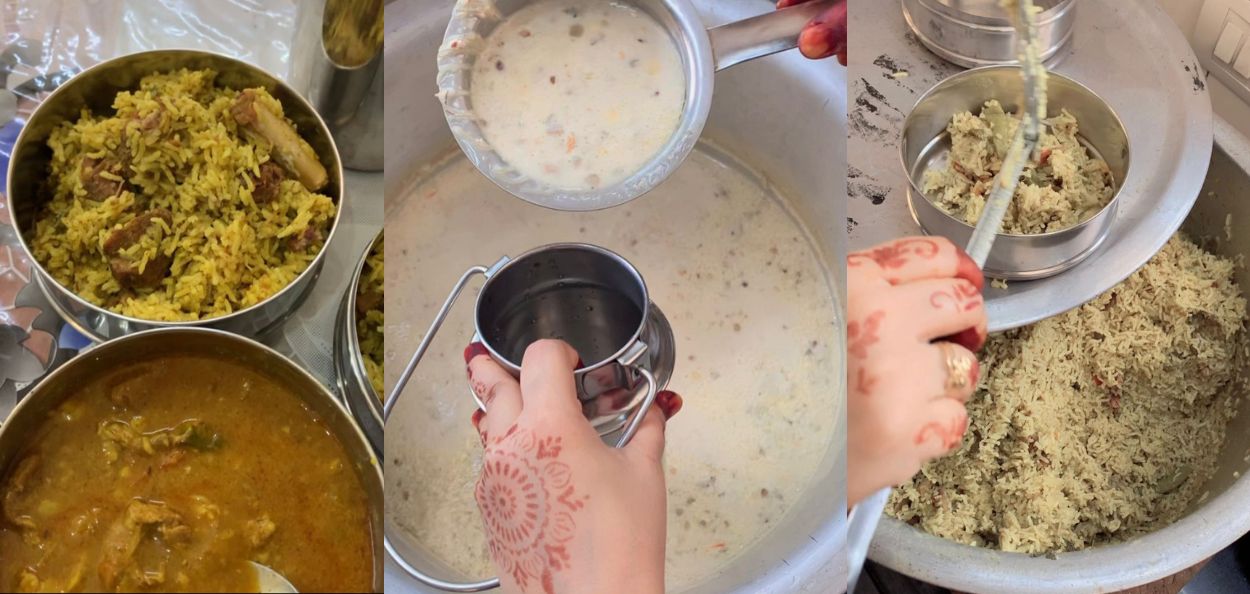
Tanuja Mohsin packing food for neighbours
After posting the video on social media on the day of Eid, she received a 99% positive response, but 1% of people made negative comments. Because of this, she was disturbed for some time. She thought of turning off the comment section or deleting the video.
She says, “When I turned off the comment section, people started messaging me. They requested, ‘Sister, your video is very nice, we want to share our experiences, please turn on the comments.'” After that, Tanuja decided to ignore the negativity. In her comment section, many people also wrote memories of their childhood Hindu-Muslim friendships.
Tanuja started a series of videos during Ramadanan. Interestingly, it was a question asked by the house help that made her start content creation.
She says, “I have a three-year-old son. When I fast for the whole month of Ramadan, our helper asks me many questions. Since she is a Hindu, it is natural for her to have all these questions. She was very curious to know how I would look after the baby while fasting.
“Will you stay hungry the whole day? How do you fast without drinking water? Do you break the fast after seeing the moon?”
The idea of making this series came from such simple questions of hers.” She made this series completely in Marathi, and people gave a tremendous response.
Tanuja is an engineering graduate, and she worked in the IT sector for 5 years. During the lockdown, she got married. She currently lives in Pune with her IT engineer husband, Mohsin Sande, and their 3-year-old son.
Her brother is also a content creator. He inspired Tanuja to do something different while staying at home. Her family supported her content creation. The very first like and comment on any of her videos comes from her father, she says.
Tanuja Sande’s message to the youth is: “Let politics remain only online. The politics on TV is different, and our real life is different. There has been equality of religions in Maharashtra right from the beginning, and it will remain so. My father raised me with this leaning, and I will raise my son with these same values.”
“In crises, nobody cares who is helping whom. Respecting all religions is Maharashtra’s culture, and we must preserve it,” she says.
source: http://www.awazthevoice.in / Awaz, The Voice / Home> Stories / by Bhakti Chalak / March 25th, 2026
From a tailor’s household to national achievement, Dr Afrah Ansari’s success inspires Muslim students across India, proving that patience, sacrifice and hard work can overcome every difficulty in education and life
Bhiwandi :
In a moment of joy and pride for the Muslim community, Dr Afrah Wasim Ansari from Bhiwandi in Maharashtra has secured the 231st rank in the All India PG NET examination. This is the first time a student from the city has reached such a level in the medical field.
Her achievement has been described as “historic” by teachers and community leaders, with celebrations spreading in Bhiwandi’s educational and social circles.
Dr Afrah began her early studies at Aqsa Girls High School, where she was always among the brightest students. She later joined MES Junior College, excelling in all disciplines. Preparing at CCPT Institute in Milind, she earned admission to Rajiv Gandhi Medical College, Kalwa, purely on merit.
Throughout her studies she was a topper many times. Her consistent success has now culminated in this national rank, making her a role model for young Muslims across the country.
Dr Afrah belongs to a modest family. Her father, Wasim Moinuddin Ansari, is a tailor by profession and is popularly known as Wasim Master. Despite financial challenges, he and his wife worked tirelessly to educate their children.
Speaking to reporters, Wasim Master said: “I never dreamed that my three children would become doctors and one a chartered accountant. But by the grace of Allah, the prayers of my parents and the support of friends, I am seeing this day.”
He credited much of the family’s success to his late father, Moinuddin Samiuddin, who served as a teacher in Swat district of Allahabad for nearly five decades. Samiuddin was respected for his knowledge of Arabic, Persian, Sanskrit, English, Latin and other languages.
Dr Afrah is not the only achiever in the family. Her elder sister, Dr Zara, is pursuing MS in Gynecology at Neeraj Government Medical College after completing her MBBS. Her younger sister, Fariza Ansari, is a final-year Chartered Accountancy student. The youngest brother, Muhammad Ayan, is entering the final stage of BDS admission this year after scoring excellent marks in NET.
The parents proudly note that none of their children took private tuition until the tenth grade, relying instead on discipline, self-study and guidance from their father.
Local teachers, students and community leaders have hailed Dr Afrah’s achievement as an inspiration.
One of her former teachers at Aqsa Girls High School said: “Afrah was always hardworking and respectful. She showed that when girls from our community get proper guidance, they can shine at the highest level.”
A student from MES Junior College added: “Her success gives us courage. It tells us that if she can do it with limited resources, we too can aim high.”
Dr Afrah’s success has brought immense pride to Bhiwandi, a city that has often struggled with lack of educational opportunities. Her achievement is now being spoken of as a milestone for the entire Muslim community.
A local community elder remarked: “This is living proof that lack of money cannot stop talent. Dr Afrah has shown that courage and determination are stronger than circumstances.”
As celebrations continue, Dr Afrah’s name is being remembered as an example of how sacrifice, patience and faith can transform dreams into reality.
source: http://www.clarionindia.net / Clarion India / Home> India> Indian Muslim / by Team Clarion / August 27th, 2025
(O Kashmiri language! I swear by you, you are my awareness, my vision too, the radiant ray of my perception, the whirling violin of my conscience.) — ‘Hymn to Language’, Rehman Rahi
Kashmir — where conflict and political upheaval always dominate headlines — is witnessing a quieter but equally pressing struggle, wages by a young girl, against the fading of the Kashmiri language, Koshur.
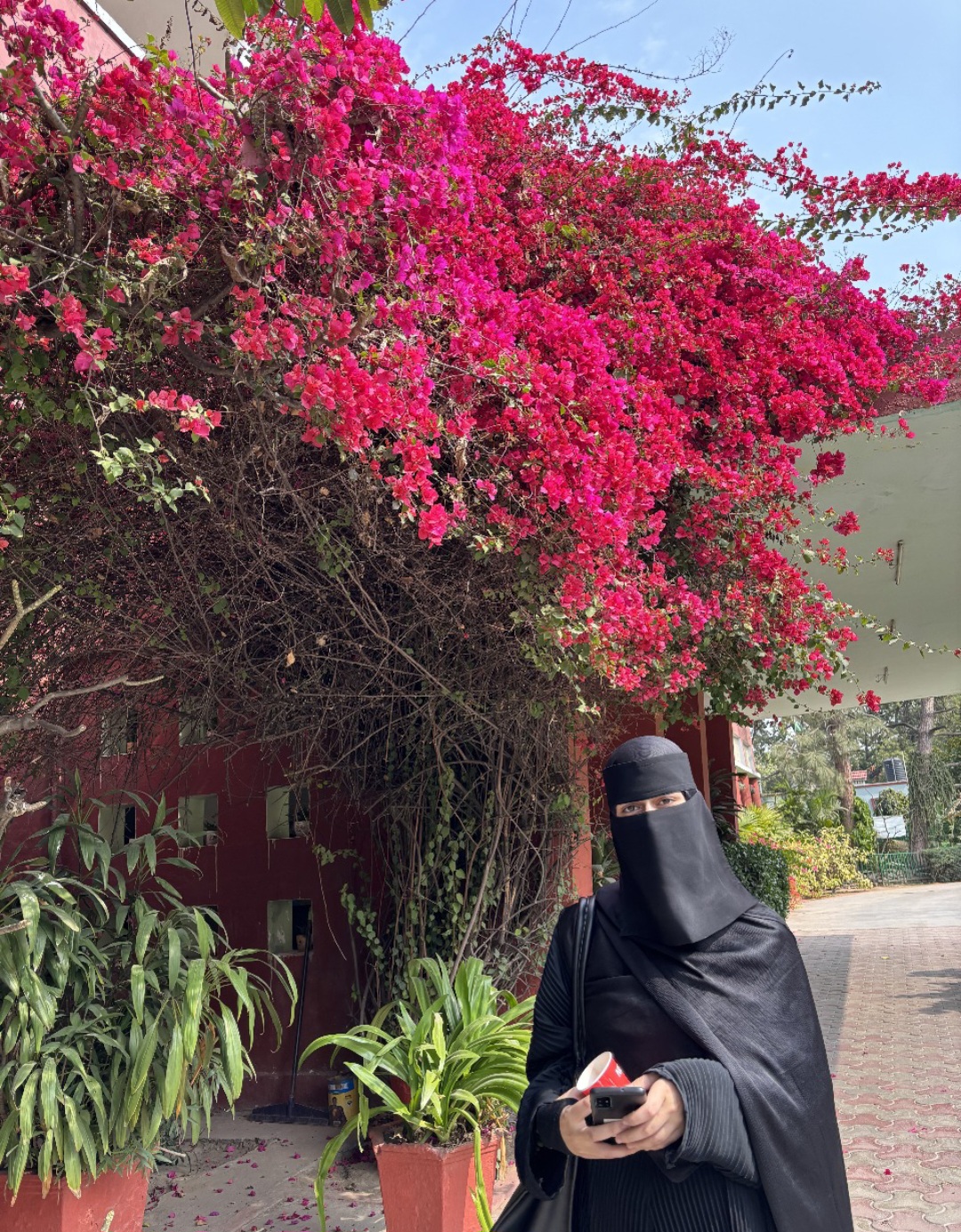
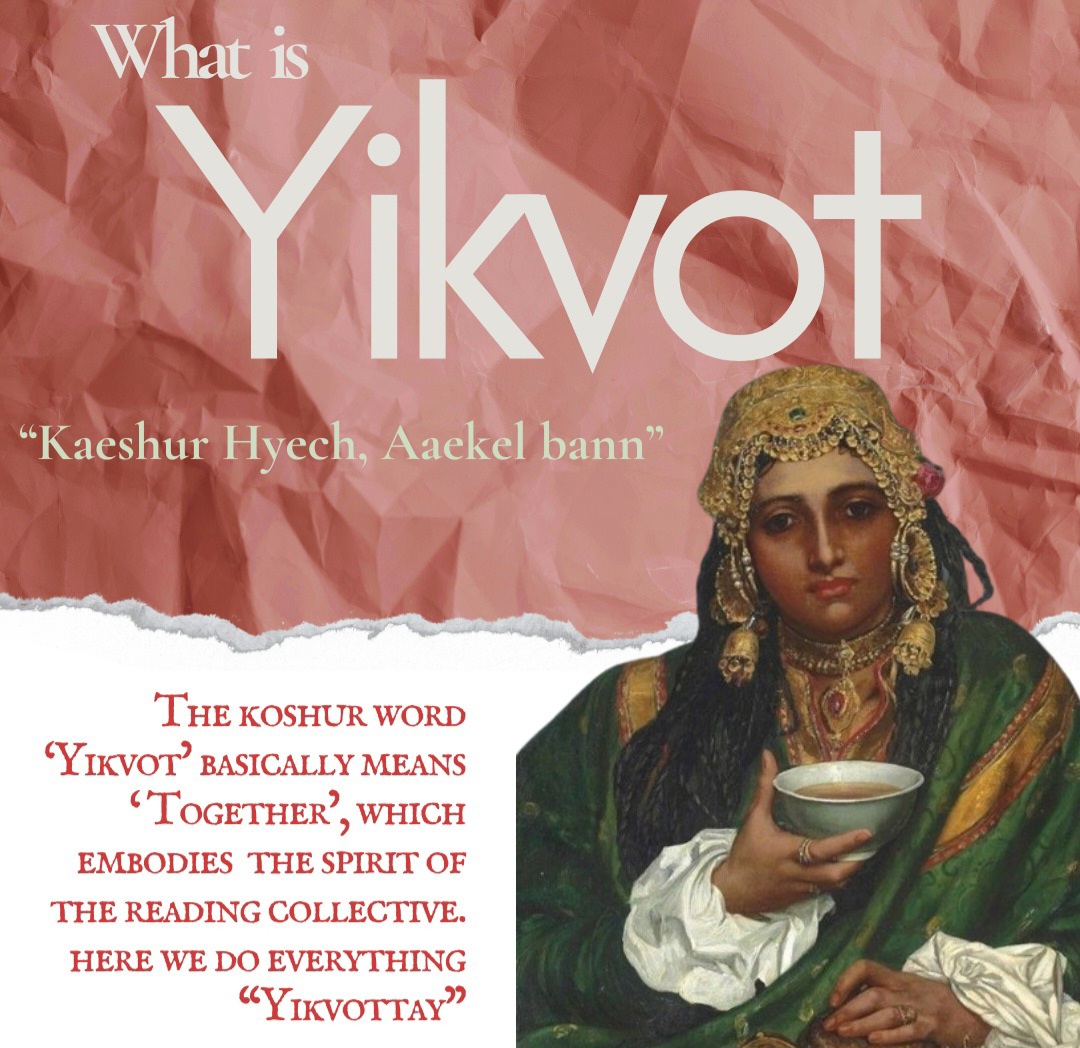
Seerat Hafiz, 22, a writer and peacemaker, has founded Yikvot — a reading club that means “together”. Her mission is to preserve and revive the beauty, rhythm and soul of Koshur, especially among the youth.
“For me, this language, which is now endangered, has been the voice of my grandparents. With English and Urdu-speaking parents, we often reserved our last bit of Kashmiri for the elderly, trying to converse only to bite back our tongue. This stands as a testament of resilience and faith,” she says.
She adds, “Kashmiri has a beautiful ring to it. I often say that it is impossible to translate any language without it missing its essence, its love and its sweetness. Kashmiri is one such language that not only is soulful and sweet but all kinds of emotions get expressed in it. I believe what was interesting to our readers was the quirky touch of Kashmiri added to the translation of the world-famous Russian author Dostoevsky’s Crime and Punishment.”
What began as a scribbled idea on a coffee shop napkin in 2024 has since blossomed into a vibrant literary movement, now boasting over 300 students. Through weekly meetups, social media outreach and intergenerational storytelling sessions, Seerat is not just preserving Koshur — she is giving it new life.
A revival
“The most exciting aspect of attending this class is the chance to get deeply involved with Kashmiri literature. The guest lectures, most of all, have been wonderfully insightful, making us get more intimately attached to our mother tongue. It was through Yikvot that I actually realised the richness of my own emotional attachment to the Kashmiri language,” says Fabiha (18), a student at Yikvot.
“Finding Yikvot marked a turning point for me. It made me want to be a part of a movement that not only preserves our language but also brings us back to our cultural heritage,” she adds.
For Noha (18), it is “how each of the members helps one another in learning new words and sentences, decoding the language” that makes Yikvot special. “I believe I have built a sense of connection and belonging at Yikvot. I joined the club because I wanted to meet people who do not have a prejudice against the language,” she says.
Unseen yet unshaken
But Seerat’s journey has not been without its obstacles. As a young woman wearing the veil, she is constantly met with judgment from within her own community. Her success and visibility have been tainted by criticism that targets not her work, but her appearance and gender.
“If my life were to be chronicled,” she says, “it would be marked by constant remarks like ‘itni padhayi karke niqab hi pehn’na tha aur reading club hi chalana tha?’” (After all that education, you chose to wear a veil and start just a reading club?) — a refrain meant to belittle her ambition and dim her spark.
Poster of Yikvot, the reading club
“For a year, I kept on pushing through and handling every aspect of Yikvot. I was not only a woman but a veiled one at that. Suddenly, my reading club fell into expectations of a religious entity, which was not my goal at all. People were joining my personal lifestyle with my work, causing distress. I believe the biggest setback of it all was to see different people coming up not to call me out or find any faults in the club, but to shame me for being an outspoken veiled woman and debating my hijab, perpetrating the same ideals that a woman who chooses to veil should not be in a public sphere,” Seerat says.
Despite these trials, Seerat stands resolute with form determination and a clear vision. Her dream is to transform Yikvot into a permanent, offline space — a cultural sanctuary where the young can learn and the old can guide, where Kashmiri literature, stories and emotions live on.
Valley’s lingering silence
Koshur, one of the oldest living languages in South Asia, belongs to the Dardic subgroup of the Indo-Aryan family. Despite its richness and resilience, the language has long faced systemic neglect.
In 1953, Kashmiri was officially removed from the school curriculum to “lighten the academic burden” on students. It was not until 2001 that it was reintroduced up to Grade 8 — yet even then, instruction remained patchy and symbolic at best.
By 2017, the then Jammu and Kashmir government made teaching regional languages, including Kashmiri, compulsory for grades 9 and 10 in areas where they are still spoken. But implementation has remained a major hurdle, with schools often ignoring the directive.
Dominant languages like Urdu, Hindi and English have taken center stage, pushing Kashmiri into the margins. This erosion is not merely linguistic — it is cultural, with each passing generation growing more detached from traditional poetry, storytelling and heritage.
Dr. Wahid Raza, a noted Kashmiri writer and columnist, highlights social media and unemployment as culprits. “People go abroad to earn a living, adopt the culture there, learn the local language and slowly start forgetting Kashmiri,” he tells TwoCircle.net.
Still, he believes there is hope. “As long as our dreams, our songs, our thoughts and our way of thinking live in our language, our language will stay alive.”
source: htttp://www.twocircles.net / TwoCircles.net / Home> News / by Sidra Fatima / April 30th, 2025
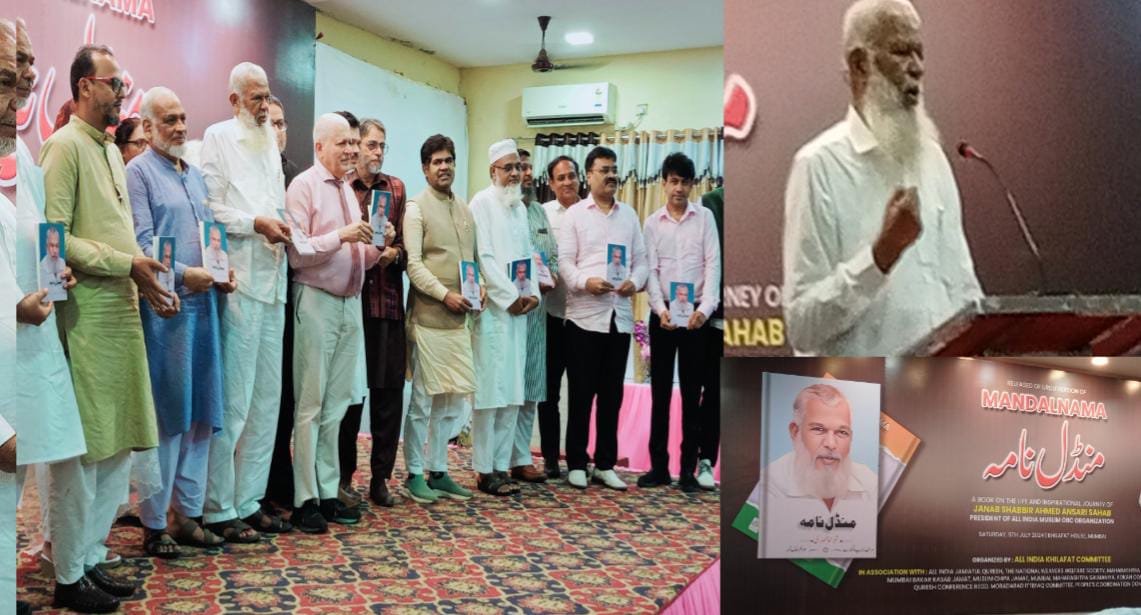
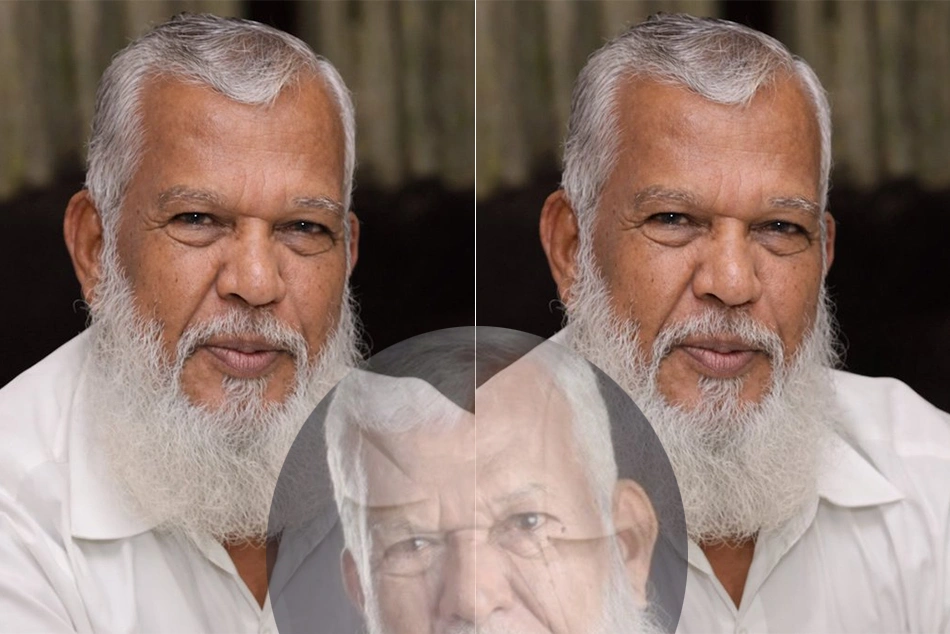
The July 6th 2024, witnessed a gala release of the prestigious book “Mandal Nama” (Urdu version) at Mumbai’s historic Khilafat House. It is a non-fiction autobiography covering the life and inspirational journey of long-time social activist – Shabbir Ahmad Ansari – the founding President of the All India Muslim OBC Organization. This significant event drew many distinguished guests from within Maharashtra and beyond, each bringing their unique perspective and reverence for the work and life of Shabbir Sahab.
The 200-page paperback book was originally compiled in Marathi by Dilip Waghmare and translated in Urdu by Malik Akbar. It is a book on a living legend who has been a standing hero from zero by his perseverance, commitment and hardworking against all odds.
Among the dignitaries were Dr. Zahir Kazi, President of Anjuman-I-Islam and Padma Shri awardee; veteran journalist and Maharashtra MLC Kapil Patil, Mohammad Wajihuddin, Senior Assistant Editor of The Times of India, Mumbai; Sarfaraz Arzoo, Editor of Hindustan Urdu newspaper; Maulana Mahmood Daryabadi, general secretary of All India Ulama Council; Maulana Mohammad Burhanuddin Qasmi, Director of Markazul Ma’arif Education and Research Centre and Editor of Eastern Crescent along with so many others, especially, OBC leaders and activists from across India. The hall at Khilafat House, Byculla, Mumbai was at its full capacity with academia, journalists and social activists who came together to appreciate and recognise the marvelous contribution made by Shabir Ahmad Ansari for Muslim OBCs and this Nation. These luminaries who are highly respected personalities in their fields of work, graced the occasion and shared their invaluable insights on the book and the remarkable struggles of Shabbir Sahab.
The speakers highlighted the importance of Shabbir Sahab’s mission, emphasizing how he tirelessly worked day in and day out for the community, enduring numerous challenges along the way. They stressed that if this mission is not carried forward, it risks being buried with Shabbir Ansari himself. Shabbir Ahmad Ansari is not merely a name; he represents an Anjuman and a revolution. Despite facing various adversities and betrayals, he persevered and continued to advance his cause.
The event also acknowledged the crucial support provided to Muslim OBC Movement by MLC Kapil Patil and Dilip Kumar, two personalities instrumental in Shabbir Sahab’s mission. They stood by him unwaveringly, enabling him to confront politicians and overcome deceit from within his own ranks.
“Shabbir Bhai’s steadfastness led to a moment where even politicians had to concede to his demands and paved ways for Muslim OBC Reservation in Maharashtra,” echoed by almost all speakers..
“Mandal Nama” is not just a book; it is a testament to Shabbir Ahmad Ansari’s enduring legacy and a call to action for future generations to uphold and advance his mission. This is a book for all fiction and non-fiction readers. A story of a man who stood alone for a greater social cause, struggled and succeeded in his lifetime. “Shabbir Ahmad Ansari and Muslim OBC movement in Maharashtra is so fascinating-story in academic perspective that it should be a research topic in a Central University in India” opined by Maulana Burhanuddin Qasmi.
source: http://www.easterncrescent.net / Eastern Crescent / Home> Book Review> EC Exclusive / by Mohammad Toukir Rahman / July 07th, 2024
Remembering Shabbir Ansari today is not merely an act of mourning, it is a call to continue the struggle he devoted his life to — a struggle against both caste and communalism, against invisibility and exclusion.
The news of Shabbir Ansari’s passing brings back, with striking clarity, my first and only meeting with him — an encounter that left a deep and lasting impression on my understanding of Indian society, politics, and the unfinished struggle for equality.
It was in the aftermath of the Bhagalpur riots of 1989, a moment that convinced me that communal polarization would dominate India’s political landscape for decades to come. In the early 1990s, during a visit to Mumbai, I found myself in the company of Shabbir Ansari at the SNDT University quarters in Bandra. He was preparing to leave the next morning to meet Prime Minister V.P. Singh.
What I assumed would be a brief exchange turned into a night-long conversation that fundamentally challenged my assumptions. When I asked why he was meeting the Prime Minister, Shabbir Bhai explained that he wanted to press for the inclusion of backward sections among Muslims within the Mandal Commission framework. I responded, rather naively, that Islam did not recognize caste. With patience and clarity, he unfolded before me the lived reality of inequality within Muslim society — an inequality that mirrored, in many ways, the entrenched hierarchies of the subcontinent.
That night, sleep became impossible. What Shabbir Ansari articulated was not merely a political demand, but a moral and social truth: that caste, as Dr. B.R. Ambedkar warned, has a stubborn persistence across religions. His insight forced a rethinking of simplistic narratives about equality and exposed the layered marginalization faced by Pasmanda Muslims.
Shabbir Ansari was not content with theory. His politics was rooted in the lived experiences of the most deprived — particularly the Muslim weaver communities scattered across regions like Malegaon, Bhiwandi, and Burhanpur, many of whom had already suffered displacement since 1857, and continued to bear the brunt of recurring communal violence. His work sought to bring these invisible communities into the center of democratic discourse.
In the years since that meeting, the patterns he warned about have only deepened — communal polarization, the instrumental use of backward communities in majoritarian politics, and the systematic exclusion of minorities from representation. Yet, Shabbir Ansari’s life stands as a counterpoint to this trajectory: a lifelong effort to build solidarities among the marginalized and to assert dignity, representation, and justice.
His work resonates with that of others like Ali Anwar Ansari, who documented the condition of Pasmanda Muslims in detail. But Shabbir Bhai’s contribution was not just intellectual — it was organizational, persistent, and deeply humane. He dedicated his life to ensuring that backward Muslims, often erased even within minority narratives, could claim their rightful place as equal citizens.
Remembering him today is not merely an act of mourning. It is a call to continue the struggle he devoted his life to — a struggle against both caste and communalism, against invisibility and exclusion.
The most meaningful tribute to Shabbir Ansari would be to carry forward his unfinished mission: to build an India where equality is not proclaimed in abstraction, but realized in the lives of those who have long been denied it.
[The writer, Dr. Suresh Khairnar, is Ex-President of Rashtra Seva Dal.]
source: http://www.ummid.com / Ummid.com / Home> Obituary / by Dr Suresh Khairnar / March 25th, 2026
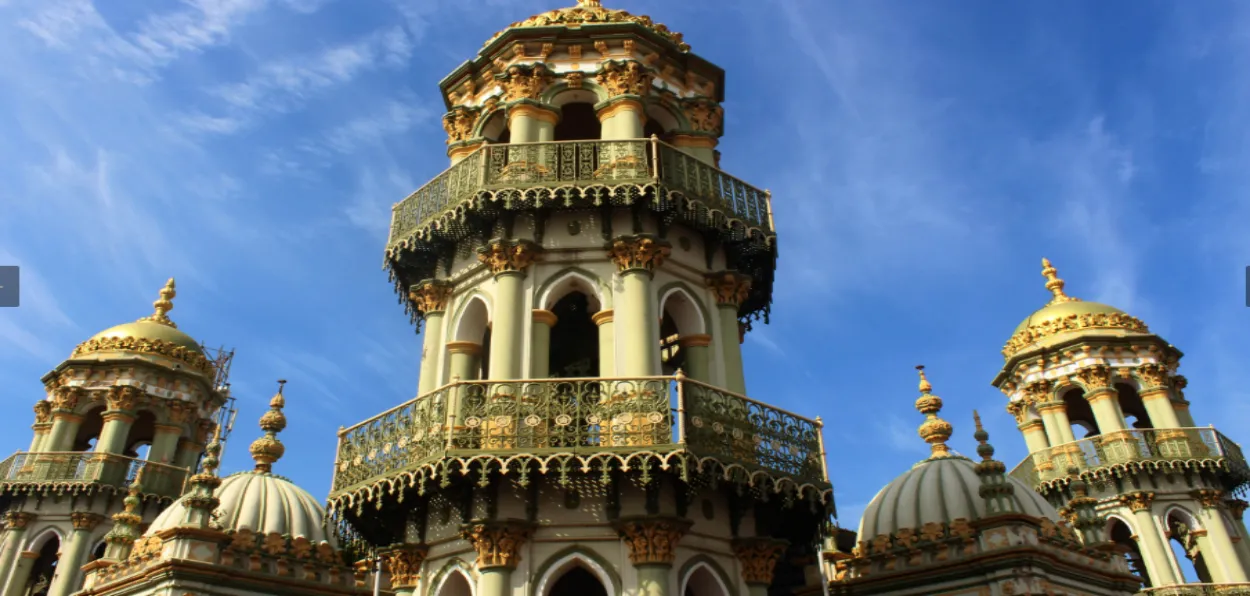
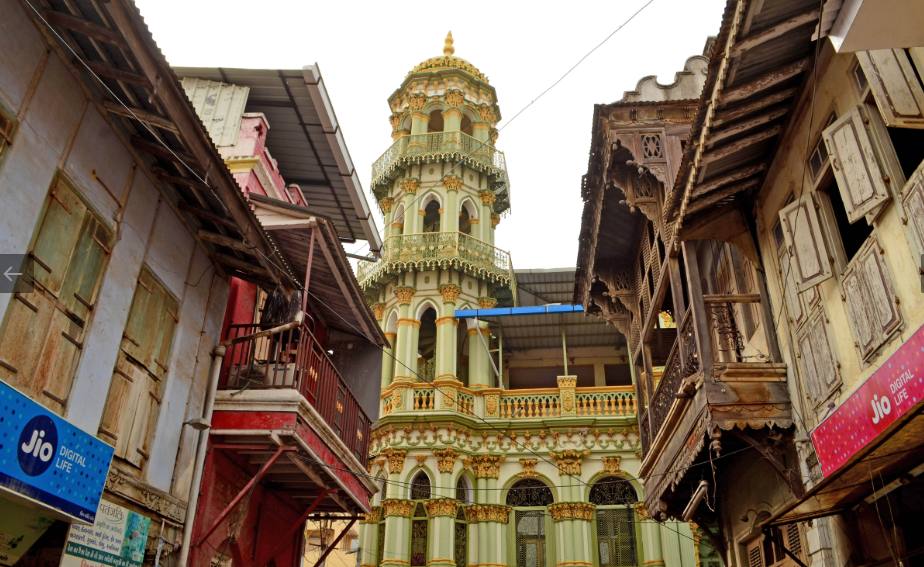
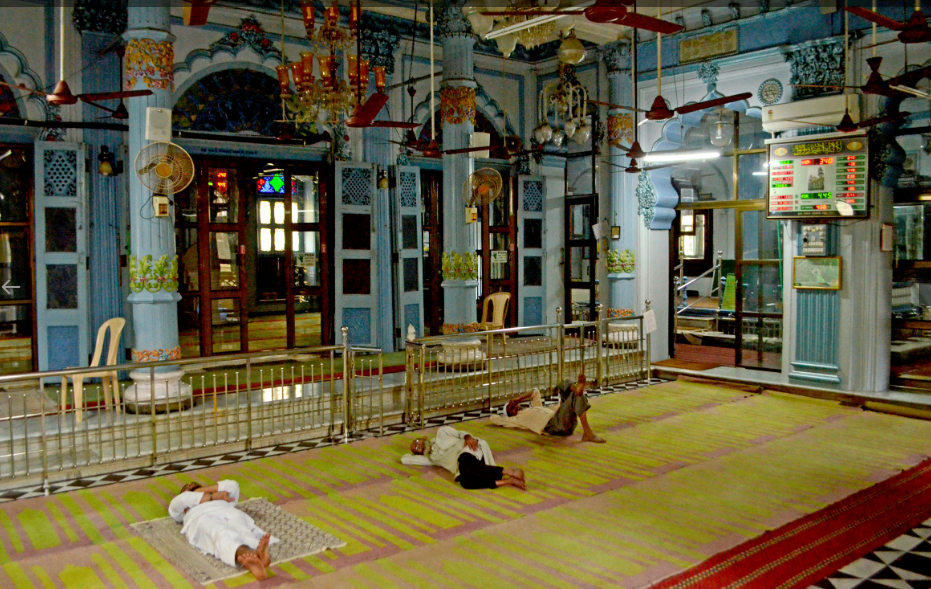
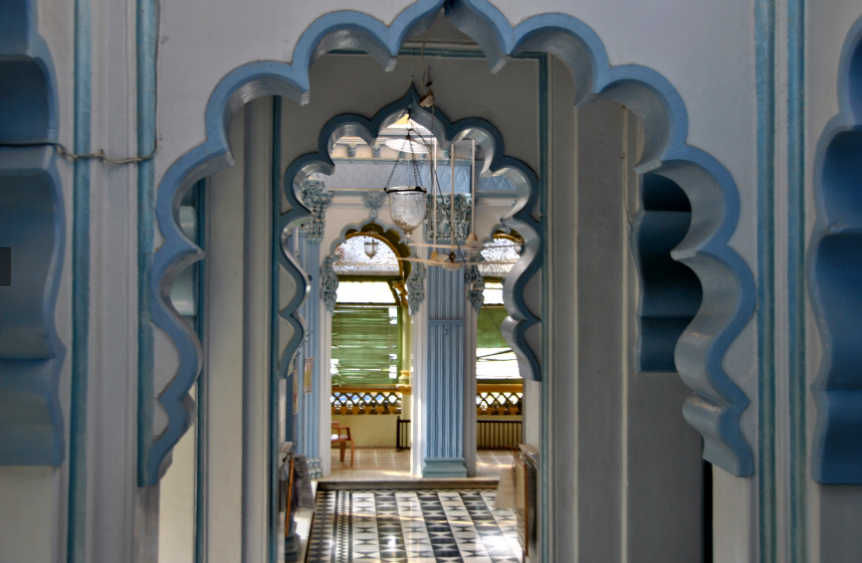
In Rander township of Durat city in Gujarat, there is an architectural marvel — a One Pillar Mosque called “Masjid-e-Quwwat-e-Islam.” This mosque upends the tradition of art associated with Muslims.
It’s not just a place of worship, but a unique fusion of history, culture, and architecture.
The quarter of the city where this mosque is located was once a major commercial centre of Surat. In ancient times, local merchants traded with Africa, Arab countries, and Burma. Around 1225 AD, Arab merchants from Kufa (Iraq) settled here. With their arrival began a fusion culture, and this influence is still visible.
The mosque, built in the 1800s, is a blend of architectural styles. It incorporates elements of Arabic, Mughal, Portuguese, and Dutch architecture.
The most striking aspect of the mosque is its structural design. It rests entirely on a single pillar. Four arches emerge from a pillar in the basement, and three minarets stand out, each 50 feet high. The entire mosque’s mezzanine and floor rest on this pillar.
Rander’s historical significance extends beyond trade. The region has also been home to Jain and Parsi communities. The port of Rander predated the port of Surat. Jain merchants traded with various countries here in the 1200s. Arab merchants arrived in 1225 and established their own place of worship.
According to Dr. Surendra Vyas, a renowned architect and archaeologist from Surat, “The first mosque in Gujarat was built in Rander.”
In his book, Dawn of Islamic Architecture in Gujarat, Dr Vyas states that approximately 1,300 years ago, two Arab traders came to Rander and built only a qibla (Facing towards Macca) wall. It had no minaret or a hauz-e-wuzu Tank for ablution). All the traders would gather in front of this wall and worship Allah. The graves of these two traders, inscribed with Arabic inscriptions, still stand in a nearby cemetery.
This mosque is also important in the folk life of Rander. Walking through it one can see glimpses of the ancient trading lifestyle. There are also Jain temples in the mosque and surrounding settlements, demonstrating that Rander has been a melting pot of religions and cultures.
According to Dr. Vyas, the study of over 70 mosques and buildings in Gujarat spanned three years. brought out details of the architectural techniques and art of the Rander mosque.
The mosque’s western wall, called the Qibla wall, faces the direction of Mecca. This wall remains an important part of the mosque’s design. Initially, there were no set times for prayer. People gathered by standing on high mounds or using booms. Later, the call to prayer began to be made from a minaret, and people began to pray at set times.
This single-pillar mosque design is significant not only for its architecture but also for its social and commercial history. It demonstrates how organised and modern the people of Rander were. Supporting such a massive structure on a single pillar is a unique architectural achievement.
Walking through the streets of Rander, you realise that it was not only a place of worship but also a cultural centre.
Traders from various countries visited here and conducted trade as well as religious rituals. Thus, the mosque strengthened Rander not only religiously but also socially and economically.
The streets surrounding the mosque are filled with stories of history. Rander’s port and trade activities remain important from a tourism and cultural perspective. Arab traders mingled with local society, sharing their art, culture, and trading experiences with the local community. As a result, mosques, temples, and other architectural structures can be seen in Rander today.
According to Dr Vyas, “There is an interesting reason behind the absence of a minaret at Rander. It is possible that this mosque was built as a private place of worship, so facilities like a hauz-e-wuzu and a minaret were not required. Water was available due to the presence of a pond or lake nearby.
From a modern perspective, this mosque is nothing short of a miracle. Standing on a single pillar for so long, it amazes every visitor.
source: youtube.com
source: http://www.awazthevoice.in / Awaz, The Voice / Home> Stories / by Ghulam Qadir / March 24th, 2026
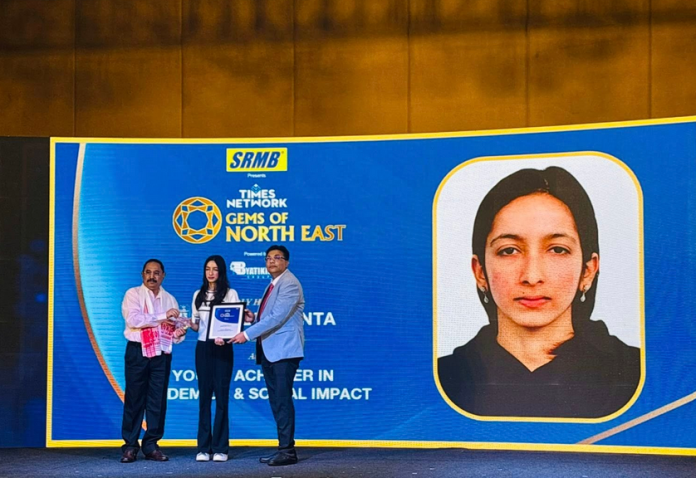
A 16 year old Muslim student from Assam has gained international attention after presenting her research at a global conference on artificial intelligence and machine learning.
Huma Abia Kanta, a Grade XII student at Royal Global School, Guwahati, presented her paper at the Advancement and Innovation International Scientific Practical Conference held in Azerbaijan. The event brought together academic institutions from multiple countries and focused on emerging developments in AI and machine learning.
Her research, titled ML Based Prediction of Phycocyanin Purity, examined how machine learning models predict pigment purity levels used in sustainable bio resource industries. She compared six regression models and achieved a mean absolute error of 0.058, improving on the standard laboratory deviation of 0.31. The paper will be published in international journals indexed in Scopus.
Huma has also authored another paper on natural language processing, accepted for presentation at RegICON 2025. She has co authored three additional research papers, which are under review.
Beyond research, she leads an educational startup named desicodes. The initiative works on an Assamese Python transpiler to promote coding in regional languages and improve access to computer science education in the Northeast.
She has also contributed to environmental work by supporting the Hargila Army initiative, helping digitise traditional motifs linked to the endangered Greater Adjutant Stork for handloom use.
Huma credited her mentors for their guidance, highlighting the role of academic support in her journey.
source: http://www.radiancenews.com / Radiance News / Home> Features / by Radiance News Bureau / March 20th, 2026