All posts by mpositiveone@gmail.com

From Madrasa to Modern College: The Evolution of Delhi College and Muslim Contributions to Indian Education

INDIA :

Madrasa Ghaziuddin, which was developed into Delhi College

In recent years, renewed public debate over India’s past has led many researchers and writers to revisit historical records with greater care. In the course of examining Muslim contributions to India’s development – across administration, education, and public institutions – numerous well-documented examples have surfaced that rarely appear in mainstream narratives.

One such finding concerns the institutional origin of Delhi College. What is widely remembered as a colonial-era institution turns out, on closer examination, to be rooted in a much older educational ecosystem established during the Mughal period. The story of its evolution offers a concrete, record-based insight into how Muslim-supported institutions contributed to the foundations of modern education in India.1

A Centre of Learning Before the Colonial Era

The story begins in 1696 with the establishment of Madrasa Ghaziuddin near Ajmeri Gate in Delhi. The madrasa was founded by Ghaziuddin Khan Feroze Jung I, a senior Mughal noble. Like many institutions of its time, it was supported through private endowments made by its founder rather than through direct imperial administration.2

This form of elite patronage was common in Mughal India, where members of the ruling class supported centres of learning as a civic responsibility. Education was viewed as essential to governance, legal administration, and social order. Madrasa Ghaziuddin functioned as a centre of higher learning during a period when Delhi served as both an administrative capital and an intellectual hub.3

What Was Actually Taught

Historical records indicate that Madrasa Ghaziuddin followed a structured and multidisciplinary curriculum. Alongside Islamic Studies, students were trained in Persian and Arabic, principal languages of administration and scholarship in Mughal India. Instruction also included logic, philosophy, mathematics, and astronomy, disciplines required for legal reasoning, governance, and intellectual inquiry.4

Islamic Studies at the madrasa did not operate as isolated theology. Ethical principles such as honesty, truthfulness, accountability, and justice formed part of the intellectual framework. These values were not abstract ideals but practical standards expected of scholars, administrators, and judges trained in such institutions. Historians note that this ethical grounding was a defining feature of Islamic education and remains emphasised in madrasa traditions today.5

The curriculum reflected societal needs rather than doctrinal preservation. It prepared individuals to think critically and administer public affairs – an aspect often overlooked in contemporary portrayals of madrasa education.

Political Change Without Intellectual Collapse

The late 18th and early 19th centuries brought major political upheaval to Delhi. With the weakening of Mughal authority and the British takeover of the city in 1803, traditional systems of patronage declined. Many educational institutions suffered from reduced funding and administrative disruption, and Madrasa Ghaziuddin was no exception.6

However, the complex was not dismantled. British authorities recognised both its strategic location near Ajmeri Gate and its educational potential. Instead of being erased, the site was repurposed, challenging the notion that pre-colonial institutions were universally dismissed as obsolete by colonial administrators.7

The Delhi College Phase: Adaptation Over Erasure

In the early decades of the 19th century, the Ajmeri Gate complex began hosting what came to be known as Delhi College. Operating from the same premises, the institution introduced English education and Western scientific disciplines while drawing upon the existing scholarly environment.8

This phase represented adaptation rather than rupture. Delhi College did not emerge from the rejection of indigenous learning systems but from their reorganisation under new political and intellectual conditions. Indian scholars continued to play an active role, and the institution became a site of intellectual exchange rather than simple replacement.

While Delhi College was later relocated to the Kashmiri Gate area, the Ajmeri Gate campus continued as an educational institution and today functions as Zakir Husain Delhi College, preserving the site’s long academic lineage.9

Translation and the Spread of Knowledge

One of the most significant contributions associated with Delhi College was its role in translating scientific and philosophical works into Urdu. At a time when English education was limited to a small elite, translation became a key mechanism for widening access to modern knowledge.10

Through this process, new technical vocabulary was developed, enabling emerging ideas in science, law, and philosophy to be discussed in an Indian language familiar to a broader population. Historians regard this translation movement as central to the dissemination of modern knowledge in 19th-century North India.11

The case of Delhi College demonstrates that modern education in India did not spread solely through English. It also travelled through Indian languages, mediated by scholars who navigated multiple intellectual traditions.

Rethinking the Role of Muslim Institutions

The history of Delhi College complicates the claim that modern education in India began exclusively with colonial intervention. Long before British reforms, Muslim-supported institutions had already established systems of learning that combined ethics, reason, and practical knowledge.12

This does not imply that pre-colonial education was identical to modern systems, nor does it deny the influence of colonial reforms. Rather, it highlights continuity – an often-overlooked dimension of Indian educational history. Muslim rulers and elites invested in institutions that served society at large, extending education beyond religious instruction into administration, law, and science.

Why This History is Often Missing

The marginalisation of such histories reflects narrowing of public discourse rather than a lack of evidence. Over time, complex institutional developments have been reduced to simple binaries: traditional versus modern, religious versus secular, pre-colonial versus progressive.

Historians caution that such simplifications obscure the layered realities of India’s past. When Muslim institutions are discussed only in theological terms, their civic and intellectual roles disappear from view, limiting informed historical understanding.13

History as Record, Not Rhetoric

The evolution of Delhi College from a Mughal-era madrasa demonstrates that Muslim contributions to India’s development were institutional, ethical, and intellectual. Recognising this history does not require ideological alignment or nostalgia. It requires attention to documented records.

As India revisits its past through research, conferences, and public discussion, cases like Delhi College underscore the value of evidence-based history. The record reveals continuity, adaptation, and contribution – elements essential to any honest account of the nation’s development.

Endnotes

  1. Percival Spear, Delhi: Its Monuments and History
  2. Syed Mahmud, History of Muslim Education in India
  3. Muzaffar Alam, The Languages of Political Islam in India
  4. Francis Robinson, The Ulama of Farangi Mahall and Islamic Culture
  5. Barbara Metcalf, Islamic Revival in British India
  6. C.A. Bayly, Indian Society and the Making of the British Empire
  7. William Dalrymple, The Last Mughal
  8. Delhi College archival records (19th century)
  9. Zakir Husain Delhi College, official institutional history
  10. Christopher Bayly, Empire and Information
  11. Oxford University Press studies on Delhi College
  12. Irfan Habib, Medieval India: The Study of a Civilization
  13. Romila Thapar, The Past as Present

source: http://www.radiancenews.com / Radiance News / Home> Features> Focus / by Mohammad Talha Siddi Bapa / March 13th, 2026
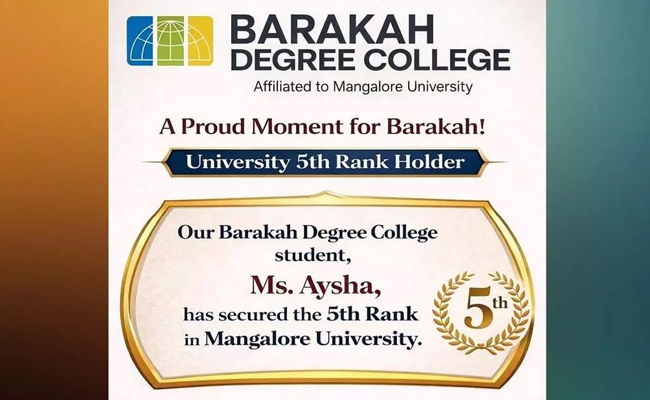
Barakah Degree College student Aisha secures 5th rank in Mangalore University B.A.

Mangaluru, KARNATAKA :

Mangaluru:

Aisha, a student of Barakah Degree College, has secured the fifth rank in the B.A. stream of Mangalore University.

Aisha is the daughter of Ashraf Ali and Ramlath. She is married to Althaf Umar and is currently pursuing a Master’s degree in English Literature at Mangalore University.

Following the announcement of the results, the management, Principal and staff of Barakah International School and College visited Aisha at her residence and honoured her for the achievement. They congratulated her and wished her success in her future academic pursuits.

Barakah International School and College, located in Adyar, offers education from Pre-KG to degree level. The institution has been recording notable academic results and its students have been receiving recognition in both academic and non-academic fields.

source: http://www.english.varthabharati.in / Vartha Bharati / Home> Karavali / by Vartha Bharati / March 06th, 2026

Book: Opinions, Welcome and Unwelcome: Impressions of an Edit Page Editor

Bhairopur Dargah Village (Azamgarh District), UTTAR PRADESH / DELHI :

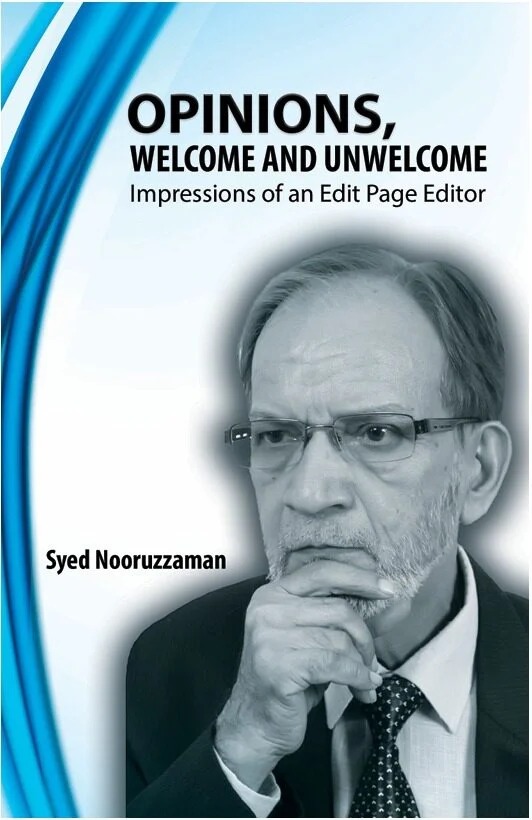
Book: Opinions, Welcome and Unwelcome: Impressions of an Edit Page Editor

Author: Syed Nooruzzaman

Publisher: The New Thinker Media Trust, New Delhi

Pages: Pages: 241 (XV + 226)

Price: ₹450

Reviewed by Dr. Abhay Kumar

Syed Nooruzzaman is a senior journalist with nearly four decades of experience in the field. Although he spent the greater part of his professional life at The Tribune, where he served in various capacities – from Sub-Editor to Assistant Editor – for more than three decades, his early journalistic training was at Radiance Viewsweekly. It is heartening that after his retirement he has published his memoir, in which he reflects on his journey of acquiring education, honing his writing skills, and eventually establishing himself as a seasoned journalist and accomplished writer.

The memoir begins with an account of his early life in his native village, Bhairopur Dargah, in Azamgarh district. It then moves on to narrate his years of struggle in New Delhi, where he went for higher education, and finally his long and productive innings at the office of The Tribune in Chandigarh. Through the story of his own life journey, the 73-year-old journalist offers many valuable lessons for aspiring journalists. The importance of the book lies in the fact that it presents the inspiring story of an ordinary person with limited resources who nevertheless strives, through perseverance and dedication, to become an accomplished journalist.

As the memoir shows, Syed Nooruzzaman remained deeply committed, from his early days, to improving the craft of writing throughout his career. It is therefore not surprising that his passion for reading and writing has continued even after retirement. The publication of this memoir stands as a testimony not only to his enduring intellectual engagement but also to his ability to write lucid prose and communicate his ideas in a clear, concise, and effective manner.

From his early days, the veteran journalist came to believe that language skills and effective communication are essential for success in the field of journalism. As he puts it forcefully, “There is no replacement for language skills…”. Among the languages he encountered, he was particularly inclined towards English, as he believed that “English was the best vehicle for socio-economic development”. At another point, he remarks: “English was my favourite subject.” His life does not fit the communal stereotype that Muslims are “averse to studying the English language” and are themselves responsible for their alleged “backwardness.”

Besides language skills, he also underscores the importance of a journalist having “an inquisitive mind” and the inclination to keep “asking questions in any situation.” With the rise of right-wing forces in Indian politics, the mainstream media, in the eyes of marginalised communities and the weaker sections of society, appears more willing to peddle the official narrative than to speak truth to power. Such a tendency existed in the past as well, but it seems to be more visible today than in earlier times. It is here that the significance of Syed Nooruzzaman’s advice becomes particularly evident.

The veteran journalist also spells out the reason why he chose the field of journalism over anything else: “I fully realised that the journey was worth undertaking as it provided opportunities to fight for injustice done to people by those in authority.”

To put it simply, the advice he offers to budding journalists, drawn from his long career in journalism, is to develop strong writing skills, never be afraid to ask questions of those in power, and use the platform of journalism to fight against injustice.

Apart from offering suggestions to budding journalists, the memoir also makes brief references to the wider political situation in the country during the 1970s, the 1980s, and the 1990s, when he was active as a journalist. However, the memoir could have benefited from a more detailed and in-depth discussion of these issues. Since the author, as he himself mentions several times in the book, was at the helm of the edit page, readers’ understanding might have been enriched further had he engaged more deeply with the larger political, social, and economic context of the country. Was it because the senior journalist wished to maintain his “neutrality”? But can one afford not to take a stand when injustice is being done?

One possible reason for this omission is that the memoir under review devotes considerable attention to the details of the author’s personal life. There is nothing wrong with discussing personal aspects in a memoir, but care should be taken to bring into the public domain only those personal details that have a wider public relevance.

For instance, the senior journalist spends considerable space at several places describing how he cleared various tests in order to secure a job. Similarly, he repeatedly mentions that he handled the important responsibility of the edit page and wrote editorials. However, more substantive issues – such as what he actually wrote, how he wrote it, what he wished to write but could not, what the social composition of the newsroom was, and what kinds of conflicts of interest or internal politics existed within the editorial team – remain largely unexplored.

While his treatment of the Punjab crisis is very brief – despite the fact that he worked and lived through those troubled and critical times – his analysis of the events is not particularly critical. Either he has largely ignored the subject, or when he does briefly mention it, he fails to offer any alternative framework beyond reiterating the larger State’s narrative.

It is to be noted that the author belongs to a minority community, and he might have been expected – perhaps more than many others – to show greater sensitivity to the issues faced by other minorities. However, the memoir does not quite live up to that expectation, and its tone often appears to be shaped by the official “nationalist” discourse.

Besides this, the veteran journalist has failed to engage with several major events of his time, such as the demolition of the Babri Masjid, the process of Globalisation, and the people’s protests against the new economic policy, despite the fact that he is a scholar of economics. More surprisingly, there is no mention of the Gujarat violence of 2002 in his memoir. Similarly, the State’s crackdown on marginalised castes and communities, and their struggles, are largely absent from the book. He briefly mentions the police encounter in Batla House in 2008, but does not analyse it in any substantive manner.

One of the debatable aspects of the memoir is the author’s claim that discrimination and hate politics were largely absent in earlier times: “There was no hate politics practised in the country” (p. 54). At another place, he states, “Those were different times. People did not like or dislike you because of your religious belief” (p. 65). While opinions may differ regarding the extent of discrimination today and in earlier periods, to deny its existence altogether is sociologically untenable. If discrimination had not existed, Muslims, Dalits, Adivasis, and Backward Castes would have been adequately represented in the media. Even today, while a Dalit and an Adivasi have risen to become the President of India – the highest constitutional office in the country – no one from these communities has become the editor-in-chief of a leading mainstream newspaper. What accounts for this absence?

While the veteran journalist denies the existence of discrimination in the past, his own narration of an incident appears to contradict this position. In the early part of the memoir, he recounts that when he met Indira Gandhi for an interview in the post-Emergency period, she referred to Radiance Viewsweekly as a “fundamentalist paper” (p. 50) and even asked him why he was working there. Such remarks themselves reflect the existence of certain prejudices against minority communities and other weaker sections within public institutions, including the media.

These facts suggest that the memoir under review could have benefited from a deeper engagement with some of the more complex issues surrounding journalism. For instance, the author briefly hints at the existence of power centres within the newsroom and editorial department but does not elaborate on them. A more detailed discussion of internal dynamics, the social composition of the media, and the gatekeeping mechanisms that shape entry and advancement in journalism would have added greater analytical depth. Similarly, the memoir might have explored how communal narratives are constructed within sections of the media and how the social profile of the Muslim community affects its representation in mainstream journalism. Given his background in economics, the author could also have devoted chapters to the political economy of the media.

The memoir would perhaps have been richer had the author devoted more space to discussing his own writings on major themes. This could have given readers a window into his times. While he mentions interviewing several high-profile leaders, including Indira Gandhi, he does not discuss the content of these interviews at all. Similarly, he has not elaborated on what he wrote over the years, how he wrote it, and what he was not allowed to write. One might expect that a senior journalist like Syed Nooruzzaman would have a wealth of stories and experiences to share with readers in the fields of media and politics. Such an in-depth and analytical discussion of his era and his critical writings would benefit journalists, researchers, historians, and readers alike. Can we hope for the inclusion of these discussions in the next edition of the memoir?

[Dr. Abhay Kumar is the author of the recently published book Muslim Personal Law: Definitions, Sources and Contestations (Manohar, 2026). Email: debatingissues@gmail.com]

source: http://www.indiatomorrow.net / India Tomorrow / Home> Education / by Dr Abhay Kumar / March 31st, 2026

Bearys education announces ‘campus connect & talent hunt 2026,’ offers up to 100% scholarships

Mangaluru, KARNATAKA :

Mangaluru:

Bearys Education has announced the launch of its “Campus Connect & Talent Hunt 2026,” scheduled to be held on April 11 at the Bearys Knowledge Campus near Mangalore University in Innoli.


The initiative, aimed at promoting academic excellence and student empowerment, will offer scholarships of up to 100 percent on tuition fees for meritorious candidates.

The programme seeks to identify and support students aspiring to pursue Pre-University Course (PUC), degree, engineering and architecture programmes.


The event is open to students from SSLC (Class 10), PUC (Class 12), Diploma and ITI streams, along with their parents. Organisers said the day-long programme will focus on guidance, engagement and opportunities for students planning their academic future.


A Talent Hunt Examination will be conducted on April 11 at 9.30 am, with eligibility extended to students completing SSLC and PUC in 2026. Based on their performance, candidates will be considered for scholarships of up to 100 per cent.


The event will also feature a career guidance and counselling session led by Ameen-E-Mudassar, CEO of CIGMA. In addition, a technical and science expo showcasing student-led innovations, along with a food festival, will be organised as part of the programme.


Organisers stated that the initiative reflects the institution’s focus on quality education, personality development and integrity, while marking over 120 years of educational service.

Interested participants can register before April 8 by scanning the QR code provided in the official announcement (provided below) or by contacting 89704 96949, 81239 04351, or 99000 66888.

source: http://www.english.varthabharati.in / Vartha Bharati / Home> Karavali / by Vartha Bharati / March 31st, 2026

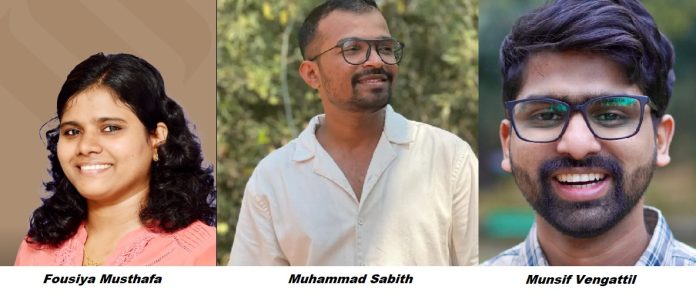
Muslim Journalists Muhammad Sabith, Fousiya Musthafa and Munsif Vengattil Shine at Ramnath Goenka Awards 2026

INDIA :

New Delhi:

Muslim journalists Muhammad Sabith, Fousiya Musthafa and Munsif Vengattil have earned recognition at the Ramnath Goenka Excellence in Journalism Awards 2026, reflecting the growing contribution of diverse voices in Indian media.

Muhammad Sabith, representing Mathrubhumi, received the award in the Print and Digital Regional Languages category along with colleague Akhil Sivanand. Muhammad Sabith has built his work around regional reporting, bringing local developments into public focus. His stories reflect ground realities and strengthen the role of regional journalism in public discourse.

Fousiya Musthafa, associated with News Malayalam 24×7, secured the award in the Broadcast and Digital Regional Languages category. Fousiya Musthafa has gained recognition for consistent field reporting and clear storytelling across television and digital platforms. Her work highlights key social issues and ensures strong audience engagement.

Munsif Vengattil, based in Bengaluru, leads technology news coverage in India for Reuters. Munsif Vengattil tracks developments at the intersection of technology, business, and labour. With nine years of reporting experience, Munsif Vengattil has covered India’s electronics manufacturing push, tech policy developments, artificial intelligence and election interference, satellite internet, streaming platforms, and data breaches. Munsif Vengattil has also reported on corporate strategies of major global technology firms including Apple, Facebook, Google, Foxconn, Samsung, and Nvidia. His work focuses on India-specific challenges and initiatives within the global technology ecosystem, bringing clarity to complex policy and business developments.

The Ramnath Goenka Awards, instituted by the Indian Express Group, recognise excellence across categories such as investigative reporting, politics, environment, and regional journalism. The awards honour journalists who uphold accuracy and public accountability.

The recognition of Muhammad Sabith, Fousiya Musthafa and Munsif Vengattil highlights the strong presence of Muslim journalists in India’s evolving media space. Their work continues to bring forward important stories and strengthen informed public debate.

source: http://www.radiancenews.com / Radiance News / Home> Pride of the Nation> Awards> Markers of Excellence> Report / by Radiance News Bureau / March 28th, 2026

Whitestone Shareef’s Trust distributes Rs 41 lakh scholarships to vocational students in M’luru

Mangaluru, KARNATAKA :

Mangaluru:

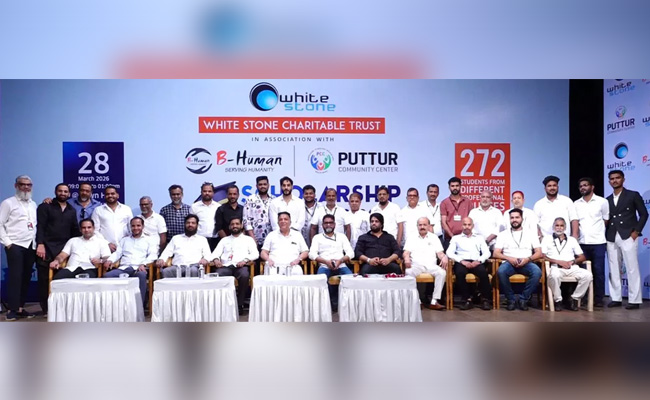
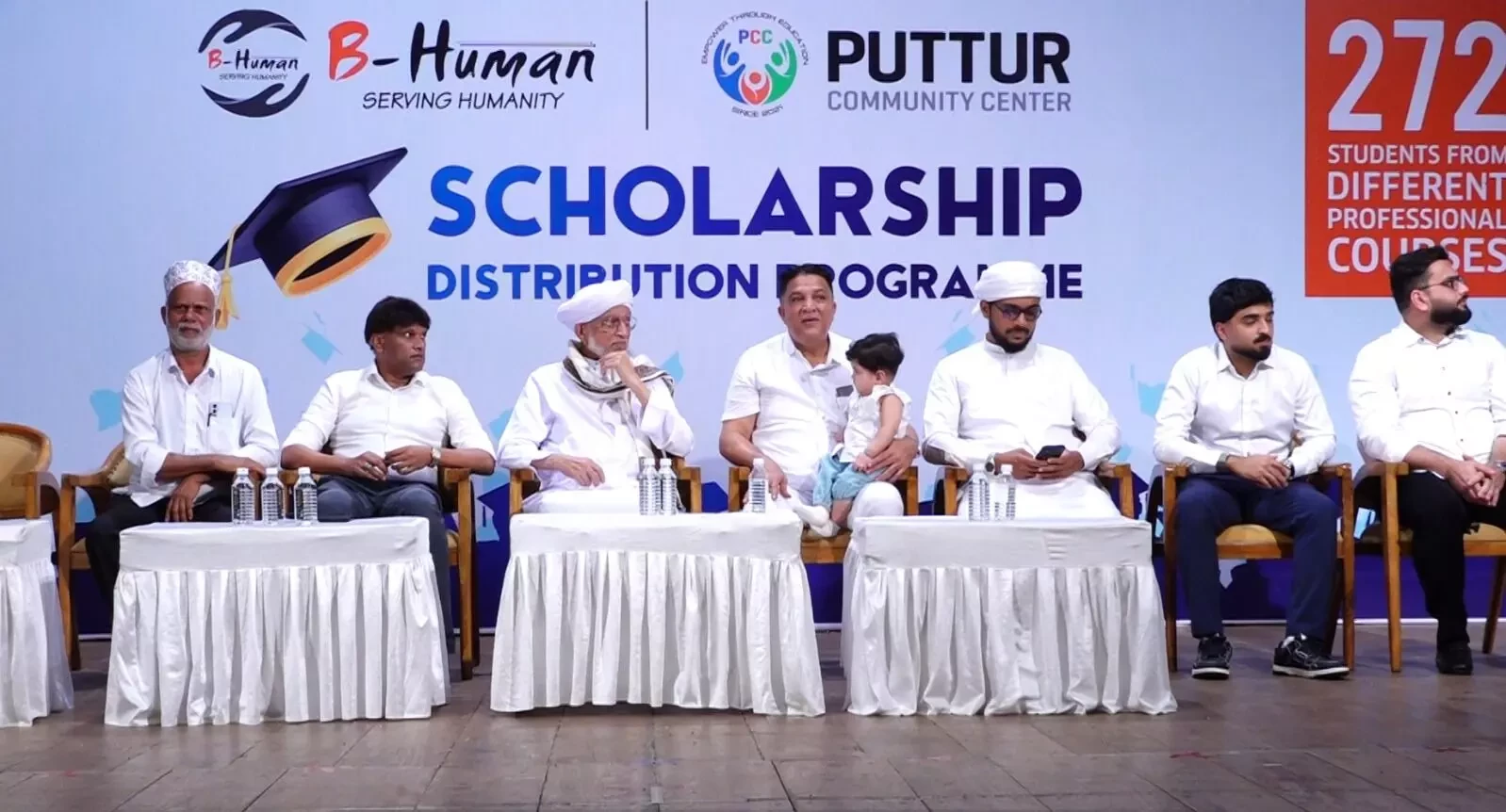
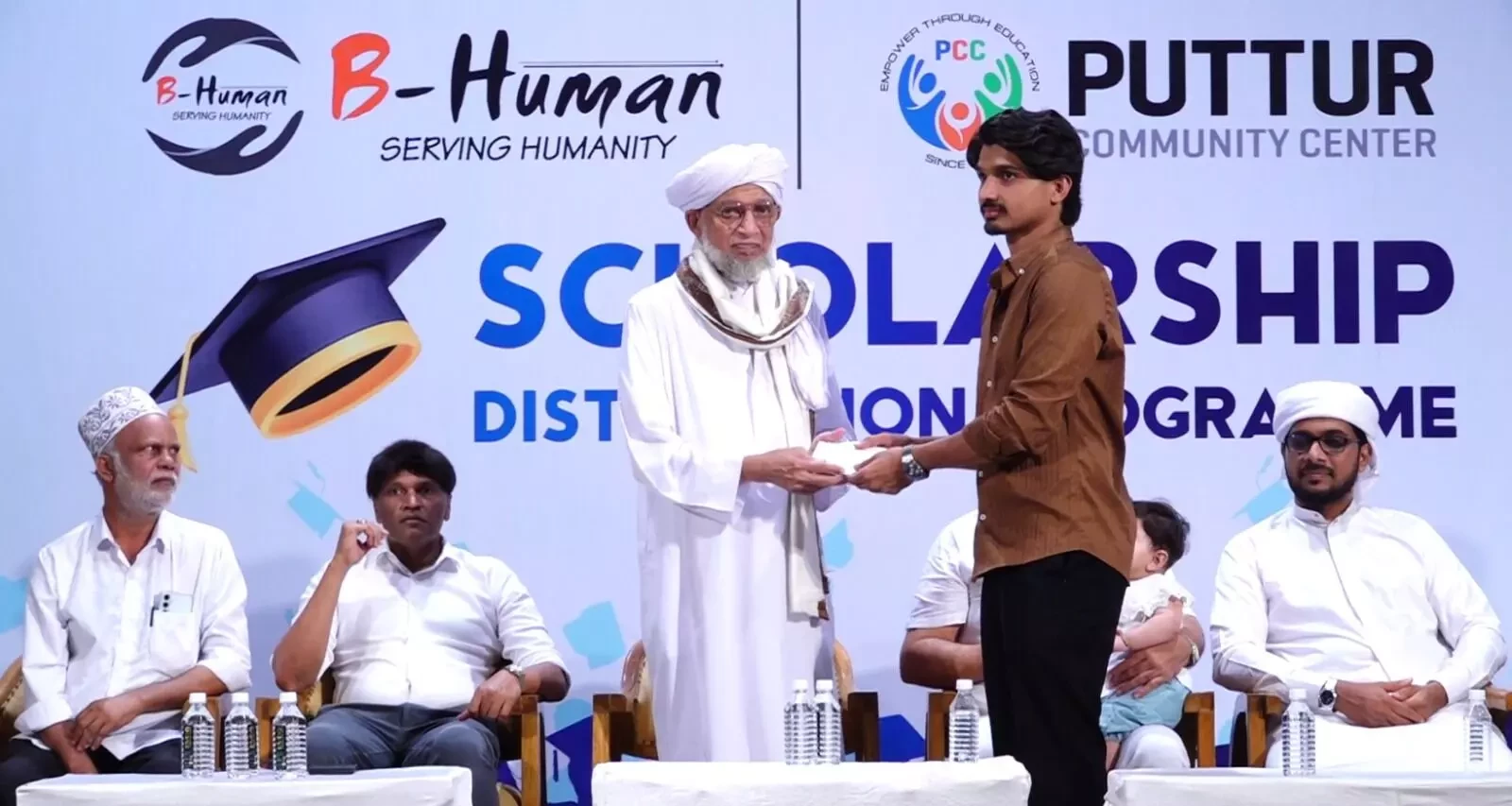
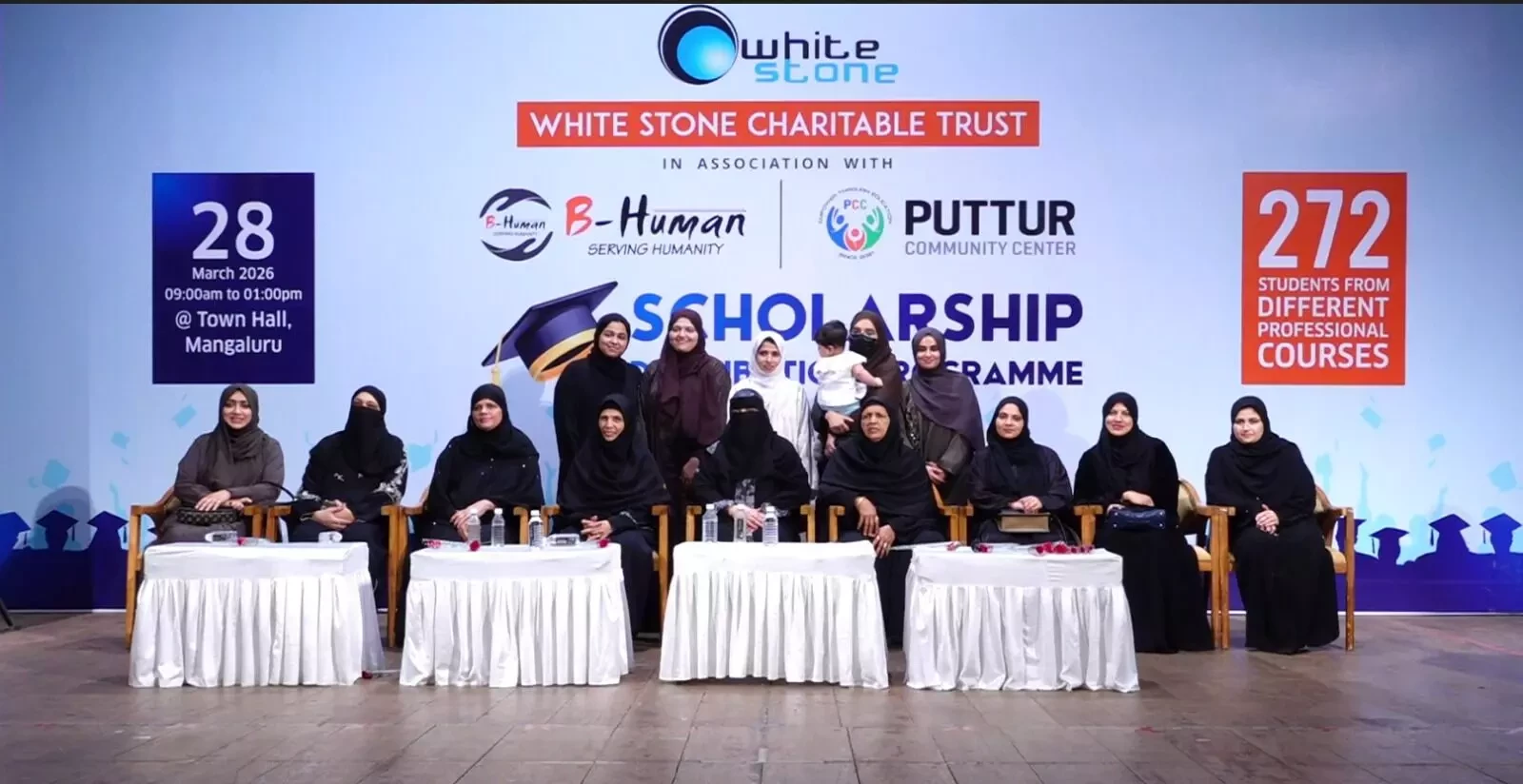
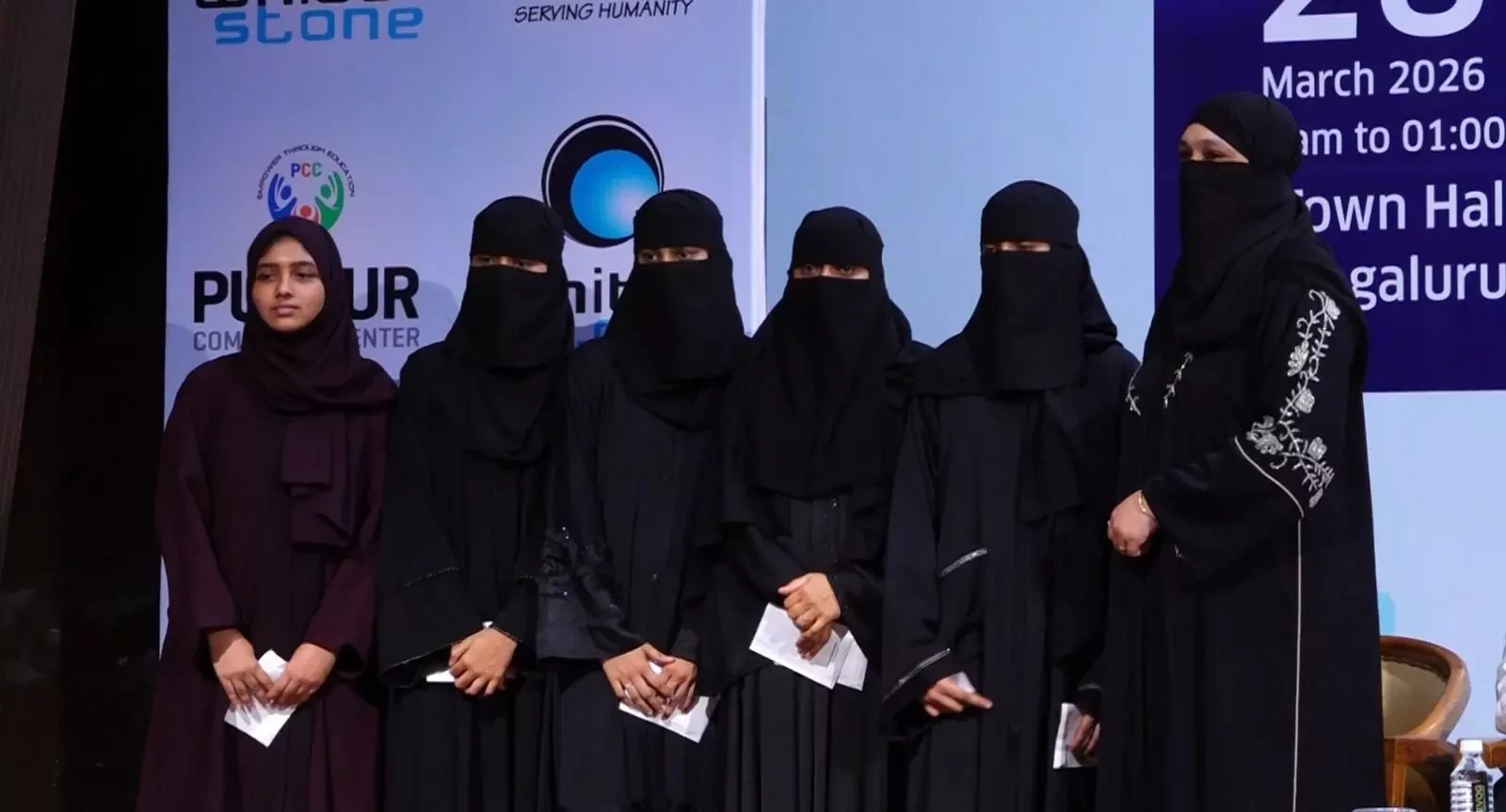
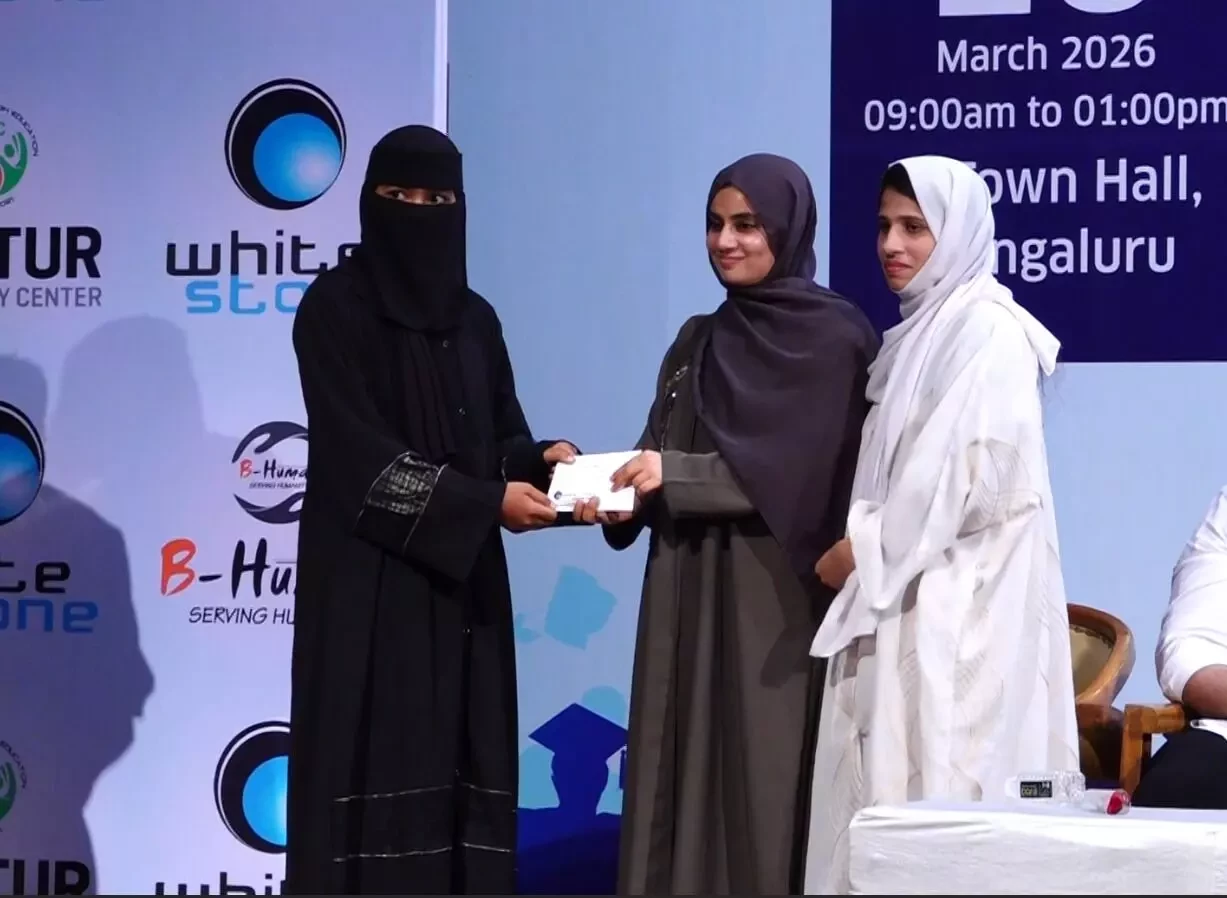
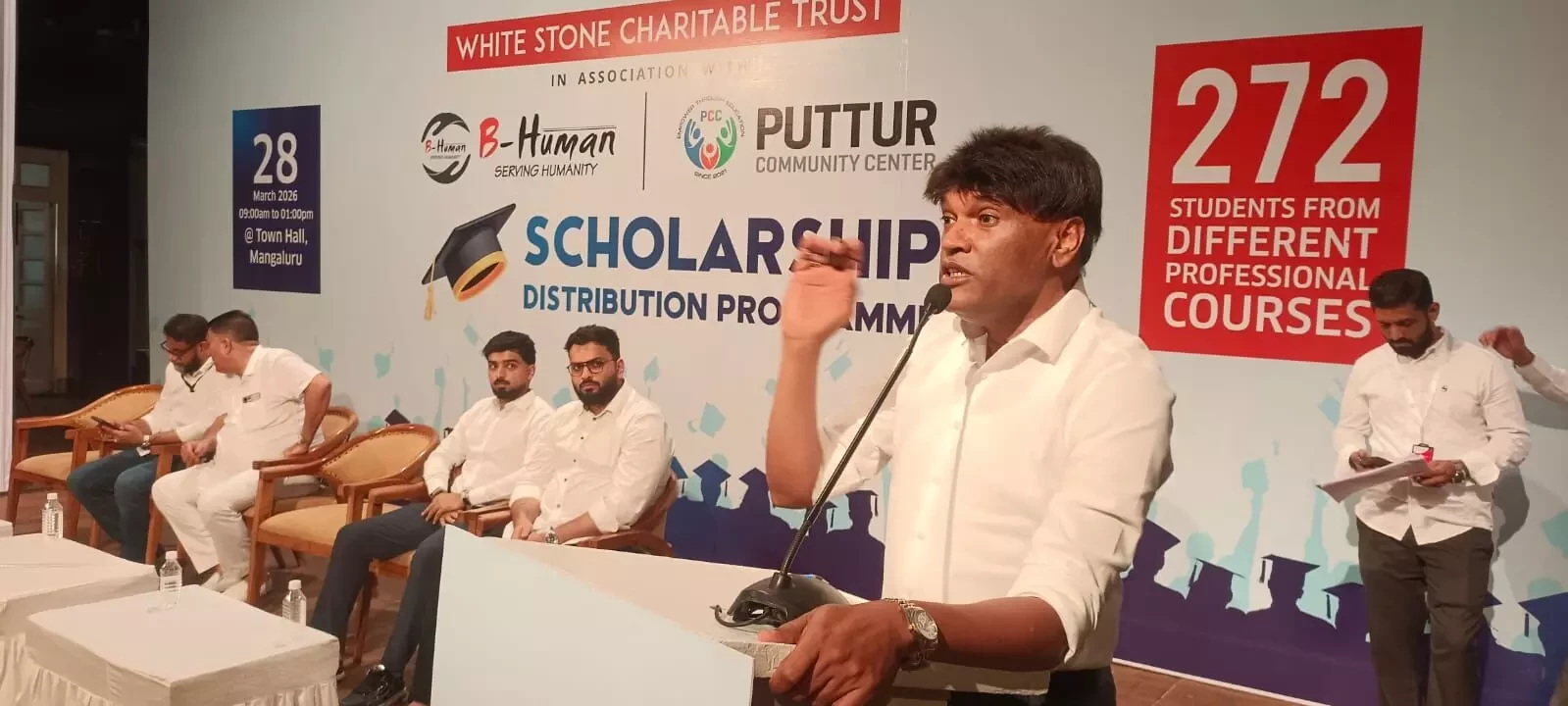
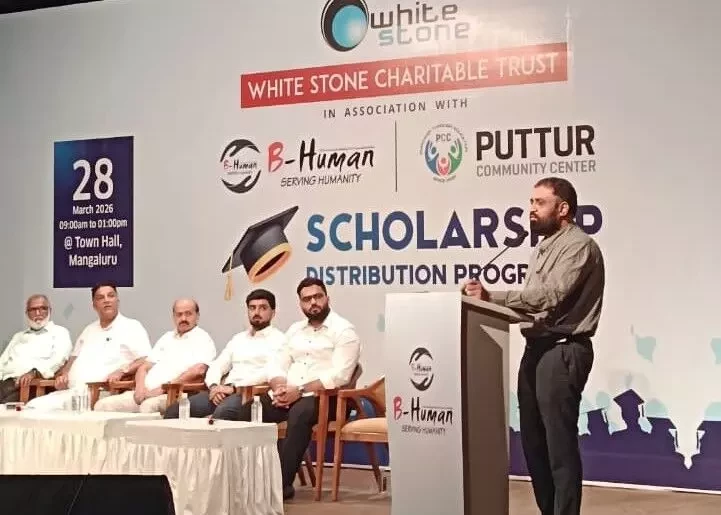
Businessman Whitestone Shareef, through the Whitestone Sharif Charitable Trust, distributed scholarships worth Rs 41 lakh to 272 students pursuing various vocational courses under the guidance of the Puttur Community Center. The programme was held at Kudmul Rangarao Town Hall in the city on Saturday.

Speaking on the occasion, Dr. U.T. Ifthikar Ali Fareed of the Karnataka State Allied and Healthcare Professions Council lauded the initiative, stating that Shareef Bolar of Whitestone has significantly supported students pursuing vocational education, enabling them to continue their studies in a better manner. He congratulated Whitestone Shareef for the initiative and also appreciated the efforts of the Puttur Community Center and B-Human Organization for their cooperation.

During the event, Whitestone Group CEO and Team B-Human President B.M. Shareef Bolar distributed the scholarships to the beneficiaries. Addressing the gathering, he said that as part of the trust’s plan for community development, scholarships have been provided to 272 students this year, expressing happiness over being able to extend such substantial support.

Hanif Puttur of the Puttur Community Center said that the organisation, which has been functioning for the past five years, has been supporting students under the leadership of Team B-Human, and scholarships have been distributed this year as well as in the previous year. He added that a total of 836 students are currently pursuing professional education, including 79 in MBBS, 25 in BDS, 26 in BAMS, 85 in CA, and 35 in Law. He emphasised that the initiative is not limited to any one community and that assistance is being extended to students from all communities.

Dakshina Kannada Qazi Thwaka Ahmed Musliyar, State Minorities Commission Director Jeelani Mokashi, Dakshina Kannada district officer Jinendra Kotian, Bearys Chamber of Commerce and Industry (BCCI) President S.M. Rasheed Haji, Muslim Educational Institutions Federation (MEIF) President Moosabba P. Beary Jokatte, Asif Deal and others were present.

source: http://www.english.varthabharati.in / Vartha Bharati / Home> Karavali / by Vartha Bharati / March 28th, 2026

Muslim Craftsman, Mohammad Sher Khan from Rajasthan Gains Attention with Fuel Efficient Vishwaguru Chulha

Udaipur, RAJASTHAN :

Udaipur:

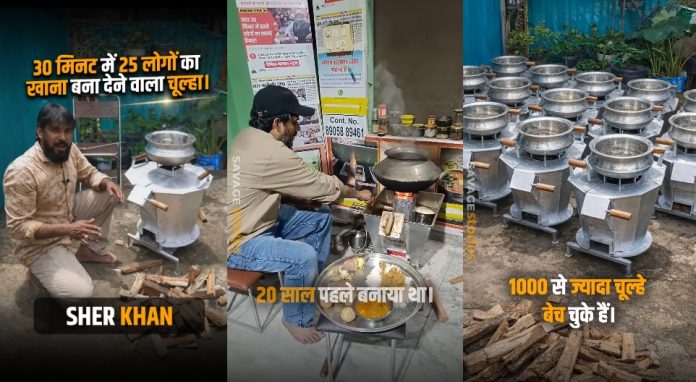
Mohammad Sher Khan, a Muslim iron craftsman from Udaipur, Rajasthan, has drawn attention for his innovative Vishwaguru Chulha, a stove designed to cook meals for 25 people within 30 minutes while reducing fuel use and smoke.

Khan, a class 8 dropout, spent 27 years refining the design after observing women spending long hours cooking multiple dishes using large amounts of firewood. His aim was to reduce cooking time and ease the burden on households. He patented the stove in 2017 after testing it in homes and dhabas. More than 10,000 units have been sold.

The stove features a three layer system. The top section bakes items like rotis and bread. The middle section handles frying. The bottom section boils dal and other dishes. This design allows users to prepare multiple items at the same time.

Khan states that the chulha uses around 2 kilograms of firewood compared to nearly 10 kilograms in traditional methods. The design also reduces smoke, improving working conditions in kitchens.

Demand has increased due to disruptions in LPG supply linked to global tensions affecting key shipping routes. Many households and small eateries face rising costs and supply delays. The Vishwaguru Chulha offers an alternative priced at around Rs 10,000.

The innovation highlights how local solutions address everyday challenges. Khan plans to expand reach across homes, eateries, and small businesses, offering a practical option for efficient cooking.

source: http://www.radiancenews.com / Radiance News / Home> Latest News> Markers of Excellence> Personality> Report / by Radiance News Bureau / March 30th, 2026

Dakshina Kannada SP Dr Arun K, ACP Najma Farooqi selected for CM’s medal of year

KARNATAKA :

Mangaluru:

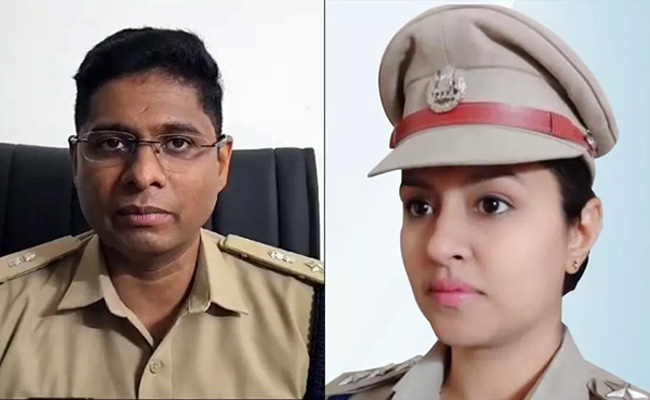
Dakshina Kannada Superintendent of Police Dr. Arun K. and Mangaluru City Traffic Sub-Division ACP Najma Farooqi, along with several other police personnel, have been selected for the Chief Minister’s Medal for the year 2025. The awards will be presented in Bengaluru on April 2.

Among those selected are KSRP 7th Battalion ARSI K.M. Shivashekar, DAR ASI Tilakraj, Head Constable Irshad P. of Bantwal Police Station, Head Constable Jayanand N. of Kankanady City Police Station, Head Constables Mani M.N. and Satish of Mangaluru City Cyber Crime Police Station (Satish is currently promoted and posted at Bajpe Police Station), Head Constable Vijay Kumar Rai of Belthangady Rural Police Station, and Woman Head Constable Lalita Lakshmi of Urva Police Station.

source: http://www.english.varthabharati.in / Vartha Bharati / Home> Karavali / by Vartha Bharati / March 28th, 2026

Mangaluru’s shuttlers win Bronze Medal at National Level Badminton Championship

Mangaluru, KARNATAKA :

Mangaluru:

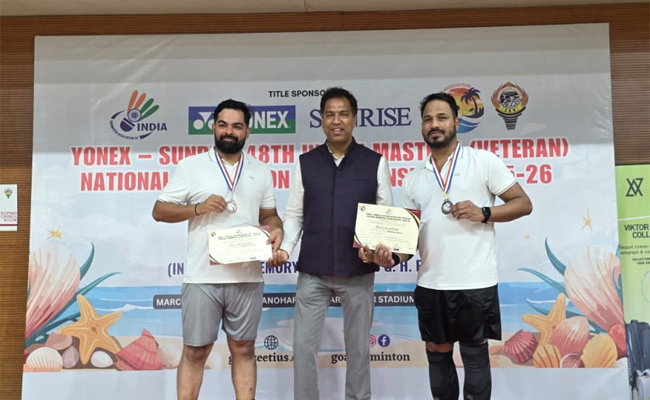
City shuttlers Rayeez PC and Dheeresh, representing Karnataka, secured a bronze medal at the Yonex Sunrise 48th Indian Masters (Veteran) National Level Badminton Championship held at the Manohar Parrikar Indoor Stadium in Goa from March 18 to 25.

The duo advanced to the semifinals after registering a notable victory in the quarterfinals against Kerala’s Jayan James and Rajesh Krishnan, who are currently ranked number two in the country.

In the semifinal, Rayeez and Dheeresh faced a team from Maharashtra but were unable to progress further, eventually finishing the tournament with a bronze medal.

Both players hail from Mangaluru and represented Karnataka in the national-level event.

source: http://www.english.varthabharati.in / Vartha Bharati / Home> Karavali / by Vartha Bharati / March 30th, 2026

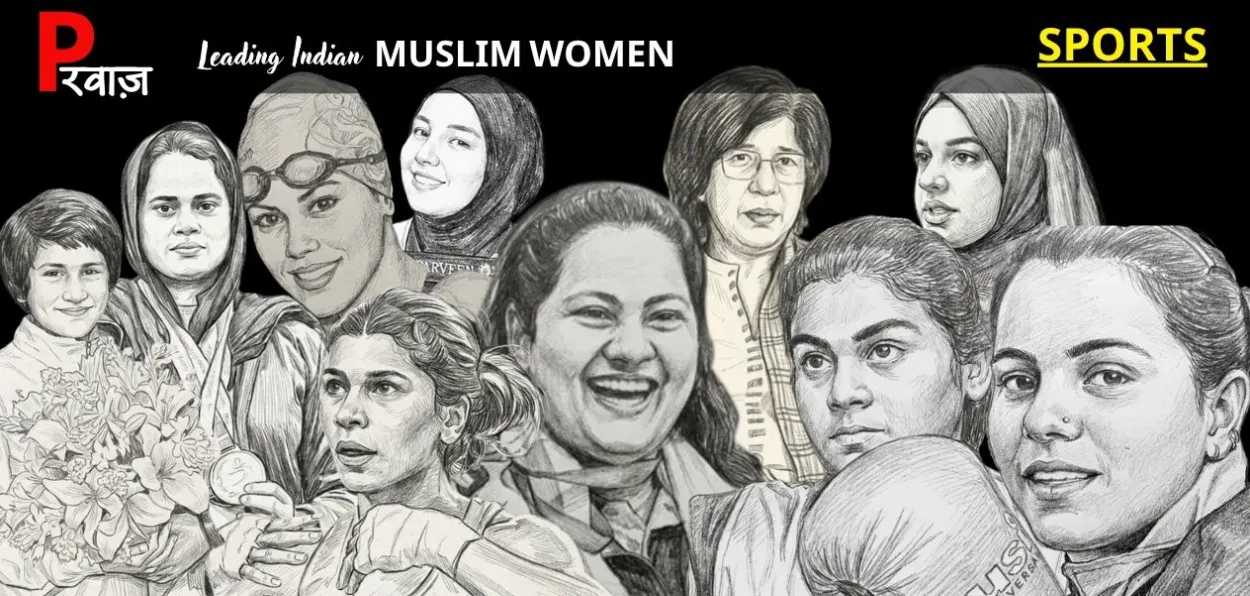
Ten Muslim women who defied norms to become sports champions

INDIA :

Muslim women in sports

New Delhi :

In its series Parwaz featuring extraordinary Muslim women of India, Awaz-the Voice brings you the stories of ten Muslim sportswomen, each one a name to reckon with in her field. Their achievements and acts of bringing glory to the nation have often come after they dared to defy social norms and relentless pursuit of their dreams. Their achievements have also resulted in a change in the attitude of society towards Muslim women:

Here are their brief stories:

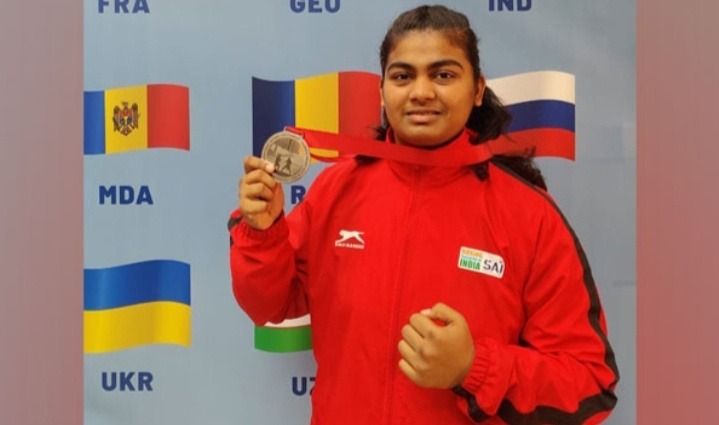
Alfiya Pathan

Alfiya Pathan

From the narrow lanes of Nagpur, Alfiya Pathan has risen to become a world champion. Her journey was marked by persistence and quiet defiance of societal norms. Inspired by her brother and the film Mary Kom, she trained rigorously despite resistance, eventually clinching gold at the AIBA Youth World Boxing Championship in Kalisz with a dominant performance.

Known for her sharp technique in the ring and simplicity off it, Alfiya’s rise reflects the making of a formidable athlete who continues to chase Olympic dreams while inspiring young girls to step beyond conventional boundaries.

Alima Rahman

Alima Rahman

In Kolkata, Alima Rahman—popularly known as the ‘Hijabi Biker’—has carved a unique identity by confidently riding through the city streets while staying rooted in her faith. Encouraged by her father despite societal resistance, she overcame ridicule and harassment to assert that women are equally capable in all fields.

Today, she stands not just as a biker but as a symbol of empowerment, promoting road safety and redefining the balance between tradition and modern aspirations.

Aneesa Sayyad

Aneesa Sayyad

At a time when Indian shooting celebrates stars like Manu Bhaker and Abhinav Bindra, the story of Aneesa Sayyad remains a powerful yet understated chapter. Rising from modest beginnings in Maharashtra, she built her own practice setup at home before achieving glory at the 2010 Commonwealth Games with double gold in the 25-metre pistol event.

Despite her achievements, she faced institutional neglect and personal challenges, and now lives a quieter life in Faridabad, her journey serving as a poignant reminder of both excellence and the struggles faced by many athletes beyond their peak.

Fariha Zaman

Fariha Zaman

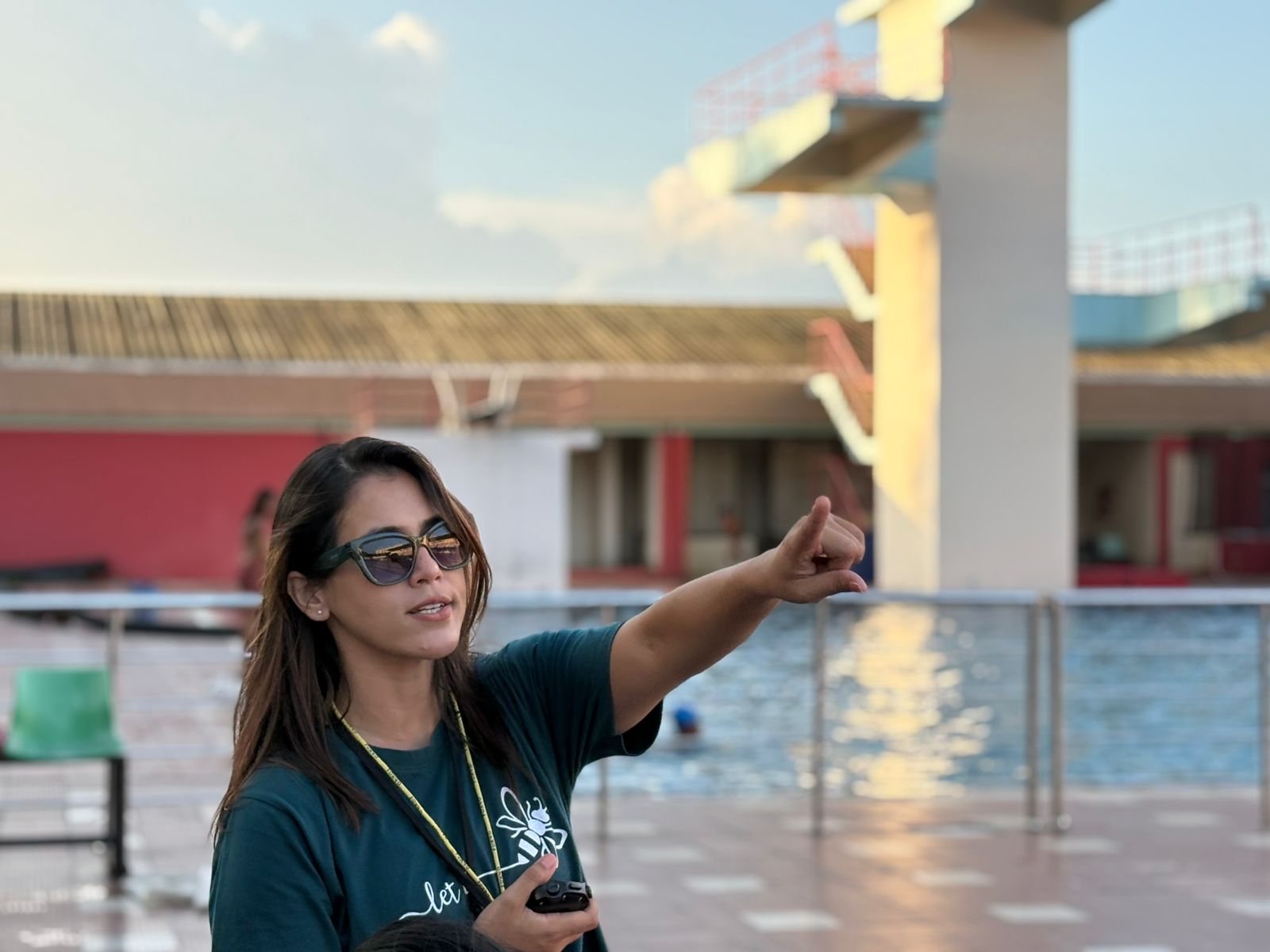
Hailing from Guwahati, Fariha Zaman overcame administrative hurdles and personal adversity to become the ‘Backstroke Queen of India’. A prodigy who began swimming as a toddler, she went on to set national records and win multiple international medals. Forced to leave Assam due to systemic issues, she later returned with a vision to nurture future talent as part of the Sports Authority of Assam, determined to ensure that upcoming swimmers do not face the challenges she once endured.

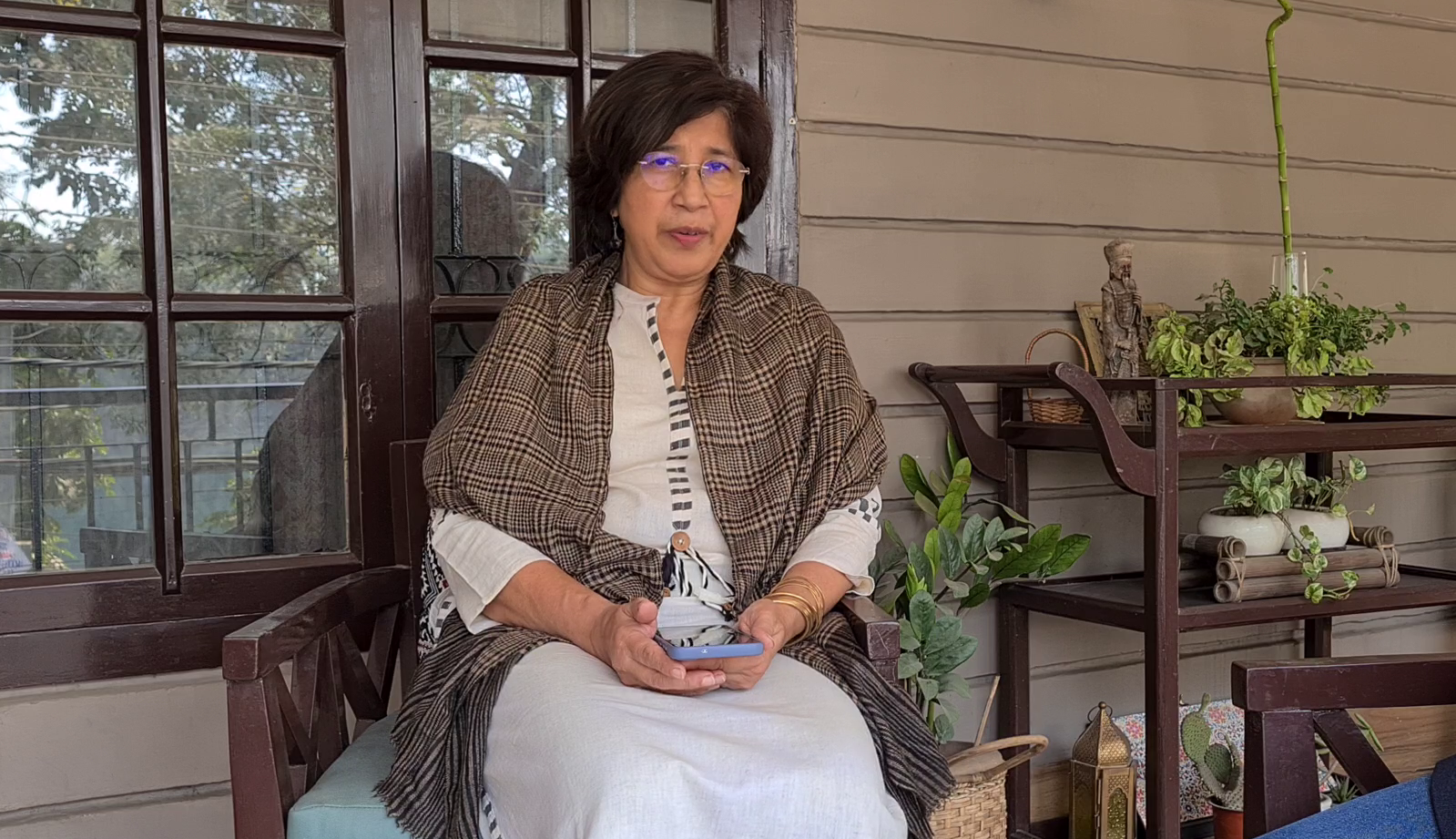
Nazreen Ahmed

Nazreen Ahmed

Breaking barriers in an era when women’s cricket had little recognition, Nazreen Ahmed from Guwahati emerged as a pioneer of the sport. Training under Lala Amarnath, she led Assam to its first major victory in women’s cricket in 1981, showcasing resilience despite minimal facilities and societal constraints. Later, balancing a distinguished administrative career, she continues to advocate for the growth of women’s cricket, her journey forming the foundation for today’s stars like Smriti Mandhana and Harmanpreet Kaur.

Nikhat Zareen

Nikhat Zareen

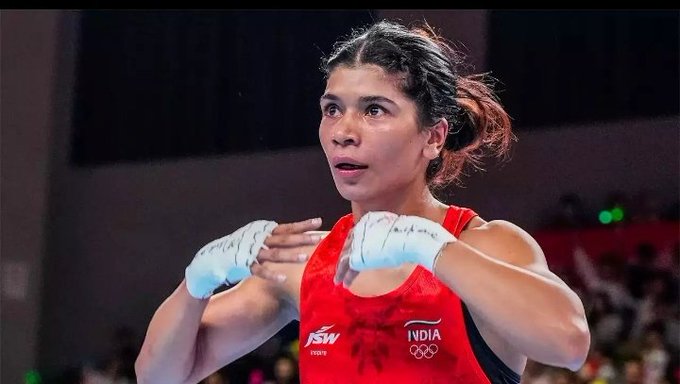
From Nizamabad, Nikhat Zareen has emerged as one of India’s most celebrated boxing champions, transforming early struggles and societal resistance into global success. Training at the Sports Authority of India, she rose through the ranks to win back-to-back gold medals at the IBA Women’s World Boxing Championships in 2022 and 2023, along with a Commonwealth Games gold. Her journey reflects not only sporting excellence but also the growing empowerment of women through sport.

Umaira

Umaira

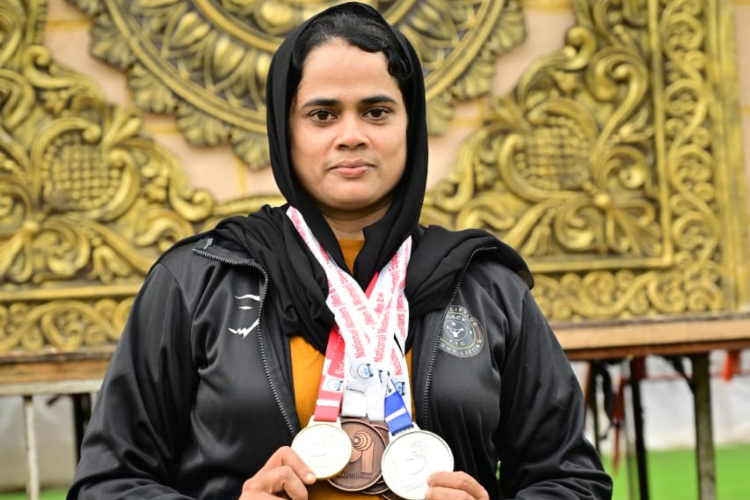
In Kannur, powerlifter Umaira has redefined age and gender norms by beginning her sporting journey at 39 and rising to national prominence. Competing in the Masters category, she has secured multiple medals with an impressive combined lift of around 350 kg, all while balancing family responsibilities and her role as a trainer. Despite injuries and financial constraints, her journey reflects determination and the growing acceptance of women in strength sports.

Shahnaz Parveen

Shahnaz Parveen

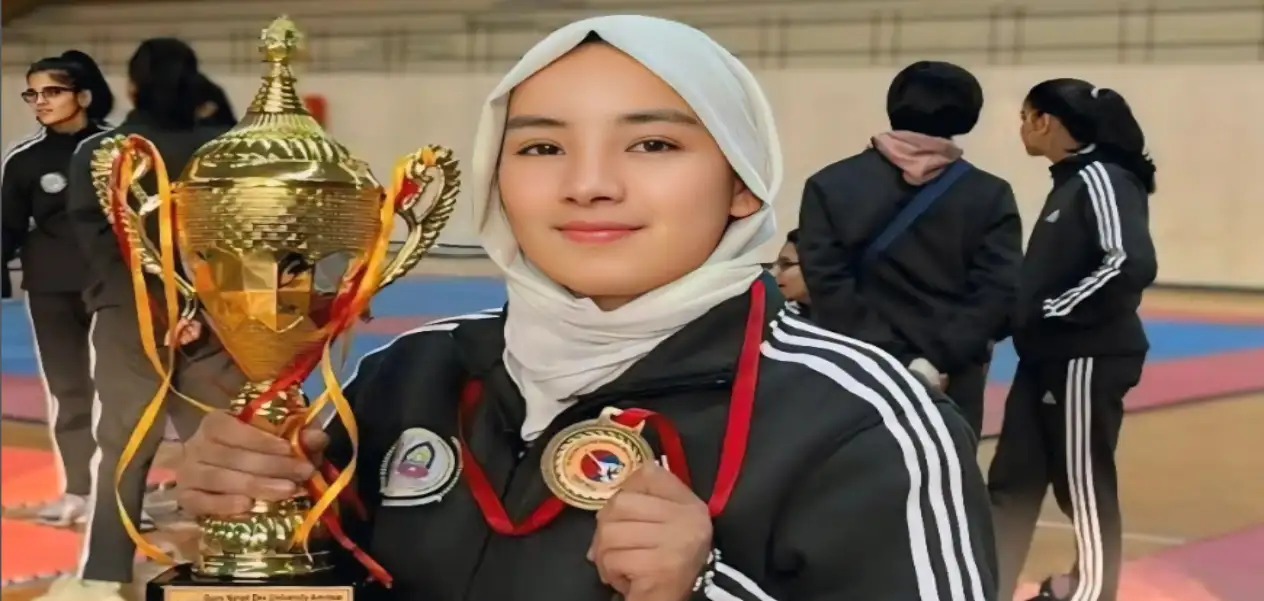
Shahnaz Parveen’s story goes far beyond a simple victory; it is an inspiring journey of struggle, determination, and the realisation of dreams. Recently, she showcased exceptional talent and mental strength by winning the gold medal at the All India Inter-University Taekwondo Championship held in Balasore. Amid tough competition, she overcame every opponent with discipline, strategy, and confidence, emerging as an outstanding athlete.

Today, Shahnaz stands as an inspiration for countless young girls who are forced to suppress their dreams due to social barriers. Her journey proves that with strong willpower and relentless effort, no obstacle is insurmountable.

Saba Anjum Karim

Saba Anjum Karim

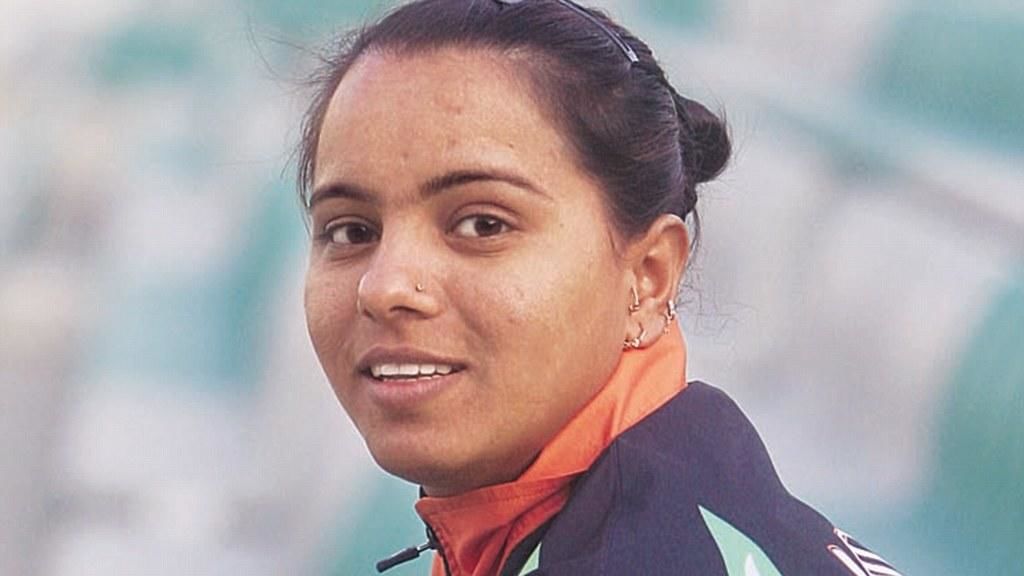
From the modest lanes of Durg in Chhattisgarh, Saba Anjum Karim rose to become one of India’s finest hockey forwards.Beginning with a broken stick and humble incentives, she overcame financial hardship and social barriers to play a crucial role in India’s gold medal win at the 2002 Commonwealth Games.

With over 90 international goals and prestigious honours like the Arjuna Award and Padma Shri, she continues to inspire as a police officer and role model for young athletes.

Tajamul Islam

Tajamul Islam

From Bandipora, Kashmir, Tajamul Islam rose to become a world champion in kickboxing. She not only comes from the periphery of India but also from a region that lacked amenities and the culture of women’s sports. She trained relentlessly and achieved international fame by winning gold at the World Kickboxing Championship 2016 at the age of eight.

Beyond her achievements, she has sparked a quiet social transformation, inspiring young girls to challenge stereotypes and pursue their ambitions with confidence.

source: http://www.awazthevoice.in / Awaz, The Voice / Home> Stories / posted by Aasha Khosa / ATV / March 28th, 2026