All posts by mpositiveone@gmail.com

How a Young Kashmiri Girl is Reviving the Koshur Through a Reading Club

JAMMU & KASHMIR :

“Haye kasher zev, me che cheeni drieh, cze myeen khabar, cze myeev nzar, cze myeen shaoor’ich sonzil zich, cze myeeni zameer’ich mecx’sang.”

(O Kashmiri language! I swear by you, you are my awareness, my vision too, the radiant ray of my perception, the whirling violin of my conscience.) — ‘Hymn to Language’, Rehman Rahi

Kashmir — where conflict and political upheaval always dominate headlines — is witnessing a quieter but equally pressing struggle, wages by a young girl, against the fading of the Kashmiri language, Koshur.

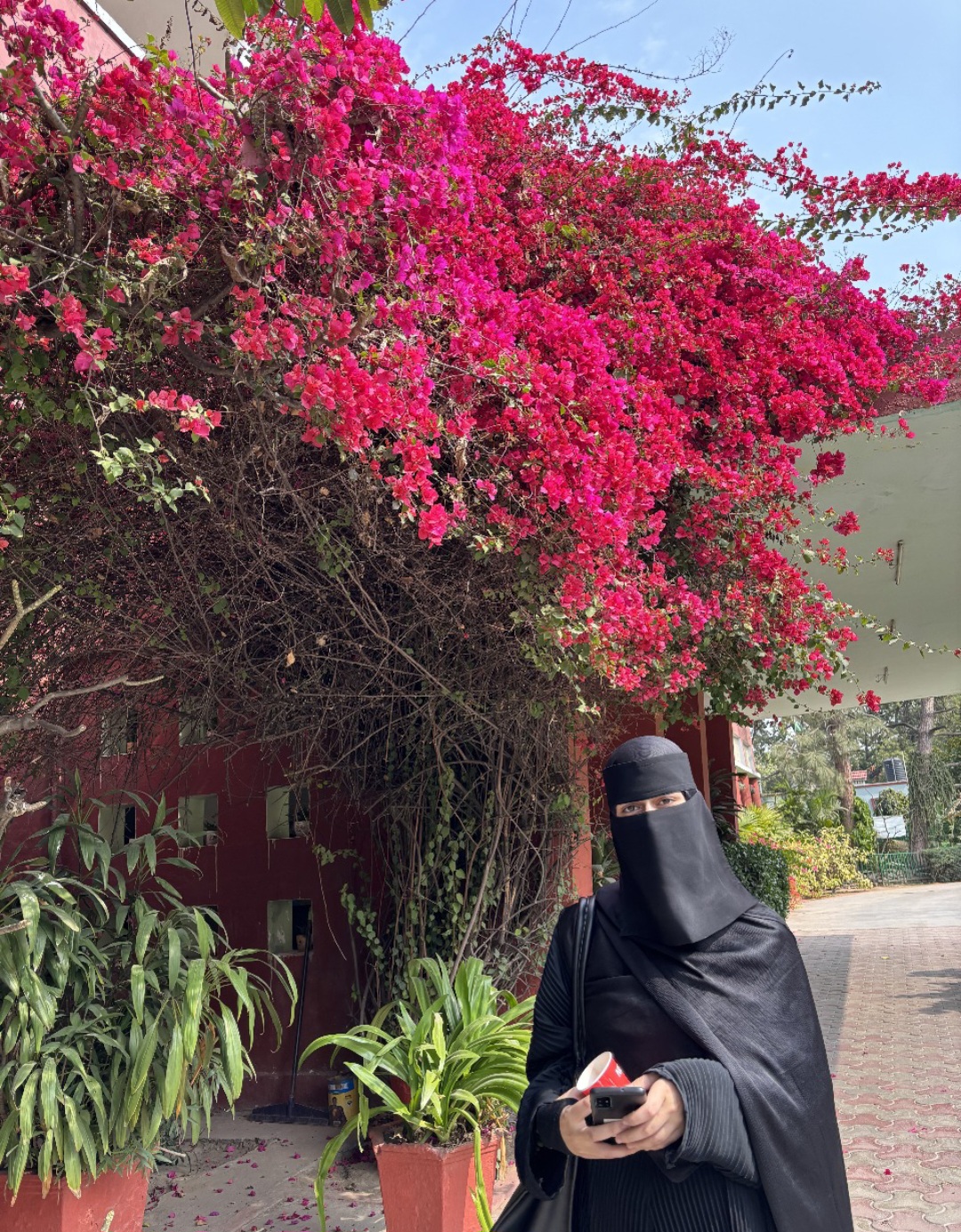
Seerat Hafiz, 22, a writer and peacemaker, has founded Yikvot — a reading club that means “together”. Her mission is to preserve and revive the beauty, rhythm and soul of Koshur, especially among the youth.

“For me, this language, which is now endangered, has been the voice of my grandparents. With English and Urdu-speaking parents, we often reserved our last bit of Kashmiri for the elderly, trying to converse only to bite back our tongue. This stands as a testament of resilience and faith,” she says.

She adds, “Kashmiri has a beautiful ring to it. I often say that it is impossible to translate any language without it missing its essence, its love and its sweetness. Kashmiri is one such language that not only is soulful and sweet but all kinds of emotions get expressed in it. I believe what was interesting to our readers was the quirky touch of Kashmiri added to the translation of the world-famous Russian author Dostoevsky’s Crime and Punishment.”

What began as a scribbled idea on a coffee shop napkin in 2024 has since blossomed into a vibrant literary movement, now boasting over 300 students. Through weekly meetups, social media outreach and intergenerational storytelling sessions, Seerat is not just preserving Koshur — she is giving it new life.

A revival

“The most exciting aspect of attending this class is the chance to get deeply involved with Kashmiri literature. The guest lectures, most of all, have been wonderfully insightful, making us get more intimately attached to our mother tongue. It was through Yikvot that I actually realised the richness of my own emotional attachment to the Kashmiri language,” says Fabiha (18), a student at Yikvot.

“Finding Yikvot marked a turning point for me. It made me want to be a part of a movement that not only preserves our language but also brings us back to our cultural heritage,” she adds.

For Noha (18), it is “how each of the members helps one another in learning new words and sentences, decoding the language” that makes Yikvot special. “I believe I have built a sense of connection and belonging at Yikvot. I joined the club because I wanted to meet people who do not have a prejudice against the language,” she says.

Unseen yet unshaken

But Seerat’s journey has not been without its obstacles. As a young woman wearing the veil, she is constantly met with judgment from within her own community. Her success and visibility have been tainted by criticism that targets not her work, but her appearance and gender.

“If my life were to be chronicled,” she says, “it would be marked by constant remarks like ‘itni padhayi karke niqab hi pehn’na tha aur reading club hi chalana tha?’” (After all that education, you chose to wear a veil and start just a reading club?) — a refrain meant to belittle her ambition and dim her spark.
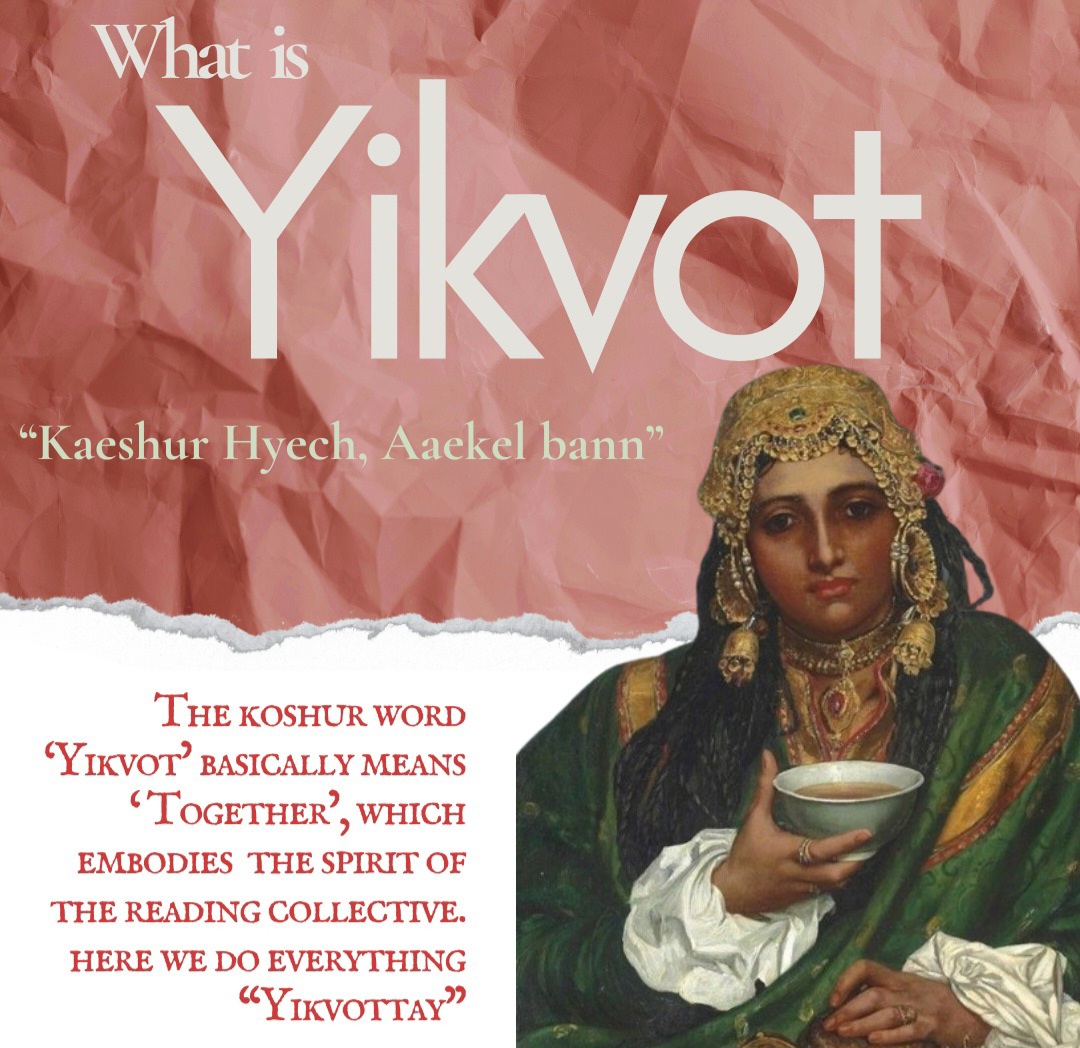
Poster of Yikvot, the reading club

“For a year, I kept on pushing through and handling every aspect of Yikvot. I was not only a woman but a veiled one at that. Suddenly, my reading club fell into expectations of a religious entity, which was not my goal at all. People were joining my personal lifestyle with my work, causing distress. I believe the biggest setback of it all was to see different people coming up not to call me out or find any faults in the club, but to shame me for being an outspoken veiled woman and debating my hijab, perpetrating the same ideals that a woman who chooses to veil should not be in a public sphere,” Seerat says.

Despite these trials, Seerat stands resolute with form determination and a clear vision. Her dream is to transform Yikvot into a permanent, offline space — a cultural sanctuary where the young can learn and the old can guide, where Kashmiri literature, stories and emotions live on.

Valley’s lingering silence

Koshur, one of the oldest living languages in South Asia, belongs to the Dardic subgroup of the Indo-Aryan family. Despite its richness and resilience, the language has long faced systemic neglect.

In 1953, Kashmiri was officially removed from the school curriculum to “lighten the academic burden” on students. It was not until 2001 that it was reintroduced up to Grade 8 — yet even then, instruction remained patchy and symbolic at best.

By 2017, the then Jammu and Kashmir government made teaching regional languages, including Kashmiri, compulsory for grades 9 and 10 in areas where they are still spoken. But implementation has remained a major hurdle, with schools often ignoring the directive.

Dominant languages like Urdu, Hindi and English have taken center stage, pushing Kashmiri into the margins. This erosion is not merely linguistic — it is cultural, with each passing generation growing more detached from traditional poetry, storytelling and heritage.

Dr. Wahid Raza, a noted Kashmiri writer and columnist, highlights social media and unemployment as culprits. “People go abroad to earn a living, adopt the culture there, learn the local language and slowly start forgetting Kashmiri,” he tells TwoCircle.net.

Still, he believes there is hope. “As long as our dreams, our songs, our thoughts and our way of thinking live in our language, our language will stay alive.”

source: htttp://www.twocircles.net / TwoCircles.net / Home> News / by Sidra Fatima / April 30th, 2025
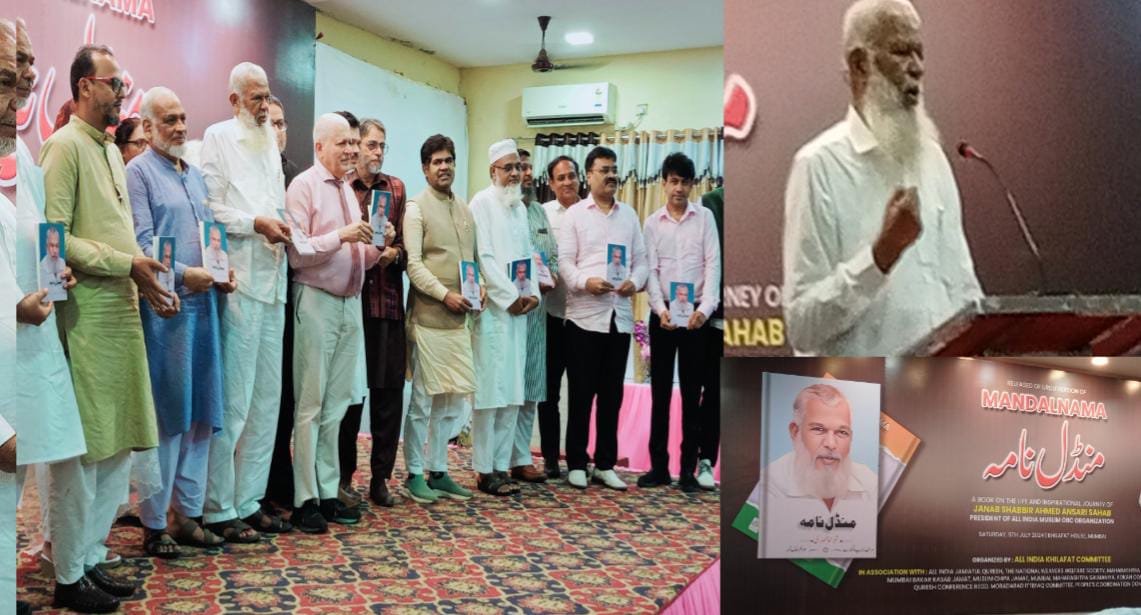
The Inspirational Journey of Shabbir Ahmad Ansari Unveiled in ‘Mandal Nama’

Mumbai, MAHARASHTRA :

The July 6th 2024, witnessed a gala release of the prestigious book “Mandal Nama” (Urdu version) at Mumbai’s historic Khilafat House. It is a non-fiction autobiography covering the life and inspirational journey of long-time social activist – Shabbir Ahmad Ansari – the founding President of the All India Muslim OBC Organization. This significant event drew many distinguished guests from within Maharashtra and beyond, each bringing their unique perspective and reverence for the work and life of Shabbir Sahab.

The 200-page paperback book was originally compiled in Marathi by Dilip Waghmare and translated in Urdu by Malik Akbar. It is a book on a living legend who has been a standing hero from zero by his perseverance, commitment and hardworking against all odds.

Among the dignitaries were Dr. Zahir Kazi, President of Anjuman-I-Islam and Padma Shri awardee; veteran journalist and Maharashtra MLC Kapil Patil, Mohammad Wajihuddin, Senior Assistant Editor of The Times of India, Mumbai; Sarfaraz Arzoo, Editor of Hindustan Urdu newspaper; Maulana Mahmood Daryabadi, general secretary of All India Ulama Council; Maulana Mohammad Burhanuddin Qasmi, Director of Markazul Ma’arif Education and Research Centre and Editor of Eastern Crescent along with so many others, especially, OBC leaders and activists from across India. The hall at Khilafat House, Byculla, Mumbai was at its full capacity with academia, journalists and social activists who came together to appreciate and recognise the marvelous contribution made by Shabir Ahmad Ansari for Muslim OBCs and this Nation. These luminaries who are highly respected personalities in their fields of work, graced the occasion and shared their invaluable insights on the book and the remarkable struggles of Shabbir Sahab.

The speakers highlighted the importance of Shabbir Sahab’s mission, emphasizing how he tirelessly worked day in and day out for the community, enduring numerous challenges along the way. They stressed that if this mission is not carried forward, it risks being buried with Shabbir Ansari himself. Shabbir Ahmad Ansari is not merely a name; he represents an Anjuman and a revolution. Despite facing various adversities and betrayals, he persevered and continued to advance his cause.

The event also acknowledged the crucial support provided to Muslim OBC Movement by MLC Kapil Patil and Dilip Kumar, two personalities instrumental in Shabbir Sahab’s mission. They stood by him unwaveringly, enabling him to confront politicians and overcome deceit from within his own ranks.

“Shabbir Bhai’s steadfastness led to a moment where even politicians had to concede to his demands and paved ways for Muslim OBC Reservation in Maharashtra,” echoed by almost all speakers..

“Mandal Nama” is not just a book; it is a testament to Shabbir Ahmad Ansari’s enduring legacy and a call to action for future generations to uphold and advance his mission. This is a book for all fiction and non-fiction readers. A story of a man who stood alone for a greater social cause, struggled and succeeded in his lifetime. “Shabbir Ahmad Ansari and Muslim OBC movement in Maharashtra is so fascinating-story in academic perspective that it should be a research topic in a Central University in India” opined by Maulana Burhanuddin Qasmi.

source: http://www.easterncrescent.net / Eastern Crescent / Home> Book Review> EC Exclusive / by Mohammad Toukir Rahman / July 07th, 2024

Shabbir Ansari: A Beacon of Equality and Justice No More

Jalna City, MAHARASHTRA :

Remembering Shabbir Ansari today is not merely an act of mourning, it is a call to continue the struggle he devoted his life to — a struggle against both caste and communalism, against invisibility and exclusion.

The news of Shabbir Ansari’s passing brings back, with striking clarity, my first and only meeting with him — an encounter that left a deep and lasting impression on my understanding of Indian society, politics, and the unfinished struggle for equality.

It was in the aftermath of the Bhagalpur riots of 1989, a moment that convinced me that communal polarization would dominate India’s political landscape for decades to come. In the early 1990s, during a visit to Mumbai, I found myself in the company of Shabbir Ansari at the SNDT University quarters in Bandra. He was preparing to leave the next morning to meet Prime Minister V.P. Singh.

What I assumed would be a brief exchange turned into a night-long conversation that fundamentally challenged my assumptions. When I asked why he was meeting the Prime Minister, Shabbir Bhai explained that he wanted to press for the inclusion of backward sections among Muslims within the Mandal Commission framework. I responded, rather naively, that Islam did not recognize caste. With patience and clarity, he unfolded before me the lived reality of inequality within Muslim society — an inequality that mirrored, in many ways, the entrenched hierarchies of the subcontinent.

That night, sleep became impossible. What Shabbir Ansari articulated was not merely a political demand, but a moral and social truth: that caste, as Dr. B.R. Ambedkar warned, has a stubborn persistence across religions. His insight forced a rethinking of simplistic narratives about equality and exposed the layered marginalization faced by Pasmanda Muslims.

Shabbir Ansari was not content with theory. His politics was rooted in the lived experiences of the most deprived — particularly the Muslim weaver communities scattered across regions like Malegaon, Bhiwandi, and Burhanpur, many of whom had already suffered displacement since 1857, and continued to bear the brunt of recurring communal violence. His work sought to bring these invisible communities into the center of democratic discourse.

In the years since that meeting, the patterns he warned about have only deepened — communal polarization, the instrumental use of backward communities in majoritarian politics, and the systematic exclusion of minorities from representation. Yet, Shabbir Ansari’s life stands as a counterpoint to this trajectory: a lifelong effort to build solidarities among the marginalized and to assert dignity, representation, and justice.

His work resonates with that of others like Ali Anwar Ansari, who documented the condition of Pasmanda Muslims in detail. But Shabbir Bhai’s contribution was not just intellectual — it was organizational, persistent, and deeply humane. He dedicated his life to ensuring that backward Muslims, often erased even within minority narratives, could claim their rightful place as equal citizens.

Remembering him today is not merely an act of mourning. It is a call to continue the struggle he devoted his life to — a struggle against both caste and communalism, against invisibility and exclusion.

The most meaningful tribute to Shabbir Ansari would be to carry forward his unfinished mission: to build an India where equality is not proclaimed in abstraction, but realized in the lives of those who have long been denied it.

[The writer, Dr. Suresh Khairnar, is Ex-President of Rashtra Seva Dal.]

source: http://www.ummid.com / Ummid.com / Home> Obituary / by Dr Suresh Khairnar / March 25th, 2026

One-Pillar mosque in Gujarat is a repository of history and design marvel

Rander Town (Durat City), GUJARAT :

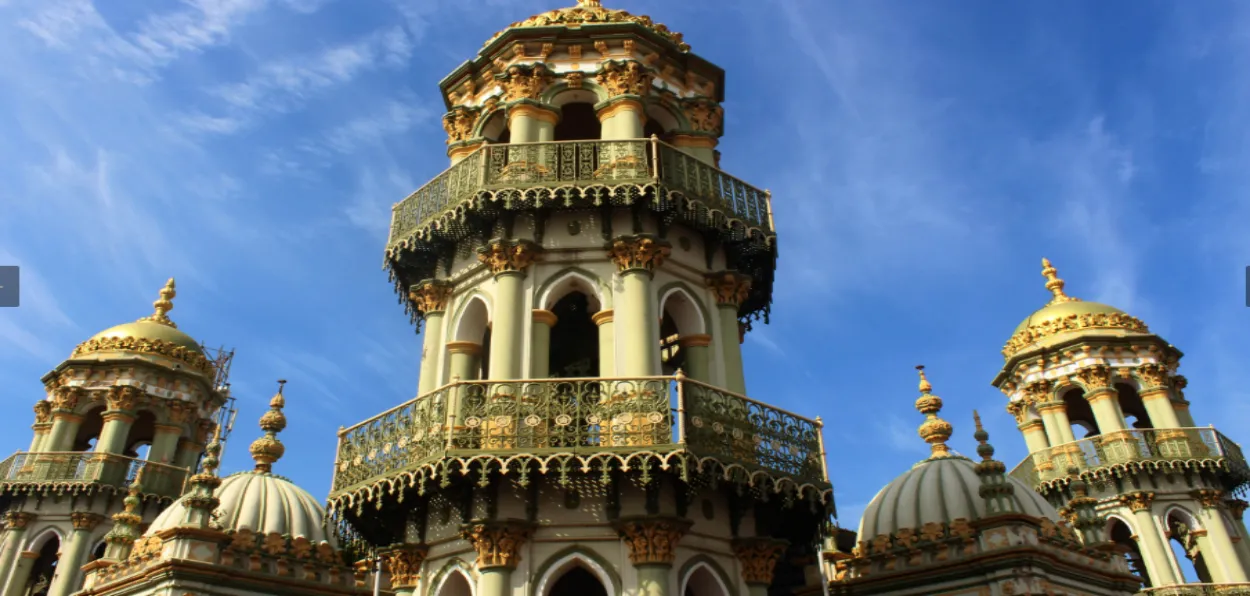
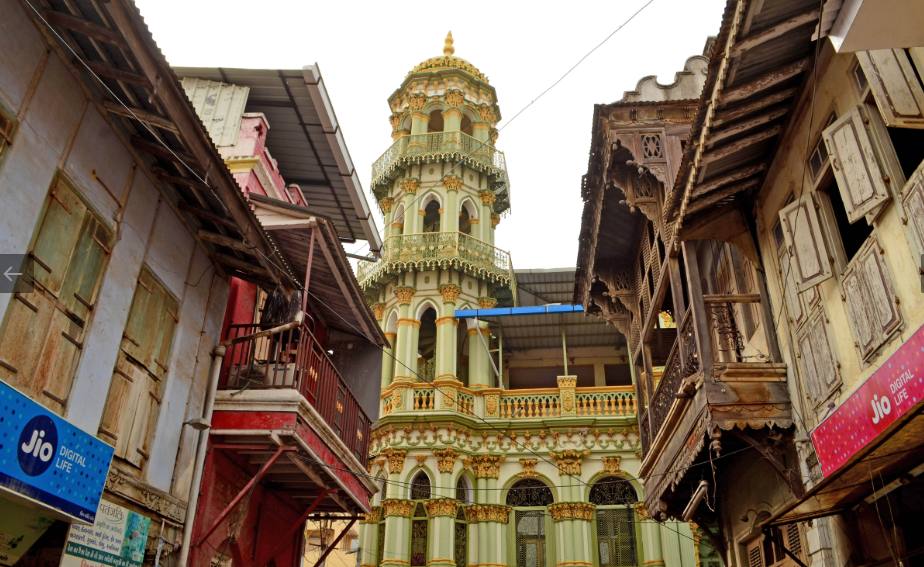
Masjid Quwwat e Islam

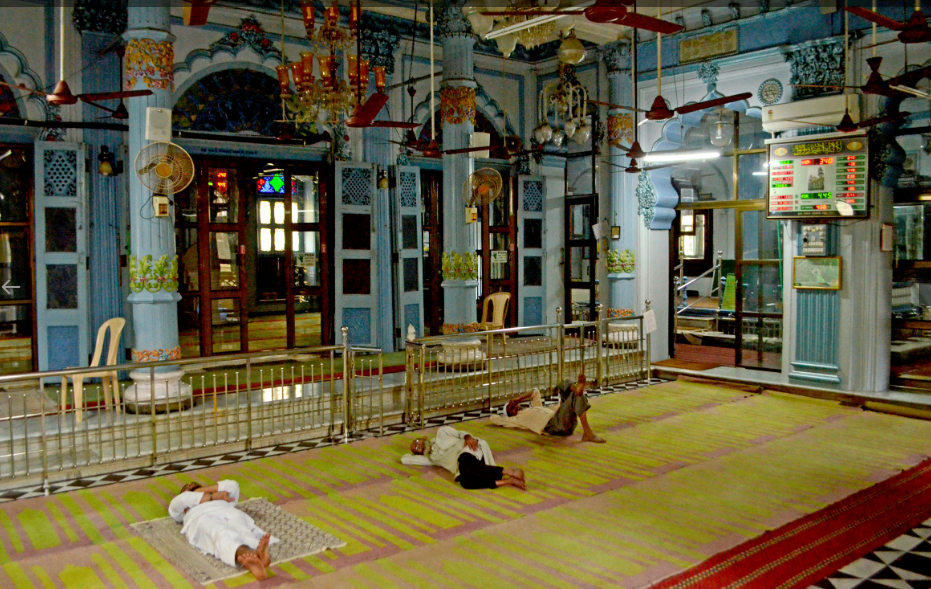
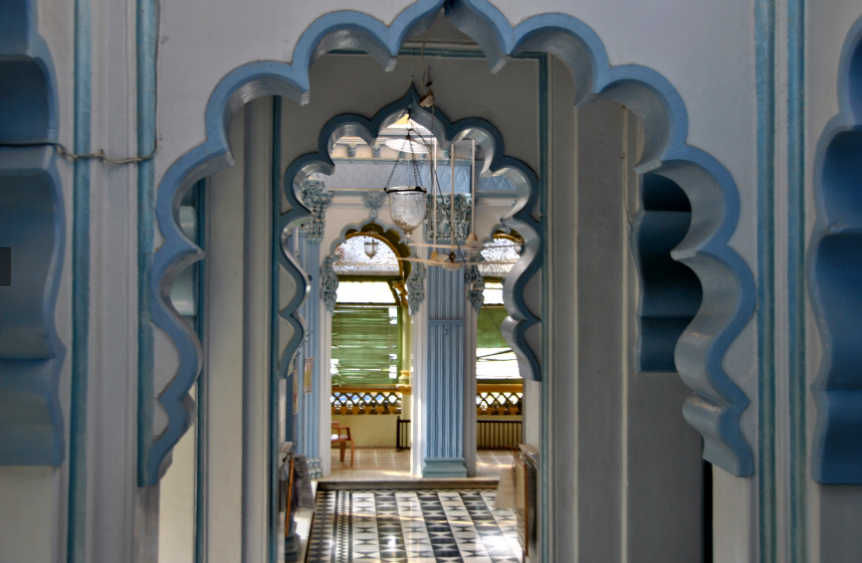
In Rander township of Durat city in Gujarat, there is an architectural marvel — a One Pillar Mosque called “Masjid-e-Quwwat-e-Islam.” This mosque upends the tradition of art associated with Muslims.

It’s not just a place of worship, but a unique fusion of history, culture, and architecture.

The quarter of the city where this mosque is located was once a major commercial centre of Surat. In ancient times, local merchants traded with Africa, Arab countries, and Burma. Around 1225 AD, Arab merchants from Kufa (Iraq) settled here. With their arrival began a fusion culture, and this influence is still visible.

The mosque, built in the 1800s, is a blend of architectural styles. It incorporates elements of Arabic, Mughal, Portuguese, and Dutch architecture.

The most striking aspect of the mosque is its structural design. It rests entirely on a single pillar. Four arches emerge from a pillar in the basement, and three minarets stand out, each 50 feet high. The entire mosque’s mezzanine and floor rest on this pillar.

Rander’s historical significance extends beyond trade. The region has also been home to Jain and Parsi communities. The port of Rander predated the port of Surat. Jain merchants traded with various countries here in the 1200s. Arab merchants arrived in 1225 and established their own place of worship.

According to Dr. Surendra Vyas, a renowned architect and archaeologist from Surat, “The first mosque in Gujarat was built in Rander.”

In his book, Dawn of Islamic Architecture in Gujarat, Dr Vyas states that approximately 1,300 years ago, two Arab traders came to Rander and built only a qibla (Facing towards Macca) wall. It had no minaret or a hauz-e-wuzu Tank for ablution). All the traders would gather in front of this wall and worship Allah. The graves of these two traders, inscribed with Arabic inscriptions, still stand in a nearby cemetery.

This mosque is also important in the folk life of Rander. Walking through it one can see glimpses of the ancient trading lifestyle. There are also Jain temples in the mosque and surrounding settlements, demonstrating that Rander has been a melting pot of religions and cultures.

According to Dr. Vyas, the study of over 70 mosques and buildings in Gujarat spanned three years. brought out details of the architectural techniques and art of the Rander mosque.

The mosque’s western wall, called the Qibla wall, faces the direction of Mecca. This wall remains an important part of the mosque’s design. Initially, there were no set times for prayer. People gathered by standing on high mounds or using booms. Later, the call to prayer began to be made from a minaret, and people began to pray at set times.

This single-pillar mosque design is significant not only for its architecture but also for its social and commercial history. It demonstrates how organised and modern the people of Rander were. Supporting such a massive structure on a single pillar is a unique architectural achievement.

Walking through the streets of Rander, you realise that it was not only a place of worship but also a cultural centre.

Traders from various countries visited here and conducted trade as well as religious rituals. Thus, the mosque strengthened Rander not only religiously but also socially and economically.

The streets surrounding the mosque are filled with stories of history. Rander’s port and trade activities remain important from a tourism and cultural perspective. Arab traders mingled with local society, sharing their art, culture, and trading experiences with the local community. As a result, mosques, temples, and other architectural structures can be seen in Rander today.

According to Dr Vyas, “There is an interesting reason behind the absence of a minaret at Rander. It is possible that this mosque was built as a private place of worship, so facilities like a hauz-e-wuzu and a minaret were not required. Water was available due to the presence of a pond or lake nearby.

From a modern perspective, this mosque is nothing short of a miracle. Standing on a single pillar for so long, it amazes every visitor.

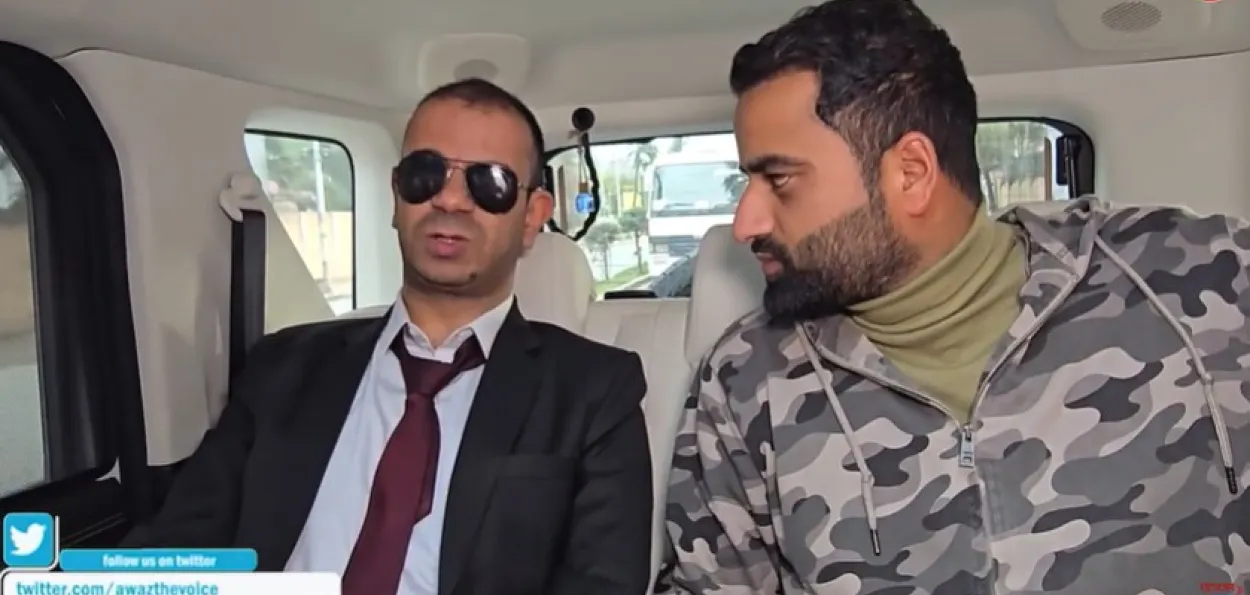
source: youtube.com

source: http://www.awazthevoice.in / Awaz, The Voice / Home> Stories / by Ghulam Qadir / March 24th, 2026

Teen Researcher From Assam Presents AI Paper on Global Stage

Guwahati, ASSAM :

Guwahati:

A 16 year old Muslim student from Assam has gained international attention after presenting her research at a global conference on artificial intelligence and machine learning.

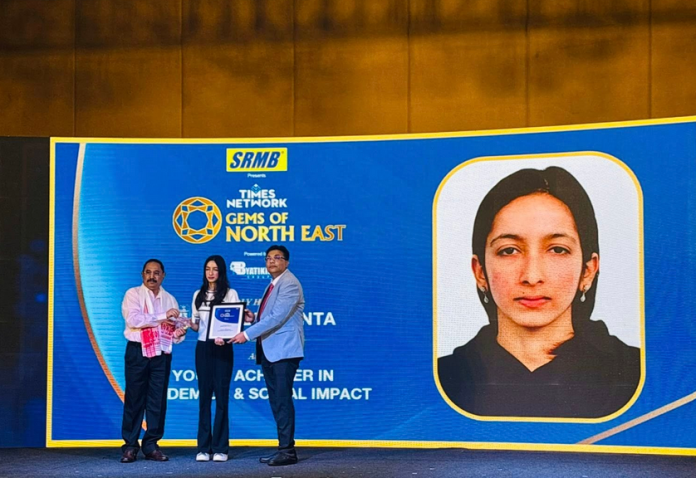
Huma Abia Kanta, a Grade XII student at Royal Global School, Guwahati, presented her paper at the Advancement and Innovation International Scientific Practical Conference held in Azerbaijan. The event brought together academic institutions from multiple countries and focused on emerging developments in AI and machine learning.

Her research, titled ML Based Prediction of Phycocyanin Purity, examined how machine learning models predict pigment purity levels used in sustainable bio resource industries. She compared six regression models and achieved a mean absolute error of 0.058, improving on the standard laboratory deviation of 0.31. The paper will be published in international journals indexed in Scopus.

Huma has also authored another paper on natural language processing, accepted for presentation at RegICON 2025. She has co authored three additional research papers, which are under review.

Beyond research, she leads an educational startup named desicodes. The initiative works on an Assamese Python transpiler to promote coding in regional languages and improve access to computer science education in the Northeast.

She has also contributed to environmental work by supporting the Hargila Army initiative, helping digitise traditional motifs linked to the endangered Greater Adjutant Stork for handloom use.

Huma credited her mentors for their guidance, highlighting the role of academic support in her journey.

source: http://www.radiancenews.com / Radiance News / Home> Features / by Radiance News Bureau / March 20th, 2026

Becoming through memory: Shabna Sumayya’s art of resistance, womanhood, and ‘Yesterday’s Dreams’

Aluva (Ernakulam District), KERALA :

Kerala artist Shabna Sumayya’s exhibition BECOMING 4.0: Yesterday’s Dreams explores memory, womanhood, and resistance, using deeply personal stories, especially her mother’s labour and generational experiences, to reflect on identity, survival, and the possibility of healing across generations.

From Aluva in Kerala’s Ernakulam district, Shabna Sumayya has quietly shaped a body of work that moves between painting, illustration, and writing with rare coherence. Her fourth solo exhibition, BECOMING 4.0, Yesterday’s Dreams, presented at the G. Sankara Kurup Memorial Museum, Kochi, from 29 January to 1 February, stood as both a culmination and a continuation, an exploration of memory, resistance, and the slow, ongoing process of becoming.

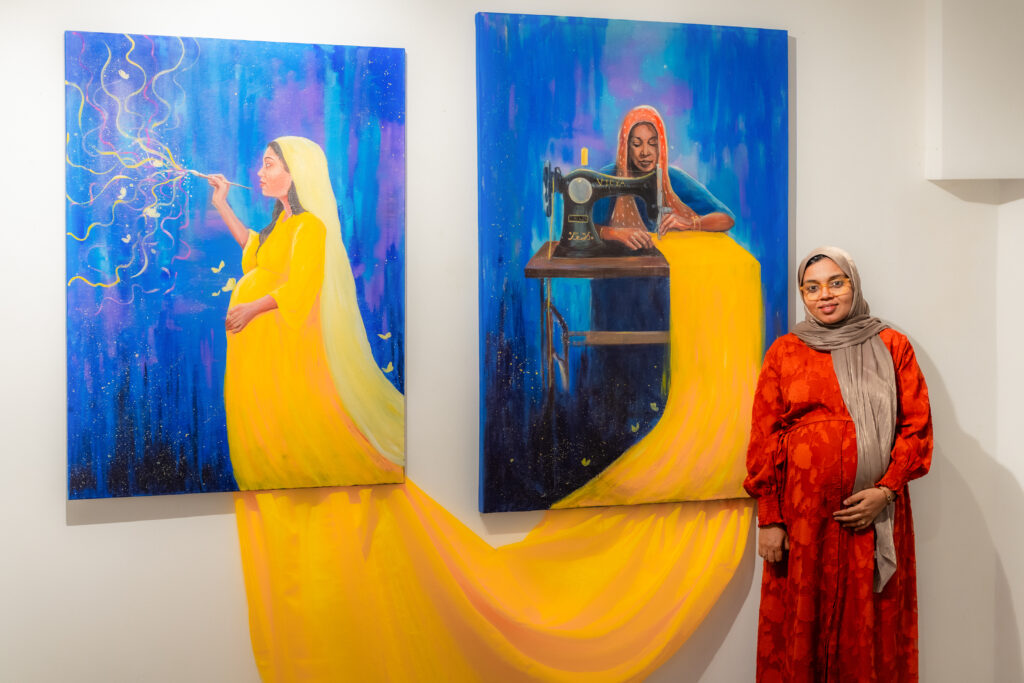
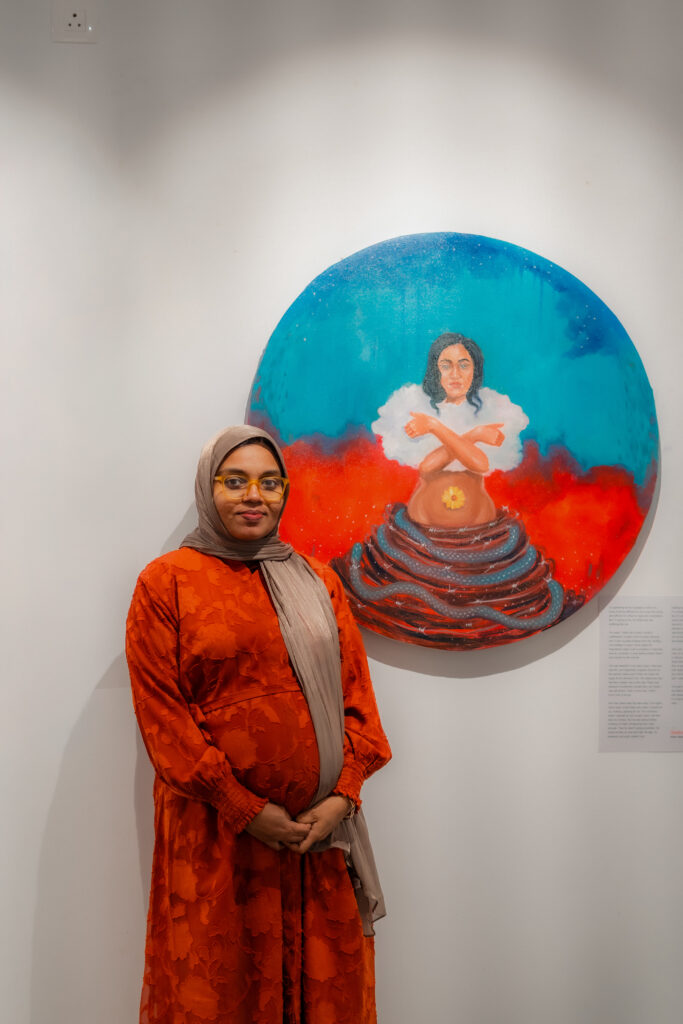
Across mediums, her work is anchored in lived experience. Memory forms the quiet backbone of her practice. Her art expands outward, touching upon resistance, womanhood, survival, and the negotiations that shape identity every day. For her, identity is not fixed; it is something worked through within families, communities, and systems marked by patriarchy and inequality. Her canvases reflect this fluidity. Women appear not as symbols, but as thinking, enduring presences who occupy space with dignity. Fields of yellow meet deep blues and reds. Survival itself becomes a language.

Women at the Centre

When asked why women, with their struggles, aspirations, and unspoken negotiations, consistently inhabit her canvases, Shabna answers with clarity. She paints what she has known most closely. The everyday lives of women are not distant subjects; they are realities she has observed and lived alongside. While she acknowledges that men, too, face hardship, she points out that women often carry additional burdens shaped by patriarchy. Survival becomes a form of resistance. It is from this vantage point that she thinks and creates. She does not exclude men from her work, but her instinct, her emotional gravity, returns to women, and she believes it likely always will. Her commitment extends beyond gender. From the beginning, she has been attentive to marginalised lives more broadly, minorities, oppressed communities, and those whose struggles are often overlooked. Contemporary events that disturb her, news that lingers in the mind, personal conflicts that leave marks,  all of these enter the canvas.

For Shabna, art does not sit apart from life; it absorbs it. She hopes her work generates conversation. Many of the subjects she paints are the very ones people avoid, the difficult, the inconvenient, the quietly endured. Her desire is that viewers not only look, but speak; that they recognise themselves; that they feel permitted to open up. Silence, she suggests, is not neutral; it can be interrupted.

The Thread of Yesterday’s Dreams

One of the most resonant bodies of work in her recent exhibition emerged from an image she has long held onto: a photograph of her mother at a sewing machine. Her mother stitched for a living. That repetitive, skilled, necessary act becomes, in Shabna’s hands, a site of quiet defiance. The mother’s labour feeds not only a household, but a future. Stitching becomes a metaphor for repair, continuity, and endurance. The series, conceived around the idea of Yesterday’s Dreams, began to take shape in 2023. The earliest image in what would become the companion pieces was her mother. From there, she sought a bridge. A cradle appeared as the first connective gesture. Gradually, the narrative unfolded further, extending into the artist’s own body and presence. Two canvases, joined by fabric, materialised as companion works, mother and daughter tethered across time. What began as a literal thread transforms into something more enduring: lineage, intimate and unbroken.

The response to Yesterday’s Dreams has been deeply moving for her. One painting, in particular, drew unexpected attention. Coming from a lower middle-class background, she began to notice how many viewers shared similar histories. Messages arrived saying the image reminded them of their own mothers. The personal had become collective. That recognition, familiar and shared, surprised her.

In a recent Instagram caption, she writes: “I have told her now, and I hope she knows: my war against the past is over. I am choosing to live the dream we once manifested. Also, I feel like I have somehow broken the generational trauma too.” The words carry both defiance and tenderness. When asked whether such healing is truly possible for many women, she responds with measured clarity. Early wounds, misunderstandings, and conflicts, she says, do not vanish overnight. But as both children and parents grow, something shifts. Realising that parents, too, are evolving can soften the weight of earlier conflicts. What once felt rigid begins to melt. She considers herself fortunate to have parents capable of such growth and speaks of them with pride.

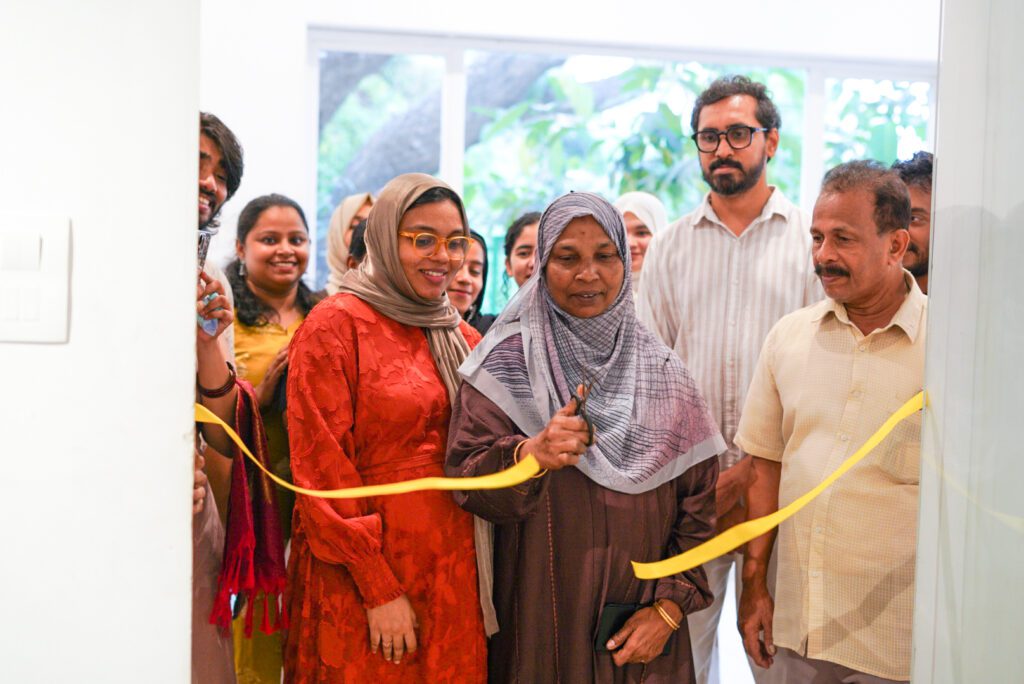
Shabna Sumayya’s mother’s response to the exhibition reflected this quiet evolution. Haju, reserved by nature, approached the painting, and even inaugurated the show, with shyness. Facing a crowd was not easy.

Her mother’s response to the exhibition reflected this quiet evolution. Haju, reserved by nature, approached the painting, and even inaugurated the show, with shyness. Facing a crowd was not easy. Yet after witnessing the appreciation and hearing the messages people shared, hesitation gave way to happiness. When Shabna read aloud the words visitors had written, her mother listened with visible joy. In that space between mother and daughter, between private history and public recognition, art bridged memory and becoming. And it is right there that Shabna Sumayya locates the possibility of breaking cycles.

source: http://www.maktoobmedia.com / MaktoobMedia.com / Home> Literature / by Ashika N / March 04th, 2026

Bearys Education announces annual CET / NEET / NATA crash course 2026; Details Here

Mangaluru, KARNATAKA :

 Mangaluru: 

Bearys Education will conduct its Annual CET / NEET / NATA Crash Course 2026, continuing its efforts to support students preparing for competitive entrance examinations.

The crash course is scheduled to commence on March 23, 2026, offering intensive coaching for aspirants of CET, NEET, and NATA. The CET programme will run until April 21, while the NEET course will conclude on April 30.

The programme will be delivered by experienced faculty members, providing focused academic guidance and exam-oriented training.

The curriculum is structured to enhance conceptual clarity and strengthen problem-solving abilities within a limited timeframe.

As part of the course framework, students will undergo regular assessments through weekly tests, enabling them to monitor progress and improve performance. The programme will also include specially curated study materials and structured learning sessions. 

Conducted annually, the crash course has consistently assisted students in achieving commendable results in competitive examinations. The institution continues to focus on delivering quality education and enabling students to meet their academic objectives.

Registrations for the course are currently open. Interested students can register by scanning the QR code (given in the poster) or contacting the organisers at 7259661177 or 99000 66888. 

source: http://www.english.varthabharati.in / Vartha Bharati / Home> Karavali / by Vartha Bharati / March 20th, 2026

Jamia Prof Md Imtaiyaz Hassan Secures Rs 8.05 Crore Grant for Cancer Weight Loss Research

NEW DELHI :

New Delhi:

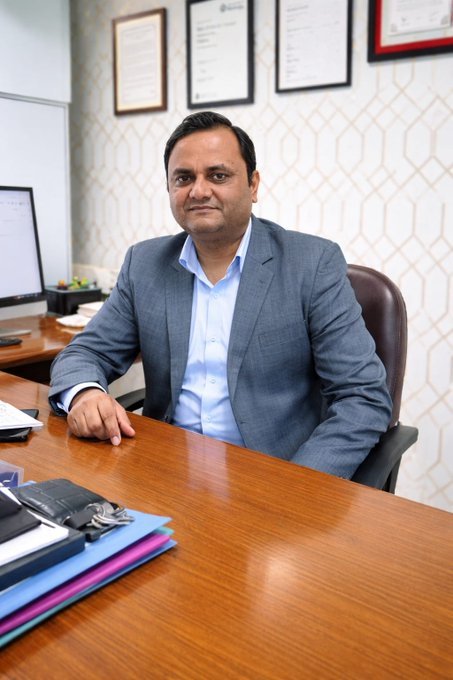
Prof Md Imtaiyaz Hassan of Jamia Millia Islamia has received a research grant of Rs 8.05 crore from the Department of Biotechnology for a major study on cancer cachexia among Indian patients. Prof Md Imtaiyaz Hassan will lead the project focusing on head and neck cancer, where the condition affects a large share of patients.

Cancer cachexia causes severe weight loss, muscle wasting, and fatigue. It affects nearly 70 percent of patients with head and neck cancer and reduces quality of life. Prof Md Imtaiyaz Hassan and his team aim to examine the causes of this condition and improve methods for early detection and management.

The study will use advanced scientific methods such as transcriptomics, metabolomics, microbiome analysis, DNA repair studies, and neurobehavioural assessment. These approaches will help identify biological markers and support the development of targeted treatments.

Prof Md Imtaiyaz Hassan said the project addresses a major gap in understanding cancer related complications in India. He stated that the research will focus on improving patient outcomes through precise medical approaches.

The team will validate findings through laboratory studies involving cell lines, animal models, and patient derived samples. This step aims to ensure practical use of results in clinical settings.

The project includes collaboration with leading institutions such as the Indian Institute of Science Bangalore, Dr B Borooah Cancer Institute, University of Mysore, HCG Cancer Hospital, and the Institute of Bioinformatics and Applied Biotechnology.

The university said the grant strengthens its position in biomedical research. The work led by Prof Md Imtaiyaz Hassan is expected to contribute to better understanding and treatment of cancer related weight loss in India.

source: http://www.radiancenews.com / Radiance News / Home> Latest News> Pride of the Nation> Markers of Excellence> Report / by Radiance News Bureau / March 23rd, 2026

A visionary father is behind Irfan Lone beating darkness to clear civil services

Bandipora, JAMMU & KASHMIR :

Irfan Ahmed Lone

More than the hard work of Irfan Ahmed Lone, a visually challenged person from Bandipora, Kashmir, who cleared the UPSC examination for the Indian Civil Services as a blind candidate with 957th rank, his father’s vision and ambition contributed to his success.

His father was a casual worker with the local government department, earning Rs 3,000, when he decided to admit his son into the Government-run National Institute for the Visually Impaired, Dehradun, Uttarakhand.

“Back then, it was a very bold decision, more so when he was hard pressed for money,” A neighbour told the visiting media persons who swarmed at the family’s house in Manzpora, Naidkhai, Bandipora after the news broke out.

Irfan Ahmed Lone with reporter Danish Ali

Today, Irfan’s father earns about Rs 9000, and for this reason, his son worked soon after his studies while continuing to prepare for the UPSC examinations.

Irfan’s biggest test in life began at the age of five when, in two freak accidents, he lost his eyesight and was declared 100 per cent blind.

As if this wasn’t enough, he lost his mother to a brain haemorrhage, soon after. This devastating phase deeply affected his family, but instead of giving up, they chose to fight back.

Irfan’s father enrolled him in a special school in Dehradun for visually-impaired students. There, Irfan not only received an education but also developed a positive outlook on life.

In 2016, he passed his 12th grade with 91% marks. This proved to be the turning point in his life. He secured admission to Hindu College, Delhi University, where he pursued Political Science. Later, he completed his post-graduation in International Relations from Jawaharlal Nehru University.

source: youtube.com

Irfan

Irfan worked with Punjab National Bank to make ends meet. Later, he was selected as an Assistant Administrative Officer (AAO) with the Life Insurance Corporation of India. Though he changed jobs, he continued his preparations for the UPSC examination.- Assistant Administrative Officer – 

By clearing the UPSC examination, Irfan Lone also brought pride to his district, Bandipora, as he became the first one from the areas that are closer to the Line of Control with Pakistan and are considered backward.

His success has fueled many a dream across India, and especially in Kashmir.

Irfan believes that success requires not just hard work but also smart strategy. He advises young aspirants to avoid distractions like social media to stay focused. According to him, strong determination and consistency are the keys to success.

He often motivates others through poetry:

I cannot stop now,

I still have miles to go,

Through storms and scorching sun,

I must keep moving forward.

Irfan credits his father for his success. He says his father has been the biggest pillar, providing him with much-needed strength. He says his father denied all comforts of life and prioritised his children’s education. His siblings also stood by him.

Ifran’s message to the youth is: Reaching great heights is not the real achievement, Staying there is true success.

source: http://www.awazthevoice.in / Awaz, The Voice / Home> Stories / by Danish Ali / March 24th, 2026

Meet Mohd Umair: AMU Alumnus Selected as ISRO Scientist

Aligarh, UTTAR PRADESH :

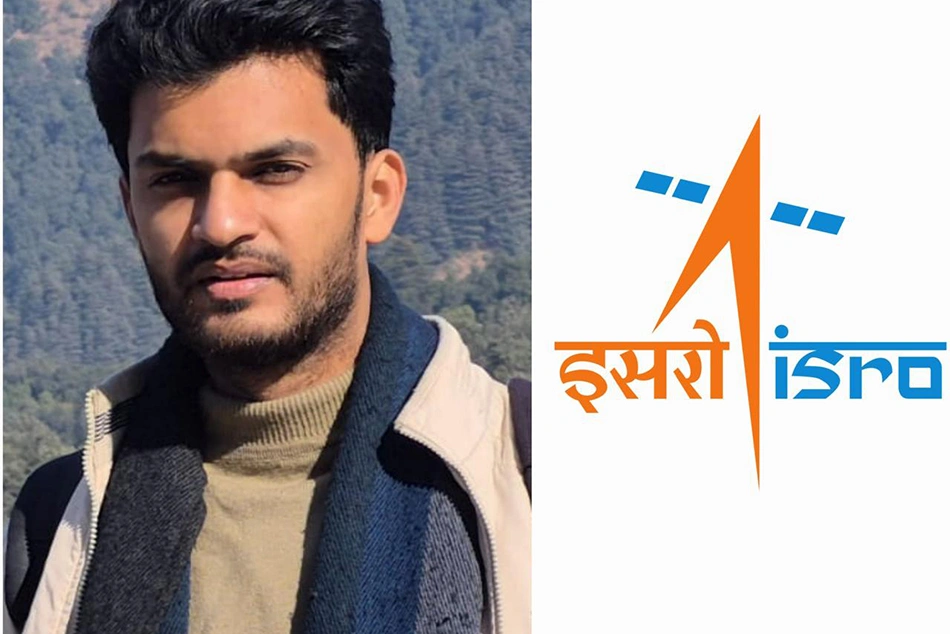
Mohammed Umair, an alumnus of Aligarh Muslim University (AMU), has been selected as a Scientist at the Indian Space Research Organisation (ISRO).

Aligarh Muslim University: 

Mohammed Umair, an alumnus of Aligarh Muslim University (AMU), has been selected as a Scientist at the Indian Space Research Organisation (ISRO).

Congratulating him on the achievement, members of the AMU fraternity noted that Umair’s achievement stands as an inspiration for students, reaffirming AMU’s legacy of nurturing talent that contributes to national institutions of excellence like ISRO.

Early Education

Umair’s academic journey is closely associated with AMU, where he spent over two decades of his education.

Umair began his schooling at Abdullah School, followed by STS School (Minto Circle), and later completed his senior secondary education from Sayyed Hamid Senior Secondary School, all associated with the university.

Higher Studies

Umair later pursued B.Arch and subsequently completed his Master of Planning (M.Plan) from AMU.

After completing his postgraduation, he qualified for the Ph.D. programme at IIT Roorkee. During his doctoral studies, he successfully cleared the ISRO examination, reflecting his dedication, perseverance, and strong academic foundation.

source: http://www.ummid.com / Ummid.com / Home> Education and Career / by ummid.com news network / March 18th, 2026

.