Pramod Nagar Village (Jampui Jala Block), TRIPURA :
Taslima Akhtar overcomes severe disability and poverty to score 80 per cent in Madhyamik; Tripura police inspector Ajit Debbarma visits her with an offer of full support
Agartala :
Seventeen-year-old Taslima Akhtar can only see. She cannot speak and cannot hear. Born deaf and dumb, with her right hand also disabled, she understands the world through signs and expressions, and responds with quiet strength.
Despite these challenges, Taslima has shown remarkable academic ability. She scored 80 per cent in her Madhyamik examination, surprising many in her remote village.
Taslima belongs to Pramod Nagar village in the tribal-majority Jampui Jala Block of Tripura. Her father, Syed Ali, is a daily-wage labourer. The family lives in deep poverty and does not have a strong permanent house.
In such conditions, her academic success has become a source of hope for the entire family.
“She has always been good in studies,” her father said. “We are poor people, but she never gave up. She writes with her left hand and studies on her own.”
Because her right hand is disabled, Taslima writes using her left hand. Without any special tutor or extra coaching, she managed to secure 80 per cent in her board examination.
Now she is preparing to appear for the Higher Secondary examination under the Tripura Board, which begins on the 25th of this month.
Police Officer Visits to Encourage
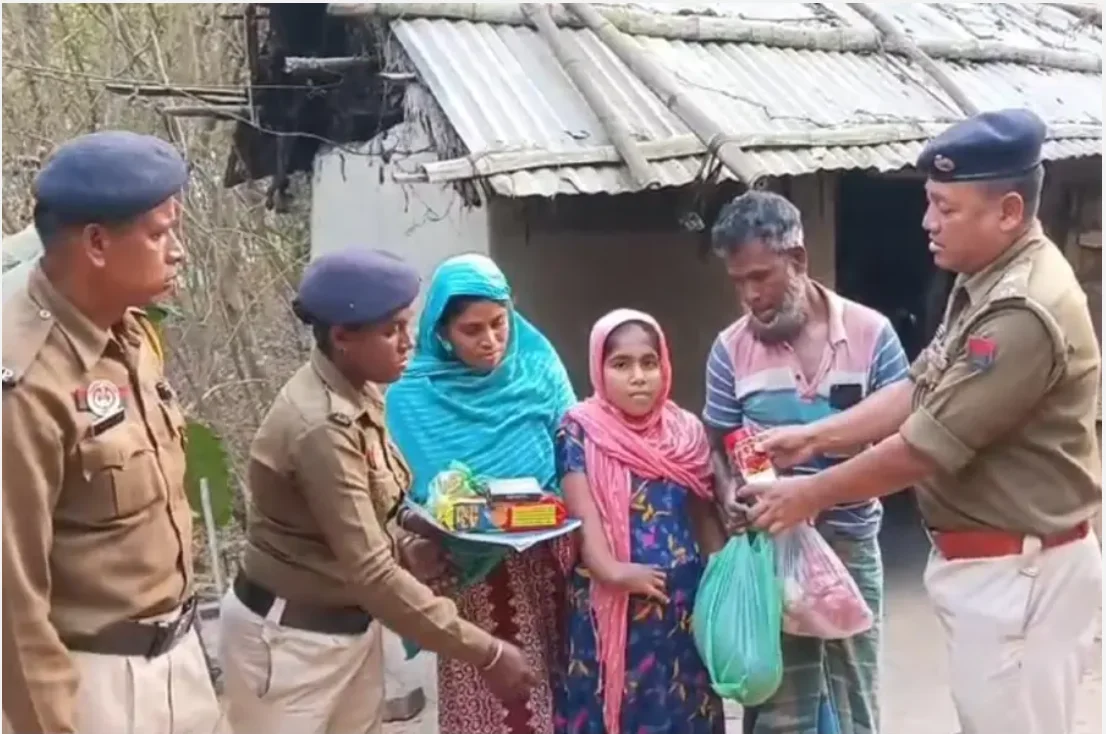
When news of her struggle and achievement reached local authorities, Officer-in-Charge and Inspector Ajit Debbarma of Bishramganj police station visited her home.
Debbarma is known locally for his humanitarian work. After hearing about the bright but underprivileged Muslim girl, he decided to meet her personally.
He brought fruits, nutritious food items and educational materials for Taslima. He also provided some financial assistance to support her studies.
Speaking during the visit, Debbarma said, “Her intelligence and courage have deeply moved me. She has achieved 80 per cent despite so many hardships. I am confident she can score 95 per cent in Higher Secondary.”
He added, “We will support her at every stage, including college admission. I have given my personal phone number to her father. They can contact me whenever they need help.”
Social Media Praise
The gesture of a tribal police officer supporting a poor, disabled Muslim girl has been widely appreciated on social media.
Residents said the visit has sent a positive message. One villager said, “In times when society often talks about division, this kind of support gives hope.”
For Taslima, the path is still difficult. Yet her determination remains firm. Through her eyes and her effort, she continues to move forward, turning silence and darkness into strength through education.
Her father looked at her with pride and said softly, “She cannot speak, but her results speak for her.”
source: http://www.clarionindia.net / Clarion India / Home / by Team Clarion / February 27th, 2026
In Untada, a small village between Ajmer Sharif and Kishangarh in Rajasthan, a modest community initiative is quietly transforming the educational landscape. A library inside the village’s Jama Masjid, set up with public donations, has become a hub of learning for children and ignites aspirations in the youth
Named the Limra Education Muhim Library, the facility was launched in September 2023.
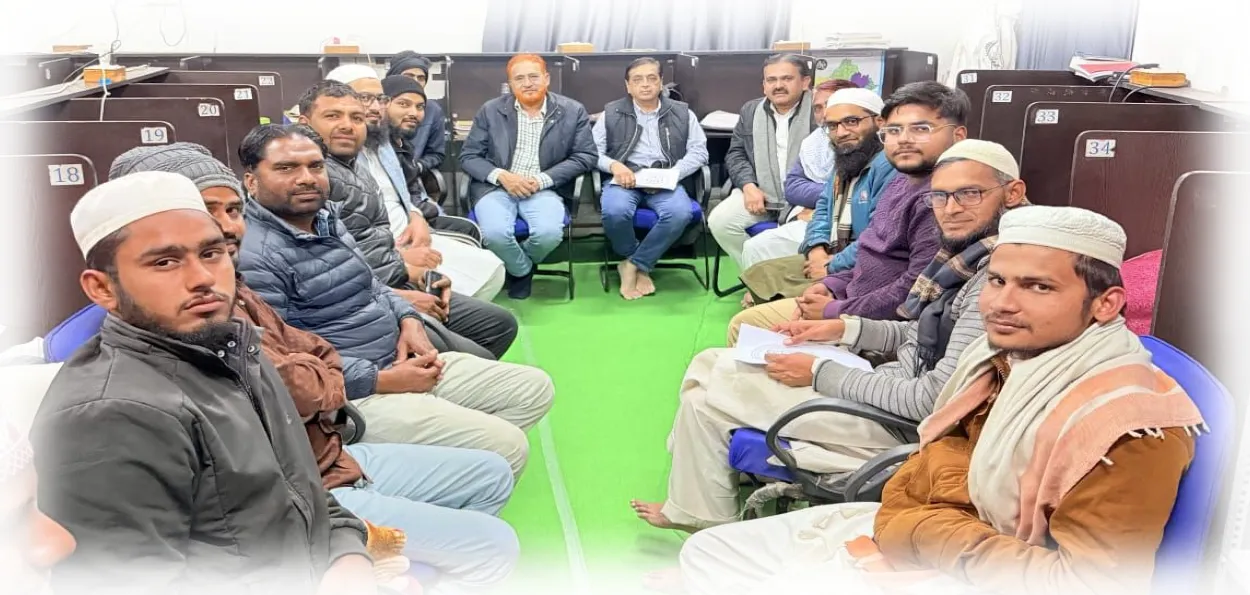
What began as a small effort has gradually evolved into a shared study space where students prepare for their academic and career goals, often studying late into the night. Residents have a plan to institutionalise the initiative by registering Limra Education Muhim Welfare and Charitable Trust, Untada.
Students in the Library
Despite limited resources, teachers, doctors and socially conscious residents of the village have come together to build and sustain the library. Their efforts have created an environment to inculcate discipline among students. Many of them today aspire to pursue higher education and competitive careers.
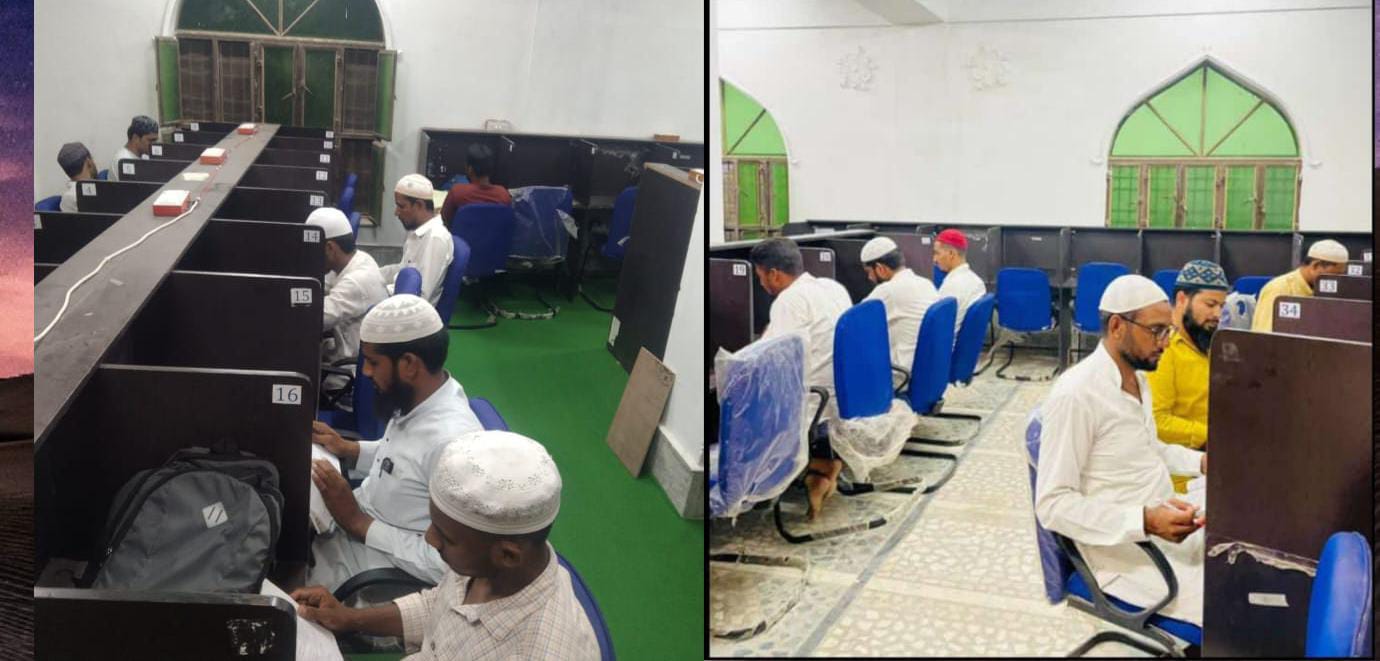
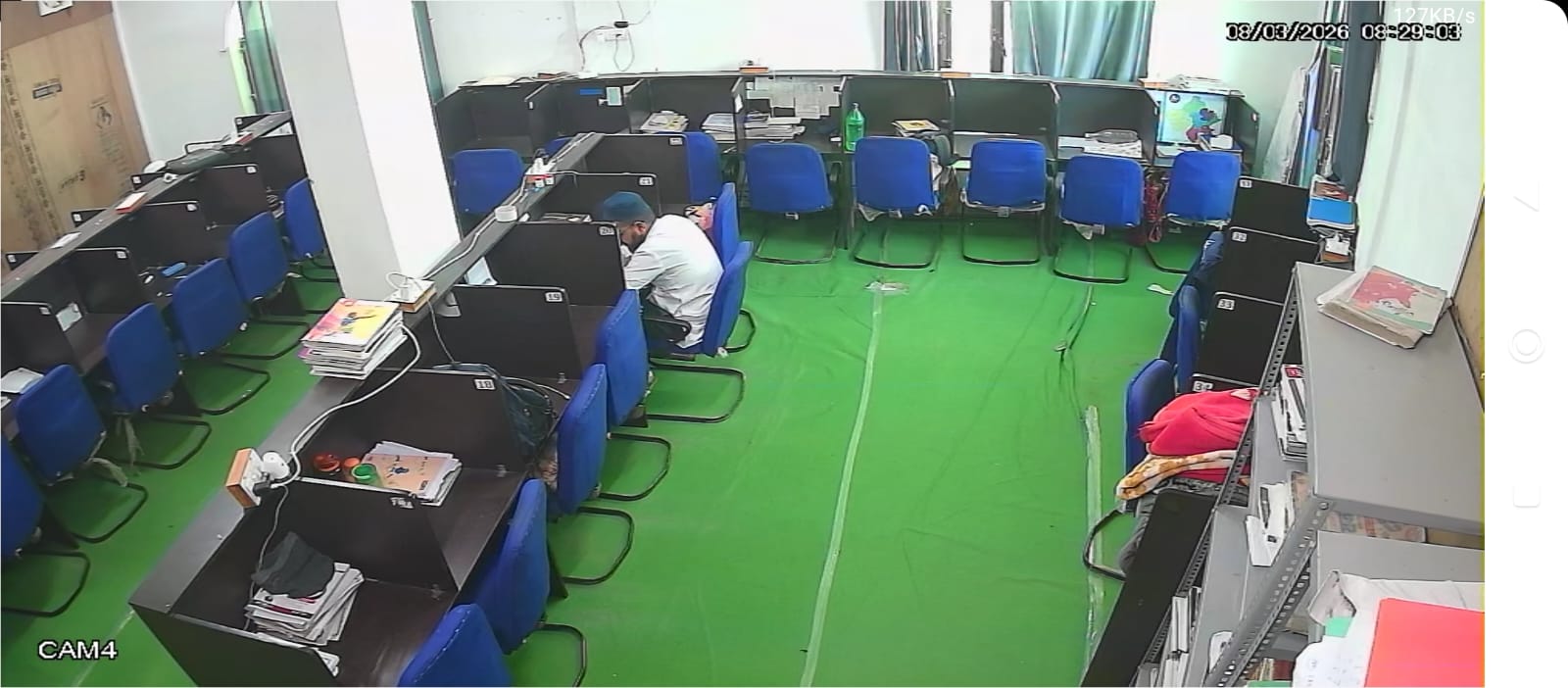
The library operates out of a 30×30-foot hall of the mosque on the first floor. Wooden and plywood partitions have been installed to create quiet corners for studying. The facility can accommodate around 34 students, with nearly 18 using it regularly. The library is open around the clock, allowing students to study at any time.
Designed primarily for students preparing for competitive examinations, the library houses books on general knowledge about Rajasthan and India, competitive exam material and cognitive development resources. Free Wi-Fi access enables students to attend online lectures and access digital study material. Many also bring their own books, turning the space into a community study hub.
According to committee member and teacher Mohammad Iqbal, the idea emerged during a meeting of the villagers, where some people felt the need to create a supportive educational environment for children. Iqbal then began mobilising community support, discussing the initiative at mosques, village gatherings and tea stalls to highlight the importance of education.
Villagers contributed voluntary amounts ranging from ₹500 to ₹5,000. Through these small contributions, about ₹2.5 lakh was raised to set up the facility.
The funds were used to convert the hall into a functional study space with tables, chairs, carpets, fans and electrical fittings. Power sockets were installed near each desk, while an inverter, computers, a television and CCTV cameras were also arranged. Internet connectivity was provided through Wi-Fi. The mosque committee supported the initiative by allowing the space to be used free of rent.
To cover operational costs, the library charges a nominal monthly fee—₹100 for board exam students and ₹200 for those preparing for competitive examinations. Students from economically weaker families are allowed to use the facility free of charge.
Although the initiative is relatively new, early signs of success have begun to appear. One student recently secured a Class-IV government job, which the committee views as an encouraging start.
The project is also set to expand. Resident and madrasa teacher Gul Mohammad has donated around 200 square yards of land for a dedicated library building. Once the trust registration is completed, the committee plans to construct a larger facility on the site.
A 12-member committee manages the library’s operations. Master Shafi Mohammed serves as president, Dr Wazir Mohammed as secretary and Dr Abdul Qadir as treasurer. Several teachers, doctors and social workers are also involved in running the initiative.
Students in the Library
The committee now plans to convert the facility into a digital library, providing students with online learning resources and e-learning facilities. There are also proposals to start offline coaching classes for competitive examinations.
Untada, with around 1,200 households, is a Muslim-majority village. Yet this locally driven educational initiative is increasingly being seen as an inspiring model for surrounding areas. For many students who travelled to nearby towns for space to study, the library provided a quiet and accessible place.
What started in a small hall of a village mosque is gradually evolving into a beacon of hope—demonstrating how community participation and a shared commitment to education can open new opportunities for rural youth.
source: http://www.awazthevoice.in / Awaz, The Voice / Home> Stories / by Farhan Israeli, Ajmer / March 14th, 2026
Six year old Amayra Khan from Madhya Pradesh has achieved international recognition in chess after a strong performance at the Grand Master Open Chess Championship held in Tamil Nadu. She defeated a FIDE rated player from Goa and secured an international rating of 1450, marking a rare achievement at such a young age.
Amayra also secured the 13th position in the global girls category, placing her among top young players worldwide. Her journey in chess began early. She started playing at the age of three after receiving a chessboard as a birthday gift from her grandfather. Regular games with him helped build her interest and understanding of the game.
Recognising her potential, her family enrolled her in a chess academy where she received structured training. At the age of four, she won her first competitive match. Since then, she has taken part in more than 50 national and international tournaments, showing consistent growth.
Her mother said that Amayra developed strong focus and strategy through regular practice. Each tournament helped improve her skills. Her steady performance has brought recognition to her hometown Sagar.
Her achievement highlights the role of early training and family support in shaping young talent. At an age when many children engage in basic activities, Amayra has built a record in a complex intellectual sport.
Her family plans to continue supporting her participation in national and international competitions. They aim to see her represent India at higher levels in the future.
Local residents have expressed pride in her success. Her progress has inspired many children to take interest in chess and other learning activities.
Amayra’s journey shows that disciplined effort and early guidance lead to strong outcomes even at a young age.
source: http://www.radiancenews.com / Radiance News / Home> Latest News / by Radiance News Bureau / March 23rd, 2026
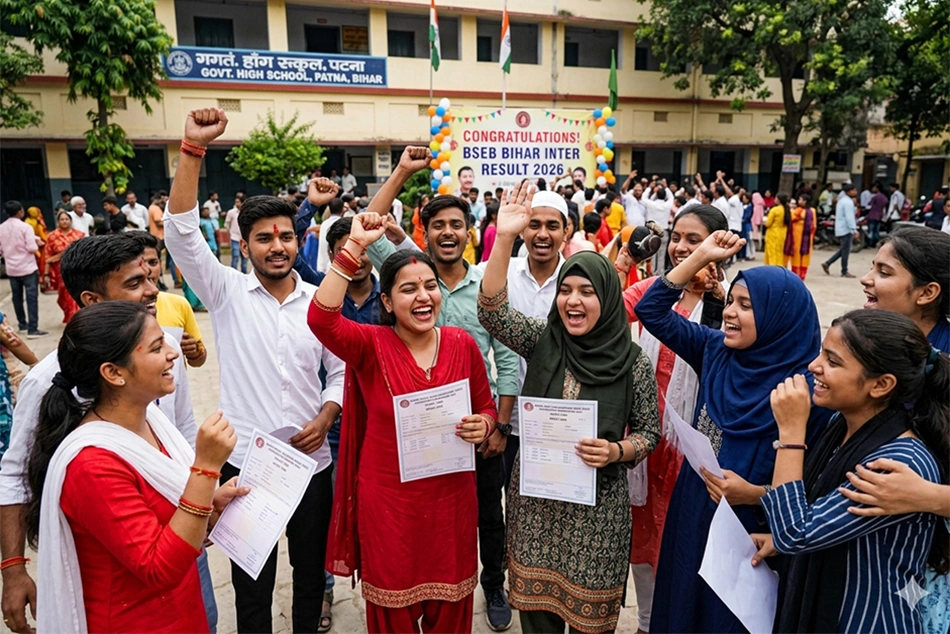
The Bihar School Examination Board (BSEB) Monday March 23, 2026 declared the result of the 12th Inter 2026 board exam along with the full list of toppers.
As per the BSEB 12th List of Toppers 2026 released today, as many as 05 Muslims from different colleges of Bihar have been named among the toppers.
Education Minister Sunil Kumar declared the 12th Inter 2026 results of Science, Commerce and Arts streams at a specially convened press conference 1.30 pm.
During the press conference the list of toppers was also made public. In a landmark performance, out of the total 26 Top 5 Rankers across the 3 streams, 19 are female students.
Overall, 5,16,928 students got 1st division, 5,11,744 students got 2nd division, and 82,425 passed with 3rd division, a statement issued by BSEB said.
The Bihar board had conducted the Intermediate examinations at 1,762 centres for 13,17,846 students from February 2 to 13, 2026, as per the board exam time table.
5 Muslims Among 12th Toppers
Among the five Muslims who have secured their place in the 2026 List of BSEB Inter Toppers 04 are girls. Following is the list of their names and ranks in the state merit list along with percentage obtained, stream and districts they belong.
Mohammed Lucky Ansari (2nd Rank, 95.6%, Arts Stream, Purniya)
Nasreen Perveen (3rd Rank, 95.4%, Arts Stream, West Champaran)
Shaziya Ansari (3rd Rank, 95.4%, Arts Stream, Nalanda)
Bibi Asrana (5th Rank, 95%, Arts Stream, Areria)
Sana Parveen (1st Rank, 93.2%, Commerce Stream, West Champaran)
Bihar Inter Result 2026: Full List of Toppers
Following is the stream-wise lists of BSEB 12th Toppers 2026.
BSEB 12th Topper List 2026 Science Stream
Rank
Name
District
Marks
1
Aditya Prakash Aman
Samastipur
96.2
2
Sakshi Kumari
Sitamarhi
95.8
2
Sapna Kumari
Nawada
95.8
3
Anamika Kumari
Begusarai
95.6
4
Satyam Kumar
Darbhanga
95.2
5
Palak Kumari
Muzaffarpur
95
What is remarkable is that Bihar 12th topper Sakshi Kumari comes from a very modest family, and her father runs a small milk parlor in Majorganj.
BSEB 12th Topper List 2026 Arts Stream
Rank
Name
District
Marks
1
Nishu Kumari
Gaya
95.8
2
Siddhi Shiksha
Sitamarhi
95.6
2
Chandradeep Kumar
Lakhisarai
95.6
2
Mohammed Lucky Ansari
Purnea
95.6
3
Nasreen Praveen
West Champaran
95.4
3
Shazia Ansari
Nalanda
95.4
3
Nishu Kumari
Darbhanga
95.4
3
Adarsh
Saharsa
95.4
4
Amrita Kumari
Siwan
95.2
4
Sweety Kumari
Darbhanga
95.2
5
Bibi Asarana
Araria
95
5
Roshni Kumari
Saran
95
5
Manish Kumar
Darbhanga
95
BSEB 12th Topper List 2026 Commerce Stream
Rank
Name
Points
Percent
1
Aanchal Kumari
466
93.2
1
Sana Parveen
466
93.2
2
Shivani Kumari
465
93
3
Ujala Kumari
464
92.8
4
Srishti Kumari
463
92.6
5
Akanksha Srivastava
463
92.4
Steps to check Bihar Board Class 12 Result 2026
Go to the official website: “results.biharboardonline.com”
Click on the link for “BSEB Inter Result 2026” on the homepage.
Enter your Roll Code and Roll Number, then click on the submit button.
Your result will appear on the screen.
Download it and take a printout for future reference.
Meanwhile, the BSEB Chairman said that students who did not pass or are dissatisfied with their results can apply for re-evaluation from March 25 to April 2, 2026.
The Bihar board has a history of declaring Classes 10 and 12 results in record time. BSEB 12th Inter exams last year was held from Feb 1 to 15, 2025, and the result was announced on March 26, 2025.
Before announcing the 12th result, the board had also released Answer Keys. This is also a first of its kind initiative by a state board in India.
The Intermediate or Class 12 Exam in the year 2025 was conducted by the Bihar Board of Secondary Education (BSEB) from February 01 to 15, 2025. The result of the Bihar Class 12 board exam declared on March 26, 2025.
source: http://www.ummid.com / Ummid.com / Home> Education & Career / by ummid.com news network / March 23rd, 2026
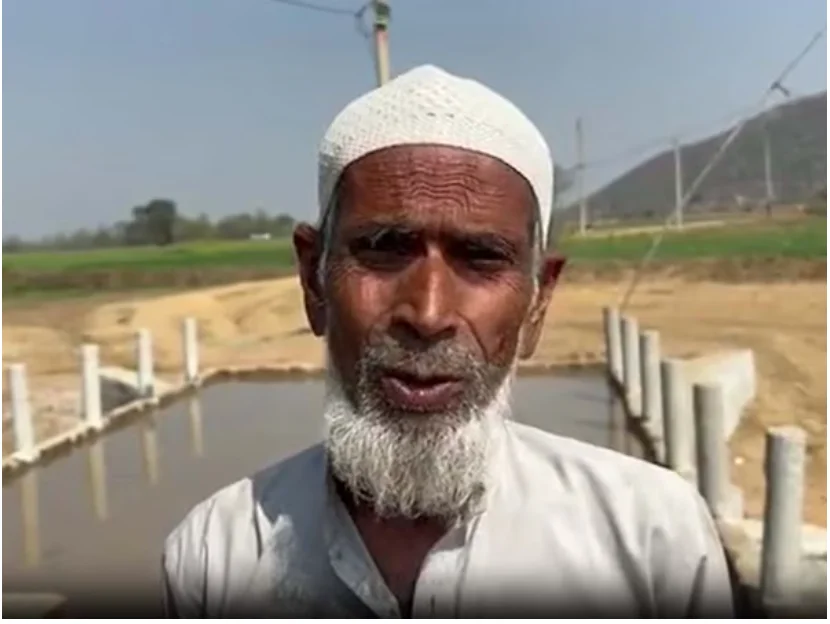
In a small village under Jhajha block of Jamui district in Bihar, a man who earns his livelihood repairing punctured tyres has built a concrete bridge using his own savings and community support — in memory of his late mother.
Sarfaraz Ansari, who runs a modest puncture repair shop and struggles to support his family, constructed the bridge over a river that once claimed his mother’s life. The structure is expected to benefit nearly 40 villages in the surrounding area.
The story dates back to 2019, when Sarfaraz’s mother fell seriously ill during the monsoon. The village had no proper bridge connecting it to the main road and nearby market, and the river was swollen due to heavy rains.
Sarfaraz had to carry his ailing mother across the overflowing river to reach a hospital. The journey was dangerous and exhausting. By the time they managed to access medical care, she had passed away.
He believes that had there been a bridge and quicker access to treatment, her life might have been saved.
“Since that day, I felt that the river took my mother away from me,” Sarfaraz said. “I kept thinking that no other son should suffer like this.”
After her death, he resolved to build a bridge so that no one would have to risk their life crossing the river again, especially in emergencies.
Despite limited financial means, he began setting aside small amounts from his daily earnings at the puncture shop. Over time, his savings grew.
When he shared his plan with villagers, they supported the idea and contributed funds and voluntary labour. The bridge was built entirely without government assistance.
The structure measures approximately 25 feet in length, 13 feet in width and 8 feet in height. According to residents, it will directly benefit people from around 40 villages.
Earlier, during the rainy season, residents had to travel several extra kilometres to reach the town. Many risked their lives attempting to cross the river. Children struggled to attend school, farmers faced difficulty transporting produce to markets, and patients often experienced delays in reaching hospitals.
With the bridge now in place, daily life is expected to improve significantly.
“For years, we demanded a bridge. We never imagined it would be built by one of our own,” a local resident said. “Sarfaraz has done what even the authorities could not.”
Another villager added, “During the monsoon, we feared the river. Now we feel safe.”
Local representatives and officials have also praised the effort. One official described it as “an inspiring example of community initiative and determination.”
Sarfaraz, however, remains humble.
“I am not a big man,” he said. “But a person should have a big heart. I still feel the pain of losing my mother, but I find peace knowing that no other mother or daughter will have to face what mine faced.”
“For the world, this may be just a bridge made of cement and iron rods,” he added. “For me, it is a dream fulfilled. I saved little by little, and with the villagers’ support, we built this bridge. Seeing people benefit from it is my greatest happiness.”
For many in Jamui, the bridge is more than infrastructure. It stands as a symbol of determination, grief transformed into action, and the power of one individual to change the lives of thousands.
source: http://www.clarionindia.net / Clarion India / Home> Editor’s Pick> India> Indian Muslim / by Team Clarion / February 28th, 2026
In an era where charitable acts are often measured by the length of a queue or the flash of a camera, a quiet revolution of compassion has been unfolding in the streets of Cumbum. For over a decade, the local unit of Jamaat-e-Islami Hind (JIH) has chosen a path less travelled: bringing relief not to a distribution centre, but directly to the doorsteps of those in need.
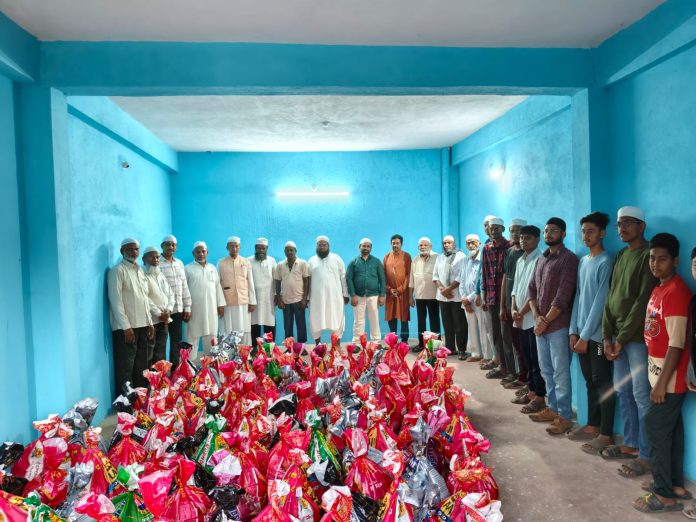
On Tuesday, this mission reached a new milestone as volunteers navigated the town’s lanes to deliver essential ration kits to 120 underprivileged families. The initiative, now in its 13th consecutive year, is built on a foundation of Dignified Giving, ensuring that the recipients never have to experience the vulnerability of standing in a public line for their daily bread.
The intervention is far from symbolic. Each kit is a meticulously curated package of 10 essential commodities, including staples like rice, pulses, cooking oil, sugar, and tamarind. These kits are designed to provide a nutritional safety net for families struggling against the tide of rising costs.
“Our philosophy is simple: no one in our vicinity should go to bed hungry,” says Sheikh Muhammad Rafi, head of the Social Service Wing. “By taking the kits to their homes, we preserve their self-respect. It is not an act of pity; it is an act of brotherhood.”
The initiative draws its strength from the Islamic principle of Zakat. Ghaus Khan, District President of JIH South Markapuram, explains that this is a structured social responsibility rather than a random act of kindness.
“The Qur’anic injunction to ‘establish prayer and give Zakat’ is a call to bridge the gap between the haves and the have-nots,” Mr. Khan notes. “The mandatory 2.5% contribution from one’s annual savings is a powerful tool for social equity. It belongs to the poor by right, not by favour.”
The programme’s longevity is a testament to the seamless collaboration between the local diaspora and residents. This year’s efforts saw participation from diverse quarters, including Zainul Abideen, an NRI from Kenya, and Syed Abdul Jaleel, Secretary of the Mandal Consumers Association.
The youth wing, Students Islamic Organisation (SIO), led by Cumbum President Waseem Akram and Secretary Abu Bakar Siddiq, provided the logistical muscle for the door-to-door distribution. The event concluded with a prayer by Mufti Yasin Saab, who sought continued strength for the community’s philanthropic endeavours.
As the sun set over Cumbum on Tuesday, 120 hearths were lit with a little more ease – not just because of the rations provided, but because of the grace with which they were delivered.
source: http://www.radiancenews.com / Radiance News / Home> Latest News> Report / by Muhammad Gouse Khan / March 05th, 2026
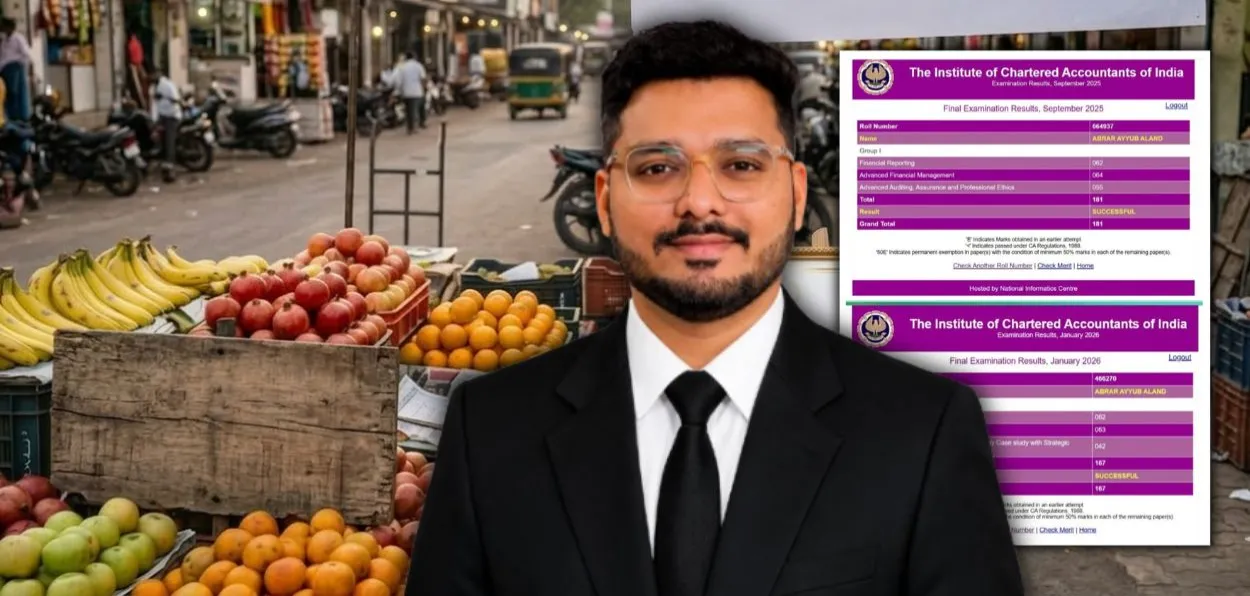
Abrar Aland, a resident of Ramwadi in Kalamb, Pune, Maharashtra, has fulfilled his father’s dreams by clearing the tough exam and becoming a Chartered Accountant at the age of 23.
His father, who sold fruit in the weekly market of the Walchandnagar area in Pune, was keen that his son should hold a good position in society.
Chartered Accountant (CA), awarded by the Institute of Chartered Accountants of India (ICAI) after enrolled candidates clear a three-level examination (Foundation, Intermediate, Final) and complete practical articleship. While not a traditional academic degree, the UGC recognises the CA qualification as equivalent to a postgraduate degree.
Abrar Aland’s father, Ayub Jungbahadur Aland, manages the family with his income from selling fruit in the weekly market.
Growing up in ordinary circumstances, Abrar had harboured the dream of becoming a CA right from the beginning. To fulfil this dream, he worked hard by studying for ten to twelve hours every day.
Abrar told Awaz-The Voice, “Since childhood, I wanted to become a Chartered Accountant. This thought came to my mind when I was in the seventh or eighth grade. At that time, my cousin was pursuing CA, and taking inspiration from him, I also decided to choose this path.
Abrar Aland with his family
Abrar went to school in Walchandnagar. For his eleventh and twelfth-grade education in the commerce stream, he joined the BMCC College in Pune city. He completed his B.Com education at MMCC College in Pune.
He passed the CA Foundation exam in November 2020. After that, he passed the Intermediate exam in May 2022. Later, he passed the first group of the CA Final in the year 2025 and, by passing the second group in January 2026, he finally realised his dream of becoming a Chartered Accountant.
Speaking about his exam preparation, Abrar said, “Immediately after the HSC exams were over, I joined classes for CA Foundation and began my preparation. Since it was the COVID time, I was studying from home, and my exam was in December 2020. I passed the CA Foundation in my very first attempt with a score of 257/400.”
He further said, “After taking a two-week break, I started classes for CA Intermediate in Pune. But due to the second wave of COVID in 2021, classes went online again, and I returned home to prepare, but I did not achieve success at that time. Then, without waiting for the results, I started studying again. I got the fruits of this hard work in May 2022, when I passed both groups of CA Intermediate with a score of 411/800.”
Abrar shared that he received invaluable guidance from his parents, siblings, teachers, and. He also mentioned that getting various training facilities like computer skills, communication skills, skill development, and expert guidance through the Pune branch of The Institute of Chartered Accountants of India (ICAI) was highly beneficial.
Abrar said, “After passing CA Intermediate, I gained practical work experience in all important areas of the CA field for three years. My final CA attempt was in May 2025. Therefore, I took a study leave from the office in December 2024 and started preparing. At that time, my mother and sister decided to come and live in Pune to help me with my studies, so that I could get home-cooked meals and emotional support. My father could not come to Pune due to his work, but he used to come to visit us occasionally. During that period, he was living alone, and the three of us were living in Pune.”
The result of the Chartered Accountant exam, considered to be extremely tough in the country, was declared on March 1, 2026. Abrar Aland cleared the level.
Abrar says, “When the result was declared, I got a call from my brother Waseem Aland, and he happily said, ‘Hello CA Abrar Ayub Aland, you have passed!’ My joy at that moment could not be put into words.”
Speaking about that special day, Abrar said, “Since Ramadan was going on the day of the result, we were all fasting, and the result came around 6:30 PM, which was close to Iftar time. The joy was so immense that my family and relatives started sharing the news of my success everywhere. In that joy, they even forgot to complete their Iftar properly.”
Abrar Aland’s cousin, Waseem Aland, is also a Chartered Accountant. Meanwhile, his other cousin, Azam Aland, is working as a Police Sub-Inspector (PSI).
source: http://www.awazthevoice.in / Awaz, The Voice / Home> Stories / by Aamin Shaikh, Pune / March 14th, 2026
Prof. Zakia Athar Siddiqi, former Principal of Women’s College of AMU and Officer on Special Duty at Aligarh Public School, exemplifies an ideal of educational leadership that is founded on integrity, discipline and vision. In her first year as Principal in 2006, Prof. Siddiqi led the institution through a successful revitalization, stabilization and development process. More than anything, Prof. Siddiqi stands out from other educational leaders by being a true volunteer leader—she has never financially benefited from her service at either school. For example, she did not take advantage of school transportation nor receive housing at either institution. Rather, her contributions to both institutions are more about commitment than they are about convenience.
When Prof. Siddiqi began as Principal in 2006, the academic results of the school were troubling. About 40% to 50% of students passed the High School examination. Within a few years, due to consistent planning for academic improvement and appropriate reforms, student results improved significantly. Since 2007, the school’s pass rate has consistently increased to 90% to 95%, and has achieved a 100% pass rate on a number of occasions; multiple students have passed with distinct grades for many subjects. The evolution of these outcomes did not occur by chance; they resulted from an intentional focus on teacher preparation, educator accountability, and student support programs.
Academic upliftment was the primary focus of her leadership in revamping the institution. Classrooms were well-structured; lessons were planned systematically; and student performance was monitored transparently. The teachers were encouraged to implement more effective pedagogical strategies so that all students not only passed their tests but also developed confidence through conceptual clarity. In a time when high-quality education often comes at a high cost, APS has been able to keep a low fee structure during her tenure as head of the institution. This has enabled families in the Aligarh area to obtain quality schooling without having to worry about financial burden. Education was a right, rather than a privilege, under her leadership; she ensured that the institution’s social character was preserved while strengthening its academic stature.
The extent of her concern for inclusion is evidenced by her provision of significant financial assistance via freeships to students from economically disadvantaged backgrounds. In just the 2025-26 academic year, she provided Rs 17,000,000 in assistance to students. While this is just a number, for hundreds of families, it represents their ability for their children to continue their education without interruption. This reinforces the idea that APS is truly an academic institution and a socially responsible one.
The way that Prof. Siddiqi has led staff welfare also brought dignity and structure to it. When she took charge, she implemented a formal salary scale and created a systematic way to increase salaries according to the U.P. Government’s pay scales for teachers and staff where applicable. There were regular salary increases for all staff and teachers that used a process that was transparent. This created motivation, consistency and loyalty to the institution for the staff. The way that a school will develop is by ensuring that its teachers believe they are valued and feel safe.
Under her leadership, administrative reforms led to an increase in transparency. This included modernising the record keeping systems, streamlining work processes, and making information easily accessible. Institutional discipline improved while not creating rigidity. Transparency became a signature of the APS administration providing trust between the parent body, the staff and governing bodies.
Under her leadership, infrastructure development has been another mainstay. The construction of a new hall complex that is fully air-conditioned and has other modern features was completed in 2015, giving the school an enhanced ability to host both academic and cultural events. In 2020, four additional classrooms with modern furniture were added to assist with the increase in enrolment. Both of these projects enhanced the amount of space available for additional academic related usage and were not just cosmetic upgrades to the school.
Serious attention was focused on security and preparedness with the installation of CCTV surveillance systems throughout the campus in 2017 to help keep students and staff safe. A Renault Triber vehicle was purchased to help respond to emergencies and to safely transport employees when necessary. These types of measures demonstrate a style of leadership that looks at anticipated challenges instead of merely reacting to them.
The development of an all-new computer laboratory under the SAFAL Project of the Ministry of HRD provided yet another addition to APS’s academic framework. The laboratory has been outfitted with updated technology that will help support competency-based learning and diagnostic assessment. The SAFAL initiative has been designed to help schools track and measure how students learn, as well as to modify and enhance their overall instructional strategy. By providing progressive initiatives such as this, Prof. Siddiqi is able to align APS with national educational reform efforts.
The school’s financial transformation likely represents the best example of how Prof. Siddiqi has fulfilled her role as an educational leader. When she assumed control of the school in 2006, the school had approximately one crore rupees available in the corpus. By 2025, that corpus had expanded to ten crores. This significant increase in the school’s finances was accompanied by significant expansion of the school’s physical infrastructure, increased salaries for employees, and increased amount of financial assistance provided to low-income families. The financial consolidation that occurred during this time frame is a reflection of strong financial management, transparency, and long-term planning. A growing corpus provides all financial stakeholders with confidence that their respective financial contributions to the school are being utilized in a responsible manner, as well as allowing them to feel secure in their respective long-term commitments to the school.
Her ongoing ability to provide continuity during periods of administrative change reinforces her professionalism in a variety of environments. She has worked under numerous vice chancellor ships since commencing work at Aligarh Muslim University, including those of Mr Naseem Ahmad (IAS), Professor P.K. Abdul Aziz, Lieutenant General Zameer Uddin Shah and Professor Tariq Mansoor. Continuing in a prominent role during all of these administrations demonstrates the level of trust within the organisation to her competence and integrity.
She has received recognition for her contributions to education at the national level as evidenced by numerous awards that include the Dr. B.R. Ambedkar Award (2025), the Women Icon Award (2024), the A.P.J. Abdul Kalam Award (2024), the Bharat Leader Award (2024), the Lifetime Achievement Award (2023 – by the Government of Maharashtra), the Best Principal Award (2018 – by the Government of Uttar Pradesh.
Today, Aligarh Public School is exemplary in its academic performance, transparent administration, social equity, and ability to carry on financially. The way APS grew from those early days of little student success, minimal resources to now being so strongly and consistently successful, is directly attributed to the incredible leadership of Prof. Zakia Athar Siddiqi. Thousands of students and families she impacted or touched throughout this development have had irrevocably changed futures as a result of her quietly powerful work. Her service has demonstrated that visionary leadership combined with integrity and compassion can create a transformation in an institution. As a result of her devoted efforts, APS has become a stronger institution and has reaffirmed the importance of education as a vehicle for social progress and national development.
***
( Author is Writer, Donor Member of AMU & Director of Media Centre at Aligarh. Email: nikhatoffice@gmail.com )
source : http://www.muslimmirror.com / Muslim Mirror / Home> Positive Story / by Nikhat Parveen / March 10th, 2026
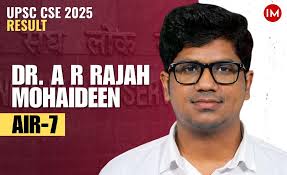
MBBS graduate Dr. A R Rajah Mohaideen secured AIR 7 in UPSC CSE 2025 after three attempts. His journey from Covid-19 hospital wards to civil services reflects purpose, learning, and a wider vision for public health.
When the UPSC Civil Services Examination 2025 results were declared, A R Rajah Mohaideen was not anxiously refreshing a results page like thousands of other aspirants. Instead, he was at the mosque in Jamia Millia Islamia, attending the Friday afternoon prayer during the holy month of Ramzan.
When he returned to his room at the university’s Residential Coaching Academy (RCA), a friend delivered the news that would change everything: he had secured All India Rank 7 in the UPSC Civil Services Examination 2025.
The 26-year-old doctor from Chennai had hoped to find his name somewhere on the list. A single-digit rank was far beyond what he had imagined.
In an exclusive conversation with Indian Masterminds, the soon-to-become officer shared details about his life, preparation, struggles, and victory.
GROWING UP IN AN ACADEMIC HOUSEHOLD
Rajah Mohaideen was born in Chengalpattu in Kanchipuram district of Tamil Nadu and raised in Chennai. Education formed the foundation of his upbringing.
Both his parents serve in Tamil Nadu’s government education system. His mother is the principal of R K Nagar Government Arts and Science College in Chennai, while his father heads a Government Teachers’ Training College in Varathanadu near Thanjavur.
An only child, he grew up in an environment where academic pursuit was natural. His schooling took place in the DAV Group of Schools in Gopalapuram, Chennai, where he studied science subjects including physics, chemistry, biology and mathematics.
He later joined Government Cuddalore Medical College (Rajah Muthiah Medical College) under Annamalai University in 2016 and graduated with an MBBS degree in 2022.
“I wasn’t a topper. In school I was maybe third or fourth in class,” he recalled. “I was among the top 10 or 20 per cent, but never the absolute topper.”
THE PANDEMIC THAT CHANGED HIS CAREER PATH
For most of his early life, Rajah Mohaideen had one clear ambition: becoming a doctor. But his final year internship coincided with the Covid-19 pandemic, placing him directly on the medical frontlines. Hospitals were struggling with shortages of oxygen, equipment and protective gear.
During that time, he also observed another set of professionals working intensely behind the scenes: civil servants coordinating supplies, hospital infrastructure and emergency responses.
One particular incident stayed with him. Sanitation workers in his government hospital lacked proper masks. When the local IAS officer visited and heard the concern, N95 masks were quickly arranged.
“I saw how important the administration’s role was,” Rajah told Indian Masterminds. “As a doctor I could serve patients individually. But as a public servant, I felt I could serve a much wider section of people.”
That moment reshaped his career direction. By the time he graduated in 2022, he had decided to prepare for the Civil Services Examination.
THE LONG PREPARATION JOURNEY
Rajah Mohaideen’s UPSC journey stretched across three attempts. His first attempt ended at the Preliminary stage. The setback meant starting the entire process again.
In 2023, he moved from Chennai to Delhi and joined Jamia Millia Islamia’s Residential Coaching Academy, entering an environment where the exam dominates everyday life.
The transition brought new challenges such as language differences, unfamiliar surroundings, and adjusting to North India.
“Initially there was hesitation to interact because of the language barrier. But I learned Hindi gradually and made many friends,” he said.
These friendships soon became a support system during preparation.
A STRATEGY BUILT ON TARGETS, NOT TIMETABLES
Instead of rigid daily schedules, Rajah Mohaideen structured his preparation around clear targets.
“The key is not a fixed timetable but fixed goals,” he said. “For example, finishing a subject in a week or a month. If you miss a day, you put in double the effort the next day and reach the target.”
His preparation included structured mock tests such as Prelims programmes, along with continuous revision and answer-writing practice. He chose Anthropology as his optional subject, a crucial component of the UPSC Mains examination. His mentor, senior IPS officer Mahesh M. Bhagwat, also played a crucial role in preparing him for his personality development round.
By CSE 2025, his third attempt, he cleared Prelims, Mains, and the Interview for the first time, securing AIR 7.
MUSIC: THE QUIET COMPANION IN A DEMANDING JOURNEY
Beyond books and mock tests, another part of Rajah Mohaideen’s life played a key role in keeping him balanced — music.
He has been trained in Carnatic music since childhood, first learning the electronic keyboard and later becoming a vocalist. He has also played instruments such as the kazoo and cajon, and enjoys composing jingles on the keyboard.
“When I felt stressed, I sang or played the keyboard. It calmed my nerves,” he told Indian Masterminds.
Music had been a constant presence throughout his life. In school and college he was part of bands and even served as a cultural secretary during medical college.
INSPIRATION FROM THE HEALTH SECTOR
Rajah Mohaideen’s interest in governance was also shaped by his interaction with senior administrators in the health system.
During his internship, he was part of a student delegation that met Tamil Nadu’s former Health Secretary Dr. J. Radhakrishnan regarding stipend issues faced by interns.
The experience left a deep impression.
“He listened patiently to our concerns and mediated with the administration to resolve them. I realised how much impact someone in that position can have,” Rajah said.
The encounter strengthened his interest in public administration, particularly in the health sector.
MANAGING ISOLATION AND SELF-DOUBT
Preparing for UPSC meant watching many of his medical college friends move ahead with postgraduate degrees and careers. At times, the contrast created uncertainty.
“I saw my friends getting into PG, completing their courses, and working as medical officers. Sometimes I felt I wasn’t doing anything substantial yet,” he admitted.
Staying connected with friends helped him stay grounded. One close friend working as a medical officer in a Primary Health Centre in Ooty often discussed real healthcare challenges with him.
These conversations kept him connected to the ground realities of public health.
AN ATTEMPT TO STAY CONNECTED TO HOME
The UPSC journey demanded sacrifices. He missed family gatherings and friends’ weddings, while many of his medical college peers moved ahead with postgraduate degrees and professional careers. For several years, his own path remained uncertain.
Support from his family and a Tamil Nadu government scholarship for civil services preparation helped sustain him through this period.
Living in Delhi meant long stretches away from Chennai, with visits home limited to a few days at a time. Small routines helped him stay connected to familiar comforts, such as occasional visits to Andhra Bhawan for South Indian flavours like gunpowder and ghee.
These reminders of home offered a brief pause amid the demanding preparation schedule.
A MESSAGE FOR ASPIRANTS
Looking back at the long preparation journey, Rajah Mohaideen believes that aspirants must not forget the reason that brought them to civil services.
“You should always remember the dream that made you start preparing,” he said. “Sometimes people forget the dream and only chase success in prelims or mains.”
He also emphasises mental well-being during preparation.
“Taking care of mental health is very important. Keep your friends and family close. UPSC can be isolating, so finding the right balance is essential.”
LOOKING AHEAD
With AIR 7 in UPSC CSE 2025, Rajah Mohaideen has opted for the Indian Administrative Service and hopes to serve in his home state of Tamil Nadu, though he remains ready to work anywhere in the country.
For a young doctor who once imagined his future inside hospital wards, the goal has expanded far beyond that.
The ambition now is to shape systems that influence healthcare, governance and public welfare, not just for individual patients, but for entire communities.
source: http://www.indianmasterminds.com / Indian Masterminds / Home> Features> UPSC Stories / by Bhakti Kothari / March 08th, 2026
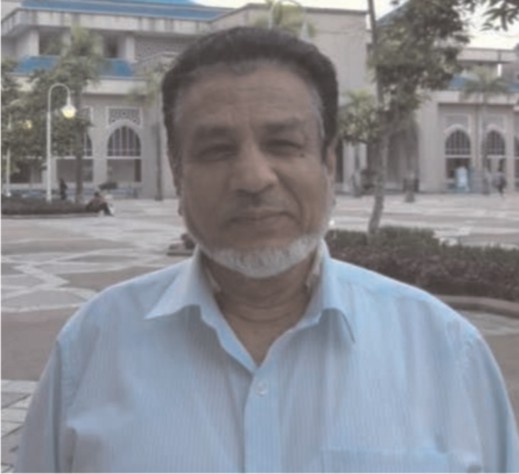
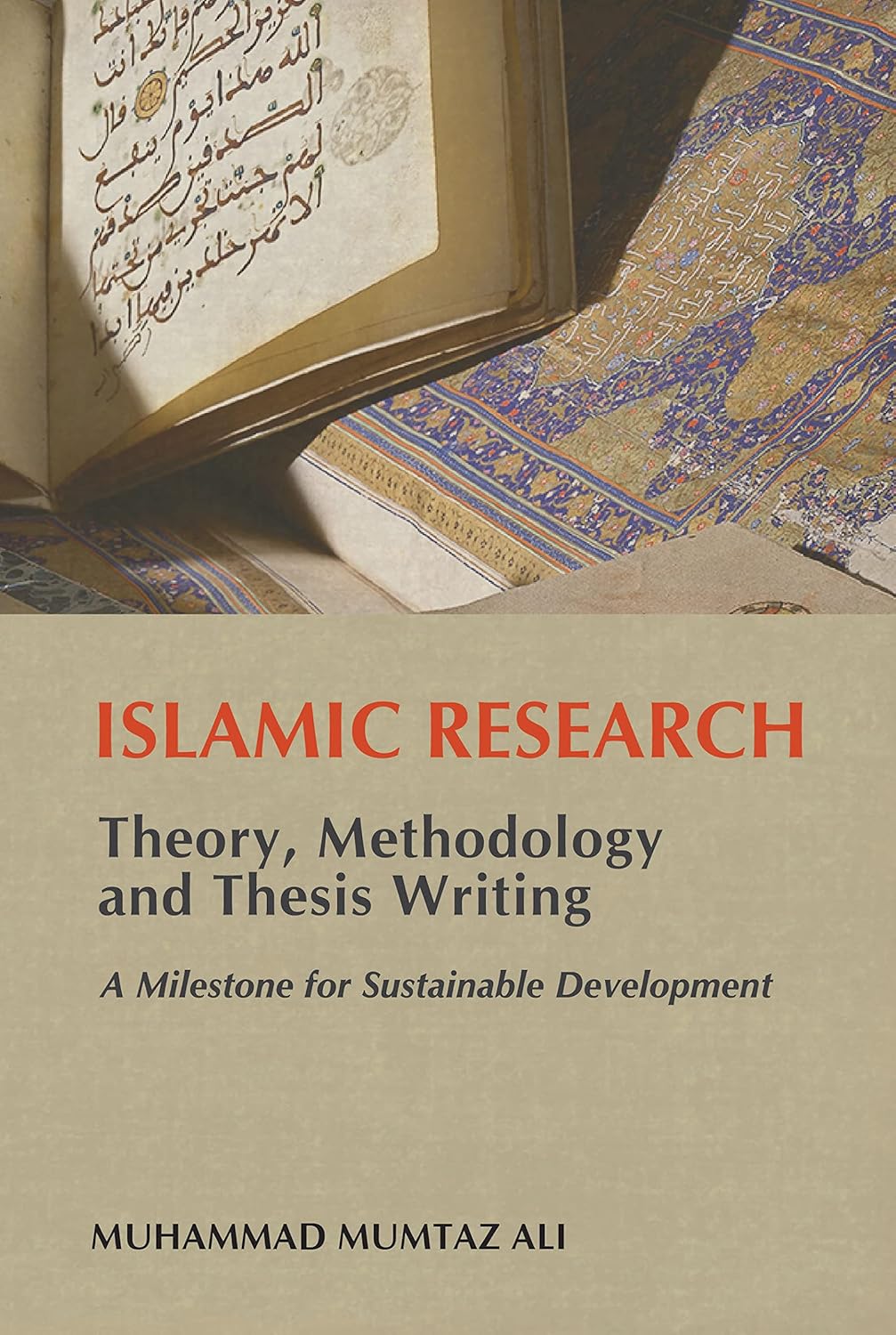
In a significant achievement, Professor (Dr.) Muhammad Mumtaz Ali, hailing from Hyderabad, India, has been honored with Malaysia’s National Book Award for the third time. Currently teaching at the International Islamic University Malaysia (IIUM) in Kuala Lumpur, Prof. Ali was recognized for his outstanding contribution through his latest work, “Islamic Research: Theory, Methodology, and Thesis Writing,” published in 2022.
pix: amazon.in
The prestigious National Book Award 2023 and Certificate for the year 2023 were presented to Prof. Ali in a grand ceremony held on December 22, 2023. The certificate carries the signatures of Prime Minister Dato Seri Anwar Ibrahim and Minister Dato Seri Zambry Abdul Qadir.
Born in Hyderabad in 1955, Prof. Ali holds a doctorate in philosophy in Islamic studies from Aligarh Muslim University. He began his academic journey by completing his master’s degree in Islamic studies at Aligarh Muslim University and a bachelor’s degree in modern western political thought from Osmania University.
Joining IIUM in 1987 as an assistant professor, Prof. Ali has been a dedicated member of the university ever since. Currently, he leads the Abdulhamid Abusulayman Kulliyyah of Islamic Revealed Knowledge and Human Sciences in the Department of Usul al-Din and Comparative Religion.
His award-winning book, “Islamic Research: Theory, Methodology, and Thesis Writing,” advocates for the transcendence of Islamic research beyond religious topics, emphasizing its relevance to all aspects of life and society. The book distinguishes Islamic research from conventional methods, emphasizing the need for a comprehensive theory and methodology.
Prof. Ali’s contributions extend to various branches of Islamic theology, including developmental studies, modernization, epistemological and methodological studies, critical thinking, philosophy of science, and modernity. His books, especially those on the Islamization of Knowledge, are widely regarded as bestsellers on campus.
In 2014, Prof. Ali received the National Book Award for his book, ‘Issues in Islamization of Human Knowledge: Civilization Building Discourse of Contemporary Muslim Thinkers.’ His consistent recognition reflects his commitment to advancing Islamic research and knowledge.
source: http://www.islamicvoice.com / Islamic Voice / Home> National News and Affairs / pix of book added – amazon.in / by Islamic Voice / February 24th, 2024.