Category Archives: Arts, Culture & Entertainment

Prof Marghoob Banihali: A Literary Legend

Bankoot (Banihal) / Srinagar / JAMMU & KASHMIR :
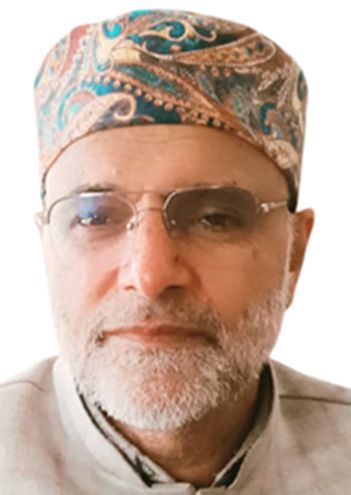
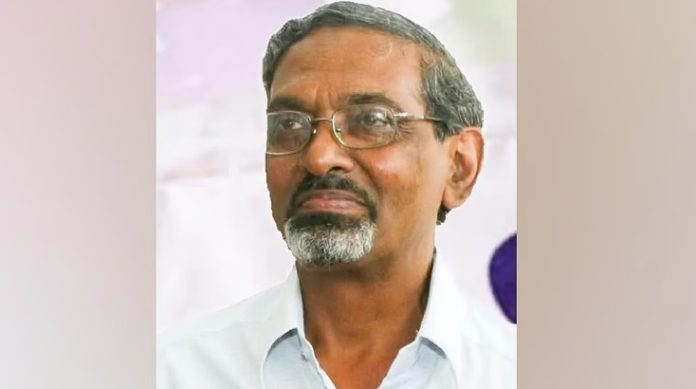
Professor Ghulam Muhammad, widely known by his pen name Marghoob Banihali, was an illustrious scholar, poet, and cultural historian whose literary and academic contributions have left an indelible mark on the landscape of Kashmiri literature and thought.

Born on 5th March 1937 at Bankoot, Banihal, in the erstwhile princely state of Jammu and Kashmir, he emerged as a multidimensional personality whose erudition encompassed not only Kashmiri language and literature but also Persian, Urdu, and English.

Marghoob Banihali’s journey, marked by personal loss, intellectual rigor, and literary innovation, reflects the resilience of a scholar deeply rooted in his cultural milieu yet transcending regional boundaries in his vision.

He passed away on 27th April 2021 at his residence in Srinagar, leaving behind a rich legacy of scholarship, poetry, and cultural reflection. The formative years of Marghoob Banihali were fraught with challenges. He lost his mother at the tender age of eight and his father when he was merely fourteen. The successive losses not only plunged his family into economic hardship but also exposed the young boy to the harsh realities of life at an early age. The family’s business suffered a severe blow, forcing Marghoob to traverse arduous paths—both literal and metaphorical—toward education and personal growth. In March 1954, he undertook a challenging journey to Islamabad to appear for his matriculation examination, traveling around seventy kilometers through snow-clad mountainous terrain. These early experiences of adversity instilled in him resilience, humility, and a deep understanding of human struggles, qualities that would later find expression in his literary and scholarly endeavors.


Marghoob Banihali received his early education under several prominent Kashmiri educators who shaped his intellectual and literary sensibilities. Among these were Haji Ghulam Ahmad Shah, who later became his father-in-law, Hakim Muhammad Hafiz Allah of Rawalpora, Srinagar, and Molvi Ghulam Muhiuddin Kirmani of Pattan Baramulla, who advised him to adopt the pen name “Marghoob.”

Another significant influence in his formative years was Master Ghulam Nabi Geeri, a member of his own family, who provided guidance and support during his early scholarly pursuits. Despite financial constraints, Marghoob pursued his education in a private mode, simultaneously embarking on a teaching career that would span decades. He eventually completed his Masters in Persian and went on to earn a PhD in the same field, laying the foundation for a distinguished academic career.


Professionally, Marghoob Banihali held diverse roles that reflect his commitment to education and literature. He served as headmaster and vice-principal at higher secondary schools and as a Tehsil Education Officer (TEO) before joining the University of Kashmir in 1969 as a lecturer in the Persian Department. His tenure at the university spanned over three decades, during which he contributed to the Department of Kashmiri, the Central Asian Studies Department, and the Iqbal Institute. He retired in 1997 as the Head of the Department of Kashmiri, leaving behind a legacy of mentorship, scholarship, and administrative excellence.


Marghoob Banihali’s literary oeuvre is vast and varied, reflecting his erudition, spiritual depth, and commitment to human values. His writings primarily focus on Islamic subjects, communal harmony, and ethical and cultural reflections. He authored over fifty books in Kashmiri, Urdu, Persian, and English, covering poetry, literary criticism, cultural history, and translations. His first poetic collection, Partavistan, earned him the Sahitya Akademi Award for Kashmiri literature in 1979 and the state Sahitya Akademi Award in 1977, establishing him as a prominent voice in contemporary Kashmiri poetry. His works transcend mere literary expression; they engage deeply with the cultural, spiritual, and philosophical dimensions of Kashmiri society.


Among his notable works is Marghoob Theory, published in English in 1982, which offers a systematic proposal for the improvement and modernization of the Kashmiri script. This work has been lauded by scholars such as Prof. Syed Maqbool, former Director of the Centre for Central Asian Studies, who described it as a scientifically viable and practical method that preserves the connection of Kashmiri with its source languages while making it more accessible to the Kashmiri-speaking populace.

Similarly, Prof. Nazir Ahmad Malik, a distinguished linguist, recognized the significance of this contribution for the development and preservation of Kashmiri language and literature.

Another seminal work, Kashir Bale Apare (1989), provides a detailed account of Kashmiri culture, language, and literature as prevalent in the Pir Panchal region. Through meticulous research, Marghoob Banihali chronicled the evolution of Kashmiri literature, highlighting its linguistic and cultural heritage.

His translations further enriched Kashmiri literary resources; in 1975, he translated Kalilah wa Dimnah into Kashmiri, introducing the classic collection of fables to a broader audience.

He also translated the monograph on the “Nightingale of India” (Bulbul Hind), Sarojini Naidu, thereby familiarizing Kashmiri readers with the Bengali poet Qazi Nazrul Islam. Marghoob Banihali’s engagement with historical and cultural scholarship is exemplified in Qadeem Kashur: Some Glittering Milestones of Ancient Kashmiri (with Special Reference to Shaikhul Alam), published by the Central Institute of Indian Languages, Mysore, in 2001.

This work provides the cultural and linguistic background of Shaikhul Alam’s poetry, situating it within the broader historical and intellectual traditions of Kashmir.

Similarly, his scholarly inquiry into Iqbal’s thought culminated in Kalam Iqbal kay Ruhani, Fikri wa Fani Sarchasmay (2006), a critical exploration of Iqbal’s philosophical, spiritual, and literary dimensions.

He also authored Ikhliqiat Marghoob (2005) and Khas Ihsan, poetic collections that address Islamic themes such as Tawhid, Risalah, and Akhirat, blending devotional fervor with literary sophistication.

His translation of the rare manuscript Noor Namah of Baba Naseebuddin Ghazi into Urdu (published in 2013) further attests to his dedication to preserving and disseminating Kashmir’s spiritual and literary heritage.

“Professor Marghoob Banihali was a cultural beacon of Kashmir, revered in literary and social circles for bridging the region’s historical, linguistic, spiritual, and literary traditions with contemporary scholarship. His work, including his writings, teachings, and translations, deeply engaged with Islamic thought, human values, and communal harmony. Banihali significantly contributed to the Kashmiri language through the Marghoob Theory and rejuvenated Sufi poetic traditions. As a poet, scholar, teacher, and humanist, his legacy is a testament to the power of knowledge and devotion to culture, faith, and humanity, making him a jewel in the crown of Kashmiri literature.”

Marghoob Banihali’s scholarship was not confined to the written word; he was a dedicated teacher and mentor, particularly in the study of Persian poetry of Iqbal.

Associated closely with Aali Ahmad Saroor, whose monumental works on Iqbal he studied and taught, Marghoob enabled research scholars at the Iqbal Institute of Philosophy and Culture to engage with Iqbal’s Persian poetry critically and independently.

By teaching the fundamentals of Persian language and literary analysis, he empowered a generation of scholars to navigate complex texts and philosophical concepts with confidence. In the foreword to Adam Gharay Iqbal (Iqbal’s Humanistic Philosophy), Professor Abdul Haq aptly observed: “Prof Marghoob is a knowledgeable person and a thinker as well. He is truthful, sincere, and honest in thinking, and practical in dealings. His multidimensional personality, combined with his erudition in Urdu, Persian, and Kashmiri literature, provides students and teachers ample guidance.”

A prominent dimension of Marghoob Banihali’s personality was his humility, nobility, and spiritual inclination. Mir Ghulam Rasool Nazki affectionately called him “mahboobi” (my beloved), while Akhtar Mohiuddin described him as an Islamic poet and writer endowed with pure nature (salim al-tabah).

Yusuf Taing, a renowned literary critic, noted that Marghoob Banihali’s poetry, whether in ghazal, naat, nazm, rubai, or manqabat, consistently reflects a profound love for the Prophet Muhammad (SAW), serving as a versified biography of the Prophet and reviving the spiritual essence of Kashmir’s Sufi poetic tradition.

Through works such as Tohfai Tawhid (2017), he rejuvenated the age-old legacy of Kashmiri Sufi poetry, imbuing it with tawhidic thought and devotional depth.


Professor Marghoob was a vital link between Kashmir and Jammu, belonging to the distinguished line of Pir Panchal poets and literary figures, including Kamghar Kashtwari, Rasa Javeedani, Nishat Kashtwari, Janbaz Kashtwari, Bashir Badrwahi, Shahbaz Rajourwi, and Manshur Banhali.

He was described by Bahar Ahmad Bahar as “a movement, a history, and a trendsetter,” and Prof. Ghulam Mohiuddin Hajni famously likened him to “a jewel coming from the sky-rocketing mountains of Pir Panchal.” Mohan Lal Aash extolled him as “a diamond carved out from the high rocks of Pir Panchal,” recognizing his deep understanding of global literary trends, mastery over expression, and devotion to the Rishi philosophy of Hazrat-e-Alamdari in Kashmir. Prof. Waheed-u-Din Malik, former Vice Chancellor of the University of Kashmir, hailed him as “a brilliant scholar of oriental languages, a sincere Kashmiri who undertook the arduous task of bringing out the best of Kashmiri culture and language through creative writings.”


One of Professor Marghoob Banihali’s seminal contributions to Kashmiri linguistics is the Marghoob Theory, a concise yet powerful work in English that chronicles the birth and evolution of the Kashmiri language and proposes a practical framework for its script reform. This work, consisting of around 100 pages, received praise from scholars and linguists alike for its scientific approach, practical applicability, and preservation of linguistic heritage. It has been recognized as a landmark achievement in Kashmiri language studies, providing a bridge between tradition and modernity in the realm of script and literacy.


Throughout his life, Marghoob Banihali exemplified the qualities of a consummate scholar, poet, and humanist. His multidimensional personality combined erudition, humility, devotion, and a profound sense of social and cultural responsibility. He engaged deeply with the literary and spiritual heritage of Kashmir while extending his intellectual reach to encompass Persian, Urdu, and English literature. His literary output, comprising over fifty books, reflects a commitment to ethical values, spiritual insight, and cultural preservation. His translations, critical studies, and original works enriched the literary corpus of Kashmir and created pathways for future scholars to explore the region’s rich literary and philosophical traditions.


Marghoob Banihali’s contributions were recognized with numerous accolades, including the prestigious Sahitya Akademi Award in 1979 for Partavistan, the state Sahitya Akademi Award in 1977, and the Ghalib Award from the President of India in 2008.

Beyond awards, his enduring legacy lies in the generations of students, scholars, and readers he inspired, the rejuvenation of Kashmiri Sufi poetic traditions, and the preservation and propagation of the Kashmiri language and culture.

Professor Marghoob Banihali’s life exemplifies resilience in the face of adversity, intellectual curiosity, and unwavering dedication to cultural and spiritual values. His scholarly rigor, poetic genius, and commitment to education rendered him a guiding light in Kashmir’s literary and academic spheres. The impact of his work continues through his sons, particularly Prof. Mushtaq Marghoob, who carry forward his philanthropic and intellectual legacy, ensuring that the torch of knowledge and cultural enrichment remains alight.


In conclusion, Professor Marghoob Banihali was not merely a literary figure or an academic; he was a cultural beacon whose life and work bridged the historical, linguistic, spiritual, and literary traditions of Kashmir with contemporary scholarship. His writings, teachings, and translations reflect a deep engagement with Islamic thought, human values, and communal harmony, while his humility, sincerity, and spiritual devotion rendered him a revered personality in both literary and social circles. He rejuvenated the rich Sufi poetic traditions of Kashmir, contributed to the evolution of the Kashmiri language through the Marghoob Theory, and inspired generations of scholars and poets. As a poet, scholar, teacher, and humanist, Marghoob Banihali remains a jewel in the crown of Kashmiri literature, a legacy that will endure for generations to come. His life is a testament to the power of knowledge, perseverance, and devotion to culture, faith, and humanity. May his soul rest in peace.


(The author a veteran academician is a former Professor and Head Department of Islamic Studies, Kashmir University. The views, opinions and conclusions expressed in this article are those of the author and aren’t necessarily in accord with the views of “Kashmir Horizon”)
hamidnaseem@gmail.com

source: http://www.thekashmirhorizon.com / The Kashmir Horizon / Home> Opinion / by Prof. Hamid Naseem Rafiabadi / October 28th, 2025
Watch a slapstick Hindi comedy

Raichur / Bengaluru, KARNATAKA :

Theatre group Kathputliyan’s latest production is based on a Marathi play

Zafer Mohiuddin

Zafer Mohiuddin, founder of Kathputliyan theatre group, is known for his signature Urdu and Hindi plays. Most plays directed by him deal with serious subjects including the Partition and complicated human relationships.

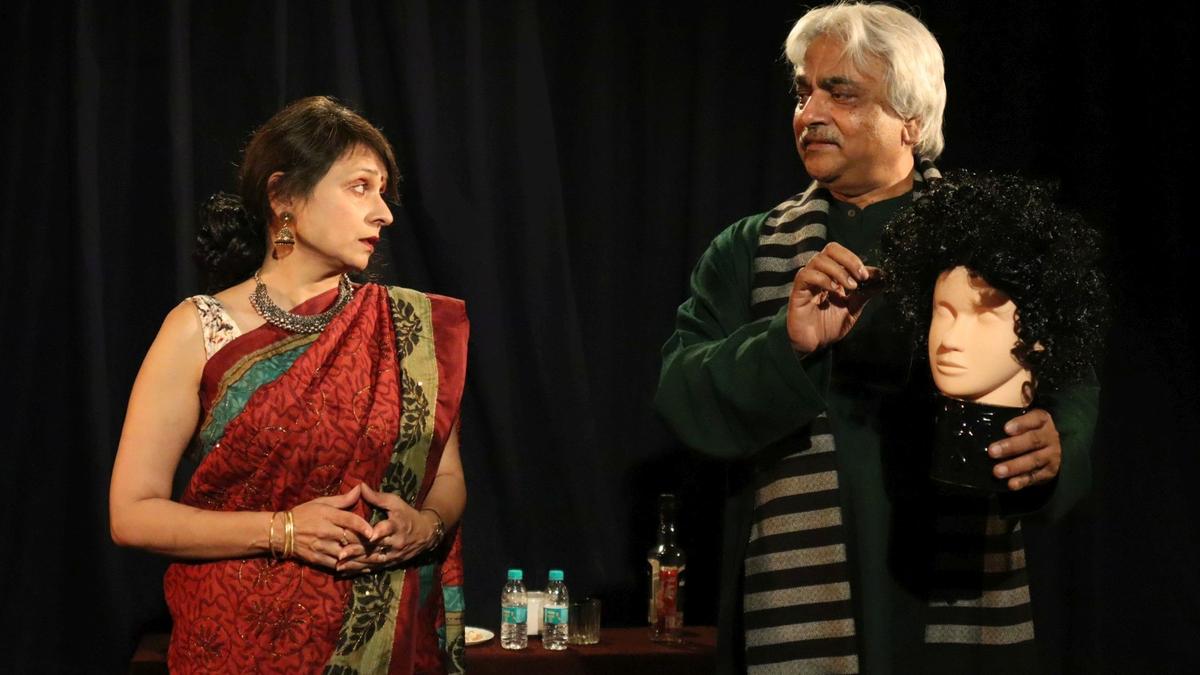
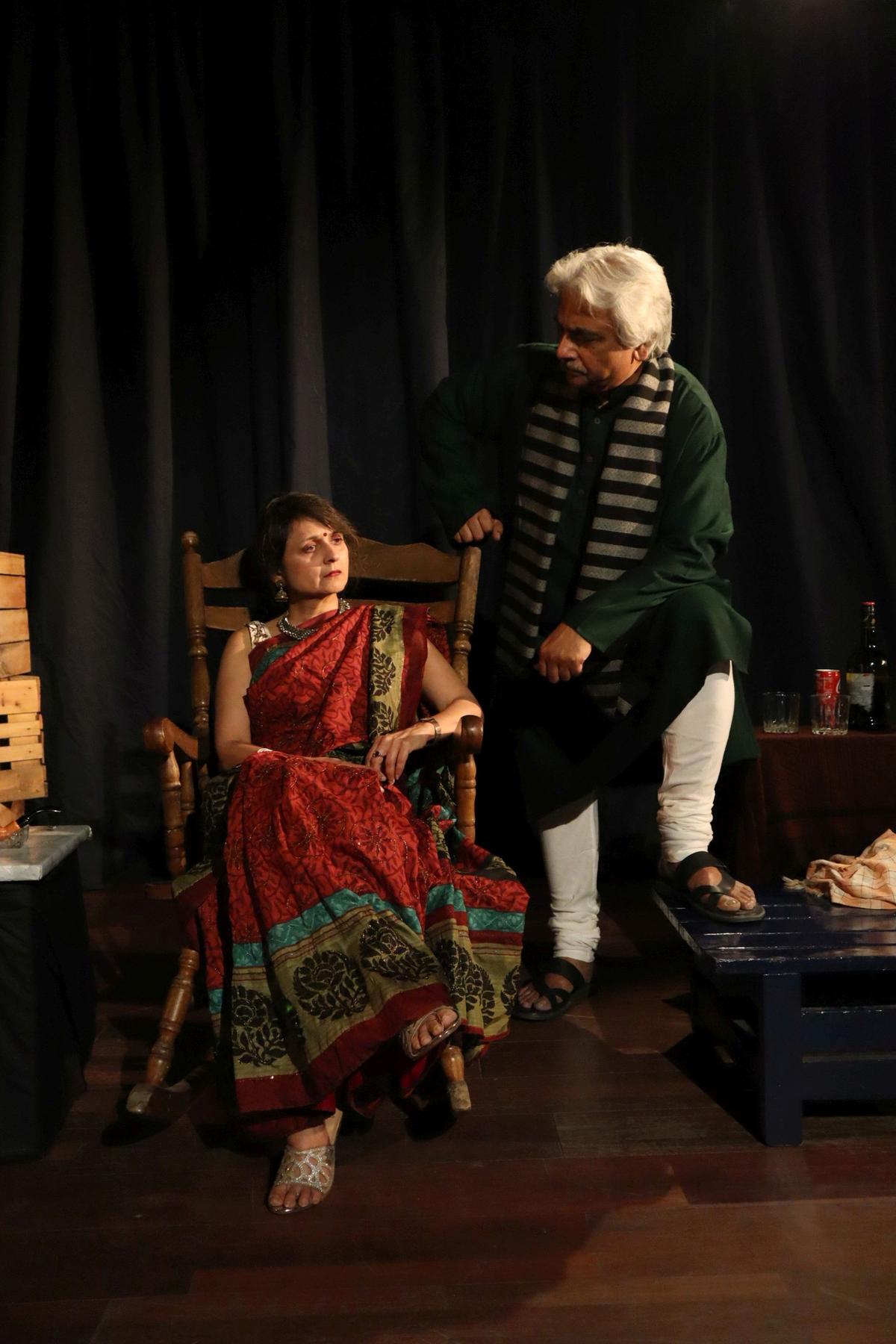
This time Zafer has directed a Hindi slapstick comedy, Pyaari Padosan. The play was originally written by a Marathi playwright, Suresh Khare. “It deals with the relationship between a husband, wife, and a new neighbour, which leads to misunderstandings and confusion between these characters, when the wife goes to visit her parents,” says Zafer. “We chose this play as it lends itself to comic situations.”

The architect-turned-playwright and director says, “I had not done a comedy for 20 years. This time, I decided to come up with a rib-tickler.”

The director has been a part of the theatre scene for over two decades and directed and acted in many plays. Besides this, he has also been part of Bikhre Bimbh with Arundhati Nag and written dialogues for the series Malgudi Days.

A still from the play

Zafer is thrilled that the theatre scene has come alive once again. “We were being suffocated within our four walls during the pandemic. Theatre groups have become active and people too have started venturing out to watch plays.”

Zafer says, “Most of us theatre practitioners, put in our own money into the production. We are still struggling for sponsorships. So, many of us work during the day so we can follow our passion for theatre during our free time. I only hope people and corporates will encourage theatre, classical music and dance. Without the right support, these arts will not be able to sustain themselves.”

Pyaari Padosan, will be staged on November 27 at 3.30pm and 7.30pm at Ranga Shankara. Tickets, ₹250, available on BookMyShow

source: http://www.thehindu.com / The Hindu / Home> Entertainment> Theatre / by Shilpa Anandraj / November 25th, 2022

‘Ek Actor Ki Maut’ to be staged on March 24 in Bengaluru

Raichur / Bengaluru, KARNATAKA :

Director Zafer Mohiuddin says the play is a conversation between the medium of theatre, film and television

Kavita Agarwal and Zafer Mohiuddin in stills from the play | Photo Credit: Special Arrangement

Kathputliyan Theatre Group (KTG) will stage, Ek Actor Ki Maut. Directed by theatre actor, director, playwright Zafer Mohiuddin, the play is originally written by Croatian writer, Miro Gavran and adapted to Hindi by Saurabh Srivastava.

“It is about two actors, Akshay and Ira, who develop a bond while rehearsing for a charity show,” says Zafer in his baritone, from Alliance Francaise. “Akshay is a struggling actor, while Ira is established with a successful career spanning 40 years. Akshay invites Ira to act in a play, and Ira reluctantly agrees. The play explores Ira’s love for theatre, and the emotions the two actors go through as they share aspects of their lives.”

Zafer plays Akshay while Kavita Agarwal plays Ira. “The play is also a conversation between the medium of theatre, film and television. And how many use theatre as a stepping stone for film. For instance, though NSD was started to propagate theatre, actors train there to seek a career in films. Ira is also guilty of the same while Akshay, however, believes in theatre.”

The play, says Zafer, posits the theory that an actor dies when he exits the stage.

Zafer started off as an architect, but discovered his passion for theatre and became a playwright. Though he has done voice overs, advertisements and films, Zafer has stayed deeply rooted in theatre since 1979, when he founded Kathputaliyaan Theatre Group

Ek Actor Ki Maut Zafer says is a serious play. “I travelled to Delhi recently and a visit to NSD is a must with every trip. This time, while I was there, I bought 20 plays and one book was this. The subject hit me so hard that I immediately contacted the playwright, sought his permission and we started working on this play.”

The theme engulfed Zafer. “It is an intense play with no form of stylisation, and a lot of dialogue. It is a serious discussion between two senior actors with long, meaningful, powerful silences that are crucial to the play.”  

Zafer says the play was staged for an intimate audience and this is their first public show. Kavita has been with Kathputliyan for the past three years and has also worked with other theatre groups.

The play will be staged on March 24, 3.30pm and 7.30pm at Jagriti, Whitefield. Tickets on BookMyShow.

source: http://www.thehindu.com / The Hindu / Home> Entertainment> Theatre / by Shilpa Anandraj / March 20th, 2024

Bhatkal’s Coastal Flavours Shine at Hyderabad Pop-Up

Bhatkal, KARNATAKA :

Hyderabad:

Diners at Sheraton Hyderabad were recently introduced to the rarely seen Bhatkali cuisine, thanks to home chef Fatima Riyaz. Through an exclusive pop-up, Fatima presented dishes rooted in the coastal town of Bhatkal in Karnataka, highlighting its Nawayathi heritage and centuries of cultural exchange.

Bhatkali food is known for its unique blend of spices, coconut, and rice. “Five out of six dishes have rice in some form,” Fatima explained, noting how coconut adds sweetness and depth to most preparations. Spice levels are high, but carefully balanced with caramelised onions. Signature to the cuisine is Loli, a red chilli-based spice paste slow-cooked in coconut oil and used across dishes.

The Sheraton menu included Mudkale, rice balls with prawns cooked in coconut oil, and seasonal desserts like Chibbad, a local melon served with coconut milk and lime. While seafood dominates the cuisine, Fatima also created vegetarian versions to suit diverse diners.

Her food is deeply personal, drawn from family traditions and her community’s layered history. “Our cuisine reflects Islamic influences, Jain touches, and coastal Indian roots,” she said. The language of her community, Nawayathi, similarly borrows from Marathi and Konkani, echoing cultural ties along the western coast.

Fatima began cooking professionally after the pandemic, inspired by people reviving traditional recipes. Since then, she has taken Bhatkali cuisine to cities through curated pop-ups. “I only cook this cuisine,” she noted. “It is Indian, but with a sweetness that is ours.”

Story by Deccan Chronicle

source: http://www.radiancenews.com / Radiance News / Home> Features> Latest News> Report / by Radiance News Bureau / September 20th, 2025

Islamic Heritage Exhibition “Durrat-ul-Iman” Showcases Creativity and Faith in South Andaman

Andaman, ANDAMAN & NICOBAR ISLANDS :

Sri Vijay Puram (Port Blair):

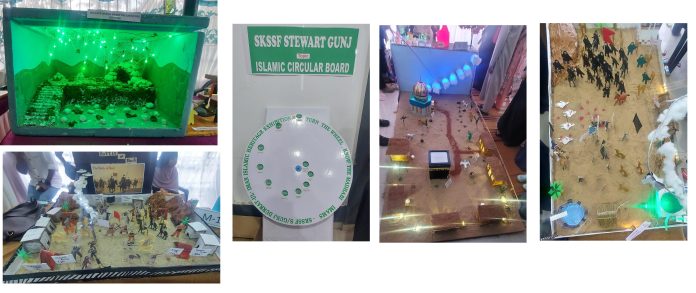
An Islamic Heritage Exhibition titled “Durrat-ul-Iman” was organised by the SKSSF Stewart Gunj Unit in South Andaman between 17 to 19 October, with the active participation of all Madrassas under ARJM . The event served as a vibrant platform for students to present creative and educational displays reflecting Islamic history, knowledge, and spirituality.

The exhibition featured a range of thematic models and interactive setups, including an artificial Qabr (grave) designed by youth members, a matching board circuit highlighting the teachings and details of the four Imams of Islam, a quiz corner, a selfie point, and a video presentation on “The Signs of Qayamat.”

Among the exhibits, the Isra-wal-Meraj display drew particular attention for its detailed depiction of the Prophet’s journey from Mecca to the heavens. Visitors praised the effort and imagination that went into the presentation, which combined learning with deep spiritual reflection.

The exhibition was organized to foster Islamic education, encourage creativity among students, and strengthen community engagement through faith-based learning. With overwhelming response from people, the exhibition was widely appreciated by the public for its innovative displays and spiritually enriching atmosphere.

source: http://www.radiancenews.com / Radiance News / Home> Latest News> Report / by Radiance News Bureau / October 23rd, 2025

Dr Syed Amjed Ahmed: A Visionary Educator Who Redefined Media Teaching and Empathy

Bengaluru, KARNATAKA :

Bengaluru:

Dr Syed Amjed Ahmed, a pioneering communication scholar and educator who shaped generations of journalists, media professionals, and educators, passed away in Bengaluru at the age of 76. Known for his deep patience, open-minded teaching, and visionary contributions to educational broadcasting, Dr Amjed’s passing marks the end of an era in Indian media education.

Throughout his career, Dr Amjed transformed the Department of Mass Communication and Journalism at the University of Calicut into a nationally recognised centre of excellence. His students today occupy senior positions in journalism, advertising, public relations, technical communication, and academia across India and abroad. A true academic innovator, he was among the first to identify technical writing as a viable career for communication graduates, long before the digital revolution took hold.

A man of science and sensitivity, Dr Amjed earned a Master’s in Geology and an MS in Communication from Bangalore University before dedicating his life to teaching in Kerala.

As the founding director of the Audio Visual Research Centre (AVRC) at Calicut University, he led the institution to national acclaim by producing award-winning educational documentaries for the University Grants Commission. One such production, which featured real visuals of an open-heart surgery from the Sri Chitra Tirunal Institute in Trivandrum, became a landmark in educational media and inspired other AVRCs to embrace creative and visual storytelling.

Colleagues recall that he navigated multiple bureaucratic and institutional hurdles with quiet resilience. His leadership combined administrative acumen with human warmth, ensuring that the AVRC became both technologically forward and academically rigorous.

As a teacher, Dr Amjed believed in dialogue over dictation. His classroom was a space of debate, reflection, and dissent. He encouraged students to think critically, question conventions, and link theory to experience. If a student disagreed or even displayed anger, he would listen calmly and respond with logic and empathy. He believed that listening was central to education and that disagreement was an essential ingredient of learning.

His contributions extended beyond pedagogy. He introduced round-the-clock PTI teleprinter services for journalism training, built a best-in-class media library, and installed one of the earliest Apple Macintosh DTP systems for hands-on experience in editing and design. His work ethic inspired students and colleagues alike, while his humility kept him grounded despite his many accomplishments.

Those who knew him describe him as a rare educator who never used authority to impose discipline, but empathy to earn respect. Even as a department head, he supported student activism and believed that education must nurture conviction alongside competence.

For his students and peers, Dr Amjed was not just a teacher but a lifelong mentor, guide, and friend. His influence on media education in India endures through the thousands he taught and inspired to think independently, act ethically, and communicate truthfully.

source: http://www.radiancenews.com / Radiance News / Home> Latest News> Markers of Excellence> Obituary> Report / by Radiance News Bureau / October 17th, 2025

Patiabazi: The Hangout Spots Keep Bhopal’s Night Debate Culture Alive Through Generations

Bhopal, MADHYA PRADESH :

A carrom spot alive at Banne Pahelwan Ki Gali in Itwara

From gossip, rumours, history buff, election campaign to latest trends, in times of AI, Bhopal’s Patiabazi is still a major spot for discussion, debates where many politicians including former President of India Dr. Shankar Dayal Sharma and hockey legend, Aslam Sher Khan cut their teeth on these patias.

Foods served during Patiyabazi

Bhopal : 

For 62-year-old businessman Abdullah Bhopali, visiting Iqbal Maidan every evening is akin to a sacred ritual. After a long, tedious day, the maidan lightens his heart and rekindles his mood.

For over 40 years, Abdullah has been a regular at this public space, originally called Khirniwala Maidan, renamed as Iqbal Maidan after the legendary Urdu poet Allamah Iqbal. Iqbal spent six months in Bhopal across four visits before India’s Independence, composing many of his iconic poems here. Once a private leisure courtyard for Bhopal’s Nawabs, Iqbal Maidan, nestled near the Upper Lake in the walled city, stands as a testament to the city’s 300-year-old history.

Every evening, Abdullah settles on a patia—a rectangular stone slab measuring about 4×2 feet—alongside friends, engaging in hours of lively conversation.

Over cups of Namak Wali Chai (salted tea) and cigarettes, these Patias are not bound by time or age. They start off in the late afternoons and go late into the night. Endless discussions covering everything from a hectic work day to politics, and Bhopal’s storied past. They reminisce about the city’s golden era, the unsung bravery of the Nawabs, their soldiers and exchange local gossip.

“Patiyabazi is a mental diet for Bhopalis like us,” says Abdullah. “It’s our primary source of news, political updates, and historical lessons and anecdotes. But administrative actions are weakening this tradition.”

Patiyabazi, is a quintessential Bhopali tradition that traces its roots to the Nawab era. The term patia refers to the stone or brick platforms placed outside tea shops, homes, or public spaces, serving as informal gathering spots.

Gauhar Mahal night.

When the source of entertainment was scarce during the Nawab period, people used to gather outside their houses or public spaces after the dinner, converging on these patias sipping tea, playing chess or carom, and debating over the city’s pressing issues.

Over time, this practice solidified into a cultural cornerstone, becoming a social lifeline for Bhopalis. The tradition of Patiyabazi thrives as a vibrant cultural practice in Bhopal despite the growing urbanization and modernization.

Urdu literature, and books like Shayam Munshi’s Sirf Nakshe Kadam Rah Gaye and others vividly capture the essence of Patiyabazi, chronicling its role as a social institution. In 2015, two short plays were also designed over the age-old tradition by a city play writer Rafi Shabbir that were staged in the city’s Bharat Bhawan.

Bhopal’s Patiabazi is akin to Kolkata’s Roker Add. Older houses across Kolkata’s landscape are attached to the building — a sort of a porch, popularly known as rowak or rok, reserved for adda.

The adda is a gathering of friends and acquaintances for a session of non-stop conversation with topics ranging from day-to-day problems and anecdotes to local or global politics or sports. They indulge in long conversations over endless cups of tea, sometimes coffee, and a few cigarettes. An adda can be indoors or (preferably) outdoors, and beyond the college campus and office, the locations for these addas have evolved over the years.

Like Kolkata’s rowak adda, Iqbal Maidan remains as a vibrant hub for Patiyabazi unlike Chatori Gali, Char Batti Chowk, Jahangirabad, Ibrahimpura and others which didn’t survive with the time of rapid urbanization in the name of smart city.

“After dinner, people flock to these public spaces, spend hours discussing the freedom movement, social issues, and Bhopal’s welfare over tea and cigarette,” says Rafi Shabbir, who wrote two-plays on Patiyabazi.“Sometimes, these patias transformed into mushairas or ghazal ke mahfil.”Every mohalla (neighborhood) in the old city boasts its own patia spot, each with its distinct flavor of discussion. For example, Ibrahimpura’s patia was renowned for spirited debates on politics and hockey, while Maktaba Sharkia’s was a haven for conversations about art, culture, and literature.

Bhopalis enjoying Patiyabazi at Banne Pahelwan Ki Gali around 12 pm

These gatherings have long been more than casual meetups; they’ve shaped Bhopal’s social and political landscape.

Many of Bhopal’s politicians and social activists cut their teeth on these patias, says Rizwan Uddin Ansari, a city historian.

He explained, former President of India Dr. Shankar Dayal Sharma, former MP K.N. Pradhan, Communist Party leader Shakir Ali, and hockey legend, Aslam Sher Khan often frequented Najja Dada ka Patia, engaging in fiery debates over politics and international affairs that drew crowds. The discussions were so influential that Nawabs stationed spies at these patias to gauge public opinion.

“At Najja Dada ka Patia, an intelligence officer was tasked to check conspiracies against the ruler,” says Ansari. “During local elections, candidates would visit these spots to campaign, engaging directly with voters to sway opinions.”

Historian Rizwan recalls a time when a woman wrestler from Haryana visited Bhopal, sparking animated discussions at a patia. “It was a hot topic,” he says, “especially when women’s rights were still a struggle.”

These conversations often transcended gossip, addressing societal shifts and shaping public discourse. Even today, the old city’s streets like Banne Pahelwal Ki Gali in Itwara, Qazi camp, hum with the clatter of carrom boards and chess games, as men gather to keep the tradition alive, sometimes, till dawn.

This tradition, however, is only confined to some pockets of the walled city. Those shifted to new Bhopal, long for it like a 45-year-old political activist Jawaid Beg.

Beg moved to new Bhopal near Airport Road to meet his family’s growing demands. Yet, he drives 10 kilometers to Iqbal Maidan many times a week to partake in this centuries-old ritual. “Although it’s impossible to go to Iqbal Maidan every night because of workload, sitting on the patia, with friends makes me feel alive,” he says. “All my worries vanish.”

The modernization, however, has posed challenges to Patiyabazi. Between 2000 to 2010, the government removed patias from outside homes, citing beautification and encroachment concerns. In the later years, district administration, detached from local traditions, began dispersing crowds from these public spaces after 11 pm labeling Patiyabaaz as nightwalkers. The administration argues that since section 144 CrPC (now Section 163 BNS) is in place, it’s important to disburse the crowd to maintain ‘law and order’ in the city.

Gohar Mhal night.

As a result, the tradition has waned among younger generations, who are drawn to modern distractions like mobiles, games, OTT platforms, social Apps and others getting detached to the city’s tradition and history.

For the younger generation, tea joints are new Patia spots and scooty and bikes become the new Patia.

These spots attract younger Bhopalis, particularly those under 40, who are reimagining the tradition. “Scooty and bikes have become the new patias for the youths,” says Saad Iqbal, a 35-year-old businessman, who runs a dry fruit shop in Jumerati locality of walled city. He sits at a tea joint near Royal Market with friends till late night after closing the shop at 11:30 pm.

For the younger generation, these tea joints offer a space to discuss everything from vacation plans to shopping trips at the nearby market, often while playing mobile games like PUBG. This blend of old and new keeps the spirit of Patiyabazi alive.

At Budhwara Chowk’s patia, 25-year-old car mechanic Bhura Khan unwinds after a grueling workday. “A cup of tea with carrom sets the mood,” he says, surrounded by friends. “The gossip keeps us informed and makes us laugh.”

Gohar Mahal, another popular spot, draws youngsters with its scenic lake views, where they enjoy snacks and tea. Qazi camp, Aishbagh, Bagh Dilkusha are some of the popular spaces for Patiyabazi.

Patiyabazi is more than a pastime; it’s the heartbeat of Bhopal’s community. It bridges generations, from Nawab-era chess matches to modern-day PUBG sessions.

For Bhopalis, patias are more than stone slabs—they are living monuments to Bhopal’s enduring spirit, where stories are shared, friendships are forged, and the city’s soul is kept alive.

source: http://www.muslimmirror.com / Muslim Mirror / Home> Art & Culture> Exclusive Reports / by Kashif Kakvi / September 26th, 2025

Senior Urdu Journalist Abdul Wahed Farooqui Honoured with Maharashtra State Award

MAHARASHTRA :

Mumbai:

Veteran Urdu journalist Abdul Wahed Farooqui has been honoured with the Maharashtra State Urdu Sahitya Academy Award for his outstanding contribution to Urdu journalism. The award, presented by the Department of Minority Affairs, recognises his long-standing commitment to promoting Urdu language and literature through the press.

Farooqui has been editing an Urdu weekly since 2014, shaping public opinion through thoughtful commentary and consistent coverage of social and cultural issues. Colleagues and readers describe him as a voice of balance and integrity in Urdu media. His work has strengthened the role of Urdu journalism in highlighting issues affecting the community and preserving linguistic heritage.

At the award ceremony held in Mumbai, officials praised his dedication to nurturing young journalists and maintaining high editorial standards. The honour reflects growing recognition of Urdu journalism’s importance in sustaining India’s literary diversity.

Farooqui’s recognition also highlights the evolving role of minority-language media in today’s digital environment. Despite challenges such as limited funding and readership competition, Urdu publications continue to serve as a bridge between communities, preserving both cultural and linguistic identity.

The Maharashtra Urdu Sahitya Academy Award is one of the state’s top honours for contributions to Urdu language, literature, and journalism. Farooqui’s selection reaffirms the value of responsible journalism rooted in linguistic and cultural commitment.

source: http://www.radiancenews.com / Radiance News / Home> Latest News> Report / by Radiance News Bureau / October 14th, 2025

Who was Imtiaz Qureshi? Tributes pour in as ‘Ustad’ of dum pukht style of cooking dies at 93

Lucknow, UTTAR PRADESH / Kolkata, WEST BENGAL / Mumbai, MAHARASHTRA :

Qureshi traces his lineage to chefs who served Awadh rulers more than 200 years ago.

Chef Imtiaz Qureshi receives Padma Shri award in 2016 from former President Pranab Mukherjee

Culinary legend Imtiaz Qureshi, who was credit with making the dum pukht style of cooking popular, died in Mumbai on Friday at the age of 93.

His eldest son and chef Ishtiaque Qureshi said the 93-year-old had issues with his vital organs and was hospitalised for some weeks due to old-age issues.

Who was Imtiaz Qureshi?

Born in a family of chefs in Lucknow on February 2, 1931, he traces his lineage to chefs who served Awadh rulers more than 200 years ago. His culinary journey started at the age of nine when his uncle was tasked with cooking for a British regiment. He later joined Krishna Caterers, a catering company that served the Indian Army during the 1962 war with China. He had even cooked for a state banquet hosted by former Prime Minister Jawaharlal Nehru. Along with this, he cooked for state banquets for visting foreign leaders including Queen Elizabeth II, Bill Clinton and Tony Blair on different occasions.

The Padma Shri awardee was also known for giving a fillip to the culinary excellence of ITC Hotels after he joined there in 1979. He established restaurants like Bukhara and Dum Pukht. Dum Pukht is a traditional slow-cooking technique.

He won the Padma Shri award in 2016. He is survived by two daughters and five sons. All seven of them are working in the culinary field. 

‘Lucknow lost its biggest ambassador’

Chef Kunal Kapur posted on X, “His culinary legacy and contributions will forever be remembered and cherished. May his soul find eternal peace and may his memory continue to inspire us all.”

Singer Adnan Sami said, “Sad to learn that Padma Shri Master Chef Imtiaz Qureshi has passed away. He was a culinary genius & a man full of zeal for life!! He was also the modern day father of Awadhi Cuisine & his Biryani was legendary amongst everything else he fed the world. My deepest heartfelt condolences to his family.”

Chef Ranveer Brar paid tribute to the legend, saying, “Lucknow has lost its biggest ambassador. As a Lucknow boy with dreams of becoming a chef, the folklore of Imtiaz Qureshi is something I grew up with. It was around 1999 when I was working as a trainee chef at the Taj in Delhi. I remember once taking the Rs 612/- I had earned to ITC Maurya next door and trying out the Galouti Kebab. It’s an extremely sad moment for me, for everybody in Lucknow. (I) am currently in a state of shock.”

“Every interaction of mine with the maestro, was about Lucknow, his growing up years in Lucknow, his time at the Raj Bhavan, his time when he opened the beautiful Clarks restaurant.. And so much more,” he wrote on Instagram, “Sometimes you just can’t accept that someone’s no more. This is one of those moments…

“The fact that I was eating Imtiaz Qureshi’s food in an ITC hotel was life changing for me. Not only had he pulled the dum pukht technique out of Lucknow, he had given it a personality, an unmistakable refinement,” Brar added. “RIP chef, your legacy lives on forever…”

source: http://www.theweek.in / The Week Magazine / Home> News> Entertainment / by Web Desk / February 11th, 2024

Garlic in kheer, narangi korma—a chef celebrates Awadhi cuisine, with a pinch of innovation

Lucknow, UTTAR PRADESH / DELHI :

Ishtiyaque, the eldest son of chef Imtiaz Qureshi, a Padma Shri awardee, has worked in various departments, from bakery to butchery.

Chef Ishtiyaque Qureshi preparing kebabs at the Jashn-e-Lucknow food festival in Delhi | Photo: Tina Das | ThePrint

New Delhi: 

When he offered his guests a bowl of kheer, a traditional dessert made with thickened milk, chef Ishtiyaque Qureshi had a wicked twinkle in his eyes. He knew he would leave them flabbergasted when he revealed the key ingredient—garlic. 

Not just the guests, but even other chefs had no clue that the pearly pods in the dessert were not almonds. The kheer was part of a delectable spread of Awadhi cuisine at the Jashn-e-Lucknow food festival at Delhi’s JW Marriott.

“When he (Ishtiyaque) asked me to taste it, I could never guess what it was. It has truly been quite the experience watching him work tirelessly from morning to night,” said Yashasvi Yadav, a management trainee at JW Marriott. 

Yadav had been working closely with Ishtiyaque to prepare 23 dishes using 20 ingredients for the festival held between 21-23 February. With rajanigandha in vases, lanterns, and roses, the tables were set to complement the Awadhi cuisine. 

From melt-in-the-mouth Kakori kebabs to the rich dum gosht biryani, and the experimental narangi chicken korma, the slow-cooked dishes had people going for multiple servings.

These dishes reflected the artistry of Ishtiyaque, the eldest son of chef Imtiaz Qureshi, a Padma Shri awardee. Ishtiyaque has been carving out a niche for himself—from opening the Kakori House restaurant in Mumbai to working as a consultant for several popular hotels in India, dabbling with the frozen food industry, and now starting the restaurant Murgori, which serves chicken Kakori kebabs.

Ishtiyaque was on his feet for 14 hours on the first day of the festival, in a kitchen shared with another food pop–up. “We made 23 dishes in just three stoves,” he said, smiling, as he talked to guests in detail about the dishes. 

Deeply appreciative of his legacy, Ishtiyaque has, however, charted a course very different from his father, who spent his career with the ITC group. 

Ishtiyaque has worked with various brands like The Leela, Kempinski, and InterContinental. He has also been instrumental in the makeover of several brands, including Aafreen, a fine–dining Indian restaurant of JW Marriott Pune.

Ishtiyaque learned from the best—his father—while working through school. “When I was 12, during school holidays, my father skilfully lured me to the Maurya operations. With the temptation of swimming in the pool and eating at the bakery, he put me in the kitchen,” said Ishtiyaque.

He worked in various departments, from bakery to butchery, and credits that hands-on training for building a solid foundation for his career.

Culinary artistry

The young boy didn’t want to cook; he wanted to join college instead. But with a big family to support, another earning member was necessary. He initially worked at ITC Maurya during the day while attending classes at Delhi’s Ram Lal Anand College in the evening. 

Ishtiyaque later left for Jeddah, Saudi Arabia, in 1986 after his father helped him get a job there. Three years later, he returned home and interviewed with ITC’s then-chairman, YC Deveshwar, at ITC Maurya in Delhi. He soon found himself at the Dum Pukht restaurant in Mumbai, which was then part of the Sea Rock Hotel.

He also worked with legendary French chef Roger Moncourt, who was the executive chef at ITC Maurya in New Delhi. “I remember he removed beef and pork from the Indian restaurant,” said Ishtiyaque. This separation—which he also recently recommended at a new restaurant—helped increase the clientele for fine Indian dining.

This was around the time when Datta Samant’s trade union raised slogans like ‘Dilliwale murdabad’. Nevertheless, Ishtiyaque found his space, experimenting with slow-cooked delicacies and reviving age-old techniques that define Awadhi cuisine.

Over the years, he has also mastered techniques from the frozen food industry, blending science with culinary artistry—all while carrying forward his father’s legacy. 

Food innovations

The father-son duo often cooked together, especially after doctors advised both parents to stop consuming red meat. This led to one of Ishtiyaque’s innovations—the chicken Kakori kebab. 

“For three years, they never guessed it wasn’t made of mutton but chicken. That’s when I realised this is a great option for the market, for those who cannot or don’t want to consume red meat,” said Ishtiyaque.

His father always made sure to have dinner at home, where his mother would rustle up delicacies like aloo gosht, saag gosht, or meat cooked with seasonal vegetables. Ishtiyaque prefers home–cooked meals and staying in rather than travelling, even though work often keeps him on the move. 

One dish that had people queuing up for second and third helpings was the narangi chicken korma. “While making the list of ingredients, the chef asked me to get oranges. Even the person in charge of the hotel’s vegetable and meat stock was curious why Awadhi food might need oranges,” said Yadav.

The result of Ishtiyaque’s experiment was a refreshing, aromatic stew. “To me, that is fusion food—when you marry one ingredient with another, instead of overpowering the dish or just laying a few strands of microgreens on a plate. That is just scamming,” said Ishtiyaque.

According to him, training chefs today isn’t what it used to be, as people no longer want to invest the same time or energy. The way his father worked and taught now feels like part of a bygone era.

“I was lucky that we could spend his last years together. He was charismatic and an extrovert. Even till the end, he wanted good food and was joking with the nurses,” said Ishtiyaque.

“But I will always be there for my guests,” he added, pausing briefly to speak to someone dining alone.

Ishtiyaque often cooked for his parents and was always eager to hear his father’s feedback. “He would suggest improvements, and sometimes my mother would be like, ‘Your son has cooked, let it be.’ But that is who he was. And I think like him and have the same kind of passion that he did,” he said.

(Edited by Aamaan Alam Khan)

source: http://www.theprint.in / The Print / Home> Features> Around Town / by Tina Das / March 02nd, 2025