Category Archives: Science & Technology

Research by Indian Muslim professor discovers potential drug to treat COVID-19

Ranchi, JHARKHAND / Riyadh, SAUDI ARABIA :

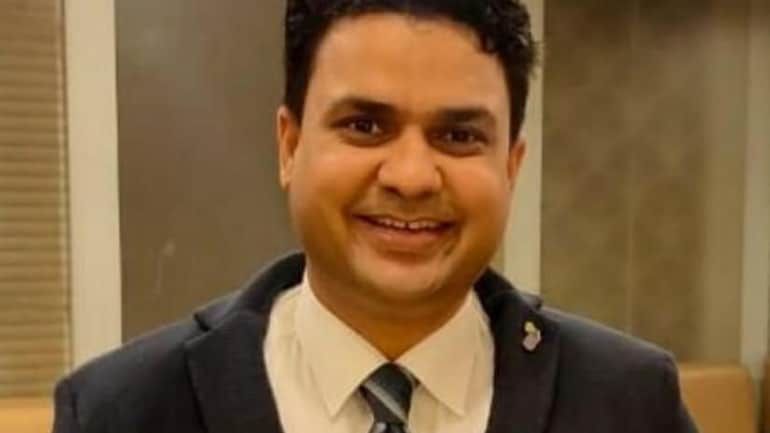
Dr. Mohammad Abul Farah

A collaborative study between scientists in India, Saudi Arabia and South Korea aimed at discovering potential drugs to SARS-CoV-2 infection in humans has led to new findings that could pave way for clinical trials to cure the Coronavirus disease.

The recent study is titled ‘Unravelling lead antiviral phytochemicals for the inhibition of SARS-CoV-2 Mpro enzyme through in silico approach. ‘ It has been co-authored by Dr. Arun Bahadur Gurung (North-Eastern Hill University, Shillong), Joongku Lee (Chungnam National University, South Korea) and three others, Dr. M. Ajmal Ali, Dr. Khalid Mashay Al-Anazi along with Dr. Mohammad Abul Farah (King Saud University).

The research has used screening from FDA approved antiviral drugs applying computational approach to embark on a scientific experimentation of vaccine development for the disease.

Dr Mohammad Abul Farah, originally from Ranchi in the Indian state of Jharkhand, spoke with TwoCircles.net about the study that has revealed substances and proteins having high capabilities of being used in treatment of the COVID-19 disease. An alumnus of Aligarh Muslim University, he is currently Professor at Saudi Arabia’s King Saud University and closely associated in the Genetics Laboratory at its College of Science in the Department of Zoology.

Having more than a decade of experience in academics and research in cytogenetics and genotoxicity, he is also working with Proteonik Inc, a South Korea based biotechnology research organization. 

He opines that “the discovery of novel drug molecules is crucial and is need of the time” as mortality rate due to Coronavirus is rising exponentially and the speed for finding a vaccine must be accelerated with more variety in clinical lab experiments. He explained that at present there are no approved antiviral drugs or vaccines for the treatment of human CoV infection therefore the scientists in this study were compelled to use computational methods to address the problem and build on effective therapeutics against the current pandemic.

One of the co-authors, Dr M Ajmal Ali

Dr Farah informed that the researchers have proposed “potential lead molecules which can be explored as drug candidates for the treatment of the COVID-19 disease.” He further detailed the findings of the study for TwoCircles.net, beginning with the fact that “SARS-CoV-2 Mpro protease enzyme is a well-characterized drug target.” Through the study’s recent structural elucidation based on X-ray crystallography, it has opened an avenue for structure-based drug design. They have also explored “a small library of phytochemicals with previously reported antiviral properties for the identification of small molecular inhibitors against SARS-CoV-2 Mpro enzyme” leading to identification of three lead molecules which exhibit higher binding affinities as compared to the control.

“The findings are novel and exciting as the lead molecules also demonstrated broad-spectrum antiviral activities against SARS-CoV Mpro and MERS-CoV Mpro,” he informed. He also outlined that the scientists screened small drug-like molecules from a dataset of phytochemicals possessing antiviral activities and this was achieved with the help of drug-like filters and toxicity studies. The selected molecules were evaluated for their binding affinity to SARS-CoV-2 Mpro enzyme using molecular docking, from which a total of 38 phytochemicals belonging to the class of flavonoids, alkaloids, essential oils, organic acids, stilbenes and other phytoconstituents were screened. This led to identification of three lead molecules – Bonducellpin D and Caesalmin B and 5,7-dimethoxyflavanone-4′-O-β-d-glucopyranoside – all three having antiviral activities against parainfluenza virus (PI-3) and bovine (cattle) virus. These three lead phytochemicals, he says, “have potential to be developed as effective antiviral drug specifically against SARS CoV-2.”

When asked whether this identification would accelerate the process of vaccine formation or not, Dr Farah pointed that antiviral drug development takes place via classical mechanisms – usually by targeting important virus enzymes such as polymerases, proteases or neuraminidase; however vaccine against a specific virus is developed by injecting the same virus in inactive form or non-pathogenic form to activate the host immune system to produce specific antibodies against the virus. For that, he said “the current findings need further validations through in vitro and in vivo lab experiments for developing into drug candidate molecules.”

Bonducellpin D is a promising drug candidate against coronavirus, suggest the findings. While the three substances were found to be “significantly inhibiting Mpro enzyme that ultimately block the viral replication,” Bonducellpin D was identified as a unique precursor to a vaccine for coronavirus.

Discussing India’s more than 1 lakh mark of current infection rates coupled with a fourth phase of a nationwide lockdown and massive breakdown of economy unfolding with the migrant crisis, Dr Abul Farah highlighted that all the three lead molecules that need further validations through lab experiments can be obtained through a clinical manufacturing company and in case they are not available commercially, they can easily be purified from the source (plant), or could be synthesized in any chemistry lab equipped for organic synthesis.

“Of course, India can afford all these kind of research,” he said, when inquired about the feasibility of obtaining or manufacturing the same molecular binding in research labs in the country. He assured that India has “many high standard virology and clinical trial labs,” and the substances for clinical experiments can be obtained easily.

(The research paper can be accessed here: https://www.sciencedirect.com/science/article/pii/S0024320520305816)

source: http://www.twocircles.net / TwoCircles.net / Home> TCN Positive> Indian News> Lead Story> Pandemic> Science/Health / by TCN News / May 28th, 2020

This couple plans to produce 1 lakh Covid-19 testing kits a day

NEW DELHI :

“It feels good to have a purpose and be able to contribute to the country during these times. We are lucky we have found our purpose even through this hopeless period,” says Afifa.

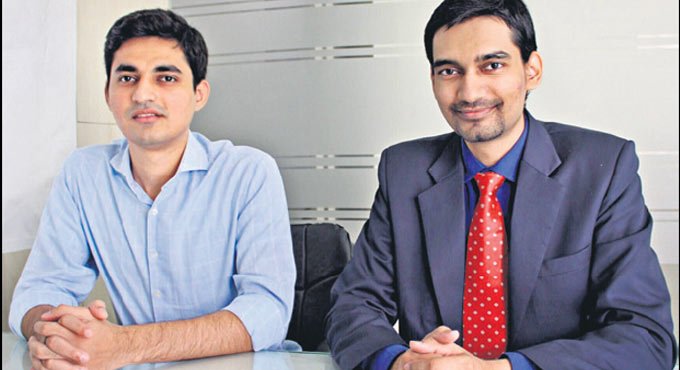
Dr Nadeem Rahman and wife Asifa Rahman in the lab

Dr Nadeem Rahman, a bio-chemist at Nu Life consultants and distributors, and his wife Afifa Rahman, a pharmacist at the same company, have spent the past few weeks working through the nights to fulfill their goal of producing 1 lakh rapid anti-body kits per day, meeting the pressing demand for such kits in India. “It feels good to have a purpose and be able to contribute to the country during these times. We are lucky we have found our purpose even through this hopeless period,” says Afifa, who adds that the couple have lost track of the time they spend in their office and laboratory since the company decided to begin manufacturing these kits.

Nu Life is one of the nine Indian companies which has received validation from NIV Pune and has been cleared by the ICMR to begin manufacturing of rapid antibody test kits, which would take less than 15 minutes to show results. There was a brief glitch in their plans due to some defective kits from China but they are back in action. “We received the approval on Monday, but we began working on producing the kits to be verified ever since the lockdown began,” says Afeefa. Without a moment lost, the team of bio-chemists, pharmacists and bio technicians working at the company began manufacturing the kits on April 14th, a day after they received the ICMR approval. Despite their quick action and fervent commitment, the team’s path towards meeting production goals is full of hurdles.

“If all the parameters are in place, which includes all the staff being able to commute to the workplace per usual, and all the raw materials for testing get delivered in time, then we can easily produce one lakh kits per day, but with current lockdown scenario and global shortage of raw materials, we are realistically producing 60,000 to 75,000 kits per day,” says Dr Nadeem, who is a founding member of the company and has driven the logistics and ideation behind their rapid test kit manufacturing project. According to his wife Afifa, even after the couple goes back to their house in Jasola, they spend time ideating on how to optimize their production. “As you can see, there is no escape from COVID 19 for us now,” remarks Afifa with a short laugh.

Before the company received approval from the government to manufacture kits, the couple would spend hours ferrying their staff to and fro between the laboratory and their homes. “Before they all got passes from the government, we had to make sure they reach home. We even worried for the women’s security, who stayed at the laboratory till late at night, finishing work, but now the UP government has provided passes to all our team members,” says Afifa. The company’s staff commutes from different parts of Uttar Pradesh, taking more than an hour to reach the office, so the team has planned to fix accommodation in the office premises soon, so that production deadlines can be met well in time. “It even limits their potential exposure to the disease which they could in turn pass on to their family members,” says Afifa.

Apart from the challenges of bringing the production staff together, Nadeem Rahman states that their biggest hurdle is the prompt delivery of raw materials. “We are getting access to these materials, but to ensure the best quality, you have to wait for the best products. The demand for antigens especially, has increased worldwide, leading to the shortage of its supply,” explains Nadeem. Antigens are the molecular structure that triggers antibody response in the blood sample deposited in the kit. It is this response which indicates the presence of SAR COV 2 infection in the patient tested for the disease.

Explaining how the testing kit is used, Nadeem states that the kit employs the same lateral testing technology which has been used in pregnancy tests. “Instead of urine though, you just place a drop of blood and if two red strips appear, it suggests that you have enough antibody response to indicate the presence of the virus,” he says. The manufacturing cost per kit is placed at Rs 500 to Rs 600, much less expensive than the Rt PCR test for COVID 19. “As we optimize production, hopefully the cost of the kits will remain close to the manufacturing cost. Either way, it should be accessible and affordable to all if goes straight to the market in the future,” says the scientist.

source: http://www.indianexpress.com / The Indian Express / Home> India / by Chahat Rana / Chandigarh, April 30th, 2020

Doctor designs transparent masks

Tiruchirapalli, TAMIL NADU :

A. Mohamed Hakkim with his transparent masks. 

They are meant for people with hearing and speech impairment

Tiruchi :

With wearing face masks becoming the “new normal,” concerns have risen about its suitability for persons with hearing impairment who depend on lip-reading and facial expressions to communicateTo provide a possible solution, a young Tiruchi-based doctor has designed a transparent see-through face mask. The prototype has been submitted to the Tamil Nadu government for approval so that it could be mass-produced.

A.Mohamed Hakkim, a 29-year-old emergency physician in the city, thought of the need for such masks as some of his patients struggled to communicate with him. “My mouth was covered by a face mask and because of it, the patients could not read his lips and understand what I was saying,” he said.

Dr. Hakkim drew up a prototype using three layers of thick cloth, which N-95 masks are made of, and a biodegradable non-toxic plastic to make the transparent part.

A key feature of the mask is that it is reusable, and is also fog-resistant as one’s breath could fog up the glass rendering the mask useless, Dr. Hakkim said. The material had to be chosen to ensure the feature.

The cost of each mask will work out to be about ₹10 but Dr. Hakkim is looking to distribute at least 1000 in Tiruchi district for free. One must understand that along with a deaf and mute person, more importantly, their parents, teachers, friends, all those who communicate with them will require the transparent mask, he said.

The shelf life of the mask too is long and can be reused for up to 100 days, Dr. Hakkim said. “We have conducted various real-time tests to ensure its functioning. Many have expressed their need for such a mask,” he said.

The Tamil Nadu government has drawn up a plan to distribute 81,000 masks to 31,000 people through the Commissionerate for the Welfare of Differently Abled. Dr. Hakkim is looking to have the masks distributed through them and various NGOs.

source: http://www.thehindu.com / The Hindu / Home> News> Cities>Tiruchirapalli / by Kathelene Anthony / May 23rd, 2020

AIIMS doctor removes safety gear, risks life to save COVID-19 patient

Wanihama-Dialgam Village (Anantnag District) J & K / NEW DELHI :

Patient still on ventilator while the doctor is under quarantine

Zahid Abdul Majeed, a senior resident doctor at All India Institute of Medical Sciences (AIIMS), put his life at risk to save a COVID-19 patient on the way to the hospital’s trauma centre in an ambulance on May 7.

Dr. Zahid, who works at the critical care division of the hospital, had to remove his PPE (goggles and face-shield) to re-intubate the patient. While the patient continues to be on a ventilator, the doctor is under quarantine after the exposure.

“My father called me today [Sunday] and said even if I were to die from COVID -19, he would not grieve as I saved the life of a patient and may die as a martyr. It felt like a weight had been lifted from my heart. My parents appreciated the spirit with which this intervention was performed,’’ noted Dr. Zahid on Sunday.

Hailing from Kashmir’s Wanihama-Dialgam village in Anantnag district, Dr. Zahid has been working at AIIMS for nearly two years.

“Of course, this is not an example to follow. All healthcare professionals should use PPEs. When the transfer was happening, I realised that the patient’s tube was mal-positioned and that without immediate intervention, the patient would go into a cardiac arrest. In a dim-lit ambulance, working with PPE wasn’t a viable option and I quickly removed the face-shield [they were fogging up] and goggles while keeping my N-95 mask on to perform the procedure. I immediately reported the breach in PPE and was advised to proceed to quarantine,’’ said Dr. Zahid.

Intubation and the steps leading up to it are some of the high-risk moments for COVID-19 spread to healthcare workers and other patients, according to World Health Organization, which has recommended that strict protocols to limit viral exposure must be followed.

“This is the holy month of Ramadan and I reacted to a fellow human being in distress. As a doctor and a human being, I couldn’t have let harm come to my patient. The thinking and orientation at AIIMS are such that I have always seen my teachers and seniors go that extra mile for the patients….it does affect the way you start looking at your duty,’’ said Dr. Zahid.

The doctor said he hasn’t been able to meet his parents in nearly a year now and hopes that the COVID-19 situation improves enough for him to head to his village. “I was worried about what my father would say but his reaction has filled my heart with joy and I feel so much stronger now,’’ said Dr. Zahid, adding that he is looking forward to heading back to the hospital and back to his patients at the earliest.

source: http://www.thehindu.com / The Hindu / Home> News> Cities> Delhi / by Bindu Shajan Perappadan / New Delhi – May 10th, 2020

Mumbai based Muslim Engineer’s initiative to manufacture PPE’s bear results, 50,000 made in 3 states

Mumbai, MAHARASHTRA :

Mumbai:

Humza Shaikh is an engineer by profession but the current healthcare crisis in India due to COVID-19 pandemic inspired him to manufacture Personal Protective Equipment (PPE), the dire need of which is seen all across the country.

With his start-up CHMI Indobionics started in 2017, Shaikh came up with the initiative to manufacture PPE’s by engaging around 4000 skilled and 1000 unskilled migrant labourers in the manufacturing process.

After it’s certification, the team started its first batch of production on 25 March.

“By the end of April, we finished the production of 50,000 PPE’s at our leased out manufacturing plants in Bombay, Kolkata and Bangalore,” Shaikh told TwoCircles.net.

Seeing the health care crisis across India, the team also ventured into making ventilators, which is under clinical trial. “We are planned to launch it soon after the certification process is over,” Shaikh said.

Shaikh claimed that its a unique ICU ventilator with all the required specifications. “It is an invasive product which works in coherence with the human body. The cost of this ventilator is between 1.5 to 2 lakh rupees which is comparatively very less than the traditional ventilator which costs 10-15 lakhs,” he said.

According to Shaikh, most of the labourers working with them were taken out of the rehabilitation camps and been provided with lodging and boarding facilities.

“We have ensured their safety and meals are provided and proper care is being taken with the implementation of social distancing norms and hygienic sanitation facilities,” he said.

The team led by Shaikh, have been catering to Sai Hospital and Municipal Hospital in Bombay, Rashtra Chemical Fertilisers in Ali Bagh and Indian Army in Guwahati.

The team has also been working with West Bengal government to provide them PPE’s and look forward to work with the states of Orissa and Karnataka.

The project which includes the collaboration of 3 start-ups is incubated in the central universities across India including the IIM’s and IIT’s. The project is funded by the science and technology department, Government of India and further aims to work constructively amid pandemic.

source: http://www.twocircles.net / Twocircles.net / Home > Indian Muslim> Lead Story> Pandemic – TCN Positive / by Mushira Ashraf / May 03rd, 2020

Valsad man spends Rs 1 cr to buy ration kits for the poor

Dungri Falia -Vapi (Valsad District) GUJARAT :

Every day at 9.00 am, three trucks loaded with ration kits leaves Khan’s godown to distribute ration kits to the villagers. These vehicles have essential pass provided by the local administration.

Narsulla Khan has supplied over 21,000 ration kits. (Express Photo)

A 40-year-old businessman from Valsad district has spent Rs 1.10 crore in more than a month to distribute ration kits to poor families in 35 villages in the district. Narsulla Khan who runs an electric panel manufacturing unit in Vapi GIDC has till date supplied over 21,000 ration kits.

Khan, a resident of Dungri falia in Vapi, began distributing the kits on March 27. He created a team of 70 people which included sarpanch of the 35 villages. Khan procured grocery items from wholesale traders in Valsad, Vapi, Navsari and Surat and the team helped put together the kits.

Every day at 9.00 am, three trucks loaded with ration kits leaves Khan’s godown to distribute ration kits to the villagers. These vehicles have essential pass provided by the local administration.

The kit comprises 10 kg rice, 5 kg wheat flour, 2 kg Tuver daal, 3 kg potato, 3 kg onion, 1 kg oil and 1 kg salt.

“The sarpanches and the team have the list of people who need help. So far we have covered or 35 villages and delivered 21,000 kits. I know what it feels like to sleep empty stomach. My father worked very hard to provide for us. By God’s grace, we have enough now. SO, I thought why not help the poor people during lockdown,” Khan said.

“We will continue supplying kits till the lockdown is lifted. The district administrations and even the police of Vapi have our numbers and they call us whenever anybody needs help,” he added.

Vapi taluka Mota Ponda village sarpanch Dhriubhai Ahir said, “The group helps whenever the delivery truck gets stuck anywhere or stopped by the police. Khan does not go out to deliver kits, it is distributed by his volunteers and sarpanches.”

source: http://www.indianexpress.com / The Indian Express / Home> India / by Kamaal Saiyed / Surat – May 01st, 2020

COVID-19: Indian doctor in UAE overwhelmed as policeman salutes her for her service

Hyderabad, TELANGANA / Dubai, U A E :

Ayesha Sultana, who is from Hyderabad, was returning home on Tuesday night after completing her shift at the Al Ahli Screening centre in Dubai when she was stopped by a policeman.

For representational purpose. (Photo | EPS)

Dubai :

An Indian doctor in the UAE was moved to tears after her car was stopped during curfew hours and a policeman, instead of checking her documents, gave a salute, acknowledging her service during the coronavirus pandemic, according to media reports.

Ayesha Sultana, who is from Hyderabad, was returning home on Tuesday night after completing her shift at the Al Ahli Screening centre in Dubai when she was stopped by a policeman at the Dubai-Sharjah highway, the Khaleej Times reported.

Sultana said that she did panic initially but was focused on showing her work permit and other documents to prove that she was a doctor.

According to a report in the Gulf News, Sultana said she was pulling her ID and papers to show to the policeman but “he saluted me, saying I don’t need to show him anything.”

“I was speechless and cried. Despite (the fact that) I was tired (after) work but this salute was my reward and waived my tiredness,” she said.

“I was full of emotions at that moment and didn’t know what to do. I wish I knew his name or face as he was wearing (a) mask. I just want to thank him,” she was quoted as saying in the Gulf News report.

The doctor later tweeted: “As a UAE resident, this is the biggest day of my life THANKYOU.”

“Had tears in my eyes. I’m blessed to be in the UAE and serve the people here,” she tweeted.

Sultana, who was born and brought up in the UAE, said she did not expect she would be dealing with a pandemic when she passed out of the Dubai Medical College in February, the Khaleej Times reported.

“This is my home and I want to do my best in helping UAE fight the pandemic. We see around 200 to 300 people every day – both with and without symptoms. It is very rewarding and I am all the more committed to continue doing my job,” she said.

According to the Johns Hopkins University data, the UAE has over 11,000 COVID-19 cases with 89 deaths.

UAE had been under an overnight curfew since March 26 to stem the spread of the deadly disease.

Dubai had on April 4 imposed a two-week lockdown to contain the virus.

source : http://www.newindianexpress.com / The New Indian Express / Home> World / by PTI / April 30th, 2020

‘Marriage can wait, not my patients’: Kerala doctor puts service ahead of marriage

KERALA :

The doctor’s colleagues said she was dressed in her best attire, the protective gear, on the day of her marriage, which was postponed on her request.

Kerala doctor decided to serve coronavirus patients instead of getting married during the outbreak
Kerala doctor decided to serve coronavirus patients instead of getting married during the outbreak(Sourced Photo)

Sunday, March 29 was supposed to be one of the happiest days in the life of a young Kerala doctor as she was all set to get married to a Dubai based businessmen. However, the critical battle against coronavirus meant that instead of getting married, she decided to don her protective gear and treat patients afflicted by the dreaded virus.

Meet 23-year-old, Dr Shifa M Mohammed, a house surgeon, who was busy at the isolation ward of the Pariyaram medical college hospital in Kannur on Sunday, March 29. Instead of bridal finery, the young anti-Covid-19 warrior donned the personal protection equipment (PPE) that day. ‘Marriage can wait, not my patients, who are struggling for their lives in isolation wards,’ she had told her groom and parents. Both of them readily agreed to her decision.

“In every girl’s, life wedding is an important event. But my daughter has put her social responsibility and professional commitment before her personal needs. When she suggested postponement of her wedding, we readily agreed to it,” said her father Mukkam Mohammed, a leader of the Nationalist Congress Party and LDF district convenor in Kozhikkode.

“When we approached the groom Anus Mohammad, a businessman in Dubai, he also readily agreed to it. I am a social worker and my wife is a teacher. Both my daughters have imbibed this spirit from our social work,” Mohammed added.

His elder daughter is also a doctor and currently posted at the Kozhikkode medical college hospital.

Initially Dr Shifa was reluctant to speak about her decision, which she said was “not out of the ordinary”, but after much prodding, she said “I didn’t do anything great. I did only my duty. I don’t want to talk about it much. There are many like me who postponed their personal engagements. I am only one among them,” she said over the phone after coming out of the isolation ward.

“It is true, on marriage day I was in the corona ward and some of my friends teased me saying I was dressed in my best attire (PPE). But I always enjoy serving my patients. I don’t want to talk much about it as I did my duty only,” she said, and added that as a house surgeon, she can’t talk about her patients and other details.

As the number of Sars-CoV-2 infected have gone up significantly in Kerala, the state government has recently converted Pariyaram medical college hospital in Kannur to a dedicated facility to treat Covid-19 patients. The state has reported two disease-related deaths and 234 people are in isolation wards.

source: http://www.hindustantimes.com / Hindustan Times / Home> India News / by Ramesh Babu , Hindustan Times, Thiruvananthapuram / March 31st, 2020

From dosas to chocolates, Dr Do-gooder grants corona patients their wish

From chips to dosas, to toys and games to razors and nail cutters … whatever the patients need, they have it.

Bengaluru, KARNATAKA :

Dr Asima Banu, Nodal Officer, Trauma and Emergency Care Centre, Victoria Hospital, Bengaluru | EXPRESS

Bengaluru :

From chips to dosas, to toys and games to razors and nail cutters … whatever the patients need, they have it. Because their wish is her command. And she gets them whatever they want with her own money. Yet, the patients don’t know who this angel is. Meet Dr Asima Banu, Nodal Officer of Trauma and Emergency Care Centre at Victoria Hospital which has now turned into a COVID-19 facility.

It is not easy for Dr Asima, who is in charge of the entire block, to meet all the requirements of the patients. Yet, she does with a smile. “It is very new and challenging for me. Not only do I have to check on the treatment but even look into what other things the patients want. As they stay until they are fully recovered, we need to keep them happy and satisfied,” she said. Dr Asima said when patients come for testing, they just come with a phone.

If they are symptomatic, they are moved to a quarantine unit until their results come. And once they test positive, they are directly sent to the designated hospital. “When they come here, naturally, they don’t bring clothes or other essentials. And once they test positive, their primary and secondary contacts are traced and are quarantined as well. So the patient has no way to get the necessary stuff for their daily use in the hospital. And they, in turn, ask us. And we have to provide them.”

“Some patients do not want to wear the hospital garments and want their own clothes. So in such cases, I call my family and ask them to send some clothes which are completely clean and some which are unused as well. I give it to the patients. Some need sandals. I check on the size and pass on the message to my family. My son looks for the size and get it for them,” she said. Five children who have tested positive for COVID are admitted here.

They demand games, cakes and chocolates. And Dr Asima has it delivered to them through Swiggy. “It does not matter if I spend for them. They just need to be happy,” she said. Dr Asima has never gone in front of the patients as it is mostly the nurses and doctors who are in the frontline. She has created a WhatsApp group with patients and they message her whatever they want. “They have never seen me, all they know is Dr Asima gives them what they want,” she said.

source: http://www.newindianexpress.com / The New Indian Express / Home> Good News / by Iffath Fathima / Express News Service / April 26th, 2020

When the 1918 Spanish flu reached Bengaluru

Bengaluru, KARNATAKA :

The Spanish Flu’s name comes from the fact that even as wartime censorship in the United States and most of Europe suppressed news of the influenza, the media in neutral Spain reported on it extensively. Photo: Wiki Commons

June 1918. A debilitating disease suddenly swept through Mumbai. Thousands fell ill, complaining of debilitating fever and cough, sometimes with intestinal problems.

For hundreds of unfortunates, their lungs filled with fluids and they died as their body was starved of oxygen. This was the Spanish influenza pandemic of 1918-19, which killed an astounding 50 million worldwide. Recent estimates put the death toll in India at a staggering 12 million.

Scientists refer to Spanish influenza as the ‘mother of all influenza pandemics’, since it is the common ancestor of human and swine flu viruses. The disease is inextricably associated with World War I.

The name comes from the fact that even as wartime censorship in the United States and most of Europe suppressed news of the influenza, the media in neutral Spain reported on it extensively, including when their king Alfonso XIII fell ill with it.

Spanish influenza’s first wave reached Mumbai when soldiers returned from Europe, carrying the virus with them. An even more lethal second wave hit in September.

When the pandemic reached Mysore State, it hit it hard. The State had still not shaken off the plague. Wartime shortages had pushed up the prices of food and other essentials. To make matters worse, the monsoon failed that year.

The disease first passed through Bengaluru in late June without causing much harm. The second wave in mid-September was deadlier. Suddenly, entire families fell ill.

Higher fatality

Dispensaries, clinics and hospitals were overcrowded. Doctors, nurses and compounders were completely overwhelmed. Corpses piled up. Unlike COVID-19, Spanish influenza had a far higher fatality among the young and able-bodied than the old.

Offices emptied as people across all professions and classes fell ill, among others, the health officer in Bengaluru and the then Chief Secretary of Mysore State.

In early October, Bengaluru’s City Municipal Council, under the leadership of the President KP Puttanna Chetty, took several quick, creative and effective steps to deal with the health crisis. Temporary dispensaries were opened, some housed in municipal schools that were closed at the time.

Mobile dispensaries were set up to ensure medicines reached everyone. All dispensaries were directed to stay open for longer hours and to stock enough of the medicines required, including thymol, which was prescribed a preventative.

Since hospitals were filled beyond their capacity, temporary tents and sheds were set up to accommodate the sick. Retired medical staff and medical students were brought in to help with the workload. Health officers went around neighbourhoods to see if there were any infected people and to persuade them to move to the hospitals or the camps to prevent the disease from spreading.

Leaflets in Kannada and English were distributed, which explained the symptoms of influenza, how it spread, and how it was important to ‘separate the sick from the healthy,’ and to avoid ‘the entire family congregating in the sick room.’

People were advised to ‘tie a clean handkerchief on which a teaspoon of eucalyptus oil is sprinkled, across the nose and mouth’ when entering the sick room, to provide a certain extent of protection. They were also strongly urged to avoid crowded places.

A striking feature of the response to the influenza pandemic was the voluntary effort in providing relief. Much like today, when several people are working, often with the police and the BBMP, to ensure the poor are not forgotten during the lockdown, in 1918 too, volunteers helped ensure relief supplies reached the poor and families where there was no one left to tend to the sick.

In Bengaluru, the relief operation was coordinated by Chief Officer R Subba Rao. He divided the city into several blocks with a relief party in charge of each. Supplies included medicines, milk and kanji, a lot of which was prepared at a government facility and then distributed by car, carts and even lorries.

Municipal councillors and volunteers who worked ceaselessly included Father Briand, Ramachandra Rao Scindia, Rev D A Rees, B Usman Khan, B Chinnaswami Setty, Ghulam Dastangir, B K Garudachar, R Gopalaswami Iyer and many, many others.

Assisting them were the Social Service League, Young Men’s Christian Association, students of the Wesleyan, London Mission and National High Schools, and many others. Puttanna Chetty toured the city himself to assist the relief works and ensure they went on smoothly.

By the end of November, the disease was finally under control. More than 1,95,000 people died in Mysore State, 40,000 in Bengaluru alone. With the compounding problems of agrarian distress, rural areas were affected much worse.

source: http://www.deccanherald.com / Deccan Herald / Home> Spectrum> Spectrum Top Stories / by Meera Iyer / April 08th, 2020