Category Archives: Science & Technology

U.S. to help modernise Indian veterinary disease forecasting system

Veterinary diseases cause a huge impact on economy as the country suffered a loss ofRs. 23,000 crore owing to foot and mouth diseasealone in 2013–14.— File Photo M.A. Sriram

In a bid to prevent thousands of crores of losses being suffered due to veterinary diseases, the country is set to strengthen and modernise its veterinary disease surveillance and forecasting system with expertise from the United States of America, which has one of the best veterinary disease surveillance systems in the world.

Under this initiative, the U.S.-based Centre for Disease Control and Prevention (CDC) will train Indian veterinarians as well as medical doctors, according to H. Rahman, Director of Bengaluru-based National Institute of Veterinary Epidemiology and Disease Informatics, which is coordinating such efforts to strengthen and modernise the system.

Though a formal memorandum of understanding in this regard is expected to be signed in September, the preliminary rounds of training have already begun by the CDC. “The CDC has given preliminary training here to two batches of veterinarians and medicos from different States,” Dr. Rahman said. In all, the CDC will impart four rounds of trainings at different levels. This will cover a range of issues such as disease surveillance, collection of disease samples, validation, case studies, and epidemiology (the study of disease pattern and its health impact on population in certain geographical area), he said. Those who undergo the training would be used as trainers for imparting skills to others.

The training is being imparted to medical doctors also as some of the veterinary diseases impact the health of human beings too, he said.

The modernisation will help forecast the incidence of major diseases well in advance besides contributing to development of a strong infrastructure support for preventive measures, he said.

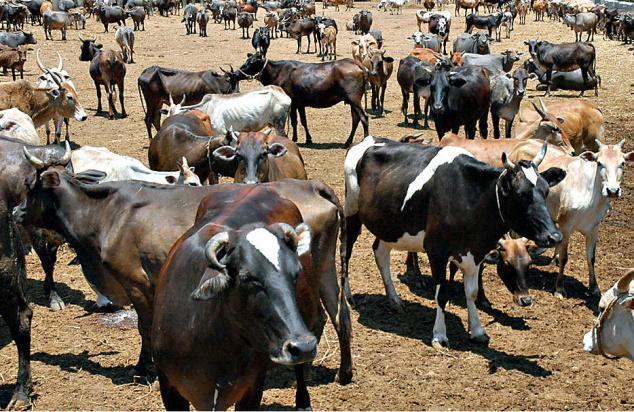
Veterinary diseases cause a huge impact on economy as the country suffered a loss of Rs. 23,000 crore owing to foot and mouth disease alone in 2013–14.


Center for Disease Control and Prevention to train veterinarians as well as medical doctors

source: http://www.thehindu.com / The Hindu / Home> News> Cities> Bengaluru / by B. S. Sathish Kumar / Bengaluru – February 15th, 2015

Over a cup of evening tea : A Stent for the Stuntman !

by Dr. K. Javeed Nayeem, MD

Readers who had been following my Delhi Diary may have noticed that I had missed a column last Friday. There could not have been a more serious reason for doing so because I narrowly missed having a massive heart attack the previous day and thankfully lived to tell you about it this Friday !

It was a routine Thursday evening and while most of you were relaxing in your homes after having celebrated Sankranthi, I was relaxing too at home with my family. My brother was trying to draw my attention to some files but I found that I was having some difficulty in concentrating on them. I had just then begun to notice that my chest was feeling unusually heavy and I told him so. When I tried to get up to tell my wife also about it I found that I felt dizzy and began to break out in a cold sweat, the two classical signs of rapidly falling blood pressure, to any doctor.

Quickly suspecting that I was having a heart attack, I pulled out my wallet in which I always carry some emergency medications and popped a tablet of Nitroglycerine under my tongue and told my family members about it. I then lay down on the sofa and asked my daughter to get me aspirin tablets from our medicine cabinet and put eight of them into my mouth. I also asked her to calculate and tell me the total dose. Satisfied with it, I chewed them up quickly and asked my wife to elevate my legs and hold them that way to prevent my blood pressure from becoming dangerously low.

Having done all that could be done by way of first-aid at home, I asked my daughter to call up my Interventional Cardiologist friend Dr. Arun Srinivas from my mobile which she did and announced that he was on the line. I quickly told him what had happened and what I had done and explained that I would not be able to safely reach Apollo Hospital, the place of his work due to the long distance and would therefore proceed to Vikram Hospital which was much closer to my home and heart too!

Without a second thought he said that he would himself arrange to rush a cardiac ambulance with a crisis team to my house and would meet me at Vikram upon my arrival. My brother suggested that he would drive me to the hospital immediately in the car without wasting any more time but I explained to him that an ambulance would be better because it would have a supply of Oxygen and a defibrillator on board.

A defibrillator is a machine that delivers an electric shock to re-start the heart in case of a cardiac arrest. I knew that at this stage as things stood now, the odds of my dying versus surviving stood at 75:25! Although we doctors on many occasions give patients more optimistic figures, here in my own case I could not dodge the truth. But after having done everything possible by way of first-aid, there was nothing more I could do while waiting for the ambulance except hoping for the best. I then said a silent prayer for my recovery and lost myself in the calmness of my own thoughts till my reverie was broken by the distant wail of the ambulance siren.

Although there was a doctor and a nurse on board, all along the route to the hospital I kept asking for the readings of my blood pressure and oxygen saturation. It is a very difficult situation when a doctor becomes a patient but being my colleagues the poor duo put up with my insolence without a murmur of protest. As I was wheeled into the CCU, I saw my friend Dr. Arun smiling at me with his entire crisis team standing in readiness in the background. He was the nimble fingered ‘Angioplasty-Man’ whose competence I had trusted over more than a decade to look after not only hundreds of my cardiac patients but also dozens of my close relatives. And, Vikram Hospital was home turf for me where ever since its inception until the very same morning I had been playing the life-saving game with the very same team that was now standing in readiness to save my own life! Dr. Upendra Shenoy, the Chief Cardio Thoracic Surgeon was there with his assistant Dr. Sujay. Dr. Seethalakshmy, the Chief Cardiac Anaesthetist was there with Dr. Ismail Khan, her assistant, which immediately reassured me that my chances of surviving now probably stood reversed from what they were half an hour ago!

While preparations were being made by the staff to get me ready for an angiogram and a possible angioplasty, I discreetly called the two anaesthetists to my side and sheepishly told them that my pain threshold was very low and so they had the most important job of the day. I requested them to see that I got a shot of Midzolam, the short-acting general anaesthetic before Dr. Arun was even allowed to touch me, which they promised to do.

Just four days ago, at Geeth Gaatha Chal, the doctors’ musical programme, Dr. Seethalakshmy had lilted the audience with her husband, singing “Tere bina zindagi se koi shikwa to nahin.” Now with her at my head end, I had absolutely no ‘shikwa’ and so I closed my eyes. When I opened my eyes without having felt the slightest discomfort, let alone pain, I could see on the monitor in front of me that blood was once again flowing freely through the arteries around my heart. In a jiffy Dr. Arun had performed a successful angioplasty having cleared the offending block that had threatened my life until five minutes ago. God had been kind and with the help from family and friends and modern technology, damage to my heart had been averted and my life had been saved!

When I turned and looked through the observation window into the console room adjacent to the Cath-lab, I saw the smiling faces of many fellow doctors. Dr. S. Bhaskar, Senior Physician and the Director of Vikram Hospitals, was there with Dr. C. B. Keshava Murthy, the Chief Cardiologist. Dr. Janardhan, another Cardiologist friend too was with them. Mr. Dayashankar Rao, the General Manager, was there, not surprisingly, in his house clothes. On hearing about my problem, he had rushed to the hospital without wasting time even to change. They were all showing me thumbs up signs to reassure me that everything had gone well and I in turn waved out to them to tell them that I was feeling fine. It was a perfectly timed, rescue angioplasty described as the ideal in the text books.

After that it was an endless stream of visitors while I was recuperating in the CCU. There was no way they could be restrained from coming as the doctors and nurses amongst them far outnumbered the others. SOM too was very much with me. KBG called up from the distant land where he was on a holiday even as his son Vikram Muthanna was holding my hand in his by my side. Just a few moments ago, Meera Appaiah, the lady sub-editor was there with an anxious look plainly visible behind her smile and with her finger on her lips like a nursery class teacher, urging me not to strain myself by speaking! It was a strange situation. Everyone was asking me not to speak and here I was eager not to seem like a sick man, by remaining silent.

That is why when my cousin Dr. Irfan Riazi, who is also a poet, came to see me, I just uttered Allama Iqbal’s couplet… “Yeh dastoor-e-zaban bandi kaisa teri mehfil mein? Yehaan to baat karne ko tarasti hai zabaan meri.” (What kind of a strange restriction is this on speech in your gathering? My tongue is in fact dying to say a few words here!” Then came Dr. Lata Muthanna, my close friend and professional colleague whose sense of humour was what I was waiting for since morning. She said that I should not have had this setback just because I should not be getting such easy topics to write about in my column! She was the one who suggested the title that I have chosen for this article today. I did not have the courage to ask her for any alternate choices for fear that she might end up suggesting something like: “A Plasty even for the Nasty!”

I had spent exactly four decades going in and out of hospitals as a doctor but this was the first time in my life that I had got admitted to a hospital as a patient and it was a very different kind of experience, being at the receiving end of medical care. But the care that I got, not only from the doctors but also from the nursing and house-keeping staff at the hospital was what touched me most. While we all think that the role of doctors is indeed unique, after my brief stint as a patient I could not help feeling that while they do touch our lives, it is actually the work of the nurses that touches God’s heart!

Upon my discharge I insisted on driving back home myself which I did just to reassure my family members that I was once again in good health. Long before I got married I had read somewhere that the secret of being happy in marriage lay in the dictum, “No matter how well she looks after you, you must always manage to look a little sad!” Perhaps it was now the right time to put this to the litmus test. So the next day I perhaps managed to pull this off admirably well as my wife after trying to keep me comfortable for a good part of the day probably sensed that I was not as cheerful as she wanted me to be. So she softly asked me if I would like to visit the book exhibition that was going on in the city. Feigning a look of utter surprise, I nodded my head imperceptibly and said that we could do that for just a few minutes. We spent well over an hour there while I picked up enough books for a year’s reading and said goodbye to my fake sad look, happy that it had worked!

Having pulled my hand away from the icy cold clasp of the angel of death, I have now realised how uncertain this journey of life is. No one could have described it better than the poet Mirza Ghalib when he said “Rau mein hai raksh e umar, kahan dekhiye thamein. Naa hee haath laghaam pe hai, Na paaun hain laqaab mein.” (Life goes at a galloping pace… who knows where it will stop. Neither are my hands on the reigns nor my feet in the stirrups!) Do ponder over it… like how I’ve been doing since last week!

[To be continued]

e-mail: kjnmysore@rediffmail.com

source: http://www.starofmysore.com / Star of Mysore / Home> Feature Articles  / January 23rd, 2015
Two Brothers Wanting Power For Their Farms Invented A Bamboo Windmill That Is 10 Times Cheaper!

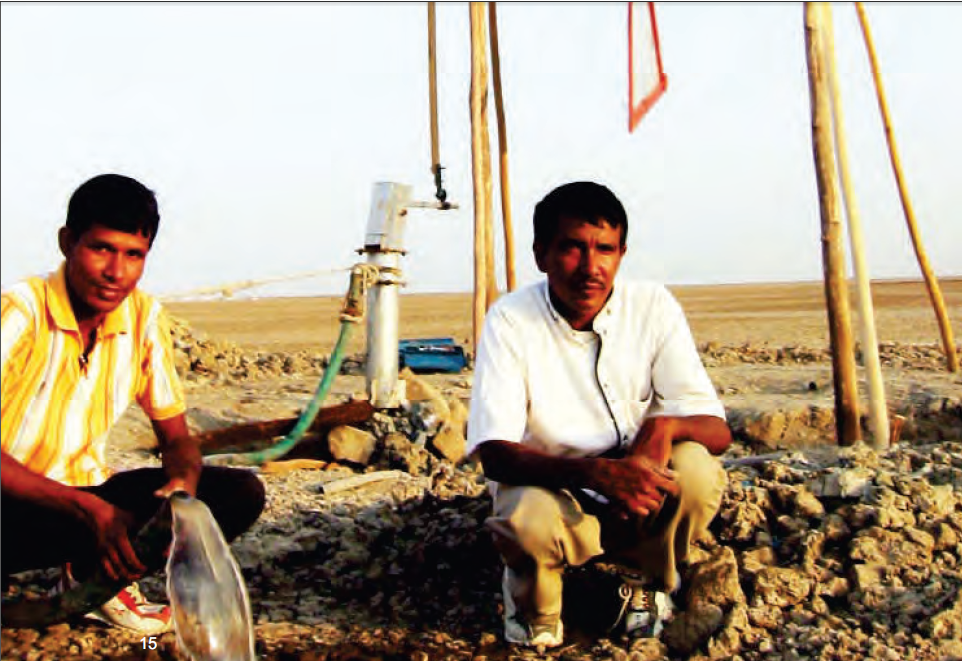
Brothers Mohammad Methar Hussain and Mushtaq Ahmad wanted power for irrigation and they developed a low cost windmill made out of bamboo, which is more than 10 times cheaper than the regular ones available in the market. Now, there are more than 25 such windmills running in Gujarat. Read to know more about their journey and how they did it.

Mohammad Methar Hussain and his brother Mushtaq Ahmad from Darrang district in Assam grew paddy in the winter season (also known as bodo paddy). Irrigation involved a lot of manual effort and using diesel sets for pumping  water was a huge drain on the resources. To tackle this issue, Mehtra thought that if they could run a large wheel on wind power, and connect the wheel to the hand pump, that would serve their purpose quite efficiently.

So, both of them started working on making a windmill unit from locally sourced materials such as bamboo wood, strips of old tyres, pieces of iron, etc. With the help of a carpenter, the first prototype was ready in four days. Since the supporting framework was composed of bamboo, the final product costed Rs. 4500, vis-a-vis the commercially available wind mills which cost over Rs. 60,000.

Mehtar and Mushtaq
Mehtar and Mushtaq

 Innovation Diffusion : Assam —> Gujarat

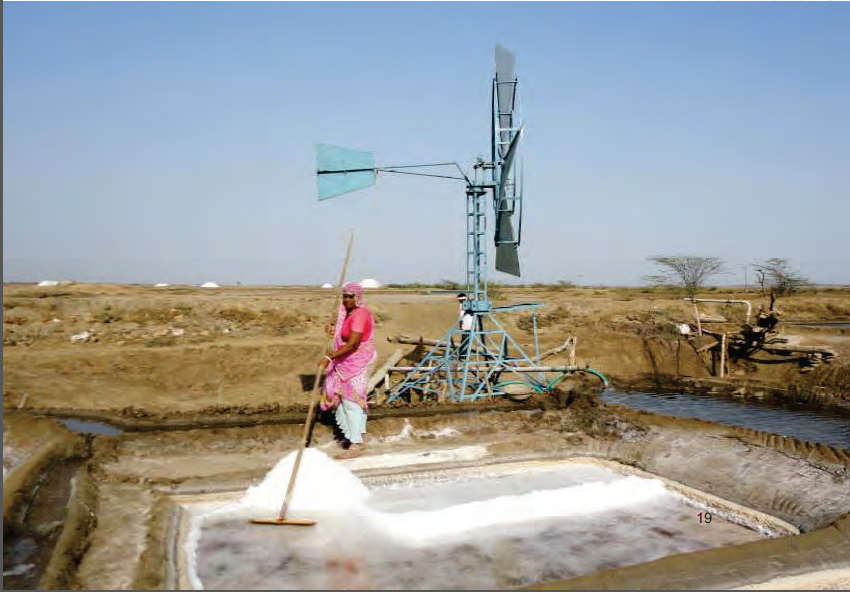
India is the third largest salt producing country in the world with an average annual production of about 157 lakh tonnes. The Little Rann of Kutch (LRK) supplies 21% of the total salt production of India.

Salt workers, known as Agarias, are some of the poorest people in the state. Agarias mostly used counterpoise, a method that requires two people, one for lowering the counterpoise and other for straining the water. Some of them started using diesel pumps, but the exorbitant machine and fuel costs made a huge dent in their already diminishing returns from salt farming.

With the mission to improve lives of salt farmers, Gujarat Grassroots Innovation Augmentation Network – West (GIAN W) along with National Innovation Foundation (NIF-India) took the lead in diffusing the innovation in salt farming areas.

Based on the feedback received from salt farmers, GIAN W improved the design and developed a multi-dimensional model which was installed at LRK in 2008. Understanding the diverse needs of farmers to increase the efficiency of windmills, GIAN W joined hands with Alstom foundation for design modification and improvement.

As of 2012, 25 of these windmills have been installed in Kathivadar and Kadiali villages in Amreli district.

Low cost windmill has solved irrigation problems for the village

Benefits of the Windmill Pump

Thanks to the windmill pump, now salt farmers don’t have to slog for hours with the water pump. The windmill pump saves about Rs.50,000 worth of diesel in six months. It has decreased salt farmers’ reliance on manual labour resulting in savings of about Rs. 28,000 per season per person. Farmers can now easily recover their investments within the harvesting season.

The innovation would also result in the reduction of five tonnes of carbon emissions for every 100 tonnes of salt produced. As per NIF, on an average, every windmill-powered hand pump should generate five Carbon Emission Reductions (CERs) certificates worth Rs.3750.

Every rupee saved and milligram of carbon emission reduced is a glaring testimony of how rural innovations impact the community, society and the world at large.

In the next phase, GIAN W plans to erect more windmills in other parts of Gujarat. The salt farmers of Gujarat are indebted to Mehtar and Mustaq for making their lives more efficient and their occupation, profitable.

For any enquiries related to the machine, please get in touch with NIF-India at bd@nifindia.org.

source: http://www.thebetterindia.com / The Better India / Home> Innovation> Gujarat / by Rahul Anand / July 24th, 2014

Remembering Obaid – One Year Later

Without Abstract

Obaid Siddiqi passed away on July 26, 2013, succumbing to injuries from an accident in Bangalore.

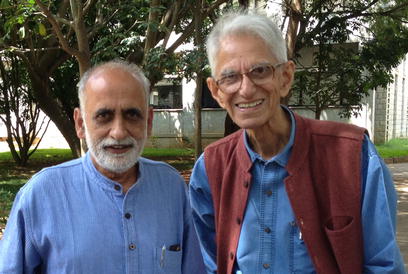
In more than half a century of work in India, Obaid built institutions and inspired many young minds. The Department of Biological Sciences  (DBS) at the Tata Institute of Fundamental Research (TIFR), Mumbai, and the National Centre for Biological Sciences  (NCBS), Bangalore, stand today as the finest examples of his vision and approach to science. In the process, he became the tallest (literally as well) Indian biologist of his generation, yet he remained modest, friendly and scientifically intense in his association with his peers and students.

At the DBS, TIFR, then known as the Molecular Biology Unit, Obaid pioneered the study of neurogenetics in India using the fruit fly, Drosophila melanogaster, as a model organism. Obaid was closely connected to the stars of bacterial and phage genetics. Returning from a sabbatical with one of them, Seymour Benzer at Caltech, he pushed the transformation of the Molecular Biology Unit into a new area. Drosophilaneurogenetics as a field was born in the 1970s with the idea of identifying mutants that affected neural function and behaviour. Obaid took up the challenge of using the fruit fly as a genetic system to understand chemosensory behaviour. Using elegant behavioural and electrophysiological assays, his group identified the very first set of taste and olfactory mutants in Drosophila, which have subsequently helped understand the complexity of chemosensory perception in insects. In NCBS he went on to develop a group that studied learning and memory in the context of olfactory behaviour. These studies in a relatively simple organism have implications for understanding brain function at all levels.

When we decided to organize this Special Section of the Journal of Biosciences for Obaid’s first death anniversary, many of his friends readily agreed despite earlier contributions to the Journal of Neurosciencesissue in 2012 on Obaid’s 80th birthday. The collection of articles is indeed impressive and a testament to his science and his popularity with people across generations.

We start with Maurice Fox’s brief “Commentary” on how biology came to TIFR, and follow this with temperature-sensitive paralytic mutants (Ganetzy and Wu), odorant receptors (Ray et al.), taste neuron projections (Kwon et al.), air-puff-stimulated flight circuit (Sadaf and Hasan), Pdf clock mutant (Seki and Tanimura), and Drosophila-derived insights into brain development and disease (Reichert).

Obaid was a mentor and an inspiration for the three of us, either directly or indirectly. He showed us how science is done without shouting from rooftops, and his death remains a personal loss to each of us.

ObaidMPOs04dec2014

During the last days of this Special Section, Obaid’s long-time associate and a friend to the three of us, KS Krishnan, also passed away suddenly. But KSK contributed to this tribute by reading all invited articles and providing his comments. He did this on the weekend prior to his death. We owe our gratitude to KSK and mourn this loss to the Indian biologist community. So long, dear friend. We hope the reader will enjoy this labour of love.

By:  Shahid Jameel1, 2  , Utpal Banerjee3 and K VijayRaghavan1, 4

(1)

New Delhi, India
(2)

Hyderabad, India
(3)

Los Angeles, CA, USA
(4)

Bangalore, India
source:  http://www.link.springer.com / Springer Link / Journal of Biosciences – Published by Indian Academy of Sciences / Published Online / July 26th, 2014

Spirited start to school science fete

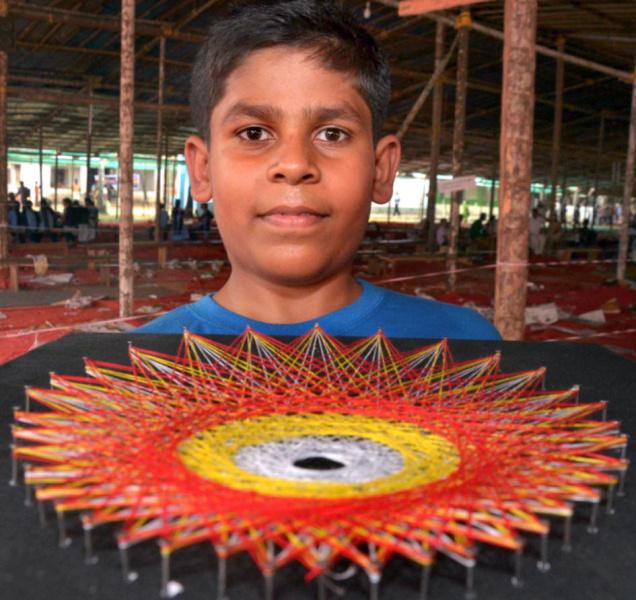
Muhsin Kasim from BSS Gurukulam HSS, Alathur, with the thread pattern work he made in the upper primary category of the work experience competition held at KHM Higher Secondary School, Alathiyur near Tirur, on Thursday. Photo Sakeer Hussain. / The Hindu

Displays of working models of projects draw huge crowds

The State School Science Festival began at various venues around Tirur on an enthusiastic note on Thursday morning.

Education Minister P.K. Abdu Rabb formally inaugurated the event at Government Boys Higher Secondary School. Director of Public Instructions (DPI) in-charge L. Rajan; MLAs C. Mammootty, Abdurahman Randathani, P. Ubaidulla, and N. Shamsuddin; district panchayat president Suhara Mampad; and Tirur municipal chairperson K. Safiya were present.

While the Government Boys Higher Secondary School (HSS) hosted the science fete, Devadhar Government HSS, Tanur, hosted the mathematical fete.

The social science fair began at Government Higher Secondary School, Niramarathur, and KHM Higher Secondary School hosted the work experience fete. The IT mela began at SSM Polytechnic College.

The working models of scientific projects displayed by students at Government Boys HSS and the live competitions in work experience held at KHM Higher Secondary School, Alathiyur, drew the maximum crowds. More people are expected on Friday and Saturday.

While the students of Ramavilasam HSS, Chokli, presented a working model of a self-sufficient flat system, those from St. Joseph’s HSS, Mathilakam, came up with a multi-functioning pedal power machine.

Safety LPG distribution system, free electricity generator, automatic cleaning toilet, biomass gas production, digital seismograph, high-tech auditorium, and auto headlight dimmer were some of the popular working models on display.

Among the still models, plasma degeneration plant, gas turbine, solar power plant, and Mangalyaan project were some of the popular ones.

The upper primary and the high school science exhibition took place on Thursday. The exhibition of the higher secondary and vocational higher secondary models will be held on Friday. There will be science seminars and quizzes on Friday.

The competition in live demonstration of work experience for high school and higher secondary school category will take place at the KHM HSS on Friday.

source:  http://www.thehindu.com / The Hindu / Home> News> Cities> Thiruvananthapuram / by Abdul Latheef Nahal / Malappuram – November 28th, 2014

Tender coconut, fair and lovely

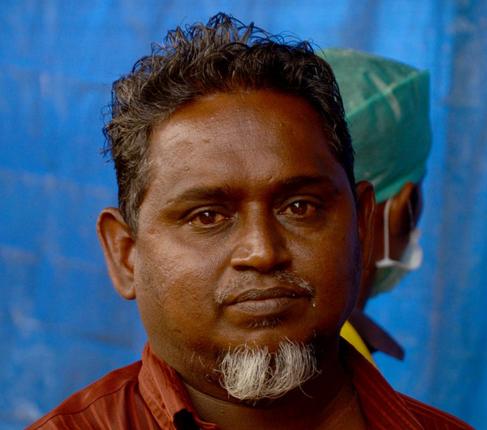
Kaja Mohideen. PHOTO: GNANAVEL MURUGAN / The Hindu

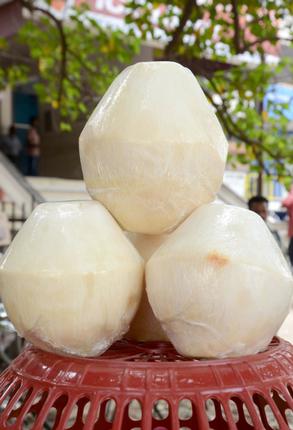
The strong pith is removed using a machine and weight is reduced to 800 gm.

Innovation in marketing tender coconut has been his watchword. He has designed special machinery for peeling off the strong pith before despatching them to market.

The new shape of the tender coconut appears white all around – a value-addition with a new look. Its weight gets reduced from about 2 kg to less than 800 grams or so.

“The value addition mainly aims at attracting the consumers besides ensuring environment-friendly ambience at the retail sales outlets,” says Kaja Mohideen (50), referring to the growing demand for the produce in the city in the last one week since he introduced his sales.

With lightweight, it could be stocked at commercial complexes and medical shops. Using his experience of three decades in the trade, he had devised the plan of using a machinery for ‘clean coconut’.

Mr. Mohideen procures about 6,000 coconuts a week from Pollachi and a group of six workers work on the machinery peeling off the pith. Explaining the functioning of the machinery designed at Pollachi, he says adequate training had been imparted to all the workers on the task.

At the retail outlets on the pavements, the pavement vendors would be spared of the problem of collecting and disposing the waste pith.

White tender coconuts kept ready for sale. PHOTO: GNANAVEL MURUGAN / The Hindu

Export-oriented

Apart from local market, he has explored the possibility of exporting it the tender coconut to Australia. “There has been a growing demand for coconut in Australia. The container with a capacity for 6,000 tender coconuts would reach Australia by sea within 20 days from Chennai,” he says.

To attract customers, he has fixed the price per coconut at Rs. 20. “My investment on the machinery is Rs. 90,000 and I have to incur a huge expenditure for purchasing the coconut from Pollachi,” Mr. Mohideen added.

source: http://www.thehindu.com / The Hindu / Home> News> Cities> Tiruchirapalli / by Special Correspondent / Tiruchi – November 10th, 2014

This centre of medicine has unique ‘Urdu tehzeeb’ museum

Aligarh  :

The Ibn Sina Academy of Medieval Medicine and Sciences was founded by Padma Shri Hakim Syed Zillur Rehman in the year 2000. It is well known for its vast library and the museum of medieval science and medicine. Few people know, however, that it also houses a museum that showcases “Muslim culture, steeped in Urdu tehzeeb”.

Rehman says this museum “chronicles Muslim culture through objects”. He says the attempt is to preserve, before these cultural artefacts are lost entirely.

Why would a centre dedicated to medicine and science preserve a “chogha” (an earlier form of the sherwani)? Where else, in a centre like this one, would you expect to see a three-metre dupatta studded with diamonds and laced with gold and silver? Step into this museum to see crockery that sat on the dining tables of Muslim households in times gone by.

“Times are changing. Sixty-seven years after independence, many families now have a second generation that is acquiring a modern education. They will then go out in search of work and money, and a time will come when they will feel nostalgia and return in search of their roots and their traditions. People want to know of their virasat,” he said, adding, “That is when some of my efforts to conserve our heritage through these things will matter”.

Some of the objects on display were part of his own inheritance. Some were gifted by people who saw that he had the wherewithal to preserve priceless items for posterity.

An NGO “Heritage Restore” has now started work on documenting the objects in Rehman’s collection. So far, over 4,500 objects are recorded as stored in this repository.

Heritage Restore president Azfar Ahmad said, “People think Muslim culture is about maqbara and madarsa. But look here – you find gramophones, harmoniums, costumes for weddings and trays for biryanis, all uniquely designed.”

Some of these objects, in some years, will be so alien that few will understand without explanation what a paandaan (a box for preserving items used to make paan), ugaldaan (spittoon for the pan user), haath ka pankha (a hand fan), batua (wallet), chogha (a form of the sherwani), gharara (a dress item) look like.”

Rehman’s collection also has a fruit tray from the dining table of Begum Sultan Jahan of Bhopal, her brooch made of precious stones, with her name inscribed in gold, a chogha that belonged to the Qazi Shamsuddin of Rewari, dating back to 1830, a paandaan weighing over 5 kg and a betel stand.

There are original royal orders of Mughal emperors that have come to Rehman from his father, and a paper weight made of shells that was used by Sir Syed Ahmad Khan.

There are also silver-lined razais (quilts), dinner sets with plates having a vacuum so that hot water poured in them keeps the curry warm till the last bite.

Rahman has earlier served as professor and chairman, department of Ilmul Advia at the Ajmal Khan Tibbiya College, Aligarh Muslim University. After a 40-year stint, he retired as dean, faculty of Unani medicine.

He is the author of 45 books and several papers on different aspects of Unani. He boasts of being the possessor of the largest collection of books on Unani medicine. He was conferred the Padma Shri in 2006 for his contribution to the field of Unani medicine.

The museum grew out of his penchant for all things unique, some of which were also priceless — coins from ancient times, stamps, pens and other artefacts.

source:  http://www.timesofindia.indiatimes.com / The  Times of India / Home > City> Agra / by Eram Agha, TNN / November 12th, 2014

Prez’s doc recalls days at GSVM

An alumnus of Ganesh Shankar Vidyarthi Memorial Medical College, Padma Shri Dr Mohsin Wali needs no introduction.

He has the distinction of serving three presidents, including Pranab Mukherjee, as physician.

At the age of 33, he became the youngest ever physician to the then president R Venkataraman and later Shankar Dayal Sharma.

Besides, he was also appointed to serve the family of former president Zakir Hussain. He was in the city to deliver a talk in the national conference — Wellness Con-2014 – organized by CSJM University’s Institute of Health Sciences on Saturday. Later, he spoke at length with TOI about his days spent in the city, his selection as President’s physician in 1990 and his experiences in the Rashtrapati Bhawan. “In 1990, I was working with Ram Manohar Lohia Hospital in Delhi. One day hospital CMS called me to inform that he has recommended my name as physician to the then President Venkataraman.

I was shocked. But the biggest surprise was my appointment for the same.

Even my wife Naaz did not believe me and said that I cannot be appointed to such a high post and I merely said that it is an exception,” said Dr M Wali with a broad smile on his face.

During interview, the then president Venkatraman asked him as to how would he treat him and Dr Wali replied, “Sir, I will treat you like any other patient while maintaining dignity for you in my heart.”

This clinched his selection, added Dr Wali, who also had to appear before another president Shankar Dayal Sharma for an interview before been appointed as his physician.

Dr Wali also claimed that he took care of medical problems of former prime minister VP Singh for 15 years.

Recalling his days at GSVM Medical College, Dr Wali said, “I used to stay in room number 108 on the third floor. I was interested in surgery so I used to lurk around operation theatres even at 2am. My sincerity attracted the attention of my seniors and I got a chance to get involved in operations despite being a third year MBBS student.” His hard work earned him seniors’ respect and he was allotted a hostel room with PG students despite pursuing MBBS (graduation course).

Dr Wali is the first doctor in his family. “My maternal uncle motivated me into becoming a doctor,” he said.

A meritorious student since school days, he cleared medical entrance exams of Agra and AMU medical colleges too but opted for GSVM for his MBBS and MD courses.

Dr Wali has been discharging his service since June 1980 and is known for working beyond the call of duty. He also treats staff of the Rashtrapati Bhawan which he is not entitled to. “I treat them because they come to me. That’s my duty and I cannot run away from it,” said Dr Wali.

source: http://www.timesofindia.indiatimes.com / The Times of India / Home> City> Kanpur / by Abhinav Malhotra / November 17th, 2014

Blue Boys Team of Fathima School Invent Water Alarm

BlueBoysMPOs11nov2014

Chennai :

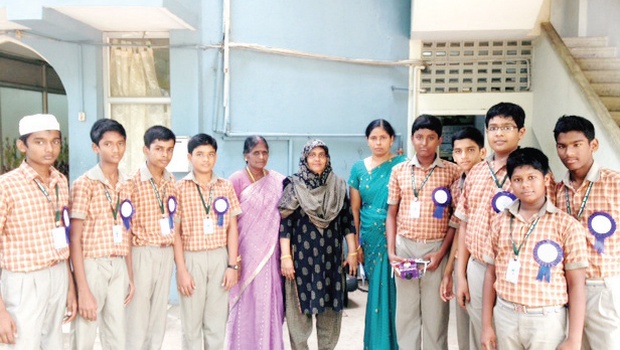
To create environmental awareness in Saidapet, three teams — the Eco-friendly, the Blue Boys and the Go-Green — were started in Fathima Matriculation Higher Secondary School.

The Blue Boys team contributed with a water alarm.  Afrith of Class 10 invented the alarm.

One day when Afrith was alone at home, he saw water overflowing from the tank, which led to the invention.  He decided to create an alarm to alert people when water overflows from the tank.

source: http://www.thehindu.com / The Hindu / Home> News> National / by S.N. Vijetha / New Delhi – November 11th, 2014

‘Vocational Training has a bright Future’

Says Syed Amanulla, ‘National Brand Ambassador’ from Mysuru

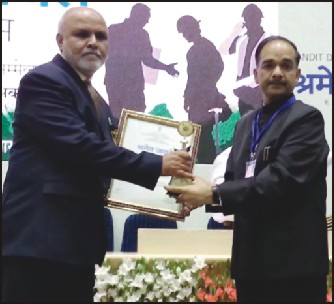
Amanulla is seen receiving the award from Alok Kumar, Director General of Employment and Training, Ministry of Labour & Employment, GOI.

As a general trend, pass-outs from education system do not take admission in ITIs as their first choice. They mostly end up in ITI after exhausting all other options for higher education. This is because the blue collar work is not respected and regarded in society. But there are many who have excelled professionally after passing ITI.

Meet A. Syed Amanulla, who passed ITI course in ‘Fitter’ trade in the year 1975 at his native, Kolar Gold Fields. He is presently serving as Principal-cum-Deputy Director of Government ITI, Srirangapatna. He was awarded ‘National Brand Ambassador of Vocational Training-2014’ in the Service Sector (Salaried Employee) by the Ministry of Labour and Employment, Government of India, at a National-level Programme held at Vigyan Bhawan in New Delhi on Oct.16, 2014 for his exceptional achievements and excellence in Vocational Training. He received the award from Alok Kumar, Director-General, Department of Employment and Training, New Delhi and was honoured by Prime Minister Narendra Modi.

After passing ITI and getting a job, Amanulla did not stop his education. Along with his job, he completed Diploma in Mechanical Engineering and B.E, both with a first class by attending evening college. He is an example for the saying “Education has nothing to do with age” because at the age of 50, he did his Master’s in Business Administration (MBA). Throughout his education, he has been a topper and received many merit scholarships.

Amanulla is married to Shaheen. He has two children, who are married and well settled in Bangalore. Amanulla resides in Rajivnagar, Mysuru, with his mother and wife.

Star of Mysore caught up with this ‘Brand Ambassador’ and spoke to him regarding vocational training sector and his professional achievements. Excerpts…

by Arafat Ahmed Aizaz

SOM: What got you the ‘National Brand Ambassador of Vocational Training-2014’ award?

Amanulla: I have provided 100% placement to all my students who have passed ITI course. They are working in reputed firms and drawing high salaries. I am in good terms with companies and factories in India as well as abroad because of which they contact me to get ITI pass-outs for their firms. My students are highly skilled and sought after by the companies. I have consistently maintained pass percentage of 95% at Government ITI, Srirangapatna. I have personally met wealthy people and NGOs and made them to donate for poor meritorious students of Government ITI, Srirangapatna. Regarding my career success, academically I have grown from ITI-level to Master degree and professionally from Instructor to Deputy Director. Considering all these achievements, the Government has honoured me with the ‘National Brand Ambassador of Vocational Training-2014.’

SOM: Recently you were featured in Doordarshan Channel. Tell us about it.

Amanulla: Doordarshan TV channel crew had come all the way from Delhi to Mysuru to interview me on my achievements. The interview was telecast in DD’s ‘Hunarbaaz’ programme on Aug. 31, 2014.

SOM: What are your other achievements?

Amanulla: I was selected as Hajj Officer by Ministry of External Affairs during 2001-02 and 2005-06; I was appointed as Wakf Board Administrator in Hassan district. I was also honoured with “Eminent Engineer Award” by the Institution of Engineers (India) on Sept.15, 2013 during 46th Engineer’s Day. I have met Dr. A.P.J. Abdul Kalam at his office in the year 2006, when he was the President of India and apprised him about improving Vocational Training in India.

SOM: Do Vocational Training (ITI) pass-outs have better career opportunities?

Amanulla: Yes. Just by studying for two years after 10th, ITI pass-outs can get jobs in both Government and Private sectors. They can even establish their own Industries. ITI pass-outs get jobs quickly because of shortage of skilled labour in India. After ITI, along with earning through a full-time job during day, one can upgrade his qualification by pursuing courses such as diploma in Engineering and Bachelor of Engineering in evening colleges.

SOM: Even PU course pass-outs can get jobs. What advantage does ITI have over PUC (12th)?

Amanulla: Blue-collar job requirement for any industry is more compared to white-collar jobs. For example in a factory, there will be hundreds of workers who indulge in production but there will be few Administrative staff. Blue-collars’ salaries are high these days because there is shortage of workers of this class. So, ITI pass-outs have an edge over Pre-University Course (12th standard) pass-outs. And even promotion chances are more for blue-collar jobs.

SOM: Usually in Government ITIs, faculties are not punctual. You being the Principal-cum-Deputy Director of Government ITI, how do you check on their attendance and discipline?

Amanulla: They are Government employees and they can take their leave for which they are entitled. But I don’t spare the teachers who are lazy and those who are not punctual. I visit all the classes daily and take the feedback from students regarding classes and teachers. When a staff goes on leave, I engage the classes myself.

SOM: Prime Minister Narendra Modi honoured you recently when you were awarded ‘National Brand Ambassador of Vocational Training-2014.’ What is Modi doing to improve Vocational training?

Amanulla: Narendra Modi has a good view for Vocational training. He is giving priority for the improvement of Vocational Training in India. Modi has said “ITIs are shishu mandir of technical education. Those who may have knowledge other than that of books, that of skills, must be respected. The talented among the ITI graduates must get new opportunities.” To fulfill ‘Make in India’ vision Modi believes in skill development among the youths in India.

SOM: Why are they calling ITI pass-outs as ITI graduates these days?

Amanulla: Western countries consider ITI pass-outs as ITI graduates. According to me, not only persons who have passed 10+2+3 is a graduate, but also those who pass ITI after 10th should be called ITI graduates in India hereafter because graduate means “a person who has successfully completed a course of study or training and acquired some skill.” Even Narendra Modi has called them as ‘ITI graduates’ in his speech at New Delhi recently.

SOM: Your message to students and parents?

Amanulla: China has improved because of skilled labour. India has shortage of skilled labour. I request the parents to admit their wards into ITI courses so that India can get more skilled labours and become a developed country soon. Vocational Training too has a bright future and more youth should opt for this stream.

source: http://www.starofmysore.com / Star of Mysore / Home> Feature Articles / Tuesday, November 04th, 2014