Tag Archives: Muslim Scientists of India

Dr. Imtiyaz Ahmad Bhat: Developing Water Soluble Co-Ordination Cages For Applications In Catalysis And Drug Delivery

INDIA / Thuwal, SAUDI ARABIA :
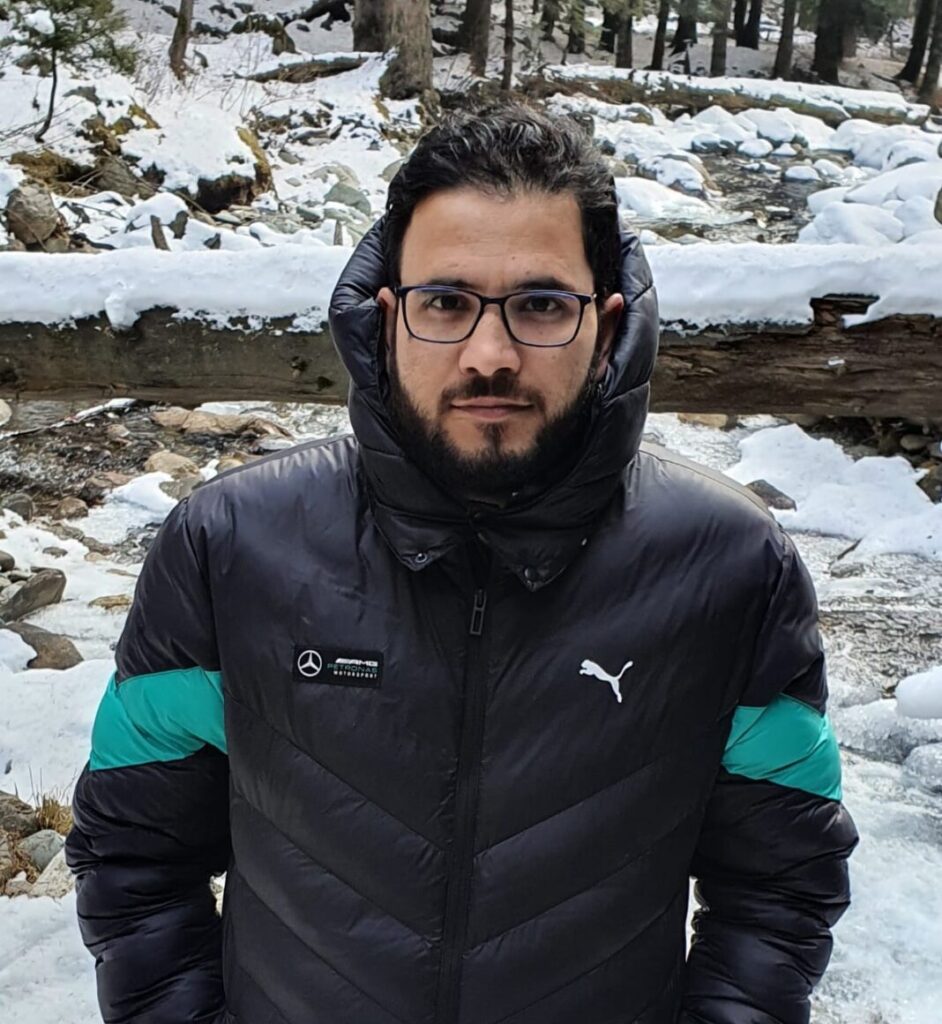
Dr Imtiyaz Ahmad Bhat.

This is the sixth part of the series – `Scientist Says’ –  where we bring for our readers the significant and commendable research works of young scientists in various fields.

Dr. Imtiyaz Ahmad Bhat started working as a researcher in the year 2013 with Prof. P.S Mukherjee lab, Inorganic and Physical Chemistry department, IISc Bangalore. He completed his Ph.D in 2018 and worked as a Research Associate in the same department. Currently, Dr. Imtiyaz is working as a post-doctoral fellow in King Abdullah University of Science and Technology (KAUST), Saudi Arabia. He shares his significant research works with Rashida Bakait of India Tomorrow. Here are the excerpts of the interview.

 Q. To begin with, please explain in brief to our readers about `Supramolecular Chemistry’ and the research works associated with the subject.

Ans. Nature has inspired  scientists to exploit the potency of weak non-covalent interactions to form complex functional Supramolecules, with wide range of applications, which led to the birth of a new field of chemistry called ‘Supramolecular chemistry’ i.e. chemistry ‘beyond molecule’. Supramolecules are large complex molecules formed upon aggregation of smaller constituent building blocks through non-covalent interactions by a process called ‘self-assembly’. ‘Self-assembly’ is a spontaneous process where components, either separated or linked, reversibly form complex ordered aggregates without any external direction. Supramolecular chemistry has emerged as a broad field and has given rise to vast number of diverse structures by using a variety of non-covalent intermolecular interactions.

 Over the past two decades, various methodologies of co-ordination driven self-assembly for the rational design of polygons and 3D supramolecular including tetrahedra, cubes, octahedra, cuboctahedra, and others have been developed. Enzymes, which are nature’s molecular containers, possess molecular pockets capable of binding substrates through non-covalent interactions and catalyze many important enzymatic reactions. Over the last two decades, with the advent of co-ordination driven self-assembly, the focus has greatly shifted to exploiting weak metal–ligand coordination for the self-assembly of molecular containers from individual components. The simple yet dynamic nature of coordination driven self-assembly has led to the construction of various capsules and cages with nanometre-size cavities capable of various applications.  The shape and size of inner cavity of the coordination cages, even those not possessing definite covalent interactions between the catalyst and substrate, play a paramount role in altering the reactivity and properties of the contained molecules.

The central theme of my doctoral research interest in IISc has been in the area of co-ordination driven supramolecular chemistry, arguably one of the hottest areas of chemical sciences. In my research work at IISc Bangalore, I was specifically engaged in developing novel coordination cages possessing confined cavity and demonstrate their applications in cavity directed catalysis and stimuli-responsive targeted drug delivery.

Besides thismy current research focus at King Abdullah University of Science and technology, Saudi Arabia as Post-doctoral fellow is to design and synthesize the Imine-based macrocycle which will act as Non Adaptive Crystal Systems (NACs) and will eventually be used for separation of hydrocarbon and their derivatives. These Imine based macrocycles offer plenty of merits, such as easy preparation, low cost, high recyclability, chemical resistance, and thermal stability and hence makes them ideal material for industrial application.

Q. What was the objective of your research?

 Ans. The supramolecular coordination complexes are obtained by mixing soluble metals as acceptors and ligand precursors as donors which spontaneously form metal-ligand bonds to generate a single thermodynamically-favoured product. Over the past two decades, various methodologies of coordination driven self-assembly for the rational design of polygons and 3D supramolecules including tetrahedra, cubes, octahedra, cuboctahedra, and others have been developed. My aim was to examine the self-assembly of pyridine and pyrimidine based ligands with square planar Pd(II) and Pt(II) metal ions to get the water soluble supramolecular structures with intrinsic hydrophobic cavity. These supramolecules with intrinsic hydrophobic cavity have a potential to function like the naturally found catalysts i.e enzymes by mimicking the cavity driven enzymatic reactions.

Q. When did you begin and complete your research?

Ans. I started in 2013 as a PhD student in Prof. P. S. Mukherjee lab at IISc Bangalore. Currently. I am working as a post-doctoral fellow in King Abdullah University of Science and Technology (KAUST), Saudi Arabia.

Q. What were the new findings of your research?

Ans. I could successfully synthesize and characterize various water soluble supramolecular structures with different shapes like sphere in sphere, tubes, tetrahedron, molecular barrels etc. and sizes. The tetrahedral cage with confined space was used as supramolecular catalyst to promote the Michael Addition Reaction of Indole and various nitro-styrene derivatives in water. The hydrophobic cavity of water soluble barrel like structures was successfully utilized to encapsulate curcumin and increased its solubility, enhanced its stability against UV light and thus acted as a safe aqueous carrier of curcumin to HeLa cancer cells. Also, an unusual supramolecule with triangular orthobicupola geometry was obtained, which is the first example of its type reported so far. The confined pocket of this cage with unique structural topology has been successfully used for the catalytic intramolecular cycloaddition reaction of substrates containing less reactive alkyne dienophile.   

Q. What was the conclusion of your research?

Ans. In conclusion, we could successfully synthesize and characterize a giant double layered spherical structure with 24 Pd (Palladium) ions and 24 Pyrimidine based ligands.  The strategy used here for the synthesis of double-shell superstructure establishes new guidelines for the creation of novel complex architectures. To further explore Pyrimidine as donors, various ligands with Pyrimidine as donors were synthesized and their self-assembly with cis-blocked Pt acceptor has led to formation of tube and tetrahedral cage structures. The tetrahedral cage with confined space was used as supramolecular catalyst to promote the Michael addition reaction of indole and various nitro-styrene derivatives. We were able to synthesize and characterize a water soluble barrel and cylindrical assemblies.The hydrophobic cavity of water soluble barrel was successfully utilized to encapsulate curcumin and increased its solubility, enhanced its stability against UV light and thus acted as a safe aqueous carrier of curcumin to HeLa cancer cells. The cylindrical assembly obtained was found to adopt an unusual triangular Orthobicupola geometry, which is the first example of its type reported so far. The confined pocket of this cage with unique structural topology has been successfully used for the catalytic intramolecular cycloaddition reaction of substrates containing less reactive alkyne dienophile.

Q. What kind of challenges did you face?

Ans.  Challenges and difficulties are the inherent part of the research and researchers have to find ways to overcome them and materialize their tasks. It was really a herculean task in characterizing these supramolecular structures. However, patience and positive attitude helped me to keep trying and I could finally characterize them well and obtained their crystal structures. As a beginner, I struggled with writing my results and presenting them in scientific journals.

Q. Any scholarships or awards for research?

Ans. My Research Associateship was extended for one more year in IISc for completing research within five years. In 2019 I received Irish research post-doctoral fellowship in Trinity College, Dublin

Q. How do you think your research would be beneficial to the society or industry?

Ans. The 3D metallo-supramolecular architectures with confined cavity have been exploited for many applications such as- guest encapsulation, catalysis and drug delivery etc. we were able to show that organic chemical reactions can be performed in water using these water soluble supramolecular structures. Barrel shaped molecules are highly promising which possess large open windows along with large confined cavity. Our approach provides one of the elegant and efficient methods to design such barrel shaped architectures and their use to perform the catalytic organic transformation in aqueous medium. A lot of effort is going on in the scientific field to design new such systems and utilize them for various applications. The importance of this field could be easily reflected from the 2016 Nobel Prize which was awarded for novel findings in supramolecular chemistry.

Q. How do you think your research can be carried forward?

Ans. The features of coordination driven self-assembly like high directionality, intermediate bond enthalpy and vast diversity of organic ligands make it unique over the other non-covalent self-assembly approaches. The coordination-driven self-assembly was initiated by Lehn and Sauvage and pioneered the field with the introduction of various architectures ranging from ladders, helicases, rings, knots, rotaxanes, catenanes, and several other architectures. Later on, other scientists have taken the field to newer heights by developing novel methodologies and approaches to design and synthesize various discrete metal-organic architectures of distinct shapes, sizes and functionalities. The breadth of coordination driven self-assembly has continuously increased with the introduction of numerous functional supramolecules each year and it keeps on growing with every passing day.

Q. Any new research you are working on now?

Ans. My current research focus at King Abdullah university of Science and technology, Saudi Arabia as Post-doctoral fellow is to design and synthesize the Imine based macrocycle which will act as Non Adaptive Crystal Systems (NACs) and will eventually be used for separation of hydrocarbon and their derivatives. These Imine based macrocycles offer plenty of merits, such as easy preparation, low cost, high recyclability, chemical resistance, and thermal stability and hence makes them ideal material for industrial application.

Q. Give few suggestions to budding scientists.

Ans. For those who have decided to take research as their career, I would like to suggest them that patience is the key and keep learning from the mistakes as this is how it works in research. As a researcher, update yourself with the current literature related to your field that will help you to give new directions to your ongoing projects. Time management is crucial. Plan your experiments in advance so that you are confident about tasks you will be performing. Wishing goodluck to all  budding scientists.

source: http://www.indiatomorrow.net / India Tomorrow / Home> Education> Featured / by Rashida Bakait, India Tomorrow / April 28th, 2021
Dr. Kausar Raza : Finding A New And Safe Method To Treat Cancer

INDIA / California, USA :

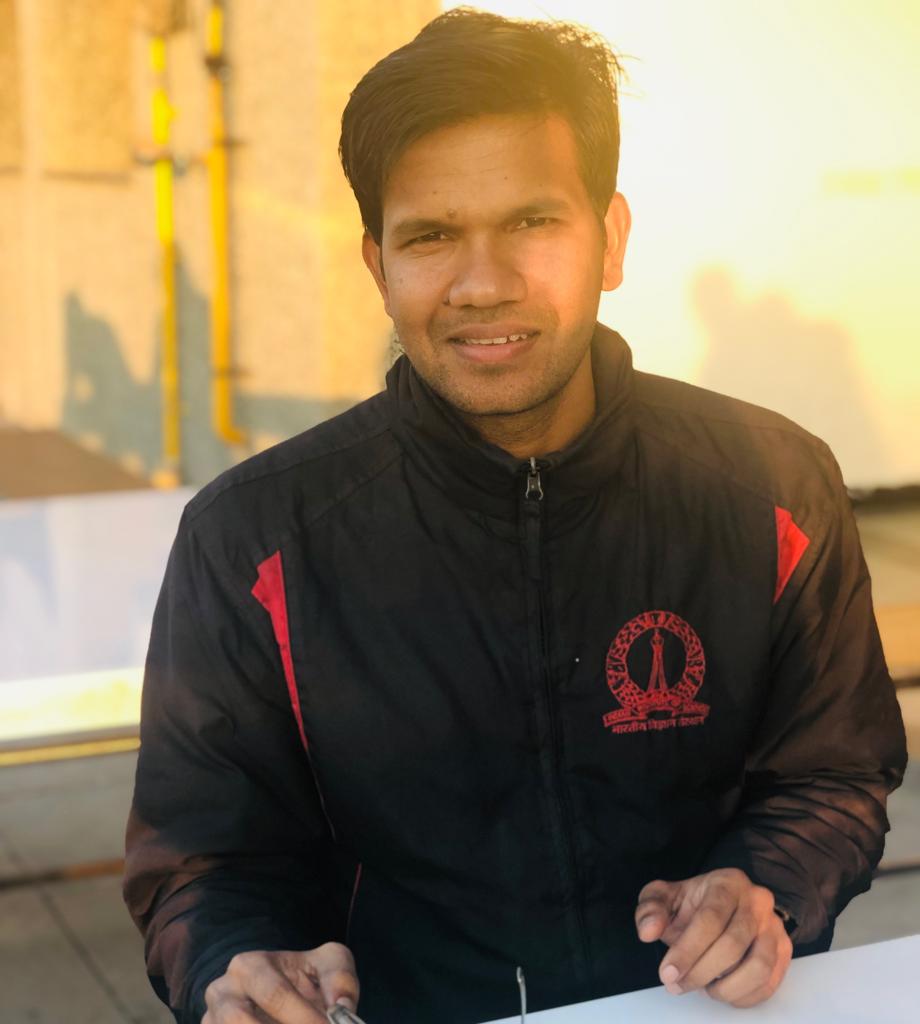
Dr. Kausar Raza.

This is the seventh part of the series called `Scientist Says’ where we bring for our readers the significant and commendable research works of young scientists.

Dr. Mohammed Kausar Raza completed his M.Sc. in Inorganic Chemistry from Jamia Millia Islamia, Delhi and began his Ph.D. in the year 2015 with Prof. Akhil Chakravarthy lab, Inorganic and Physical Chemistry Dept., IISc, Bangalore. After completing his Ph.D in the year October 2019, he joined California Institute of Technology (Caltech) in the United States as a postdoctoral research fellow in January 2020. He shares his significant research works with Rashida Bakait of India Tomorrow. Here are the excerpts of the interview.

Q. Please give a brief explanation of your research.

Ans. My research interest mainly focuses on to locate the lesions with the help of [4Fe4S] cluster and their treatment using Pt-based anticancer agents. The research area is divided into two parts: (i) Investigating the chemical role of [4fe4S] cluster in eukaryotic proteins through electrochemical and biochemical studies. (ii) Use of Pt-based complexes for chemo phototherapeutic treatment of cancer.

Cancer is considered as one the deadliest diseases which has been outspreaded in various parts of the human body. Various methodologies have been implemented till date to fight against the proliferation of cancerous cells, namely, Chemotherapy (mainly Pt-based anticancer drugs), Photodynamic Therapy (which involves photosensitizer, light, molecular oxygen), etc. To fill the pitfalls of the conventional chemotherapeutic and photodynamic therapeutic drugs including the NER machinery and less tissue penetration respectively, during my PhD research at Indian Institute of Science, Bangalore, I combined these two well known modalities, i.e.; chemotherapy and photodynamic therapy (PDT) by tuning the structural properties of Pt-based complexes to kill the cancer cells selectively. The idea was to develop the series of conjugates bearing the structural framework as of the conventional chemotherapeutic anticancer drug, cisplatin and BODIPY dyes for PDT activity. In photodynamic therapy, the growth of cancer cells can be terminated in the presence of light which generates ROS (reactive oxygen species) capable of cleaving the DNA of the tumor cells and in turn causing the cell death. The cell imaging is beneficial to track the anti-cancer drug inside the body. The combination of the Pt metal which encrusted the path for DNA cross-linking and the BODIPY motif attached which aided in cell imaging and killing of cancer cells in the presence of light, comes out as a new scope to design the more efficient photodynamic chemotherapeutic anticancer agents.

Earlier in my PhD, I have made efforts to treat the cancer, now I am exploring my research to detect the lesions through DNA mediated charge transport chemistry. It focuses on assessing the functional role of iron sulfur [4Fe-4S] in eukaryotic DNA replicative and repair proteins. We perform the electrochemical investigation to detect the tumor/disordered sites using DNA mediated electron transfer.

Q. When did you begin and complete your research?

Ans. My research started with my master dissertation work in the year 2014. I started working as a PhD researcher in the January 2015 and successfully submitted my thesis in Oct. 2019. Now, I have been doing research as a postdoctoral fellow in the field of biochemistry since January 2020.

Q. What was the objective of your research?

Ans. Since a variety of anticancer drugs are known to treat numerous kinds of cancers, namely colorectal cancer, breast cancer, oral cancer, and lung cancer etc. My aim was to design and synthesize a drug in such a way which is highly selective towards killing the cancer cells without harming the normal living cells. We intended to approach a dual action mechanism of platinum based anticancer drugs for real time tracking and selective cancer cell death.

Q. What were the findings of your research?

Ans. We prepared a series of mono-functional Pt-based complexes capable of binding with DNA for the treatment against cancer. We have mainly designed the mitochondrial targeting anticancer drugs, as mitochondria is known as the powerhouse of the cell and it lack NER machinery. Major outcome of our studies is in the form of a indigenously synthesized prodrug which have 100-fold better anticancer activity than FDA approved Photofrin drug. Moreover, this drug can be tracked inside the cell which is not the case with any of the FDA approved platinum based anticancer drugs. We have conducted the in-vivo anticancer studies of these drugs in the living mice models using photodynamic chemotherapeutic dual action mechanism and obtained promising results which is turned out to be a patent in this emerging field. This work was done with the collaboration in the department of biological sciences at IISc.

Q. What was the conclusion of your research?

Ans. My work presents a thorough investigation on the Pt-based anticancer drugs derived from cisplatin motif. Appendment of BODIPY moieties as florescent probes aided in cell imaging and production of ROS to kill the cancer cells in presence of light. The in-depth photophysical investigation of our Pt based complexes revealed their properties to absorb visible light and made them suitable for real time tracking. This study provides further scope for combinatorial research that includes photodynamic therapy and DNA cross linking ability of the monofunctional Pt (II) drugs (chemotherapy) against cancer. Finally, the in vivo assay results on mice showed significant arrest of tumor growth and its shrinkage in size thus giving new insights in the chemistry of platinum-based PDT agents.

Q. What kind of challenges did you face?

Ans. In my masters, I have pursued a research project in coordination chemistry. I have learned various synthetic procedures to synthesize a variety of transition metal complexes and carried out an in-depth characterization using various spectroscopic techniques. Then I joined a bioinorganic chemistry lab, where the challenge was to design the metal complexes with a sharp focus on its pharmacology (pharmacokinetics) by implementing a cost-effective methodology. Also, the fluorophore motifs incorporated in the structure must have the significant absorption and emission photophysical properties which can aid the drug in penetrating deep inside the body. It was achieved after studying the UV-Vis properties of the drugs. Developing a drug performing a dual action mechanism in treating cancer cells was itself a challenge. Furthermore, I joined a biochemistry lab at Caltech, moving from bioinorganic to biochemistry was another major challenge, where I had to learn the new techniques and methods prior to performing the experiments and analyzing the outcomes.

Q. Any scholarships or awards for research?

Ans. As the recognition of my doctoral work, I received the prestigious Carl Storm International Diversity (CSID) fellowship for Gordon Research Conference (GRC), Metal in Medicine, USA. I am also a recipient of “Government of India International Travel Research Award (DST), CSIR Travel Research Award, ICMR Travel Research Award, SBIC Student Travel Grants for ICBIC-19 in Interlaken, Switzerland. I received fellowship from MHRD and CSIR for the five year during my Ph.D.  

Q. How do you think your research would be beneficial to the society or industry?

Ans. Cancer counts among the second deadliest diseases in the world. Among all types of cancer, about 30% of India’s affected population accounts for oral cancer only. Among the various therapies established for cancer treatment, photodynamic therapy is well known for the treatment of oral cancer. My research on Pt based drugs will provide a new insight and scope to combine the two therapies and kill the tumor with notable potency. Our mice model demonstrated an excellent efficacy of our drug inside the living being. These new findings can lead to investigate the drug-tumor interaction inside the human body. Implementation of our Pt based prodrugs will provide a new way to treat the cancer. Moreover, commercializing these drugs may reduce the cost of treatment. In addition, it’s manufacturing at industrial level will increase the employment for several educated and skilled people in our country.

Q. Any new research you are working on now?

Ans. Currently, I am working on the DNA mediated charge (electron) transfer chemistry. My aim is to investigate the rapid communication among DNA-processing proteins for repairment through DNA-mediated redox signaling. These DNA-processing enzymes bear an iron-sulfur [4Fe4S] cluster which performs common redox switch on binding with DNA and gives rise to DNA-charge transport chemistry. It mainly focuses on the electrochemical investigation of the chemical role of the [4Fe4S] cluster in eukaryotic DNA primase and the polymerase.  Importantly, electrochemistry on the DNA-modified electrodes facilitates reaction under aqueous, physiological conditions with a sensitive electrical measurement of binding and activity.

Q. How do you think your research can be carried forward?

Ans. Organelle targeting is an emerging field and needs thorough investigation to study the action of metallodrug inside the biological systems. Introducing selectivity in structural framework of the drugs towards single organelle targeting can make the drug more potent and viable. Other metals are also prominent on anticancer platform, so it is possible to design and synthesize such cost effective and biocompatible metal ligand frameworks which is capable of performing multiple actions with significant potency. The preliminary in vivo results and pharmacokinetics suggested that a detailed study need to perform so that it can be taken to clinical trial.

Q. Give some suggestions to the budding scientists.

Ans. Academia is a never-ending journey full of exciting adventures. It should be spent with utmost pleasure and satisfaction while enjoying science. One should be able to eminence both the personal affairs and professional business. Be clear and rational. Do not hesitate while expressing and talking about yourself, be it stress or mental health imbalance. Also, create another world outside the lab and explore it. Hone your communication skills. In academia, communication is the key to success Always indulge in a teamwork, moreover, in order to be an interdisciplinary scientist, be open to accept and request for collaboration. Do something different which no one thinks is important and invest your efforts and time in it. Learn broadly. Be bold. Be passionate. Establish a name for yourself. Above all, perhaps, to be successful in academia you need to develop your persistence and preserve your creativity no matter what. The key to unlocking the untapped potential is to create and build a path conducive to novelty in science. Make your research plans wisely and execute them in a disciplined way. Always remember, slow and steady wins the race.

source: http://www.indiatomorrow.net / India Tomorrow / Home> Education / by Rashida Bakait, India Tomorrow / May 01st, 2021

Meet Dr. Nafisa Begam: Uncovering Polymer Nanocomposites And Protein Dynamics

INDIA / GERMANY :

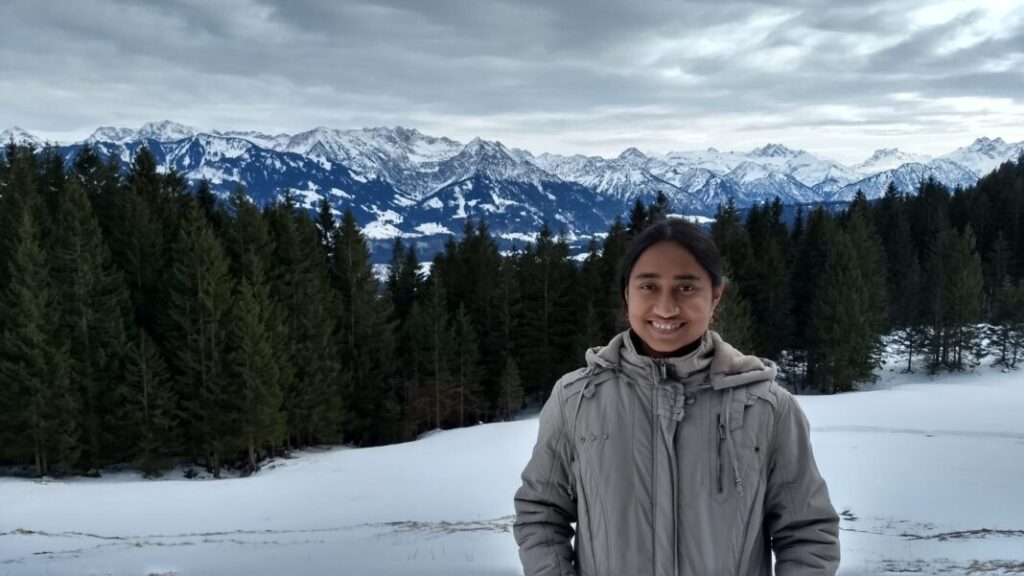
Dr. Nafisa Begam.

This is the fourth part of the series named `Scientist Says’, where we bring for our readers some of the significant and commendable research works of young scientists in their respective fields.

Dr. Nafisa Begam completed her Ph.D. in the year 2016 at the Indian Institute of Science(IISc), Bangalore. Presently, she is working as Alexander von Humboldt postdoctoral research fellow at the Institute of Applied Physics, University of Tuebingen, Germany. She shares her significant research works with Rashida Bakait of India Tomorrow. Here are the excerpts of the interview.

Q. Please give a brief explanation about your research works.

Ans: During my PhD, in the group of Prof. J K Basu, Department of Physics, IISc. Bangalore, I characterized polymer nanocomposites with a desire to create novel materials with unique and remarkable physical properties (such as electrical, optical properties sometimes with high temperature resistance) but considerably lighter weight, compared to their conventional metal-based counterparts. Polymer nanocomposites is a material where organic/inorganic particles, rods or cylinders of nanometer dimensions (i.e. nanofillers) are embedded in a polymer matrix. I investigated several experimental parameters (e.g. temperature) that influence the processing of these composites and studied their dynamics using state-of-the-art technique- coherent X-ray scattering.

Besides the above-mentioned research, I have currently deviated my work towards bio-physics. Now I am studying structure and dynamics of proteins, in the University of Tuebingen (the Schreiber group), Germany, as an Alexander von Humboldt postdoctoral research fellow, including steering biochemical reactions rates, sensing, or signaling.

Q. What was the aim behind your research works on `polymer nanocomposites’ and dynamics of protein?

Ans: During my masters, I experienced several experimental techniques in the department of physics, Indian Institute of Technology, Kharagpur. I was inspired by the quality of work being done there and decided to carry out research in the field of experimental physics. As I got into the laboratory of Prof. J K Basu, conducting extra-ordinary researches in the field of soft matter physics, especially polymer nanocomposites, for my Ph.D research, I started my work aiming that I will have a contribution in this field. The worldwide application and interest in the research of polymer nanocomposites led me to choose this system and explore the underlying physics behind its unique properties.

The aim of my studies on structure and dynamics of proteins is to understand the behaviour of protein-based systems such as egg white which are versatile products in our daily life, food industry, biotechnology, medicines and also in condensed matter physics. I study the temperature sensitivity on protein systems as it is highly impactful on proteins’ applications in bio-physics, foods, and their functions in intracellular organizations.

Q. What kind of new findings were highlighted in your research works?

Ans: My research work on microscopic dynamics of nanoparticles inside polymer matrix revealed an anomalous temperature dependent viscosity which enhances under confinement as well as with reducing temperature due to the presence of hydrodynamic slip at nanoparticle-polymer interface. This work highlights that the interface slip present in a polymer nanocomposites can alter the properties significantly with respect to their pure polymer properties. My work was published in various reputed journals such as, American Chemical Society, Royal Society of Chemistry, Nature Communications (Nature), Polymer (Elsevier), American Institute of Physics and American Physical Society.

I would also like to share my recent, very interesting, investigation on the gelation process, i.e. the cooking of egg white which reveals how the structural growth occur and the transparent egg white forms a turbid and solid gel. During this process, the proteins in the egg white denature and form a network structure due to heating. Understanding such gelation mechanism not only has important implications for food science, but also for polymer, soft matter Physics, and biophysics researchers. Due to the special interest of this system and the importance of the sophisticated technique used, this study has been highlighted in American Physical Society, and various press release in Germany, and UK.

Q. What kind of challenges did you face?

Ans: Researchers struggled to understand the dynamics of nanoparticles in polymers or complex protein based systems, particularly at the length scales of hundreds of nanometers to micrometers, relevant for the taste buds of our tongue. We tackled this problem with a powerful tool: coherent X-ray scattering. In order to examine the exact molecular structure of the material, short-wave radiation such as X-ray light is necessary, which penetrates the opaque systems and whose wavelength is no longer than the structures to be examined. Such a sophisticated technique is only available in few synchrotron radiation sources, e.g. Petra III (DESY, Germany), ESRF (Grenoble, France). This facility is provided to a very few research groups every year through exclusive review process by the synchrotron experts.

Q. Any scholarships or awards for research?

Ans: I was honored by the Prof. Anil Kumar Memorial Medal for best PhD thesis 2016-2017 (in experimental Physics, IISc. Bangalore), India. Recently, I received the Alexander von Humboldt postdoctoral research fellowship since February 2019 in Germany.

Q. How do you think your research would be beneficial to the society or any other industry?

Ans: During my PhD, I worked on the characterization of polymer nanocomposites which is a new class of materials with unique properties such as electrical, optical, thermo-mechanical properties. By doing so I could contribute to the understanding of the materials used in various applications, e.g. high quality food packaging, coating, painting, electronic devices (solar cells) and automotive industries.

As far as my recent research on protein dynamics is concerned, it is expected to have benefits in condensed matter physics, food industry as well as our daily diet. For example, the famous “spring egg” is cooked at temperatures between 63 oC and 66 oC, resulting very soft and transparent gel. My research will contribute towards understanding the underlying mechanism behind such gel properties and hence helping to produce food gels of desired properties.  

Q. When did you begin and complete your PhD/research?

Ans: I started my Ph.D on polymer nanocomposites in the group of Prof. Jaydeep K Basu, department of Physics, Indian Institute of Science, Bangalore in August 2011 and finished in July 2016. Presently, I am doing my postdoctoral research work on the protein dynamics.

Q. What was the conclusion of your research on polymer nanocomposites?

Ans: I observed that the nanoparticle-polymer interface nature plays a crucial role in deciding the microscopic dynamics of these materials and hence their thermo-mechanical and rheological properties. My research shows the tunability of the dispersion of nanoparticles and how it influences the relevant physical properties in a polymer nanocomposite. This outcome could have potential in processing high quality materials in various application field, e.g. in automotive industry, an appropriate polymer nanocomposite can significantly enhance the fuel efficiency.

Q. How do you think your research works can be carried forward?

Ans: Polymer nanocomposites is a broad field. It can be carried out further in many directions. For example, to completely understand the dynamical behavior of the nanoparticles inside polymer, it is needed to investigate the systems by varying the nanoparticle/polymer interactions over a broad range. It would be interesting to study the microscopic dynamics of such systems. In addition to that, model a system which can represent the thin film behavior and explore the confinement effect using simulations to understand the observed experimental phenomena microscopically.

My present work on protein dynamics has tremendous potential for researchers working in the area of soft condensed matter physics, food science, biotechnology, medicines as well as the understanding proteins’ functions in living organizations i.e. in biology. Proteins’ functions are not fully understood due to their complexity and technological limitations. Our study is one among the first investigations along this line and we expect it to pave the way for future experiments to shed light on processes in proteins highly relevant for the food industry and soft matter physics. This work can be continued by employing this newly developed experimental technique to investigate other relevant proteins and materials making foams, gels etc. in one of our primary interesting fields, food industry.

Q. Apart from the above-mentioned research works, would you like to share any other new research works you are working on now?

Ans: Currently, I am working on the dynamics of a chocolate melt at temperatures close to human body temperatures. This work is expected to have potential impact on colloidal physics as well as the chocolate industry by providing information over the parameters to control the chocolate quality.

Q. Lastly, please give few suggestions to the budding scientists.

Ans: Research is entirely different from the usual courses or subjects we study where we can easily acquire information from the available sources, whereas in research one has to tackle an unknown problem which requires a deeper and thorough understanding of the related subject/field. You might fail or succeed. Research requires patience to continue after learning from the failed attempts. Failing in one research attempt is most probable but that is the only way to learn and a way to move forward towards success.

source: http://www.indiatomorrow.net / India Tomorrow / Home> Education> Featured / by Rashida Bakait , India Tomorrow / April 10th, 2021