Tag Archives: Muslim Scientists of India

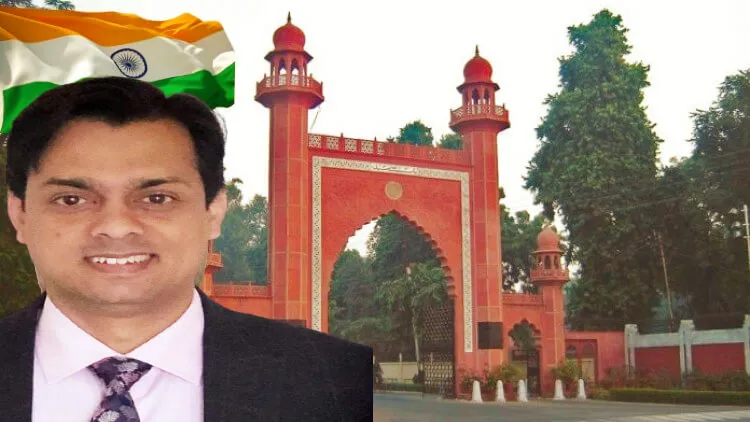
Bhopal-based scientist Javed Khilji proves base of Relativity is Shaky in latest research

Bhopal, MADHYA PRADESH :
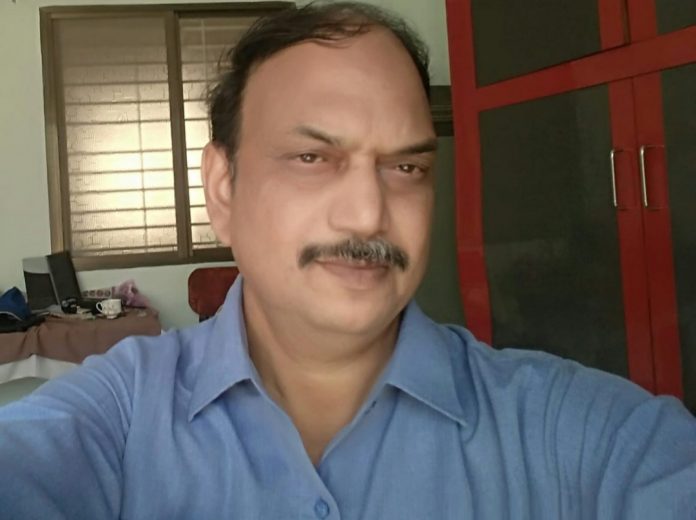
Javed Khilji

Relative Motion is redefined; New Transformation Laws Determined.

Bhopal:

Bhopal-based Scientist Mohammad Javed Khilji making forays into established scientific theories to make amends has made the latest breakthrough which reveals that the relative motion violates conservation laws of Kinetic Energy.

Javed Khilji, an independent researcher dedicated to original researches, is working on yet another concept of Relativity to find out if the constancy of speed of light is region-dependent in interstellar distances. He has to his credit of having challenged Einstein’s Relativity Theory in the past more than a decade ago. He has been placed in the list of IBC (International Biographical Centre, Cambridge) top 100 scientists (2014).

The BP International published Javed’s latest research paper in the most recent book titled as: “New Trends in Physical Science Research Vol.7” (https://doi.org/10.9734/bpi/ntpsr/v7/3262A) in July 2022 as the 13th chapter of the book which is headlined as: “jk Transformation Laws of coordinates and composition of velocities”. The paper cracked the case of experimental verification that shows the existing relative motion is the serious violation of laws of conservation of kinetic energy. The author claims his defined relative motion in the book chapter is found to be correct to the degree of millionth part of decimal accuracy.

While the author’s published paper “Modified Transformation Laws of Coordinates and Composition of Velocities, in International Journal of Advanced Astronomy in 2017 (doi:10.14419/ijaa.v5i1.7385) was selected as a book chapter by BP international. However, the credit of experimental proof goes to book chapter and not to the published paper. The book chapter is intended for researchers, students and scientists to provide a right direction of the future researches in real time because Galilean, Lorentz or post Lorentz researches in transformation laws have existed in relative motion based researches.

In fact, Javed had re-defined relative motion in 2011 in his research paper “Intrinsic Laws of Motion are Invariant” published in Physics Essays (DOI: 10.4006/1.3660803). Then the author was trying to add relativistic framework to his core concept which was kinematic based research paper titled “Modified Field Theory” published after a year-long review in 2004 in a peer reviewed US-based International Journal of Theoretics in its vol. 6-6. Therein, he made corrections to Einstein’s mass velocity relation resolving infinity that occurs at c (the light of speed). The outcome was transformation of matter into energetic photon at c, but not infinity.

Change dynamics of modern science

Javed Khilji’s Transformation laws will change the dynamics of the modern science. Sir Galileo, the pioneer of modern relativity in 1600, later in his honour (in 1800) Galilean equations were determined, but soon after in 1899 Lorentz revolutionized the Transformation laws which are still valid today. However, Javed after re-defining the relative motion determined his own transformation laws in 2017 in his research paper, which now is a book chapter. So, he is making his own legacy of both of relative motion and of transformation laws. It is his solo efforts without any national, international, NGO or institutional support. He is not financially sound but is determined to pursue his passion for research.

It must be noted that Javed Khilji’s achievements are of no mean nature but nation’s assets which should not go abegging. So, NGOs, TFIR and Azeem Premji Research Foundation should come forward to support him. He should be awarded with some suitable national award prior he is awarded by international community.

It may be pointed out here that the researcher had contacted Central government in 2007 but there was no response from the government side which upset him. However, he praises the present setup as in 2018 when he had an invitation to present his work in Istanbul, in an international conference on relativity. Then he had written to Prime Minister Office (PMO), seeking financial support for to and fro and stay expenses in Istanbul. He had then received prompt reply saying that his case has been referred to the Chief Secretary of Govt. of Madhya Pradesh. However, as then the state assembly elections were on, his application could not see light of the day and his visit to Istanbul did not materialize.

Meanwhile, Javed’s work received the maiden recognition in the year 2004 when two of his research papers “Multi Foci Closed Curves” and “Modified Field Theory” were published in the peer reviewed journal “International Journal of Theoretics”. The first paper relates to discovery of unique curves with non-collinear foci and relative focal distances finding their similarity to curve like ellipse with all mechanical justifications. His study underlines significance in Nuclear, Space and Bio-Science. His other paper has brought about a conceptual change in Special Relativity.

Media coverage

Meanwhile, media coverage at local and national level attracted Saudi Arabia’s International newspaper Arab News, which flashed the news “Indian Scientist Challenges Einstein’s Relativity Theory” in its 11th January, 2006 edition.

While contemporary Jiwaji University Vice Chancellor and nominee for the Noble prize in 1997 on Condensed matter physics, Prof. Satya Prakash had commented that Javed Khilji presented Einstein’s mass velocity relation in a very interesting way and attempted to explain two converse processes simultaneously within a process. Prof. Zafar Ahsan, contemporary Head of Mathematics Department of Aligarh Muslim University (AMU), recipient of International Einstein Award 2011 has appreciated author’s work in “Intrinsic Laws of Motion are Invariant”.

Experimental verification in the book chapter further strengthens the line of thought that Javed adopted since 2004. The new findings supports the growth in mass of the object at higher velocities but rejects infinity to occur at c (light-speed) instead it shows transformation of matter into energetic photons giving a clue to the birth of gamma rays of different wavelengths and also of GRBs (Gamma Ray Bursts).

New concept

A new concept of flexible acceleration at light-speed tells us why light ray show wave like property, existing concept of zero acceleration makes the ray as a rigid rod, which cannot exhibit reflection, refraction, interference, scattering, dispersion and deviation etc.

Now, few words about the author Mohammad Javed Khilji who has made the above break-though. He shifted to Bhopal from Gwalior two years back. He is an independent researcher with Masters Degrees in Computer Science and Physics. He is engaged in fundamental and original research work in the field of Relativity and Geometry leading to bring about a conceptual change in the basic researches available hitherto.

source: http://www.muslimmirror.com / Muslim Mirror / Home> Sci-Tech / by Pervez Bari / September 14th, 2022
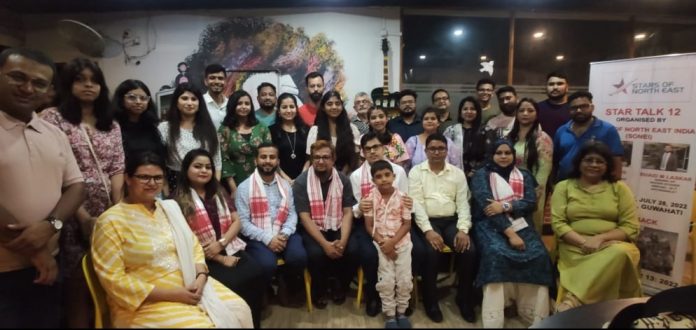

“Education abroad” was the theme of Star Talk held in Guwahati

ASSAM :

Members of SONEI along with guests pose for a group photo on the sidelines of the ‘Star Talk-12’ event held in Guwahati on Thursday.

Guwahati :

‘Star Talk-12’, an initiative of the Stars of North East India (SONEI), a registered public charitable trust and talent hunt platform, was held in Guwahati on Thursday.

The first appointed speaker of the event was Aman Wadud, a young lawyer who recently got his Masters in Law from the University of Texas under a Fulbright Scholarship. Besides sharing his American experience, Aman Wadud gave a very informative presentation of the evolution of Civil Rights in the USA.

The second appointed speaker, Suaid M Laskar, Head of Pan-India Sales, Admissify made a presentation to clear the common doubts people have about studying abroad. Laskar, who has been instrumental in facilitating overseas studies of more than 350 students from Assam, over the last five years, in countries like Australia, Germany, UK and USA, informed the audience that 93 per cent of the students who go abroad for studies belong to middle class families.

Abhishek Kumar, a graduate from Guwahati Commerce College, who is all set to study his Masters in Supply Chain Management at Cranfield University, UK also shared his experience on the occasion.

Alemoon Nessa of Bongaigaon, who recently received two national MSME awards along with a cash component of Rs eight lakh from the hands of Prime Minister Narendra Modi, was felicitated on the occasion.

Dr Faizuddin Ahmed, a physicist from Dhubri, who has made it to the Stanford list of world’s top 2% scientists, was also honoured on the occasion.

Shahnaz Islam, a budding poet whose book “Midnight’s melancholy” was launched from Sikkim recently, enthralled the audience by reciting a few poems from her book.

Mirza Arif Hazarika’s short film “Sorry” starring Barasha Rani Bishaya and Ravi Sharma is now live on Disney+Hotstar, a rare honour for an Assamese short film. Mirza shared his experiences of making the film.

Priyanka Paul Banerjee, an upcoming PR practitioner, was also felicitated along with other achievers at the event.

SONEI will complete eight years of its existence in September 2022 during which new projects will be announced in addition to its existing programmes in the field of education, promotion of skills, and social service.

The event was hosted by Samima Sultana Ali and Sharique Hussain.

source: http://www.muslimmirror.com / Muslim Mirror / Home> Education> Positive Story / by Special Correspondent / July 29th, 2022

Jamia Professor Dr. Shama Parveen Wins Women Scientist’s Prize

NEW DELHI :

Jamia Millia Islam faculty member, Dr. Shama Parveen, to receive prestigious Sayeeda Begum Women Scientist Prize 2018 to be presented by Hon’ble Vice President of India.

Dr. Shama Parveen, Assistant Professor at the Centre for Interdisciplinary Research in Basic Sciences, Jamia Millia Islamia (JMI) has been selected for the prestigious “Sayeeda Begum Women Scientist Prize 2018”, instituted by Jamia Hamdard (University).  

pix: @ Twitter

Dr. Parveen is actively involved in research in the area of Molecular Biology of human viruses and focuses on Dengue, Chikungunya, Zika and respiratory viruses (human metapneumovirus, influenza and respiratory syncytial virus). Her research articles published in journals of international repute are being well cited.

The award is given annually in the memory of Late Mrs. Sayeeda Begum, wife of Late Hakeem Abdul Hameed, founder of Jamia Hamdard. The award aims at recognizing the academic excellence of women scientists working at any minority institution of the country in basic and applied research in the areas of biosciences, biotechnology, biomedical, pharmaceutical and environmental sciences. Scientific contributions of the candidate during last 5 years are evaluated for the award. The award carries a citation and prize money.

The award was announced on 14th September 2018 at the Founder’s Day of the Jamia Hamdard University and it will be presented to Dr. Shama Parveen during the forthcoming Convocation of the University on 23rd October 2018 by the Chief Guest, Hon’ble Vice President of India. (PRO, JMI)

source: http://www.milligazette.com / The Milli Gazette / Home> News> Community News / The Milli Gazette Online (headline edited)/ by PRO, JMI / September 21st, 2018

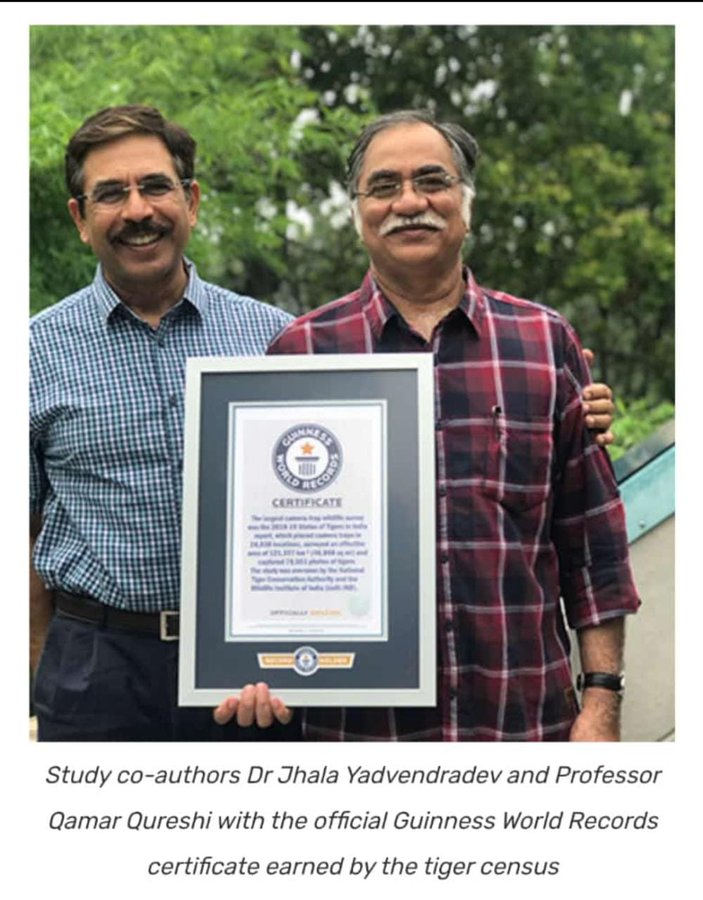
Guinness Book Of World Records conferred to Dr. Jhala Yadvendradev and Professor Qamar Qureshi, Scientists from Wildlife Institute Of India (WII) for Study of the ‘Largest Camera Trap Wildlife Survey’ for Tiger Census

UTTARAKHAND :

#GuinnessBookOfWorldRecords conferred to Dr. Jhala n Professor Qamar Qureshi, Scientists from #WildlifeInstituteOfIndia for largest #camera_trap #wildlife_survey (1/2)

source: Twitter @DrRaghavendraS / Dr Raghavendra S Gowda / July 20th, 2020

AMU scientist’s discovery can make infertile land cultivable

Aligarh, UTTAR PRADESH :

AMU scientist's discovery can make infertile land cultivable

Aligarh :

A faculty member of Aligarh Muslim University (AMU), in association with German researchers, has discovered a new protein in plants that will ‘improve the salt stress tolerance of crops.’

This will enable farm land with high salinity soil amenable to cultivation.

Dr Tariq Aftab, assistant Professor, Department of Botany, AMU, together with other collaborators from Germany, have identified a new protein and named it ‘HvHorcH’.

This protein plays an important role in conferring salt stress tolerance in barley plants. Salt stress tolerance of crop plants is a trait with increasing value for future food production.

According to an official release from AMU, the research work has been carried out at Leibniz Institute of Plant Genetics and Crop Plant Research, Gatersleben, Germany during the assignment to Dr Aftab as visiting scientist.

After several years of further studies and repeat trials, the report has been published in the International Journal of Molecular Sciences.

Dr Aftab said that the identification of this protein will open new horizons in developing stress-resilient crop plants. “Global climate change, which is predicted to be accompanied by prolonged and intensified drought periods, is likely to aggravate this situation even further.

Intensified irrigation attempts to combat drought ultimately increase soil salinity and thus eventually impede farmland cultivation when salinity reaches threshold levels that can no longer be tolerated by crop plants.

“It is therefore an eminent goal for a global sustainable food supply to improve the salt stress tolerance of crop plants in order to push these thresholds of soil salinity upwards so that more farmland with high-salinity soil will still be amenable to agriculture,” he explained.

source: http://www.awazthevoice.in / Awaz / Home> Education / September 26th, 2021

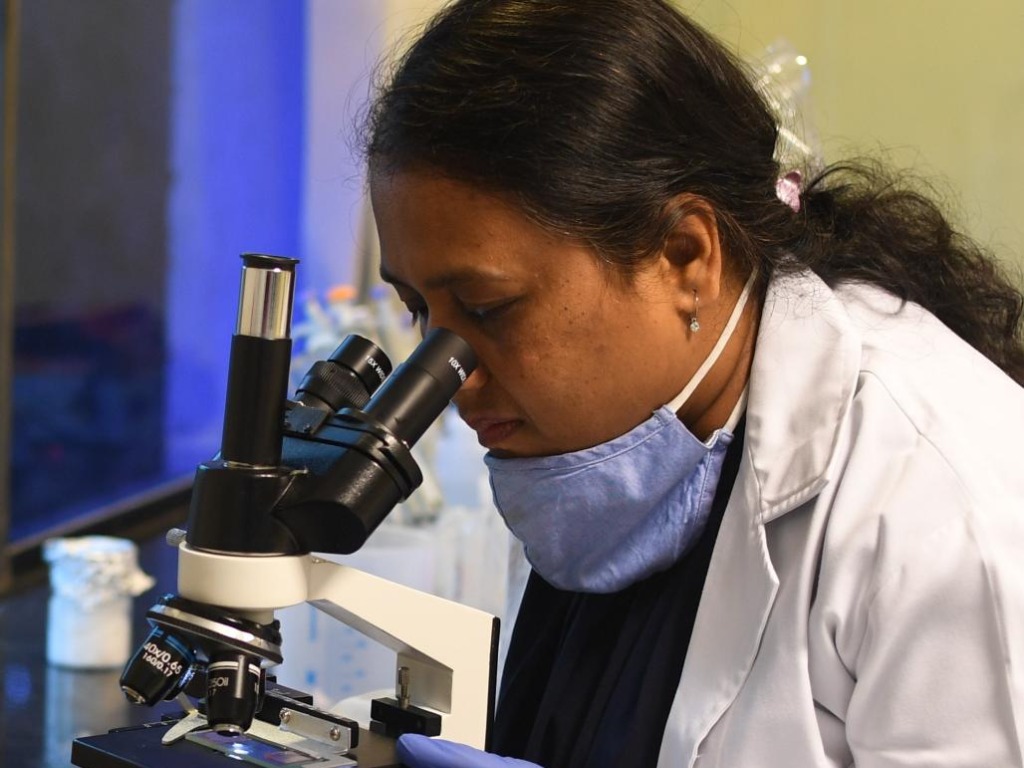
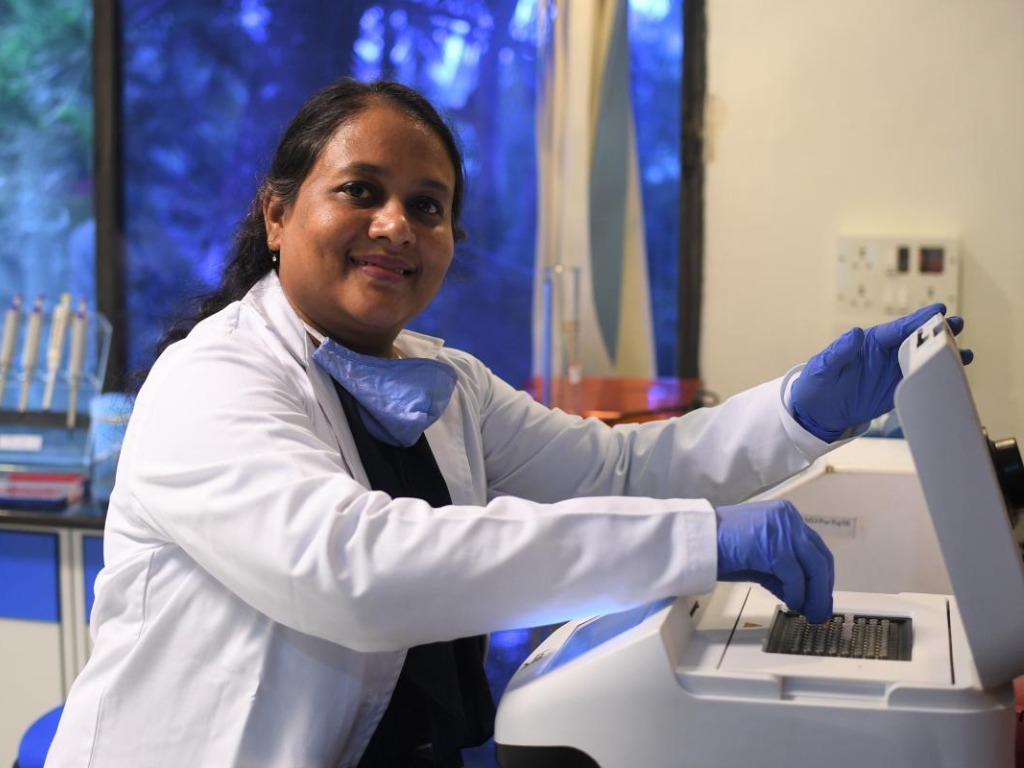
Fathima Benazir – Science – A game changer for Covid testing

Bengaluru, KARNATAKA :

Quick Facts

  • 42-year-old Fathima Benazir, a molecular biologist has come up with a new non-toxic used to test for viruses in labs
  • The new dye, derived from natural ingredients, can be handled without gloves and could revolutionise the field of DNA testing 
  • Dye prices have skyrocketed after the pandemic and a 500 ul vial is enough for 10,000 RT-PCR tests

A new discovery could revolutionise DNA testing, which has become so important after the onset of the Covid-19 pandemic. Even more remarkably, that breakthrough was made in a kitchen by a researcher whose love of science prompted her to tread the unbeaten path.

With the eruption of Covid-19, the number of RT-PCR tests, regarded as the “gold” standard of testing) have skyrocketed. But with the increased demand for such tests there are also increased lab and environment hazards. This is because the fluorescent (or fluorophore) dyes used in the testing of nucleic acids such as DNA and RNA, are often heavily toxic to lab staff and pose a serious problem when it comes to disposal.

A new non-toxic fluorescent dye invented by a Bengaluru-based scientist could potentially revolutionise how this testing is done in the near future.

Fathima Benazir, 42, a molecular biologist by training, always knew that she wanted to be a scientist, but that it was ultimately a failure to get into an MBBS programme (by a 2% margin), which pushed her towards biotechnology.

Click here to Vote for your favourite changemaker

source: http://www.deccanherald.com /(www.21in21.deccanherald.com/fathima.benazir / Home> Change Makers / 2021

Assam’s Shaeema Ahmed earns accolade for research on Quantum Physics in Denmark

Guwahati, ASSAM / DENMARK :

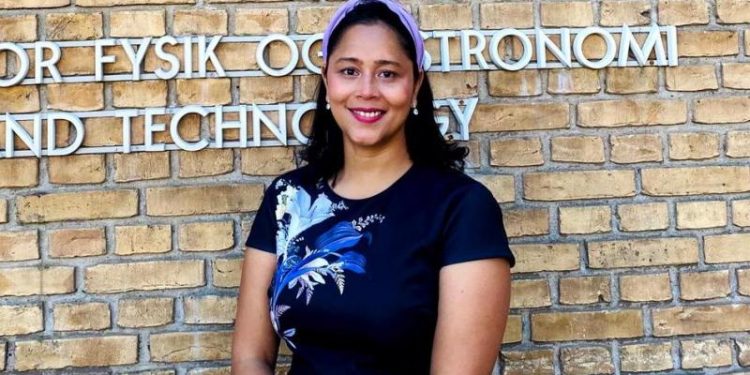
Shaeema Ahmed

Shaeema Zaman Ahmed, a youngster from Guwahati, brought laurels to Assam and India for her visionary work on quantum physics research, for which she was awarded the PhD from Aarhus University, in Denmark, on June 28.

After her earlier schooling at Maria’s Public School, Guwahati, and her Masters in Physics from Delhi University, Shaeema was at the forefront of science outreach and astronomy education with Zlife Education in New Delhi.

Thereafter, she was offered a Marie Sklodowska-Curie PhD fellowship at Aarhus University, Denmark, and was part of the Quantum-enhanced Sensing via Quantum Control (QusCo) EU programme.

Her work focussed on investigating the use and impact of quantum games and simulation tools in quantum physics education, science outreach, and quantum control research.

She was part of the design process in Quantum Moves 2 and Lab Manager and simulation tools like the Quantum Composer.

Her research studies on these tools explored how simulations can improve student learning of quantum mechanics.

Additionally, her work also addressed the potential of a citizen science game as a method to crowdsource solutions to solve quantum control problems, and the impact of the use of simulations in quantum physics outreach training.

The work was carried out under the supervision of Prof Jacob Friis Sherson, and the external examiners were Prof Sabrina Maniscalco from the University of Turku, Finland and Prof Stefan Heusler from the University of Münster, Germany.

Shaeema is the daughter of Guwahati-based paediatrician, Dr Shabina Ahmed and anesthesiologist, Dr Khafiluzzaman Ahmed.

The defence was viewed online, including her teachers at her alma mater, Maria’s Public School, Guwahati.

In a message to her alumnus, Nellie Ahmed Tanweer, Founder Director of the School, said “…the pride you bring to your school further inspires the next generation …

source: http://www.nenow.in / North East Now / Home> Northeast News> Assam / July 04th, 2021

Dr. Mohammad Rehan: Delhi’s Jamia Alumnus Working On New Biology-Oriented Methodology Towards Drug Discovery

NEW DELHI :

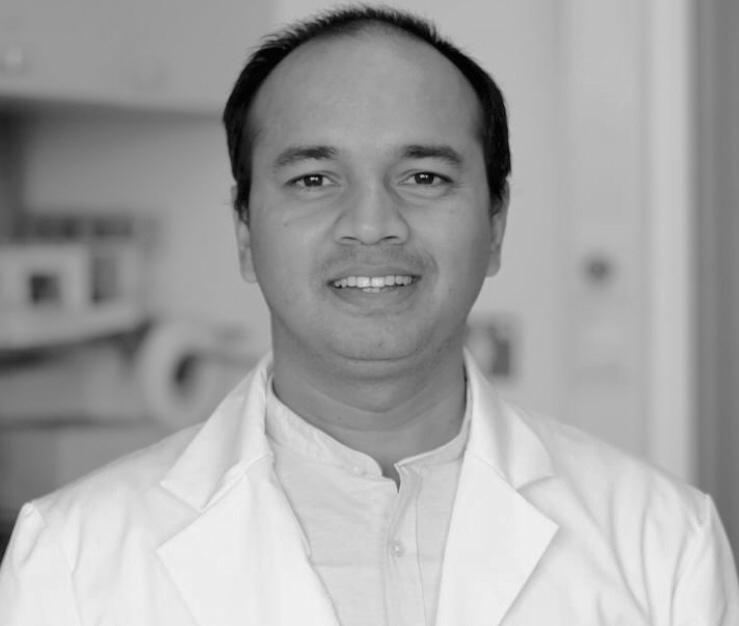
Dr. Mohammad Rehan

This is the twelfth part of the series called “Scientist Says”, where we bring for our readers the significant research works of young scientists.

Dr. Mohammad Rehan completed his M.Sc. in Organic Chemistry (2010) from Jamia Millia Islamia University, New Delhi. Dr. Rehan started his doctoral studies at Indian Institute of Science Education and Research (IISER) Bhopal in 2011 with Prof. Prasanta Ghorai. During his doctoral studies, he worked on transition-metal catalyzed and transition metal-free synthesis of heterocycles & carbocyclic molecules. In 2017, he obtained his Ph.D. in chemistry from IISER, Bhopal, India. He joined as a postdoctoral research fellow in the group of Prof. H. Waldmann Max Planck Institute of Molecular Physiology, Dortmund, Germany, in May 2018 and worked till January 2021. He worked with the Group Leader Dr. Kamal Kumar, in the group of Prof. Waldmann, on asymmetric hetero-Diels–Alder reactions leading to biologically intriguing small molecules. He shares his research works with Rashida Bakait of India Tomorrow. Here are the excerpts of the interview.

Q. Please briefly explain your research.

Ans. My initial research was based on the development of synthetic methodology towards the synthesis of heterocyclic molecules and carbocyclic molecules. The purpose of developing a new synthetic methodology for the synthesis of heterocyclic molecules is that most marketed drugs contain heterocyclic fragments. Heteroatom’s (such as nitrogen, oxygen and sulfur) as well as heterocyclic scaffolds are often present as a key structural unit in several active pharmaceuticals natural products. Heterocyclic scaffolds are frequently present molecules in medicinal chemistry and among all such heteroclic molecules, nitrogen containing heterocyclic molecules are of great importance to medical science. Since nitrogen containing heterocyclic molecules are abundant in nature, existing as key units in several natural products, for examples, antibiotics, hormones and in vitamins. Nitrogen-containing natural products and some alkaloids compounds, showing various biological activities, several of them are even prescribed drugs such as serotonin, thiamine, which are called vitamin B1, papaverine, coniine, caffeine, nicotine, atropine, notorious morphine, and codeine. Statistically, more than 85% of all biologically active compounds contain heterocyclic moiety. These facts disclose and emphasize heterocyclic fragments play a central role in modern drug design and drug discovery. 

At IISER-Bhopal, my doctoral research began with the development of a new synthetic method for the synthesis of heterocyclic molecules and their application towards the synthesis of biologically active compounds. It was divided into two section: 1st section (1) transition-metal catalyzed synthesis of heterocyclic compounds (such as synthesis of 2-benzyl indole and 2-benzyl benzofuran derivatives) here the developed method was used towards the synthesis of melatonin receptor, anti-tumor and hypocholesterolemic agent, cytotoxic and mTOR signaling agent. In the second section (2) (a) transition-metal free synthesis of heterocyclic (such as derivatives of quinoline derivatives) with this develop methodology I have successfully synthesized 2-styrylquinolines (which shows combined therapeutic and diagnostic activities against Alzheimer’s and prion diseases). The 2- styrylquinolines is a vital scaffold and having considerable biological significance.

Besides the above-mentioned research, my research focus as a postdoctoral research fellow at Planck Institute of Molecular Physiology, Dortmund, Germany, was based on (a) asymmetric hetero-Diels–Alder reactions leading to biologically intriguing small molecules (here I have developed a synthetic methodology that enabled us to identify a new biological annotation to piperidinoyl spirooxindoles, which were known to exhibit inhibition of p53-MDM2 interaction. This work also demonstrates how important it is to develop methods for various possible stereoisomers of a desired product with stereogenic centers), and (b) synthesis of bio-inspired Pseudo-natural products (PNPs).

 Q. What was the objective of your research?

Ans. During my doctoral studies, I have gained immense experience in the development of new synthetic methodology. So I decided to extend my expertise towards drug discovery. It is only possible when there is a combination of chemistry and biology. I was looking for the research team where chemistry and biology work is going simultaneously, then only you can understand the real significance of the developed methodology for synthetic molecules. The scientific discipline of chemical biology is spanning the fields of chemistry and biology. It involves the application of chemical techniques, analysis, and often small molecules produced through synthetic chemistry to the study and manipulation of biological systems. When I joined the Prof. Waldmann research group (Prof. Waldmann is one of the renowned names in the field of chemical biology all over the world in academia and the pharmaceuticals industry) at MPI-Dortmund, my interest has developed to design and synthesize the Psuedo natural product based Molecular library towards the drug discovery. The synthesis of spiro-oxindole scaffold is present in various biologically intriguing natural products endowed with different biological activities. For example, Spirotryprostatin is isolated from the fermentation broth of A. fumigatus and shows antimitotic activity. Another natural product with spiro-oxindole core is Welwitindolinone which is isolated from H. welwitschii and reverses the effect of P-glycoprotein mediated multiple-drug-resistance. There are also various synthetic examples known where spiro-oxindoles show therapeutic effects, for instance, the antimalarial NITD609. An interesting subgroup of this class is the piperidinoyl-spirooxindole which consists of up to four consecutive chiral centers and up to three all-carbon-quaternary centers. Synthetic derivatives of this compound class appear to be promising anticancer agents. They inhibit the protein-protein interaction between the tumor suppressor p53 and MDM2. However, their potential in modulating other biological functions is not yet explored. 

Till date, there are some enantioselective HDA reactions reported with great control over their stereo chemical courses. They are applied for the total synthesis of natural products and used in the synthesis of small molecules. Our aim was to develop asymmetric access to 3,3’-piperidinoyl-spirooxindoles employing a catalytic HDA reaction with a 2-azabutadiene.

Q. Please mention some of the new findings of your research?

 Ans.The aim of chemical biology research is to get deeper insights into various known as well as novel biological processes by using chemical tools and techniques. An approach that is often chosen to accomplish this is to perturb a biological process that can be achieved with genetic approaches like gene silencing. The application of small molecules and the term small molecule is widely used and usually defines a molecular entity with a molecular weight under 1000 g/mol. Some of the important features of small molecules are their physicochemical properties like their permeability and solubility to penetrate the cell membrane and diffuse to their biological target in cell-based screenings. These properties are mainly influenced by molecular weight, lipophilicity, and the number of hydrogen bond donors and acceptors. So the design and development of synthetically small molecular libraries are very important in modern drug discovery.

Q What kind of challenges did you face?

Ans. Research is a lengthy process, so one must be self- motivated and should have a deep interest in the respective research areas. It will never be a cakewalk, your success will come after failure. Honestly, failure takes you towards success as you come to know various techniques and methods that might lead to failure. When I started my research for the development of a new synthetic methodology in chemistry I have faced similar problems.

Q. When did you begin and complete your research?

Ans. I started working as a doctoral researcher in August 2011 and successfully completed my Ph.D. degree in 2017. Then, I worked as a postdoctoral research fellow from May 2018 to January 2021 at Max Planck Institute of Molecular Physiology Dortmund Germany in the field of chemical biology. After the completion of my first post-doc, I took some break from my research work writing some reviews and research projects, now I want to start my own research group or would like to join the pharmaceutical industry to learn more about drug discovery.

 Q. Any scholarships or awards for research?

Ans. For my doctoral studies, I received a fellowship from MHRD-CSIR-UGC for 5 years. During my postdoctoral research, I received Max Planck Institute-Gesellschaft Germany Postdoctoral fellowship for the Postdoctoral research in Max-Planck Institute of Molecular Physiology Dortmund Germany.

Q. How do you think your research would be beneficial to the industry or society?

Ans. Several decades of research in various fields by the scientific community have led us to where we human beings are today: a civilized society with the knowledge and instruments to move forward. I believe that the synthetic methodology which I have developed during my doctoral studies in the area of organic chemistry and the research work during my postdoc will be helpful for the pharmaceuticals industry. By using such synthetic methodology the pharmaceuticals industry can develop new drugs. In the modern drug discovery we need to make an economically, environmentally sustainable and easily accessible method to provide the drugs in the market for the benefit the society.

 Q. Any new research you are planning to work on now?

Ans. Now , I would like to expand my research area on biocatalyst to develop new chemical transformation towards the drug discovery. Biocatalysis refers to the use of living systems or their parts to speed up (catalyze) chemical reactions. In biocatalytic processes, natural catalysts, such as enzymes, perform chemical transformations on organic compounds. In a class of catalysts of biocatalyst enzymes are accountable for the smooth transformation and enhancement of the rate of many crucial biochemical reactions in plants and animals. Nature is making biologically active compounds in plants via enzyme catalysis process from a longer time. The importance of enzyme catalyst is due to its efficiency, as a single molecule of the enzyme catalyst can convert up to a million of reactant molecules into the products in few seconds. Recent advances in the field of drug discovery helps the chemist to understand the structure and functional activities of enzymes, which have in turn led to an increase in their stability, activity, sustainability, and substrate specificity. At present, there are hundreds of different biocatalytic action that have been carried out in many pharmaceuticals, chemical, food, and agro-based industries (biocatalysis Tyler Johannes). 

Q. Please give few tips and suggestions for the budding scientists.

Ans. Doctoral research sometimes can be highly frustrating. At that time researcher should try to develop his own self-confidence and self-belief. Seek positive feedback and acknowledge your achievements. If your lack of determination is actively affecting your strength to work then seek consultation and professional help. Time management is very crucial. If you are not executing your goals on time, then plan properly again. And in the end don’t fear failure you can learn more from your failures than achievements. Failure can bring a positive change in your personal and professional life. Never take it personally, remember that you are receiving training to be a scientist. Try to understand the expectations of your supervisor.

Finally, you may need to explain your busy schedule during your research work to your family and friends. They may not understand the magnitude of research studies. You shouldn’t be nervous and don’t try to reject any opportunity to get-together. Remember one thing that discussing your research work with a layman can help to brush up it and it will further boost your motivation.

source: http://www.indiatomorrow.net / India Tomorrow / Home> Education> Featured / by Rashida Bakait, India Tomorrow /June 15th, 2021

Jamia Scientists Identify Drugs For Treatment Of Breast Cancer, Discover Key Genes That Allow Cancer Cells To Thrive On Glucose

NEW DELHI :

Dr Mohammad Askandar Iqbal and his team at the Department of Biotechnology, Jamia Millia Islamia(JMI), discovered the antagonistic roles of CBX2 and CBX7 genes in regulating glucose utilization in breast cancer cells. The discovery has enabled them to identify drugs that could be more effective in treating breast cancer patients with higher CBX2 and lower CBX7 expression.

Using a large amount of diverse molecular data from more than 3000 breast cancer patients along with gene silencing experiments, Dr Iqbal’s team identified the pro-cancer role of CBX2 and the anticancer role of CBX7, based on their effects on glucose metabolism in breast cancer.

Dr Iqbal and team also found that breast cancer patients with higher CBX2 and lower CBX7 expression in their tumors showed lesser survival probability compared to those having the reverse trends of expression of these two genes.

Highlighting the biological relevance of findings, CBX2 gene was found to be expressed at higher levels in breast cancer compared to normal breast tissue, whereas, the exact opposite trend was observed for CBX7. Further, the study reported that more deadly cancer tends to express higher levels of CBX2 and lower CBX7.

This research entitled “Multiomics integrative analysis reveals antagonistic roles of CBX2 and CBX7 in metabolic reprogramming of breast cancer” is published in Molecular Oncology, one of the most reputed journal worldwide in the field of oncology- a branch of medical science dealing with the study of cancer.

The full research article is available at https://febs.onlinelibrary.wiley.com/doi/10.1002/1878 0261.12894

source: http://www.thecognate.com / The Cognate / Home> News / by Rushda Fatima Khan / January 13th, 2021

Meet Khadija Kanwal Khanum Capturing Solar Energy

INDIA :

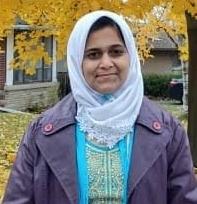
Khadija Kanwal Khanam

his is the first part of the series called-Scientist Says-where we would be presenting research works of young scientists in various fields.

Khadija Kanwal Khanum has done her PhD and Postdoctoral fellow from Indian Institute of Science (IISc), Bengaluru, India (2010-2018). Presently, she is a postdoctoral fellow at the University of Waterloo, Waterloo, Canada. She shares with Rashida Bakait of India Tomorrow, her significant studies and research on “Solar Cells’’.

Q. What was the topic of your research at IISc and a brief explanation about the same?

Ans. The broad topic of my doctoral and postdoctoral research at Indian Institute of science, Bengaluru, was fabrication, characterization and analyses of organic and hybrid photovoltaics (solar cells) to enhance the solar cell’s device performances. Specifically, the title of my doctoral thesis was “Morphological Architecturing of electroactive materials in organic electronics”. In this research, organic and organic-inorganic (hybrid) semiconductor/electroactive materials are used, instead of inorganic semiconductor materials/silicon to fabricate the solar cells. The organic and hybrid materials compare to the inorganic materials/ silicon counterparts are lab synthesized materials with ability to easily tailor the band gap (as semiconductors), and require less energy during their solar cell fabrication hence cost-effective. However, these organic and hybrid solar cells have till now reported, less power conversion efficiency, PCE (>25%) and are less stable in environment and therefore, require extensive research before their wide commercialization.

 Q. What was the aim behind your research?

Ans. In this research, a different fabrication procedure was used called Electro-spinning, in order to enhance the light absorption as well as increase the charge (electron-hole) separation in the solar device, thereby increasing its PCE.

 Q. What kind of new aspects were highlighted in your research?

Ans. The highlighting parts of the research were 1).The active layer of the solar cell which is generally in a thin film form was modified to fiber and various other forms such as network (Khanum and Ramamurthy, 2016), photonic (Khanum et al., 2017), two and three-dimensional triangles (Khanum and Ramamurthy, 2018) and spike-spheres (Khanum et al., 2015) structures using electrospinning/ electrospraying method. 2). The modified active layers assisted in improving the solar devices’ light absorption by 19 – 31% and PCE by 23 – 68%.

Q. When did you begin and complete your research?

Ans. I joined IISc as a doctoral student, in Aug 2010 and subsequently took few advance and elective courses in polymer science and technology, nanotechnology, vacuum systems, sensors and material characterization for one year, in order to gain knowledge and understanding of the above subjects, which helped me in my research. I started my research sometime around June 2011, submitted my doctoral thesis in July 2015, defended the thesis in July 2016, and continued the research as research associate and postdoctoral fellow till Mar 2018.

 Q. What kind of challenges you faced?

Ans. Since organic electroactive materials used in this research are conjugated small molecules and polymers possessing, low molecular weight than conventional polymers hence, fiber formation using electrospinning was difficult. Therefore, lot of optimization of the electrospinning process parameters and modifications of the organic and hybrid materials used such as; preparation time, concentration and solvent used had to be meticulously carried out, during solar cells fabrication. Additionally, maintaining inert atmosphere both, during fabrication and characterization of solar cells required lot of patience and cautions, making this study iterative and time-consuming. For instance, it took almost two years in this study, to obtain first few successful solar cell devices.

Q. Any scholarships or awards for research?

Ans. For my PhD and postdoctoral research, major part of the funding was received as scholarship from Ministry of Human Resource Development (MHRD) and Institute (IISC) research associate fund while during last 15 months; I received scholarship from my Ph.D and Postdoctoral advisor from his project grant. I received few awards and grants to present the research work in various international conferences; Manish Narayan memorial award from Department of Materials Engineering, IISc in 2014, Indian Institute of Science support and grant in 2014 and 2015, Department of Science and Technology (DST) young scientist in 2016 and International Workshop on Advanced Materials (IWAM), Ras Al Khaimah, UAE travel grant in 2016 and 2018.

Q. How do you think your research would be beneficial to industry/ society?

Ans. Energy from sun that strikes the earth in a year is enormous, precisely equals to 3 x 1024 J, or about 10, 000 times more than current global energy consumption. Covering 0.1% of the earth’s surface with 10% efficiency solar cells would suffice the energy demand of the whole world (Siddiki et al., 2010). Therefore, my research of improving the light absorption and PCE of organic and hybrid solar cells through morphological architecturing would be one of the smart tools that can be used to trap and utilize the renewable and sustainable energy resource (solar energy).

Q. What was the conclusion of your research?

Ans. In conclusion, in this research `Electrospinning Processing Technique’ is evaluated as one of the novel processing techniques for morphology patterning, leading to improvements in structural, optical and opto-electrical properties of organic and hybrid electroactive materials. Further these electroactive materials based on morphological patterning were also evaluated as organic solar cells with 19 – 31% increment in light/ optical absorption and 23 – 68% enhancement in PCE (Khanum and Ramamurthy, 2016; Khanum et al., 2017; Khanum and Ramamurthy, 2018).

 Q. How do you think your research can be carried forward?

Ans. The research could be extended in studying the life stability and field performance of these solar cells. The research could also be extended by using electrospinning processing technique to generate more morphological structures than studied in this research (mentioned in Q3’s reply) and evaluate their properties in the field of photovoltaics/solar devices. The already generated morphological structures such as network, photonic, two and three-dimensional triangles and spike-spheres structures are made up of organic electroactive materials and can be explored in the field of sensors and medical applications as in drug delivery and as tissue scaffolds, therefore the feasibility in these areas could also be one of the future direction.

Q. Can you brief us about your current research?

Ans. Yes, my research at University of Waterloo, Canada is on nanocomposites materials employed in power industry. As the World’s energy demand seems to be all time high and increasing, the focus of research is now more on renewable and sustainable energy. The power industry needless to mention, acts as a bridge between all types of energy generation and the consumers. In my present work, the importance of nanocomposites materials and its processing with respect to power industry are researched. Nanocomposites are remarkable class of materials, consisting of various types of nanofillers which act as reinforcement in the matrix and thus enhance the desired properties. These nanomaterials have to be dispersed homogeneously in the matrix to gain optimized effects and therefore require special processing tools. Therefore, in this research, processing of various polymer nanocomposites of silicone filled with Silica and Alumina fillers are studied.

Q. Apart from your main research topic, would you like to list any other work you collaborated and worked on?

Ans. Yes, besides fabrication, characterization and analyses of organic and hybrid solar cells, I collaborated and worked on few other interesting topics such as– Developed silk and melanin nanofibers mats for the bio-application such as scaffolds for tissue engineering, evaluated the effectiveness of non-water based cleaning mechanisms for photovoltaic (PV) systems. Studied the influence of dust density and composition on performance of PV systems using Infrared (IR) radiation and assessed magnetic materials and their integration in fibre reinforced polymer composites for structural applications.

source: http://www.indiatomorrow.net / India Tomorrow / Home> Education / by Rashida Bakhait, India Tomorrow / March 17th, 2021