Tag Archives: Muslims of Amroha

Zubair Rizvi lived and died glorifying Urdu language

Amroha, UTTAR PRADESH :
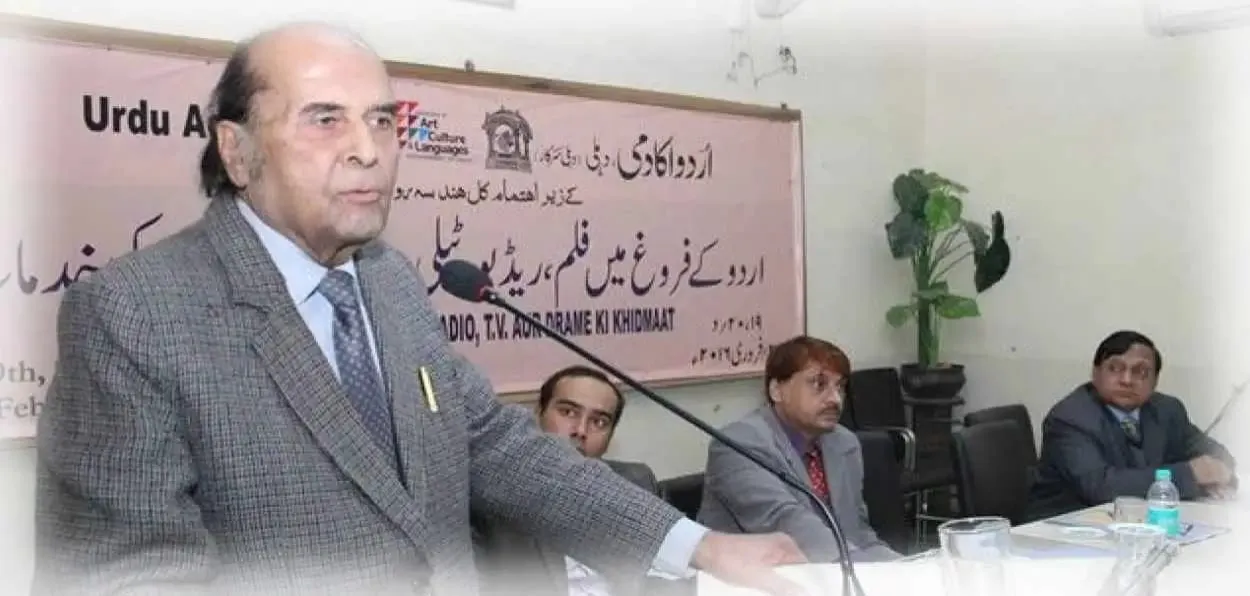
Zubair Rizvi speaking at a function of Urdu Academy

It was February 21, 2016. A seminar on Urdu was in progress in the Qamar Rais Hall of Delhi Urdu Academy of Delhi. The president of the Urdu Academy Zubair Rizvi rose to speak. He apologized for becoming emotional and said it was difficult for him to speak. Zubair Rizvi had been heading the Academy for 30 years and the audiences too it as the idiosyncrasy of a reputed poet. He left his speech midway and walked slowly to his chair and sat down in it. Rakim Numan, the chief guest, who was seated close to him found him feeling uneasy. He rose and rushed towards Zubair’s seat. Before he could pour water from his bottle to the doyen of Urdu litterateur, he had collapsed.

Majid Deobandi, vice chairman of the Academy immediately ran towards Zubair. People lifted him and rushed him to the hospital. A few minutes later Zubair Rizvi was declared dead.

The gem of a litterateur from Amroha, Uttar Pradesh, died working till his last breath and amidst fans and admirers. He was laid to rest the same day in his ancestral cemetery in Amroha.
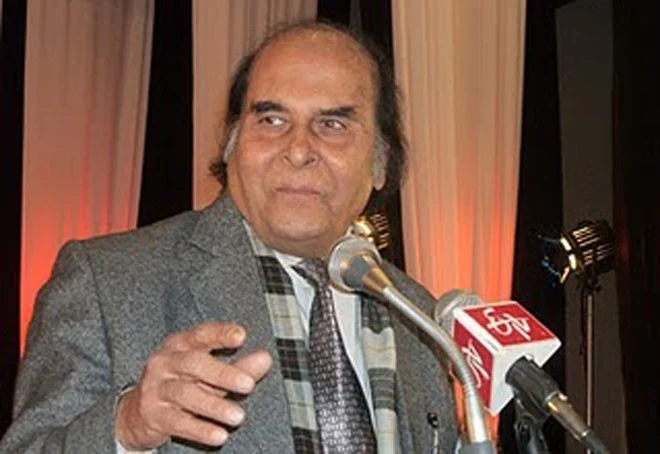
Zubair Rizvi

Zubair Rizvi was a writer par excellence. He was also the best scholar with an awakened consciousness about the literary heritage of Urdu. As a popular poet, he enjoyed adulation and cherished admirers. He made his mark as a successful poet in mushairas all over the world including India Pakistan, Canada, etc., and introduced a new tone to contemporary poetry. He was also a successful broadcaster and a staunch intellectual critic. During his days with the All India Radio, he was posted as Station Director of the Rampur station for some time.

One of his famous poems, Yeh Hai Mera Hindustan, which he read with gusto at many a Mushaira, not only gained great popularity among Urdu lovers but was also included in many textbooks.

Zubair Rizvi was born on April 15, 1935, in a scholarly family in Amroha, Uttar Pradesh; the atmosphere in his family was filled with religious and spiritual fragrances. His father Muhammad Rizvi and his mother Fahmida Rizvi were famous religious and scholarly figures.

A distinguished poet, Zubair donned many hats in his prismatic career: Broadcaster; Secretary, Urdu academy; Lecturer, Mass communication; Jury for AIR, Writer, and Magazine composer.

He began his career at the famed Hamdard Dawa-Khana, followed by a position as an interviewer, scriptwriter, and interviewer at AlR, Delhi where he interviewed celebrities such as Amitabh Bachchan, Dharmendra, Lata Mangeshkar, and Dilip Kumar.

He rose to the position of Director of Sports at AIR.
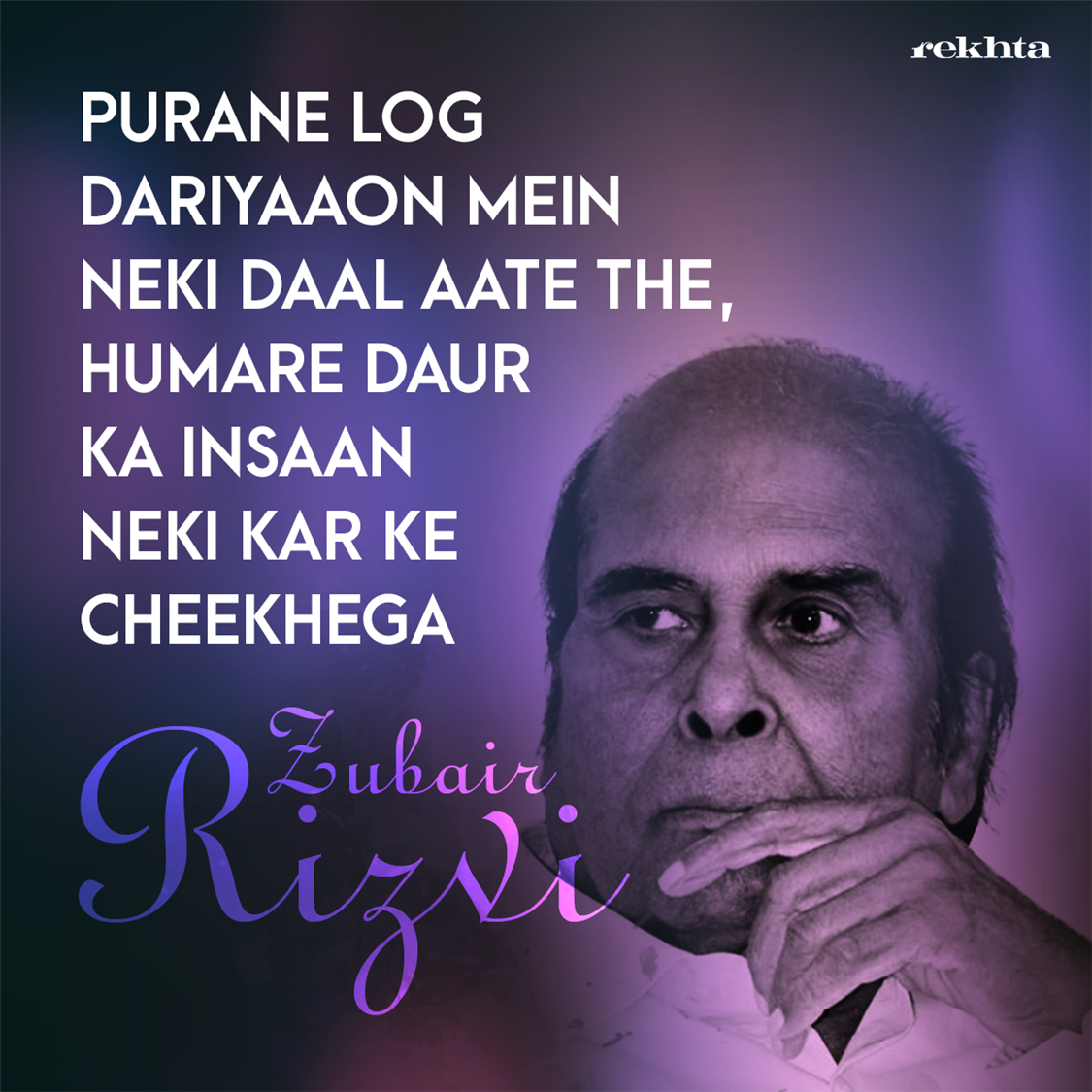
A sher of Zubair Rizvi 

A postgraduate of the Delhi University, Zubair Razvi, joined Urdu Academy, Delhi as Secretary after 30 years of service at All India Radio. He was the director of the Urdu Academy for two years, and during this time he did an incredible job of promoting and helping Urdu lovers learn the language. He held seminars on popular topics such as The Role of Urdu in Bollywood which was attended by Yash Chopra, Gulzar, and Farooq Shaikh to name a few.

He was appointed a member of many jury committees for script selection and also appointed as a guest lecturer in the Department of Mass Communication at Jamia Milia Islamia Delhi.

His journey as a poet started from Hyderabad at a very early stage; around the 1950s. He had the chance to share the stage with then-famed poets like Kaifi Azmi and Ali Sardar Jafri. Soon, he made a place for himself as an Urdu Poet. Be it critics or less-informed audiences, Zubair Rizvi is regarded very highly by both as an Urdu poet, writer, and a significant contributor to Urdu Literature.
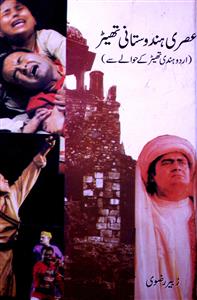
Cover of one of Zubair Rizvi’s books

In verse, he mainly tried his hand at Ghazal, Nazm, and Geet. He has over 17 books to his credit, some of the more important ones among these include, Lahar Lahar Nadiya Gahri (Collection of Poems), Khisht-e-Deewar, Musafat-e-Shab, Purani Baat Hai, Dhoop Ka Saibaan, Ungliyaan Figaar Apni, etc.

Two books have been written on his life and work and he has compiled and edited 24 books.

His remarkable contribution to the field of literature can be fathomed by the breadth of awards he amassed during his lifetime. These included: The All India Radio New Delhi- External Services Division Award; Sant Gyaneshwar National Award for the year 2009 by Maharashtra Urdu Sahitya Academy; All India Mushaira Award of Honor S.C.D. Govt College SAHIR Memorial Society Ludhiana (2002); Urdu Academy Delhi Award for Ghalib Aur Funoon-e-Lateefa; Consulate General Of India, Jeddah, Saudia Arabia- Certificate of Appreciation; Certificate for Sufi Studies-Maharaja Ranjit Singh Police Academy (2001); Karnataka Urdu Academy, Bangalore; Urdu Academy at Delhi Secretariat presented an award to his book Sang-E-Sada; Uttar Pradesh Urdu Academy, Lucknow Award for Sang-E-Sada (2014); National Council for Promotion of Urdu Language -World URDU Conference (2016).

As a poet, his beyond-the-borders following can be gauged by the different mix of mediums that his works have featured. A few of these special features include: Door Darshan Serial “Khali Haath”, written by Dr. Harikrishna Devsare, had Zubair Rizvi’s lyrics. In five Indian states, the NCERT Urdu curriculum has selected Zubair Razvi’s iconic patriotic song” Yeh hai Mera Hindustan, Mere Sapnon Ka Jahan Is Se Pyaar Mujhko” for school textbooks. He was also quite famous for his recitals and was invited to Mushairas in Asia, Canada, Europe, and especially America where he once performed in 15 different states in one tour.

Zubair Rizvi’s passion for Urdu was undying, and to spread this language of love to lands far and wide, he started the famous magazine Zehn-e-Jadid – Bari Zaban Ka Zinda Risala, which is now being published and edited by his wife Jamshed Jahan.

source: http://www.awazthevoice.in / Awaz, The Voice / Home> Stories / by Siraj Naqvi / December 12th, 2023
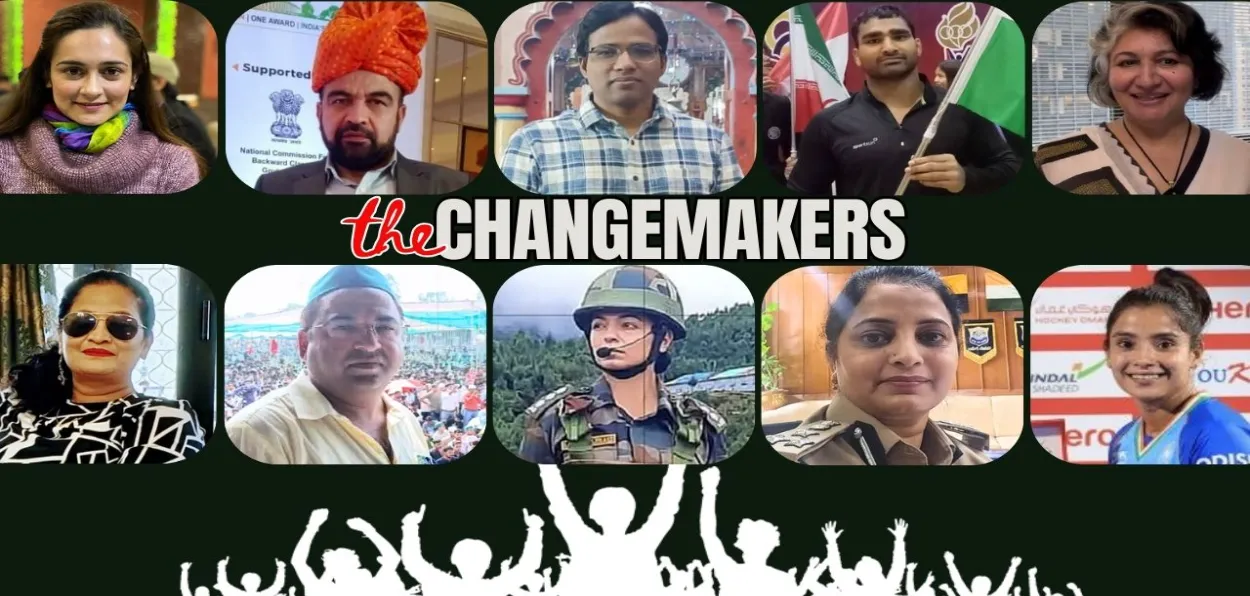
10 trailblazers of Uttar Pradesh reshaping India’s future

UTTAR PRADESH :

New Delhi :

While media spotlight often shines on celebrities and politicians, the real engine of India’s progress runs on the resolve of countless unsung heroes who, away from limelight, quietly transform society.

From national defense to grassroots education, sports, science, and civil service, these individuals from Uttar Pradesh show how courage, compassion, and conviction can drive extraordinary change. Here are 10 such trailblazers whose stories deserve to be heard:

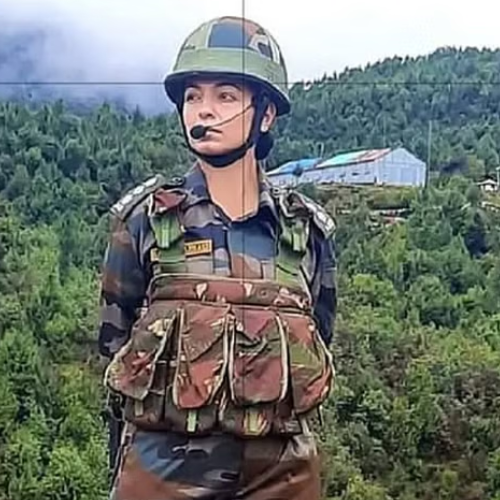
Captain Sariya Abbasi: A Woman in Uniform on the Frontlines

Hailing from a small city of Gorakhpur, Uttar Pradesh, Captain Sayria Abbasi broke every convention to join the Indian Army. A graduate in Genetic Engineering and with plenty of job offers and career opportunities from big companies was not enough for her to pursue in life. The call of service for the motherland was too strong to be sacrificed.

The world noticed her as a soldier deployed at the Line of Actual Control (LAC), India-China temporary border, manning an Air Gun. Today, Sariya leads drone-killer teams and operates L-70 anti-aircraft guns on the border. Her journey from an academic achiever to a defender of the nation’s borders is not just about military precision; it’s about shattering glass ceilings and reshaping how India imagines women in uniform.

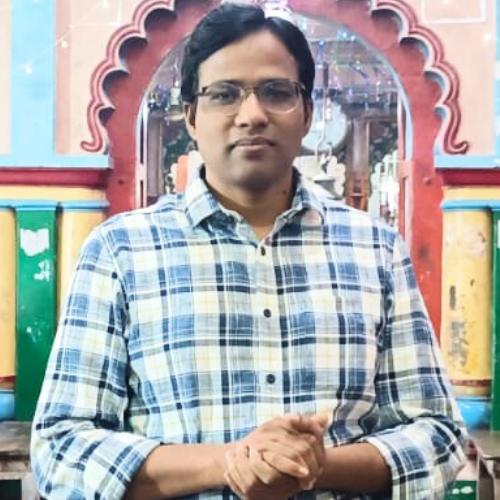
Dr. Faiyaz Ahmad Fyzie: Voice for the Voiceless Pasmanda Community

Dr. Faiyaz Ahmad Fyzie, an AYUSH physician, is more than a healer—he is a public intellectual, columnist, translator, and relentless advocate for the Pasmanda (socially backward) Muslim community. Raised in modest conditions, his rise to national recognition is built on fearless writing and tireless grassroots work.

When even the Prime Minister refers to Pasmanda voices, Fyzie’s years of advocacy resonate. His pen continues to empower those whose struggles were long silenced. His work is a call to conscience—and a roadmap for inclusive discourse.

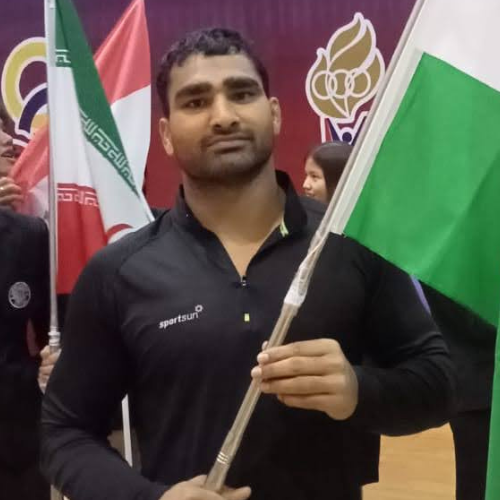
Mohammad Luqman Ali: Wrestling His Way to Glory and Degree

Wrestler Mohammad Luqman Ali, a student of Social Work at Jamia Millia Islamia, is balancing body and brain. Born in Amroha’s tiny village of Mohraka Patti, his father worked on the railways, and his mother gave him religious grounding. Despite limited resources, Luqman’s grit has earned him recognition in India’s wrestling circles.

From the mat to the classroom, his dual commitment shows that excellence doesn’t require compromise. It requires discipline, heart—and a family’s belief in you.

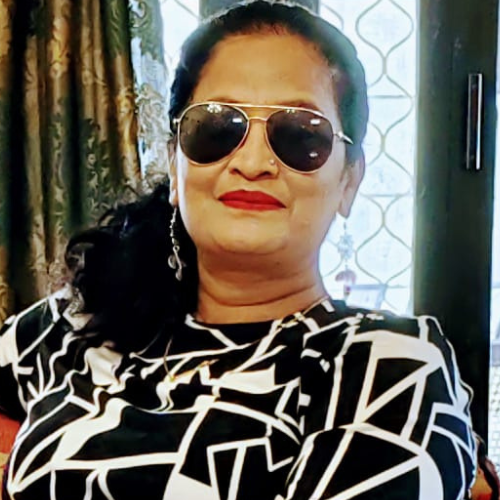
Rubina Rashid Ali: Reviving Mughal-Era Art with a Modern Mission

In a sun-drenched corner of Aligarh, Rubina Rashid Ali has quietly built a movement. Her work in floral appliqué embroidery, a legacy of Mughal art, now supports dozens of women in Aligarh and Rampur. What was once an undervalued craft monopolized by middlemen has been transformed by Rubina into a vehicle for women’s economic empowerment.

Her home resonates not only with the sound of needles and threads but also with the hum of independence. “Real artists were reduced to laborers,” she says. Today, she ensures their hands are not just working — but also earning.

Babban Mian: A Gaushala Keeper Inspired by His Mother’s Love

At Madhu Sudan Gaushalla in Bulandshahr, Babban Mian tends to cows not out of ritual, but reverence — inspired by his late mother Hamidunnisa Begum. “She loved cows like her own children,” he recalls. After she passed away in 2015, Babban vowed to preserve her legacy.

Despite being a Muslim in a Hindu-dominated tradition, he runs a government-recognized shelter rooted in compassion, not controversy. For him, animal welfare is a universal value — not a communal issue. His work quietly redefines what shared culture and interfaith harmony look like.

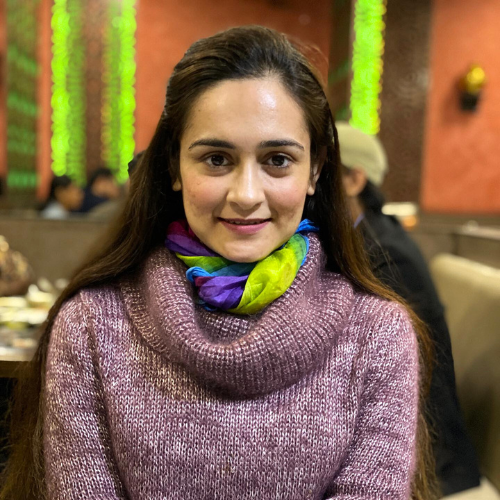
Khushboo Mirza: From Amroha to the Moon with ISRO

 Khushboo Mirza, scientist at ISRO and part of the Chandrayaan-1 and Chandrayaan-2 missions, is a stellar example of perseverance. After her father’s death when she was just seven, her mother raised three children alone, running a petrol pump and defying social norms.

Khushboo earned a Gold Medal in Electronics Engineering from AMU and was the youngest member of the Chandrayaan-1 checkout team. A practicing Muslim and a symbol of India’s scientific aspirations, she turned down corporate offers to reach for the stars—and took a whole generation of girls with her.

Zaheer Farooqui: A People’s Leader with a Vision for Purkazi

In western UP’s Purkazi, Zaheer Farooqui is rewriting what local leadership means. As Nagar Panchayat Chairperson, he donated land worth ₹1.5 crore for the area’s first Intermediate College and modernized local schools into PM Shri-certified institutions.

His initiatives go beyond classrooms. From India’s first double-storey government-run cow shelter to a gym for Muslim women, and one of the most sophisticated rural CCTV networks in the region — Farooqui’s governance is a blend of tradition and tech, equity and empowerment. His Tiranga Yatra revives local history, reminding citizens that patriotism is inclusive and action-oriented.

Dr. Farah Usmani: From AMU to Global Health Leadership

On a cold morning in New York, Dr. Farah Usmani stood outside an apartment, a folder in hand, her eyes bright with resolve. The daughter of Uttar Pradesh, she is today a formidable presence in global health policy.

n M.D. in Obstetrics & Gynecology from AMU, Farah sought impact beyond hospital walls. Armed with a Master’s in Health Policy from LSE and the London School of Hygiene & Tropical Medicine, she’s led transformative health initiatives around the world. Her journey is one of intellect guided by idealism — a doctor who chose not just to heal individuals but to reform systems.

Anjum Ara: Bridging Communities Through Compassionate Policing

Hailing from Azamgarh’s Kamharia village, Anjum Ara, a 2012-batch IPS officer, has redefined the image of policing with a human touch. A computer engineer by training, her journey from Integral University to Senior Superintendent of Police in Shimla has been marked by integrity and reform. Known for her work in cybercrime and her community-focused policing model, Anjum is also a fierce advocate for girls’ education.

Together with her husband, IAS officer Yunus Khan, Anjum adopted the cause of Khushdeep, the daughter of a martyred soldier, pledging to support her upbringing. This act of empathy mirrors her professional ethos, proactive, principled, and deeply people-centered.

Mumtaz Khan: From Vegetable Stall to World Hockey Stage

From the bustling alleys of Lucknow’s Cantt area to the turf fields of South Africa, Mumtaz Khan’s journey is pure grit. Once helping her father at a vegetable stall, a single race at school changed her life when Coach Neelam Siddiqui noticed her speed. That moment set her on a course to become a leading forward in India’s Junior Women’s Hockey Team.

Her standout performance at the 2018 Youth Olympics, where she scored 10 goals, earned her national acclaim. Yet, Mumtaz remains rooted, balancing hope and humility as she eyes the Olympics. She is proof that dreams born in dusty streets can blaze across international arenas.

These ten changemakers hail from Uttar Pradesh, from narrow village lanes to bustling metros, from battlefields to laboratories. But they are united by one thing:  quiet, relentless courage. In their lives, we find the India that persists, uplifts, and transforms—not with headlines, but with hard work.

Tap HERE to watch the video

source: http://www.awazthevoice.in / Awaz, The Voice / Home> The Changemakers / by Vidushi Gaur / May 24th, 2025