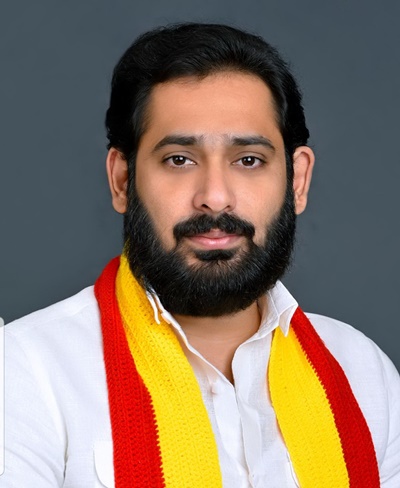
Dr. Shamsheer Vayalil, Chairman and Managing Director of VPS Healthcare Group, has announced a donation of AED1 million to the 1 Billion Meals initiative, the largest of its kind in the region, which aims to assist and provide sustainable food support to the underprivileged and most needy groups in 50 countries in the Middle East, North Africa and the world – in particular children, refugees, displaced persons, and victims of disasters and crises.
The 1 Billion Meals initiative, organised by the Mohammed bin Rashid Al Maktoum Global Initiatives (MBRGI), provides food support in coordination with the United Nations’ World Food Programme (WFP), the Food Banking Regional Network (FBRN), the Mohammed bin Rashid Al Maktoum Humanitarian and Charity Establishment (MBRCH), the United Nations High Commissioner for Refugees (UNHCR), the UAE Food Bank, as well as a number of local charity and humanitarian organisations in beneficiary countries.
Dr. Shamsheer Vayalil said: “We are honoured to contribute to the 1 Billion Meals initiative organised by MBRGI to provide aid and relief to those undernourished, which supports the global battle against hunger and represents the values of the UAE and its wise leadership in giving and expanding the scope of humanitarian work. This is especially true given the escalation of the global hunger crisis and the increase in the number of people affected by it, especially children, refugees, displaced persons, and victims of disasters and crises.”
The initiative, organised by the Mohammed bin Rashid Al Maktoum Global Initiatives (MBRGI), is a continuation of last year’s 100 Million Meals campaign, which ended up distributing 220 million meals, prompting the new goal of one billion meals.
Donors can contribute to the 1 Billion Meals initiative through the following donation channels – the campaign’s official website: www.1billionmeals.ae; bank transfer to the campaign’s account at Emirates NBD, number: AE300260001015333439802.
Donors can also opt to donate AED1 a day through a monthly subscription by sending “Meal” or “وجبة” via SMS to 1020 on the du network or 1110 on the Etisalat network.
Donations can also be made through campaign’s call centre via a toll-free number 8009999.
Making amends for wrongs done requires compassion and a human touch, says Sandeep Virmani of Hunnarshala Foundation
In 2013, Muzaffarnagar in Uttar Pradesh experienced one of the worst communal riots in recent history. Some 62 people died and more than 50,000 were displaced.
Hunnarshala Foundation helped resettle about 250 families who could not return to their original villages. It was a challenging project for the not-for-profit organisation, which has been working with communities in the area of housing and infrastructure for over 20 years now.
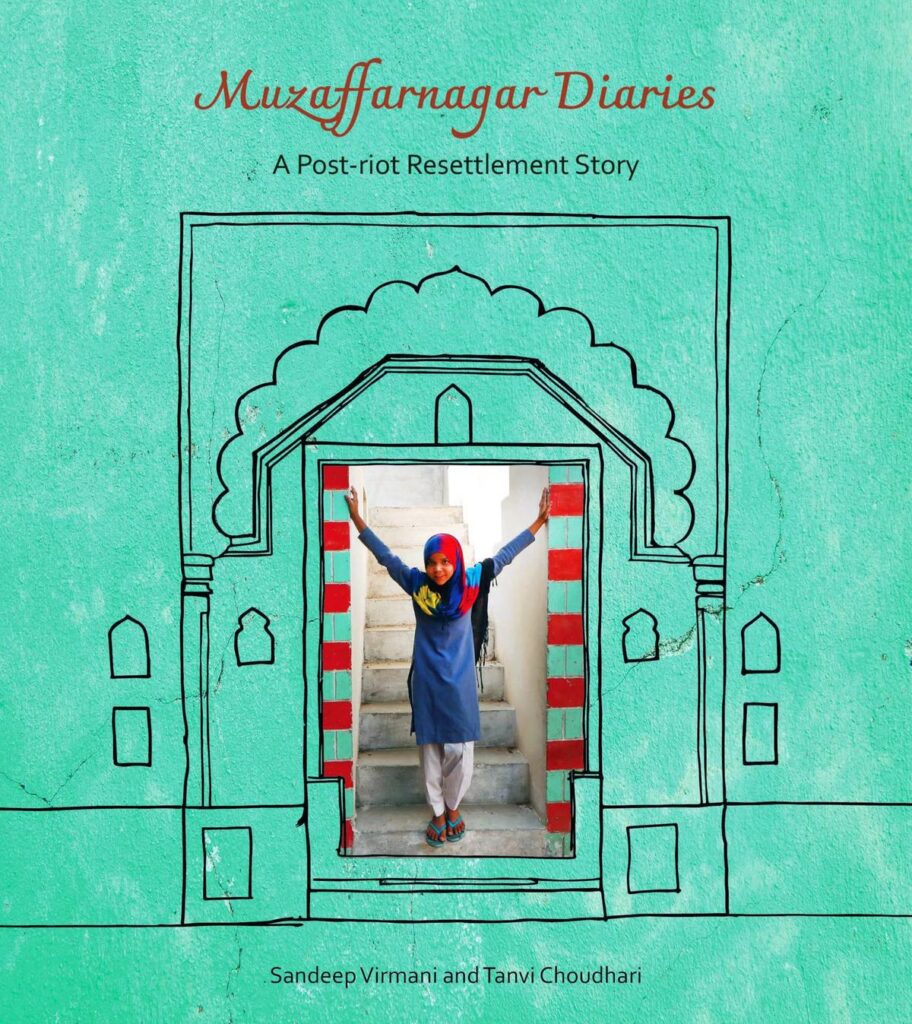
Muzaffarnagar Diaries: A Post-Riot Resettlement Story talks of how the project fell in place. Sandeep Virmani, Executive Vice-Chairman of Hunnarshala, spoke about the importance of empathetic resettlement in the context of this project. Excerpts from the interview:
What is the magnitude of the problem of internally displaced persons (IDPs) in India?
IDPs are people displaced from their homes and communities due to natural disasters, conflicts or development projects. In India, at any given point, we have between 40 lakh and 80 lakh people living in camps, away from home. Of these, about 20,000 are displaced due to conflicts — ethnic, armed, communal, or even targeted violence. India consistently features in the 10 worst affected countries in the world. Conflict victims are the worst hit since invariably, the state is involved in abetting violence or allowing it to happen. For this reason, unlike after natural disasters, very few people come forward to help.
How does Indian law fall short when it comes to reparative justice, especially for victims of incidents such as the 2002 Gujarat riots or the 2013 Muzaffarnagar riots?
Unlike cross-border refugees, IDPs don’t have any rights. Even though the Constitution requires the state to take responsibility for the safety of its citizens, there are no laws, policies, or statutory frameworks for reparative justice. The UN has ‘The Guiding Principles on Internal Displacement’ but these are not binding. Consequently, almost every such event requires the intervention of the courts to provide justice.
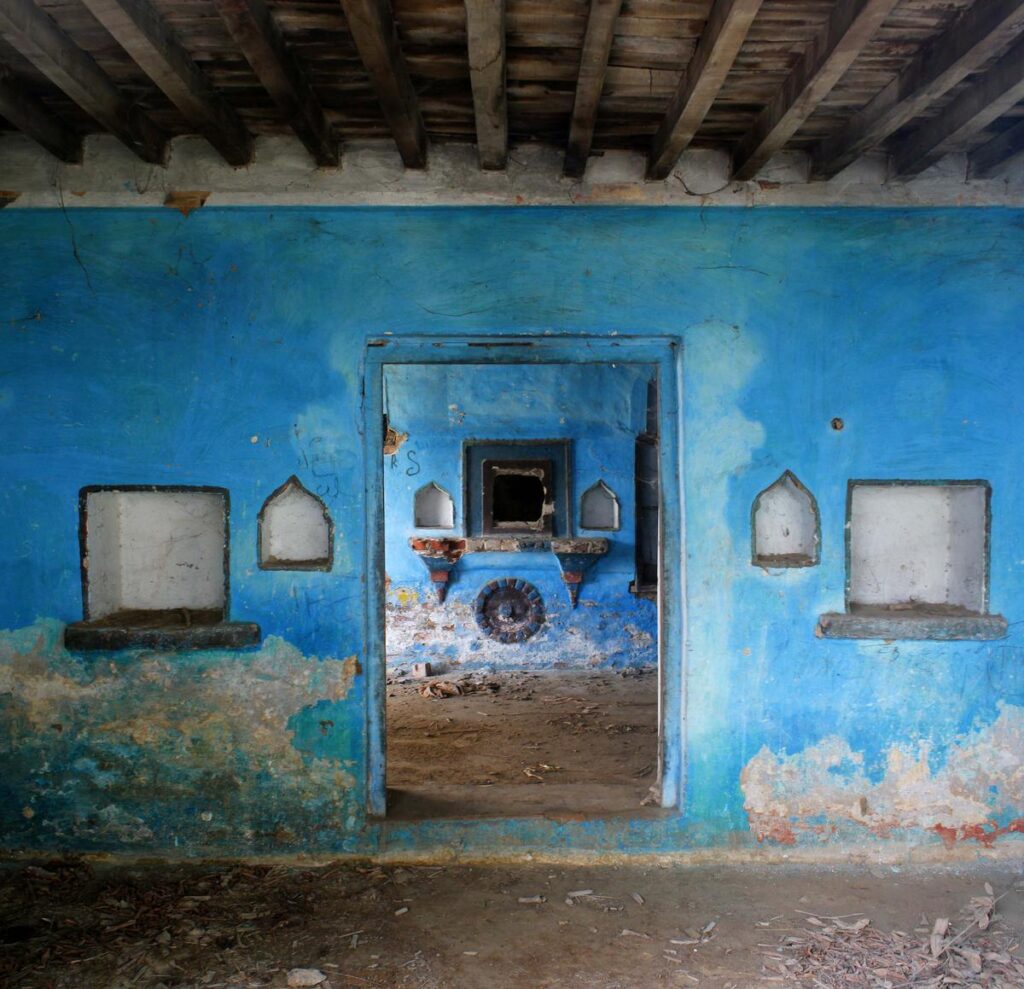
Ruins of a house in Kutba, Muzaffarnagar, after the riots.
The government grants compensation; ₹15 lakh was given per family after the Muzaffarnagar riots. But you call this the ‘compensation trap’?
Invariably, governments directed by the courts want to weigh the losses of IDPs financially and get away with compensation. While compensation for families who lost a member was raised to ₹15 lakh, displaced families who will never be able to return to their villages got ₹5 lakh. But making amends for wrongs done, so that the scars of displacement and loss are healed, requires compassion and a human touch. It requires apology, handholding until they are physically settled, integrated into a new society, so that they and their children can let go of fear. The shock and betrayal, sometimes even unfounded guilt, never leaves one.
When you took up this project, you went to Kutba to see the ruins of the destroyed homes. Can you talk a bit about the ‘culture of spaces’?
The design and skills used in building homes is the collective cultural expression of a community’s values. When you lose everything, you look for hope in two places: community and expression. The process of rebuilding provides both. However, after incidents like the Muzaffarnagar and Shamli riots, most families were scattered in unfamiliar places. It became difficult for them to get new homes. Most used the compensation to rebuild livelihoods and get some land but could not build homes. We helped the community procure land together, so that they were reunited. Giving a house is charity; one is grateful, but it doesn’t rebuild lost confidence. And, invariably, donors and governments give ‘modern’ houses, disregarding cultural moorings.
We wanted to understand their histories, ways of living, skills, aesthetic expressions, identities, before we facilitated the rehabilitation. So, we went to their old village in Kutba. It was difficult; there was fear of the dominant Hindu community, at whose hands they had experienced betrayal, violence, death. People with whom they had lived over generations, people who had convinced them not to migrate to Pakistan in 1947. A mason named Nawab finally agreed to take us there with police escort.
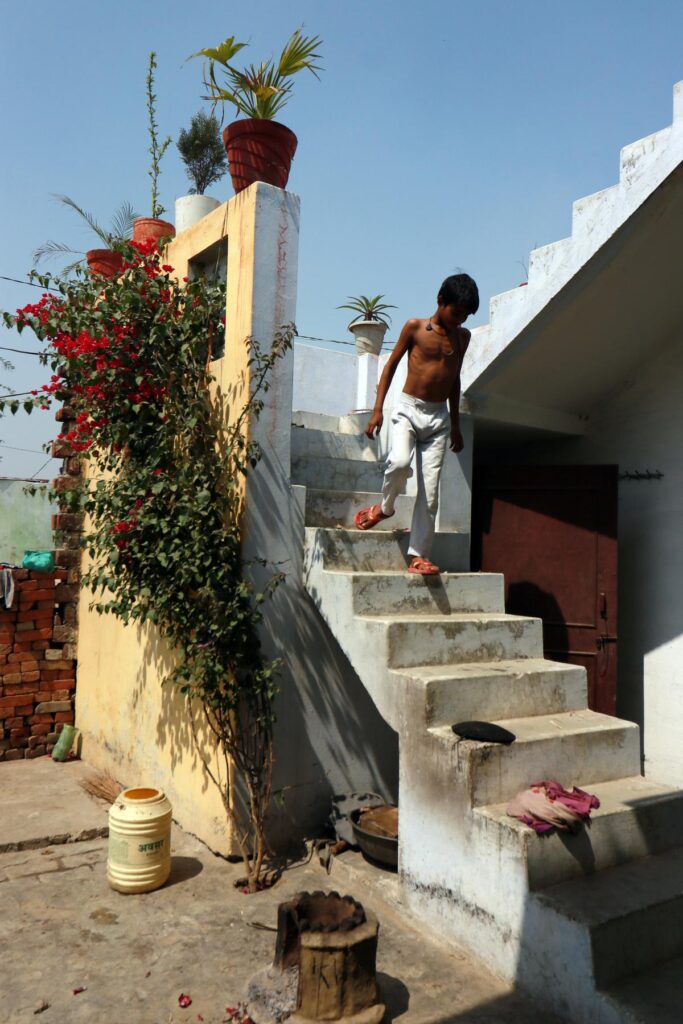
The central stairway in a new house built in Kairana, Shamli district (the ‘chulha’ or stove keeps changing places).
We found a unique lifestyle. For example, the khat (bed) determines the width of the veranda and even the staircase (it is carried to the first floor). The chulha (stove) shifts through the year from kitchen to veranda to courtyard. The old men sit at the juncture of street and house in a unique space called the ‘gallery’. The mother-in-law sits at the other end of the gallery, at a spot from where she can see every part of the house. The sitting room must be accessed straight from the street through a separate door. The houses always have potential for expansion to make room for newly-weds. Families make intricate patterns on coloured cement oxide floors with stencils made from newspapers. They mould concrete into aesthetic forms. The more elaborate the gate, the more the prestige… we found many such features.
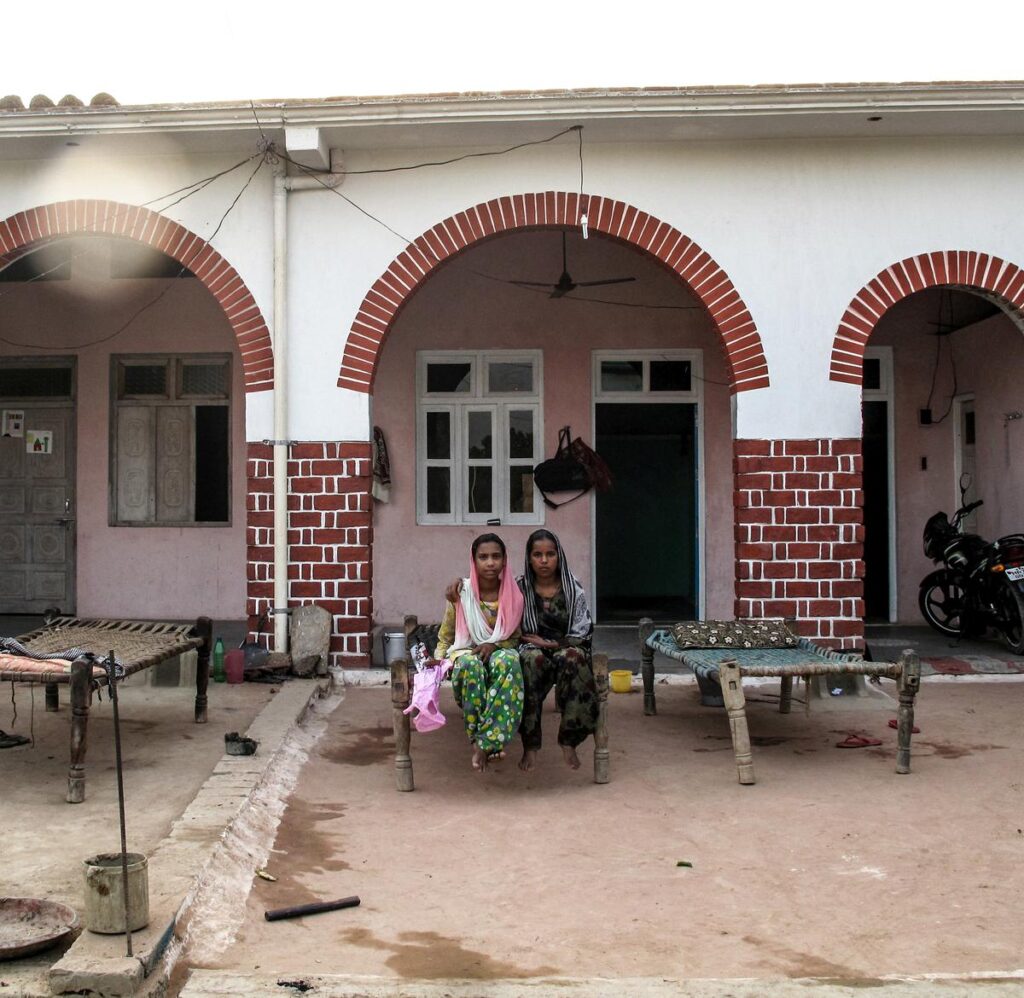
A new house in Arya Puri, Muzaffarnagar district, for a rehabilitated family. The house incorporates the classic archways and verandah and makes room for the all-important ‘khats’ (cots).
Your book speaks of how the villagers rejected open-brick facades for painted concrete. Is it a challenge to promote low-cost or green building in the hinterland?
On the contrary, villages are familiar with the advantages of, say, earthen walls or mud mortar for putting bricks together. It is possible to have an informed conversation with them, unlike urban people who reject such technologies based on bias or get fixated on a technology even when not appropriate. In rural homes, many parts of the house are left unplastered due to lack of funds, so exposed material has a different connotation — it means poverty. That is why they wanted to plaster and colour their walls.
Western UP is a seismic zone, but existing building practices are poor due to lack of resources; there is hardly any foundation, very thin mud mortar walls hold up heavy roofs. One shudders to think of earthquakes. We insisted on increasing costs by 15-20% to ensure safe housing. The villagers are extremely proud of this; they say they have the strongest homes in the city now.
Sandeep Virmani of Hunnarshala Foundation.
What is the nature of the partnership you entered into with the community?
In Shamli, we signed an agreement with each family articulating the roles of the family, the rehabilitation committee, and our organisations. We financed one room, the staircase, and the sanitation. The families paid for the rest.
Misereor Germany gave funding and HT Parekh Foundation supported all sanitation work. It was the government’s responsibility to provide roads, water and electricity, but finally we had to raise money for that too. The villagers were extremely resourceful. They got cheap material and support from former employers. Many local people helped, including a supplier who not just gave extensive credit, but also cash when funding was delayed.
NGOs Sadbhavana and Vanangna supported the rehabilitation committee to ensure that children gave their board exams in their old exam centres and didn’t lose a year. We helped with enrolments into schools, new identity papers, and resuming pensions. We also conducted psycho-social counselling with the children to help them overcome the trauma of loss and separation.
You insisted, for instance, that women be part of the Rehabilitation Committee. Do you think such interventions can have a lasting impact on social mores?
When a big social upheaval happens, it provides opportunities for making paradigm shifts in social norms such as patriarchy. Women are ready to change their roles in a new location where everyone has to contribute; men are ready to turn a blind eye to women in unconventional roles. This provides women the opportunity to not only demonstrate their abilities but also assure men that it doesn’t threaten them. For instance, women are very good at bringing consensus on difficult decisions. It particularly helps the girl child, as they see what is happening and adopt the changes permanently.
And what did you in turn learn from these families?
Perhaps the biggest contribution from the IDPs of Muzaffarnagar has been the building of the daat chat or shallow domes. When we visited the old homes in Kutba, we saw an array of beautifully crafted roofs made with bricks. These roofs look flat but are in fact very shallow domes, where all the bricks are in compression. It allows for flattening the top of the roof and building another storey on top. The masons who build these roofs are expert craftsmen. The importance of the shallow dome roof is that it can reduce the use of cement and steel by 70-75%. This is important; these two contribute most to carbon emissions from the building industry. The roof is cheaper than RCC and more durable. We saw homes with roofs that are 300-400 years old!
We researched and tested the roofs for seismic safety and invited the artisans to share their knowledge at a national conference in Delhi. Since then, many architects are adopting the shallow dome. Artisans are invited to architecture schools to demonstrate and teach the next generation.
Perhaps this is a befitting recognition of a culture and a people who did not deserve to be violently removed from their ancestral homes.
vaishna.r@thehindu.co.in
source: http://www.thehindu.com / The Hindu / Home> Society – In Conversation / by Vaishna Roy / April 16th, 2022
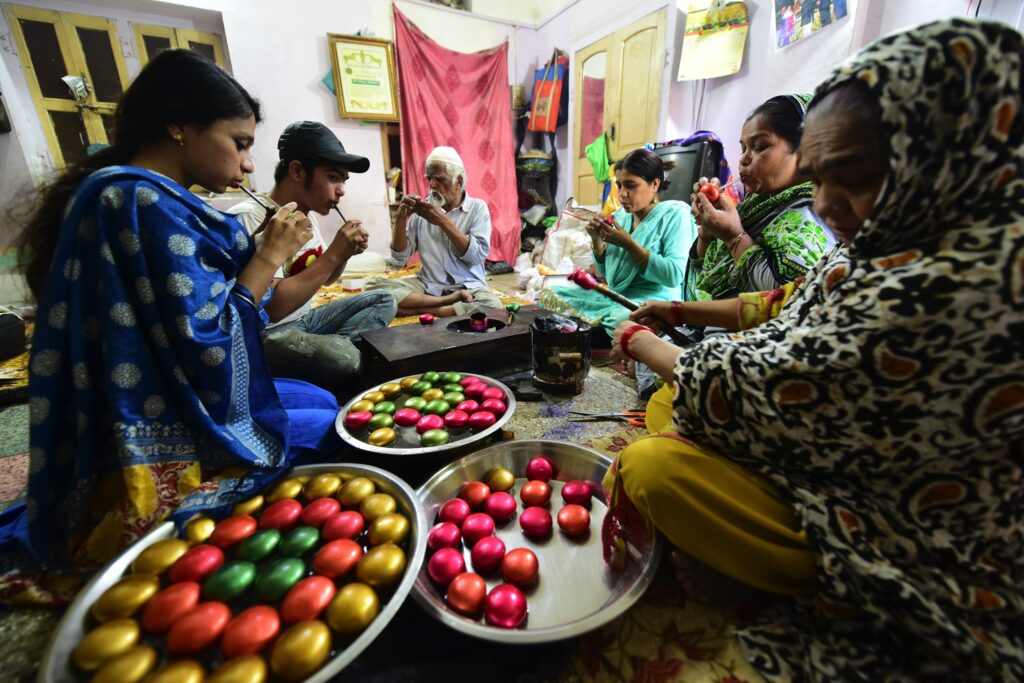
‘Gulal Gota’ is made with unique craftsmanship and compliments the festival of colours. | Picture by Tabeenah Anjum
Dozens of Muslim artisans in Jaipur have kept the 400-year-old traditional art form of Gulal Gota alive.
Jaipur :
The narrow lanes of Jaipur’s walled city are abuzz with festive fervour ahead of Holi, the festival of colours to be celebrated on March 17. Twenty-eight-year-old Amjad Khan, a seventh-generation lac bangle maker is busy selling Gulal Gotas (lac balls filled with colours) at his shop situated in the Maniharon-Ka-Raasta inside the Tripolia Bazar in the walled city of Jaipur.
Every year, two months ahead of the Holi, Amjad along with his eight siblings starts making the lac balls and fills them with colours before packing them in boxes. Amjad is not alone. Dozens of artisans in Jaipur have kept this traditional art form alive, which is as old as 400 years.
Gulal Gota is made with unique craftsmanship and compliments the festival of colours. After completing his basic education, Amjad learnt this art from his father late Babbu Khan. The family does not earn much from the sale of Gulal Gota but they don’t want to give up on this traditional art form that they have inherited from their forefathers.
‘Gulal Gota’ is made with unique craftsmanship and compliments the festival of colours. | Picture by Tabeenah Anjum
“In the last two decades and especially from the last two years because of the pandemic, the demand for Gulal Gota has come down a bit but for the love of this art form, we want to keep it alive and pass this to our next generation irrespective of gender. My siblings, mother and late father used to participate. It brings families together,” Amjad shared.
“Every year for two months our entire family gets busy making Gulal Gotas. It is an art to add colours in the lac containers. It is again re-heated and then, with the help of a steel rod and the air is blown into the small balls. We fill it later with organic colours. We are not even earning 50 per cent of what we are spending to make these balls but we are only doing to make the Holi special,” Amjad said.
Each ball weighs from 10 to 20 grams and costs anywhere between Rs 100 to 150.
The Gulal Gotas are still popular with traditional families and are used at the famous Govind Dev Ji temple in Jaipur. According to the popular view of historians, Sawai Jai Singh II brought the artists from Amber to the walled city and developed the unique art of Gulal Gota. Even today during the annual Holi celebration at the city palace, revellers throw these balls at each other and get smeared with colours without hurting anyone.
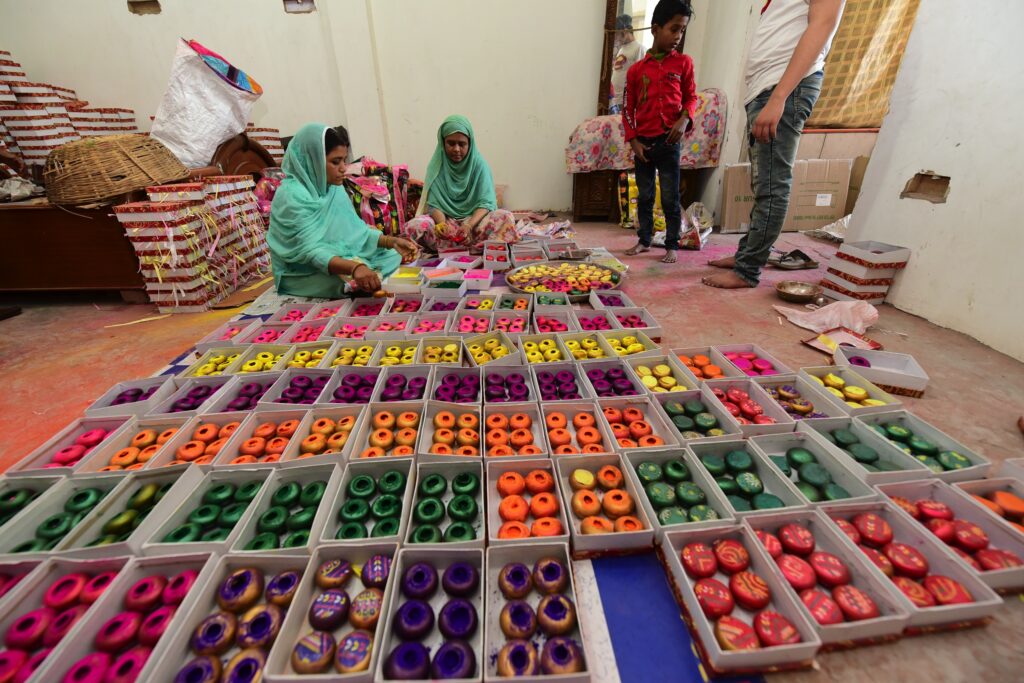
Boxes of Gulal Gotas being prepared for sale. | Picture by Tabeenah Anjum
Apart from states such as Madhya Pradesh, national capital New Delhi and Uttar Pradesh, it is shipped to other parts of the world including Canada, Britain, Australia, Spain, France and Nepal. However, packaging the balls needs careful handling to avoid the risk of the balls bursting in their wrapping. The balls are sold in packs of 6 or 8.
Those involved in the production of these balls belong to the Muslim community. Awaz Mohammed, a national award-winning artist who has been in this field for seven generations said, “This is a beautiful gesture and brings two communities together. The only sad part is that for an artist the sale from Gulal Gotas is not enough to sustain their livelihood.”
Awaz’s daughter Gulrukh Sultana who is a trained lac artist not only learnt the art from her father but is also sharing the skill at national institutes across India such as NIID, JJ School of Arts, Pearl Academy etc.
“Making lac artifacts is an intricate and unsafe job, but I want to share this art and skill with the future generation. It is the passing of tradition and heritage Jaipur is proud of. Lac is delicate and it needs proper handling. I have trained so many artists in different cities and also given demonstrations internationally,” said 35-year-old Sultana, a recipient of the state award in 2009 and a UNESCO award in 2013.
Looking at the market and interest of the younger generation, Sultana is apprehensive about whether this art could be saved. “Since there is not much earning, it is less attractive for youngsters to learn this skill but at the same time the government should come up with lucrative initiatives and ensure the art is kept alive”, she added.
Tabeenah Anjum is a journalist based in Rajasthan reporting on politics, gender, human rights, and issues impacting marginalized communities. She tweets at @TabeenahAnjum
source: http://www.twocircles.net / TwoCircles.net / Home> Lead Story / by Tabeenah Anjum, TwoCircles.net / March 16th, 2022
8 yrs into venture, V Hakeem has over 150 cows and supplies 650l of milk daily, reports A SATISH
Palakkad :
By 2am, V Hakeem is on his feet. He then goes to his coconut grove, located more than a kilometre away, and wakes up his eight migrant workers. And they begin work at his dairy farm in the village of Kamblichungam near Chittur. Hakeem’s foray into dairy farming happened with the cost of purchasing manure for his coconut grove becoming unaffordable. “So I decided to set up a dairy farm inside the grove,” he recounts.
Eight years down the line, Hakeem now has more than 150 cows and supplies 650 litres of milk daily to the Panniperunthala milk society, of which he is the president.
On Friday, he received the district’s best farmer award instituted by the dairy development department. Last year, he supplied 1.36 lakh litres of milk. Animal Husbandry and Dairy Development Minister J Chinchurani gave away the award. “It is the involvement of the farmer that brings in the results,” Hakeem says.“Apart from high-breed varieties like Holstein Friesian and Jerseys, we also have native varieties like Sahiwal, Vechur and Gir.”
He decided to set up the shed there as the cows can be housed in a cool place. “There are coconut palms on all sides, which helps the cattle stay cool and produce more milk. The only issue is that I have to replace the sheets of the shed occasionally as dry palm leaves fall on them.”
He now plans to install a machine that can automatically milk 20 cows in seven minutes. “It will reduce the workload,” he points out. Hakeem says dairy farmers should be given at least Rs 50 per litre to ensure a minimum return on investment, with the cost of feed and other inputs increasing substantially.
source: http://www.newindianexpress.com / The New Indian Express / Home> Good News / by A Satish, Express News Service / April 03rd, 2022
Hamied has successfully steered Cipla on an accelerated growth path with a focus on boosting margins, without diluting the core values it stood for.
Synopsis
“I am humbled and honoured to receive the ET’s Businesswoman of the Year Award. This recognition belongs to each and every one of our 25,000 employees who stand with Cipla, putting patients’ interests before their own and upholding our purpose of Caring for Life,” Hamied, executive vice-chairperson, Cipla, told ET.
Samina Hamied represents a rich legacy. Her grandfather, KA Hamied, a freedom fighter and nationalist, founded Cipla in 1935, making it one of India’s oldest pharmaceutical companies. Her uncle Yusuf Hamied is the doyen of Indian pharma known globally for making affordable generic AIDS drugs accessible to millions of patients in Africa and other low- and middle-income countries.
“I am humbled and honoured to receive the ET’s Businesswoman of the Year Award. This recognition belongs to each and every one of our 25,000 employees who stand with Cipla, putting patients’ interests before their own and upholding our purpose of Caring for Life,” Hamied, executive vice-chairperson, Cipla, told ET.
Hamied has successfully steered Cipla on an accelerated growth path with a focus on boosting margins, without diluting the core values it stood for.
Both as executive director from July 2015 and as executive vice-chairperson from September 2016, Hamied has been instrumental in driving the company’s transformation from a traditional low-cost drug manufacturer to one with a young professional management and an aggressive approach towards inorganic expansion. Under her, Cipla also restructured its business and has also initiated cost-optimisation measures.
She spearheaded Cipla’s entry into the US market with strategic acquisitions of two generic companies, InvaGen Pharma and Exelan Pharma, for $550 million in 2015.
From FY15 to FY21, Cipla’s US revenue grew close to five times. US business contributed one-fifth of the total revenue in FY21.
Cipla’s revenue from operations grew at a compounded annual growth rate of 7% in the last 5 years to Rs 19,160 crore in FY21. Ebitda margin and net profit rose 12% CAGR in the last 5 years to 22.5% and Rs 2,405 crore, respectively, in FY21.
During Covid, Cipla launched antivirals, antibody cocktails, testing kits, masks and sanitizers. Cipla’s India business grew 15% year-on-year to Rs 7,736 crore.
Hamied focuses on board and governance issues, furthering Cipla’s global partnerships, shaping its corporate culture and hiring the right talent.
source: http://www.economictimes.indiatimes.com / The Economic Times / Home> English edition> Business News> Industry> Healthcare-Biotech> Healthcare / by ET Bureau / March 28th, 2022
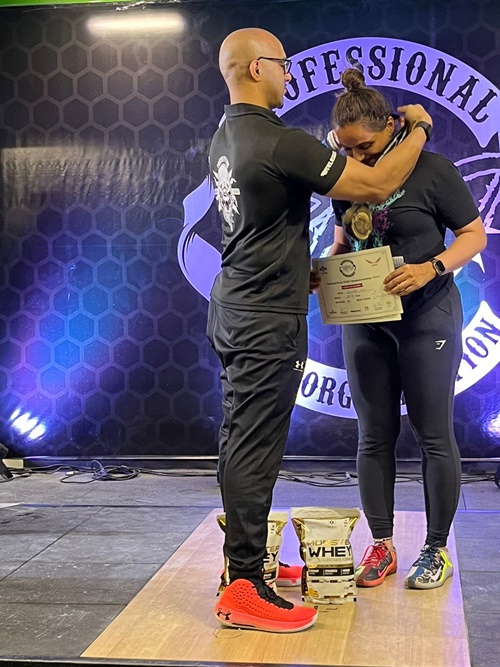
Powerlifter Gulshan Banu Kazi has not only made her native Udupi, India proud but also Dubai proud by securing a world record among the master category athletes in the Professional Raw Organisations Push-Pull Championship 2022, a national level event held in Bengaluru recently.
This sporting event held at Onyx Fitness was one of the most popular internationally sanctioned national powerlifting championships, consisting of three main events -Bench Press, Deadlifts and Push-Pull.
Record holder Gulshan Banu Kazi is a 43-year-old mother of three, working six days a week at a corporate office in Dubai.
A native of Udupi, she is from Udupi and an alumnus of St Cecily’s and PPC College here .
She is a competitive Powerlifter. Powerlifting is a form of competitive weightlifting in which the contestants attempt three types of lifts in a set sequence, squat, bench press, and deadlift.
Gulshan started powerlifting training in the year 2019.
The training is tough. She trains at least four times a week for about 90 minutes each time and keeps a watch on her nutrition intake and sleep pattern.
She has been participating in a powerlifting competition in UAE and did well there. One of her latest has been the Pro-League National Championship-2022 where she hit five personal records and registered a World Record in Deadlifts (U82.5kg Masters and Open Category) by pulling 180 kgs. She becomes the first woman of India in her age and her weight category to pull off this deadlift.
Last April, she participated in the WPC National Powerlifting Championship securing four gold medals in Bengaluru. Gulshan Kazi won the Best Lifter Award in the Masters’ category.
Gulshan used to be above 100 kgs till 2016 when she suffered from Rheumatoid Arthritis.
Resistance training and tracking her food intake enabled her to start losing weight and gaining muscle. Soon after, she was introduced to powerlifting and has been consistent at it ever since.
She is grateful to Raju Pal, her first coach who introduced her to powerlifting and taught her all the basics.
Now she is training under Mohammad Azmat who is a multiple-time national and international medalist in powerlifting, having won medals for India in different federations. He has been coaching her since 2020.
Gulshan Kazi is looking forward to her representation at World Championships and working hard to make India proud.
source: http://www.daijiworld.com / Daijiworld.com / Home> Middle East / by Daijiworld Media Network – DRD / March 22nd, 2022
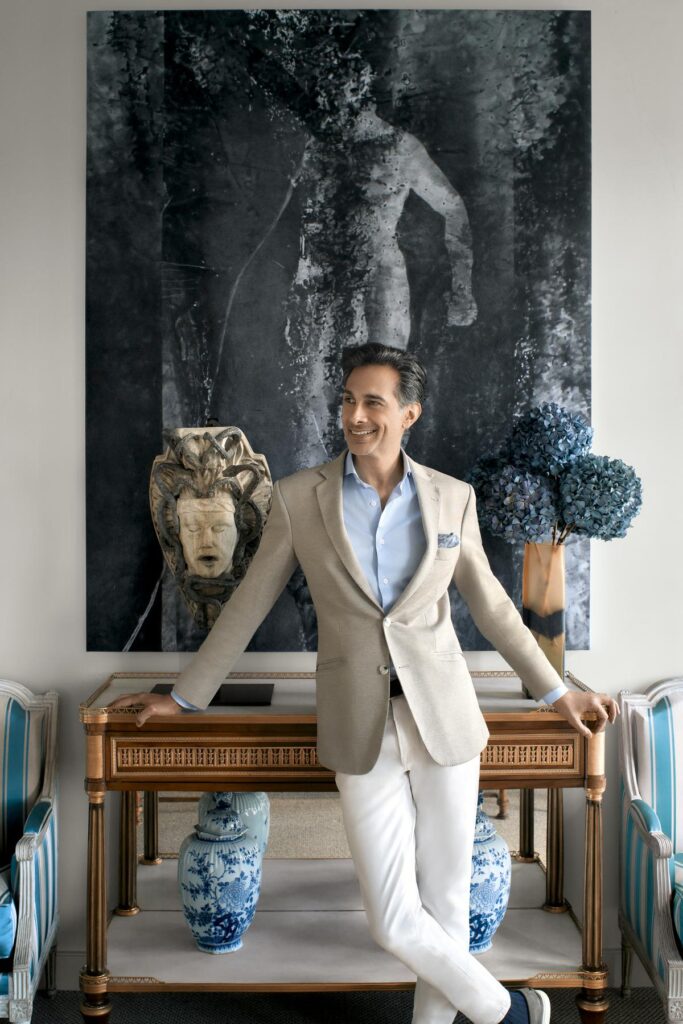
Amin Jaffer in his library dining room, standing in front of Yuntao Zhang’s painting of Cellini’s Medusa | Photo Credit: Architectural Digest / Antonio Martinelli
The Rwanda-born Indian curator, who has made the French capital his home, on the Al Thani collection’s first museum, his new book, and the importance of private collections
Writer, curator, collaborator, colonial furniture specialist: Amin Jaffer wears his titles effortlessly. And in the last couple of years, he’s added another one — that of Paris denizen — after he uprooted his English life of 25 years to move into a hôtel particulier (a grand townhouse) on Quai Voltaire along the Seine.
The move made sense. An “éminence grise of the international art world”, as an Architectural Digest article calls him (Jaffer is on the cover of the magazine’s 10th anniversary issue this month), he was “spending a lot of time in Venice, and the commute to London was becoming taxing”. But more importantly, his newest project, a private museum for the Al Thani Collection, is in the city, at Place de la Concorde’s Hôtel de la Marine.
“Sheikh Hamad bin Abdullah Al Thani was looking for a more permanent place to house the treasures of his collection,” says Jaffer, recalling how at the time, the French government body Centre des Monuments Nationaux was thinking of converting the former storage space for royal tapestries at the Hôtel — a four-year, €132 million restoration project. “They proposed that the Al Thani Collection could exhibit its masterpieces there.” With a 20-year agreement in place, acquiring a Parisian pin code thus gave him a twofold advantage, both with work and keeping up his continental way of life. (The last few weeks alone have seen Jaffer travel to Seville and Carmona in Spain and Parma and Venice in Italy.)
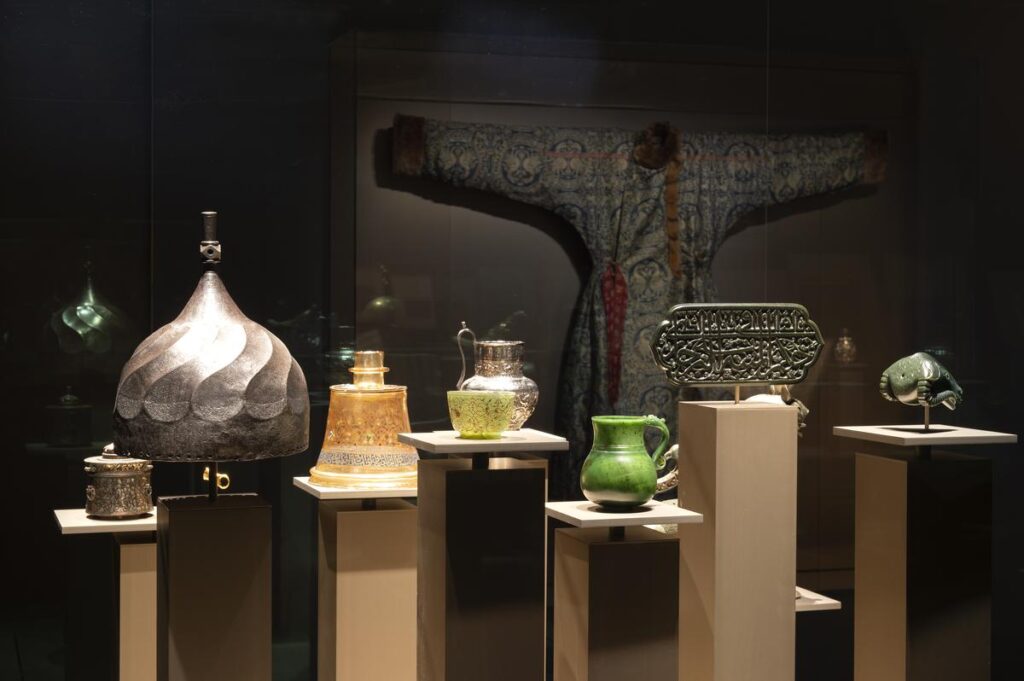
The Al Thani Collection at Hôtel de la Marine | Photo Credit: Marc Domage
Polaroid and a passion for art
The view of the Louvre from his third floor flat definitely tipped the scales in its favour. (The photos he shares on his Instagram, @aminjaffer_curator, are proof enough.) And the fact that Vivant Denon, the first director of the museum, had once been a resident in the 17th century building. Moreover, as he explains in an email that he squeezes in between flights, he’s always had a special connection with the Louvre. As a six-year-old, he had visited the museum with his mum, spending an entire day exploring its rooms, a Polaroid camera clutched tightly in his hands. He still has the photographs. “The adrenalin rush of seeing a great work of art inspired me then — as it does now,” he says, adding how by the time he turned 10 he had visited most of the major museums in Europe. “Other seminal moments include an early visit to the Musée des Beaux-Arts in Brussels and a trip to Rome to see the Vatican collections.”
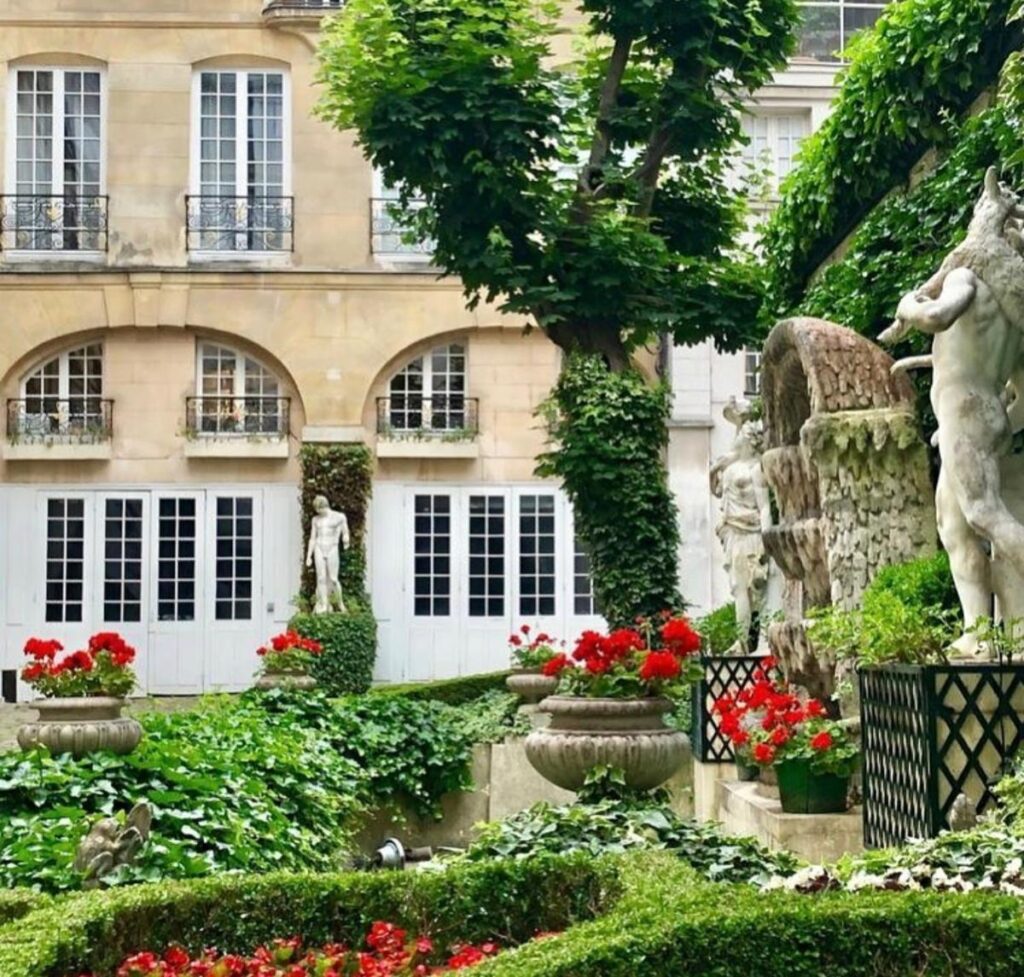
The courtyard at L’Hôtel de Beuvron with its Rococo fountain | Photo Credit: @aminjaffer_curato
But he nearly missed his calling. Born into an Indian business family in Kigali, Rwanda, a career in art wasn’t an option growing up. His subjects in university were economics and commerce! That is, until he chose the history of French opera and French Renaissance châteaux as his first year electives and reignited his love affair with the arts.
Today, Jaffer, who is in his early 50s, is not only the chief curator of the Al Thani Collection, but also works with leading museums around the world in a “curatorial role, focussed on public projects, exhibition programming and producing catalogues”. His resume includes long stints at the V&A Museum in London as curator and as the International Director of Asian Art at Christie’s.
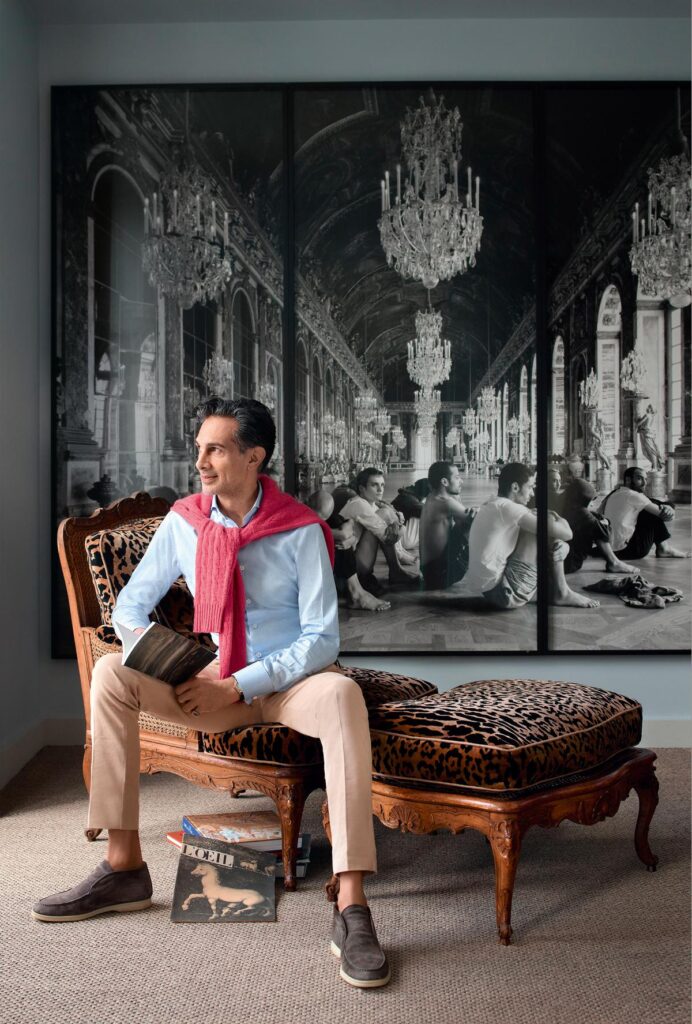
Amin Jaffer in his home office, sitting in front of a triptych by Reza Aramesh | Photo Credit: Architectural Digest / Antonio Martinelli
The perks of a private collection
“Born in central Africa, educated in Europe and America, I do feel something of a hybrid and I am drawn by works of art that are born from the encounter of two — or more — civilisations,” says Jaffer, who has recently “been fascinated by the fusion of Spanish and Amerindian culture, particularly in the domain of painting”. This ties in beautifully with the Al Thani Collection and its catalogue of more than 5,000 works of art drawn from across world civilisations.
It makes us wonder, how important are such private collections in the art world? “Pioneer collectors have vision and resources that compliment the public art offering,” he says, explaining how such collections play a significant role in the programming of national institutions. “Recent examples in Paris [besides the Al Thani Collection] includes the Bourse de Commerce and the Fondation Louis Vuitton. In India, Kiran Nadar has developed a programme of exhibitions around her collection that makes an essential contribution to the art scene,” adds the Indian art expert who played a key part in launching Christie’s first auction in Mumbai in 2013.
At Hôtel de la Marine | Photo Credit: Marc Domage
On board with digital
Jaffer’s personal collection is equally varied. A triptych by Iranian photographer Raza Aramesh, of Afghan refugees sitting in the Versailles’ Hall of Mirrors, takes pride of place in his home office, while a painting of Italian sculptor Benvenuto Cellini’s Medusa by Chinese contemporary artist Yuntao Zhang hangs in the library dining room. Elsewhere, Qing period armchairs, Louis XVI commodes, and Bouke De Vries’ Memory Jars are tucked into corners and under tables. “My most recent passions are French 18th century silver and hardstones from late Antiquity, especially objects in porphyry. I am learning more about Symbolist painting, too,” he says.
His days of confinement (as the French called the lockdown) helped broaden his base. When not watching life on the river, he was visiting digital museums and “researching parallel institutions” around the world. “What’s certain,” he says, “is that technology will play a greater role in the way we enjoy works of art — whether through the presence of more immersive, digitally-led exhibitions [such as the RMN Grand Palais’ immersive Venice show opening in autumn] or the sharing of information about works of art through digital platforms [like the one for the Palazzo Pilotta collection in Parma, which he experienced last weekend].” Does this mean he’s also on board with NFTs? “Of course, the phenomenon interests me,” he says, “but I do not yet have sufficient expertise to comment on anything in this new domain.”
The Al Thani Collection | Photo Credit: Marc Domage
Left Bank to the Concorde
For now, he’s back at his home at L’Hôtel de Beuvron, listening to Wagner and Mahler, and updating his Instagram. V&A’s new exhibition, Fashioning masculinities — on the male dress and its influences — has caught his eye, though he admits his personal wardrobe is rather formulaic. Tailored clothes in a limited palette of colours is the ‘uniform’, accented by pocket squares and ties that reflect the season or his mood. “Cufflinks are a weakness,” he shares, “and the best ones are by [Indian jeweller] Viren Bhagat, without doubt.”
Even as Jaffer immerses himself in life on the Left Bank, work at the museum is keeping up its momentum. “Some substantial pieces have been added to the collection in the past two years, which reflect the diversity of interests [of Sheikh Al Thani]. These will be shared with the public through displays at the Hôtel de la Marine,” he concludes.
source: http://www.thehindu.com / The Hindu / Home> Entertainment> Art / by Surya Praphulla Kumar / March 19th, 2022
At Falak in Bengaluru, a custodian of the old Urdu-speaking culture and culinary traditions brings storytelling to the table
While the lights of Dubai-esque skyscrapers speak of a new Bangalore and its ambition, the salubrious weather on the terrace is a testament to an old city — pleasant and genteel, never mind traffic, chaos or climate change!
This convergence of the old and the new is a theme, as I sit down to a meal at Falak, the new restaurant at Leela Bhartiya City. The meal is to flow like a quintessential 19th century Lucknowi dastaan (story), hyperbolic and stylised, to mimic the oral storytelling tradition, dastaan-e-goi.
In my bookcase, I have a copy of Tilism-i-Hoshruba, the truly first Indo-Islamic romance epic, an extension of the dastans of Amir Hamza, of the Persian tradition, albeit in translation. When it was first published, in a serialised form, between 1881-93, by the iconic Naval Kishore Press in Lucknow, it marked an important moment for the Urdu-speaking-and listening audience of northern India, long familiar with the Persian romance tradition — with fantasy, adventure and the implausible built in. But I turn to Hamza, to also dive into the inherent syncreticism on the pages, as the mores of a Persian world collide and merge with those of local Braj Bhasha-speaking cultures of the Indo-Gangetic plain.
Finding nuanced Avadhi in Bengaluru
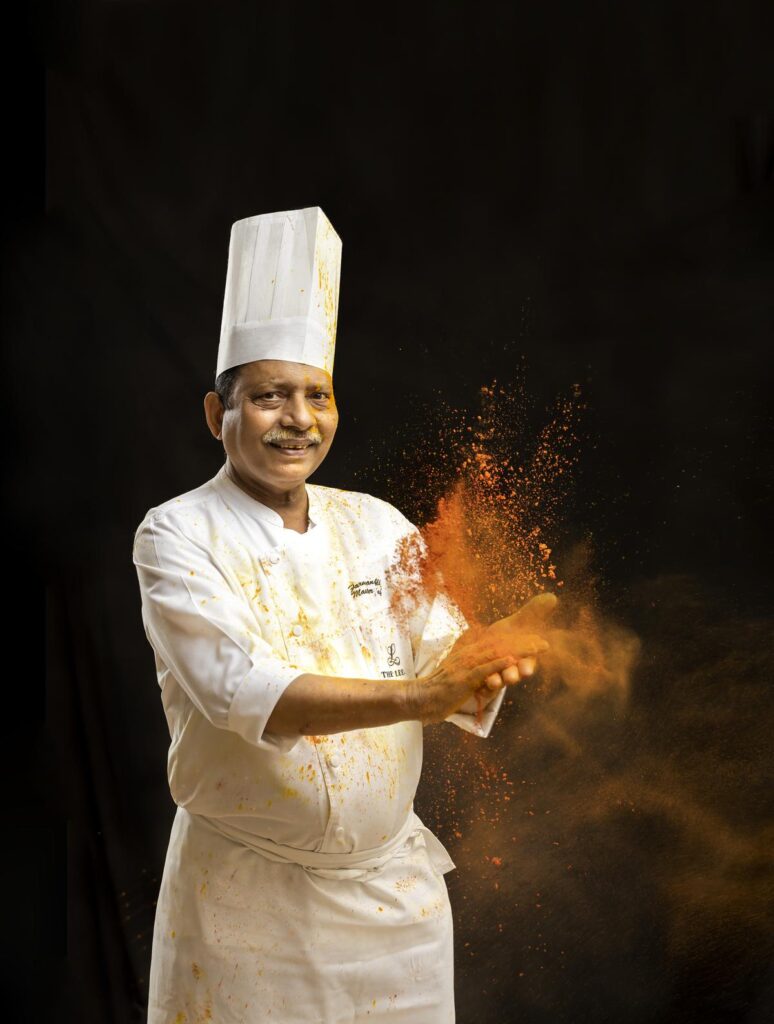
It’s a surprise to find a restaurant referencing this art form, to present Lucknowi (as also other Mughalai) dishes. Used to so much pastiche when it comes to Avadhi, the detailing in the menu is also unexpected. The food that arrives confirms that this perhaps is one of the most nuanced Avadhi/Mughalai restaurant opening in recent times — here in Bengaluru, rather implausibly, rather than Delhi, Mumbai or even London! Everything falls into place, however, when Farman Ali, all of 70, a chef who cooks behind the fiery range and sigri himself, and presides over the kitchens of Falak, makes his appearance.
When he hears about of my own Lucknowi antecedents, Ali abandons the idea of narrating food lore. With an extreme politeness that marks old Nawabi etiquette, he asks me, “ Ab aap ko kya dastan sunaye? [what possible tales can I tell you?].” And bursts into poetry, instead!
The rest of the evening goes by with the chef dropping verses from Daag or Ghalib or the other few who made 19th century Delhi one of the most literary cities in the world, even if we have forgotten that genre of poetry of lament created almost exactly at the time as Shelley, Wordsworth and the Romantics.
pix
Parts of an ancient story
For Ali, I realise, this is not performance — though it is quite in sync with modern chefs expected to be performative as they spend time building brands ‘front of the house’. Instead, this is a way of life, a culture that has all but completely faded. As the meal progresses — the nihari (pepper-laced stew of old Delhi’s spice market, concocted, according to lore, to ward off cold and flu thought to emanate from the Yamuna canal in Chandni Chowk) being replaced by the qorma ( nihari evolved into the subtle Avadhi qorma, catering to aristocrats who thought it ill-mannered to be smelling of spices after a meal) being replaced by the ‘ balai’ka tukda for dessert (not dubbed ‘ shahi’ royal bread pudding here; balai being the correct term for clotted cream) — we talk not food but art.
One of the dishes served at Falak | Photo Credit: Special arrangement
“After 1857, so many artisans and poets fled Delhi for the Deccan,” says Ali. “Culture spreads like this.” He is right, of course. But the ghazal or qasidas aside, it’s also the biryani that has diffused. Farman Ali’s is the old Delhi/Lucknowi style (he grew up in old Delhi and still has a house there) where rice is cooked in stock, and the ‘ pulao’ is not the layered and overtly spiced dish that its Hyderabadi cousin is. Old ‘Nakhlauwallas’ — such as yours truly — contend there was no Avadhi biryani at all, before the restaurants took over, just many fanciful and well-documented pulaos such as the ‘ moti’ (pearls) or the ‘cuckoo’, served with fried onions and thin yoghurt, no chutney or gravy.
The man behind Jamavar
Ali worked in restaurants in Delhi and Dubai before being handpicked by The Leela’s Capt CP Krishnan Nair to create the food of Jamavar nationally, to cook and serve pan-Indian food. Based in Bengaluru, he curiously escaped much national attention, retiring just before the pandemic, but was called back by the owners of Bhartiya City, foodies themselves, to cook food closer to his roots.
If cuisine is an expression of a culture, at a particular point in history, its custodians and storytellers are as important as the taste of dishes.
In India, at this moment in time, it is perhaps important to look back on the custodians of the old Urdu-speaking cultures and their culinary expressions. What kind of a society produced these stylised dishes? Farman Ali, in many ways, is the last of the great chefs, many of whom were feted much more and earlier in their careers than him — such as Imtiaz Qureshi of ITC Hotels (and his family, such as son-in-law Ghulam Qureshi of Dumpukht), and chef Ghulam Rasool of Taj Hotels.
source: http://www.thehindu.com / The Hindu / Home> Life & Style> Food / by Anoothi Vishal / March 19th, 2022
For 90 years, one optical store in our city has been framing and giving correct sight to Mysureans.
Ismail Optical and Co. on Sayyaji Rao Road, founded by Abubakar Ismail Sait and registered as A. Ismail & Bros on Feb. 16, 1932, was the first store selling optical devices, particularly spectacles with corrective lenses in city.
Speaking about how Ismail Optical Co. came into existence, Sadiq Sait, the present Proprietor and grandson of Abubakar, said that in the 18th century, a group of young entrepreneurs from Gujarat migrated to different parts of the country to try various business ventures and in South India they explored cities like Kochi, Hyderabad, Bangalore, Ooty and Madikeri, etc.
When the erstwhile Maharaja of Mysore learnt about these entrepreneurs who were in Kodagu, he invited them to start their business in Mysore. One of these entrepreneurs, was Sadiq’s great grandfather Ismail Sait, who started a supermarket called ‘Ismail Stores’ in 1878 in Mysore.
The Maharaja had gifted Ismail Sait a building to set up his supermarket. In fact it was so large that the building had 11 doors! Even to this day, one can see a painting depicting Jumboo Savari procession with old Ismail Stores in the background displayed at Mysore Palace, says Sadiq.
Ismail Stores was located near Olympia Talkies, which was earlier known as Shivarampet. The supermarket sold a variety of items including spectacles which was one of its kind in those days. When K.R. Circle was being constructed, the supermarket was demolished and the Maharaja then provided another store nearby.
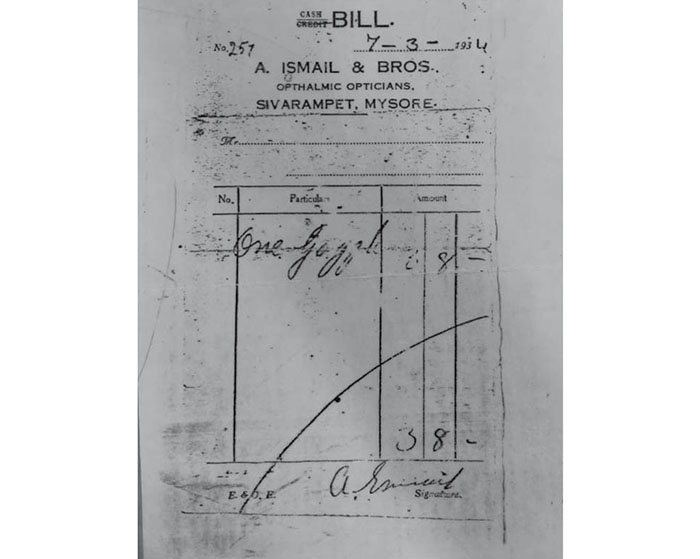
Ismail Sait’s son Abubakar Ismail Sait took over the supermarket business and then added a new exclusive optical store and registered it as A. Ismail & Bros in 1932. A receipt for goggles sold for Rs. 3 and 8 annas in 1934 is still preserved at the present store.
While the supermarket closed down, the optical store thrived. In 1971, the optical store was shifted to the present Devaraja Market building and this store was run by Sadiq’s father Gul Mohammed Sait, son of late Abubakar Ismail Sait. The store had already become famous by then for not only selling corrective lenses and frames but also for selling sunglasses to actors and film crew during film shootings.
Sadiq recalls his father selling sunglasses to actors Dr. Rajkumar, Dwarakish, Srinath, Amrish Puri, Jitendra, Anil Kapoor, Jackie Shroff and Prem Chopra. The store had also supplied spectacles to the members of the Mysore royal family during the regime of Krishnaraja Wadiyar and Chamaraja Wadiyar, he added.
Sadiq says, in the early days of the business, glasses and lenses were manufactured in their factory which was discontinued after 2005 as plastic lenses came to the market and the demand for glass lenses came down.
“Earlier there were no eye hospitals and only Ismail Optical was testing eyes. Employees of the Railway Department were being sent to the stores for eye testing. All was well untill the building caught fire in 1977 and the store was gutted. It was later renovated and by that time, many eye testing centres had come up,” Sadiq revealed.
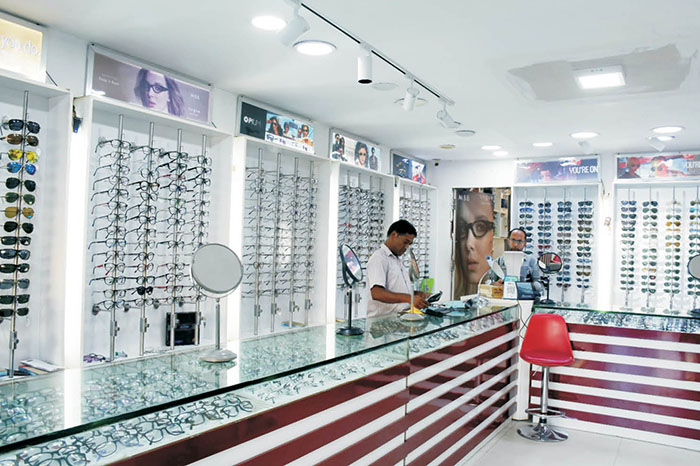
Now, Ismail Optical & Co. has 12 branches across Mysuru City which are managed by Sadiq and his brothers. They have also expanded to Kodagu and have a branch at Gonikoppal.
Over the years, Sadiq says they have managed to constantly increase the choices for their customers. “Carl Zeiss glasses from Germany, Altan frames and Crooks lenses from England are imported. We deal with a variety of frames and lenses from across the globe so our customers have choices. We also have qualified and trained staff to repair these frames,” Sadiq said.
When asked about the common complaint about buying sunglasses — fakes, Sadiq says it is very difficult for a common man to differentiate and hence it is best to purchase such sunglasses from an authorised store or dealer and added with a smile, “may be like you get a second opinion from a doctor for health, you may need to get a second opinion about the authenticity of your glasses from an authorised dealer like us,” he said.
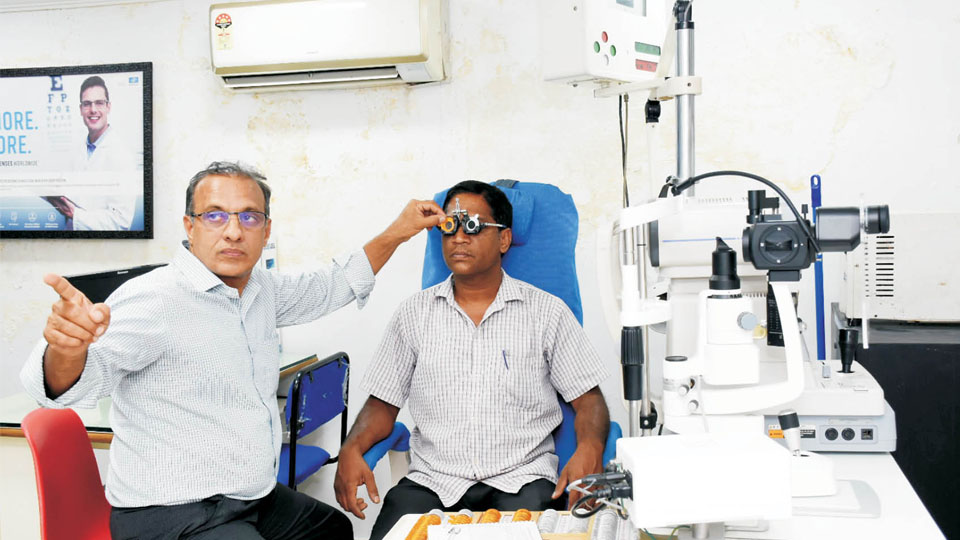
Ismail Optical still has eye testing and an in-house eye testing clinic. “Our mission is to provide quality vision to Mysureans and we hope to set up an eye hospital soon to help achieve a cataract-free Mysuru,” says Sadiq.
Innovative – ‘Dial a Spex’
Ismail Optical has also been innovative in their service. In 2016, a unique service called ‘Dial a Spex’ was introduced where a customer could dial for an appointment with an eye specialist and a mobile van, with eye testing equipment and a doctor, would then reach the customer’s doorstep. Once the spectacle is ready, it would be delivered to the patient. This service turned out to be useful during the pandemic.
Awards
The Optical store has won many awards for being the best opticals in Mysuru. In 1996, it won an award for being the Best Optical Store in South India; Best Optical Store in Karnataka Award in 2003 and it bagged the Mysore Excellence Award — Excellent Opticians in Mysore in 2018.
source: http://www.starofmysore.com / Star of Mysore / Home> Feature Articles / by S Kenneth Shishir / March 18th, 2022