Category Archives: Green Products

74-YO Kashmiri Farmer Grows Exotic Pears, Goes From Earning Rs 4K to Rs 25 Lakh/Year

Bharova Village (Bhaderwah District) , JAMMU & KASHMIR:

Haji Mohammad Shafi Sheikh from Kashmir quit his job as a contractor in a forest corporation to grow exotic red pears that now fetch him more than Rs 25 lakh a year.
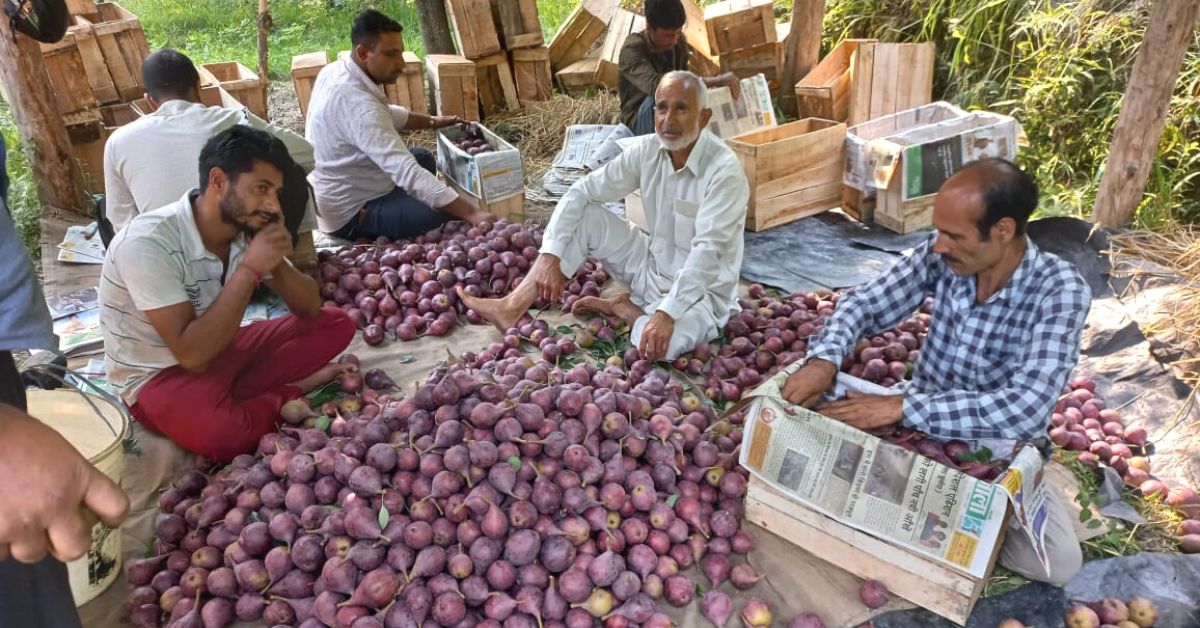
Kashmiri red pears

In 1980, Haji Mohammad Shafi Sheikh, a contractor in a forest corporation, was on a routine visit to Kashmir. He was scheduled to meet his younger brother Abdul Rashid Sheikh and cousin Ghulam Nabi, who was pursuing a degree in Engineering at Srinagar’s Engineering College.

The trio decided to explore a few of the tourist destinations. They started their journey with Nishat, a picturesque area of Srinagar, which houses the famed Mughal Garden, home to mighty Chinars.

A road on the outskirts took them to a beautiful garden of green pears, where Shafi and the others spent hours relishing and enquiring about the fruit. 

Their interest in the garden grew to the extent that Shafi embarked on a mission to grow a similar orchard in his native village Bharova in Bhaderwah.

Bharova was still oblivious to the existence of these fruits, given its topography and the fact that locals only cultivated maize and fodder to feed their animals.

“The entire area of Bahrova is hilly and maize was the only crop being grown by farmers because of the drought-prone conditions. People were not financially stable due to which they couldn’t explore other options over maize to earn a livelihood,” Shafi says.

In the same year, he took a few saplings of pears and walnuts home and sowed them adjacent to his house to track their growth. 

“Surprisingly, plants grew normally and within a few years started bearing fruits. It was very much encouraging for me and my interest grew to sow more plants to give an idea to the people about the scope of horticulture in my area,” Shafi says.

The 74-year-old now annually harvests 3,000 boxes of exotic red pears enough to fetch him more than Rs 25 lakh. “The maize which I grew in my fields would fetch me only Rs 4,000 per annum. Often we suffered crop failures and farmers were becoming poorer. But now, farmers of my area are financially stable,” he says.

Apart from pears and apples, Shafi also harvests 15-20 quintals of walnuts annually.

Horticulture Sheikh of Bhaderwah
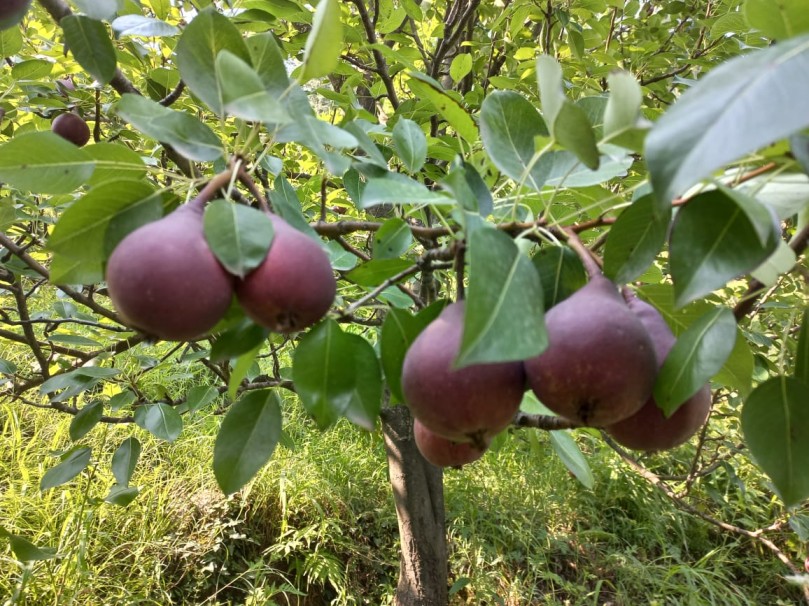
Exotic red pears grown by Shafi Sheikh

The journey of growing pears on land which was confined to just fodder and maize a few decades before was not easy for Shafi. It was indeed a work of patience and determination for him, who would take the help of experts to have disease-free produce.

“In 1993 when I saw my pears growing, I left my job immediately and devoted my entire time to horticulture. I always had a hope that my efforts will change the fate of the people of my village,” he says.

After reaping benefits from his efforts, Shafi finally decided to completely abandon the custom of growing maize in 2002 and shifted to horticulture, despite opposition from his neighbours and family. “It was a very difficult decision for me and people would often question me for giving up maize cultivation. The initial years were full of hardships as plants needed years to bear fruits,” he says.

Growing native pears and walnuts didn’t satisfy his appetite and Shafi finally sought help from Sher-i- Kashmir University of Agriculture Science and Technology Jammu to grow exotic red pears, which he only had heard about till then.

“Seeing my commitment and desire to expand my orchard scientifically during a routine visit by a team of scientists from Krishi Vigyan Kendra, one of the scientists, Dr Vikas Tandon, who is a professor at SKUAST Jammu handed me a few Italian pear seedlings, which was a significant turning point in my path,” he says.

After successfully growing red pears, he grafted green pears plants with red pear fruits to grow high-quality fruits in his orchard. “Now I have some 250 red pear trees and apart from them, I grow green pears, apples and other variety of fruits. For research, I visited Himachal Pradesh and other states to learn technicalities growing exotic fruits in my orchard,” he says.

He is hoping his production increases in the coming years as scores of his plants are ready to bear fruits. “I keep on experimenting with my orchards. From spraying quality pesticides to timely de-weeding, my production will increase in coming years,” he says.

A ray of hope for Bhaderwah farmers
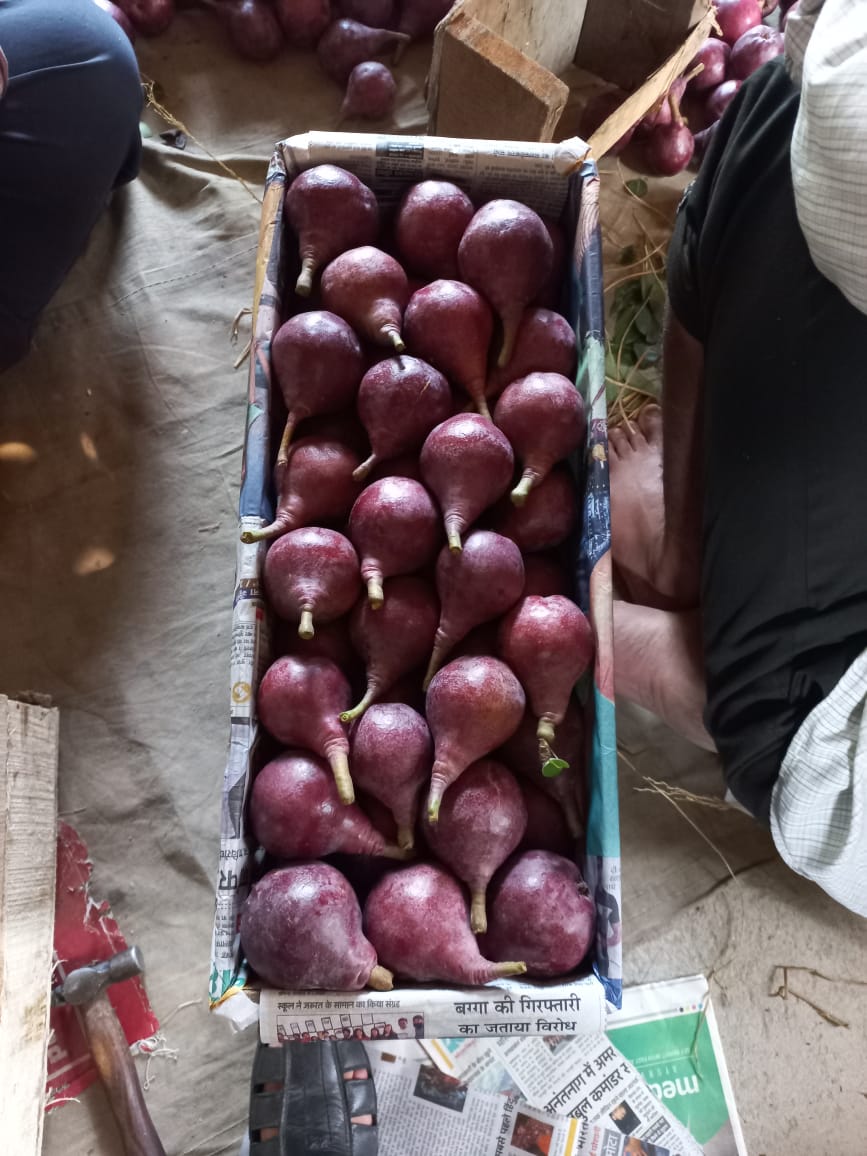
Red Italian pears

Seeing Shafi’s hard work bearing fruits, his younger brother Abdul Rashid too has shifted to horticulture and has over 2,500 trees of pears in his orchards. His cousin Ghulam Nabi too followed his path and grew pears on his land to get better returns.

“I feel happy that my village is gradually progressing. I can now see a lot of growers, who are dedicated to growing pears and other fruits in our village,” he says.

Not just Bharova, adjacent villages like Khalo and Shanatra too are gaining recognition for growing exotic Italian red pears. These three villages grow nearly 1.5 metric tonnes of red pears annually.

Many farmers are getting inspired by his efforts and taking of horticulture in the hilly district of Bhaderwah. “Our district was only known for its breathtaking landscape a few decades before. Now, with the efforts of Shafi Sahab, we are growing quality exotic pears, which are very unique and have a huge demand in the market,” says Abdul Sattar, a framer.

Today, 165 households from the villages of Bharova, Khalo, and Shanatra have shifted to cultivating fruits, particularly Italian pears, taking their cue from Shafi. 

Horticulture, an employment generator
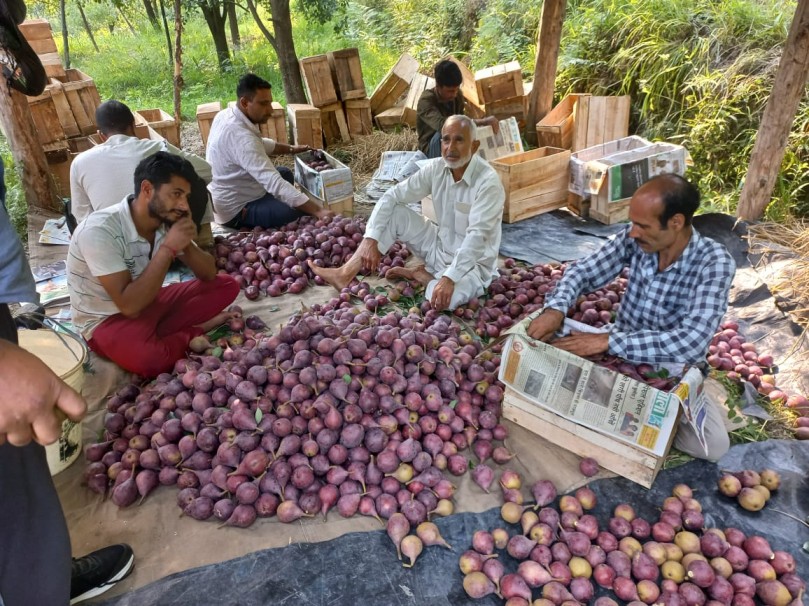
Haji Mohammad Shafi Sheikh with his red pear produce
Haji Mohammad Shafi Sheikh now helps other farmers in the region with practising horticulture.

Ever since Shafi took this initiative, the fate of the village has changed. Horticulture has been the employment provider to the village as more youth associate themselves with the growing pears.

During the season he employs almost 25 people in his orchards, who look after spraying, pruning and harvesting of pears. “Initially I had four boys who would look after my orchards. Now almost 25 boys remain associated with me during harvest season,” he says.

Fifty-year-old Krishan Lal, a resident of village  Khalu in Bahderwah has been working for over 15 years with Shafi as a packer. He has been earning a decent livelihood and says, “I was working as a farmer before and my earnings were not enough. Now I earn some Rs 30,000 during the season at Shafi sahab’s garden.”

Shashi, a 35-year-old man too has been associated with the trade of red pears. “Horticulture has a great scope in Bhaderwah and scores of the youth are getting employed in this sector,” he says.

Edited by Yoshita Rao

source: http://www.thebetterindia.com / The Better India / Home> English> Agriculture / by Firdous Hassan / August 10th, 2022
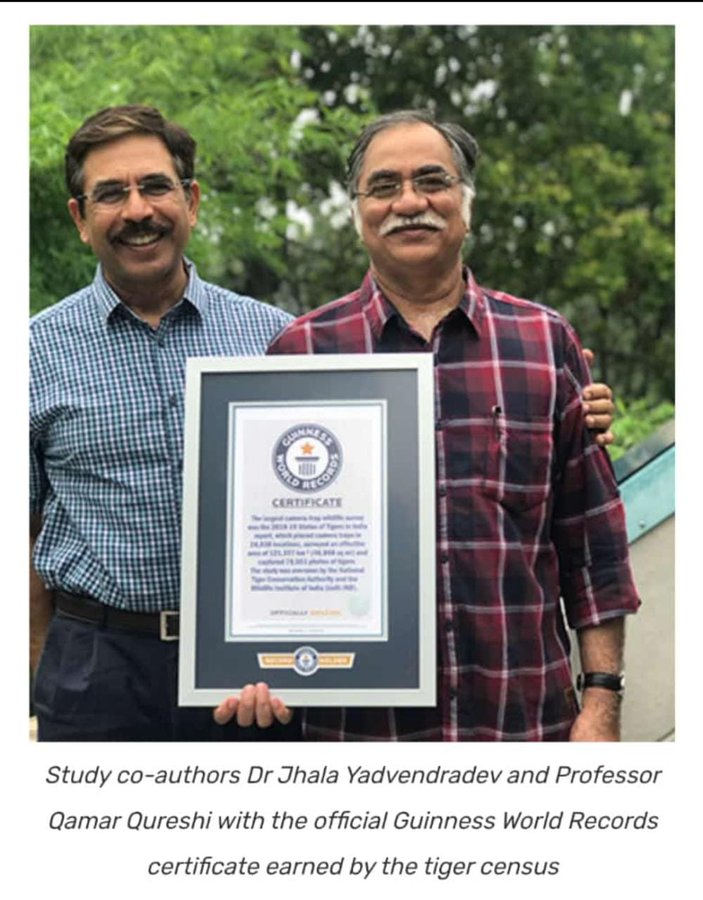
Guinness Book Of World Records conferred to Dr. Jhala Yadvendradev and Professor Qamar Qureshi, Scientists from Wildlife Institute Of India (WII) for Study of the ‘Largest Camera Trap Wildlife Survey’ for Tiger Census

UTTARAKHAND :

#GuinnessBookOfWorldRecords conferred to Dr. Jhala n Professor Qamar Qureshi, Scientists from #WildlifeInstituteOfIndia for largest #camera_trap #wildlife_survey (1/2)

source: Twitter @DrRaghavendraS / Dr Raghavendra S Gowda / July 20th, 2020

Kashmir teacher innovates solar car

Srinagar, JAMMU & KASHMIR :

Breaking the notion that only the elite can have luxurious rides, Bilal Ahmad, a mathematics teacher as well as an innovator from Srinagar has made a solar car which is not only luxurious but is also affordable for the common people. 

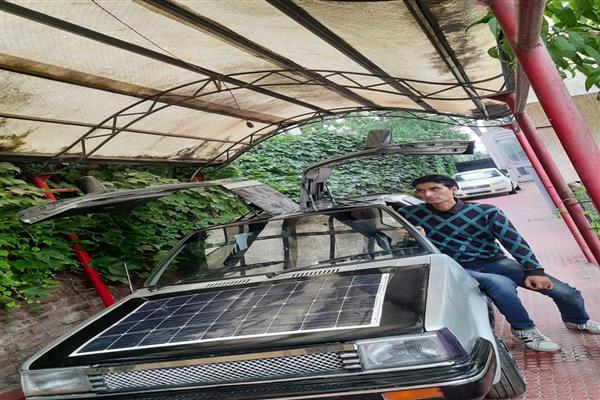
Hailing from Sanat Nagar area of Srinagar, Bilal has been working on this project for over 11 years and today he drives his solar car with confidence. The innovative car made by him works on solar energy and has solar panels all over the surface. 

He watched and studied about various luxurious cars which were made since 1950. He also studied about an engineer and innovator named Delorian who started a company DMC which helped him and motivated him to make a car which is luxurious and simultaneously affordable for the common people.

“Cars like Mercedes, Ferrari, BMW are just a dream for a common person. Only few people are able to afford it while it remains a dream for others to drive such cars and roam in it. I thought of something to give a luxurious feel to the people as well,” he said. 

He started working on the car and modified it by watching the various videos and started adding the features in it. 

Initially he wanted to make a car for disabled people but due to his financial conditions, he couldn’t conceive the idea which made him put his idea on hold.  “Government didn’t help me at that time. I was not financially sound so I couldn’t take the cost of the innovation,” he said. 

Keeping in view the rising price of the fuel, he thought of using solar energy to run the car. In 2019, he went to Chennai to get in touch with the solar panel making company. Furthermore he researched and brainstormed with a number of experts of the field. 

“In Kashmir, most of the time, the weather is gloomy. I used solar panels which can give higher efficiency even in low sunlight days. I went to many solar companies to check the efficiency of solar panels,” he said.

The challenge of how the solar panels can be used over the car and how much efficiency it can give on the less surface area was overcome  by him with the use of monocrystalline solar panels. 

“The surface area of a car is less as compared to the surface area of the roof of the house. I got the solar panels which take less space but give high efficiency,” he said.

Pertinent to mention here that there are two types of solar panels – monocrystalline and polycrystalline. Bilal used monocrystalline solar panels which occupied less space and gave more efficiency. 

Further he worked on the weaknesses of the solar innovative car. At times, the doors of the car when parked at the place received light sunlight, to overcome this problem, he made a Gullwing door which opens upwards like the ones in a Ferrari. Making and balancing the gullwing doors was a challenge as well as a difficult task for him. “With gullwing doors, the solar panels attached to the doors will also raise up and the sunlight will directly fall on them,” he said. 

Further, the solar panels automatically can change their direction with the changing directions of the sun. For this he has made a remote control which works within the range of 1.5 kilometers which can control the direction of panels so that more light can be absorbed by them. 

Also he has increased the seating capacity of the car. “The sports car only has seating capacity of two people but here 4 people can sit conveniently. Also the braking system will regenerate the power to its batteries to save energy. It is eco-friendly and works on free energy resources. It has a huge potential to revolutionize the market,” he said. 

“The car is not a prototype, it is a fully luxurious car. The other luxurious cars available in the market have huge costs in crores. I want affordable inventions to reach common people. I want people to make use of advanced technology at affordable prices,” he further said. 

He has driven the car on the roads and has received good response from the passers-by.

He said he has used a Lead Acid battery in the car. “We can also use a lithium battery in it but we have to use a protection circuit with it additional protection can be added,” he said. 

Talking about his difficulties, he said that the unavailability of the equipment and gadgets is a major difficulty which innovators face here. “Lack of exposure among the local mechanics is another problem. The knowledge they possess is limited which makes it really difficult to explain them,” he said.

He further said that the youth of Kashmir have more talent but lack exposure and platform to showcase it. 

He is of the opinion that a place like Kashmir should have attractive things to attract the tourists as well as locals. “The electric vehicles plying on roads don’t have that luxurious look. Kashmir is a tourist place and we should have attractive things like in any other foreign place like Switzerland.”

He wishes to soon start his company for its mass production which can also generate employment for the youth of Kashmir. “I will name the company as YMC after the names of my children- Yosha and Maisha. The company will be making luxurious cars for the common people,” he added. 

Bilal is an innovator associated with IIED center NIT, Srinagar. The center will provide him assistance for this innovation.  Saad Parvez, head, IIED center said, “The IIED center will help him to develop his innovation and will connect him with the industries or forum that can help him. Our local innovators need motivation and a marketplace. The challenge is to market the innovation.”

Despite having a B.Tech degree in civil engineering, he has a good interest in electronics. He has an experience of 14 years in teaching as he has worked in various colleges and schools as assistant professor. In the past, in 2009, he has made a LPG gas controlling safety device. The device which can automatically turn off the LPG cylinder from anywhere via a mobile app.  

source: http://www.risingkashmir.com / Rising Kashmir / Home / by Insha Latief Khan / June 20th, 2022

MDMK fields ‘Nizam Maama’ in Palayamkottai

Tirunelveli, TAMIL NADU :

People Welfare Front’s candidate for Palayamkottai K.M.A. Nizam of MDMK. — Photo: A. Shaikmohideen; Fatima Babu, MDMK candidate for Thoothukudi.

A social worker for Thoothukudi and a retired teacher for Nagercoil

The Marumalarchi Dravida Munnetra Kazhagam, a constituent of Desiya Murpokku Dravida Kazhagam – People’s Welfare Front, has fielded party’s Tirunelveli city district secretary K.M.A. Nizam, popularly known among the Palayamkottai residents as ‘Nizam Maama.’

Though he has not contested any election in the past, Mr. Nizam, a Grade I contractor, has held various positions in the party and is quite popular among the residents of Palayamkottai, thanks to his ‘helping tendency,’ especially to the needy.

When over 3,000 government employees and the teachers laid siege to the Collectorate recently as part of their Statewide indefinite strike, Mr. Nizam provided them lunch – both vegetarian and non-vegetarian, tea and dinner for two days.

Whenever he is approached for providing lunch for the participants of conferences, seminars in colleges here, he would oblige gleefully, saying that those who teach the younger generation should not be allowed to run from pillar to post for their professional needs.

Mr. Nizam will take on DMK’s T.P.M. Mohideen Khan and AIADMK’s A. Thamizh Magan Hussein.

The MDMK has nominated former MLA T. Sadan Thirumalaikumar, a doctor, at Sankarankovil (reserved) segment. He was elected to the Assembly from neighbouring Vasudevanallur (reserved) constituency in 2006 and had unsuccessfully contested the Lok Sabha polls at Tenkasi (1991 and 2014), Assembly polls at Rajapalayam (1996) and Assembly by-poll in Sankarankovil (2012).

Nagercoil

Marumalarchi Dravida Munnetra Kazhagam has fielded a retired teacher, Rani Selwyn, in Nagercoil constituency.

Ms. Rani is the State deputy secretary of the party’s women’s wing. She unsuccessfully contested for the post of Nagercoil Municipal Chairperson in 1986 and 1996.

The party has fielded 68-year old Sampath Chandra, chairman of the Kanyakumari District Central Cooperative Bank, in Colachel constituency.

Tuticorin

Marumalarchi Dravida Munnetra Kazhagam , a strong ally of DMDK –PWF, has fielded Fathima Babu (64), former Associate Professor of English, St. Mary’s College, in Thoothukudi. Ms. Babu is a familiar face in Thoothukudi. She is a social worker and an environmental activist. Thoothukudi Mayoral election during 2011 saw Ms. Babu as one of key contenders.

She has held various responsibilities such as Executive Committee Member of Thoothukudi Town Beautification, Senate member of Manonmaniam Sundaranar University, and State Convener of Fishermen Movements of Tamil Nadu and Puducherry. This candidate was conferred with ‘Greenpeace International Award’ in recognition of her efforts to protect the planet’s environment. Thoothukudi district administration honoured her at the Republic Day celebration in 2011 for outstanding social service.

source: http://www.thehindu.com / The Hindu / Home> News> National> Tamil Nadu / by Madurai Bureau / Tirunelveli / April 17th, 2016

Rouf Hamza has documented 100 mushroom varieties of Kashmir

JAMMU & KASHMIR :

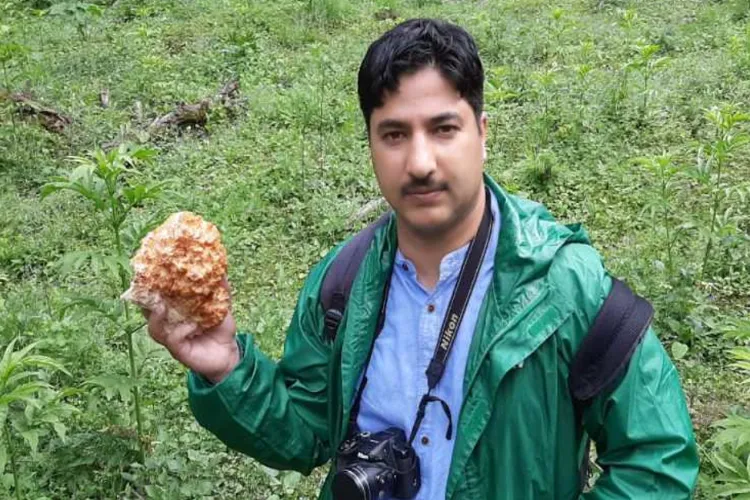
Dr. Rouf Hamza Boda
Dr. Rouf Hamza Boda

Srinagar:

Dr. Rouf Hamza Boda has documented 100 indigenous and yet little known varieties of mushrooms in the Valley to earn the sobriquet of ‘Mushroom Man of Kashmir’. This includes the most expensive fungi in the world – Gucchi (Morel) – and the exotic Porcini.

Dr Boda is the author of Nano Mushroom Identifier, a Book that is beginners’ guide on mushroom cultivation. He belongs to Doru Shahabad of Anantnag and works as a lecturer in Government Higer secondary School, Verinaag in South Kashmir.

He says, “Since I come from a village (Doru Shahabad, Anantnag), I used to be part of the mushroom hunting groups in spring. I used to collect mushrooms in wicker baskets. Along the way, I often saw mushrooms of various shapes and sizes. Sometimes, seeing the large size of mushroom was intimidating.”

His childhood exposure made his pursue a Master’s degree in Botany and, he followed it up with a doctoral research on Mushrooms.

“My guide, Dr. Abdul Hamid Wani inspired me to research on wild mushrooms. I am the first person in the valley to research on wild mushrooms,” he says.

In his research paper, he has documented about 100 mushrooms from forest areas in South Kashmir and evaluated them for antioxidants. Rauf Hamza Boda says, “I have documented their nutritive value, cultivation pattern and studied their classification.”

He said that all mushrooms are fungi and they produce spores similar to pollen or seeds that are spread by wind. A mushroom mature only after this process is completed.In nature the mushroom grow in soil or on wood.

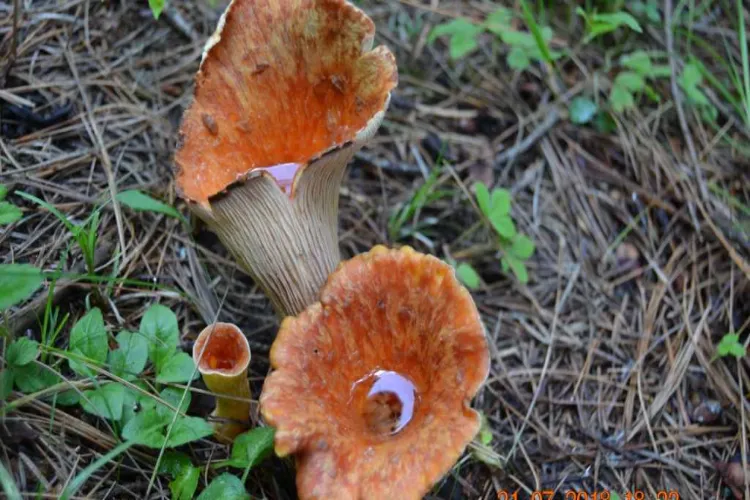
A local variety of mushroom on South Kashmir jungles

Mushrooms grow well on a pine tree. Hamza explains: “Mushroom extracts water and some minerals from the soil and gives it to the roots of these trees and the tree undergoes photosynthesis. This in turn produces many sugars for the mushroom.”

He says Kashmir has many naturally growing types of mushrooms, some of which are edible, including well-known species such as buttons, oysters, porcini and chanterelles, he said.

However, there are inedible ones too that can cause abdominal pain, or vomiting if eaten. Some can even prove fatal.

He says mushrooms are today known for their significant health benefits as these contain a variety of medicinal properties. “Mushroom is a low calorie food. It is rich in many health-boosting vitamins, minerals and antioxidants. Mushrooms have been recognized as an important part of the diet.

For example, mushrooms exposed to ultraviolet light are a good source of vitamin D, an important component in bone and immune health. In addition, many of them have anti-cancer properties.”

However, he pointed out that climate change and urbanization have affected many mushroom species. As a result, there has been a gradual decline in the mushroom production including that of Gucchi mushrooms.

“I have been tracking them for the last 10 years. It is estimated that their production has decreased as a result of climate change, deforestation and habitat destruction. Similarly, other mushrooms that grow in early spring, such as the monkey cap, are beginning to disappear. Earlier, they were seen in March and April.

He said that mushroom growing is a profitable venture for anyone who has the basic knowledge about the technique and art of growing mushrooms.

source: http://www.awazthevoice.in / Awaz, The Voice / Home> Youth / by awazthevoice.in / May 03rd, 2022

How India’s birdman, Sálim Ali, showed us the interconnectedness of life

Mumbai, MAHARASHTRA :

A recent collection of his radio talks point to the stellar role birds play in preserving our environment

Sálim Ali could reach out to a cross-section of society, telling them about birds and the stellar role they play in preserving our environment. (Source: Black Kite)

From busting myths about fireflies lighting up the homes of weaver birds to explaining the whys and hows of the spectacular phenomenon of bird migrations, there has been, perhaps, no one better than Sálim Ali, India’s best-known ornithologist, to demystify the avian world. To Ali’s already formidable list of works, comes another: a collection of his radio talks. Edited by Tara Gandhi, Words for Birds (Black Kite), the book shows him doing what he did best — reaching out to a cross-section of society on birds and the stellar role they play in preserving our environment.

“He was an excellent communicator. He gave a number of lectures and he communicated to people of different professions. For instance, while speaking to mountaineers, he would say — ‘since you go to great heights, to places that ornithologists are not able to go to, look out for nesting sites, for Lammergeiers, the big vultures that are seen in high altitudes. Look around and if you see any birds, let us know, take down notes’. He would talk to people to get out of their own turf or specialisation and become interested in the wider picture,” says Gandhi, who was guided by Ali for her MSc. in field ornithology  shortly before he passed away in 1987, at the age of 90.

India’s birdman, Sálim Ali. (Source: Black Kite)

He was, as she says, ahead of his times in understanding the importance of involving people in conservation. “You will come across one of his talks where he tells his listeners that if you see any unusual birds on the seashore, write to us. This struck me. Nowadays, we talk about citizen science, lay people’s involvement in scientific documentation. A number of bird watchers are specially involved in citizen science — doctors, teachers and people from many other disciplines are making bird lists and sending them to be compiled. A lot of important material comes out of analysing this data . Those days, nearly 60 to 70 years ago, Sálim Ali would urge his readers and listeners to write to the Bombay Natural History Society (BNHS) to record the information.”

Ali who took over the BNHS after Independence and remained with it for decades, was key in keeping the organisation going and in initiating a systematic study of birds. “He had a vision, which was much ahead of his time and very contemporary,” says Gandhi, who has previously edited A Bird’s Eye View: The Collected Essays and Shorter Writings of Sálim Ali (II Volumes, Permanent Black, 2018) and is the author of Birds, Wild Animals and Agriculture: Conflict and Coexistence in India (The Orient Blackswan; 2015).

Tara Gandhi, who has edited ‘Words for Birds’.(Source: Black Kite)

Delivered between 1941 and 1985, Ali’s talks were recorded mainly at the All India Radio (AIR) station in Mumbai and range from one on trends in bird study to talking about bird life for a school broadcast, in conversational Hindustani titled Chand Hairat Angez Parandon aur Janwaron ke Ghar, speaking to children who didn’t speak English. In his autobiography, The Fall of a Sparrow (Oxford University Press, 1985), he recounts his days as a guide lecturer in the Natural History Section of the Prince of Wales Museum in Mumbai, where he remembers particularly enjoying “talking to pupils from the School for the Blind, because of the lively interest they showed.” Gandhi says, “He made an effort to reach out to children to make them understand more about birds and nature in an easy way.”

After his stint at the Museum, Ali spent a year in Germany, training under Erwin Stresemann at the Berlin University Zoological Museum, returning to India in 1930 and launching on a series of bird surveys across the country. Beginning at a time when ornithology, in his own words, was the “Cinderella of Indian Zoology”, Ali can be credited for taking the discipline outside museums and collections and out in the natural habitat and widening its scope. “The kind of projects he undertook later on from the ’60s onwards were extremely important and absolutely pragmatic. He took on a project on birds in the aviation sector, that is bird hazards in aviation. It was a huge project and it was entirely for saving human lives, for preventing huge losses. The study tried to find methods to avoid bird hits on aircraft — observing the time of the day, the trajectory of the birds, which species were involved and how to prevent them from congregating in the airports. Earlier, his surveys were about collections which became a valuable and permanent resource , but later, he moved away completely from the whole idea of merely collecting specimens when he became the head of BNHS,” says Gandhi.

But being dubbed India’ birdman sometimes shadowed his role as a conservationist. “He would say repeatedly that everything is interlinked in nature. It is not just the birds themselves, it is the habitat of the birds and different ecosystems in India he wanted conserved for the sake of all the flora and fauna within them. He spoke about conservation of endangered species and regretted that so many species had died out. Ali was instrumental in getting a number of national parks and protected areas established. Through his communication skills he was even able to persuade royal families to set aside their hunting reserves for conserving the species within them,” says Gandhi.

source: http://www.indianexpress.com / Indian Express / Home> Books and Literature / by Devyani Onial, New Delhi / April 03rd, 2022

Kerala man’s story of reaping rewards of dairy farming in coconut grove

KERALA :

8 yrs into venture, V Hakeem has over 150 cows and supplies 650l of milk daily, reports A SATISH

Palakkad :

By 2am, V Hakeem is on his feet. He then goes to his coconut grove, located more than a kilometre away, and wakes up his eight migrant workers. And they begin work at his dairy farm in the village of Kamblichungam near Chittur. Hakeem’s foray into dairy farming happened with the cost of purchasing manure for his coconut grove becoming unaffordable. “So I decided to set up a dairy farm inside the grove,” he recounts.

Eight years down the line, Hakeem now has more than 150 cows and supplies 650 litres of milk daily to the Panniperunthala milk society, of which he is the president.

On Friday, he received the district’s best farmer award instituted by the dairy development department. Last year, he supplied 1.36 lakh litres of milk. Animal Husbandry and Dairy Development Minister J Chinchurani gave away the award. “It is the involvement of the farmer that brings in the results,” Hakeem says.“Apart from high-breed varieties like Holstein Friesian and Jerseys, we also have native varieties like Sahiwal, Vechur and Gir.” 

He decided to set up the shed there as the cows can be housed in a cool place. “There are coconut palms on all sides, which helps the cattle stay cool and produce more milk. The only issue is that I have to replace the sheets of the shed occasionally as dry palm leaves fall on them.”

He now plans to install a machine that can automatically milk 20 cows in seven minutes. “It will reduce the workload,” he points out. Hakeem says dairy farmers should be given at least Rs 50 per litre to ensure a minimum return on investment, with the cost of feed and other inputs increasing substantially. 

source: http://www.newindianexpress.com / The New Indian Express / Home> Good News / by A Satish, Express News Service / April 03rd, 2022

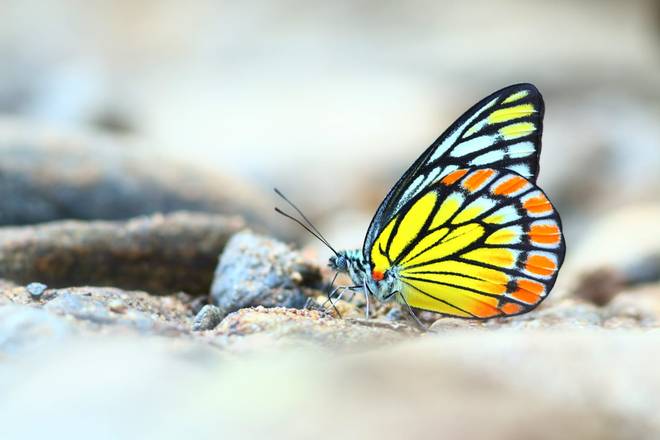
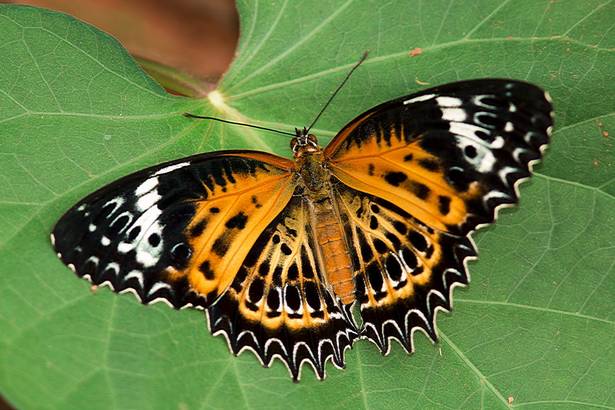
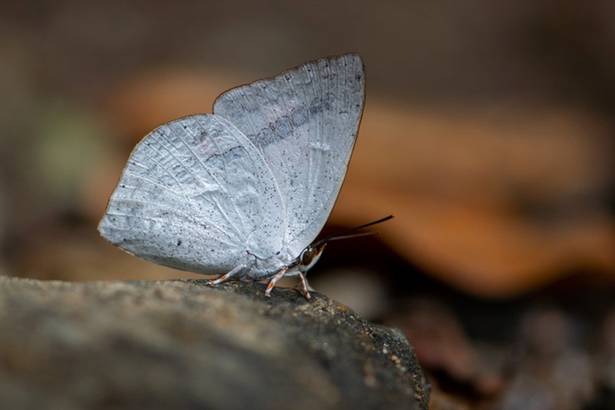
Researchers document 43,118 butterflies in Dakshina Kannada

Painted Sawtooth (Prioneris Sita)  

The ‘winged beauties’ are a good indicator of the ecological health of a habitat

Butterflies are excellent communities to monitor the ecological health of a place. A team of researchers from Mangalore University, in collaboration with other two institutes, has identified and documented 43,118 butterflies (individuals) belonging to 175 species in Dakshina Kannada.

Of them, 22 species were habitat specific. The researchers were pursuing the ‘winged beauties’ for the past two years.

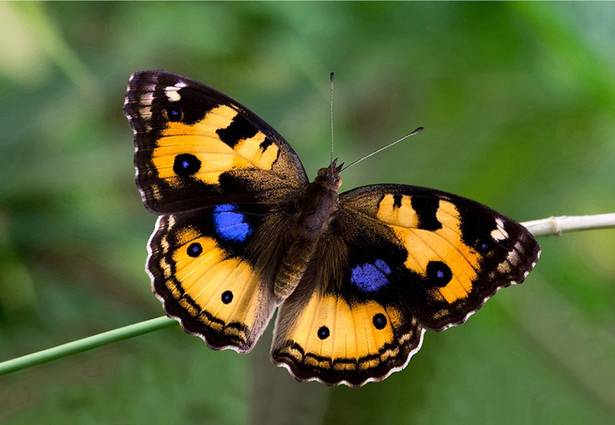
Yellow Pansy (Junonia Hierta)

The team comprised M. S. Mustak, Associate Professor, Department of Applied Zoology, Mangalore University and Deepak Naik, a PhD student at Mangalore University. The study was done in collaboration with Shyam Prasad Rao, a researcher at Yenepoya Deemed to be University, Mangaluru and Krishnamegh Kunte, a researcher from the National Centre for Biological Sciences, Bengaluru.

The butterflies were identified at eight heterogeneous landscapes ranging from coastal sand dunes to agricultural fields to botanical gardens to semi-evergreen forests on the foothills of the Western Ghats.

Sahyadri Lacewing (Cethosia Mahratta) 

“Using indicator value analysis, 22 habitat-specific and several shared indicator species were identified. The study also documented larval host plants, and over 283 habitat-specific host-butterfly species pair interactions,” Mr. Mustak told The Hindu.

Their research paper – study on abundance and habitat preference of butterflies of the Western Ghats – has now been accepted for publication by the Journal of Insect Conservation, an international journal devoted to the conservation of insects and related invertebrates.

Shiva Sunbeam (Curetis Siva)  

The researchers said that butterfly communities indicate the type and state of a habitat, and can easily be conserved by the restoration of habitats with diverse host plants. They have great public appeal and easy to work with, and are the indicators of a healthy ecosystem.

Mr. Mustak said, “People usually cherish abundant and widely distributed butterflies, but fail to appreciate less common or habitat-specific species. Our study gives quantitative data on the butterflies of the Western Ghats, which is essential for public awareness and outreach.”

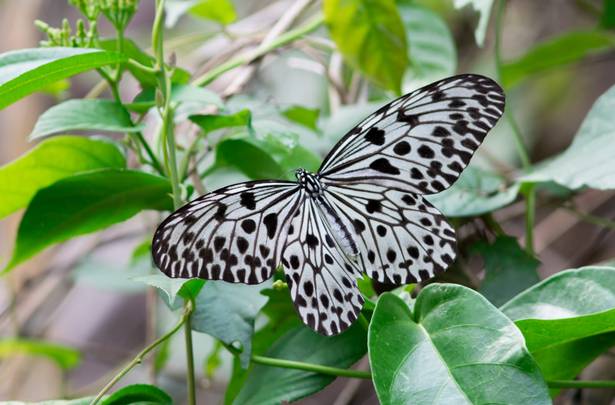
Malabar Tree Nymph (Idea Malabarica)  

The team conducted a systematic transect survey for two years to get baseline data on the abundance patterns and habitat preferences of butterflies of the Western Ghats. The study gives an important dataset for future assessment, monitoring and conservation of butterflies of the Western Ghats.

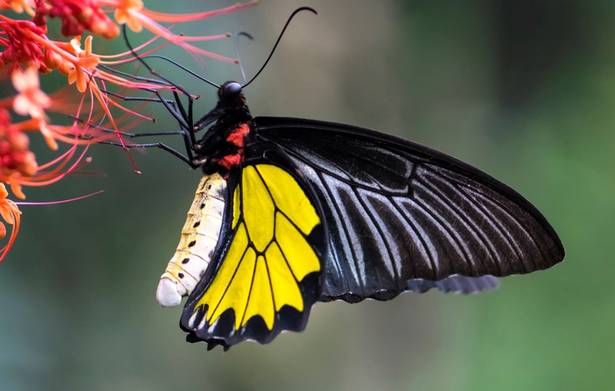
Sahyadri Birdwing (Troides Minos) 

The study showed interesting patterns. Some of the most abundant species are Common Crow (Euploea Core), Common Emigrant (Catopsilia Pomona), Common Four Ring (Ypthima Huebneri), Tawny Coster (Acraea Terpsicore), Lesser Grass Blue (Zizina Otis), Rustic (Cupha Erymanthis), and Chocolate Pansy (Junonia Iphita)

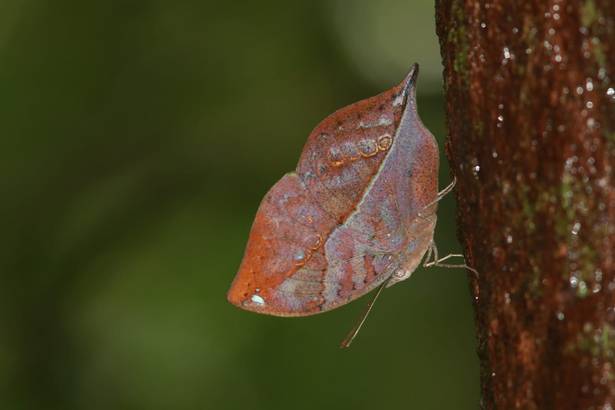
Blue Oakleaf (Kallima Hosfieldii)  

Some species, though very abundant, are restricted to specific habitats. For example, Tawny Coster (Acraea Terpsicore) is common in coastal regions, Common Bush Hopper (Ampittia Dioscorides) in found in agricultural habitats, and Malabar Tree Nymph (Idea Malabarica) in semi-evergreen forests. Some species, such as Common Mormon (Papilio Polytes) and Common Leopard (Phalanta Phalantha), though rare, are found everywhere.

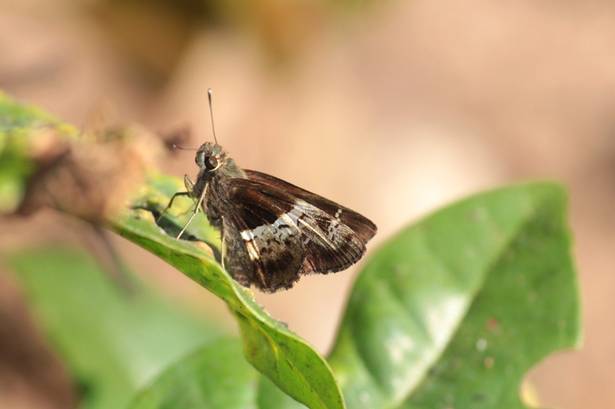
Tree Flitter (Hyarotis Adrastus)  

source: http://www.thehindu.com / The Hindu / Home> News> Cities> Mangaluru / by Raviprasad Kamila / Mangaluru – December 04th, 2021

Innovative Dharwad farmer Nadakattin gets Padma Shri

Annigeri Town, Hubballi (Dharwad District), KARNATAKA :

pix: nadakattin.in

Hubballi:

Abdul Khadar Nadakattin, was on Tuesday named among the winners of the Padma Shri award.

He is an innovative farmer from Annigeri town in Dharwad district. Being a mechanic by hobby, he developed an interest in agriculture in his inherited land of 60 acres falling in dry area.


His experiments started with planting mango, sapota with intercrops like chilli and ber in the 1980s. His innovative ideas turned into reality in 1994 when he developed a device to separate tamarind seeds from the pulp after spending Rs 3 lakh and six months. In one day, this device can carry out the work equivalent to 500 labourers per day.

Nadakattin started innovating in 1974 soon after he left school as he could not get up early in the morning and his father wanted him to become a farmer. At that time, he had developed a kind of bullock drawn tiller capable of deep plouging in which whetting was not needed. He also invented a multi–purpose sowing machine in 1985.

He established Vishwashanthi Agricultural Research and Industrial Research Centre in 1975.

Now agricultural equipment named after ‘Nadakattin’ are famous across the country.

source: http://www.timesofindia.indiatimes.com / The Times of India / Home> News> City News> Hubballi News / by TNN / January 26th, 2022

Salim Pichan Honoured with State Award

Wayanad, KERALA :

Bagged State Biodiversity Board’s Custodian of Traditional Knowledge Award 

Kerala State Biodiversity Board has conferred their award for the year 2019-20 for“custodian of traditional knowledge/ citizen scientist” to Sri. Salim Pichan, an employee of MSSRF.

The award is given to persons who have an excellent track record in biodiversity conservation, environment protection and traditional knowledge.

As a zealous para taxonomist, Mr Salim Pichan accrued the knowledge pertaining to the plants, uses and modalities of its applications through his association with traditional healers and tribal communities over a period of two decades. Mr Salim Pichan, a person with intermediate qualification has first become a lover of nature then a para taxonomist and eventually a custodian of traditional knowledge!

This is what his life’s journey is all about.

He has contributed to the discovery of eight new species of plants to science, seven new plant records to Kerala and has also published several books and articles.

As a dedicated conservationist, his 30 cents of land is protecting 300 plant species, of which 100 of them belong to the Rare Endemic and Threatened (RET) category.

A collection of Ceropegia, a unique climber is what makes his garden exceptional along with protection of 11 species in addition to 130 numbers of Orchids, 13 numbers of Dioscorea spp and 123 numbers of medicinal plants.

Most of these plants are collected from different forests and vegetation types across the state and are carefully protected with utmost care.

Many awards and recognitions have reached him in the past as well with the notable ones including Vanamithra award by Kerala State Government in the year 2012 and Swami Vivekananda Yuvaprathibha Puraskaram in 2015, Wayanad District Youth Award in 1998.

To honour his efforts in biodiversity conservation, some taxonomists also named a plant endemic to the Western Ghats as a tribute with his name Seidenfadenilla salimii.

source: http://www.mssrfcabc.res.in / M S Swaminathan Research Foundation / Home> News Room / July 30th, 2021