Category Archives: Science & Technology

Dr. Kausar Raza : Finding A New And Safe Method To Treat Cancer

INDIA / California, USA :

Dr. Kausar Raza.

This is the seventh part of the series called `Scientist Says’ where we bring for our readers the significant and commendable research works of young scientists.

Dr. Mohammed Kausar Raza completed his M.Sc. in Inorganic Chemistry from Jamia Millia Islamia, Delhi and began his Ph.D. in the year 2015 with Prof. Akhil Chakravarthy lab, Inorganic and Physical Chemistry Dept., IISc, Bangalore. After completing his Ph.D in the year October 2019, he joined California Institute of Technology (Caltech) in the United States as a postdoctoral research fellow in January 2020. He shares his significant research works with Rashida Bakait of India Tomorrow. Here are the excerpts of the interview.

Q. Please give a brief explanation of your research.

Ans. My research interest mainly focuses on to locate the lesions with the help of [4Fe4S] cluster and their treatment using Pt-based anticancer agents. The research area is divided into two parts: (i) Investigating the chemical role of [4fe4S] cluster in eukaryotic proteins through electrochemical and biochemical studies. (ii) Use of Pt-based complexes for chemo phototherapeutic treatment of cancer.

Cancer is considered as one the deadliest diseases which has been outspreaded in various parts of the human body. Various methodologies have been implemented till date to fight against the proliferation of cancerous cells, namely, Chemotherapy (mainly Pt-based anticancer drugs), Photodynamic Therapy (which involves photosensitizer, light, molecular oxygen), etc. To fill the pitfalls of the conventional chemotherapeutic and photodynamic therapeutic drugs including the NER machinery and less tissue penetration respectively, during my PhD research at Indian Institute of Science, Bangalore, I combined these two well known modalities, i.e.; chemotherapy and photodynamic therapy (PDT) by tuning the structural properties of Pt-based complexes to kill the cancer cells selectively. The idea was to develop the series of conjugates bearing the structural framework as of the conventional chemotherapeutic anticancer drug, cisplatin and BODIPY dyes for PDT activity. In photodynamic therapy, the growth of cancer cells can be terminated in the presence of light which generates ROS (reactive oxygen species) capable of cleaving the DNA of the tumor cells and in turn causing the cell death. The cell imaging is beneficial to track the anti-cancer drug inside the body. The combination of the Pt metal which encrusted the path for DNA cross-linking and the BODIPY motif attached which aided in cell imaging and killing of cancer cells in the presence of light, comes out as a new scope to design the more efficient photodynamic chemotherapeutic anticancer agents.

Earlier in my PhD, I have made efforts to treat the cancer, now I am exploring my research to detect the lesions through DNA mediated charge transport chemistry. It focuses on assessing the functional role of iron sulfur [4Fe-4S] in eukaryotic DNA replicative and repair proteins. We perform the electrochemical investigation to detect the tumor/disordered sites using DNA mediated electron transfer.

Q. When did you begin and complete your research?

Ans. My research started with my master dissertation work in the year 2014. I started working as a PhD researcher in the January 2015 and successfully submitted my thesis in Oct. 2019. Now, I have been doing research as a postdoctoral fellow in the field of biochemistry since January 2020.

Q. What was the objective of your research?

Ans. Since a variety of anticancer drugs are known to treat numerous kinds of cancers, namely colorectal cancer, breast cancer, oral cancer, and lung cancer etc. My aim was to design and synthesize a drug in such a way which is highly selective towards killing the cancer cells without harming the normal living cells. We intended to approach a dual action mechanism of platinum based anticancer drugs for real time tracking and selective cancer cell death.

Q. What were the findings of your research?

Ans. We prepared a series of mono-functional Pt-based complexes capable of binding with DNA for the treatment against cancer. We have mainly designed the mitochondrial targeting anticancer drugs, as mitochondria is known as the powerhouse of the cell and it lack NER machinery. Major outcome of our studies is in the form of a indigenously synthesized prodrug which have 100-fold better anticancer activity than FDA approved Photofrin drug. Moreover, this drug can be tracked inside the cell which is not the case with any of the FDA approved platinum based anticancer drugs. We have conducted the in-vivo anticancer studies of these drugs in the living mice models using photodynamic chemotherapeutic dual action mechanism and obtained promising results which is turned out to be a patent in this emerging field. This work was done with the collaboration in the department of biological sciences at IISc.

Q. What was the conclusion of your research?

Ans. My work presents a thorough investigation on the Pt-based anticancer drugs derived from cisplatin motif. Appendment of BODIPY moieties as florescent probes aided in cell imaging and production of ROS to kill the cancer cells in presence of light. The in-depth photophysical investigation of our Pt based complexes revealed their properties to absorb visible light and made them suitable for real time tracking. This study provides further scope for combinatorial research that includes photodynamic therapy and DNA cross linking ability of the monofunctional Pt (II) drugs (chemotherapy) against cancer. Finally, the in vivo assay results on mice showed significant arrest of tumor growth and its shrinkage in size thus giving new insights in the chemistry of platinum-based PDT agents.

Q. What kind of challenges did you face?

Ans. In my masters, I have pursued a research project in coordination chemistry. I have learned various synthetic procedures to synthesize a variety of transition metal complexes and carried out an in-depth characterization using various spectroscopic techniques. Then I joined a bioinorganic chemistry lab, where the challenge was to design the metal complexes with a sharp focus on its pharmacology (pharmacokinetics) by implementing a cost-effective methodology. Also, the fluorophore motifs incorporated in the structure must have the significant absorption and emission photophysical properties which can aid the drug in penetrating deep inside the body. It was achieved after studying the UV-Vis properties of the drugs. Developing a drug performing a dual action mechanism in treating cancer cells was itself a challenge. Furthermore, I joined a biochemistry lab at Caltech, moving from bioinorganic to biochemistry was another major challenge, where I had to learn the new techniques and methods prior to performing the experiments and analyzing the outcomes.

Q. Any scholarships or awards for research?

Ans. As the recognition of my doctoral work, I received the prestigious Carl Storm International Diversity (CSID) fellowship for Gordon Research Conference (GRC), Metal in Medicine, USA. I am also a recipient of “Government of India International Travel Research Award (DST), CSIR Travel Research Award, ICMR Travel Research Award, SBIC Student Travel Grants for ICBIC-19 in Interlaken, Switzerland. I received fellowship from MHRD and CSIR for the five year during my Ph.D.  

Q. How do you think your research would be beneficial to the society or industry?

Ans. Cancer counts among the second deadliest diseases in the world. Among all types of cancer, about 30% of India’s affected population accounts for oral cancer only. Among the various therapies established for cancer treatment, photodynamic therapy is well known for the treatment of oral cancer. My research on Pt based drugs will provide a new insight and scope to combine the two therapies and kill the tumor with notable potency. Our mice model demonstrated an excellent efficacy of our drug inside the living being. These new findings can lead to investigate the drug-tumor interaction inside the human body. Implementation of our Pt based prodrugs will provide a new way to treat the cancer. Moreover, commercializing these drugs may reduce the cost of treatment. In addition, it’s manufacturing at industrial level will increase the employment for several educated and skilled people in our country.

Q. Any new research you are working on now?

Ans. Currently, I am working on the DNA mediated charge (electron) transfer chemistry. My aim is to investigate the rapid communication among DNA-processing proteins for repairment through DNA-mediated redox signaling. These DNA-processing enzymes bear an iron-sulfur [4Fe4S] cluster which performs common redox switch on binding with DNA and gives rise to DNA-charge transport chemistry. It mainly focuses on the electrochemical investigation of the chemical role of the [4Fe4S] cluster in eukaryotic DNA primase and the polymerase.  Importantly, electrochemistry on the DNA-modified electrodes facilitates reaction under aqueous, physiological conditions with a sensitive electrical measurement of binding and activity.

Q. How do you think your research can be carried forward?

Ans. Organelle targeting is an emerging field and needs thorough investigation to study the action of metallodrug inside the biological systems. Introducing selectivity in structural framework of the drugs towards single organelle targeting can make the drug more potent and viable. Other metals are also prominent on anticancer platform, so it is possible to design and synthesize such cost effective and biocompatible metal ligand frameworks which is capable of performing multiple actions with significant potency. The preliminary in vivo results and pharmacokinetics suggested that a detailed study need to perform so that it can be taken to clinical trial.

Q. Give some suggestions to the budding scientists.

Ans. Academia is a never-ending journey full of exciting adventures. It should be spent with utmost pleasure and satisfaction while enjoying science. One should be able to eminence both the personal affairs and professional business. Be clear and rational. Do not hesitate while expressing and talking about yourself, be it stress or mental health imbalance. Also, create another world outside the lab and explore it. Hone your communication skills. In academia, communication is the key to success Always indulge in a teamwork, moreover, in order to be an interdisciplinary scientist, be open to accept and request for collaboration. Do something different which no one thinks is important and invest your efforts and time in it. Learn broadly. Be bold. Be passionate. Establish a name for yourself. Above all, perhaps, to be successful in academia you need to develop your persistence and preserve your creativity no matter what. The key to unlocking the untapped potential is to create and build a path conducive to novelty in science. Make your research plans wisely and execute them in a disciplined way. Always remember, slow and steady wins the race.

source: http://www.indiatomorrow.net / India Tomorrow / Home> Education / by Rashida Bakait, India Tomorrow / May 01st, 2021

Dr. Ahamed Irshad: Developing Hydrogen Fuel and High Energy Batteries For Green Vehicles

Kerala, INDIA / Los Angeles, USA :

Dr. Ahamed Irshad.

This is the fifth part of the series called `Scientist Says’ where we bring for our readers the significant and commendable research works of young scientists.

Dr. Ahamed Irshad is a research associate in the department of chemistry, University of Southern California, Los Angeles. He has been associated with National Science Foundation, US Army, and Department of Energy on various battery projects. He has authored several articles in international journals published by American Chemical Society, Royal Society of Chemistry and Electrochemical Society. He served as the topic editor for Journal of Energy and Power Technology, and reviewer for international journals. He is also a recipient of Cottrell scholar award, Bristol-Myers-Squibb fellowship, Dr. J. C. Gosh medal, and Indian Academy of Science award. He shares some of his significant research works with Rashida Bakait of India Tomorrow.

Q. Please briefly explain your research.

Ans: My research interest is on developing novel materials for electrochemical energy conversion and storage devices. The research area can be broadly classified into two: (i) hydrogen fuel production from water and (ii) high energy batteries for electric vehicles.

The first project on hydrogen fuel was carried out during my PhD at Indian Institute of Science, Bangalore. Hydrogen is considered as a fuel for the future. While burning petrol or diesel release huge amount of greenhouse gases, the only by-product of hydrogen fuel is water. Currently, hydrogen is produced from methane by steam-methane reforming. This method also produces CO2 and hence cannot be counted as a green method. My research topic was on utilizing carbon free, inexpensive, and abundant water (H2O) molecules as the hydrogen source and use electricity to split water. The process requires energy close to 237 kJ mol-1 or theoretical voltage of 1.23 V. However, practical voltage is as high as  1.8-2 V due to sluggish kinetics. This limits the efficiency to 65-70 % and necessitates expensive catalysts such as IrO2 or RuO2. My research goal was to design and develop highly active, low-cost, and stable cobalt and nickel-based catalysts to improve the efficiency. The use of inexpensive catalysts would also reduce the overall cost and make hydrogen an attractive fuel.

The battery research was done in collaboration with US Army and Department of Energy at University of Southern California, Los Angeles. There is a growing demand for high energy batteries for electric vehicles. Current lithium-ion battery (LIB) technology has limited range (200-300 miles) and high cost of $130/kWh. In addition, LIBs use toxic cobalt-based materials. In recent years, lithium sulfur (Li-S) batteries have emerged as a promising substitute to LIBs due to its five times high energy density.  In addition, sulfur is earth abundant and less expensive. Commercialization of Li-S batteries is still hindered by its inability to charge/discharge quickly for several cycles. This has been attributed to high internal resistance and dissolution of soluble polysulfides. We proposed an electrode design with different carbons to reduce the resistance and developed an interlayer to improve the cyclability.

Q. What was the objective of your research?

Ans: Although water electrolysis is used to produce high purity hydrogen, its widespread deployment is impeded by the high cost. My goal was to develop cost-effective and robust catalysts based on nickel and cobalt instead of expensive platinum (Pt), ruthenium (Ru), and iridium (Ir) . I also wanted to investigate the key factors that affect the stability and activity. Similarly, Li-S battery technology has a high potential to replace LIBs(Lithium batteries). My primary objective was to identify the fundamental origin of the high internal resistance in Li-S batteries using a technique called electrochemical impedance spectroscopy. It was also intended to develop an advanced electrode structure to reduce the resistance that would allow to charge and discharge battery fast. Then again, we proposed a novel interlayer to stop soluble polysulfides diffusing from cathode to anode.

Q. What were the new findings of your research?

Ans: We prepared a series of novel materials such as cobalt-phosphate, cobalt-acetate, manganese-phosphate, etc. for water electrolysis. Our electrochemical quartz crystal microbalance studies suggested that the cobalt-phosphate catalysts are not stable at high voltage. In addition, the catalyst deposition was slow due to poor solubility of Co2+ in phosphate. We proposed the catalyst preparation from an acetate solution because the solubility of Co2+ in acetate is high and a large quantity of materials can be prepared in a short time. Cobalt-acetate also exhibited higher activity than cobalt-phosphate. In the case of Li-S battery, we used electrochemical impedance spectroscopy to probe the internal resistance. Our studies indicated that the high resistance originate from poor interparticle contact and sluggish battery reaction kinetics. When we added high surface area carbon, battery performed much better than before due to improved interparticle contact and high number of reaction sites. Adding an interlayer between electrodes stopped diffusion of soluble polysulfides. As a result of advanced cathode design and additional layer, our Li-S battery could be charged and discharged quickly for several cycles.

Q. What kind of challenges did you face?

Ans: The ideal catalyst should have high activity, stability, and preferably made of earth abundant, inexpensive, and non-toxic materials. It was a great challenge to incorporate all the features in a single material. For instance, cobalt-phosphate was very active but not stable. Low-cost manganese-phosphate didn’t show any catalytic activity or stability whereas highly expensive iridium-phosphate exhibited highest activity. Among all the materials tested, we identified cobalt-acetate as the most promising catalyst that showed high activity, stability, and relatively low cost. In the case of Li-S (Lithium-Sulfur) battery testing, identifying the key factors affecting the battery performance was a bit challenging. Impedance spectroscopy aided us to isolate a few factors that affected battery performance significantly. Fabrication of electrodes with different compositions and optimizing the electrode design was a herculean task.

Q. Any scholarship or award for research.

Ans: The battery project was financially supported by various federal and private agencies such as National Science Foundation, US Army, Department of Energy, and a battery startup called STAQ Energy. I was awarded the prestigious Cottrell award by the US National Science Foundation (NSF) and Research Corporation in 2020. I am also a recipient of Dr. J. C. Gosh gold medal in Physical Chemistry and Bristol-Myers-Squibb fellowship. The Council of Scientific and Industrial Research (CSIR), India, provided me fellowship for five years during my PhD. I also received Indian Academy of Science fellowship.

Q. How do you think your research would be beneficial to the society or industry?

Ans: There is a gradual increase in the CO2 and other greenhouse gases in the atmosphere. The transport sector contributes almost 30 % of the greenhouse gases. Moreover, the petrol and diesel price keep increasing every day, and these fuels will run out soon. It is the time to look for clean fuel like hydrogen. My research findings on low-cost catalysts will reduce the hydrogen fuel price and improve the efficiency of electrolyzer. It is also possible to interface the electrolyzer with solar panel or wind turbine to store renewable energy. Similarly, high energy batteries are essential for electric vehicles and portable applications. Our results on Li-S batteries will advance the battery technology beyond lithium-ion battery and reduce the weight and cost of car batteries. The use of high energy batteries will increase the driving range as well. These batteries will be useful for drones and other aerial vehicles also.

Q. When did you begin and complete your research? 

Ans: I have been doing battery research since I joined USC in 2017. My PhD started in 2011 and I submitted thesis in 2016. During five years of PhD, I entirely focused on developing catalyst for hydrogen production.

Q. Any other new research you are working on now?

Ans: Currently, I am investigating materials for fluoride-ion battery. In this case, the negatively charged fluoride ions are the charge carriers instead of positively charged lithium ions in lithium-ion battery. This is a new concept that has not been well explored. Another project is on alkaline batteries that are suitable for large scale stationary energy storage. I also continue to work on Li-S batteries for electric vehicles.

Q. How do you think your research can be carried forward further?

Ans: We have an extensive collaboration with scientists and research groups across the world. Currently, we are trying to utilize the technology and skills from different groups to understand the detailed molecular and crystal structure of the catalyst. This would allow us to establish structure-property relationship in these catalysts and investigate the fundamental reaction mechanism. We also communicated with battery companies and federal agencies to examine the feasibility of commercialization of our battery technology.

Q. Tips and suggestions for the budding scientists.

Ans: Career as a scientist is challenging yet a very rewarding experience. To be successful, you need to nurture scientific curiosity, creativity, deep passion, and perseverance. Always make sure that you learn the basic concepts thoroughly and keep yourself updated with scientific literature. Use the early years’ research career to learn as many techniques as possible that will help to tackle many scientific problems in future. Don’t hesitate to expose yourself to different ways of thinking by discussing ideas with peers, gaining experience in different research groups, and creating a network of friends. Communication is also important. You should learn to give presentations and write papers to share your research outputs with others. Just like in any other career, life as a scientist will have many ups and downs, but it’s your choice to scream or enjoy the journey.

source:http://www.indiatomorrow.net / India Tomorrow / Home> Education> Featured / by Rashida Bakait, IndiaTomorrow.net / April 16th, 2021

Meet Dr. Nafisa Begam: Uncovering Polymer Nanocomposites And Protein Dynamics

INDIA / GERMANY :

Dr. Nafisa Begam.

This is the fourth part of the series named `Scientist Says’, where we bring for our readers some of the significant and commendable research works of young scientists in their respective fields.

Dr. Nafisa Begam completed her Ph.D. in the year 2016 at the Indian Institute of Science(IISc), Bangalore. Presently, she is working as Alexander von Humboldt postdoctoral research fellow at the Institute of Applied Physics, University of Tuebingen, Germany. She shares her significant research works with Rashida Bakait of India Tomorrow. Here are the excerpts of the interview.

Q. Please give a brief explanation about your research works.

Ans: During my PhD, in the group of Prof. J K Basu, Department of Physics, IISc. Bangalore, I characterized polymer nanocomposites with a desire to create novel materials with unique and remarkable physical properties (such as electrical, optical properties sometimes with high temperature resistance) but considerably lighter weight, compared to their conventional metal-based counterparts. Polymer nanocomposites is a material where organic/inorganic particles, rods or cylinders of nanometer dimensions (i.e. nanofillers) are embedded in a polymer matrix. I investigated several experimental parameters (e.g. temperature) that influence the processing of these composites and studied their dynamics using state-of-the-art technique- coherent X-ray scattering.

Besides the above-mentioned research, I have currently deviated my work towards bio-physics. Now I am studying structure and dynamics of proteins, in the University of Tuebingen (the Schreiber group), Germany, as an Alexander von Humboldt postdoctoral research fellow, including steering biochemical reactions rates, sensing, or signaling.

Q. What was the aim behind your research works on `polymer nanocomposites’ and dynamics of protein?

Ans: During my masters, I experienced several experimental techniques in the department of physics, Indian Institute of Technology, Kharagpur. I was inspired by the quality of work being done there and decided to carry out research in the field of experimental physics. As I got into the laboratory of Prof. J K Basu, conducting extra-ordinary researches in the field of soft matter physics, especially polymer nanocomposites, for my Ph.D research, I started my work aiming that I will have a contribution in this field. The worldwide application and interest in the research of polymer nanocomposites led me to choose this system and explore the underlying physics behind its unique properties.

The aim of my studies on structure and dynamics of proteins is to understand the behaviour of protein-based systems such as egg white which are versatile products in our daily life, food industry, biotechnology, medicines and also in condensed matter physics. I study the temperature sensitivity on protein systems as it is highly impactful on proteins’ applications in bio-physics, foods, and their functions in intracellular organizations.

Q. What kind of new findings were highlighted in your research works?

Ans: My research work on microscopic dynamics of nanoparticles inside polymer matrix revealed an anomalous temperature dependent viscosity which enhances under confinement as well as with reducing temperature due to the presence of hydrodynamic slip at nanoparticle-polymer interface. This work highlights that the interface slip present in a polymer nanocomposites can alter the properties significantly with respect to their pure polymer properties. My work was published in various reputed journals such as, American Chemical Society, Royal Society of Chemistry, Nature Communications (Nature), Polymer (Elsevier), American Institute of Physics and American Physical Society.

I would also like to share my recent, very interesting, investigation on the gelation process, i.e. the cooking of egg white which reveals how the structural growth occur and the transparent egg white forms a turbid and solid gel. During this process, the proteins in the egg white denature and form a network structure due to heating. Understanding such gelation mechanism not only has important implications for food science, but also for polymer, soft matter Physics, and biophysics researchers. Due to the special interest of this system and the importance of the sophisticated technique used, this study has been highlighted in American Physical Society, and various press release in Germany, and UK.

Q. What kind of challenges did you face?

Ans: Researchers struggled to understand the dynamics of nanoparticles in polymers or complex protein based systems, particularly at the length scales of hundreds of nanometers to micrometers, relevant for the taste buds of our tongue. We tackled this problem with a powerful tool: coherent X-ray scattering. In order to examine the exact molecular structure of the material, short-wave radiation such as X-ray light is necessary, which penetrates the opaque systems and whose wavelength is no longer than the structures to be examined. Such a sophisticated technique is only available in few synchrotron radiation sources, e.g. Petra III (DESY, Germany), ESRF (Grenoble, France). This facility is provided to a very few research groups every year through exclusive review process by the synchrotron experts.

Q. Any scholarships or awards for research?

Ans: I was honored by the Prof. Anil Kumar Memorial Medal for best PhD thesis 2016-2017 (in experimental Physics, IISc. Bangalore), India. Recently, I received the Alexander von Humboldt postdoctoral research fellowship since February 2019 in Germany.

Q. How do you think your research would be beneficial to the society or any other industry?

Ans: During my PhD, I worked on the characterization of polymer nanocomposites which is a new class of materials with unique properties such as electrical, optical, thermo-mechanical properties. By doing so I could contribute to the understanding of the materials used in various applications, e.g. high quality food packaging, coating, painting, electronic devices (solar cells) and automotive industries.

As far as my recent research on protein dynamics is concerned, it is expected to have benefits in condensed matter physics, food industry as well as our daily diet. For example, the famous “spring egg” is cooked at temperatures between 63 oC and 66 oC, resulting very soft and transparent gel. My research will contribute towards understanding the underlying mechanism behind such gel properties and hence helping to produce food gels of desired properties.  

Q. When did you begin and complete your PhD/research?

Ans: I started my Ph.D on polymer nanocomposites in the group of Prof. Jaydeep K Basu, department of Physics, Indian Institute of Science, Bangalore in August 2011 and finished in July 2016. Presently, I am doing my postdoctoral research work on the protein dynamics.

Q. What was the conclusion of your research on polymer nanocomposites?

Ans: I observed that the nanoparticle-polymer interface nature plays a crucial role in deciding the microscopic dynamics of these materials and hence their thermo-mechanical and rheological properties. My research shows the tunability of the dispersion of nanoparticles and how it influences the relevant physical properties in a polymer nanocomposite. This outcome could have potential in processing high quality materials in various application field, e.g. in automotive industry, an appropriate polymer nanocomposite can significantly enhance the fuel efficiency.

Q. How do you think your research works can be carried forward?

Ans: Polymer nanocomposites is a broad field. It can be carried out further in many directions. For example, to completely understand the dynamical behavior of the nanoparticles inside polymer, it is needed to investigate the systems by varying the nanoparticle/polymer interactions over a broad range. It would be interesting to study the microscopic dynamics of such systems. In addition to that, model a system which can represent the thin film behavior and explore the confinement effect using simulations to understand the observed experimental phenomena microscopically.

My present work on protein dynamics has tremendous potential for researchers working in the area of soft condensed matter physics, food science, biotechnology, medicines as well as the understanding proteins’ functions in living organizations i.e. in biology. Proteins’ functions are not fully understood due to their complexity and technological limitations. Our study is one among the first investigations along this line and we expect it to pave the way for future experiments to shed light on processes in proteins highly relevant for the food industry and soft matter physics. This work can be continued by employing this newly developed experimental technique to investigate other relevant proteins and materials making foams, gels etc. in one of our primary interesting fields, food industry.

Q. Apart from the above-mentioned research works, would you like to share any other new research works you are working on now?

Ans: Currently, I am working on the dynamics of a chocolate melt at temperatures close to human body temperatures. This work is expected to have potential impact on colloidal physics as well as the chocolate industry by providing information over the parameters to control the chocolate quality.

Q. Lastly, please give few suggestions to the budding scientists.

Ans: Research is entirely different from the usual courses or subjects we study where we can easily acquire information from the available sources, whereas in research one has to tackle an unknown problem which requires a deeper and thorough understanding of the related subject/field. You might fail or succeed. Research requires patience to continue after learning from the failed attempts. Failing in one research attempt is most probable but that is the only way to learn and a way to move forward towards success.

source: http://www.indiatomorrow.net / India Tomorrow / Home> Education> Featured / by Rashida Bakait , India Tomorrow / April 10th, 2021

Dr. Nahid Kaisar : Towards Next Generation Li-S Battery Technology

INDIA / Taipei, TAIWAN :

This is the ninth part of the series called ` Scientist Says’ where we bring for our readers the significant research works of young scientists in various fields.

 Dr. Nahid Kaisar is currently working as a postdoctoral fellow in Academia Sinicia, Taiwan. He completed his PhD in Material Science and Engineering from National Taiwan University of Science and Technology, Taiwan. His work is published in several international journals and he has also presented his work in several conferences in USA and Japan. He has also patented his research work for future commercialization.

Here are the excerpts of an interview of Dr. Kaisar with Rashida Bakait of India Tomorrow.

Q. Please briefly explain your research.

Ans: I am working on the development of nanomaterials and their applications on Lithium-ion battery and Lithium-Sulfur battery. I completed my PhD  on the development of Li-S battery, which is also known as next-generation battery technology. We have worked in direct collaboration with industries who manufacture battery for electric car and other applications, which makes the research work more challenging. While working on the materials and its application, always keep in mind about the market viability and industry viability.

At this moment we have well developed Li-ion, Li-polymer battery technology which has wide range of applications that include electric vehicles, consumer electronics and grid technology. But the energy density does not satisfy the current demand. We are doing research on the Li-S battery, which has five times higher energy density and discharge capacity than the current Li-ion battery.

Petrochemical industry produces plenty of Sulfur as by-product, which makes Sulfur abundant element and sulfur is environment friendly compared with the heavy metals used in Li-ion battery. A successfully commercialize Li-S battery not only increase the battery energy density but lower the battery cost.

Q. What was the objective of your research?

Ans: The main objective of my research work on Li-S battery technology is to develop a successful product that is cheaper than recent Li-ion battery and at the same time exhibits higher energy density. The main aim of my research work is to develop a successful Li-S battery that will help to replace the use of toxic heavy metals (like Co, Mn, Ni) which has adverse effects on the environment.

Q. When did you begin and complete your research?

Ans: I started my research in the year 2016 as a graduate student in National Taiwan University of Science and Technology, where I  worked on the thin film technology. Later, in 2017 I started working in Academia Sinica, one of the premier research institutes in Taiwan. I completed my Ph. D in April 2020. Later, in the month of  May 2020 I started working as a postdoctoral fellow in Academia Sinica.

Q. What were the findings of your research?

Ans: There are two aspects of my research work:

  1. Material development: I do research on the design and synthesis of nanomaterials for various applications that include energy storage system. I keep in mind that the synthesis process must be market friendly and easy to process in industry.
  2. Energy storage: Li-S battery face drastic capacity and active materials loss after few charge-discharge cycles. I have successfully developed new materials and battery technology that have successfully stabilized the battery performance.
  3. Q. Any scholarships or awards for research?

Ans: I have been awarded National Taiwan University of Science and Technology graduate scholarship. I have also been awarded CTCI outstanding research award in 2020 for outstanding research work during PhD.

Q. How do you think your research would be beneficial to the industry or society?

Ans: LI-S battery technology is a new topic of research compared to Li-ion battery. My research work adds few innovative research ideas to the field that would help in the development of a commercial product.


Q. Any new research you are working on now.

Ans:
 Currently, I am working on the development of new anode materials for Li-ion battery. Presently, commercial Li-ion batteries use graphite as anode material, which has lower discharge capacity and low conductivity. I am doing research on new materials that can replace the state-of-the-art graphite while exhibiting similar performance.


Q. How do you think your research can be carried forward?

Ans: Research is a never-ending process. We need to design industry feasible synthesis   process for battery materials using safe and non-toxic materials. We need to collaborate with battery management system that will help to produce an outstanding product. There is a need of strong collaboration between academic and industry to achieve a fruitful product.

Q. Please give few tips and suggestions for the budding scientists.

Ans: All the students who are looking forward to start research journey, should focus on finding an outstanding supervisor. Your supervisor will be the key in success during your research career. University and country play a secondary role.

source: http://www.indiatomorrow.net / India Tomorrow / Home> Education / by Rashida Bakait, India Tomorrow / May 28th, 2021

Dr. Rizwan Nabi : Developing Single-Molecule Magnets For High Density Data Storage

Yadipora Hyderbeigh (Baramulla), JAMMU & KASHMIR / Manchester, U.K . :

Dr Rizwan Nabi

This is the tenth part of the series called ‘Scientist Says’ where we bring for our readers the significant research works of young scientists in various fields.

Dr. Rizwan Nabi completed his Ph.D in June 2020 at IIT Bombay (India) under the supervision of Prof. Gopalan Rajaraman. Presently, he is working as a Research Associate “European Research Council Fellow” in the Department of Chemistry at The University of Manchester. He talks about his research with Rashida Bakait of India Tomorrow.

 Q. Please briefly explain your research.

Ans. My research broadly focuses on the Single-Molecule Magnets. Single-Molecule Magnets (SMMs) are the metal-organic compounds (complexes) which show magnetic relaxation of purely molecular origin below a certain blocking temperature . In this temperature range, a SMM exhibits magnetic hysteresis of purely molecular origin. In contrast to conventional bulk magnets and molecule-based magnets , collective long-range magnetic ordering of magnetic moments is not necessary.  Organometallic molecules have emerged as clear front-runners in the search for high-temperature single-molecule magnets. Within this family of structurally similar molecules, significant variations in their magnetic properties are seen, demonstrating the importance of understanding magneto-structural relationships to develop more efficient design strategies. Efforts in this field primarily focus on raising the operating temperatures of single-molecule magnets to liquid nitrogen temperature or room temperature in order to enable applications in magnetic memory. Apart from the higher blocking temperature, efforts are being made to develop SMMs with high energy barriers to prevent fast spin relaxation. Recent acceleration in this field of research has resulted in significant enhancements of single-molecule magnet operating temperatures to above 70 K.

Q. What was the objective of your research?

Ans. The Main objective of my research is to check the stability and hence magnetic properties of the SMMs on different surfaces like Au(111) and many other surfaces like MgOAg(100), carbon based surfaces (graphene and graphite). Here we are trying to develop an ab initio spin dynamics methodology and check if it is capable of quantitative prediction of relative relaxation rates in the Raman/Orbach regions. The ultimate goal of our study is to develop a SMMs which can be fully modified to develop a high density data storage memory devices, qubits or spintronic devices. The ultimate miniaturization of classical memory devices lies in the use of atoms or molecules to store binary data. Single molecule magnets (SMMs), molecules that exhibit slow magnetic relaxation and memory effects, provide a flexible platform for realizing high-density data storage.

Q. When did you begin and complete your research?

Ans. I started my research after joining Indian Institute of Technology, Bombay in July 2014 as a Ph.D student in the department of Chemistry. I completed my Ph.D in June 2020.I have completed my Ph.D  at IIT Bombay (India) under the supervision of Prof. Gopalan Rajaraman. My research lay emphasis on describing magnetic properties in 3d and 4f SMMs on different surfaces such as Au (111), MgO/Ag(100), and studying cobalt complexes for spin filtering purposes. Currently, my research interests revolves around computational study of the chemical control of the vibronic coupling of SMMs. Fortunately, recent theoretical efforts have begun to establish robust and systematic methodologies to treat these problems, targeting a new approach of engineering spin−phonon coupling.

Q. What  were the findings of your research?

Ans. Our  group looks into the stability of SMMs on surfaces which is a great challenge itself if one wants to develop memory devices from the SMMs. Our findings are published in peer reviewed journals like American Chemical Science (ACS) and Royal Society of Chemistry (RSC), where we have discussed how challenging it is to study these SMMs on various surface. We have reported Lanthanide complexes as molecular dopants for realizing air-stable n-type graphene logic inverters with symmetric transconductance which is published in the Journal of Material Horizon . Also, we are the first to report a large molecule with 19 Metal ions on gold surface using DFT calculation as Deciphering the origin of variation in the spin ground state and oxidation state of a {Mn19} cluster on Au (111) surface: is the Au (111) surface innocent. This study is published in the Journal of Chemical Communication which is a Royal Society of Chemistry Journal.

Q. What was the conclusion of your research?

Ans. In order to develop memory devices from SMMs one needs to check the stability of these SMMs on various surface for the purpose of device fabrication. There are tremendous SMMs which are stable as pristine molecules but loose SMM features upon grafting which can be due to various reasons like charging effect of surfaces, change in the geometry of the molecules on surface, spin-phonon interactions etc. Thus, while fabricating one needs to be sure enough about these challenges and how to stabilize these molecules on surface.

Q. Any scholarships or awards for research?

Ans. I have been awarded European Research Council award as a Post-Doctoral Fellow at The University of Manchester (UK).

Q.  What  challenges did you face?

Ans. Challenges are an integral part of the research. There are many things associated with the research apart from the things which one learns from the books or some other sources. One needs to be fully motivated to work as a researcher. You may feel down at times but you need to have guts to work and find the loopholes. It’s never a well beaten path to walk on, one needs to set his/her target and work day and night to get that achieved. You need to balance your social life and life as a researcher which is quite challenging itself were many people fail. I have faced problems in designing a DFT protocol for stabilizing these molecules on particular surfaces, which is not an easy task to do with DFT. You never know which surface will suit your molecule unless you do some calculations, thus your study may be time consuming since lot of problems need to be addressed.

 Q. How do you think your research would be beneficial to the industry or society?

Ans. Modern magnetism or SMMs is in general quite a fascinating field, which aims at developing memory devices which can be used for the high density data storage, qubits and quantum computing. Once the stable SMMs have been obtained at room temperature (which is yet a dream to be achieved), this will revolutionise the modern data storage limits and also the future aspects of the super computers. Modern electronic gadgets (cell phones, laptops and iPad) will be improvised when the SMMs will be stabilized at the room temperature. This way our study would be beneficial not only to the industry but also to the common people.

Q. Any new research you are working on now?

Ans. Currently, the core objectives of my research programme are to develop a modern theory of solid state vibronic coupling and to determine how vibronic interactions can be controlled with chemistry. This can be achieved by undertaking an integrated computational and experimental research programme in tandem.

Q. How do you think your research can be carried forward?

Ans. Designing molecules with better SMM features using the state -of –the- art principle and targeted design criteria together with the knowledge of DFT and ab initio studies can help to reach a particular target of obtaining memory devices. Moreover, the stability at room temperature by increasing the blocking temperature and effective energy barrier to the relaxation of magnetization can help better to move this study to next levels. Also, stability on a particular surface will produce better results.

Q. Please give few suggestions for the budding scientists.

Ans.  I would suggest budding scientists to not to lose hope in any circumstances. Work hard and maintain consistency in research. Challenges may come but we need to face them with a smile.

source: http://www.indiatomorrow.net / India Tomorrow / Home> Education / by Rashida Bakait, India Tomorrow / June 12th, 2021

Dr. Ataur Rahman: Discovering New Class of Macrolide Antibiotics And Pheromone Application For The Pest Control

BIHAR / Abu Dhabi, UAE :

Dr. Mohammed Ataur Rahman.

This is the eleventh part of the series called `Scientist Says’ where we bring for our readers the significant contributions of young scientists in various fields.

Dr. Mohammed Ataur Rahman completed his B.Sc (H) & M.Sc., chemistry from Jamia Millia Islamia, New Delhi in the year  2003-2008.

Dr. Rahman started his research journey in the year 2009 with Dr. Jhillu Singh Yadav ( Bhatnagar fellow and former Director of CSIR-IICT) group in Semiochemical division.

After completing his Ph.D in the year 2015 December, he joined as a Research Scientist in one of the pharmaceutical companies in Hyderabad. In the year 2016, he was conferred with Postdoctoral position in the group of Professor Andrew G. Myers, at CCB-department, Harvard University, Boston, USA. He worked with Professor Andrew G. Myers from August 2016 to July 2019. In the year 2019 September, he joined New York University, Abu Dhabi, UAE as a Postdoctoral Research Associate with Professor Alan Richard Healy.

Currently, he is working on Asymmetric Synthesis and its application to synthesize Polyketide natural products. Dr. Rahman has published 15 research papers in reputed international scientific journals and he is sharing inventorship in three international patents.

He shares his significant research works with Rashida Bakait of India Tomorrow. Here are the excerpts of the interview.

Q. Please briefly explain your research.

Ans. My scientific journey began at CSIR-Indian Institute of Chemical Technology (IICT), Hyderabad. At IICT, my initial research began with the development of eco-friendly cost-effective pest-control method to control the pests in the agricultural field as an alternate method of pest control. These eco-friendly pest-controlled method is called as “Pheromone Technology’’. The “Pheromones” are the mixture of chemicals which are released by the male insect to attract the female partner for mating. The whole idea for this technology was to mimic the exact blend ratio of the particular pheromone compound which is released by the male insect and replacing it with artificial pheromones. With the help of artificial pheromones, the female partner of the insect is attracted and is trapped by specially designed trappers. We have developed pheromones for different types of crops such as sugar cane, cardamom, coconut, brinjal, tomato, paddy, ground nuts, cotton etc. This technology is very popular among farmers in South India especially in Andhra Pradesh, Telangana, Tamilnadu and Kerala.

But my PhD topic was different from the above Pheromone work. I started my Ph.D, with Dr. Jhillu Singh Yadav, he was the former director of my institute, CSIR-IICT. The topic of  my Ph.D was – total synthesis of biologically active natural products- especially macrolide natural product, which is a potent class of compound having several distinct biological activities such as anti-cancer, anti-biotics, anti-inflammatory, immunosuppressants etc. My research was focused on the discovery of new synthesis routes for macrolide anti-biotics. During my Ph.D. I have synthesized more than five different macrolide natural products which are quite useful entities for antibiotics, which can be further studied to find new drug candidates.


Q. What was the objective of your research on natural products?

Ans. The objective of my research was to learn the nature of macrolide natural product and its chemistry for the discovery of new class of compounds which can be a potential antibiotic. In the year 2016, I joined Professor Andrew G. Myers research group as a Postdoctoral Fellow in  the department of chemistry and chemical biology, Harvard University. It helped me to learn more about the biological applications of macrolide. Professor Myers was working on discovery of new macrolide antibiotics, which would be effective against gram positive and gram-negative pathogens. As we all know that Azithromycin is the commercial antibiotics which is mostly used against gram-positive pathogens. The main drawback for the antibiotics is that the bacteria develop its resistant mechanism against the drugs. Therefore, we have to come up with a new drug candidate to kill the resistant bacteria. Keeping these things in mind Professor Myers have set up a Macrolide Pharmaceutical company to study & discover a new class of macrolide antibiotics which can be effective against gram-positive as well as gram-negative pathogens. In 2016, I joined as one of the members of forty scientists who are working on this project. In the span of eight years, the Myers group have synthesized approx. 2100 of new macrolides. Out of 2100 new macrolides, we were lucky to find 100 best drug candidates which successfully passed the phase II clinical trials. I have synthesized over 150 new analogues of macrolides and three compounds out of 150 analogues showed best resultsThere are five patents for this work and I am sharing inventorship in two patents. We are hoping that this will be the future antibiotics.


Q. When did you begin and complete your research on natural products?

Ans.  I started my doctoral research on natural products in the year 2009. In 2011, I registered my Ph.D in AcSIR- Academy of Scientific and Innovative Research at CSIR-IICT, Hyderabad, under the supervision of Dr. Jhillu Singh Yadav. I completed my Ph.D degree in the year December 2015.

Q.  Can you please list some of the findings of your research works?

Ans. The findings for both the research works are as below:

  1. As we all know chemical pesticides used in agriculture are very toxic and are not ecofriendly as it kills all kinds of insects. Pesticides also contaminate the fruits and vegetables.  Long term use of such chemical pesticides will make land infertile and make nitrogen fixation slow. Therefore, to overcome those environmental issues, the new Pheromone Technology is developed. Pheromone Technology is an ecofriendly method to trap the insects. It is insect specific therefore, it does not disturb those insects which are beneficial to plant for pollination such as honey bee, butterfly, etc. Therefore, with the help of this technology farmers are growing healthy crops in some parts of South India. 
  • We all know currently, at least 700,000 people die each year due to drug-resistant diseases, including 230,000 people who die from multidrug-resistant tuberculosis. More and more common diseases, including respiratory tract infections, sexually transmitted infections and urinary tract infections, are untreatable. Lifesaving medical procedures are becoming much riskier, and our food systems are increasingly precarious. Therefore, the newly discovered macrolide antibiotics will be a potential candidate to reduce the death rate due to multidrug-resistant organisms.


Q. What was the conclusion of your research on antibiotics? 

Ans. The molecular mass of macrolide antibiotic “Azithromycin” is high, more than 650, therefore, it’s very hard for the molecule to penetrate the bacterial cell. The bacterial cell wall consists mainly of peptidoglycan (PG), a mesh of polysaccharide strands. Therefore, it’s very hard for Azithromycin to penetrate the bacterial cell to stop its protein synthesis. To overcome with these issues, we have synthesized new macrolide antibiotics with lower molecular mass by keeping intact its biological activity. The smaller molecular mass macrolide penetrates the bacterial cell and stops the protein synthesis there. Our newly discovered macrolide antibiotic worked successfully against the gram-negative and gram-positive pathogens. I hope that in future, the Macrolide Pharmaceuticals formulates its own molecules as new candidates of antibiotics which will work against the broad spectrum of resistant pathogens which are life threatening.


Q. Any scholarships or awards for your research?

Ans. I received funding from department of biotechnology, New Delhi, India for Ph.D (2009-2015) and Project Associateship. In 2016-2019, I was awarded scholarship from the Harvard University, Boston, USA. Currently, I am working as a Postdoctoral Research Associate and I am receiving scholarship from New York University Abu Dhabi, UAE.


Q.  What challenges did you face?

Ans. Doctor of philosophy is a long process, it requires a lot of patience and motivation. This journey will never be smooth, we have to motivate ourselves by being positive. I started my research in natural product chemistry. Natural products are chiral molecules, their synthesis involved multiple steps and therefore, designing a synthetic route to achieve the target, selection of right reagent and condition for chiral functional group transformation is very important.  In multi-step synthesis, designing a feasible synthetic route, choosing right condition, optimizing synthetic plan of each step with best knowledge of literature reports, revising the synthetic plan is very important. Sometimes, ideas would fail and new strategies needed to be designed to proceed and solve issues. Initially, I had a lot of failure reactions which demotivated me but “be positive’’ attitude helped me a lot to achieve my goals and I could finish more than five natural products’ synthesis during my Ph.D.

Q. How do you think your research works would be beneficial to the industry or society?

Ans. We all know chemistry exists everywhere, human life depends on chemistry. Chemistry has its own subclass organic, inorganic, material, polymer, agricultural, pharmaceuticals etc., each class of chemistry has its own importance for the society. Here, I am talking about my perspective of chemistry, organic chemistry and its synthesis. Organic synthesis has its own benefits for the society with its application ranging from pharmaceuticals, agrochemicals, pheromone chemicals, pesticide industry, dyes, cosmetics, high energy material which are used in defence sector, making diagnostic tools for sugar monitoring, high technology materials used  in mobiles, computer and sensors and in aerospace etc.

The pheromone technology is an ultimate application to control the pests in the agricultural field. It is a green technology, eco-friendly, cost-effective and most reliable. These technologies are widely used worldwide. The pheromone techniques are quite popular in the Europe and America.

The current development on macrolide antibiotics, by our team at Myers Lab in collaboration with Macrolide Pharmaceuticals, will help the society to manage the antibiotic crisis in the coming decade. As per my personal observation, after COVID-19, the next health crisis would be due to antibiotics, and this would be a result of the excessive misuse of antibiotics. It develops its own resistant mechanism and restrict the effectiveness of antibiotics.

Q. Any new research you are working on now?
Ans. After completion of post-doctoral study from Harvard University, I joined New York University, Abu Dhabi, UAE as a Postdoctoral Research Associate with Professor Alan Richard Healy, in the year 2019. My current research focuses on asymmetric synthesis and I am working on finding the new asymmetric methods for the carbon-carbon, carbon-nitrogen, carbon-oxygen and carbon-halogen bond formation. These methods and its synthetic tools will be used for the synthesis of polyketide such as macrolide natural product as a clinical candidate for antibiotics. Our main aim is to use our own developed chemistry and apply them for synthesis of polyketide natural product. After developing these methods, we will use our chemistry to automate the synthesis as the nature does, like biosynthetic pathways. 

Q. How do you think your research can be carried forward?
Ans. Organic synthesis is an art of science. It creates new materials. We all know chemistry exists everywhere, human life totally depends on chemistry. Chemistry has its own subclass and each class is very important for the society. Here, I am talking about Organic Chemistry and its synthesis. Organic synthesis in general has its own advantages for the society with its applications, ranging from pharmaceuticals, agrochemicals, pheromone chemicals, pesticide industry, dyes, cosmetics, high energy materials which is used in defense sector, making diagnostic tools for sugar monitoring. My new finding of new class of macrolides can be studied further to address the real crisis of antibiotics in future.

Q. Please give few suggestions to the budding scientists.

Ans. Research is a continuous journey. We have to keep ourselves motivated to achieve goals and reach our destination. We have to be ready to accept the real scientific challenges and try to solve and address those issues. My advice to the young scientists is to be positive and keep learning new scientific techniques which will help answer problems. You have to read a lot and keep yourself updated with the current literature and findings. Do not be upset with the failures, as failures also teach you. All the best for the budding scientist.

source: http://www.indiatomorrow.net / India Tomorrow / Home> Education > Featured / by Rashida Bakait / June 09th, 2021

Thiruvananthapuram: This doctor quit a private job to be a Covid team volunteer

Thiruvananthapuram, KERALA :

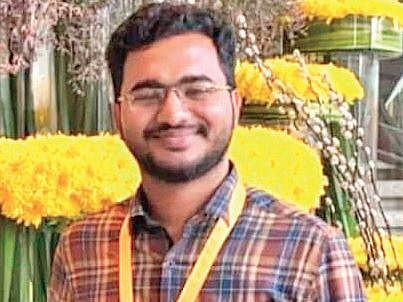
Dr Muhammad Yazin is a member of the Covid control room at Vattiyoorkavu

Thiruvananthapuram :

A few days ago, Dr Muhammad Yazin and his team at the Covid control room run by Vattiyoorkavu MLA V K Prasanth broke into a house. Their intentions, however, were honourable. A call had come from a 55-year-old Covid positive woman and she had fallen so sick that she couldn’t even open the door eventually leaving the medical team with no other option that breaking the door open. “We could save two patients, the woman and her 95-year-old mother. They were shifted to ICU at the medical college hospital, we hope they will recover,” says Yazin who has so many similar experiences to recount, including dealing with a snake in the house of a Covid patient.

The 26-year-old doctor, a former student of the Thiruvananthapuram Medical College, was working at a private hospital in Coorg till recently.

He quit the job to work with the medical team without any remuneration. This is not the first time he is volunteering.

During the 2018 floods, he had joined the same medical team as a student. That was just the beginning.

Later in 2019, when many people were buried alive in a massive landslide at Kavalappara near Nilambur, Dr Yazin was there with the medical team.

Also, he was among the volunteers when Cyclone Ockhi hit the coast in Thiruvananthapuram.

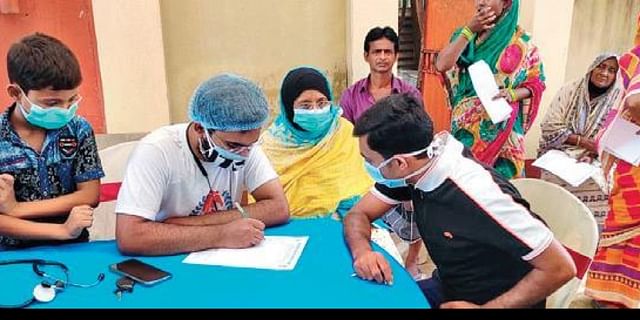
Besides volunteers and nurses, there are four doctors in the medical team of the Covid cell at Vattiyoorkavu. “We provide tele-consultation for the patients. Medicines are sent through the volunteers of the rapid response team. Our team consisting of a doctor, a nurse, and a volunteer also visit patients needing home care. We would shift them to hospitals if required. Our schedule is not at all hectic . We usually work for eight hours,” Dr Yazin adds.

“I had tested Covid positive while working in Coorg. After getting cured, I rejoined duty and resigned two days after knowing about this initiative. After having worked together during the flood and now, the team has become just like a family,” he says.

In the future, Dr Yazin is expecting to be a part of the medical team of Vattiyoorkavu Youth Brigade, an initiative of MLA Prasanth. The plan is to focus on the economically weaker sections. How about earning something to live? “Well , I plan to work in a private clinic and side by side find time for voluntary medical service,” he says.

source: http://www.timesofindia.indiatimes.com / The Times of India / Home> News> City News> Thiruvananthapuram News / by TNN / June 11th, 2021

Mumbai: FACC degree conferred upon Manipal Kasturba Hospital cardiologist Dr Abdul Razak

Majoor (Kaup Taluk, Udupi), KARNATAKA / Mumbai, MAHARASHTRA :

Mumbai :

Prestigious American College of Cardiology, medical organization of America conferred an FACC degree on Dr Abdul Razak U K, cardiologist of Manipal Kasturba Hospital considering his valuable medical service.

Razak hails from Majoor, Kaup taluk, Udupi and is the son of Haji Bavu Beary and Nabisabi. He is the son-in-law of well-known social worker Haji K Aboobacker and resides in Udupi at present.

source: http://www.daijiworld.com / Daiji World.com / Home> Mumbai / by Rons Bantwal, Daijiworld Media Network – Mumbai (EP) / June 11th, 2021

Dubai: Family of doctors gets 10-year UAE Golden Visas

Bhatkal, KARNATAKA / Dubai, UAE :

pix: supplied

In 1984, Dr Ismail started his first polyclinic in Karama, which soon became a familiar name for patients from South Asian communities in Dubai.

UAE resident Dr Ismail Kazia and his family are among the latest recipients of the coveted Golden Visa, thanks to his service in the field of medicine.

Hailing from Bhatkal, a coastal town in the state of Karnataka, India, Dr Ismail came to Dubai in 1982, at a time when only a few localities existed, together with a few hospitals and clinics. Karama has been his home ever since.

The doctor took up a post at an American clinic — but though he was “offered a good salary compared to other hospitals”, he said he soon realised there was a specific need for a clinic in Karama.

In 1984, he started the Dr Ismail Polyclinic in Karama, which soon became a familiar name for patients from the Indian, Pakistani, Bangladeshi and Nepali community in Dubai.

“We are very blessed and thankful for the Golden Visa, which is valid till May 2031,” he said, adding, “A few doctors in my hospital have also been granted the visa for their service during the pandemic.”

Dr Ismail has four sons, all of whom have followed him into the medical profession to become doctors themselves.

The eldest, Dr Mohammed Dawood Kazia, holds a Doctorate of Medicine (DM) in Gastroenterology, while his second son, Dr Mohammed Nooh Kazia, works as an endodontist at their polyclinic in Karama.

The third son, Dr Sheesh Kazia, is presently working at Kanachur Medical College in Mangalore, Karnataka — while his younger brother, Dr Mohammed Yusha Kazia, completed his MBBS recently.

Dr Ismail also has a son-in-law, Dr Anas Mohtesham, who works at the Royal Wing of Rashid Hospital.

The oldest, Dr Dawood Kazia, said: “It’s a blessing to work here in Dubai. My brothers, who are presently in India, have also been granted Golden Visas by the authorities. My younger brother Dr Sheesh will also join us in the coming days. We thank the authorities for recognising the efforts of doctors.”

Dr Ismail now has a day surgical centre in Karama along with six polyclinics at various locations in Dubai. He also has clinics at labour camps in Al Quoz, Jebel Ali and Sonapur, which are dedicated to the treatment of labourers at minimal charges.

He has reportedly offered his services to people of over 80 nationalities, something he considers a bit of a personal achievement, given that there are over 200 nationalities residing in Dubai.

ayaz@khaleejtimes.com

source: http://www.khaleejtimes.com / Khaleej Times / Home> News / by SM Ayaz Zakir, Dubai / June 06th, 2021

Saudi based NRI donates Rs 15L for oxygen generation plant at AMU

Aligarh Muslim University (AMU) has seen unprecedented number of cases and deaths during the second wave of Coronavirus pandemic

Bareilly , UTTAR PRADESH / Jubail, SAUDI ARABIA :

Rehan Alam Siddiqui

Aligarh: 

At a time when universities across the country are been adversely affected by the pandemic, Rehan Alam Siddiqui, a Non Resident Indian (NRI) based in Jubail, Kingdom of Saudi Arabia (KSA) has donated Rs 15 lakhs to Aligarh Muslim University (AMU) to set up an oxygen generation plant at its Jawaharlal Nehru Medical College (JNMC).

Aligarh Muslim University (AMU) has seen unprecedented number of cases and deaths during the second wave of Coronavirus pandemic which is yet to be brought under control.

As per the last update , as many as 18 working faculties besides a number of other retired professors and serving employees have become victim of the deadly virus so far.

“Alarming death toll”

The alarming death toll has sent shock-waves leading to apprehensions that a deadlier ‘AMU strain’ of the virus is wreaking havoc. It was also reported that for the first time in the history of the university, the AMU cemetry is running short of space and old graves are now being dug up to bury the dead.

Against this backdrop the university had issued appealed to the government and other public and private organisations and individuals for help and support.

True well wisher of AMU”

Rehan Siddiqui obliged and donated the huge sum to his alma mater. Extending gratitude on the largesse, AMU Vice Chancellor, Prof Tariq Mansoor said:

“Mr Rehan is a true well wisher of the university, whose donation will be very beneficial to upgrade the existing health infrastructure for an effective Covid Response”.

“We at AMU are making all possible efforts to contain the spread of this pandemic and Mr Siddiqui’s donation will go a long way in serving the sick and the distraught with the lifesaving oxygen supply”, he added.

Born and brought up in a middle-class family in Bareilly (UP), Rehan Siddiqui has emerged as one of the fastest growing businessmen and industrialists in the Eastern Region of KSA.

Rehan Siddiqui is promoting better relations of the Indian community with the Indian consulate in KSA. He also organises cultural and academic programmes.

“Rs 3L donation by TSA”

In another development, members of the Technical Staff Association (TSA), Aligarh Muslim University (AMU) donated Rs 3 lakhs to facilitate Medical Attendance Scheme (MAS) to purchase equipments to be used for the treatment of registered employees and to strengthen the MAS Covid Response team.

The cheque was handed over to the university officials after the TSA members, Faisal Rais (TSA President), Abid Ali Zaidi (TSA Secretary General) and Kamran Husain (TSA Treasurer) met the Vice Chancellor, Prof Tariq Mansoor and Registrar, Mr Abdul Hamid (IPS).

source: http://www.ummid.com / Ummid.com / Home> India / by ummid.com News Network / May 31st, 2021