Category Archives: Uncategorized

The Rich Tapestry of Muslim Life in India

INDIA :

FLOURISHING IN DIVERSITY

India, renowned for its kaleidoscope of cultures and religions, proudly harbors the world’s second-largest Muslim population, numbering approximately 182 million individuals. Across centuries, Muslims have intricately woven themselves into the fabric of Indian society, making substantial contributions to its socio-economic and cultural tapestry. While facing sporadic instances of bias and preconception, the broader narrative paints a hopeful picture of opportunity, inclusivity, and individual triumph within the Indian Muslim community.

Dismantling Stereotypes: Embracing a Collective Identity

The prevailing narrative often casts the Muslim community in India as merely a “minority”. However, challenging this perspective and pivoting towards promoting religious representation and inclusivity is crucial. India’s constitution, a cornerstone of its diverse democracy, upholds secularism, ensuring equal rights and opportunities for all citizens, irrespective of their faith. In contrast to some neighboring countries, India’s political landscape avoids religious appeasement, fostering healthy competition and collaboration among religious communities. This emphasis on meritocracy paves the way for mutual growth and prosperity, where individual success is solely determined by talent, hard work, and skill.

Freedom to Flourish: A Nation of Myriad Opportunities

A significant advantage of being a Muslim in India lies in the freedom to pursue a chosen career path without apprehension of discrimination based on faith. This openness allows individuals the opportunity to excel in diverse fields, contributing significantly to national progress. History showcases numerous Muslim personalities who have carved their niche in fields like finance, entertainment, science, and technology, enriching India’s social and economic landscape.

Pillars of Progress: Inspiring Stories of Excellence

Mohammad Yunus, a Bangladeshi economist who studied in Kolkata, India, exemplifies the potential for success. Co-founding the Grameen Bank, a revolutionary microfinance institution, he was awarded the Nobel Peace Prize in 2006 for efforts in eradicating poverty. Closer to home, the Indian film industry boasts Muslim stars who have captivated audiences for generations. Shah Rukh Khan, fondly known as “King Khan,” is a global icon, showcasing the immense opportunities within the Indian entertainment sector. Similarly, figures like Azim Premji (Wipro) and Yusuf Khwaja Hamied (Cipla) have emerged as leaders in the nation’s IT and pharmaceutical industries, respectively. Their success stories are not merely individual triumphs but stand as testaments to India’s potential to nurture excellence irrespective of religious background.

Breaking Glass Ceilings: Leading the Way for Muslim Women

In a society where gender equality is an ongoing endeavour, Muslim women in India are making notable strides, defying societal norms and forging paths to success. These trailblazers are not only establishing flourishing businesses but also becoming role models for aspiring women nationwide. Farah Malik Bhanji, the owner of Metro Shoes, stands as a shining example, leading a vast retail chain with over 700 stores across India. Her story, alongside countless others, serves as a potent reminder that ambition and determination can transcend societal barriers.

Education as the Cornerstone: Empowering the Future

Education plays a pivotal role in empowering individuals and propelling societal progress. India provides its Muslim population unparalleled access to educational institutions, facilitating their intellectual and professional development. This commitment to education equips young Muslims with the tools and knowledge necessary to compete globally and contribute meaningfully to society’s advancement.

Bridging Divides: Cultivating Dialogue and Understanding

While celebrating achievements, it is crucial to acknowledge that challenges persist. Countering negative stereotypes and promoting interfaith dialogue are essential steps toward building a more inclusive and harmonious society. Muslims in India actively contribute to these efforts by engaging in public discourse, fostering understanding between communities, and challenging harmful misconceptions.

Beyond Success: A Shared Responsibility for a Brighter Future

As India continues its journey toward global leadership, the contributions of its diverse communities become increasingly significant. The Muslim community in India plays a pivotal role in this journey, contributing to the nation’s economic, social, and cultural landscapes. It is the shared responsibility of all citizens, regardless of their faith, to collaboratively forge a future grounded in mutual respect, understanding, and shared prosperity.

Conclusion: A Tapestry Woven with Strands of Hope and Opportunity

The narrative of Muslims in India is intricate and multifaceted, weaving a story of challenges and triumphs, resilience and hope. It stands as a testament to the potential of a diverse society where individuals from all walks of life can contribute unique talents and perspectives to build a brighter future for all. As the nation evolves, one certainty remains: India’s Muslim community will persist as a vibrant and integral part of its story, leaving an indelible mark on the rich cultural heritage of the nation.

(Author besides being a Doctor is very active in positive perception management of various political and social issues. He can be reached at: drmalikadil@gmail.com, Twitter @drmalikadil)

source: http://www.risingkashmir.com / Rising Kashmir / Home> Blog> Viewpoint / by Dr Adil Malik / March 04th, 2024

Community News – Awards

INDIA :

Literary Awrad to Noman Shauq

Indian Association of Bihar & Jharkhand (IABJ), a social and cultural organisation which is associated with Indian Cultural Centre, Qatar held an International Mushaira on the occasion of Bihar Day celebration at Radisson Blue Hotel.

On this occasion Noman Shauq, a noted poet from Bihar was honoured with ‘Shaad Azimabadi’ Award, consisting of a shield and a cash prize of Rs. 21,000 in recognition of his literary services.

Shaad Azimabadi is counted amongst the most imported Urdu poets, needs no introduction to Urdu knowing people. It was also decided on this occasion that this Awrad will be given every year to at least two poets from Bihar in recognition of their literary services.

No’man Shauq, who was born in Aara (Bihar) on 2 July 1965 is presently settled in Noida. His 5 anthologies of poems in Urdu and Hindi, including Freezer mein rakhi ShaamJalta Shikara dhoondnay mein etc have so far been published. He is also a senior broadcaster in All India Radio, is a regular contributor to many literary magazines and has also rendered valuable services to the literary website ‘Rekhta’. His anthologies of poems have also been translated into many other languages. This Award was given to him jointly by Dinesh Yudinia, First Secretary in Indian Embassy here (Qatar) and Khalid Ghamdi, Chairman of Alomase Group.

On the occasion of Bihar Day celebration IABJ had for the first time organised an International Mushaira which was chaired by the noted poet, Iqbal Ashhar and many noted poets of India and Qatar including Iqbal Ashhar, No’man Shauq, Mrs. Chaandni Shabnam and others participated. 

SHAMSUR RAHMAN FAROOQI

Padma Shri, eminent critic, poet, fiction writer, historian, translator, journalist and novelist was honoured with 26th National Mikash Award-2015 at a function sponsored by Agra’s ligerary Anjuman, Bazm-e Maikash on 17 April in the presence of a distinguished gathering consisting of, amng others, Prof Muhammad Muzammil, Vice Chancellor of Dr. Bhim Rao Ambedkar University (Agra), Prof. Sayyad Muhammad Ameen Mian Qadiri Barkati, former President of AMU’s Departmet of Urdu etc. 

M. R. CHISHTI

A Hindi poet of Bihar, was honoured by the Indian Association of Bihar and Jharkhand (IABJ), an Urdu, Hindi literary organisation of Bihar, with ‘Ram ‘Dhari Singh Dinkar’ Award’ in recognition of his literary services to Hindi. Ram Dhari Singh ‘Dinkar’ was a Hindi poet of Bihar who was an MP also. It may be stated in this connection that IABJ had almost simultaneously honoured Urdu poet of Bihar No’man Shauq with Shaad Azimabadi Award. The Awrd to MR Chishti also consists of a cash prize of Rs. 21,000 and a shield.   

Dr. HAIFA SHAKIRI

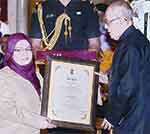
Assistant Professor in Jamia Millia Islamia University’s Arabic Department, was honoured by President Pranab Mukherji for writing many books in Arabic and for research in Arabic. She was earlier named by Indian government for Maharishi Badrayan Vyas Award which was given to her by the President at a function held in Rashtrapati Bhawan on 11 April.           

Prof. SAGHEER IFRAHIM

Senior teacher in AMU’s Department of Urdu and editor of Tahzeebul Akhlaq magazine was honoured with UP government’s Urdu, Hindi Sahitya Award. The Award, consisting of a shawl, an Insignia of Honour and a cheque of Rs. one lakh was given to him by UP’s Governor Ram Nayek. Prof Sagheer Ifrahim is an author of at least six books and more than 200 resesarch articles.

Bihar Urdu Academy has selected, among others, three books published in 2014 and their authors with its awards. The books are Risala Shahrah: Tajziati Mutala’s aur Isharia by NAUSHAD MANZAR (of Samastipur, Bihar), a senior research Fellow in Jamia Millia Islamia University (Delhi)’s Department of Urdu; Fiction ki talaash mein by Dr. ABU BAKAR EBAAD, teacher, critic and fiction writer in Delhi University’s Department of Urdu and Baatein Meer-e KaravanN ki by MUHAMMAD ARIF IQBAL, an MA (Final Year) student, also of Delhi University’s Urdu Department. The amounts of Awards are Rs. 10,000 for Naushad Manzar, Rs. 21,000 for Dr. Abu Bakar Ebaad and Rs. 15,000 for Muhammad Arif Iqbal. Urdu dailyInquilab and Hamdard Laboratories had jointly held ‘Inqilab-Hamdard Health Quiz’ competiton.

Among the thousands of contestants who had sent correct answers the following ten contestants were selected for performance of Umrah.(Ms) QAMAR JAHAN (Delhi), AZHAR MUNIR (Lucknow), MALIK MUHAMMAD AZHAR (Siddharth Nagar), (Ms) SHAHIDA PARVEEN (Saharanpur), M. YUSUF (Muradabad), ISHTIYAQ AHMAD SIDDIQI, (Kanpur), REYAZ AHMAD (Siwan, Bihar), IMDADULLAH (Madhubani, Bihar),MUJIBUR RAHMAN (Bhagalpur, Bihar),MUHAMMAD KALIMUDDIN (Jaunpur, UP). They will be sent to Saudi Arabia for 15 days for performance of Umrah. Tickets and Travel Kits were given to them at a function held in India Islamic Cultural Centre, New Delhi on 13 April. Their flight, arranged by Aasma Tours and Travels New Delhi, from New Delhi to Jeddah had left Delhi on 14 April.   

source: http://www.milligazette.com / The Milli Gazette / Home> Community News> Awards /by The Milli Gazette / May 02nd, 2016

Opinion | Solidarity, Not Silence: The Message at the Heart of ‘Shikwa-e Hind’

INDIA :

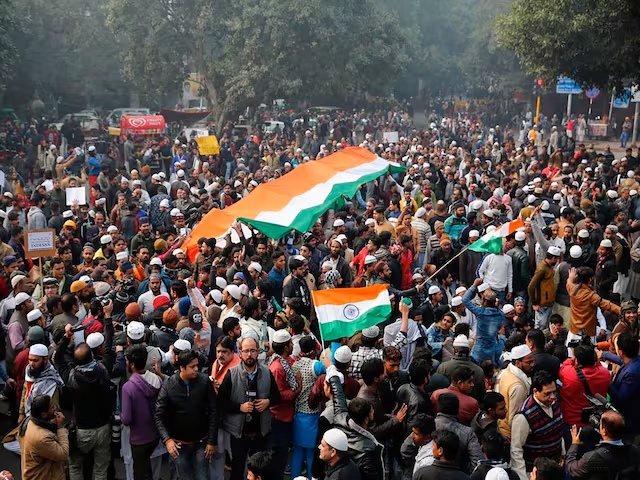
Mujibur Rehman says Muslims need a political voice and without it, democracy in India would remain somewhat wounded.(Representational photo/AP)

Mujibur Rehman’s ‘Shikwa-e Hind’ advocates for Indian Muslims to build solidarity with other marginalised groups like Dalits, actively engage in the political sphere, and reclaim their rightful place as equal citizens to create a truly inclusive India.

The Muslim community needs to invest considerably to build up goodwill with other communities, religious minorities, dominant castes and Dalits to foster solidarity with them and work for a secular polity. They should also work for a ‘humane India’ sensitive towards human rights.

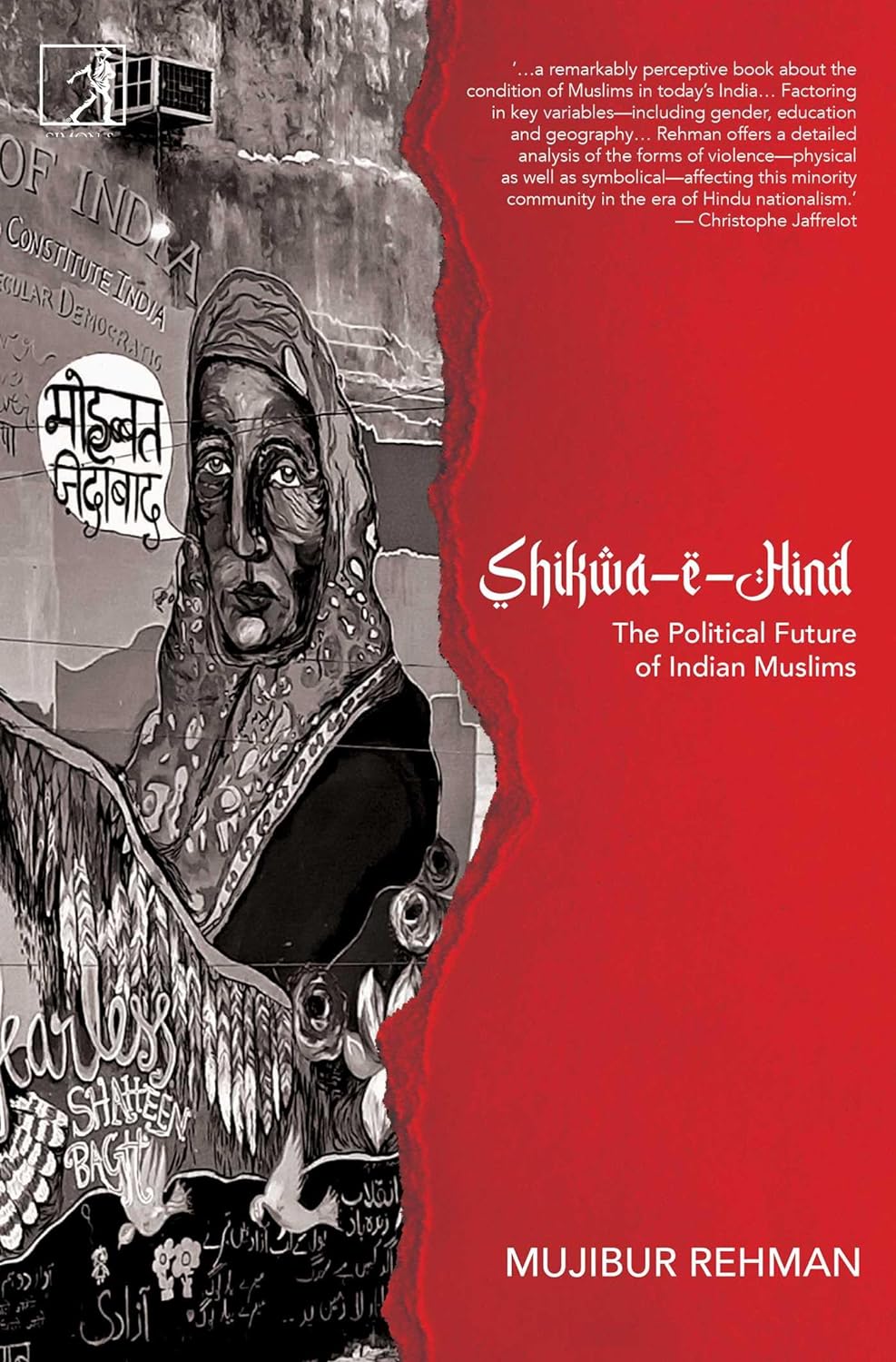
These are some of the findings of Professor Mujibur Rehman’s ‘Shikwa-e Hind – The Political Future of Indian Muslims’ (Simon & Schuster, 2024), which explores the predicament of the political future of Muslims in India. Professor Rehman, who specialises in identity politics and development politics with a special focus on religious minorities in India, teaches at Jamia Millia Islamia University in New Delhi. According to him, India’s tectonic shift toward Hindu majoritarianism has made the future of the country’s largest minority—Indian Muslims—dark and gloomy. The important question, therefore, is: “Is there a way out?”

For Rehman, the current situation for Muslims in India marks the third critical political moment in their history. While the economic future and cultural rights of Indian Muslims have been debated since 1947, Rehman argues that their political future demands attention because only as an equal and participatory political community can economic or cultural futures be addressed. “If their political will is not strengthened,” says Rehman, “Indian Muslims will be left at the mercy of majoritarian forces, subject to their whims and fancies.” The first critical political moment for Muslims in India was in 1857 when Indian Muslims had to adapt to life under British colonial rule. The second was in 1947 when the community was given equal status in the Indian Constitution.

Mujibur Rehman’s ‘Shikwa-e Hind – The Political Future of Indian Muslims’ .

Drawing heavily on the life and work of Sir Sayed Ahmed Khan, B.R. Ambedkar, and Martin Luther King Jr.—figures who fought for the rights of their respective minorities at different historical junctures—Rehman’s meticulously researched work provides interesting insights and inspiration. He repeatedly asserts that the Muslim community, moving forward, must articulate a clear vision of their democratic rights as equal citizens and define the ethics of human dignity as they strive to reclaim their rightful place within India’s political power structures.

But there are numerous challenges. Muslim politics in India has been dynastic, and two major minority universities, namely Jamia and AMU, do not even hold regular student union elections. As a result, there is always an issue of positive politicisation of Indian Muslims. There is no mechanism to address Muslim causes. Organisations like the All India Muslim Personal Law Board, AIMIM, IUML and Jamat-e Islami have been counterproductive for secular, modern Indian politics. The subjugation of Muslims, de-Islamisation of the country, normalisation of violence and a tendency to blame Muslims for their own victimhood presents a beleaguered situation for the second-largest population of Muslims in the world.

For Rehman, the challenge before Muslims in India is not merely from the rise of Hindu right forces that are hostile but the indifference of the so-called secular forces and political groups. The representation of Muslims in state assemblies and parliament is constantly on the decline. Another problem with secular parties is that most of them are dynastic and the Hindu right has successfully established a public perception that their loyalties are more with the families than the national interest. Interestingly, these so-called secular parties have deployed a bogey of soft Hindutva which acts against the interests of the Muslim community.

Rehman says Indian Muslims need to look up to African Americans, Dalits and others as sources of inspiration. To conclude, he says Muslims need a political voice and without it, democracy in India would remain somewhat wounded.

The writer is a Visiting Fellow at the Observer Research Foundation. A well-known political analyst, he has written several books, including ‘24 Akbar Road’ and ‘Sonia: A Biography’. Views expressed in the above piece are personal and solely that of the author. They do not necessarily reflect News18’s views.

RASHEED KIDWAI

    Rasheed Kidwai is a journalist, author, columnist and political analyst. He is a visiting Fellow at the Observer Research Foundation (ORF). Formerly, Associate Editor of The Telegraph, Kidwai tracks government, politics, community affairs and Hindi cinema. He is the author of ‘Sonia, A Biography’, ‘24 Akbar Road’, ‘Ballot: Ten Episodes that Have Shaped India’s Democracy’, and ‘Neta–Abhineta: Bollywood Star Power in Indian Politics’.

    source: http://www.news18.com / News 18 / Home> Opinion / by Rasheed Kidwai, New Delhi, India / May 27th, 2024

    Withering Urdu Libraries Of India And Methods To Revive Them

    INDIA :

    Many scholars say that the time has come for these libraries to digitise their books and manuscripts and grant global access to their literary treasures through payment.

    Khuda Baksh Library – Photo by UMAR AMAN

    As Urdu libraries across various parts of the country witness a decline in readership, several libraries are adopting new strategies to expand their influence by adding books related to competitive examinations and providing reading space to students appearing for these exams.

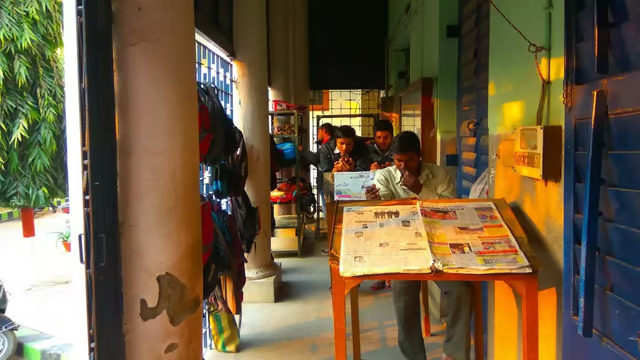
    One such example is the Alambazar Urdu Library located in Alambazar, near north Kolkata in West Bengal. The library has embraced this approach to attract readers. Arif Hussain, the secretary of Alambazar Urdu Library, says, “We have established an academic unit within our library. This unit houses books catering to a range of entrance tests, including ITI, NEET and other similar exams, for admission into medical and engineering courses. We also provide resources to prepare for competitive exams―for both, the state and Union government―as well as for banks, railways and other exams. Students and educated unemployed youth find it of great value and make use of our academic unit.”

    Founded in 1978, Alambazar Urdu Library is located in an area inhabited mainly by the Urdu-speaking Muslim community of the state. Hussain says most residents are workers from the nearby Barnagore Jute Factory and daily wage earners. “A significant portion of these people are either illiterate or semi-literate. Due to the longstanding decline of the jute industry, which has adversely affected people’s financial condition, there is a dearth of educational opportunities. The library was established to serve the students of the local Urdu medium higher secondary school and cater to the needs of these underprivileged residents,” he says. Despite housing a large collection of Urdu novels and books, the library has experienced a reduction in footfall over the years. “One possible reason is that people no longer resonate with contemporary Urdu literature, which may have led them to explore other avenues. Social media has changed the whole scenario and people have moved away from reading,” he adds.

    In Patna, the Khuda Bakhsh Oriental Public Library, a repository of Indo-Islamic knowledge and arts, has also turned its attention to civil services exam preparation. The library has made competitive examination materials, including those for medical and engineering fields, available to students and has dedicated a section for this purpose. The Curzon
    reading room stands out as a popular space in the library. While scholars from India and beyond frequently visit the library to study its vast collection of manuscripts―Sufi literature, poetry, Persian literature, history, and miniature paintings―students appearing for competitive exams prefer the Curzon reading room. The library also houses books in humanities and social sciences, some dating back to the 1600s and 1700s.

    The Khuda Bakhsh Oriental Public Library, inaugurated for public use in October 1891 by Bihar’s illustrious figure, Khan Bahadur Khuda Bakhsh, initially boasted of 4,000 manuscripts, with 1,400 of them inherited from his father. The Government of India designated it as an Institution of National Importance through a Parliamentary act in 1969.
    Urdu poet Shahid Jamal, originally from Patna, expresses his concern over the trend of libraries incorporating competitive examination materials. He says, “I am surprised by the insistence of libraries on featuring competitive examination books or providing resources for students preparing for such exams, which seems to have little connection to the core essence of a library.”

    Jamal says it is necessary to understand the political dynamics surrounding Urdu in the country to grasp the predicament faced by Urdu libraries. “The current status of the Urdu language in the country, often perceived not just as a spoken language, but as a language solely associated with Muslims, has had an impact on the status of Urdu libraries.”

    While stating that both the Khuda Bakhsh Oriental Public Library and the Rampur Raza Library receive central funding under the Ministry of Culture, Jamal says his desire is to see these libraries expand their infrastructure and focus on digitisation.

    The Rampur Raza Library, a prominent institution, traces its origins back to Nawab Faizullah Khan’s establishment of the library in 1774. The Nawab and his successors supported and patronised scholars, ulema, poets, painters, calligraphers and musicians, contributing to the library’s rich heritage. The library houses manuscripts in various languages including Arabic, Persian, Pashto, Sanskrit, Urdu, Hindi and Turkish.

    Many scholars say that the time has come for these libraries to digitise their books and manuscripts and grant global access to their literary treasures through payment. “These institutions should introduce library science courses also, apart from making libraries available to the rest of the world through digitisation and a subscription model rather than bringing competitive exam books,” says Jamal. “You find these competitive examination centres everywhere. Don’t turn libraries into coaching centres,” he says.

    Syed Kalim Akhtar, vice president of Bhopal’s Iqbal Library, Bhopal, says efforts are on to digitise the library’s resources. Established in 1939, the centrally-located Iqbal library aims to combat the waning interest in Urdu among the younger generation. Akhtar says there is a shortage of Urdu teachers in schools, leading students to opt for alternative languages. “While we don’t discourage learning other languages, we advocate for the preservation of Urdu,” Akhtar says.

    He says in the past the library served as a reading room cum library, attracting visitors who came to read newspapers and magazines.

    Akhtar says the library’s attempt to enhance its readership base by establishing a study centre and procuring over a hundred thousand books related to competitive examinations suffered due to flooding. A few years ago, the centre housing these resources was submerged after heavy and continuous rainfall, resulting in extensive damage to the books.

    Ikram ul Haque, assistant professor in the department of history at the Maulana Azad National Urdu University, Hyderabad, says his long experience with Urdu libraries, especially in Hyderabad, has made him think that the libraries need to innovate and utilise the available modern tools and technologies to increase readership.

    He cites the example of Idara-e-Adabiyat-e-Urdu, Hyderabad. He says it started as an organisation to promote Urdu and later its founders converted it into a library and started some courses. The Idara-e-Adabiyat-e-Urdu (Urdu Literature Institution) was established in the 1930s by Muhiuddin Qadri ‘Zore’, a Dakkani litterateur and a literary historian. The institute has ancient Urdu, Arabic, and Persian manuscripts, along with a collection of historical Urdu newspapers, and it attracts researchers from various universities across the country.

    “Prof Zore was from Hyderabad, and he had established the Idara on the land owned by his mother. This library has rare Urdu books, a huge collection of manuscripts and the earliest collection of Dakkani Urdu manuscripts. But the Idara-e-Adabiyat-e-Urdu is today in its worst condition,” says Haque.

    He says though the Rekhta Foundation has digitised Idara’s books, their physical copies are in bad shape. “You will not find a permanent librarian at the Idara. It is a retired person who voluntarily gives his service to the library,” says Haque. He says a complete lack of staff and a regular source of income have pushed libraries like Idara into a crisis.

    “There are some structural problems with Urdu libraries in particular and other libraries in general. In Urdu libraries, people usually don’t visit. Only researchers and scholars visit these libraries,” he says. He attributes this to the disconnect between the people and libraries. “We have to find ways to attract people to libraries and provide books, reading rooms for competitive examinations and books about competitive examinations could be the possible solution,” says Haque. He also says that the libraries need regular funding to recruit and increase their infrastructure and that aspect has to be looked at by the government. He also says the libraries need to digitise their books and manuscripts to make them available for subscription to the whole world. “That is the only way these libraries will flourish,” adds Haque.

    source: http://www.outlookindia.com / Outlook / Home> National / by Naseer Ganai / August 24th, 2023

    SRK becomes first Bollywood star with a coin at Grevin Museum

    Mumbai, MAHARASHTRA :

    In addition to this honor, Shah Rukh Khan’s wax statues are displayed in 14 different locations worldwide, including the Grevin Museum.

    Mumbai: 

    Bollywood superstar Shah Rukh Khan, known for his triumphant return to success with the 2023 hits “Pathaan,” “Jawana,” and “Dunk,” has achieved another impressive milestone in his legendary career. 

    The prestigious Grevin Museum in Paris has honored him by creating customized gold coins in his name, making him the first actor to receive such a tribute.

    Often called King Khan, SRK has spent over three decades in the film industry, delivering numerous memorable movies. His remarkable contributions to cinema have earned him a vast array of awards, both domestically and internationally. The Grevin Museum first recognized his global influence in 2018 by creating a gold coin bearing his likeness and name.

    SRK will be honored with the Career Achievement Award by the Locarno Film Festival. The ‘Jawan’ actor will be awarded the prestigious award for his outstanding career in Indian cinema spanning more than 100 feature films “in a breathtaking multitude of genres”. 

    The 77th edition of the Locarno Film Festival will take place from August 7 and continue till August 17. Khan will receive the award on August 10 at the Piazza Grande open-air venue where his film ‘Devdas’ (2002) will also be screened. It will be followed by Shah Rukh Khan’s conversation on August 11.

    In addition to this honor, Shah Rukh Khan’s wax statues are displayed in 14 different locations worldwide, including the Grevin Museum. His immense fan following and iconic status continue to grow, showcasing his unmatched impact on the entertainment world.

    On the professional front, SRK is reportedly collaborating with his daughter Suhana on a film titled “King,” directed by Sujoy Ghosh. The film is set to begin production later this year and is expected to release in 2025.

    According to reports, Abhishek Bachchan will take on a negative role in the movie. Additionally, there are plans for SRK to start working on “Pathaan 2” soon.

    source: http://www.siasat.com / The Siasat Daily / Home> Entertainment> Bollywood / by Chandra Mouli / July 24th, 2024

    Empowering Voices: Ms. Syed Shehzadi’s Inspiring Visit to Jamia Hamdard

    NEW DELHI:

    New Delhi :

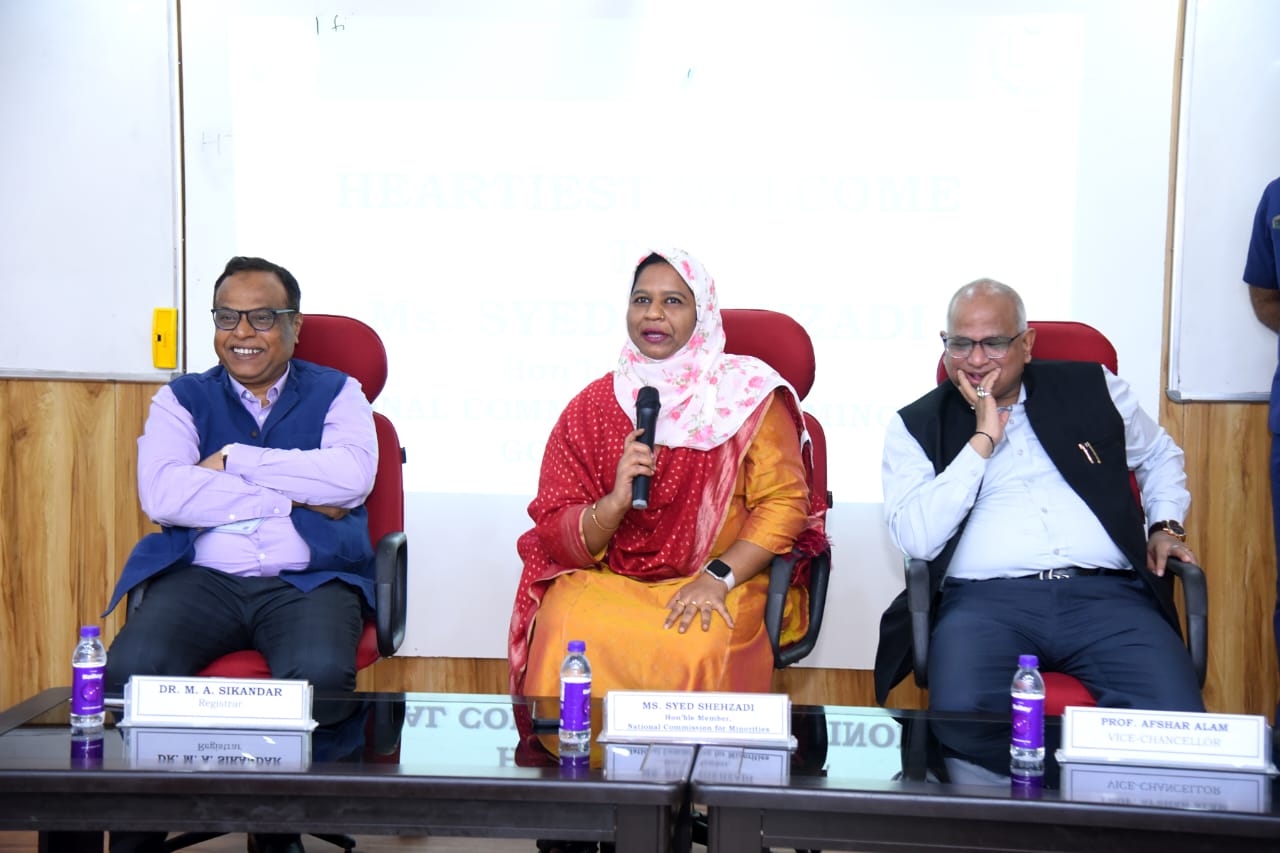
    Jamia Hamdard was abuzz with excitement as Ms. Syed Shehzadi, Member of the National Commission for Minorities, Ministry of Minority Affairs, visited the campus. This significant occasion was marked by enriching interactions that left a lasting impact on students and faculty alike.

    Ms. Shehzadi was warmly received at the VC Office Board Room by Prof. (Dr.) M. Afshar Alam, the Vice-Chancellor; Dr. M.A. Sikandar, the Registrar, and other senior university officials. Expressing her admiration for Jamia Hamdard’s commitment to educational excellence, Ms. Shehzadi’s opening remarks set a positive tone for the day’s events.

    During a morning session with the university’s senior functionaries, Ms. Shehzadi and Prof. Alam discussed the institution’s achievements and ongoing projects aimed at fostering inclusivity. Ms. Shehzadi emphasized the crucial role educational institutions play in promoting social harmony and nurturing future leaders.

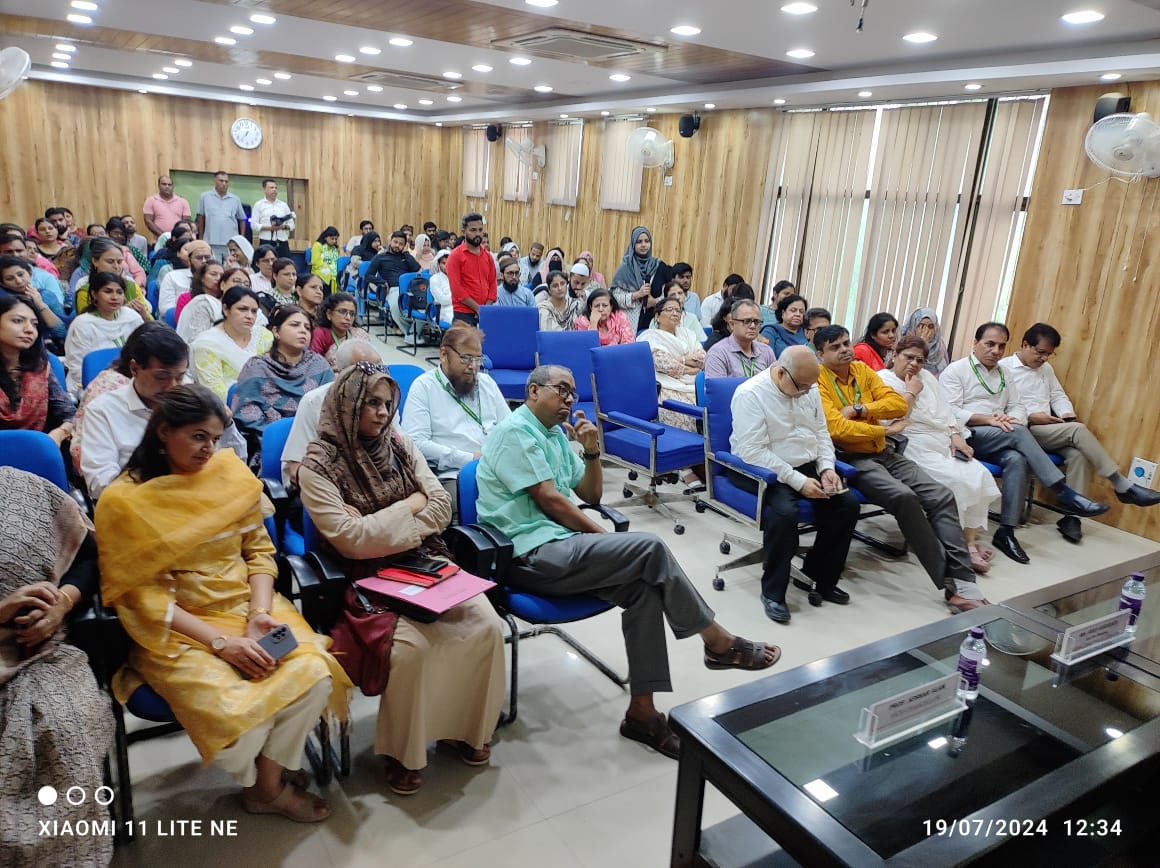
    In a lively session held at the Seminar Hall of the School of Chemical & Life Sciences, Ms. Shehzadi engaged with enthusiastic students and faculty members. Her address, highlighting government initiatives for minority communities, was both inspiring and thought-provoking. She encouraged students to actively participate in nation-building activities.

    The highlight of the day was the interactive Q&A session. Students asked questions ranging from educational policies to career advice, to which Ms. Shehzadi responded with insightful and motivating answers, reflecting her deep commitment to minority affairs. She urged students to be resilient, pursue their dreams, and contribute positively to society.

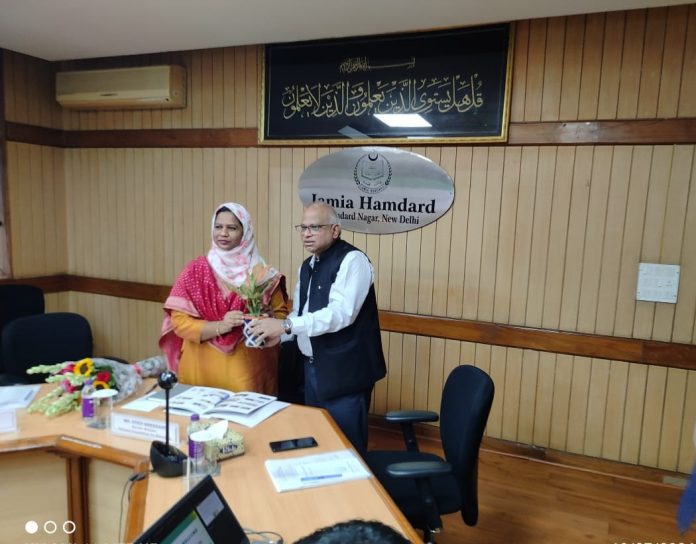
    The visit concluded with a brief meeting where Ms. Shehzadi thanked the university officials for their hospitality and praised their efforts in creating a conducive learning environment. Prof. Alam presented her with a memento as a token of appreciation.

    Ms. Syed Shehzadi’s visit was more than a ceremonial event; it celebrated shared values and reaffirmed the university’s mission to provide quality education to all. Her words resonated with everyone, inspiring students and faculty to strive for excellence and contribute to the community’s welfare.

    Dr. M.A. Sikandar, Registrar, proposed the vote of thanks, marking the end of a memorable day filled with renewed energy and purpose at Jamia Hamdard. This visit will be remembered as a milestone, fostering stronger ties between the university and the National Commission for Minorities, and igniting the spark of empowerment among its students.

    source: http://www.radiancenews.com / Radiance News / Home> Latest News> Report / by Radiance News Bureau / July 19th, 2024

    Mangaluru’s Kian PC wins Bronze in Yonex Sunrise Karnataka State Badminton Tournament

    Mangaluru, KARNATAKA :

    Mangaluru:

    Kian PC, a 12-year-old promising young talent from the SBA Badminton Academy in Mangalore, has secured a bronze medal in the U15 Boys Doubles category at the Yonex Sunrise Karnataka State Ranking tournament. The event took place in Shivamogga from July 1 to July 6, 2024.

    Kian, guided by his coach Shreyas and supported by his partner Shivank from the DYES Academy in Bangalore, achieved this milestone in his budding badminton career. This victory marks his first medal in a state-level competition.

    Kian hails from the Beary community in Mangalore and is the grandson of Prof. P.C.M. Kunhi and Dr. Abdul Majeed.

    source: http://www.english.varthabharati.in / Vartha Bharati / Home> Karavali / by Vartha Bharati / July 08th, 2024

    New office bearers elected for Bhatkal Muslim Youth Federation

    Bhatkal, KARNATAKA :

    Bhatkal: 

    The Bhatkal Muslim Youth Federation (BMYF), an integral body affiliated with Bhatkal’s prominent socio-religious organization Majlis-e-Islah wa Tanzeem, announced its new office bearers on Thursday, July 11. The BMYF plays a crucial role in overseeing sports and developmental activities for the youth in and around Bhatkal through its various sub-committees.

    Moulavi Wasiullah Damda Faqui of the Al Falah Youth Organisation was elected as the President of BMYF. Mubasshir Hallare from Shaheen Sports Center was appointed as the General Secretary.

    The newly elected office bearers come from diverse backgrounds, representing different associations within Bhatkal, and bring a wealth of experience and dedication to their roles.

    Moulavi Wasiullah Damda Faqui, the new President, is known for his involvement with the Al Falah Youth Organisation. Mubasshir Hallare, the General Secretary, is an active member of the Shaheen Sports Center and has been instrumental in organizing various sports and other events in the region.

    Advocate Syed Imran Lanka from Azad Nagar Friends Association and Advocate Afaque Kola from Young Muslim Service Association have been elected as the Vice Presidents. Moulvi Iyaad S.M from Haneef Welfare Association will serve as the Secretary.

    Rameez Kola of Madeena Welfare Society takes on the role of Treasurer, responsible for the financial management of the organization. Roshan Kundunguda from Al Hilal Association will serve as the Accountant.

    Educational initiatives will be spearheaded by Waseem Asarmatta of Lion Sports Center, who has been appointed as the Educational Secretary. Zaheer Shaikh from Youngstar Welfare Association will focus on social activities as the Social Secretary. Talha Trichanapalli from Royal Sports Center has been elected as the Sports Secretary, tasked with promoting and organizing sports events. Moulavi Meera Pote from Coastal King Welfare Association will serve as the Discipline Secretary.

    The BMYF has a long-standing commitment to promoting sportsmanship and developmental activities among the youth.

    source: http://www.english.varthabharati.in / Vartha Bharati / Home> Karavali / July 12th, 2024

    Tamil Nadu Reconstitutes State Minorities Commission

    TAMIL NADU:

    Chennai :

    The Tamil Nadu government, under the leadership of Chief Minister M.K. Stalin, has reconstituted the State Minorities Commission, reported The Hindu. This significant move aims to enhance the representation and welfare of minority communities in the state.

    Rev. Fr. Joe Arun has been appointed Chairperson of the newly reconstituted Commission. Rev. Fr. Arun is known for his extensive work in community service and his commitment to promoting educational and social equity.

    M.M. Abdul Kuthoos, also known as Iraianban Kuthoos, has been named Vice Chairperson. Mr. Kuthoos has been actively involved in social work and advocacy for minority rights, bringing valuable experience to his new role.

    The Commission’s newly appointed members include Hamilton Welson, A. Sornaraj, Nagore A.H. Nazimuddin, Praveen Kumar Thatiya, Rajendra Prasad, Rameet Kapoor, J. Mohammed Rafi, and S. Vasanth. Each member brings a wealth of knowledge and experience from various fields, including education, social work, and community development.

    In addition to these appointments, the State government has also named C. Fernandas Rathina Raja chair of the Tamil Nadu Minorities Economic Development Corporation. This organization plays a crucial role in promoting economic opportunities and financial support for minority communities, helping to drive inclusive growth and development across the state.

    The reconstitution of the State Minorities Commission is a testament to the Tamil Nadu government’s commitment to fostering an inclusive and equitable society.

    source: http://www.radiancenews.com / Radiance News / Home> Latest News> Report / by Radiance News Bureau / July 24th, 2024

    Assam highway tomb of freedom fighter Baga Maulvi is shrine of harmony

    Marai Village, Siphajr (Darang District) , ASSAM :

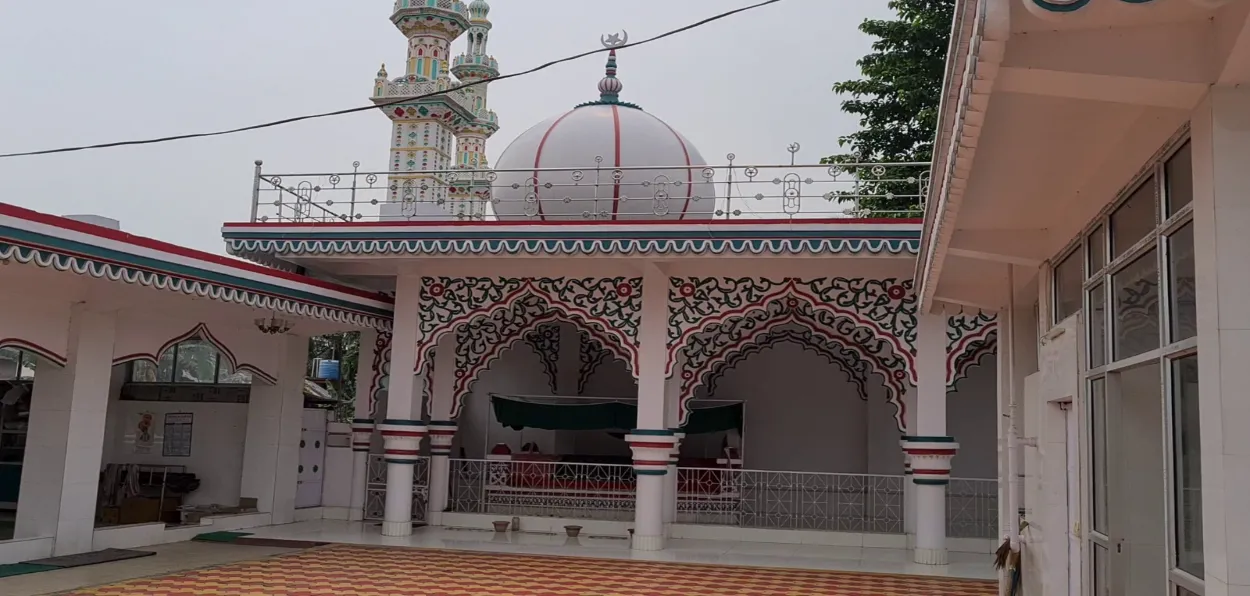
    Inside the shrine of Baga Baba

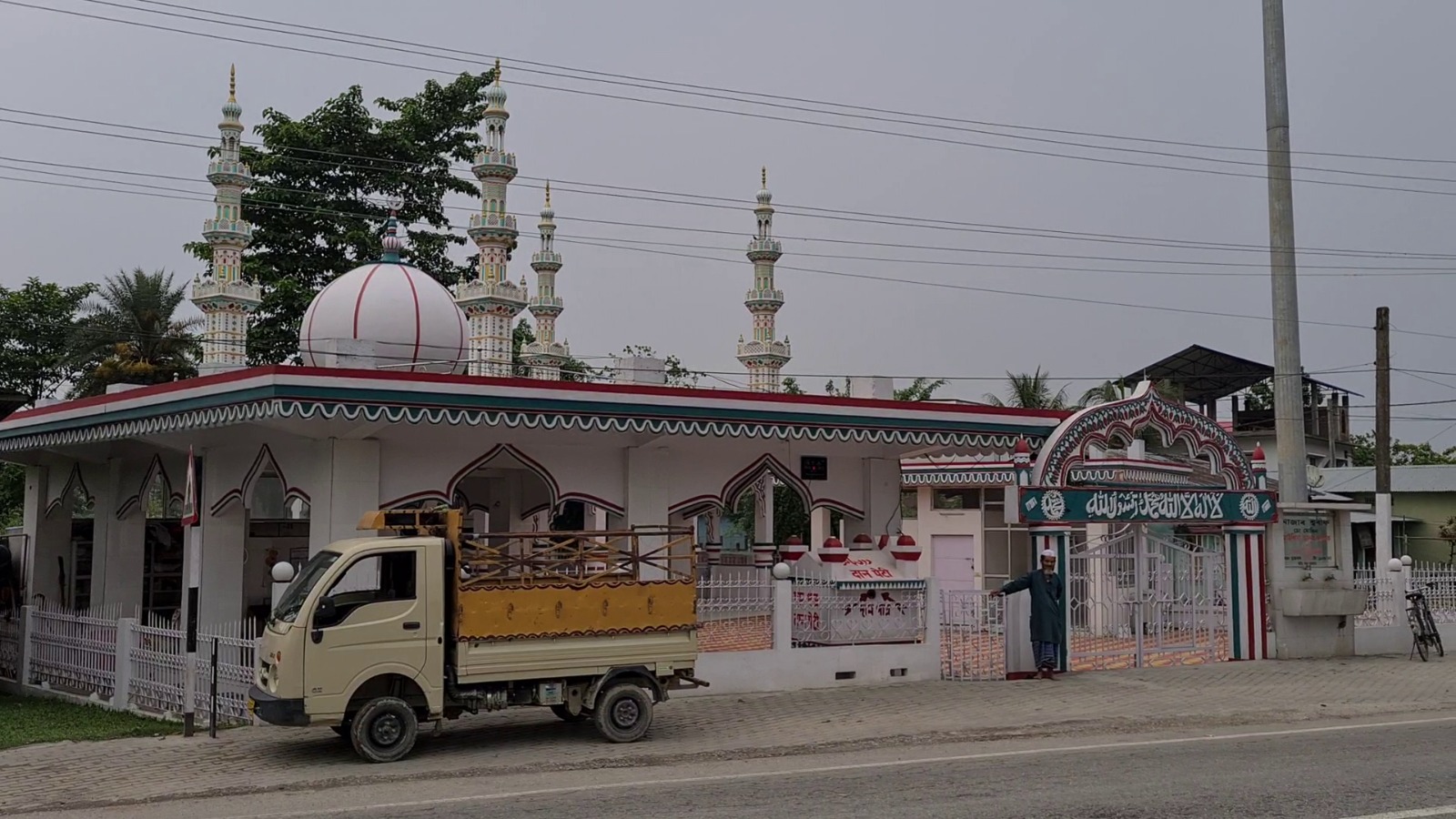
    As National Highway-15 traverses through the village Marai of the Darang district in northern Assam, travellers see a shrine that commands the devotion and reverence of both Hindus and Muslims.

    This is the shrine of Baba Baga which is visited by people of all faiths, and is especially popular among travelers who have taken the NH-15. Trucks and buses that come from far and wide stop here to offer prayers and make donations. All passenger buses and goods trucks stop here as the shrine management has kept drinking water available.

    Baga Baba was born as Abdul Khaleque. He came to Assam in 1916 from the then Sylhet district (now in Bangladesh). Initially, he lived in Gog, Satsali, and Badalguri and finally settled down in Marai village of Sipajhar in 1919.

    The shrine of Baga Baba in village Marai 

    From there, he launched his mission of spreading Islam in the greater Darang district.  The Sufi cleric also joined the Indian freedom movement; he was also jailed.

    Baga Baba died in 1933 and the locals raised a mausoleum (mazar) on his grave.

    Speaking with Awaz-The Voice, Hafiz Ali, secretary of Baga Baba Mazar, said: “The cleric lit the torch of Islam here. Along with preaching the religion, he also spread the message of peace, harmony, and brotherhood. Then he sent Maulana Didaruddin Saheb to be educated as a maulana. Everybody believes Baga Baba to be an Auliya (master of some divine power) of Allah. Hindus and Muslims alike come here and pray.

    “At present, people from all over Assam and India who travel through this highway donate at this mazar. Today the village has nine mosques. The inflow of people and pilgrims has increased over the years. Hindus and Muslims have equally contributed to it.

    Drinking water facility at the shrine for travellers

    The construction work of the mazar was initiated by former president Jiban Baruah. There are still many non-Muslims, such as Bhumidhar Saharia, Himanshu Kalita, and others, in the management committee of the Mazar,” he said.

    The shrine hosts Milad sharif every Thursday of the week. In addition, a Urs is held every year on 12 of Magh (late January), the death anniversary of Baga Baba. People from different parts of India participate in the Urs. Although the Baga Baba Mazar is located on the northern side of NH 15, there is also a premises of the Mazar on the southern side of the road.

    It is worth mentioning that the Baga Baba Mazar has played a significant role in maintaining Hindu-Muslim unity and harmony in the entire Darang district as well as in the greater Marai Bijulibari area.

    source: http://www.awazthevoice.in / Awaz, The Voice / Home> Story / by Ariful Islam, Sipajhar / June 25th, 2024