Category Archives: Uncategorized

Mashqoor Ahmad elected AMU students union president

Aligarh, UTTAR PRADESH :

Aligarh :

Mashqoor Ahmad Usmani from Bihar has been elected as the next students union president of the Aligarh Muslim University (AMU), varsity officials said on Tuesday.

Usmani, who hails from Darbhanga, polled 9,071 votes and defeated his nearest rival Ajay Singh by 6,719 votes.

Singh is the grandson of former Uttar Pradesh minister and BJP legislator from Barauli Thakur Dalveer Singh. He got 2,353 votes. Abu Baqar stood third with 2,192 votes.

The results were announced after midnight. An official announcement will be made later in the day.

Sajjad Rathar was elected the Vice President and Mohammad Fahad bagged the secretary’s post.

A total of 18,200 students voted on Monday  to elect the new leaders.

IANS

source: http://www.tribuneindia.com / The Tribune / Home> Nation / Aligarh – December 12th, 2017

AMU Civil Engineering faculty wins Young Scientist Award

Aligarh, UTTAR PRADESH :

DrRizwanKhanMPOs04dec2017

Aligarh :

Dr Rizwan A Khan, Associate Professor, Department of Civil Engineering, Z. H College of Engineering and Technology, Aligarh Muslim University has received the “Young Scientist in Civil Engineering Award” from Venus International Foundation, Centre for Advanced Research and Design, Chennai.

The award has been given to Khan in recognition of his contributions and achievements in the field of Civil Engineering.

Khan has 60 publications in national and international journals of repute and has earlier received “Young Concrete Engineer Award” by Indian Concrete Institute in 2015.

source: http://www.amuobanews.in / AMU OBA News / Home> AMU  / by Amuoba News / December 01st , 2017

Pampa Award for Nisar Ahmed

KARNATAKA :

Renowned poet and Kannada writer K.S. Nisar Ahmed of Nityotsava fame, has been chosen for the prestigious Pampa Award by the government for 2017.

The award is the highest literary honour conferred on a littérateur for his/her lifetime contribution to Kannada literature. The award carrying a purse of ₹ 3 lakh and a citation will be presented to Prof. Ahmed by Chief Minister Siddaramaiah during the Kadambotsava scheduled to be held in Banavasi of Uttara Kannada district.

Other awards

Besides Prof. Ahmed, writer Sa. Usha has been chosen for the Danachintamani Attimabbe Award; B.A. Jamadar for K.G. Kundanagara Gadinada (border area) Literary Award; K. Gokulnath for Kanaka Prashasti; G. Made Gowda for Sangolli Rayanna Award; and Akkamahadevi Samithi Uditadi for Akkamahadevi Award.

source: http://www.thehindu.com / The Hindu / Home> News> States> Karnataka / by Special Correspondent / Bengaluru – November 02nd, 2017

Nawaz Jung Bahadur hailed as visionary

Hyderabad, TELANGANA :

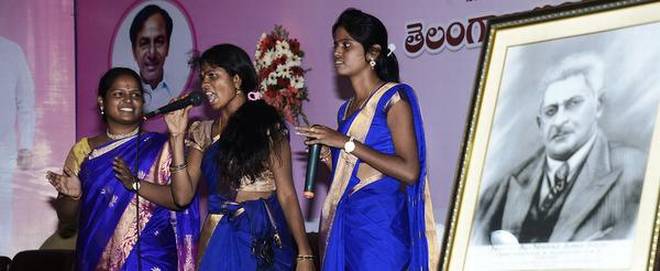
Singers recalling the contribution of Nawab Ali Nawaz Jung during his birth anniversary, which is also celebrated as Telangana Engineers’ Day, in Hyderabad on Tuesday.

He did exemplary work in irrigating Telangana

The services of Mir Ali Nawaz Jung Bahadur, who was the Chief Engineer during the Nizam’s rule in the erstwhile Hyderabad State, were recollected on his 140th birth anniversary here on Tuesday.

Speakers including Energy Minister G. Jagadish Reddy, Chairman and Managing Director of TS-Genco and TS-Transco D. Prabhakar Rao, CMD of TS-Southern Power Distribution Company G. Raghuma Reddy, Officer on Special Duty in the Irrigation Minister’s office Sridhar Rao Deshpande and others termed him as the architect of irrigation projects of yesteryears n Telangana region.

It was unfortunate that the name of British engineer Sir Arthur Cotton was remembered and hailed as ‘Apara Bhageeratha’ for constructing barrages across Godavari and Krishna rivers but Nawaz Jung who did similar work for the Telangana region remained unknown to present day generations till the Telangana Government announced to celebrate his birth anniversary on July 11 as Telangana Engineers Day every year, the speakers said.

Apart from multi-purpose projects such as Nizamsagar, Osmansagar, Himayathsagar and Alisagar, the historic buildings in Hyderabad including those of the Arts College of Osmania University, Hyderabad House in Delhi, State Central Library, High Court, Assembly and others were designed and constructed by Nawaz Jung, the speakers recollected.

He was also instrumental in the diversion of Krishna and Tungabhadra river waters and the water sharing agreement between Madras and Hyderabad governments.

He also served as the Chairman of National Planning Committee on river training and irrigation.

The occasion was also celebrated separately by the Rural Water Supply and Panchayat Raj Departments, where Engineers-in-Chief B. Surender Reddy and Satyanarayana Reddy, respectively, paid rich tributes to Nawaz Jung.

source: http://www.thehindu.com / The Hindu / Home> News> Cities> Hyderabad / by Special Correspondent / Hyderabad – July 12th, 2017

Watch: What is it like being an Indian-American Muslim musician? Zeshan Bagewadi tells you

Hyderabad, TELANGANA / UNITED STATES OF AMERICA :

‘Growing up as the son of immigrants, I think it was cool because you grow up with like a dual mind.’

Mouth stuffed with “desi soul food” at a restaurant named Hyderabadi House, Zeshan Bagewadi talks about his family’s journey from Hyderabad to Chicago in Desi Soul, a biopic on his life. The musician explains his relationship with music and the complexities and subtleties of living in America as an Indian Muslim immigrant in this film made by Loyola University, Chicago, and MALA (Muslim American Leadership Alliance).

“You know, growing up as the son of immigrants, I think it was cool because you grow up with like a dual mind. Like I said, you learn different languages and you learn different customs, different ways of life,” he says in the video. Zeshan was born an Indian-American in Chicago, his parents having immigrated to the United States in the mid-1980s.

“I’m proud of all the melanin in my body.”

Bagewadi isn’t simply an Indian-American or a Muslim, though – he is primarily a singer and a musician. “Music’s taken me to the White House, the Apollo Theatre, taken me to India, taken me to England, Italy…but most importantly, it’s taken me where I am right now,” says the singer, whose claim to fame are his powerful vocals – he used to be an opera singer – and his video, Border Anthems, which unites the Pakistani and Indian national anthems:

Music came to Zeshan early in his life, but after delving into, and studying, classical music and becoming an opera singer, he realised he savoured soul and blues music, which he grew up listening.

“Growing up, black music, particularly blues, rhythm and blues, soul, that was sort of the soundtrack of my childhood,” he says, claiming that the Black experience and narrative has a certain proximity in his life, which he has grown to love and respect, especially the “blue note”, which he feels is “a note of instability” that is “born in oppression” and can be felt on a visceral, real level.

He previously covered and repurposed Cryin’ in the Streets by George Perkins, which supposedly resonates with his own experiences growing up as an Indian-American Muslim in Chicago, and is a song for today’s civil rights struggles:

Bagewadi says, “What I like about this, what I like about singing the music that I sing is that there’s no way it ought to be done, as long as it’s just real, you know? And I dig that.”

source:  http://www.video.scroll.in / Scroll.in / Home> Video> Around the Web / by Scroll Staff / July 03rd, 2017

An 800-Year-Old Piece of Indian Heritage in Jerusalem

JERUSALEM :

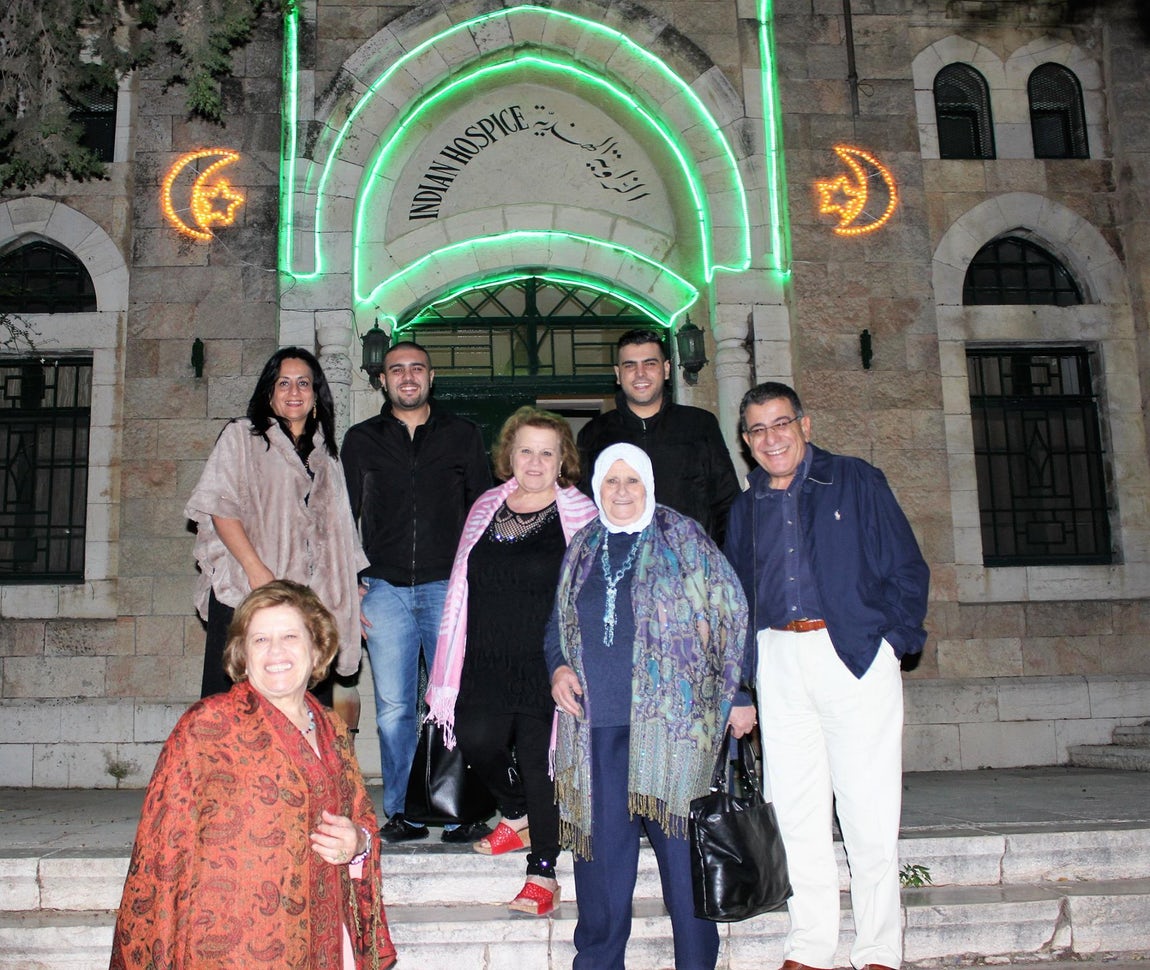
The Ansari family in front of their house in Jerusalem. (Photo Courtesy: Facebook/The Indian Hospice)


Did you know that there is a corner of Jerusalem that has a distinct Indian stamp to it and its various residents wear their Indian origin like a medal?

Next to the Al-Aqsa mosque in the city there is the Indian Hospice in Jerusalem. The hospice is managed by the Ansari family and has a centuries-old connect to India.

The Indian Hospice in Jerusalem. (Photo Courtesy: Facebook/The Indian Hospice)

Indian pilgrims to the “holy city” of Jerusalem, can stay at the ‘Indian Hospice’ and pay homage to the Indian Sufi saint Baba Faridudding of Shakar Ganj, who visited the place 800 years ago.

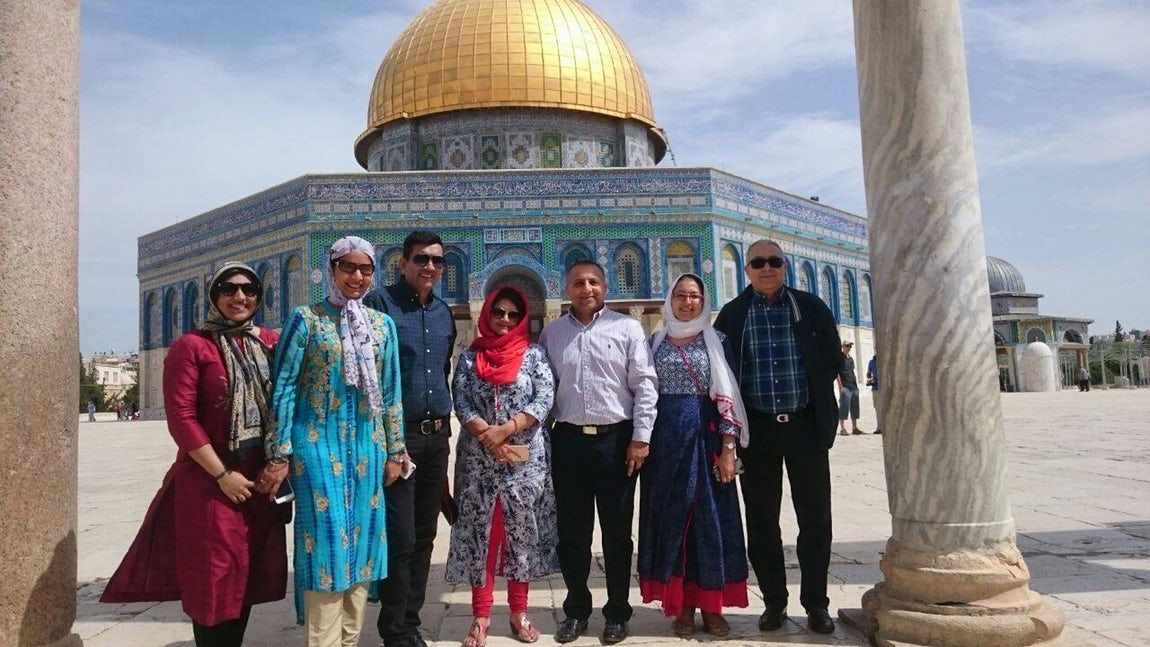
Seen here, celebrated Indian chef Samjeev Kapoor at the Al-Aqsa mosque in Jerusalem. (Photo Courtesy: Facebook/The Indian Hospice)

The Indian Connection Through Baba Farid

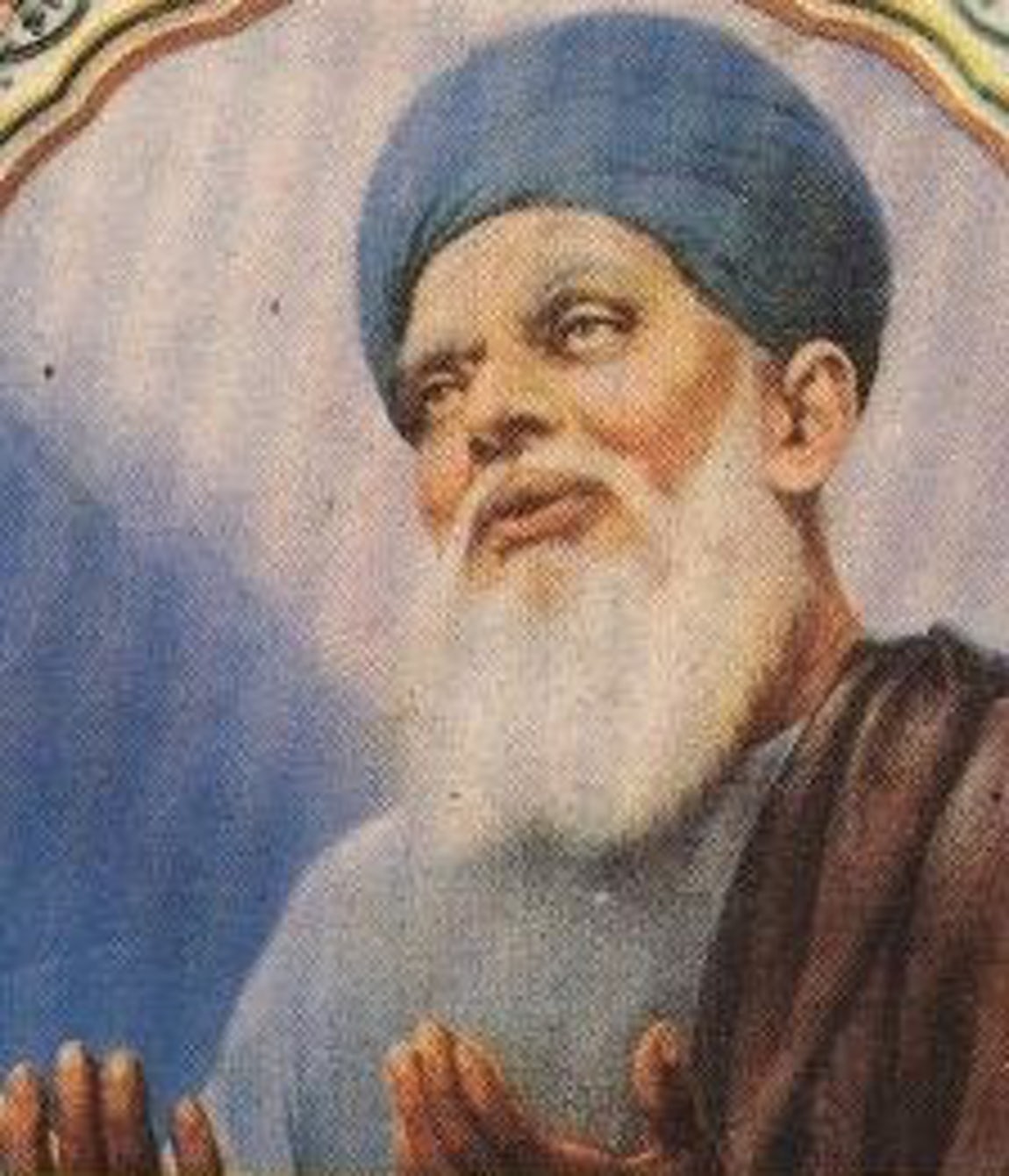
The year is 1200, a little over a decade after the armies of Saladin had forced the Christian Crusaders out of Jerusalem. And an Indian Sufi saint from Punjab named Baba Fariduddin of Shakar Ganj travels to the war torn city.

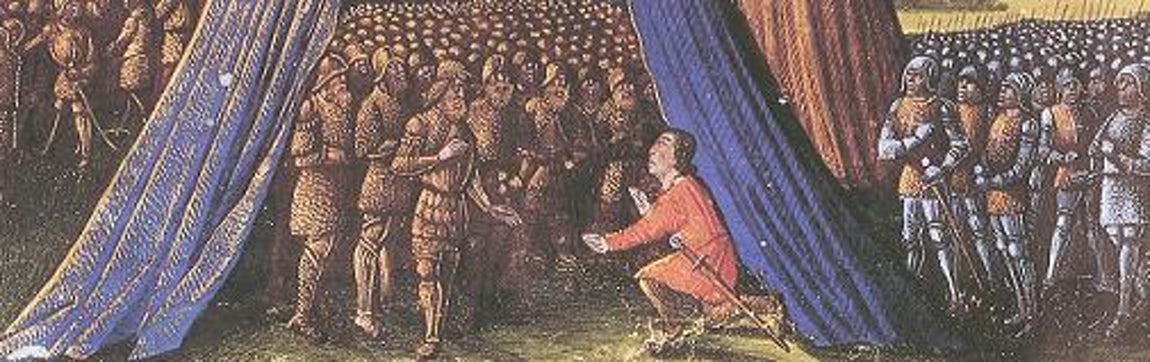
The victory of Saladin against the Crusaders. Balian of Ibelin surrendering the city of Jerusalem to Saladin, from Les Passages faits Outremer par les Français contre les Turcs et autres Sarrasins et Maures outremarins, c. 1490. (Photo Courtesy: Wikipedia)


Sufi saint Baba Farid (Photo Courtesy: Seeker of Sacred Knowledge)

It is said that Baba Farid swept the stone floors around al-Aqsa mosque as a mark of devotion. He is also known to have taken up fasting in the silence of a cave nearby.

Long after he went back to India, Muslims from the sub-continent who passed Jerusalem on their way to Mecca stopped at this spot in memory of Baba Farid. It became a sort of temporary residence for the pilgrims.

Ansaris Deputed To Care For Baba Farid’s Legacy

In early 1920s, Jerusalem’s Supreme Muslim Council requested the leaders of the Khilafat Movement of British-ruled India to nominate someone to care for the hospice. The Khilafat leaders honoured the request of the Supreme Council then headed by Arab nationalist Mohammed Amin Al-Husseini. That is how in 1924 Sheikh Nazir Hasan Ansari – who was also part of the Khilafat Movement – was chosen to go to Jerusalem to take charge of the hospice.

Sheikh Nazir Hasan Ansari (Photo Courtesy: Facebook/The Indian Hospice)


Sheikh Munir Ansari who now heads the place, seen here as a boy. (Photo Courtesy: Facebook/The Indian Hospice)

His son Sheikh Munir Ansari now heads the place. The two have during their respective years as administrator of the hospice, persuaded the rulers of several Indian Muslim states, including Hyderabad, to make contributions for the upkeep of the hospice. Munir’s son Nazeer proudly explains the glorious history of the place.

Not only pilgrims, but Indians from all walks of life who visit Israel like to meet the Ansaris. They are amazed by the way the Ansaris care for that piece of India in the land of Arab-Jewish confluence. Past visitors include famous journalists, presidents, Indian politicians, celebrities and commoners.

The Ansaris have been gracious hosts to many Indian journalists. Seen in this picture, among other journalists is Suhasini Haider of The Hindu. (Photo Courtesy: Facebook/The Indian Hospice)


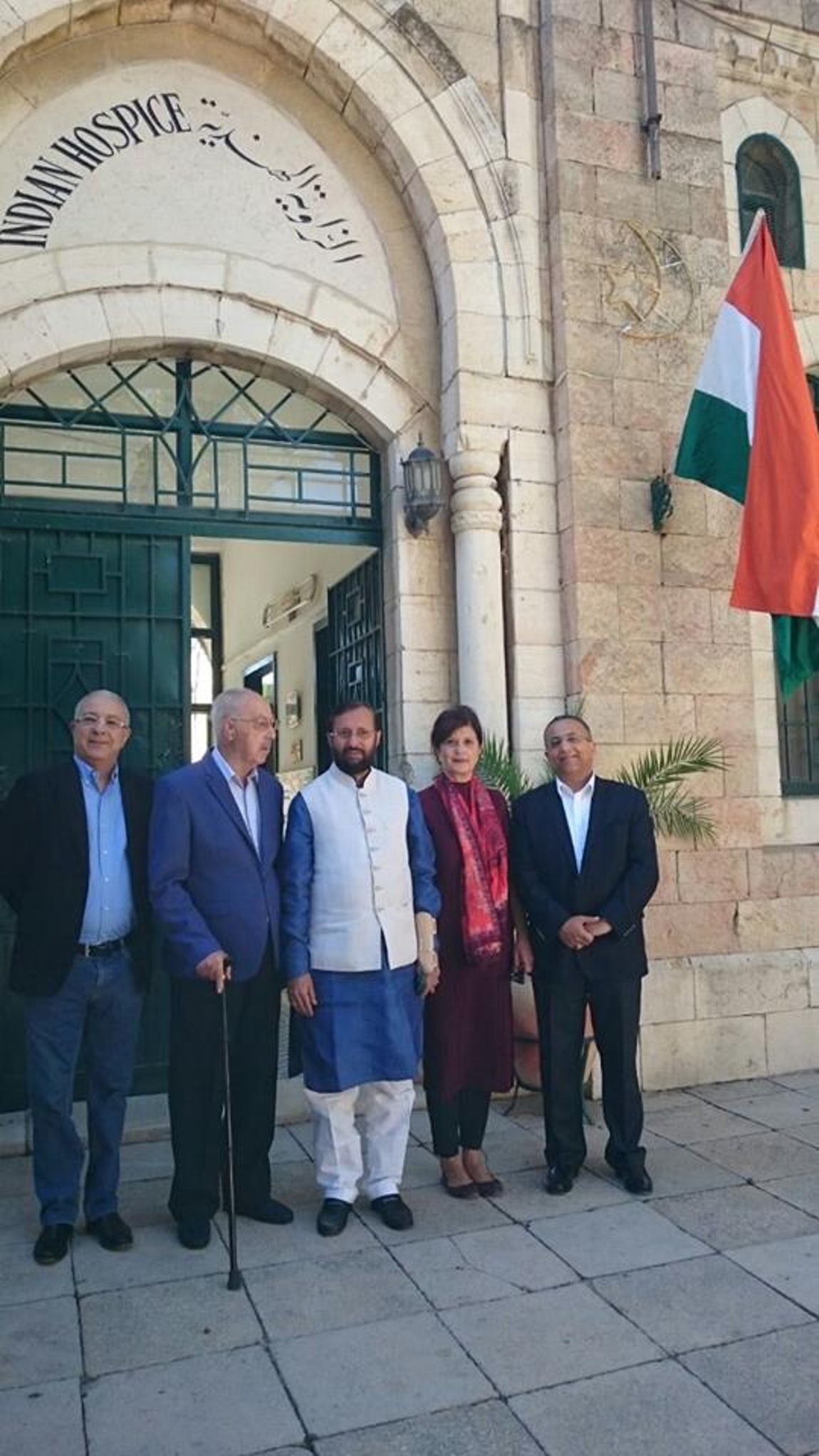
Union HRD Minister Prakash Javadekar at The Indian Hospice. (Photo Courtesy: Facebook/The Indian Hospice)


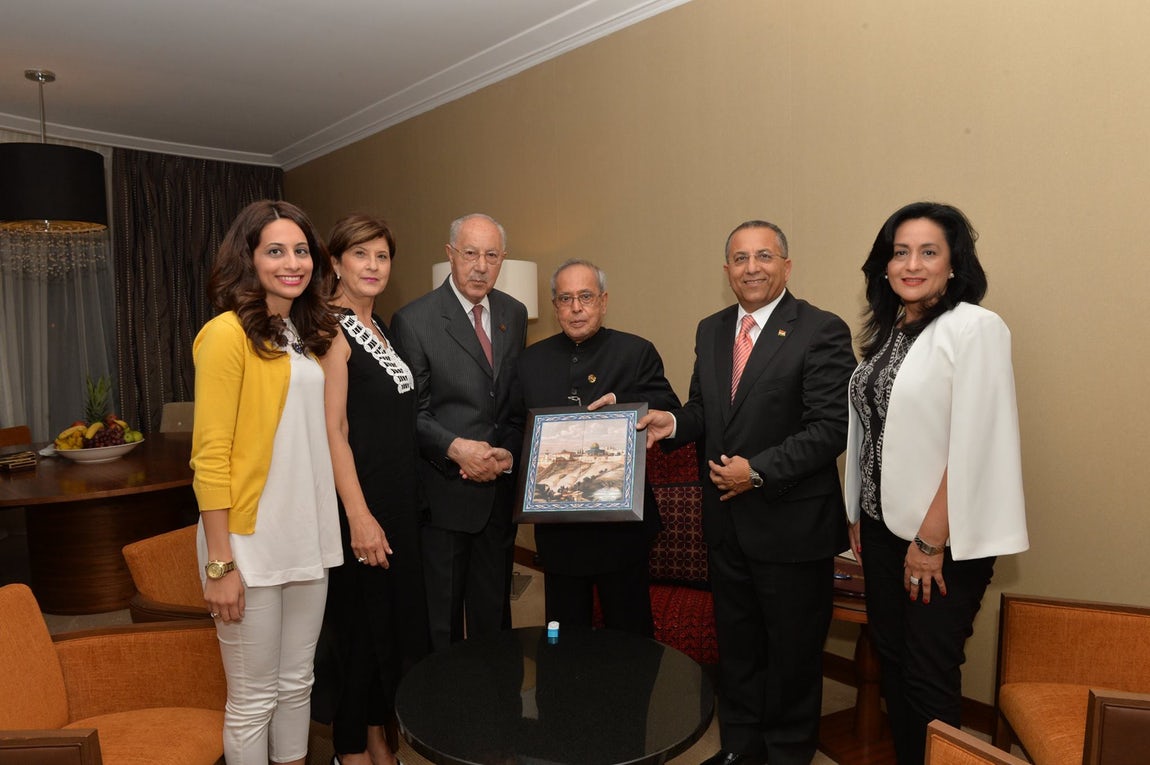
President Pranab Mukherjee too visited The Indian Hospice in Jerusalem. (Photo Courtesy: Facebook/The Indian Hospice)

The Ansaris value the responsibility that comes with the inheritance of the heritage. Their FB page says:

Maintaining and protecting an Indian institution in Jerusalem’s old city is no easy task. But Sheikh Munir has accomplished the impossible with delicate diplomacy and extreme tact.

The Indian Hospice

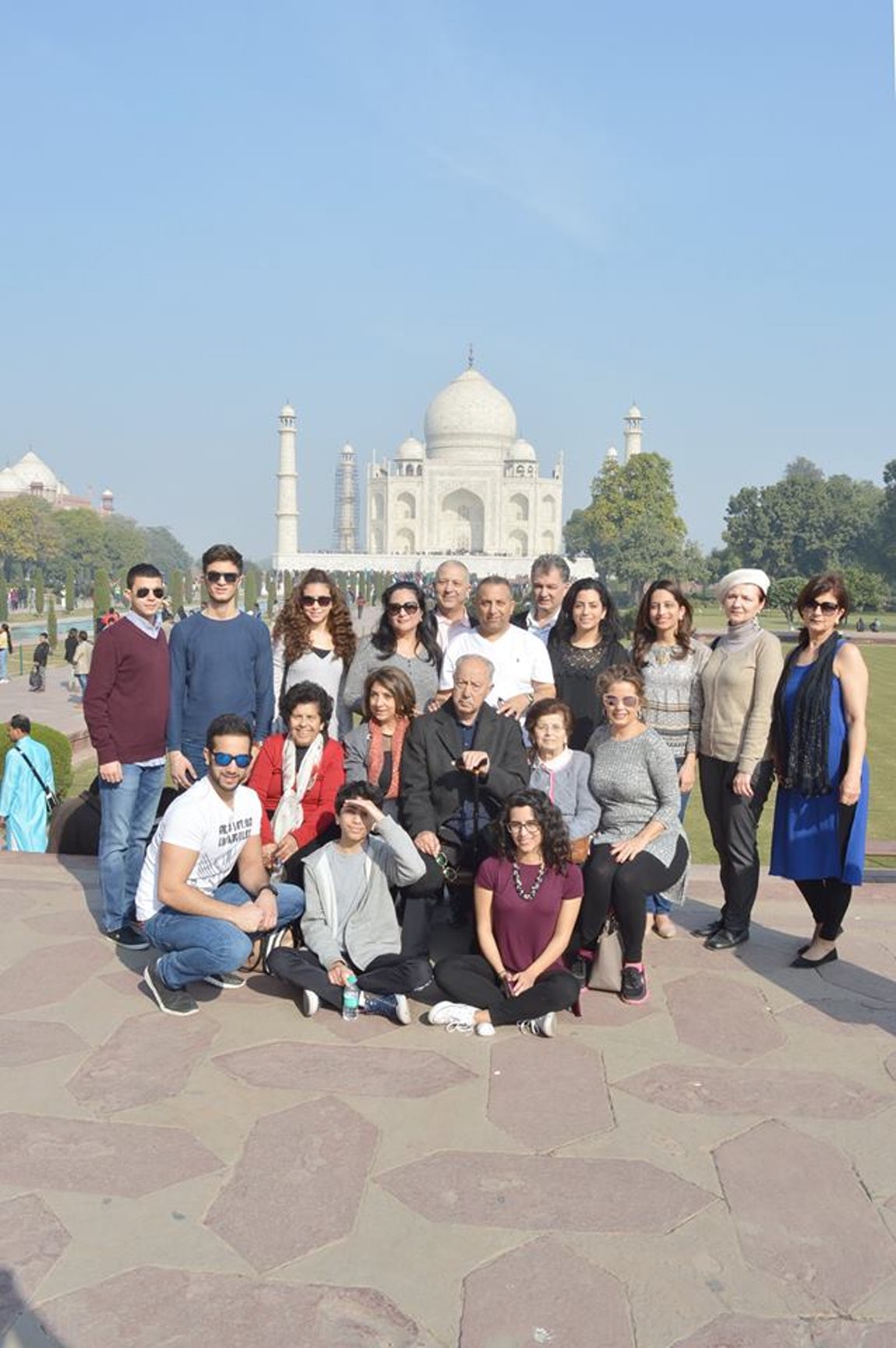
The Ansaris on a visit to India. (Photo Courtesy: Facebook/The Indian Hospice)

The Ansari family has been a steady presence in Jerusalem ever since and they all still carry Indian passports.

source: http://www.thequint.com / The Quint / Home> News Videos / by Kirti Phadtatre Pandey / July o4th,2017


Prince Yakub Habeebuddin Tucy Meets Governor

Hyderabad, TELANGANA :

Srinagar (Jammu & Kashmir)  :

H.H. Prince Yakub Habeebuddin Tucy, a descendent of Babur, the Mughal Emperor, called on Governor N.N. Vohra at the Raj Bhavan here today.

Prince Tucy apprised the Governor about his views on the current situation in Kashmir and restoration of peace and normalcy by organizing planned public contact programmes. He sought Governor’s intervention for constitution of Madrassa Board in J&K and involvement of various NGOs for helping youth in finding better avenues for employment.

Governor appreciated Prince Tucy’s tours and lectures in various places in Rajouri and Poonch and his efforts towards the restoration of normalcy in the State. He urged the Prince to continue his honest endeavours towards country’s development and assured him all support.

source: http://www.crosstownnews.in / Cross Town News / Home> News> J & K / by Cross Town News / May 24th, 2017

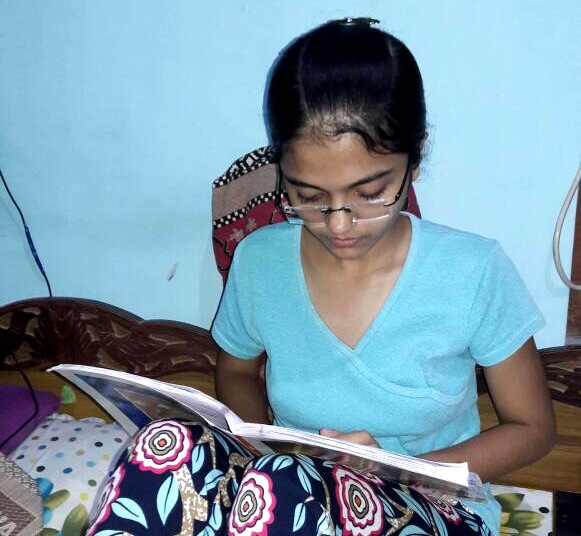
Rozina Sheikh, whose mother works as a tailor, scores 97 percentile rank in Class 12; aspires to become a doctor

Vatva Village (Ahmedabad) , GUJARAT :

Ahmedabad:

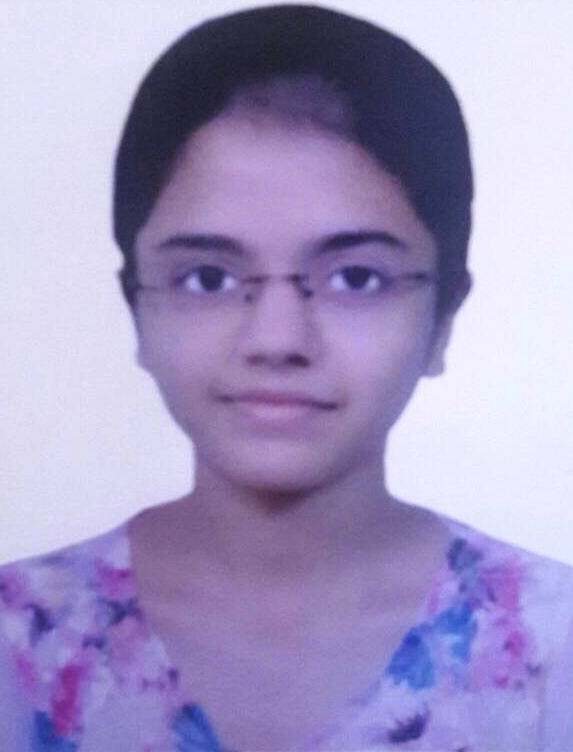
On the morning of Thursday, May 11, Rozina Razil Shaikh, 17 along with her two brothers and mother were glued to the internet to check her Gujarat class 12 science stream result. Within moments, the family had a lot to celebrate.

Rozina Razil Shaikh
Rozina Razil Shaikh

Rozina had scored 97.07 percentile in the Science Stream.

The Shaikhs live in Vatva village of Ahmedabad in Gujarat. Their house has since been flooded with people visiting them to congratulate the feat achieved by Rozina.

“I am feeling quite good and relaxed after the result. I wanted to score good and I scored well,” Rozina told TwoCircles.net .

Her percentile rank in science theory is 99.36 and percentile rank in overall theory is 96.74, whereas the overall percentile is 97.07.

Rozina’s father, a doctor by profession, died in a car accident in 2010.

After her father’s death, the family of four is being supported by her mother, Maqsuda Shaikh, who works as a tailor and earns about Rs 5,000 a month.

Rozina02MPOs16may2017

“The income of my mother barely supports our expenses. I had applied for scholarship after finishing my 10th and I did get one from a Baroda-based charitable trust which gave me 18000 per year to study. It covered my school fee and books expenses,” said Rozina. The 17 year old girl was dedicated to score well and pursue her dream of becoming a doctor like her father.

“11th and 12th are very crucial from the perspective of getting into a medicine career. For these two years, I studied 8-10 hours every day apart from lectures at school. My mother and brothers have been continuously supporting me,” says Rozina.

The girl’s mother is more than happy and says that she was determined to get her children educated, at any cost. She works as a tailor to support her children’s and sometime a few relatives also extend help.

“Mai bohut khush hui beti ka result sunke.Paise ki dikkat thi ghar main magar bache bhi aqalmand the ki paisa khali padahi ke lie mangte the (I felt very happy about my daughters result. There is financial problem, but my kids were quite wise that they asked money only for studies),” Maqsuda Shaikh told TCN.

“Inke walid bhi khete the ki bacho ko padhana hai, ye nhi ki ladki hai toh nahi padhani hai.Unka ek hi arman tha ki bachoo ko achi taleem deni hai.Aur humne bhi himmat nhi hari (Their father was also determined to get them good education and not like others, who think that girls shouldn’t be provided with education. He had only one dream that his children should be good and well educated and we also didn’t lost the hope),” she added.

Rozina appeared in National Eligibility and Entrance Test (NEET) on May 7 and she is hopeful that she will go through it.

“I can only pursue MBBS if I get seat in a government college and fee. If not, then I will opt for pharmacy because we don’t have money to pay the fee of private MBBS colleges,” she says.

Those who wish to help the girl pursue her dream of becoming a doctor can contact the family at +919924379287

source:  http://www.twocircles.net / Two Circles.net / Home> Indian Muslim> Lead Story / by Raqib Hameed Naid, TwoCircles.net / May 14th, 2017

A walk through the ruins of 1857

NEW DELHI :

https://www.youtube.com/watch?v=pxlGJfLOoEU

May 11, 1857. Mughal Emperor Bahadur Shah Zafar was fishing in the Yamuna in the morning when he was told about some disturbance breaking out in the city. He rushed back into the fort.

Sowars of the 3rd Bengal Native Cavalry, after mutinying at Meerut the previous day, had reached Delhi after riding overnight. The Revolt of 1857 was at Delhi’s doorstep. And the octogenarian head of the house of Timur, given to poetry and not soldiering, was thrust into the command of an epic struggle that was not just political but also cultural: one that would change Delhi and India forever.

On May 5, TOI approached India’s foremost military historian, Squadron Leader Rana T S Chhina (Retd) of USI-CAFHR, to walk us through the landmarks of the Revolt in Delhi: the ruins, the battlefields, the memorials. The trigger for it was obvious: it’s the 160th anniversary of the Revolt, which people variously refer to as the Indian Mutiny, Sepoy Mutiny, and First War of Indian Independence, depending on which side of the ideological or cultural spectrum they are located.

We, along with a delegation from the British High Commission, assembled outside DU vice-chancellor’s residence, facing the road to Flagstaff Tower. It was a hot May morning, like the one that troubled Jim Corbett when he hunted down the Mohan man-eater. But we endured it as we were hunting for history.

In 1857, the rebel troops started killing Christians, both white and brown, once they were in the city. Europeans who managed to escape flocked towards Flagstaff Tower—our first stop.

One just has to peek inside to imagine how in this rat hole of sorts, scores of people— many of them women and children—huddled together in the searing heat, waiting for help to arrive from Meerut.

We turned left from the Flagstaff Tower into Bonta Park. A little ahead, we arrived at a 19th-century guard house, one of the two that still exist and which would have had an Indian picket when the Revolt began—Delhi was garrisoned by the 38th, 54th and 74th Bengal Native Infantry regiments.

By early June, however, the British reinforcements came and a counterattack began. Flagstaff Tower had a rebel battery by then, which rained down fire and hell on the approaching Anglo-Indian troops. “Despite the bitter animosity that existed then between the British and the rebels, the British officers were appreciative of the gunnery of the rebels. Indian guns were serviced very well, and the English noted that an Indian gunner would rather die defending his gun than give it up,” Chhina said.

Some English officers also heaped praise on the rebels for orderly retreat under fire and took pride in training the men well.

The Tower was taken and it became the left flank of the British position on the Ridge; the centre of the position became the Mosque Picket, our next halt. It’s actually the Chauburja Masjid or the four-domed mosque built by Sultan Ferozeshah Tughlaq in the 14th century. Chhina showed us how it appeared to European photographer Felice Beato in 1858 while we tried to capture the mosque from the same angle as Beato did. Only one dome exists now—a sorry testament to the conservation story of modern India.

Next we went to a palace of Ferozeshah Tughlaq, which is now called Pir Ghaib but may have been the Kushk-i-Jahanuma or Kushk-i-Shikar, a hunting lodge of the Delhi sultan. Even Tamerlane may have visited it. In 1857, this was the scene of bitter fighting between rebel troops and British-led troops. The baoli right next to it is a wonder in itself with flights of stairs on all sides. English troops back in 1857 reported seeing a step well with several leafy trees near Hindu Rao’s house. Only the stumps of some of those trees remain today.

Hindu Rao’s house was the next halt. In June 1857, it was held by the Sirmoor battalion of the Gurkhas (later 2nd Gurkha Rifles, Indian Army and now Royal Gurkha Rifles, British Army), supported by Queen Victoria’s Own Corps of Guides (now split as 2 Frontier Force and Guides Cavalry, Pakistan Army) and other British units.

On September 14, the British stormed Delhi with their full might. The Siege of Delhi ended amid mind-numbing carnage. “Passions were excited on both sides. And it was Delhi that suffered.” Chhina said.

As one contemporary observer noted, Delhi became a “ghost city” with abandoned homes and bloated corpses lying all over.

Our final stop was the Mutiny Memorial on the Ridge, now called Ajitgarh or Fatehgarh. Today, it’s a nationalised memorial to both Indians and the English killed during the Siege of Delhi.

“Something must be done to make these places more familiar to tourists. And these must be preserved,” said Lieutenant Colonel Simon de Labilliere, the military adviser at the high commission.

source: http://www.timesofindia.indiatimes.com / The Times of India / Home> News> City News> Delhi News / by Manimugdha S Sharma / TNN / May 12th, 2017
Kutchi Memons go a long way back

KERALA :

The Kutchi Memons who came here in 1815 first settled in Mattancherry

Kochi:

If a phrase can describe the Kutchi Memon community in Kochi it is great cultural resilience. In rebuilding their lives, so far away from the place of their origin, the first generation Kutchi Memons here demonstrated a remarkable ability to flourish in the face of greatest of odds.

“I just wonder how they made it to Kochi,” says Javeed Hashim of the Abad Group of companies of his great grandfathers who arrived in Kochi from Kutch, in Gujarat early in the 19th century.

Would it have been by sea? Or, over land? Whichever way they came, they showed great spirit. The same spirit of perseverance and enterprise that stand them in good stead to this day. Mr. Hashim is just one example of the way generations of Kutchi Memons, a close-knit and mostly endogamous community, have rebuilt their lives in their new homelands becoming ever closer to the societies that accepted them and at the same time, keeping alive the flame of cultural identity and social coherence. he language is a big factor that has kept our identity intact, says Mr. Hashim. “At home I speak Kutchi, and the moment I am out, I have to switch either to English or to Malayalam,” he says. Kutchi is a language closer to Sindhi than Gujarati. The Kutchi Memons who came here in 1815 first settled in Mattancherry, the hub of business and nucleus of the old city. They have now spread out into other parts as the city grew over the decades.There are about 500 families of Kutchi Memons in Kochi, says Rasheed Usman, president of the Kutchi Memon Association.

Religious festivals like Eid and social occasions like marriages are times when the community cements its unity. On days of religious festivals there are family get-togethers at places that are fixed by communities in each locality, says Dr. Sadath Sait, a Homoeopath.

And marriage celebrations last more than a week with the pre-marriage celebrations bringing together relatives and friends in large numbers to the homes of the bride and groom. While the community members have more or less adopted the local dress code, the older people still love to wear their traditional dresses. Dr. Sait says that the Kutchis love their food and though have adopted the local food in many ways, the mix of masalas or the preparation of Biriyanis etc differ a lot from the local practices. The Kutchi Memon Association and the Cutchi Memon Jamath are engaged in both charity work and also in helping the more needy members of the community. The Kutchi Memon Association lays great stress on helping people to attain higher education, says Adam Essack, the Association Secretary.

The Kutchi Memons have made their mark both on the political and business fronts in Kerala. Ebrahim Suleiman Sait and G. M. Banatwala, both from the Kutchi Memon community are examples of great innings in politics.

source: http://www.thehindu.com / The Hindu / Home> National> Kerala / by K.A.Martin / July 25th, 2008