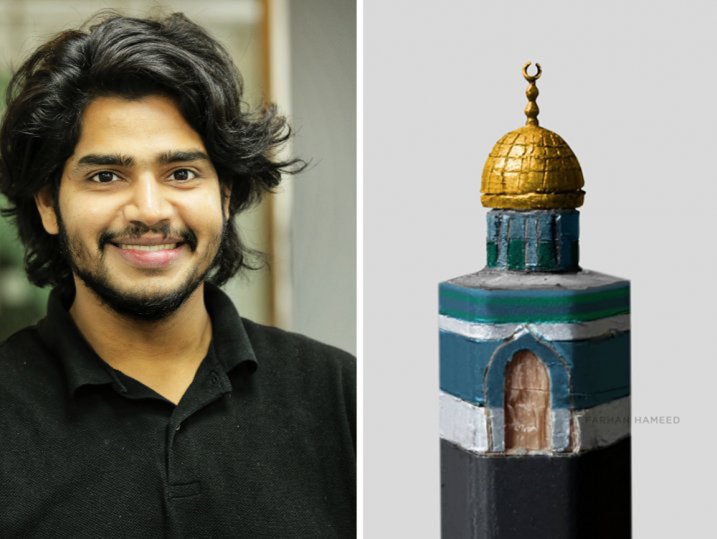
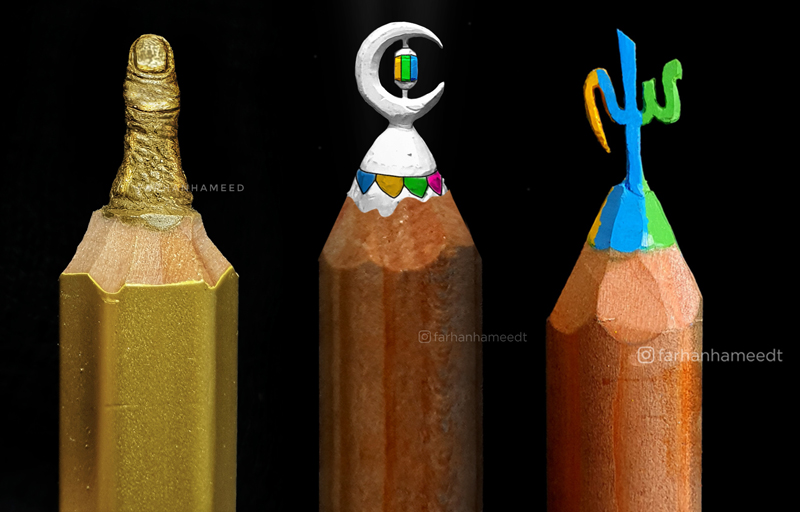
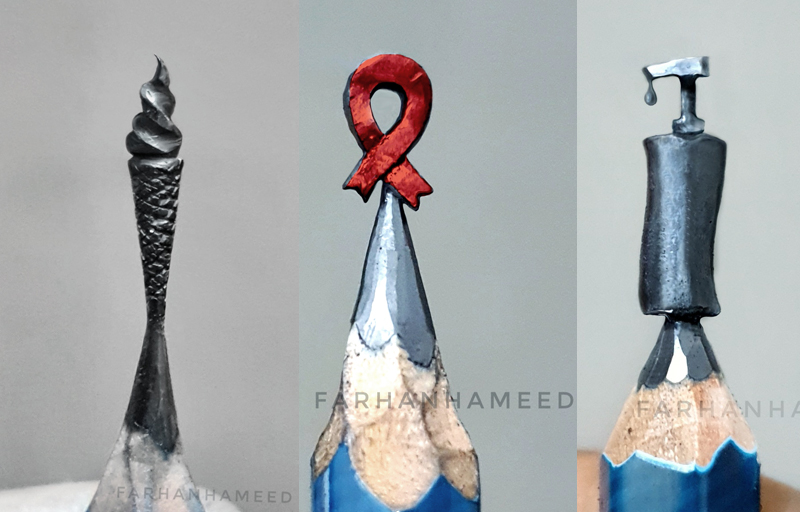
Le Pouce, or the giant thumb sculpture at Souq Waqif, is a popular public artwork installed by Qatar Museum. What would happen when that same larger-than-life art piece is carved onto pencil graphite. That’s the thought that inspired Farhan Hameed, a carving artist residing in Doha to recreate the same artwork. The result was another beautiful miniature artwork atop a pencil!
A motion graphic designer from Kerala, India, Farhan in his free time fiddles with his pencil and scalpel, and creates miniature carvings of popular buildings and other art pieces with the most recent one being Burj Doha.
Farhan has also received compliments from contemporary Qatari artist Ahmed bin Majed Al Maadheed whose signature he had carved and shared. Ahmed commented on the Insta post writing, “Amazing details job. Thank you brother for your work.”
Without any knowledge about pencil carving, he attempted to carve ‘I Love My India’ onto a pencil. About a dozen pencils later, his carving was complete. “This was my first work and it was nowhere near perfect but then it was something that I made with a lot of effort. I had no knowledge of carving tools and the pencil lead would break easily. It took over three days for the piece to be completed,” says Farhan. He attempted a few more and then sent some of the snaps to Afsal who shared his knowledge about the tools used – scalpel to sharpen and needles for detailing and making holes.
He moved to Doha for work and that is when he took up pencil carving again and started sharing them on his Instagram page. People started liking his work and recognition came when his artwork was shared by a few in the Kerala film industry. “I carved a movie name “Thamaasha” and that was part of the movie’s 25th-day screening celebration. It was then that my parents came to know about my carvings. They would see me fiddling with the pencil and doing something but allowed me to carry on with whatever I loved,” says the 27-year-old artist.
Of all the pencil carvings that he has done in the last few years, heart lock is one of his favourite and one that took many trials. He says, “In a heart lock, you have to carve the pencil in such a way that there are two hearts locked within each other. I tried it many times but it was recently that I was able to finish it successfully.”
The carvings on social issues have garnered the most support on social media, with the most recent one named Eid With Aqsa – a pencil carving of the Al Aqsa Mosque. Prior to that Azaadi carving on the CAA issue in India was also much appreciated among his Instagram followers as he says, “Social issues connect with a larger audience and it is a way for us artists to share our opinion as well.”
Though all his carvings take a lot of patience, he would like to continue his work and bring many more carvings to life. “There are quite a few beautiful structures in Doha. My dream is to carve them in a miniature form and if possible to set up an exhibition sometime later,” he concludes.
source: http://www.thepeninsulaqatar.com / The Peninsula / Home> Doha Today> Community / by Anisha Bijukumar, The Peninsula Online / June 06th, 2021
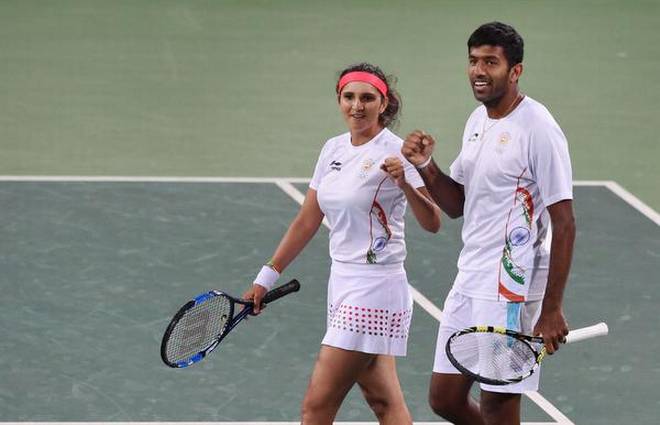
File photo of Sania Mirza and Rohan Bopanna. | Photo Credit: PTI
It was the first time in open era that two Indian teams competed against each other at a Grand Slam tournament.
The experienced pair of Rohan Bopanna and Sania Mirza defeated the brand new combination of Ramkaumar Ramanathan and Ankita Raina 6-2 7-6 (5) in the historic all-Indian mixed doubles first round match at the Wimbledon here on Friday.
It was the first time in open era that two Indian teams competed against each other at a Grand Slam tournament.
The contest finally brought a Grand Slam debut for Ramkumar, who has made 21 attempts to qualify for the singles main draw of a tennis major.
While the first set ended quickly in favour of the veterans, Ramkumar and Raina presented a good fight in the second set, which even they led for a brief period with a break of serve.
Bopanna was clearly the best player on the court with his powerful serve and solid ground strokes from the baseline as well as the ability to execute a superior net game.
On expected lines, Ramkumar served big while Raina gave her all after growing in confidence.
Mirza’s serve is still not at its best and would improve as she plays more matches.
Mirza has moved has also moved to women’s doubles second round with Bethanie Mattek-Sands while Raina and her American partner Lauren Davis lost in straight sets to the US pair of Asia Muhammad and Jessica Pegula on Thursday night.
The 14th seeds disposed off the challenge from the Raina-Davis pair 6-3 6-2 in 70 minutes.
Bopanna and Divij Sharan are already out, having lost their men’s doubles opening round match.
source: http://www.thehindu.com / The Hindu / Home> Sport> Tennis / by PTI / London, July 02nd, 2021
Another proud moment for Kasaragod as Musa Sharif gets nominated for Rajiv Gandhi Khel Ratna, announced district collector D Sajith Babu on his Facebook page.
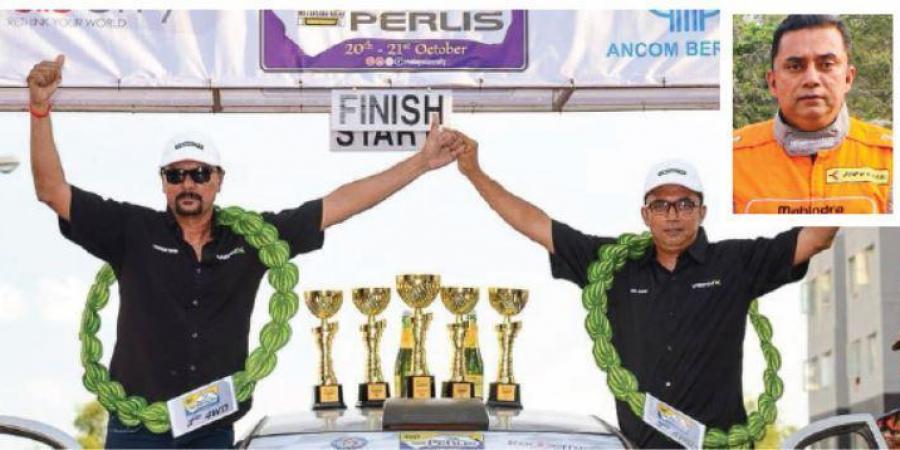
Musa Sharif (right and inset) with Karamjith Singh, Malaysia’s most-decorated rally driver, at the Rally of Perlis in 2018
Kasargod :
Another proud moment for Kasaragod, announced district collector D Sajith Babu on his Facebook page.
Congratulations to the pride of Kasaragod Musa Sharif, said Kasaragod MLA Nellikkunnu.
“Let’s hope the Rajiv Gandhi Khel Ratna will reach Kasaragod through Musa Sharif,” he said.
For Kasaragod — a district with few sporting heroes — Asia’s ace navigator Musa Sharif, 49, is a legend. He is the most experienced and sought-after co-driver in India’s motorsports world.
Acknowledging his contributions to motorsports in India, the Federation of Motor Sports Clubs of India (FMSCI) has nominated Sharif for the highest sporting honour of India.
“I am honoured by the nomination for Rajiv Gandhi Khel Ratna. Normally, drivers get all the attention. But navigators enjoy the blind trust of the drivers and share the podium with them,” he said.
Since 2007, he has been the navigator of champion Gaurav Gill, who won the Arjuna Award in 2019, the year when the government recognised FMSCI as the national federation for motorsports. Musa has been a navigator for 29 years. “Coming January, it will be 30 years,” he says.
In these three decades, he has navigated for 49 drivers in 296 rallies, of which 67 were international rallies.
“I never had an off-year,” he chips in.
He has won 21 championships, including eight national championships — seven of them with Gill. Musa has travelled long rough terrains to be where he is today.
He was born to the late Zainuddin Perwad and Aysha in Mogral, a fishing village in Kasaragod. His father used to sell dry fish.
He got hooked to driving when he got admission for Bachelor of Business Management in Badriya College in Mangaluru, 40km from his home.
Thrice in a week, he used to take his TVS Shogun or Yamaha RX100 to the college. Rest of the days, he would take the bus.
When he came to know of racing events in the city, he thought of giving it a try.
The first race he took part in was the rally organised by Karavali Auto Sports Club in Mangaluru in 1993. Congress’s Mangaluru MLA U T Khader was one of his co-racers.
He won the first championship in his fourth rally. In two years, Team MRF signed him as a navigator and he shifted gear to four-wheel racing.
He started his career as a navigator with Satish Bhat. In 1997, he joined JK Tyre and then returned to Team MRF in 2001.
In 2013, he joined Mahindra Adventure. Since 2007, Musa Sharif and Gill are together, participating in 63 rallies, and winning in 36 rallies.
Together, they won the Rally of Coimbatore for Mahindra Adventure in January — to emerge national champions again.
His international wins came with Lohitt Urs (Asia Cross Country); Arjun Rao (Malaysian Rally Group N); Sanjay Takle (Malaysian Rally Championship) and Saneem Sani of Thrissur (UAE Rally Championship).
Every driver has a different call sign and navigators have to get adjusted to it. “Before the race, the driver and the navigator take the road twice, and prepare a ‘pace note’. It will be like a story of the road, the turns, and dips, the rise, the angle of the curves,” he said.
On the first trip, the driver gives the notes and the navigator takes them own.
On the second trip, the navigator will guide the driver based on the notes and will make corrections, if needed.
“On the race day, the driver would blindly trust the navigator and go by his command,” he said.
The navigator The Federation of Motor Sports Clubs of India (FMSCI) nominated Musa Sharif from Mogral in Kasaragod for the Rajiv Gandhi Khel Ratna
The stats 29 years | 49 drivers 296 rallies | 67 international rallies | 21 championships 8 National championships 7 with Gaurav Gill
source: http://www.newindianexpress.com / The New Indian Express / Home> Good News / by George Poikayil / Express News Service / July 03rd, 2021
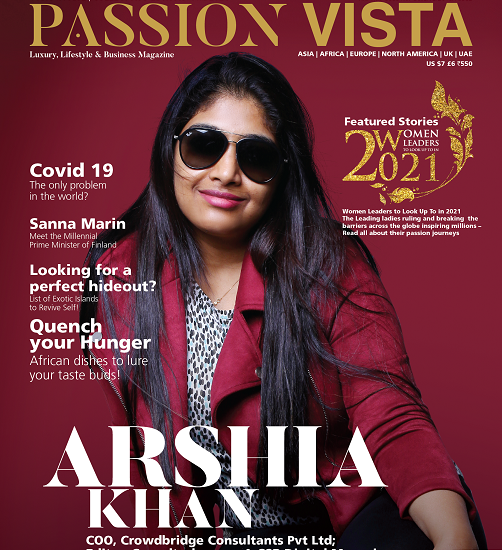
COO, Crowdbridge Consultants Pvt Ltd; Editor, Crowdteck.com – A CSR Digital Magazine; Associate Director, Crowd Central Technology
Against all odds, Arshia Khan lives to tell the tale. The year was 1985; city, Mumbai. The building Arshia’s family was residing in, collapsed, and they lost everything including her elder brother. Arshia was declared dead and taken to a morgue. Destiny however had other plans. Arshia suffered a loss of eyesight and memory, but thanks to God’s grace and timely medical intervention led by Dr Machiswala, she gradually bounced back to normalcy.
From then on, Arshia’s fighting spirit battled every obstacle in her path to emerge victorious.
One of six siblings, Arshia grew up in humble surroundings. Despite being the lone breadwinner, her father ensured good education for all. And so Arshia attended St Anne’s High School in Bandra, Mumbai which is also alma mater to renowned personalities like actor Aamir Khan and politician Baba Siddiqui.
Valuing everything that life had to offer, Arshia worked hard and excelled at everything in school. From being among the top three rankers in class to winning scholarships and best students awards, Arshia was God’s favourite child.
Following an interest towards daily affairs and national issues, Arshia pursued a degree in Mass Media (Journalism) at Rizvi College of Management. During this time, she was academically adopted on merit by an NGO called MESCO, which supports educational necessities of worthy students. The selfless service of MESCO went a long way in encouraging her to participate in social causes. Now one of her co-ventures that she is passionate about is Crowd Bridge Consultants Pvt Ltd which covers all that creates and promotes social development, wellbeing and betterment.
At Rizvi College, Arshia was mentored by (late) Prof P K Ravindranath who was an iconic journalist in his days. Following her mentor’s advice, ‘If you want to be a journalist, be on the ground, network, and build relationships’, she didn’t pursue her masters. She started networking, which eventually landed her a job at the Indian Express Newspapers. She learnt everything about journalism and media at The Indian Express. In 2010, she moved to Network 18 Media and Investments Ltd. as a Features Editor, managing a bigger team. She later diversified into the PR industry and worked at Perfect Relations’ healthcare arm – Imprimis. Two years hence, she moved to Adfactors, the PR giant, as an account manager.
As her professional life flourished, marital bliss followed. Soon after having her first baby Yahya in 2017, Arshia moved to Doha, Qatar. During 2017 – 18, she worked as a freelance consultant. By the end of 2018, she joined Crowd Central Technology as the Head of Content. Crowd Central’s CEO, Waseem Ahmed Kazi, always spoke at length about how he wanted to make a positive difference in society. Their thoughts resonated, and eventually Arshia was leading an exciting new venture, Crowdteck.com – a CSR Digital Magazine.
The objective of the magazine is to encourage good work in humanitarian causes, irrespective of cast, creed or religion. Their aim to restore faith in humanity helped them to connect with a global audience, and their online global readership quadrupled in two years.
From Mumbai to Qatar, what has been Arshia’s biggest challenge? “I have always been a passionate journalist, but was naïve about the business aspect until 2018 when I was promoted as the Associate Director at Crowd Central Technology. This big push meant that I was not only dealing with publishing of content but also specialised areas like revenue, business, and the like. As I was delegated the responsibility of handling international business across India, I learnt the specifics of a brick-and-mortar business model, including the online implications of its cyber footprint,” shares Arshia.
Although professionally satisfying and rewarding, this leap posed some challenges at the personal level. “My husband and I would work separate shifts and take turns to be with our toddler. It can be heart-breaking to leave your months-old toddler for work, and all new mothers will relate to this.”
However Arshia was lucky to be working with a company like Crowd Central Technology, which not only accommodated her requests as a new mother but also rewarded and motivated her to continue unabated.
On the other hand is Arshia’s most gratifying moment. Without a blink, she says, “Motherhood! Being a mother has been a blissful journey, which has taught me that patience and perseverance take you far. My child has disciplined me in more ways than one, and I can’t thank the Almighty enough for this little bundle of joy.”
As a parting note, inspirational Arshia shares a very important piece of advice, “I was embarrassed to seek aid or assistance of any kind. It is important that we inculcate the habit of reaching out for help in our children, who will be future leaders.”
source: http://www.passionvista.com / Passion Vista / Home> Collector’s Edition – Featured Stories – Women Leaders 2021 / April 2021
When his friends were busy playing with toy guns, Mohammed Mubin Mallick was building robots like a pro. For Mubin, robotics was a passion that eventually became his profession.
From an amateur innovator to a global leader in robot solutions, 39-year-old Mubin has come a long way to earn a sobriquet of `Robotman’ of India and middle east. A native of Kolkata, he holds MBA degree from Cardiff University, United Kingdom.
Being the school captain, Mubin grew up as an achiever, bagging awards in various recreational activities like sports, dance, speech, etc. He continues to be an achiever even today. Recently, he received Agata Lo Tauro Special International Award 2020 and a certificate for being the Mentor for ROBOCON 2020.
Mubin ventured into digital solutions and robotics solutions with his IT service company `Kiran Smart’. Always on the lookout to cater to the market’s needs, he set out to innovate and take steps beyond what others already offered.
Since the time he realized that he had the power to think out-of-the-box and innovate, Mubin dreamt of building a company that he could run depending on his ideas. The cradle for his innovation comes from very munificent thoughts of wanting to create job opportunities and donating the profits. It is for this reason that Mubin doesn’t want to leave any stone unturned to make his firm a global leading light.
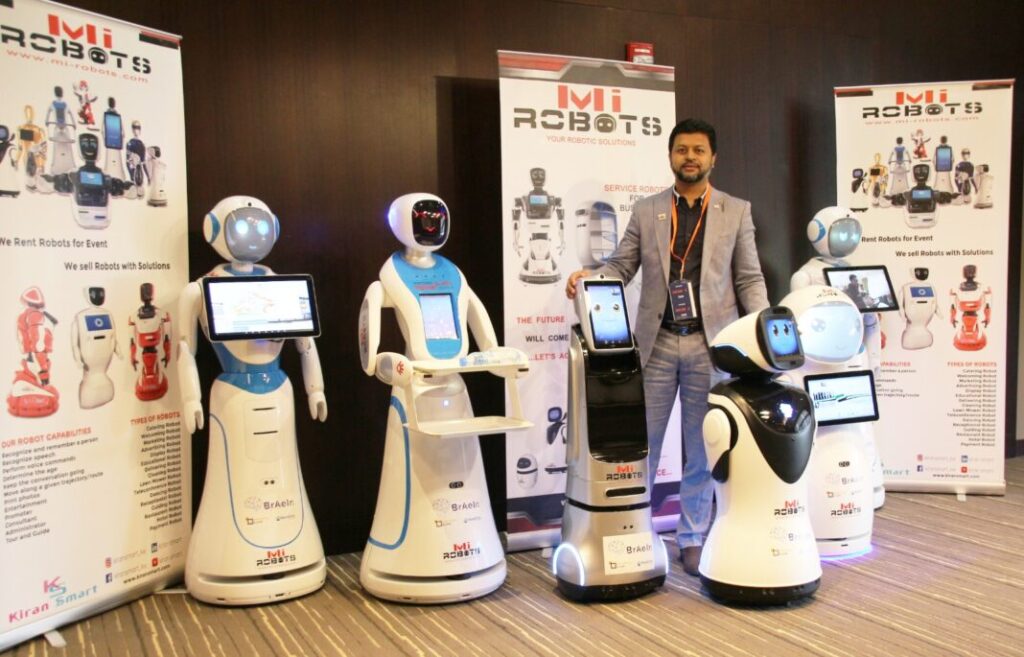
“Our company Kiran Smart is into IT Solutions and Services for the past 15 years. We have been looking for diversification in our business portfolio. We did diversification into Digital Transformation and then recently we launched and started Robotics and Artificial Intelligence. Our market research on Humanoid Service Robots indicated a considerable demand for Robots. Therefore, our company decided to launch a brand Called Mi-Robots,” he said.
The pandemic, however, came as a blessing in disguise for Mubin and his company. “One of our delivery Robots serving food in China in 2019 December to COVID 19 quarantine centre became breaking news around the world. This news around the world helped us gained the trust of the people,” he said.
It was in 2017 that he came across a humanoid robot. He invested time in GITEX technology and ultimately made his passion and childhood dream come true. Understanding the working of robots and offering solutions related to them is Mubin’s only focus now.
“To be very honest, there were many challenges which cannot be listed here. Apparently, the major aspect was the financial crunch. Firstly, it is very crucial to survive in the local market. Secondly, we need smart and loyal team members who can run the company,” he said.
Over the years, Mubin learned both professional and personal lives play a considerable role in making an achiever or a failure. According to him, success in personal lives has a direct and positive impact on professional lives.
“To overcome these challenges, we adopted different strategies like inviting investors locally and globally. Apart from in-house human resources, we tied up with international firms to induct more innovative people to work with us remotely. Finally, our satisfied customers are our revenue. We do the regular follow-ups and technology updates with our customers so that we can fulfill their needs as per their growing needs,” he said.
Mubin is dealing with different kinds of Robots. These include Delivery Robots for restaurant and hotels, Educational Robots for Schools, hospitality Robots for hotels, UVC Disinfection Robots for all, Spray Dry Mist Disinfection Robot, Humidifier Robots for Home and Office, and Robots for children.
“Robots have played a major role during the pandemic as they helped people tremendously. For example, Disinfection robots are used to disinfect the places and those robots are UVC Lights Robots and Dry Mist Spray Robots. Many robots are used to check the temperature of people. Robots are used in hospitals to carry hand sanitizer, masks, and gloves in hospitals, hotels, shopping malls, restaurants, and many places,” he said.
Even corporates are using to communicate with their remote employees so that managers and team leaders can stay focused on live meetings. “Many universities across the globe have launched courses for Robotics and Machine Learning. There is data supporting the popularity of Robot installation in restaurants, hotels, hospitals, warehouses, home delivery, and schools,” he said.
Headquartered in Kuwait, Mubin’s Robots are going places. From all GCC to Africa, UK, Canada, Mexico and few European countries, Mubin is trying to introduce technology for making the life of the common man easy.
“It is really difficult to define the demand or maximum interest was shown by any specific country in this future technology because most of the countries are working on all the innovative technologies to lead the world. So, according to me, I see South Korea, China, Japan, Singapore, Canada, and UAE from the Middle East. The global market for robots is expected to grow at a compound annual growth rate (CAGR) of around 26 percent to reach just under 210 billion U.S. dollars by 2025,” he said.
His company, `Kiran Smart’, is a reflection of Mubin’s achievements. It has been recognized as the Top Most Robotics Company of 2020. The firm also received awards from the Ministry of Awqaf as the Most Innovative Company. KISR honored Kiran Smart for being their Most Innovative Supporter in Science and Technology for their Children’s Exhibition.
His message for the youth who aspire to reach as far as he has is boosting, “Don’t give up even if you fail. Failure teaches you a lesson and makes you stronger. Accept the reality, believe in yourself, and try again! Caring for humanity and seeing a smile on people’s faces keeps us motivated in life. People should be thankful to God, respectful to their parents, and be humble,” he said.
*The author is a Bengaluru-based freelance journalist.
source: http://www.indiatomorrow.net / India Tomorrow / Home> Education> Featured / by Rashida Bakait / February 10th, 2021
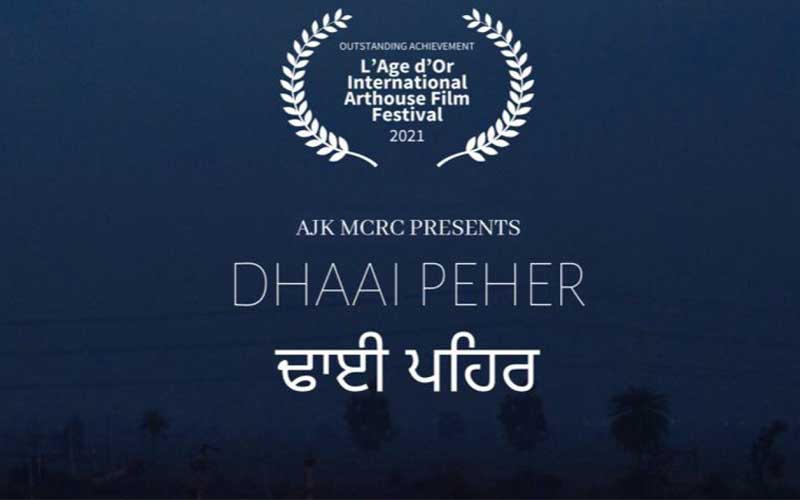
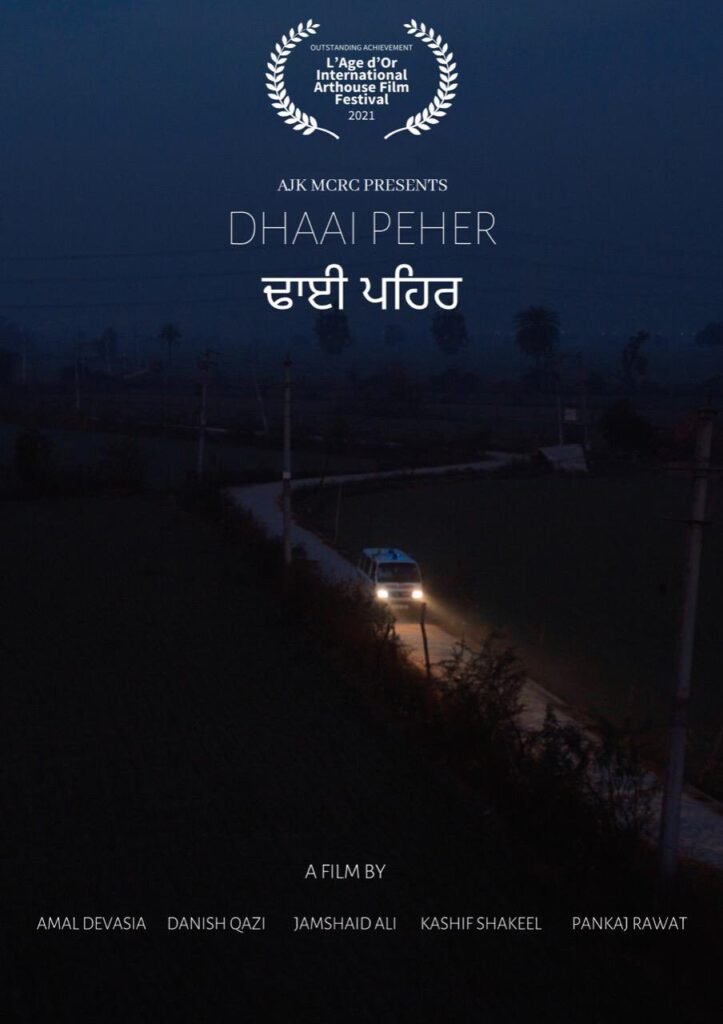
Dhaai Peher (Two and a Half Moments), a Jamia Millia Islamia (JMI) student film directed by M.A. Mass Communication students Amal Devasiya, Danish Qazi, Jamshad Ali, Kashif Shakeel, and Pankaj Rawat, won the Outstanding Achievement Award in the student category at the L’Age d’Or International Arthouse Film Festival (LIAFF).
The story follows a series of events that unfold in Punjab in the 1990s. During the COVID outbreak, the film was made when outside venues were scarce, and Punjab had to be conjured up in and around Delhi.
LIAFF’s mission is to foster a film culture that inspires and brings together cross-cultural innovations that enrich people’s lives through entertainment and services that enlighten, educate, and entertain them.
The AJK Mass Communication Research Centre is India’s most prestigious media institute. The MCRC, founded in 1982 by Anwar Jamal Kidwai (previously VC of Jamia Millia Islamia and later Chairman of the Centre), offers graduate and post-graduate courses in new media art, craft, and technology. With professionally and academically skilled staff and a diverse range of visiting professionals, the MCRC provides the highest media education and training standards.
Lately, AJK MCRC has produced many eminent journalists and filmmakers. Barkha Dutt, Kabir Khan, Meenu Gaur are some of the examples.
An AJKMCRC),@jmiu_official student film Dhaai Peher (Two and a Half Moments)directed by Amal Devasiya, Danish Qazi, Jamshad Ali, Kashif Shakeel and Pankaj Rawat won the Outstanding Achievement Award at the L’Age d’Or International Arthouse Film Festival in the student category.
source: http://www.thenationalbulletin.in / The National Bulletin / Home> Education / by Jitesh Dhawan / June 17th, 2021
This is the third part of the series called “Scientist Says” where we bring for our readers the significant research works of young scientists.
Rashida Bakait from India Tomorrow interviews Dr. Mohammed Rameez who is presently working as Academia Sinica postdoctoral research fellow at the Institute of Chemistry, Academia Sinica, Taiwan.
Here are the excerpts of the interview with him.
Q. What is the topic of your research and please give a brief explanation?
Ans: With the increased manufacturing activities, large amount of carbon dioxide (CO2) is being released in the environment, causing Earth–Carbon disparity, leading to global warming issue. Further, there is an additional rising demand of fine chemicals such as p-benzoquinone, which are obtained from the processing of fossil fuels. However, these processes operate under high energy and high pressure conditions generating more CO2. Therefore, decreasing CO2 production and transforming CO2 into valuable solar fuels seem to be an essential issue to be considered for future sustainable development. So, this scenario has given the researchers a challenging topic of as to how to reduce the amount of CO2 and further convert it into useful low-carbon fuels. Hence, my research topic is based on reduction of carbon dioxide to other useful chemicals using electricity and catalysts. This process is known as electroreduction of CO2.
My research is developing an ideal resource-efficient solution based on catalysts i.e. artificial photosynthesis – mimicking how plants use sustainable sources of sunlight, CO2 and water to drive the production of energy-rich carbohydrates. As such, promising research efforts have been intensified in reducing CO2 to similar energy-rich fuels and chemical feedstocks through electro-catalytic routes. Recently, we report a novel g-C3N4/Cu2O-FeOheterogeneous nanocomposite catalyst for CO2 electrochemical reduction to CO, with a maximum Faradaic efficiency of 84.4% at a low onset overpotential. This research was published in topmost journal in the field of environmental engineering. This research was done in Academia Sinica, a premier research institute of Taiwan. A PhD student Girma from Ethiopia and I worked on it in Prof. Hung’s lab. I was also one of the corresponding authors.
Q. What is the motive/ aim of your research?
Ans: Different semiconducting materials and metals, such as Pt, Pd, TiO2, SrTiO3 CdS, g-C3N4, ZnO, Bi2WO6 and so on have been used as catalyst for CO2 reduction. However, the practical applications of these catalysts for CO2 reduction are still limited by the low CO2 conversion efficiency due to low light harvesting efficiency, high production cost, low catalytic activity, insufficient catalyst durability and a lack of mechanistic understanding.
Hence, our aim was integrating heterostructures containing oxides of non-noble metals, such as iron and copper with g-C3N4 that may result in stable materials that could function as active electrochemical catalysts for CO2 reduction.
Q. What important findings/aspects are highlighted in your research?
Ans: We prepared a novel g-C3N4/Cu2O-FeO heterostructure nanocomposite catalyst by a simple hydrothermal synthetic route and tested it for electrochemical CO2 reduction in aqueous systems. To the best of our knowledge, this is the first experimental report on a hybrid g-C3N4/Cu2O-FeO nanocomposite for electrochemical CO2 reduction. We demonstrated that g-C3N4/Cu2O-FeO is a promising electrocatalysts for CO2 reduction in neutral medium. Incorporating mixed metal oxide into g-C3N4 layers could be a potential strategy to improve the electrocatalytic catalytic activity of the composite materials. With careful experimental design, this research may help us obtain a library of highly efficient water stable and less toxic catalysts optimal for various catalytic applications.
Q. What kind of challenges did you face?
Ans: Many semiconductors, doped and sensitized semiconductors have been used as photocatalysts for CO2 reduction for higher conversion efficiency. The selectivity of products not only depends on the catalysts’ compositions but also on the choice of reductant and the solvent. However, the practical applications of these catalyst for CO2 reduction are still limited by the low CO2 conversion efficiency. It is important to raise the photocatalytic conversion efficiency and long-term stability to make this process economically feasible. Here, our main challenge was to enhance the selectivity and efficiency of the process for the novel g-C3N4/Cu2O-FeO catalyst, which uses earth abundant materials.
Q. Any scholarships or awards for this research?
Ans: We got financial support from Ministry of Science and Technology of Taiwan (109-2113-M-001-020) and Academia Sinica (AS-KPQ-106-DDPP) for this research on CO2 reduction.
I have received Taiwan government’s most prestigious scholarship for PhD ‘TIGP’ and was given an opportunity to study and carry out my research in the Academia Sinica and National Chiao Tung University, a renowned research institution of Taiwan and one of the top three Universities. It was a type of dual degree with my research focused on Sustainable Chemical Science and Technology. After obtaining PhD, I also got Song Pei Wu applied chemistry thesis award for my thesis on Perovskite solar cells. Moreover, two of my research papers also received the best paper award from my university ‘National Chiao Tung University’.
Currently, I have been awarded the most prestigious postdoctoral fellowship in Taiwan (Academia Sinica postdoctoral research fellow) offered by Academia Sinica and I am working as a Postdoctoral research scholar here.
Q. How do you think your research would be beneficial to the society or industry?
Ans. I hope that this research would help in solving the prevalent issue of global warming befalling due to the rapid industrial developments across the globe. Currently, the conversion efficiency is too low to be practically useful in industry, this research would definitely help solving the existing low conversion efficiency. We are also confident that the proposed hybrid low-dimensional functional materials would help in promoting the conversion of the product yields to some extents and to gain in-depth understanding of the basic principle of CO2 reduction using the advanced spectroscopy/dynamics techniques available in our laboratory. Based on our results we will be able to design better, cheaper and inexpensive catalysts. Finally, we hope these catalysts can be used for a large-scale industrial fixation of carbon dioxide to useful chemicals. This can help us achieve two goals – 1) CO2 amount reduction and 2) valuable chemical productions without using fossil fuel. Ultimately, we will be able to attain the goal of sustainable development.
Q. When did you begin and complete your research?
Ans: I joined the above mentioned project in the month of June 2020, after finishing my PhD, and the first draft of the manuscript was ready by the end of November 2020. The research was finally published in the reputed journal named Applied Catalysis B: Environmental inthe field of environmental engineering in the month of March 2021.
Q. Any new research you are working on now?
Ans: The recent research still requires solutions like finding a viable approach, providing better stability, reducing toxicity and superior catalytic performance. Currently we are working on introducing newer class of materials known as Perovskite. Our goal in this proposal is to develop novel photocatalysts that are inexpensive and efficient. Additionally, the photocatalytic materials should be able to generate large number of electron-hole pairs, while separating charges efficiently at the same time, and providing large amount of active catalytic sites at the interface between the surface of the photocatalyst and the CO2 carriers (either in liquid phase or in gas phase).
Q. What was the conclusion of your research?
Ans. We successfully demonstrated that cheaper catalyst can also work efficiently as expensive catalysts for CO2 reduction with better efficiency and selectivity. More details can be found in our research article.
Q. How do you think your research can be carried forward?
Ans. We expect to establish a standard protocol for employing catalysts for efficient Electro Chemical systems which may ultimately lead to development of the large-scale integrated reactor, including highly efficient buffered system, high conductivity membrane material, and large surface area electrode (e.g. gas diffusion electrode, single-atom membrane, and bio-conductive membrane electrodes). Further, we will be able to tune the selectivity of products by tuning the solvents. Ultimately, research groups around the world will be able to harness CO2 for various applications.
Q. Lastly, please give some tips to the budding scientists?
Ans. My advice to the budding scientists is that they should keep themselves updated with the recent literature and findings. Never lose hope as it takes time to obtain results. Always have plan B and C ready for the research and experiments.
source: http://www.indiatomorrow.net / India Tomorrow / Home> Education> Featured / by Rashida Bakait, India Tomorrow / March 30th, 2021
Birur town (Kadur taluk-Chikkamagaluru District), KARNATAKA :
It became an abiding interest while studying Kannada at the pre-university level at Pandit Jawaharlal Nehru Memorial College.
Shivamogga :
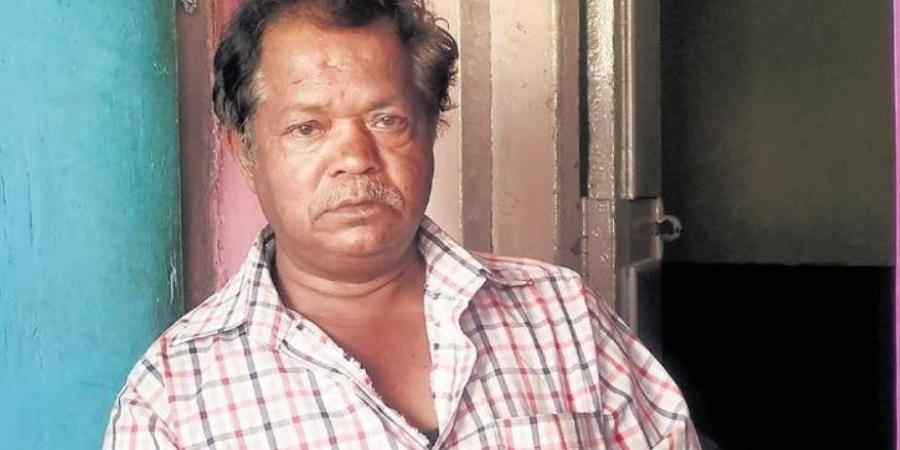
To D Ismail, the mastigallu (masti stone) is a fascinating storyteller. It talks about the history and the people as he peers into the inscrutable inscriptions whether it is in Modi lipi or Halegannada (ancient Kannada).
The epigraphist from Birur town in Chikkamagaluru district took a fancy to the knowledge hidden in stones, and is one among a small number of people who can understand ‘Modi lipi’, a cursive script used to write several languages, including Kannada. It is just like English running hand, he says. It became an abiding interest while studying Kannada at the pre-university level at Pandit Jawaharlal Nehru Memorial College.
Ismail (63) says Modi lipi is a kind of early Kannada writing found from the times of Ashoka to the 18th century, which was used to record events and facts about emperors and their empires. In English, it is termed ‘cacography’, which according to the Kannada dictionary, means ‘illegible handwriting’, seen mostly in ancient stone inscriptions called mastigallu and veeragallu (hero stone).
Ismail is studying stone inscriptions to analyse their contents for anything related to astronomy and is compiling a research paper on the subject ‘Astronomy in Inscriptions’. Other issues that he is studying include natural calamities, music and life events, recorded in inscriptions to understand the culture of people going back to the Cholas, Gangas, Rashtrakutas and others who ruled South India.
The curiosity that drew him to these stones soon became his passion. “I studied various books related to Modi script, and under the guidance of epigraphist Shambhu Lingappa, I visited ancient sites in and around Birur, Kadur and Chikkamagaluru with him. I learned to read inscriptions in Modi script and also in Halegannada. I started reading books written by famous epigraphists like M M Kalburgi, Chidanandamurthy, A V Narasimhamurthy and others.”
Though Ismail could not pursue his education after pre-university, he never missed an opportunity to upgrade his Halegannada-related knowledge. Today, he is a well-known epigraphist who offers guidance to students of Kannada literature researching inscriptions and Halegannada in various universities. He has a rare collection of more than 5,000 books related to epigraphy, Halegannada, mastigallu and veeragallu.
He has written a book titled ‘Madhya Karnatakadalli Beeradevaru’ (still a manuscript) about Beeradevaru, a deity worshipped by the Kuruba community. The book throws light on the community, where they came from, and how they settled in Shivamogga, Chikkamagaluru and Chitradurga districts. He has travelled the length and breadth of these districts to collect information and did a field survey for more than two years.
He suggests that people interested in inscriptions read the book ‘Kannada Lipiya Ugama Mathu Vikasa’ by A V Narasimhamurthy, and ‘Lipi, Lipikara, Lipi Vyavasaya’ by Shettar, for those who want to learn Halegannada.
Ismail is one of the four sons of E M Dastagir Saab and Razia Begum of Birur, who have had a grocery business at M G Circle in Birur town for many decades. Even today, Ismail is the one who opens the grocery shop in the morning and takes care of the business.
He has a rare collection of more than 5,000 books related to epigraphy, Halegannada, mastigallu and veeragallu.
source: http://www.newindianexpress.com / The New Indian Express / Home> States> Karnataka / by Ramachandra V Gunari / Express News Service / June 27th, 2021
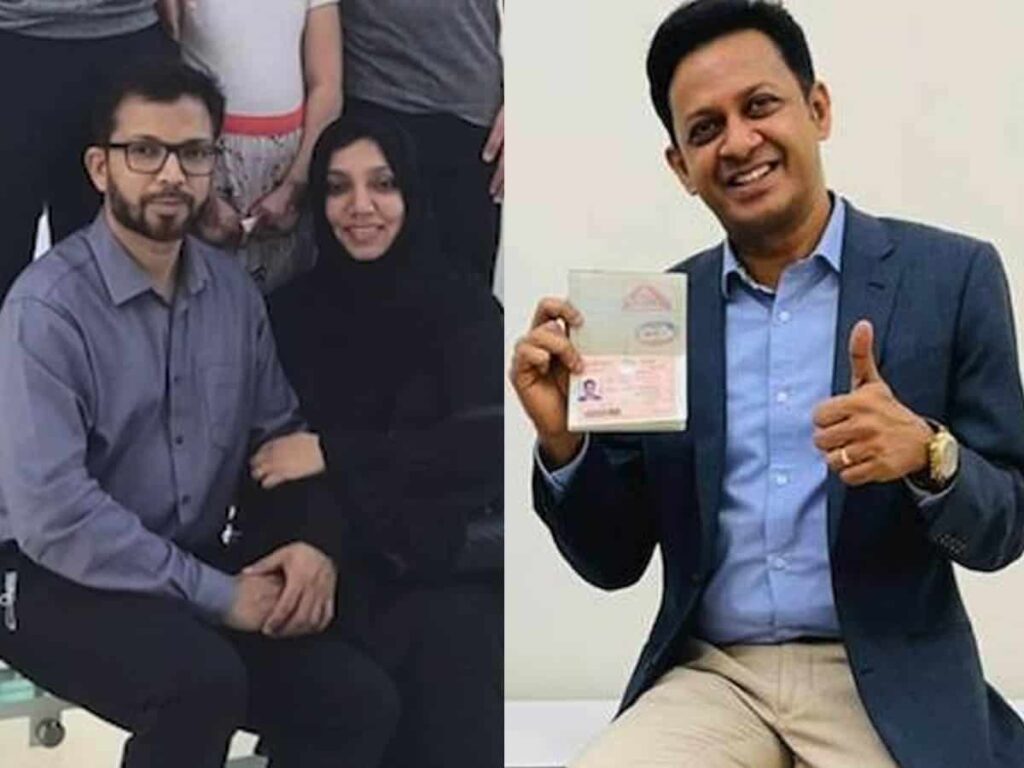
Left Dr Jasna Jamal with family. Right Dr Shyam Vishwanathan
Abu Dhabi:
Two Ayurveda doctors, who are originally from India’s Kerala state and now based in the United Arab Emirates (UAE), have received the Gulf nation’s coveted Golden Visa, according to a media report on Saturday.
A Golden Visa enables foreigners to live, work and study in the country without the need of a national sponsor and with 100 per cent ownership of their business on the UAE mainland.
They are issued for five or 10 years and are renewed automatically.
Both Shyam Vishwanathan Pillai and Jasna Jamal were granted the Golden Visas by the UAE’s Federal Authority for Identity and Citizenship (ICA).
Vishwanathan, CEO of Vaidyashala at the Burjeel Day Surgery Centre in Abu Dhabi, received it under the medical professionals and doctors category on June 17, the Khaleej Times report said.
“My sincere gratitude to the rulers and policymakers of UAE for the kind support to Ayurveda and Ayurveda practitioners,” Shyam, from Kollam, told the newspaper.
“I truly appreciate their vision in integrating the Ayurveda for the wellbeing of UAE residents and at the same time keeping in place strong measures to ensure the quality delivery of Ayurveda practice,” he added.
Shyam came to Dubai in 2002.
A resident of Al Mamzar in Dubai, Jamal, from Thrissur, was given the Golden Visa on June 24.
She moved to the UAE 12 years ago soon after getting married.
With over 16 years of experience in Ayurveda, Jamal established her own Ayurveda clinic in Al Mamzar.
source: http://www.siasat.com / The Siasat Daily / Home> News> Middle East / by IANS/ June 26th, 2021
This is the twelfth part of the series called “Scientist Says”, where we bring for our readers the significant research works of young scientists.
Dr. Mohammad Rehan completed his M.Sc. in Organic Chemistry (2010) from Jamia Millia Islamia University, New Delhi. Dr. Rehan started his doctoral studies at Indian Institute of Science Education and Research (IISER) Bhopal in 2011 with Prof. Prasanta Ghorai. During his doctoral studies, he worked on transition-metal catalyzed and transition metal-free synthesis of heterocycles & carbocyclic molecules. In 2017, he obtained his Ph.D. in chemistry from IISER, Bhopal, India. He joined as a postdoctoral research fellow in the group of Prof. H. Waldmann Max Planck Institute of Molecular Physiology, Dortmund, Germany, in May 2018 and worked till January 2021. He worked with the Group Leader Dr. Kamal Kumar, in the group of Prof. Waldmann, on asymmetric hetero-Diels–Alder reactions leading to biologically intriguing small molecules. He shares his research works with Rashida Bakait of India Tomorrow. Here are the excerpts of the interview.
Q. Please briefly explain your research.
Ans. My initial research was based on the development of synthetic methodology towards the synthesis of heterocyclic molecules and carbocyclic molecules. The purpose of developing a new synthetic methodology for the synthesis of heterocyclic molecules is that most marketed drugs contain heterocyclic fragments. Heteroatom’s (such as nitrogen, oxygen and sulfur) as well as heterocyclic scaffolds are often present as a key structural unit in several active pharmaceuticals natural products. Heterocyclic scaffolds are frequently present molecules in medicinal chemistry and among all such heteroclic molecules, nitrogen containing heterocyclic molecules are of great importance to medical science. Since nitrogen containing heterocyclic molecules are abundant in nature, existing as key units in several natural products, for examples, antibiotics, hormones and in vitamins. Nitrogen-containing natural products and some alkaloids compounds, showing various biological activities, several of them are even prescribed drugs such as serotonin, thiamine, which are called vitamin B1, papaverine, coniine, caffeine, nicotine, atropine, notorious morphine, and codeine. Statistically, more than 85% of all biologically active compounds contain heterocyclic moiety. These facts disclose and emphasize heterocyclic fragments play a central role in modern drug design and drug discovery.
At IISER-Bhopal, my doctoral research began with the development of a new synthetic method for the synthesis of heterocyclic molecules and their application towards the synthesis of biologically active compounds. It was divided into two section: 1st section (1) transition-metal catalyzed synthesis of heterocyclic compounds (such as synthesis of 2-benzyl indole and 2-benzyl benzofuran derivatives) here the developed method was used towards the synthesis of melatonin receptor, anti-tumor and hypocholesterolemic agent, cytotoxic and mTOR signaling agent. In the second section (2) (a) transition-metal free synthesis of heterocyclic (such as derivatives of quinoline derivatives) with this develop methodology I have successfully synthesized 2-styrylquinolines (which shows combined therapeutic and diagnostic activities against Alzheimer’s and prion diseases). The 2- styrylquinolines is a vital scaffold and having considerable biological significance.
Besides the above-mentioned research, my research focus as a postdoctoral research fellow at Planck Institute of Molecular Physiology, Dortmund, Germany, was based on (a) asymmetric hetero-Diels–Alder reactions leading to biologically intriguing small molecules (here I have developed a synthetic methodology that enabled us to identify a new biological annotation to piperidinoyl spirooxindoles, which were known to exhibit inhibition of p53-MDM2 interaction. This work also demonstrates how important it is to develop methods for various possible stereoisomers of a desired product with stereogenic centers), and (b) synthesis of bio-inspired Pseudo-natural products (PNPs).
Q. What was the objective of your research?
Ans. During my doctoral studies, I have gained immense experience in the development of new synthetic methodology. So I decided to extend my expertise towards drug discovery. It is only possible when there is a combination of chemistry and biology. I was looking for the research team where chemistry and biology work is going simultaneously, then only you can understand the real significance of the developed methodology for synthetic molecules. The scientific discipline of chemical biology is spanning the fields of chemistry and biology. It involves the application of chemical techniques, analysis, and often small molecules produced through synthetic chemistry to the study and manipulation of biological systems. When I joined the Prof. Waldmann research group (Prof. Waldmann is one of the renowned names in the field of chemical biology all over the world in academia and the pharmaceuticals industry) at MPI-Dortmund, my interest has developed to design and synthesize the Psuedo natural product based Molecular library towards the drug discovery. The synthesis of spiro-oxindole scaffold is present in various biologically intriguing natural products endowed with different biological activities. For example, Spirotryprostatin is isolated from the fermentation broth of A. fumigatus and shows antimitotic activity. Another natural product with spiro-oxindole core is Welwitindolinone which is isolated from H. welwitschii and reverses the effect of P-glycoprotein mediated multiple-drug-resistance. There are also various synthetic examples known where spiro-oxindoles show therapeutic effects, for instance, the antimalarial NITD609. An interesting subgroup of this class is the piperidinoyl-spirooxindole which consists of up to four consecutive chiral centers and up to three all-carbon-quaternary centers. Synthetic derivatives of this compound class appear to be promising anticancer agents. They inhibit the protein-protein interaction between the tumor suppressor p53 and MDM2. However, their potential in modulating other biological functions is not yet explored.
Till date, there are some enantioselective HDA reactions reported with great control over their stereo chemical courses. They are applied for the total synthesis of natural products and used in the synthesis of small molecules. Our aim was to develop asymmetric access to 3,3’-piperidinoyl-spirooxindoles employing a catalytic HDA reaction with a 2-azabutadiene.
Q. Please mention some of the new findings of your research?
Ans.The aim of chemical biology research is to get deeper insights into various known as well as novel biological processes by using chemical tools and techniques. An approach that is often chosen to accomplish this is to perturb a biological process that can be achieved with genetic approaches like gene silencing. The application of small molecules and the term small molecule is widely used and usually defines a molecular entity with a molecular weight under 1000 g/mol. Some of the important features of small molecules are their physicochemical properties like their permeability and solubility to penetrate the cell membrane and diffuse to their biological target in cell-based screenings. These properties are mainly influenced by molecular weight, lipophilicity, and the number of hydrogen bond donors and acceptors. So the design and development of synthetically small molecular libraries are very important in modern drug discovery.
Q What kind of challenges did you face?
Ans. Research is a lengthy process, so one must be self- motivated and should have a deep interest in the respective research areas. It will never be a cakewalk, your success will come after failure. Honestly, failure takes you towards success as you come to know various techniques and methods that might lead to failure. When I started my research for the development of a new synthetic methodology in chemistry I have faced similar problems.
Q. When did you begin and complete your research?
Ans. I started working as a doctoral researcher in August 2011 and successfully completed my Ph.D. degree in 2017. Then, I worked as a postdoctoral research fellow from May 2018 to January 2021 at Max Planck Institute of Molecular Physiology Dortmund Germany in the field of chemical biology. After the completion of my first post-doc, I took some break from my research work writing some reviews and research projects, now I want to start my own research group or would like to join the pharmaceutical industry to learn more about drug discovery.
Q. Any scholarships or awards for research?
Ans. For my doctoral studies, I received a fellowship from MHRD-CSIR-UGC for 5 years. During my postdoctoral research, I received Max Planck Institute-Gesellschaft Germany Postdoctoral fellowship for the Postdoctoral research in Max-Planck Institute of Molecular Physiology Dortmund Germany.
Q. How do you think your research would be beneficial to the industry or society?
Ans. Several decades of research in various fields by the scientific community have led us to where we human beings are today: a civilized society with the knowledge and instruments to move forward. I believe that the synthetic methodology which I have developed during my doctoral studies in the area of organic chemistry and the research work during my postdoc will be helpful for the pharmaceuticals industry. By using such synthetic methodology the pharmaceuticals industry can develop new drugs. In the modern drug discovery we need to make an economically, environmentally sustainable and easily accessible method to provide the drugs in the market for the benefit the society.
Q. Any new research you are planning to work on now?
Ans. Now , I would like to expand my research area on biocatalyst to develop new chemical transformation towards the drug discovery. Biocatalysis refers to the use of living systems or their parts to speed up (catalyze) chemical reactions. In biocatalytic processes, natural catalysts, such as enzymes, perform chemical transformations on organic compounds. In a class of catalysts of biocatalyst enzymes are accountable for the smooth transformation and enhancement of the rate of many crucial biochemical reactions in plants and animals. Nature is making biologically active compounds in plants via enzyme catalysis process from a longer time. The importance of enzyme catalyst is due to its efficiency, as a single molecule of the enzyme catalyst can convert up to a million of reactant molecules into the products in few seconds. Recent advances in the field of drug discovery helps the chemist to understand the structure and functional activities of enzymes, which have in turn led to an increase in their stability, activity, sustainability, and substrate specificity. At present, there are hundreds of different biocatalytic action that have been carried out in many pharmaceuticals, chemical, food, and agro-based industries (biocatalysis Tyler Johannes).
Q. Please give few tips and suggestions for the budding scientists.
Ans. Doctoral research sometimes can be highly frustrating. At that time researcher should try to develop his own self-confidence and self-belief. Seek positive feedback and acknowledge your achievements. If your lack of determination is actively affecting your strength to work then seek consultation and professional help. Time management is very crucial. If you are not executing your goals on time, then plan properly again. And in the end don’t fear failure you can learn more from your failures than achievements. Failure can bring a positive change in your personal and professional life. Never take it personally, remember that you are receiving training to be a scientist. Try to understand the expectations of your supervisor.
Finally, you may need to explain your busy schedule during your research work to your family and friends. They may not understand the magnitude of research studies. You shouldn’t be nervous and don’t try to reject any opportunity to get-together. Remember one thing that discussing your research work with a layman can help to brush up it and it will further boost your motivation.
source: http://www.indiatomorrow.net / India Tomorrow / Home> Education> Featured / by Rashida Bakait, India Tomorrow /June 15th, 2021