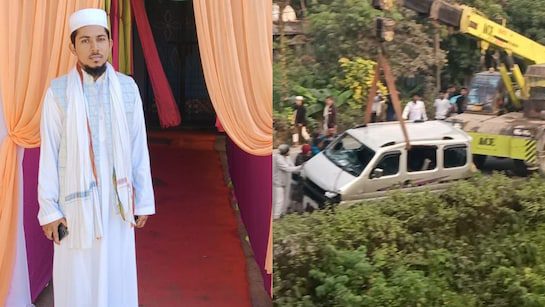
A mosque imam in Assam used the mosque loudspeaker at dawn to raise an alarm that ultimately saved seven lives after a vehicle plunged into a pond.
The incident occurred early Tuesday in Sribhumi district when a car lost control on the National Highway, skidded off the road and crashed into a waterbody.
The passengers, most of whom were asleep, found themselves trapped as the vehicle began sinking with its windows shut.
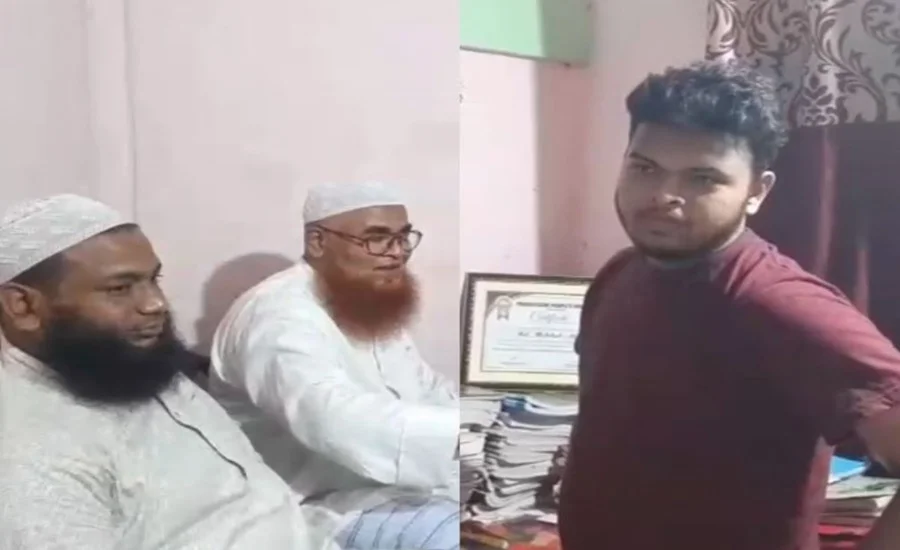
Upon hearing the sudden crash, Maulana Abdul Basit, Imam of Jama Masjid and a teacher at Mirabari Madrasa, immediately turned to the mosque’s microphone to alert the community.
He called on residents to rush for help, a local resident told NDTV.
The appeal sparked a swift response. Villagers hurried to the site and launched a rescue effort, eventually pulling all seven passengers out of the submerged vehicle.
“I noticed the car’s lights glowing under the water and realised we had to act without delay,” Basit said, The Observer Post reported.
He added that his actions were driven purely by humanity: “We did not think about religion. Saving lives was all that mattered.”
source: http://www.maktoobmedia.com / Maktoob Media / Home> India / by Maktoob Staff / December 03rd, 2025.
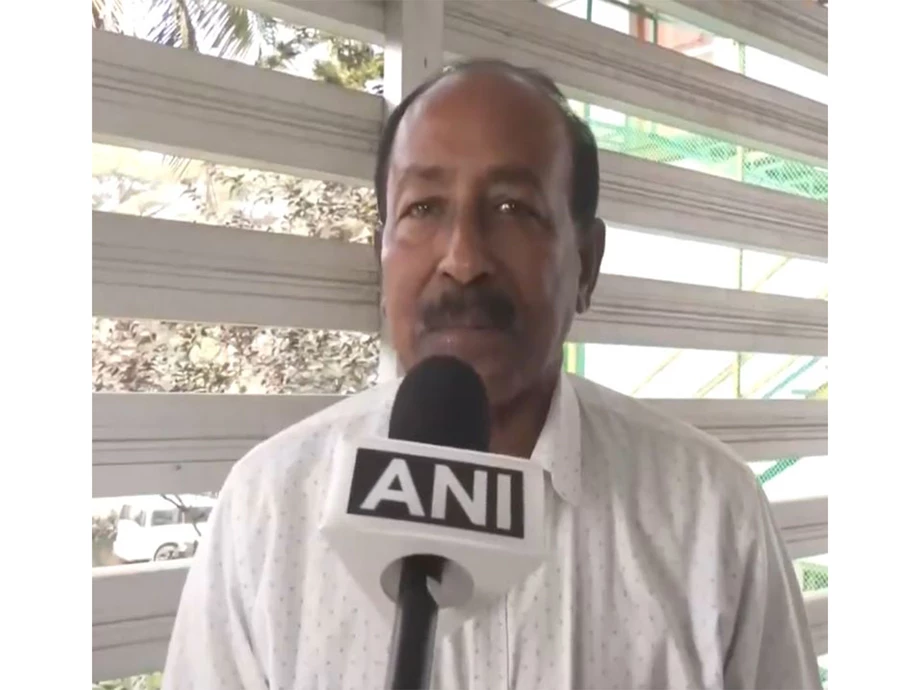
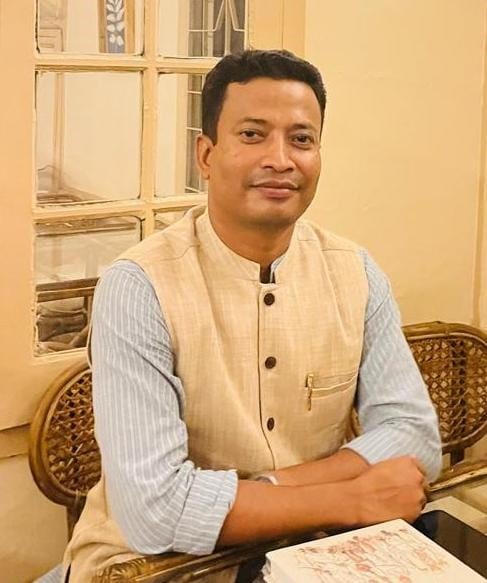
Nuruddin Ahmed, Assam’s sculptor and art director (Photo/ANI). Image Credit: ANI
Assamese sculptor Nuruddin Ahmed has been awarded the Padma Shri 2026, recognizing his outstanding contributions to art. Expressing gratitude towards the people of Assam, Ahmed hails the award as a life-changing moment. The Padma awards honor distinguished service in various fields, with 131 recipients, including posthumous recognitions, announced this year.
In a remarkable acknowledgment of his artistic contributions, Assamese sculptor and art director, Nuruddin Ahmed, has been awarded the prestigious Padma Shri for the year 2026 in the field of art. On receiving the honor, Ahmed expressed heartfelt gratitude to the people of Assam, considering the award a defining moment in his career.
Speaking with ANI, Ahmed extended his thanks, attributing his success to the unwavering support from Assam’s residents. ‘This recognition serves as a milestone, propelling me towards greater aspirations in life,’ he remarked.
The esteemed Padma Awards, announced annually on Republic Day, highlight exemplary service in diverse domains. This year, the President of India approved 131 honors, spanning categories like art, public affairs, medicine, and more. The revered Padma Vibhushan, Padma Bhushan, and Padma Shri awards were conferred on both national and posthumous figures, recognizing their invaluable contributions.
(With inputs from agencies.)
source: http://www.devidiscourse.com / Devi Discourse / Home> News> Law & Governance / by Devi Discourse News Network / January 27th, 2026
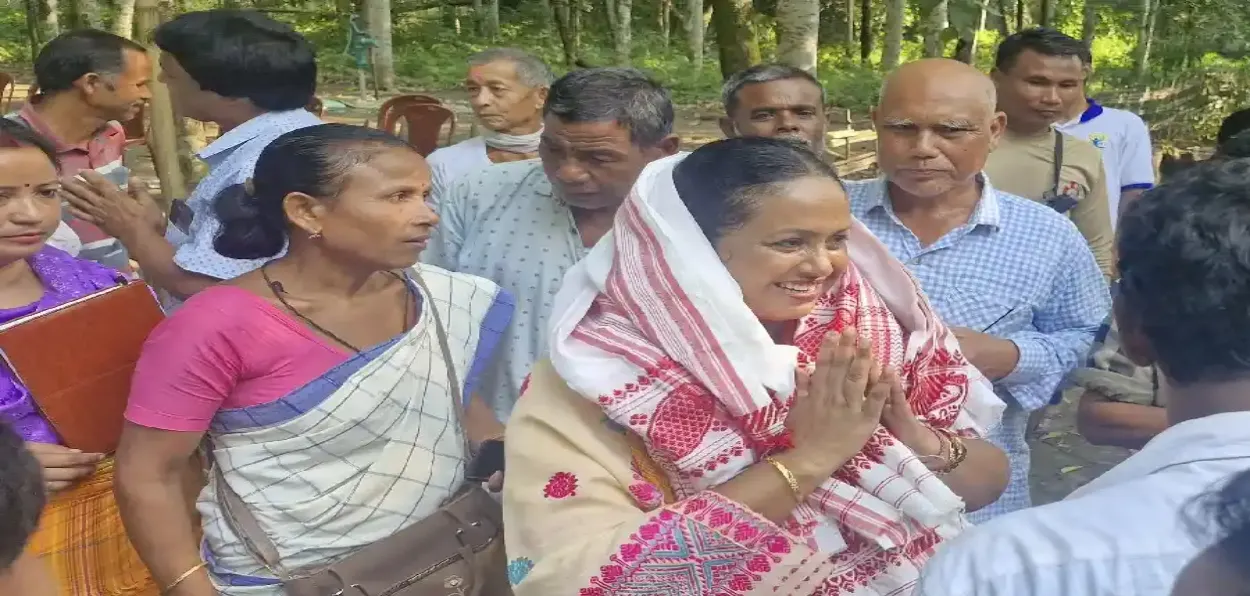
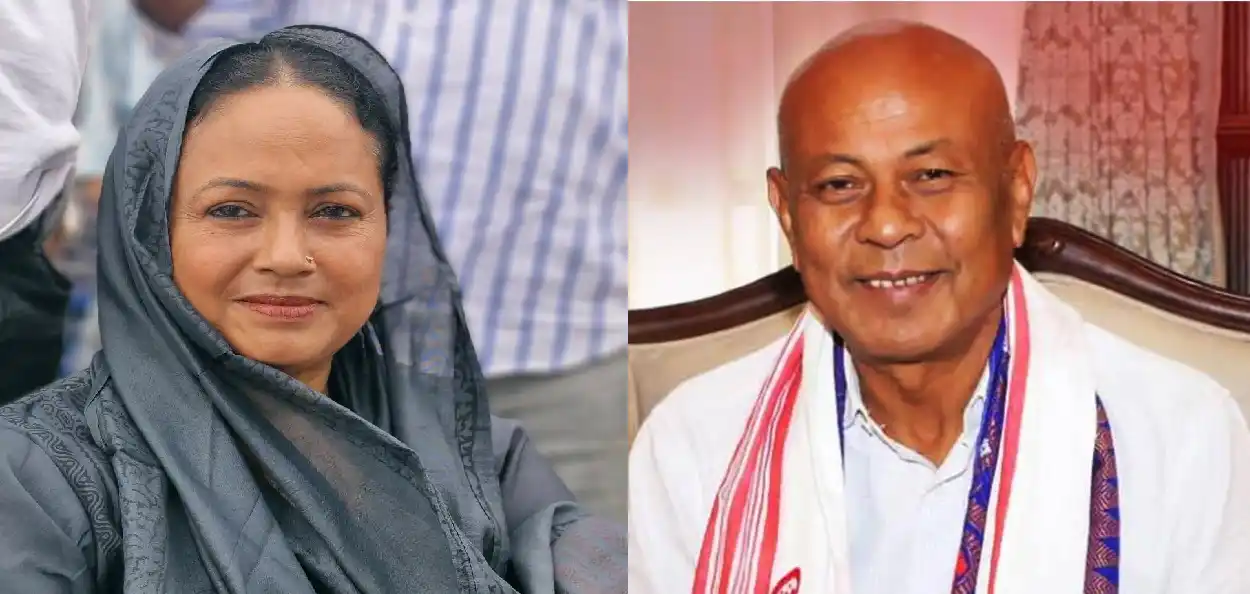
For the first time, the Bodoland Territorial Council (BTC), led by Bodoland People’s Front (BPF) chief Hagrama Mohilary, has a Muslim woman as an elected executive member. As Muslims in BTAD (Bodoland Territorial Autonomous Districts) had been feeling marginalised for a long time, a Muslim woman’s election to a council is significant and historic.
BTC is the governing autonomous council of BTAD, aka BTR (Bodoland Territorial Region), comprising Kokrajhar, Chirang, Baksa, Udalguri and Tamulpur of Assam as districts. It was formed following the peace treaty with the Bodoland Liberation Front in February 2003. BTAD covers an area of over 9000 square kilometres and is predominantly inhabited by the Bodo people and other tribal communities of Assam.
Begum Akhtara Ahmed has been elected from Mathanguri constituency of the BTC and inducted into Mohilary’s cabinet. She has been bestowed with the responsibility of the Public Health Engineering (PHE) Department. Regional political party BPF won the single largest party majority in the BTC elections held in September 2025 with 28 seats.
Begum Akhtara Ahmed and Hagrama Mohilary
Incumbent UPPL won seven seats and the BJP won five seats in the 40-seat council. The BTC was formed in 2003, and Hagrama Mohilary has been in power for the past five years.
Begum Akhtara Ahmed of the BTC had no aim or desire to be in politics as she wanted to be a litterateur. But destiny has another script for her life.
Begum Akhtara was born in the Kalgachia area of Barpeta district. She got her primary education in Kalgachia. She was married while studying in Class VII.
Her husband, Ibrahim Ali Molla, recently retired as a higher secondary school teacher. Begum Akhtara could pursue her education. Her first child was born while she was in Class X. She passed her matriculation examination under such circumstances.
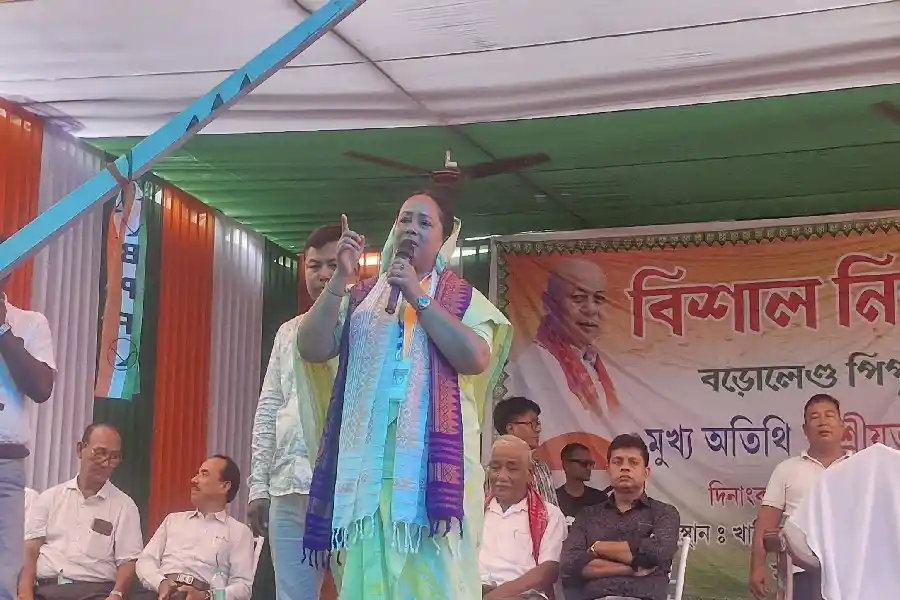
Begum Akhtara Ahmed addressing a political rally
Her second child was born while she was in Class XII. Begum Akhtara continued her education and completed her postgraduate degree from Gauhati University in 2003.
She joined Langla College in the Bangaigaon district as a part-time lecturer, but quit soon. She got involved in politics. She joined the Congress and was appointed as the organising secretary of the Barpeta District Women’s Congress.
Since her matrimonial home is in Lawahur village of Mathanguri constituency in Baksa district, she changed her address and became the president of the Baksa District Women’s Congress. She joined the BPF in 2004.
Begum Akhtara Ahmed with Chief Minister Himanta Biswa Sarma
This is where her new political journey and new life of conflicts begin. Party chief Mohilary formed the women’s wing of the BPF, and she was appointed its president.
After three years as the women’s BPF president, she was appointed as the party’s organising secretary by party president Hagrama Mohilary.
She contested the 2020 BTC elections for the first time and was defeated by the BJP’s Gautam Das in the Mathanguri constituency. This time, however, Begum Akhtara contested from the same constituency for the second time and defeated the same opponent.
Begum Akhtara Ahmed was attacked and her house was torched in the once-violent BTC. She was even threatened and asked to stay away from politics in the BTC. Once, while she was busy with a political meeting, her car was set on fire at the venue, and she barely survived.
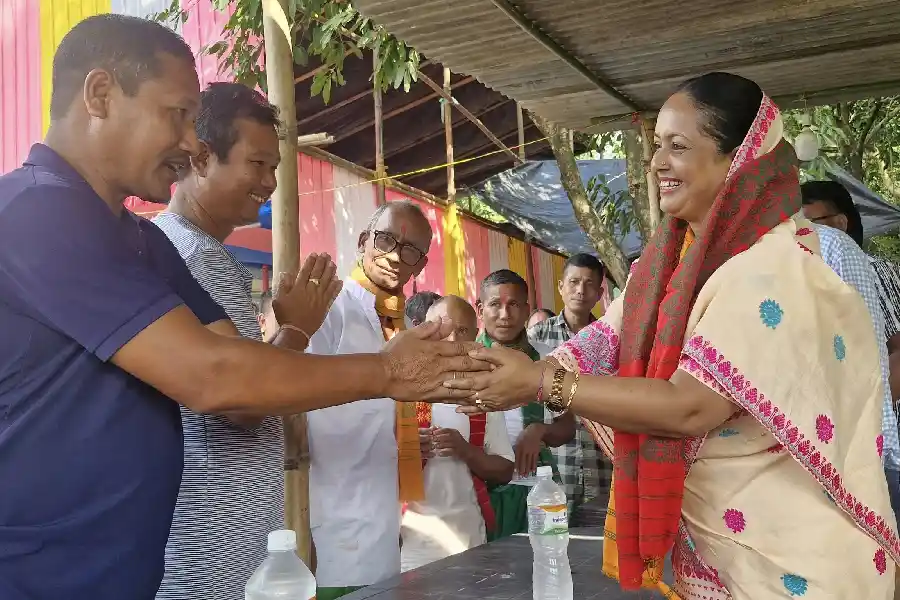
Begum Akhtara Ahmed with activists of her party at a rally
Begum Akhtara Ahmed said three of her cars were set on fire in 2012. It may be mentioned that several incidents of attacks on minorities took place in the BTC in 2012. Most of the attacks took place in the Baksa district, from where many minorities were forced to flee their homes. Several people were even brutally murdered.
However, all this could not distract her from her goals and objectives.
Praising her leader, Hagrama Mohilary, Begum Akhtar said he wants the Bodo people to move forward along with all ethnic groups. So she is happy to work under the leadership of Mohilary.
According to Begum Akhtara, BTC is a small place. Therefore, it is necessary to rely on the governments at the Centre and in the state to work for its development. Otherwise, developmental work may be interrupted. “We don’t have to look at which party’s government is at the Centre or in the State, we have to work with that government in coordination,” she said.
source: http://www.awazthevoice.in / Awaz, The Voice / Home> Story / by Priya Sarma, Guwahati / October 27th, 2025
The bond between Assamese Hindus and Assamese Muslims is very strong and no one can easily break the traditional friendship between the two communities, Wasbir Hussain, author and executive director of Centre for Development and Peace Studies, has said.
Addressing the fourth anniversary celebrations of the Assamese Syed Welfare Trust, an organisation representing the Assamese Syeds, Hussain on Sunday urged Gauhati University to start a chair in the name of Azan Pir, a 17th-century Muslim reformer and Sufi saint, on the subject of ‘inter-faith harmony or harmony of communities’.
Assamese Syeds are one of the five Muslim groups officially recognised by the Assam government as indigenous communities of the state.
Hussain said except religion, there is no difference between Assamese Hindus and Assamese Muslims. Their language is the same, culture is the same, food habits are the same and they dress the same way, he said.
“I strongly believe that no one can easily break the traditional bond of friendship between Assamese Hindus and Assamese Muslims,” he said.
Hussain, who is also the editor-in-chief of Guwahati-based Northeast Live, spoke about how the indigenous Muslims of Assam follow cultural Islam compared to religious Islam and live peacefully with the larger Hindu population of the state.
He complimented Assam Chief Minister Himanta Biswa Sarma for taking initiatives for the protection of the heritage of the Assamese Muslim community and its overall growth.
Gauhati University Vice Chancellor Nani Gopal Mahanta, the chief guest of the event, said people or communities can have multiple identities that transcend religion.
He cited the example of Assamese Muslims and Syeds who are descendants of Sufi saint Azan Pir, saying they are part of the greater Assamese society.
Mahanta assured that he will push for the Assamese Syed Welfare Trust’s proposal to introduce the Azan Pir chair in Gauhati University and that he will work towards republishing the works of renowned Assamese writer Syed Abdul Malik’s ‘Jikirs Aru Jari’.
Assamese Syed Welfare Trust president Syed Abdul Rashid Ahmed also spoke on the occasion.
source: http://www.english.varthabharati.in / Vartha Bharati / Home> India / by Vartha Bharati / January 20th, 2025
The Assamese version of Maulana Abul Kalam Azad’s Tarjuman Al Quran, Volume-I Al Fatiha, translated by Komoruzzaman Ahmed, was released here yesterday by educationist and former vice chancellor of Rajib Gandhi University, Arunachal Pradesh, Dr A C Bhagabati.
Maulana Azad, besides being a well-known political figure, is a scholar of Islamic learning and Quran. He had translated the Quran into Urdu with commentary as Tarjuman Al Quran to help the common people understand the holy book, as it was understood by the people during Prophet Mohammad’s lifetime.
The book had originally been translated to English by Dr. Syed Abdul Latif during the life time of Maulana Azad. The book, released on June 2, is an Assamese translation of the main Volume-I, Al Fatiha of the Tarjuman Al Quran, where Maulana Azad presented the main principles of the Quran by analyzing each of the Seven Sentences of Sura Al Fatiha in detail.
The meeting was presided over by film-maker Abdul Majid.
The welcome address was made by Wasbir Hussain, author and journalist.
Addressing the meeting, Dr Ayesha Ashraf Ahmed, author and former professor of Shillong College talked about the core philosophy of the Quran. Author Ahmed also addressed the gathering.
source: http://www.assamtribune.com / The Assam Tribune / Home> Archives / by Staff Reporter / September 15th, 2010
On July 10, a significant milestone in Northeast India’s healthcare landscape unfolded as Dr. Parveez Ubed inaugurated the 7th Hub Hospital of ERC Eye Care in Abhayapuri, Bongaigaon district, Assam.
The ceremony represents more than just another hospital opening—it symbolizes the transformative vision of a social entrepreneur who chose to stay in his homeland over greener pastures in metropolitan cities.
Dr. Parveez Ubed’s story begins in Jorhat, Assam, where, after completing his ophthalmology specialization from the Gauhati Medical College in 2007, he decided to change lives.
His classmates left for bigger cities for attractive offers, but Dr. Ubed chose to stay put in Assam to serve his people. His decision was driven by his understanding of the region’s healthcare challenges.
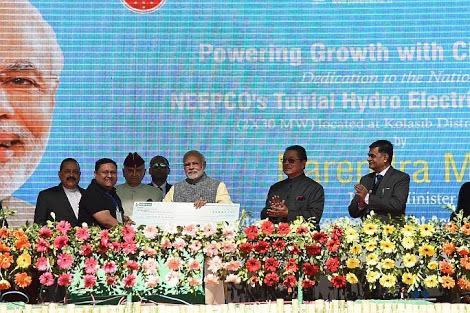
Prime Minister Narendra Modi Presenting an award to Dr Perveez Ubed
His entrepreneurial journey started in June 2011, when he founded ERC Eye Care in a converted kitchen space with just Rs 4 lakhs borrowed from his mother.
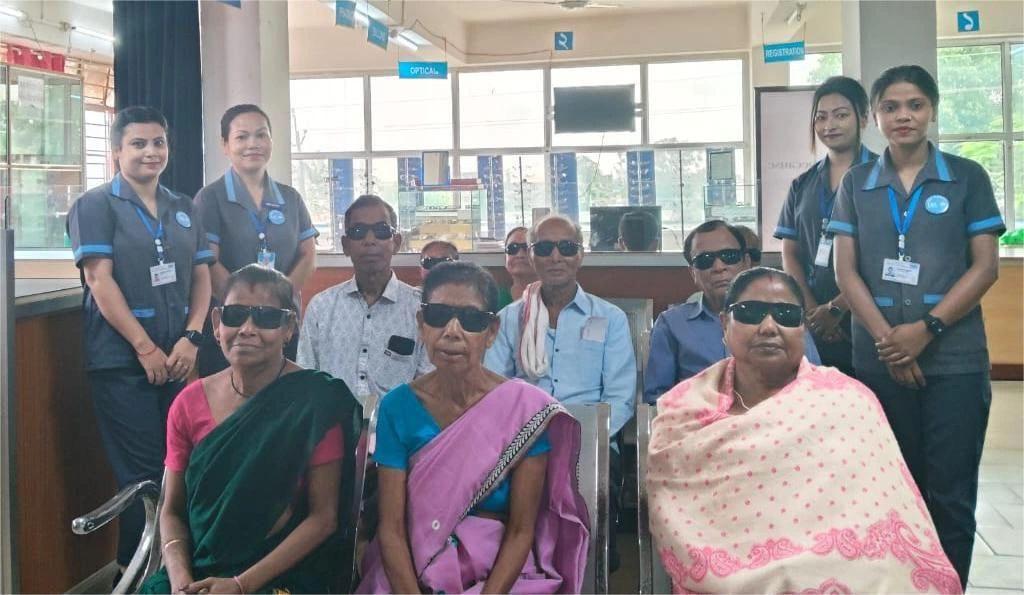
What began as a single-man mission has now evolved into a phygital (physical + digital) eye care network spanning across Northeast India with 267 full-time employees and 190 part-time staff.
Dr. Ubed’s venture addresses a critical healthcare gap in Northeast India, where the statistics paint a sobering picture.
Assam has a blindness prevalence of 3.03% against the national average of 1.99%, with an estimated 92% preventable blindness. The World Health Organization reported that 18.8% of Indians suffer from vision impairment due to cataract in Assam alone, making it one of the most affected regions in the country.
Bad roads and difficult terrain, lack of information, poor overall health status, and absence of escorts are barriers that limit access to eye care services in the region.
The beneficiers of Dr Perveez Ubed’s eyecare facilities
With only 0.6 ophthalmologists per 100,000 population in Assam, the doctor-patient ratio represents a massive healthcare infrastructure deficit.
Dr. Ubed’s entrepreneurial genius lies in his innovative hub-and-spoke business model that tackles the three critical healthcare challenges: affordability, accessibility, and availability. The model operates through: Hub Hospitals: (i) Equipped with surgical and diagnostic facilities serving as main centres in Sivasagar (2015), Nagaon, Silchar, Guwahati, Tezpur, Boko (6th hospital, January 2025), and now Abhayapuri (7th hospital, July 2025).
(ii) Spoke Centres: Satellite vision centres and mobile units extending basic eye care to remote areas, bringing services directly to patients’ doorsteps. (iii) Digital Integration: The organization leverages AI and IoT technology through their digital platform erclens.com, making them the world’s first phygital eye care company.
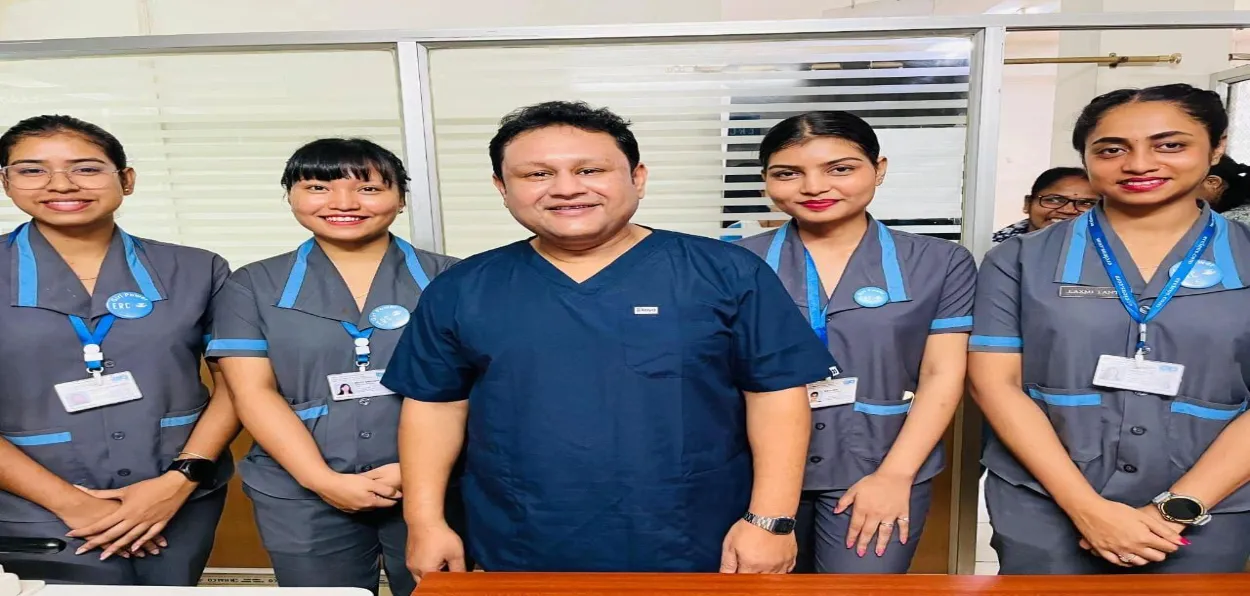
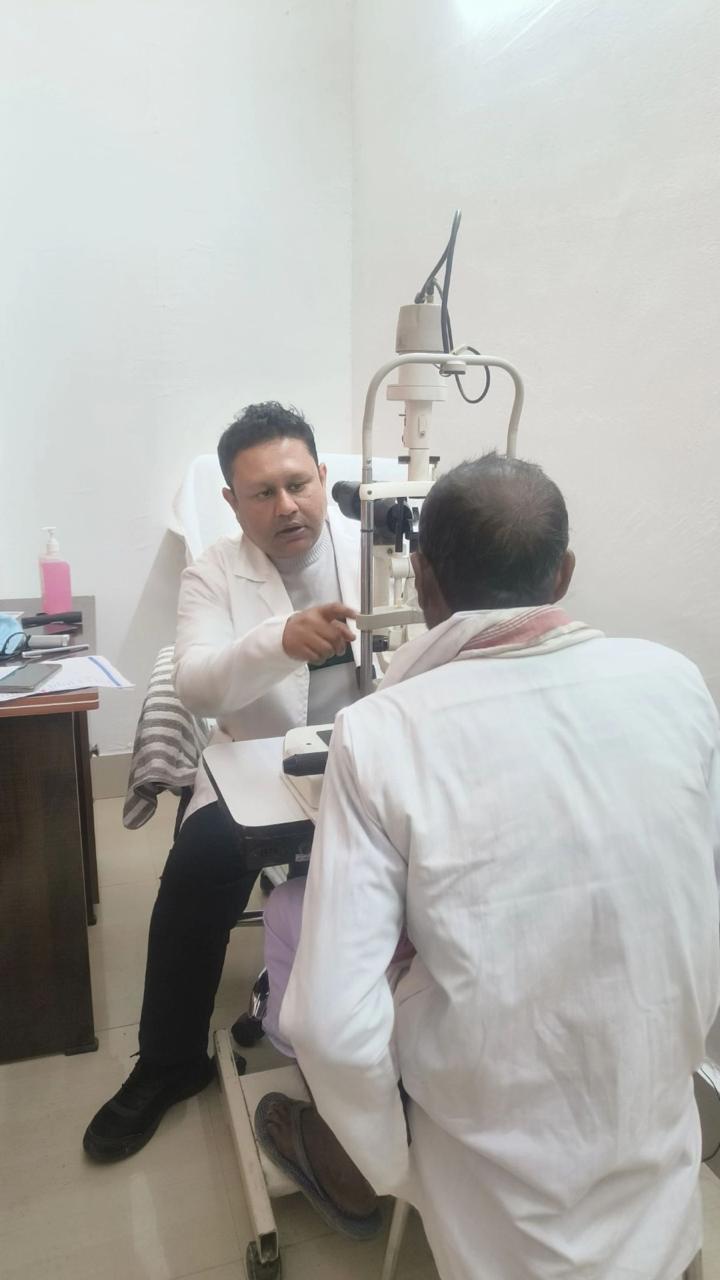
Dr. Perveez Ubed with a patient
Dr. Ubed’s transformation from a medical professional to a successful social entrepreneur showcases remarkable business acumen. “All my nights were spent reading MBA books to find a business plan,” he recalls with characteristic humility.
This self-directed learning was later complemented by formal business education at Stanford University Graduate School of Business (2019-2021), where he completed the Stanford Seed Transformation Programme Certificate.
Dr. Ubed’s work has garnered prestigious recognition, underscoring his impact as a changemaker. He received several awards and recognition in India and abroad.
Dr. Ubed’s vision extends far beyond numbers, though the statistics are impressive: over 1.1 million patients served, 500,000 eyeglasses distributed, and 43,000 cataract surgeries performed. Each figure represents a life transformed, a livelihood restored, and hope renewed.
The organization’s pricing model reflects its social mission: eye consultations for Rs 50, optical retail starting at Rs 99, and cataract surgeries from Rs 3,500. Studies referenced by ERC indicate that good vision can increase incomes by 30% and productivity by 25%, making eye care not just a medical intervention but an economic empowerment tool.
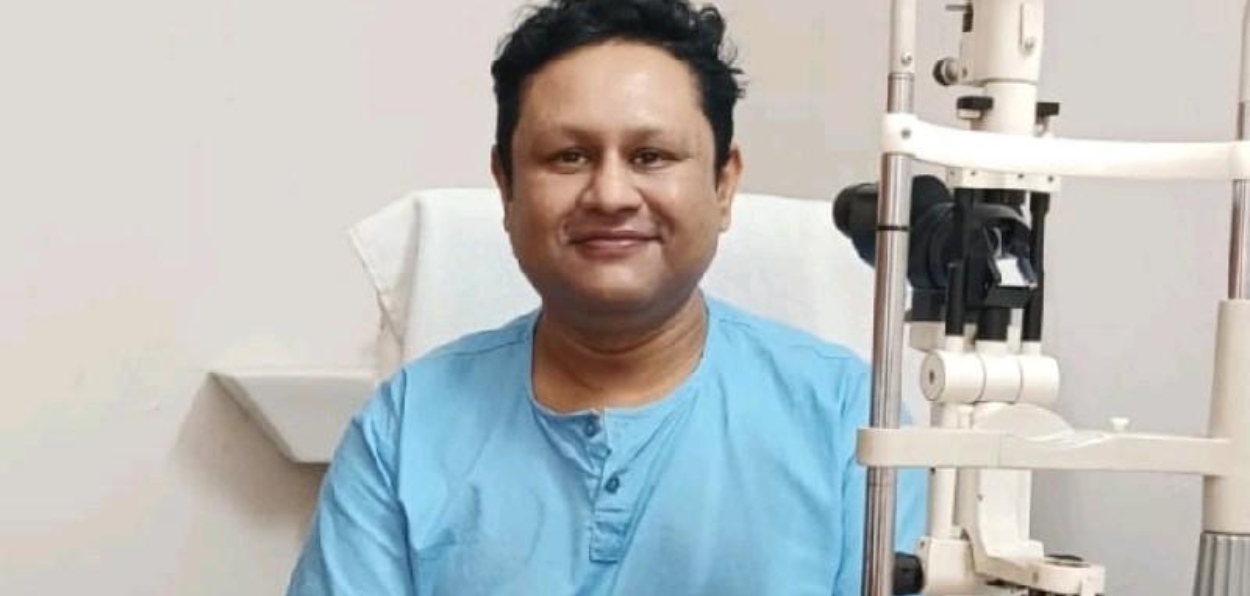
Dr. Parveez Ubed
Dr. Ubed’s forward-thinking approach incorporates artificial intelligence, machine learning, and IoT technologies to create scalable healthcare solutions. The digital platform erclens.com offers teleconsultation services, online appointments, and home eye testing, making ERC a pioneer in tech-enabled healthcare delivery for underserved markets. The organization’s expansion plans extend beyond India to Southeast Asia and Africa, positioning ERC as a global model for affordable healthcare delivery.
Dr. Parveez Ubed stands as living proof that one person’s commitment to serve can illuminate the path for millions. In a world where success is often measured by personal wealth, Dr. Ubed has chosen a different metric—the number of people who can see clearly enough to dream again, work productively, and live with dignity.
His story reminds us that true entrepreneurship lies not in creating unicorns, but in nurturing phoenixes—taking communities from the ashes of neglect and helping them rise to their full potential.
As thousands more patients walk through the doors of this new hospital in Abhayapuri, they will not just be receiving medical treatment; they will be touching the legacy of a man who saw beyond the obvious, dreamed beyond the conventional, and dared to stay when leaving would have been easier.
In the annals of social entrepreneurship, Dr. Parveez Ubed’s name will be etched not just as a successful businessman but as a visionary who gave vision to the visually impaired and hope to the hopeless, proving that sometimes, the greatest journey is not about going far but about going deep into the heart of what truly matters.
The author is the former DGP of the Assam Police
source: http://www.awazthevoice.in / Awaz, The Voice / Home> Stories / by Pallab Bhattacharyya / July 17th, 2025
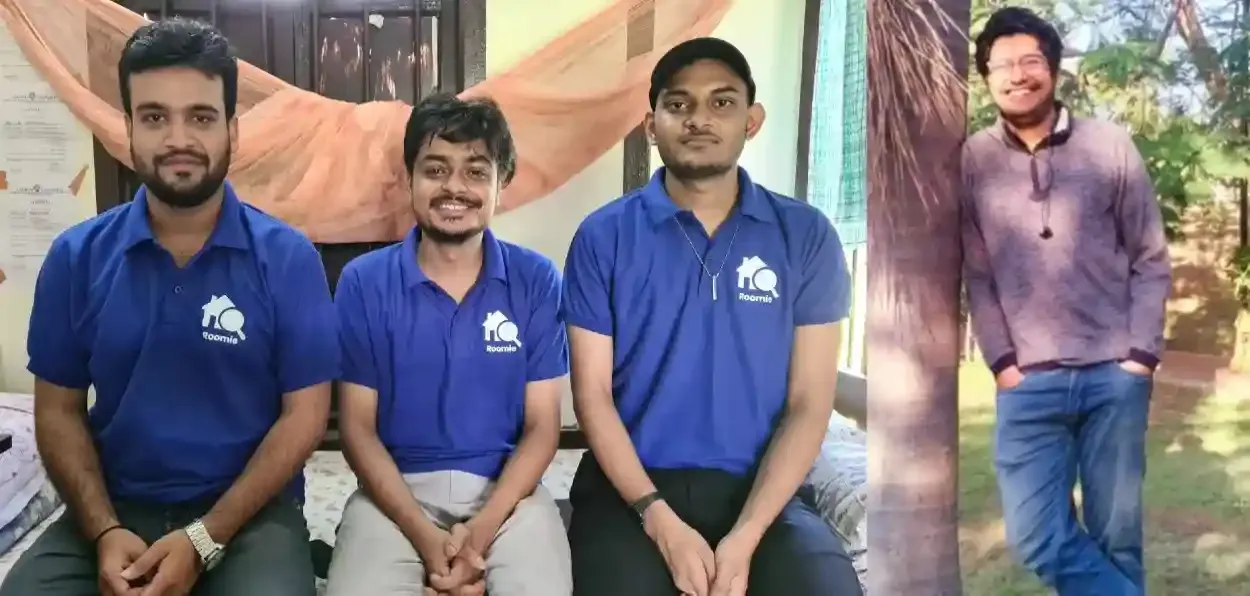
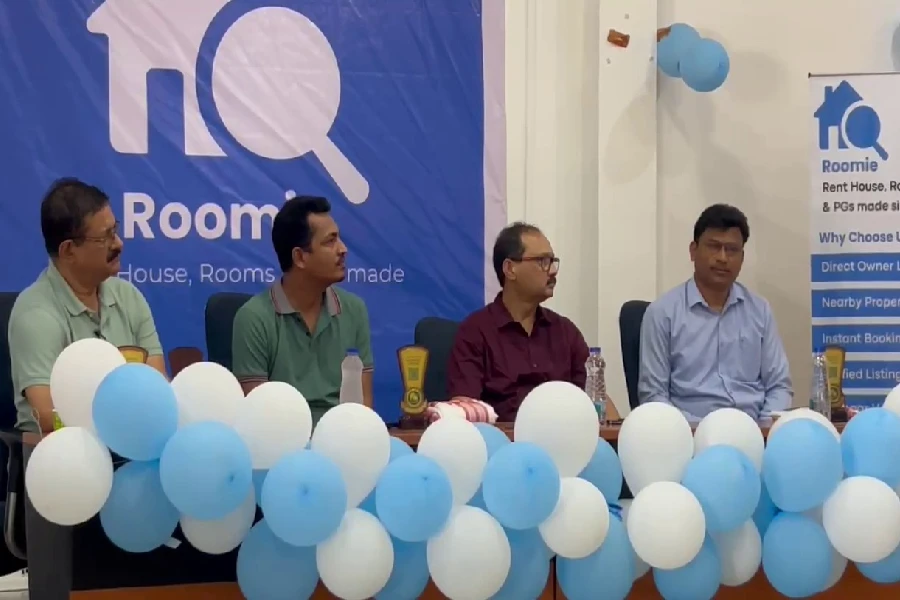
Royal Parvez, Krishnabh Das, Ashique Anowar, and Proyash Paban Sarma Borah
Are you moving to a new city to study or work? You will find it difficult to rent accommodation without being taken advantage of by property dealers who often hold the upper hand in the final deal and also charge a substantial service fee.
Invariably, those seeking affordable and suitable rental accommodation in a city like Guwahati, have to pay a minimum of Rs 500 for showing rental houses or guest accommodations. And if the deal is fixed, 50% of the first monthly rent is paid to the broker. This makes a person feel unwanted in a new and unfamiliar city.
Having gone through this experience, four students from the Gauhati University and Assam Engineering College have developed a special mobile application called ‘Roomie’.
The function to mark the launch of Roomie App
This application is designed to make it easier for students and job seekers to find rental accommodation in Guwahati.
The application is developed by Royal Parvez, a student of law at Gauhati University, and three other students of Assam Engineering College – Krishnabh Das, Ashique Anowar, and Proyash Paban Sarma Borah. Roomie is an easy-to-use mobile app that helps users find rental and PG (paying guest) accommodation without any brokers or middlemen.
Talking to Awaz-the Voice, the CEO of Roomie Royal Parvez said; “We faced a lot of problems when we first came to Guwahati. We were very disappointed with the rental or PG accommodation. We had to look in many places to stay in a PG of our choice. Eventually, though I found a hostel in Gauhati University we wanted to make this process easier for the future students.”
“Then the four of us discussed if we could involve the owners of PGs or hostels in a mobile app. If students can contact the owners directly in the app and get a rental or PG accommodation, it would not be very convenient for brokers and middlemen to charge money from students who come to Guwahati for study or job,” Parvez said.
The app was launched on May 24. So far, 122 owners have registered their rentals on the app and 3,700 students have rented through the app.
Roomie Mobile application
Krishnabh Das, Chief Technical Officer (CTO) of the application, said; “Owners of rental houses or PGs have to register through another app called ‘Roomie’ Landlord App. In this app, owners can provide their facilities. Our Roomy app allows you to see where rentals or PGs are available through maps.”
Ashique Anowar, CMO of the Roomie application, said; “We want to start from Guwahati. After Guwahati, we will expand it to other places. We will take it to places where there are more students. The app is free for those who want a place to rent. Our app will save you money to pay to the broker.”
The four talented youths aim to launch the Roomie app initially across Assam and later across India.
“Our goal is to ensure that everyone new to Guwahati can download the ‘Roomie’ app and take advantage of it,” said Ashiq Anwor.
source: http://www.awazthevoice.in / Awaz, The Voice / Home> Story / by Ariful Islam, Guwahati / July 08th, 2025
The historic achievement brings pride to his family, the state, and the nation; it proves that dedication, family support, and strong values can lead to exceptional results.

New Delhi / Guwahati :

In a proud moment for Assam and the entire Muslim community, a young boy from the South Village in Guwahati has written his name in the history books. Musa Kaleem, 18, has emerged as the state topper in the National Eligibility cum Entrance Test (NEET-UG) 2025, leaving behind over 42,000 aspirants from Assam. With the 99.97th percentile, Musa’s achievement is not just academic excellence — it is a powerful reminder of the potential of the Muslim youth.

Out of 20.08 lakh students who appeared for the NEET UG exam nationwide, 12.36 lakh students cleared the cut. Among them, Musa stood out in Assam, becoming the number one in the state. Nationally, the top rank went to Mahesh Keshwani of Hanumangarh, Rajasthan. While Mahesh made the nation proud, Musa brought immense joy and hope to Assam by becoming the highest scorer in the state.

Musa’s story begins in Sri Bhumi, Assam, where he was born. His family later moved to South Village in Guwahati. His father, Anwar Hussain, once worked as an engineer in Sri Bhumi. Now, he runs a small cosmetic shop in Guwahati. His mother, Rehana Begum, is a homemaker. Coming from a modest background, Musa’s success becomes even more meaningful.

Speaking to Salam TV, Musa said, “I am very happy. I give all the credit to my parents. Their support never stopped. They stood by me in every moment.”

Musa prepared for the exam at Allen Coaching Institute in Guwahati. Known for his quiet focus and regular study schedule, his teachers describe him as a student who never wasted time. He avoided distractions and remained deeply committed to his goal of becoming a doctor.

At a time when many from the Muslim community face social bias and economic challenges, Musa’s result shines like a ray of hope. His determination sends a clear message: success is possible through effort and discipline, even without wealth or privilege.

Speaking to reporters, Musa said, “My dream is to serve the country. I don’t just want to become a doctor. I want to become someone who helps the poor and stands with those who have no support.”

His words reflect the values many Indian Muslims hold dear—serving humanity, staying humble, and always standing for justice.

Musa’s father, Anwar Hussain, expressed deep happiness over his son’s success. With teary eyes and a proud smile, he said, “I never asked him to run after money. I always told him to become a good human being first. Only then will you become a good doctor.”

His advice is touching. In a world where success is often measured in numbers and bank balances, Anwar Hussain’s simple yet strong message brings back the true meaning of education—character and compassion.

News of Musa’s achievement quickly spread across Assam, especially among the Muslim community. Social media platforms and local mosques were abuzz with congratulations and prayers. From imams to teachers, everyone expressed pride.

Maulana Naseeruddin, an Islamic scholar from Guwahati, said, “This boy has shown what true Islam teaches us—to seek knowledge and to serve mankind. May Allah bless him and make him a source of pride for the community.”

In a time when Muslims are often portrayed unfairly in the media, stories like Musa’s are a reminder of the silent majority who quietly focus on education, ethics, and contribution to the nation.

Local leaders and education officials have praised Musa for his outstanding performance. Assam’s education minister, during a press conference, said, “We congratulate Musa Kaleem. This is a big moment for Assam. He is an inspiration for students across communities and regions.”

Although no government reward has been announced yet, many believe that a talent like Musa deserves both recognition and support for future studies.

For decades, Muslims in India have faced multiple challenges in the field of education—poor access to quality schools, financial constraints, and social discrimination. Yet, despite these odds, young Muslim boys and girls continue to prove their strength.

Educational researcher Dr Sameera Ahmad pointed out, “Musa’s result is part of a quiet revolution. More and more Muslim families are investing in their children’s education, even when they don’t have enough for themselves. This is courage, not just sacrifice.”

Musa Kaleem’s story stands as an answer to those who stereotype Indian Muslims as backward or uninterested in studies. It shows that when given a fair chance, they can lead in merit-based competitions like NEET UG.

Musa plans to join a top medical college to continue his studies. His dream is to work in rural and poor areas where healthcare is still far from reach. He believes that doctors have a duty to serve beyond city hospitals and five-star clinics.

“I want to go where people have no help,” he said. “A real doctor should always be available for the needy.”

This thinking, especially from such a young man, shows maturity and compassion, traits India needs from its future doctors.

Musa Kaleem’s story is not just about topping an exam. It’s a story of dreams, belief, and values. It reminds the country that Indian Muslims are not behind. They are rising, despite hurdles, with dignity and dedication.

The achievement also calls upon society to treat Muslim students fairly, to support their education, and to highlight their success, not just their failures.

As Musa moves forward in his journey to become a doctor, he carries with him the hopes of many—of parents who never gave up, of teachers who believed, and of a community that wants nothing more than peace, respect, and a better future for its children.

“Success will come and go,” Musa said quietly. “But being a good human being is forever.”

source: http://www.clarionindia.net / Clarion India / Home> Indian Muslims / by Mohammad Bin Ismail / June 17th, 2025
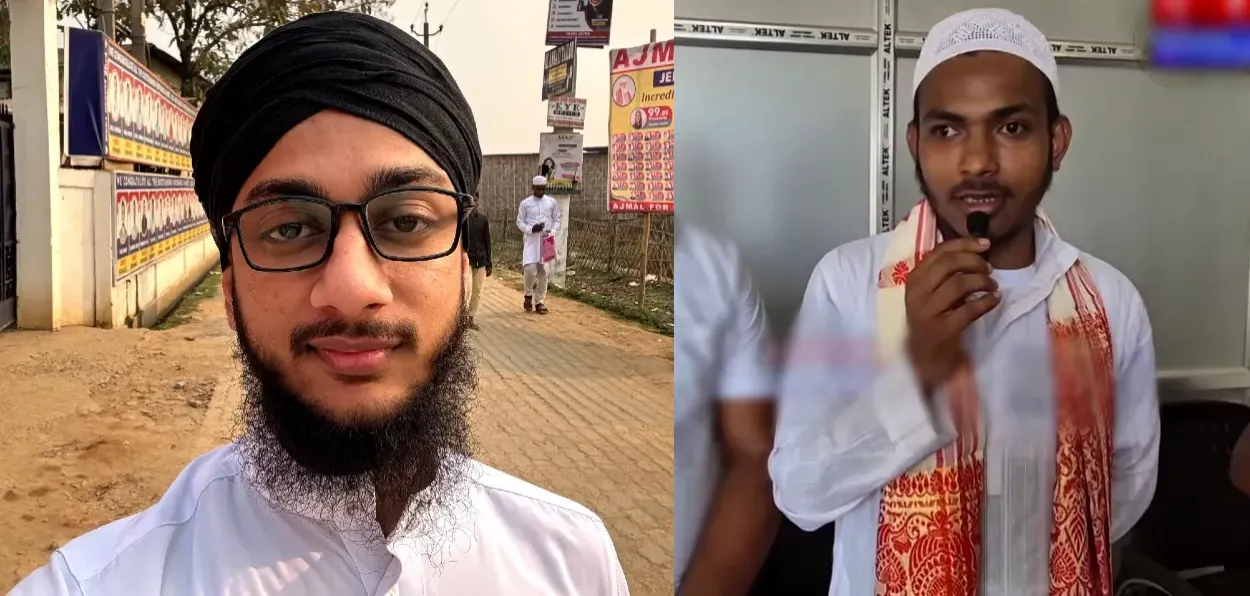
Hafiz Huzaifa Laskar (right) and Hafiz Momtazul Hassan Choudhury
Most people have a misconception that students of madrasa can only become Hafiz or Maulana. Breaking this myth two Hafiz-e-Quran (Degree in memorizing Quran) in Assam have cracked the National Eligibility cum Entrance Test 2025, (NEET) examinations, 2025, and are on their way to joining Medical college to fulfill their dream of becoming doctors.
Hafiz Momtazul Hassan Choudhury and Hafiz Huzaifa Laskar proved that one can become a doctor even after enrolling themselves in a Madrasa.
Thanking his parents and teachers, Momtazul Hassan Choudhury said: “If anyone works selflessly behind their children’s success, it is their parents. At first, when I was weak in studies and did not even know the basic formulae of Mathematics, my brothers Noor Ahmed and Anwar Hussain Laskar helped me.”
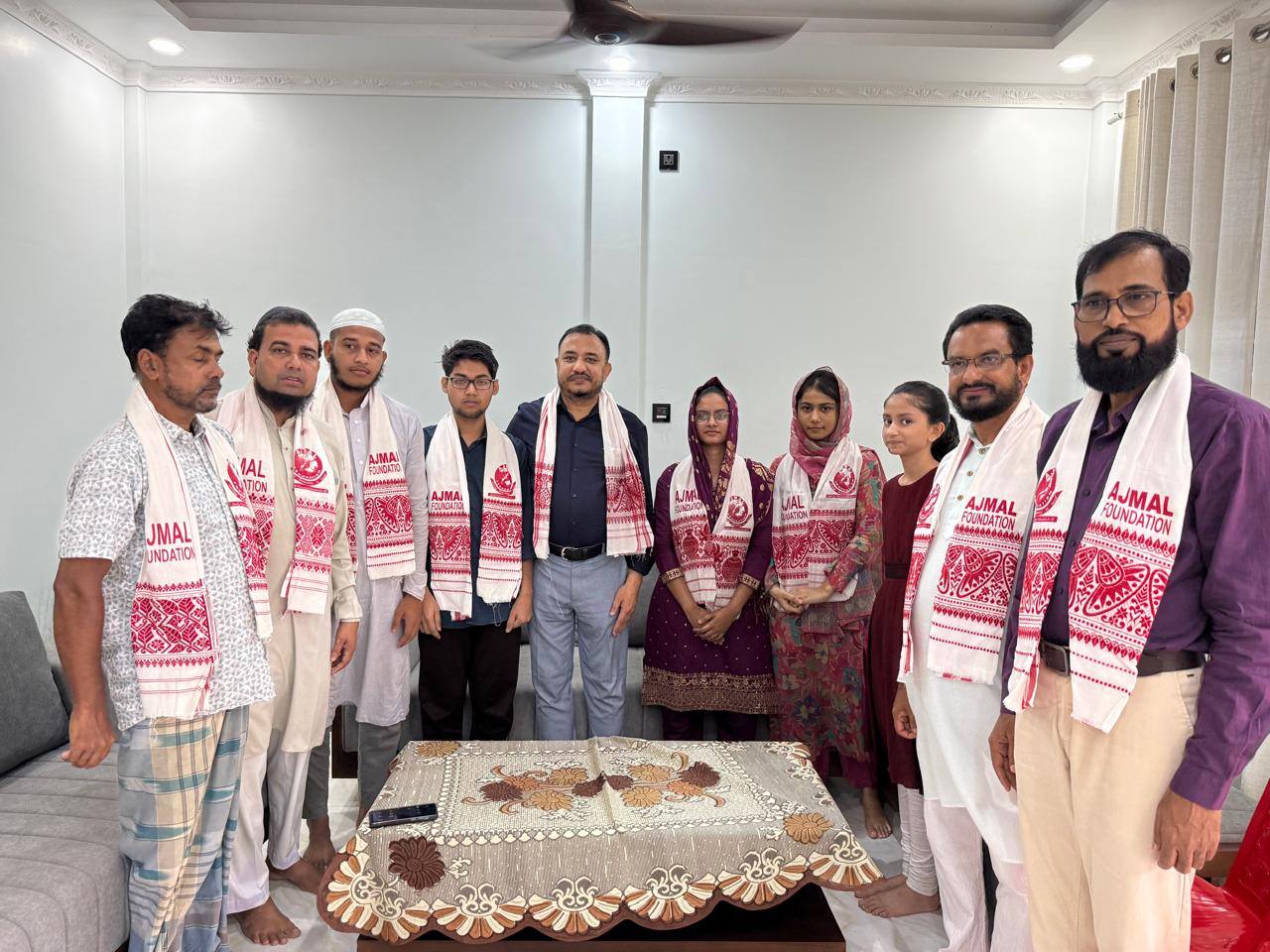
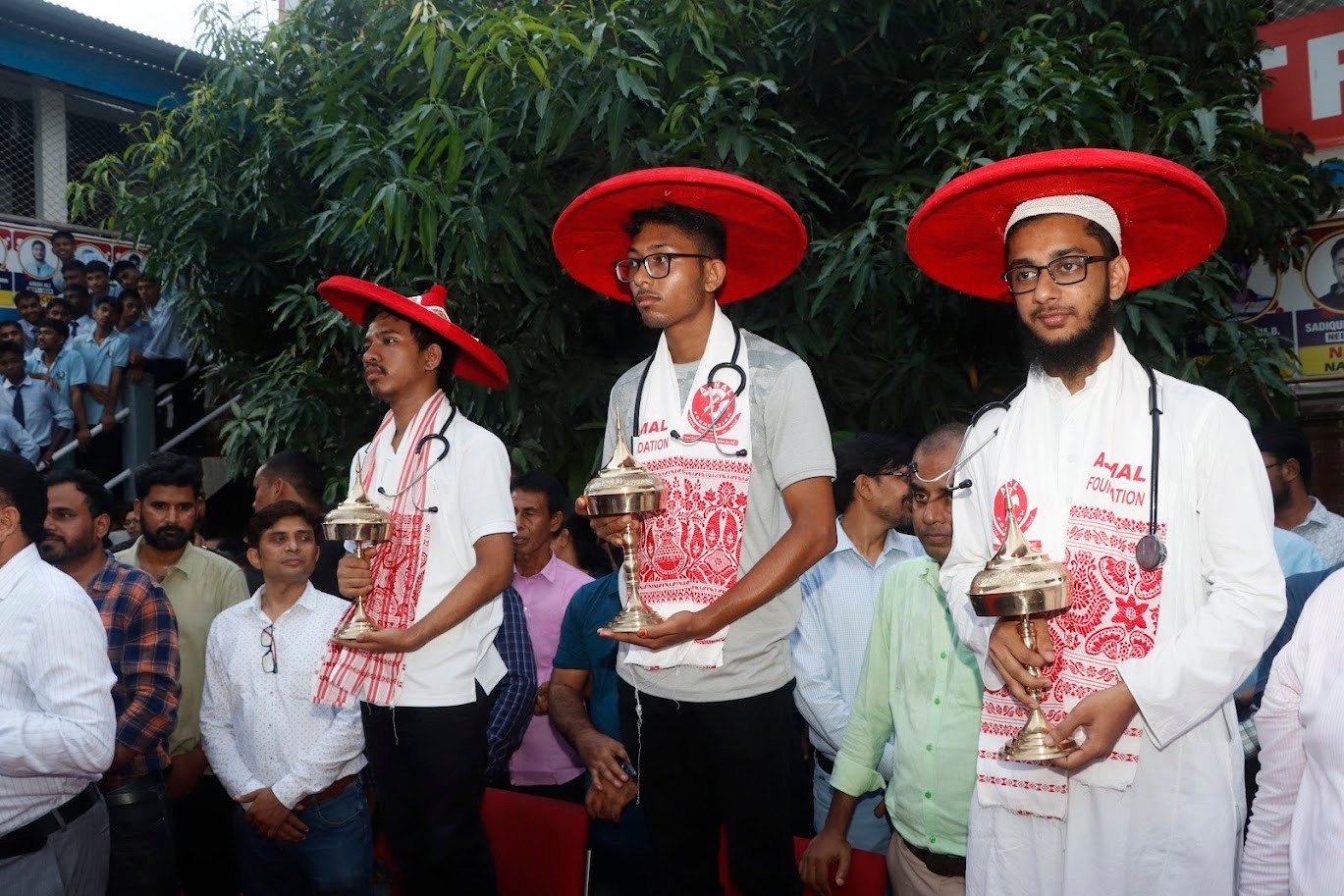
Hafiz Huzaifa with other successful candidates of Ajmal Super40’s andd their guardians and Ajmal Foundation officials
“I want to go further. I want to crack higher examinations. Please pray for me. And I will work tirelessly to be successful,” he added.
Momtazul Hassan Choudhury took the NEET examination after attending coaching classes at the Anfar Super 50 at Hojai in central Assam. This is the second year of the center preparing students for the NEET examination.
This year, Momtazul Hassan Choudhury and seven other students from the centre have cleared the NEET examinations.
Maulana Mustaq Anfar, founder of the coaching center had waived off the fee for Hafiz Momtazul Hassan Choudhury.
On the other hand, Hafiz Huzaifa Laskar of Ganirgram Shantipur in Katigora area of the Cachar district wrote the NEET examinations after preparing at the Ajmal Super 40, another Hojai-based coaching institute. Huzaifa Laskar, son of Abdullah Laskar and Fatima Bilkis Laskar, cleared the NEET with distinction with 547 marks. Huzaifa’s brother Muyaz Laskar recently cracked the JEE examination and is studying at NIT Silchar.
Hafiz Huzaifa Laskar being felicitated along with other successful NEET at Ajmal Super40 in Hojai
Talking to Awaz –The Voice, Islamic scholar Maulana Nurul Amin Qasimi said: “One can pursue general education along with madrassa education. People may not have understood this. Those who want to study for Hafiz, they enroll themselves in madrassas after studying general school till class five or six. A good student completes the Hafiz course in three years. He also pursues general education alongside the standard of Class IX. Once they clear Hafiz, they are promoted to Class IX where they are registered for the High School Leaving Certificate examinations and they concentrate on the rest of their general education from there.”
“There are many examples of students educated in madrasas who have secured good jobs or got good positions in society. So, nowadays people are understanding it and preparing accordingly to become doctors, engineers, professors, etc after completing Hafiz or Maulana courses in madrassas,” Qasimi added.
A total of 22,76,069 students from across India applied for the NEET UG examination this year out of which 22,09,318 took the examinations. 12,36,531 students emerged successful in the examination.
Mohammad Musa Kalim of Assam secured the All India 509th rank in the NEET 2025 examination. Musa Kalim has topped the list of students in Assam. Musa Kalim secured the 99.97 percentile.
From Assam, 41,848 candidates wrote the examination in 2025 and 19,809 cleared it.
source: http://www.awazthevoice.in / Awaz, The Voice / Home> Story / by Ariful Islam, Guwahati / June 20th, 2025
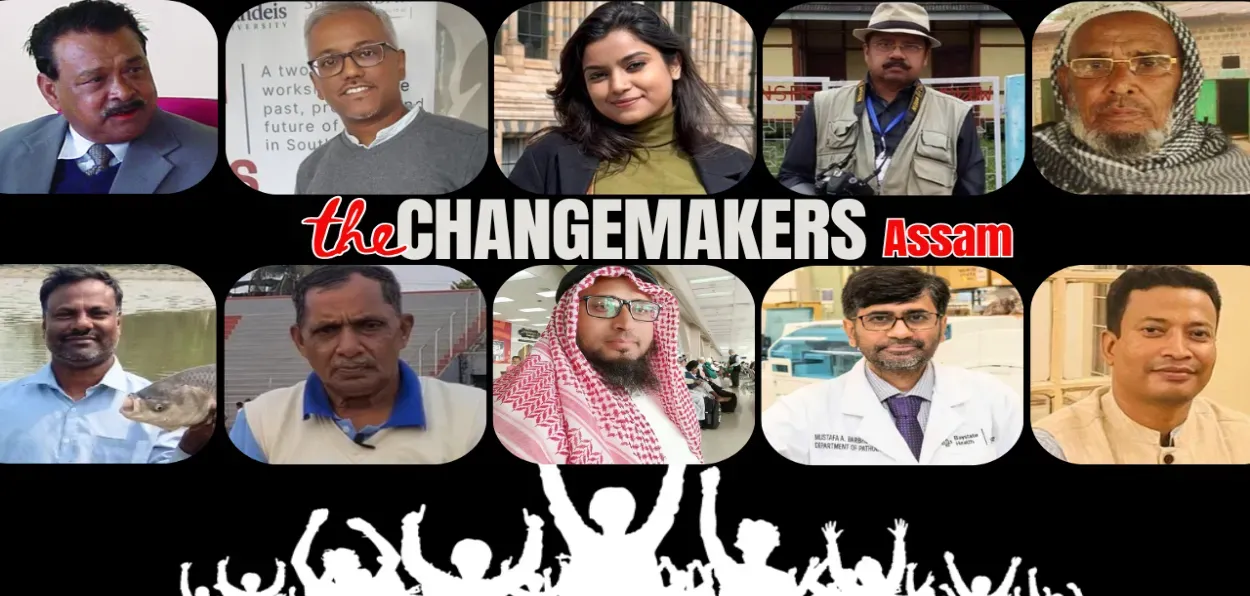
The Muslims of North eastern India are a spirited community and are contrinuting immensely to the nation building.
Here are ten Muslims whose stories inspire others and make us look at human spirit differently.
Abid Azad
After his work in the bank, this young professional roams around various places in Assam to feed the hungry. Since the days of COVID-19 and the consequent lockdown, Azad has been providing food to those on the streets, hospitals, and others in need. He distributed meal packets to patients and their attendants at the Gauhati Medical College and Hospital (GMCH) for Iftar, and also delicious foods for Hindus and people from other faiths.
Ahmed Ali
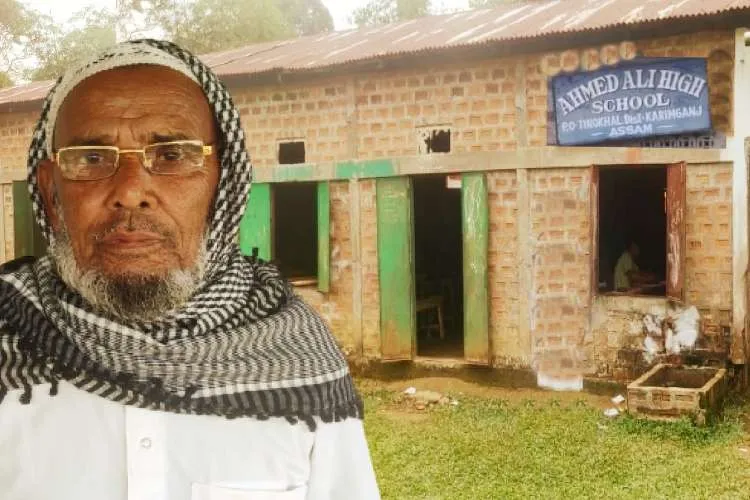
The presence of Ahmed Ali, an unlettered rickshaw puller from Assam who has built a chain of schools in and around his native village, at the Republic Day celebrations in New Delhi on January 26 this year caught the attention of everyone. The Government of India had invited him as a special guest for his extraordinary services to society. He has built a chain of educational institutions from his earnings to encourage children to go to school.
Prime Minister Narendra Modi mentioned Ahmed Ali, a resident of a rural village in the Sribhumi district of southern Assam, in his monthly radio program ‘Mann Ki Baat’. Ahmed Ali used his earnings from pulling the rickshaws to support his family and established nine schools in southern Assam. Due to poverty, Ahmed Ali remained unschooled, but he wanted to ensure nobody in his society had to remain illiterate.
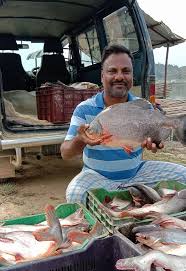
Nazrul Haque
He has been recently honored with the prestigious Assam Gaurav Award by the State Government for his outstanding achievements in fish farming and employment generation. Haque, who began his entrepreneurial journey with just Rs 10,000, has successfully overcome numerous challenges and now owns multiple fisheries. His dedication to aquaculture has not only contributed to the fishery sector’s growth in Assam but also provided job opportunities to hundreds of unemployed youths.
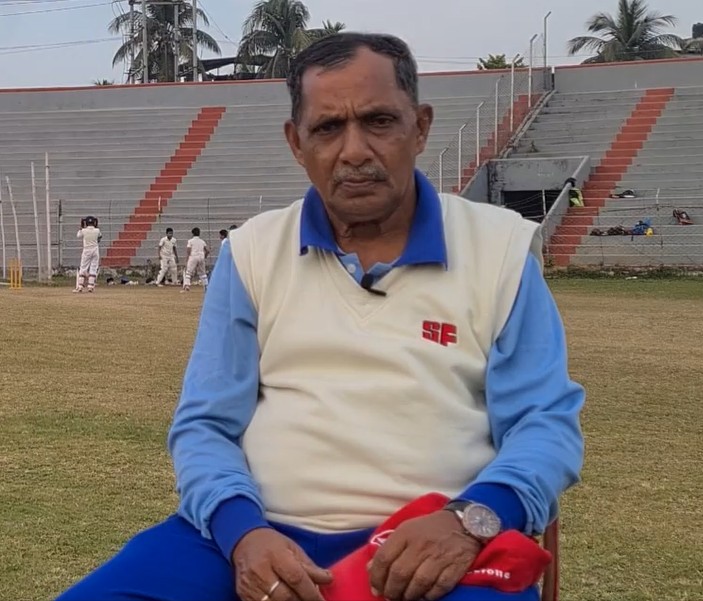
Nabab Ali
If Dronacharya awardee the late Ramakant Achrekar, the celebrated coach of legendary cricketer Sachin Tendulkar, had the privilege of nurturing the cricket legend’s son Arjun too, so did Assam’s very own Achrekar, Nabab Ali, who has not only molded former Assam Ranji captain Parag Das but also his son Riyan Parag to be the first ever cricketer from Assam to be in Team India. Fondly called Nababda (Brother Nabab) by one and all in the cricket circles, Nabab Ali may not have hit too many centuries and half centuries during his brief cricketing career, but he has cracked more than a ton as far as the number of quality cricketers he has produced for Assam as well as India.
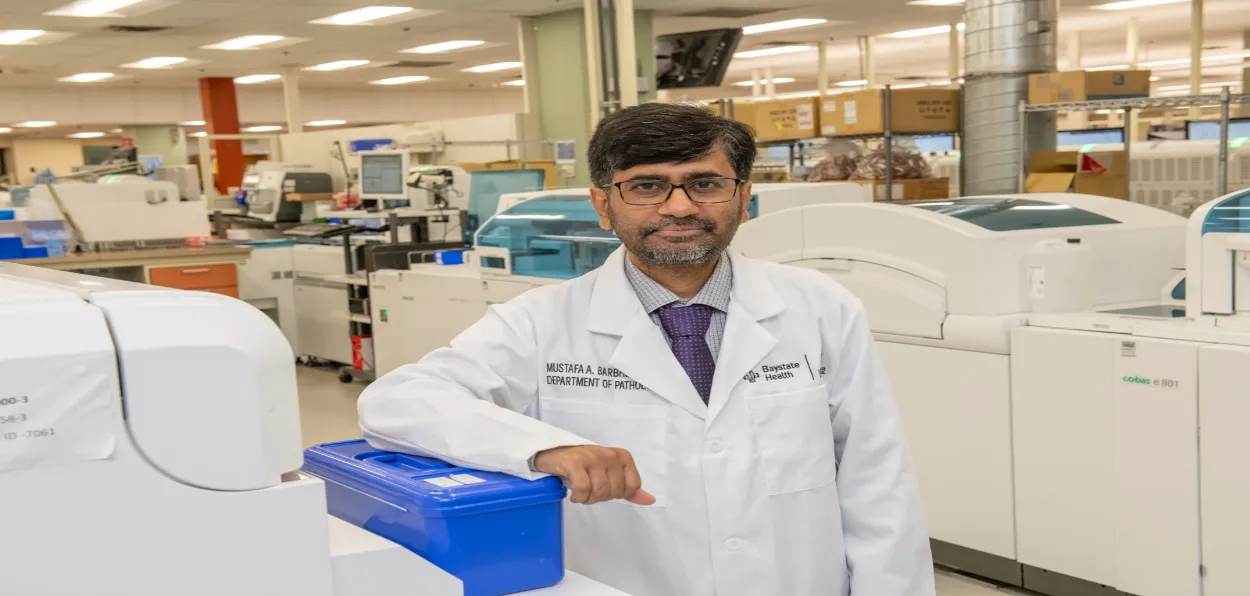
Dr. Mustafa A Barbhuyan
Hailing from a remote village in southern Assam’s Hailakandi district, Dr. Mustafa A. Barbhuiya has been selected among the top 100 most influential people in Pathology, specifically, as one of the Top 20 Heroes of Pathology in the US for this year.
Syedullah Nongrum
He is the voice of Khasi Muslims and a bridge between communities in Meghalaya. Nongrum spearheaded the construction of Madina Masjid, the only glass mosque in India. This magnificent structure situated in Shillong, not only serves as a place of worship but also houses an Islamic learning center, a school for underprivileged children, and a higher education college with modern facilities in science, arts, and technology.
The mosque is the only glass mosque in India, and reportedly the first glass mosque in Asia, making India the third country to have a mosque built of glass
Arshel Akhtar
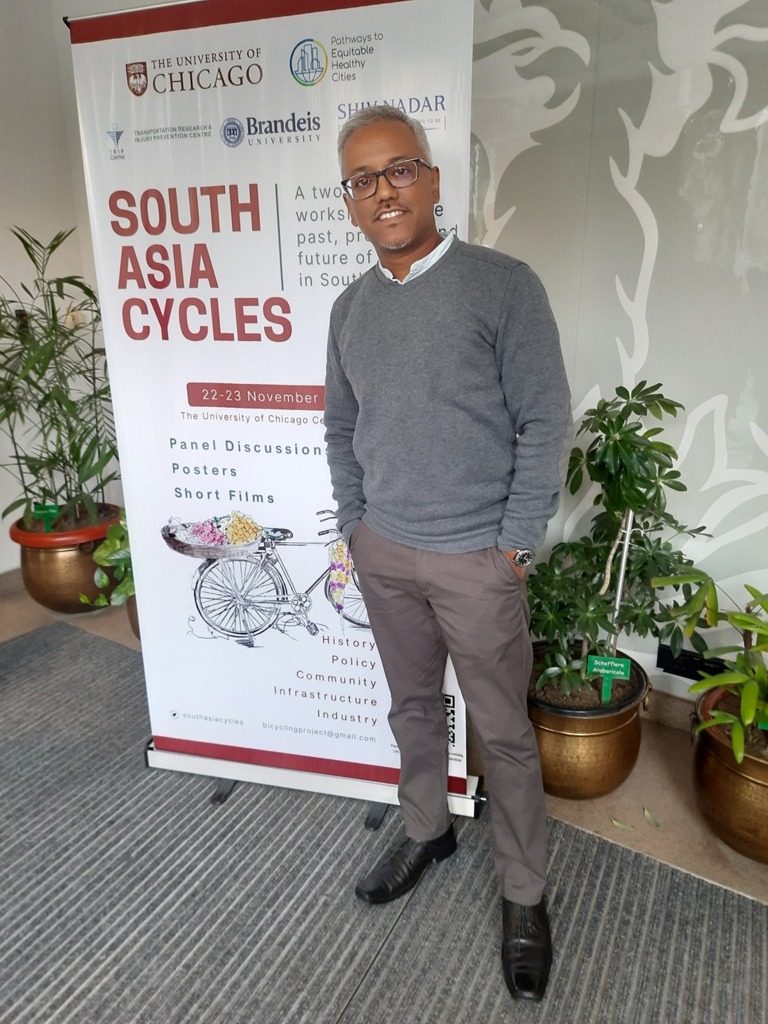
Arshel Akhtar wants to make cycling a priority for Guwahati residents and is working on creating a narrative on it. From working across diverse areas like Information and Technology, software development, banking, and share investing, Arshel was appointed as the first ‘Bicycle Mayor’ of Guwahati in 2018. He continues to find solutions to urban mobility issues through his non-profit organizations, Pedal for a Change and The Green Lane Foundation. Akhtar has formed an active citizens group called the Bicycle Councillors of Guwahati, which will work together to make cycling a safe, accessible, and aspirational mode of transport among all sections of society.
Nahid Afrin
She first shot to fame when she became the second runner-up in the 2015 edition of Indian Idol Junior. In 2016, she made her debut as a playback singer in Bollywood with the film Akira starring Sonakshi Sinha in the lead role. In 2024, Nahid Afrin was appointed as UNICEF India’s Youth Advocate, marking a significant milestone in her career. Nahid, along with three other Youth Advocates, will work with Bollywood’s star actor Kareena Kapoor-Khan, who is named as the National Ambassador by UNICEF.
Maulana Nurulamn Qasimi:
At a time when there are many misconceptions about Islam in society, Maulana has tried to dispel those by clearly explaining the principles and ideals of Islam. Maulana Nurul Amin Qasimi is a cleric who preaches Islam in the right form with exceptional thoughts.
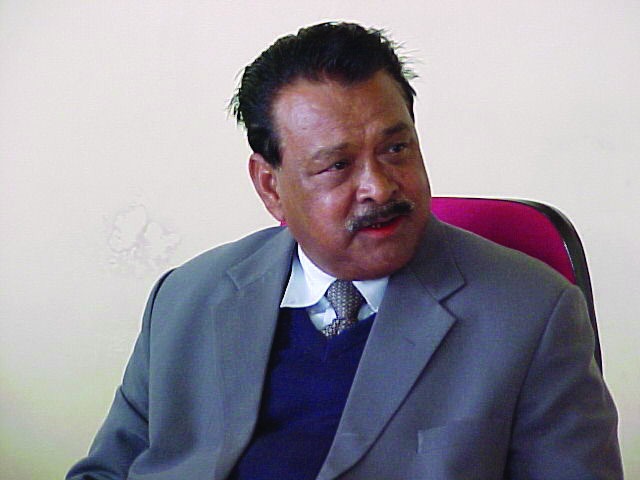
Dr. Anwaruddin Choudhry
Dr. Anwaruddin Choudhury, who retired as the Commissioner and Secretary to the Government of Assam, has acquired the nickname of “The Birdman of Assam.” He is the first in Assam to write books on the birds of North Eastern States. His studies have contributed to the conservation and awareness of various bird species. He has authored 28 books, 50 technical reports, and more than 900 articles and scientific papers.
Choudhury, 63, had played a pivotal role in protecting habitats and declaring the white-winged wood duck as the State bird in Assam in 2003.
source: http://www.awazthevoice.in / Awaz, The Voice / Home> Stories> The Changemakers / posted by Vidushi Gaur / June 08th, 2025