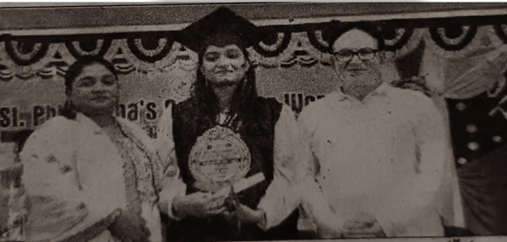
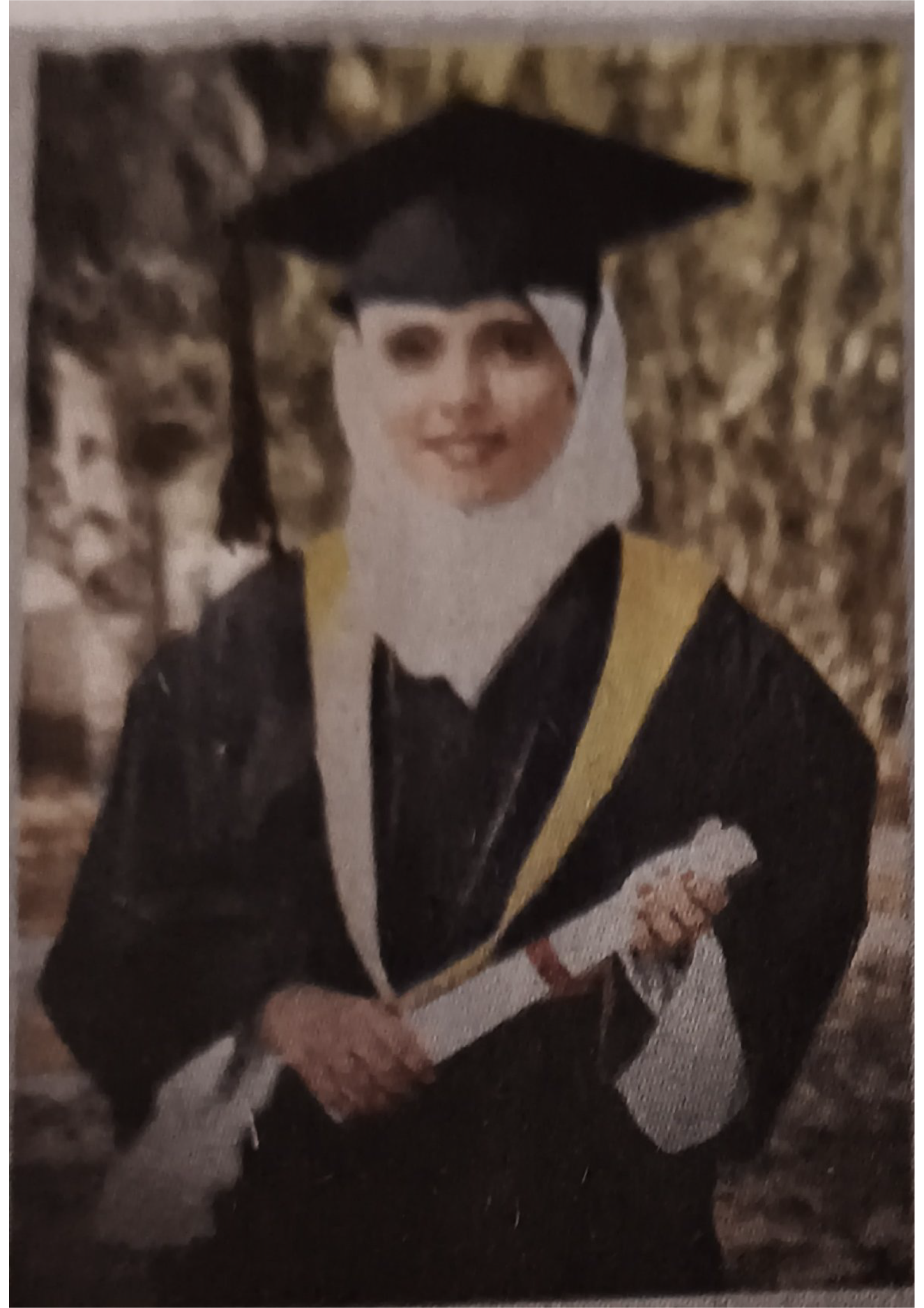
Academic excellence, perseverance, and family support came together at the 106th Annual Convocation of the University of Mysore, where Zikra Urooj emerged as the topper in MSc Genetics and was awarded the prestigious HA Ranganath Gold Medal for securing the highest marks in her discipline.
Zikra Urooj, a student of the Department of Studies in Genetics and Genomics, has brought pride to her family and the institution through her remarkable academic performance. Her achievement stands as a testament to the transformative power of education, particularly for students from modest backgrounds who aspire to excel in higher studies.
A Journey Rooted in Discipline and Determination
Hailing from a humble family, Zikra is the daughter of Hafiz Jameel Ahmed, a respected religious scholar who teaches the Holy Quran and leads special prayers during the month of Ramadan. Despite limited means, her father placed strong emphasis on education, ensuring that his daughter had access to quality higher learning.
Zikra’s success reflects a balanced upbringing that combined faith, discipline, and academic rigor. Her journey underscores how consistent guidance at home and a strong work ethic can help students overcome challenges and reach the highest levels of academic achievement.
Recognition at the 106th Convocation
The gold medal was presented to Zikra Urooj during the University of Mysore’s 106th Annual Convocation, a significant academic event attended by dignitaries, faculty members, students, and parents. The HA Ranganath Gold Medal is one of the university’s most sought-after honours, awarded only to students who demonstrate exceptional academic merit.
University officials praised her performance, noting that such achievements enhance the reputation of the institution and inspire future students to pursue excellence in scientific research and higher education.
Bushra Kausar Shines in Commerce Faculty
The convocation ceremony also witnessed outstanding achievements in the undergraduate segment. Bushra Kausar, hailing from Hassan, topped the Commerce faculty at the undergraduate level by securing three gold medals in BCom.
She was awarded the Shri Krishna Rajendra MMils Ltd. Mysore Gold Medal, Shrimati Padma Narayan Memorial Gold Medal, and the Principal SR Mandre Gold Medal. The awards were presented by the Governor and Chancellor of the University, Tawarchand Gehlot, in recognition of her exceptional academic performance.
Gratitude to Teachers and Parents
Bushra Kausar attributed her success to the unwavering support of her teachers and the encouragement of her parents, Mohammed Ghouse and Salma Parveen. She emphasized that constant motivation at home and academic guidance from faculty members played a crucial role in shaping her educational journey.
Inspiring Academic Excellence
The achievements of Zikra Urooj and Bushra Kausar highlight the University of Mysore’s continued commitment to nurturing talent across disciplines. Their success stories serve as an inspiration for students, particularly young women, to pursue higher education and strive for excellence despite social or economic constraints.
Three more students from the Department of Urdu secured gold medal they are; Sumaiya Begum Mysore, Nazmi from Kerala and Mufti Mokhtar Husain from Mandya.
source: http://www.radiancenews.com / Radiance News / Home> Features / by Radiance News Bureau / January 08th, 2026
They cannot hear the cheers of the crowd, nor can they speak to express their excitement. But at the Raigad Global Cup Taekwondo Championship 2026, their actions spoke louder than any words.
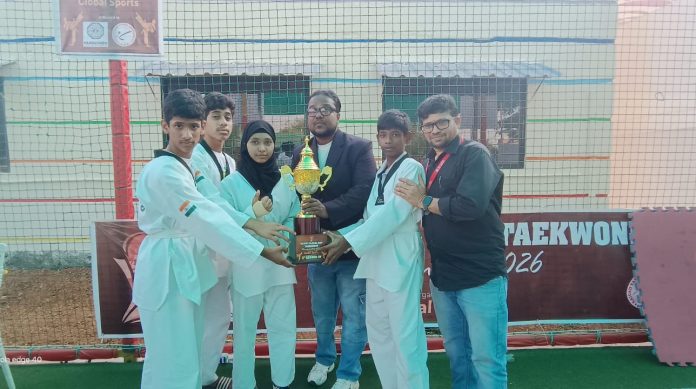
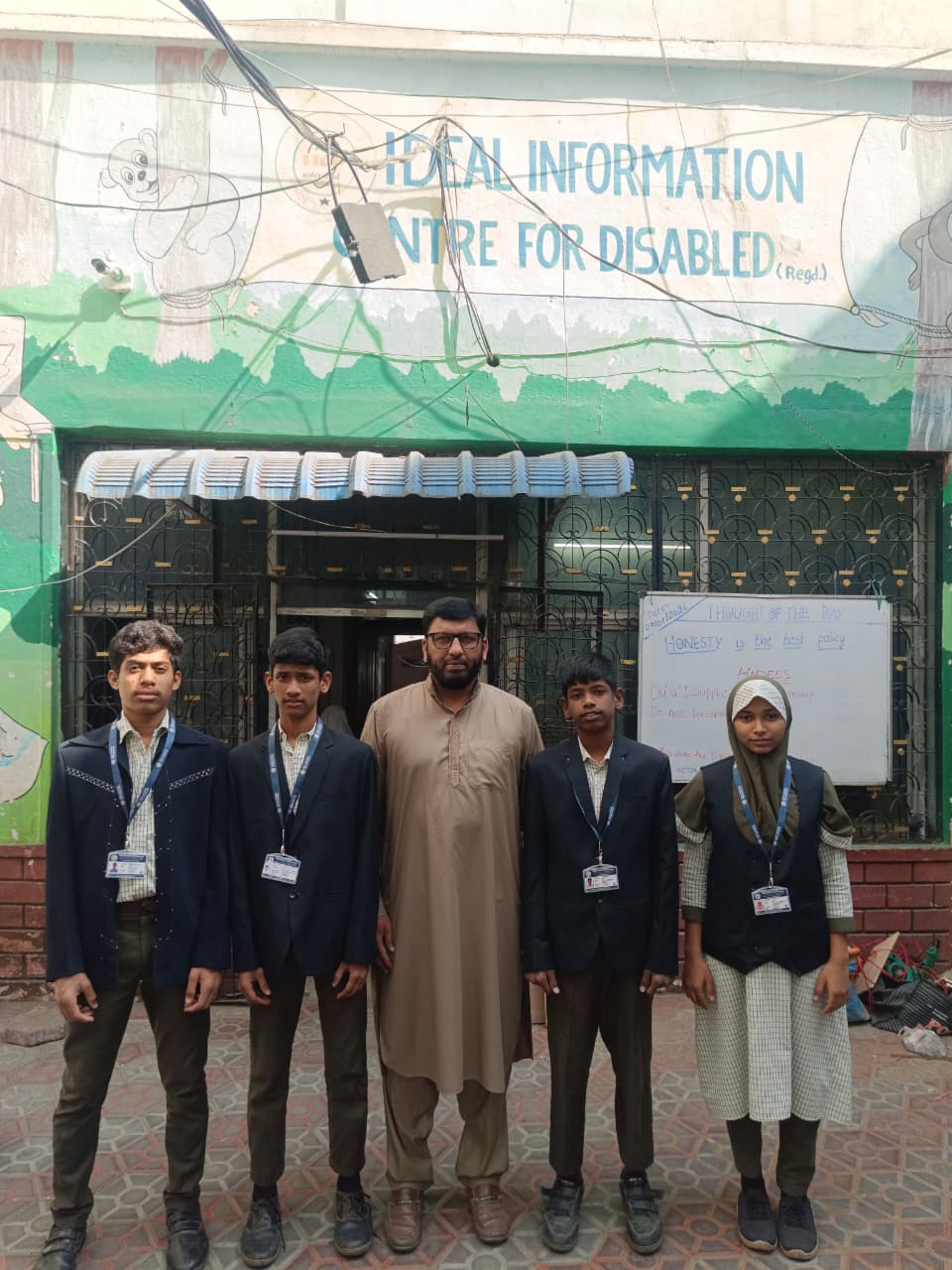
Four students from Hyderabad’s ‘Ideal School for the Disabled’ have become the talk of the town after bagging Gold Medals and proving that physical challenges are no match for nerves of steel.
In a sport like Taekwondo, where split-second cues and coaches’ shouts are vital, these four youngsters – Muhammad Abrar (Class 7), Sd Maaz (Class 6), Ayaan (Class 7), and Sayyida Nurjahan (Class 9) – played a different game.
Since they couldn’t hear the referee or their coach, they trained themselves to read the “body language” of their opponents. By watching the eyes and the slight movement of the feet, they predicted attacks and countered with lightning speed. Their focus was so intense that even the loudest cheers in the stadium couldn’t distract them.
The Ideal School, which provides free education and medical aid to hearing-impaired and mentally challenged children, was buzzing with joy. School Secretary Naveed-ur-Rahman and IICD Chairman Dr. Mubashir Ahmed expressed immense pride in the students’ success.
“We aim to show the world that these children are second to none,” the School Secretary noted, visibly moved by the achievement. “Our mission is to find the hidden star in every child.”
Trained by their dedicated coach, Mr. Irfan, the golden quartet has now qualified for the International Championship.
“Disability is only in the body, not in the spirit,” says Coach Irfan. “These kids from Hyderabad have worked harder than anyone I know. I am confident they will make India proud on the global stage next.”
From the streets of Hyderabad to the podium in Karjat, the journey of Abrar, Maaz, Ayaan, and Nurjahan is a reminder that when you have the will to win, silence isn’t a weakness; it’s your greatest strength.
source: http://www.radiancenews.com / Radiance News / Home> Latest News> Sports / by Muhammad Mujahid / January 14th, 2026
A resident of a remote village in Doda district has voluntarily donated one kanal of land for the construction of a First Aid Centre, underscoring a civic gesture that cuts across religious identity in a region with limited healthcare access.
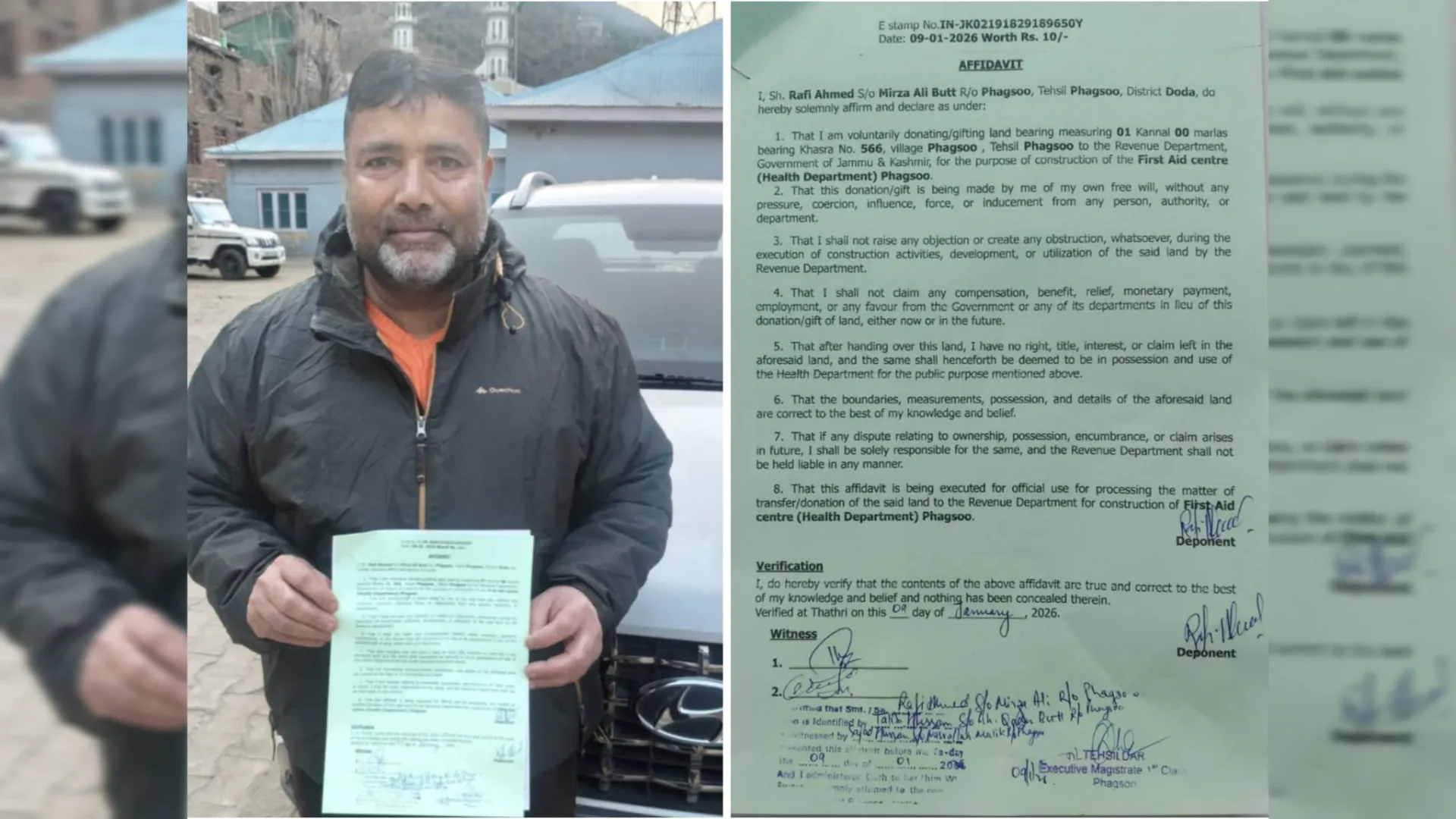
A Muslim resident of Phagsoo village in Jammu and Kashmir’s Doda district has donated one kanal of his land to the government for the construction of a First Aid Centre, an initiative aimed at improving basic healthcare services in the hilly and remote area.
According to official records, Rafi Ahmed of Phagsoo has transferred land measuring one kanal (20 marlas) to the Revenue Department for use by the Health Department. The land, recorded under Khasra number 566, will be utilised for establishing a First Aid Centre to cater to Phagsoo and neighbouring villages, where residents currently have to travel long distances for even primary medical assistance.
In an affidavit submitted to the authorities, the donor has stated that the land has been given voluntarily, without any pressure or inducement, and that he will not seek compensation, employment, or any other benefit from the government. The document also records that ownership and possession of the land will vest permanently with the Health Department and that no objections will be raised during construction or future use of the facility.
Local officials confirmed that the affidavit has been executed for official processing of the land transfer and that the proposal will be taken forward in accordance with established procedures.
Rural healthcare infrastructure remains uneven across parts of Jammu and Kashmir, particularly in mountainous districts of Chenab Valley. The donation has been welcomed by residents, who have long sought a nearby facility for emergency and first-response medical care.
Once approved and constructed, the First Aid Centre is expected to ease access to essential health services for the local population, regardless of religious or social identity.
source: http://www.muslimmirror.com / Muslim Mirror / Home> Positive Story / by Anzer Ayoob / January 11th, 2026
Vintage collectors often speak of their machines as children; this automobile engineer by profession and vintage vehicle devotee by inheritance goes a step further.
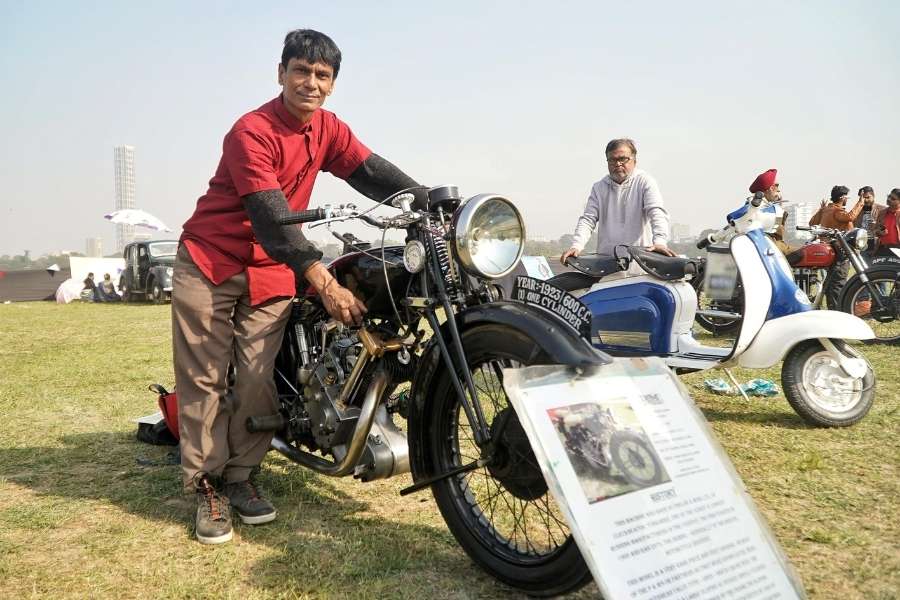
Hossain with the bike he calls his first wife / Pictures by Soumyajit Dey
Syed Afzaluddin Hossain stands beside his 1923 Panther Sloper with a gloved hand resting gently on its handlebar. Not to pose for photographs on a winter morning when the city’s vintage vehicles have come alive, but to guard it.
“People get curious. They want to touch, twist, sit. So I keep the glove there,” he says with a smile. “This bike is not an object. It is family.”
Hossain, 54, is an automobile engineer by profession and a vintage vehicle devotee by inheritance. The Panther Sloper that draws crowds at rallies is not just his prized possession.
“This vehicle is my family bike. From my grandfather’s time. It has become a member of the family,” he says.
Vintage collectors often speak of their machines as children; Hossain goes a step further. “I say this is my first wife,” he laughs. “But I will not tell my real wife that. I will have to go hungry if I do.”
Cars and bikes, he says, run in his blood. His garage also houses an 1927 Austin Chummy car, a 1938 BSA M20 Sidecar with a mechanical fork, and even his son’s 1960 Lambretta. Yet it is the Panther that sits at the centre, the oldest, the most fragile, the most revered.
This bike is probably the only one of its make in running condition in Asia says Hossain
Maintaining a century-old motorcycle is “quite a tough job,” he admits. “But I am into automobiles. So my passion and profession run side by side.”
Every year involves careful servicing, gentle tuning, endless patience, and an instinctive understanding of a machine built long before modern roads or traffic were imagined.
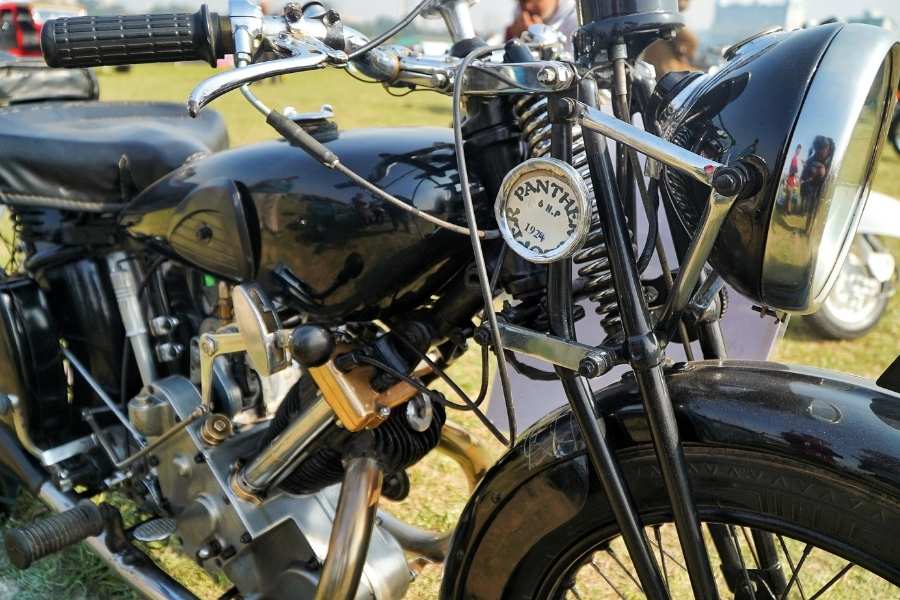
The Panther Sloper, built by Phelon and More Ltd of Cleckheaton, Yorkshire, comes from one of Britain’s oldest motorcycle manufacturers, a firm that began operations in 1900. The company later became known simply as Panther, famous for their large single-cylinder machines with distinctive sloping engines.
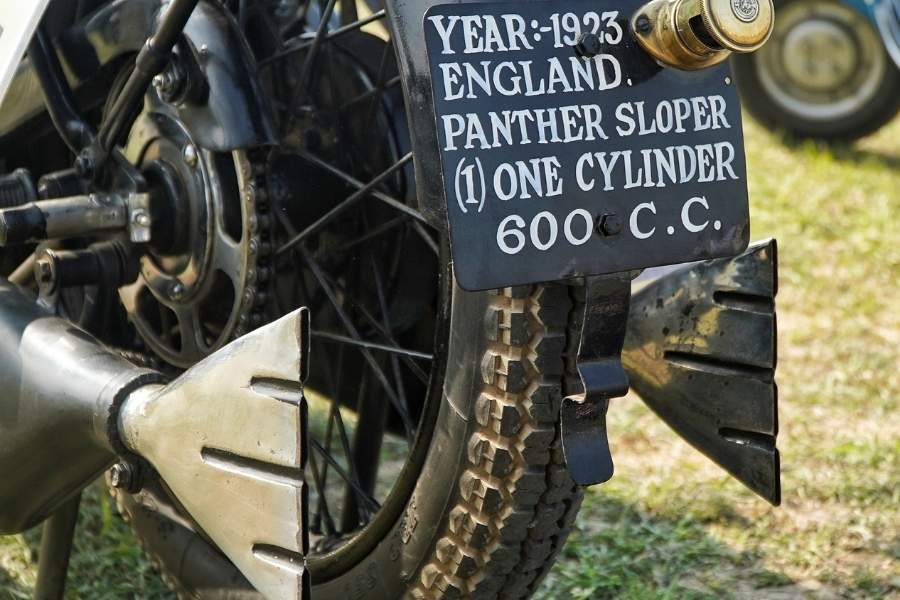
This particular model is rare even by vintage standards. The 600cc single-cylinder engine sits at a 40-degree slope and acts as a stressed member of the frame, a concept patented in 1900 by Joah Carver Phelon and his nephew Harry Raymer. It features a mechanical fork, a separate Sturmey Archer gearbox, twin exhausts, and a three-speed hand shift lever placed beside the fuel tank.
One of the unique features of this vintage piece is its twin fish-tail silencers
Open valve rockers reveal the engine’s workings like exposed veins. It is a design both bold and elegant, born in an age when engineering solutions were visible and proud.
“It is a piece to admire,” Hossain says, running his hand along the long sloping silhouette. “Very sleek looking. And it is the only piece in India, perhaps the only one in Asia in running condition.”
The Panther was originally developed for defence use in post-World War I Britain. “And it really goes like a panther. They wanted their reputation. A bike where other companies cannot compete.”
The machine can still comfortably reach 80 kilometres per hour, he says, but he has never tested that. “I do not want to risk it,” he says.
On Kolkata’s uneven streets, the ride is kept gentle, 20 kmph at most. “The road clearance is very low. When you put it down from the stand it becomes overloaded. And when I go into a pothole, you can see my heart is out.
“It is lovely. Riding it is fantastic,” he adds. “You just need the habit. That is all.”
source: http://www.telegraphindia.com / Telegraph India Online / Home> People> My Kolkata / by Debrup Chaudhuri / January 13th, 2026
Born on November 11, 1837, Hali moved to Delhi where he learnt Arabic & Persian & received patronage from Ghalib, Shefta.
The grave of Khwaja Altaf Hussain Hali.
“Mit gaye tere mitane ke nishan bhi ab to, ai falak is se ziyada na mitana hargiz” —these lines of a ghazal written by Panipat’s famous Urdu poet, critic and commentator Khwaja Altaf Hussain Hali exactly fit here as “Hali’s Haveli” (Hali’s house) has now turned into a park where children play. The legacy of Hali is being maintained through a library on the premises of Bu-Ali-Qalandar Shah Dargah here by the Haryana Waqf Board and a school, which is being run by a social organisation.
Altaf Hussain Hali was born on November 11, 1837, in Panipat. He got his primary education here. Hali got married at the age of 17, but he left Panipat and moved to Delhi where he learnt Arabic and Persian and received patronage from two major poets, Ghalib and Shefta. After Shefta’s death he moved to Lahore and joined the Punjab Government Book Depot where he got the opportunity to read Western literature. Hali also visited Aligarh and Hisar. He took last breath on December 31, 1914, at his ancestral house in Panipat.
Advocate Ram Mohan Rai, general secretary, Hali Panipat Trust, told The Tribune that Hali was in Delhi during the first freedom revolt in 1857. The British massacred Indian youths to suppress the revolt. Hali was disheartened and returned to Panipat.
A library in his memory at Bu-Ali-Qalandar Shah Dargah in Panipat. Photos: Sukhjinder Saroha
Hali was not his surname or his name. He opted the title “Hali” as he was used to writing ghazals and nazms on current topics and situations, said Rai.
Patriotism, widows’ pain, condition of women without education, their education and empowerment, national integrity and humanity were the important issues raised in Hali’s heart touching ghazals and nazms, Rai said.
His famous nazm “Hubb-e-Watan” was dedicated to patriotism in which he wrote “Teri ik musht-e-khak ke badle, loon na hargij agar bahisht mile.”
Hali advocated and respected women fraternity and shared a message of their empowerment through his nazm “Ae mao, behno, betiyon duniya ki zeenat tumse hai, mulkon ki basti ho tumhi aur komon ki ijjat tumse hai.”
Hali established a school for girl’s education. It was the first girls’ school in joint Punjab. Unfortunately, no one sent his/her daughters to his school. Later, Hali started teaching his own daughter and daughter-in-law in his school, Rai said.
Disheartened by the Hindu-Muslim division orchestrated by the British, Hali emphasised on national integrity through his nazm “Gar tum chahte of mulk ki khair, na kisi hamwatan ko samjho gair”. Hali also emphasised on humanity by saying, “Farishton se behtar hai insaan banana, magar isme padti hai mehanat ziyada.”
Rai further said to maintain the legacy of Khwaja Altaf Hussain Hali, Hali Panipat Trust was established in 2008. Sayeeda Hamid, great granddaughter of Hali was the chairperson of the trust, while Dr Arun Bhatnagar was its co-chairperson.
To make young generation aware of Hali’s legacy, a Hali Park and lake was constructed in the old industrial area in 1976 in Panipat. A library in the name of Hali is being maintained at Bu-Ali Shah Qalandar Dargah by the Haryana Waqf Board, Rai said.
Apart from it, three international level fairs were organised at Hali Park in which people from Iran, Pakistan and other countries participated. First fair was organised in 2008 in which the then Governor AR Kidwai and Chief Minister Bhupinder Singh Hooda participated. The second fair was organised in 2010 in which Vice President of India Hamid Ansari participated. In 2013 fair, the then President of India Pratibha Patil participated as the chief guest, said Rai.
In the memory of Hali, a school with only eight children of migrant labourers, began in 2008. At present, the school has 350 students on it rolls, Rai said.
Pained at the government’s attitude, Rai said Hali was the legendary poet, critic and commentator of Panipat, but the government didn’t care to protect his ancestral house where he lived and took his last breath. His old haveli was turned into a park for children, Rai said.
source: http://www.tribuneindia.com / The Tribune / Home> Haryana / by Mukesh Tandon / Tribune News Service / July 18th, 2025
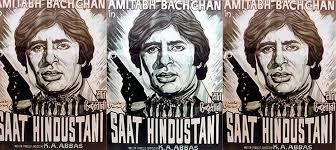
Multi-hyphenate talent Khwaja Ahmed Abbas worked in Urdu, Hindi and English and across writing mediums. Abbas, who died in 1987 at the age of 71, wrote social realist screenplays for Raj Kapoor and V Shantaram, directed films, published short stories and plays,and contributed a long-running weekly newspaper column. Among the best-known films he directed are Neecha Nagar, Sheharaur Sapna and Saat Hindustani. Set in Goa and tracing the efforts of seven revolutionaries to free the state from Portuguese rule, Saat Hindustani marks the debut of Amitabh Bachchan. An essay from the anthology Bread Beauty Revolution, edited by Iffat Fatima and Syeda Hameed, relates Abbas’s encounters with the “tall young man” and future screen icon. Bread Beauty Revolution includes writings from Abbas’s memoir I Am Not An Island: An Experiment in Autobiography as well as essays, stories,poems, photographs and columns.
The story of Saat Hindustani came out of the Goa struggle reminiscences of my assistant, Madhukar, who would often regale us with the adventures he had while trekking up with the non-violent commandos to hoist the tricolour on every police station they came across…
I was so excited when I finished the screenplay that I telephoned all my friends and informed all my assistants, including Madhukar, to come and hear it in my fourth floor office on the very next day. That was a ritual which they never missed and I would get their suggestions for casting the film.
I wanted to prove by my casting that there was no particular Hindu or Muslim, Tamilian, Maharashtrian or Bengali ethnic type. To begin with, I would transform the smart and sophisticated and versatile Jalal Agha into the Maharashtrian powada singer. Even Jalal was shocked to hear this. But I reassured him that, with the proper make-up and get-up, nobody would recognize him except as a rural Maharashtrian folk singer. Madhukar, who hails from Meerut, would be a Tamilian; Sharma (Brahmin by caste) would also undergo a similar transformation; and Utpal Dutt, the cigar-chewing admiral,would be the tractor-driving Punjabi farmer. So far the casting was clear in mymind. On one of my visits to Kerala I had met Madhu, the handsome hero of the Malayalam screen, and he had approached me and expressed his desire to work in a Hindi film with me. I would make him the sensitive Bengali; I wouldn’t have to work much on his Bengali accent for he had lived with a Bengali family. Now only the Hindi and Urdu fanatics were left. Jalal one day brought with him his friend Anwar Ali (brother of the comedian Mehmood), in whose eyes I saw the Jana Sanghi fanaticism. So I decided to make him the Swayam Sevak who hates Urdu and speaks jaw-breaking Hindi. That left one Indian, the Muslim Urdufanatic. Since I wanted these boys to be of different ages and different heights, the one vacancy left was for a tall and handsome man. He had to be thin, also corresponding to the thin image of my friend, the late Asrarul Haque “Majaz”.
One day someone brought a snapshot of a tall young man and I thought that the boy was in Bombay. I said, “Let me see him in person.” “He will be here day after tomorrow evening.” Again, presuming he was in Bombay, I thought he must be working somewhere and wouldn’t be free till the evening. On the third day, punctually at 6 pm, a tall young man arrived who looked taller because of the churidar pajama and Jawahar jacket that he was wearing. This young man would one day be known as Amitabh Bachchan, the heart-throb of millions. But I did not know his name. Roughly, the following dialogue took place between us:
“Sit down, please. Your name.”
“Amitabh.” (Not Bachchan.)
It was an unusual name — so I asked, “What does it mean?”
“The sun. It’s also one of the synonyms for the Gautama Buddha.”
“Education?”
“B.A. from Delhi University.”
“Have you worked in films before?”
“No one has taken me so far.”
“Who were they?”
He mentioned very prominent names.
“What did they find wrong with you?” The boy spoke with frankness. “They all said I was too tall for their heroines.”
“Well, we have no such trouble. In a way we have no heroine in our film. Even if we had, that wouldn’t prevent me from taking you.”
“Taking me? Are you really going to take me? Without even a test?”
“That depends. First I must tell you the story. Then I must tell you your role and see if you will be enthusiastic about playing it. Then I shall tell you what we can afford to pay you. Only then, if you agree, shall we sign the contract.”
I read him out the complete story and saw his face become alive with interest. I asked him which role he would like to play. He told me the two which particularly impressed him. The role of the Punjabi, and the role of the Muslim. I told him he was perhaps a Punjabi, and that made him unfit to play that role. He asked me why. I gave him the reason, the reason for having a scrambled cast. The idea appealed to him greatly. He said, “I think, I know what you mean. Then I would like to play the Muslim role, specially because he is under a cloud of suspicion. And only at the end the suspicions are removed and he is proved a patriot.” Then I told him we could pay him no more than five thousand rupees,which was the standard figure for all the roles.
He seemed a little hesitant, and I asked him, “Are you earning more than that?”
“I was,” he said.
I asked him what he meant.
He said that he was getting about sixteen hundred a month in a firm in Calcutta.
“I resigned the job and came over.”
I was astonished. “You mean to say that you resigned a job of sixteen hundred rupees a month, just on the chance of getting this role! Suppose we can’t give the role to you?”
He said, “One has to take such chances” with such conviction that I said, “The role is yours.”
Then I called my secretary, Abdul Rehman, to dictate the contract. I asked the tall young man for his name and address.
“Amitabh—” after some hesitation, “Amitabh Bachchan, son of Dr H.R. Bachchan.”
“Stop,” I said. “This contract cannot be signed until I telegraph and get your father’s consent. He is a colleague of mine on the Sovietland Nehru Award Committee. I wouldn’t like to have a misunderstanding with him. I am afraid you will have to wait for two days more.”
“You can ask my Dad, but frankly, do I look like a runaway?”
I told him that runaways don’t have any particular look. So I dictated, instead of the agreement, a telegram to Dr Bachchan in New Delhi and asked him if he was willing to let his son become an actor. Two days later a telegram came reading “No objection where you are concerned.” This is the whole story about how Amitabh Bachchan came into films.
Excerpted with permission from Bread Beauty Revolution, edited by Iffat Fatima and Syeda Saiyidain Hameed, Khwaja Ahmed Abbas Memorial Trust and Tulika Books.
source: http://www.scroll.in / Scroll.in / Home> Book Excerpt / by Khwaja Ahmed Abbas / November 14th, 2015
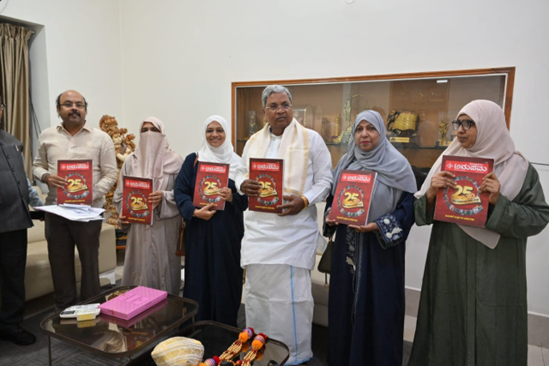
Anupama, the state’s only women’s monthly Kannada magazine run entirely by Muslim women, has completed 25 years. To mark this milestone, Chief Minister Siddaramaiah released a special silver jubilee issue, reflecting on its 25-year journey of success, in Bengaluru on Thursday.
Speaking at the event, the Chief Minister congratulated the team, saying, “There are only a handful of Muslim women in journalism. In such a scenario, it is highly commendable that the Anupama Women’s Monthly, run by women from the Muslim community and has successfully completed 25 years.”
Shahnaz M., the editor of Anupama, also spoke at the occasion. “The implementation of the ‘Guarantee’ schemes for women in the state has brought about significant changes in their lives. On behalf of the Anupama team and all women, I extend my gratitude to the government led by CM Siddaramaiah for their commitment to women’s development,” she stated.
The event was attended by Naseer Ahmed (Political Secretary to the CM), MLA Dr. Yathindra Siddaramaiah, BMTC Vice-Chairman Niket Raj Maurya, and Anupama’s sub-editors Samina Uppinangady, Sajida Momin, and Kulsum Abubakkar. Other notable attendees included S.M. Muthalib, Faisal Ismail, and Saleem Bolangadi.
source: http://www.radiancenews.com / Radiance News / Home> Latest News> Report/ by Radiance News Bureau / January 10th, 2026
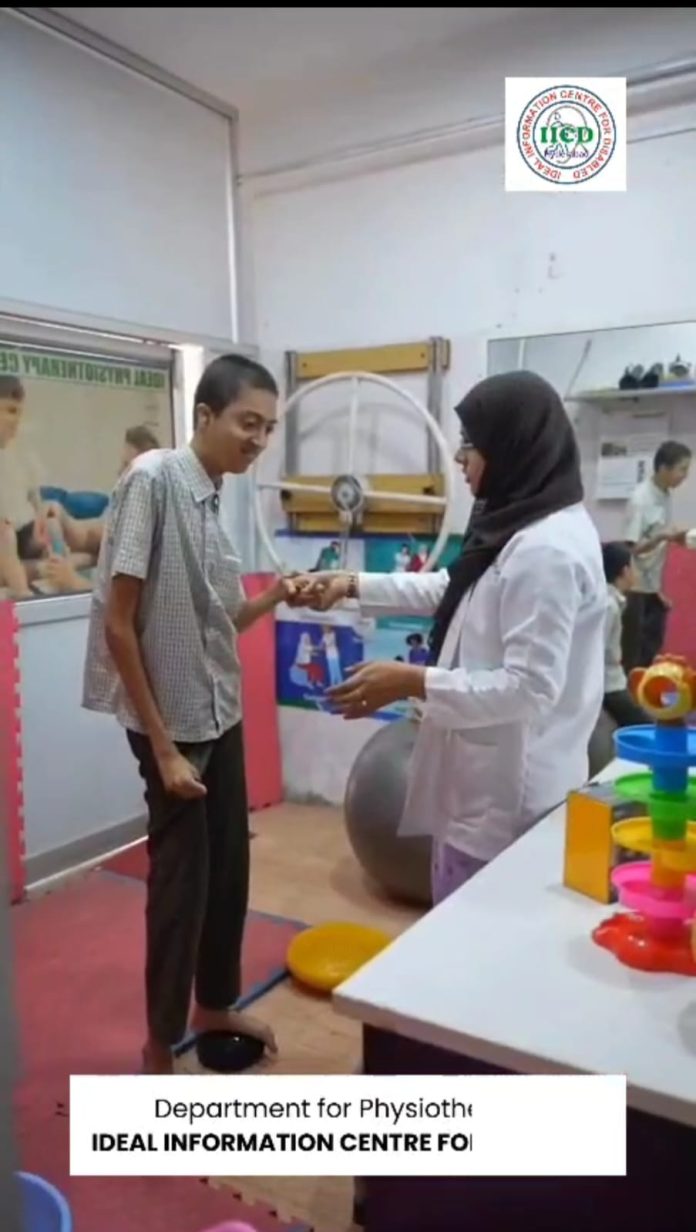
In an era where healthcare inflation often renders specialised therapy a luxury, the Ideal Information Centre for Disabled (IICD) has emerged as a beacon of hope for the underprivileged. In a landmark decision that is set to redefine social welfare in the city, the organisation has announced that it will provide its entire gamut of world-class services for children with physical and mental challenges completely free of charge.
The initiative, aptly titled ‘Abhayahastham’ (a hand of protection), seeks to ensure that no child is denied a shot at a dignified life due to their parents’ financial incapacity.
For many families, navigating the world of “special needs” is a double-edged sword – emotional trauma compounded by the staggering costs of corporate-style therapies. Recognising this, IICD, under the stewardship of General Secretary Naveedur Rahman, has opened its doors to provide a 360-degree support system at zero cost.
“Disability is a physical constraint, not a limitation of talent,” said Mr. Rahman. “Our mission is to ensure that a lack of resources never stands in the way of a child’s progress. We want to provide every child with the platform they need to shine on the global stage.”
The centre’s “Zero-Fee” model does not compromise on quality. The facility offers a comprehensive suite of services that rivals top-tier corporate hospitals:
Clinical Excellence: Access to Occupational, Physical, Behavioural, and Speech therapies supervised by seasoned experts.
Inclusive Education: A dedicated wing offering free schooling from Nursery to Grade 10 for hearing-impaired students.
Vocational Empowerment: Specialised job-oriented training programmes designed specifically to integrate visually impaired students into the mainstream workforce.
Advanced Diagnostics: High-end Audiology services for hearing assessments and treatments.
While the infrastructure and expertise are in place, the challenge remains in reaching the last mile. The IICD management has urged the public to act as catalysts for change. In a society where many specially-abled children remain confined to the shadows of poverty, sharing a simple contact number could be the first step toward a child’s transformation.
Those seeking support or wishing to refer a child in need can reach out to the IICD helpline at 9014234933.
source: http://www.radiancenews.com / Radiance News / Home> Healthcare> Latest News / by Mujahid. Md / January 10th, 2026
Eluru hosts grand leadership conference, unit recognised as ‘Emerging Unit’ for 2025 performance.
Eluru:
A grand state-level leadership meeting of the Students Islamic Organisation of India (SIO), Andhra Pradesh Zone, was held here on January 10 and 11. The two-day conference brought together state leaders and representatives from across Andhra Pradesh to review organisational activities and chart a clear roadmap for future initiatives.
During the meeting, detailed discussions were held on SIO’s educational, social, and student development programmes implemented across the state. The leadership also reviewed the performance of various units for the year 2025, assessing their contribution to organisational growth, student empowerment, and community engagement.
For its consistent and dynamic work across multiple fronts, the Yerragondapalem Unit was selected as the “SIO Emerging Unit – Performance Award” winner. The unit was specially recognised for its efforts in promoting academic awareness among students, addressing student rights, organising social service activities, conducting leadership training camps, and expanding membership at the grassroots level.
The prestigious award was presented to the unit representatives by state leader Aamir Fahed and State General Secretary Hafeez. Speaking on the occasion, SIO leaders emphasised that the organisation’s core objective is to nurture moral values, educational consciousness, and social responsibility among students. They reiterated that SIO remains committed to shaping students into responsible and socially aware citizens.
The state-level meet also focused on future strategies, including planned movements on student issues, protection of educational rights, leadership development, and programmes aimed at strengthening social harmony. Leaders noted that the recognition of the Yerragondapalem Unit would serve as an inspiration and benchmark for other units across the state.
The award stands as a testament to the unit’s dedication and as a motivating milestone in SIO Andhra Pradesh’s ongoing mission of student empowerment and societal development.
source: http://www.radiancenews.com / Radiance News / Home> Pride of the Nation> Awards> Latest News / by Radiance News Bureau / January 11th, 2026
Tehmina Punvani (second from left) with Salman Khurshid and Manish Tewari releasing the Book
Tehmina Punvani offered a rare glimpse into her grandmother’s life. Her grandmother, Begum Qudsia Rasul, was no ordinary woman; she was the only Muslim woman in the Constituent Assembly that drafted India’s Constitution in 1949.
The occasion was the launch of Begum Qudsia Rasul’s book, 24 years after her death.
Tehmina Punvani, a lawyer, is the daughter of Begum Qudsia’s daughter.
Speaking at the book launch in Delhi, Tehmina said, “For the world, she was a fearless political figure, but for me, she was my Ammijan, gentle, grounded and unwavering in her integrity.”
Punvani recalled the period when a fatwa was issued against Rasool for entering public life. While the family felt fear, Rasul was composed.
“If my conscience is clear, no decree can frighten me,’ she would say,” Punvani recounted, drawing applause from the audience.
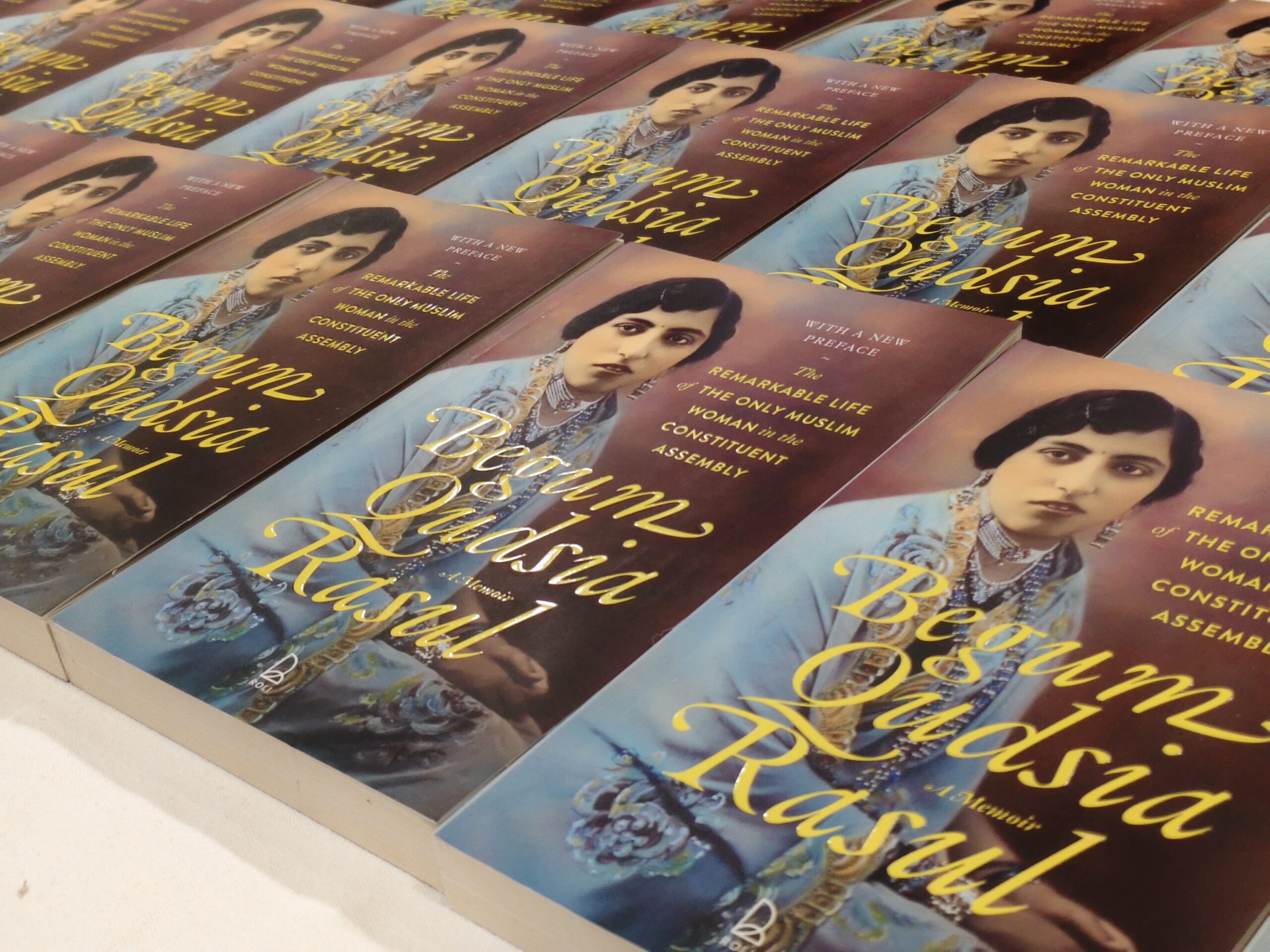
The book, Begum Qudsia Rasul – The Remarkable Life Of The Only Muslim Woman In the Constituent Assembly, is a relaunch of her autobiography “From Purdah to Parliament: The Memoirs of a Muslim Woman in Indian Politics” on the life and political legacy of this remarkable Muslim woman leader of India.
The Book Begum Qudsia Rasul – The Remarkable Life Of The Only Muslim Woman In the Constituent Assembly
The event brought together journalists, lawyers, and political leaders to revisit the contributions of a woman forgotten in mainstream historical narratives.
Moderated by journalist Nidhi Razdan, the panel featured Salman Khurshid, Indira Jaising, Manish Tewari, and senior lawyer Tehmina Punvani.
Begum Qudsia Rasul, born in 1909, was the only Muslim woman in India’s Constituent Assembly. A trailblazing politician, she opposed religious reservations, championed minority rights, and promoted women’s hockey.
Elected to the Rajya Sabha and Uttar Pradesh Assembly, she received the Padma Bhushan in 2000.
Besides being the only Muslim woman in the 1946 Constituent Assembly, she fought for minority equality and opposed religious reservations.
Qudsia Begum was also elected to the UP Assembly, Rajya Sabha and served as a minister.
She is credited with promoting women’s hockey, and a Hockey Cup is named after her. She was a trailblazing woman for giving up purdah. Besides her autobiography, she has authored a travelogue, Our Bapu, a book on Mahatama Gandhi and Hayat-e-Qudsi, about Bhopal’s Begums.
Tehmina said that despite her political stature, Rasul stayed close to the grassroots. “She met women daily, listened to their concerns, and worked for them without fanfare. Activism, for her, was a duty, not an identity.”
Other speakers highlighted Rasul’s exceptional resilience in an era when Muslim women faced social barriers.
Former Union Minister Salman Khurshid explained that Qudsia had won from a general seat to the United Province Assembly despite many technical hurdles. “It was an extraordinary act of courage,” he said.
Congress MP Manish Tewari underlined the democratic significance of her public life: “Her presence in the Constituent Assembly reflected India’s openness at a time of enormous political and social turbulence.”
Noted lawyer Indira Jaising praised Rasul’s moral clarity and empathetic leadership, calling her “a rare combination of conviction and humility.”
Speakers were unanimous in calling for acknowledging Begum Qudsia Rasul’s contributions and a prominent place for her in India’s political history.
Rolli Books has published this book.
source: http://www.awazthevoice.in / Awaz, The Voice / Home / by Aasha Khosa, ATV / December 11th, 2025