Category Archives: Education : Sanskrit – Indian Muslims (wef. November 05th, 2024)

10 inspirational stories of visionaries from Kerala

KERALA :

Kannur

Among the change makers from Kerala are pioneers and achievers in various fields of life. They have either been trying to bring about changes in society or the fields of business. They have used music, literature, and sometimes love to bring humanity closer, to spread joy and peace.

The list includes social activists, singers, spiritual mentors, lawyers, teachers, and even IAS officers.

Ayisha Abdul Basith

Ayisha sings Naat or Islamic devotional songs, and at the age of 20, she has enthralled listeners in over 80 countries. Born in Kerala, Ayisha has migrated to Abu Dhabi, where she is pursuing spiritual music as a way to universal peace and joy, as she puts it.

Safna Nazruddin
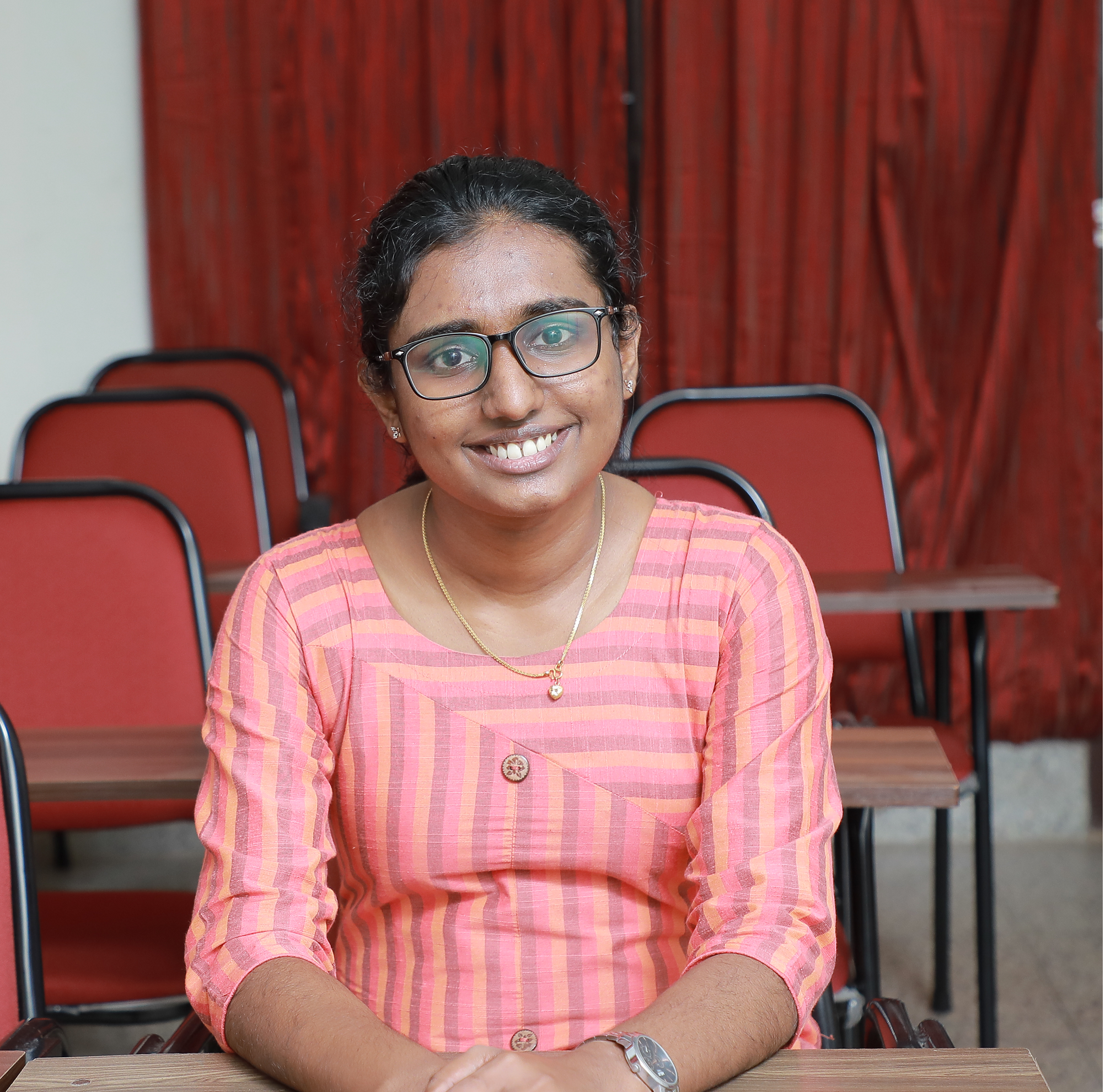
She dreamt of becoming someone who could help the disadvantaged sections of society. Safna Nazruddin thought being an IAS officer would help her achieve that goal.

And she took her dream so seriously that at the age of 23, she became Kerala’s youngest Muslim IAS officer.

PC Musthafa

He wanted to pull his family out of their poverty. Growing up in rural Wayanad, watching his father toil in the fields as a farm labourer, he wanted to change his parents’ lives for the better.

When he completed his studies at IIM, he started small with his cousins in a 500 square feet room, selling 100 packets of idli batter to 30 shops in Bangalore.

Today, he is the king of idli batter supplying in more than 10 countries outside India and reigning over a 4000 crore business.

VP Suhara
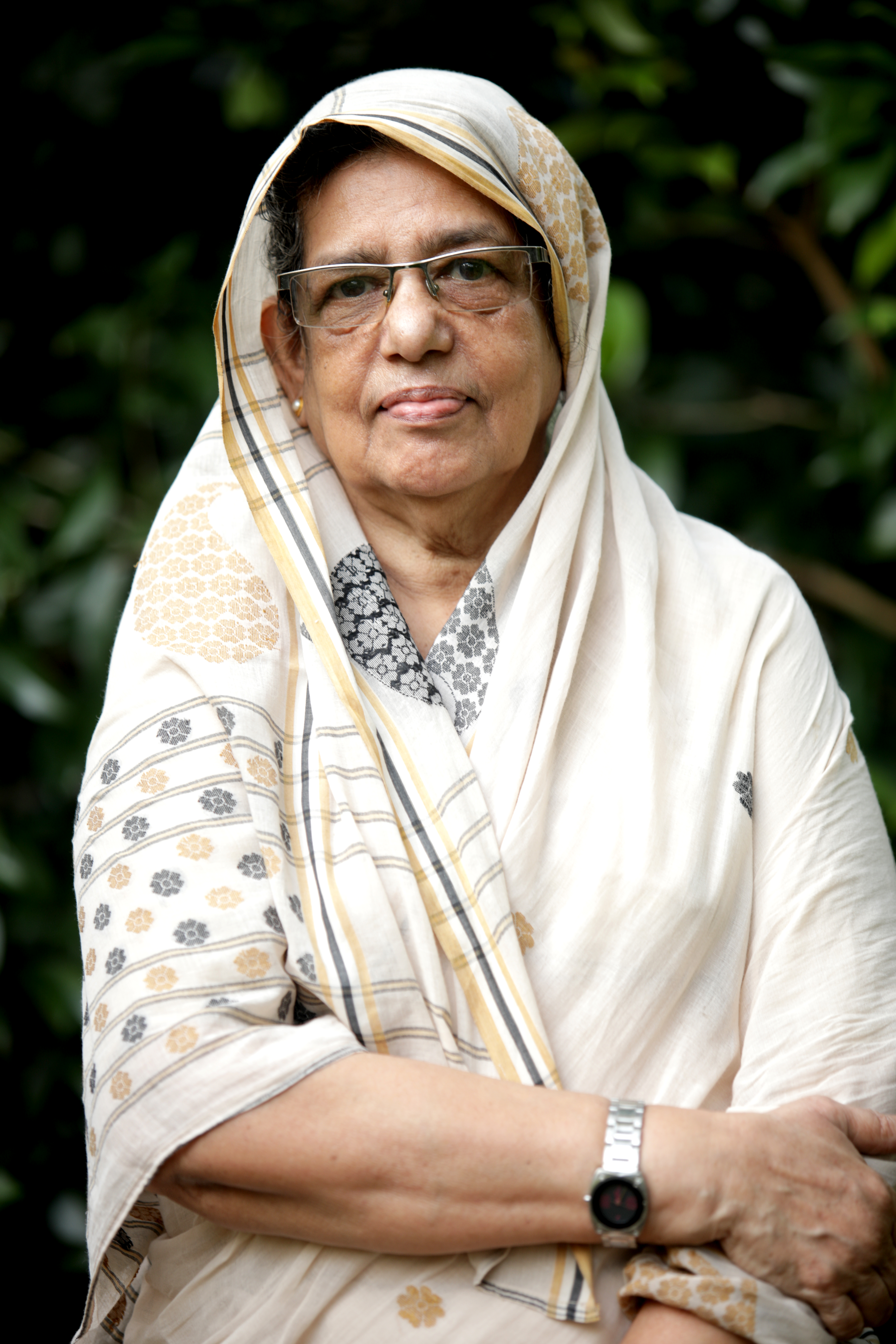
VP Suhara has been fighting for changes in the Muslim personal law and is one of the petitioners appealing for equality of gender in the matter of succession rights.

She says she is not very optimistic, but she is not ready to give up her fight.

Kadeeja Mumtaz
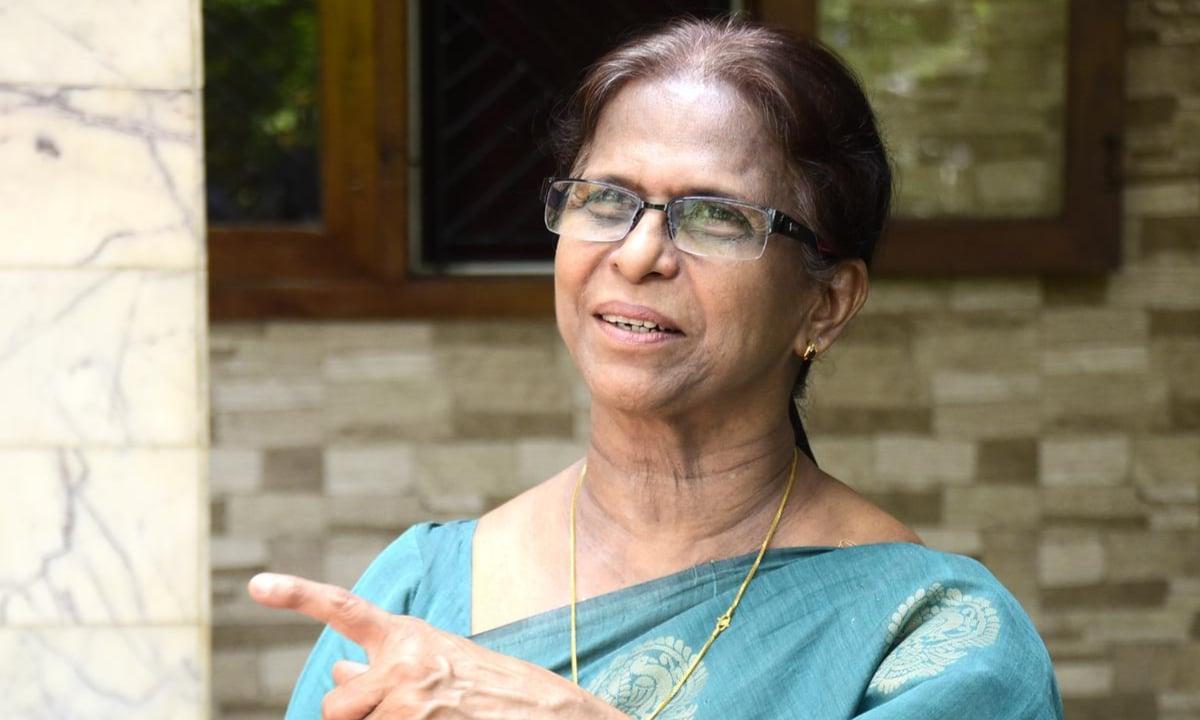
Kadeeja is a novelist who won the Sahitya Academy award for her novel. But today she has taken to activism on a full-time basis, and her main preoccupation is with bringing different religious communities together to improve mutual understanding and communication.

Advocate Sukkur
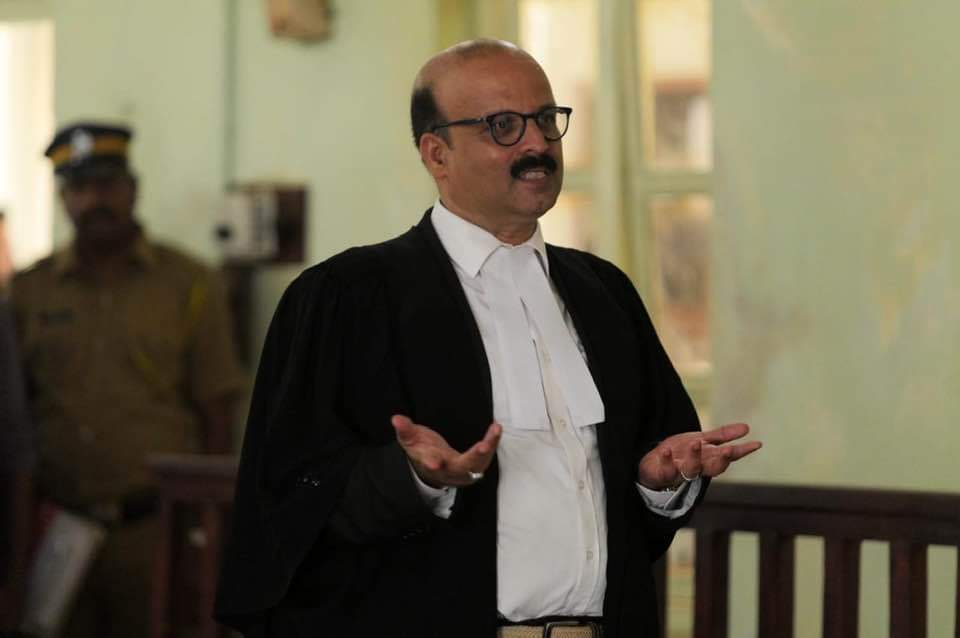
Advocate Sukkur did the unthinkable when he remarried his legally wedded wife just to make a point to all his fellow Muslims.

He wanted to tell them that they can overcome the barriers to succession rights of their daughters by remarrying their spouses under the Special Marriages Act.

Noor Jaleela

Noor means light, and the luminous smile on Noor Jaleela’s face echoes her name. She was born without her four limbs. But her smile does not betray any such disability. She has been a model for courage and creativity in the worst circumstances.

She has been an influencer and also an artist, and a singer.

Padma Shri Mumtaz Ali
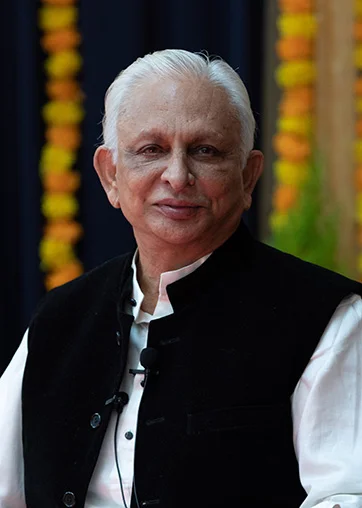
Mystic and spiritual mentor Padmashri Mumtaz Ali, or Sri M as his followers call him, hails from Thiruvananthapuram and heads a spiritual group called Satsang Foundation. His spiritual pursuits and his work among the people as a symbol of the oneness of humanity and the divine have made him transcend all man-made boundaries and divisions.

He has become an example of universal oneness and love as his life’s work and teachings appeal to people of different nationalities and religions. He asks them to continue following their religion while practising meditation and other spiritual pursuits to realise themselves.

 Hadiya Hakeem

Can a football mean anything other than a game? Well, Hadiya Hakeem has turned a football into a statement for the empowerment of women.

She is a freestyle football performer born in Kozhikode who has overcome all possible barriers of gender, nationality, and religion through her talents and her hard work in excelling in a unique kind of performance.

Onampally Faisy

Progressive scholar and Sanskrit enthusiast Onampally Faisy has tried to transcend boundaries by promoting interfaith education in his madrassa. A well-known scholar from Thrissur in Kerala, he has been working towards building bridges of understanding and communication between Muslims and other communities in Kerala.

Since he believes in becoming the change he wants, he started teaching holy texts of other religions in his madrassas in order to remove the veil of ignorance and bring communities closer.

source: http://www.awazthevoice.in / Awaz, The Voice / Home> The Changemakers / by Sreelatha Manon / August 17th, 2025

Sanskrit scholar Onampilly Faizy runs Islamic academy where Vedanta and Quran are taught

Thrissur, KERALA :

Muhammad Faizy Onampilly teaching at Academy of Shariat and Advanced Studies

There are many educational institutions run by the Jamaat or other Muslim bodies all across the country. They go about their job teaching Islamic scripture, Islamic laws, Hadith, and so on. 

The Academy of Shariat and Advanced Studies in Thrissur in Kerala (ASAS) in Thrissur in Kerala is however a bit different as its principal is a Sanskrit scholar from Sri Sankara University Kalady (the birthplace of Adi Sankaracharya) and it also teaches Sanskrit and Vedantic texts to its students along with Islamic texts.

Started eight years ago by Samastha, a body of Sufi Sunni Muslim scholars, and its curriculum was redesigned by its principal Onampilly Muammad Faizy to make it one of the most unique institutions in the country.

The principal introduced Sanskrit language and literature as a compulsory part of the curriculum a few years ago.

Students enter the academy after grade X through an entrance test. They complete their intermediate, degree, and post-graduation in Islamic studies and one of the papers is Sanskrit.

Why Sanskrit in an institution which teaches Islamic law? What is the relevance? Are there any takers? Is there no opposition?

There are many more questions but just one answer. “I want students to know everything and be aware of every philosophy and not be isolated,” says the principal.

The Holy Quran and Bhagwat Gita

OnampIlly is well known for his discourses which turn pages of Koran and Upanishads as if they were from a single book. His erudition in both Vedantic thought and the Quran is well known.

“The Indian philosophical scenario is vast and I want students at my Academy to know it and not be cut off from it,’’ he says.

His students at the Academy are about 100 in number. Asked if they or their parents had objections to learning Sanskrit, he said it is an academic subject like any other. I believe that you should learn and know every thought rather than be isolated and restricted to just your religion. Knowledge and awareness breeds understanding,” he says.

Though his talks (available on YouTube) are laced generously with quotes from the Gita and Upanishads, he does not teach Sanskrit at his Academy. “ I feel that the study of a language is also a study of the culture that it represents. So, while we learn a language we are also appreciating the culture of the people who speak it. So, I have three Hindu Sanskrit teachers to conduct the courses. This interaction removes the cultural barricade between the two. I would not be able to communicate the cultural subtleties as a Hindu teacher would be able to,”’ he says.

OnampIlly says the present education system lacks dharma or value-based education. “Without values education is hollow.’’

But given the diversity of religious faiths in India, schools shy away from including anything on religious philosophies in the curriculum. Asked about this he says that is no excuse to deprive students of the rich values that our faiths provide. If his academy can do it, why can’t the schools do it, is the unasked question.

Academy of Shariat and Advanced Studies in Thrissur in Kerala 

Education is just a money-making exercise now. There is teaching of texts but no mentoring. Only if you mentor the child, you would expose him to the plurality of faiths and to the common principle that unites all faiths – compassion.

NEP was an opportunity to reform the education system but it failed to bring in any change, he says.

Unless students today are exposed to religion and value-based education, it is not possible to explain to them the beauty of plurality. They should know about differences while they keep their own identities, he says adding that without understanding and awareness, and differences can only lead to hatred and conflict.

He says that embracing plurality doesn’t mean discarding one’s own beliefs. I’m very rigid about my faith. Once I was asked to light a lamp at a function presided over by a Supreme Court judge I refused to do so. And then I told the gathering that even though my action looks shocking, the Constitution supports me in this, he says, adding that our education does not create awareness about even the Constitution.

He cites a Supreme Court verdict that said “Constitution and culture teach us harmony and let us not dilute it.”

The students here complete their UGC-affiliated degree and PG courses along with the Islamic studies courses provided at the Academy. The Sanskrit course is part of the eight-year Islamic Course. It starts with basic grammar,a few shlokas,and simple content at the intermediate level followed by Sanskrit plays at the degree level. In the final year and at the PG level, philosophy and an introduction to Puranas are included.

The main ten Upanishads which have Sankara’s commentaries are included for studies while Mundakopanishad is taught in detail, Abhishek, one of the Sanskrit teachers at ASAS to Awaz-the Voice.

At the PG level, students do a thesis which is usually a comparative study between Koran and Vedantic texts. Onampilly wants us to create an interest in the students as that will lead them to more self-study. The dissertation project also makes them explore texts on their own and stumble upon similarities while improving their analytical skills”.

Abhishek is a postgraduate from the Central Sanskrit University based in Delhi.

“The students are very talented and often point out to me similarities between Sanskrit philosophical content and Koran and other texts”, he says.

Abhishek who just completed his course from the Kerala campus of the CSU and in his first job here, then finds himself reading English translations of the Quranto find those similarities pointed out by students. “So, I’m learning a lot too,” he says.

“The principal himself knows most Sanskrit texts and wants his students also to be knowledgeable. This is something no institution branded as secular would dare to do,especially for all its students, and choose to keep them all in blissful ignorance of both their texts and those of other faiths, ‘’says Abhishek.

A class in progress at ASAS

“So that is our tradition. You keep your identity but accept the other too. By teaching Sanskrit, I’m only promoting this broader outlook among my students,” says OnampIlly.

His dream is to include the study of Syrian, Buddhist, and other streams of philosophy and religious thought in his academy. It may not be possible to do full-fledged courses but at least we can start with lectures and presentations to expose students to world religions and philosophies, he says adding that the most challenging task is to find teachers.

“I want to tell my students that there is a sea of human community around you and you don’t exist in isolation’’, he says.

He says that no other Islamic institution teaches Sanskrit texts or Sanskrit as a course as his academy does.

However, this initiative is done in a smaller way in another institution run by Samastha, the Sufi platform that started this academy. The Dar ul Huda an Islamic University in Chemmad in north Kerala, a deemed university also conducts short programmes on Sanskrit texts and to build awareness among students, says Onampally.

Asked about any resistance from non-Sufi bodies in Kerala, he said that the Jamaat and other Islamic bodies are moving towards openness. “So, I have not faced any objections from anyone so far’’. Besides the study of Sanskrit helps improve their study of their texts. Sanskrit influences Malayalam and we are all products of different influences. Society is all about give and take and so we can’t separate ourselves from other languages and other belief systems, he explains.

Asked about the obscurity of Sanskrit and the consequential ignorance of the philosophical content in Sanskrit even for Hindus, he quotes Ved Vyasa and says dharmasya tattvaṁ nihitaṁ guhāyāṁ mahājano yena gataḥ sa panthāḥ meaning that the dharma tattva or righteousness or the knowledge of the truth resides in a cave. So, walk where the wise men go and realize the right path through them.

source: http://www.awazthevoice.in / Awaz, The Voice / Home> Story / by Sreelatha Menon, Thrissur / November 04th, 2024