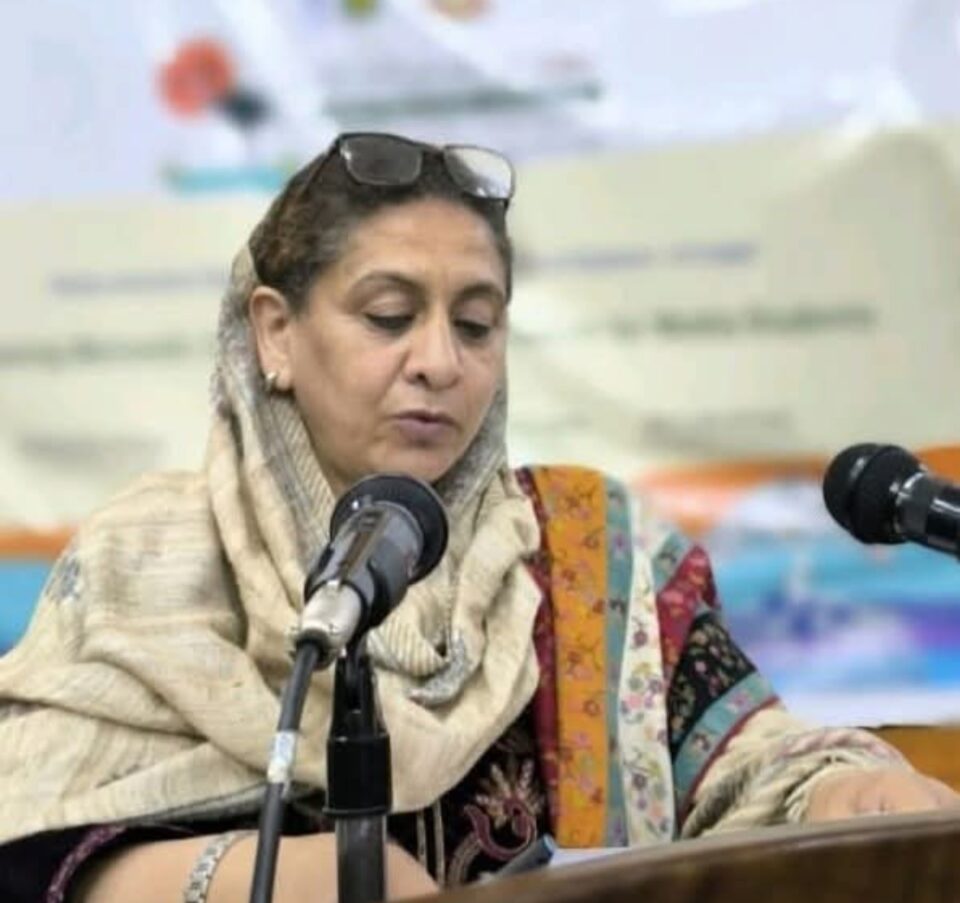
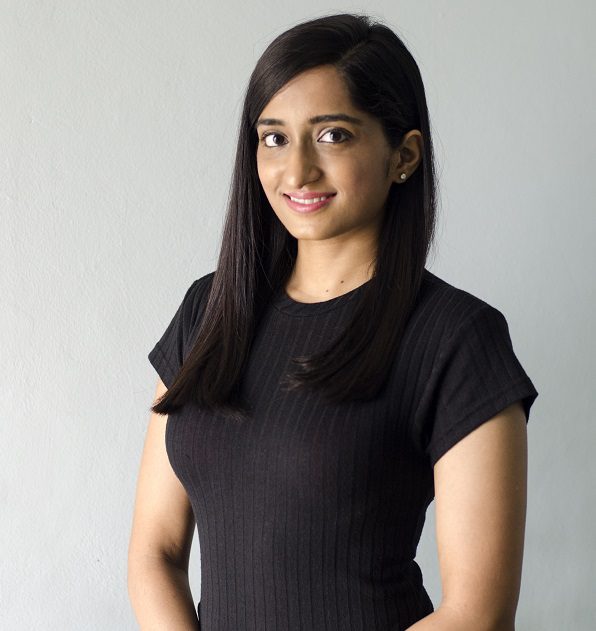
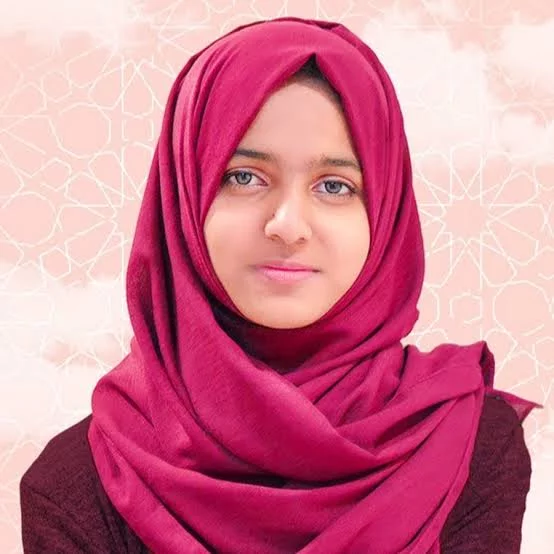
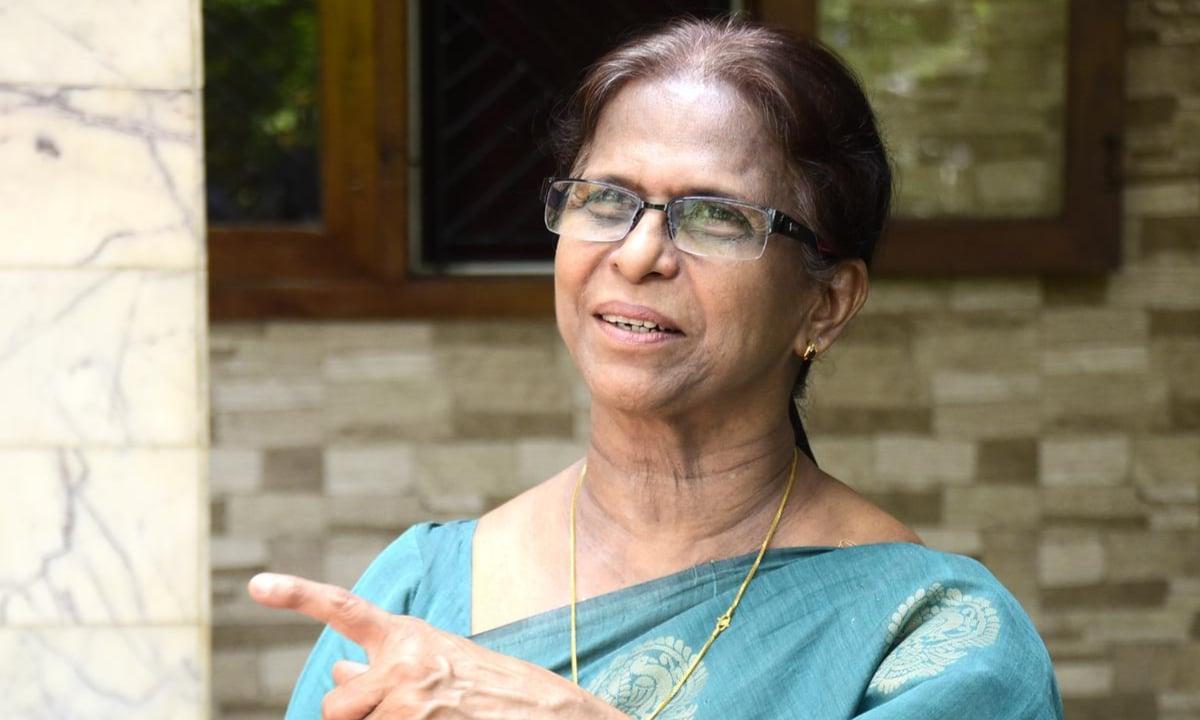
Prof. Sabeha Mufti assumes charge as the Dean, Faculty of Social Sciences, University of Kashmir. Currently serving as the Head of the Media Education Research Centre (MERC), Prof. Mufti brings with her rich academic experience, distinguished scholarship, and an extensive contribution to media studies and social science research.
Prof. Mufti holds a Ph.D. in Mass Communication & Journalism from the AJK Mass Communication Research Centre, Jamia Millia Islamia, and an M.Phil from University of Kashmir. Her academic work has largely focused on media research and media sociology, with significant contributions in areas such as media and representation of women, media and development in society, media audiences, and contemporary communication studies.
A distinguished scholar and academic, Prof. Mufti has published several research papers in reputed journals and has actively participated in numerous national and international conferences and seminars. Over the years, she has also guided and supervised a good number of M.Phil and Ph.D scholars, contributing immensely to research and academic mentorship in the field of media and social sciences.
The University fraternity extends heartfelt congratulations to Prof. Sabeha Mufti on assuming this important academic responsibility and wishes her continued success in strengthening teaching, research, and academic excellence in the Faculty of Social Sciences.
source: http://www.kashmirindepth.in / KINS Communication / Home> Breaking News> Kashmir / by Zainab Hamdani / May 23rd, 2026
A majority, 13 of the 18 came from political families, and no southern state, including Kerala, Tamil Nadu, Karnataka, Andhra Pradesh, or Telangana, has ever elected a Muslim woman to the Lok Sabha.
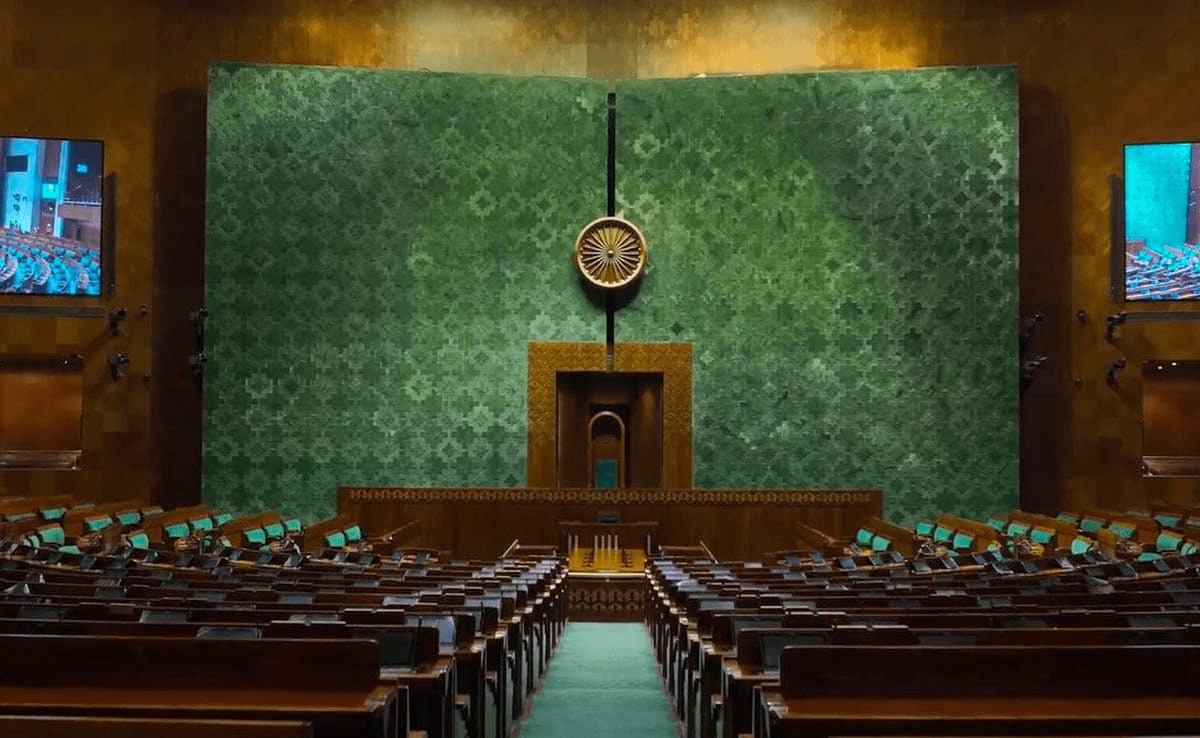
Amid demands for reservation for Muslim and OBC women triggering sharp exchanges in the House, the stark underrepresentation of Muslim women is evident, with only 18 elected to the Lok Sabha since 1947 despite Muslims comprising about 7.1% of the population, and five Lok Sabhas having no Muslim woman MP at all.
A majority, 13 of the 18 came from political families, and no southern state, including Kerala, Tamil Nadu, Karnataka, Andhra Pradesh, or Telangana, has ever elected a Muslim woman to the Lok Sabha.
The issue is documented in the book “Missing from the House, Muslim Women in the Lok Sabha” by Rasheed Kidwai and Ambar Kumar Ghosh, which profiles these 18 leaders.
“It is a shockingly abysmal figure,” Kidwai notes, pointing out that in five of the 18 Lok Sabhas constituted till 2025, there was not a single Muslim woman member.
In the current Lok Sabha, there is only one Muslim woman MP, Iqra Hasan Choudhury of the Samajwadi Party.
The list of Muslim women MPs includes Mofida Ahmed of the Congress (1957), Zohraben Akbarbhai Chavda of the Congress (1962–67), Maimoona Sultan of the Congress (1957–67), Begum Akbar Jehan Abdullah of the National Conference (1977–79; 1984–89), Rashida Haque of the Congress (1977–79), Mohsina Kidwai of the Congress (1977–89), Abida Ahmed of the Congress (1981–89), Noor Bano of the Congress (1996; 1999–2004), Rubaab Sayda of the Samajwadi Party (2004–09), Mehbooba Mufti of the People’s Democratic Party (2004–09; 2014–19), Tabassum Hasan of the Samajwadi Party, Lok Dal and Bahujan Samaj Party (2009–14), Mausam Noor of the Trinamool Congress (2009–19), Kaisar Jahan of the Bahujan Samaj Party (2009–14), Mamtaz Sanghamita of the Trinamool Congress (2014–19), Sajda Ahmed of the Trinamool Congress (2014–24), Ranee Narah of the Congress (1998–2004; 2009–14), Nusrat Jahan Ruhi of the Trinamool Congress (2019–24), and Iqra Hasan Choudhury of the Samajwadi Party (2024–present).
On Thursday, a confrontation began in Lok Sabha when SP MP Dharmendra Yadav demanded that Muslim and OBC women be included within the reservation framework, saying the party would oppose the Bill otherwise and arguing that delinking delimitation from the Census was unconstitutional.
His remarks drew strong objections from the Treasury Benches, with Union Home Minister Amit Shah and Parliamentary Affairs Minister Kiren Rijiju asserting that reservation on religious grounds is unconstitutional. Rijiju said quota cannot be granted on the basis of religion and urged members to “talk about women of the whole country.”
SP president Akhilesh Yadav countered by asking whether Muslim women were not part of the “aadhi aabadi” and questioned whether the government was avoiding a caste census.
source: http://www.maktoobmedia.com / Maktoob Media / Home> India / by Maktoob / April 16th, 2026
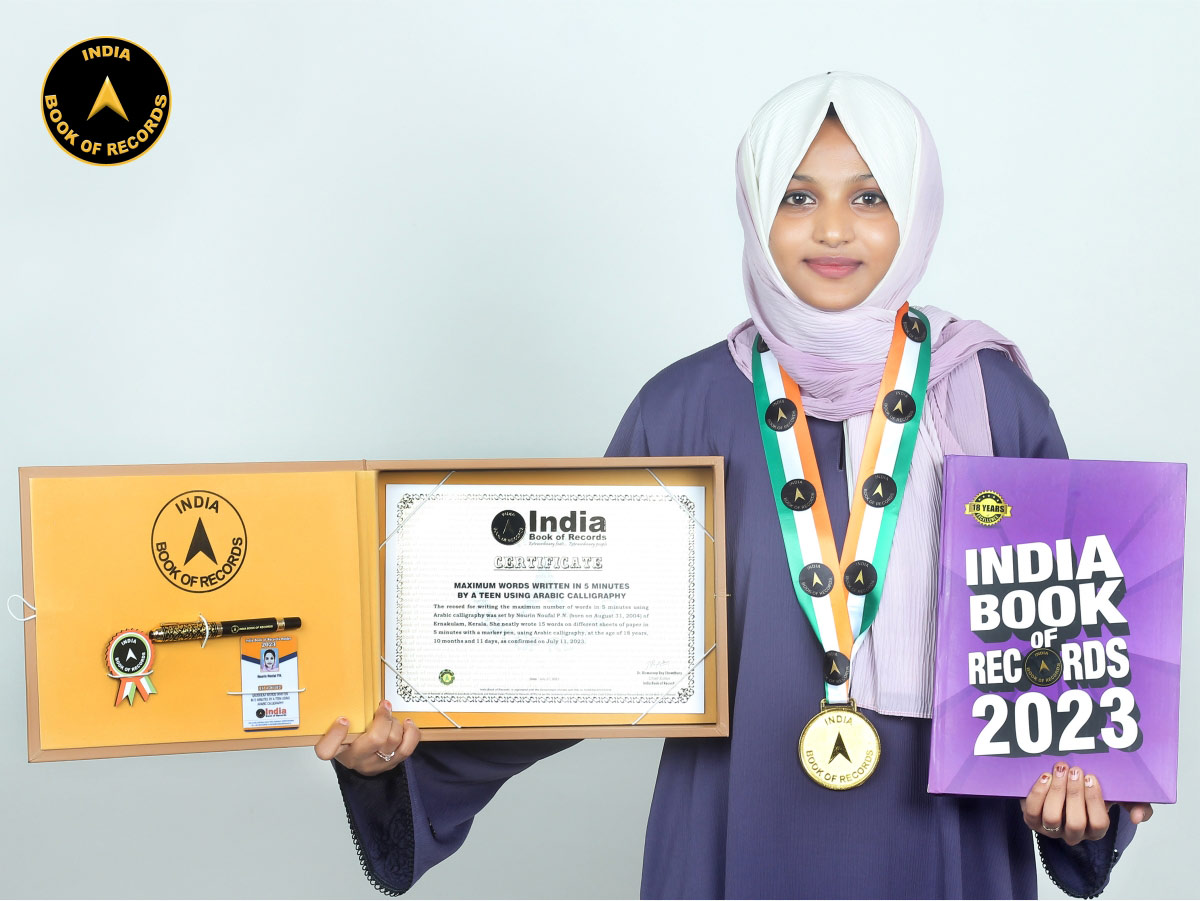
The record for writing the maximum number of words in 5 minutes using Arabic calligraphy was set by Nourin Noufal P.N. (born on August 31, 2004) of Ernakulam, Kerala.
She neatly wrote 15 words on different sheets of paper in 5 minutes with a marker pen, using Arabic calligraphy, at the age of 18 years, 10 months and 11 days, as confirmed on July 11, 2023.
source: http://www.indiabookofrecords.in / India Book of Records / Home> Human Story / by IBR Team / August 18th, 2023
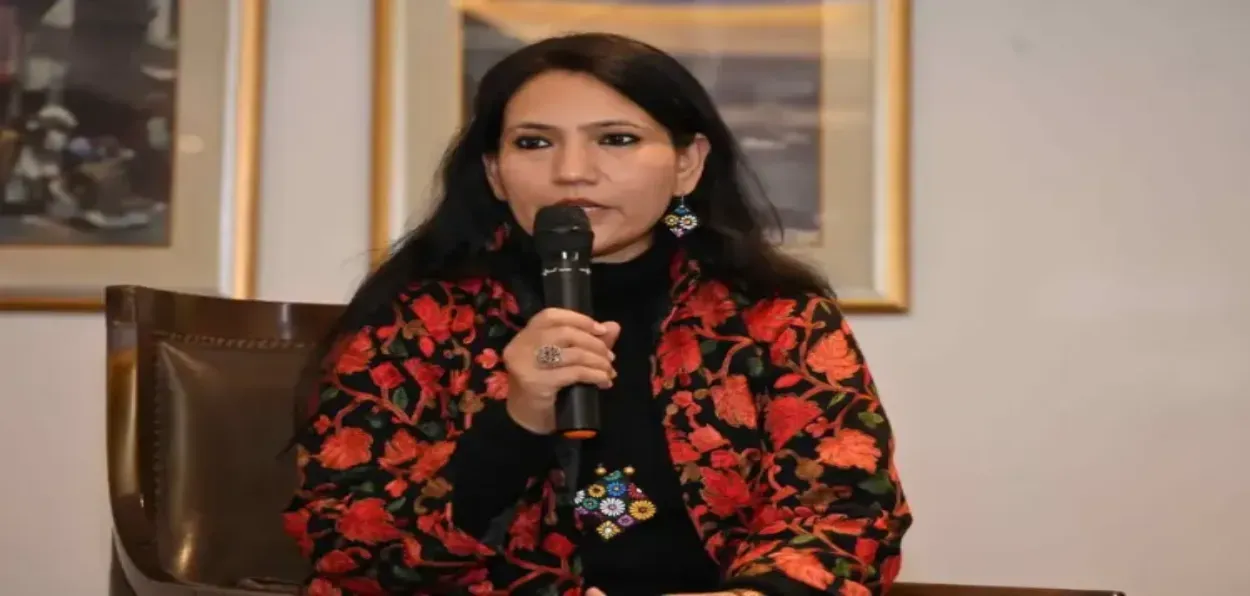
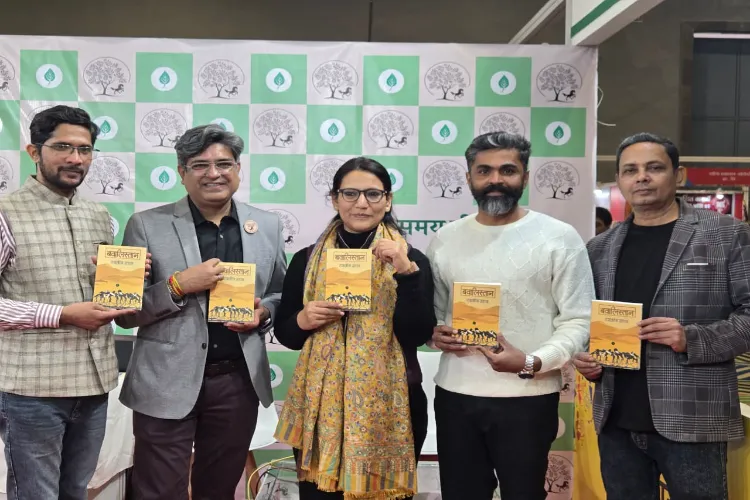
Coming from a small town and making a mark on the national scene, writer-journalist Tasneem Khan brings women’s concerns to the forefront through her journalism and literature. Her narratives are sensitive, clear, and attempt to offer solutions. Her writing and television programmes do more than narrate women’s struggles; they challenge social mindsets and inspire change.
Here are excerpts from an exclusive conversation with her:
Let’s begin with Bwalistan. What is it about?
Bwalistan is a collection of stories rooted in Rajasthan, particularly its desert life. These stories belong to a distinct literary tradition that deeply portrays the complexities and struggles of life in the Thar Desert. Rajasthan’s desert is not just a physical landscape—it is defined by its people, culture, traditions, and way of life, all of which give it a unique identity.
Coming from a small town, it isn’t easy to make a mark in journalism and literature. How did your journey begin?
A: It’s true that paths have never been easy for women. I come from Didwana tehsil in Rajasthan’s Nagaur district. Though I grew up in a small town, my parents were educated, and our home had a culture of reading and learning. My mother’s love for books shaped me deeply. Growing up among books sharpened my ability to think, debate, and reason. I also won several awards during my school and college years.
When did you choose journalism as a career?
I formally entered journalism in 2005. From the very beginning, I was drawn to women-centric issues. I consistently wrote on gender sensitivity, domestic violence, and women’s social rights. For me, journalism is not just about reporting news; it is about engaging in dialogue with society.
Your television programmes gained special recognition. Could you tell us about them?
A: I hosted a programme called Samar Shesh Hai, which discussed women’s social and political concerns. Later, my regular show on Patrika TV, Aadhi Duniya, Poori Baat – with Tasneem Khan, became quite popular. The aim was to present women not merely as victims, but as thinking, reasoning individuals.
For which report did you recently receive the Ladli Media Award?
I received the award for my show “When Will Domestic Violence Go into Lockdown?”, presented by Population First and UNFPA. The jury felt the report exposed a harsh truththat during lockdown, women faced another terrifying pandemic inside their homes: domestic violence.
Your writing focuses less on complaints and more on solutions. How did this approach develop?
I don’t want to merely describe women’s pain. I believe writing should point toward solutions. If even one woman finds a way forward through my work, I would consider my life meaningful.
You began novel writing in 2015. How special is Mere Rehnuma to you?
A: Mere Rehnuma is extremely close to my heart. Published by the Jnanpith Trust, it was selected in a young writers’ competition. I became the second woman writer from Rajasthan whose debut novel was published by Jnanpith. Through this novel, I tried to establish that women’s empowerment cannot come through financial independence alone without a change in social mindset, empowerment remains incomplete.
Research has been conducted on this novel. How did that feel?
A: It was a matter of great pride that Mere Rehnuma became the subject of PhD and MPhil research. It reaffirmed my belief that my writing has connected at both academic and social levels.
Could you tell us about your other works and awards?
A: My short story collection Dastaan-e-Hazrat Mahal was published in 2019 and earned me the Chandrabai Award. In 2021, I received the Shakuntalam Award from the Rajasthan Progressive Writers’ Association. My stories have been translated into several languages. Rukh-e-Gulzar was translated by the Indian Translation Council, while The Blue of Silence was published in a Pakistani Urdu magazine and won the Mirror Award. My story My Share of Moonlight will soon appear in a collection by Oxford University Press.
What is your writing process like?
I observe people around me very closely their characters, pain, and struggles shake me from within. Until that restlessness finds words, I find no peace. That unrest gives birth to my stories.
What role did your parents play in your life?
My parents have been my greatest support. At difficult turns, they always encouraged me. I firmly believe parents’ education plays a decisive role in shaping a child’s future. I have seen many girls unable to move ahead simply because their parents did not value education.
The heroine of Mere Rehnuma is in search of liberation. How do you view this liberation?
A: For me, liberation is not just personal; it is social. Until society learns to accept strong women, their freedom will remain incomplete. If my writing can guide even one woman in this direction, that will be my greatest achievement.
You recently interacted with readers during the ‘Chaturang #LockdownLive’ session on Facebook. How was that experience?
The Rajasthan Forum organised the session. I spoke openly about my education, career, and literary journey. I emphasised that becoming a writer requires years of preparation, deep reading, and psychological analysis of society. I also read excerpts from my novel Ai Mere Rehnuma. The interaction was deeply personal and immensely inspiring for me.
Tasneem Khan’s journey shows how words, when driven by empathy and purpose, can challenge patriarchy, reshape thought, and quietly spark a revolution, one story at a time.
source: http://www.awazthevoice.in / Awaz, The Voice / Home> Stories / by Onika Maheshwari, New Delhi / January 19th, 2026
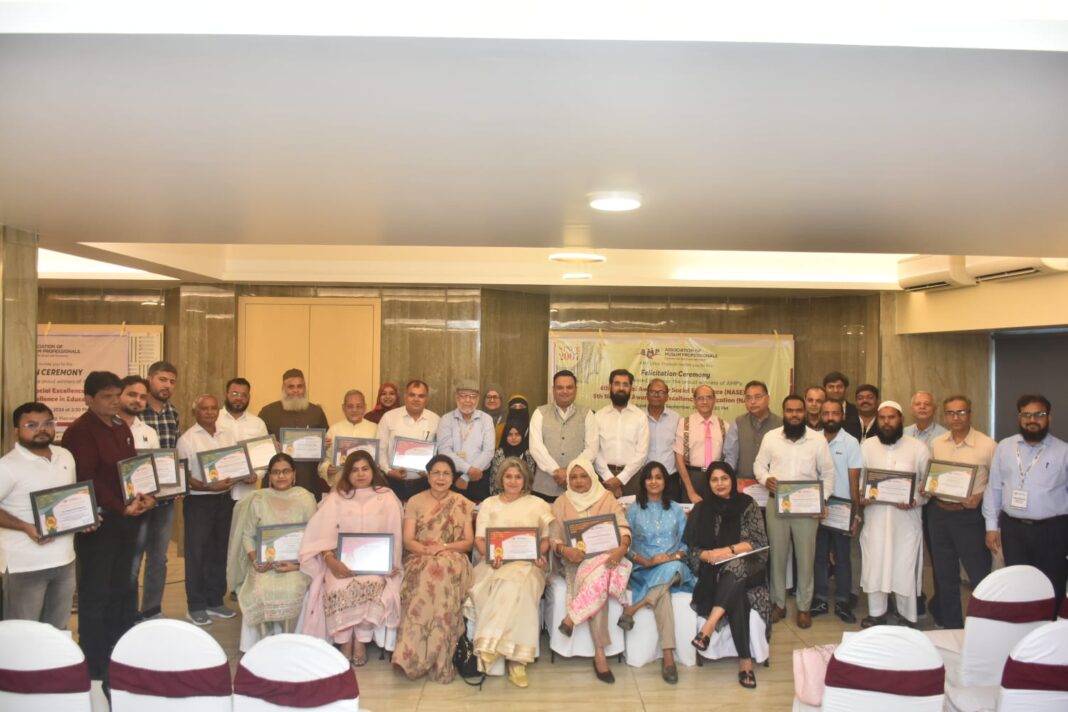
The Uttar Pradesh Chapter of the Association of Muslim Professionals (AMP) organized an ceremony at Hotel Arif Castle for the recipients of the 4th National Awards for Social Excellence and the 8th National Awards for Excellence in Education from Uttar Pradesh.
Among special guests were senior gastro surgeon Dr. Waliullah Siddiqui from Apollo Hospital and Mirza Mubeen Baig from Gautam Budh Nagar. Distinguished educationist and career counsellor Dr. Amrita Das was to attend as the chief guest but could not participate due to health issues, so former senior bureaucrat Zahra Chatterjee filled the role.
The programme began with a recitation from the Holy Quran by Maulana Muhammad Rehan Qasmi.
The welcome address was delivered by AMP’s Zonal Head for Central Zone, Syed Shoaib. AMP’s State Head, Shaheen Islam, introduced the audience to AMP’s objectives and activities, mentioning that this non-governmental, non-political, and non-profit organization was founded in 2007. Over the years, AMP has been engaged in educational, social, economic, and developmental activities aimed at empowering marginalized communities.
Guest of honour Mirza Mubeen Baig emphasized that working for NGOs is becoming increasingly challenging, and only those organizations that serve selflessly and with sincerity will succeed. He stressed the need for collaboration among serious NGOs to benefit from each other’s experiences.
Dr. Waliullah Siddiqui congratulated the awardees for their contributions to education and social services, highlighting that the responsibility for educating and nurturing children lies with both parents and teachers. In today’s changing times, this responsibility has grown even more significant. He shared personal lessons from his life, crediting his parents for playing a central role in his achievements.
Speaking as the chief guest, retired IAS officer Zahra Chatterjee praised AMP’s work and said that every individual’s contribution is crucial for the nation’s development. She stressed the need to reach out to the last individual to ensure educational awareness and economic stability.
Farooq Siddiqui, Head of AMP’s National Coordination Team, addressed the audience, stating that these awards aim to encourage individuals and organizations committed to transforming the nation through their selfless services. He emphasized the importance of collective efforts and mutual cooperation, noting that the welfare of the country and nation lies in unity and partnership.
The vote of thanks was delivered by Mohammad Mohiuddin, Chapter Head of AMP Lucknow, and the event was hosted by Dr. Sumbul Shakeel.
The recipients of the National Awards for Social Excellence included the Best NGO awardees:
Tauheedul Muslimeen Trust, Institute of Social Harmony and Upliftment.
Among the Change Maker Awardees were:
Professor Dr. Nuzhat Hussain from Lucknow, Dr. Mohammad Mubashir, Sabiha Ahmed, Balbir Singh Maan, Dr. Kaleem Ahmed Khan from Kanpur, Dr. Saba Yunus, Shahid Kamran Khan, Sagheer Khaksar from Balrampur, Dr. Saleem Mohammad Khan and Naseem Ahmed Khan from Aligarh, and Ramesh Chandra Srivastava from Ayodhya.
The recipients of the National Awards for Excellence in Education included:
Professor Mirza Mohammad Sufiyan Baig, Professor Naseem Ahmed Khan, Ausaf Azeem Kirmani from Aligarh, Mohammad Shahid Khan, Dr. Mohammad Shamim, Samiullah Ansari from Kanpur, Chitra Maheshwari from Lucknow, Dr. Roohi, and Maulana Mohammad Rehan Qasmi.
Lifetime Achievement Awardees included senior teacher Sheila Lawrence from Lucknow and Jamaluddin Khan from Kanpur.
A large number of attendees were present at the event, including Dr. Anis Ansari (former IAS), Mohammad Khalid Ashu, Mujtaba Khan, Najm-ul-Hasan Rizvi Najmi, Dr. Uzma Mubashir, Syed Abrar, Rizwan Ansari, Mohammad Zeeshan, Mohammad Imran, Javed Akbar Khan Lodi, Shahenshah Ansari, Fahad Mahmood, Ayesha Mahmood, Alma Siddiqui, Ayesha Alvi, Zaheer Baig, and Aqib Rauf.
source: http://www.indiatomorrow.net / India Tomorrow / Home> Education / by India Tomorrow / September 03rd, 2024
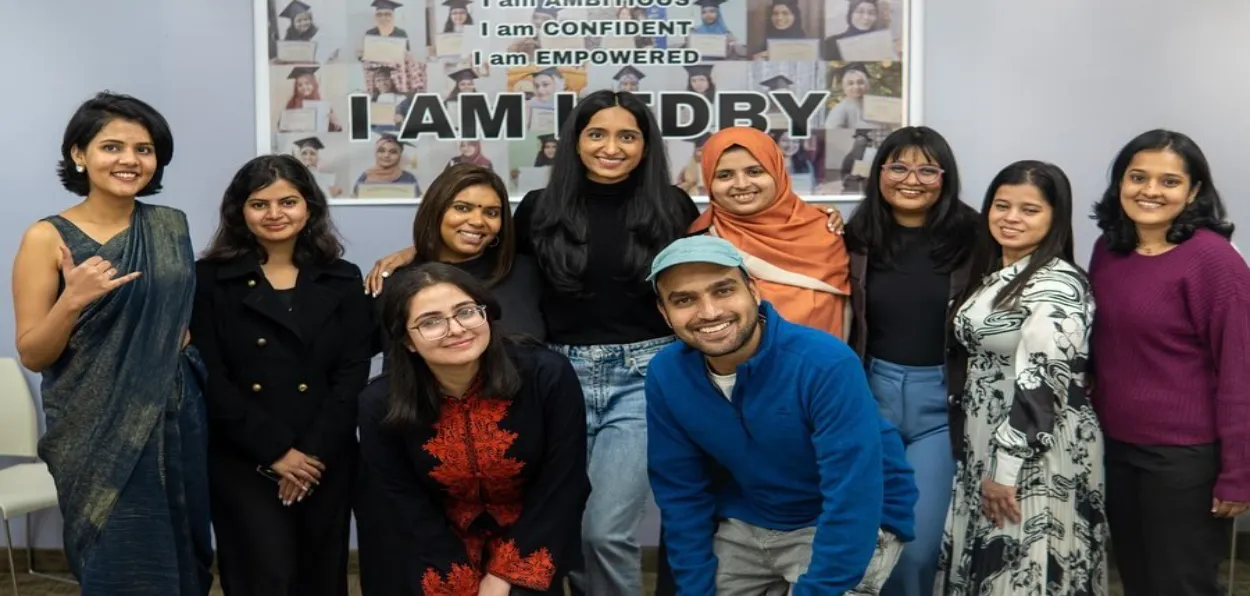
Ruha Shadab in the center (Wearing black top and jeans) with her team
Ruha Shadab acquired a degree in medicine from the Lady Harding Medical College, New Delhi, before joining Harvard University for higher studies. She along with her team at Ledby Foundation are working towards empowering Indian Muslim women to be gainfully employed and become independent. Awaz-The Voice Editor-in-Chief Atir Khan spoke to her about her work. Excerpts:
What was the intent behind starting Ledby Foundation?
There were many reasons why we started Ledby Foundation. The primary reason was that I hardly saw any Muslim women in the offices that I had worked in. Also, the overall socioeconomic indicators of our community made me feel compelled to start this. But the story most close to my heart is that of my mother, who, I think is one of the most intelligent people that I know. Many people like her are there in a community who weren’t able to realize their intellect and develop their professional dreams.
So that was something that influenced me as I started my early career and then went on to do better at Harvard. But I got time to think about what I want to do with my life, and what kind of social impact I needed to create. And I always knew that I wanted to create a social impact for the Muslim community, especially for women. As I spent more time thinking about what I could do for the community I ended up on the idea of professional empowerment of Indian Muslim women and supporting them in the workforce.
Sky was the limit for you at Harvard; you could have chosen to work in any other field. Why did you choose to do what you’re doing?
Even my medical background of becoming a doctor had to do with creating social impact. That was my goal from the beginning. The progression from doing medicine to doing global health to working on policy and helping improve Indian society has just been a natural transition to what I think can have the most impact. And as to why Muslim women, it is one of my core identities, I thought there is a strong need, and if we don’t do it, who else will? I remember when I was 14-year-old I used to tell my mother that I wanted to go to Africa to help people who were suffering from poverty and hunger.
And she said why don’t you first fix your own backyard first? There is so much that needs to be done in India, so much that needs to be done in our community. So, that made me pause and reflect and that’s what brought me here.
Ruha Shadab
Many people must be asking you why you only choose to work to empower Muslim women. Why not others?
Yes, there have been all combinations of questions. Why Muslim women? Why not Muslim men? Why not Hindu women, and X, Y, Z combination? Right. The truth is that I think of this almost from a doctor’s mindset. So, what is the issue that you’re trying to solve? The issue that we’re trying to solve is underemployment, the lack of job opportunities, and the lack of converting your education into employment.
As a Muslim woman, somebody might say, why don’t you work for the education and employment of women from other communities in India? Why only focus on Muslim women? And that’s true. India has one of the lowest female labor force participation rates in the world. And my answer to that is to think of it as seeing two patients in your clinic.
If both patients show up you can give them paracetamol. But as a doctor, I’m also going to run diagnostic tests on them and try to understand what is the underlying cause, what is the underlying disease that they have and then give them specific treatment.
One might have a bacterial infection; one might have a viral infection. Under different segments, different combinations of communities might be suffering from some of the macro issues we have in India with unemployment and job availability. But the reason is that they are not able to realize those opportunities or those unknown opportunities before us.
Ruha Shadab (extreme right) with her team members
So, the root causes differ. And then building on this, you don’t have targeted interventions focused on these root causes. You will not be able to meaningfully address them and solve them. You need to have at least focused approaches to solving that unique set of root causes that is hindering them from getting full participation in India’s workforce.
The constitution of your Ledby foundation is quite interesting. Your team members are Hindu and you have people from other faiths for the cause of empowering Muslim women. Isn’t it great? In today’s world where every community is looking inwards and they’re busy thinking about themselves?
It’s very validating. My chief operating officer is not from the Muslim community. 20% of our 120 advisers and residents are non-Muslims. 100 out of 500 of our volunteers are non-Muslims. And that just goes to show that the narrative that we are told about our country and our brethren in the country is not entirely true.
If you put your head, you will be surprised to see how many people are willing to stand up and support you. And I think that is what this shows. It also shows that supporting Indian Muslim women is not just important if you are an Indian Muslim woman, but it is in the interest of every Muslim woman, and every Indian to ensure that this unity can realize its dreams today.
Absolutely. Very important point. You know, it’s the intent and the good leadership, that you have, these are the things that matter the most. And when reach out to people irrespective of their faiths people come and support you. You have to have a good cause; people are always there to support you. Tell us more about your programs at Ledby Foundation.
Sure. So, our programs are completely virtual fellowships that we offer to Muslim women who are either in college or in the early stages of their careers. Think of it as if you are 18 to 20 years old and an Indian Muslim woman, then getting into one of the best professional development programs is probably in your best interest to expedite your professional career. There are several components to it. So, one component is online training programs that help you with, your interpersonal skills, your communication skills, and some of the basics of being able to find jobs, reach out to people, submit an excellent CV, and do interview preps.
Another workshop modules look at improving your negotiation skills. Our negotiation curriculum is developed in conjunction with Harvard professors who interviewed Indian women and developed case studies with Indian Muslim women as protagonists that we use to teach negotiations to our fellows. And then the third part, which is often cited as one of the long-lasting effects of the fellowships is our mentorship program. And our mentorship program is a 360-degree framework so each young Muslim woman who joins gets mentored.
The other aspect of the mentorship program is that each Muslim woman has to then have sessions with people in her class. And I would just say women are from across India. So, we have a very diverse group, even though we say Muslim women, it’s a very diverse Muslim women group and we get to speak to each other. The last part of this mentorship program is coaching at the school level over six months.
Ruha Shadab with the team of Ledby Foundation at a function
That’s amazing. Tell us how you make these students or candidates job-ready.
Our fellowship is very much about teaching people how to fish rather than giving them fish. So, we teach them how to identify the right opportunity, how to network with folks, and how to help them with an interview. And then we also have them practice interviews with us. They have access to facilitators, who help practice as you continue to progress.
So who are your stakeholders? Of course, the students, then you have the policymakers who are others you reach out to?
So, we try to bridge that supply-demand gap. We are creating a supply of highly skilled professional Indian Muslim women. And then we’re also making sure that there is a demand from companies to intentionally recruit and create a diverse workforce within their organizations. We bridge the gap between our fellows and companies that want to promote religious inclusion in India.
What is the kind of feedback you get from, say, policymakers and the corporate world when you approach them with this kind of information?
So, we usually try to approach them from a very fact-based point of view. We also carry out research to identify what are the barriers to entry and retention of Muslim women in India’s workforce. The research we conduct help a lot of companies see through a fresh perspective. So even if you educate Muslim women, that does not necessarily mean they have the same chances at employment. The company officials tell us that they never thought about this, they were never made to confront this reality. So, we meet them just to reflect.
Ruha Shadab with a support group of her Foundation
So what kind of support and responses you’re getting from people that you’re reaching out to?
Well, overall, it’s been positive. People are interested in understanding what we do, supporting us in even exploring the talent pool that we are creating. And we have several stories of women who’ve gotten recruited through our own pipeline to companies.
That’s wonderful. And there must be some very bright candidates you come across. We see there is an awareness among Muslim families even in small towns for pursuing higher education.
That’s true. There is a very strong drive and fire within the women that we meet. And we try to move more away from urban centers.
Right now, we are more focused on urban centers and ensure that we are able to move farther away from that in the future. And yes, we do see that. See, I think in addition to being pleasantly surprised at how many people from outside of the Muslim community are willing to help us, with very positive insights.
I’m sure that you inspired a lot of Muslim girls, you’re a big success story from India, an Indian who’s doing so well. Do you also think that we need to convey more such success stories to these aspiring girls to inspire them?
Absolutely. And I think what helped was having people believe in me, and we’re trying to make more Muslim women feel that they are heard and that somebody believes in their talent.
You’re doing deep thinking and you’re working in this field, what would be your appeal to the government and the corporate sector for improving the employability chances of Indian Muslim women?
My appeal would be to have intentionality behind getting more Muslim women into the workforce. The truth is that we shy away from talking about religious inclusion in India, which is strange. Because so much of our lived reality is a function of our religious identity. There is no distinction between the personal, the political, and the professional and it is incorrect to create these artificial distinctions.
source: http://www.awazthevoice.in / Awaz, The Voice / Home> Stories / by Atir Khan / February 29th, 2024
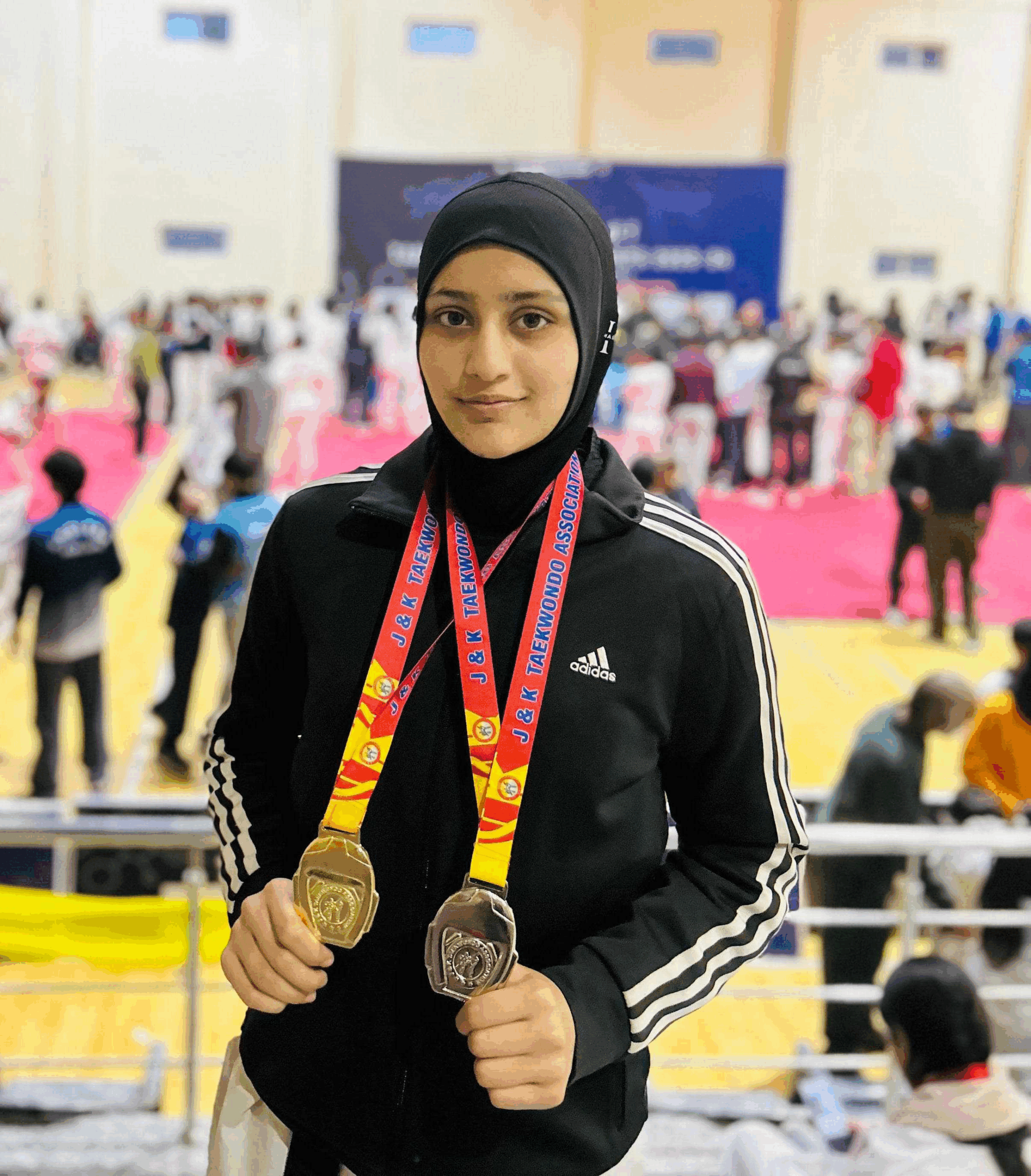
Misbah Fatima, a prominent Taekwondo athlete from district Doda and daughter of Mr. Liaqat Ali Shah, has made her community proud by securing 85% marks in her 11th class examinations.
A resident of Doda, Misbah is not only excelling in academics but also has an impressive track record in Taekwondo.
She is a National and State Taekwondo Medalist and has participated in various esteemed championships, including the Khelo India Women’s Taekwondo League.
The community and her well-wishers extend their heartfelt congratulations to Misbah Fatima for her outstanding academic performance. Her dedication and perseverance in both her studies and sports are truly inspiring. We wish her continued success in all her future endeavors.
source: http://www.brighterkashmir.com / Brighter Kashmir / Home / by Abid Pampori / July 17th, 2024
Among the change makers from Kerala are pioneers and achievers in various fields of life. They have either been trying to bring about changes in society or the fields of business. They have used music, literature, and sometimes love to bring humanity closer, to spread joy and peace.
The list includes social activists, singers, spiritual mentors, lawyers, teachers, and even IAS officers.
Ayisha Abdul Basith
Ayisha sings Naat or Islamic devotional songs, and at the age of 20, she has enthralled listeners in over 80 countries. Born in Kerala, Ayisha has migrated to Abu Dhabi, where she is pursuing spiritual music as a way to universal peace and joy, as she puts it.
Safna Nazruddin
She dreamt of becoming someone who could help the disadvantaged sections of society. Safna Nazruddin thought being an IAS officer would help her achieve that goal.
And she took her dream so seriously that at the age of 23, she became Kerala’s youngest Muslim IAS officer.
PC Musthafa
He wanted to pull his family out of their poverty. Growing up in rural Wayanad, watching his father toil in the fields as a farm labourer, he wanted to change his parents’ lives for the better.
When he completed his studies at IIM, he started small with his cousins in a 500 square feet room, selling 100 packets of idli batter to 30 shops in Bangalore.
Today, he is the king of idli batter supplying in more than 10 countries outside India and reigning over a 4000 crore business.
VP Suhara
VP Suhara has been fighting for changes in the Muslim personal law and is one of the petitioners appealing for equality of gender in the matter of succession rights.
She says she is not very optimistic, but she is not ready to give up her fight.
Kadeeja Mumtaz
Kadeeja is a novelist who won the Sahitya Academy award for her novel. But today she has taken to activism on a full-time basis, and her main preoccupation is with bringing different religious communities together to improve mutual understanding and communication.
Advocate Sukkur
Advocate Sukkur did the unthinkable when he remarried his legally wedded wife just to make a point to all his fellow Muslims.
He wanted to tell them that they can overcome the barriers to succession rights of their daughters by remarrying their spouses under the Special Marriages Act.
Noor Jaleela
Noor means light, and the luminous smile on Noor Jaleela’s face echoes her name. She was born without her four limbs. But her smile does not betray any such disability. She has been a model for courage and creativity in the worst circumstances.
She has been an influencer and also an artist, and a singer.
Padma Shri Mumtaz Ali
Mystic and spiritual mentor Padmashri Mumtaz Ali, or Sri M as his followers call him, hails from Thiruvananthapuram and heads a spiritual group called Satsang Foundation. His spiritual pursuits and his work among the people as a symbol of the oneness of humanity and the divine have made him transcend all man-made boundaries and divisions.
He has become an example of universal oneness and love as his life’s work and teachings appeal to people of different nationalities and religions. He asks them to continue following their religion while practising meditation and other spiritual pursuits to realise themselves.
Hadiya Hakeem
Can a football mean anything other than a game? Well, Hadiya Hakeem has turned a football into a statement for the empowerment of women.
She is a freestyle football performer born in Kozhikode who has overcome all possible barriers of gender, nationality, and religion through her talents and her hard work in excelling in a unique kind of performance.
Onampally Faisy
Progressive scholar and Sanskrit enthusiast Onampally Faisy has tried to transcend boundaries by promoting interfaith education in his madrassa. A well-known scholar from Thrissur in Kerala, he has been working towards building bridges of understanding and communication between Muslims and other communities in Kerala.
Since he believes in becoming the change he wants, he started teaching holy texts of other religions in his madrassas in order to remove the veil of ignorance and bring communities closer.
source: http://www.awazthevoice.in / Awaz, The Voice / Home> The Changemakers / by Sreelatha Manon / August 17th, 2025
ACP Rehana Sheikh, who received nearly 150 awards and served across Maharashtra, says she will continue to serve the nation even after retirement
Mumbai/Sangli , MAHARASHTRA :
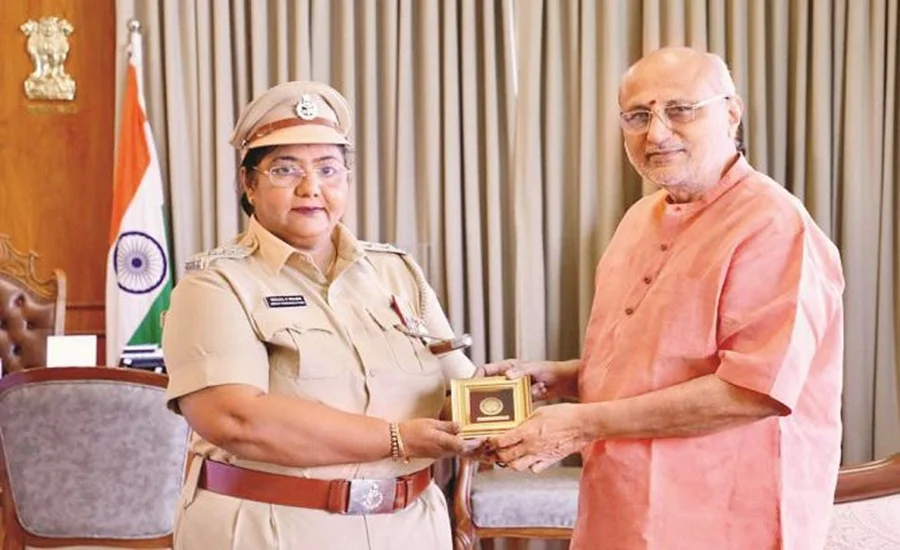
Rehana Sheikh, Maharashtra’s first Muslim woman police officer, has retired after nearly 36 years of dedicated service. She started her journey as a sub-inspector and retired on 31 May from the post of Assistant Commissioner of Police (ACP). At the time of retirement, she was working in the VIP security at Raj Bhavan in South Mumbai.
Governor of Maharashtra CP Radhakrishnan honoured ACP Rehana Sheikh on her retirement. She was recognised not just for her long career but also for her contribution to law enforcement and her trailblazing role as the first Muslim woman in the Maharashtra police force.
Speaking to Clarion India, Rehana Sheikh said, “I was the first Muslim woman to become a police officer in Sangli and Maharashtra. When I applied, 25,000 women took the police recruitment exam. Only 25 were selected and I was the only Muslim woman among them.”
Sheikh, who hails from Sangli, said her father served in the military, but no one in her family had worked in the police before. Her dream began when she was a national-level volleyball player. Watching the TV serial Udhan, which showed a woman police officer, inspired her to serve the country.
“A kabaddi player from our neighbourhood had become a sub-inspector. I had job offers from banks, but my volleyball coach asked me, ‘Do you want to be a clerk or an officer?’ That question changed my life,” she recalled.
Despite social challenges and the fact that a police job was not seen favourably at the time, her family stood by her. Rehana’s journey in the force was marked by both professional achievements and personal hardships.
“Shortly after I joined the force, my father passed away. I had to take care of my mother, younger sister and brothers. Then I got married in 1991, but my husband died in an accident in 1993. My son was very young at that time,” she said.
After her husband’s death, she was transferred to Solapur and later promoted and posted in Kolhapur. She remarried in 2004 and continued her service with dedication in various cities and districts of Maharashtra.
Rehana Sheikh worked during some of the most dangerous times in Mumbai’s history. “When I began my career, the underworld was very strong. Crimes were violent — beatings, murders. Now, the nature of crime has changed. We see more cybercrime and online fraud,” she explained.
She played an active role in many high-profile operations. “I was part of the police team during the Lokhandwala shootout. I was also involved in the search at Arun Gawli’s Dagdi Chawl, where we seized weapons. Those were difficult times, and I believe the new generation will find such work challenging.”
She also spoke about being among the first batch of women allowed to work at police stations. “Earlier, women officers were only posted at airports or less active places. We were the first to be allowed to work in police stations.”
Balancing home and duty has never been easy. “My husband and my colleagues supported me. I had the responsibility of my family and later my in-laws, too. But I managed both because of their support and Allah’s grace,” she said.
During her long career, Rehana Sheikh was honoured with nearly 150 awards. But for her, the real success lies in the lives she touched and the message she now wants to spread.
“My message to women is: be educated and join the police force. Serve the society, the nation and the country. Even after retirement, I want to continue working for the betterment of people,” she said with pride.
ACP Rehana Sheikh’s journey from Sangli to the top ranks of Mumbai’s police force is not only inspiring but also a symbol of determination, courage, and service.
source: http://www.clarionindia.net / Clarion India / Home> India> Indian Muslim / by Team Clarion / June 03rd, 2025
Yusufpur (GhazipurDistrict), UTTAR PRADESH / NEW DELHI / London, U. K :
Begum Zohra Ansari sold away ‘Dar-us-Salam’ to raise party funds and worked for the victory of the candidates of the Indian National Congress and for the defeat of the candidates of the Muslim League, who wanted partition.
Begum Zohra Ansari, an activist of the Indian National Movement whom Mahatma Gandhi addressed as “Vasthad Bi, was born in Delhi. She was the adopted daughter of freedom fighters, Dr. Mukhtar Ahmed Ansari and Begum Shamsunnisa Ansari.
Besides playing an important role in the National Movement, her parents provided hospitality to leaders and a cadre of the Indian National Movement and scholars and people of repute in different walks of life in their residence ‘Dar-us-Salam’. It was very spacious like a royal palace.
While Begum Shamshunnisa Ansari was busy in these responsibilities, Zohra helped her. Thus she had an opportunity to see from close-quarters leaders such as Mahatma Gandhi, Pandit Motilal Nehru, and the Ali Brothers and to serve them. Right from childhood she evinced interest in literature, history, and social sciences. She also gained proficiency in Urdu, Arabic, Persian, and Hindi.
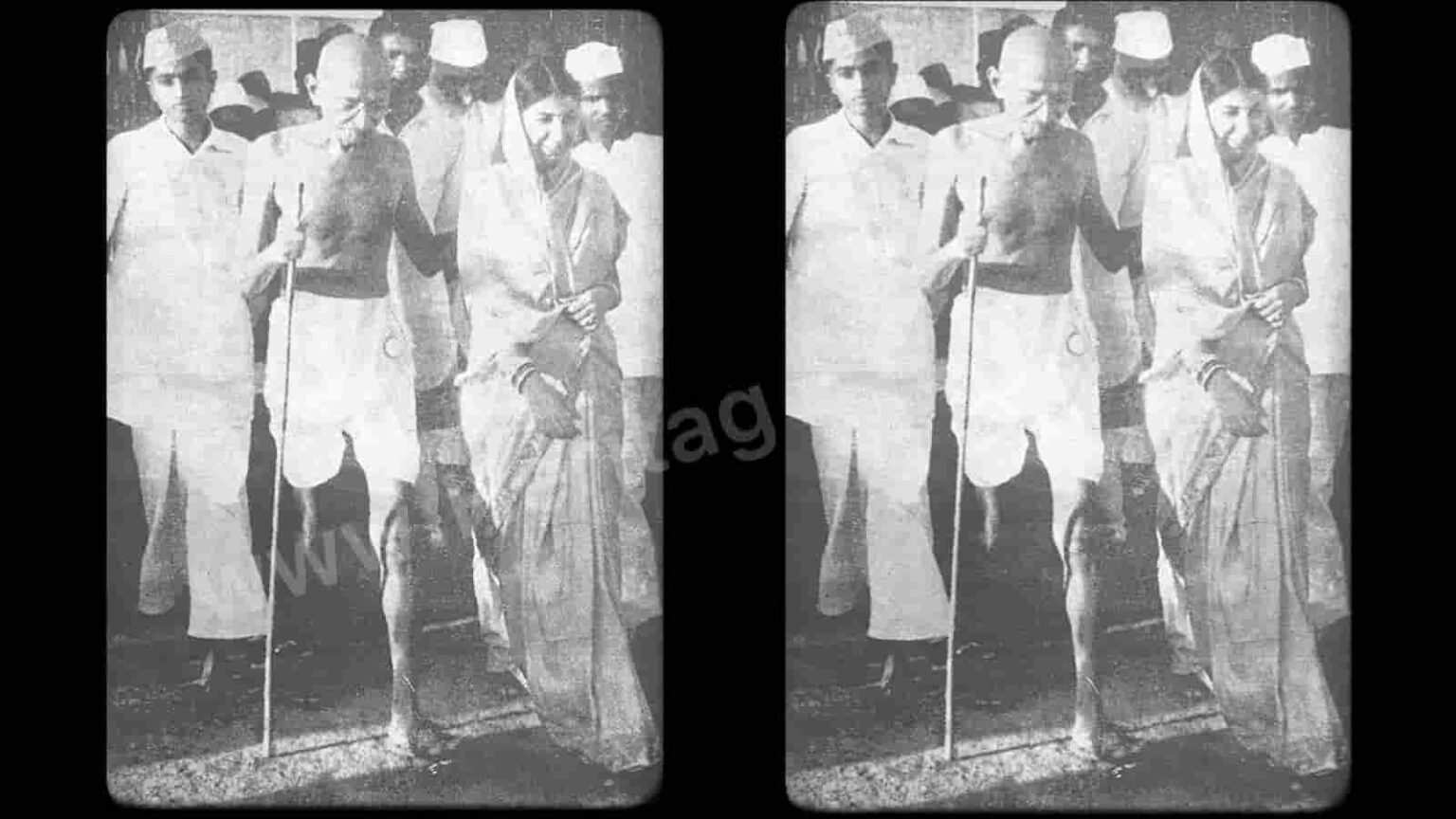
Zohra Ansari and Mahatma Gandhi
Zohra Ansari rendered her services in Wardha Ashram for a long time. Mahatma Gandhi came to know about her command over Urdu and started learning the language from her. He used to address her in his letters as ‘Vastad Bi’ and ‘Beti.
Zohra Ansari and Mahatma Gandhi used to have regular correspondence on various issues. In his letter dated 22 December 1932 to Dr Ansari, Gandhiji remarked that he used to look forward to Zohra’s letter every week. When Zohra expressed her desire to go to jail as a part of the National Movement, like her parents, Gandhiji asked her to wait and promised to allow her to go to jail.
Begum Zohra Ansari married Dr Shaukatulla Shah Ansari (1908-1972) who was her relative and leader of the Indian National Movement. Begum Zohra Ansari lost her father in 1936 and mother in 1938. She took an active part in the Freedom Struggle along with her husband. Both wife and husband opposed the partition of India.
She sold away ‘Dar-us-Salam’ to raise party funds and worked for the victory of the candidates of the Indian National Congress and for the defeat of the candidates of the Muslim League, who wanted partition. Post Independence, Begum Zohra Ansari led a simple life and passed away on 28 July 1988 in England.
source: http://www.heritagetimes.in / Heritage Times / Home / by Syed Naseer Ahamed / December 12th, 2023