Mumbra, MAHARASHTRA :
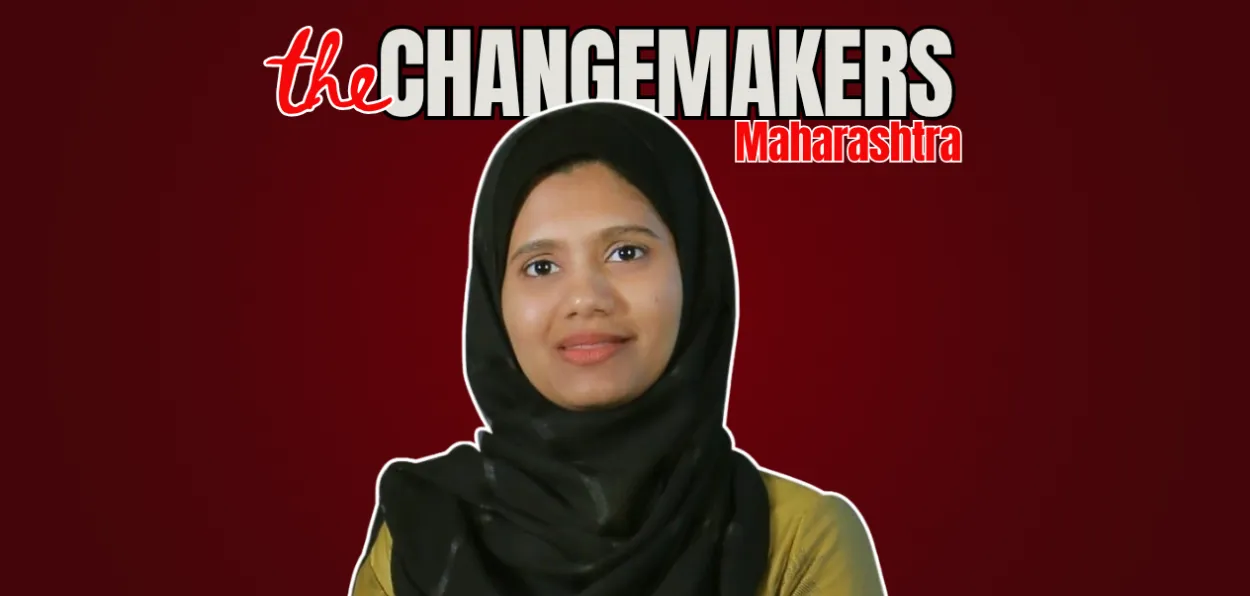
Marziya Shanu Pathan
In the bustling suburb of Mumbra, on the outskirts of Mumbai, a young Muslim woman is emerging as a fearless leader—breaking stereotypes, raising her voice for justice, and empowering her community through bold, grassroots activism.
“People often underestimate how critical basic amenities are,” she says. “But when citizens lack even clean streets or functioning drains, how can we talk about empowerment?”
Marziya Shanu Pathan is not just addressing civic issues—she’s rewriting the script for what political and social leadership can look like, especially for women in marginalized communities.
From an early age, Marziya has been at the forefront of local activism, particularly in areas where Muslim women have historically faced barriers to education, mobility, and leadership.
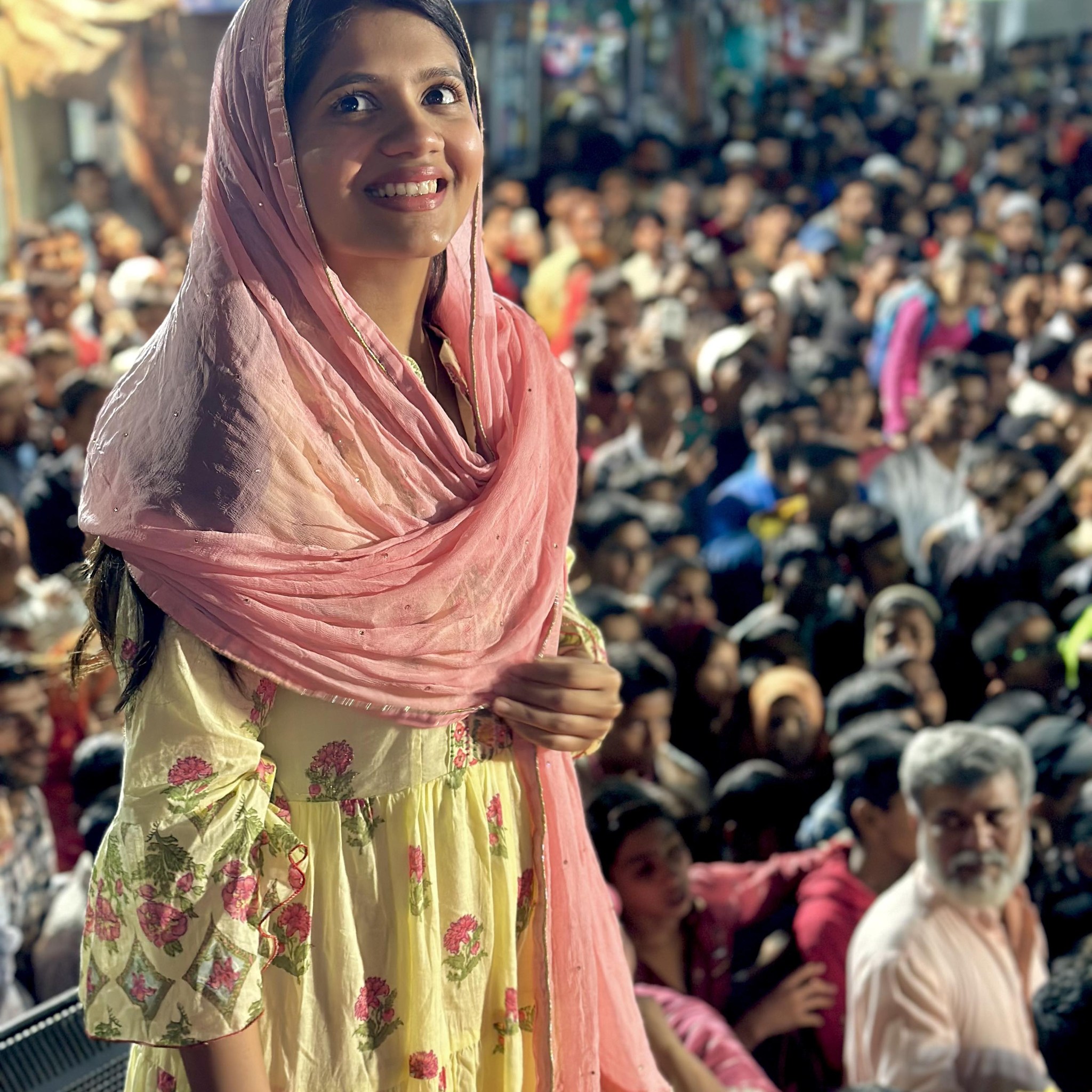
Marziya Shanu Pathan at a Public rally
Through perseverance and determination, she overcame those challenges, completed her education, and entered public life. Now, through her NGO, the MSP Care Foundation, Marziya is creating lasting impact, one initiative at a time.
Mumbra struggles with overpopulation, inadequate civic infrastructure, and limited access to basic services. Marziya works tirelessly to bring attention to these problems—rallying for better roads, clean water, improved sanitation, reliable healthcare, and quality education.
Through her Foundation, Marziya leads campaigns to clean drains, address waste management issues, and pressure local authorities to respond to citizens’ needs. She doesn’t just talk about change—she gets her hands dirty doing it.
In 2012, the world was shaken when Malala Yousafzai was shot for advocating girls’ education in Pakistan. That same year, in a quiet corner of India, 12-year-old Marziya Pathan led a march through the streets of Mumbra, demanding access to education for girls. That moment was a turning point—not just for her, but for many in her community.
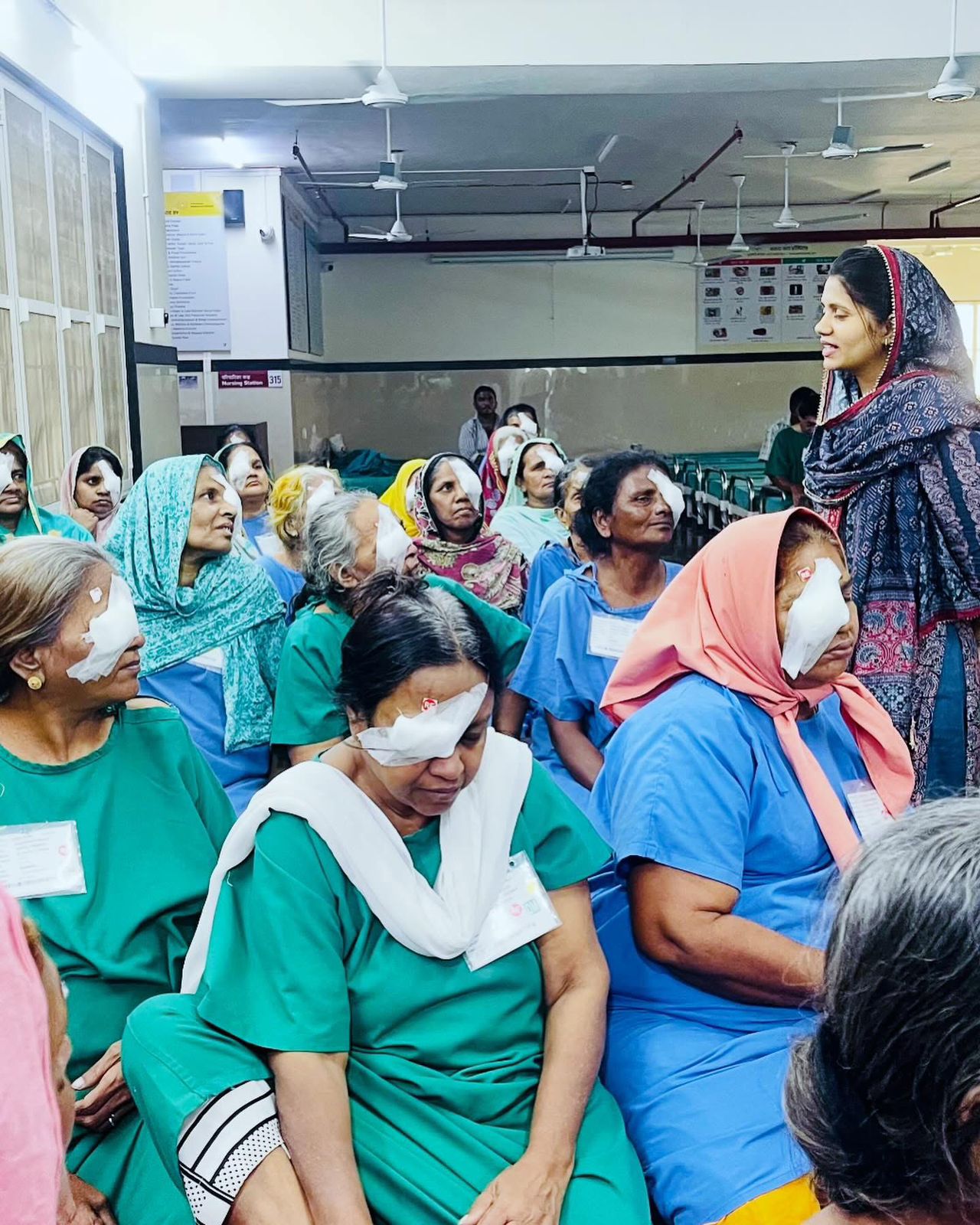
Marziya Shanu Pathan at a Eye surgery camp organised by her Foundation
Since then, she has remained at the frontlines of social reform.
Marziya is the daughter of Ashraf (Shanu) Pathan, a dedicated regional politician in the Thane Municipal Corporation. The father-daughter duo has long worked to address the region’s pressing issues—from water shortages and garbage collection to healthcare and crimes against women.
But Marziya is not content to walk in her father’s footsteps—she’s paving her path. Her focus on youth engagement, women’s empowerment, and constitutional awareness has brought new energy to Mumbra’s civic landscape.
She organizes workshops in schools to educate students about their constitutional rights. She arranges monthly eye camps for senior citizens, ensuring access to free cataract surgeries for those who can’t afford them.
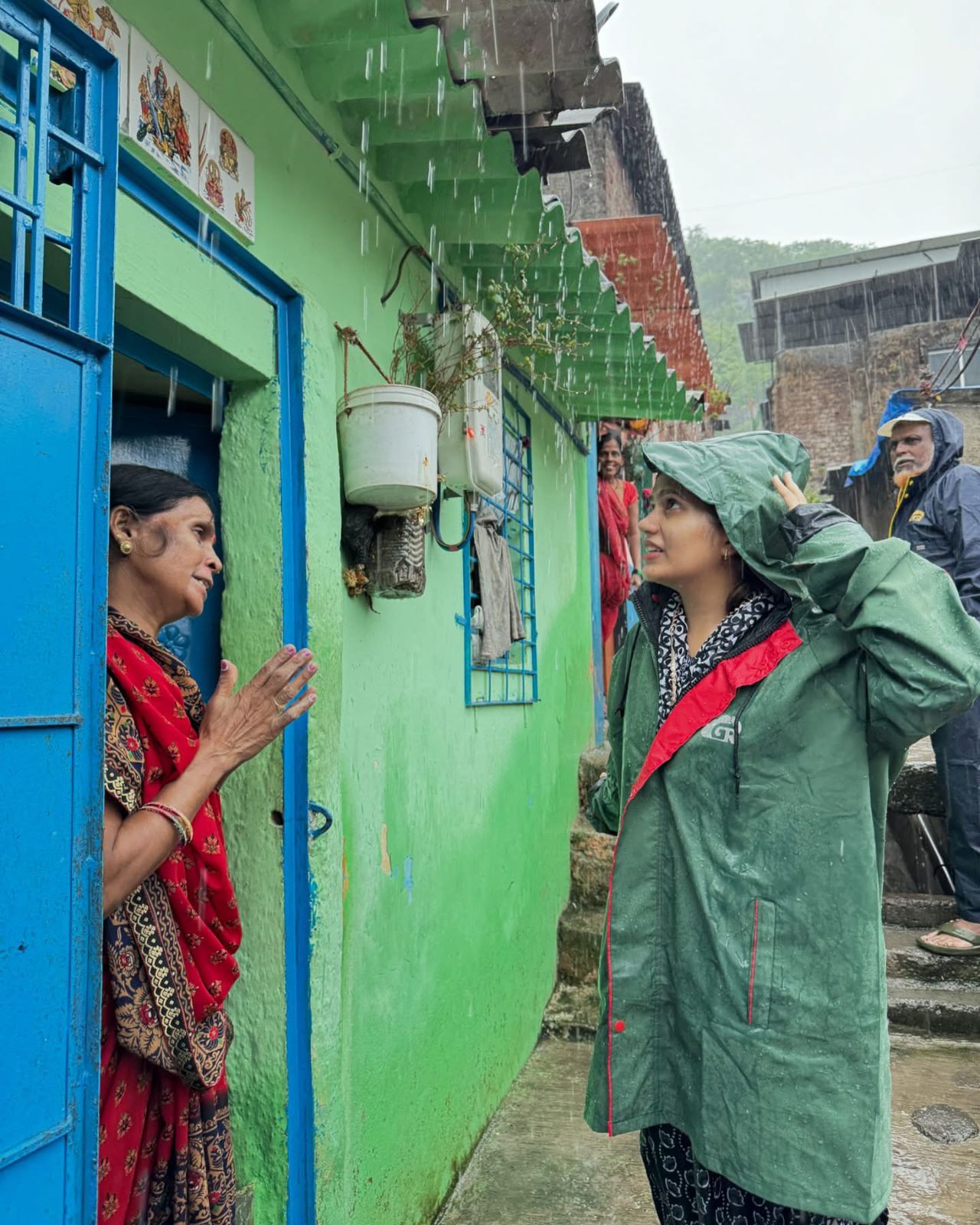
Marziya Shanu Pathan meeting common people during her campaign on civic issues
Two years ago, a video of Marziya managing traffic during Ramzan went viral. Wearing her hijab, she was seen directing traffic late into the night in the congested Mumbra-Kausa market.
“After Mohammad Ali Road, Mumbra hosts Maharashtra’s largest Ramzan market,” she explains. “Women come from far-off areas to shop. We, the women of Mumbra, took it upon ourselves to ensure their safety and convenience.”
That viral moment wasn’t just symbolic—it was transformative. It showcased a new kind of leadership: visible, grounded, and unafraid.
Marziya’s foray into politics is not about power—it’s about purpose. “When I talk to people or address their issues, I don’t just see myself as a politician. I see myself as a citizen standing up for others,” she says.
Marziya Shanu Pathan with Shiv Sena leader Sanjay Raut
Marziya initially aspired to be a government officer and moved to Pune to prepare for competitive examinations. When the COVID-19 pandemic struck, she returned to Mumbra where after watching her father serve during the crisis made her take up social work as full-time work.
She believes more women must enter politics—but acknowledges it’s not easy. “Patriarchy and rigid mindsets create obstacles. But women who persist, who claim their space, can change the narrative,” she says.
“I admire every woman who carves out her identity, no matter the field. It takes courage and resilience.”
Quoting the findings of the 2009 Sachar Committee Report, Marziya points out that Muslim neighborhoods remain critically underdeveloped. “Not much has changed since that report. It’s our responsibility to bring attention to these gaps,” she says.
Whether through organized protests, petitions, or direct engagement with officials, Marziya ensures that issues like education, sanitation, and women’s safety stay at the top of the agenda. Her efforts have already led to the resolution of several long-standing civic problems in Mumbra.
Though born into a politically active family, Marziya has never relied solely on that legacy. Instead, she has chosen the harder road—working alongside the people, from the ground up.

Marziya Shanu Pathan courting arrest
Her courage, vision, and consistent community engagement have made her a role model, especially for young Muslim women and girls.
Marziya Pathan is more than just an activist—she’s a symbol of what young leadership in India can look like: principled, people-first, and fearless. Through constitutional values, civic engagement, and community-led solutions, she is reshaping not just Mumbra, but the larger discourse around women’s rights, minority representation, and participatory democracy.
In her quiet determination and bold action, Marziya proves that true leadership starts not in offices or headlines—but in the streets, schools, and hearts of the people.
source: http://www.awazthevoice.in / Awaz, The Voice / Home> Story / by Bhakti Chalak / July 09th, 2025