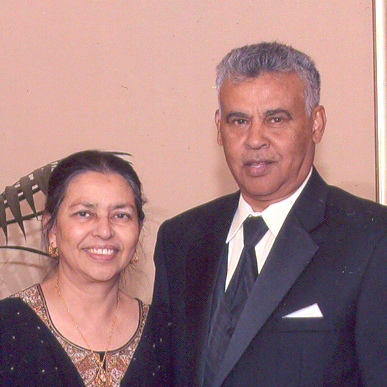
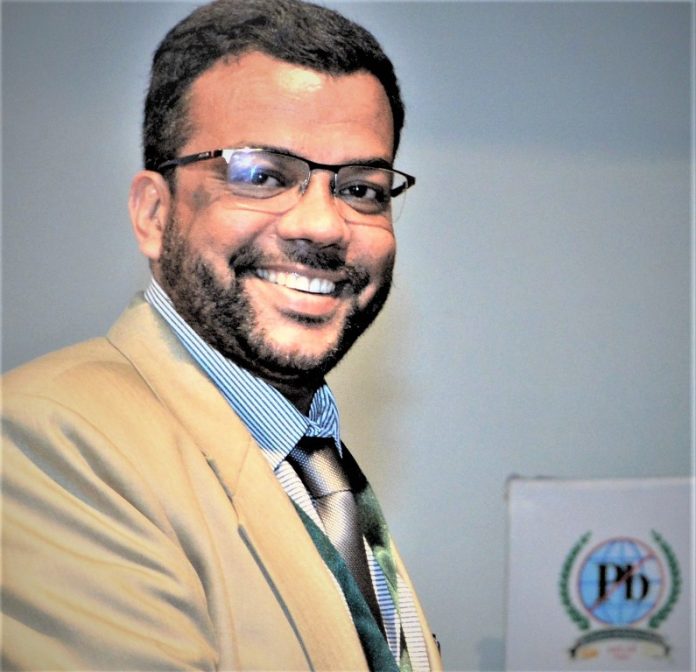
Giving back to the community that has supported them for over 30 years was so important to Tasneem and Shafiq Khaleel that they set up an endowed scholarship at MSU Billings in 2006. The Khaleels place a high value on education and where it can take you in life. From the moment Billings, Montana, became their home, they have reached out to the community to share their Indian culture and to offer help to those in need or educate those who would discriminate against them.
Since those early years at MSU Billings, Dr. Tasneem Khaleel has achieved full professor, was chair of the Biological and Physical Sciences department for many years, served as chair of Graduate Studies, and was Dean of the College of Arts and Sciences. Dr. Shafiq Khaleel has built a successful veterinary practice and a rose garden that is the envy of Billings. According to Tasneem, “We both came to this country with an education that has allowed us to be who we are today. If the scholarship allows even one student to achieve his/her goals, it will be one more educated citizen who will have the potential to make a difference.”
The Tasneem and Shafiq Khaleel Endowed Scholarship was designed to help motivated students achieve their goals and ease some of their financial burden in completing their education. The first scholarship was awarded in academic year 2008-2009.
Impact
I am humbled to have been given the opportunity to receive the special scholarship from you both. Dr. Tasneem Khaleel, you have been a role model for me since I had you as my first science class professor at MSUB. I was honored to meet Dr. Shafiq and shake your hand that one afternoon when you picked Dr. Khaleel up from work. The scholarship you both have provided will give me the opportunity to help pay for my college another year at MSUB; it will forever be remembered. Impacting my life to support one more year of school is a stepping stone that will forever support my future endeavors. Again, thank you.” — Sarah G., Biology and Pre-Professional Medicine major
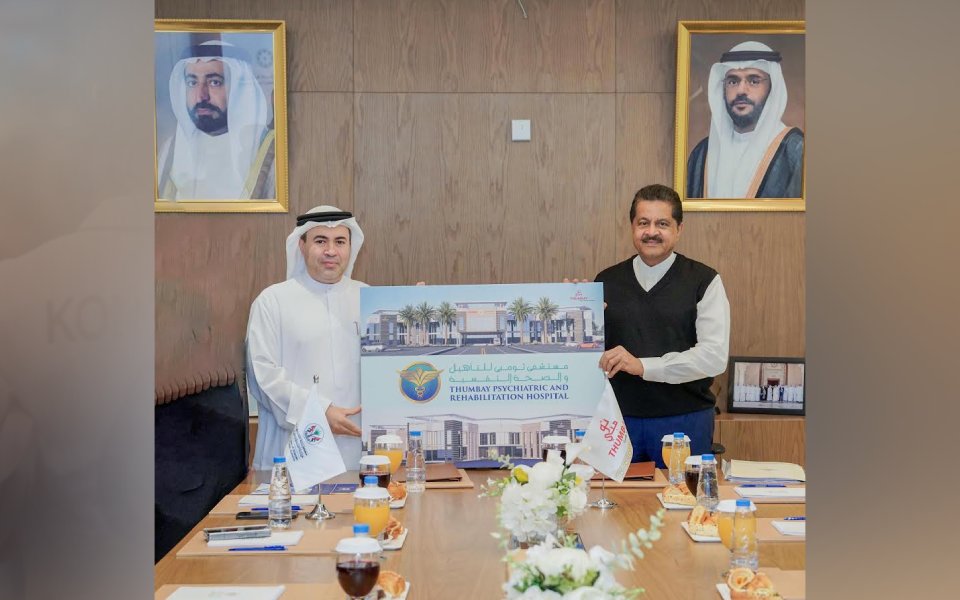
In a first, the Thumbay Group has announced plans to establish the region’s first private Psychiatric and Rehabilitation Hospital in Sharjah Healthcare City. The Hospital is set to become the largest private facility of its kind in the region.
The hospital will focus on Innovation and Patient-Centered Care and the hospital is equipped to meet the highest clinical standards, offering Advanced Therapeutic Modalities, Comprehensive Rehabilitation Programs, Integrated Tele-health Solutions and Precision Medicine among others.
The hospital’s multidisciplinary model includes psychiatrists, psychologists, addiction counselors, family therapists, physical therapists, and occupational specialists, ensuring a holistic and individualized approach to patient care.
Thumbay Psychiatric and Rehabilitation Hospital will be developed in two phases. Phase 1 includes 60 inpatient beds and 12 outpatient clinics (OPDs) and Phase 2 adds another 60 beds, bringing the total capacity to 120 beds. Construction is set to begin in June 2025, with the hospital expected to be operational by mid-2026.
Key Features of the Hospital:
1. Psychiatric Care:
Diagnosis and Treatment.
Therapeutic Interventions.
2. Rehabilitation Services:
Substance Abuse Rehabilitation
3. Long-term Care and Aftercare:
Aftercare Programs
Inpatient VIP Villas.
4. Swimming Pool and Spa
5. A mosque (Thumbay Masjid) with a capacity for 500-600 worshippers, open to the public.
Commitment to International Standards
Thumbay Psychiatric and Rehabilitation Hospital seeks to achieve Commission on Accreditation of Rehabilitation Facilities (CARF) certification, reflecting its adherence to rigorous global benchmarks in safety, quality, and effectiveness. The hospital will also comply with all UAE healthcare regulations, further emphasizing its commitment to ethical and evidence-based practices.
Dr. Thumbay Moideen, Founder and President of Thumbay Group, said, “This is the first private Psychiatric and Rehabilitation Hospital in the region, catering to regional and international patients seeking world-class care. Our goal is to make it the best facility serving the community.”
In a statement, His Excellency Dr. Abdelaziz Al Mheiri, Chairman of Sharjah Health Authority and Sharjah Healthcare City, lauded the initiative, saying, “This project aligns with our vision for Sharjah Healthcare City, where we prioritize all aspects of healthcare. Mental health is increasingly critical and often overlooked, and we are proud to host such a pioneering hospital.”
source: http://www.english.varthabharati.in / Vartha Bharati / Home> Gulf / by Vartha Bharati / December 26th, 2024
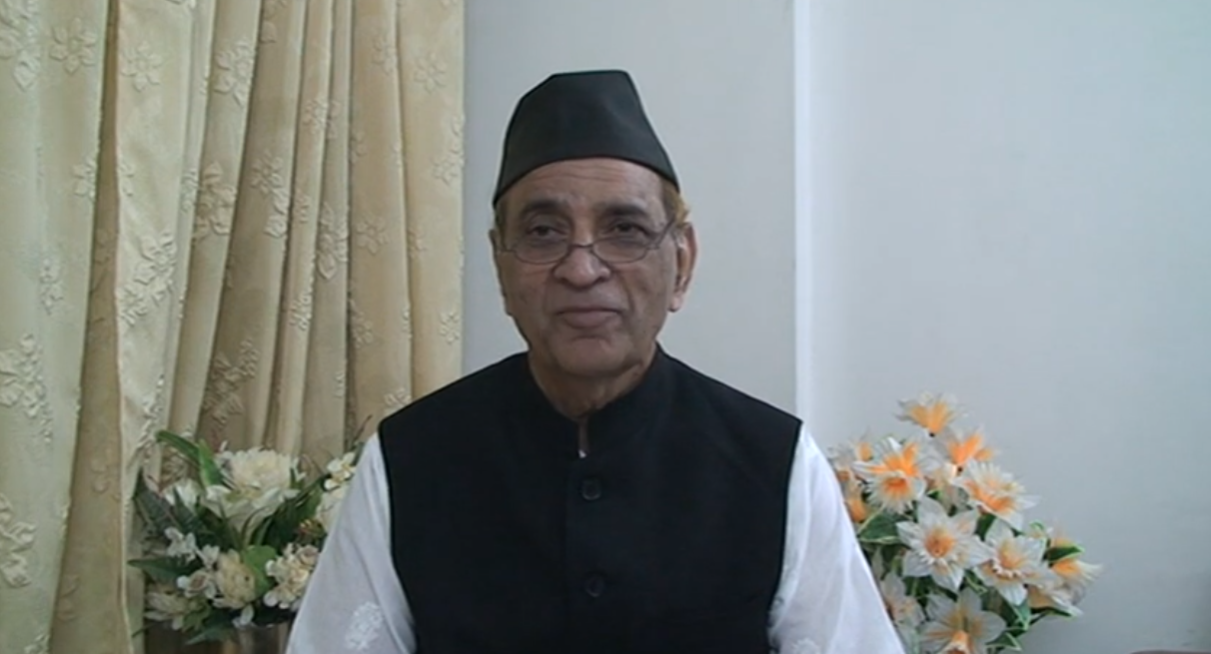
These slogans are painted at vantage points inside cantonments or army units. However, if you want to see how a soldier always lives up to these adages, meet Brigadier (retired) Dr. Mukhtar Alam, who lives in Pune, Maharashtra.
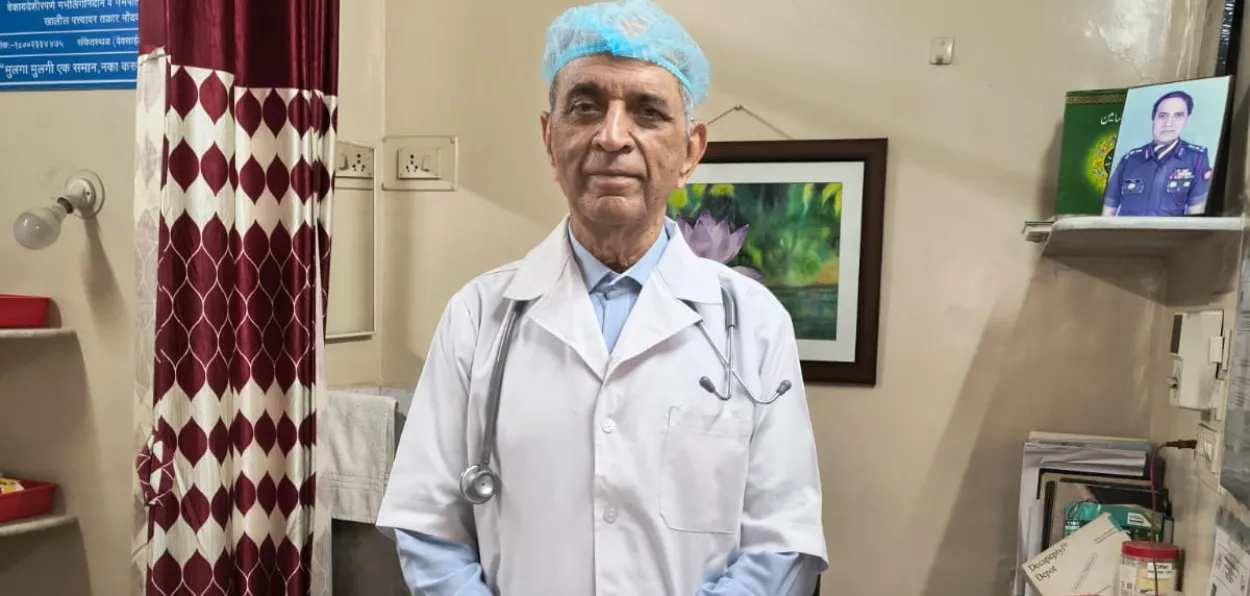
“Youth are the future of India and after serving my country I am now serving them,” says (Prof) Brigadier Dr. Mukhtar Alam, 80, Chairman, Department of Gynaecology, Ruby Hall Hospital, Pune.
Serving the Army for 35 years as a Professor in the Armed Forces Medical College, he became the Chief Consultant of Gynecology.
He is often called the father of the AFMC for his contribution to the development of this chain of prestigious Medical colleges run by the Military. As a student of the AFMC, Pune, he won 7 gold medals in MBBS and MD and became the first topper from AFMC in Pune University.
A multifaceted personality, Dr. Mukhtar Alam has been awarded the State Sahitya Akademi Award for 2013 by the Government of Maharashtra. He has published 21 books in Hindi, English, Urdu, and Marathi so far.
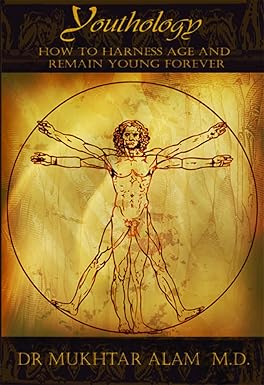
His book Youthology: How to Harness Age and Remain Young published by Power Publishers is a rage among the new generation.
His book seeks to connect man’s secret desire to attain eternal youth with amazing discoveries in the field of medicine and nutritional science and multidimensional explorations into the realm of Physiology.
Brig. Mukhtar Alam’s book
Speaking with Awaz-the Voice, Prof Brig (retd) Mukhtar Alam said that he has done extensive research in modern fields of endoscopy and oncology. He contributed to the medical world through his breakthrough work in assisted reproductive techniques at the Royal Postgraduate Medical College, University of London in the 1980s. His work has been recognized and published in medical journals around the world.
Brigadier Dr. Mukhtar Alam’s social work involves helping the youth. He said that he often visits the schools nearby and helps poor children in their education through scholarships. He also provides them with school uniforms and books.
He says that he does not want to be remembered and spoken of like a politician.
Brigadier Dr. Mukhtar Alam offers scholarships to students who score 80 percent marks. Already students whom he helped are busy studying for degrees like B.Tech. He remembers someone being the daughter of a barber and the son of a watchman, whom he could help and all are doing fine in life.
In literature, Dr. Mukhtar Alam is interested in spiritualism, philosophy, and humanism – elements that unite humans.
Some of his awarded works are: “ Majmuan Mazameen Quran Majeed ” in Urdu and “ Quran Majeed Ka Kavya Saar ” in Hindi, i.e. translation of the Quran in the form of poetry so that a common Indian person can understand the Quran in his Urdu/Hindi language.
Dr. Mukhtar Alam has published more than 50 research papers in national/international medical journals and has authored 21 books.
Brig. Mukhtar Alam
Dr Mukhtar Alam said, “Negativity is never a choice. It is a self-chosen suicidal tendency. Hatred cannot be eradicated by hatred. It can only be eradicated by love. Our nation is like a family. It demands a bond of love, compassion, and sacrifices to respect and celebrate diversity. We must be inclusive in our outlook, abilities, and disposition.”
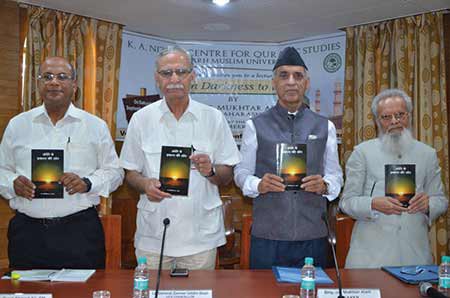
Brig. Mukhtar Alam delivers motivational lectures in educational institutions. Speaking on “From Darkness to Light” at Aligarh Muslim University on 17 September 2016, Brig Alam emphasized the need to acquire knowledge and get rid of the darkness of ignorance.
He said knowledge, which is acquired as a result of educational pursuits, is the only way to pull society out of the mire of illiteracy and backwardness. He said only “truthfulness, determination, commitment and hard work can take a person from darkness to light”.
Dr. Mukhtar Alam is Professor and HOD (Academics) at Ruby Hall Hospital (Research & Referral), Pune, and Director of Dr. Brig. Alam’s Clinic and Infertility Treatment and Research Centre, Parmar Park, Wanowrie, Pune.
On religion, Brig. Alam said that “the goal of Islam is to eliminate the darkness of ignorance from the human world and it never approves of “hatred, anger and barbarism”. He said that Islam is a religion of peace and love and compassion towards all is the only way of life for a true follower of this religion.”
Brig Alam’s book being released at AMU
Discipline is one of the most important personality traits in everyone’s life. It refers to a set of rules and regulations that must be followed while going through any task or activity. It is a way of being honest, hardworking, and motivated while accomplishing a task.
Brigadier Alam said that the spiritualism is a prsonal journey, which introduces us to our true nature. It is a path to experience the eternal truth within by moving away from the outside world. Seek peace and balance within yourself every day. Consider meditation, sadhana and self-reflection as a part of your life. Keep your thoughts pure and fill your actions with service and love.
Remember, every event in life brings a purpose. Every intangible thing is a means to improve the soul. Have faith in God and complete your journey with devotion, patience, and documentation. This journey is the path to bliss and liberation.
Brigadier Dr. Mukhtar Alam believes that all the youth should follow the path of spirituality only then they will be able to achieve the right goal in their life.
Brig. Alam said, “Let us together build an India that enlightens the world through its spiritual richness and human diversity. India is humanity and humanity is India. Let us present ourselves before the global fraternity as a symbol and pinnacle of peace and religious harmony. Spirituality is the real strength of India.”
source: http://www.awazthevoice.in / Awaz, The Voice / Home> Stories / by Onika Maheshwari, New Delhi / January 09th, 2025
Dr. Syed Anwar Khursheed, a renowned Indian physician based in Saudi Arabia, has been honoured with the prestigious Pravasi Bharatiya Samman Award 2025, the highest recognition given by the Government of India to overseas Indians. This accolade celebrates his exceptional contributions to healthcare, community welfare, and fostering stronger ties between India and Saudi Arabia.
With an illustrious career spanning over 45 years, Dr. Khursheed has held pivotal roles, including three decades of service at King Faisal Hospital and 10 years as a Royal Protocol Physician at the National Guard Hospital. During the COVID-19 pandemic, he was a beacon of support for the Indian diaspora, offering essential healthcare, vaccine advocacy, and 24/7 consultations. He also provided unwavering support to Indian pilgrims during Hajj, offering medical assistance at Mina and Arafat for over 30 years. Notably, he served as the personal physician to King Abdullah of Saudi Arabia.
Dr. Khursheed’s contributions extend beyond healthcare to education and community development.
He established the International Indian School in Taif, promoting academic excellence and cultural integration for Indian expatriates.
His philanthropic endeavours include supporting underprivileged Indians through collaborations with organisations such as the Gulbarga Welfare Society and MESCO.
Since January 2021, he has also served as Vice President of the Saudi-Indian Healthcare Forum, an initiative under the Embassy of India in Riyadh.
Fluent in Arabic and deeply connected to Saudi culture, Dr. Khursheed has been a vital link between India and Saudi Arabia, enhancing bilateral relations in the domains of healthcare, education, and entrepreneurship. His recognition with the Pravasi Bharatiya Samman Award underscores his lifelong dedication to the Indian community abroad and his role in elevating India’s global stature.
source: http://www.radiancenews.com / Radiance News / Home> Pride of the Nation> Awards> Latest News / by Radiance News Bureau / January 12th, 2025
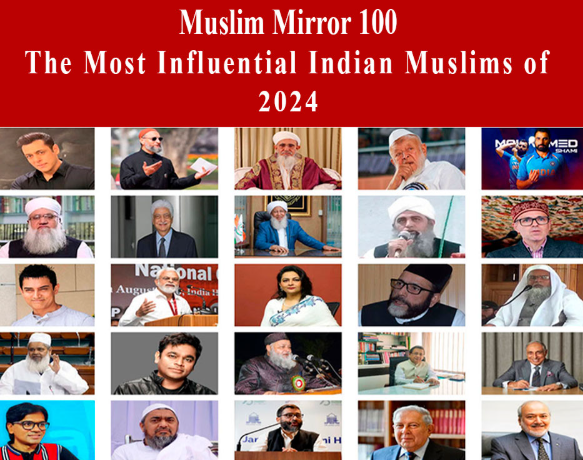
Muslim Mirror’s list of 100 Indian Muslim achievers features four notable personalities from Karnataka, recognized for their contributions to education, business, journalism, and community development.
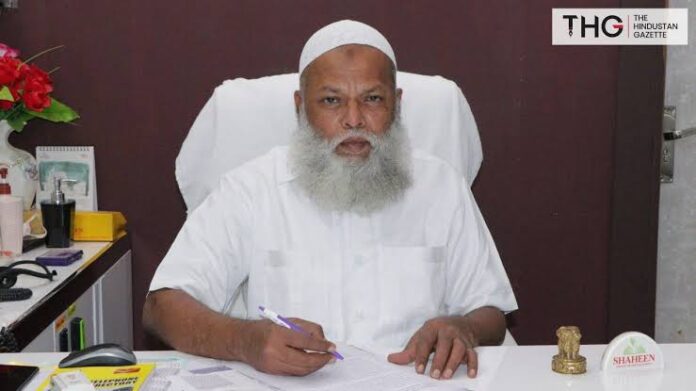
Bidar’s Abdul Qadeer – Educator and Visionary Leader Abdul Qadeer, a renowned educationist and founder of the Shaheen Group of Institutions in Bidar, has dedicated his life to empowering marginalized communities through education.
Under his leadership, Shaheen Institutions have grown into a network providing quality education, emphasizing academic excellence and holistic development. His commitment to integrating modern and traditional education has enabled numerous students to excel in competitive examinations and achieve higher educational aspirations.
Mangaluru’s Dr. Abdullah Kunhi – Entrepreneur and Educationist Dr. Yenepoya Abdullah Kunhi, the founder of Yenepoya University in Mangalore, has transformed education and healthcare in Karnataka.
Known for his vision and humanitarian spirit, Dr. Kunhi established Yenepoya University as a multidisciplinary institution offering innovative programs across various fields.
He also expanded healthcare access through advanced medical facilities and initiated programs to uplift marginalized communities, including scholarships and community health initiatives.
Azim Hashim Premji – Business Tycoon and Philanthropist Azim Premji, former chairman of Wipro Limited, revolutionized India’s IT industry and emerged as one of the country’s most influential business leaders.
A recipient of the Padma Bhushan and Padma Vibhushan, Premji is also one of the world’s leading philanthropists. Through the Azim Premji Foundation, he has donated over $21 billion, primarily to improve education and healthcare in India, leaving an indelible mark on society.
Mohammed Zubair – Journalist and Fact-Checker Mohammed Zubair, co-founder of the fact-checking website Alt News, is a pivotal figure in combating misinformation in India.
Transitioning from an engineering background to journalism, Zubair has exposed numerous instances of fake news and disinformation, fostering accountability and promoting responsible journalism. Despite facing harassment and legal challenges, his dedication to truth and transparency remains unwavering.
Irfan Razack – Real Estate Mogul and Community Advocate Irfan Razack, Chairman and Managing Director of Prestige Group, is one of India’s leading real estate entrepreneurs.
Based in Bengaluru, he has played a pivotal role in shaping India’s real estate landscape, making Prestige Group one of the most prominent property developers in the country.
Razack is also the co-founder of Inventure Academy in Bengaluru and has held esteemed positions, including Honorary Secretary of the Al-Ameen Educational Society and Chairman of CREDAI.
His community contributions through the Kutchi Memon Jamat and philanthropic initiatives have earned him numerous awards, including the Real Estate Excellence Award (2008) and Entrepreneur Extraordinaire Award (2010).
According to the 2024 Forbes list of India’s 100 richest tycoons, Irfan Razack and his siblings are ranked 49th, with a net worth of $6 billion.
These five distinguished individuals from Karnataka exemplify excellence, resilience, and a commitment to societal progress, earning them well-deserved recognition on this prestigious list.
source: http://www.thehindustangazette.com / The Hindustan Gazette / Home> News> Education / by The Hindustan Gazette / January 06th, 2024
Muslim Mirror, in collaboration with the Minority Media Foundation, has released its highly anticipated list of the“100 Most Influential Indian Muslims of 2024.” This initiative, celebrated as a benchmark of excellence, acknowledges the remarkable contributions of Indian Muslims across various fields, showcasing their leadership and societal impact on a national scale.
A Mission to Shift Narratives
The project aims to counter the negative portrayal of Muslims often propagated by corporate-funded media serving political agendas. By curating this list, Muslim Mirror presents a positive narrative, celebrating the vibrant and diverse contributions of Indian Muslims to the nation’s development and society.
Comprehensive and Inclusive Representation
The selection process emphasizes inclusivity and diversity, representing achievers from Kashmir to Kanyakumari and Assam to Gujarat. The list spans a wide array of sectors, including politics, religion, activism, literature, entrepreneurship, academia, sports, and entertainment.
In an effort to reflect the broad spectrum of the Muslim community, individuals from all sects—Barelvis, Deobandis, Ahle Hadith, Shias, Bohras, and others—have been recognized. The selection underscores the community’s rich cultural and social diversity.
Spotlighting Leadership and Impact
The list features leaders from prominent Muslim organizations and unsung heroes who have made unparalleled contributions in their respective domains. Special attention was given to young achievers, whose recognition aims to inspire future generations of leaders.
Notably, the initiative also includes individuals facing legal challenges and imprisonment, underscoring the principle that they are accused, not convicted. This approach highlights their contributions despite the adversities they face, reaffirming the importance of justice and fairness.
A Rigorous and Ethical Selection Process
Selecting 100 individuals from a community of over 200 million posed significant challenges. Extensive consultations with grassroots representatives across India informed the process. A team of experts finalized the list, which is presented in alphabetical order due to the absence of a ranking mechanism.
While the team strived for accuracy and fairness, they acknowledged the possibility of unintentional exclusions. Readers and stakeholders are encouraged to provide suggestions for deserving individuals to be included in the 2025 list. To maintain ethical standards, members of the Muslim Mirror team and the Minority Media Foundation were not considered for the list.
The Muslim Mirror 100 serves as a testament to the exceptional contributions of Indian Muslims in shaping the nation. By shining a light on their achievements, the initiative not only celebrates their successes but also fosters a sense of pride and inspiration within the community.
As the list continues to evolve, it stands as a powerful reminder of the resilience, talent, and leadership within the Indian Muslim community, setting the stage for even greater accomplishments in the years to come.
source: http://www.muslimmirror.com / Muslim Mirror / Home> Big Story> Indian Muslim> Positive Story / by Muslim Mirror / January 03rd, 2025
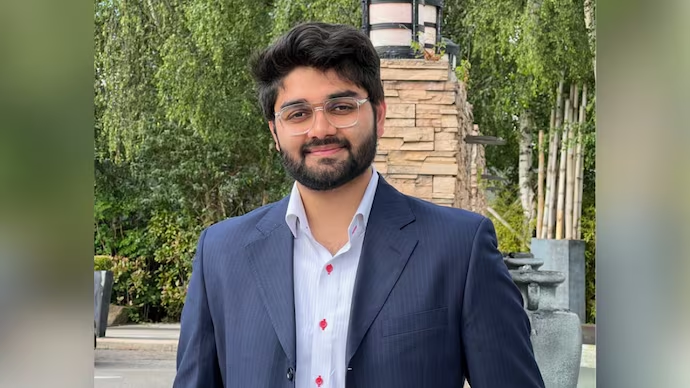
Sulaymaan Al Majid, a 26-year-old Indian-origin doctor, was born and raised in the UAE. (Photo: LinkedIn)
A 26-year-old Indian-origin doctor, Sulaymaan Al Majid, was killed in a light aircraft crash off the coast of Ras Al Khaimah, UAE. The crash occurred on December 26, shortly after takeoff. Investigations are underway to determine the cause of the accident.
In Short
A 26-year-old Indian-origin doctor was killed in the UAE in a plane crash
Sulaymaan Al Majid had hired a light aircraft for sightseeing with his family
Majid was a clinical fellow at the County Durham and Darlington Trust in the UK
A 26-year-old Indian-origin doctor was among two people killed in a light aircraft crash in the United Arab Emirates (UAE). The aircraft, that took off from Jazirah Aviation Club, crashed off the coast of Ras Al Khaimah on December 26.
Two people, Sulaymaan Al Majid, an Indian-origin doctor, and a 26-year-old Pakistani woman who was flying the plane, lost their lives in the crash.
The doctor, Sulaymaan Al Majid, was a clinical fellow at the County Durham and Darlington NHS Foundation Trust in the UK. Born and raised in the UAE, Sulaymaan hired the aircraft for a sightseeing experience.
His family, including his father, mother, and younger brother, were present at the aviation club to watch the flight. Sulaymaan’s younger brother was scheduled to take the next ride, the Khaleej Times reported.
The crash occurred shortly after takeoff near the Cove Rotana Hotel, close to the beach. The aircraft was piloted by a 26-year-old Pakistani woman, who also lost her life in the accident.
Sulaymaan’s father, Majid Mukarram, recounted the events leading up to and following the crash.
“At first, we were told the glider had lost radio contact,” Majid said. “Later, we were informed it had made an emergency landing and that the occupants had been taken to the hospital. When we reached the hospital, we were told that both were critically injured and undergoing resuscitation efforts. Sulaymaan passed away before we could see him, and his time of death was recorded as past 4:30 pm.”
Sulaymaan was also known for his dedication to medical advocacy. He served as Co-Chair of the Northern Resident Doctors Committee of the British Medical Association, where he worked to advance the interests of his peers, according to his LinkedIn profile.
The family, who resides in Sharjah, is preparing for Sulaymaan’s funeral at Al Ghusai graveyard.
The General Civil Aviation Authority (GCAA) confirmed the crash on Sunday. Work teams and relevant authorities are continuing their efforts to determine the cause of the accident.
source: http://www.indiatoday.in / India Today / Home> News> World / by Girish Kumar Anshu, India Today World Desk / December 30th, 2024
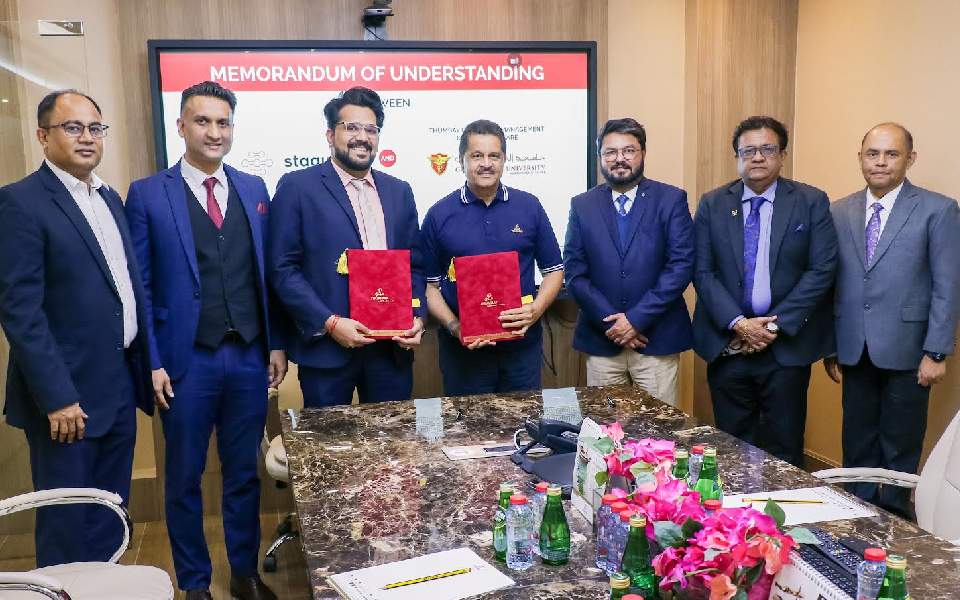
Staque, a global leader in artificial intelligence, quantum computing, and advanced technology solutions, have signed a landmark Memorandum of Understanding (MoU) with Thumbay Group’s Gulf Medical University (GMU) and its Thumbay College of Management and Artificial Intelligence in Healthcare (TCMAIH). This strategic partnership aims to revolutionize the integration of artificial intelligence and quantum computing into healthcare education, training, and research, with far-reaching implications for the region’s healthcare and technology sectors.
Founded by Dr. Thumbay Moideen in 1997, Thumbay Group is a diversified international business conglomerate with operations across different verticals including Education, Healthcare, Medical Research, Diagnostics, Retail Pharmacy, Health Communications, Retail Opticals, Wellness, Nutrition Stores, Hospitality, Real Estate, Publishing, Technology, Media, Events, Medical Tourism, Trading and Marketing & Distribution. Headquartered in Dubai, the group presently employs around 3000 people.
The MoU establishes a collaborative framework to harness the transformative potential of AI in healthcare, focusing on both academic innovation and practical applications. This collaboration aligns with the UAE’s vision for technological leadership and aims to position GMU and Staque at the forefront of global healthcare advancements.
Driving AI Innovation Through Strategic Partnership
The agreement outlines several groundbreaking initiatives, including:
● Thumbay-Staque Lab in Artificial Intelligence: This state-of-the-art lab, to be established at GMU’s campus, will serve as a hub for cutting-edge research and practical applications of AI in healthcare, focusing on areas such as diagnostics, personalized medicine, and healthcare operations.
● Internship and Employment Pathways: Staque will facilitate internships, short placements, and employment opportunities for TCMAIH students, fostering UAE Nationals’ empowerment and integrating local talent into the global healthcare technology landscape.
● Collaborative AI Programs: Together, Staque and GMU will develop fellowship, short-term, and long-term programs in healthcare AI, leveraging a revenue-sharing model to promote sustainability and scalability.
● Joint High-performance Computing Research Initiatives: The partnership will support joint research projects through the Thumbay International Research Grant, targeting high-impact areas in AI, quantum computing and healthcare.
● Global Collaboration and Expertise Sharing: Faculty and staff exchanges will enhance knowledge transfer, while industry partnerships will drive regional and international expansions of TCMAIH’s and Staque’s initiatives.
Dr. Thumbay Moideen, Founder President of Thumbay Group UAE, commenting on the partnership said, “Our partnership with Staque is a natural extension of our commitment to advancing healthcare education and practice. By integrating AI into our curriculum and research initiatives, we are empowering our students and faculty to become leaders in a rapidly evolving healthcare ecosystem.”
Dr. Muhammad Khan, CEO of Staque, expressed his enthusiasm for the partnership, stating, “This collaboration marks a pivotal moment in merging AI and healthcare education. By establishing the Thumbay-Staque Lab, we are taking significant steps toward a future where AI drives meaningful improvements in patient outcomes, operational efficiencies, and healthcare innovation.”
Transforming Healthcare Through AI
Staque’s extensive expertise in AI, quantum computing, and robotics complements GMU’s reputation for academic excellence. This partnership aims to tackle critical challenges and unlock opportunities across healthcare and education, including:
● AI-Powered Diagnostics: Tools for early disease detection and personalized treatment planning, using advanced algorithms and quantum computing to process vast datasets with unparalleled speed and accuracy.
● Adaptive Learning Systems: AI-driven systems to create personalized educational experiences for healthcare professionals, addressing skill gaps and enhancing training efficiency.
● Healthcare Operations Optimization: Autonomous intelligence solutions to streamline administrative workflows, reduce inefficiencies, and enhance the overall patient experience.
“Medical research and practices are ripe for innovation. Accuracy, accessibility and affordability issues have a critical impact on global health care. The adoption of AI and quantum computing are essential to address these issues” said Dr. Raees Tonse, Staque Board Member who catalyzed the partnership.
The Thumbay-Staque partnership also explores regional and international opportunities for expanding AI and quantum computing programs, enabling students and professionals to access world-class resources and tools. These initiatives will not only strengthen the UAE’s position as a global innovation hub but also set new benchmarks for integrating emerging technologies into healthcare systems.
About the Partners
Thumbay Group and Gulf Medical University
Thumbay Group, a leading private conglomerate in the UAE, operates Gulf Medical University (GMU), a premier institution recognized for its excellence in medical education, research, and healthcare delivery. The Thumbay College of Management and Artificial Intelligence in Healthcare (TCMAIH) is dedicated to marrying technology and medical education, ensuring students and health care professionals are equipped to thrive in a technology-driven healthcare landscape.
Staque Solutions
Staque Solutions bridges the gap between cutting-edge computer science and real-world business needs. With expertise spanning AI, blockchain, quantum computing, and software engineering, Staque empowers organizations to thrive in an era of rapid technological advancement through its autonomous intelligence and high-performance computing solutions. Founded in Calgary, Canada, Staque has grown into a global organization with presence in North America, the GCC, and Asia.
source: http://www.english.varthabharati.in / Vartha Bharati / Home> Gulf / by Vartha Bharati / December 26th, 2024
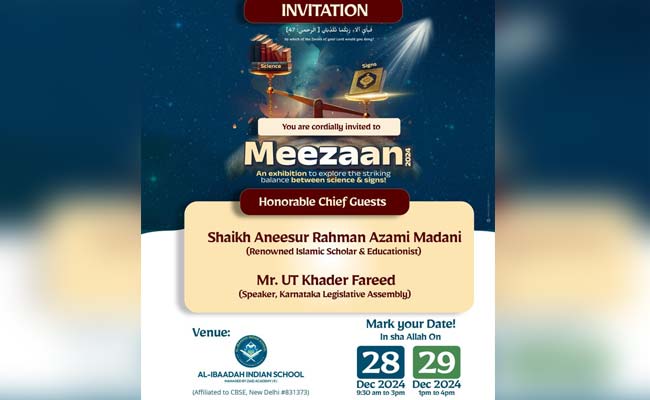
A science and Islam exhibition organised by Al Ibada Indian School, Perampalli, is set to take place on December 28 and 29.
According to a press release issued by Sheikh Abdul Latheef Madani, the Administrative Director of Al Ibada Indian School, the event will feature Karnataka Legislative Assembly Speaker U. T. Khader and education expert Sheikh Aneesur Rahman Azami as the chief guests.
source: http://www.english.varthabharati.in / Vartha Bharati / Home> Karavali / by Vartha Bharati / December 26th, 2024
Dr Hifzur R. Siddique, Department of Zoology, AMU, has been included as a part of the world expert consensus on the strategy to diagnose and treat NUT carcinoma
Aligarh:
Dr Hifzur R. Siddique, Department of Zoology, Aligarh Muslim University, who has been doing research on cancer for the last several years, has been included as a part of the world expert consensus on the strategy to diagnose and treat NUT carcinoma.
Dr Siddique is the only Indian to become the part of 101 scientists from different countries, including USA, UK, China, Italy, Sweden, Portugal, Spain, Greece, Austria, Singapore, Egypt, and Russia to work on the NUT Carcinoma, which was first reported in 1991. It is a rare and highly aggressive malignancy with a dismal prognosis and a median survival of 6-9 months only.
Dr Siddique pointed out that ‘Nuclear protein of the testis’ (NUT) carcinoma is a rare and highly aggressive malignancy characterised by the rearrangement of the NUT midline carcinoma family member 1 (NUTM1) gene and less than 200 cases are diagnosed in the US each year.
He said standardised strategies for its diagnosis and treatment remained unavailable, underscoring the need for an expert consensus. To address this gap, the scientific team prepared this consensus for the diagnosis and treatment of NUT carcinoma. The team comprised medical oncologists, radiation oncologists, surgical oncologists, pathologists, nurses, molecular biologists, statisticians, and bioinformatics specialists.
The AMU researcher mentioned that the team developed the expert consensus on diagnosing and treating NUT carcinoma using a multidisciplinary approach and the guideline provides eight recommendations, addressing epidemiological characteristics, clinical and imaging manifestations, pathological findings, IHC features, molecular mechanisms and subtypes, prognosis, diagnosis, and treatment strategies for this cancer. Furthermore, an international platform has been established to disseminate NUT carcinoma knowledge and patient recruitment, providing patients and healthcare providers’ access to NUT carcinoma-related information and updates on clinical trial recruitment.
source: http://www.radiancenews.com / Radiance News / Home> Latest News / by Radiance News Bureau (headline edited) / December 26th, 2024