Category Archives: World Opinion

Thumbay Group’s GMU, ‘Staque’ team up to transform healthcare with AI, advanced tech

KARNATAKA / AJMAN, DUBAI, U.A.E:
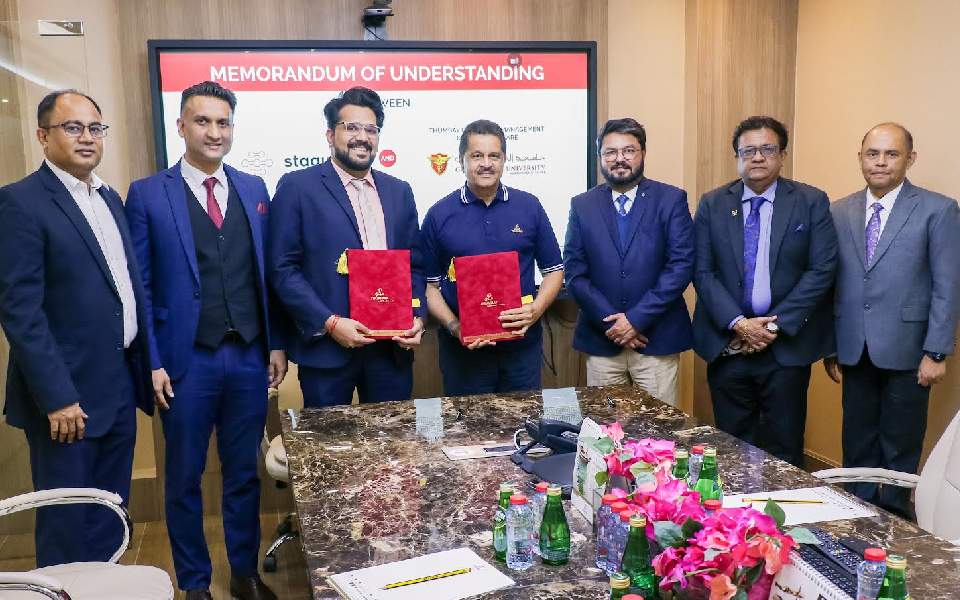
Ajman (UAE): 

Staque, a global leader in artificial intelligence, quantum computing, and advanced technology solutions, have signed a landmark Memorandum of Understanding (MoU) with Thumbay Group’s Gulf Medical University (GMU) and its Thumbay College of Management and Artificial Intelligence in Healthcare (TCMAIH). This strategic partnership aims to revolutionize the integration of artificial intelligence and quantum computing into healthcare education, training, and research, with far-reaching implications for the region’s healthcare and technology sectors.

Founded by Dr. Thumbay Moideen in 1997, Thumbay Group is a diversified international business conglomerate with operations across different verticals including Education, Healthcare, Medical Research, Diagnostics, Retail Pharmacy, Health Communications, Retail Opticals, Wellness, Nutrition Stores, Hospitality, Real Estate, Publishing, Technology, Media, Events, Medical Tourism, Trading and Marketing & Distribution. Headquartered in Dubai, the group presently employs around 3000 people.

The MoU establishes a collaborative framework to harness the transformative potential of AI in healthcare, focusing on both academic innovation and practical applications. This collaboration aligns with the UAE’s vision for technological leadership and aims to position GMU and Staque at the forefront of global healthcare advancements.

Driving AI Innovation Through Strategic Partnership

The agreement outlines several groundbreaking initiatives, including:

● Thumbay-Staque Lab in Artificial Intelligence: This state-of-the-art lab, to be established at GMU’s campus, will serve as a hub for cutting-edge research and practical applications of AI in healthcare, focusing on areas such as diagnostics, personalized medicine, and healthcare operations.

● Internship and Employment Pathways: Staque will facilitate internships, short placements, and employment opportunities for TCMAIH students, fostering UAE Nationals’ empowerment and integrating local talent into the global healthcare technology landscape.

● Collaborative AI Programs: Together, Staque and GMU will develop fellowship, short-term, and long-term programs in healthcare AI, leveraging a revenue-sharing model to promote sustainability and scalability.

● Joint High-performance Computing Research Initiatives: The partnership will support joint research projects through the Thumbay International Research Grant, targeting high-impact areas in AI, quantum computing and healthcare.

● Global Collaboration and Expertise Sharing: Faculty and staff exchanges will enhance knowledge transfer, while industry partnerships will drive regional and international expansions of TCMAIH’s and Staque’s initiatives.

Dr. Thumbay Moideen, Founder President of Thumbay Group UAE, commenting on the partnership said, “Our partnership with Staque is a natural extension of our commitment to advancing healthcare education and practice. By integrating AI into our curriculum and research initiatives, we are empowering our students and faculty to become leaders in a rapidly evolving healthcare ecosystem.”

Dr. Muhammad Khan, CEO of Staque, expressed his enthusiasm for the partnership, stating, “This collaboration marks a pivotal moment in merging AI and healthcare education. By establishing the Thumbay-Staque Lab, we are taking significant steps toward a future where AI drives meaningful improvements in patient outcomes, operational efficiencies, and healthcare innovation.”

Transforming Healthcare Through AI

Staque’s extensive expertise in AI, quantum computing, and robotics complements GMU’s reputation for academic excellence. This partnership aims to tackle critical challenges and unlock opportunities across healthcare and education, including:

● AI-Powered Diagnostics: Tools for early disease detection and personalized treatment planning, using advanced algorithms and quantum computing to process vast datasets with unparalleled speed and accuracy.

● Adaptive Learning Systems: AI-driven systems to create personalized educational experiences for healthcare professionals, addressing skill gaps and enhancing training efficiency.

● Healthcare Operations Optimization: Autonomous intelligence solutions to streamline administrative workflows, reduce inefficiencies, and enhance the overall patient experience.

“Medical research and practices are ripe for innovation. Accuracy, accessibility and affordability issues have a critical impact on global health care. The adoption of AI and quantum computing are essential to address these issues” said Dr. Raees Tonse, Staque Board Member who catalyzed the partnership.

The Thumbay-Staque partnership also explores regional and international opportunities for expanding AI and quantum computing programs, enabling students and professionals to access world-class resources and tools. These initiatives will not only strengthen the UAE’s position as a global innovation hub but also set new benchmarks for integrating emerging technologies into healthcare systems.

About the Partners

Thumbay Group and Gulf Medical University

Thumbay Group, a leading private conglomerate in the UAE, operates Gulf Medical University (GMU), a premier institution recognized for its excellence in medical education, research, and healthcare delivery. The Thumbay College of Management and Artificial Intelligence in Healthcare (TCMAIH) is dedicated to marrying technology and medical education, ensuring students and health care professionals are equipped to thrive in a technology-driven healthcare landscape.

Staque Solutions

Staque Solutions bridges the gap between cutting-edge computer science and real-world business needs. With expertise spanning AI, blockchain, quantum computing, and software engineering, Staque empowers organizations to thrive in an era of rapid technological advancement through its autonomous intelligence and high-performance computing solutions. Founded in Calgary, Canada, Staque has grown into a global organization with presence in North America, the GCC, and Asia.

source: http://www.english.varthabharati.in / Vartha Bharati / Home> Gulf / by Vartha Bharati / December 26th, 2024
AMU Researcher Dr Hifzur R. Siddique Included in the World’s First Expert Consensus Group on NUT Carcinoma

Aligarh, UTTAR PRADESH :

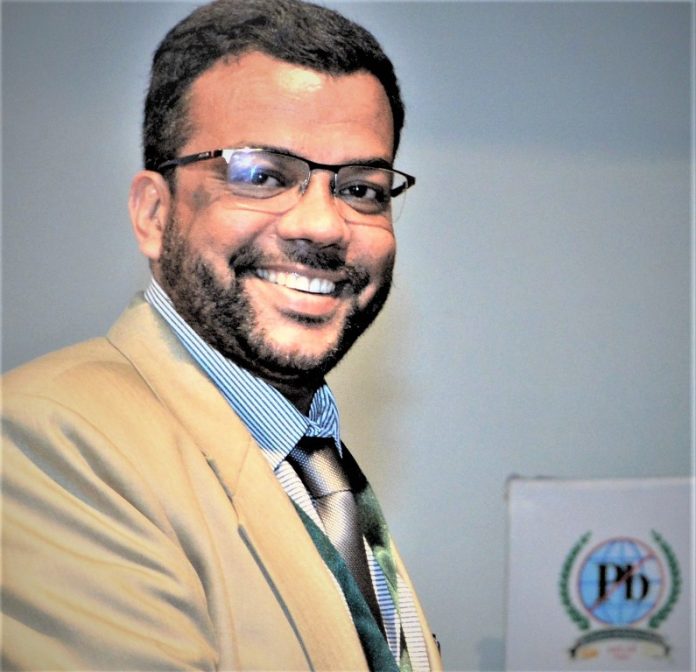
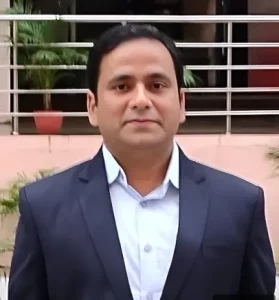
Dr Hifzur R. Siddique, Department of Zoology, AMU, has been included as a part of the world expert consensus on the strategy to diagnose and treat NUT carcinoma

Aligarh:

Dr Hifzur R. Siddique, Department of Zoology, Aligarh Muslim University, who has been doing research on cancer for the last several years, has been included as a part of the world expert consensus on the strategy to diagnose and treat NUT carcinoma.

Dr Siddique is the only Indian to become the part of 101 scientists from different countries, including USA, UK, China, Italy, Sweden, Portugal, Spain, Greece, Austria, Singapore, Egypt, and Russia to work on the NUT Carcinoma, which was first reported in 1991. It is a rare and highly aggressive malignancy with a dismal prognosis and a median survival of 6-9 months only.

Dr Siddique pointed out that ‘Nuclear protein of the testis’ (NUT) carcinoma is a rare and highly aggressive malignancy characterised by the rearrangement of the NUT midline carcinoma family member 1 (NUTM1) gene and less than 200 cases are diagnosed in the US each year.

He said standardised strategies for its diagnosis and treatment remained unavailable, underscoring the need for an expert consensus. To address this gap, the scientific team prepared this consensus for the diagnosis and treatment of NUT carcinoma. The team comprised medical oncologists, radiation oncologists, surgical oncologists, pathologists, nurses, molecular biologists, statisticians, and bioinformatics specialists.

The AMU researcher mentioned that the team developed the expert consensus on diagnosing and treating NUT carcinoma using a multidisciplinary approach and the guideline provides eight recommendations, addressing epidemiological characteristics, clinical and imaging manifestations, pathological findings, IHC features, molecular mechanisms and subtypes, prognosis, diagnosis, and treatment strategies for this cancer. Furthermore, an international platform has been established to disseminate NUT carcinoma knowledge and patient recruitment, providing patients and healthcare providers’ access to NUT carcinoma-related information and updates on clinical trial recruitment.

source: http://www.radiancenews.com / Radiance News / Home> Latest News / by Radiance News Bureau (headline edited) / December 26th, 2024

Jamia’s Dr Khalid Raza secures ₹94 lakh ICMR grant in AI and breast cancer treatment

NEW DELHI :

Work in AI breast cancer treatment is going on and Dr Khalid Raza has bagged Rs 94 lakh ICMR grant for AI breast cancer treatment..

The Indian Council of Medical Research (ICMR) has selected Dr Raza and his team for a research grant of nearly ₹94 lakh for breast cancer treatment.

The funding is given to him for his earlier contributions to using Artificial Intelligence (AI) in drug design.

Dr Raza is Associate Professor in the Department of Computer Science, Jamia Millia Islamia.

AI breast cancer treatment: Dr Raza achievement
This grant is expected to play an important role in advancing innovative research aimed at using AI to develop precise and effective treatments for breast cancer.

Now, Dr Raza and his team will focus on developing advanced tools for AI-driven drug design. Their work will center on optimising drug compounds, pinpointing therapeutic targets, and creating innovative treatment strategies for breast cancer.

One such promising drug compound, DdpMPyPEPhU, already patented by Dr. Raza will be further explored under this initiative.

This research tackles key challenges in breast cancer treatment and is poised to deliver transformative results that could have a global impact on healthcare practices.

Both Professor Mazhar Asif, Vice-Chancellor of Jamia, and Professor Md Mahtab Alam Rizvi, Registrar, congratulated Dr Raza on his outstanding achievement.

“This is a moment of great pride for Jamia. Dr. Raza’s recognition by ICMR highlights the university’s dedication to promoting research excellence and innovation,” said the VC.

Groundbreaking work in AI breast cancer treatment
His groundbreaking work showcases Jamia’s vital contributions to integrating AI in healthcare research, said VC Asif.

Dr Raza said: “I am honoured to be selected for this ICMR grant. This is an opportunity to further our research in AI-driven drug design and make a meaningful contribution to improving health outcomes for millions. I am deeply grateful to my research team, collaborators, and ICMR for their continuous support.”

The three-year funding will facilitate advanced experimentation, foster collaboration with leading experts, and accelerate the development of innovative solutions for breast cancer treatment. This initiative aligns closely with ICMR’s mission to support cutting-edge research addressing India’s critical healthcare challenges.

AI breast cancer treatment: Dr Raza a distinguished researcher
Dr Raza is a distinguished researcher in the application of AI in healthcare, focusing on designing and optimising drug compounds through AI-based multitarget docking, molecular simulations, and genomics-driven personalised medicine.
Award and grants are not something new for Dr Raza. Stanford University recognised him among the world’s top 2 per cent scientists from 2021-2023.

Dr Raza has served in various academic and administrative roles at Jamia.

He has published over 140 research articles in prestigious journals, conference proceedings, 14 authored/edited books, and held notable positions, including ICCR Chair Visiting Professor of Computer and Information Sciences at Ain Shams University, Egypt, and is an honorary research fellow at INTI International University, Malaysia.

Dr Raza also serves as Associate Editor for PeerJ Computer Science and Guest Editor for esteemed journals like npj Precision Oncology, Natural Product Communications, and Mini-Reviews in Medicinal Chemistry. His remarkable contributions to the scientific community and Jamia are truly remarkable!

This grant represents a convergence of excellence, with the potential to revolutionise breast cancer treatment and affirm Jamia’s status as a hub for transformative research.

source: http://www.okhlatimes.com / The Okhla Times / Home> JMI/EDU / by The Okhla Times (edited) / November 30th, 2024

Management lessons from Akbar the Great’s handbook

INDIA :

A new biography looks into Akbar’s life to draw some inspiration on how to manage the boardroom. The third Mughal emperor was always thinking on his feet, one step ahead of friend and foe; but he also knew that force had to be tempered with tolerance, and confidence with caution.

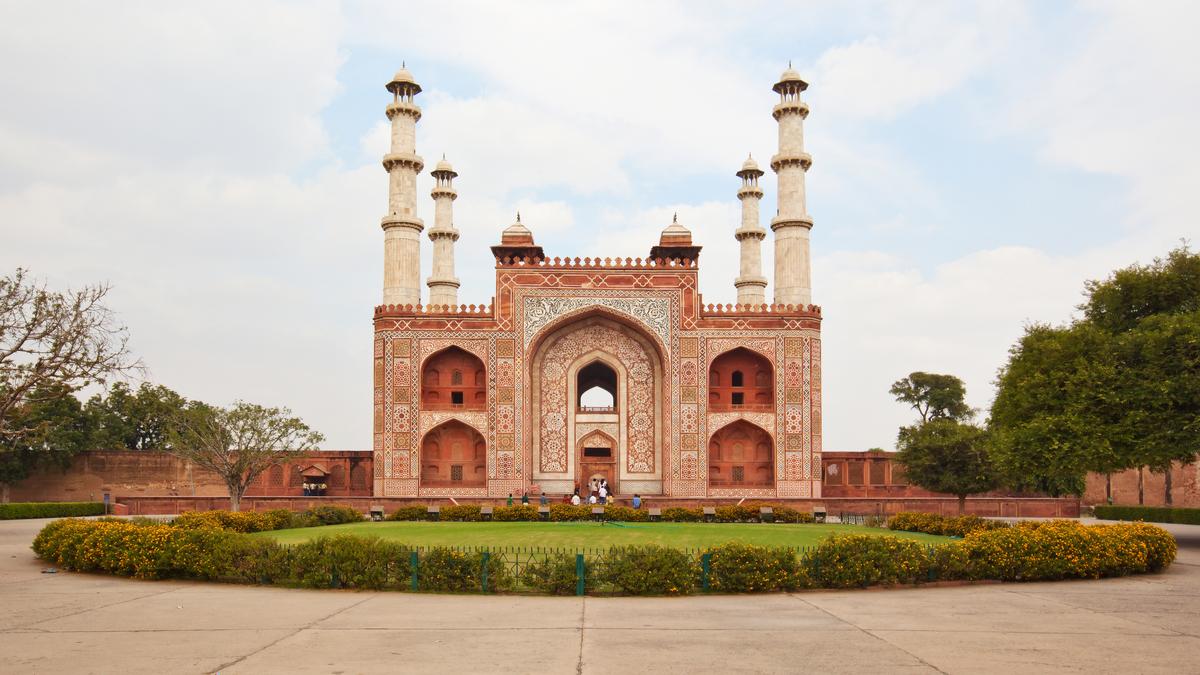
Akbar’s Tomb in Sikandra, Agra | Photo Credit: cinoby

Even as elements in the right-wing have made attempts to nibble at the great Jalaluddin Akbar, historians and authors have taken it upon themselves to project the third Mughal emperor clothed in nothing but facts of history.

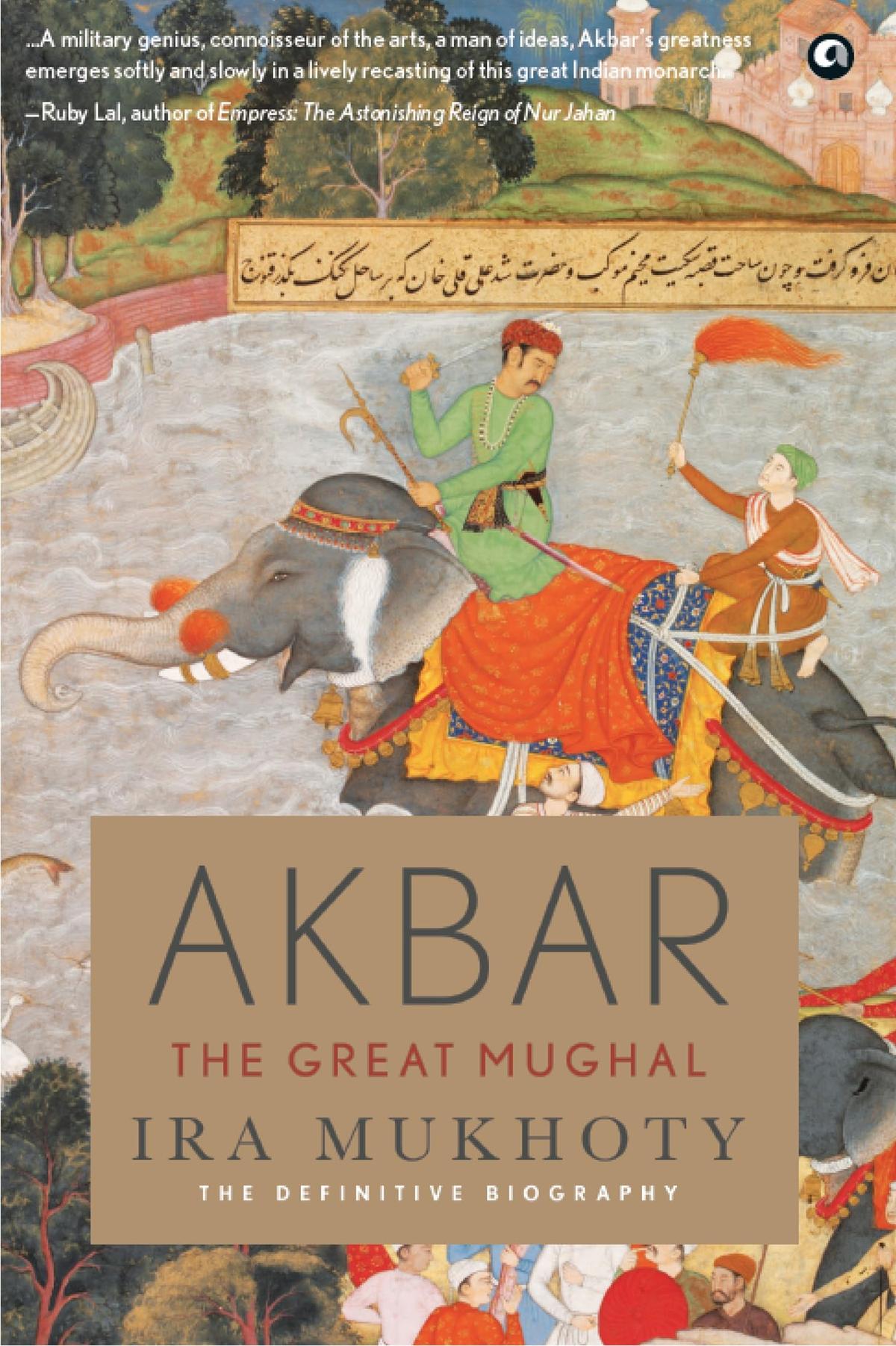
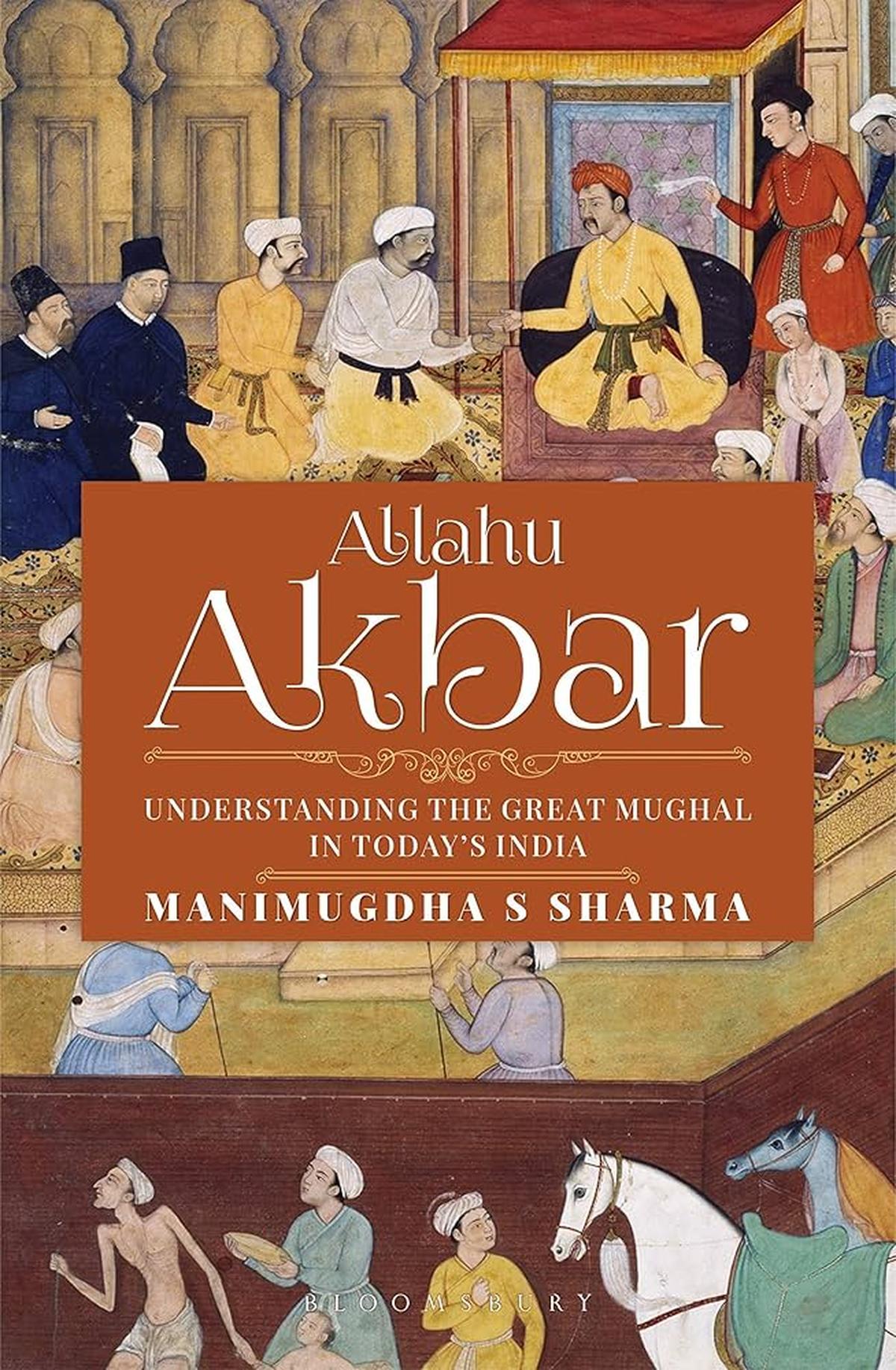
Around the time of COVID-19, Ira Mukhoty came out with her exhaustive biography, Akbar The Great Mughal: The Definitive Biography (Aleph). It came on the heels of Manimugdha S. Sharma’s Allahu Akbar: Understanding the Great Mughal in Today’s India (Bloomsbury) where the author, as the title suggests, made an attempt to see the Mughal monarch in the light of modern-day developments.

The books show why Akbar is considered an Indian icon and a king with compassion and empathy. Instead of spending his childhood as a royal prince, practising calligraphy and honing his skills with the sword, Akbar lived those years, as Mukhoty writes, “in the company of his beloved animals and their keepers…He raced pigeons, ran alongside camels and dogs, and hunted cheetahs, lions, tiger, and deer. And Akbar tested his physical strength and courage against wild elephants, learning to ride and to tame them.”

Akbar had grown up practically illiterate but would eventually be “known for his reverence for learning, penmanship, books…and would patronise some of the most extraordinary works of writing, translation and illustration ever undertaken in the country,” Mukhoty points out.

This quest for knowing the unknown led Akbar to build Ibadat Khana, an assembly of scholars of different religions. Akbar’s congregation of men of spiritual accomplishment was the work of a truly liberal mind. At a time when the Safavids were persecuting non-Shias in Iran and Europe had no space for non-Christians, Akbar invited them all. He abolished the religious tax, jiziya, for non-Muslims and did away with the pilgrimage tax on Hindus and was known to prevent Sati. As Sharma quotes Abul Fazl in Allahu Akbar, “The Shahenshah in his wisdom and tolerance remitted all these taxes, which amounted to crores. He looked upon such grasping of property as blameable and issued orders forbidding the levy thereof.”

In simpler words, it meant, as Sharma writes, “The state wouldn’t come in between an individual and his faith.”

Beyond religion

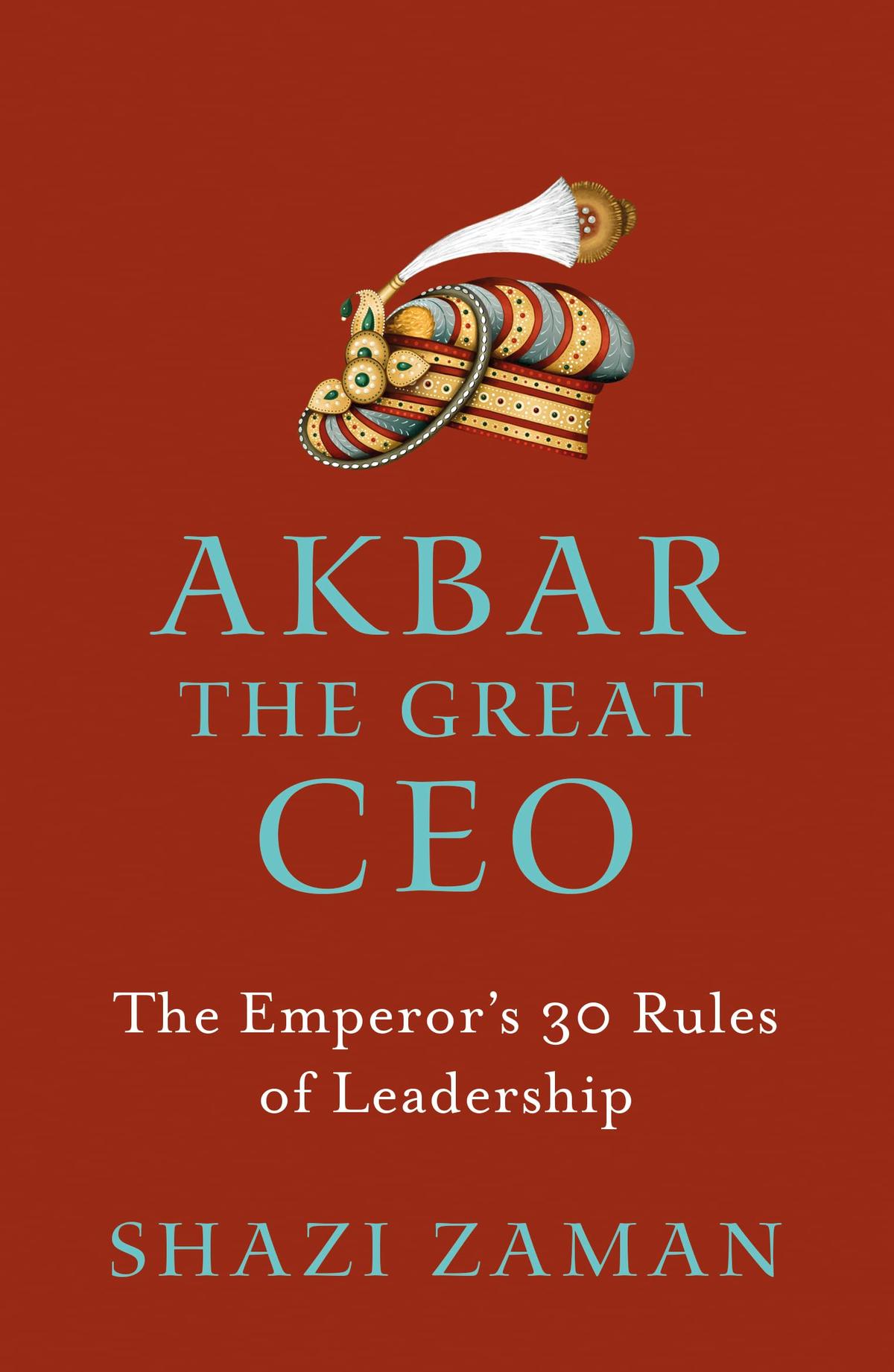
Yet Akbar’s relevance goes beyond the sphere of religion as noted journalist and author Shazi Zaman discusses in his latest, Akbar The Great CEO: The Emperor’s 30 Rules of Leadership. Published by Speaking Tiger, the book has a contemporary, and non-historic feel to it. In its innovative approach lies its appeal. Zaman presents Akbar as a practitioner of some dictates which would do a management guru proud. Interestingly, the book opens with the words of a Jesuit priest stationed at Akbar’s court. The priest wrote in awe, “He was a prince beloved of all, firm with the great, kind to those of low estate, and just to all men, high or low, neighbour or stranger, Christian, Saracen or Gentile; so that every man believed that the King was on his side.” The priest’s words were borne by the fact that Akbar, as Zaman writes, “perfected the art of ruling with a light touch even though he had the means to be brutal.”

The surprise factor

So what were the 30 rules of Akbar? Though he ruled in an age when the Emperor was often larger than life, Akbar believed in subtlety. Importantly, as his experience with the Afghan king Daud Khan Karrani proved, Akbar was not just fast in his thinking, he was unpredictable too. When he would be least expected to show up in a battle, he would take the enemy by surprise, vanquish his forces, and bring him to his knees. “When the Rubicon was to be crossed was a call that he [Akbar] took in a manner so unpredictable that his opponents could never gain an advantage by guessing it,” writes Zaman. “The Emperor’s audacity was well documented visually as well… In one painting, he is seen holding a cheetah by its ear, and in another painting, he is seen mounted on a mast elephant and chasing another across a shaky bridge built on boats.”

Zaman mentions another incident which underscores Akbar’s acuity. When a slave attacked him, Akbar knew who was behind it but chose to remain quiet.

As Zaman writes, “Even the truth has to await its moment.” Does it remind you of office boardroom meetings? Maybe. But remember this was the strategy of the Mughal emperor who was merely 21 at the time of the attack. He knew the truth, but also knew how to use it to his advantage later in life.

Little wonder then that one of Akbar’s favourite books which he also recommended to his officers was Akhlaq-i-Nasiri, a 13th century text on etiquette and way of life, which said, “The king should keep his secrets concealed, so that he can change his mind without sounding contradictory…The need to keep secrets has to be combined with the need to consult intelligent people.” Akbar did it all.

Be it his relationship with Maham Angaand Bairam Khan, or later the Rajputs, Akbar was always smart and wise.

Zaman’s book progresses like an equation in a science book as he goes on to reveal many facets of Akbar’s personality.

Cultivated image

One such aspect was the way he looked, and the way he presented himself. “Akbar’s image was cultivated, recorded and disseminated with a lot of thought. There was a message in how he dressed and looked and what he chose to be doing in the picture. Each portrait portrays a facet of his personality. It never was a picture for the sake of a picture,” writes Zaman.

Written with the brush of an artist, the book is a must-read for anyone looking for life lessons and critical values, particularly in the boardroom. The ‘illiterate’ emperor was indeed a wise man, who never “went to extremes” in any direction.

source: http://www.thehindu.com / The Hindu / Home> Books / by Zia Us Salam / December 25th, 2025

Moving Mountains. Shaikh Hassan Khan – First Malayali mountaineer to conquer highest peaks on all 7 continents. World record holder to unfold the largest Tricolour atop Mt. Everest

Thiruvananthapuram, KERALA :

TNIE catches up with Shaikh Hassan Khan, the first Malayali to conquer the highest peaks on all seven continents.

Shaikh atop Mt Kosciuszko, the highest peak in Australia

Kochi :

Climbing peaks is akin to a marathon up a rock wall with a bag of bricks on your back, battling freezing winds, dizzying heights, and pushing one’s limits. Shaikh Hassan Khan, a state secretariat employee with a passion for adventure, loves doing that.

His dream was to conquer the highest peaks on all seven continents. And, a few days ago, he became the first person from Kerala to achieve this feat.

“My love for the mountains began in 2015 when I was posted in Delhi for work. That’s when I started sneaking off for trips to the hills whenever I could,” says Shaikh.

“On one such journey, I ended up at the Himalayan Institute of Mountaineering in Darjeeling. I felt a spark, and alongside my civil service training, I took a 28-day basic mountaineering course at the Nehru Institute of Mountaineering. By the end of the course, I was completely hooked. Not long after, I climbed Mount Satopanth, a 7,000-metre peak, and that was just the beginning of my journey.”

The Thiruvananthapuram native scaled his first summit, Mount Kilimanjaro (19,341ft) in Tanzania, in February 2021. At 3pm on November 10 this year, by waving the Tricolour atop Mt Kosciuszko, the highest peak in Australia, Shaikh completed the ‘Seven Summits’ challenge.

“I can’t put into words how jubilant I felt as I stood atop Mt Kosciuszko with the Indian flag, wearing the mundu in the cold just to add a bit of Kerala vibe,” Shaikh smiles.

His earlier conquests include Mt Vinson in Antarctica, Mt Everest in Asia, Mt Denali in North America, Mt Elbrus in Europe, and Mt Aconcagua in South America.

Shaikh also holds a world record for unfolding the largest Tricolour atop Mt Everest, a feat that he achieved on the 75th anniversary of India’s Independence. “I carried a 30x20ft flag. It was heavy, but its symbolism outweighed its physical weight,” he says.

On his return from the ‘Everest Eco Expedition’, Shaikh carried back more than just memories; he lugged down over 100kg of junk.

About challenges of mountaineering, Shaikh concedes that there have been “moments of doubt when giving up seemed tempting”, but his passion pummelled through those blocks.

“Solitude can be daunting, but it’s also a space for self-reflection,” he adds. “I use solitude to connect with my inner self. During expeditions, I also rely on mindfulness techniques, journaling, and reminding myself of the people who believe in me.”

What about physical fuel? “I take calorie-dense foods like nuts, energy bars, and dried fruits for quick energy boosts,” he says.

“I consume complex carbohydrates like oats and rice for sustained energy, and ensure adequate protein intake through dehydrated meal packs. I also carry electrolyte tablets to replenish myself. Most importantly, we need to listen to our bodies and eat regularly, even when our appetite is low.”

Reflecting on his three-year ‘Seven Summit’ journey, Shaikh recalls the most memorable moments that deepened his appreciation for nature and reaffirmed his commitment to environmental conservation.

“Climbing Mt Vinson in Antarctica, the sheer purity of the place humbled m making me realise how small we are compared with nature,” he says.

“And when I stood on the rim of Mt Kilimanjaro at sunrise, watching the golden light spread across the savannah, I felt like the world had paused. It was a powerful reminder of why I climb — to experience nature’s raw beauty.”

For Shaikh, conquering the Seven Summits is just the beginning. At 37, he now aims to become the first person in the world to scale the highest peak in every country over the next five years. However, securing sponsorships for a “less popular sport like mountaineering” remains a challenge.

“I often find myself knocking on 100 doors to get one to open,” he says. For my Everest expedition, I had to take loans and faced a lot of struggles. But for my trips to Antarctica, Russia, and Kangchenjunga, Al Muqtadir jewellery stepped in as sponsor. My alma mater, Musaliar College of Engineering, supported my American expedition. I didn’t have any sponsor for the Australian one, but my friends raised the funds to make it happen.”

Shaikh rues that the government’s efforts to promote sports in Kerala are minimal. “I don’t expect much,” he says. “My goal is to inspire others through my Seven Summits journey and attract sponsors for my next challenge — covering 195 countries. I remain hopeful that someone will see the value in my effort and offer support.”

Going beyond the thrill factor, Shaikh says he has been raising awareness about climate change and world peace. “I have seen the effects of climate change up close,” he says, suddenly turning grim.

“The ice on the peaks is melting, and there’s more rainfall in North America than ever. Everywhere I go, I try to spread the message about what’s happening to our planet and share it through my social media.”

Shaikh is also planning a project focused on cleaning the beaches in Kerala, believing that “to inspire others to take action, one must lead by example”. He asserts that every human has infinite potential within.

“Standing atop the peaks, I realised that the summit is not just a physical goal but a metaphor for life itself. The unexpected revelation was the power of resilience within me — an ability to push beyond limits,” he says.

“The journey taught me that every small step matters, and that great achievements often require one to go through solitude, discomfort, and uncertainty.”

source: http://www.newindianexpress.com / The New Indian Express / Home> Kochi / by Parvana K B (headline edited) / November 20th, 2024

Kasargod: Native of district appointed assistant personal secretary to King Charles

Kasaragod, KERALA / London, UNITED KINGDOM :

Kasargod :

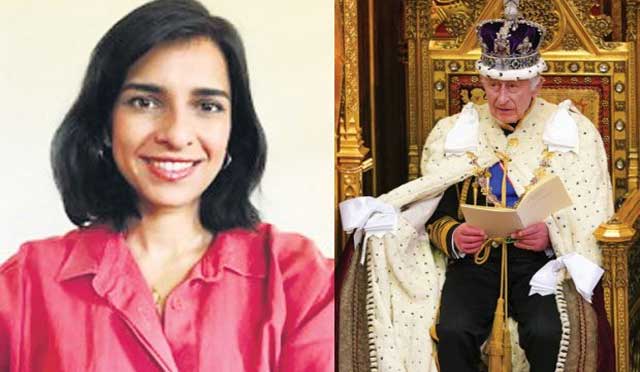
Muna Shamsuddin, originally from Kasargod, has been appointed as the assistant personal secretary to King Charles in London.

Muna is the daughter of the late Shamsuddin and Saidunnisa, a couple from Talangere Teruvat Hasheem Street, Pudiyapurayil.

She pursued her education in London and began her career with the British legal advisory office. Her exceptional work led to her appointment as chief assistant secretary to the King while working in the London foreign Commonwealth development section.

Muna holds a degree in mathematical engineering from the University of Nottingham, Britain.

She has also served in the external affairs ministry of Britain, working as Britain’s consul general in Jerusalem and heading the external affairs department in Karachi, Pakistan.

Her husband, David, is employed with UNESCO. Muna had visited Kasargod 10 years ago.

source: http://www.daijiworld.com / Daiji World.com / Home> Top Stories / by Daijiworld Media Network – Kasargod (MS) / December 01st, 2024

World Cup carrom champions return from USA

Chennai, TAMIL NADU :

Indian carrom team returns triumphant from World Cup in San Francisco, with Rashmi Kumari praising champions Srinivas and Khazima.

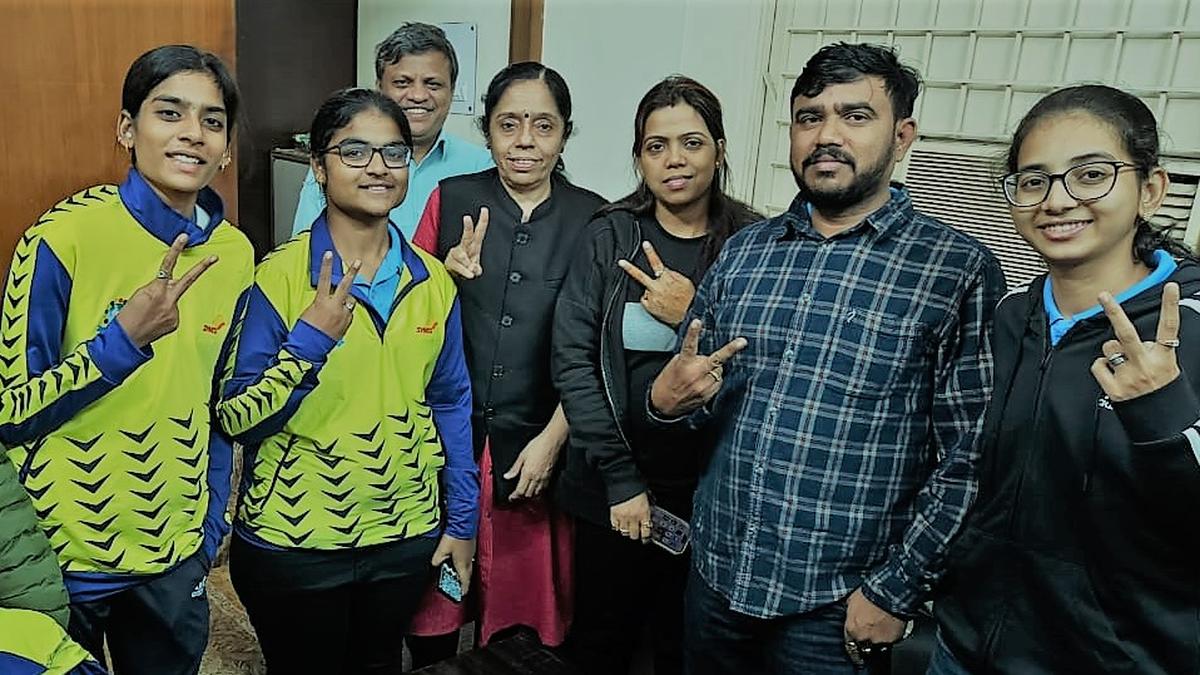
Some members of the World Cup-winning Indian carrom team on return in Delhi on Wednesday (November 21, 2024). From left, K Nagajothi, M Khazima, V Mithra, VD Narayan, Bharti Narayan, Rashmi Kumari, K Srinivas, and Aakanksha Kadam. | Photo Credit: Kamesh Srinivasan

It was a happy homecoming for the champion Indian carrom team from the World Cup in San Francisco, USA, on Wednesday (November 20, 2024).

Even though it was K. Srinivas and M. Khazima who won the individual men’s and women’s titles in a thrilling fashion, it was the World Champion Rashmi Kumari who was singing their praise, appreciating their high-quality game, in a chat with The Hindu.

The evergreen women’s champion Rashmi, who has won the national title 12 times, apart from three World titles, expressed admiration for Srinivas finishing brilliantly with a white slam, to emerge champion after trailing 16-20.

“It was a great finish,” said Rashmi.

On his part, Srinivas said that Mohd. Arif had executed nine slams through the World Cup with his brilliant play, and that he derived great satisfaction in winning in such great style with a slam, not giving the opponent any chance.

The 17-year-old Khazima, a first year student of Justice Basheer Ahmed Sayeed College in Chennai, had won a thriller 25-23, 22-25, 25-24 agaiinst Rashmi in the final for the women’s crown.

“I have great respect for Rashmi. I practised 12 hours a day to prepare for this World Cup. My father Mehboob Basha and former World Champion Maria Irudayam have guided me”, said Khazima, who won the doubles title with V. Mithra.

For one so young, Khazima was quite unselfish and was thinking more about improving the structure of the Chennai Nagar Carrom Coaching centre as and when she gets to meet the Tamil Nadu Chief Minister.

The small structure that gets flooded during the rains, has already produced many national champions, including Khazima’s brother.

It was a triple crown for both Srinivas and Khazima, as they not only won the singles but also the doubles and the team championships. Srinivas won the doubles title with Mohd. Arif.

The secretary of the All India Carrom Federation (AICF), Bharti Narayan, was delighted with the high quality performance of the Indian players, in sweeping every possible medal except one.

“Preeti Jakhotia of the USA played a superb game right through and beat two of our players, V Mithra in the third place match and K Nagajothi in the quarterfinals”, said Bharti.

The secretary general of the International carrom federation, VD Narayan said that the standard of the game was going up globally, and that the USA had done a great job of hosting the World Cup, acquiring 80 boards from India, and changing the frame to blue for a more impressive screen presence.

“We are planning to have the Asian championship every year, like the way Europeans conduct their championship. We have many plans to develop the game”, said Narayan.

“Khazima played a very aggressive game, pulling off many impressive shots. The loss in the final gives me the motivation to train better in the next four years,”, said Rashmi.

source: http://www.thehindu.com / The Hindu / Home> Sport / by Kamesh Srinivasan / November 21st, 2024

AMU Professor Dr. Mohammad Rihan Appointed Chairperson of BIS Solar Energy Panel

Aligarh, UTTAR PRADESH :

Prof. (Dr.) Mohammad Rihan, a senior faculty member of AMU, has been appointed Chairperson of BIS Solar Energy Panel

Aligarh:

In a significant development for India’s renewable energy sector, Prof. (Dr.) Mohammad Rihan, a senior faculty member of Aligarh Muslim University (AMU), has been appointed as the Chairperson of the Solar Photovoltaic Energy Systems Sectional Committee (ETD 28) under the Bureau of Indian Standards (BIS).

Prof. Rihan, who previously served as the Member In-charge of Electricity at AMU, is currently on deputation as the Director General of the National Institute of Solar Energy (NISE), an autonomous body under the Ministry of New and Renewable Energy. His appointment is expected to bolster India’s efforts in standardising and advancing solar energy technologies.

The ETD 28 Committee, operating under the Electrotechnical Division Council of BIS, is tasked with developing national standards for photovoltaic systems, encompassing everything from solar energy conversion to electrical system integration. Prof. Rihan’s leadership is anticipated to play a pivotal role in ensuring the reliability, efficiency, and sustainability of India’s solar energy initiatives.

Prof. Rihan’s distinguished career includes roles as Vice Chairperson of the ExCom IEEE UP Section and the IET Delhi Local Network. He has also contributed as a Visiting Scientist at NISE. With his expertise, Prof. Rihan is expected to drive innovation and accelerate India’s transition towards a renewable energy future.

This appointment highlights the growing recognition of academic contributions to India’s renewable energy mission and reinforces AMU’s reputation as a hub of academic excellence in science and technology.

source: http://www.radiancenews.com / Radiance News / Home> Education> Focus> Science & Technology / by Radiance News Bureau / December 07th, 2024

Waqf power at work

NEW DELHI / INDIA :

New battle-lines are being drawn in Parliament, and out of it, with waqf and its management at the centre of a major political slugfest.

New battle-lines are being drawn in Parliament, and out of it, with waqf and its management at the centre of a major political slugfest.

At this juncture, it is appropriate to recall the achievements of Hakeem Abdul Hameed, the founder of Jamia Hamdard, whose birth centenary was celebrated in December 2008, and the waqf he founded ~ the Hamdard (Waqf) Laboratories ~ is well into its ninth decade. Speaking during Hakeem saheb’s centenary celebrations at Jamia Hamdard, then Vice-President of India Hamid Ansari observed, “in our recent history Hakeem Abdul Hameed is probably the first, and the most successful, to resurrect the waqf concept in innovative ways so that a modern company was registered as a wakf institution whose income was to be used for public good in the areas of education, medical relief and the advancement of knowledge.

It was an important signal in the immediate aftermath of the painful Partition of India to thread together the religious element with socio-economic progress and alleviation of poverty.” The Vice-President added, “Since the 1930s and 1940s, over 25 educational research institutions were established, culminating in the Jamia Hamdard. The range is astounding ~ ranging from primary education to post-doctoral research, from Unani Medicine to Information Technology, from Islamic Studies to Business Management. Besides the university, the colleges and hospitals established for service to society, there are a set of institutions that bear testimony to his scholarly interests.

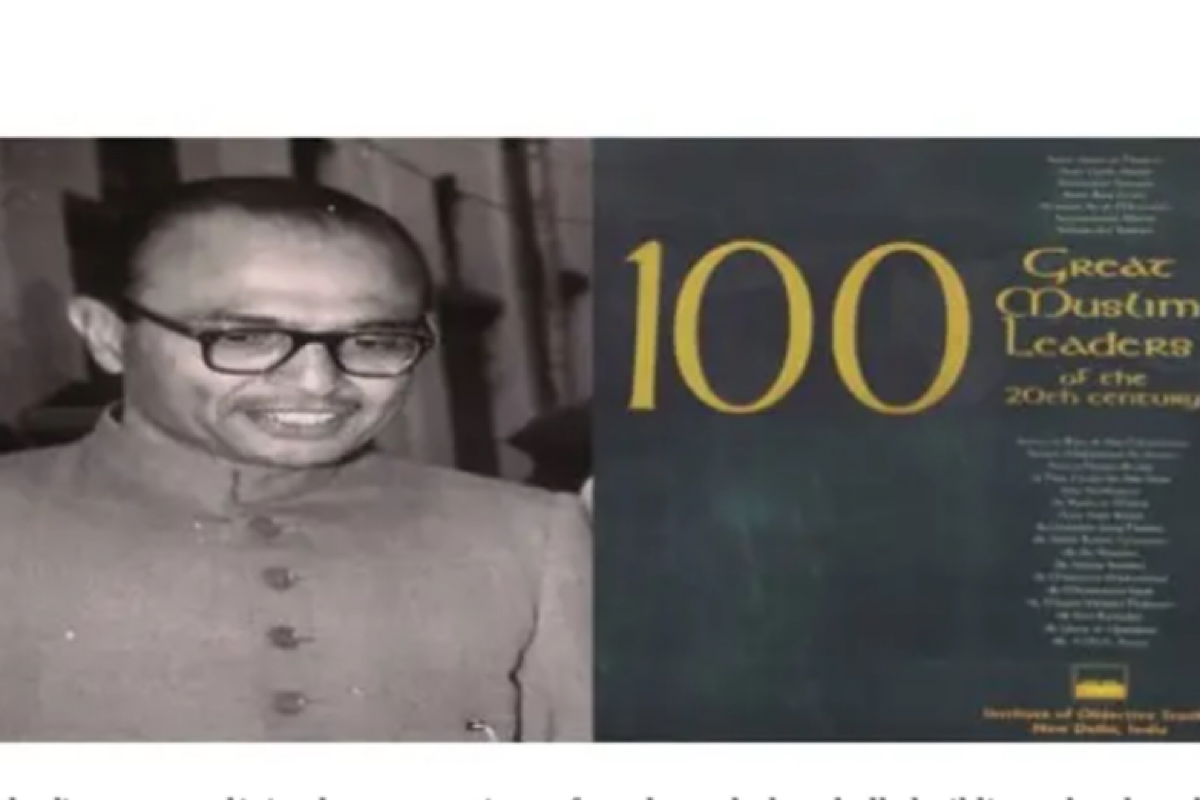
I refer to the Institute of History of Medicine, the Institute of Islamic Studies, the Ghalib Academy and the Institute of Federal Studies. Each of these has rendered significant service to scholarship.” Undoubtedly the list of achievements is long but as Hamid Ansari commented, “these achievements hold a mirror to the potential of what public-minded personalities can achieve through the institution of waqf for the socio-economic, educational and cultural betterment of the community. Future generations would behold Jamia Hamdard and Talimabad and wonder at the capacity, vision and dedication of an individual.” Truly so, for in ‘100 Great Muslim Leaders of the 20th century’, a publication of the New Delhi based Institute of Objective Studies (IOS), Dr Mohd Manzoor Alam provided a larger global context to understanding the achievements of Hakeem Abdul Hameed as an outstanding educationist and social reformer, along with his equally illustrious younger brother Hakeem Mohammad Said.

“In the face of formidable challenges which marked the lives of a selected 100 great Muslim men and women of the 20th century,” wrote Dr Alam in the preface, “their lives, struggles and contributions reflect the response of Muslims to the multiple challenges over the century…the ‘100 Great’ belonged to five continents and they came from different cultural and linguistic backgrounds, they were inspired by the eternal values and principles of Islam and the precepts of their illustrious forebears in the annals of Islamic history.” Through the tumultuous decades of the 20th century, Dr Alam observed that the ‘100 great Muslim leaders’ were unwavering in their “faith in the Holy Quran describing Muslims as ‘good people’, whose mission on earth is to help others live a meaningful life.

Even in the darkest hour the world of Islam was not plaued by a dearth of men and women who had the stature, mettle and competence to rise to the occasion. The two revered Hakim brothers ~ Hakeem Abdul Hameed and Hakeem Mohammad Said ~ who revived the Unani or Greco-Arab system of medicine and created two institutions, the Hamdard in India and its twin in Pakistan, are inspiring examples of leadership. They did not really belong to any one place. This is aggravated by Western colonial redrawing of the Muslim world map: Hakeem Abdul Hameed in India and Hakeem Mohammad Said in Pakistan were, in fact, two sides of a single sub-continental picture of Islamic excellence.”

The lifetime achievements of Hakeem Abdul Hameed were myth-busters: it had been an enduring myth of the 20th century that the Muslim world had been in deep slumber, their state of somnolence stretching back to centuries. Said Dr Manzoor Alam, “the 20th century instead turns out to be a period of extraordinary intellectual, moral and social awakening and struggle across the Muslim world with societies from Malaysia to Morocco trying hard to reform, promote and practice Islam as a living reality that could guide them through difficult times.” The Hamdard story began over a century ago when Abdul Hameed’s father, Hakeem Hafiz Abdul Majeed, established the Hamdard Dawakhana in 1906.

The vision was implicit in the name. Hamdard means ‘the sharing of pain’ and willingness to mitigate it was to be the motto of future generations as well. The vision was also to break the exclusivity of medicinal preparation of each Unani Hakim and make it available to the masses through modern laboratories along scientific lines. A traditional system of medicine was thus modernised with a nationalist inspiration and an indigenous base. “For this reason, Hakeem saheb can rightly be called a Mujaddid (or reformer) of Unani medicine,” said Ansari in the centenary speech.

Writing in ‘Muslim Mirror’, Abdul Rashid Agwan detailed the story. After Independence in 1947, Hamdard University or Jamia Hamdard has been the first institution that was established and managed on the basis of waqf income. In 1948, the manufacturing and selling unit of Hamdard Daw – akhana, Hamdard (Waqf) Laboratories, was converted into an endowment. Its deed dated 28 August 1948 provided for “Qaumi Income” (Public income) and “Khandani Income (Family income). However, the concept of family income was abolished by a declaration of the Settler/ Founder-Wakif Mutawalli in 1985, with retrospective effect from 1 January 1973. From the profits of the company, Hamdard Tibbi College was set up in 1963 in Old Delhi which later shifted to its present 90-acre campus in Tughlaqabad. In order to effectively manage and utilize the income accrued from Hamdard Waqf Laboratories for the promotion of its objective, Hamdard National Foundation was created on 12 May 1964 to disburse company profits to promote interests of society.

All profits of the company were obligated to go to the Foundation. Both Hamdard and the Foundation were registered under Section 12A of the Income Tax Act. Coinciding with the establishment of the Hamdard National Foundation in India, Hamdard Waqf Laboratories Pakistan also formed Hamdard Foundation Pakistan the same year. Its founder, Hakeem Muhammad Said, expressed the mission in these words, “Hamdard … has chosen to serve through activities for the promotion of good health and education ~ the twin pillars of progress.” Through the 1950s and 60s, when educational institutions namely, Indian Institutes of Technology, Indian Institutes of Management, AIIMS and Jawaharlal Nehru University ~ were being established with Government resources and with the focus of providing a new nation the benefit of modern science and education, Hakeem Abdul Hameed was single-handedly building schools, colleges and the university under the Jamia Hamdard banner, relying on internal resources of Hamdard Waqf Laboratories, and focused on rejuvenating the millennia-old Greco-Arab medicine which came to be simplistically known as Unani medicine. In this long process of reviving ancient knowledge, Hakeem saheb’s original contribution was the use of modern scientific methods and technology for the standardisation and manufacture of Unani medicine. “Quite early in life, when he was studying medicine at the Tibbia College, he was deeply impressed by the systematic and methodical approach of Hakeem Ajmal Khan towards the classification and standardisation of Unani medicines,” the IOS publication narrated. The Hakeem brothers travelled across Asia and Europe in the 1950s closely observing modern methods and techniques of drug making. They were convinced of the relevance and necessity of using modern technology for medical experimentation and manufacture of Unani medicines. At Hamdard Laboratories, Hamdard University, Hamdard Nursing Home and Majidia Hospital, these modern methods and technology were put into good use, ensuring the regimen of Unani system of medicine could co-exist with modern science and technology.

“This integrated, holistic approach to diagnosis and therapy is one of the most original and outstanding contributions of Hakeem Abdul Hameed,” the IOS publication stated. Eleven books on Unani medicine: Arab medicine and its relevance to modern medicine; Earth, elements and man: Search for a solid foundation of the theory and practice of medicine; and the magnum opus Qarabadin-e-Hamdard or Hamdard Pharmacopoeia are testimony to Hakeem Abdul Hameed’s medical observations, experiences and researches. In the 1980s, he initiated path breaking research on Ibn Sina’s Al-Qanun fit-Tibb or The Canon of Medicine. The 3-volume study was made available in multiple languages, including English.

Several national and global awards were bestowed on Hakeem Abdul Hameed who lived an austere life on campus till the age of 91, with a Gandhian determination to build the new nation through promotion of medicine, modern education and public charity. Like Sir Syed Ahmed Khan and Hakeem Ajmal Khan, Hakeem Abdul Hameed remains a towering personality whose contribution to modern education and medicine is second to none. It is in the domain of waqf management that Hakeem saheb gave modern India a new path for sustainable, equitable development.

(The writer is a researcher writer on history and heritage issues and a former deputy curator of Pradhanmantri Sangrahalaya)

source: http://www.thestatesman.com / The Statesman / Home> Opinion / by Raju Mansukhani, New Delhi / October 07th, 2024

Sania Khan Bags Prestigious SHE INSPIRES AWARD 2024 in UK’s Rising Star Category

Shahjahanpur (Meerut ),UTTAR PRADESH / London, U.K :

Sania Khan, originally from Shahjahanpur, Meerut, Uttar Pradesh, has been honoured with the prestigious SHE INSPIRES AWARD 2024 in the Rising Star category in the United Kingdom.

Sharing his pride, Sania’s father, Mehr Alam Khan, Editorial Consultant at Cineink, London, said, “This remarkable recognition reflects her inspiring journey marked by resilience, determination, and a commitment to creating meaningful change.”

Sania’s journey began in the small village of Shahjahanpur. Despite facing personal challenges, she founded the Silver Lining Fostering Agency in London, a leading organisation dedicated to transforming the lives of vulnerable children and empowering foster carers.

Under her leadership, Silver Lining Fostering was awarded an “Outstanding” rating by Ofsted in 2024, a testament to its excellence in providing safe, nurturing homes and comprehensive support for foster families. The agency supports over 60 foster families and 70 children across London and the Midlands.

Sania said, “The seeds of my dreams were sown in my village. Despite limited resources, I learned that with determination and vision, the seemingly impossible can be achieved. Those lessons inspire me daily to create opportunities for others, especially vulnerable children.”

Sania completed her early education at Dewan Public School in Meerut and pursued higher studies at Jamia Millia Islamia, New Delhi. In 2018, she founded Silver Lining Fostering, which focuses on tailored support for foster carers and achieving positive outcomes for children, particularly those who have faced immense adversity.

On receiving the award, Sania said, “This recognition isn’t just about me; it’s about the incredible foster carers, staff, and children who inspire me every day. Together, we’ve shown how fostering can change lives. I hope this motivates more families to step forward and provide loving homes for children in need.”

Her agency stands out for its innovative Wrap Around Service and its commitment to recruiting foster carers from diverse and underrepresented communities. Sania’s leadership has not only empowered carers to achieve personal milestones like financial independence and home ownership but has also set new standards in foster care.

source: http://www.radiancenews.com / Radiance News / Home> Pride of Nation>Awards / by Radiance News Bureau / November 23rd, 2024