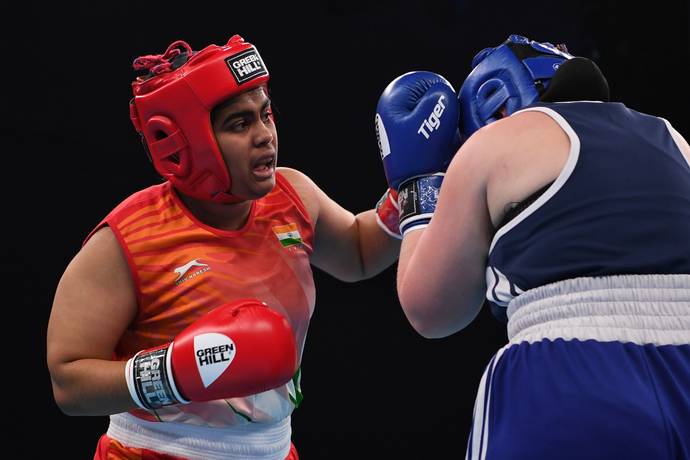
India’s Alfiya Pathan and Gitika produced sensational performances to win gold medals in the Elorda Cup in Kazakhstan on Monday.
Alfiya in action. (File Photo) – SPECIAL ARRANGEMENT
India’s Alfiya Pathan and Gitika produced sensational performances to win gold medals in the Elorda Cup in Kazakhstan on Monday.
On the other hand, Gitika, who hails from Rohtak, handed the country first gold by winning an intense all-Indian final against Kalaivani wherein both the boxers started off with an aggressive intent and kept attacking each other. While they continued to exchange heavy punches, Gitika effortlessly shifted the gears as the bout progressed and did enough in the end to tilt the result in her favour.
“It was a great feeling to win a gold medal in the first senior international tournament. This is a start; I want to win more medals at the senior level in international competitions,” Gitika said after her win.
Meanwhile, the 2019 World Championships bronze medallist Jamuna gave her all against Uzbekistan’s Nigina Uktamova but ended up with a 0-5 loss in the 54kg final.
Alfiya and Gitika fetched themselves a prize money of USD 700 for their gold medal-winning feats while silver and bronze medal winners were awarded with USD 400 and USD 200 each respectively.
With the addition of two gold and as many silver medals on the final day, the Indian contingent also concluded their campaign with 14 medals, including 10 bronze, in the inaugural edition of the tournament.
Indian women boxers secured two gold, two silver and six bronze medals in the tournament which witnessed top players in action from strong boxing countries such as India, Uzbekistan, hosts Kazakhstan, Cuba, China and Mongolia.
Jyoti Gulia (52kg), Sakshi (54kg), Sonia Lather (57kg), Neema (63kg), Lalita (70kg) and Babita Bisht (81kg) were the six bronze medallists in the women’s category.
Among men, Kuldeep Kumar (48kg), Ananta Chopade (54kg), Sachin (57kg) and Jugnoo (92kg) claimed bronze medals.
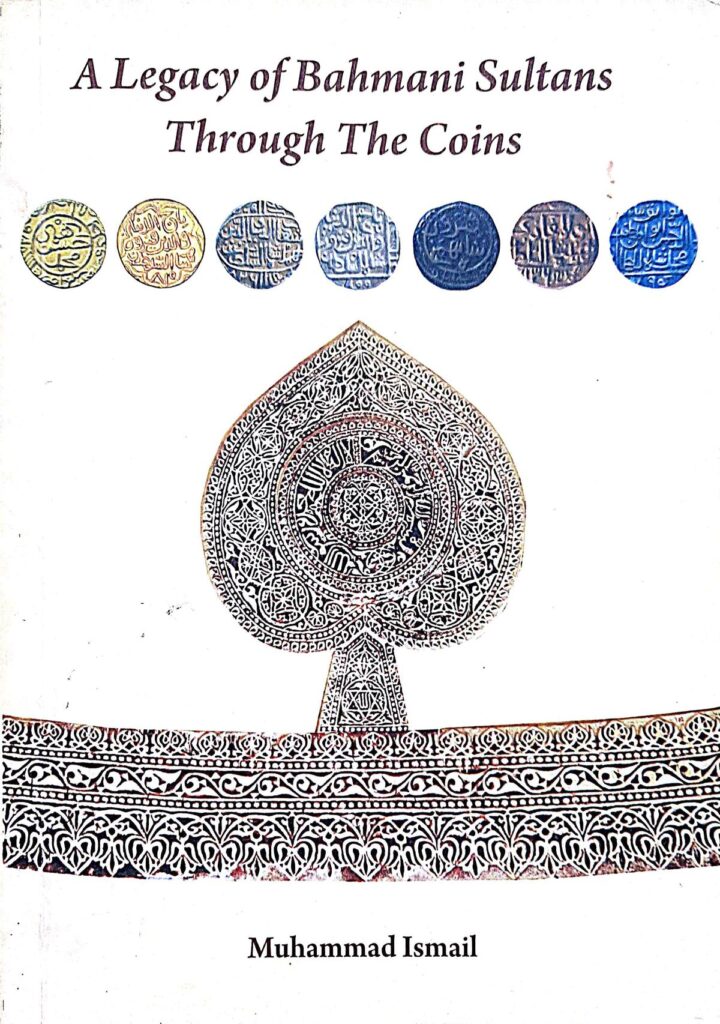
Cover page of the book ‘A Legacy of Bahmani Sultans through Coins’ published by the Gulbarga Bahmani Numismatics Research and Educational Trust. | Photo Credit: ARUN KULKARNI
Mohammad Ismail has got a rare treasure of coins dating back to Bahmani Sultans from 14th to 16th Century
The Gulbarga Bahmani Numismatics Research and Educational Trust recently published a book titled ‘A Legacy of Bahmani Sultans through coins’ authored by Numismatist Mohammad Ismail in which he depicts the numismatic journey of Bahmani Sultans through his collections.
The book traces the journey of coins belonging to all the 18 Bahmani Sultans starting from Alauddin Hasan Bahman Shah (1347-58), till the last Sultan – Kalimullah Shah (1526-1538). Mr. Ismail has meticulously worked, richly illustrated, about each coin issued during Bahmani Sultans period.
Mr. Ismail has got a rare treasure of antique coinage, belonging to Bahmani Sultans from 14th Century to 16th Century. The numismatist has more than 2,500 coins in his collection of various rulers, dynasties and kingdoms. Among his treasury are also coins dating back to 1,600 years ago.
The numismatist also organises a campaign “Save Coin Save Heritage.” The objective of this campaign is to spread awareness about ancient coins at schools and to take forward the legacy to younger generations.
Speaking to The Hindu, the numismatist explained the legacy of Bahmani Sultans and displayed a collection of nearly 80 copper coins issued in one year period between 1378-1379, and said that all the four Sultans including Dawood Shah-I, Muhammad Shah-II, Ghiyasuddin Tahmathan Shah, Shamshuddin Dawood Shah–II (4th, 5th, 6th and 7th sultans, respectively), have ruled for less than a year. His collection has got nearly 500 coins issued during Tajuddin Firoz Shah (8th Bahmani sultan), followed by 400 coins of Muhammad Shah-I (the second Bahmani sultan), and 300 coins of Kalimullah Shah (18th Bahmani sultan) Period.
According to Mr. Ismail, the study of coins gives insights into history as no other source does. The enthusiast numismatist tries to enhance his collection by getting in touch with collectors across India. His collection includes coins of various shapes, sizes and weights issued during different reigns made up of gold, silver, bronze and copper, some very rare.
When asked about the estimated value of coins in his collection, Mr. Ismail said that the value of each coin varied depending on its age, rarity and material. “But for me, as a numismatist, it is the coin’s age and rarity which matters more than its price,” he said.
Some of the rarest coins in his collections are of Tahmatun Shah, Dawood Shah, Ahmed Shah III, Muhammad Shah IV and Mujahidin Shah. Mr. Ismail’s rare collection includes 10 copper and one gold and silver coin minted during the Tahmatan Shah period. It took him eight years to find those coins. His collection also includes the rare gold and silver coins of Ahmed Shah II and Mujahidin Shah.
He also has coin collections belonging to Chalukyas, Kakatyas, Rashtrakutas, and the Vijayanagara Kingdom. Mr. Ismail wants to bring out a catalogue of these collections too.
source: http://www.thehindu.com / The Hindu / Home> News> National> Karnataka / by Praveen B Para / Kalaburagi – July 03rd, 2022
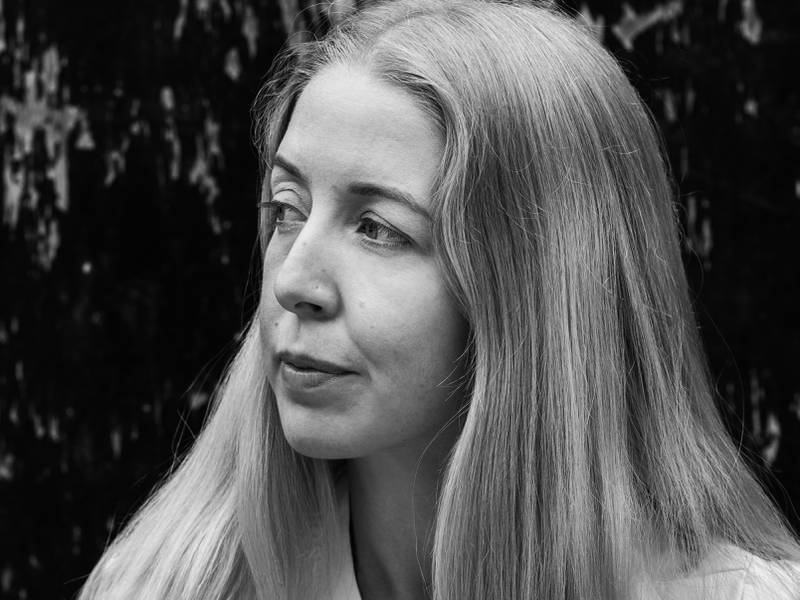
Lexi Stadlen, an author in Dubai, moved to one of ‘the last splutters of land’ for her debut non-fiction book ‘Nine Paths’.
British author and anthropologist Lexi Stadlen has released her first non-fiction book. Photo: Penguin Random House UK
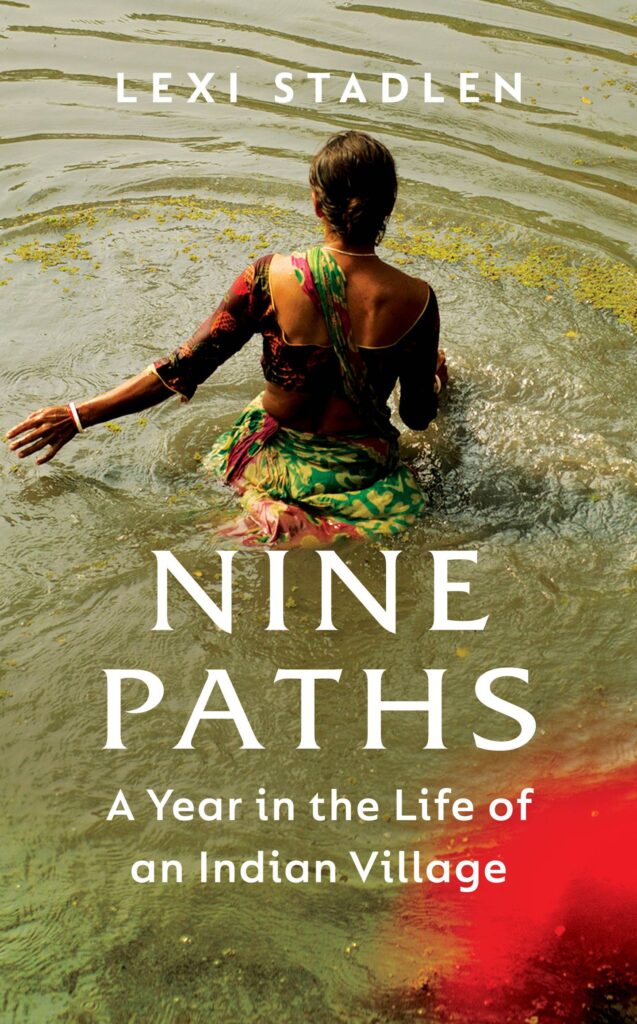
Anthropologists are caretakers of stories,” writes Lexi Stadlen at the beginning of her insightful and absorbing first book Nine Paths.
It’s a memorable description and one that perfectly sums up Stadlen, an anthropologist and ethnographer who has gathered and collated a rich variety of stories from nine Muslim women.
UK-born Stadlen spent 16 months living in a Muslim village on a remote island, one of “the last splutters of land” at the eastern edge of India.
There, speaking the inhabitants’ mother language of Bangla, she visited more than 100 households.
Gradually, she homed in on, and won the trust of, nine women who admitted her into their private worlds and allowed her to record their histories, chart their daily experiences, and relay their hopes and fears for the future.
“These women showed me such beautiful hospitality that was rooted in their Islamic faith,” Stadlen tells The National.
Some of the women were more forthcoming than others at the outset.
“One of them, Kalima, marched up to me almost immediately and declared herself my ‘kaki’ or aunty, so I very quickly became an adopted part of her family,” says Stadlen.
“That said, like all relationships, it took a lot of time and patience on both sides to build up a sense of intimacy between us, though their curiosity outweighed any mistrust.”
Along with Kalima, Stadlen got to know indomitable matriarch Maryam, forthright Tabina and glamorous Sara — one of the few who has managed to leave the island, in her case to study in Rajasthan.
“Theirs are houses that don’t like to keep secrets,” Stadlen reveals in the book.
Since her research was focused on women’s intimate lives, it was important for her that they became comfortable enough to open up to her.
Some shared their secrets, or dispelled and confirmed rumours that surrounded them.
Stadlen discovered that all had been the subject of gossip at some point, perhaps none more so than Roshini, who was treated as a pariah with a tarnished reputation for defying convention and marrying out of love.
‘Nine Paths: A Year in the Life of an Indian Village’ by Lexi Stadlen. Photo: Penguin Random House UK
“For some,” Stadlen says, “I was an arbitrator in disagreements, for others a confidante. In two cases, the rumours about them were so unspeakable, we simply could not discuss them.”
Two women in particular, Rani and Aliya, loom large in the book. Unsurprisingly, it was those women who Stadlen was most drawn towards.
“Rani was the one I felt most protective over,” she explains. “She was at the point in a young woman’s life when so much is happening, her body changing, her mind struggling to keep up.
“She had passions and dreams that were so extraordinary for a young Muslim woman in her community. She loved athletics and all she wanted was to become a police officer.
“Aliya was the woman who I felt nothing but admiration for. Her story was heartbreaking.
“Her family had suffered a terrible tragedy that is revealed towards the end of the book, and she had lost everything. Yet with six children and a husband to support, she never complained, worked harder than anyone else in the village and was sought out by all for her wise counsel.”
Stadlen observed pairings and partings at weddings and funerals. She followed her subjects to tea shops, matchmaking sessions, madrasa meetings and into their homes.
She heard about women’s lives impaired by poor living conditions and venal authorities, or destabilised by jinni (a spirit in Arab mythology), monsoons and violent husbands.
“They were hungry for so much more,” she says. “They wanted the opportunities, the infrastructure, the equality that they’ve been promised for so long but that is sadly yet to materialise.”
In some ways, Stadlen was surprised by what she found.
“As a rural, socially conservative Muslim community, I had naively assumed that women would not have much chance to engage with local politics. I could not have been more wrong,” she reveals.
“The women were often the ones who visited government offices on behalf of their families, and while they let the men think that they dictated which political party a household should vote for, it was the matriarchs who were really in charge behind the scenes, giving instructions to their children, wooing politicians and building political alliances with their neighbours.”
Stadlen has gone on to swap one Muslim culture for another. Last September she moved to Dubai.
“I love the beaches and the area around Al Quoz, and there is an incredible yoga community here,” she says.
She has taken with her fond memories of her time in India, and a deeper understanding of humanity.
“One thing I learned will stay with me always,” she says. “That women’s experiences are, at their heart, so similar, no matter where they live and what their circumstances.”
source: http://www.thenationalnews.com / The National / Home> Arts & Culture> Books / by Malcolm Forbes / June 07th, 2022
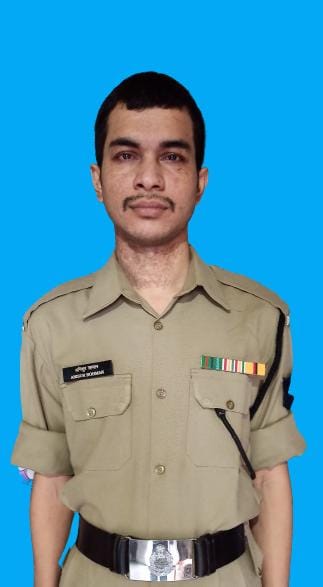
Constable Anisur Rehman of 41 Bn of FTR HQ BSF Guwahati received Police Medal for Gallantry on the occasion of #75thIndependenceDay for showing utmost bravery at Indo- BD International border for saving the life of Ambush cum patrolling party.
Otta Chora (Same Blood) by Shuhaib Alanallur, a student of Madin Academy in Malappuram, is being quoted by speakers in their programmes all across Malabar.
Kozhikode :
A poem that celebrates the warmth of the relationship between Hindu and Muslim families, penned by an upcoming writer, has become an instant hit after it was published in a magazine recently. Otta Chora (Same Blood) by Shuhaib Alanallur, a student of Madin Academy in Malappuram, is being quoted by speakers in their programmes all across Malabar.
In the poem, a Hindu woman, Narayani, finds solace in Nabeesu’s Islamic prayers while enduring the labour pain, and the ‘Mollakka’ (Muslim cleric) recites a verse from Quran to help her husband Velu quit drinking. Finally, Velu refuses to take his usual quota of toddy because the ‘Mollakka’ had donated his blood when he got injured after falling in a gutter. “I will not pollute Mollakka’s blood that runs in my blood by mixing it with toddy,” declares Velu at the end of the poem.
“Such relationships were quite common in our country-sides few decades ago. We are celebrating the bonding because it is fast fading away from our midst,” said the poet.
“The poem was written during the ‘Sahithyolsavam’ conducted by the Sunni Students Federation last year,” he said. It was the patronage given by Syed Ibrahimul Khaeel Al Bukhari Thangal, chairman of the Madin Academy, that shaped the writer in Shuhaib.
“Muslim Youth League leader Shibu Meeran quoted my poem in an impassioned speech that made it a discussion point on the social media,” Shihaib said. It was the fond memories that he spent with his Hindu friends in Alanallur near Mannarkkad that inspired Shuhaib to write the poem.
“There are people who argue that such relationships are normal in our midst and they need not be highlighted. But I believe that such voices should be amplified at a time when dark forces are lurking in our society,” said Basheer Faizy Deshamangalam, Islamic scholar and the leader of Samastha Kerala Sunni Students Federation.
“Narayani didn’t refuse to take the Islamic blessing saying that it is from another faith nor did Velu say no to verses from Quran. Such innocent virtues should be underlined when there are deliberate attempts to divide us,” he said.
source: http://www.newindianexpress.com / The New Indian Express / Home> Good News / by MP Prashantah, Express News Service / June 07th, 2022
The memorial has now become a pilgrimage point for locals
Half a century back, a Kali temple was built by the Border Security Force (BSF) as a war memorial at the request of two soldiers — a Christian and a Bengali Muslim — at the Border Outpost (BOP) in Srinagar, Tripura, which has now become a pilgrimage point for locals.
Major P. K. Ghosh, who was then commanding four border outposts (BOP) of BSF at Srinagar, Amlighat, Samarendraganj and Nalua in the southern part of Tripura bordering Chittagong division, in erstwhile east Pakistan, has chronicled the story in ‘Borderman’, the BSF journal.
When contacted, Major Ghosh said the Srinagar BOP was located in a very important strategic position and after the revolt by the East Bengal Regiment in 1971 against Pakistan, BSF aided the rebels in forming the first Muktibahini (Liberation army) in Srinagar.
“The MMG post at Srinagar BOP was playing a crucial role in thwarting the Pakistani army. It was the forward observation post near the Chittagong-Noakhali area. Exchange of fire was nothing new in that area, but it intensified when the liberation war started picking up”, Major Ghosh told PTI telephonically.
He said since the MMG post was causing major damage to the Pakistani side, it became a precision target for the enemy.
“A precision target receives continuous firing of shells over a period of an hour or so, it is likely to get damaged. On that day, they fired 100 shells in ten minutes”, Major Ghosh recalled.
“There were three members of the detachment at the post including a Nepali Christian, Constable Rehaman (a Bengali Muslim) and Constable Banabihari Chakraborty. The situation at the spot was terrible, and I asked them not to step out of the bunker,” he said.
As the situation became worse, Constable Chakraborty asked the others to pray to goddess Kali. “They did that without even considering their religious beliefs. The post was saved due to its position near a pond and marshy land and heavy rain a night ago. A bamboo tree also prevented the shells from torching the bunker and they ended up as air bursts”, Major Ghosh said.
When the BSF decided to build a war memorial at the spot, the Christian and the Muslim soldiers requested that a Kali temple be built instead.
“Building a Kali temple for a war memorial is very unconventional. But BSF did that to honour the request of the soldiers,” Major Ghosh said.
The funds were collected from locals and the Bangladeshis also joined in constructing the Kali temple in 1972.
“We named it Rann Kali (War Kali) temple to honour their faith. At a time of religious intolerances, such examples stand as a beacon of hope”, he said.
source: http://www.thehindu.com / The Hindu / Home> News> National> Other States / by PTI / Srinagar (Tripura) / July 03rd, 2022
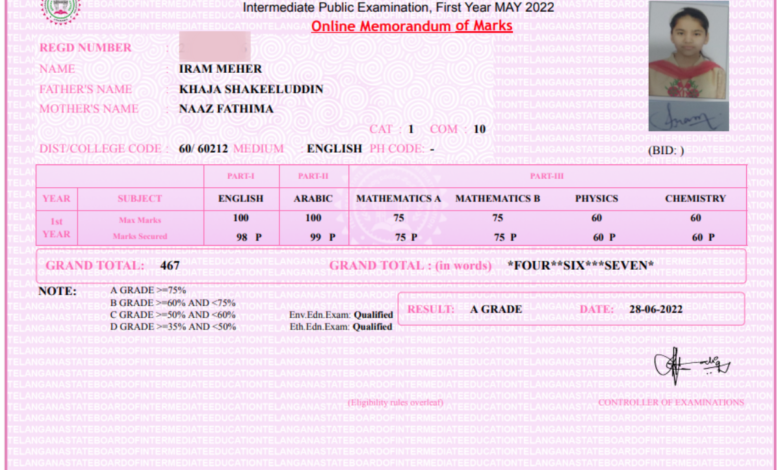
Iram Meher, is a first-year intermediate student who topped in the state by scoring all A’s in the subjects of Mathematics, Physics, and Chemistry.
Iram Meher Khaja Sahkeeluddin is a student at the St. Joseph’s Junior College in Hyderabad’s Tolichowki Branch. Meher’s first-year tests resulted in a 467 out of 470.
She received 75 out of 75 in maths scoring an A grade and the same in maths scoring a B, 60 out of 60 in physics, the same in chemistry, and 98 and 99 out of 100 in English and Arabic languages.
The TSBIE Intermediate First and Second Year Results 2022 were released at a press conference hosted by the Telangana State Education Board at 11 AM, on Tuesday. 63.32 percent of the overall number of students who took the TS Inter examinations in 2022 passed and were promoted from the first year, while 67.16 percent passed the second year.
Girls once again outperformed males in the Telangana Intermediate examinations, according to the board’s website, tsbie.cgg.gov.in, where students can also view their scorecards and TSBIE IPE scores memo.
source: http://www.siasat.com / The Siasat Daily / Home> News> Telangana / by News Desk / posted by Marziya Sharif / June 30th, 2022
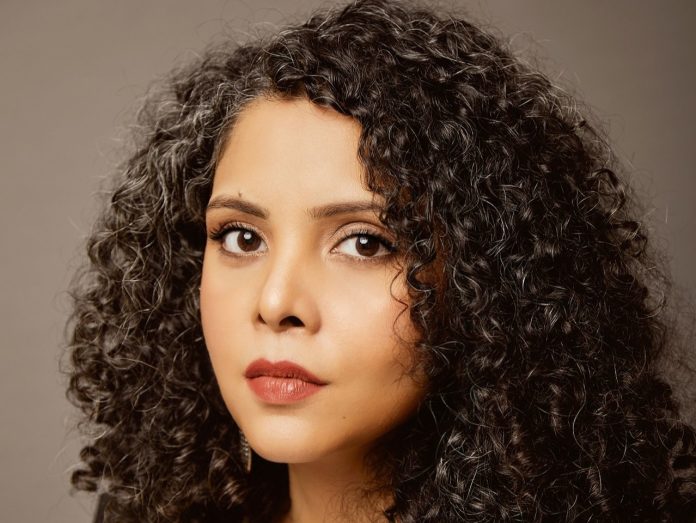
Indian Journalist Rana Ayyub was awarded the International John Aubuchon 2022. She was honoured with the award by the National Press Club of Washington DC and the Aubuchon is the Club’s highest honor for press freedom.
National Press Club President Jen Judson and National Press Club Journalism Institute President Gil Klein said, “We are pleased to name Rana Ayyub the 2022 John Aubuchon Award International Honoree. Ms. Ayyub’s courage and skill in investigative work has been evident throughout her distinguished career and her criticism of the government has been met with an unwelcome assault on her rights and freedom of expression.”
Later, Ayyub, in her statement on Twitter, thanked the Press Club and said that “it is a testing time for journalism in India”.
She further added: “Huge honour to receive this award, the first ever for an Indian.”
Ayyub dedicated the award to her colleagues who are lying in different prisons across the country. “Dedicating this to my colleagues Mohd. Zubair, Siddique Kappan and Asif Sultan, incarcerated for speaking truth to power,” she said.
source: http://www.thekashmirlwalla.com / The Kashmir Walla / Home> News> South Asia / by News Desk / July 01st, 2022
Imaginative cuisine, stylish wardrobes, magnificent palaces, and an opulent lifestyle. These are just a few things that the Nizams of Hyderabad are known for. Well, there’s one more thing: spectacular jewelry.
Most people already know that the last Nizam, Mir Osman Ali Khan was one of the wealthiest men in the history of the world. So, it comes as no surprise that he owned a fabulous collection of jewelry – diamonds, gold ornaments, and precious stones.
Almost all this collection was purchased by the Government of India, which arranges its exhibition from time to time.
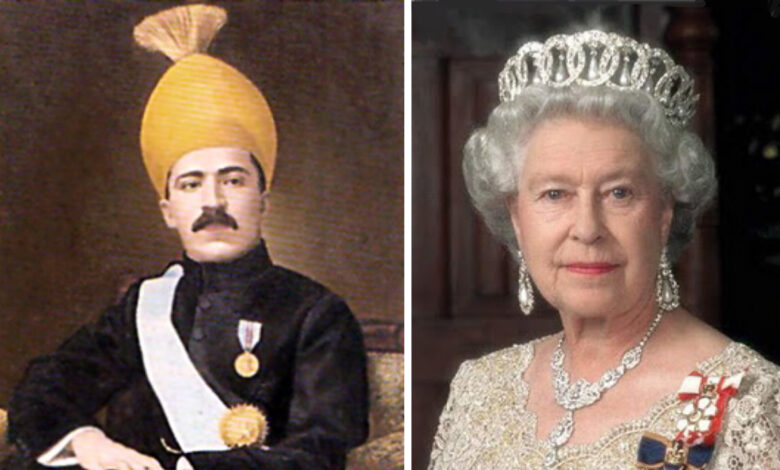
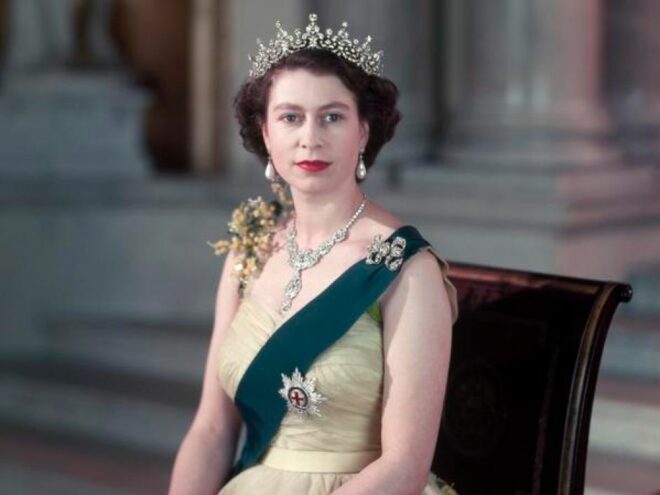
However, the most fitting exhibition of the Nizam’s jewelry occurs, albeit unwittingly, when Queen Elizabeth II, the Queen of the United Kingdom, wears the spectacular Cartier diamond necklace. It was gifted to her by the 7th Nizam on the occasion of her wedding to Prince Philip of Greece and Denmark on 20th November 1947. He had also gifted her the “Hyderabad Tiara” which had a design based on English roses with 3 detachable floral brooches, all made of diamonds and set in platinum.
The aptly named Nizam of Hyderabad Necklace is also a floral piece made of diamonds that are set in platinum.
The British art historian, Hugh Roberts who authored the best-selling book “The Queen’s Diamonds”, describes it in his book as: “The pavé-set centre with detachable double-drop pendant incorporating 13 emerald-cut diamonds and a pear-shaped drop; the chain of 38 brilliant-cut open-back collets with an elongated oval brilliant-set snap”.
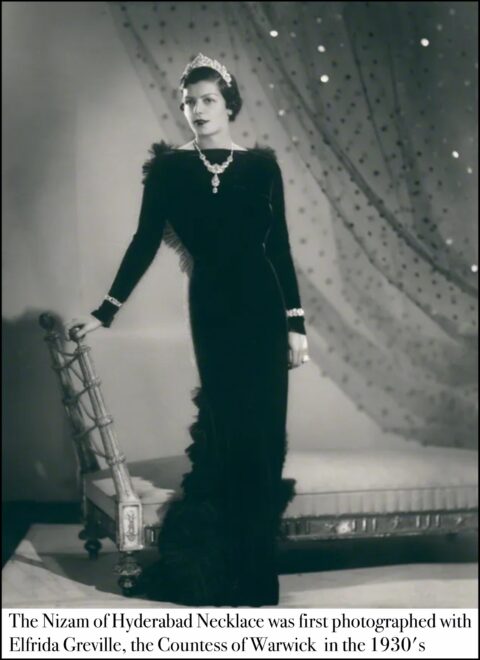
The Nizam, in his generosity, reportedly instructed Cartier to let the bride (then Princess Elizabeth) choose whatever she desired from their collection. The princess then chose the necklace and the matching floral tiara. She is not its first owner, however. Cartier made the necklace in 1935, sold it and then reacquired it from the first buyer in 1936. One of its earliest pictures is of Elfrida Greville, the Countess of Warwick who wore it for a portrait in the 1930s.
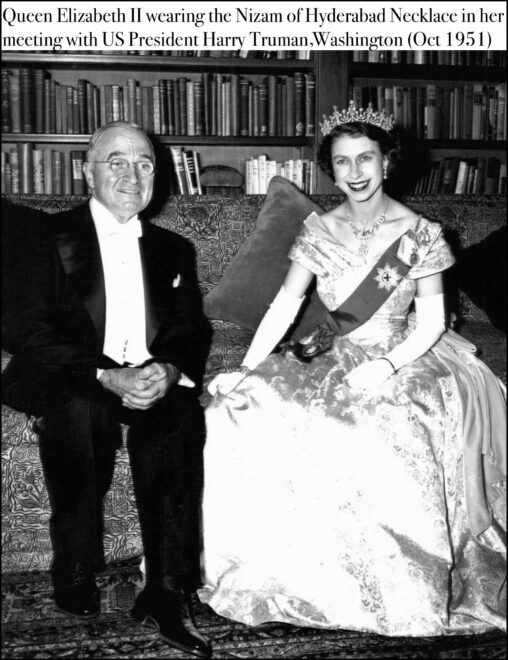
But the piece has remained a mainstay in the Queen’s jewelry collection. It appears to be one of her favorites as she has worn it on many official engagements, for instance on her first ever trip to Washington in October 1951 where she met President Harry Truman. She can also be seen posing in it for official portraits that would be used on currency bills like the Bahamas Dollar. She still wears it on important occasions.
Of late there has been a renewed interest in the necklace among jewelry enthusiasts when the Duchess of Cambridge Kate Middleton was photographed wearing it on at least two occasions. It was lent to her by the Queen as the duchess is her grand daughter-in-law due to her husband Prince William. It may now be safely assumed that the necklace has passed on from being a personal wedding present to a family heirloom and will adorn the subsequent generations of British royalty.
Dr Mohammed Najeeb Shahzore
Dr Mohammed Najeeb Shahzore is a specialist physician based in Kuwait with an interest in Hyderabad’s history & culture.
source: http://www.siasat.com / The Siasat Daily / Home> News> Hyderabad / by Dr. Mohammed Najeeb Shahzore / September 26th, 2021
Dr. SI Manjur Basha, Principal of Bearys Institute of Technology, Mangalore
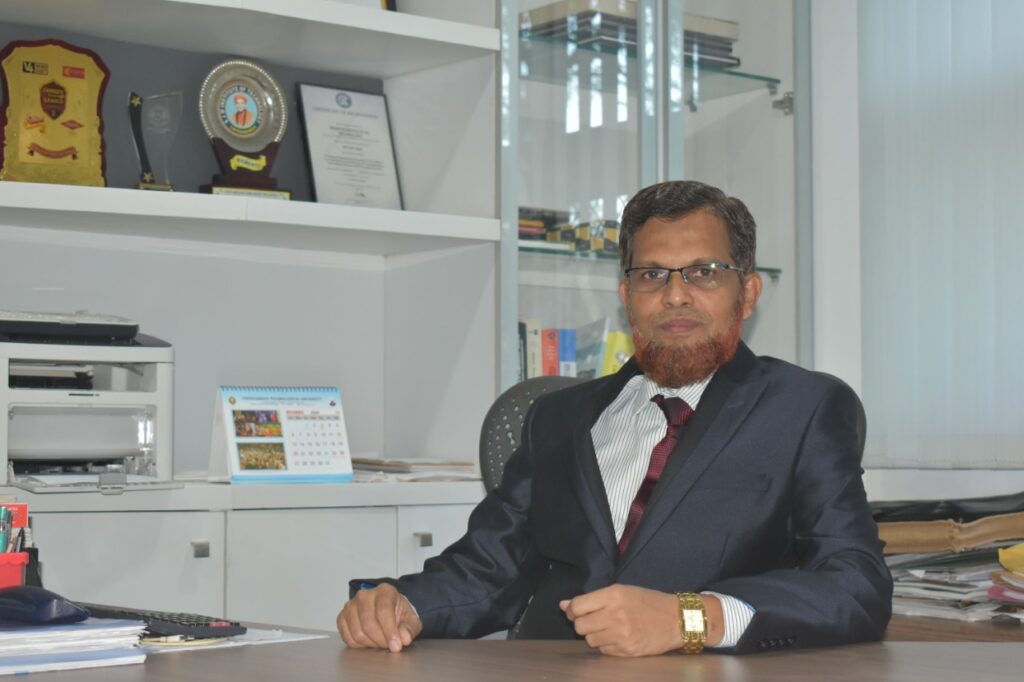
Dr. SI Manjur Basha, Principal of Bearys Institute of Technology, Mangalore, was on Wednesday nomiated as the member of Academic Senate of Visvesvaraya Technological University Belgavi by Governor of Karnataka.
The governor of Karnataka and Honorable Vice-chancellor of the University have nominated Dr. SI Manjur Basha as the member of the Academic Senate, a release from the college added.
This is the 8th academic senate of VTU Belgavi.
The management, faculty and staff of Bearys Group of Institutions congratulated him on his feat.