Tag Archives: Dr Kadeeja Mumtas

10 inspirational stories of visionaries from Kerala

KERALA :

Kannur

Among the change makers from Kerala are pioneers and achievers in various fields of life. They have either been trying to bring about changes in society or the fields of business. They have used music, literature, and sometimes love to bring humanity closer, to spread joy and peace.

The list includes social activists, singers, spiritual mentors, lawyers, teachers, and even IAS officers.

Ayisha Abdul Basith
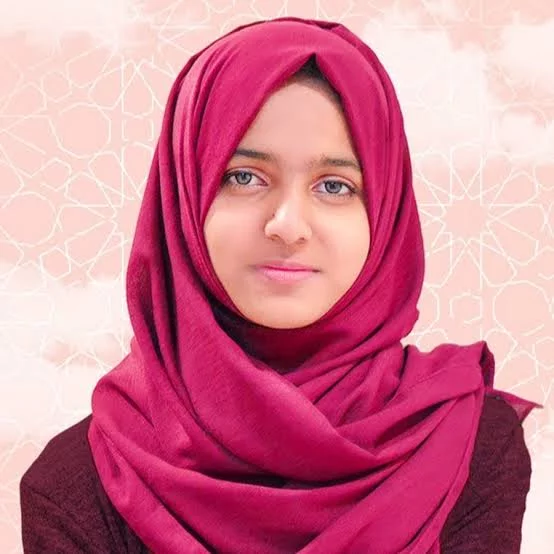
Ayisha sings Naat or Islamic devotional songs, and at the age of 20, she has enthralled listeners in over 80 countries. Born in Kerala, Ayisha has migrated to Abu Dhabi, where she is pursuing spiritual music as a way to universal peace and joy, as she puts it.

Safna Nazruddin
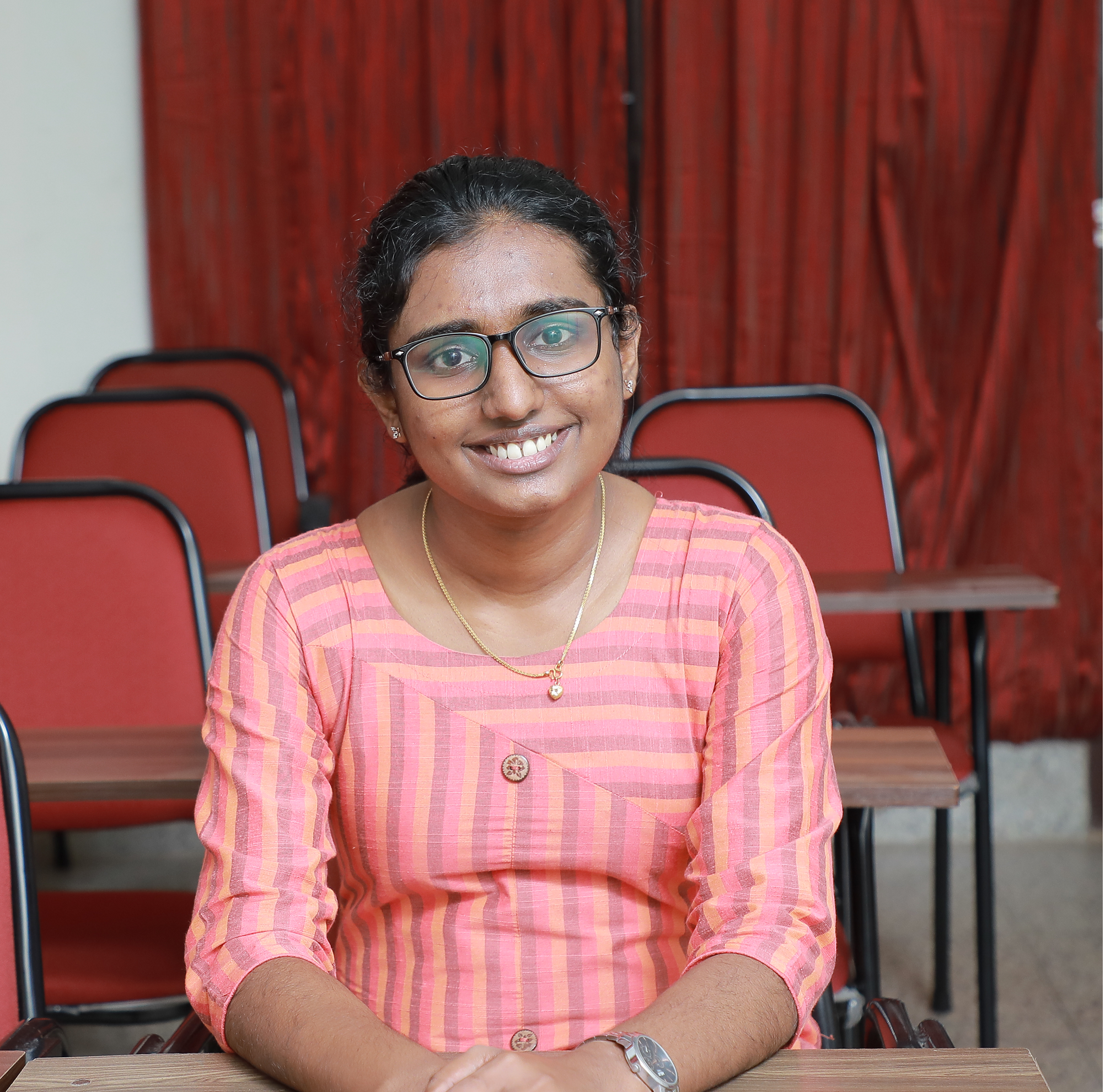
She dreamt of becoming someone who could help the disadvantaged sections of society. Safna Nazruddin thought being an IAS officer would help her achieve that goal.

And she took her dream so seriously that at the age of 23, she became Kerala’s youngest Muslim IAS officer.

PC Musthafa

He wanted to pull his family out of their poverty. Growing up in rural Wayanad, watching his father toil in the fields as a farm labourer, he wanted to change his parents’ lives for the better.

When he completed his studies at IIM, he started small with his cousins in a 500 square feet room, selling 100 packets of idli batter to 30 shops in Bangalore.

Today, he is the king of idli batter supplying in more than 10 countries outside India and reigning over a 4000 crore business.

VP Suhara
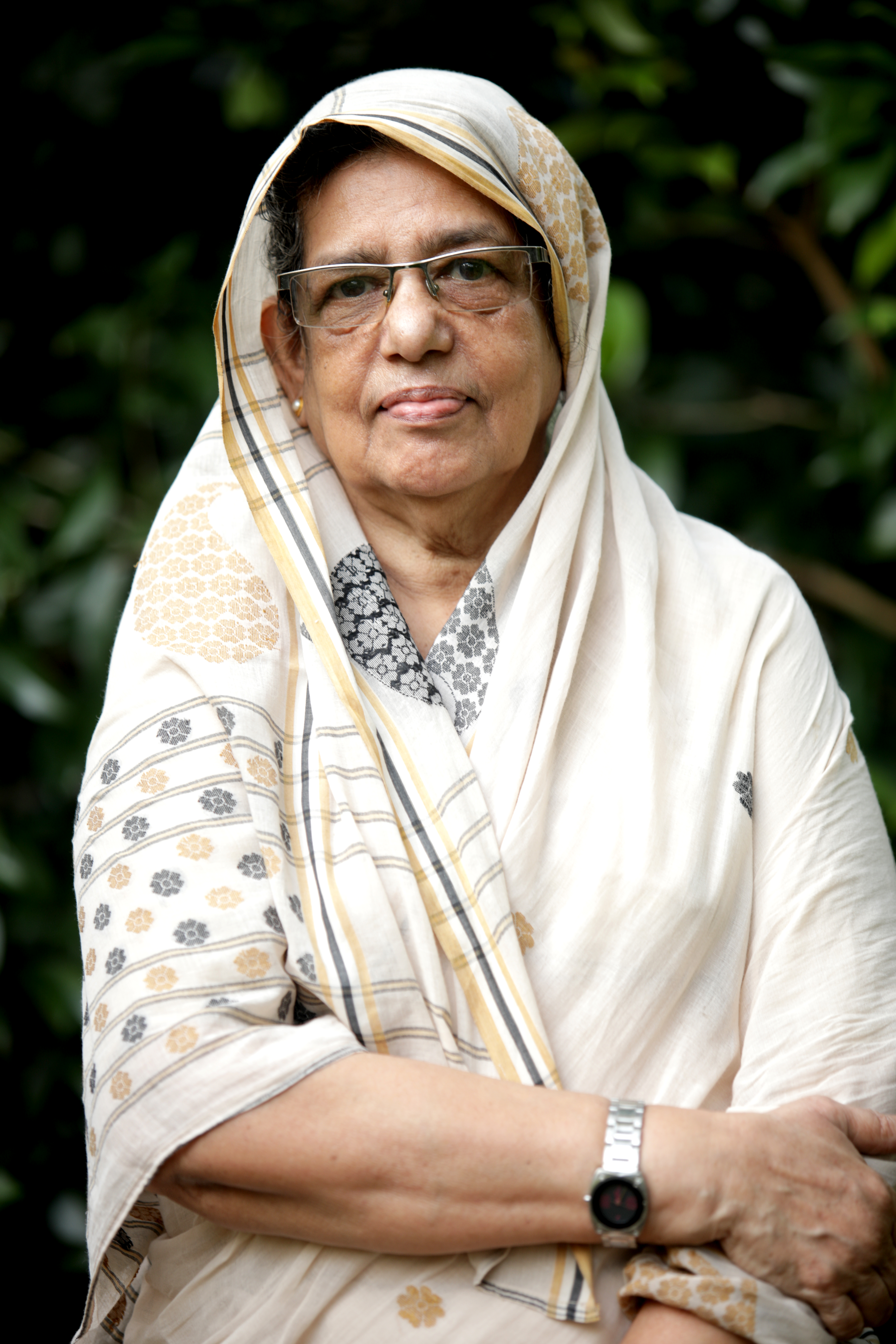
VP Suhara has been fighting for changes in the Muslim personal law and is one of the petitioners appealing for equality of gender in the matter of succession rights.

She says she is not very optimistic, but she is not ready to give up her fight.

Kadeeja Mumtaz
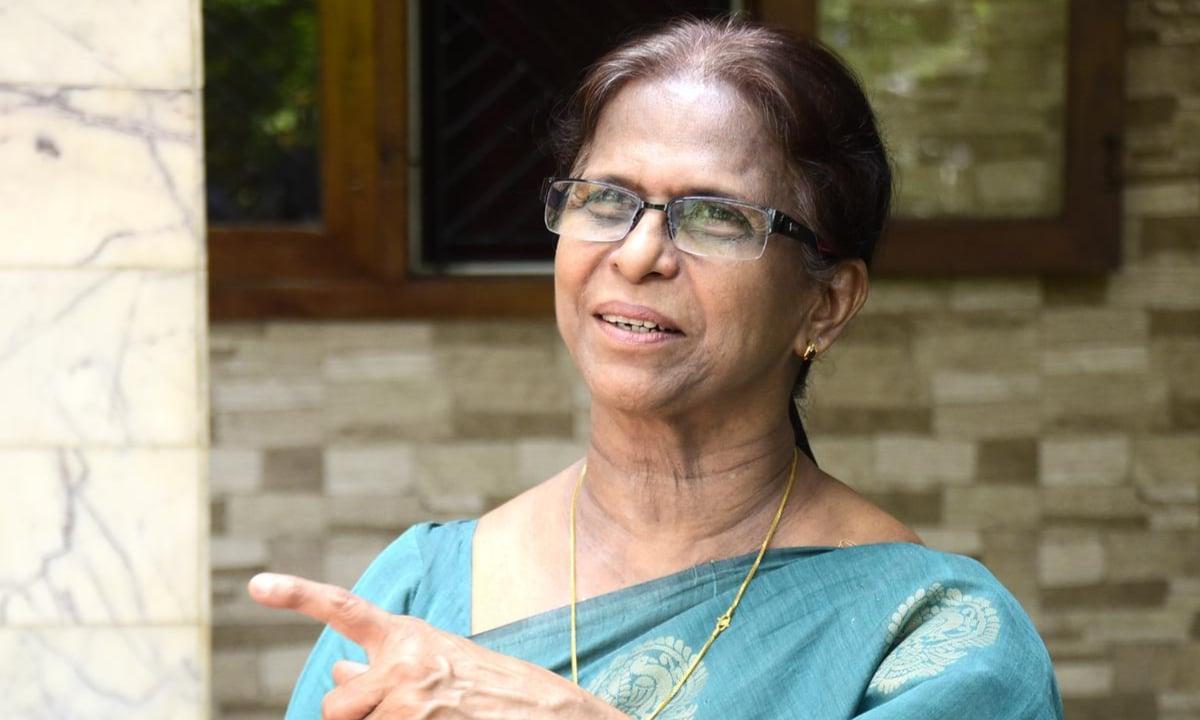
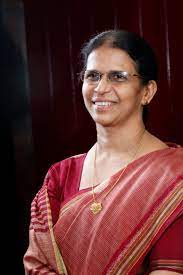
Kadeeja is a novelist who won the Sahitya Academy award for her novel. But today she has taken to activism on a full-time basis, and her main preoccupation is with bringing different religious communities together to improve mutual understanding and communication.

Advocate Sukkur
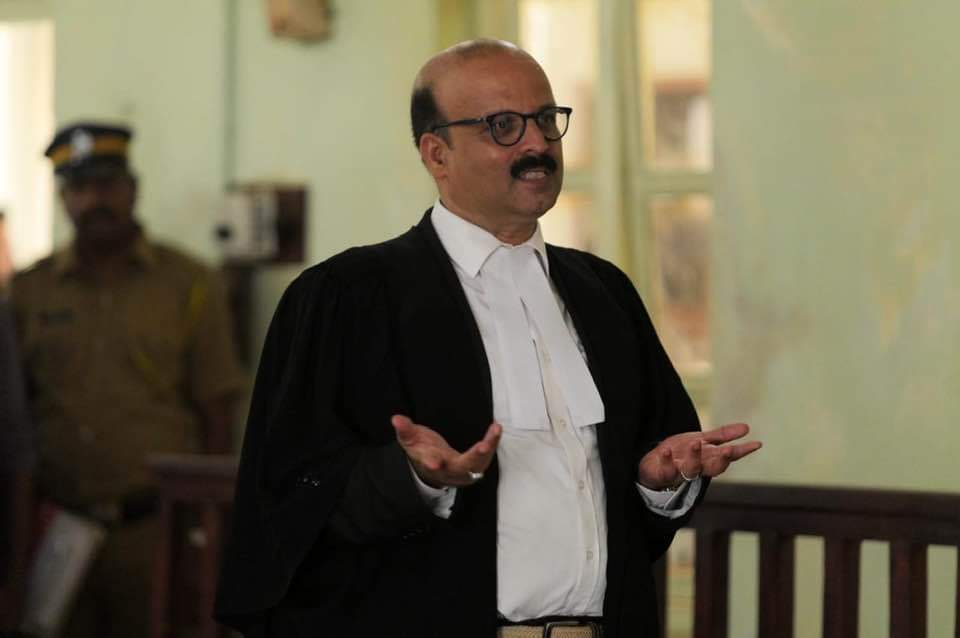
Advocate Sukkur did the unthinkable when he remarried his legally wedded wife just to make a point to all his fellow Muslims.

He wanted to tell them that they can overcome the barriers to succession rights of their daughters by remarrying their spouses under the Special Marriages Act.

Noor Jaleela

Noor means light, and the luminous smile on Noor Jaleela’s face echoes her name. She was born without her four limbs. But her smile does not betray any such disability. She has been a model for courage and creativity in the worst circumstances.

She has been an influencer and also an artist, and a singer.

Padma Shri Mumtaz Ali
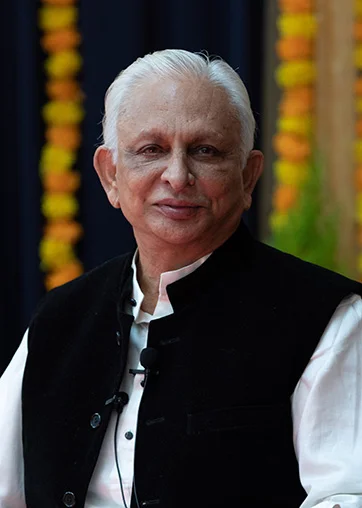
Mystic and spiritual mentor Padmashri Mumtaz Ali, or Sri M as his followers call him, hails from Thiruvananthapuram and heads a spiritual group called Satsang Foundation. His spiritual pursuits and his work among the people as a symbol of the oneness of humanity and the divine have made him transcend all man-made boundaries and divisions.

He has become an example of universal oneness and love as his life’s work and teachings appeal to people of different nationalities and religions. He asks them to continue following their religion while practising meditation and other spiritual pursuits to realise themselves.

 Hadiya Hakeem

Can a football mean anything other than a game? Well, Hadiya Hakeem has turned a football into a statement for the empowerment of women.

She is a freestyle football performer born in Kozhikode who has overcome all possible barriers of gender, nationality, and religion through her talents and her hard work in excelling in a unique kind of performance.

Onampally Faisy

Progressive scholar and Sanskrit enthusiast Onampally Faisy has tried to transcend boundaries by promoting interfaith education in his madrassa. A well-known scholar from Thrissur in Kerala, he has been working towards building bridges of understanding and communication between Muslims and other communities in Kerala.

Since he believes in becoming the change he wants, he started teaching holy texts of other religions in his madrassas in order to remove the veil of ignorance and bring communities closer.

source: http://www.awazthevoice.in / Awaz, The Voice / Home> The Changemakers / by Sreelatha Manon / August 17th, 2025
Book Excerpt: Barsa By Kadeeja Mumtas

Kattoor (Thrissur District),KERALA:

Khadija Mumtaz - Wikipedia

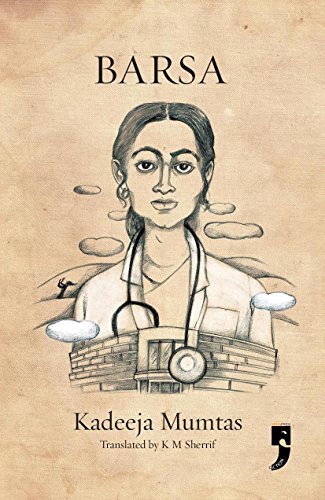
Barsa, written by Kadeeja Mumtas, is the first Malayalam novel to be set in Saudi Arabia and as its introduction states, is a record of “a woman’s scrutiny of Islamic scriptures and Muslim life”.

Barsa, as its introduction states, is the first Malayalam novel to be set in Saudi Arabia. Written by Kadeeja Mumtas and translated into English by K M Sherrif, the book acts as a record of “a woman’s scrutiny of Islamic scriptures and Muslim life”. 

Sabitha, the protagonist of the novel, after moving to Saudi Arabia, starts questioning every aspect of her every day life – including religion.


The novel traces her personal journey as she is caught amidst culture, religion, and personal agency, and struggles to assert her own identity.

One hot afternoon, Rasheed and Sabitha first stepped out like refugees on the large expanse of land surrounding the grand mosque which housed the holy Ka’aba. Other travellers who knew their way hurriedly moved on while the two of them stood hesitantly at the crossroads, unsure of their next step. The coppery glare of the sun sat on their heads like the legs of a giant spider.

Rasheed glanced at Sabitha. He could sense her discomfort in the headscarf and the abaya, looking like a lawyer’s coat, which the Malayali workers at the airport had helped her buy. But he thought that even in those uncomfortable clothes, Doctor Prabhakaran’s niece, with her wheatish complexion, had a particular charm. He wanted to tell her this with a little smile, but with his tongue stuck to the roof of his dry mouth. He just couldn’t do it, which was a pity. If he had, maybe the wrinkles on her forehead would have lost at least one crease.

A yellow taxi backed up and stopped near them. Th e face of a man with a shabby headdress clamped down by a black ring came into view, and an arm jerked out of the window at the driver’s seat. “Fain aabga ruh?” Rasheed guessed he was asking where they wanted to go and replied, “Mudeeriya Musthashfa”—the Health Directorate. He had gleaned the Arabic expression from the conversation he had had in halting English with the Palestinian doctor they had met at the airport emergency service. He had seen Sabitha too write it down in her diary.

“Ta’al ”—come. Th e driver opened the car doors and invited them in. As he could not understand the driver’s sarcastic remark, directed obviously at his fairly large suitcase, Rasheed, with some embarrassment, chose to put it on his lap as he sat down and leaned back comfortably.

As the car sped at breakneck speed, Sabitha felt a tremor run through her, but she suppressed it immediately. She felt helpless at having to depend on a complete stranger, an Arab driver whose language she did not know. But she was also reassured by Rasheed’s presence. They had reached this far, trusting strangers, many of whose languages they did not know.

As they boarded the Saudi Airlines flight to Riyadh from Mumbai, Thambi, the man from their ticketing agents Ajanta Travels, had said reassuringly, “The flight will take about four and a half hours. Someone from the Ministry will be waiting to receive you. There is nothing to worry about, Riyadh is a nice city. Okay then, happy journey!”

From the moment Thambi, with that characteristic city dweller’s way of waving goodbye had raised his hands and walked away, Rasheed and Sabitha had taken comfort in each other’s presence. They could make this journey together only because of their decision to stick to each other, come what may. At the interview in Mumbai, it was Sabitha who was selected first, as a lady gynaecologist. The interview for ophthalmologists had not yet been conducted and, as there were a large number of applicants, Rasheed was not too hopeful of getting in. When she was asked to sign the contract, Sabitha hesitated, “I will sign only if my husband too is selected.” She had by then realised that lady gynaecologists were much in demand. “You sign; even if he is not selected, he can come with you on a family visa and then try for a job there.”

The man at Ajanta Travels, a go-getter, tried to hustle her. “No, I am not that keen to go to the Gulf to work. I will go only if he also gets a job there.” Her stubbornness paid off . An interview was fixed for Rasheed as a special case.


Excerpted with permission from Barsa, by Kadeeja Mumtas, Yoda Press. You can buy this book at 20% off at the FII-Yoda Press Winter Book Sale on 21st and 22nd December 2018 in New Delhi. For more details, check out the sale page.

source: http://www.feminisminindia.com / Feminism In India – FII / Home> Culture> Books / by FII Team / December 21st, 2018