Tag Archives: Dr Ruha Shadab – Founder – LedBy Foundation

On Muslim Women’s Day, four Indians share the creative journeys that shaped their identity

INDIA :

Four Indian Muslim women creatives talk about how they discovered what they love.

Art lets us see ourselves in other people. It opens windows so we don’t get lost in the darkness, and reminds us that we’re never alone. 

I believe that every person who thinks creatively is an artist. Whether you’re an entrepreneur or a scientist, you are a creative person if you’re finding new ways to tell stories and experience the world. When we spend time with art, we start to see things differently. When we listen to other people’s stories, we begin to connect to them and also understand more about ourselves.

Today, on the occasion of Muslim Women’s Day, we are presented with a special opportunity to pass the mic and celebrate Muslim women in a world that has historically overlooked them. When I founded the trend report and online community Unapologetically Muslim back in 2017, there was an important cultural shift happening. Donald Trump had issued an immigration ban preventing Muslims from entering the United States, and people were showing vocal support for Muslims, but their identity was also being typecast and commodified. Their stories were being told for them.

In response, I created a platform for Muslim women to tell their own stories. Over the last six years, I have interviewed over 130 women from all over the world and shared their stories on Instagram. I’m not Muslim myself but wanted to find a way to show solidarity. It’s been incredible to speak to women about their creative journeys and their dreams for the future. We have so much to learn from each other.

This year, for Muslim Women’s Day, I interviewed four Indian Muslim women creatives about how they discovered what they love. I hope their words give you some inspiration, and I hope that you take the opportunity to celebrate the Muslim women in your life.

Ruha Shadab, founder of LedBy Foundation
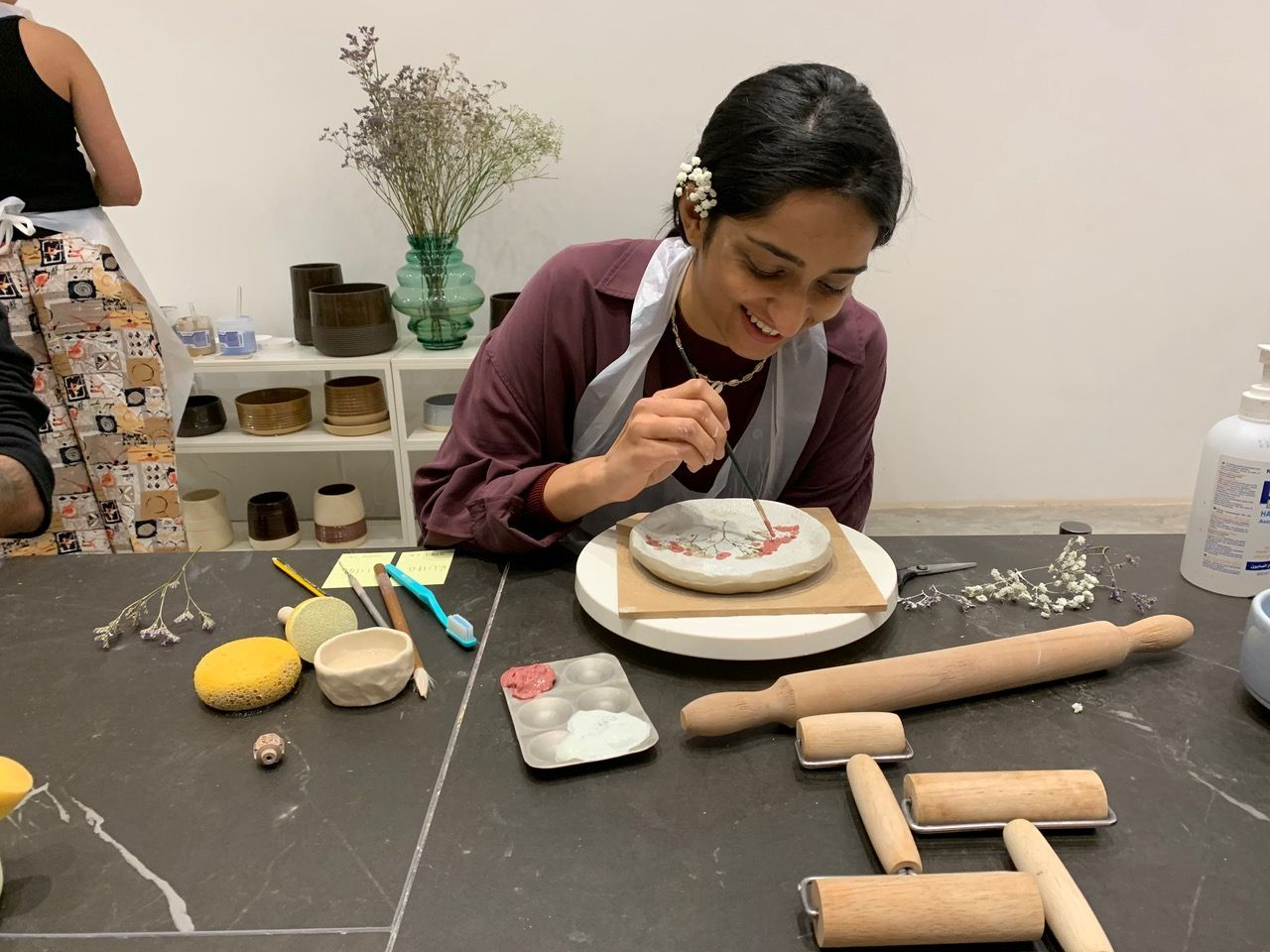
I was born in Saudi Arabia and moved to Noida when I was eight years old. I was a very quiet child but remember speaking about social impact as a six-year-old. At dinner, an uncle asked me what I wished for when I grew up, and I said world peace. He laughed at me, which I thought was amusing because I was being very honest about what I wanted. 

I would eventually go on to create the LedBy Foundation, a leadership incubator for Indian Muslim women. I truly believe that the education and employment of women is one of the most pressing issues we’re facing in India. I hope that every Indian gets the opportunities, support and encouragement to achieve their professional dreams. At LedBy, we focus on helping Muslim women with the hope that it will have a positive externality. We’re giving them the support they need to reach top positions in 10-20 years as they climb the corporate ladder.

During our graduation ceremony last year, we invited parents and family members to speak. One father said, ‘This is the first time I’m speaking on a public platform. LedBy is empowering Ayesha and now Ayesha is empowering me.’ It’s beautiful that our work can have an upstream effect towards parents. The impact is not just at the individual level, but at the family level. Change is already coming and I believe that LedBy is expediting it.

Sana Khan, co-founder of Bombay Closet Cleanse and pole dancer
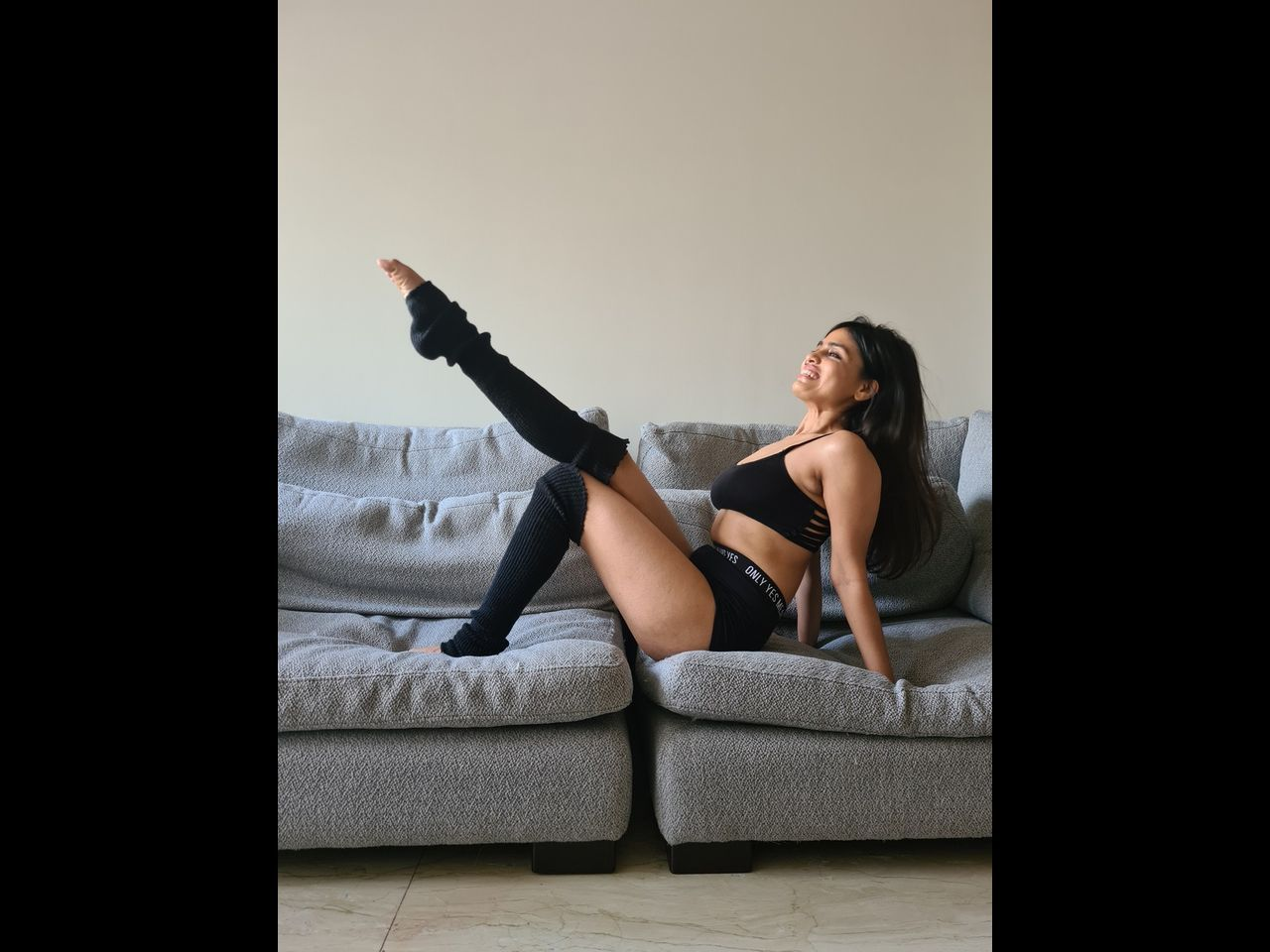
Growing up in a very conservative family, I was never able to wear what I wanted to. I was pretty shy and underconfident because I wasn’t exposed to a lot. I used to go to tuitions wearing salwar kameez while my friends would wear shorts. I’ve changed outfits in cabs and corners under my building. I had to fight really hard for what I wanted to wear.

After I got married, I became a compulsive shopper and would buy things I didn’t need. I wanted to have everything that I didn’t get to wear as a teenager. I was on this spree of buying, buying, buying. It became my identity. 

At some point, I organised a charity garage sale at my home where about 100 people turned up. I received so much love and warmth from this community and we raised INR 15,000 for the Salvation Army. It was really heartwarming to see the response, so my sister Alfiya and I started a thrift store called Bombay Closet Cleanse. At first, it was just about making space in my closet. Then, slowly, I learned a lot and became very passionate about sustainability.

At the same time, I was at a very low point in my life. I saw burlesque dancers perform in Melbourne and was inspired by their confidence and body positivity. I’ve always gravitated towards sensual dance forms because they make me feel powerful in a way that I didn’t as a child. When I came back to Bombay, I signed up for pole classes and started doing therapy. They worked like magic for my confidence.

I have a pole in my house and I only perform for myself. It’s something that I absolutely love doing and it’s helped heal my childhood trauma. I’ve fought for it so hard that now, everyone has accepted it. 

Sabika Abbas Naqvi, poet and activist
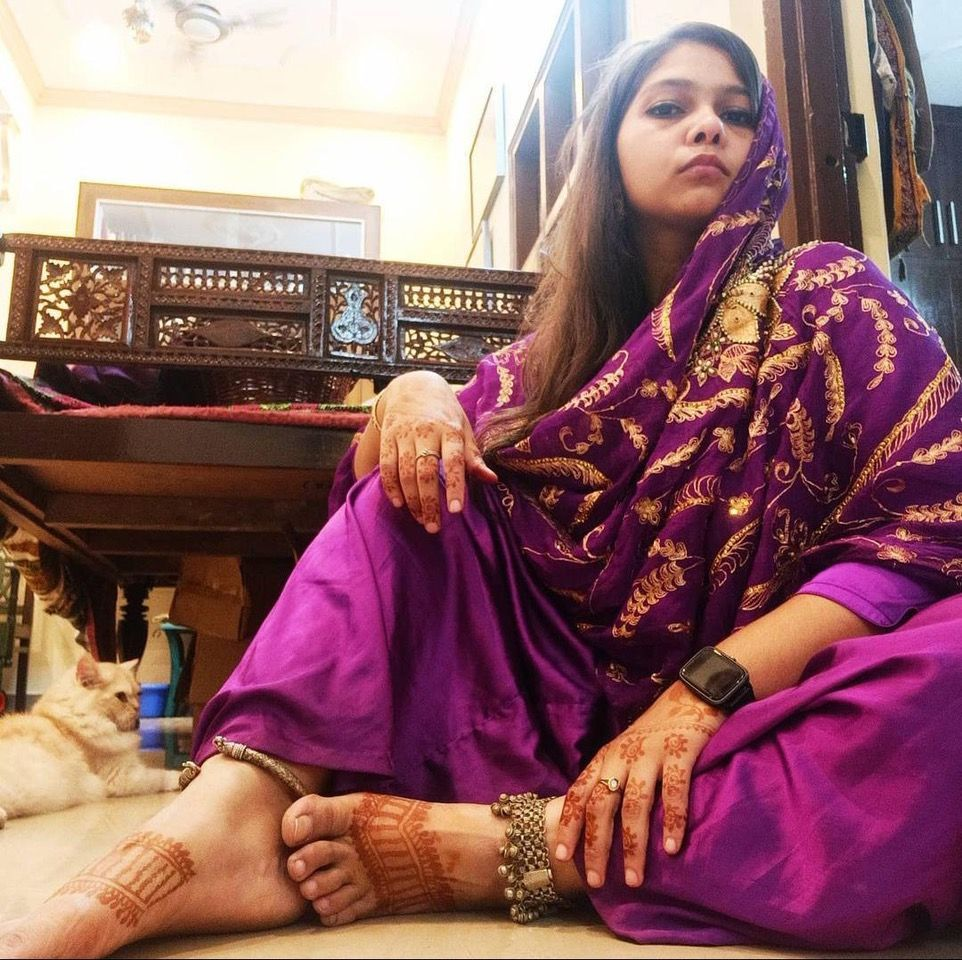
I come from a legacy of care and love. I grew up in a mosque compound in Lucknow with lots of love and appreciation. I was the quiet one and loved books. I had a record of finishing a book a day.

I started writing poetry when I was four years old. I would go upstairs and scribble things and I would come back and people would read it. From the balcony of the masjid, older people would ask me to read what I had written. At that time, I would call my poetry gibberish, but that was the beginning.

I’m Shia Muslim so I come from a huge cultural context of mourning and the noha and marsiya poetry that comes out of it. I had no idea what spoken poetry was, but the performance of that poetry really inspired me and became a tool I used to question everything around me. Now, for me, there is no other way to do poetry. 

My poems are questions that I wanted to ask everyone around me, and they are also answers to questions that I was asked. It’s an all-inclusive theatre of words. It’s not a piece of literature; it’s an experience, and the performance comes with it. It’s not just the words that have to be said, but the way in which the words have to be said: which word is lightly put forward and which word is put forward with tenderness or anger. 

The purpose of this poetry is my lifelong mission. I write poems that are multilingual so that more people can understand them. My poetry must and should be read on the streets in protest and if it is not, then it is a failure of mine. If people can spread hatred on the streets, why can’t I spread love?

Nuzha Ebrahim, chef and owner of Kuckeliku Breakfast House and The Fromagerie
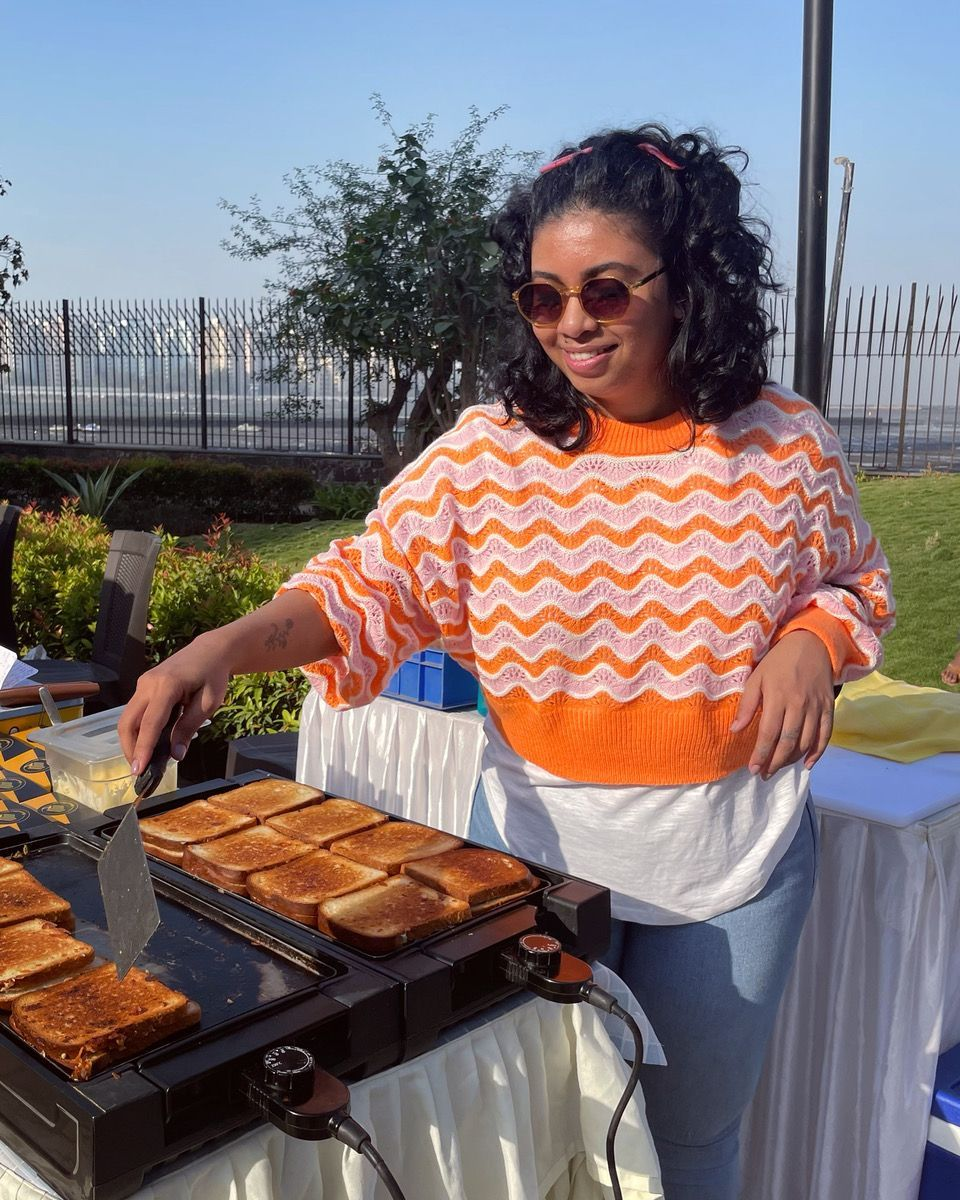
I’ve always been entrepreneurial. Growing up, I tried to use any bit of talent to create things I could sell. In second or third grade, someone gifted me a pottery kit and I went around my building trying to sell misshapen pots to people. In high school, I started painting white Bata canvas shoes and T-shirts and selling them to people. There’s still a Facebook group somewhere. That’s how I made my pocket money and it helped shape what I’m doing now.

I tried to pursue art but it was one of those things where if I did it for money, I would start to hate it and couldn’t stick to it. Retrospectively, I realised that cooking was the one thing I hadn’t quit. It’s one of those things that I just don’t get bored of. Twelve years later, I’m still doing it.

My dad’s side of the family is in the restaurant business. My granddad set up his first restaurant 35-40 years ago so I grew up in that culture, but my parents didn’t really consider that I would take this forward until later in life. They assumed that this was one of the many hobbies I would quit, so I don’t think anyone was taking it seriously.

Cooking is like jazz; you keep riffing and creating something new out of the same ingredients that you have, and that’s really fun for me. When I cook for myself, it’s always about throwing things together and it’s kind of awful because I can never make the same dish twice. If I make something and I really love it, I can never do it again, because I never write things down.

In the restaurant business, every day is a different challenge. I have a grilled cheese business called The Fromagerie and a restaurant called Kuckeliku Breakfast House. There’s never monotony, so it’s always fun. Right now, it’s keeping me quite fulfilled. 

source: http://www.vogue.in / Vogue India / Home> Culture / by Nayantara Dutta / March 27th, 2023
People in India always support genuine cause: Ruha Shadab

Noida, UTTAR PRADESH / U.S.A :

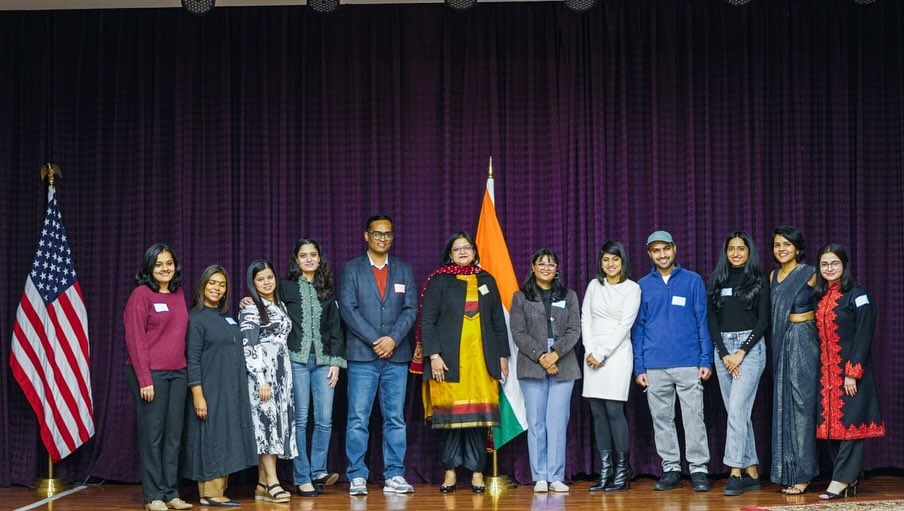
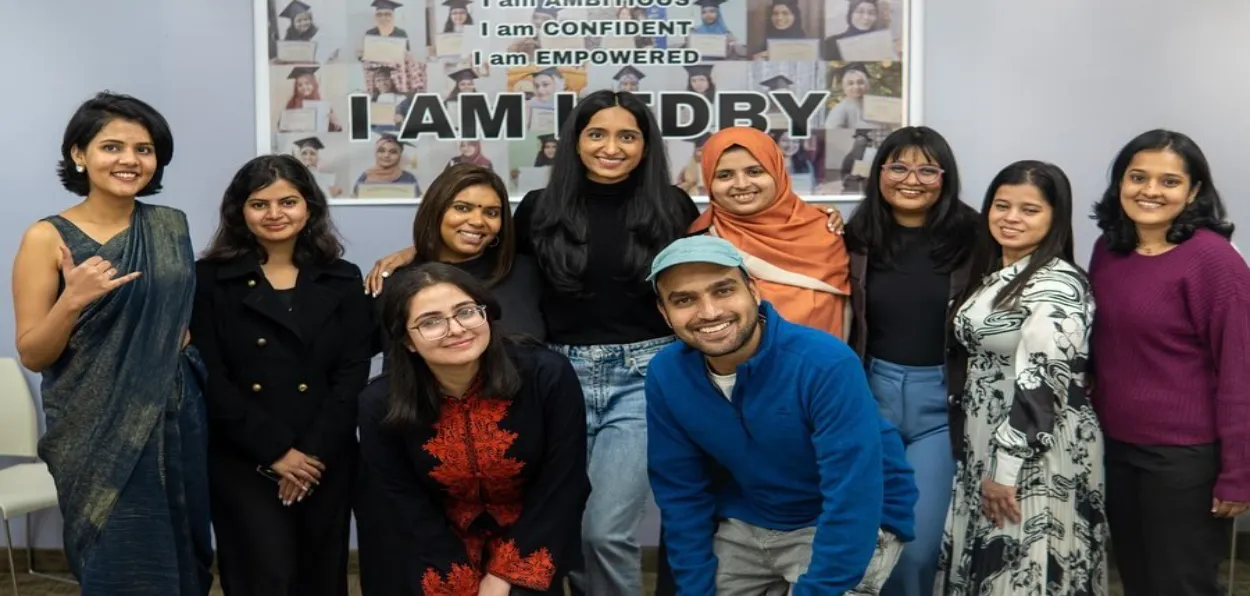
Ruha Shadab in the center (Wearing black top and jeans) with her team

Ruha Shadab acquired a degree in medicine from the Lady Harding Medical College, New Delhi, before joining Harvard University for higher studies. She along with her team at Ledby Foundation are working towards empowering Indian Muslim women to be gainfully employed and become independent. Awaz-The Voice Editor-in-Chief Atir Khan spoke to her about her work. Excerpts:

What was the intent behind starting Ledby Foundation?

There were many reasons why we started Ledby Foundation. The primary reason was that I hardly saw any Muslim women in the offices that I had worked in. Also, the overall socioeconomic indicators of our community made me feel compelled to start this. But the story most close to my heart is that of my mother, who, I think is one of the most intelligent people that I know. Many people like her are there in a community who weren’t able to realize their intellect and develop their professional dreams.

So that was something that influenced me as I started my early career and then went on to do better at Harvard. But I got time to think about what I want to do with my life, and what kind of social impact I needed to create. And I always knew that I wanted to create a social impact for the Muslim community, especially for women. As I spent more time thinking about what I could do for the community I ended up on the idea of professional empowerment of Indian Muslim women and supporting them in the workforce.

Sky was the limit for you at Harvard; you could have chosen to work in any other field. Why did you choose to do what you’re doing?

Even my medical background of becoming a doctor had to do with creating social impact. That was my goal from the beginning. The progression from doing medicine to doing global health to working on policy and helping improve Indian society has just been a natural transition to what I think can have the most impact. And as to why Muslim women, it is one of my core identities, I thought there is a strong need, and if we don’t do it, who else will? I remember when I was 14-year-old I used to tell my mother that I wanted to go to Africa to help people who were suffering from poverty and hunger.

And she said why don’t you first fix your own backyard first? There is so much that needs to be done in India, so much that needs to be done in our community. So, that made me pause and reflect and that’s what brought me here.

Ruha Shadab

Many people must be asking you why you only choose to work to empower Muslim women. Why not others?

Yes, there have been all combinations of questions. Why Muslim women? Why not Muslim men? Why not Hindu women, and X, Y, Z combination? Right. The truth is that I think of this almost from a doctor’s mindset. So, what is the issue that you’re trying to solve? The issue that we’re trying to solve is underemployment, the lack of job opportunities, and the lack of converting your education into employment.

As a Muslim woman, somebody might say, why don’t you work for the education and employment of women from other communities in India? Why only focus on Muslim women? And that’s true. India has one of the lowest female labor force participation rates in the world. And my answer to that is to think of it as seeing two patients in your clinic.

If both patients show up you can give them paracetamol. But as a doctor, I’m also going to run diagnostic tests on them and try to understand what is the underlying cause, what is the underlying disease that they have and then give them specific treatment.

One might have a bacterial infection; one might have a viral infection. Under different segments, different combinations of communities might be suffering from some of the macro issues we have in India with unemployment and job availability. But the reason is that they are not able to realize those opportunities or those unknown opportunities before us.

Ruha Shadab (extreme right) with her team members

So, the root causes differ. And then building on this, you don’t have targeted interventions focused on these root causes. You will not be able to meaningfully address them and solve them. You need to have at least focused approaches to solving that unique set of root causes that is hindering them from getting full participation in India’s workforce.

The constitution of your Ledby foundation is quite interesting. Your team members are Hindu and you have people from other faiths for the cause of empowering Muslim women. Isn’t it great? In today’s world where every community is looking inwards and they’re busy thinking about themselves?

It’s very validating. My chief operating officer is not from the Muslim community. 20% of our 120 advisers and residents are non-Muslims. 100 out of 500 of our volunteers are non-Muslims. And that just goes to show that the narrative that we are told about our country and our brethren in the country is not entirely true.

If you put your head, you will be surprised to see how many people are willing to stand up and support you. And I think that is what this shows. It also shows that supporting Indian Muslim women is not just important if you are an Indian Muslim woman, but it is in the interest of every Muslim woman, and every Indian to ensure that this unity can realize its dreams today.

Absolutely. Very important point. You know, it’s the intent and the good leadership, that you have, these are the things that matter the most. And when reach out to people irrespective of their faiths people come and support you. You have to have a good cause; people are always there to support you. Tell us more about your programs at Ledby Foundation.

Sure. So, our programs are completely virtual fellowships that we offer to Muslim women who are either in college or in the early stages of their careers. Think of it as if you are 18 to 20 years old and an Indian Muslim woman, then getting into one of the best professional development programs is probably in your best interest to expedite your professional career. There are several components to it. So, one component is online training programs that help you with, your interpersonal skills, your communication skills, and some of the basics of being able to find jobs, reach out to people, submit an excellent CV, and do interview preps.

Another workshop modules look at improving your negotiation skills. Our negotiation curriculum is developed in conjunction with Harvard professors who interviewed Indian women and developed case studies with Indian Muslim women as protagonists that we use to teach negotiations to our fellows. And then the third part, which is often cited as one of the long-lasting effects of the fellowships is our mentorship program. And our mentorship program is a 360-degree framework so each young Muslim woman who joins gets mentored. 

The other aspect of the mentorship program is that each Muslim woman has to then have sessions with people in her class. And I would just say women are from across India. So, we have a very diverse group, even though we say Muslim women, it’s a very diverse Muslim women group and we get to speak to each other. The last part of this mentorship program is coaching at the school level over six months. 

Ruha Shadab with the team of Ledby Foundation at a function

That’s amazing. Tell us how you make these students or candidates job-ready.

Our fellowship is very much about teaching people how to fish rather than giving them fish. So, we teach them how to identify the right opportunity, how to network with folks, and how to help them with an interview. And then we also have them practice interviews with us. They have access to facilitators, who help practice as you continue to progress.

So who are your stakeholders? Of course, the students, then you have the policymakers who are others you reach out to?

So, we try to bridge that supply-demand gap. We are creating a supply of highly skilled professional Indian Muslim women. And then we’re also making sure that there is a demand from companies to intentionally recruit and create a diverse workforce within their organizations. We bridge the gap between our fellows and companies that want to promote religious inclusion in India.

What is the kind of feedback you get from, say, policymakers and the corporate world when you approach them with this kind of information?

So, we usually try to approach them from a very fact-based point of view. We also carry out research to identify what are the barriers to entry and retention of Muslim women in India’s workforce. The research we conduct help a lot of companies see through a fresh perspective. So even if you educate Muslim women, that does not necessarily mean they have the same chances at employment. The company officials tell us that they never thought about this, they were never made to confront this reality. So, we meet them just to reflect. 

Ruha Shadab with a support group of her Foundation

So what kind of support and responses you’re getting from people that you’re reaching out to?

Well, overall, it’s been positive. People are interested in understanding what we do, supporting us in even exploring the talent pool that we are creating. And we have several stories of women who’ve gotten recruited through our own pipeline to companies.

That’s wonderful. And there must be some very bright candidates you come across. We see there is an awareness among Muslim families even in small towns for pursuing higher education.

That’s true. There is a very strong drive and fire within the women that we meet. And we try to move more away from urban centers.

Right now, we are more focused on urban centers and ensure that we are able to move farther away from that in the future. And yes, we do see that. See, I think in addition to being pleasantly surprised at how many people from outside of the Muslim community are willing to help us, with very positive insights.

I’m sure that you inspired a lot of Muslim girls, you’re a big success story from India, an Indian who’s doing so well. Do you also think that we need to convey more such success stories to these aspiring girls to inspire them?

Absolutely. And I think what helped was having people believe in me, and we’re trying to make more Muslim women feel that they are heard and that somebody believes in their talent.

You’re doing deep thinking and you’re working in this field, what would be your appeal to the government and the corporate sector for improving the employability chances of Indian Muslim women?

My appeal would be to have intentionality behind getting more Muslim women into the workforce. The truth is that we shy away from talking about religious inclusion in India, which is strange. Because so much of our lived reality is a function of our religious identity. There is no distinction between the personal, the political, and the professional and it is incorrect to create these artificial distinctions.

source: http://www.awazthevoice.in / Awaz, The Voice / Home> Stories / by Atir Khan / February 29th, 2024

Meet the Lady Behind India’s First Incubator for Indian Muslim Women

DELHI / NRC :

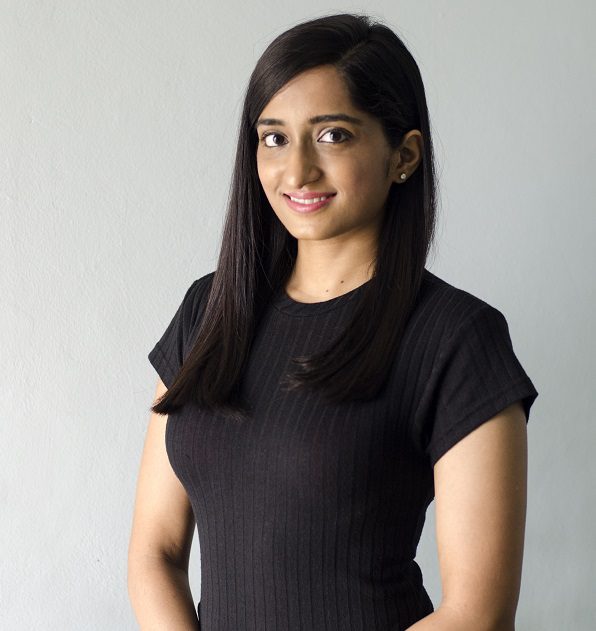
Ruha Shadab is a doctor and a graduate from the Harvard Kennedy School where she was on a full-tuition scholarship. Shadab has worked as a doctor in low-income neighborhoods in Delhi and later moved on to work on systemic issues of healthcare, as a part of the Government of India.

LedBy, India’s first incubator for Indian Muslim Women helps them by providing leadership workshops, 360 degree advisory framework, and executive coaching.

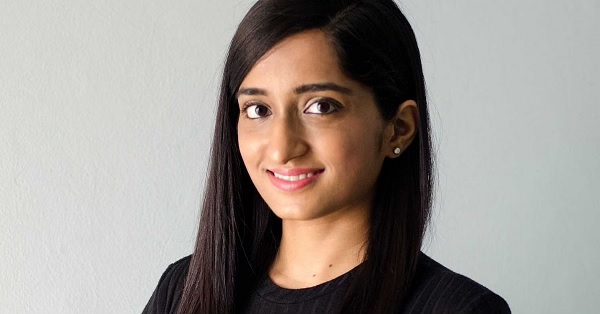
Dr Ruha Shadab (30) is the founder of LedBy Foundation, India’s first and only leadership incubator focused on empowering Indian Muslim Women by providing leadership experiences to undergraduates and postgraduates. Launched in 2019, LedBy was incubated at Harvard University and was pre-seed funded by them as well.

Dr Ruha has been quite an achiever all her life – she pursued her medical degree, worked as a physician for a few years, then decided to join public health and worked at the Clinton Health Access Initiative (CHAI), worked with NITI Aayog and then made her way to Harvard with a full-tuition scholarship to pursue a master’s degree in public policy. At Harvard, Dr Ruha realised the need to do something for Indian Muslim women given the specific challenges that they faced, and also found the medium to address the problem.

From a religious majority to a religious minority

To understand why Dr Ruha felt the need to start an initiative for Indian Muslim women, it is imperative to understand her early influences.

While Dr Ruha is originally from India, she was born and raised in Saudi Arabia and she spent the first decade of her life there before moving to Delhi/NCR.

Narrating an incident that left a deep impact on her, which eventually led her to start this initiative, she says, “Twenty years ago, it was on Diwali that my family and I moved back to India. While driving from the airport to our home I saw every house on the way lit up and children on the streets bursting fire crackers. This suddenly took me back to the Diwali’s in Saudi and I realised how my friends there, the minority, never celebrated it in this way.” After a few years, she saw Eid in a similar light as Diwali.

She says, “In Saudi, as part of a monolithic society, one does not even think of what the minority is feeling. And then I moved to India where so many things just hit me so hard.” That is when she understood what being a Muslim woman, especially in a multicultural society like India, felt like.

It was not like there were not enough Muslim women, but they were hard to find in the mainstream.

“It was tiring, after a point of time to be the only Muslim woman in school, college, workplace. There was no one who shared a similar background as me whom I could look up to and aspire to be and that is what I wanted to change,” she says. During Dr Ruha’s stint as a clinical physician, she says, “At the hospital I worked at, I would see so many young Muslim girls with large families. Without saying it was right or wrong, what I saw was that there was an issue that needed to be addressed.”

Dr Ruha believes that there is a lot of talent in them [Indian Muslim women] but what they lack is 3 A’s: agency, access, and avenues. LedBy is looking to change that. If you have the privilege of knowing, you do not have the luxury of not doing,” says Dr Ruha.

LedBy works closely with high potential college-going Muslim women in India and provides them with three things – leadership workshops, 360* advisory framework, and executive coaching. “For all these three things we have very skilled women, across regions and religions, on-board to help the younger women realise and achieve their potential,” says Dr Ruha.

“We have been able to get coaches, mentors, and facilitators from across the globe. Being a virtual program helps breaks barriers,” she says. It is a summer program of four months in which 24 women are selected on merit. To be eligible to apply for this programme, you must identify yourself as an Indian Muslim woman, no more than two years away from completing a full-time undergraduate degree (that means, is in 3rd or 4th years of a 4-year program; 2nd or 3rd year of a 3-year program) or are in a full-time postgraduate program of one or two years duration, and physically reside in India.

For the 24 women who were part of the first cohort – what stood out were the connections that they made and the validation that their ideas and dreams received from others at the programme. While for Ammara Gul Qaisar, a student at Lady Shri Ram College, the programme “represents the power of human connections”, for Sahreen Shamim the programme allowed her a chance to delve into her dreams and find ways of realising them.

With an office based in Noida, Dr Ruha says that everything that they do is virtual and in a sense COVID-19 only helped in pushing it towards being online.

source: http://www.maeeshat.in / Maaeshat.in / Home> Entrepeneurship / January 11th, 2021