Tag Archives: Hazrat Nizamuddin Auliya

Muslims’ historic contributions highlighted at National History Conference in Delhi

NEW DELHI :

New Delhi :

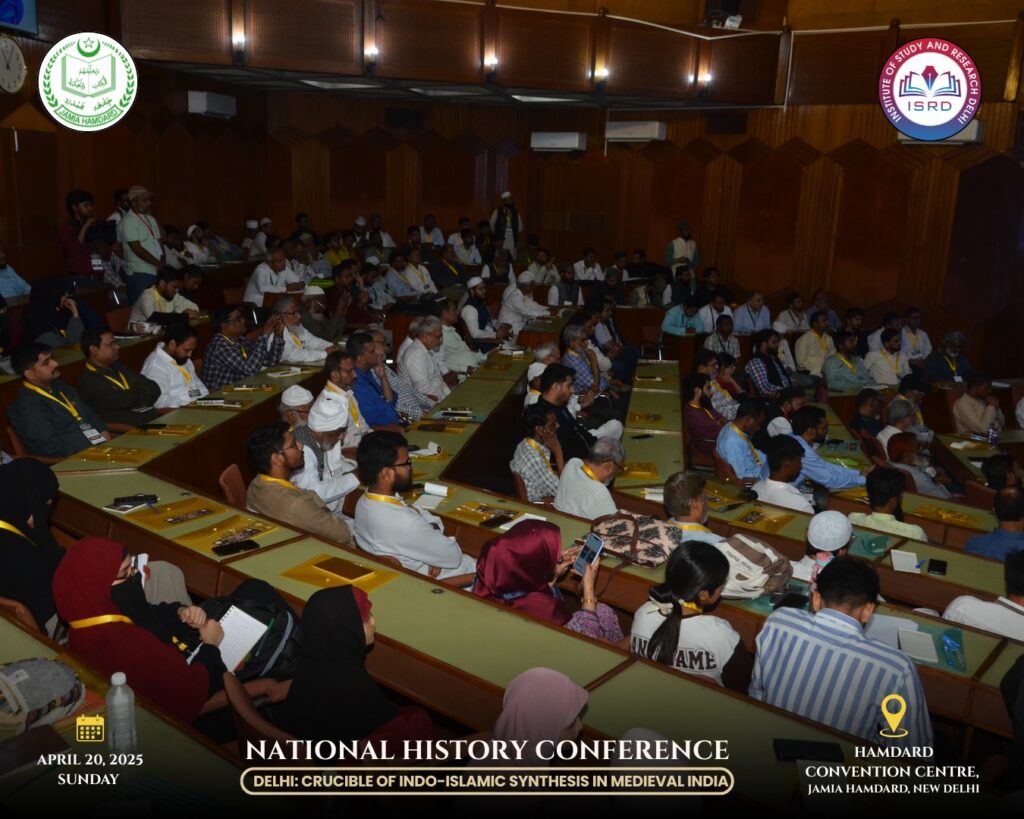
At a landmark one-day national history conference, prominent scholars, professors, and historians Sunday gathered to commemorate the unparalleled contributions of Muslims to India’s cultural and civilizational fabric. Titled “Delhi: Crucible of Indo-Islamic Synthesis in Medieval India,” the conference was hosted by the Department of Islamic Studies, Jamia Hamdard University, in collaboration with the Institute of Study and Research Delhi (ISRD), New Delhi.

Held at the Hamdard Convention Centre, Jamia Hamdard, the conference aimed to explore the profound impact of Islamic heritage on shaping medieval Indian culture, society, and governance, with a special emphasis on Delhi as the epicenter of this cultural convergence.

A wide array of research papers was presented under several sub-themes aligned with the central topic, including the Advent of Islam in North India , Educational Institutions and Knowledge Production, Indo-Islamic  Architecture, Sufi Traditions and Sacred Spaces, Language and Literature, Music and Performing Arts Role in the Freedom Struggle, Calligraphy and Decorative Arts, Culinary Heritage and the Culture of Cuisine, Women’s Contributions, Science and Technology, Mughal Gardens and Economic and Administrative Innovations.

As a chief guest, Jamaat-e-Islami Hind Syed Sadatullah Husaini emphasised that the Quran repeatedly encourages the study of history and historical events to extract lessons and guidance. “If lessons are taken from history, it becomes an asset,” he asserted, adding that history serves as a mirror of society.
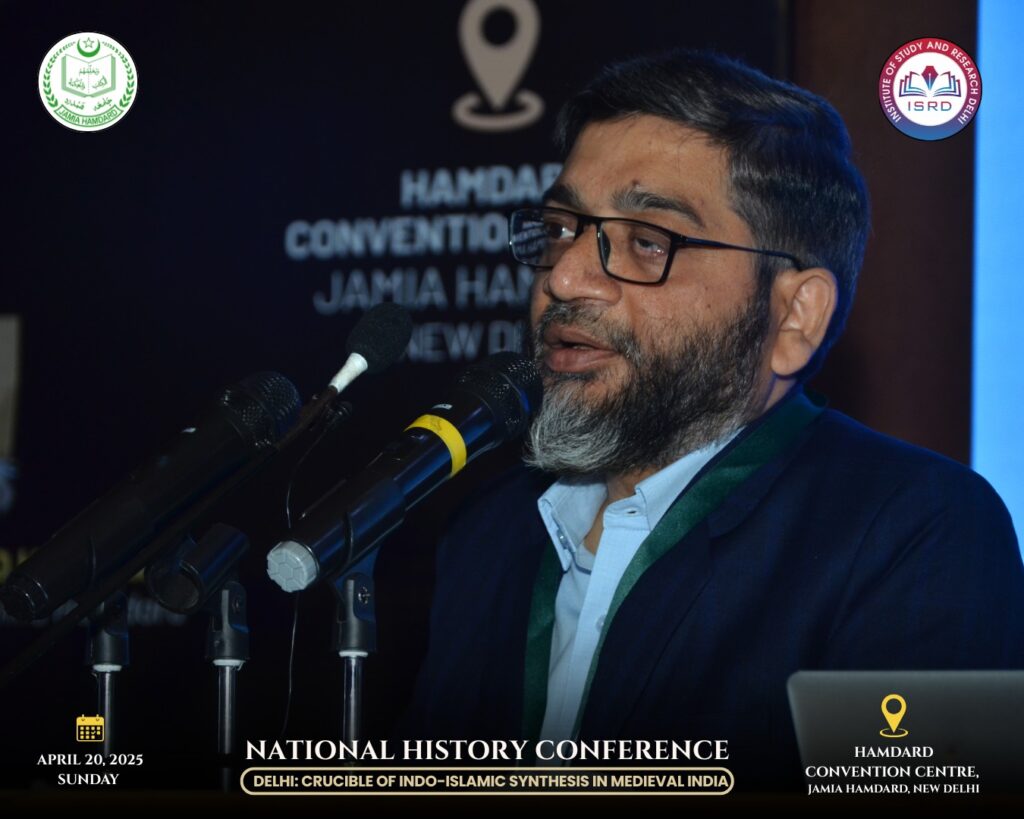
Refuting the prevailing negative narratives surrounding Muslims in India, Husaini remarked, “Muslims are not outsiders or foreign invaders. They are developers, not destroyers; builders, not colonizers; inheritors, not intruders.” He highlighted how the Delhi Sultanate acted as a conduit, connecting India with the thriving global centers of knowledge in the Muslim world.

He cited the example of Sanskrit scholars and experts in numerics being recognized and honored in the court of the Abbasid Caliphate. The Arabs, he noted, never appropriated the intellectual achievements of Indian scholars but instead gave them due credit. “Muslim Sultanates helped disseminate India’s hidden treasures of knowledge across the globe,” he stated.
Husaini also praised the architectural marvels of the Delhi Sultanate, such as the Qutub Minar, calling them a testament to the era’s artistic grandeur. He emphasized that the most valuable contribution of Muslim rulers was the promotion of unity and human equality, bringing together people across religions, castes, and classes under a shared identity of humankind—a concept Allama Iqbal referred to as “Wahdat-e-Khaas Quwwat” (special power of unity).

Referencing Maulana Abul Kalam Azad, he recalled Azad’s fervent appeals to Muslims at the time of Partition to remain in India, invoking their emotional and civilizational connection to iconic Islamic monuments such as the Taj Mahal, Red Fort, and Qutub Minar.

Dr. Afshar Alam, Vice Chancellor of Jamia Hamdard University, presided over the inaugural session. He provided a historical overview of Islamic rule in India, tracing it from Mohammad Ghori’s arrival in the 12th century to the British colonial era, covering the Slave, Khilji, Tughlaq, Sayyid, Lodhi, and Mughal dynasties.
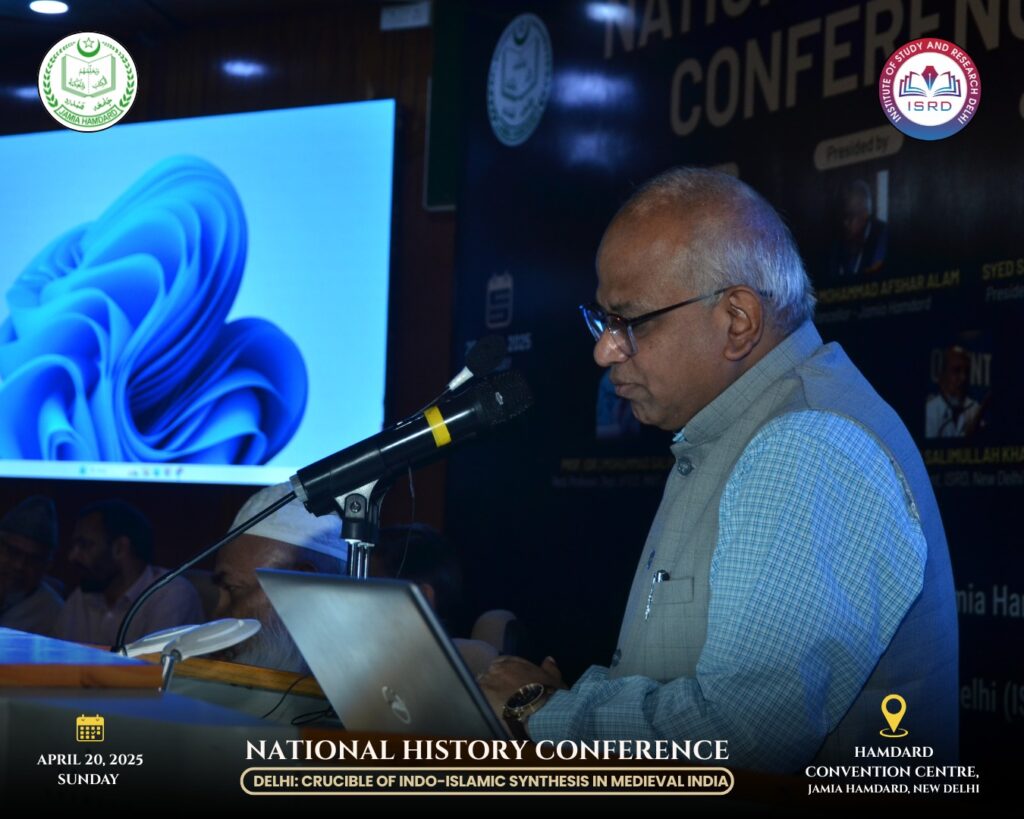
He emphasized how Delhi became the nucleus of Indo-Islamic cultural fusion, with Central Asian and Persian architectural styles merging with indigenous Indian designs. This, he said, resulted in a unique Indo-Islamic architectural identity, visible in the city’s rich heritage.

Alam also elaborated on the contributions of the Islamic period in education, science, music, literature, governance, and social reform, asserting that this synthesis laid the foundation of what is now referred to as South Asian culture. “This fusion didn’t just shape Indian civilization—it gave it depth, diversity, and resilience,” he concluded.

Dr. Hafeezur Rahman, convenor of the Khusro Foundation and an expert in Urdu and Persian, delivered speech as a special guest. He reflected on historiography, distinguishing between pro-establishment and anti-establishment narratives, and praised Islam’s contribution to historical objectivity through the tradition of “Asma al-Rijal” (biographical evaluation of narrators).

He noted, “It is often said that the Mughals gifted India three unparalleled treasures: the Taj Mahal, Mirza Ghalib, and the Urdu language.” Rahman particularly celebrated the role of Sufi saints, especially Hazrat Nizamuddin Auliya and his disciple Ameer Khusrau, a 13th-century polymath and the founding father of the Urdu language. Khusrau, he said, was also a distinguished scholar in astrology, astronomy, and music.
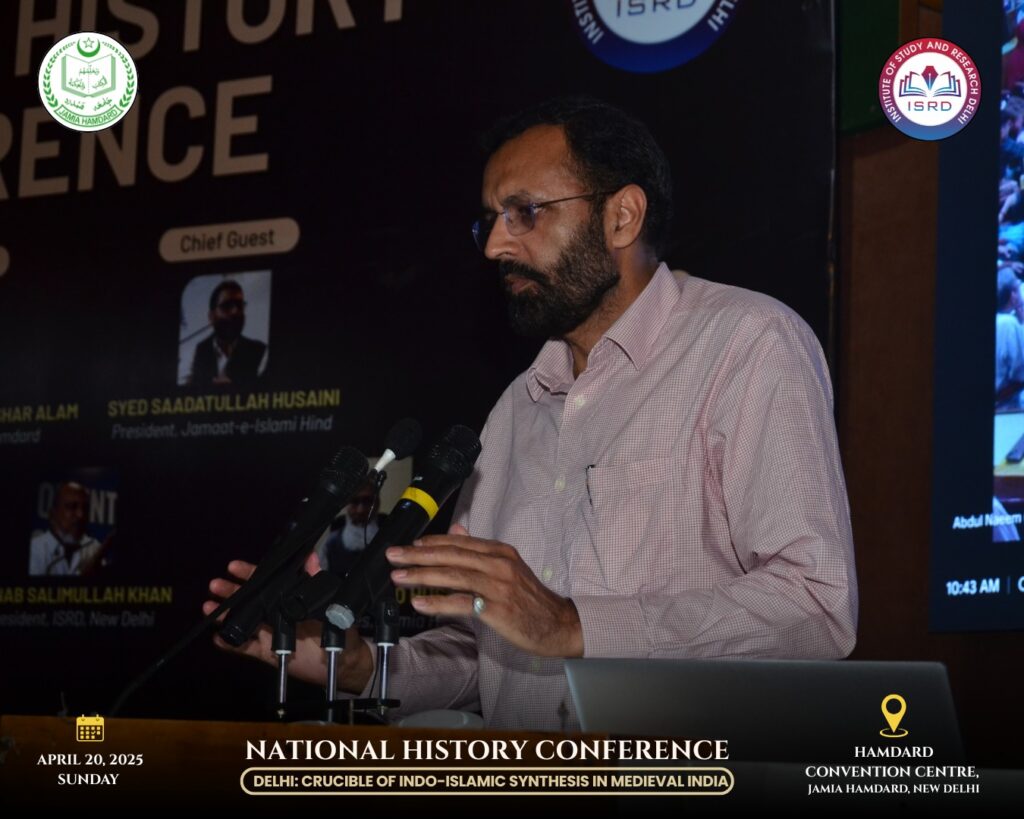
Quoting Khusrau’s oft-repeated teaching from his spiritual mentor—”Agar duniya aap ke raste mein kaante bichhaye, to tum phool bichhao” (If the world throws thorns in your path, you lay down flowers)—he emphasized the Sufi message of love and resilience.

Dr. Hafeezur Rahman further illustrated how cultural synthesis led to creations like biryani and sherwani, both products of Indo-Islamic fusion. He expressed hope that the academic papers presented at the conference would become historical documents in their own right.

Dr. Fazlur Rahman, Assistant Professor in the Department of Islamic Studies, anchored the conference and gave a brief introduction to its aims.

ISRD Secretary and Organizer Asif Iqbal outlined five core objectives and sub-themes of the event. Asif Iqbal emphasized that civilizational interactions—such as those between Islam and Indian culture—often result in positive transformations. He stated that Muslims, while introducing new cultural and civilizational values to the subcontinent, also embraced indigenous practices. “This mutual exchange reshaped the cultural and intellectual landscape of the region,” he said.
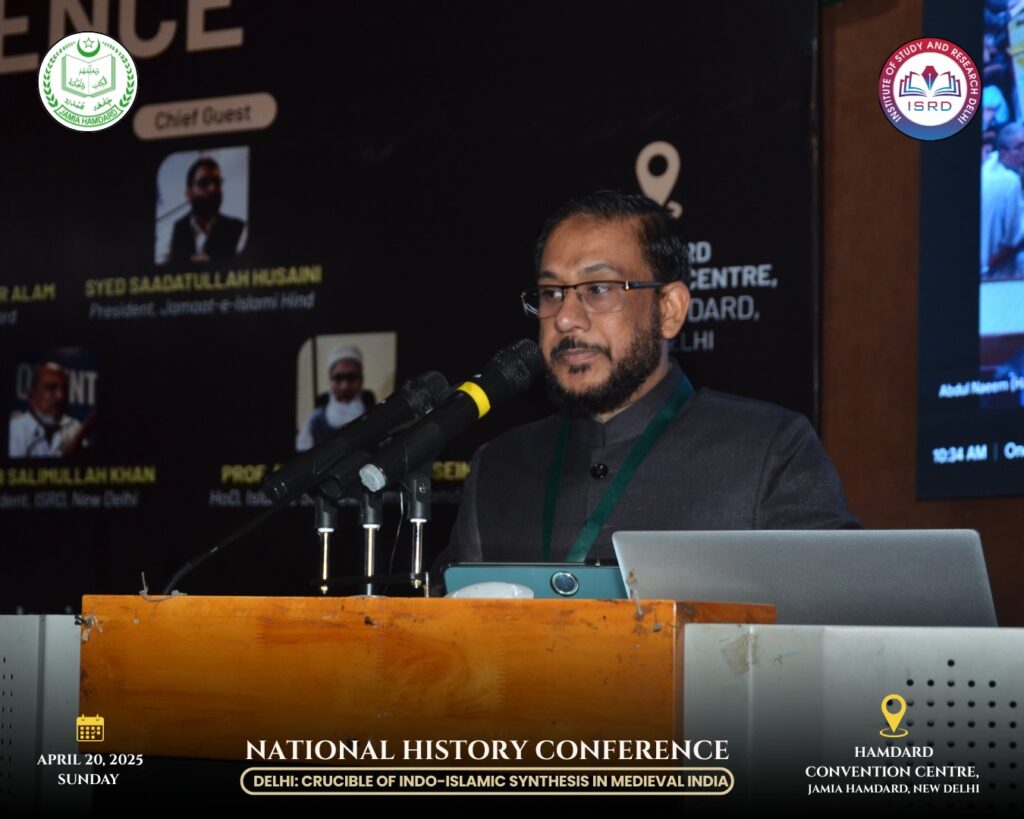
ISRD President Saleemullah Khan offered reflections on the ethical teachings of Prophet Muhammad, citing his instruction to Hazrat Ali to return belongings even to those who plotted to kill him during the Hijrah (migration to Madinah). He also quoted Urdu writer Rashidul Khairi, who praised the skills, cooperation, and intelligence of Delhi’s women during the medieval era.
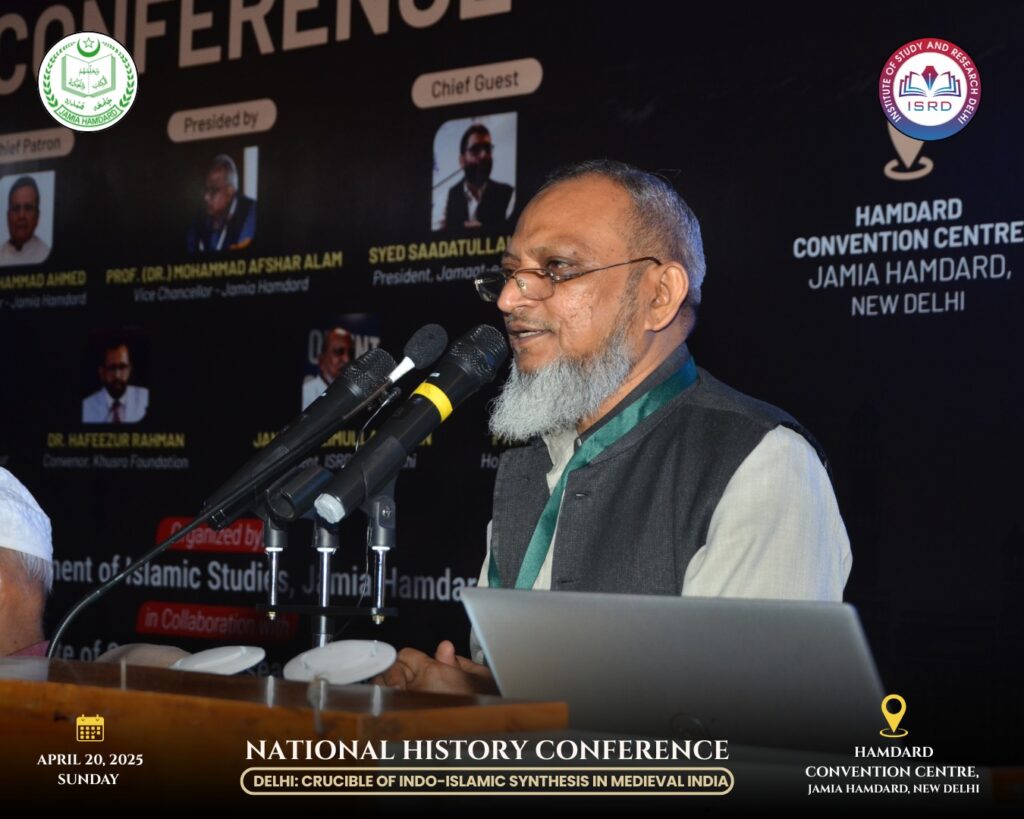
Professor Arshad Hussain, Head of the Department of Islamic Studies at Jamia Hamdard, delivered the welcome address and warmly greeted all dignitaries and guests.

The day featured parallel academic sessions, with 50 research papers presented by scholars and students from institutions including Jamia Millia Islamia (JMI), Aligarh Muslim University (AMU), Jawaharlal Nehru University (JNU), Maulana Azad National Urdu University (MANUU), National Institute of Technology (NIT), Delhi University, and Jamia Hamdard.

Sessions were chaired by eminent professors such as Prof. Obaidullah Fahad (AMU), Dr. Faizan Ahmed (National Archives of India), Dr. Mohiuddin Ghazi (former Dean, Al Jamia Al Islamia, Kerala), Prof. Azizuddin Husain, and Prof. Parvez Nazir. Guest speakers received mementoes, and research scholars were presented with certificates.
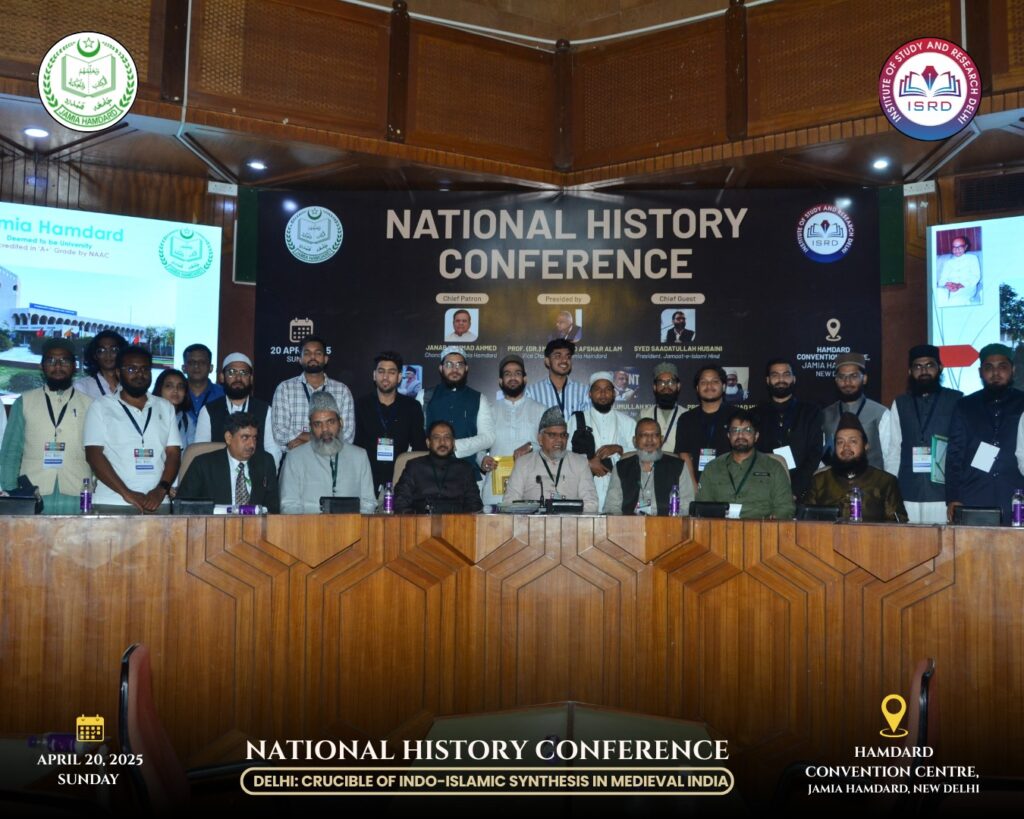
In the valedictory session, Prof. Mohammad Salim Engineer, retired professor from MNIT Jaipur, addressed emerging researchers, emphasizing key research ethics—many of which, he noted, align with Islamic principles. These include academic honesty, objectivity, peer review, and depth over volume. “There’s no shortcut to excellence,” he advised. “Hard work can even surpass intelligence.”
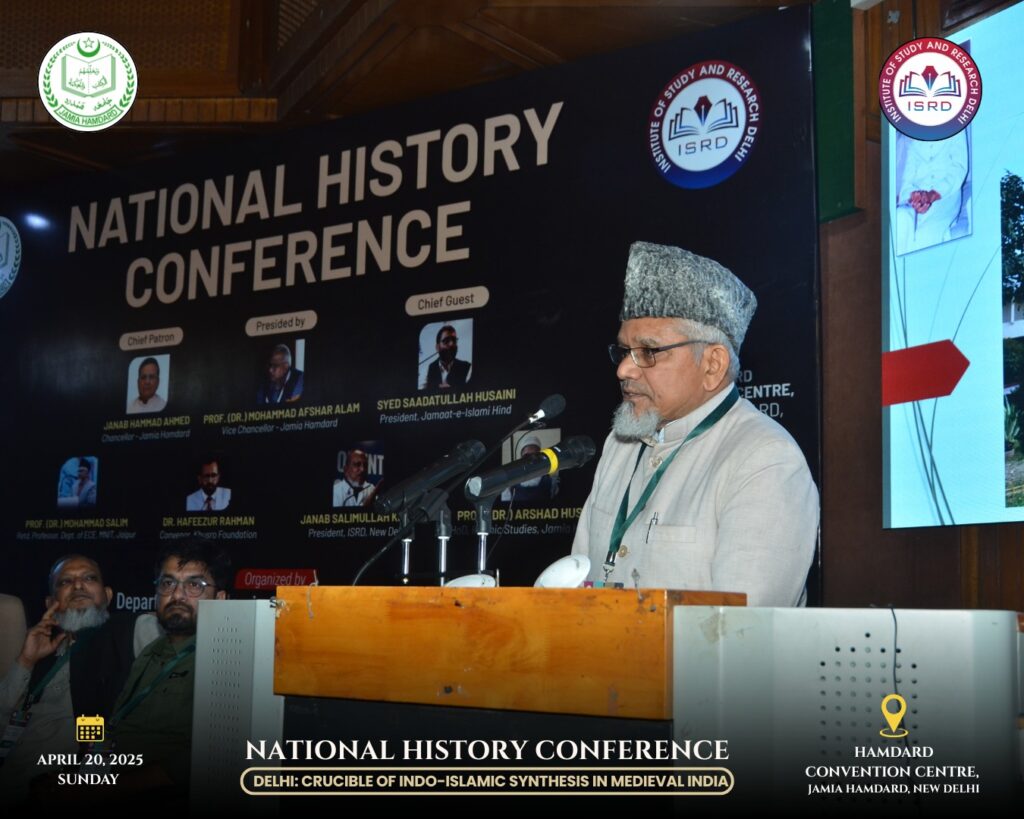
In light of the current communal atmosphere, he urged the Muslim community to take charge of creating history, not just recalling it.

Abdul Kalam, co-convenor of the event, delivered closing thanks, while Dr. Shadab Musa, Assistant Secretary of Jamaat-e-Islami Hind, offered a speech reflecting on the present socio-political environment.

source: http://www.indiatomorrow.net / India Tomorrow / Home> Breaking News> Education> National Interest / by Anwarulhaq Baig / April 21st, 2025
Jahanara Begum: The Forgotten Mughal Princess Who Designed Chandni Chowk

DELHI :

She was one of the most powerful women of medieval India, a Mughal princess like no other. And yet, her extraordinary story remains lost in the pages of history.

In an unassuming part of India’s capital city, amidst winding alleys lined with attar and chadar sellers, lies the 800-year-old dargah of Hazrat Nizamuddin Auliya—one of the most revered saints in Sufism. From dusk to dawn, thousands of devotees throng this bustling complex to pay their respects.

Yet, few know that Delhi’s most famous Sufi shrine is also home to the tomb of one of the most powerful women of medieval India, Jahanara Begum.

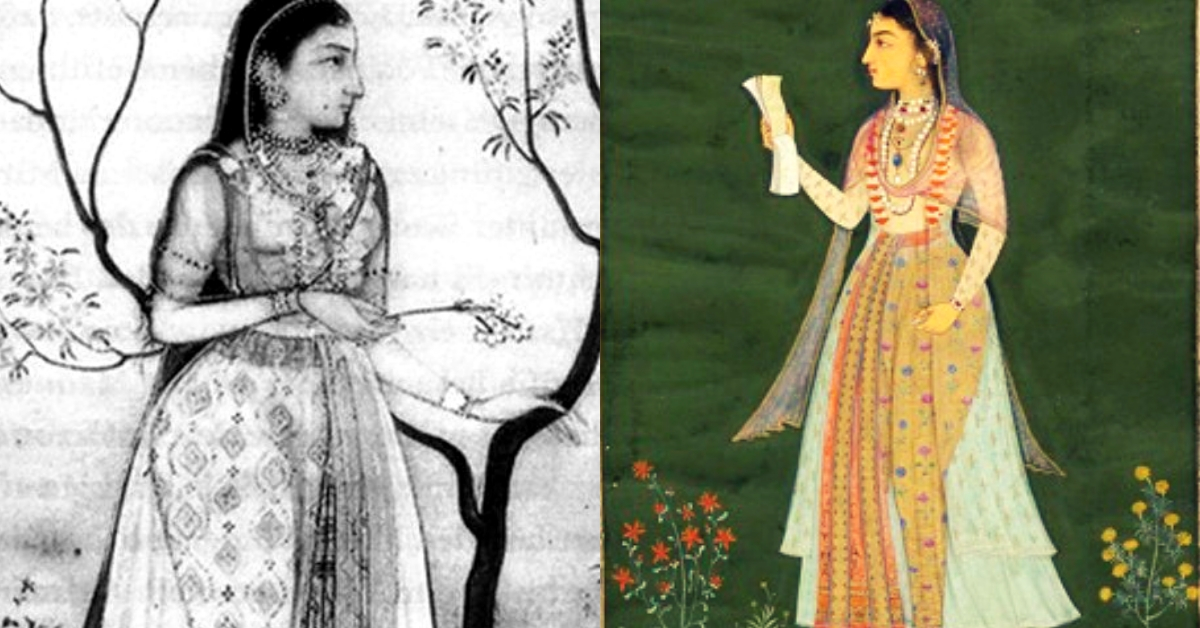
A writer, poet, painter and the architect of Delhi’s famous Chandni Chowk, Jahanara was a Mughal princess like no other.

Portraits of Jahanara Begum. Source: Wikimedia Commons

This is her story.

The eldest child of Emperor Shah Jahan and his favourite wife, Mumtaz Mahal, Jahanara was born in Ajmer in 1614. Growing up in one of the richest and most splendid empires in the world, the young princess spent her childhood in opulent palaces, humming with family feuds, battle intrigues, royal bequests and harem politics.

As such, she was well-versed in statecraft by the time she was a teenager.

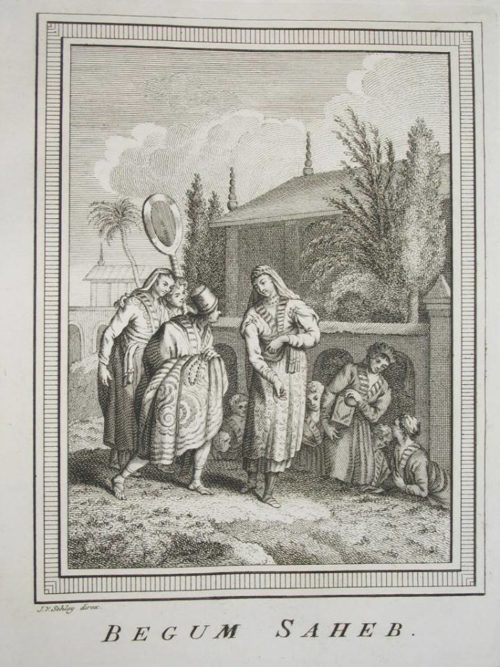
Soon after, Jahanara was appointed Begum Sahib (Princess of Princesses) by her doting parents. She would often spend her evenings playing chess with Shah Jahan, understanding the workings of the royal household, and helping her father plan the reconstruction of other palaces.

As French traveller and physician François Bernier writes in his memoirs, Travels in the Mogul Empire  ,

“Shah Jahan reposed unbounded confidence in his favourite child; she watched over his safety, and so cautiously observant, that no dish was permitted to appear upon the royal table which had not been prepared under her superintendence.”

Jahanara was also especially close to Dara Shikoh, Shah Jahan’s eldest son and her favourite brother. The two shared a love of poetry, painting, classic literature and Sufism.

In fact, she also wrote many books, including a biography of Ajmer’s Sufi saint Khwaja Moinuddin Chishti, displaying her flair for prose.

The Begum Sahib. Source: Royal India Families/Facebook

But tragedy struck the young princess’s life with the untimely demise of her beloved mother, Mumtaz, in 1631. At the tender age of 17, she was entrusted with the charge of the Imperial Seal and made Malika-e-Hindustan Padshah Begum—the First Lady of the Indian Empire—by the shattered Emperor, whose grief kept him away from his royal duties.

It was only on Jahanara’s behest that the inconsolable Shah Jahan came out of mourning.

In the years to follow, she became her father’s closest confidante and advisor. Highly educated and skilled in diplomatic dealings, her word became so powerful that it could change the fortunes of people. Her favour was much sought-after by foreign emissaries.

In 1654, Shah Jahan attacked Raja Prithvichand of Srinagar. Despairing of success in the battle, the Raja sent a plea for mercy to Jahanara. The Princess asked him to send his son, Medini Singh, as a sign of his loyalty to the Mughal Empire, thereby getting him a pardon from the Emperor.

The following year, when Aurangzeb was the viceroy of the Deccan, he was bent on annexing Golconda, ruled by Abdul Qutb Shah. The Golconda ruler wrote an arzdast(royal request) to the Princess, who intervened on his behalf. Qutb Shah was pardoned by Shah Jahan (against Aurangzeb’s wishes) and secured his safety on payment of tax.

Interestingly, Jahanara was also one of the few Mughal women who owned a ship and traded as an independent entity.

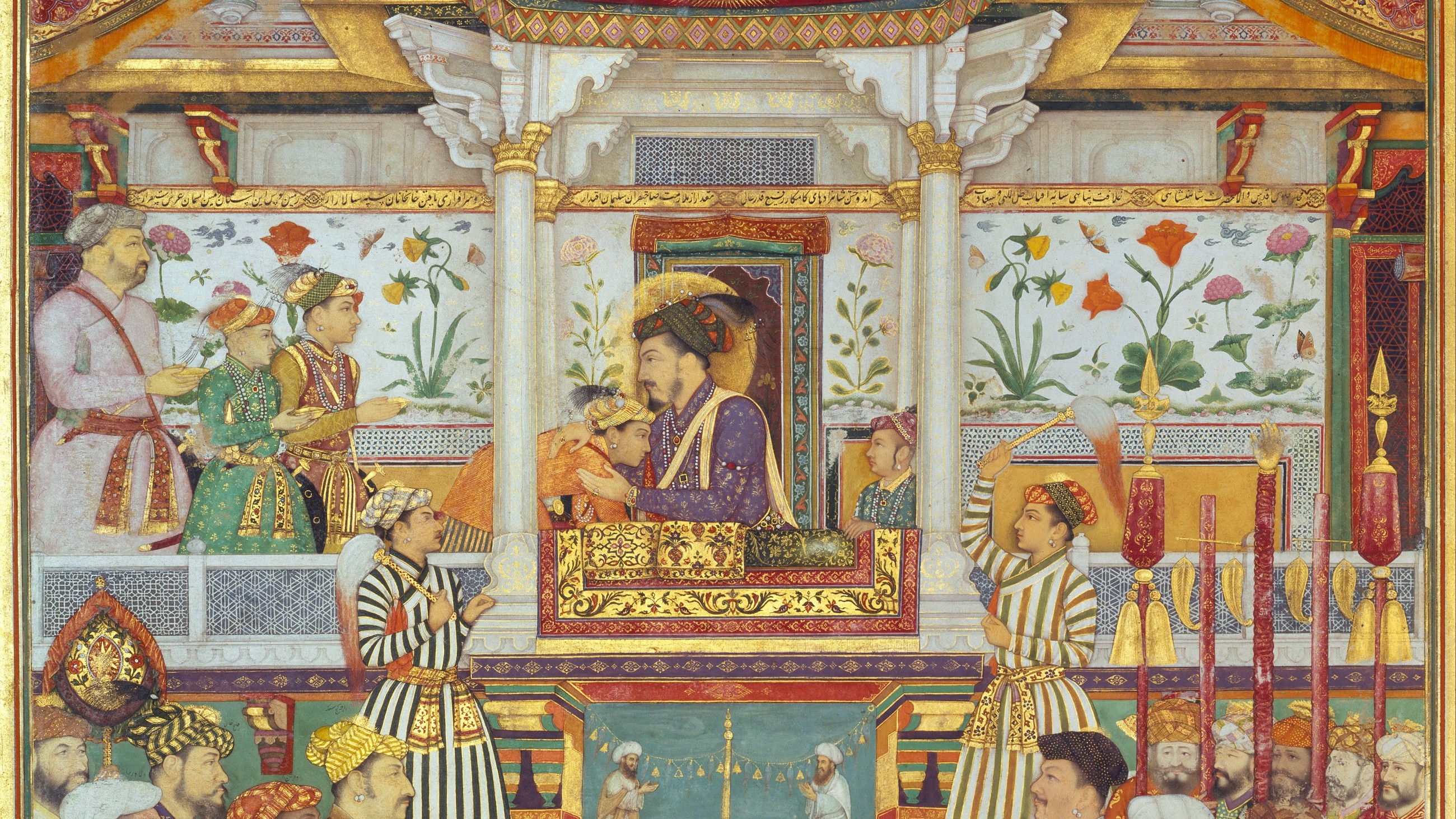
Padshahnama plate 10 : Shah Jahan receives his three eldest sons and Asaf Khan during his accession ceremonies (8 March 1628). Source: Wikimedia Commons

Named ‘Sahibi’ after its owner, Jahanara’s ship would carry the goods made at herkarkhanas (factories) and dock at her very own port in Surat; its revenue and the colossal profits she made via trade significantly boosted her annual income of three million rupees!

In his book Storia Do Mogor, Italian traveller Niccolao Manucci writes, “Jahanara was loved by all, and lived in a state of magnificence.” The book is considered to be one of the most detailed accounts of Shah Jahan’s court.

But Jahanara’s political and economic clout failed to have an impact on the bitter war of succession between her brothers, Dara Shikoh and Aurangzeb. She made several attempts to mediate between them, but as Ira Mukhoty writes in her book Daughters of The Sun , she had “underestimated the corrosive loathing that Aurangzeb has for Dara, whom he blames for his father’s cold criticism throughout his career”.

Aurangzeb ultimately killed Dara Shikoh and placed an ill Shah Jahan under house arrest in Agra Fort’s Muthamman Burj (Jasmine Tower). Faithful to her father, Jahanara set aside her lucrative trade and luxurious lifestyle to accompany him into imprisonment.

A constant presence beside Shah Jahan in his exile, she took care of him for eight years, till he breathed his last in 1666.

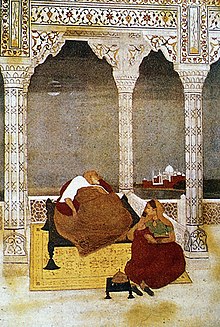
“The Passing of Shah Jahan” (1902), a painting by Abanindranath Tagore. At the foot of the bed is Jahanara Begum, the daughter of Shah Jahan; the Taj Mahal is in the background. Source: Wikimedia Commons

It says much for her stature in the Mughal court that after Shah Jahan’s death, Aurangzeb restored her title of Padshah Begum and gave her a pension along with the new title of Sahibat al-Zamani (Lady of the Age)—befitting for a woman who was ahead of her time.

Unlike other royal Mughal princesses, she was also allowed to live in her own mansion outside the confines of the Agra Fort.

“Jahanara establishes herself in the city as the most influential woman patron[s] of literature and poetry. She collects rare and beautiful book[s], and her library is peerless. She donates money to charity, especially Sufi dargahs, and carries on a genteel diplomacy with minor rajas who come to her with grievances and gifts,” writes Ira Mukhoty in her book.

Spending her last years in the pursuit of her artistic and humanitarian passions, Jahanara passed away in 1681 at the age of 67 but not before she etched her mark in the annals of history in a manner that would have made her father proud.

She commissioned several architectural spectacles, mosques, inns and public gardens across the Mughal empire.

But she is best remembered as the architect of Old Delhi’s legendary bazaar, Chandni Chowk—which translates to ‘Moonlit Intersection’.

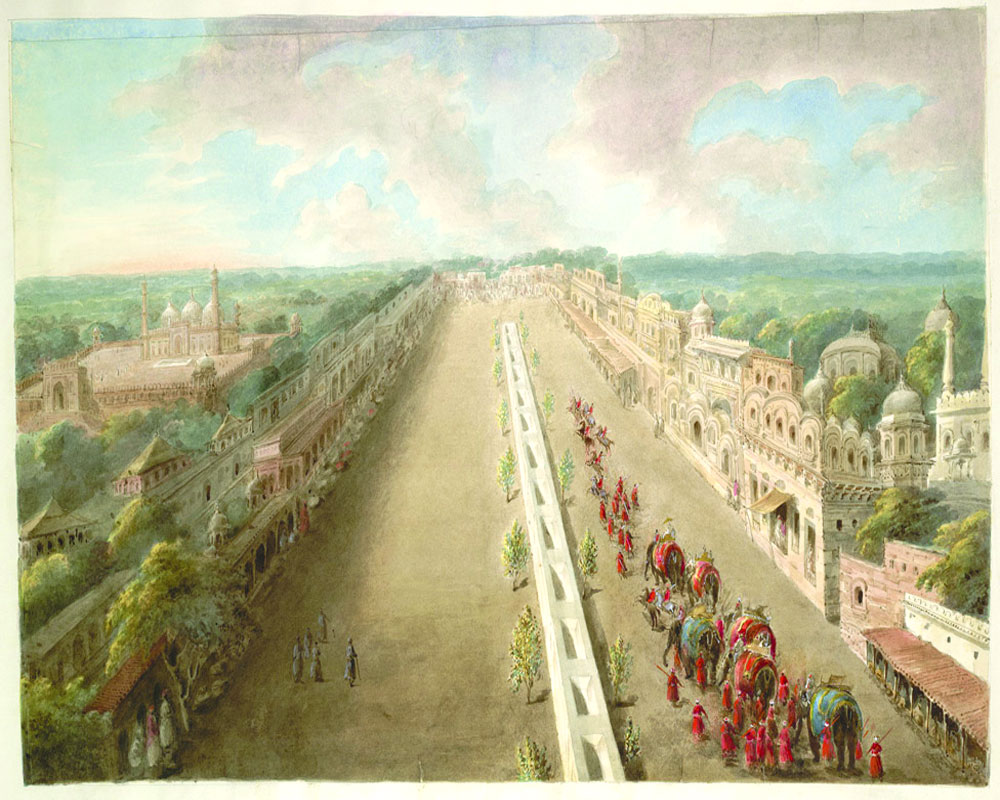
Water colour of Chandni Chowk in Delhi from ‘Views by Seeta Ram from Delhi to Tughlikabad Vol. VII’. Source: British Library

In his book  Shahjahanabad : The Soverign City in Mughal India , Stephen Blake writes,

“The chowk was an octagon with sides of one hundred yards and a large pool in its center. To the north, Jahanara built a caravansarai (roadside inn) and a garden and, to the south, a bath. On certain nights, the moonlight reflected pale and silvery from the central pool and gave to the area the name Chandni Chawk (Silver or Moonlight Square). This name slowly displaced all others until the entire bazaar, from the Lahori Gate to the Fatehpuri Masjid, became known as Chandni Chawk.”

Today, many of Chandni Chowk’s ancient buildings have been torn down, as its lanes brim with new shops and colliding crowds. And yet, somehow it manages to invoke the spirit with which Jahanara lived—the same spirit that helped her survive and thrive amidst betrayals and tragedies.

Interestingly, Jahanara’s resting place in the Nizamuddin Dargah is of her own choosing, just like her character.

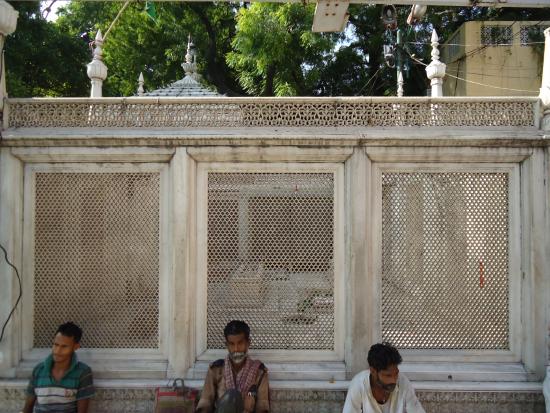
Jahanara’s tomb at the Nizamuddin Dargah. Source

Unlike the giant mausoleums built for her parents, she rests in a simple marble tomb open to the sky, inscribed with her own couplet in Persian:

Baghair subza na poshad kase mazar mara, (Let no one cover my grave except with green grass,)
Ki qabr posh ghariban hamin gayah bas-ast. (For this very grass suffices as a tomb cover for the poor.

Perhaps it is poetic justice that green vines grow on the grave of this extraordinary princess of India.

(Edited by Shruti Singhal)

source: http://www.thebetterindia.com / The Better India / Home> History> Women / by Sanchari Pal / May 24th, 2019