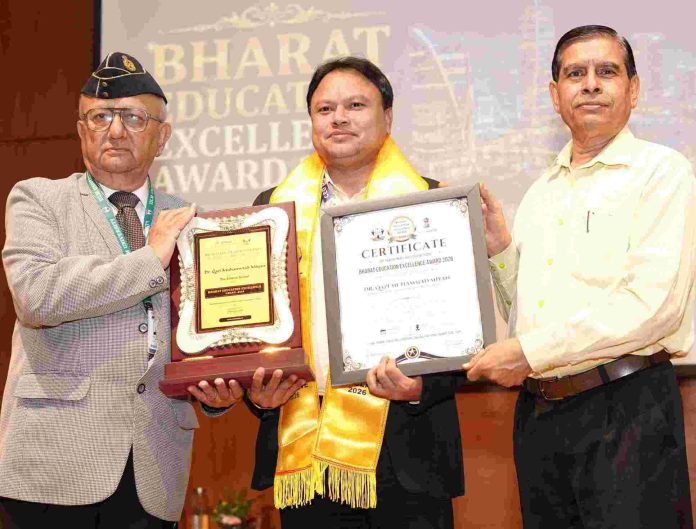
Dr. Qazi Muhammad Miyan, an educationist and school administrator, has been conferred with the prestigious Bharat Education Excellence Award in recognition of his significant contribution to education and educational administration.
The award was presented at the 13th Bharat Education Leadership Conclave, held at IILM University, Noida. The conclave was organised by the Centre for Educational Development Foundation India (CED India) in collaboration with NITI Aayog, Government of India, and IILM University, Noida.
Dr. Qazi Muhammad Miyan received the award from Major General B.D. Wadhwa (Retd.), Pro-Chancellor of IILM University, Noida, and G.S. Chauhan, former Joint Secretary of the University Grants Commission (UGC).
The event was attended by several prominent figures from the education sector, including Arvind Kumar Mishra, Deputy Secretary, CBSE; Prof. Dinesh Singh, Chancellor of K.R. Mangalam University and former Vice-Chancellor of the University of Delhi; Dr. Jaishankar Warrier, Vice-Chancellor of IILM University, Noida; and Dr. Priyadarshi Nayak, President of CED India and Chairman of the CBSE Sahodaya School Complex, along with numerous other distinguished educationists from across the country.
Dr. Qazi Muhammad Miyan serves as Administrator of The Scholar School, Delhi, and is an Executive Member of the All-India Educational Movement. He is also associated with several national and international educational institutions and organisations, and his contributions to education have previously been recognised through multiple awards and honours.
source: http://www.radiancenews.com / Radiance News / Home> Pride of the Nation> Awards>Latest News / by Radiance News Bureau / September 16th, 2026
Senior Unani physician, researcher and administrator with nearly three decades of experience assumes new responsibility
New Delhi:
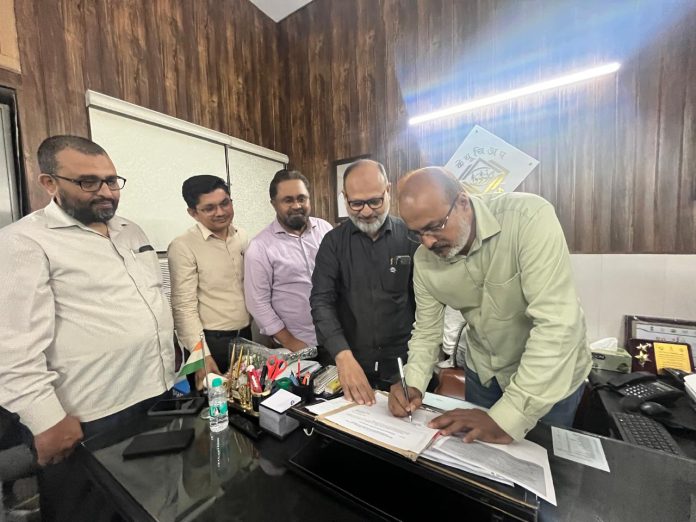
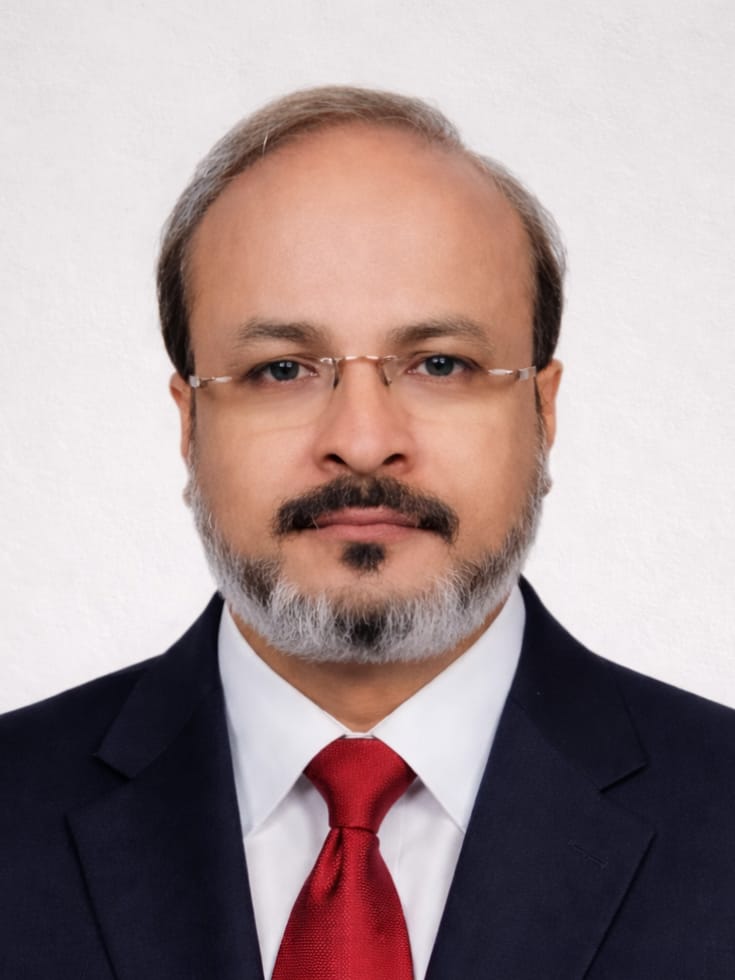
Following the retirement of Dr. Ziaul Haq Siddiqui, Dr. Zaki Ahmad Siddiqui has taken charge of the Regional Research Institute of Unani Medicine (RRIUM), New Delhi, under the Central Council for Research in Unani Medicine (CCRUM), Ministry of Ayush, Government of India.
All senior officers and staff of the institute, were present on the occasion. Dr. Zia’s long and dedicated services were acknowledged, while Dr. Zaki Ahmad Siddiqui was congratulated and extended best wishes on assuming his new responsibility.
Dr. Zaki Ahmad Siddiqui is a senior Unani physician, researcher and administrator with nearly three decades of experience in clinical research, drug standardisation, policy implementation and institutional administration in the AYUSH sector. He obtained his BUMS from A & U Tibbia College, University of Delhi, and MD (Moalijat) from Jamia Tibbia, Deoband.
Dr. Zaki began his professional career in 1996 as a Research Officer with CCRUM. During his nearly three decades of service, he has held various important responsibilities in research, clinical services, policy and administration. A significant part of his career, around 20 years, was spent at CCRUM Headquarters and the Ministry of AYUSH, where he handled important responsibilities relating to research, policy, administration and regulatory matters.
During his tenure in the Education Policy Section of the Ministry of AYUSH, he was associated with important policy and administrative matters concerning Ayurveda, Siddha and Unani medical colleges.
From 2020 to 2022, Dr. Siddiqui served as In-charge of the Drug Standardisation Research Unit (DSRU), CCRUM, New Delhi, where he contributed to strengthening research and activities related to the standardisation of Unani medicines.
From 2022 to 2025, he headed the Unani Medical Centre at Safdarjung Hospital, New Delhi, contributing to the delivery and strengthening of Unani clinical services in a major tertiary-care hospital.
In December 2025, Dr. Siddiqui was promoted to the post of Deputy Director and was entrusted with the responsibility of RRIUM, Mumbai. Subsequently, in April 2026, he was assigned the responsibility of Assistant Director, Hakim Ajmal Khan Institute for Literary & Historical Research in Unani Medicine (HAKILHRUM), New Delhi.
With his extensive experience in clinical care, research, drug standardisation and institutional administration, Dr. Siddiqui’s new responsibility at RRIUM, New Delhi is expected to further strengthen the institute’s research activities, Unani clinical services, drug standardisation and administrative functioning.
source: http://www.radiancenews.com / Radiance News / Home> Latest News> Report / by Radiance News Bureau / August 31st, 2026
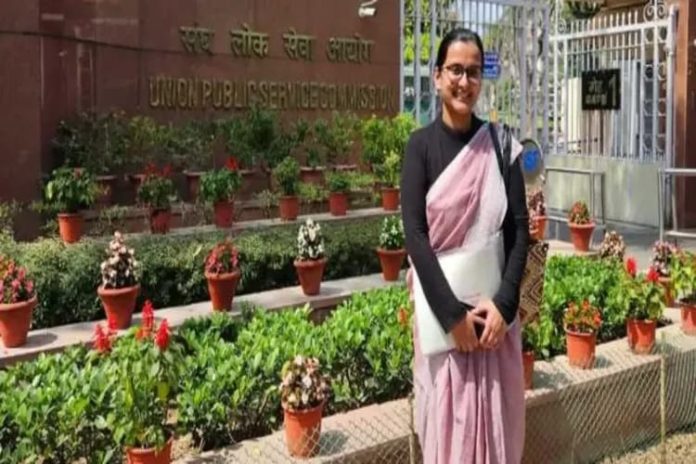
The name of Abeer Asad, daughter of Maulana Muhammad Asad Al-Qasimi Al-Azmi, has featured in the supplementary list of candidates for the 2023 exam released by the Union Public Service Commission (UPSC). Abeer cleared the challenging exam independently, relying on her self-study and determination, making her accomplishment a story of hard work, resilience, and vision, reports the Times of India.
Abeer’s journey to the Civil Services highlights her dedication to serving the nation. Her success came without formal coaching, showcasing the impact of her year-long self-directed study, combined with an unwavering commitment to her goal. From her school days, Abeer was a diligent student, achieving 92.8% in her 10th exams and 97.5% in her 12th, and later graduating with distinction in Economics from Hansraj College, Delhi.
Abeer’s preferred career path includes joining the Indian Administrative Service (IAS) as her top choice, followed by the Indian Revenue Service (IRS) and the Indian Railway Management Service (IRMS). Her position in the supplementary list ranks her at 35th, where she is joined by another successful Muslim candidate, Muhammad Nayab Anjam.
Abeer’s family stands as her pillar of strength. Her brother, Muhammad Basil, is a software engineer, while her mother a homemaker. Their lineage traces back to the well-regarded town of Kirthi Jafar in Mayo district, and they are proud of Abeer’s achievement, which she credits to her parents’ encouragement.
In her message to aspiring youth, especially young Muslim women, Abeer encouraged them to believe in their potential and to pursue their ambitions with passion and focus. “If girls are given freedom, encouragement, and equal opportunities, there’s no limit to what they can achieve,” she stated, urging young Muslims to prioritise their education over distractions.
Her father shared his pride in Abeer’s success and emphasised the importance of education within the Muslim community. “Only education can change the fate of a nation,” he remarked, calling on Muslim families to support their children in following their dreams.
source: http://www.radiancenews.com / Radiance News / Home> Latest News> Markers of Excellence / by Radiance News Bureau / November 01st, 2024
Seohar Town (Bijnor District), BRITISH INDIA / NEW DELHI :
For too long, a handful of names have dominated the history of the years leading up to 1947 with Gandhi, Nehru, Jinnah, Patel being the most-often cited.
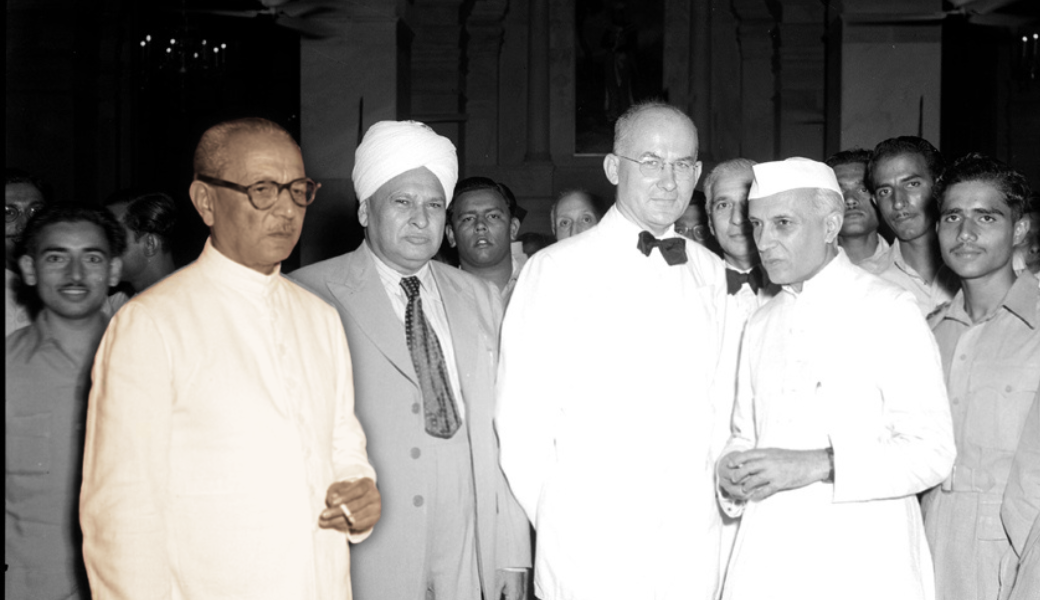
Pandit Jawaharlal Nehru and others at Governor-General‘s Dussehra reception held at Government House, New Delhi on September 29,1949. At extreme left is Asaf Ali, the then Governor of Orrisa. Edited via Canva. Photo: Photo Division, Govt. of India
For several years I worked in a publishing company situated on the bustling Asaf Ali Road, a road that serves as a cordon sanitaire between the squalor of Old Delhi and the (relative) order of New Delhi. Once an important business hub, by the time I went to work there in the late 1980s, this long stretch of colonnaded corridors with a warren of densely-packed offices wore an unmistakably grubby, down-at-heel look. At the head of the road, stood the statue of Asaf Ali in a derelict enclosure near Delhi Gate (or Dilli Gate as the locals pronounced it). The dark statue, generously speckled with startlingly white droppings from the many pigeons that frequent this neighbourhood, looked forlorn, especially so with the shervani-clad, bespectacled figure standing with hands clasped in a peculiarly supplicatory posture.
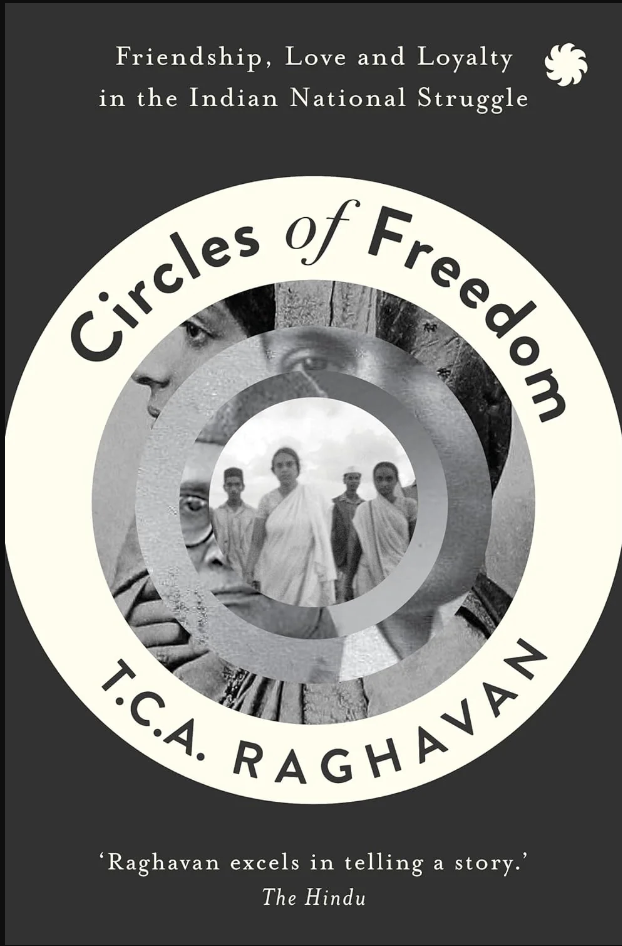
TCA Raghavan, Circles of Freedom: Friendship, Love and Loyalty in the National Freedom Struggle, Juggernaut (2024)
I must confess that in the four years I worked at Asaf Ali Road and passed this statue twice a day, morning and evening, it evoked no curiosity in me and I knew virtually nothing about Asaf Ali. Perhaps, his wife Aruna Asaf Ali’s name seemed more familiar given that she was still alive and active. I suspect I was not alone in this. For most people in Delhi, Asaf Ali is a forgotten footnote from long-ago history lessons, one of the many ‘obscure’ people who were part of the national freedom struggle. If the situation is so dismal in Delhi, where he had lived and worked, a city that had been home to his ancestors, I suspect it can only be worse in the rest of the country.
In writing Circles of Freedom: Friendship, Love and Loyalty in the National Freedom Struggle, TCA Raghavan corrects an old wrong. For far too long the tall poppies of the freedom movement have overshadowed the countless others who devoted their entire lives to the cause of independence and struggle against colonial rule. For too long, a handful of names have dominated the history of the years leading up to 1947 with Gandhi, Nehru, Jinnah, Patel being the most-often cited.
Over the past decade, with history being rewritten by new, dominant players, new names are being invoked and icons fashioned from often slender resources. In this unseemly clamour for space and recognition, some names have almost slipped through the crevices of the popular imagination, neglected and overlooked by the professional historian or, at best, relegated to the lowest rungs in a carefully crafted hierarchy of heroes. A park or a road named after the lesser-known evokes neither curiosity nor interest in their lives and the place they occupied in the shaping of a young nation. Asaf Ali (1888-1953) is one such person.
Raghavan’s book, however, is not a straightforward biography for it is not about Asaf (as the author calls him) alone. Instead, he chooses to tell his story through five protagonists who were inextricably tied by the threads of friendship and solidarity: Asaf Ali, Sarojini Naidu, Syud Hossain, Syed Mahmud and Aruna Asaf Ali. While Aruna enters this narrative quite late when she marries the much older Asaf, the other four meet in England just before the Great War where the three men have gone to study and Naidu, recuperating from an illness, is the erudite diva, eloquent poet, ardent nationalist and a veritable magnet for impressionable young men dreaming impossible dreams.
Over the next four decades, they meet, write long letters to each other, take a lively interest in each others’ lives and careers but ‘what gave meaning to their lives,’ as Raghavan notes in his conclusion, ‘was the great enterprise they chose to become part of’. And so it was the freedom struggle that not just formed the core of their relationship but also, in effect, shaped their lives. Were it not for this one singular, overwhelming zeal to seek freedom for their country, they could very well have lived other lives: Naidu would have remained a dulcet-voiced poet, both Asaf and Mahmud successful and wealthy barristers, Hossain a journalist and Aruna a do-gooder with no special qualifications. But such were the exigencies of the times that all five were caught up in different ways and different degrees with the national freedom struggle and that singular ‘great fight’ defined their lives.
With three extremely well-received books behind him – Attendant Lords: Bairam Khan and Abdur Rahim – Courtiers and Poets in Mughal India, The People Next Door: The Curious History of India’s Relations with Pakistan and History Men: Jadunath Sarkar, G. S. Sardesai, Raghivir Sinh and Their Quest For India’s Past – Raghavan, a former diplomat, can recreate history with the aplomb of a master story-teller and the meticulousness of a professional historian. Here, he weaves the events of the tumultuous years leading up to Independence with the lives of his five principal characters, keeping Asaf at the centre of his concern. Through Asaf, he teases out the nuances and dilemmas of the moderate Muslims in India who refused to be enamoured by the lures and promises of the Muslim League and remained steadfast in their devotion to the Congress and, by extension, Nehru.
The extreme deference that the nationalist Muslim leaders displayed towards Nehru is noted; each time a Muslim leader attempted to bring the ‘communal problem’ to Nehru’s notice, the latter would brush aside these concerns by saying, ‘The real problem is a political problem – the conflict between an advanced organisation like the Congress and a politically reactionary organisation like the League.’ Concerns of leaders such as Asaf who believed ‘self determination was preferable to a union that was forced’ were disregarded. Mindful of the suspicion that Muslim leaders within the Congress evoked amongst their colleagues, Raghavan notes, ‘Because he was a Muslim, the impression among some was that he was a fifth columnist for the League’. The coming of independence didn’t make it any easier for those Muslims who chose to stay on in India. Nationalism increasingly began to mean thinking and living in the Congress way and none other. Those who lived or thought another way came to be regarded as anti-national, a phenomena we see repeated in the New India that is Bharat, except that it is the ruling Bharatiya Janata Party that has replaced the ideological hegemony of the Congress.
Different readers will possibly take different things from this book: the broad brush strokes that delineate milestone moments from modern Indian history, Gandhi’s irresistible call to Quit India, the unfurling of the national flag at Gowalia Tank by a young Aruna that catapults her to national fame, the detailed account of jail-life for a group of high-profile, political prisoners inside the Ahmadnagar fortress, a meticulous dove-tailing of accounts from different sources and disparate perspectives to create a bright, colourful and immensely readable patchwork quilt of modern Indian history, and much else in this engrossing book.
I, however, was left with an ineffable sadness and a sense that the more things change, they remain the same – at least for India’s Muslims. Despite his many sterling qualities of heart and mind, despite a fine legal education, Asaf neither made a mark as a lawyer or a politician. Though seemingly destined for greatness, having aided fate by preparing himself assiduously for a life devoted to the larger good, Asaf never quite scaled the heights he aspired to. The few successes that came his way, such as a seat in the Constituent Assembly (from Delhi) or fighting high-profile cases such as those of Bhagat Singh or Shaikh Abdullah, were marred by controversy or a smaller share in the limelight than he felt he deserved. The mantle of statesmanship that should have fallen on him with the passing of Dr Ansari and Hakim Ajmal Khan, both national leaders from Delhi like him, and a seat at the high table that should have been offered to him as a veteran Muslim leader, did not happen.
Given the price paid by far taller leaders in the Congress – such as C. Rajagopalachari and Bhulabhai Desai – for showing initiative and thus offending the party high command, shows the extent to which the Congress, not unlike the League, was becoming a personality-dominated organisation. Asaf’s case was compounded – to use a modern expression – by the optics; his timorousness, his ‘going to pieces’ fretting with worry over his wife during his long years of incarceration, his marital woes, the shadow of mistrust and suspicion that clung to him all his life combined to create a persona that failed to inspire confidence.
For all his loyalty to Nehru, Asaf was not chosen for any cabinet position or placed on any important committee. Instead, he was sent as Ambassador to Washington, brought back to serve as Governor of Orissa and then sent again as Ambassador to Sweden where he died barely a few months into his tenure.
Just as being a moderate Muslim defined Asaf’s public persona, so did his marriage to Aruna. From a political novice she rapidly transformed into a stormy petrel causing immense anxiety, consternation and eventually a sadness in her husband. Raghavan is to be credited for staying steadfastly away from prurient gossip and portraying the changing contours of the marriage objectively: ‘… in fact the relationship had started changing quite early in the marriage and here Aruna’s own political journey was the driving factor.’ Reading between the lines of Raghavan’s carefully crafted text, one picks up the whiff of misogyny in the higher echelons of our national leadership. While acknowledging Aruna’s bravery and patriotism, Gandhi saw her as a ‘perpetual rebel’ and Nehru went so far as to call her ‘hysterical’ on one occasion – something Aruna never forgot.
Incidentally, Gandhi, who was vehemently opposed to inter-religious marriages and had opposed his son Manilal’s relationship with Fatima (a Gujarati Muslim) and Hossain’s alliance with Nehru’s sister Sarup Rani (later known as Vijay Lakshmi Pandit), endorsed Asaf’s marriage to Aruna. Read Circles of Friendship to find out why.
Rakshanda Jalilis a Delhi-based writer, translator and researcher.
source: http://www.thewire.in / The Wire / Home> Books / by Rakshanda Jalil / August 29th, 2024
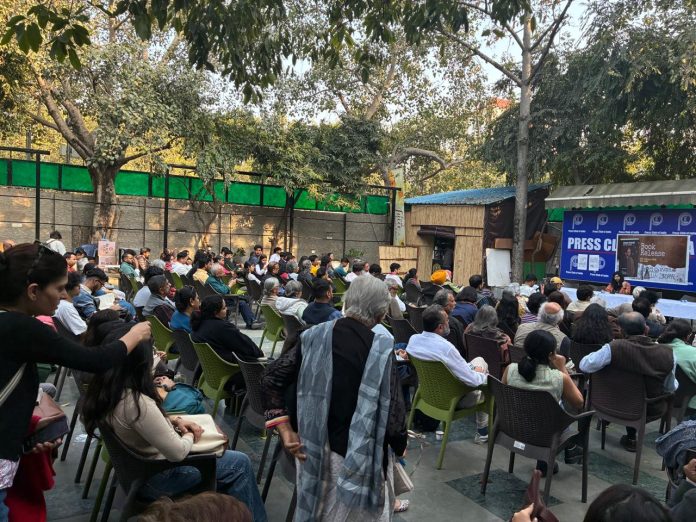
An overflowing audience of the young and the very old at the Press club of India, New Delhi, on Tuesday witnessed the release of a book on Umar Khalid, a JNU scholar now in jail these last six years.
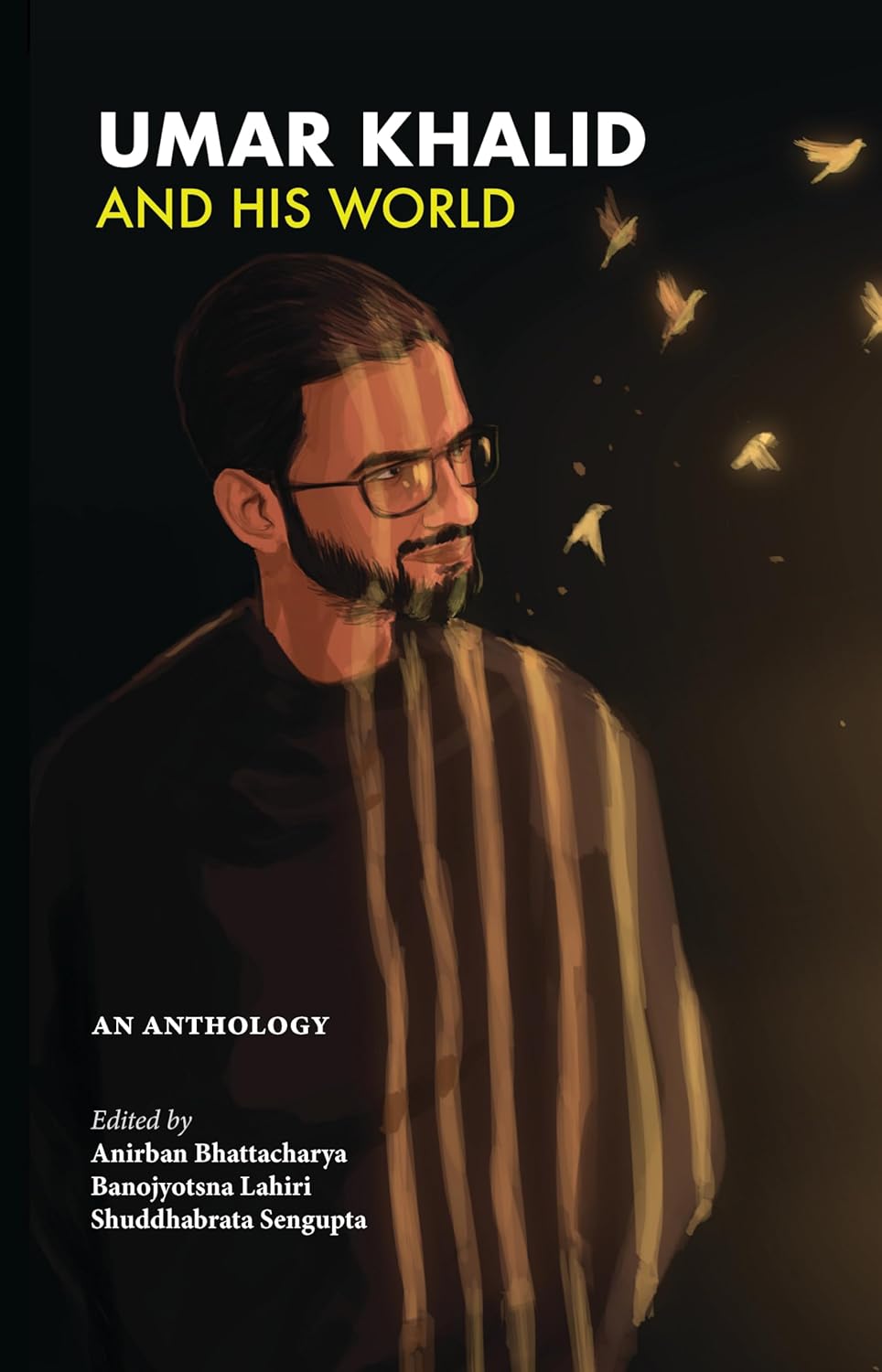
The book titled Umar Khalid and His World: An Anthology, published by Three Essays Collective, is edited by Anirban Bhattacharya, Banojyotsna Lahiri, and Shuddhabrata Sengupta.
It is an anthology of writings by and about the incarcerated activist, featuring contributions from various public figures, intellectuals, and friends. The anthology is curated by researcher/activist Anirban Bhattacharya, writer and activist Banojyotsna Lahiri (who is also Umar Khalid’s partner), and artist/writer Shuddhabrata Sengupta.
The book features letters, essays, and reflections, including writings from Umar Khalid himself, along with contributions from Romila Thapar, Ramachandra Guha, Anand Teltumbde, and Kunal Kamra. It highlights themes of resistance, the injustice of prolonged detention, and the political atmosphere in India.
source: http://www.radiancenews.com / Radiance News / Home> Review Article> Book Release> Focus / by Radiance News Bureau / February 17th, 2026
Tribute Paid to Hakim Ajmal Khan’s Medical Services; Awards Presented to Doctors
New Delhi:
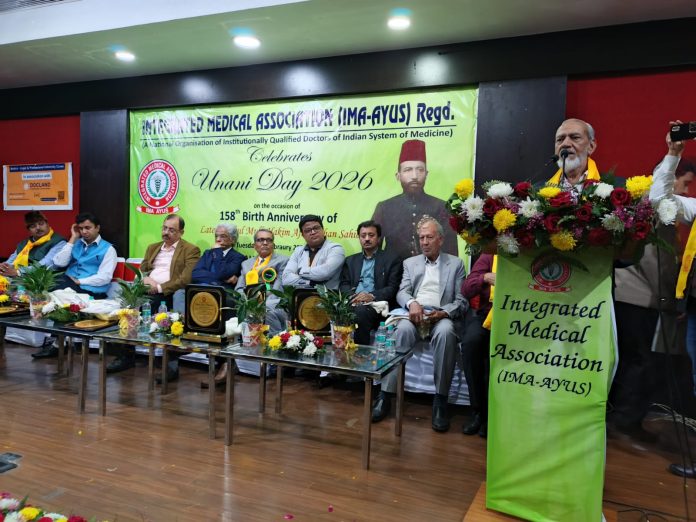
On the occasion of the 158th birth anniversary of the eminent medical personality Hakim Ajmal Khan, a dignified felicitation ceremony was organised by the Integrated Medical Association (IMA–AYUSH) at the Ghalib Institute, Mata Sundri Lane, New Delhi. A large number of distinguished physicians and practitioners from across Delhi attended the event and paid rich tribute to Hakim Ajmal Khan’s outstanding contributions to Unani medicine.
Addressing the gathering, former Head of the Unani Department at Safdarjung Hospital, Syed Ahmad Khan, stated that Hakim Ajmal Khan elevated Unani medicine to new heights and introduced innovative treatment methods in line with modern medical requirements. He further said that Hakim Ajmal Khan’s intellectual insight and research contributions continue to serve as a guiding light for practitioners, and his medical philosophy will remain a source of inspiration for future generations.
During the ceremony, doctors associated with various medical institutions in Delhi were honoured with awards and certificates in recognition of their remarkable services. Speakers on the occasion reaffirmed their commitment to making collective efforts for the promotion of Unani medicine and for providing effective and safe treatment to the public.
At the conclusion of the programme, the organisers from the Integrated Medical Association announced that scientific and literary programmes would continue to be organised in the future to promote the ideas and medical legacy of Hakim Ajmal Khan, so that the younger generation may become acquainted with the services of this great medical leader.
On this occasion, Dr. R.S. Chauhan, in his address, said that Unani medicine is in fact a complete way of life and a balanced therapeutic system, to which Masih-ul-Mulk Hakim Ajmal Khan gave renewed vitality. He remarked that Hakim Ajmal Khan’s medical vision, research, and humanitarian approach continue to guide practitioners around the world. According to him, Hakim Ajmal Khan’s ideas hold fundamental importance in the promotion of the AYUSH system of medicine, the growing inclination toward natural healing, and the strengthening of public health. Dr. Chauhan further emphasised that introducing the younger generation to Hakim Ajmal Khan’s intellectual legacy and spirit of service to humanity is the need of the hour, so that this great treasure of Eastern medicine may be passed on to future generations.
Among those present on the occasion were Professor (Dr.) Kashinath Samagandi, Dr. Arif Zaidi, Dr. Raghu Ram Ayyagari, Professor (Dr.) Mohammad Idris, Hakim Imamuddin Zakaai, Professor (Dr.) Naseem Akhtar Khan, Dr. Syed Ahmad Khan, Dr. R.S. Chauhan, Dr. O.P. Vashisht, Dr. Naresh Kumar Chhwania, Dr. Raman Khanna, Dr. Mohammad Usman, Dr. Mohammad Asad, Dr. Arun Kataria, and Dr. Krishan Kumar Singhal.
source: http://www.radiancenews.com / Radiance News / Home> Latest News> Report / by Radiance News Bureau / February 19th, 2026
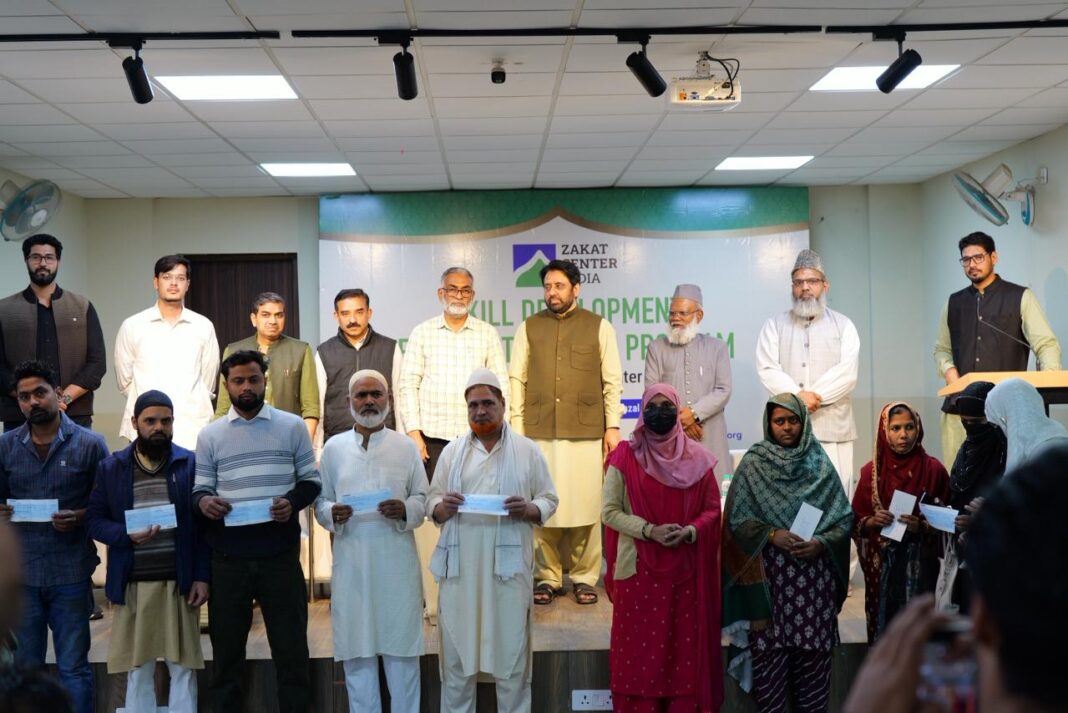
Zakat Center India (ZCI) disbursed Rs. 6 lakh among 14 deserving beneficiaries in Delhi during a Skill Development Fund Distribution Programme held at the Scholar School Conference Hall, Jamia Nagar, for the financial year 2025–26.
The programme was attended by several prominent dignitaries, including Okhla MLA Amanatullah Khan, who graced the event as chief guest. Representatives from social, religious, and community organizations were also present.
ZCI, a pan India non-profit organization dedicated to poverty alleviation and social welfare, focuses on the transparent and efficient utilization of Zakat. The initiative aims to help beneficiaries establish micro-businesses and sustainable livelihoods, enabling them to transition from Zakat recipients to self-reliant earners within a short period.
Addressing the gathering, MLA Amanatullah Khan appreciated ZCI’s organized and institutional approach to Zakat management and assured his continued support for such welfare initiatives. He noted that structured and transparent Zakat systems can significantly contribute to social upliftment and economic justice.
In his keynote address, ZCI Chairman and Jamaat-e-Islami Hind (JIH) Vice President S. Ameenul Hasan emphasized the importance of channeling Zakat into productive sectors such as livelihood generation, education, and skill development. He said that when managed strategically, Zakat becomes a powerful tool for long-term economic empowerment rather than temporary relief.
JIH Secretary Dr. Mohiuddin Ghazi highlighted Qur’anic guidance on economic justice and social responsibility, stressing Islam’s emphasis on equitable distribution of wealth. Human Welfare Foundation (HWF) CEO P.K. Noufal acknowledged the collaborative spirit behind the programme.
Delivering the welcome address, ZCI’s National Operations Director Shoaib Islam underscored the need for a technology-driven, transparent, and impact-oriented Zakat ecosystem that ensures scalability and lasting socio-economic transformation.
“This initiative reflects ZCI’s commitment to transforming Zakat from seasonal charity into a structured, dignity-based economic intervention,” he said.
Rs. 6 Lakh Distributed to 14 Beneficiaries
Providing details, Shoaib Islam said that 14 beneficiaries including six women, received financial assistance totalling Rs. 6 lakh. According to him, most beneficiaries were given Rs. 50,000 each while some received Rs. 20,000, and others were granted up to Rs. 60,000 based on their specific business needs. The funds are intended to help establish or strengthen micro-enterprises and promote financial stability, he added.
When asked about the nature of businesses supported, Shoaib Islam said the ventures include battery rickshaw services, electrical shops, tailoring units, grocery stores, resin art businesses, painting workshops, and other self-employment initiatives.
“The objective is not merely financial relief but sustainable livelihood creation, enabling families to move from dependency to self-reliance,” the ZCI official said.
He confirmed that all beneficiaries are residents of Delhi, including areas such as Kanchankunj, Jamia Nagar, Seelampur, and Old Delhi.
Thorough Scrutiny Before Assistance
Responding to a query about the selection and identification of deserving persons, the ZCI official said ZCI follows a rigorous and transparent mechanism. Beneficiaries are identified through social media outreach, public advertisements, recommendations from local Unit Advisory Committees, and coordination with local NGOs. Applications are verified through field visits and background checks are done before final approval. Once assistance is provided, beneficiaries typically begin earning daily income and, in most cases, achieve self-sufficiency within months, he added.
Awarded Shariah Compliance Certificate
The ZCI Operations Director also shared ZCI’s Shariah Audit Certificate. The Shariah Council of Jamaat-e-Islami Hind awarded ZCI the Shariah Compliance Certificate for the financial year 2024–25. The certificate, signed by Shariah Council President Dr. M. Iqbal Masood Nadvi and Secretary Dr. Mohammad Raziul Islam Nadvi, confirms that ZCI’s operations and accounts comply with Shariah principles. The certification remains valid until the next Shariah audit for the financial year 2025–26.
Clarifying common doubts and misconceptions prevalent in society regarding transparency and Shariah compliance of such institutions, Shoaib Islam stated that ZCI conducts regular audits and presents its financial statements and balances in its annual report before the public.
He said this practice shows a high level of transparency and strict adherence to Shariah principles, further strengthening ZCI’s credibility and reaffirming its commitment to accountability and Shariah-based ethical operations.
From 5 Pilot Units to 37 Units Across 11 States
The ZCI official further stated that since its inception in 2022, ZCI has expanded from five pilot units to 37 units across 11 states over the past four years, covering both North and South India, supported by a network of over 600 dedicated volunteers. He described the growth as evidence of increasing community trust and the effectiveness of a collective, transparent, and Shariah-compliant Zakat management system.
Across India, ZCI, with the generous support of its donors, has served over 3,525 beneficiaries in 2025. ZCI has reached numerous distressed families, with nearly 60 percent of Zakat funds allocated to livelihood support and 20 percent to education. The organization prioritizes productive, empowerment-focused spending over purely consumptive relief.
“This expansion reflects the trust of the community and the dedicated efforts of our teams and partners,” he added.
Comprehensive Welfare Model
According to Shoaib, ZCI operates under three major categories: Livelihood Projects, Education Schemes, and Mawasat (Food Ration & Pension Schemes).
Under Livelihood Projects, ZCI supports the poor in establishing businesses, shops, carts, cattle farming units, and other self-employment ventures to generate sustainable income.
Under Education Schemes, the Centre provides scholarships, fee assistance, mentoring, and training to deserving students from economically weaker sections.
Under Mawasat (Food Ration & Pension Schemes), ZCI offers monthly support to widows, persons with disabilities, elderly women, and orphans in the form of rations, food supplies, pensions, and medical assistance.
The organization currently supports nearly 5,000 needy individuals through its livelihood initiatives. ZCI typically disburses amounts ranging from Rs. 20,000 to Rs. 50,000, with nearly all collected Zakat distributed among beneficiaries and only minimal funds used for essential administrative expenses.
ZCI’s core objectives include mobilizing and managing Zakat and Ushr in accordance with Qur’anic guidance, promoting awareness about the social and spiritual benefits of organized Zakat, providing livelihood and welfare support, establishing institutions for Zakat recipients, and conducting research to strengthen and modernize Zakat management systems.
source: http://www.indiatomorrow.net / India Tomorrow / Home> Economy / by India Tomorrow / February 20th, 2026
As the year draws to an end, we have compiled a brief list of the Indian Muslims who have been in news during 2021.
Danish Siddiqui :
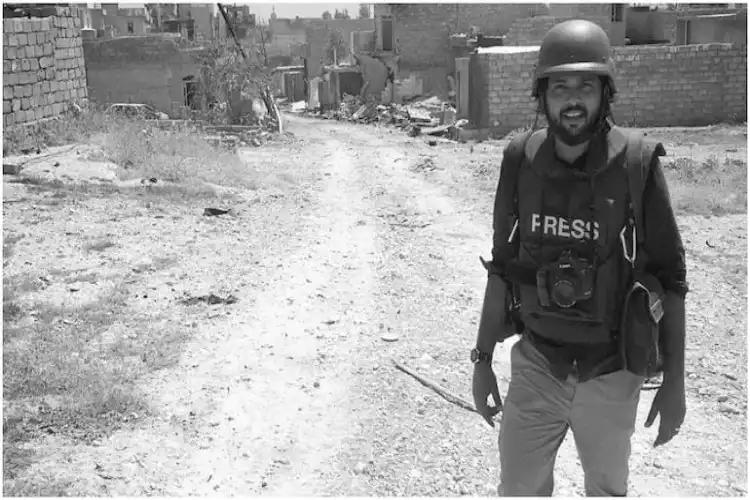
Danish Siddiqui was a Pulitzer Award winning photojournalist from New Delhi, who was killed by Taliban while covering the war in Afghanistan. An alumnus of Jamia Millia Islamia, Siddiqui was one of the country’s most well known photographers who documented the Rohingya refugee crisis, Covid deaths and the Delhi riots to win several awards. In July 2021, Reuters assigned him documentation of the Afghanistan War as an embedded journalist with Afghan Special Forces. On July 16, Siddiqui was killed in action. Governments of India, USA, Afghanistan and United Nations expressed grief and shock on his death and thousands joined his funeral procession in DelhI.
Dr Shahid Jameel :
Dr. Shahid Jameel is a world renowned virologist and is one of the leaders of India’s fight against Covid-19. The Covid-19 outbreak has thrown new challenges to the scientific community. When the Government of India set up an Indian Sars-Cov-2 Genomics Sequencing Consortium (INSACOG), which consists of 38 laboratories to monitor the genomic variations in the SARS-CoV-2, Jameel was appointed as the head of its scientific advisory group. He served the INSACOG in this position till May, 2021 and still advises different government and non-government bodies in strategising the war against Covid-19.
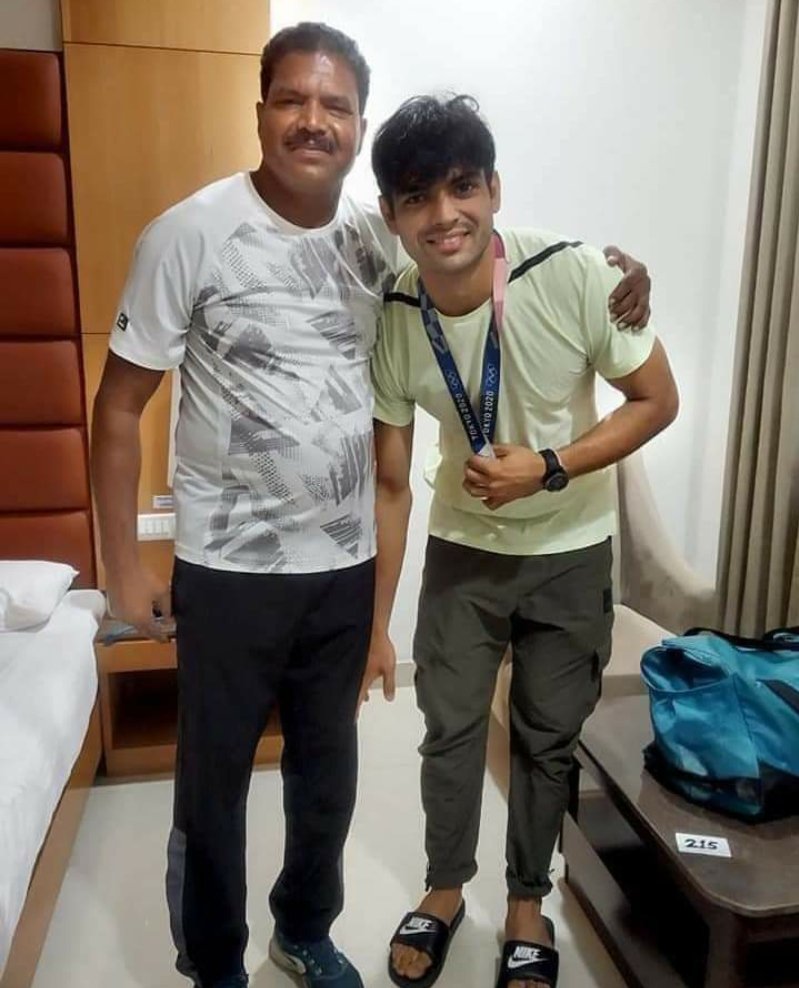
Coach Naseem Ahmed with Olympian Neeraj Chopra
Naseem Ahmed :
Naseem Ahmed: On 7 August, 2021, Neeraj Chopra threw Javelin for 87.58 mts. and became the first Indian to win an Olympic Gold in track and field events. With this success, Naseem Ahmed of Panchkula also hit the headlines. Ahmed was his first coach, who coached Chopra for almost six years at Tau Devi Lal Sports Complex in Panchkula. It was under his guidance that Chopra turned into an athlete from a chubby child. After returning to India, Chopra went to meet and receive blessings from his coach.
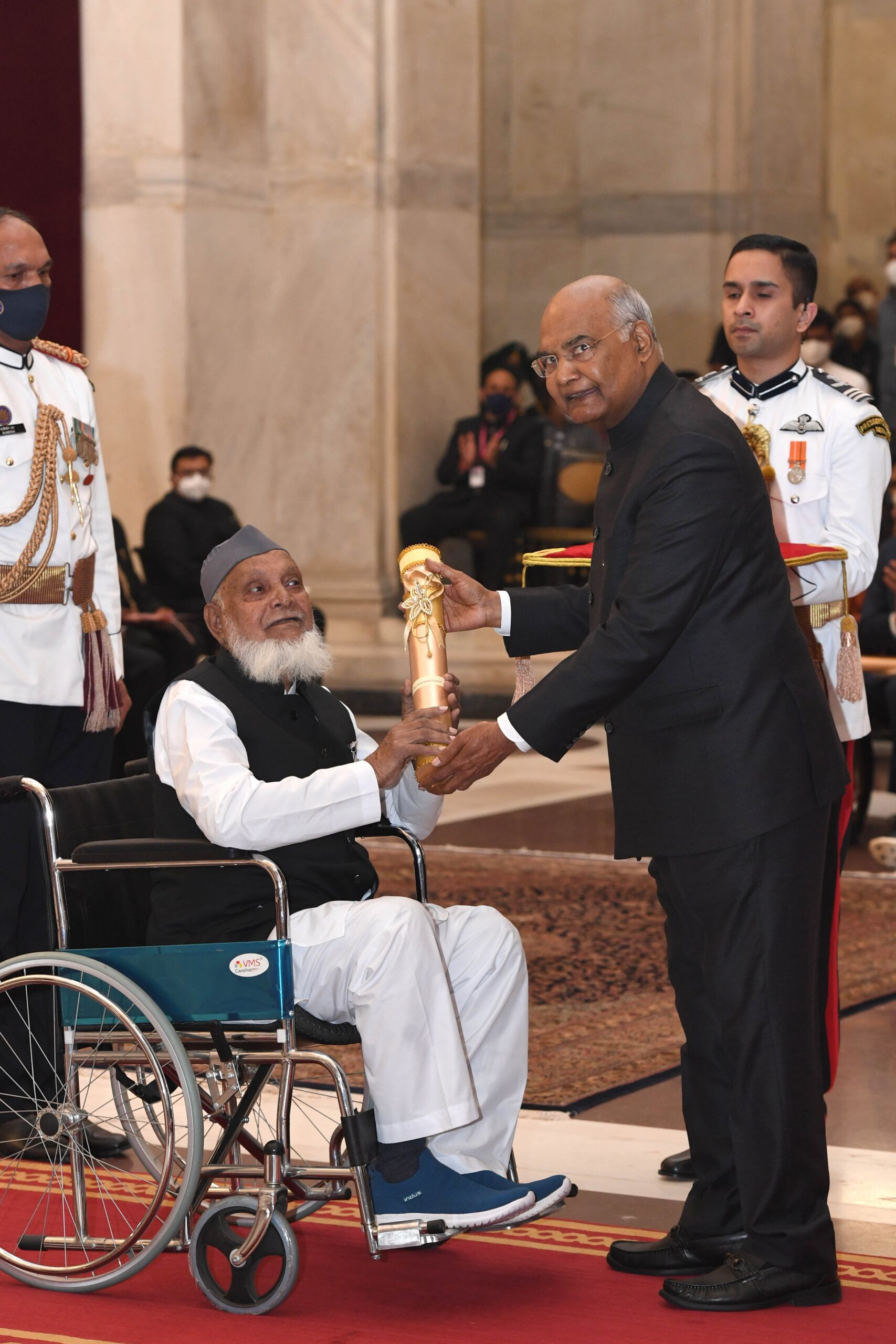
Mohammad Shareef alias Shareef Chacha receiving Padma Shri from President Ran Nath Kovind
Mohammad Shareef :
Mohammad Shareef is a bicycle mechanic from Faizabad, Ayodhya and hit the news headlines this year for receiving Padma Shri, the fourth highest civilian award in India, from the President Ram Nath Kovind. In 1992, his son was murdered and was eaten by animals as nobody claimed it. This incident moved him so much that he took it upon himself to perform the last rights of unclaimed dead bodies. In the last 28 years, he has performed the last rights of more than 25,000 unclaimed dead bodies according to their religions.
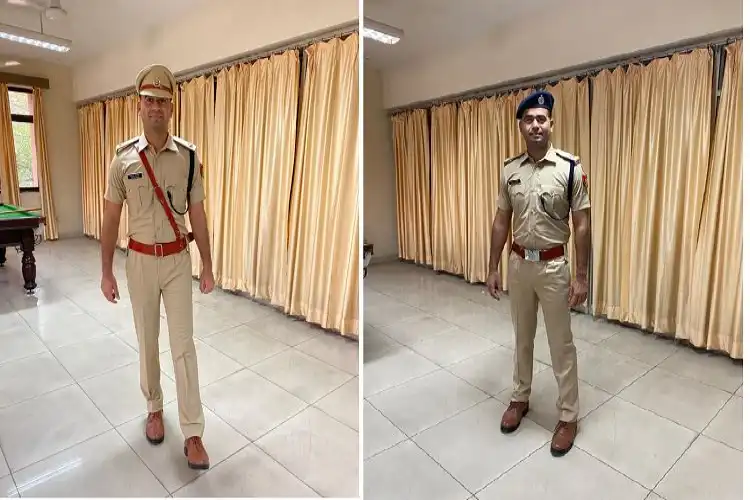
Firoz Alam as an IPS officer (Left) and as a Constable of the Delhi Police (Right)
Firoz Alam :
Firoz Alam’s story is straight out of a fiction, where his character bears resemblance to those played on screen by several film stars. Alam, a resident of Hapur in U.P, was a constable with Delhi Police since 2010. In 2014, he started preparing for UPSC CSE. The work pressure and family responsibilities did not allow him to devote full time to the studies, like many availing coachings could do. After five unsuccessful attempts, in his sixth attempt he qualified UPSC CSE and joined as an IPS officer. His inspiring journey from a constable to IPS had taken the nation by a storm when he joined the training after leaving the job as constable.
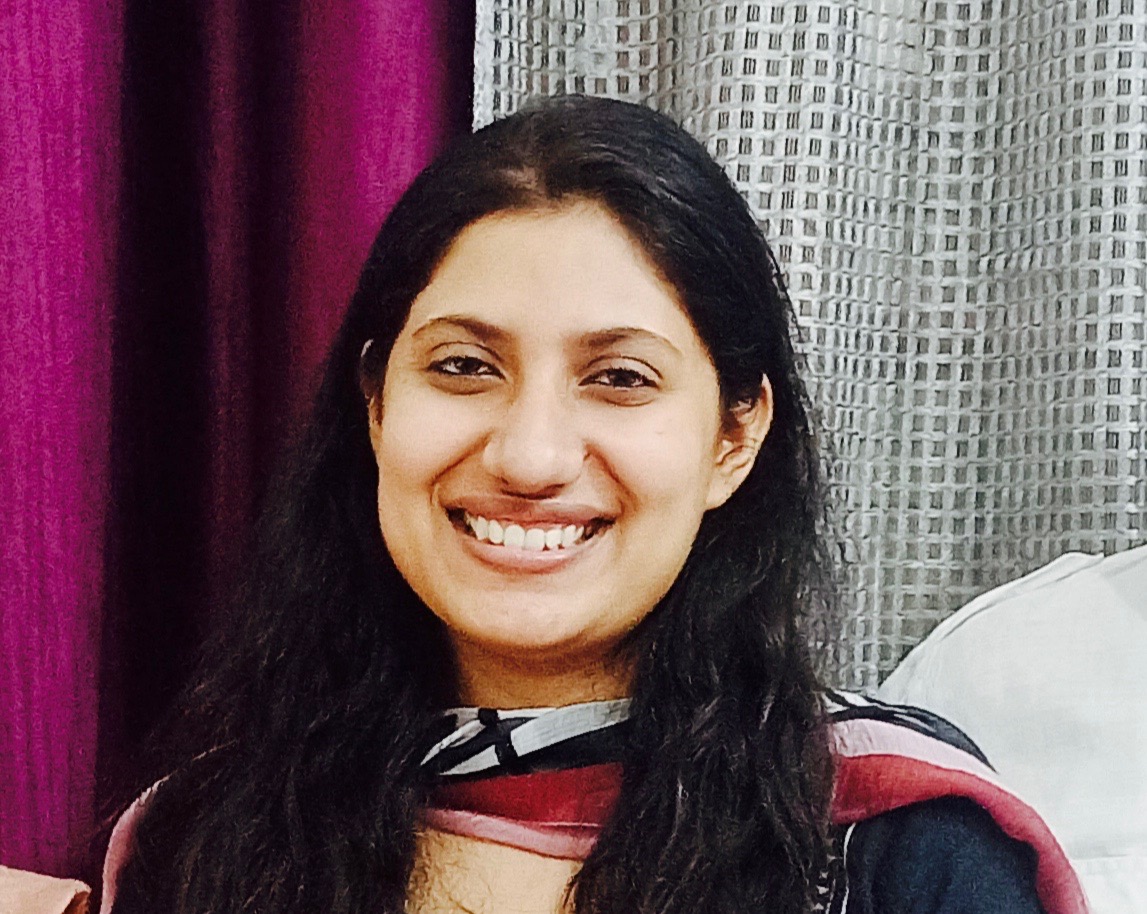
Sadaf Choudhary
Sadaf Choudhary :
Sadaf Choudhary came into limelight when the UPSC CSE results were declared in September and she secured 23rd rank. She was the highest rank holder among Muslims this year and will become an IAS officer. It must be kept in mind that since independence only 179 Muslims have secured ranks to get IAS allotted to them.
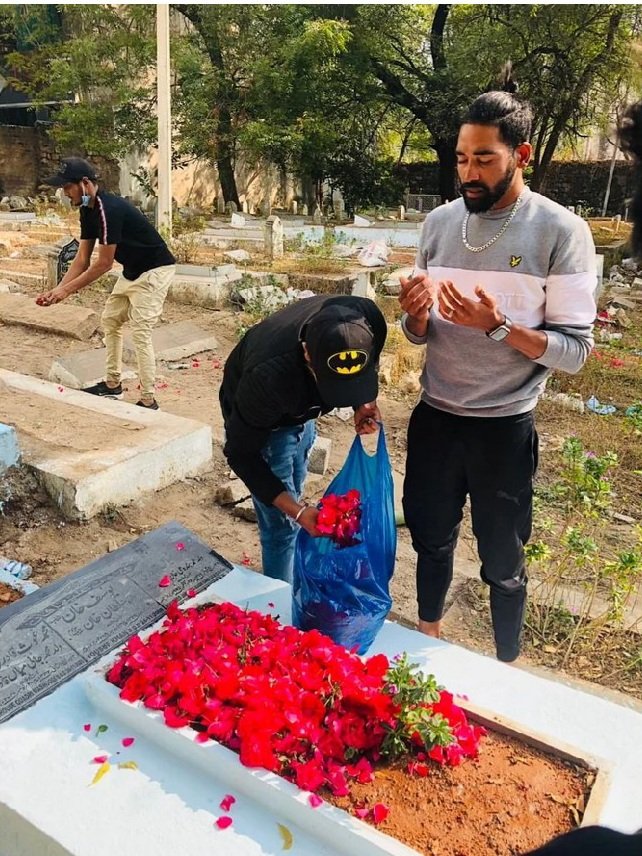
Mohammed Siraj praying at the gave of his father
Mohammed Siraj :
Mohammed Siraj is an Indian cricketer from Hyderabad who made it to the headlines in January by becoming the highest wicket taker from India during the India – Australia Test Match Series in Australia. To claim his 13 scalps, he played only three of the four tests in the series. The fact that his father had died just before the series and he was given an option to return to the country, which he declined citing his commitment to the nation made it even more special.
In the last test match at Brisbane, he bagged five Australian wickets to script a historic win and became a national hero. The headlines of the sports column were filled with his heroics, commitment and ability. Since then he has been a regular feature of the Indian Cricket team as a pacer.
source: http://www.awazthevoice.in / Awaz, The Voice / Home> Stories / by Saquib Salim / December 30th, 2021
Renowned Scholar and Former Jamia Dean Recognized for Five Decades of Academic and Social Contributions
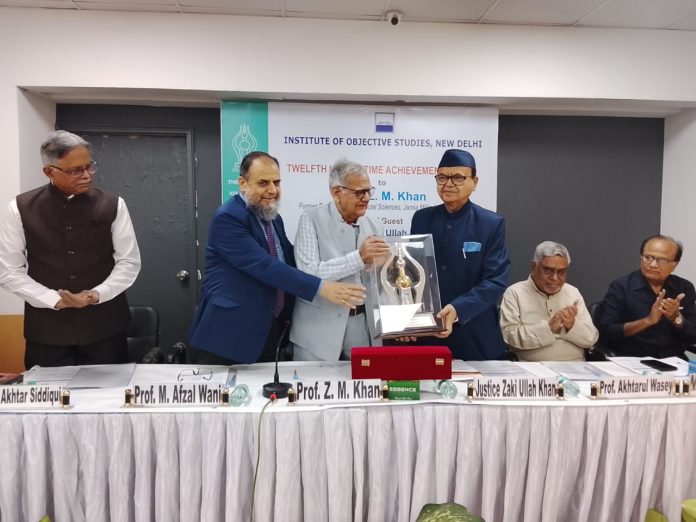
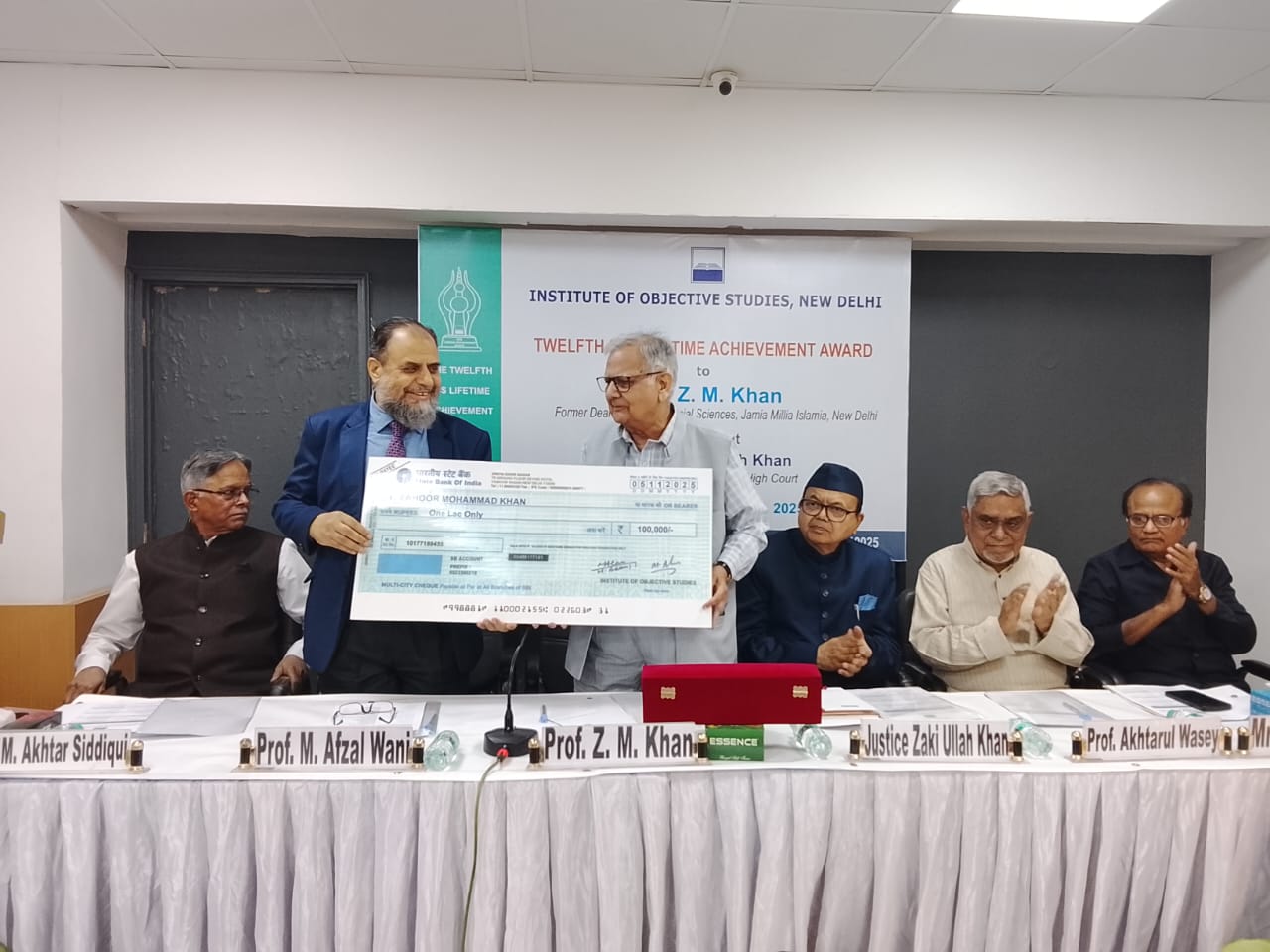
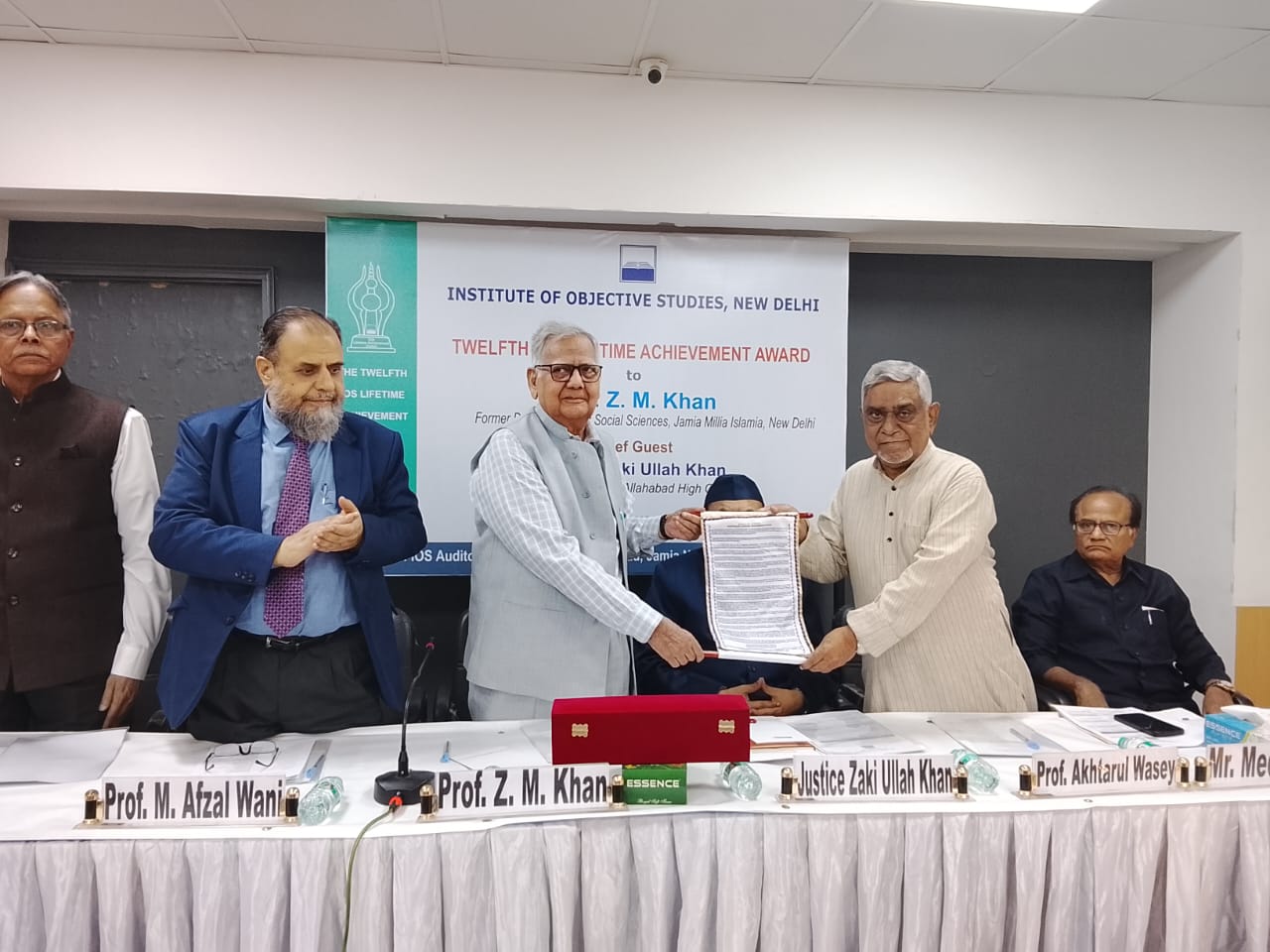
In a grand ceremony held in the capital, the Institute of Objective Studies (IOS) conferred the prestigious IOS Lifetime Achievement Award upon Professor Zahoor Mohammad Khan (Z.M. Khan)— an eminent scholar, researcher, author, and former Dean of Social Sciences at Jamia Millia Islamia.
Prof. Khan, who also served as the former Secretary General of IOS, was presented with a citation, memento, and a cash prize of ₹1 lakh in recognition of his outstanding services to education, research, and social development.
Prof. Khan’s illustrious career spans over five decades, marked by his multifaceted roles as an academician, researcher, author, and institution builder. He has authored eight books and dozens of research papers, contributing significantly to the study of political science and sociology in India. During his 23-year tenure as Secretary General of IOS, the institution evolved from a modest initiative into a nationally respected think tank. He also played a pivotal role in launching the IOS Scholarship Programme, which has supported numerous students and researchers over the years.
The IOS Lifetime Achievement Award, instituted in 2007, aims to recognize individuals, organizations, or voluntary groups who have rendered exceptional service to the nation and society, irrespective of religion, caste, or creed.
Previous recipients of this distinguished award include former Chief Justice of India A.M. Ahmadi, Dr. A.R. Kidwai, Prof. B. Sheikh Ali, A.G. Noorani,, Prof. Akhtarul Wasey, Prof. Mohsin Usmani Nadwi Maulana Hakim Abdulllah Mughaisi, and K. Rahman Khan, among others. Prof. Khan’s inclusion in this eminent list was greeted with enthusiastic applause from the audience.
Expressing his gratitude upon receiving the honour, Prof. Z.M. Khan said, Faith in God and the spirit of service are the most precious blessings one can receive. Faith brings with it a sense of responsibility and accountability to the Creator — that is the greatest reward of life. He also acknowledged the crucial role of institutions such as Delhi University, Jawaharlal Nehru University, Jamia Millia Islamia, and the Institute of Objective Studiesin shaping his academic journey.
The ceremony was chaired by Prof. M. Afzal Wani, Chairman of IOS, and graced by Justice Zakiullah Khan (former Judge, Allahabad High Court) as the chief guest.
Distinguished guests included Prof. Akhtarul Wasey (Jamia Millia Islamia & former Vice Chancellor, Maulana Azad University, Jodhpur), Prof. M. Akhtar Siddiqui, Mr. M. Afzal (former MP), and Prof. Furqan Ahmad.
The event began with a recitation from the Holy Quran by Dr. Nighat Husain Nadwi, a welcome address by IOS Secretary General Mohammad Alam, and was conducted by Prof. Hasina Hashia Vice Chairperson of IOS, who also delivered the vote of thanks.
The event not only celebrated Prof. Khan’s extraordinary contributions but also reaffirmed IOS’s commitment to honouring individuals who have significantly influenced India’s intellectual and moral landscape.
source: http://www.radiancenews.com / Radiance News / Home> Latest News> Report / by Radiance News Bureau / November 07th, 2025
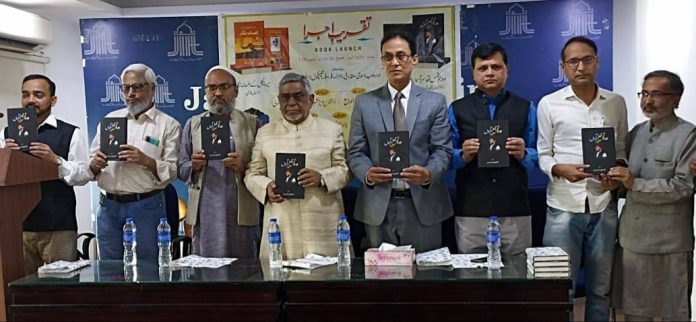
A sense of ‘Think global, act local’ prevailed at the launch of two significant books “Who jo Shams tha Sar-e-Aasmaan” and “Seemanchal ke Afsana Nigar.” The launch was jointly organized by Forum for Intellectual Discourse and Idara Adab-e-Islami, Delhi on Sunday, 7 November, 2021 at the headquarters of Jamaat-e-Islami Hind.
The book “Who Jo Shams tha Sar e Assmaan” was compiled by Dr Noman Qaisar and Mohd Islam Khan and has 41 Urdu articles and six poems on the life and services of journalist Dr Abdul Qadir Shams who died during Covid-19 on 25 August, 2020. It also has four write-ups in English.
Another book “Seemanchal ke Afsana Nigar” is an effort to document the life and works of dozens of fiction writers of Seemanchal.
Presiding over the programme renowned Islamic scholar and former President of Maulana Azad University, Jodhpur, Prof Akhtarul Wasey said that the work done by Abdul Qadir Shams was ‘unusual’. “Shams used to sleep in Delhi but dreamed of Seemanchal.” The void left with his demise would always be felt in my life, said Wasey, who is also the Professor Emeritus of Islamic Studies at Jamia Millia Islamia. Seemanchal ke Afsana Nigar will be an indispensable work in the history of short-story writing. Prof Wasey also congratulated the Forum for Intellectual Discourse stating that the need for such an organization like the Forum could never be felt more strongly than the present times. He wished the Forum success.
Special guest, editor general at NCERT, Dr Perwaiz Shaharyar expressed happiness over organizing a meeting for a journalist in which a large number of people from media were present whose responsibility had grown manifold as the nation was confronted with difficult situations. He called the book a ‘valuable addition to literature’. Prof Abu Bakar Abbad had his reservations for confining any segment of Urdu literature to a specific region as Urdu was a global language. The protagonists, however, had their own arguments for identifying geographical regions, as was also the case with Seemanchal, a region long ignored by most literary aficionado.
Abdul Mannan, editor of monthly Yojana reasoned that the creative facets of Seemanchal remained shrouded because their writers usually shied away from the limelight. In that context, he considered Ehsan Quasmi’s work exceptional.
Chief guest, senior journalist Siraj Naqvi, who had worked with Abdul Qadir Shams for over a decade said that Shams new the art of maintaining relationships. Despite all the difficulties, the smile on his face would dispel worries. Author, critic and famous litterateur Haqqani Al-Qasmi paid a glowing literary tribute to his childhood friend Abdul Qadir Shams which moved the audience. He said Woh jo Shams tha… is not merely a collection of articles but teardrops flowing directly from the hearts.
Dr Waris Mazhari, Assistant Professor, Jamia Hamdard; Dr Khalid Mubashshir, Assistant Professor, Jamia Millia Islamia; Dr Ahmad Ali Jauher, Assistant Professor, Indira Gandhi National Open University; Dr Jasim Uddin Qasmi of Delhi University, Jamshed Adil Alig and Dr Zain Shamsi also shared their views. Uzma Shaheen, daughter of late Abdul Qadir Shams paid a rich tribute to her father.
Manzar Imam of Forum for Intellectual Discourse moderated the three-hour long programme which had begun with Qur’anic recitation of Abdur Rahman, followed by welcome remarks of Dr Mohammad Ajmal, Assistant Professor, Centre for Arabic and African Studies, Jawaharlal Nehru University. It ended with a vote of thanks by journalist Abid Anwar.
source: http://www.muslimmirror.com / Muslim Mirror / Home> Books / by Manzar Imam / November 10th, 2021