Tag Archives: Positive News of Muslims of Delhi

Hakim Abdul Hameed: Visionary who turned medicine into a mission

DELHI :

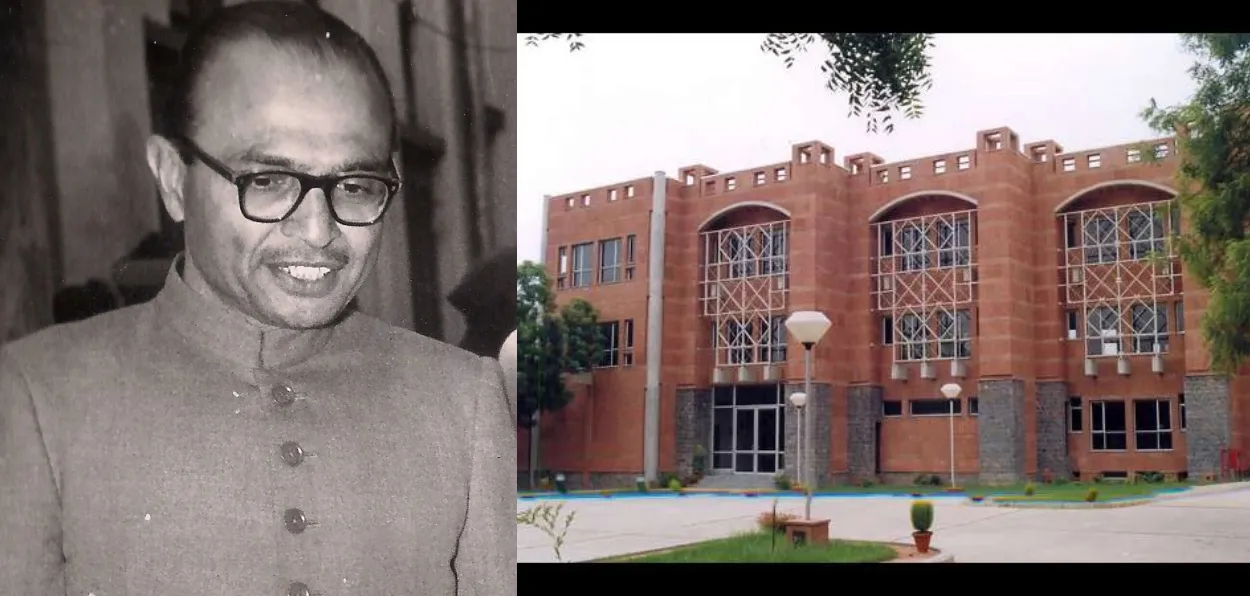
Hakim Abdul Hameed and campus of Jamia Hamdard

Life should be significant, not merely long. While some people make their lives significant by amassing wealth, others contribute to society and future generations. Hakim Abdul Hameed was one such rare individual. He is the founder of Jamia Hamdard, a deemed-to-be University located in South Delhi, which is celebrating its Foundation Day on September 14.

Abdul Hameed was born in Delhi on September 14, 1908. His life story is not merely that of a physician but of a man who transformed a family legacy of medicine into a vast movement encompassing education, research, healthcare, and public service.

His family was deeply involved in medicine and social service; his father, Hakim Hafiz Abdul Majeed, had established ‘Hamdard Dawakhana’ in 1906. ‘Hamdard’ in Urdu means one who empathises with others’ pain. This very sentiment became the guiding principle of Hakim Abdul Hameed’s entire life. He inherited not just a business from his father, but a responsibility. He strived to build Hamdard into an institution that would benefit every stratum of society.

Hakim Abdul Hameed was a practitioner of Unani medicine, yet his vision extended far beyond the treatment of the human body. He understood that for Unani medicine to be passed on to the coming generations, it required systematic teaching, rigorous research, and incorporating modern scientific methods.

He believed that tradition and modern science were not at odds; rather, by preserving the valuable aspects of ancient medical systems, they could be further fortified through scientific inquiry and research. This vision changed him into a pivotal pillar of Unani medicine.

The year 1947 was exceptionally difficult for the country. Partition had impacted millions and created an atmosphere rife with mistrust, violence, and uncertainty. Yet, even amidst such turmoil, Hakim Abdul Hameed was contemplating the establishment of institutions for the India of the future. It was during this period that he founded the Hamdard Charitable Trust and resolved to dedicate Hamdard’s earnings to the service of society. This decision speaks volumes about his character; he viewed wealth not as something to be hoarded for personal gain, but as a trust held for the benefit of society.

Subsequently, he established more institutions — the Hamdard Tibbi College and the Indian Institute of Islamic Studies in 1963; the Hamdard National Foundation in 1964, and the Hamdard College of Pharmacy in 1972.

Gradually, other institutions such as the Hamdard Education Society, Hamdard Public School, Ghalib Academy, and the Hamdard Institute of Historical Research were also added to this fold. He sought to create a comprehensive system where pharmacy, education, history, culture, and research could flourish alongside medical treatment.

The culmination of Hakim Abdul Hameed’s long-standing efforts came in 1989, when the institutions he had established were amalgamated into one to grant ‘Jamia Hamdard’ the status of a to-be Deemed University. This marked a significant achievement, realising a dream and the hard work of decades. He became its founding Chancellor. Hamdard’s own funds and his personal resources played a major role in establishing this university.

Today, it is important to remember that Jamia Hamdard was not backed by government machinery or a corporate conglomerate. Behind it lay the conviction of a single individual who believed that education could be the greatest service to society.

To remember Hakim Abdul Hameed merely as a builder of institutions would be to diminish his true stature. He was, first and foremost, a physician; understanding others’ pain was intrinsic to his nature. In his view, treating a sick person and providing a poor child with the opportunity to study were acts stemming from the same spirit of compassion, and he strove throughout his life to improve the human condition.

The body is healed through medicine, while the mind is nurtured through education. Hakim Sahib regarded both as integral parts of a singular mission of social service. Perhaps this is why the institutions he founded accorded equal importance to the humanities, history, and culture alongside hospitals and medical education.

Hakim Abdul Hameed’s contributions were recognised both within the country and across the globe. He was honoured with the Padma Shri in 1965 and the Padma Bhushan in 1992. In 1983, the then Soviet Union honoured him with the Avicenna Award. During the final years of his life, he also served as the Chancellor of Aligarh Muslim University.

However, considering his personality, it seems likely that he derived greater satisfaction from helping a needy person receive medical treatment or enabling a poor student’s education than from these accolades. For him, achievement was not merely about receiving awards but about making a difference in someone else’s life.

Hakim Abdul Hameed passed away in 1999, yet his work did not end with his departure. Even today, thousands of students study in the institutions he established, patients receive treatment in his hospitals, and the work of research and education continues to flourish.

The Jamia Hamdard campus is more than just a cluster of buildings; it stands as a testament to the idea that if an individual rises above personal interests to think about society, they can achieve a great deal for future generations. Hakim Sahib established these institutions much like a wise person plants a tree—knowing full well that while he might not live to sit in its shade, others certainly will. This was the most beautiful aspect of his life.

Today, the greatest challenge facing everyone associated with his institutions is ensuring that his legacy is not confined merely to names and monuments. The very meaning of ‘Hamdard’ is to understand the pain of others and strive to alleviate it. Hakim Abdul Hameed’s life teaches us that a person’s true legacy lies in the institutions and ideas that others carry forward long after they are gone. This is the legacy Hakim Abdul Hameed left behind. Carrying it forward is not just a matter of honour; it is our responsibility.

Author Prof. (Dr) M. Afshar Alam, is a Former Vice-Chancellor, Jamia Hamdard

source: http://www.awazthevoice.in / Awaz, The Voice / Home> Personality-News / by M Afshar Alam / September 13th, 2026
Dr. Zaki Ahmad Siddiqui Takes Charge of RRIUM, New Delhi

NEW DELHI :

Senior Unani physician, researcher and administrator with nearly three decades of experience assumes new responsibility

New Delhi:

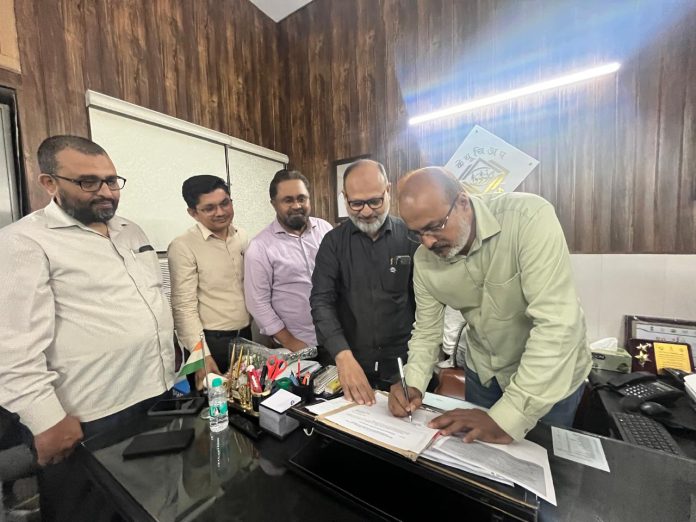
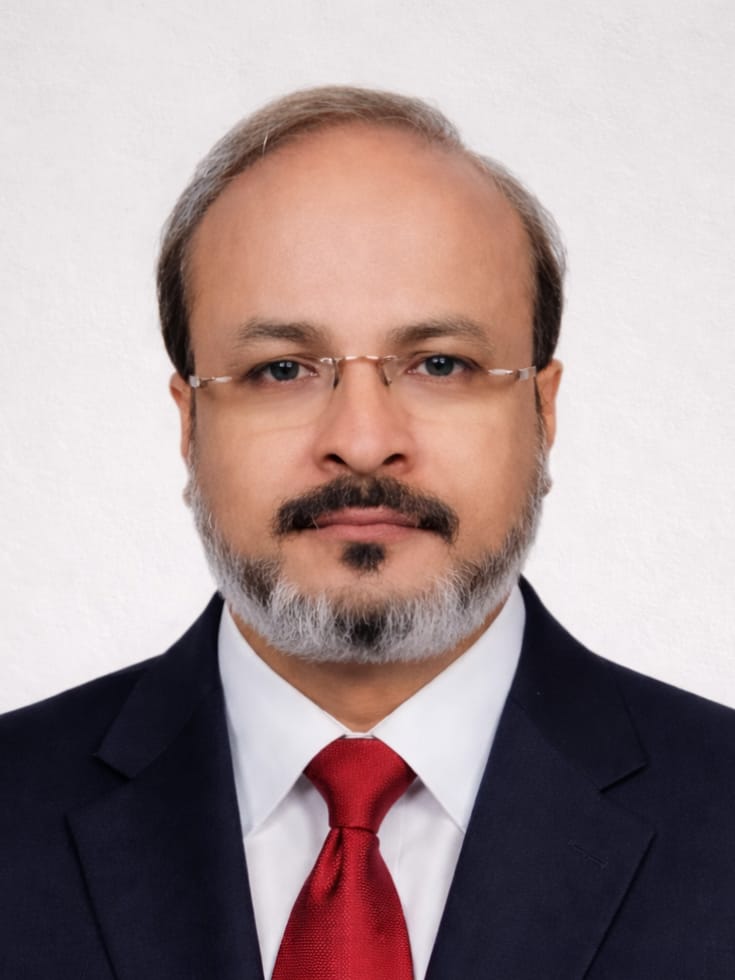
Following the retirement of Dr. Ziaul Haq Siddiqui, Dr. Zaki Ahmad Siddiqui has taken charge of the Regional Research Institute of Unani Medicine (RRIUM), New Delhi, under the Central Council for Research in Unani Medicine (CCRUM), Ministry of Ayush, Government of India.

All senior officers and staff of the institute, were present on the occasion. Dr. Zia’s long and dedicated services were acknowledged, while Dr. Zaki Ahmad Siddiqui was congratulated and extended best wishes on assuming his new responsibility.

Dr. Zaki Ahmad Siddiqui is a senior Unani physician, researcher and administrator with nearly three decades of experience in clinical research, drug standardisation, policy implementation and institutional administration in the AYUSH sector. He obtained his BUMS from A & U Tibbia College, University of Delhi, and MD (Moalijat) from Jamia Tibbia, Deoband.

Dr. Zaki began his professional career in 1996 as a Research Officer with CCRUM. During his nearly three decades of service, he has held various important responsibilities in research, clinical services, policy and administration. A significant part of his career, around 20 years, was spent at CCRUM Headquarters and the Ministry of AYUSH, where he handled important responsibilities relating to research, policy, administration and regulatory matters.

During his tenure in the Education Policy Section of the Ministry of AYUSH, he was associated with important policy and administrative matters concerning Ayurveda, Siddha and Unani medical colleges.

From 2020 to 2022, Dr. Siddiqui served as In-charge of the Drug Standardisation Research Unit (DSRU), CCRUM, New Delhi, where he contributed to strengthening research and activities related to the standardisation of Unani medicines.

From 2022 to 2025, he headed the Unani Medical Centre at Safdarjung Hospital, New Delhi, contributing to the delivery and strengthening of Unani clinical services in a major tertiary-care hospital.

In December 2025, Dr. Siddiqui was promoted to the post of Deputy Director and was entrusted with the responsibility of RRIUM, Mumbai. Subsequently, in April 2026, he was assigned the responsibility of Assistant Director, Hakim Ajmal Khan Institute for Literary & Historical Research in Unani Medicine (HAKILHRUM), New Delhi.

With his extensive experience in clinical care, research, drug standardisation and institutional administration, Dr. Siddiqui’s new responsibility at RRIUM, New Delhi is expected to further strengthen the institute’s research activities, Unani clinical services, drug standardisation and administrative functioning.

source: http://www.radiancenews.com / Radiance News / Home> Latest News> Report / by Radiance News Bureau / August 31st, 2026

JIH Delhi Honours Riyazuddin Mansouri with a Special Award of ₹1 Lakh for His Humanitarian Service

DELHI :

Riyazuddin Mansouri is a Living Example of Love, Harmony and Human Service in an Atmosphere of Hatred: Salimullah Khan

New Delhi:

Following the tragic fire incident at a hotel in Malviya Nagar, a delegation from Jamaat-e-Islami Hind Delhi visited the site to assess the situation and express solidarity with those affected. The delegation was led by Mohammad Salimullah Khan, Ameer-e-Halqa, JIH Delhi. The delegation also included Kamal Ahmed (Convenor, Sadbhavna Group, NFC and Zakir Nagar), Saquib Yaseen (Karkun, JIH Hauz Rani), Sajid Umair (Nazim, South Delhi District, JIH), and Mohammad Naushad Khan (Sub-Editor, Radiance Viewsweekly).

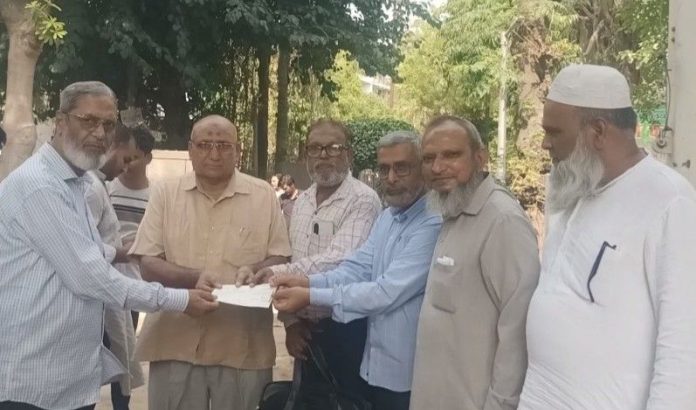
The delegation inspected the site of the tragedy and met Riyazuddin Mansouri, appreciating his extraordinary courage, compassion, and commitment to saving lives. On behalf of JIH Delhi, he was presented with a special award of ₹1 lakh in recognition of his exemplary humanitarian service.

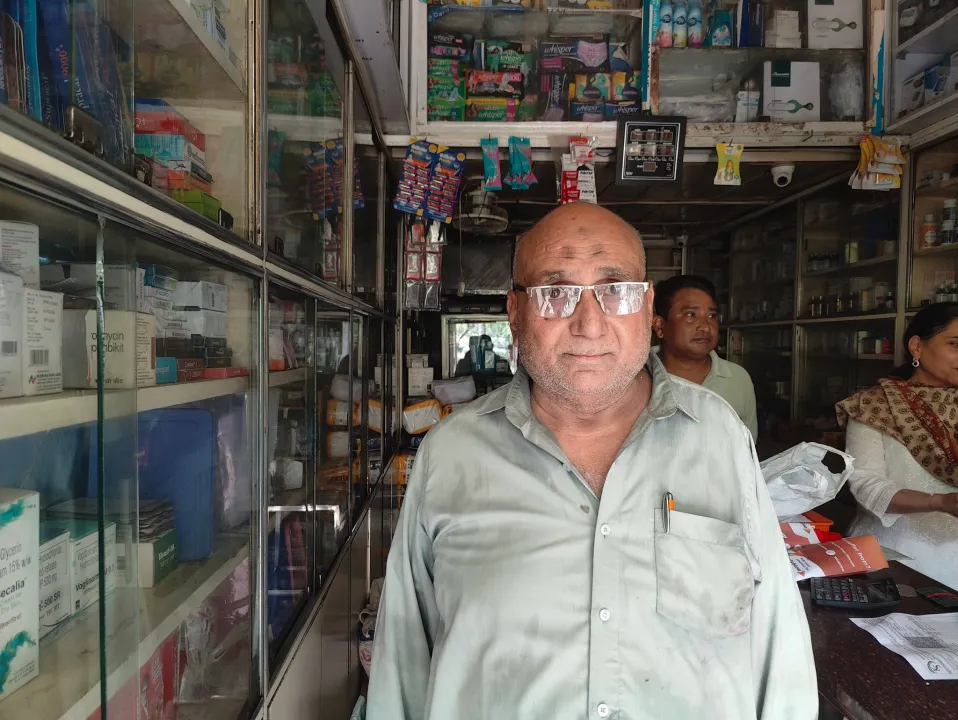
It is noteworthy that when the fire broke out and several people were trapped inside the hotel, desperately calling for help from windows and rooftops, Riyazuddin Mansouri, who owns a mattress shop nearby, displayed remarkable presence of mind and bravery. He immediately spread all the mattresses from his shop across the road and, with the help of his family members and associates, encouraged those trapped inside to jump onto them in order to escape the flames. His timely intervention helped save the lives of approximately 14-15 people.

Speaking on the occasion, Mohammad Salimullah Khan said that Riyazuddin Mansouri had demonstrated that in times of crisis, barriers of religion, caste, and community become meaningless, and that humanity and compassion remain the true identity of a person. He observed that at a time when forces of hatred, division, and social discord are attempting to weaken the fabric of society, individuals like Riyazuddin Mansouri emerge as shining examples of India’s composite culture, communal harmony, and shared human values.

He further noted that Riyazuddin Mansouri did not hesitate despite the financial loss involved, laying out mattresses worth nearly ₹2 lakh and risking his own safety to protect others. Such selflessness, sacrifice, and dedication to humanity, he said, represent the highest ideals of public service and deserve widespread recognition.

Members of the delegation also described Mansouri’s actions as exemplary and inspiring. They stated that such individuals strengthen the values of love, mutual trust, and social harmony within society. The award presented by JIH Delhi, they said, is not only a recognition of one individual’s courage but also a tribute to the spirit of humanity itself.

The delegation expressed hope that Mansouri’s noble act would inspire future generations and contribute to the promotion of compassion, brotherhood, mutual respect, and humanitarian values throughout society.

source: http://www.radiancenews.com / Radiance News / Home> Pride of the Nation> Awards> Latest News / by Radiance News Bureau / June 06th, 2026

Muslim Heroes: Five Muslim Men Risk lives to Rescue Trapped Victims in South Delhi Fire

DELHI :

BJP MLA Praises Five Muslim Men for Delhi Hotel Fire Rescue.

A devastating fire ripped through a budget hotel in South Delhi’s Malviya Nagar on Wednesday, claiming 21 lives and injuring dozens. Yet amid the chaos and loss, extraordinary acts of courage shone through as local residents, particularly five young Muslim men, risked their lives to save trapped occupants.

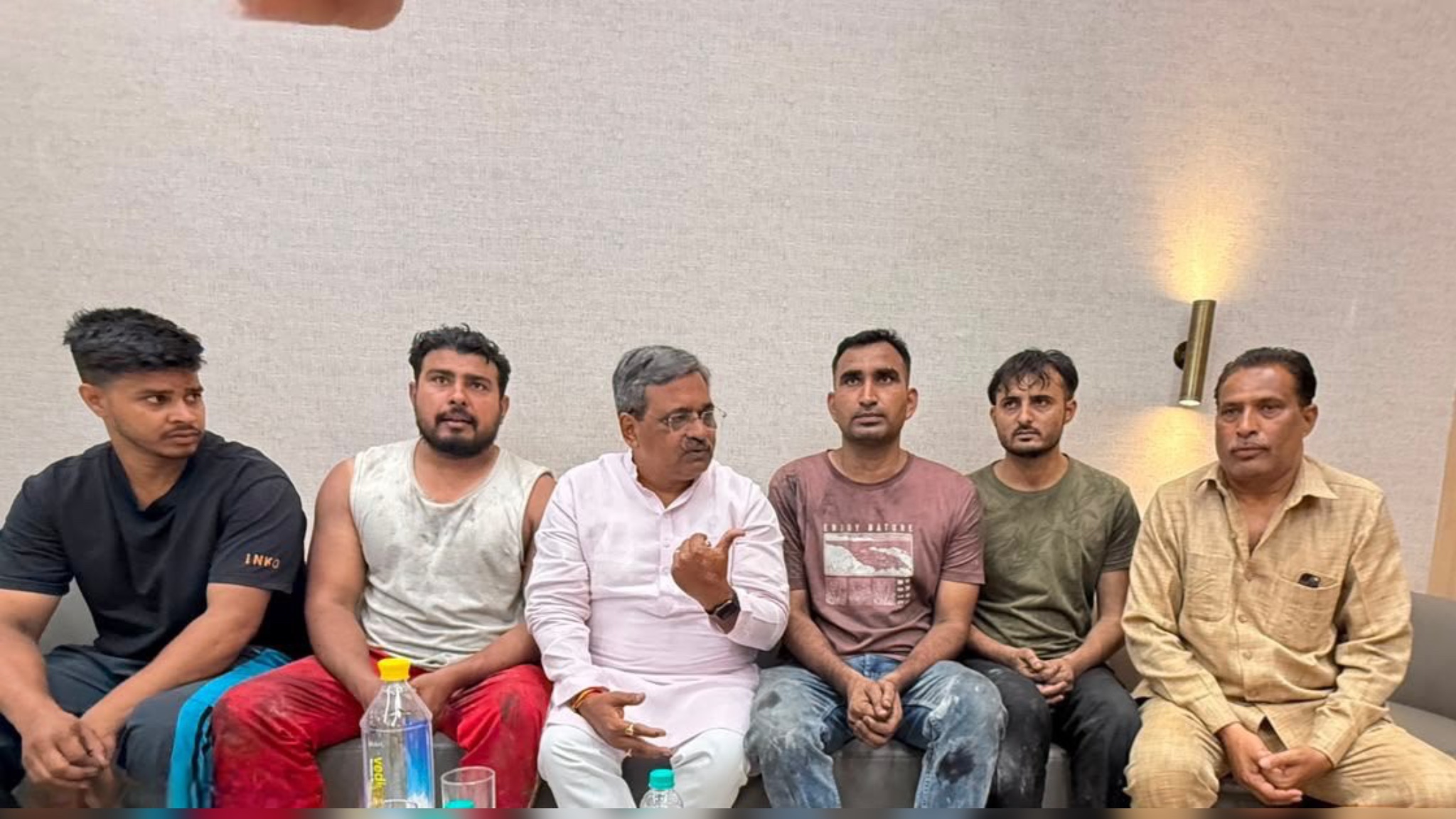
BJP MLA Satish Upadhyay praised the bravery of Afzal, Mohammad Shah Rukh, Mohammad Aneesh, Mohammad Aamir, and Mohammad Waseem.

The five men repeatedly entered the burning building alongside Delhi Police to evacuate survivors, demonstrating selfless heroism. Upadhyay shared their photographs on social media, calling them “bravehearts” who saved many lives without regard for their own safety.

The rescue efforts extended far beyond official responders. Neighbours, shopkeepers, and workers from nearby establishments rushed to help. Riyazuddin, a 61-year-old mattress shop owner, pulled out all his stock and laid mattresses on the narrow lane below windows to cushion those jumping from upper floors. He saved at least 10 lives but suffered a loss of nearly ₹2 lakh.

Wasim Raza, a security officer at nearby Max Hospital, entered the smoke-filled building multiple times and performed CPR on at least 10 victims. Other locals like Mohammad Israr Khan and Mohammad Shoaib, a former fire emergency trainer, also joined rescue operations, helping carry out the injured and deceased.

The tragedy highlighted serious safety lapses. The hotel reportedly operated without fire clearance, had more rooms than approved, and only one entry-exit point. Police arrested owner Lovkesh Bajaj and registered an FIR under relevant sections of the Bharatiya Nyaya Sanhita. Among the dead were nine African nationals and two from Turkmenistan.

While the loss remains heartbreaking, the community’s swift response and the courage of ordinary citizens, especially the five Muslim youths, have earned widespread praise on social media for their humanity and bravery in the face of disaster.

source: http://www.muslimmirror.com / Muslim Mirror / Home> Indian Muslim> Positive Story / by Muslim Mirror Desk / June 04th, 2026

Mansur, Salauddin, Riyazuddin, Shahrukh, Arman, Kapil, Rakesh, Israr use ropes, mattresses, bare hands to save guests in Delhi hotel fire

DELHI :

Local residents, traders and labourers rushed into action when a fire engulfed the Flourish Stay Bed and Breakfast on Wednesday, using ropes, mattresses, bricks and bare hands to rescue trapped guests before emergency teams fully gained control of the scene, The Times of India reported.

Witnesses said Mansur and Kapil were among the first to break windows with bricks after spotting people trapped behind smoke-filled glass panes, with no balconies for escape. Ropes were then thrown through the shattered windows to help occupants climb down from the burning building. “We could see hands banging against the glass… we realised they were trapped,” Mansur said.

Inside the building, Salauddin and Israr Khan entered after firefighters forced open the main entrance and moved floor to floor to pull out trapped guests. “The heat inside was unbearable. We carried out whoever we found,” Salauddin said, adding that several doors had to be forced open in near-zero visibility.

Outside, Riyazuddin, a mattress shop owner, along with Arman and Mohammad Shahrukh, quickly brought out mattresses and bedsheets, laying them on the road to cushion jumps from upper floors. “We just kept bringing mattresses and helping people jump,” Shahrukh said.

Rakesh Kumar and others climbed nearby rooftops and terraces, throwing ropes toward upper floors to help trapped occupants escape as smoke filled the structure. “We broke windows to release smoke and heat and threw ropes from the terrace,” he said.

At least 10 people, including women and children, were reported to have jumped onto mattresses to escape the blaze. Several rescuers suffered smoke inhalation and minor injuries but continued assisting until firefighters and police brought the fire under control.

source: http://www.millattimes.com / Millat Times / Home / by Millat Times Newsdesk / June 04th, 2026

Remembering Asaf Ali: A Forgotten Hero of the Freedom Struggle

Seohar Town (Bijnor District), BRITISH INDIA / NEW DELHI :

For too long, a handful of names have dominated the history of the years leading up to 1947 with Gandhi, Nehru, Jinnah, Patel being the most-often cited.

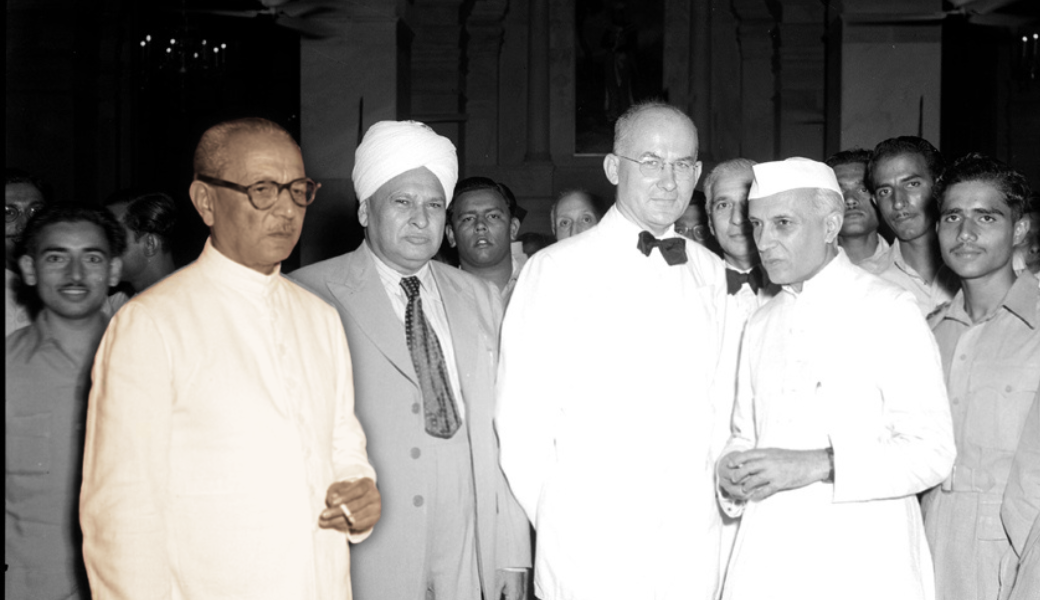
Pandit Jawaharlal Nehru and others at Governor-General‘s Dussehra reception held at Government House, New Delhi on September 29,1949. At extreme left is Asaf Ali, the then Governor of Orrisa. Edited via Canva. Photo: Photo Division, Govt. of India

For several years I worked in a publishing company situated on the bustling Asaf Ali Road, a road that serves as a cordon sanitaire between the squalor of Old Delhi and the (relative) order of New Delhi. Once an important business hub, by the time I went to work there in the late 1980s, this long stretch of colonnaded corridors with a warren of densely-packed offices wore an unmistakably grubby, down-at-heel look. At the head of the road, stood the statue of Asaf Ali in a derelict enclosure near Delhi Gate (or Dilli Gate as the locals pronounced it). The dark statue, generously speckled with startlingly white droppings from the many pigeons that frequent this neighbourhood, looked forlorn, especially so with the shervani-clad, bespectacled figure standing with hands clasped in a peculiarly supplicatory posture.

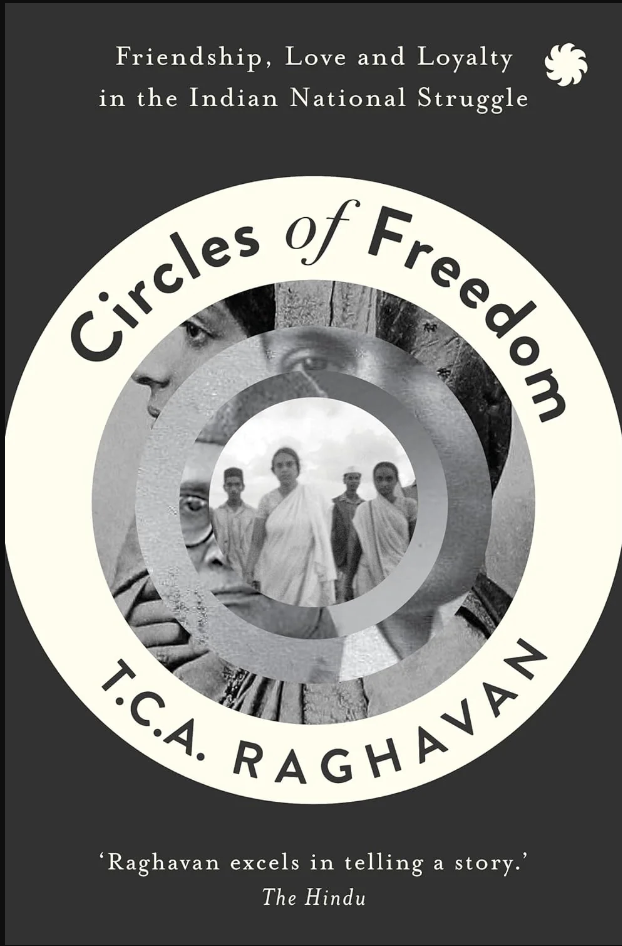
TCA Raghavan, Circles of Freedom: Friendship, Love and Loyalty in the National Freedom Struggle,
Juggernaut (2024)

I must confess that in the four years I worked at Asaf Ali Road and passed this statue twice a day, morning and evening, it evoked no curiosity in me and I knew virtually nothing about Asaf Ali. Perhaps, his wife Aruna Asaf Ali’s name seemed more familiar given that she was still alive and active. I suspect I was not alone in this. For most people in Delhi, Asaf Ali is a forgotten footnote from long-ago history lessons, one of the many ‘obscure’ people who were part of the national freedom struggle. If the situation is so dismal in Delhi, where he had lived and worked, a city that had been home to his ancestors, I suspect it can only be worse in the rest of the country.

In writing Circles of Freedom: Friendship, Love and Loyalty in the National Freedom Struggle, TCA Raghavan corrects an old wrong. For far too long the tall poppies of the freedom movement have overshadowed the countless others who devoted their entire lives to the cause of independence and struggle against colonial rule. For too long, a handful of names have dominated the history of the years leading up to 1947 with Gandhi, Nehru, Jinnah, Patel being the most-often cited.

Over the past decade, with history being rewritten by new, dominant players, new names are being invoked and icons fashioned from often slender resources. In this unseemly clamour for space and recognition, some names have almost slipped through the crevices of the popular imagination, neglected and overlooked by the professional historian or, at best, relegated to the lowest rungs in a carefully crafted hierarchy of heroes. A park or a road named after the lesser-known evokes neither curiosity nor interest in their lives and the place they occupied in the shaping of a young nation. Asaf Ali (1888-1953) is one such person.

Raghavan’s book, however, is not a straightforward biography for it is not about Asaf (as the author calls him) alone. Instead, he chooses to tell his story through five protagonists who were inextricably tied by the threads of friendship and solidarity: Asaf Ali, Sarojini Naidu, Syud Hossain, Syed Mahmud and Aruna Asaf Ali. While Aruna enters this narrative quite late when she marries the much older Asaf, the other four meet in England just before the Great War where the three men have gone to study and Naidu, recuperating from an illness, is the erudite diva, eloquent poet, ardent nationalist and a veritable magnet for impressionable young men dreaming impossible dreams.

Over the next four decades, they meet, write long letters to each other, take a lively interest in each others’ lives and careers but ‘what gave meaning to their lives,’ as Raghavan notes in his conclusion, ‘was the great enterprise they chose to become part of’. And so it was the freedom struggle that not just formed the core of their relationship but also, in effect, shaped their lives. Were it not for this one singular, overwhelming zeal to seek freedom for their country, they could very well have lived other lives: Naidu would have remained a dulcet-voiced poet, both Asaf and Mahmud successful and wealthy barristers, Hossain a journalist and Aruna a do-gooder with no special qualifications. But such were the exigencies of the times that all five were caught up in different ways and different degrees with the national freedom struggle and that singular ‘great fight’ defined their lives.

With three extremely well-received books behind him – Attendant Lords: Bairam Khan and Abdur Rahim – Courtiers and Poets in Mughal India, The People Next Door: The Curious History of India’s Relations with Pakistan and History Men: Jadunath Sarkar, G. S. Sardesai, Raghivir Sinh and Their Quest For India’s Past – Raghavan, a former diplomat, can recreate history with the aplomb of a master story-teller and the meticulousness of a professional historian. Here, he weaves the events of the tumultuous years leading up to Independence with the lives of his five principal characters, keeping Asaf at the centre of his concern. Through Asaf, he teases out the nuances and dilemmas of the moderate Muslims in India who refused to be enamoured by the lures and promises of the Muslim League and remained steadfast in their devotion to the Congress and, by extension, Nehru. 

The extreme deference that the nationalist Muslim leaders displayed towards Nehru is noted; each time a Muslim leader attempted to bring the ‘communal problem’ to Nehru’s notice, the latter would brush aside these concerns by saying, ‘The real problem is a political problem – the conflict between an advanced organisation like the Congress and a politically reactionary organisation like the League.’ Concerns of leaders such as Asaf who believed ‘self determination was preferable to a union that was forced’ were disregarded. Mindful of the suspicion that Muslim leaders within the Congress evoked amongst their colleagues, Raghavan notes, ‘Because he was a Muslim, the impression among some was that he was a fifth columnist for the League’. The coming of independence didn’t make it any easier for those Muslims who chose to stay on in India. Nationalism increasingly began to mean thinking and living in the Congress way and none other. Those who lived or thought another way came to be regarded as anti-national, a phenomena we see repeated in the New India that is Bharat, except that it is the ruling Bharatiya Janata Party that has replaced the ideological hegemony of the Congress.

Different readers will possibly take different things from this book: the broad brush strokes that delineate milestone moments from modern Indian history, Gandhi’s irresistible call to Quit India, the unfurling of the national flag at Gowalia Tank by a young Aruna that catapults her to national fame, the detailed account of jail-life for a group of high-profile, political prisoners inside the Ahmadnagar fortress, a meticulous dove-tailing of accounts from different sources and disparate perspectives to create a bright, colourful and immensely readable patchwork quilt of modern Indian history, and much else in this engrossing book.

I, however, was left with an ineffable sadness and a sense that the more things change, they remain the same – at least for India’s Muslims. Despite his many sterling qualities of heart and mind, despite a fine legal education, Asaf neither made a mark as a lawyer or a politician. Though seemingly destined for greatness, having aided fate by preparing himself assiduously for a life devoted to the larger good, Asaf never quite scaled the heights he aspired to. The few successes that came his way, such as a seat in the Constituent Assembly (from Delhi) or fighting high-profile cases such as those of Bhagat Singh or Shaikh Abdullah, were marred by controversy or a smaller share in the limelight than he felt he deserved. The mantle of statesmanship that should have fallen on him with the passing of Dr Ansari and Hakim Ajmal Khan, both national leaders from Delhi like him, and a seat at the high table that should have been offered to him as a veteran Muslim leader, did not happen.

Given the price paid by far taller leaders in the Congress – such as C. Rajagopalachari and Bhulabhai Desai – for showing initiative and thus offending the party high command, shows the extent to which the Congress, not unlike the League, was becoming a personality-dominated organisation. Asaf’s case was compounded – to use a modern expression – by the optics; his timorousness, his ‘going to pieces’ fretting with worry over his wife during his long years of incarceration, his marital woes, the shadow of mistrust and suspicion that clung to him all his life combined to create a persona that failed to inspire confidence.

For all his loyalty to Nehru, Asaf was not chosen for any cabinet position or placed on any important committee. Instead, he was sent as Ambassador to Washington, brought back to serve as Governor of Orissa and then sent again as Ambassador to Sweden where he died barely a few months into his tenure.

Just as being a moderate Muslim defined Asaf’s public persona, so did his marriage to Aruna. From a political novice she rapidly transformed into a stormy petrel causing immense anxiety, consternation and eventually a sadness in her husband. Raghavan is to be credited for staying steadfastly away from prurient gossip and portraying the changing contours of the marriage objectively: ‘… in fact the relationship had started changing quite early in the marriage and here Aruna’s own political journey was the driving factor.’ Reading between the lines of Raghavan’s carefully crafted text, one picks up the whiff of misogyny in the higher echelons of our national leadership. While acknowledging Aruna’s bravery and patriotism, Gandhi saw her as a ‘perpetual rebel’ and Nehru went so far as to call her ‘hysterical’ on one occasion – something Aruna never forgot.

Incidentally, Gandhi, who was vehemently opposed to inter-religious marriages and had opposed his son Manilal’s relationship with Fatima (a Gujarati Muslim) and Hossain’s alliance with Nehru’s sister Sarup Rani (later known as Vijay Lakshmi Pandit), endorsed Asaf’s marriage to Aruna. Read Circles of Friendship to find out why.

Rakshanda Jalil is a Delhi-based writer, translator and researcher. 

source: http://www.thewire.in / The Wire / Home> Books / by Rakshanda Jalil / August 29th, 2024

22 Muslim girls who cracked NEET- 2020 fail to take admission in medical colleges

DELHI :

New Delhi :

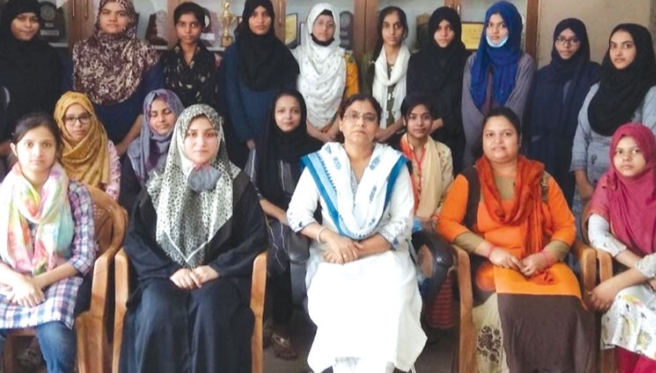
As many as 23 female students of a government school in Jamia Nagar had qualified NEET exam but 22 out of them were not fortunate enough to take admission in any medical institute.

The students told Muslim Mirror that they were not eligible to take admission in any government college as their scores were lower than cut-off ranks issued by the institutes.

However, they were eligible to take admission in private medical colleges but they couldn’t do so because they could not afford education fees mandated by them.

“We are from middle-class family. We cannot afford their fees,” said Madiha, one of the 22 students.

The students were enrolled in Sarvodaya Kanya Vidyalaya, Noor Nagar, Okhla, New Delhi. They are among 569 students of government schools in Delhi who have cleared NEET exam this year.

In October, Delhi ministers had praised the efforts of the NEET qualifiers. Deputy Chief Minister Manish Sisodia had categorically mentioned the Noor Nagar school for the remarkable performance of its students.

X

Tasneem Parween, one of the students from the aforementioned school, has managed to take admission in B. Pharma at Meera Bai Polytechnic, a government college in South Delhi. However, the remaining 22 students failed to take admission in any college this year but their efforts have gone in-vain totally.

Jamia Cooperative Bank has come out to help these students get proper coaching and perform better in the next exam. The bank has selected top 10 students and paid their fees [Rs. 40,000 per student] to help them take admission in Aakash Institute. Adiba Ali, Shiza Ali, Bushra Midhat and Ariba are some of the lucky students who has got admission in Aakash with the support of the cooperative bank.

Moreover, Dr Shabana Nadim, former principal of the aforementioned school, has provided financial help to two more students to get coaching from Aakash.

Speaking to Muslim Mirror, the school’s vice principal Mudassir Jahan lauded the efforts of Jamia Cooperative Bank and Mrs Nadim.

The remaining students have also started preparation to appear for the next NEET exam. They are considering to take admissions in various coaching centres at their own, said Ms Sadaf Rais, one of the school teachers.

source: http://www.muslimmirror.com / Muslim Mirror / Home> Indian Muslim / by Hasan Akram / December 29th, 2020

Book on Umar Khalid Released in New Delhi

DELHI :

New Delhi :

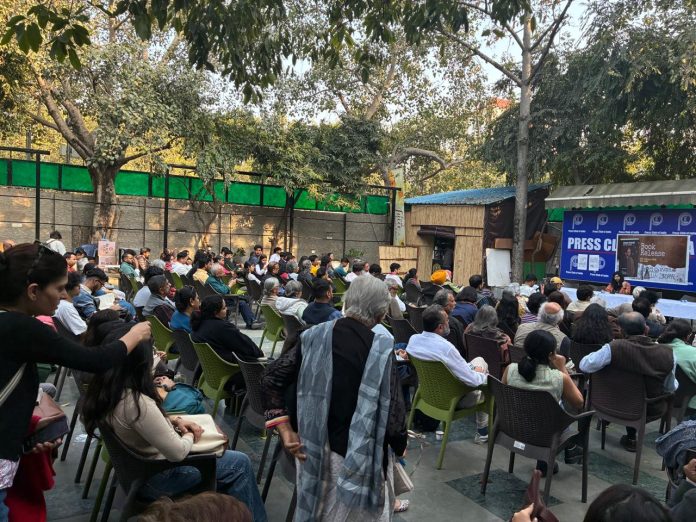
An overflowing audience of the young and the very old at the Press club of India, New Delhi, on Tuesday witnessed the release of a book on Umar Khalid, a JNU scholar now in jail these last six years.

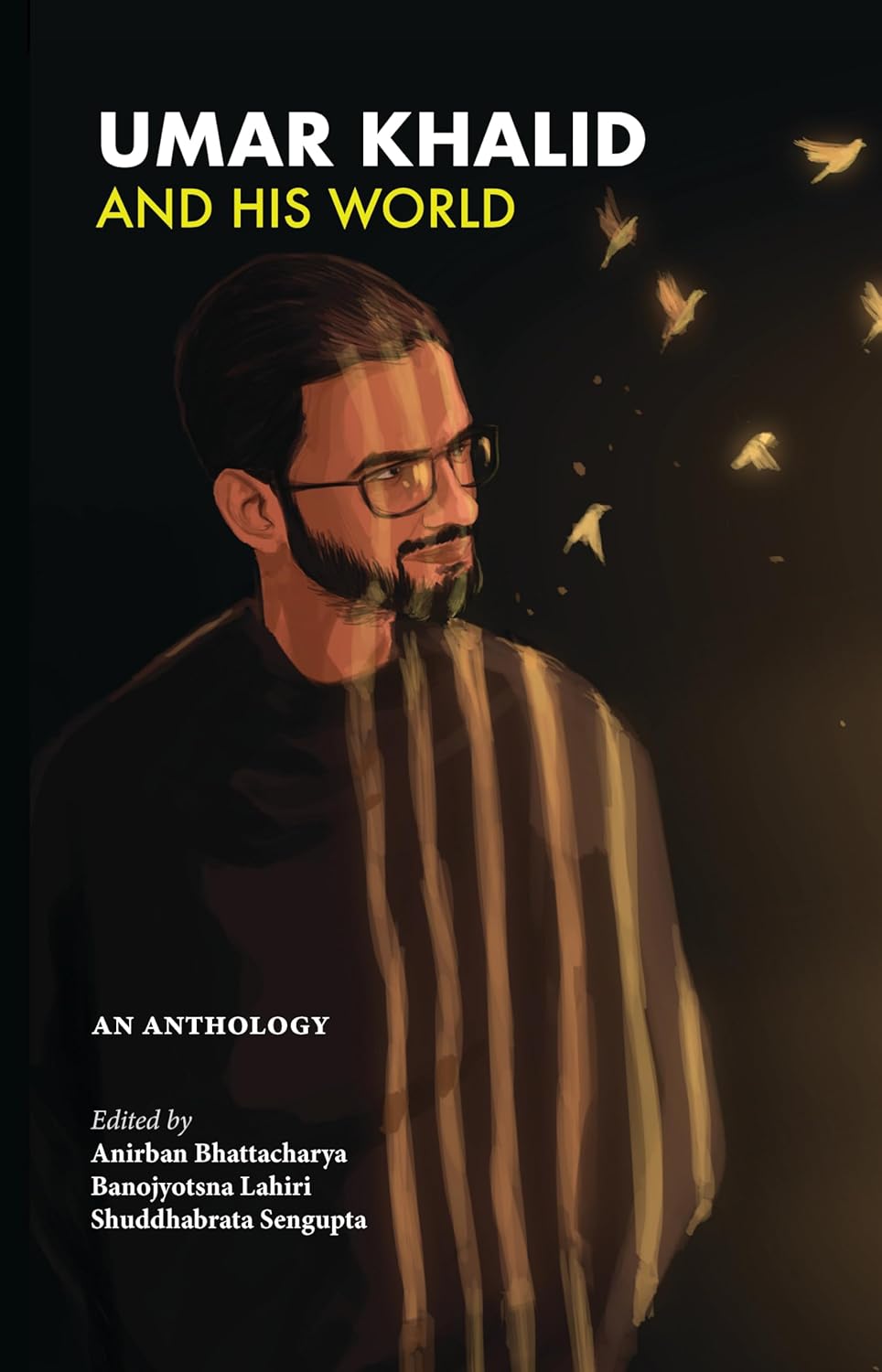
The book titled Umar Khalid and His World: An Anthology, published by Three Essays Collective, is edited by Anirban Bhattacharya, Banojyotsna Lahiri, and Shuddhabrata Sengupta.

It is an anthology of writings by and about the incarcerated activist, featuring contributions from various public figures, intellectuals, and friends.  The anthology is curated by researcher/activist Anirban Bhattacharya, writer and activist Banojyotsna Lahiri (who is also Umar Khalid’s partner), and artist/writer Shuddhabrata Sengupta.

The book features letters, essays, and reflections, including writings from Umar Khalid himself, along with contributions from Romila Thapar, Ramachandra Guha, Anand Teltumbde, and Kunal Kamra. It highlights themes of resistance, the injustice of prolonged detention, and the political atmosphere in India.

source: http://www.radiancenews.com / Radiance News / Home> Review Article> Book Release> Focus / by Radiance News Bureau / February 17th, 2026

Zakat Center India disburses Rs. 6 lakh to empower over a dozen beneficiaries in Delhi

NEW DELHI :

New Delhi :

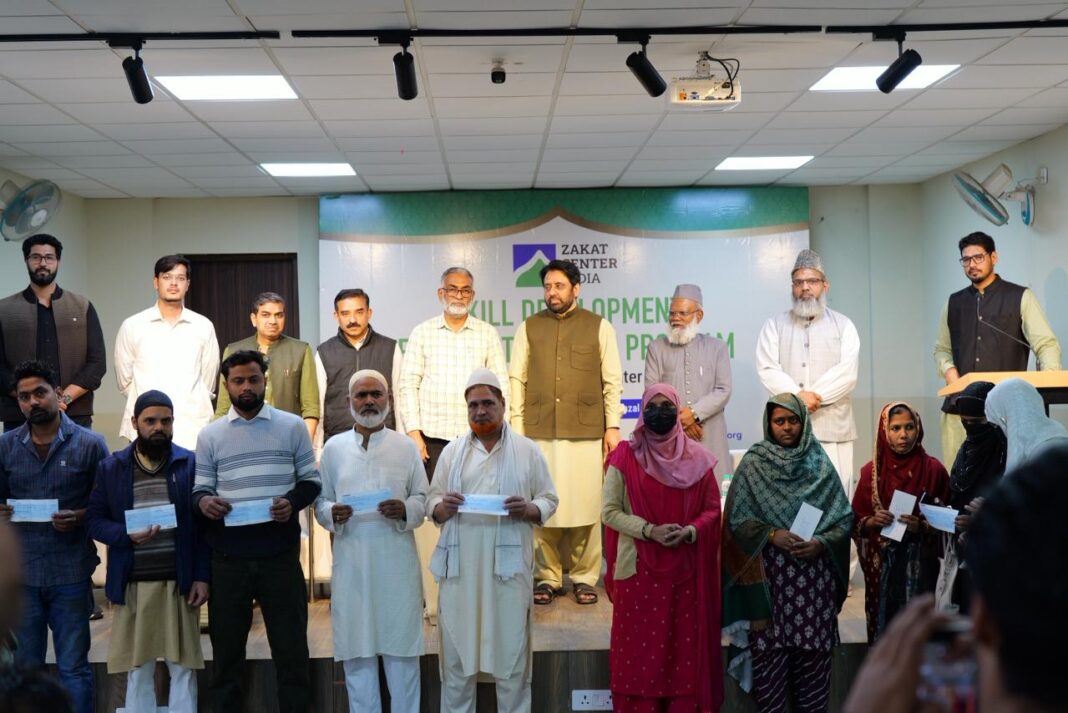
Zakat Center India (ZCI) disbursed Rs. 6 lakh among 14 deserving beneficiaries in Delhi during a Skill Development Fund Distribution Programme held at the Scholar School Conference Hall, Jamia Nagar, for the financial year 2025–26.

The programme was attended by several prominent dignitaries, including Okhla MLA Amanatullah Khan, who graced the event as chief guest. Representatives from social, religious, and community organizations were also present.

ZCI, a pan India non-profit organization dedicated to poverty alleviation and social welfare, focuses on the transparent and efficient utilization of Zakat. The initiative aims to help beneficiaries establish micro-businesses and sustainable livelihoods, enabling them to transition from Zakat recipients to self-reliant earners within a short period.

Addressing the gathering, MLA Amanatullah Khan appreciated ZCI’s organized and institutional approach to Zakat management and assured his continued support for such welfare initiatives. He noted that structured and transparent Zakat systems can significantly contribute to social upliftment and economic justice.

In his keynote address, ZCI Chairman and Jamaat-e-Islami Hind (JIH) Vice President S. Ameenul Hasan emphasized the importance of channeling Zakat into productive sectors such as livelihood generation, education, and skill development. He said that when managed strategically, Zakat becomes a powerful tool for long-term economic empowerment rather than temporary relief.

JIH Secretary Dr. Mohiuddin Ghazi highlighted Qur’anic guidance on economic justice and social responsibility, stressing Islam’s emphasis on equitable distribution of wealth. Human Welfare Foundation (HWF) CEO P.K. Noufal acknowledged the collaborative spirit behind the programme.

Delivering the welcome address, ZCI’s National Operations Director Shoaib Islam underscored the need for a technology-driven, transparent, and impact-oriented Zakat ecosystem that ensures scalability and lasting socio-economic transformation.

“This initiative reflects ZCI’s commitment to transforming Zakat from seasonal charity into a structured, dignity-based economic intervention,” he said.

Rs. 6 Lakh Distributed to 14 Beneficiaries

Providing details, Shoaib Islam said that 14 beneficiaries including six women, received financial assistance totalling Rs. 6 lakh. According to him, most beneficiaries were given Rs. 50,000 each while some received Rs. 20,000, and others were granted up to Rs. 60,000 based on their specific business needs. The funds are intended to help establish or strengthen micro-enterprises and promote financial stability, he added.

When asked about the nature of businesses supported, Shoaib Islam said the ventures include battery rickshaw services, electrical shops, tailoring units, grocery stores, resin art businesses, painting workshops, and other self-employment initiatives.

“The objective is not merely financial relief but sustainable livelihood creation, enabling families to move from dependency to self-reliance,” the ZCI official said.

He confirmed that all beneficiaries are residents of Delhi, including areas such as Kanchankunj, Jamia Nagar, Seelampur, and Old Delhi.

Thorough Scrutiny Before Assistance

Responding to a query about the selection and identification of deserving persons, the ZCI official said ZCI follows a rigorous and transparent mechanism. Beneficiaries are identified through social media outreach, public advertisements, recommendations from local Unit Advisory Committees, and coordination with local NGOs. Applications are verified through field visits and background checks are done before final approval. Once assistance is provided, beneficiaries typically begin earning daily income and, in most cases, achieve self-sufficiency within months, he added.

Awarded Shariah Compliance Certificate

 The ZCI Operations Director also shared ZCI’s Shariah Audit Certificate. The Shariah Council of Jamaat-e-Islami Hind awarded ZCI the Shariah Compliance Certificate for the financial year 2024–25. The certificate, signed by Shariah Council President Dr. M. Iqbal Masood Nadvi and Secretary Dr. Mohammad Raziul Islam Nadvi, confirms that ZCI’s operations and accounts comply with Shariah principles. The certification remains valid until the next Shariah audit for the financial year 2025–26.

Clarifying common doubts and misconceptions prevalent in society regarding transparency and Shariah compliance of such institutions, Shoaib Islam stated that ZCI conducts regular audits and presents its financial statements and balances in its annual report before the public.

He said this practice shows a high level of transparency and strict adherence to Shariah principles, further strengthening ZCI’s credibility and reaffirming its commitment to accountability and Shariah-based ethical operations.

From 5 Pilot Units to 37 Units Across 11 States

The ZCI official further stated that since its inception in 2022, ZCI has expanded from five pilot units to 37 units across 11 states over the past four years, covering both North and South India, supported by a network of over 600 dedicated volunteers. He described the growth as evidence of increasing community trust and the effectiveness of a collective, transparent, and Shariah-compliant Zakat management system.

Across India, ZCI, with the generous support of its donors, has served over 3,525 beneficiaries in 2025. ZCI has reached numerous distressed families, with nearly 60 percent of Zakat funds allocated to livelihood support and 20 percent to education. The organization prioritizes productive, empowerment-focused spending over purely consumptive relief.

“This expansion reflects the trust of the community and the dedicated efforts of our teams and partners,” he added.

Comprehensive Welfare Model

According to Shoaib, ZCI operates under three major categories: Livelihood Projects, Education Schemes, and Mawasat (Food Ration & Pension Schemes).

Under Livelihood Projects, ZCI supports the poor in establishing businesses, shops, carts, cattle farming units, and other self-employment ventures to generate sustainable income.

Under Education Schemes, the Centre provides scholarships, fee assistance, mentoring, and training to deserving students from economically weaker sections.

Under Mawasat (Food Ration & Pension Schemes), ZCI offers monthly support to widows, persons with disabilities, elderly women, and orphans in the form of rations, food supplies, pensions, and medical assistance.

The organization currently supports nearly 5,000 needy individuals through its livelihood initiatives. ZCI typically disburses amounts ranging from Rs. 20,000 to Rs. 50,000, with nearly all collected Zakat distributed among beneficiaries and only minimal funds used for essential administrative expenses.

ZCI’s core objectives include mobilizing and managing Zakat and Ushr in accordance with Qur’anic guidance, promoting awareness about the social and spiritual benefits of organized Zakat, providing livelihood and welfare support, establishing institutions for Zakat recipients, and conducting research to strengthen and modernize Zakat management systems.

source: http://www.indiatomorrow.net / India Tomorrow / Home> Economy / by India Tomorrow / February 20th, 2026

Muslims who dominated headlines in 2021

INDIA :

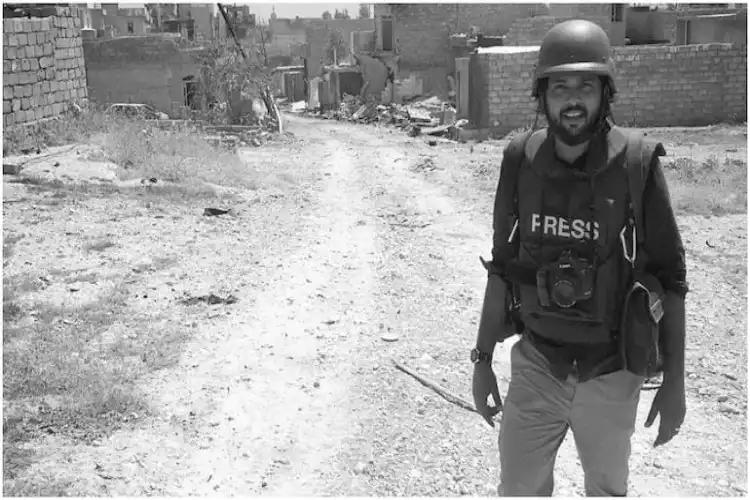
Danish Siddiqui in Afghanistan

As the year draws to an end, we have compiled a brief list of the Indian Muslims who have been in news during 2021.

Danish Siddiqui :

Danish Siddiqui was a Pulitzer Award winning photojournalist from New Delhi, who was killed by Taliban while covering the war in Afghanistan. An alumnus of Jamia Millia Islamia, Siddiqui was one of the country’s most well known photographers who documented the Rohingya refugee crisis, Covid deaths and the Delhi riots to win several awards. In July 2021, Reuters assigned him documentation of the Afghanistan War as an embedded journalist with Afghan Special Forces. On July 16, Siddiqui was killed in action. Governments of India, USA, Afghanistan and United Nations expressed grief and shock on his death and thousands joined his funeral procession in DelhI.

Dr Shahid Jameel :

Dr. Shahid Jameel is a world renowned virologist and is one of the leaders of India’s fight against Covid-19. The Covid-19 outbreak has thrown new challenges to the scientific community. When the Government of India set up an Indian Sars-Cov-2 Genomics Sequencing Consortium (INSACOG), which consists of 38 laboratories to monitor the genomic variations in the SARS-CoV-2, Jameel was appointed as the head of its scientific advisory group. He served the INSACOG in this position till May, 2021 and still advises different government and non-government bodies in strategising the war against Covid-19. 

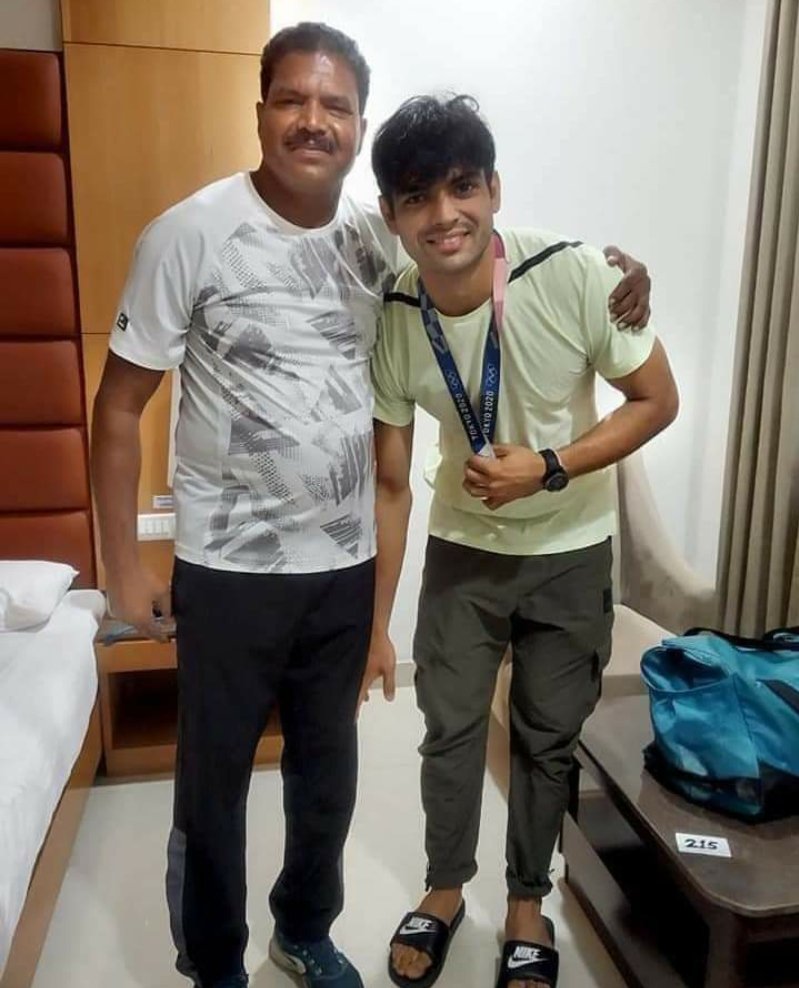
Coach Naseem Ahmed with Olympian Neeraj Chopra

Naseem Ahmed :

Naseem Ahmed: On 7 August, 2021, Neeraj Chopra threw Javelin for 87.58 mts. and became the first Indian to win an Olympic Gold in track and field events. With this success, Naseem Ahmed of Panchkula also hit the headlines. Ahmed was his first coach, who coached Chopra for almost six years at Tau Devi Lal Sports Complex in Panchkula. It was under his guidance that Chopra turned into an athlete from a chubby child. After returning to India, Chopra went to meet and receive blessings from his coach.

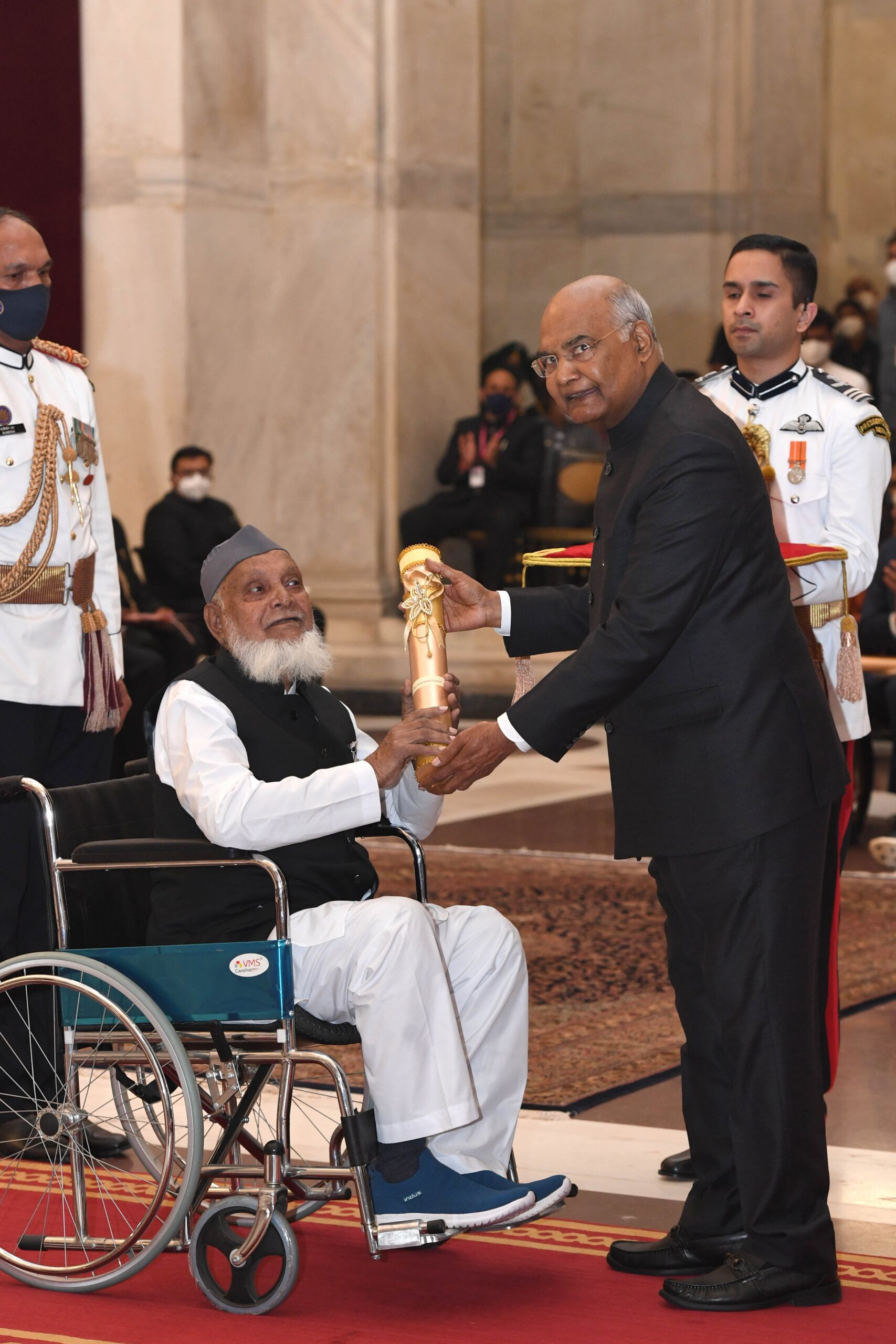
Mohammad Shareef alias Shareef Chacha receiving Padma Shri from President Ran Nath Kovind

Mohammad Shareef :

Mohammad Shareef is a bicycle mechanic from Faizabad, Ayodhya and hit the news headlines this year for receiving Padma Shri, the fourth highest civilian award in India, from the President Ram Nath Kovind. In 1992, his son was murdered and was eaten by animals as nobody claimed it. This incident moved him so much that he took it upon himself to perform the last rights of unclaimed dead bodies. In the last 28 years, he has performed the last rights of more than 25,000 unclaimed dead bodies according to their religions.

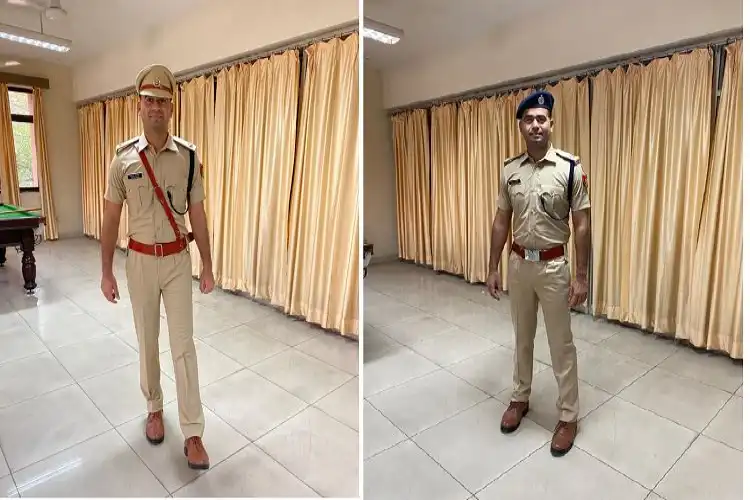
Firoz Alam as an IPS officer (Left) and as a Constable of the Delhi Police (Right)

Firoz Alam :

Firoz Alam’s story is straight out of a fiction, where his character bears resemblance to those played on screen by several film stars. Alam, a resident of Hapur in U.P, was a constable with Delhi Police since 2010. In 2014, he started preparing for UPSC CSE. The work pressure and family responsibilities did not allow him to devote full time to the studies, like many availing coachings could do. After five unsuccessful attempts, in his sixth attempt he qualified UPSC CSE and joined as an IPS officer. His inspiring journey from a constable to IPS had taken the nation by a storm when he joined the training after leaving the job as constable.

Sadaf Choudhary 

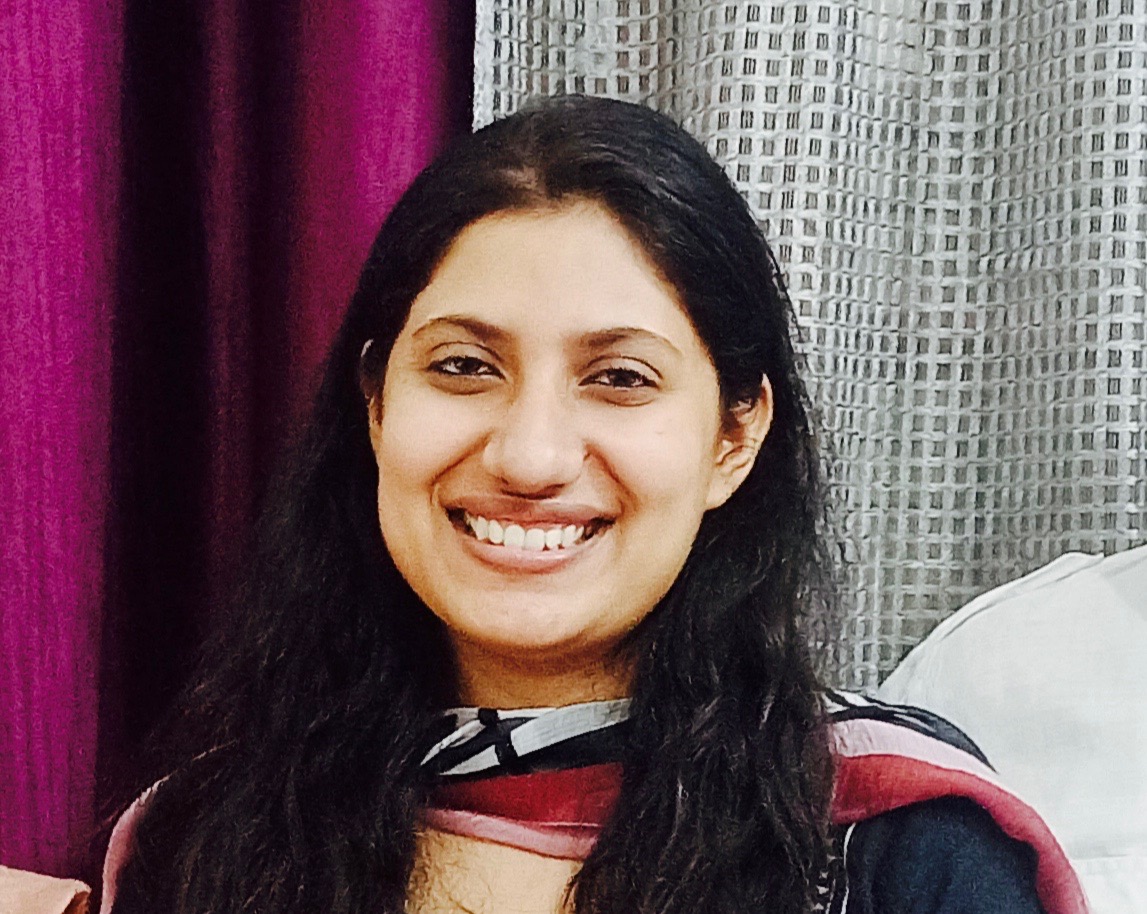
Sadaf Choudhary :

Sadaf Choudhary came into limelight when the UPSC CSE results were declared in September and she secured 23rd rank. She was the highest rank holder among Muslims this year and will become an IAS officer. It must be kept in mind that since independence only 179 Muslims have secured ranks to get IAS allotted to them.

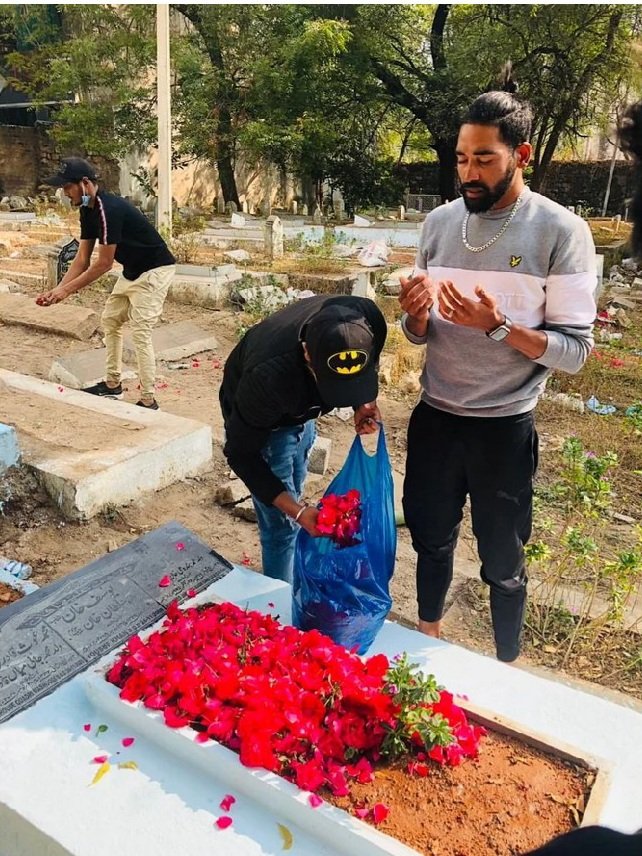
Mohammed Siraj praying at the gave of his father

Mohammed Siraj :

Mohammed Siraj is an Indian cricketer from Hyderabad who made it to the headlines in January by becoming the highest wicket taker from India during the India – Australia Test Match Series in Australia. To claim his 13 scalps, he played only three of the four tests in the series. The fact that his father had died just before the series and he was given an option to return to the country, which he declined citing his commitment to the nation made it even more special.

In the last test match at Brisbane, he bagged five Australian wickets to script a historic win and became a national hero. The headlines of the sports column were filled with his heroics, commitment and ability. Since then he has been a regular feature of the Indian Cricket team as a pacer. 

source: http://www.awazthevoice.in / Awaz, The Voice / Home> Stories / by Saquib Salim / December 30th, 2021