Tag Archives: Indian Muslim Scientists

India’s Millet Man Dr Khadar Vali says eating coarse grains is way to healthy life

Purdadtoor Town (Kadapa District), ANDHRA PRADESH:
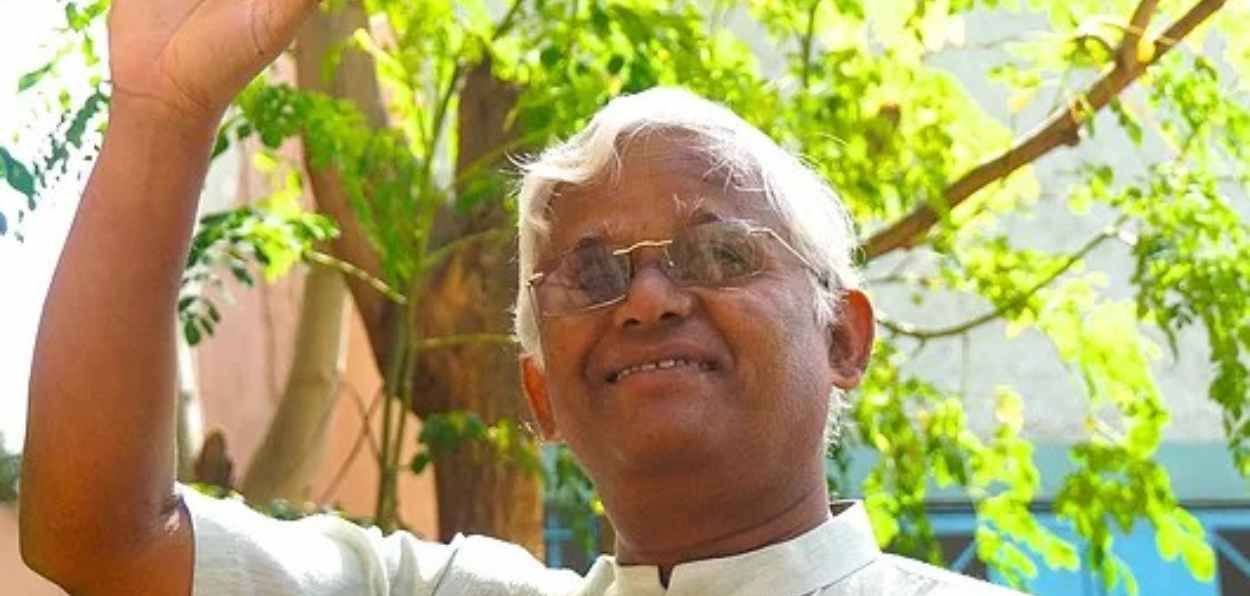
Dr Khadar Vali, the Millet man of India

Coarse grains or millets are ancient foods which contain key nutrients like vitamins, zinc, beta-carotene, and magnesium. These foods keep blood sugar under control and reduce obesity. If one eats healthy food one can simply avoid disease and medicines.

This is the message from India’s leading agronomist Dr. Khadar Vali, who is also called the Millet man of India.

Dr. Vali is an independent scientist and food expert. He has brought back five species of millet that had disappeared from the world. Today, at 66 years of age, Vali is one of the leading proponents of millet cultivation in the world. He has made world realize the importance of grains.

Millets are available not only in India but everywhere in the world. These are known by different names in each country. To date, people around the world have eaten 200 different types of whole grains.

It’s important to note that the United Nations Food and Agriculture Organization (FAO) declared 2023 as the International Year of Millets at the insistence of India.

Khadar Vali says that the cultivation of millets can solve problems of soil erosion and irrigation also. The food we eat creates an imbalance in blood glucose levels. It makes people sick. But all this can be avoided if we use coarse grains. If you eat millet, you never need medicine.

He says it’s a misconception that coarse grains are food for animals and birds. He says these are super foods that can prevent disease as these contain fiber that cleanses the body. These grains protect the human race and other species. Millets are food for the whole planet.
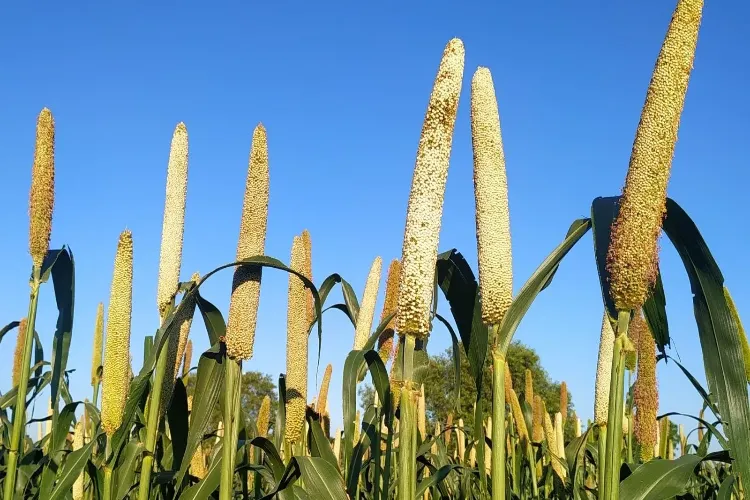
Fox millet or Bajra

Dr Khadar Vali hails from Purdadtoor town in the Kadapa district of Andhra Pradesh. He has been working for 20 years to revive Sridhanialu, an Indian concept about food habits that are in sync with the nature and the human body.

Earlier, he worked in a good position in the USA. Dr Vali is a post-graduate from the Regional Institute of Education, Mysore, and did his PhD on Steroids from the Indian Institute of Sciences, Bengaluru.

Vali did his postdoctoral research on a fellowship in Environmental Science from the United States. His research focused on the inactivation of deadly chemicals such as Agent Orange and dioxins. His research came at a time when food was becoming increasingly commercialized.

Around 1986-87, Dr. Khadar Vali raised the issue of food-related consequences in society when he came across a case of a girl who started menstruating at the age of 6. He decided to return to his country.

He returned to India in 1997 and worked hard to revive five different varieties of millets in Mysore that were rapidly disappearing. More than two decades later, India’s ‘Milletman’ Dr. Khadar Vali was awarded the Padma Shri on the occasion of the 74th Republic Day celebrations.

awazurdu

Dr. Khadar Vali says that millet has long been part of the mainstream diet but over the past 75 years, corporations marketing rice and wheat have Institutions subjected them to “systematic destruction”.

He has told the world about the benefits of coarse grains along with the negative effects of other grains from his long research on millet. Some points of his research are as follows. His research on food grains has led him to categorized them as negative, neutral, and positive.

Negative: These Grains cause diseases and include paddy rice and wheat. The fiber content of these grains is below 2 percent.

Neutral: Grains don’t cause new diseases, however, can’t help to cure health disorders and diseases. These are jawar, bajra, finger millet, proso millet, etc which carry fiber content from 3 to 6 percent.

Positive: Grains, which help to cure health diseases and disorders. These are Foxtail millets, Barnyard millets, Browntop millets, Little millets, and Kodo millets; which have fiber content from 8 to 12 percent. He named these millets Siri Dhanyaalu. Siri means wealth, which is indirectly health. .

Based on Dr. Khadar Vali’s research and findings, below are the diseases and disorders cured by the positive millets (Siri Dhanyaalu)

 1. Foxtail Millet Rice: nervous system, psychological disorders, arthritis, Parkinson’s, epilepsy

 2. Kodo Millet Rice: blood impurities, anemia, weak immunity, diabetes, constipation, insomnia

 3. Barnyard Millet Rice: liver, kidney, excess bad cholesterol, endocrine glands

 4. Little Millet Rice: uterus, PCOD, male and female infertility

 5. Browntop Millet Rice: digestive system, arthritis, hypertension, thyroid, eye, obesity

Prime Minister Narendra Modi has given the name Shree Anna to coarse grains.

The year 2023 was declared by the United Nations as the International Year of Coarse Grains, after which the Grammy Award-winning Indian-American singer Fallo prepared a song, saluting the efforts of Prime Minister Modi.

In one of his tweets, Fallow mentioned the Prime Minister’s support in producing the song. This song has been prepared with the aim of promoting coarse grains and helping farmers to cultivate them and encouraging efforts to eradicate hunger from the world.

source: http://www.awazthevoice.in / Awaz, The Voice / Home> Story / by Mansooruddin Faridi / October 07th, 2023
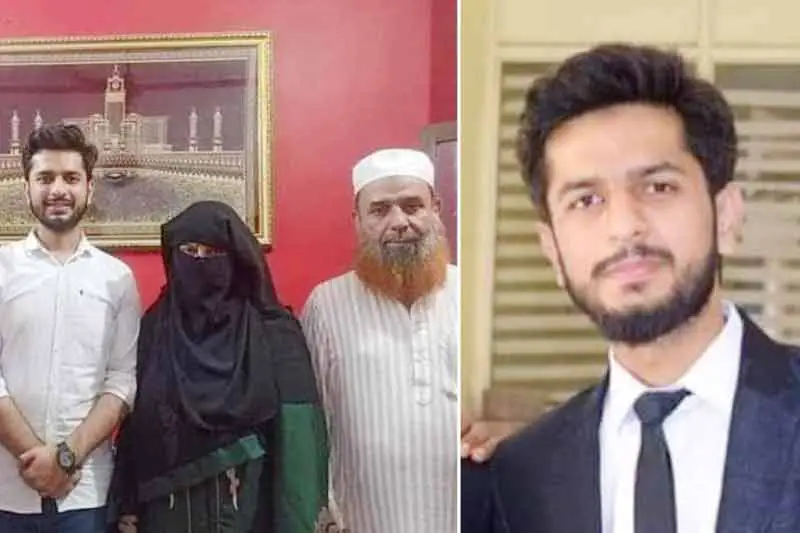
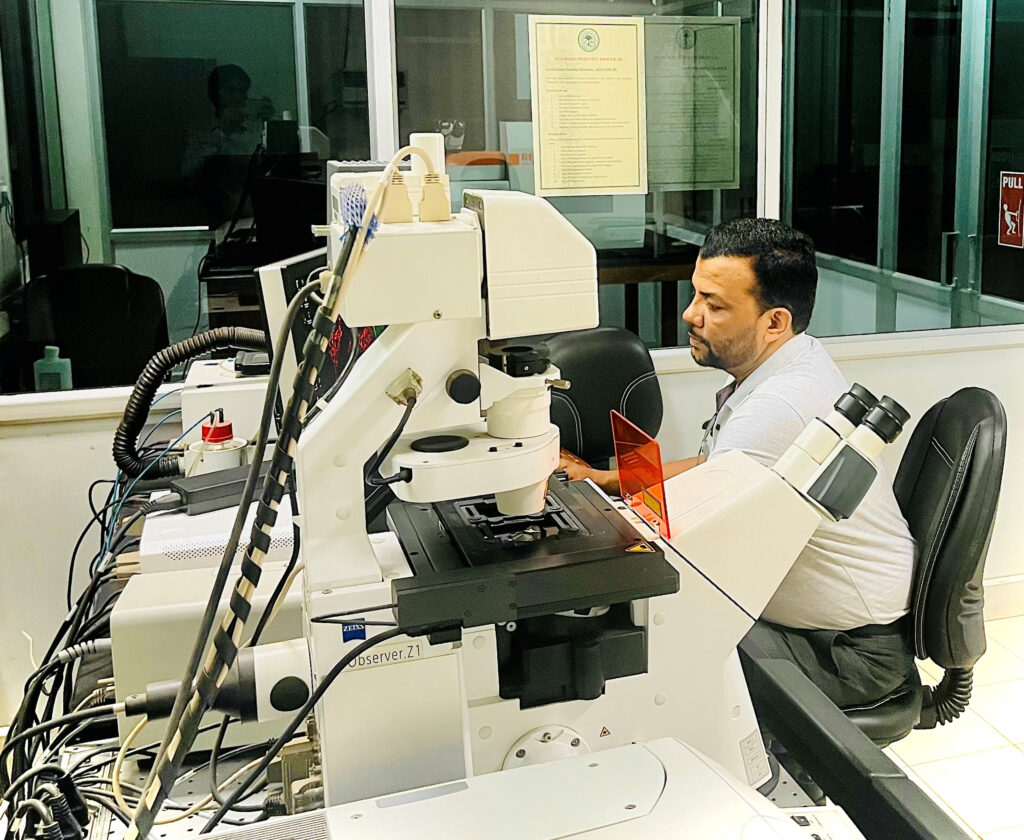
Muslim Scientists Play Vital Roles in Chandrayaan 3 Mission’s Success

UTTAR PRADESH / TELANGANA:

Muzaffarnagar and Adilabad, two districts in India, are celebrating the remarkable achievement of their Muslim scientists who contributed significantly to the success of the Chandrayaan 3 mission. The successful landing of Chandrayaan 3 on the Moon’s south pole has ignited a sense of festivity and pride in both regions.

Areeb Ahmed, an ISRO scientist hailing from Khatoli, Muzaffarnagar, emerged as a central figure in this achievement. As a key member of the Chandrayaan-3 team, Areeb Ahmad played an instrumental role from the mission’s launch to its successful landing. The celebrations in Muzaffarnagar included fireworks and heartfelt congratulations to the Areeb family.

The success story extends to Adilabad, where scientist Sheikh Muzammil Ali, originally from Kaghaz Nagar, shone as a valuable contributor to the Chandrayaan 3 mission. His involvement in the ISRO team that achieved the lunar landing brought immense pride to the Muslims of Telangana. Sheikh Makhdoom Ali, Sheikh Muzammil Ali’s father, expressed his joy and gratitude for his son’s accomplishment, viewing it as a divine blessing and a moment of national pride.

Sheikh Muzammil Ali’s educational journey showcased dedication and determination. After completing his education from various esteemed institutions, he cleared the ISRO exam in 2016, leading to his appointment as a “Scientist Group Gazetted Officer” in 2017. His father’s unwavering support, despite a modest salary, served as an example of the importance of higher education for Muslim parents aspiring to empower their children.

The accomplishments of Areeb Ahmed and Sheikh Muzammil Ali underscore the significance of providing quality education to young Muslims and encouraging them to pursue careers in cutting-edge fields. Their contributions not only contribute to India’s scientific progress but also inspire others to strive for excellence irrespective of adversity.

source: http://www.munsifdaily.com / The Munsif Daily / Home> News> Regional> Telangana / posted by Rasia Hashmi / August 24th, 2023

Small planet named ‘5718 Pattazhy’, after Kerala scientist Dr. Sainudeen Pattazhy

KERALA:

A minor planet in the solar system, which earlier bore just the number 5718 CD4, has now been named after Kollam based scientist, Dr Sainudeen Pattazhy, reports Ramesh Babu.

Pattazhy was surprised when a representative of the Jet Propulsion Laboratory, run by the space agency NASA, telephoned him on Wednesday evening. “I’m not a space scientist and initially thought someone was pulling my leg,” he told Hindustan Times. “But the official explained that my name was chosen after going through my research papers.”

Pattazhy, who teaches zoology at a local college, has carried out pioneering research on many environment related issues such as the phenomenon of ‘red rain’ —which occurred in Kerala in 2001—the control of mosquitoes, the eco biology of ‘sacred groves’, and the health hazards posed by mobile phone towers.

Pattazhy’s suggestions on the health hazards posed by mobile towers are still pending with the Union Ministry of Environment. According to him, the radiation would affect people residing within 300 metres of the towers.

The minor planet — to be henceforth known as ‘5718 Pattazhy’ — was discovered by US-based space scientist Dr R Rajmohan in 1989. There are around 400,000 ‘minor planets’ or asteroids in the solar system, of which 185,685 have well defined orbits and have been allotted numbers by the International Astronomical Union (IAU). Around 14,000 of them have been given names.

“It seems the discoverer of the planet forwarded my name after going through my work,” said Pattazhy, adding that he had no idea why he was chosen.

source: http://www.hindustantimes.com / Hindustan Times / Home> India News / by Ramesh Babu, Thiruvananthapuram (headline edited) / May 02nd, 2008

AMU Faculty Discovers a Common Mechanism for the Prevention of Liver Cancer

Aligarh, UTTAR PRADESH:

In a big breakthrough in the field of cancer prevention, Dr Hifzur Rahman Siddique, Department of Zoology, Aligarh Muslim University, in coordination with Dr. Keigo Machida, University of South California, USA, has discovered a common mechanism that activates disruption of a single RNA binding protein, MSI-2 binding to mRNAs of the cancer-causing proteins and significantly reduces the synthesis and accumulation of these proteins, reducing HCV infection and proliferation. The single RNA binding protein (named MSI-2) helps to accumulate multiple cancer-causing proteins in patients and helps to proliferate Hepatitis C Virus to promote liver cancer.

Dr. Siddique and the team who have identified this protein by analyzing the liver tissues of 374 liver cancer patients, said, “As we know, alcohol and cholesterol-rich high-fat diet and hepatitis infection promotes cancer initiation, but the exact molecular mechanism is unknown. In this research work, we have discovered that MSI-2 protein helps to accumulate multiple cancer-causing proteins and supports HCV proliferation to aggravate the disease.”

Dr Siddique said that Liver hyperplasia is also reduced in the animal model predisposed to viral infection fed with alcohol mixed cholesterol-rich high-fat diet. This is a very exciting discovery and could serve as a potential therapeutic target for the drug design and give direction to the management strategy for this deadly disease.

“The study has been recently published in Cell Death Discovery (April 2023, available at www.nature.com/cddiscovery),” he added.

Dr Siddique and his team had earlier discovered the molecular pathway that promotes the abnormal division of Cancer Stem Cells that are responsible for cancer therapy failure and Cancer reappearance/recurrence. Their study was then published in the prestigious journal Nature Communications 11 (2020) and found a place in different national and international dailies.

He said that the liver is considered the powerhouse of the body and due to the change in lifestyle, chronic alcohol consumption, high-fat diet, and hepatitis virus infection, the incidence of liver cancer is increasing fast. More than 350 million people are currently infected with hepatitis viruses, out of which 70 million are infected with Hepatitis C. It is estimated that approximately 40 million people are chronically infected with Hepatitis B and 6-12 million people with Hepatitis C. The situation worsens when Hepatitis infection occurs in an alcoholic person.

He said that the discovery is significant in the treatment of liver cancer as blocking the identified protein has an immense effect on liver cancer in the animal model and also stops the accumulation of the number of human cancer-causing proteins, the proliferation of hepatitis viruses and improving recovery.

Dr Siddique has been working on Cancer Stem Cells for a decade and has established a dedicated lab to initiate pioneer research on Cancer Stem Cells at AMU with a team of 10 researchers and collaborators from the USA, Russia, China, the UK, India, etc.

Recently, he  got a Patent for his herbal formulation to prevent liver cancer and expecting some extramural grant from the Government of India for further clinical research.

source: http://www.amu.ac.in / Aligarh Muslim University – AMU / Home> AMU News / by Public Relations Office / May 01st, 2023

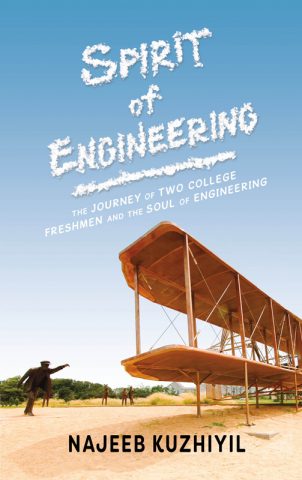
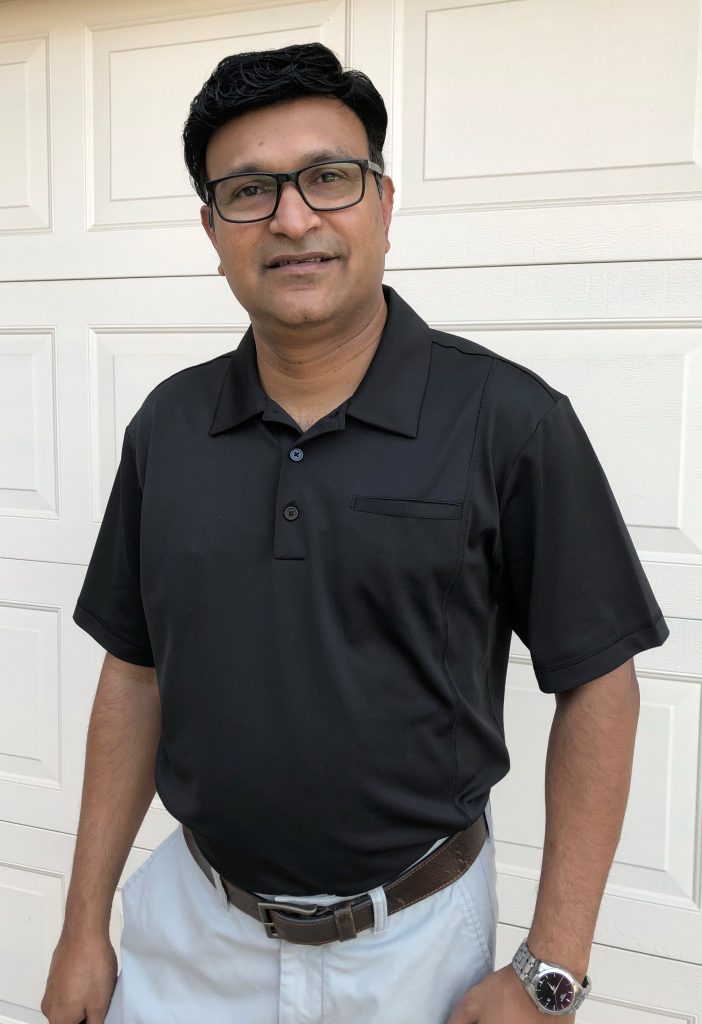
Mechanical Engineering Alumni of Iowa State University, Najeeb Kuzhiyil publishes novel: ‘Spirit of Engineering’

Kochi, KERALA / Texas, USA :

Spirit of Engineering, published by ME alum Najeeb Kuzhiyil in December 2017, tells the story of two freshman college students and their journey to discover what engineering is. Image courtesy of Najeeb Kuzhiyil

A novel penned by a mechanical engineering alum tells the story of two freshmen college students and their journey to discover what engineering is.

Najeeb Kuzhiyil, who graduated with a PhD in ME in 2013, recently published his first novel: Spirit of Engineering: The Journey of Two College Freshmen and the Soul of Engineering. The idea to write the book, which was published in December 2017, first came to Kuzhiyil while he was a student at Iowa State.

“So I thought before you begin your undergrad studies, you should understand what engineering is in simple terms,” said Kuzhiyil. “I really wanted to write a book that was simple enough for high school students.”

The book took about a year and a half to write and started out as separate essays covering four pillars of engineering: methodical approach, practical skills, abstraction, and creativity.

“One morning I was lying in my bed and I thought why don’t I tell this as a story. I can include all of these concepts and wind them into a nice plot,” Kuzhiyil said.

The target audience for the book is high school students or perhaps even freshmen in college. The plot is set in modern times and follows around two main characters who are both first year engineering students at an unnamed Midwestern college: Matt from northern Iowa and Maya from India.

Matt and Maya come across a presentation about the Wright Brothers which piques their interest to the point that they decide to travel to the Wright Brothers museum in Dayton, Ohio in an attempt to better understand what engineering really is. During their travels they meet an experienced, middle-aged engineer who helps them understand how math, physics, and other natural phenomena apply to engineering.

Kuzhiyil said that his PhD advisor Robert C Brown, Anson Marston Distinguished Professor in Engineering, was a major influence on him personally and with his writing style specifically.

“He’s a wonderful engineer and he’s a great writer because we as engineers aren’t always great writers,” said Kuzhiyil. “Before coming to Iowa State I never paid attention to my English but Dr. Brown told us ‘You might be great engineers but you also have to learn how to write well. It’s very important to be able to express your ideas.’”

Brown, who also serves as director of the Bioeconomy Institute at Iowa State, wrote the foreword of the book. He said he thinks the book can be helpful for the next generation of engineers.

“I would have benefited from this book when I was in high school, at the time having no clear idea of the engineering profession. Even today despite the emphasis on STEM education, engineers are rarely portrayed in popular culture except for the occasional less than flattering role of bumbling technocrat. Najeeb’s book helps to overcome this stereotype,” Brown said.

Kuzhiyil cited Brown, whose research focuses on biorenewable resources, as a major reason why he chose Iowa State to pursue his PhD. Kuzhiyil is originally from the state of Kerala in southern India. He attended school in the city of Kochi and began developing an interest in chemical engineering in high school. He attributed his interest in engineering to his older brother, Dr. Abdul Kader, who studied chemistry and worked at a fertilizer manufacturing company.

“I didn’t know anything about chemical engineering, but as a kid I thought it would be cool to learn about it,” he said, adding there was a large petroleum refinery close to home that always fascinated him.

Kuzhiyil graduated with a bachelor of technology in chemical engineering from the University of Calicut and went on to work as a tech service engineer for Indian Oil Corporation.

After a decade in industry, Kuzhiyil decided to pursue an advanced degree. In graduate school his interest shifted from chemical engineering to renewable energy. He graduated with a MS in Combustion and Energy from the University of Leeds in England in 2005.

Kuzhiyil came to Iowa State in 2008 and was involved in various groups outside of his engineering studies, including serving as president of the Indian Students Association from 2009 to 2010. Despite spending just three years in Ames, Kuzhiyil said he made friends and memories that will last a lifetime.

“There were so many moments I really enjoyed at Iowa State,” said Kuzhiyil. “Our research group was so big we had people from all over the world. We had people from India, China, Europe, Africa, from all over and we had discussions on science, on politics, on life, on love, on everything. They were all great for me because different viewpoints and perspectives on different things were really insightful. I really had a blast and enjoyed every moment of my PhD.”

Kuzhiyil added that he loved the beauty of Iowa State’s campus, especially during the spring bloom, and that he enjoyed participating in the International Food Festival during the annual VEISHEA celebration.

After completing his PhD, he worked as a fuels and lubricants technologist at General Electric for six years. In November 2017, he was hired as a staff engineer in synthetic lubricants at ExxonMobil Corporation. His current work focuses on engine oils and gear oils and how it relates to fuel economy.

“By using synthetic lubricants we can improve fuel and the energy efficiency. Synthetics are more of a move toward a sustainable future,” Kuzhiyil said, adding that the job has been a nice marriage between his interests in chemical engineering and renewable energy.

During his career, Kuzhiyil has studied or worked on three different continents. He said that these diverse experiences have contributed to his professional development and have been helpful when approaching challenges.

“In engineering most of the problems we deal with are open-ended. There’s no single answer to many of the problems. You can design things in different ways so the engineer’s job is to design a product or a process or whatever, within the constraints of resources, environment, culture and weather. All of those factors play into the engineering,” said Kuzhiyil.

“Because I come from India, and I lived in Europe and the U.S., all of these places are different if you look at the available resources, the weather, the philosophy, etcetera. I really got a lot of examples of how the same product can be different on these three different continents and I think that’s been helpful in getting me to where I am today.”

source: http://www.news.engineering.iastate.edu / Iowa State University, College of Engineering / by Nick Fetty (headline edited) / April 02nd, 2018

AMU faculty elected Fellow of the National Academy of Sciences

Aligarh, UTTAR PRADESH :

Prof Nafees Ahmad Khan, Department of Botany, Aligarh Muslim University, has been declared as the Elected Fellow of the National Academy of Sciences, India (NASI).

The National Academy of Sciences,  recognises researchers who excel in the field of their research as Fellow of the Academy, which is considered as the most coveted accomplishment in academics.

Prof Khan has worked on the mechanisms of hormonal and nutritional regulation of plant development with emphasis on plant resilience against stressful environments using nutriomics and metabolomics. 

He has published many research papers in crucial high Impact Factors journals and collaborated internationally for research. He has published about 200 research papers(H-index 67; i10 index 175)and was noted as one of the most-cited Indian researchers in the area of Plant Science by Elsevier every year from 2019 to 2022. 

He has edited 19 books published by Elsevier, Springer-Nature, Frontiers, NOVA, Alpha Science and others. Supervised research projects focused on signalling molecules-nutriomics and abiotic stress tolerance mechanisms, and served as Editor/Guest Editor of the leading plant science journals, published by Elsevier, Frontiers, Springer-Nature MDPI.

Prof Khan is also fellow of The Linnean Society, Indian Botanical Society, Indian Society for Plant Physiology.

source: http://www.amu.ac.in / Aligarh Muslim University / Home / by Public Relations Office / November 04th, 2022

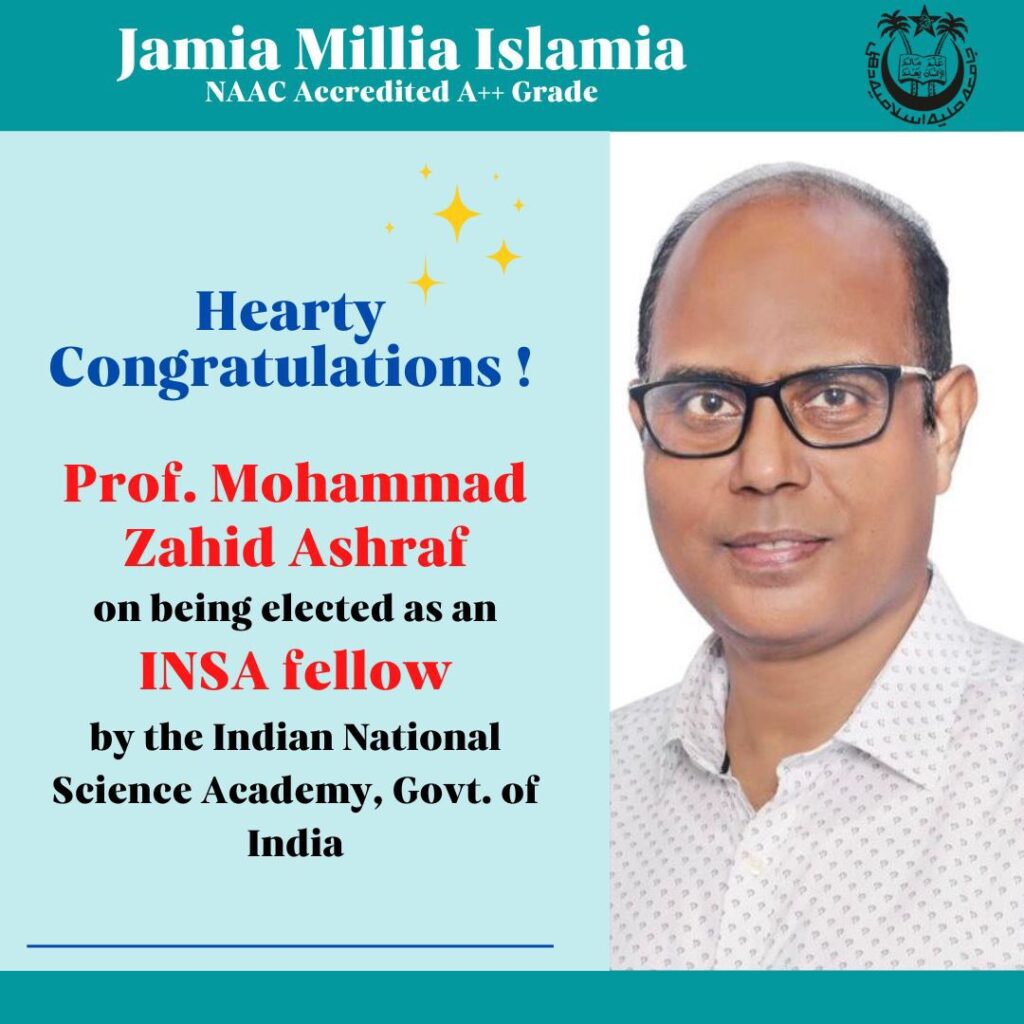
JMI Professor Mohammad Zahid Ashraf elected as fellow of Indian National Science Academy (INSA)

Aligarh, UTTAR PRADESH:

pix: twitter.com / @jmiu_official

The Indian Nation Science Academy (INSA) has elected Prof. Mohammad Zahid Ashraf, Head, Department of Biotechnology, Jamia Millia Islamia (JMI), as a fellow of the academy. His fundamental work on the role of high-altitude hypoxia in the development of cardiovascular and blood clotting disorders has been recognised with the coveted fellowship.


The Indian National Science Academy, one of the most renowned academies in the nation, was founded to promote science in India and utilise scientific knowledge for the benefit of humanity and the nation. As a fellow of the Academy, Prof. Ashraf will work to further the scientific cause of the nation. To his credit, Prof. Ashraf is now elected fellow of all three national science academies – the Indian National Science Academy, the Indian Academy of Sciences, and the National Academy of Sciences.


JMI Vice-Chancellor Prof Najma Akhtar, who has recently been conferred with Padma Shri Award, congratulated Prof. Ashraf for his outstanding accomplishments. She further mentioned that Prof. Ashraf’s achievements will motivate other faculty members for excelling in research and contribute to the nation’s progress.


Prof. Ashraf is best known for his unique work on high altitude induced blood clotting disorders. His research has had a substantial impact on both fundamental and applied aspects of cardiovascular biology and human diseases. He is a pioneer in the field of highaltitude thrombosis and has done seminal work in unravelling the enigma of blood clotting in response to hypoxia. His remarkable efforts have enriched our understanding
of the prevalence, mechanism, genetics, diagnostics, and development of therapeutics for hypoxia- induced thromboembolic disorders.


Prof. Ashraf’s contribution to the research community is well acknowledged. He is the recipient of the 2020 Visitor’s Award by Hon’ble President of India for biological sciences, The Ramachandran National Bioscience Award by DBT and the Basanti Devi Amir Chand Award of ICMR, among several other accolades.

Prof. Ashraf also holds membership of the prestigious Guha Research Conference and various scientific committees.

source: http://www.jmi.ac.in / Jamia Millia Islamia / Home / by Press Relations Officer, JMI (headline edited) / October 19th, 2022

Assam’s Shaeema Ahmed earns accolade for research on Quantum Physics in Denmark

Guwahati, ASSAM / DENMARK :

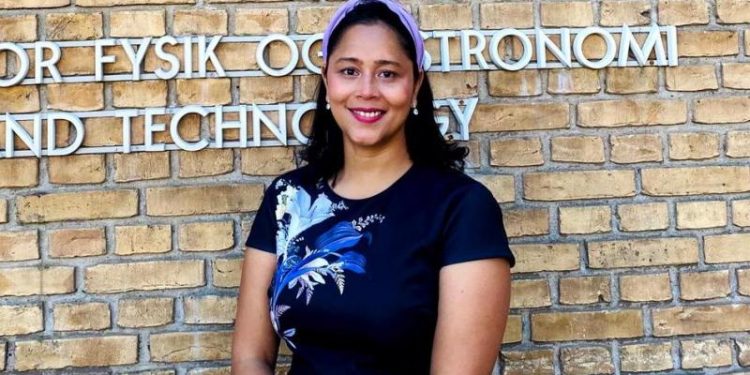
Shaeema Ahmed

Shaeema Zaman Ahmed, a youngster from Guwahati, brought laurels to Assam and India for her visionary work on quantum physics research, for which she was awarded the PhD from Aarhus University, in Denmark, on June 28.

After her earlier schooling at Maria’s Public School, Guwahati, and her Masters in Physics from Delhi University, Shaeema was at the forefront of science outreach and astronomy education with Zlife Education in New Delhi.

Thereafter, she was offered a Marie Sklodowska-Curie PhD fellowship at Aarhus University, Denmark, and was part of the Quantum-enhanced Sensing via Quantum Control (QusCo) EU programme.

Her work focussed on investigating the use and impact of quantum games and simulation tools in quantum physics education, science outreach, and quantum control research.

She was part of the design process in Quantum Moves 2 and Lab Manager and simulation tools like the Quantum Composer.

Her research studies on these tools explored how simulations can improve student learning of quantum mechanics.

Additionally, her work also addressed the potential of a citizen science game as a method to crowdsource solutions to solve quantum control problems, and the impact of the use of simulations in quantum physics outreach training.

The work was carried out under the supervision of Prof Jacob Friis Sherson, and the external examiners were Prof Sabrina Maniscalco from the University of Turku, Finland and Prof Stefan Heusler from the University of Münster, Germany.

Shaeema is the daughter of Guwahati-based paediatrician, Dr Shabina Ahmed and anesthesiologist, Dr Khafiluzzaman Ahmed.

The defence was viewed online, including her teachers at her alma mater, Maria’s Public School, Guwahati.

In a message to her alumnus, Nellie Ahmed Tanweer, Founder Director of the School, said “…the pride you bring to your school further inspires the next generation …

source: http://www.nenow.in / North East Now / Home> Northeast News> Assam / July 04th, 2021

Meet Dr. Mohammad Rameez : Reducing CO2 To Control Global Warming

INDIA / TAIWAN :

Dr. Mohammed Rameez

This is the third part of the series called “Scientist Says” where we bring for our readers the significant research works of young scientists.

Rashida Bakait from India Tomorrow interviews Dr. Mohammed Rameez who is presently working as Academia Sinica postdoctoral research fellow at the Institute of Chemistry, Academia Sinica, Taiwan.

Here are the excerpts of the interview with him.

Q. What is the topic of your research and please give a brief explanation?

Ans: With the increased manufacturing activities, large amount of carbon dioxide (CO2) is being released in the environment, causing Earth–Carbon disparity, leading to global warming issue. Further, there is an additional rising demand of fine chemicals such as p-benzoquinone, which are obtained from the processing of fossil fuels. However, these processes operate under high energy and high pressure conditions generating more CO2. Therefore, decreasing CO2 production and transforming CO2 into valuable solar fuels seem to be an essential issue to be considered for future sustainable development. So, this scenario has given the researchers a challenging topic of as to how to reduce the amount of CO2 and further convert it into useful low-carbon fuels. Hence, my research topic is based on reduction of carbon dioxide to other useful chemicals using electricity and catalysts. This process is known as electroreduction of CO2.

My research is developing an ideal resource-efficient solution based on catalysts i.e. artificial photosynthesis – mimicking how plants use sustainable sources of sunlight, CO2 and water to drive the production of energy-rich carbohydrates. As such, promising research efforts have been intensified in reducing CO2 to similar energy-rich fuels and chemical feedstocks through electro-catalytic routes. Recently, we report a novel g-C3N4/Cu2O-FeOheterogeneous nanocomposite catalyst for COelectrochemical reduction to CO, with a maximum Faradaic efficiency of 84.4% at a low onset overpotential. This research was published in topmost journal in the field of environmental engineering. This research was done in Academia Sinica, a premier research institute of Taiwan. A PhD student Girma from Ethiopia and I worked on it in Prof. Hung’s lab. I was also one of the corresponding authors.

Q. What is the motive/ aim of your research?

Ans: Different semiconducting materials and metals, such as Pt, Pd, TiO2, SrTiO3 CdS, g-C3N4, ZnO, Bi2WO6 and so on have been used as catalyst for COreduction. However, the practical applications of these catalysts for CO2 reduction are still limited by the low CO2 conversion efficiency due to low light harvesting efficiency, high production cost, low catalytic activity, insufficient catalyst durability and a lack of mechanistic understanding.

Hence, our aim was integrating heterostructures containing oxides of non-noble metals, such as iron and copper with g-C3N4 that may result in stable materials that could function as active electrochemical catalysts for CO2 reduction.

Q. What important findings/aspects are highlighted in your research?

Ans: We prepared a novel g-C3N4/Cu2O-FeO heterostructure nanocomposite catalyst by a simple hydrothermal synthetic route and tested it for electrochemical CO2 reduction in aqueous systems. To the best of our knowledge, this is the first experimental report on a hybrid g-C3N4/Cu2O-FeO nanocomposite for electrochemical CO2 reduction. We demonstrated that g-C3N4/Cu2O-FeO is a promising electrocatalysts for COreduction in neutral medium. Incorporating mixed metal oxide into g-C3N4 layers could be a potential strategy to improve the electrocatalytic catalytic activity of the composite materials. With careful experimental design, this research may help us obtain a library of highly efficient water stable and less toxic catalysts optimal for various catalytic applications.

Q. What kind of challenges did you face?

Ans: Many semiconductors, doped and sensitized semiconductors have been used as photocatalysts for CO2 reduction for higher conversion efficiency. The selectivity of products not only depends on the catalysts’ compositions but also on the choice of reductant and the solvent. However, the practical applications of these catalyst for CO2 reduction are still limited by the low CO2 conversion efficiency. It is important to raise the photocatalytic conversion efficiency and long-term stability to make this process economically feasible. Here, our main challenge was to enhance the selectivity and efficiency of the process for the novel g-C3N4/Cu2O-FeO catalyst, which uses earth abundant materials.

Q. Any scholarships or awards for this research?

Ans: We got financial support from Ministry of Science and Technology of Taiwan (109-2113-M-001-020) and Academia Sinica (AS-KPQ-106-DDPP) for this research on CO2 reduction.

I have received Taiwan government’s most prestigious scholarship for PhD ‘TIGP’ and was given an opportunity to study and carry out my research in the Academia Sinica and National Chiao Tung University, a renowned research institution of Taiwan and one of the top three Universities. It was a type of dual degree with my research focused on Sustainable Chemical Science and Technology. After obtaining PhD, I also got Song Pei Wu applied chemistry thesis award for my thesis on Perovskite solar cells. Moreover, two of my research papers also received the best paper award from my university ‘National Chiao Tung University’.

Currently, I have been awarded the most prestigious postdoctoral fellowship in Taiwan (Academia Sinica postdoctoral research fellow) offered by Academia Sinica and I am working as a Postdoctoral research scholar here.

Q. How do you think your research would be beneficial to the society or industry?

Ans. I hope that this research would help in solving the prevalent issue of global warming befalling due to the rapid industrial developments across the globe. Currently, the conversion efficiency is too low to be practically useful in industry, this research would definitely help solving the existing low conversion efficiency.  We are also confident that the proposed hybrid low-dimensional functional materials would help in promoting the conversion of the product yields to some extents and to gain in-depth understanding of the basic principle of CO2 reduction using the advanced spectroscopy/dynamics techniques available in our laboratory. Based on our results we will be able to design better, cheaper and inexpensive catalysts. Finally, we hope these catalysts can be used for a large-scale industrial fixation of carbon dioxide to useful chemicals. This can help us achieve two goals – 1) CO2 amount reduction and 2) valuable chemical productions without using fossil fuel. Ultimately, we will be able to attain the goal of sustainable development.

Q. When did you begin and complete your research?

Ans: I joined the above mentioned project in the month of June 2020, after finishing my PhD, and the first draft of the manuscript was ready by the end of November 2020. The research was finally published in the reputed journal named Applied Catalysis B: Environmental inthe field of environmental engineering in the month of March 2021.

Q. Any new research you are working on now?

Ans: The recent research still requires solutions like finding a viable approach, providing better stability, reducing toxicity and superior catalytic performance. Currently we are working on introducing newer class of materials known as Perovskite. Our goal in this proposal is to develop novel photocatalysts that are inexpensive and efficient. Additionally, the photocatalytic materials should be able to generate large number of electron-hole pairs, while separating charges efficiently at the same time, and providing large amount of active catalytic sites at the interface between the surface of the photocatalyst and the CO2 carriers (either in liquid phase or in gas phase).

Q. What was the conclusion of your research?

Ans. We successfully demonstrated that cheaper catalyst can also work efficiently as expensive catalysts for CO2 reduction with better efficiency and selectivity. More details can be found in our research article.

Q. How do you think your research can be carried forward?

Ans. We expect to establish a standard protocol for employing catalysts for efficient Electro Chemical systems which may ultimately lead to development of the large-scale integrated reactor, including highly efficient buffered system, high conductivity membrane material, and large surface area electrode (e.g. gas diffusion electrode, single-atom membrane, and bio-conductive membrane electrodes). Further, we will be able to tune the selectivity of products by tuning the solvents. Ultimately, research groups around the world will be able to harness CO2 for various applications.

Q. Lastly, please give some tips to the budding scientists?

Ans. My advice to the budding scientists is that they should keep themselves updated with the recent literature and findings. Never lose hope as it takes time to obtain results. Always have plan B and C ready for the research and experiments.

source: http://www.indiatomorrow.net / India Tomorrow / Home> Education> Featured / by Rashida Bakait, India Tomorrow / March 30th, 2021

Meet Khadija Kanwal Khanum Capturing Solar Energy

INDIA :

Khadija Kanwal Khanam

his is the first part of the series called-Scientist Says-where we would be presenting research works of young scientists in various fields.

Khadija Kanwal Khanum has done her PhD and Postdoctoral fellow from Indian Institute of Science (IISc), Bengaluru, India (2010-2018). Presently, she is a postdoctoral fellow at the University of Waterloo, Waterloo, Canada. She shares with Rashida Bakait of India Tomorrow, her significant studies and research on “Solar Cells’’.

Q. What was the topic of your research at IISc and a brief explanation about the same?

Ans. The broad topic of my doctoral and postdoctoral research at Indian Institute of science, Bengaluru, was fabrication, characterization and analyses of organic and hybrid photovoltaics (solar cells) to enhance the solar cell’s device performances. Specifically, the title of my doctoral thesis was “Morphological Architecturing of electroactive materials in organic electronics”. In this research, organic and organic-inorganic (hybrid) semiconductor/electroactive materials are used, instead of inorganic semiconductor materials/silicon to fabricate the solar cells. The organic and hybrid materials compare to the inorganic materials/ silicon counterparts are lab synthesized materials with ability to easily tailor the band gap (as semiconductors), and require less energy during their solar cell fabrication hence cost-effective. However, these organic and hybrid solar cells have till now reported, less power conversion efficiency, PCE (>25%) and are less stable in environment and therefore, require extensive research before their wide commercialization.

 Q. What was the aim behind your research?

Ans. In this research, a different fabrication procedure was used called Electro-spinning, in order to enhance the light absorption as well as increase the charge (electron-hole) separation in the solar device, thereby increasing its PCE.

 Q. What kind of new aspects were highlighted in your research?

Ans. The highlighting parts of the research were 1).The active layer of the solar cell which is generally in a thin film form was modified to fiber and various other forms such as network (Khanum and Ramamurthy, 2016), photonic (Khanum et al., 2017), two and three-dimensional triangles (Khanum and Ramamurthy, 2018) and spike-spheres (Khanum et al., 2015) structures using electrospinning/ electrospraying method. 2). The modified active layers assisted in improving the solar devices’ light absorption by 19 – 31% and PCE by 23 – 68%.

Q. When did you begin and complete your research?

Ans. I joined IISc as a doctoral student, in Aug 2010 and subsequently took few advance and elective courses in polymer science and technology, nanotechnology, vacuum systems, sensors and material characterization for one year, in order to gain knowledge and understanding of the above subjects, which helped me in my research. I started my research sometime around June 2011, submitted my doctoral thesis in July 2015, defended the thesis in July 2016, and continued the research as research associate and postdoctoral fellow till Mar 2018.

 Q. What kind of challenges you faced?

Ans. Since organic electroactive materials used in this research are conjugated small molecules and polymers possessing, low molecular weight than conventional polymers hence, fiber formation using electrospinning was difficult. Therefore, lot of optimization of the electrospinning process parameters and modifications of the organic and hybrid materials used such as; preparation time, concentration and solvent used had to be meticulously carried out, during solar cells fabrication. Additionally, maintaining inert atmosphere both, during fabrication and characterization of solar cells required lot of patience and cautions, making this study iterative and time-consuming. For instance, it took almost two years in this study, to obtain first few successful solar cell devices.

Q. Any scholarships or awards for research?

Ans. For my PhD and postdoctoral research, major part of the funding was received as scholarship from Ministry of Human Resource Development (MHRD) and Institute (IISC) research associate fund while during last 15 months; I received scholarship from my Ph.D and Postdoctoral advisor from his project grant. I received few awards and grants to present the research work in various international conferences; Manish Narayan memorial award from Department of Materials Engineering, IISc in 2014, Indian Institute of Science support and grant in 2014 and 2015, Department of Science and Technology (DST) young scientist in 2016 and International Workshop on Advanced Materials (IWAM), Ras Al Khaimah, UAE travel grant in 2016 and 2018.

Q. How do you think your research would be beneficial to industry/ society?

Ans. Energy from sun that strikes the earth in a year is enormous, precisely equals to 3 x 1024 J, or about 10, 000 times more than current global energy consumption. Covering 0.1% of the earth’s surface with 10% efficiency solar cells would suffice the energy demand of the whole world (Siddiki et al., 2010). Therefore, my research of improving the light absorption and PCE of organic and hybrid solar cells through morphological architecturing would be one of the smart tools that can be used to trap and utilize the renewable and sustainable energy resource (solar energy).

Q. What was the conclusion of your research?

Ans. In conclusion, in this research `Electrospinning Processing Technique’ is evaluated as one of the novel processing techniques for morphology patterning, leading to improvements in structural, optical and opto-electrical properties of organic and hybrid electroactive materials. Further these electroactive materials based on morphological patterning were also evaluated as organic solar cells with 19 – 31% increment in light/ optical absorption and 23 – 68% enhancement in PCE (Khanum and Ramamurthy, 2016; Khanum et al., 2017; Khanum and Ramamurthy, 2018).

 Q. How do you think your research can be carried forward?

Ans. The research could be extended in studying the life stability and field performance of these solar cells. The research could also be extended by using electrospinning processing technique to generate more morphological structures than studied in this research (mentioned in Q3’s reply) and evaluate their properties in the field of photovoltaics/solar devices. The already generated morphological structures such as network, photonic, two and three-dimensional triangles and spike-spheres structures are made up of organic electroactive materials and can be explored in the field of sensors and medical applications as in drug delivery and as tissue scaffolds, therefore the feasibility in these areas could also be one of the future direction.

Q. Can you brief us about your current research?

Ans. Yes, my research at University of Waterloo, Canada is on nanocomposites materials employed in power industry. As the World’s energy demand seems to be all time high and increasing, the focus of research is now more on renewable and sustainable energy. The power industry needless to mention, acts as a bridge between all types of energy generation and the consumers. In my present work, the importance of nanocomposites materials and its processing with respect to power industry are researched. Nanocomposites are remarkable class of materials, consisting of various types of nanofillers which act as reinforcement in the matrix and thus enhance the desired properties. These nanomaterials have to be dispersed homogeneously in the matrix to gain optimized effects and therefore require special processing tools. Therefore, in this research, processing of various polymer nanocomposites of silicone filled with Silica and Alumina fillers are studied.

Q. Apart from your main research topic, would you like to list any other work you collaborated and worked on?

Ans. Yes, besides fabrication, characterization and analyses of organic and hybrid solar cells, I collaborated and worked on few other interesting topics such as– Developed silk and melanin nanofibers mats for the bio-application such as scaffolds for tissue engineering, evaluated the effectiveness of non-water based cleaning mechanisms for photovoltaic (PV) systems. Studied the influence of dust density and composition on performance of PV systems using Infrared (IR) radiation and assessed magnetic materials and their integration in fibre reinforced polymer composites for structural applications.

source: http://www.indiatomorrow.net / India Tomorrow / Home> Education / by Rashida Bakhait, India Tomorrow / March 17th, 2021