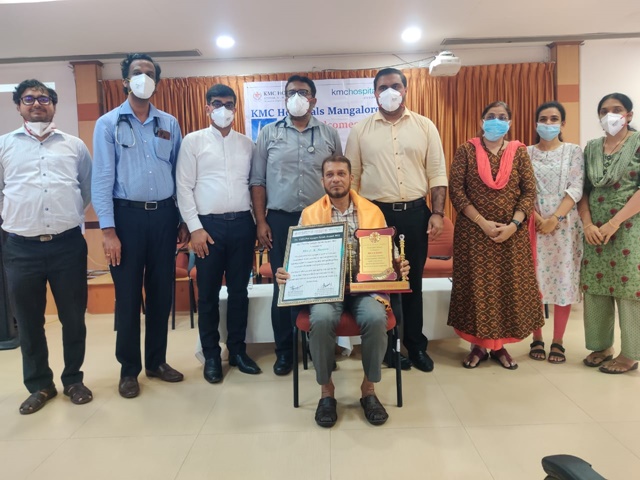
Kasturba Medical College, Attavar organized camp organizers’ meet and conferred E K Hussain with Dr TMA Pai Arogya Sevak Award 2022, at the Sanjeevini Hall, KMC Attavar here on Saturday June 11.
Marketing head of KMC Hospital Mangaluru, Rakesh Darshan welcomed the gathering. Camp co-ordinator of KMC Attavar Herbert Pereira briefed on the number of camps organized in Dakshina Kannada and said, “Due to COVID, we were not able to organize more camps in 2020 but from October 2021, we have organized 178 camps in various places where more than 27,474 patients had undergone health check-up and 1,442 patients were given further treatment at the KMC hospital. When we organized camps, we received very good support from many organizations. I would like to thank all the organizations that joined hands with us to make our mission successful.”
Addressing the gathering Dr Deepak Madi said, “Our founder Dr TMA Pai had a dream of eliminating illiteracy, poverty and ill health. He started schools to educate the poor people, banks to eliminate poverty and hospitals to provide treatment. Now, KMC Hospitals in the health sector are in second place in the country.”
Dr Deepak Madi further said, “We cannot go to every village to treat the patients, but some good-hearted people have joined hands with us to reach out to every village in providing treatment to the people. We are also providing the KMC Attavar Loyalty card and the Arogya card to the people. We normally hold camps in the hospitals but holding camps in villages is quite different. It is a godly work and I salute all those who have dedicated their time to helping the people who are deprived of medical facilities. I urge all of you to continue your good work. If you need any help we are always there at your service. This humanitarian work should continue. In the coming days, let all the people make use of the KMC Loyalty Card and Arogya cards.”
E K Hussain was felicitated by Dr Deepak Madi with a shawl, memento, and citation. Medical social worker Asha read out the citation. Prajna Counselling Centre was awarded with ‘Best Camp Organizer – 2022’ for its outstanding work in the field of rural Helth. KMC Hospital also felicitated all the camp organizers and those who had done the highest registrations of Manipal Arogya Card on the occasion.
Dr Manohar Pai, Dr Sumana Kamath, Dr Athmananda Hegde, Dr Rajendra A, Dr Shourjya Banarjee, Dr Basavaprabhu, Dr Smitha D’Sa, and Dr Deepthi D’Souza were present.
Nithesh Shetty delivered the vote of thanks.
source: http://www.daijiworld.com / Daijiworld.com / Home> Karnataka / by Media Release / June 11th, 2022
Perunthalmanna Thazekadu Village / Kalikavu (Malappuram District) KERALA :
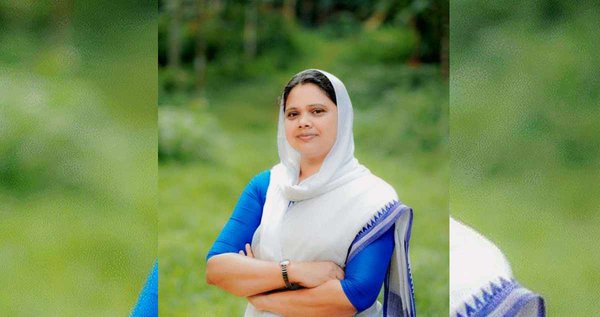
An ordinary Muslim woman from a remote village in North Kerala’s Malappuram district is today one of the general secretaries of the Congress party in Kerala.
Any woman involved in public service in Kerala, or for that matter anywhere in the country, faces several difficulties and challenges. It is all the more daunting if you are an ordinary woman and a Muslim to boot. Especially in today’s ‘New India’. Let us face the facts: unlike men, the circumstances are not conducive for a woman to enter politics in Kerala.
It is after a lot of uncertainty and dithering that the Congress party in Kerala managed to recently release a list of new office-bearers of the Pradesh Congress Committee. Though the leadership has claimed that the list is a reflection of a unified Congress – remember the local Congress has been ravaged by group rivalry for decades that had once again cost the party dearly in the recent Assembly elections in the state – it has naturally come under criticism for minimal representation for women in different committees. The AICC has co-opted five women, including three general secretaries and two executive committee members, into the KPCC leadership hierarchy. The women general secretaries are K.A. Thulsi, Alippatta Jameela and Deepthi Mary Varghese. The executive committee members are Padmaja Venugopal and P.R. Sona.
It is in this backdrop that Alipatta Jameela, the only Muslim woman general secretary of the KPCC, spoke to DoolNews Malayalam about her political journey. Asked how as a Muslim woman from Perunthalmanna Thazekadu, a village situated in the hilly terrain in Malappuram, one of the most backward districts in north Kerala till not very long ago, she rose to become a KPCC general secretary, Jameela said she had represented the KSU (Kerala Students Union, student organisation of the Congress in Kerala) in the College Union when she was studying in Mannarkkad MES (Muslim Education Society) College. She said she moved to Kalikavu, where she is settled now, after her marriage. She became active in politics after being elected president of the local Kalikavu Mandalam Congress in 2000. In 2005 she became a member of the Kalikavu panchayat after winning from Eenadi ward. In 2010 she contested from another ward and became president of the Kalikavu panchayat.
In 2015 she contested the Zilla panchayat election from Vandiyur division. In 2018 she became the district secretary of the Mahila Congress. In the 2020 panchayat elections, she successfully contested from Thenjippalam division. Currently she is a member of the Thenjippalam division and chairperson of the Public Works Department (PWD) standing committee there.
Jameela said it is significant that the party chose to select her to the PCC while she is already holding the post of general secretary of the Kerala Mahila Congress. “I consider it an honour and a sign of the party’s continuing faith in me. It is a great achievement to become one of the general secretaries of the State Congress, especially for someone hailing from the hilly terrain and living in this small town of Eranadu Kalikavu. I consider it recognition of the work I have done so far and I hope to fulfil the responsibilities bestowed on me to the full extent of my abilities,” she said.
Asked if she had a long struggle to reach the level she has, Jameela admitted that it was very difficult as a woman, especially as an ordinary woman from Malappuram, to embark on a life of public service, which is full of hazards and challenges entirely different from what men face in such circumstances. “When I contested for the panchayat in 2005, my younger child was not even a year old. The elder one was just three. To go out and campaign leaving my two children at home was very tough. This is not in my case alone. A lot of women face the same problems. Many of them are forced to give up as they fail to get enough support at home,” she said.
Jameela asserted that she could reach this level purely because of the support and encouragement she got at home. Despite that as a woman she faces many difficulties which she somehow overcomes to go forward.
On whether she belonged to a traditional Congress family and how she came into the party, she confessed that her family is basically a Muslim League one, but her late brother Nalakath Yusuf was a staunch Congress supporter and introduced her to the party’s ideology. “It was he who initiated me to the basics of politics. That was how I got involved in student politics,” Jameela said.
On the criticism over the shrinking representation of women in Congress forums, Jameela said compared to the previous jumbo KPCC (over 100) the current one has been trimmed to 51. “There are three women general secretaries and two in the executive committee. So, five of us are here. I think this is a decent number. I am myself an answer to that criticism. The fact that of the three woman general secretaries one is from Malappuram (Muslim-dominated district where League roots are deep) is in itself, in my opinion, an important signal to the changes that are sure to happen,” Jameela said.
On the new Congress leadership in Kerala vowing to end group rivalry in the state unit and whether she belongs to any group, Jameela admitted that leaders in the state Congress have grown only through these groups. “All along I have worked above these groups, but it is a fact that Thenjippalam from where I am a member belongs to the I (Indira) group. So, in a way, many see or identify me as spokesperson of the I group. But I try to be above all this and consider myself a humble worker of the Indian National Congress,” she said.
(Note for those who are not familiar with Congress politics in Kerala: For years these groups – A and I – are identified as the former aligned with senior Congress leader from the state, A K Antony, whose soulmate is former chief minister Oommen Chandy. The other group consists of followers of the late K Karunakaran who had stood with Indira Gandhi at the time she split the Congress a second time. Their current leader is former leader of the opposition Ramesh Chennithala.)
Asked whether the Congress, which is not in power either in the state or at the Centre, and is passing through perhaps the worst period in its history can make a comeback, Jameela said the country is passing through a grave crisis and is heading towards total anarchy without the Congress in power. She said the BJP is destroying India’s secular democracy by the day. “Women in particular are facing many problems in the state and the country in general. We see only such news these days. If Congress was in power these things would not have happened. In such circumstances people want the Congress to return to power. The new state Congress president and the leader of the Opposition are working for that only – to bring Congress back to its glory in the state. We will emerge victorious,” she said.
Asked what advice she would give to those women wanting to come into public life, Jameela said more and more women have started joining mainstream politics. She said it is the need of the hour as the country is passing through dangerous times. She added that she will always be there to guide women, Muslim or otherwise, who come forward to play a role in shaping the destiny of the country.
source: http://www.milligazette.com / The Milli Gazette / Home> News> Community News / by MG Correspondent / January 14th, 2022
Dr A Remla Beevi, director of medical education who bade adieu to a tumultuous stint on Tuesday, terms her last seven years as the most challenging in her 34-year career.
Thiruvananthapuram :
Dr A Remla Beevi, director of medical education who bade adieu to a tumultuous stint on Tuesday, terms her last seven years as the most challenging in her 34-year career. She had an arduous task as the DME during the Nipah and then the pandemic outbreak in the state.
When the Nipah virus outbreak was reported in Kozhikode district in 2018, like any other health professional, Dr Remla was also at sea. Even today, Thiruvananthapuram native Dr Remla remembers that once the diagnosis was reached, health authorities took steps to set up isolation facilities in a jiffy.
However, she is still upset that the state lost Lini Puthussery, the nurse who died in the first outbreak. Dr Remla recalls that the diagnosis had not come when Lini fell ill. Dr Remla gives credit to the entire health department, including then health minister K K Shailaja and former health secretary Rajiv Sadanandan, for working unitedly to contain the Nipah virus spread within Kozhikode district. In 2020, when she was busy with her administrative work at the directorate of medical education in Thiruvananthapuram, the first Covid case was reported in the state. Later, the Covid spread was declared a pandemic.
“The biggest challenge was that apart from Covid patients, people affected with other illnesses as well as pregnant ladies were thronging the Thiruvananthapuram Medical College and SAT hospitals. We had to set up separate labour rooms, operation theatres, ICUs and separate wards and divide our staff into three pools – Covid, non-Covid and reserve,” Dr Remla told TNIE.
Many a time, she missed her family – comprising husband Dr E Abdul Khadar, former professor and head of the cardiology department of Kottayam Medical College, engineer son Mohammed Farooq Husain and daughter Dr A Sumayya residing in Kottayam – when she returned home after a long and tiring day.
Dr Remla became the DME in 2015 after serving as the principal in Thrissur, Alappuzha and Kottayam government medical colleges. She joined the government service in 1988 as a lecturer at the Government Medical College in Kottayam.
Dr Remla who has specialised in radiology, fondly remembers the team work rendered by former health minister Shailaja who went out of the way by reading medical books and journals about Nipah and Covid so that these would help her “health army” to combat the deadly viruses.
source: http://www.newindianexpress.com / The New Indian Express / Home> Good News / by Cynthia Chandran, Express News Service / June 02nd, 2022
Shamnad was not just an expert in intellectual property rights, but a relentless crusader who worked towards ensuring diversity and representation of marginalised communities in legal practice.
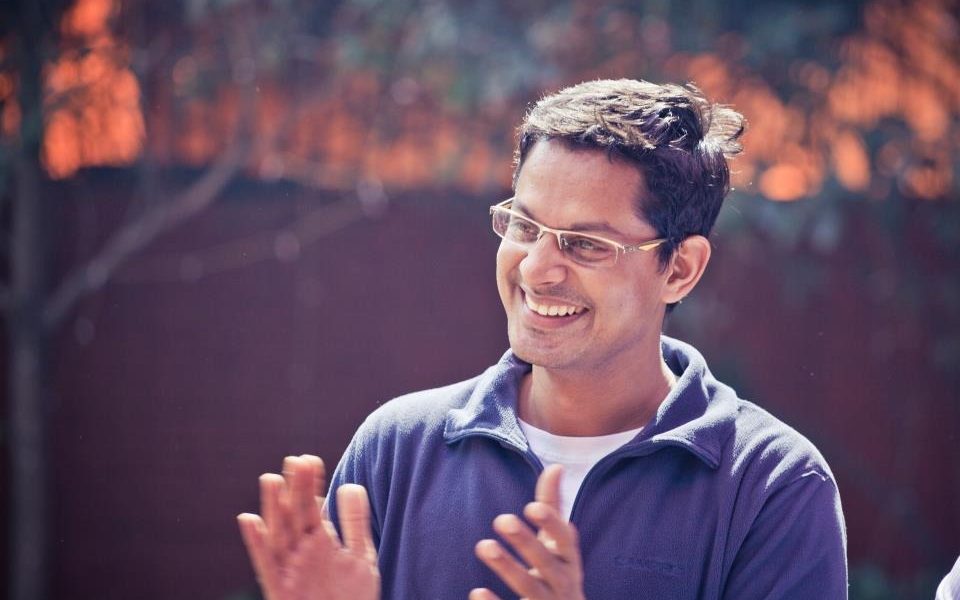
The untimely and tragic death of professor Shamnad Basheer was a bolt from the blue for many of us. As I scuttled to get more information on what initially seemed impossible to believe, I realised that apart from the loss of a friend, the country had also lost one of its finest legal minds. Globally renowned for his expertise in the field of intellectual property rights (IPR), Shamnad was found dead in his car near Bababundangiri in Chikkamagaluru of Karnataka.
As news of his death spread and tributes started pouring in all over my social media timeline, there remained no doubt that his sudden demise was a great loss to the legal fraternity and academia across the globe. Shamnad was a relentless crusader, working day in and out to ensure diversity and representation of marginalised communities in the field of law and legal practice. An alumni of the National Law University, Bangalore and Oxford University, Shamnad was a man on a mission as he championed many causes ranging from internet equality, fairness in IPR, public interest litigation, judicial accountability, to the rights of sexual minorities, visually impaired and physically disabled persons.
For me, Shamnad was more a social justice warrior than a globally-known IPR expert. He was not just the force behind Increasing Diversity by Increasing Access to Legal Education (IDIA), but also Access to Legal Education for Muslims in India (ALEM India).
I first heard of him in 2009, when he wrote a blog about remarks made by then Supreme Court judge Markandey Katju. In open court, Justice Katju equated a young Muslim sporting a beard with a Taliban militant. That year, Justice Katju had rejected an appeal of a Muslim student that he should be permitted to sport a beard in his convent school. Rejecting the plea the judge had remarked that, “We don’t want to have Talibans in the country. Tomorrow a girl student may come and say that she wants to wear a burqa. Can we allow it?”
According to Shamnad, “notwithstanding the merits of the case”, Justice Katju’s comments were “callous and insensitive” and he was “unfit to be an impartial judge”. Back then, Shamnad was the HRD ministry’s professor of intellectual property law at the National University of Juridical Sciences (NUJS), Kolkata. In the conclusion of his blog, he wrote:
“The Supreme Court bench may have been right in denying admission to Salim’s SLP. However, in view of Justice Katju’s statements made in open court that equated every bearded Muslim with a Taliban, the possibility of bias against a community cannot be ruled out. And the Chief Justice must not only censure such remarks, but take immediate steps to have this case reheard before another bench. For justice must not only be done, but also be seen to be done!”
Years passed by, and I kept reading his insightful articles and commentaries in various newspapers and websites. He was prolific, writing on a range of issues related to law, policy and public good. In 2015, a common friend (Tarunabh Khaitan) connected us, asking me if I would be interested in helping Shamnad’s team at IDIA to reach out to the Muslim community. Having admired Shamnad’s writings, the opportunity to work with him was like a dream come true. I readily agreed and eventually, we became good friends.
Shamnad Basheer at a panel discussion of intellectual property rights. Photo: Flickr/World Intellectual Property Organisation CC BY NC ND 2.0
Diversifying the legal field
More than anything, he was always on the lookout for ways and means to ensure that IDIA reaches the remotest parts of the country. To contextualise the need of diversity in national law schools, let me quote a study conducted by the students of NLS Bangalore in 2016. According to the study:
“While the students are somewhat evenly divided across sexes, the income, caste and religion statistics are telling of what constitutes ‘merit’ in this country. While 15% of the students reported their family’s annual income to be above Rs 36 lakh per annum, more than 50% reported an annual income of more than Rs. 12 lakh per annum. Eighty two percent were Hindus and the next largest religious group was the wealthy Jain community (5%), which constitute less than 0.5% of India’s population. On the other hand, Muslims, who constitute 14% of India’s population, make up only 0.5% of that of NLS. The NLS also has predominantly upper-caste students at 65%, with about 27% identifying as Brahmins.”
Similarly, another report found:
“In the last 15 years i.e., from 2000 onwards, only one Dalit advocate has been designated senior by the Supreme Court, and only two from the Muslim Community. The Advocates from backward States like Uttar Pradesh, Chhattisgarh, Jharkhand or Bihar have not been designated at all. The Advocates from rural background are totally ignored. Even with regard to a progressive State like Karnataka, only one Advocate has been designated after a gap of 25 years. It is relevant to mention that in the last round of designation, out of five advocates designated, four of them belonged to one caste.”
Despite being an extremely busy person, Shamnad believed in and practiced mentoring and coaching young minds, individually and personally. Few years ago, when I visited his flat in Bangalore, he was helping two students who were staying at his house to prepare for the CLAT exam. Both belonged to an unprivileged background, a common thread among the spectrum of students whom IDIA supported. A glance at IDIA scholars, like visually impaired Najrul Islam from Siliguri, West Bengal, who studies at the National Law University, Delhi (NLU) or Meraka Mani from Srikakulam district of Andhra Pradesh, currently studying at IFIM Law College, Bangalore, Aparna Amnekar from Nagpur, Maharashtra, a student of Government Law College, Mumbai, Sonia Sabu of Ernakulam district in Kerala, studying at NLIU, Bhopal and Vinatoli of Dimapur (Nagaland), studying at NUJS Kolkata shows an incredible initiative founded and run by him, with diversity and representation at its core.
Learning from IDIA’s experiment and under the guidance of Shamnad, ALEM India was started last year. The initiative tries to ensure access for socio-economically disadvantaged Muslims and improve their representation in Indian law schools.
Personally coaching legal professionals
His objective was not just to coach students for national law schools or produce batches of successful lawyers and legal professionals. He wanted to prepare young minds who are competent yet socially committed. It is hardly a surprise that IDIA produced graduates like Yogendra Yadav, better known as Yogi. The son of a manual labourer (working in Alang, Gujarat) and a resident of Pitij village in Chhatra district of Jharkhand, Yogi graduated from the National University for Study and Research in Law (NUSRL), Ranchi in 2017. He is currently a lawyer in the Ranchi high court. He worked as a newspaper hawker in and around his village from a very early age and it is while distributing newspapers that he got to know about IDIA and CLAT.
In the recently concluded Lok Sabha elections, he contested as an independent candidate. Explaining his rationale to contest the election, Yogi told Bar & Bench, “IDIA always encouraged me to take up community causes and help as best as I could, They were training me to become a CHAMP and this is all part of that.” I clearly remember Shamnad informing us of Yogi’s inspiring story with pride. “Yogendra Yadav, our IDIA Scholar makes his Political Debut!,” read the email he had sent to some of us.
Shamnad was also keen to highlight IDIA scholars to people working in different walks of life, not just those in the law and judiciary. In 2017, got in touch with me to invite the anti-manual scavenging activist and convener of the Safai Karmachari Andolan, Bezwada Wilson, to deliver the key note address at the IDIA conference on creativity and leadership.
Bezwada Wilson. Photo: PTI
“We share the same set of ideals in terms of empowering the marginalised and building a more inclusive India,” he had written to Bezwada, copying me in the email. Bezwada’s key note, according to Shamnad was “a provocative address”. A year later, he also wrote an article on Bandicoot, a robot to replace manual scavenging. He noted:
“Bandicoot is not just a clever idea; it is a game changer, and dare I say a life saver! Putting some teeth back into India’s constitutional promise of “equality” for Dalits and other marginalized sections who’ve had to clean our crap for years. Only a few days ago, the Delhi high court ruled on a case involving the death of two manual scavengers; making the government pay for its murderous negligence!”
His latest email to me was in July this year, a heart breaker titled: “Deeply Disappointing News: 7 IDIA Scholars Still Without Committed Donors!”. “I am deeply saddened to bring you this disheartening message. Unfortunately, of the 12 IDIA scholars that gained admission to leading law schools this year, we found donor support (covering all expenses) for only 5 of our scholars. Which means 7 of our kids are left behind and it will be a struggle to put them through law school without some promise of a committed donor (or donors),” read his email. Little did I know then that this was going to be his last email to me.
Now that Shamnad is gone and we cherish his memory, our duty is to ensure that we carry forward the work he initiated, in the same spirit that he always professed. And that, I believe, would be our real tribute to him.
source: http://www.thewire.in / The Wire / Home> Law> Rights / by Mahtab Alam / August 11th, 2019
After a near-death experience, Badrunissa Irfan, wife of Irfan Razack, CMD of Prestige Group, has put paintbrush to paper, expressing all that she’s been through.
Bengaluru :
11 years ago, Badrunissa Irfan was in a comatose state for almost a month. Doctors had lost hope but Irfan pulled along.
Today, over a decade after the incident, Irfan is sharing what she experienced for the first time, through her art works. Titled ‘Freedom of the Soul’, 35 paintings of Irfan will be on display at Sublime Galleria in UB City through the month of June.
Picking up her acrylic paints after a 20-year break, Irfan questions what a soul is through her paintings. “I had a near-death experience where I was in a state of coma for 23 days and was declared clinically dead twice. But I came back to life and what I witnessed during those days is what I have painted now. I want to convey the message I received from the Almighty through my art.”
While she took to art at a young age, her passion took a backseat when life and responsibilities took over. “It was my daughter Uzma [Uzma Irfan, director of Prestige Group], who encouraged me to pick up the brushes again. When I told her that my body cannot do what it used to before, she sent her daughter (my granddaughter) Alayna Zaid (who is also an artist) to sit with me while working,” she says, adding that she started work on her paintings in January this year.
Talking about her paintings, Irfan says, “You’ll find that most of my paintings are of open skies, mountains, gushing streams, animals and birds.”
Starting at `75,000 and going up to `1,40,000, all proceeds from this show will be donated to charity. She recalls how she couldn’t hear anyone except her daughter reading verses from the Quran every day.
“In my unconscious state, there was a scenario where I felt like I was looking at my own body from the outside,” she says. Every experience that she went through during that period comes to life in this series. “The colours that I use depend completely on my mood. I spend about two hours in the afternoon and another two in the evening and finish one painting within two days. It might take a little longer if it’s a bigger one,” Irfan adds.
Irfan believes she ‘came back to life’ to share what she has seen and witnessed. “I personally feel more connected with nature, animals, birds, flowers and fruits. I feel humans are hypocrites and so I use my art to share the beauty I believe in,” says Irfan, who is also the author of cookbook Duniya-e-Ziyafat.
(Freedom of the Soul will be showcased from June 1 to 30 at Sublime Galleria. All proceeds from this show will be donated to charity)
source: http://www.newindianexpress.com / The New Indian Express / Home> Cities> Bengaluru / by Anila Kurian , Express News Service / May 31st, 2022
Coming from a Muslim family in a state where wrestling is not popular, Tahera knew that the path would be full of obstacles, but her perseverance and determination have kept her going.
Indian wrestler Tahera Khatun (Source: Amanpreet Singh/Twitter)
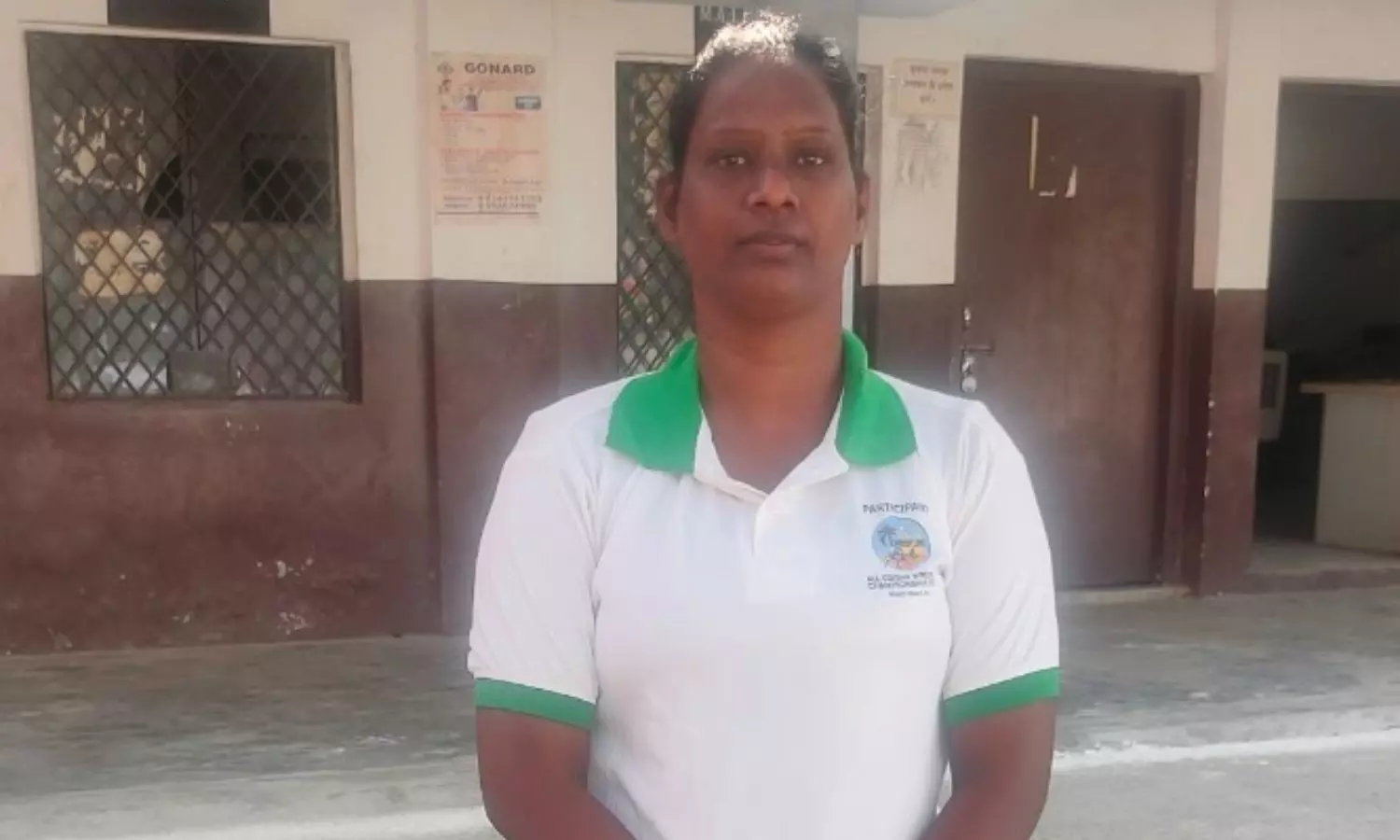
Odisha grappler Tahera Khatun was told to embrace the burqa and shun the wrestling singlet but she made the tough choice of upholding her “dharma” as well as pursuing her passion simultaneously.
Coming from a Muslim family in a state where wrestling is not popular, Tahera knew that the path was going to be full of obstacles, but her perseverance and determination have kept her going.
Undefeated in her state thus far, the 28-year-old Tahera has struggled to make a mark at the national level. She neither has strong sparring partners at her club in Cuttack to become a better wrestler nor has rich dietary support to become strong. But she does not regret the lack of success at the big stage since stepping onto the mat is a source of happiness for her.
“I am wedded to wrestling,” Tahera told PTI with a spark in her eyes. “If I get married, I will be told to leave wrestling since it is difficult for Muslim girls to continue in such a contact sport after marriage, and I am not willing to do it. Three of my batch-mates got married and now they can’t play because of family pressure, I don’t want something like that happening to me. I already faced difficulties since taking up this sport. The relatives and neighbours were never appreciative of me playing this game. They just wanted me to stay inside the house but my mother, Sohra Bibi, supported me,” explained Tahera, who lost her father, S K Ahmed, when she was only 10.
Whatever little support Tahera gets, it is from her brothers (one is auto driver and the other a painter) and coach Rajkishore Sahu. “Wrestling gives me happiness. So what if I don’t do well at the Nationals, at least I am getting to compete. Merely getting on to the mat fills me with happiness,” she said.
Tahera recently competed at the National championship in Gonda in Uttar Pradesh but made a first-round exit in the 65kg category. She used to play table tennis to overcome depression caused by her father’s death before wrestling coach Rihana convinced her to make a switch. Rihana trained her for a month and took her to ‘Khurda Pehla’ for a district championship, where she emerged champion and the love of sport struck her.
“People tell me ‘wrestling has not given you anything’. There are no facilities, no job. But my mother told me that I must pursue it if I like it,” said Tahera. While Tahera wants to pursue her passion she did not wish to disappoint her community and find a way to keep the people happy.
“When I enter Cuttack, I wear ‘burqa’. I need to save both, my sporting career as well as my religion. When I come out to play I wear whatever is required but I don’t disrespect my elders. ‘Dharam bhi chahiye, karam bhi’. In 2018, I lost my mother. Till she was alive, I had to think about her. I did not want her to listen to taunts but now I don’t care, I live my life my way now. I will definitely wear burqa once I am done with my career. Now things are changing. Lot of people wished me all the best before I left for Nationals.”
However, the other struggle continues for her. The little support she gets from her coach and brothers is not enough. She knows her career is as good as over, but she wants to initiate her nieces into the sport and for that to happen, she needs financial stability.
“I wish I had got a job. At least a home guard job. I manage my expenses by giving Yoga home tuition and help people who require physiotherapy. I learnt it by myself by attending training camps and talking to wrestlers. For how long my brothers would support me, I need a job. All I earn is 4-5 thousand a month.”
Tahera cannot afford to take protein or dry fruits. All she can afford is rice and vegetable as of now. Because of the lack of rich diet, she now has low level of calcium and hemoglobin. Her body is giving the signal that she can’t continue in the sport but she is all about grit. She competed at the Nationals with high blood pressure and against the advice of the doctor. Her coach Rajkishore Sahu also shared the plight of her ward.
“No one has offered Tahera even a glass of water, leave aside providing support and facilities. The wrestlers in the state of Odisha are a deprived lot,” said Sahu, who retired from the Food Corporation of India (FCI) six years ago.
source: http://www.thebridge.in / The Bridge / Home> Wrestling / by PTI / November 22nd, 2021
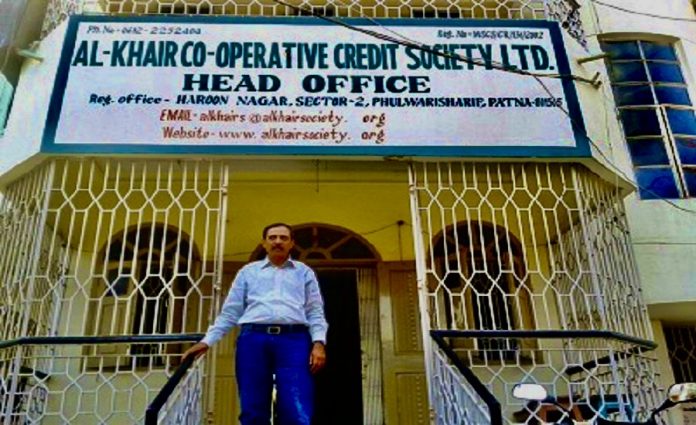
Head office of Al-Khair Society in Patna, Bihar. | Picture: Clarion India
Headquartered in a small building in the state capital Patna, Al-Khair Co-operative Credit Society, with thirteen branches in four states, has transformed lives by loaning money to low-income groups at zero interest rate.
Patna (Bihar) :
For 18 years, 51-year-old Kamala Devi used to sell vegetables at her small shop in Patna, Bihar, to support her family. The business wasn’t doing well and when in need of cash she would borrow money from a local lender at a 20 percent interest rate per month. Paying back this money at this interest rate was an extra burden. She found a way out when she came to know about the Al-Khair Co-operative Credit Society, a registered society based in Patna that loans money to low-income groups at zero interest rate.
In 2012, she borrowed Rs 10,000 from Al-Khair with zero interest and a one-time nominal service charge. With this money, which she had to repay by easy installments of Rs 50 per day, Devi started selling readymade garments at her shop. Her business improved. She paid back the loan amount in one year. Happy with the result, she took two more loans to expand her business.
“I am planning to borrow Rs five lakh from Al-Khair after repaying a loan of three lakh twice in the last three years. My goal is to further expand my business with the help of my elder son,” Devi told TwoCircles.net.
Besides lending her money to help her business, Al-Khair also loaned her money to buy a laptop for her younger son, who works in a private company.
“My family is settled now and our days of hardships are over,” she said.
Devi is one among 29,000 members of Al-Khair Co-operative Credit Society, a registered body under the Multi-State Co-operative Society (MSCS) Act 2002.
The society has 13 branches across Bihar, Jharkhand, Uttar Pradesh and New Delhi. Its beneficiaries include vegetable vendors, ready-made garments shopkeepers, medicine shop owners and Dhaba (eatery) owners etc.
Launched in 2002 by Arshad Ajmal (then chairman of Al-Khair Charitable Trust), Dr Badurl Hoda, Syed Shamim Rizvi and a few others, it employs 125 people as its staff. The need for such a society was felt after a detailed survey in 2001 conducted by S.B. Sinha, a Harvard University expert, revealed that “only 10% of people who were in need of loans had access to commercial banks.”
In order to become a member, one is required to buy at least 10 shares of Rs 10 each.
Managing Director of Al-Khair Naiyer Fatmi told TwoCircles.net that “Al-Khair has disbursed loans of Rs 113 crores since its inception.”
Fatmi said that they levy a one-time service charge ranging from 3.5 to 8.5 per cent.
Helping hand to low-income women during pandemic Nearly 35 percent of Al-Khair’s members are women. In 2012, Al-Khair started a branch in Mahendru, Patna that is run entirely by women. 42-year-old Shama Parween of Dargah Shah Arzan neighborhood is a member at this branch. She runs a small eatery near a school in Sultanganj, Patna.
In 2019, she became a member of Al-Khair by depositing Rs 500 per month from her husband’s savings.
“During the countrywide Covid-19 lockdown in March 2020, managing our household expenses became difficult as there was no work,” Parween, a mother of two daughters, told TwoCircles.net. As she was a member of Al-Khair, it only took a week for her to avail a loan of Rs 25,000.
She said she found it easier to repay the loan as the field staff from Al-Khair collected Rs 100-200 every day from her.
The hassle-free loans offered by Al-Khair, which take around two weeks to disburse after submitting basic documents, are popular among low-income groups. Its door-to-door system of collection is also found to be a matter of ease for its members.
Rajesh Sahu, from the Madhubani district of Bihar, is a vegetable vendor in Gomti Nagar, Lucknow in Uttar Pradesh. In 2012, he started his small shop with a loan of Rs 3000 from Al-Khair.
Sahu told TwoCircles.net that he was introduced to Al-Khair by his brother-in-law who was a beneficiary. “There is no hassle with Al-Khair. They don’t ask for too many documents and their charges to disburse loan is reasonable unlike where interest is charged which gets compounded,” he said. He is currently repaying his loan of Rs two lakhs, which he had taken in March this year, by depositing Rs 800 to 1000 every day.
Despite its popularity, Al-Khair is finding it difficult to increase its number of branches. The last branch was opened in 2014 at Jamia Nagar, New Delhi which remains its only branch in the national capital.
Fatmi said they have been waiting for almost five years for approval to open their five new branches, which include three in Bihar and two in Jharkhand. Earlier, the decision to open any new branch under MCMS Act lay with the Board of Society, Government of Bihar but after the demonetisation in 2016, the authority was delegated to Registrar, Co-operative in New Delhi under the Central government.
“Our application is lying with them from 2016. We just hope that it gets approved,” Fatmi said.
Sami Ahmad is a journalist based in Patna, Bihar. He tweets at @samipkb
source: http://www.twocircles.net / TwoCircles.net / Home> Lead Story / by Sami Ahmad, TwoCircles.net / May 26th, 2022
The Imperial Sweet House in Hyderabad’s Sultanpur area was started by Nafees and her daughter-in-law Nasreen Hussaini in the 1960s. Over the years, they’ve expanded their business across India and the world.
A paradise for food lovers, history geeks and street shopaholics, the Charminar city of Hyderabad has a special place for everyone. Being the soul of Hyderabad, Nawabi dawats (delicacies) like Biryani, Qubani ka Meetha and Kaddu ki Kheer are certain to tickle the taste buds of tourists and locals alike.
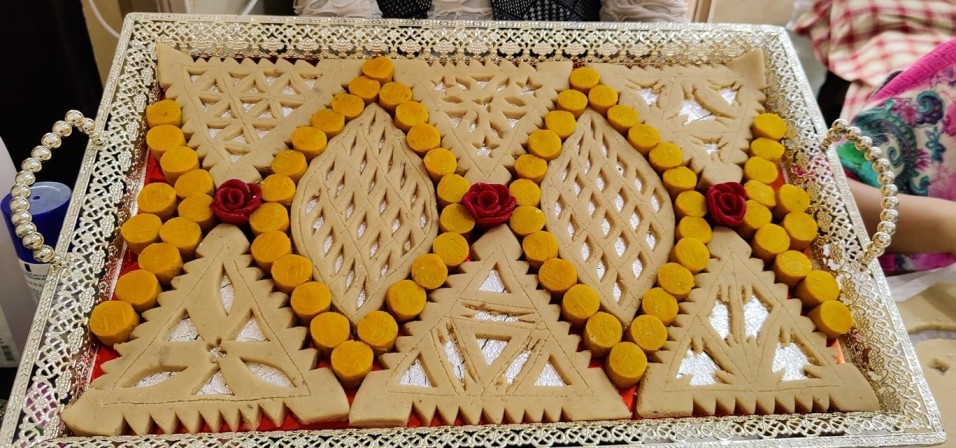
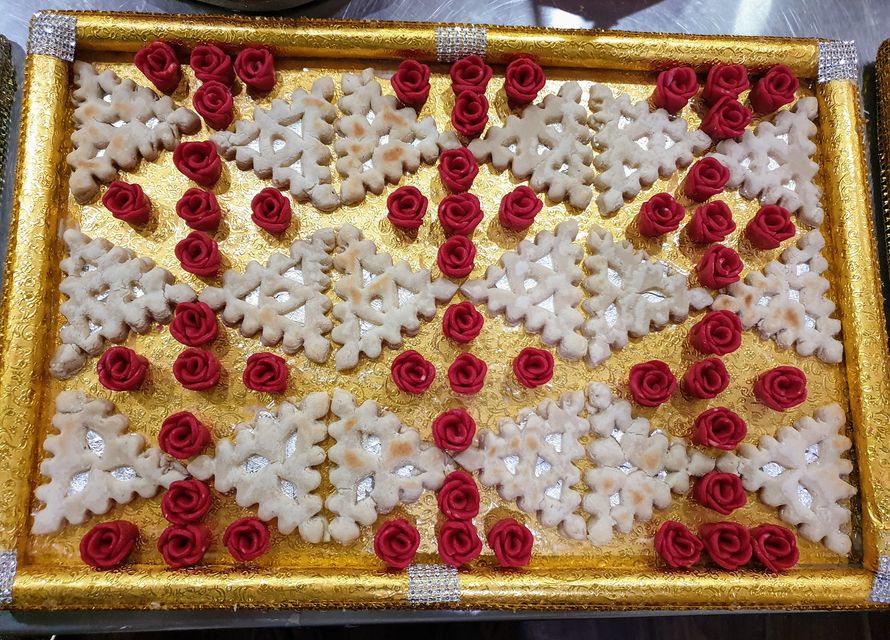
But among the popular dishes, there is a lesser-known sweet dish called ‘Badam ki Jali’ that often goes undetected by foodies. Primarily made with almonds, cashews and sugar, the recipe of this confection is known to have been passed on from one generation to another.
However, according to reports, there are only a handful of families left in the city that serve Badam ki Jali, which originated in the old Madras and Acrot areas of Tamil Nadu. It travelled to Hyderabad through inter-community marriages, where brides also had their closely guarded recipes in their elaborate wedding trousseau.
One of the few remaining families that make this dish in its authentic form is the Hussaini. As per the family’s accounts, Syeda Aijaz Fatima brought the recipe with her when her family moved to Hyderabad 60 years ago. She passed her recipie to her daughter-in-law, Nafees.
She would make the dish during family gatherings, festivals and weddings but she never considered selling them or making a business out of it.
Cut to 2022, the women of the house run a successful store, ‘Imperial Sweet House’, in the Sultanpur area near Noorkhan Bazar. With an average daily turnover of Rs 20,000, the family supplies their best seller Badam ki Jali and other sweets not just across India but the world.
A Woman’s World
The Hussaini matriarch turned into homepreneurs in the ’60s when their community and the society was reluctant to see women of the house earning money.
It was with the entry of Nafees’ daughter-in-law, Nasreen, that they decided to sell the sweets during festivals. They converted the ground floor of their house into a store to save money on rent. This also ensured they were able to manage both household work and sweet making.
Recalling the early days of their business, Nafees says, “It is a Nawabi mithai that we made accessible to everyone. Initially, we started with a few orders of 1-2 kg and gradually increased to 10 [kg]. I still remember that cashews were priced at Rs 8 per kg and almonds were Rs 10 when we started. The help we hired 50 years ago is still with us. But nowadays there are grinders to grind almonds and cashews but back then it was a tedious process.”
Now 87, Nafees credits her husband, Syed Mohammed, who supported her dream to expand the store’s business.
“Whether it was completing an order of 52 trays of Badam ki Jali, delivering the sweets on his way back from work or working overnight while streaming movies on VCDs [to accompany the sweetmakers], he always helped,” she adds.
As part of their expansion plan, Nasreen introduced new colours, shapes and sizes like stars, betel leaves, flowers and fruits, to the recipe with help from her husband, Mansoor. Meanwhile, Nafees added an ‘ashrafi’ design, which is achieved by pressing the dough between two Nizami coins to get their inscriptions.
Explaining the process of preparing Badam ki Jali without revealing much, she says, “We soak almonds in hot water and then dry it. Cashews and almonds are then ground into flour and then made into dough with sugar. The mould is then given different shapes and kept for baking. The whole process takes around 4-5 hours. The texture of the sweet is like cookies but the taste is similar to Kaju Katli.”
Nafees passed down the recipe to her daughter-in-law Nasreen who then taught her daughter-in-law, Aisha. Under the late Nasreen, the orders multiplied and she was the one to get new machines like grinders for easing the cooking process.
To ensure the quality of the ingredients, Nasreen and Nafees would themselves visit the Begum market to taste cashews and almonds.
When Aisha, the fourth-generation entrant, took over six years ago, she expanded the deliveries outside the city and country. She used online platforms like Whatsapp and social media for marketing. She was also instrumental in customising trays to get special shapes.
“Currently, our selling capacity is 300-400 kg per month. We also make Puran Poli, Gajar Halwa and other sweets. Every dish is made fresh and if there is an exhibition in the city, we do not sell in bulk and make fresh sweets if they get over. Although the shelf-life of this sweet is four to five days if covered in butter paper and packed properly. In case a customer is unhappy with the quality, we replace the entire order. We care about our reputation and family legacy more than anything,” says Aisha, who is a software engineer.
Over the years many competitors have arrived who make the same dish but the Husaainis are not worried.
“We prefer forgoing profits over compromising on taste and consistency. My grandmother, Nafees taught us this. It is due to these principles that we have a global footprint. Even actor Dia Mirza Rekhi had ordered our Badam ki Jali for her wedding last year,” says Ali, Aisha’s husband.
Both Aisha and Ali left their respective jobs in Dubai to continue the family’s legacy.
“The women of this house have a business acumen without having any business-related degrees. They hold magic in their hands to be able to make thousands of people smile with delight with their Badam ki Jali. So leaving a job abroad was totally worth it. We hope our next generation continues the family tradition,” he adds.
Sophore (Suvyyapur) Town (Baramulla District), JAMMU & KASHMIR :
Atiqa Bano
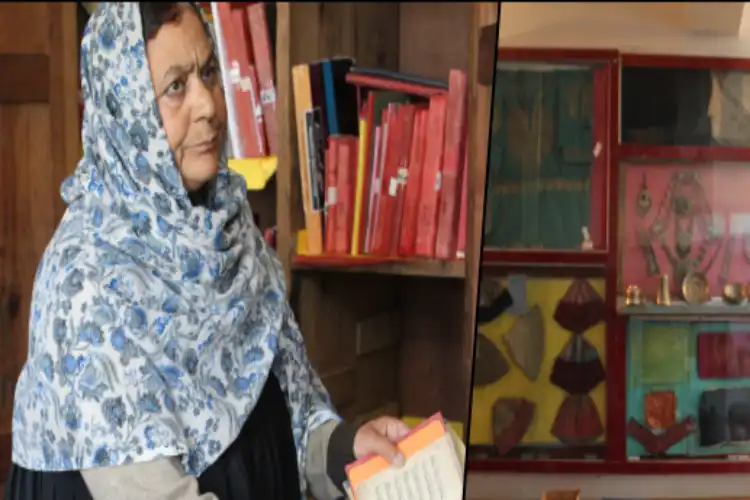
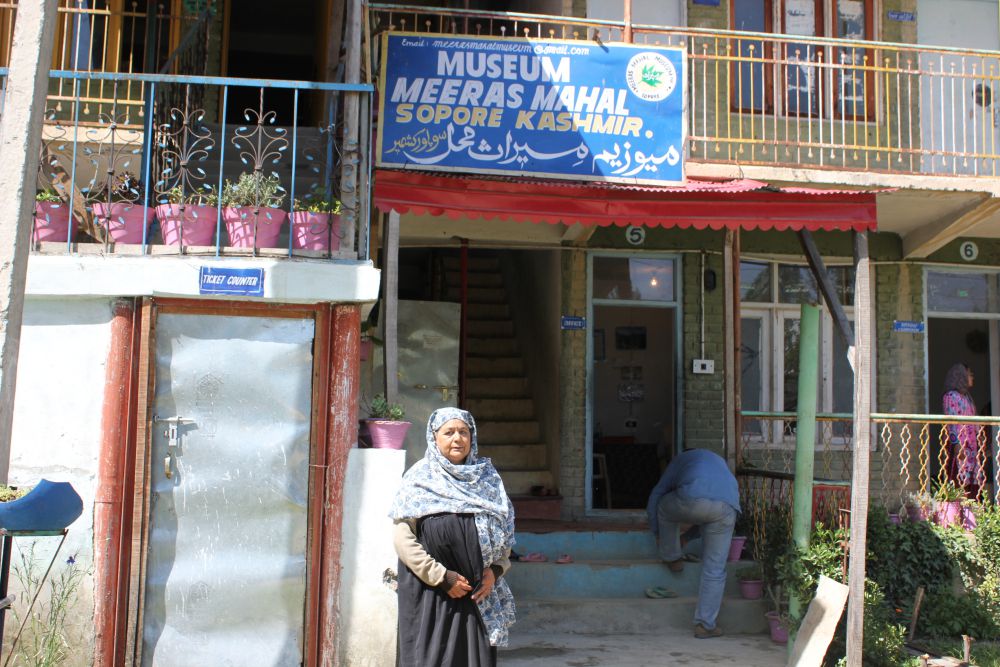
Atiqa Bano’s vision that the generations to come must know how people lived in Kashmir over centuries had made this retired Kashmiri educationist collect ancient households articles like hey mats (Waguv), multipurpose earthen pots, wooden doors, latches, and possibly all things used by humans over two centuries and create the first-ever private museum in the Valley.
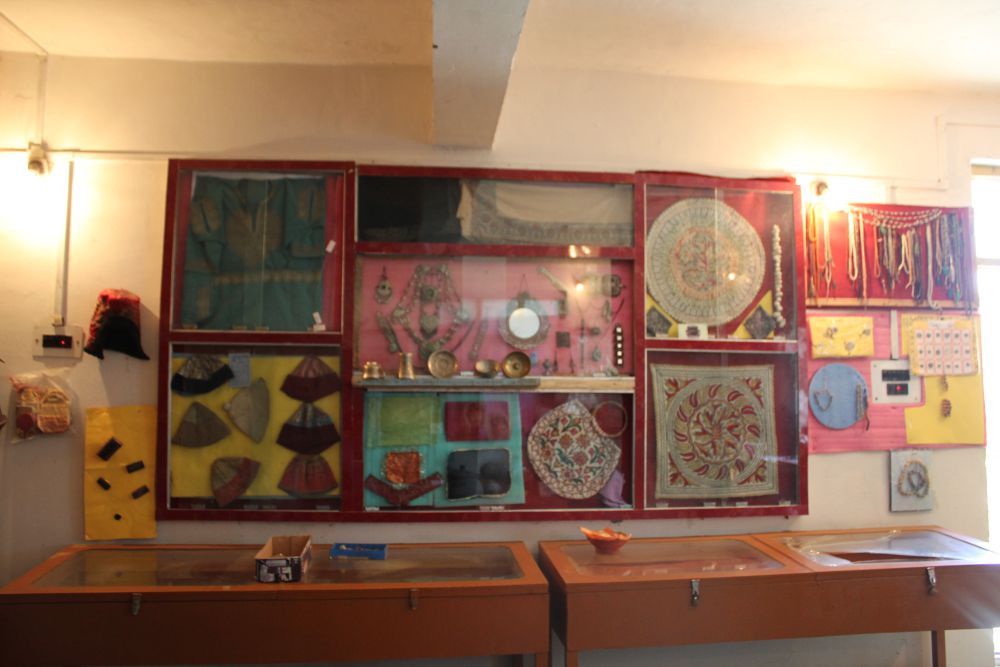
Called “Meras Mahal” (The palace of heritage), it houses more than 5,000 artifacts reflecting the social and cultural life of Kashmir over two centuries.
Atiqa Bano standing in front of Meeras Mahal
Atiqa Bano passed away in 2017 and her family continued to struggle to maintain it and not let forces of Nature damage this treasure trove. However, they always lacked resources for this gigantic task.
Finally, Atiqa Bano’s love of her labour is all set for a major revamp and scientific conservation as this historic treasure had attracted the attention of the Indian National Trust for Art and Heritage (INTACH), J&K Chapter.
Atiqa Bano, an educationist, had made great efforts to collect the exhibits over two decades after she retired from the J&K Government services in 1998. A woman of strong resolve, Atiqaji, as she was popularly called, had taken to looking after her father after her mother’s death. She had chosen to remain single and devote her life to education, women’s welfare, and society.
Household items on display in Meeras Mahal
It was during her campaigns for women’s empowerment that she was drawn to the collection of rare kitchenware, old ornaments, agricultural tools, clothing, earthenware, and manuscripts lying around in many Kashmiri households. It dawned upon her that with the changing times, all these human inventions would be lost to time if not preserved for posterity.
She started collecting artifacts in 2002 and continued her mission till her death.
Atiqa Bano is gone from this world, but her memory and work is commemorated for posterity, and, as she wished, for the generations to come.
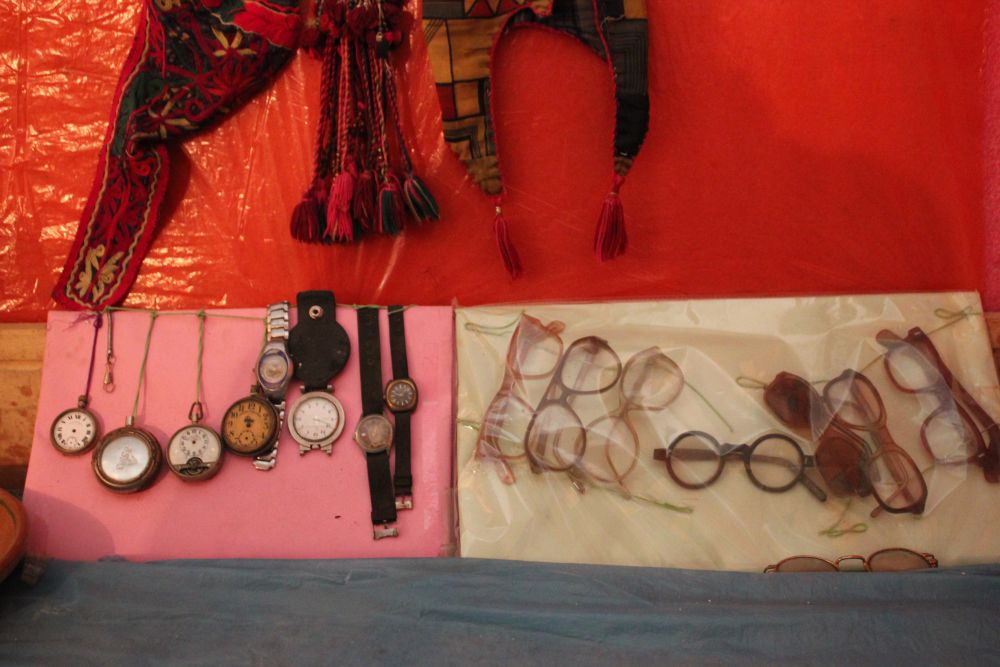
A collection of watches and eye glasses on display at Meeras Mahal
Realizing the importance of Atiqaji’s rich heritage collection, the J&K Chapter of INTACH and HELP Foundation have taken up the gigantic task of rejuvenating Meeras Mahal.
Saleem Beg, head of the INTACH, J&K Chapter, said, “Saima Iqbal and INTACH team are digitizing, curating and contextualizing the rich collection of vernacular objects after preventive conservation. The museum will have a thematic display demonstrated through sketches and write-ups supported by an elaborate digital presence.”
Saima Iqbal said, the work, supported by ALIPH- an international alliance for the protection of heritage in conflict areas, is getting streamlined. She stated that a team comprising a web designer, photographer, conservator, curator, and illustrator is working in tandem as all are interdependent and need to work in sync.
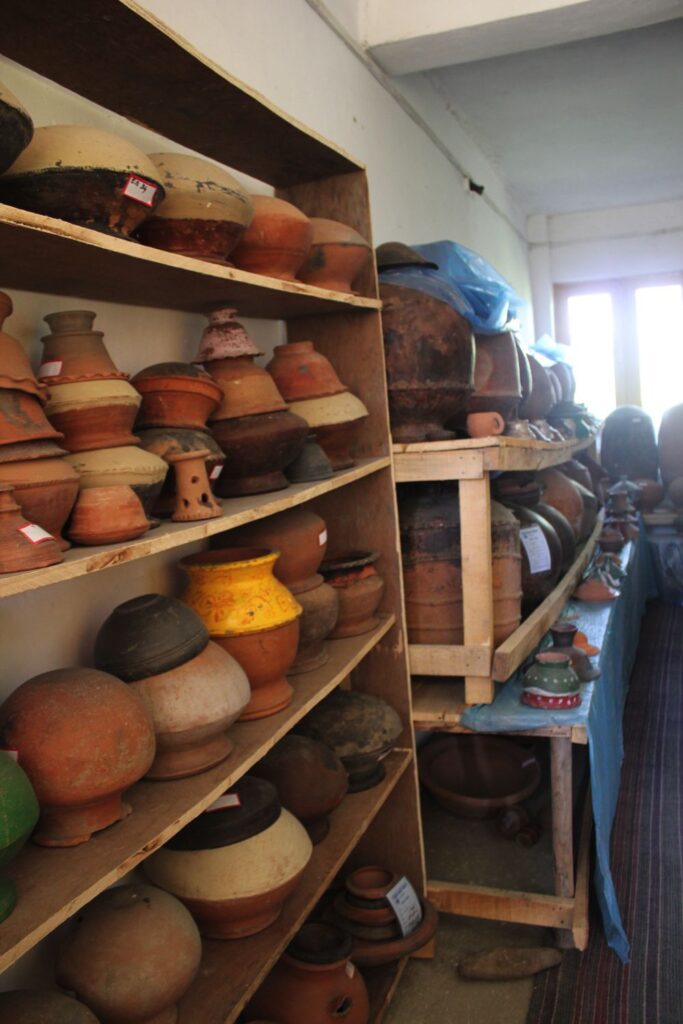
Earthenware used in Kashmiri households in Meeras Mahal
“I have to say that the challenges are many and we are making the best use of available meager resources here but the passion is alive and the project will be a great success”, she said.
“The first article preserved in the museum is Kondul, an earthen bowl that holds smoldering embers in Kangri, a personal and portable heating device of Kashmiri, said Muzamil Bashir Masoodi, Caretaker or (Honorary) President of the five-member Trust of prominent literary personalities, constituted to look after the museum.
Muzamil, who is also Atiqa Ji’s nephew had been taking a keen interest in maintaining and preserving the rare articles of the museum. The initially preserved items also included hand-written books of Ghulam Mohammad Hanfie, a scholar, Ateeqa Ji’s grandfather.
“All the items are counted one by one like 10 different Charkhas (spinning wheels) are counted as 10 separate items”, explained Muzamil.
The museum was initially set up in their private B. Ed College, Kashmir Women’s College of Education, at Noorbagh, Sopore. It was shifted in 2012 and called Meeras Mahal to a Hostel building of the College, at Highland Colony, where the rare items are “stored” due to the paucity of space.
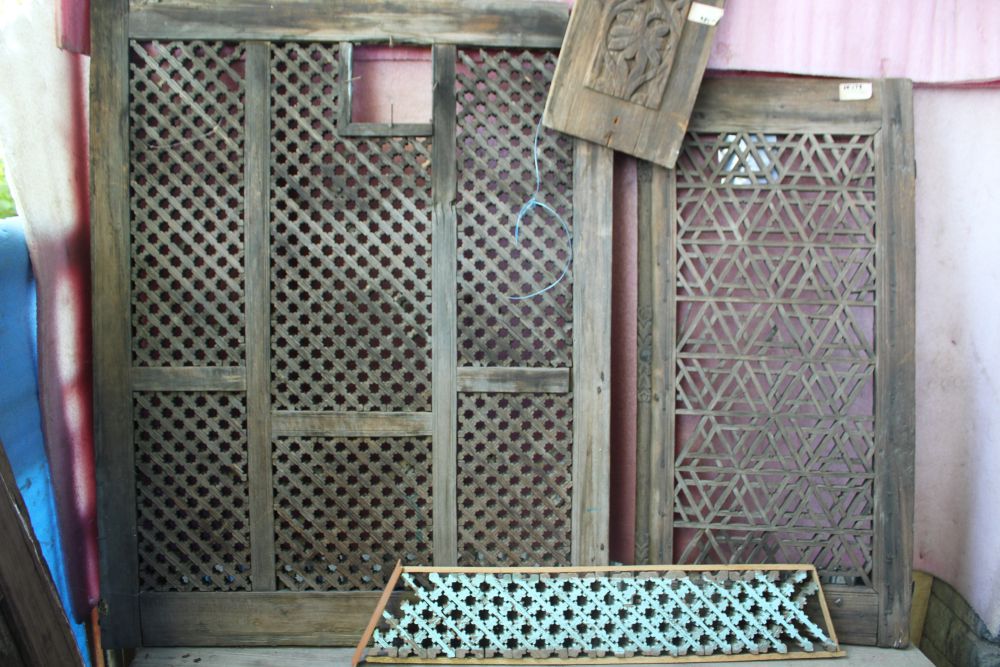
Doors and windows used in Kashmiri architecture
Muzammil said that “we cannot provide the normal gap of at least two feet between the items”, which makes it difficult to maintain the entire treasure. “There has been no support from the Government”, he said. He said so far he has been getting a token amount from the college funds for maintaining the museum.
“During the Covid restrictions, when everything was closed, we managed to be in the museum to provide basic maintenance,” Muzamil said. He had submitted a detailed project report, for conservation and preservation of the museum to the UT Government in 2019.”
Nothing has came his way so far.
source: http://www.awazthevoice.in / Awaz, The Voice / Home> Culture / by Ehsan Fazli, Srinagar / April 11th, 2022
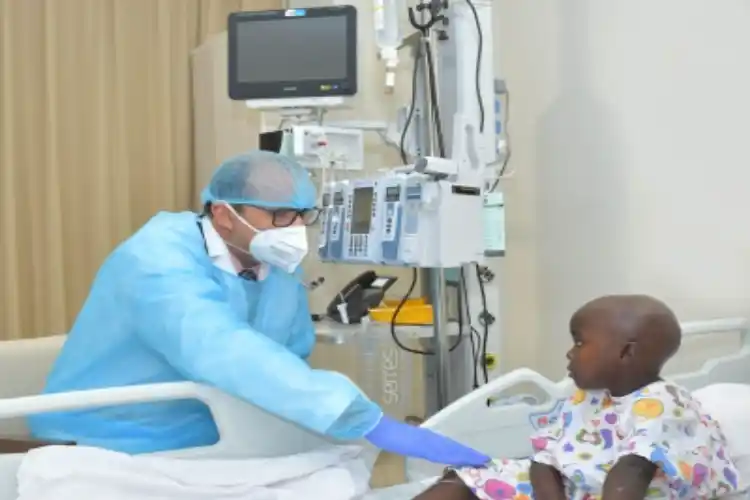
Dr Zainul Aabideen, with his patient, a 5-year-old Ugandan girl.
Abu Dhabi/Thiruvananthapuram :
A Malayali doctor in Abu Dhabi wrote himself into record books when he performed the first pediatric stem cell bone marrow transplant in the UAE.
Dr Zainul Aabideen, a native of Kannur in Kerala, presently Head of the Department of Pediatric Hematology and Oncology at Burjeel Medical City successfully performed the advanced allogeneic procedure on a five-year-old girl from Uganda with sickle cell disease.
Billed as the first such surgery done in the UAE, the patient’s 10-year-old sister donated her bone marrow for the transplant treatment at Burjeel Medical City, a flagship hospital of VPS Healthcare.
Sickle cell disease is a genetic disorder, which results in an abnormality in the hemoglobin found in red blood cells, causing them to become sickle-shaped and leading to several complications including anemia, swelling in the hands and feet, frequent pain, acute chest syndrome, and sometimes stroke.
Prior to the treatment, the child has been regularly admitted to the hospital due to complications arising from her disease since birth.
“As this was a life-threatening condition, the only curative option was bone marrow transplantation. Before this procedure, the patient suffered a lot. The entire care team here at the hospital and the child’s parents are delighted that the transplant will relieve this pain from her life,” said Zainul Aabideen, who headed a team of highly specialised doctors, including a pediatric intensive care team, for the procedure.
The patient has responded well to the treatment and will be discharged in a few days after a five-week stay at the hospital.
Earlier, pediatric patients in the UAE who had to undergo allogeneic stem cell bone marrow transplants travelled to the US, the UK, India, and other European countries.
Zainul Aabideen, completed his MBBS from Calicut University in Kerala and a post-graduate degree in Pediatrics from the University of Mumbai.
He then moved to the United Kingdom to specialise and undertake further training in pediatric hematology, pediatric oncology, and pediatric bone marrow transplantation in various hospitals in the UK.
source: http://www.awazthevoice.in / Awaz / Home> Health / by awazthevoice.in / April 20th, 2022