Tag Archives: Muslims of Bihar

Sir Syed Fazl Ali marked boundaries of Indian states

BIHAR / UTTAR PRADESH :
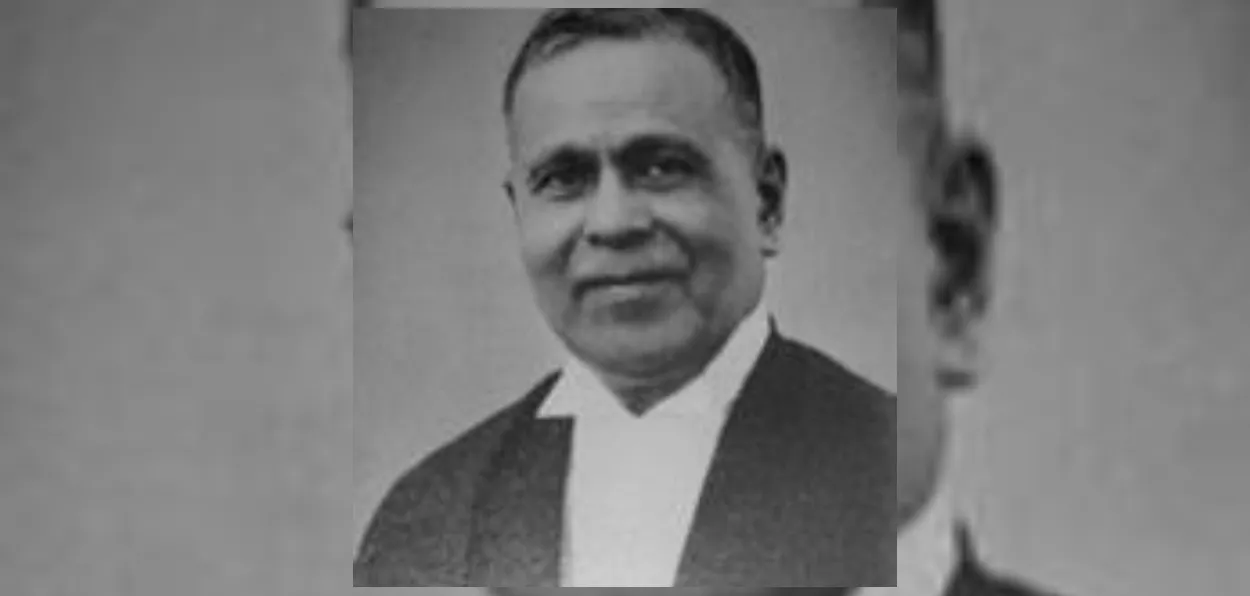
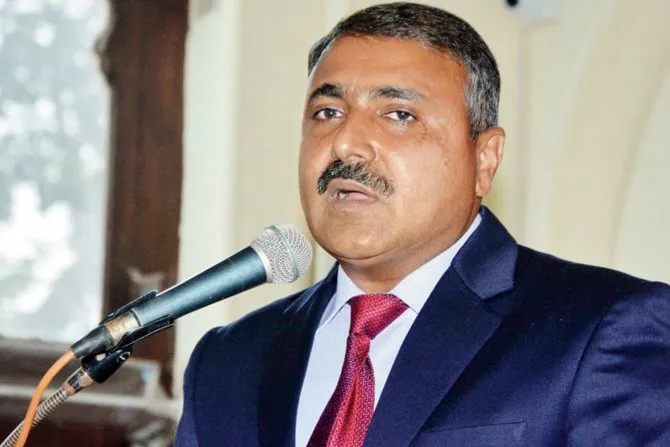
Sir Syed Fazl Ali

It is a commonly held notion that the states of India are natural units, each a homeland of a particular language and culture that existed long before 1947. The formal recognition of these states after India became a Republic was nothing but natural.

A Slice of History

History shows that the political boundaries most Indians live inside today were drawn by a three-member commission that submitted its report on 30 September 1955. This means that the line that separates a Kannadiga from a Malayali or a Bihari from a Bengali was an innovation.

Till then, India had simply carried forward former British provinces, princely states and centrally administered territories, classified under a four-tier system of Part A, B, C, and D states inherited from the Government of India Act of 1935. It was Sir Syed Fazl Ali, a judge from Benares (Varanasi), who led the work to define the boundaries of Indian states,

Born on 19 September 1886 in Varanasi to Saiyid Nazir Ali, Fazl Ali belonged to a family of lawyers, with roots in Bihar. He studied at Muir Central College, Allahabad (now Prayagraj), and at the Middle Temple, London.

Oner his return to India, in 1912, set up practice in the district courts of Chapra, Bihar, arguing criminal cases before subordinate judges. This apprenticeship carried him to the Patna High Court in April 1928, with a deputation to settle labour disputes at the Tata steel works in Jamshedpur.

He was knighted in the New Year Honours of 1941, became acting Chief Justice of Patna in 1938 and permanent Chief Justice in January 1943.

Fazl Ali also chaired the inquiry into the Royal Indian Naval Mutiny of February 1946, one of the last rebellions against the British Empire in India. Later he sat on the Calcutta Disturbances Enquiry Commission, investigating the killings during the partition.

Fazl Ali was elevated to the Federal Court in June 1947. In three months and an Independent India, he went as India’s delegate to the second session of the United Nations General Assembly, where he was elected chairman of its Fifth Committee. In 1950, he became one of the eight judges of the Supreme Court of India. He was also the first Muslim to sit on that bench.

One of his dissenting notes as a Supreme Court judge made history. Indian Parliament had passed the Preventive Detention Act of 1950, allowing the state to jail a person without trial. In A.K. Gopalan versus State of Madras, decided on 19 May 1950, Chief Justice Harilal Kania led the majority in holding that a citizen could be stripped of his liberty by any procedure Parliament chose to enact, however unfair, so long as it was called law.

Two of the six judges who disagreed were Fazl Ali. Fazl Ali held that the procedure established by law had to rest on four elementary principles, which he summed up in a single line: “the right to be heard before one is condemned.” It took twenty-eight years and the government’s arbitrary seizure of a young woman’s passport, without explanation, for the Supreme Court to agree with him.

In Maneka Gandhi versus Union of India in 1978, the Court finally read fairness back into Article 21, and nearly every later right to dignity, privacy and due process in India has been built on that foundation. In fact, less than two years after Gopalan, Fazl Ali had already sat with the majority in the State of West Bengal versus Anwar Ali Sarkar, striking down a law that let the government to select certain cases for trial in Special Courts, bypassing ordinary procedures.

The Court held that such discretionary power violated Article 14 of the Constitution, as it allowed arbitrary and unequal treatment of similar offences. Indian courts still apply the test of reasonable classification under Article 14 that this judgment helped establish.

In 1952, Potti Sreeramulu fasted for a separate Telugu state. He died in the process, and there was unrest in the region. This forced Jawaharlal Nehru’s government to concede to reorganisation of India along linguistic lines.

In December 1953, Ali Fazl Ali, then Governor of Odisha, was asked to head a commission with the historian-diplomat K.M. Panikkar and the veteran liberal parliamentarian H.N. Kunzru as members for the purpose. For almost two years they toured the country, took evidence region by region and read memoranda from parties, princes and peasants. They weighed every demand against four tests – national unity and security, linguistic and cultural homogeneity, financial and administrative viability, and the welfare of the people in each proposed state.

The Commission submitted its report on 30 September 1955. The report said that it was guided by the principle that “the unity of India must be regarded as the paramount consideration,” and refused to accept one language, one state as an absolute rule.

Not every line the commission drew was viable. For example, it kept Maharashtra and Gujarat together as a bilingual Bombay state. The plan was not acceptable to both Marathi and Gujarati speakers, and the state was split into Maharashtra and Gujarat in 1960.

The commission had recommended 16 states and three union territories as against the final Reorganisation Act of November 1956 going for 14 states and six UTs. However, the template was intact. Punjab and Haryana followed it in 1966. Chhattisgarh, Uttarakhand and Jharkhand followed it in 2000. Telangana followed it in 2014. Every one of these reorganisations has worked within the same administrative and legal vocabulary that Fazl Ali’s commission wrote, that a community’s claim to its own language and government must be weighed against, never simply surrendered to, the unity and coherence of the nation.

Fazl Ali spent his last years as Governor of Assam, working to bring the Naga hills into the administrative mainstream. He opened a college at Mokokchung, Nagaland that still bears his name.

Fazl Ali’s son, Syed Murtaza Fazl Ali, became Chief Justice of the Jammu and Kashmir High Court and, in 1975, a judge of the very Supreme Court his father had helped inaugurate. Sir Syed Fazl Ali was awarded the Padma Vibhushan in 1956. He died in office on 22 August 1959.

Sir Syed Fazl Ali led no mass movement. But every time an Indian under arrest demands to know the grounds, every time a citizen calls a law arbitrary before a court, and every time someone crosses from one state into another without a thought for how that border came to sit exactly there, they are repeating an argument first made by a Varanasi-born Bihari judge.

source: http://www.awazthevoice.in / Awaz, The Voice / Home> Stories / by Saquib Salim / September 11th, 2026
From a Small Village in Bihar to the Stars: ISRO Scientist Imtiaz Ahmed’s Journey

Rewda Village (Darbhanga District) BIHAR :

Darbhanga (Bihar):

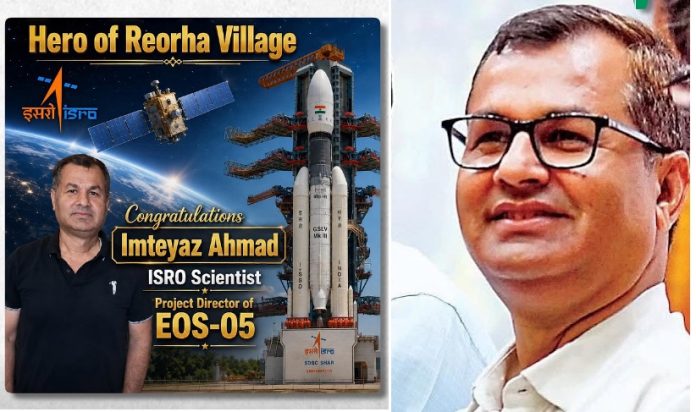
A young scientist from a small village in Bihar has become part of India’s growing space legacy. Imtiaz Ahmed, hailing from Rewda village in Darbhanga district, has earned recognition across the country for his role in one of ISRO’s most important recent missions.

Ahmed was a key contributor to ISRO’s GISAT-1 geostationary imaging satellite mission, which successfully placed the GISAT-1 satellite into orbit. The satellite holds a special distinction. It is India’s first geostationary earth observation satellite designed to provide continuous imaging of the Indian subcontinent.

The satellite is expected to play a critical role in monitoring weather patterns, agricultural conditions, and natural disasters. Scientists and observers say Ahmed’s contribution to the mission was both substantial and well-executed.

Ahmed comes from a family with a strong tradition of serving the nation. His father is a retired soldier who served in the Indian Army. The family’s story now carries a new chapter. Where the father wore a uniform to guard the country’s borders, the son now works in the space sector to advance its frontiers.

His journey from Rewda, a small and relatively unknown village, to the corridors of India’s premier space agency reflects both personal dedication and academic discipline. Those who know Ahmed describe him as focused and committed from an early stage in his education.

The Muslim community across Bihar and beyond has expressed pride in Ahmed’s achievement. His success has drawn attention to the potential that exists in smaller towns and rural areas, where talent often goes unrecognised without the right opportunities and determination.

Ahmed’s work on the GISAT-1 mission stands as a reminder that scientific contribution to national progress comes from every corner of the country. The team at Imtiaz Ahmed’s community extends its sincere salute to a scientist who has honoured both his roots and his nation through hard work and excellence in space research.

source: http://www.radiancenews.com / Radiance News> Pride of the Nation> Markers of Excellence> Report/ by Radiance News Bureau / September 07th, 2026

AMU-RCA students succeed in cracking prestigious national-level examinations

Aligarh, UTTAR PRADESH / BIHAR :

AMU-RCA students succeed in cracking prestigious national-level examinations

Aligarh:

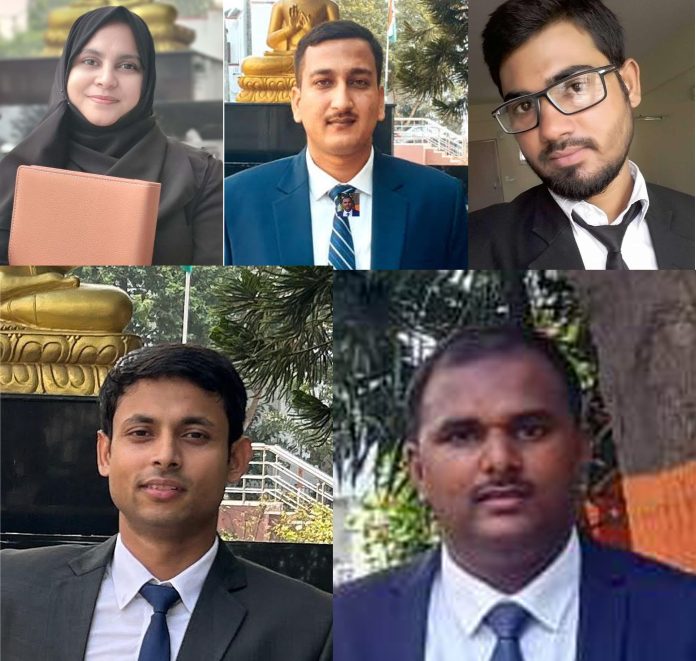
Mohd Faisal Khan, Mohd Zaid Masab and Manawwar Hussain, who have been preparing for the civil services examination at the Residential Coaching Academy of the Aligarh Muslim University, have been selected for the post of Revenue Officer, Supply Inspector and Finance Administrative Officer, respectively, through the integrated 69th Combined Competitive Examination conducted by Bihar Public Service Commission (BPSC). The result of this examination was declared on November 26.

Meanwhile, another two students of RCA, Mohd Shams Raza and Habiba Bukhari have succeeded in cracking the 32nd Bihar Judicial Services Examination to become Civil Judge (Junior Division), with a ranking of 30 and 176, respectively at the coveted examination conducted by the BPSC, Patna. The result of the examination was made public on November 28.

AMU Vice Chancellor Prof Naima Khatoon and the Registrar, Mr Mohammad Imran (IPS) have congratulated these students on their selection, adding that their success will serve as an impetus to other students who are preparing for national-level examinations.

The RCA Director, Prof Saghir Ahmad Ansari thanked Mr Mohibullah Ansari (IPS, Bihar Cadre) for sparing his valuable time to provide counselling to the RCA students, taking motivational classes and participating in mock interviews at the Academy conducted by experts.

source: http://www.radiancenews.com / Radiance News / Home> Focus> Markers of Excellence / by Radiance News Bureau / December 03rd, 2024

Who Is IPS Officer Abdur Rahman? Supreme Court Orders Fresh Review of His Voluntary Retirement Plea

West Champaran District (BIHAR) /MAHARASHTRA :

Supreme Court Gives Relief to IPS Officer Abdur Rahman, Asks Centre to Revisit VRS Rejection.

New Delhi:

In a significant ruling, the Supreme Court has set aside the Union Home Ministry’s decision rejecting the voluntary retirement request of former Maharashtra cadre IPS officer Abdur Rahman and directed the Central Government to reconsider his application afresh within three months.

A Bench comprising Justice P.S. Narasimha and Justice Alok Aradhe held that the Centre had failed to adequately examine the complaints and disciplinary issues cited while rejecting Rahman’s Voluntary Retirement Scheme (VRS) application in 2019.

The court’s decision comes after a prolonged legal battle initiated by Rahman, who had sought voluntary retirement from the Indian Police Service in August 2019 but was denied permission by the government due to pending disciplinary proceedings and complaints against him.

Supreme Court Sets Aside 2019 Rejection Order

Abdur Rahman had submitted a notice seeking voluntary retirement under Rule 16(2A) of the All India Services (Death-cum-Retirement Benefits) Rules, 1958, in August 2019.

The Ministry of Home Affairs subsequently rejected the request on October 25, 2019, citing pending complaints and disciplinary matters.

Allowing Rahman’s plea, the Supreme Court observed that the Central Government had not undertaken a detailed examination of the complaints before rejecting the VRS application.

“In view of the above discussion and analysis, we are of the opinion that the Central Government has not examined the complaints in detail before taking the decision dated October 25, 2019, of not accepting the notice for voluntary retirement,” the Bench noted.

The Court directed the Centre to reconsider the request in light of all available material and take a fresh decision within three months.

Court Asks Centre to Consider Subsequent Charge Sheets

The Supreme Court also took note of developments that occurred after the original rejection order.

The Maharashtra Government subsequently issued charge sheets against Rahman in three separate matters, including a 2022 case linked to his participation in protests against the Citizenship Amendment Act (CAA).

However, the Court observed that despite the passage of several years, disciplinary proceedings in these cases had not reached a conclusion.

Taking this into account, the Bench directed the Central Government to evaluate both the original complaints and the subsequent disciplinary proceedings while reconsidering the VRS application.

The Court stated that the inability of the authorities to conclude disciplinary proceedings despite the passage of time was an important factor that warranted a fresh review of the matter.

Complaints Against the IPS Officer

According to records placed before the Court, Rahman faced multiple allegations during his service.

These included:

  • Allegations of torturing a person in 2014.
  • Contracting a second marriage in 2016 without obtaining the consent of his first wife.
  • Delivering a public speech in 2019 allegedly in violation of service conduct rules.
  • Subsequent disciplinary proceedings related to his participation in anti-CAA protests.

The Court did not examine the merits of these allegations but emphasized that the Centre must properly evaluate all relevant facts before arriving at a decision on his retirement request.

Who Is IPS Officer Abdur Rahman?

Abdur Rahman is a former 1997 batch Indian Police Service (IPS) officer of the Maharashtra cadre who served the state police force for more than two decades before emerging as a prominent public voice on issues related to governance, constitutional values, minority rights, and social justice.

Born on January 8, 1973, in West Champaran district of Bihar, Rahman comes from a farming family.

Educational Background

Rahman completed his schooling at Bipin High School in Bettiah and later pursued higher studies in Patna.

He graduated with a Bachelor of Technology (B.Tech) degree in Civil Engineering from the Indian Institute of Technology (IIT) Kanpur in 1995 before qualifying for the Civil Services Examination.

Career in the Indian Police Service

Rahman joined the Indian Police Service on September 7, 1997, and was allotted the Maharashtra cadre.

Over a policing career spanning more than 22 years, he held several important assignments across Maharashtra.

His major postings included:

Assistant Superintendent of Police, Latur

One of his earliest assignments after joining the service.

Superintendent of Police

He served in districts such as:

  • Dhule
  • Yavatmal
  • Chandrapur

During his tenure in Dhule, he reportedly led several anti-dacoity operations targeting criminal gangs operating along national highways.

Principal, Police Training School, Solapur

Rahman later headed the Police Training School in Solapur, contributing to police training and capacity building.

Additional Commissioner of Police, Pune

He served as Additional Commissioner of Police (Administration) in Pune City Police.

Inspector General of Police

His final posting in service was as Special Inspector General at the Maharashtra State Human Rights Commission (MSHRC).

Resignation During Citizenship Amendment Act Protests

Rahman gained national attention in December 2019 after publicly opposing the Citizenship Amendment Act (CAA).

On December 11, 2019, shortly after the Citizenship Amendment Bill was passed in Parliament, he announced his resignation from service, describing the legislation as unconstitutional and discriminatory.

He stated that his decision was an act of “civil disobedience” and a protest against what he viewed as a threat to India’s pluralistic and secular character.

However, by that time, his earlier request for voluntary retirement was already under consideration and later became the subject of legal disputes.

Long Legal Battle Over Retirement Status

Following the rejection of his VRS application, Rahman challenged the government’s decision before judicial forums.

The dispute continued for several years, creating uncertainty regarding his formal separation from government service.

The Supreme Court’s latest order does not automatically grant voluntary retirement but requires the Central Government to reassess the application and take a reasoned decision after examining all relevant facts and subsequent developments.

Author, Public Speaker and Social Activist

After stepping away from active policing, Rahman increasingly focused on public engagement, research, and writing.

He has authored several books examining issues related to governance, social inclusion, and political representation.

His notable works include:

Denial and Deprivation: Indian Muslims after the Sachar Committee and Ranganath Mishra Commission Reports

A study examining socio-economic challenges faced by Indian Muslims.

Absent in Politics and Power: Political Exclusion of Indian Muslims

An analysis of minority representation in political institutions.

Communal Crimes and National Integration

A work exploring governance, communal harmony, and national integration.

Brief Foray into Electoral Politics

Ahead of the 2024 Lok Sabha elections, Rahman briefly entered electoral politics.

He was announced as a candidate for the Dhule parliamentary constituency by the Vanchit Bahujan Aghadi (VBA), led by Prakash Ambedkar.

However, legal uncertainty surrounding his retirement status reportedly affected his candidature, and he did not emerge as a major electoral contender.

What Happens Next?

Following the Supreme Court’s ruling, the Ministry of Home Affairs will now be required to conduct a fresh examination of Abdur Rahman’s voluntary retirement application.

The Centre has been given three months to take a final decision after considering the original allegations, subsequent charge sheets, and the prolonged pendency of disciplinary proceedings.

The outcome of the review will determine whether Rahman’s long-pending request for voluntary retirement is finally accepted or rejected once again after detailed scrutiny.

source: http://www.indianmasterminds.com / Indian Masterminds / Home> News> IPS>News / by Indian Masterminds Bureau /June 03rd,2026

Two Rahmani30 Students Secure MBBS Admissions to International Medical Universities

BIHAR :

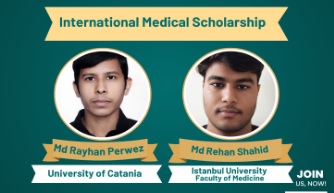
In a significant international breakthrough, two Rahmani30 students — Mohammad Rehan Shahid and Md Rayhan Perwez — have secured admission to leading international medical universities through highly competitive scholarship examinations. These represent fully funded, merit-based opportunities earned through rigorous academic performance and global-level evaluation. This rare achievement marks a defining milestone for Rahmani30 and reflects the quiet, outcome-driven excellence that continues to distinguish the program.

Importantly, this achievement builds on Rahmani30’s consistent track record of sending students to India’s Institutes of National Importance and other first-tier educational
institutions, and now marks the emergence of a new global initiative long envisioned and encouraged by its late Patron, Hazrat Maulana Mohammad Wali Rahmani sb (RA), who paved the way for this broader global journey.

This initiative is being actively guided and fuelled by Dr. Zishan Siddiqui, MD – Johns Hopkins Medicine, USA for the Raza of Allah SWT. It is not an isolated outcome, but the early expression of a wider journey — one that extends Rahmani30’s culture of excellence beyond India into international academic pathways.

Mohammad Rehan Shahid, from Patna, Bihar, and a student of the R30 Batch 2022–24, has secured admission to Istanbul University – Faculty of Medicine, Turkey, a highly respected medical institution in the region. In addition to qualifying through an international scholarship examination, Rehan achieved an impressive TOEFL score and performed strongly in the SAT, further strengthening his academic profile. His success reflects his dedication, complemented by the rigorous academic environment and preparation provided at Rahmani30.

Md Rayhan Perwez, from West Champaran, Bihar, and a student of the R30 Batch 2022–24, has qualified for a prestigious international medical scholarship and secured admission to the University of Catania, Italy. Alongside his scholarship achievement, he has earned excellent scores in both TOEFL and SAT, demonstrating his readiness to succeed in an international academic environment. His accomplishments highlight his perseverance, supported by the strong academic foundation and guidance provided at Rahmani30.

These achievements underscore Rahmani30’s commitment to empowering talented youth through world-class coaching, mentorship, and career guidance. It is important to note that both students have been awarded 100% tuition fee coverage for the entire MBBS program, travel support, and monthly stipend support to cover accommodation, food, and other living expenses.

This expanding footprint signals that, with the right support and hard work, students can excel in international academic arenas.

Rahmani30 continues to nurture students for IIT-JEE, NEET, CA, CS, CMA, international academic pathways, and other premier opportunities, expanding access both within India and beyond. These accomplishments will undoubtedly motivate countless students to pursue their dreams with confidence and determination.

Another important milestone and critical new initiative of Rahmani30 is its Junior Program, with intake in Class 8 and Class 9. While the core Rahmani30 model remains selection-based, the Junior Program adds a new and even more powerful approach to the journey of excellence — one centered on cultivating, nurturing, and shaping excellence from an earlier stage. Together, these efforts reflect Rahmani30’s expanding vision: not only to identify excellence, but also to build it with greater depth and over a longer horizon, with many more such outcomes expected in the years ahead.

source: http://www.theindianawaaz.com / The Indian Awaaz / Home> Qaumi Awaaz / by Indian Awaaz / April 13th, 2026

Lalu Keeps His Promise: Shahabuddin’s Son Osama Fielded from Raghunathpur

BIHAR :

Siwan strongman late Shahabuddin’s wife, Hina Shahab, had personally appealed for her son’s electoral debut in Bihar politics

New Delhi / Patna :

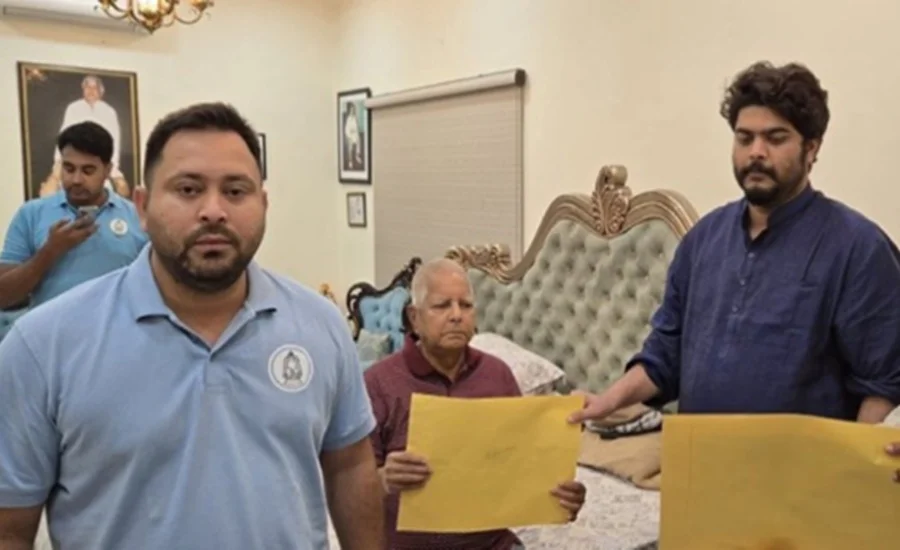
Rashtriya Janata Dal (RJD) chief Lalu Prasad Yadav has fulfilled his long-standing promise to the family of late party strongman Mohammad Shahabuddin. The RJD has announced Osama Shahab, son of the late leader, as its official candidate from Raghunathpur constituency in Siwan district.

The announcement came on Tuesday as part of the RJD’s list of candidates for several key constituencies. Along with Osama Shahab, Awadh Bihari Chaudhary has been fielded from Siwan, while Akhtarul Shaheen has been given the ticket from Samastipur.

Party insiders said that Lalu Yadav had made a personal commitment to Hina Shahab, widow of the late Shahabuddin, to give her son an opportunity in active politics. Hina had met both Lalu Prasad and Tejashwi Yadav earlier this year, urging them to consider Osama for the Raghunathpur seat.

After that meeting, she had told reporters: “Raghunathpur is our traditional seat. My husband served the people here with loyalty and commitment. I want my son Osama to continue his legacy.”

According to party sources, Lalu Yadav had assured her during that meeting that her request would be honoured, a promise now fulfilled.

In a significant show of loyalty to the party leadership, sitting MLA Harishankar Yadav stepped aside to make way for Osama Shahab. Harishankar, who had won the seat twice for RJD, reportedly agreed without hesitation when asked to vacate it for the late leader’s son.

“I have complete faith in Lalu ji’s decision. Osama is young and carries the legacy of a great leader. The people of Raghunathpur will support him,” Harishankar said.

The Raghunathpur seat is considered one of RJD’s strongholds in Siwan, having been dominated by the party for several years. Political observers believe Lalu’s move is both emotional and strategic, aiming to consolidate Muslim-Yadav votes and rekindle Shahabuddin’s once formidable influence in the region.

Mohammad Shahabuddin, once regarded as a powerful figure in Siwan politics and a close aide of Lalu Prasad Yadav, passed away in 2021 due to COVID-19 complications while in prison. His death left a void in the RJD’s local leadership.

Now, with Osama entering the fray, many in Siwan see it as a revival of Shahabuddin’s political legacy.

Local RJD workers gathered outside Hina Shahab’s residence in celebration after the announcement.

“This is not just a political decision; it’s an emotional one. The people of Siwan still remember Shahabuddin Sahab for his service and strength. His son will carry that name forward,” said Mohammad Arif, a local party worker.

Political experts view this development as a calculated move by Lalu Yadav to strengthen RJD’s traditional support base. Prof NK Sinha, a Patna-based political analyst, commented, “The decision to give Osama the ticket is more about legacy politics. The Shahabuddin family still commands strong emotional ties in Siwan.”

Meanwhile, supporters of Osama have started campaigning energetically in the constituency. Posters of Osama with his father’s image have appeared across Raghunathpur, with slogans reading “Waqt aa gaya hai, Shahabuddin ka beta aa gaya hai” (The time has come, Shahabuddin’s son has arrived).

Osama Shahab and his mother Hina Shahab officially joined RJD in October 2024, ending years of speculation about their political future. Hina, who had contested earlier elections as an independent, had repeatedly expressed her faith in Lalu Yadav’s leadership.

Speaking to media persons after the announcement, she said with tears in her eyes, “Lalu ji has honoured his word. My son will serve the people just like his father did. This is a moment of pride for our family.”

The coming election will determine whether Osama Shahab can uphold the legacy of his father, a man both feared and admired in equal measure, and re-establish the Shahabuddin family’s political influence in Siwan.

source: http://www.clarionindia.net / Clarion India / Home> Politics / by Mohammad Bin Ismail / October 16th, 2025

Khan Sir’s affordable hospital in Patna becomes lifeline for poor

Patna, BIHAR :

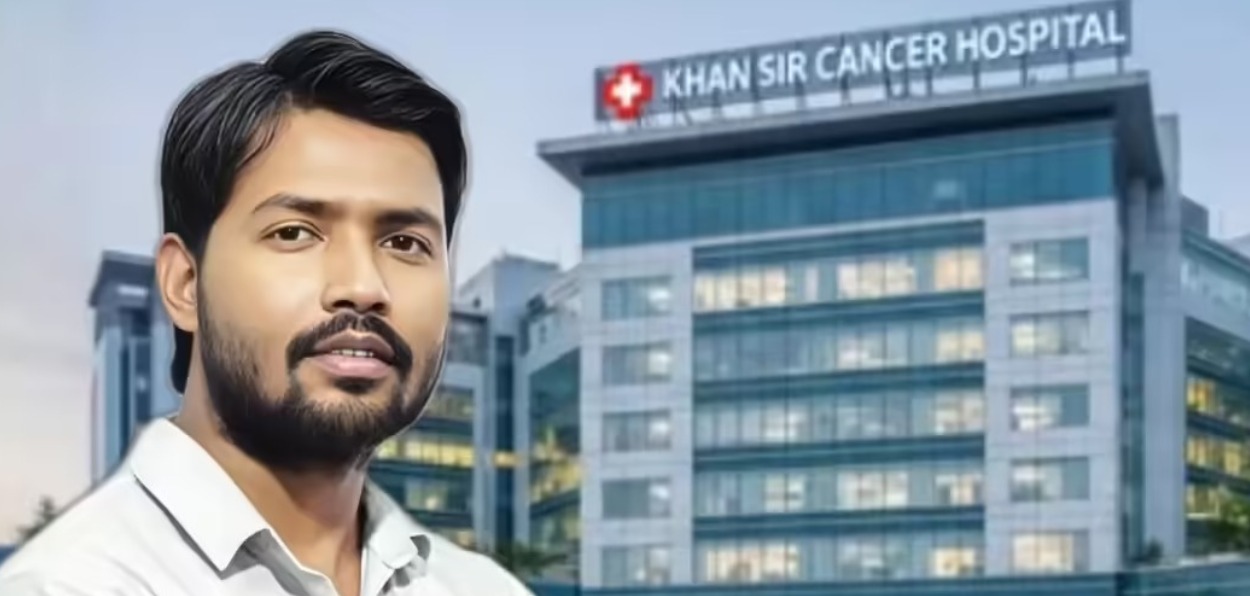
Khan Sir Hospital, Patna

In an era where escalating medical explosive costs are making healthcare inaccessible to millions, Khan Sir has given India a reason to take pride. Patna is set to experience a significant enhancement in healthcare access with the launch of the hospital for those who can’t afford the highend treatments and diagnosis of the diseases.

The hospital, established by Faizal Khan—founder of the world’s largest and most affordable online education platform—known as Khan Sir, provides low-cost diagnostic and treatment services for the poor. Khan Sir’s initiative is inspired by his mother’s vision of making healthcare affordable and removing financial barriers to medical care. 

Speaking to the media, Khan Sir said. “I have started this initiative for the ease of the residents of my nation. It was my mother’s dream to build a hospital that gives affordable medical treatments to everyone. Building upon that, I am trying to create a situation where women of my country, whom I consider family, don’t have to mortgage their jewellery for any medical treatment. My further motive is not to earn out of this initiative; I would rather curb the brokerage that is involved in the medical facilities of Bharat.”

The hospital is located on Ashok Rajpath in Patna, Bihar, and has been designed to serve low income families, daily wage earners, senior citizens, and economically underprivileged patients who struggle with high healthcare costs. Khan Sir has stated on multiple occasions that the facility’s mission is to provide quality care at costs much lower than even government hospitals. 

Khan Sir Hospital, Patna (Bihar)

From the start, the hospital has focused on keeping diagnostic and treatment costs extremely affordable. For example, a blood test is charged at only Rs 7, while an ECG (electrocardiogram) costs Rs 25 figures that have caught public attention for being significantly lower than typical lab charges. Initial pricing also includes minimal fees for X rays and kidney tests designed to ensure that essential diagnostics are accessible to all. 

According to the hospital’s official information, even more services are priced affordably: Digital X rays at Rs 30, CT scans from Rs 150, ultrasound for Rs 100, blood tests around Rs 50, and consultations at just Rs 20. These rates make basic medical care much less burdensome for patients who previously had to choose between health and household expenses. 

खान सर का हॉस्पिटल इस दिन से होगा चालू, 35 रु में X-Ray से लेकर काफी सस्ता ईलाज! पटना में कुल 5 बड़े Ai जेनरेटेड हॉस्पिटल खोलेंगे! Khan Sir Hospital Patna pic.twitter.com/TTxoq3Jy7R

— छपरा जिला 🇮🇳 (@ChapraZila) January 4, 2026

Beyond basic diagnostics, Khan Sir Hospital offers a 24/7 blood bank and dialysis centre, with trained nephrology teams and modern equipment. A dedicated emergency department and general OPD services ensure continuous care for various health needs. The hospital also runs community health programmes and patient education initiatives to encourage preventive care.

In line with his charitable mission, Khan Sir plans to expand services across Bihar by establishing dialysis centres and blood banks in other districts with advanced machines imported from Germany and Japan aiming to provide affordable care where it is most critical. 

The hospital’s community outreach has included blood donation drives, where more than 150 units were collected, helping save lives in emergencies. Such efforts demonstrate the institution’s commitment to community health, not just commerce. 

The initiative has inspired strong emotional support from followers. In one notable example, a young fan from Uttar Pradesh drew attention by creating and gifting paintings made with her own blood to Khan Sir in Patna, a symbolic tribute to his work in healthcare and education. 

With this combination of ultra-low fees, modern treatment facilities, community outreach programmes, and a mission rooted in service, Khan Sir Hospital is positioning itself as a lifeline for affordable healthcare in Bihar. It represents a growing model of healthcare that prioritises accessibility and compassion at its core.

source: http://www.awazthevoice.in / Awaz, The Voice / Home> Stories / by Asshhar Alam / February 09th, 2026 

Zakat Conference in Patna Advocates for Institutionalized Charity to Combat Poverty

Patna, BIHAR :

Patna:

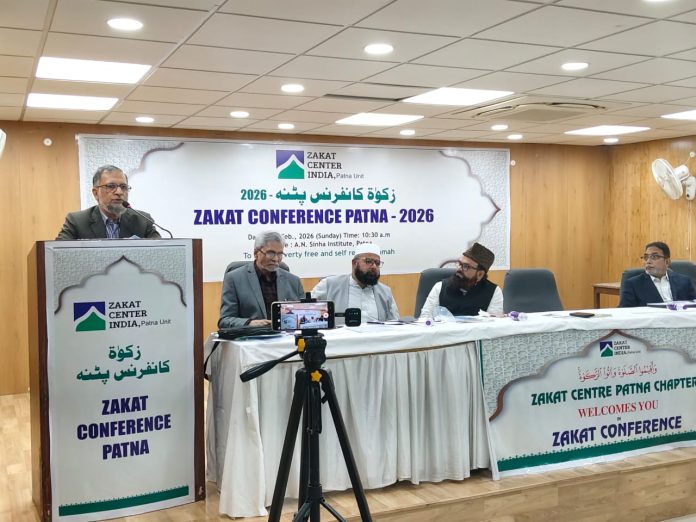
The Zakat Centre India (ZCI), Patna, hosted a high-profile conference at the A.N. Sinha Institute of Social Science, bringing together community leaders, scholars, and financial experts to discuss the transformative potential of organized Zakat. The event highlighted a shift from individual giving to a structured “social security” model aimed at empowering marginalized sections through transparency and professional management.

Chief guest Amir Subhani, retired IAS officer and former Bihar Home Secretary, said Zakat is a core element of the Islamic economic system and a guarantee of social security for the weak and poor. He observed that economic inequality exists in every society and cannot be erased by force, noting that the collapse of communism proved such models unsustainable. A degree of inequality, he suggested, can foster mutual dependence, gratitude, cooperation, and empathy among social groups.

Subhani compared faith-based welfare with state-led systems in Europe, Canada, Australia, and the Netherlands, where governments provide extensive social security through taxes. While India has welfare schemes, he said they remain inadequate given widespread poverty. He noted that the estimated Zakat pool forms a significant “corpus”, yet is largely distributed informally, often without verification.

An institutionalized system, he stressed, ensures proper assessment of eligibility, scale of need, and appropriate assistance. Students, aspiring entrepreneurs, and destitute individuals such as widows and the elderly all require tailored support. Organized networks can investigate cases effectively, making collective Zakat more impactful than isolated charity.

Reflecting on ZCI’s work, Subhani said many of his initial concerns about fund allocation and beneficiaries were addressed during the program. He expressed confidence in the Centre’s transparency, especially as it is led by a Chartered Accountant, and suggested issuing payment receipts to strengthen donor trust.

He emphasized coupling financial aid with mentorship. Many poor recipients, he noted, spend business funds on urgent consumption needs and lack entrepreneurial skills. Recalling government Entrepreneurship Training programs for street vendors—where he observed strong Muslim participation—he highlighted practical guidance such as customer interaction, negotiation, body language, repeat business strategies, and digital payments. Financial assistance, he concluded, should be paired with structured guidance.

Keynote speaker Maulana Rizwan Ahmad Islahi described Zakat as central to maintaining social balance in Muslim society. Dr. Rizwan Ahmad Rafiqui of ZCI Delhi stressed organized collection and distribution to maximize impact. CA SS Quadri outlined management protocols and transparency measures, while Advocate Mohammad Naushad presented the annual report. The program opened with Quran recitation and concluded with a vote of thanks by Quamar Warsi.

source: http://www.radiancenews.com / Radiance News / Home> Latest News> Report / by Sami Ahmad / February 16th, 2026

Tania Parveen’s journey from village transformer to special invitee to R-Day Parade

Siswa Purvi Panchayat (East Champaran District), BIHAR :

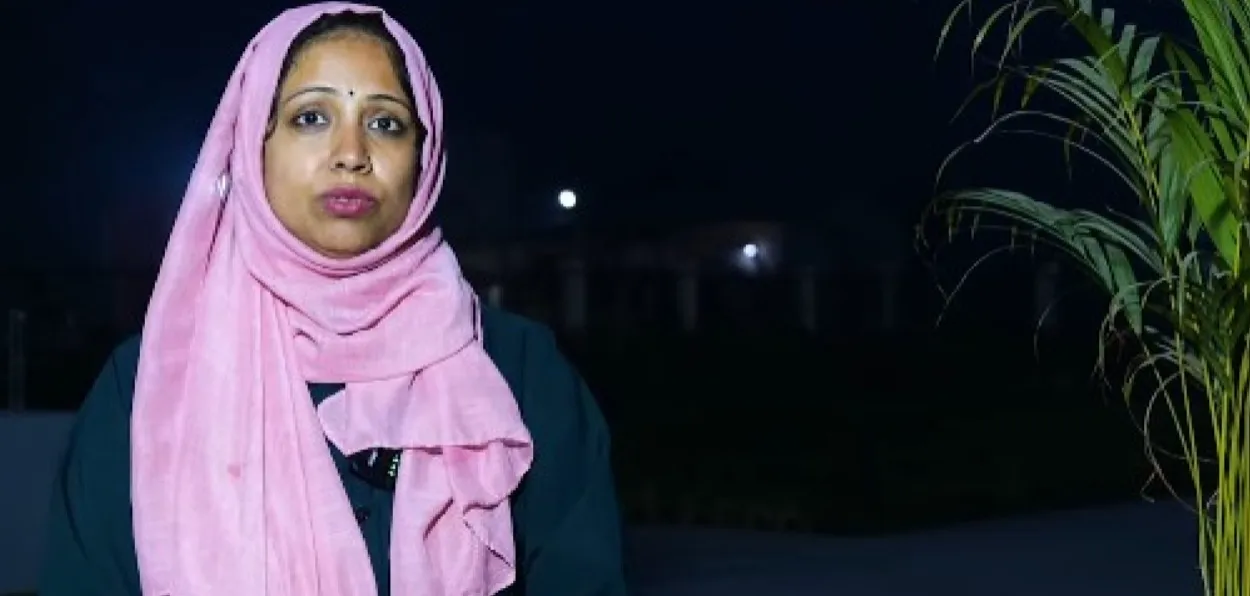
Tania Parveen, Sarpanch of Siswa Purvi Panchayat in Bihar

Tania Parveen, head of the Siswa Purvi Panchayat in East Champaran district of Bihar, will be seated among the special invitees of the President of India to witness the ceremonial Republic Day Parade in Delhi on Monday.

Tania, an engineering graduate, is among the guests of honour at the 77th Republic Day Parade due to her work in transforming her village through her vision and work as an elected head of the Panchayat.

Today, the Siswa Purvi Panchayat is a model for the rest of the country and a living proof that villages too can have amenities enjoyed by people in cities.

Tania Parveen left her government job to take up the leadership of her village. She contested the Panchayat election with a clear idea that this position could help her in changing the poor living conditions of her village.

Her trigger for giving up a well-paying and stable government job was the air pollution caused by sugar mills. Taniya has been the head of the village Panchayat since 2016.

Panchatay Office of Siswa Purvi, Bihar 

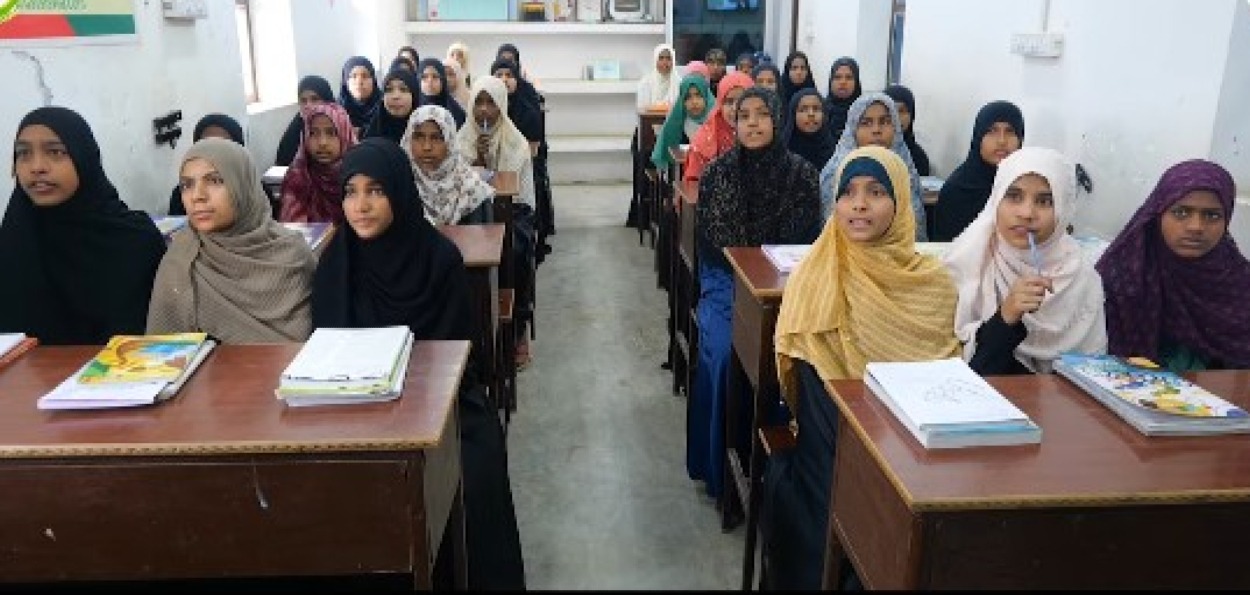
The Panchayat has about 48 per cent of the Muslim population. She recalls that earlier, girls in the village showed little interest in education. Today, the situation has changed, with girls eagerly preparing to go to school.

When Taniya took charge, she had a lot of problems to tackle. Child labour, the trend of early marriages and the violence against women were immediate issues demanding her attention.

During the COVID period, she had to dispel rumours and misconceptions about the disease and its treatment. People were afraid of taking vaccines and tried to avoid quarantine. Through her strong leadership, Tania Parveen created awareness, and gradually, villagers began following the protocols.

The invite to Taniya is under the Central Government’s Panchayat Empowerment Scheme, which honours the outstanding panchayat representatives from across the country.

Tania Parveen became Mukhiya at the age of just 32 and, within the last three years, has transformed Siswa Purvi from a backward area into a model gram panchayat. Even former sarpanch Faizal Rahman, 50, openly praises her work and leadership.

Girls attending school in Siswa Purvi village

Her focus is on health, employment, education and empowerment of women in the panchayat.

Her efforts showed significant improvements in the health sector. Regular health check-ups are conducted for the elderly, pregnant women, and girls. ASHA workers go door to door to fulfil their responsibilities. Women are encouraged to join schemes such as MGNREGA, PM Vishwakarma Yojana, and Jeevika to make them earn.

Tania introduced smart classes and computers in schools, and paid attention to high dropouts among girls. After the Beti Bachao Beti Padhao campaign, girls developed a strong interest in education. With the installation of streetlights, women feel safer even at night.

Tania Parveen says that when she became Mukhiya in 2016, the condition of the panchayat was poor. Roads had potholes, drains were clogged, and sanitation systems were weak.

Today, Siswa has better roads, organised drainage, proper water disposal, and improved cleanliness.

She injected transparency in the spending and ended a culture of bribery and commissions in public works. She says her vision was to bring the basic amenities in her village to the level of a city.

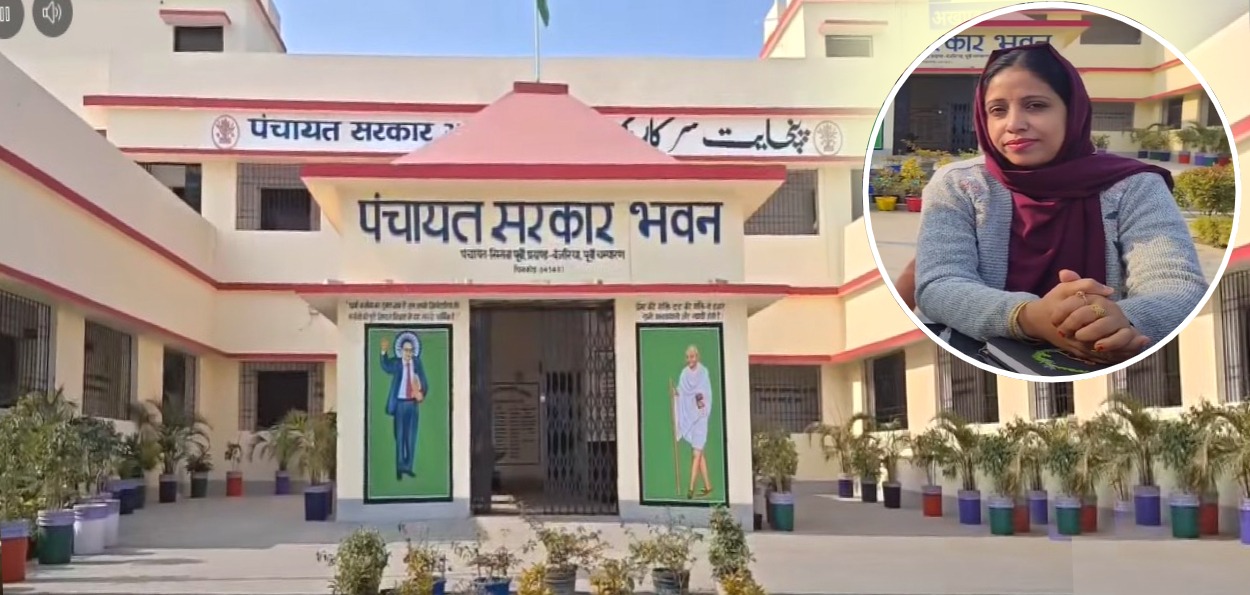
An RTPS counter has now been set up at the Siswa Panchayat Sarkar Bhavan, where birth certificates, death certificates, pensions, residence certificates, caste and income documents are issued. Every day, 20 to 35 people come to get their work done without needing to visit the block office. Led by Tania, all employees attend regularly.

Tania Parveen is now working towards setting up a women-friendly panchayat. She believes that women will become strong only when they have self-employment opportunities. She has plans for conducting tailoring, computer training, and martial arts classes to make women and girls self-reliant and confident.

Asking her peers across the country to adopt honesty as the best policy, Tania says, when a panchayat changes, society will change. Then cities will change, and eventually, Bihar will change. Panchayat development, she says, is true national development.

She also notes that women’s participation has increased significantly in social security schemes such as pension schemes, ration schemes, housing schemes, and the “toilet in every home” initiative.

The construction of the Panchayat Sarkar Bhavan has also been completed in her village.

Tania Parveen is not ready to sit on her laurels. She is working towards creating newer employment opportunities, strengthening women’s education, and digitising the panchayat system. “If panchayats are to be made dignified and strong, it is essential to provide women with equal opportunities and full respect,” she says.

source: http://www.awazthevoice.in / Awaz, The Voice / Home> Stories / by Mansooruddin Faridi, New Delhi / January 25th, 2026

2025 Bihar Assembly to have 11 Muslim MLAs

BIHAR :

The newly elected assembly in Bihar will have 11 Muslim MLAs, down by 8 as compared to their tally in the last assembly, the final results of the 2025 state elections announced Friday showed.

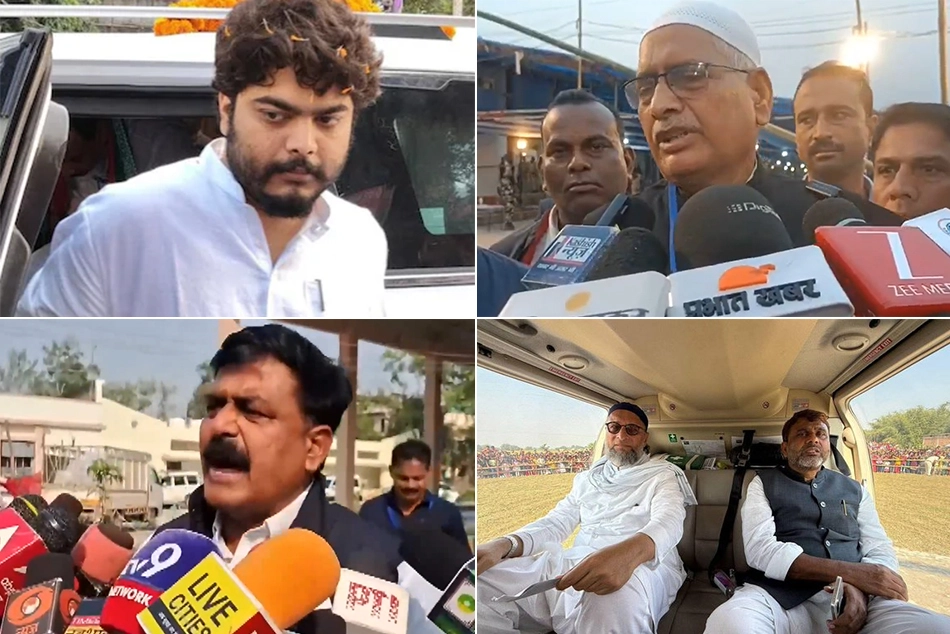
(Clockwise from left) Osama Shahab (RJD), Qamrul Hoda (Congress), Akhatrul Iman (Seen with AIMIM Chief Asaduddin Owaisi) and Zama Khan (Janata Dal United)

List of Muslim MLAs in Bihar 2025: 

The newly elected assembly in Bihar will have 11 Muslim MLAs, down by 8 as compared to their tally in the last assembly, the final results of the 2025 state elections announced Friday showed.

A total of 24 Muslims belonging to different political parties were elected in the 2015 election whereas 19 Muslims were elected to the Bihar Assembly Elections in 2020.

The representation of Muslims went further down after the 2025 Bihar Assembly Elections the results of which were announced after counting of votes held on Friday November 14, 2025.

How Many Muslims Contested Bihar Vidhan Sabha Elections 2025?

The All India Majlis e Ittehadul Muslimeen (AIMIM) of Asaduddin Owaisi had fielded a maximum 23 Muslim candidates from as many constituencies of Bihar in the 2025 state assembly polls. Of them 05 Muslims have won.

On the other hand, Rashtriya Janata Dal (RJD) had fielded 18 Muslim candidates, Congress had given the party tickets to 10 Muslims, Janata Dal (United) had nominated 04 Muslims, and 02 Muslims contested as CPI (M) candidates.

Of these candidates 03 from RJD, 02 from Congress and just 01 from Janata Dal (U) won the 2025 Bihar elections.

Kumari Mayawati’s Bahujan Samaj Party (BSP), Prashant Kishor’s Jan Suraaj Party (JSP) and Lok JanShakti Party (Ram Vilas Paswan) had also given their party tickets to some Muslims. No Muslim fielded by these parties could win the 2025 Bihar elections.

The Bhartiya Janata Party (BJP) has not given the party symbol to any Muslim.

Full List of Muslim MLAs in Bihar

Janata Dal (United)

1. Md. Zama Khan (Chainpur)

Rashtriya Janata Dal (RJD)

2. Faisal Rahman (Dhaka)
3. Asif Ahmad (Bisfi)
4. Osama Shahab (Raghunathpur)

Indian National Congress (INC)

5. Abidur Rahman (Araria)
6. Md. Qamrul Hoda (Kishanganj)

All India Majlis e Ittehadul Muslimee (AIMIM)

7. Mohammad Murshid Aalam (Jokihat)
8. Md Tauseef Alam (Bahadurganj)
9. Md. Sarwar Alam (Kochadhaman)
10. Akhtarul Iman (Amour)
11. Ghulam Sarwar (Baisi)

The most shocking defeat of a Muslim candidate was in Balrampur where AIMIM candidate Advocate Adil Hasan lost the seat to the BJP by just 389 votes.

2025 Bihar Election Final Results

Assembly or Vidhan Sabha elections in Bihar were held in two phases. Polling for the first phase was held on November 06, 2025 which ended with a voter turnout of 65.08%.

On the other hand, Polling for the second phase was held on November 11, 2025 which saw the voter turnout of 68.76%.

The overall poll percent, as per the Election Commission of India, was 66.91% – highest since 1951 when the first assembly election was held.

The counting of votes was held today, and as per the final result announced by the Poll Panel, the NDA alliance has won 202 seats whereas the RJD-Cong INDIA bloc could win just 35 seats.

The Election Commission final results show, the BJP has won 89 seats and emerged as the single largest party in Bihar for the first time in the state’s history.

The JD (U) has won 85 seats. Lok Janshakti Party Ram Vilas Paswan candidates won 19 seats.

On ther hand, the RJD candidates could win just 25 assembly seats and Congress 06. Owaisi’s AIMIM won 05 seats.

source: http://www.ummid.com / Ummid.com / Home / by ummid.com news network / November 14th, 2025