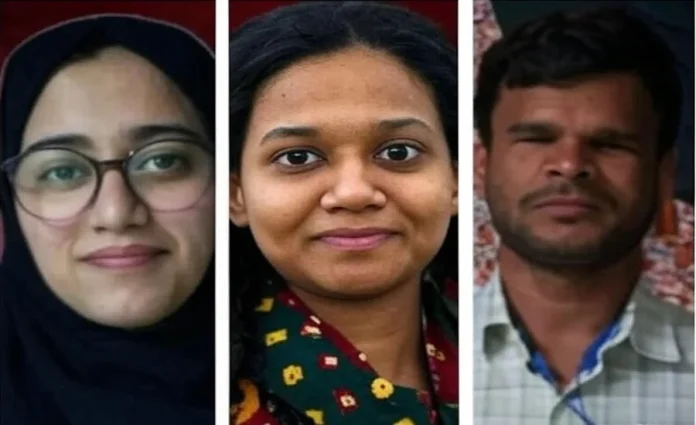
Muslim students have made a strong mark in this year’s Jawaharlal Nehru University (JNU) student union elections, with Danish Ali, Hafsa Bukhari, and Mohammad Aslam among the winners. The elections saw the Left alliance secure all four top posts, defeating the ABVP. Aditi Mishra was elected President, K Gopika Babu as Vice President, Sunil Yadav as General Secretary, and Danish Ali as Joint Secretary.
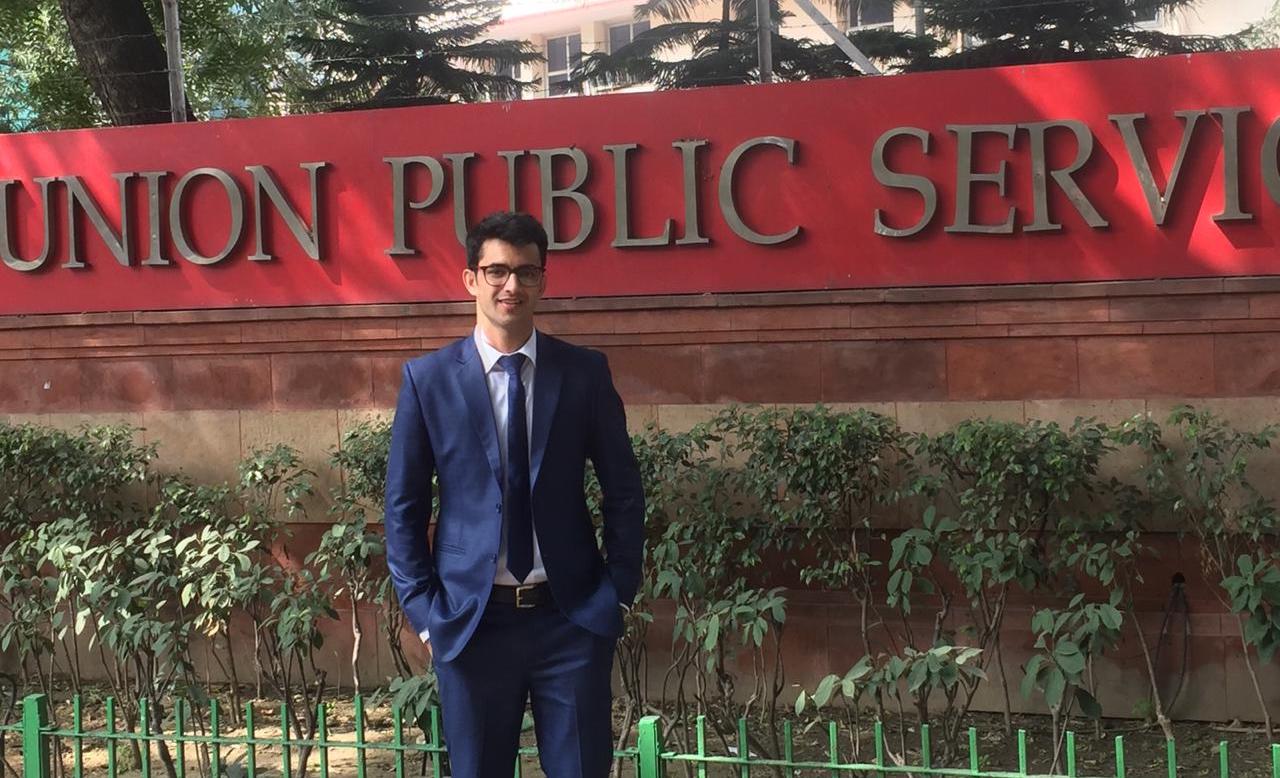
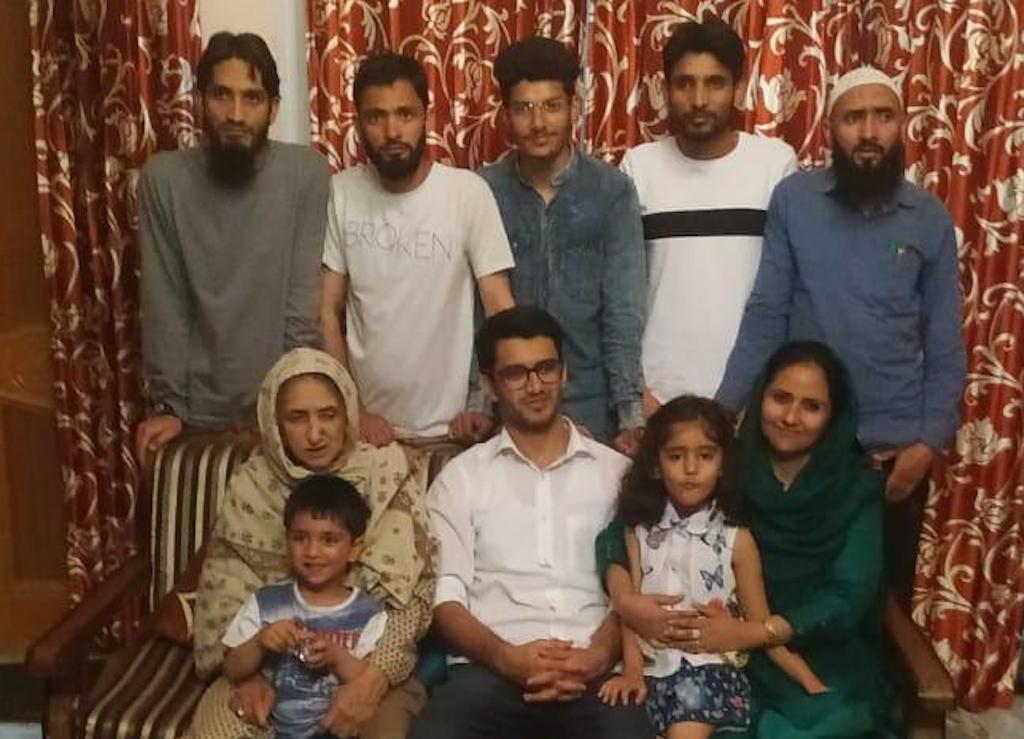
Danish Ali, a research scholar at the Centre for Historical Studies, defeated ABVP’s Anuj to win the Joint Secretary seat. Coming from Narsinghpur, Madhya Pradesh, Danish belongs to a family of educators. She was active in student mobilisations during the 2019 CAA protests and said her victory belongs to all students who value justice and democratic rights.
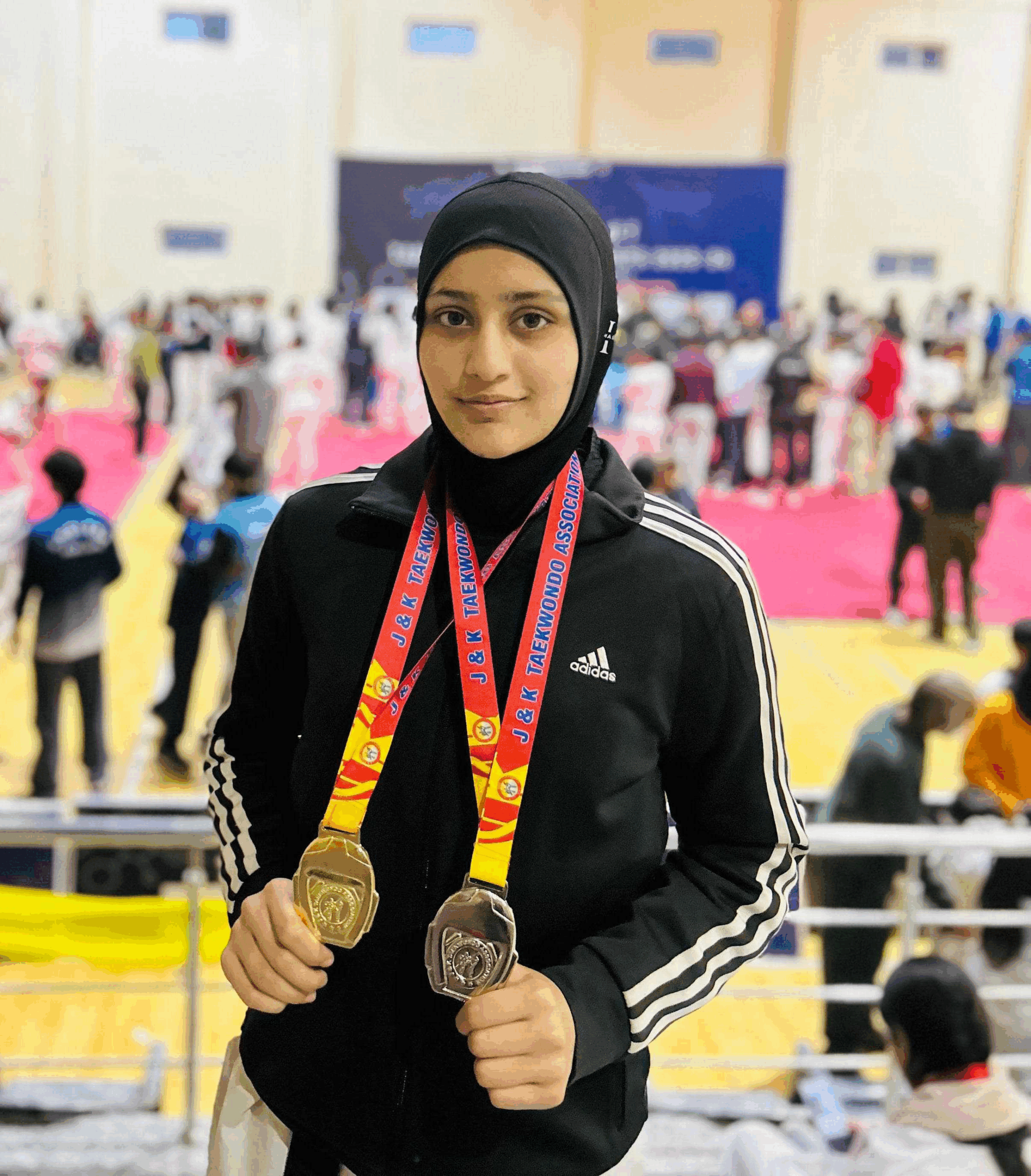
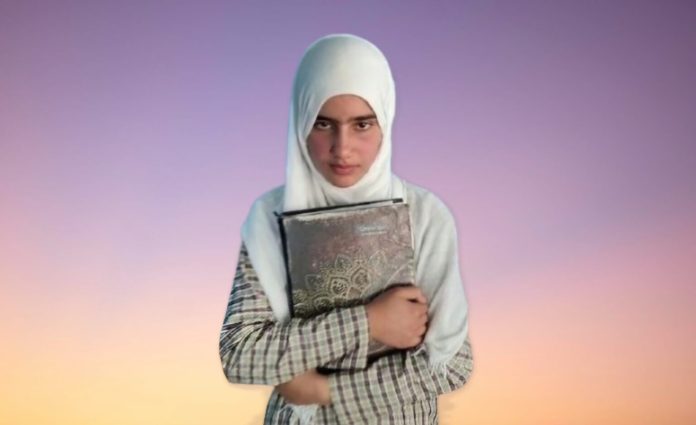
Hafsa Bukhari from Poonch, known for her hijab-wearing identity, also won a councilor seat. Her election is seen as a step forward for women’s representation and Muslim inclusion on campus. Alongside her, Mohammad Aslam, a visually impaired PhD scholar from Bihar, earned a councilor position. Despite his challenges, Aslam has consistently spoken up for equality, disability rights, and social justice.
Faculty members at JNU described their wins as a reflection of courage, resilience, and commitment to equality. Students across the university have welcomed the outcome, seeing it as a mandate for inclusivity and democratic engagement.
source: http://www.radiancenews.com / Radiance News / Home> Latest News> Report / by Radiance News Bureau / November 08th, 2025
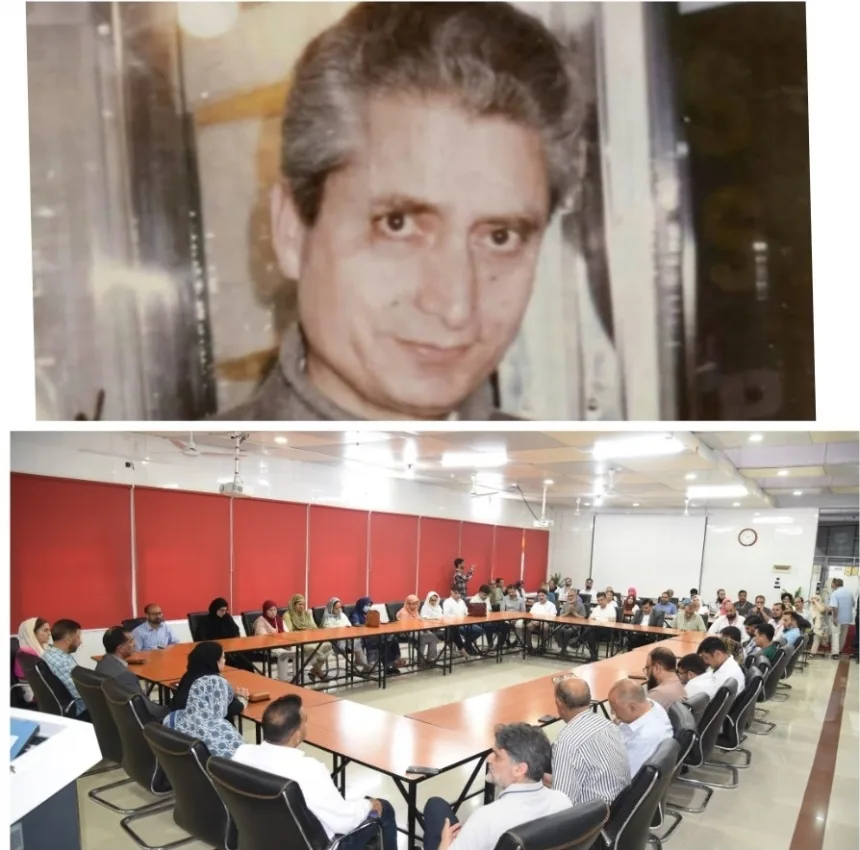
Government Medical College (GMC) Srinagar Saturday held a condolence meeting at the Medical Education Unit (MEU) to pay tribute to Prof. (Dr.) Ashiq Hussain Naqashbandi, Ex-Principal, Dean, GMC Srinagar who passed away early morning on Saturday.
As per a statement issued here, the meeting was attended by faculty members, administrative staff, medical superintendents, and paramedical staff, all of whom came together to mourn the loss of a respected figure in the medical community. Prof. Ashiq Hussain Naqashbandi did his MBBS and M.S. (General Surgery) from Government Medical College, Srinagar and then completed his super-specialization (MCh) in Cardio-vascular Thorasic Surgery (CVTS) from CMC Vellore. He was amongst the first few CVTS surgeons of Jammu and Kashmir.
Prof. (Dr.) Ashiq Hussain Naqashbandi joined as a faculty member in Government Medical College, Srinagar in 1981 and became Head of the Department, Surgery. In February 2005 he was appointed as Principal/Dean, GMC, Sgr. and continued till May, 2006.
While paying rich tributes to Prof. Naqashbandi, Principal/Dean (Dr.) Iffat Hassan highlighted his significant impact on the institution and the medical field. Dr. Iffat’s words reflected the esteem in which Prof. Naqashbandi was held by his peers and students.
Prof. Dr. Iqbal Saleem, Head of the Department Surgery expressed his heartfelt condolences and reminisced about Prof. Naqashbandi’s dedication to his work and his mentorship.
Prof. Sabiya Majeed, Head of the Department of Biochemistry, and Prof. Dr. Afroz Khan also paid tribute to his legacy, emphasizing the lasting impact of his work on the medical community. Various other faculty members also spoke on the occasion and paid rich tributes to the departed soul.
As a mark of respect, the attendees observed two minutes of silence to honour Prof. Naqashbandi’s memory. This moment of reflection allowed everyone to pay their respects and reflect on the contributions of the departed soul. The meeting extended its deepest sympathies to the bereaved family of Prof. Naqashbandi during this difficult time.
source: http://www.risingkashmir.com / Rising Kashmir / Home> City / by RK News / September 14th, 2025
Wangat Village (Ganderbal District),JAMMU & KASHMIR :
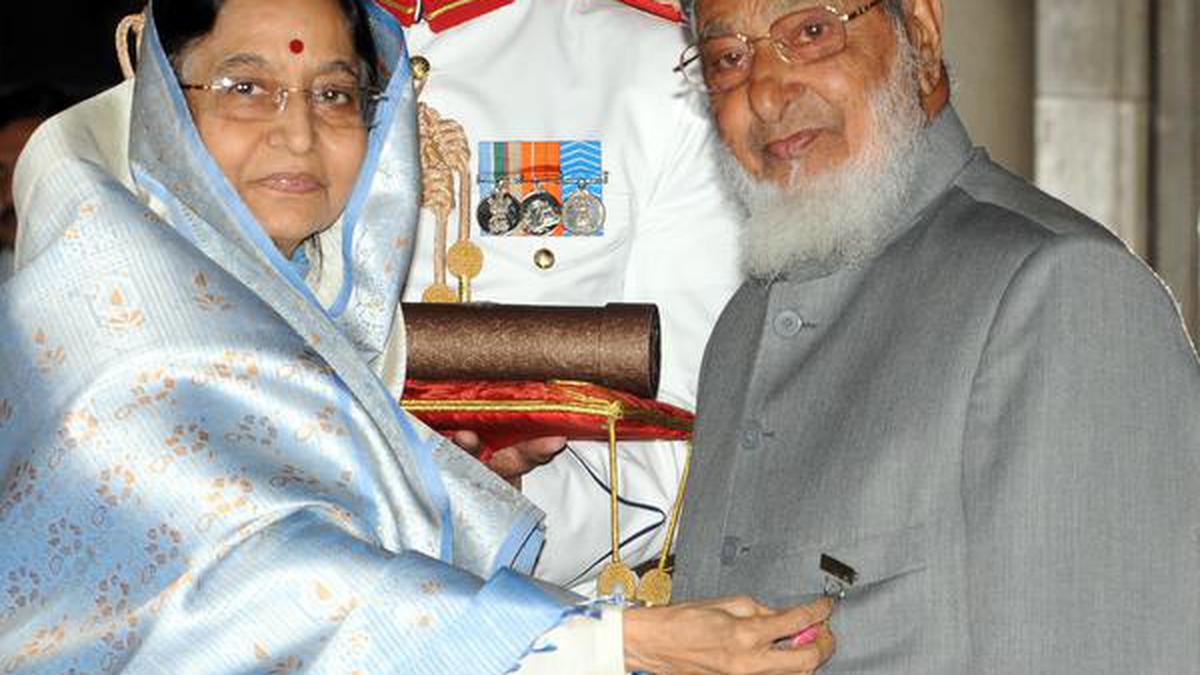
Former President Pratibha Patil presenting the Padma Bhushan Award to gujjar leader Mian Bashir Ahmed, during the presentation of Padma Awards at Rashtrapati Bhavan in New Delhi on May 10, 2008
A former minister in Sheikh Mohammad Abdullah’s cabinet, he was honoured with the Padma Bhushan for his extraordinary service for the Gujjar-Bakarwal community and other downtrodden groups.
Veteran Gujjar leader and Padma Bhushan awardee Mian Bashir Ahmed, a resident of Ganderbal district of Jammu and Kashmir, passed away on Saturday night after a prolonged illness. He was 98.
Ahmed, a resident of village Wangat in Kangan area of the central Kashmir district, breathed his last at about 10 pm, family sources said.
His Nimaz-e-Jinazah (funeral prayers) will be performed on Sunday at Mizar Shrief Baba ji Sahib Larvi located at Baba Nagari Wangat, they said.
Ahmed was the son of top Gujjar leader and saint Mian Nizam Din Larvi and father of former Minister and National Conference (NC) leader Mian Altaf Ahmad.
Born in November 1923, Mian Bashir Ahmed was a minister in Sheikh Mohammad Abdullah’s cabinet. Later, he left politics and started working for Islamic Sufi tradition and to help downtrodden people.
In 2008, he was honoured with the Padma Bhushan award for his extraordinary service for the Gujjar-Bakarwal community and other downtrodden groups.
Condolences to his family poured in from various quarters.
“Just heard about the sad demise of Mian Bashir Sahib, a spiritual leader & a mass leader revered by many especially in the Gujjar community. His demise will be deeply felt by many of us. My condolences to my colleague Mian Altaf Sb & his family,” NC vice president Omar Abdullah said in a tweet.
His party said Ahmed’s death has felt a void that cannot be filled.
“Grieved over the passing of Mian Bashir Ahmad Laaravi, a renowned spiritual leader & political figure. His death has felt a void that can’t be filled. Our condolences go out to Mian Altaf Laaravi, the entire family & Bashir Sb’s admirers. May Allah grant him a place in Jannat,” the NC wrote on Twitter.
Jammu and Kashmir Pradesh Congress committee (JKPCC) expressed profound grief over his passing, describing it as a great loss to the UT.
In his condolence message, JKPCC president Ghulam Ahmad Mir expressed deep sorrow over the passing of the eminent religious scholar, socio-political figure, saying Ahmed was known for his spirituality and social work he rendered to the people of Jammu and Kashmir.
“Saddened to learn about the passing away of Mian Bashir Saheb. I have no words to express my grief,” Mir said.
He expressed deepest condolences to Mian Altaf and other members of the bereaved family and Ahmed’s followers.
Praying for the eternal peace to the departed soul, the JKPCC president said, adding that Ahmed’s guidance and teachings shall continue to inspire generations.
Jammu and Kashmir Peoples Conference chairman Sajad Lone described Ahmed as an inspirational leader.
“Deepest and heartfelt condolences to the family of Mian Bashir Sahab. An inspirational leader, defined by simplicity who had a humbling effect on people he interacted with. May his soul rest in peace,” Lone said.
source: http://www.thehindu.com / The Hindu / Home> News> India> Other States / by PTI / August 15th, 2021
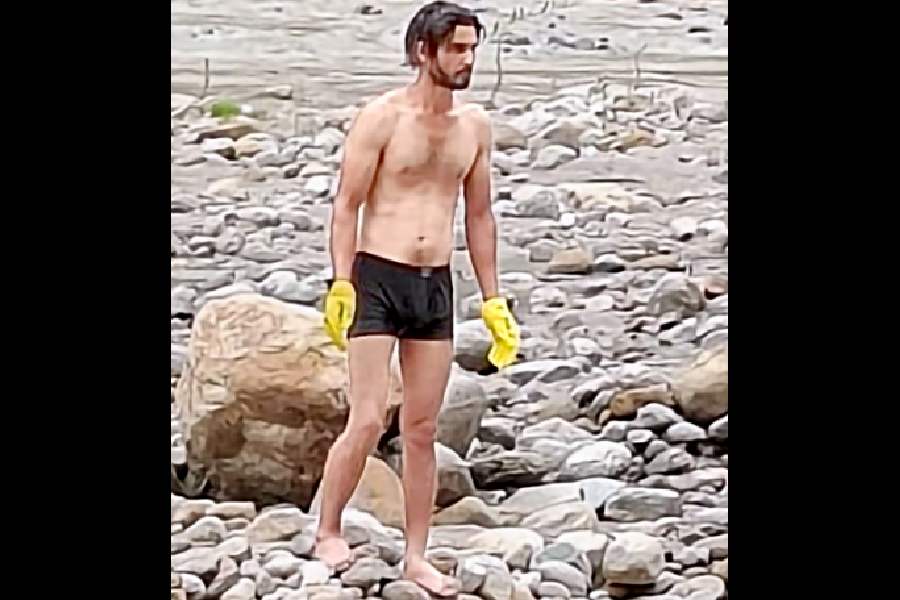
For the past six days, Arif has been working tirelessly to rescue the victims, regardless of their faith, trapped under mounds of debris or washed away by torrents.
Arif Rashid during his rescue effort / The Telegraph
When fear and panic gripped Chositi village of Kishtwar on August 14, Arif Rashid went beyond the call of duty and put his life in danger to save lives, not caring who the victims were or where they came from.
A flash flood triggered by a cloudburst hit the remote mountain village last week, leaving behind a trail of destruction with scores dead and missing, more than 100 injured and homes, roads and bridges flattened.
Arif, who works as a driver for the free 108 ambulance service that works on a public-private partnership model, was a lucky survivor.
“It all unfolded in front of me. As I saw a mountain of water and debris unleashed on a small valley, I, like many others, started running for safety. But 10 minutes later, I realised there were a lot of people trapped under the debris and I should rush back,” Arif told The Telegraph over the phone from Kishtwar.
For the past six days, Arif has been working tirelessly to rescue the victims, regardless of their faith, trapped under mounds of debris or washed away by torrents. Hundreds of army, NDRF, police and CRPF personnel, along with several volunteers, have been helping in the rescue operation.
Multiple videos or pictures on social media paint Arif as a tireless rescuer. He lives in a village 25km from Chositi, both part of the larger Padder area of Kishtwar where Muslims are a small minority. Most of the victims were Hindu pilgrims.
Muslim-majority Kishtwar is a communally sensitive district in Jammu’s Chenab Valley, often in the news for the wrong reasons. But small efforts by individuals from both communities, like the one displayed by Arif, serve as a beacon of hope.
“I must have rescued 15 to 20 injured people and pulled several bodies from the debris. I first rescued an injured girl and several others. There were just two ambulances there, including ours. My ambulance was stuck in debris, but luckily only up to the tyres. With great effort, some of us pulled it out,” he said.
Moments later, he started shifting the injured towards the hospital, but the bridge nearby was damaged too. Ambulances started arriving from different places, and the injured were carried on shoulders to the other side of the damaged bridge before they were taken to the hospital.
On Monday, a video showed him and a few others lifting a body on a stretcher, walking through rocks, before tying it to a rope that was pulled by people on the other side of a stream. Arif said the body was found some 20km from Chositi.
“I am doing this all for the sake of humanity. For me, they are all humans and I do not think about anything else,” he said.
Also leading from the front are the volunteers of Ababeel, a group known for their assistance during emergencies in the Chenab Valley.
Syed Imran, a volunteer, said they camped in the village for five days. “There were more than 30 volunteers from our group, with nine ambulances, working in shifts. All these days we helped shift the deceased and injured to the hospitals,” he said.
The group has around 250 volunteers connected through WhatsApp, and among the first responders during calamities and accidents.
source: http://www.telegraphindia.com / The Telegraph Online / Home> India / by Muzaffar Raina / August 20th, 2025
Misbah Fatima, a prominent Taekwondo athlete from district Doda and daughter of Mr. Liaqat Ali Shah, has made her community proud by securing 85% marks in her 11th class examinations.
A resident of Doda, Misbah is not only excelling in academics but also has an impressive track record in Taekwondo.
She is a National and State Taekwondo Medalist and has participated in various esteemed championships, including the Khelo India Women’s Taekwondo League.
The community and her well-wishers extend their heartfelt congratulations to Misbah Fatima for her outstanding academic performance. Her dedication and perseverance in both her studies and sports are truly inspiring. We wish her continued success in all her future endeavors.
source: http://www.brighterkashmir.com / Brighter Kashmir / Home / by Abid Pampori / July 17th, 2024
Chocolate is a universal favourite. Associated with love, health, and romance, the fanciful food has also created a cottage industry across the country with the makers using social media to innovate and sell handmade chocolates all over.
Chocolate also caught the imagination of Kashmir’s Ifshana Feroz, an MSc student living in srinagar, who is a self-taught chocolate maker and prides in being called Kashmir’s first floral chocolate maker.
pix
She sells her chocolates through her popular Instagram page, “Choco Charms”, which has more than 12 thousand followers. If you are a regular on Instagram, you must have seen her page named Choco Charms. She is known for her unique floral customized chocolates, nut-stuffed chocolate dates, coconut truffles, and more.
“Chocolates have a magical way of winning hearts over. They are not only delicious, but are also universally loved by both children and adults. Whether you choose to give them to your furry cousin or your closest friend, these sweet gifts are guaranteed to bring a smile to anyone’s face,” she told Awaz-The Voice.
Ifshana’s handmade Eid hampers that featured three delightful varieties of chocolates – dark, milk, and white – were sold like hot cakes. “And for those who love chocolates with a little crunch, we have added premium dry fruits to them. The box also includes chocolate-coated dates and coconut truffles, ensuring a varied and delightful chocolate experience,” she said.
Inspired by her mother, she was interested in innovating recipes since the age of 9. When she started, she was struggling with many things, but she felt comfortable making recipes and working with the ingredients.
She said; “I realised that the photos of my customised floral chocolates were getting a good response from fellow Instagrammers, people outside of my immediate circle. So I started investing more time into styling and customising, and, making chocolates beautiful.
“Later, I streamlined my content and posted more chocolates. That’s how I built it from scratch. More people started following me for the pictures of chocolates and started ordering. I had always dreamt of starting my own business. When I got the opportunity to start my own business, I invested the tuition fees that I earned from teaching students.
“For me, making chocolate is magical! It helps me relax and explore my creativity. And that’s one thing about it, I always say – it’s so fascinating how you turn chocolate into something so beautiful,” she said.
Recently Ifshana started making customised chocolates. This was an instant and a huge hit. It has been more than five months that she is overwhelmed by the demand for these through social media.
Ifshana said that she wants people not to always be looking for jobs and gain some skills. ”A person should focus on himself and acquire some kind of skill.”
“Unlike the chocolates available in the market, our products are always fat-free and low-sugar,” he said. Featuring luscious coverture chocolate dates filled with nut stuffing, complemented by a velvety hazelnut center and a chocolaty exterior.
Ifshana Feroz’s story is not just the success of a chocolate chef, but it is also a symbol of the growing wave of youth entrepreneurship in the Kashmir Valley. From a sensitive region like the valley, where challenges are often high, it is inspiring to see a young woman turn her passion into a business and make a mark with a brand like “Choco Charms”.
This example shows that Kashmiri youth are now moving away from traditional paths and becoming self-reliant in creative fields and contributing towards economic development. Many youths like Ifshana are creating new opportunities for self-employment with the help of their skills and digital platforms, which is a sign of positive change in the socio-economic scenario of the valley.
source: http://www.awazthevoice.in / Awaz, The Voice / Home> The Changemaker / by Onika Maheshwari, New Delhi / July 07th, 2025
If someone decides to change the same conditions and backwardness about which you keep crying your whole life, then surely his name will be Babar Ali Chagatta.
Babar Chagatta has achieved great success in the UPSC Civil Services Examination this year. His rank is 364th. According to Babar, he may get IPS at this rank, but he wants to become an IAS. Therefore, he has started preparing to become an IAS once again.
24-year-old Babar is from Tehsil Mahore and village Baddar (Gulabgarh) of District Reasi in Jammu region of the state of Jammu and Kashmir. This area is considered to be the most backward area of Jammu, which is still deprived of many basic facilities.
Babar says that a paved road has not yet reached my village. Till one and a half to two years ago, my village remained in darkness because electricity had not reached there. Now my village has been illuminated by electric light.
Babar studied till 5th standard while living in the village. In the sixth class, he went to Jawahar Navodaya Vidyalaya, where he studied till 12th standard. He scored 90% in 10th standard and 86% in 12th standard. Then he went to Aligarh for further studies and obtained BA Honours degree in Political Science from AMU in the year 2014. After this, Babar took admission in the Political Science Department of Jamia Millia Islamia, Delhi to obtain MA degree. However, he could not complete this course due to his desire to join the civil service.
When and why did you think of joining the civil service?
In response to this, Babar says, when I was about to go to the sixth class, my father introduced me to the civil service. When I went to Navodaya, I saw an IAS officer for the first time in the school’s annual program. His words also inspired me a lot. Also, the backwardness of the area especially inspired me to become an IAS and remove the misery and backwardness of my village. In this way, it was always in my mind that I can change the condition of this village by becoming an IAS.
Let us tell you that Babar’s father Ghulam Qadir was an officer in the forest department in Jammu. When Babar was in the 9th class, he left this world forever. Amma Ghulam Fatima is a homemaker. Babar is the youngest among five brothers. He also has a younger sister. All his brothers are in government jobs.
Babar started his preparation in 2015. When he felt that MA classes were becoming an obstacle in his preparation, he left MA studies. He achieved this success in the third attempt. He wrote Mains in the first attempt. But in the second attempt, he failed in the prelims itself. Babar says that he was a little disappointed but this time I had decided that I must fulfill my childhood dreams and my father’s wish. All the things I remembered about my father kept inspiring me.
Which subject did you choose for this exam and why?
In response to this Babar says, I chose Political Science. The reason is that I have done my graduation in this subject and I am also very interested in International Relations.
He says that in the last 4-5 years the results of Political Science have been very good. Now this subject has become very scoring.
How and where did you prepare for the exam?
On this Babar says, I did not take any coaching. I stayed in the residential coaching of Jamia Millia Islamia. However, I did not attend many classes there either. I focused more on self study. On being asked that your name is also in the list of Zakat Foundation, Babar says that after passing the mains, I went there for a mock interview.
What message would you like to give to those preparing for civil services?
On this question, Babar says that, first of all you have to always be ready that no matter what the result is, never lose hope. If you are ready for this, then first of all look at its syllabus and try to understand it in a better way. Then definitely look at the papers of the last few years. From there you will understand what UPSC wants from you. Although UPSC does not have a fixed pattern, every year something or the other changes.
The second important thing is that you must be honest for this. You cannot prepare for this under pressure from anyone. The most important thing is that you yourself should be interested in it. That is, self-motivation is very important. If it is clear why you want to join the civil service, then no one can stop you from being successful.
He further says that initially read NCERT thoroughly. Along with this, you have to read the newspaper every day. Always keep yourself updated. Do as many test series as possible. Most of the study material is available online. There is a lot of material here, but you should not get confused, rather you have to read smartly by being selective.
Babar likes playing cricket and watching issue based films. He says that even while staying in Jamia, he never forgot to play cricket every Saturday-Sunday. He also likes watching films. When asked which film he has watched, he says that ‘Stree’ is my last film. This film not only entertains people but also gives the message of what a woman wants from the society. Babar likes Shahrukh Khan a lot. On the other hand, he gets a little shy when asked about his favourite actress. Then he says that he definitely likes Priyanka Chopra’s acting a little bit.
Babar says that my father is my ideal. I wish he were here, he would have patted me on the back for my success. Babar wants to give credit to his entire family for this success. He especially wants to thank his mother, because she always filled Babar with courage and passion.
Babar, while giving his message to the youth of the country, especially the youth of his community, says that if you really want to come into the mainstream, then you should definitely think about joining the civil service. What is needed is that instead of cursing the system, you should come into the system and understand it and work accordingly or change yourself. There is also a need to connect those who have become successful with the society.
Apart from this, Babar wants to give his message to the youth of his community through this verse of Shakeel Azmi –
Spreading out the wings the world watches the flight
What does one see in the sky while sitting on the ground?
If you have got beauty then protect this beauty
Walk carefully, the whole world is watching you…
source: http://www.beyondheadlines.in / Beyond Headlines / Home> India> Real Heroes / by Afroz Alam Sahil, Beyond Headlines / April 20th, 2019
Khumrail Village (Kupwara District) , JAMMU & KASHMIR :
Nineteen-year-old Zubair-ul-Islam Bhat had every reason to give up. A teenager from the remote village of Khumrail in north Kashmir’s Kupwara district, he found himself in police custody last year, dangerously close to being booked under the harsh Public Safety Act (PSA) – a move that could have shattered his future. But fate had other plans.
Given a second chance, he did not waste a moment. He buried himself in his books, held onto hope and has now cleared National Eligibility cum Entrance Test (NEET), a national-level medical entrance examination.
Zubair was granted a second chance by the Jammu and Kashmir Police, who ultimately decided not to book him under the stringent PSA. Seizing the opportunity, he focused on his studies and went on to excel in NEET, the results of which were announced on June 14.
Just nine months ago, the 19-year-old was in police custody. He had been arrested in September on suspicion of using a VPN and engaging in what authorities deemed suspicious phone activity. A PSA dossier was even prepared. His future hung by a thread – until Sajad Lone, the chairman of the People’s Conference, stepped in.
Sharing the story on social media, Lone recalled how Zubair’s family had reached out to him in desperation.
“I was convinced Zubair is special. The Kupwara SSP was understandably cautious. I personally assured them of Zubair’s good conduct. We had multiple discussions, often disagreeing, but eventually, the SSP called back and said, ‘I am convinced Zubair needs a chance.’ And he was released,” Lone wrote.
Zubair said that he was arrested after police discovered he had been using a VPN. “I was kept in custody for two days. I explained that I used VPNs for studying, gaming and saving data. They checked my phone but found nothing incriminating. Once Lone Sahib got involved, I was released,” he added.
This was his second attempt at NEET, and he scored 535 out of 720.
A proud Lone later posted Zubair’s pictures on X (formerly Twitter) and congratulated him, writing, “He is much more than a young boy who cracked NEET. I share a special bond with him. From the depths of despair a year ago, Zubair has bounced back and will soon begin a career in medicine. I don’t know what it was, but I just knew Zubair had to be given a chance. I believed he had the potential to excel academically and build a bright future.”
Lone also thanked the Kupwara SSP, saying, “His decision to release Zubair means he has added a doctor to society. I would never have spoken publicly about this, but Zubair’s journey is a story of hope, love, and compassion. Perhaps there’s a message in all this—a message I hope our decision-makers hear. My thanks also go to @OfficeOfLG J&K. Without the consent of senior officials, this would not have been possible. In Kashmir, true victory lies in love and compassion.”
source: http://www.twocircles.net / TwoCircles.net / Home> Education / by TCN News / June 23rd, 2025
In the serene, mountainous terrain of Bhalesa in Jammu and Kashmir’s Doda district, where life flows gently with nature, a remarkable tale of faith and perseverance has emerged — one that is touching hearts across the country, reported the Chenab Times.
Mavish Arif, a 16-year-old Class 10 student from the remote village of Batara Gawalo, has achieved an extraordinary spiritual milestone: she has handwritten the entire Quran Sharif. What makes her achievement even more awe-inspiring is that Mavish was born deaf and mute.
In a world consumed by distractions and noise, Mavish’s silent journey of devotion speaks volumes. Over a span of nine months, without any formal guidance or assistance, she meticulously copied the Quran from start to finish, line by line, in the solitude of her home. Her determination, fueled by a deep spiritual purpose, astonished not only her family but the entire region.
Her parents, emotional and proud, shared how she immersed herself in this divine task, refusing help — not out of pride, but from an unwavering sense of purpose. Her days were spent absorbed in transcription, her hands speaking the language her voice could not.
This self-motivated act of worship, especially by a differently-abled young girl, has been hailed as unprecedented by local educators and scholars. Her school, Government Girls Higher Secondary School in Gandoh, has quietly supported her, and its principal, Mr. Ajeet Singh, expressed deep admiration:
“Mavish may be unable to speak, but her actions have roared louder than words. She has become a role model not just for students but for our entire community.”
The villagers of Bhalesa are united in pride and joy. Elders, neighbours, and teachers alike see her as a symbol of unwavering focus in a world that too often celebrates superficiality.
“In today’s time, when goals are often fleeting and attention is short-lived, this girl’s devotion is a lesson in spiritual resilience for all of us,” shared one elder.
Despite limited resources and geographical isolation, Mavish’s story radiates with spiritual brilliance and personal triumph. Her journey is not just a personal achievement, but a beacon of hope and inspiration for the entire nation.
Without uttering a word, Mavish Arif has etched a legacy — not just on paper, but deep in the hearts of everyone who learns of her devotion. Her story is one of faith, fortitude, and the silent strength of a pure soul on a sacred mission.
source: http://www.radiancenews.com / Radiance News / Home> Latest News> Markers of Excellence / by Radiance News Bureau / June 06th, 2025
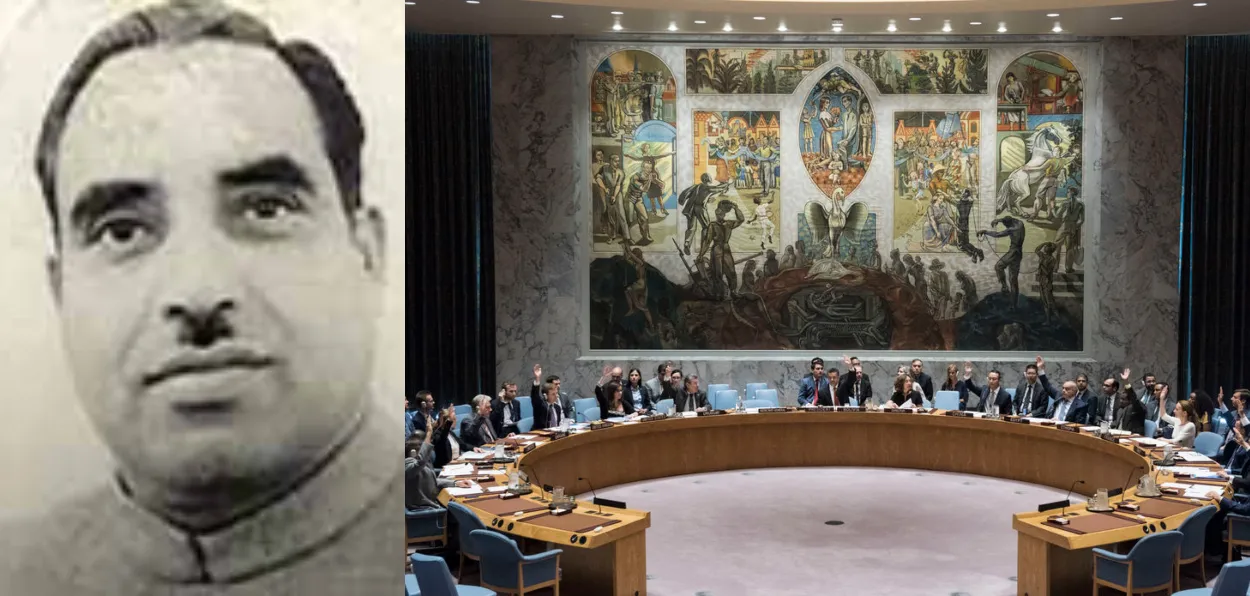
Syed Mir Qasim, former Chief minister of J&K and UN Security Council in session (file)
Since its formation in 1947, Pakistan has tried to portray India as a Hindu country where Muslims are second-class citizens. Each time Pakistan launched an armed attack against India, it was to ‘help’ the Indian Muslims. Not given to learning lessons, Pakistan looked the other way when the Indian Muslims countered its narrative.
In the 1965 war, Pakistan attacked India “to help Muslims in general and Kashmiri Muslims in particular,’ and the propaganda was counter by two Indian Muslims.
Syed Mir Qasim, a Congress leader who later became the chief minister of J&K, represented India at the UN General Assembly during the 1965 war. He declared, “Perhaps I should mention that I belong to the majority community of Muslims in my home State of Kashmir; in our country, unlike Pakistan, we do not believe that religious distinctions should impinge upon political life. I have played a small part in the political life of our State from the days of princely rule. It is for these reasons that it is my duty, on behalf of our delegation, to set the record straight on the various statements made by the Foreign Minister of Pakistan.”
Indian Army Officers in front of a captured Pakistani tank in the 1965 war
Qasim told the Assembly that a Plebiscite in Kashmir was out of the question. He categorically told the world that the Pakistani claim that Kashmir was acceded to India because of a pact signed by the ruler was wrong. India accepted the accession only after the National Conference, the most popular political organisation in Kashmir, asked the Indian leadership to do so. The Indian leadership was convinced that the ordinary Kashmiris wanted to be part of India. He further told the Assembly that much before the Indian Army reached Kashmir in 1947, it was the local Kashmiri Muslim militia that had resisted the invasion.
On the issue of the Plebiscite, Qasim said, “Referring to my statement that there was no binding commitment on the part of India to hold a plebiscite in Jammu and Kashmir, the representative of Pakistan said: “What an extraordinary statement to come and make to this Assembly?” Was this an extraordinary statement? Let us examine the facts. I can do no better than to quote our late Prime Minister, Jawaharlal Nehru, whom the representative of Pakistan does not wish to forget. When proposals for a plebiscite were submitted to the Government of India by the United Nations Commission, the late Prime Minister made it clear that he was accepting the proposal only on certain conditions.”
He added, “Need I remind the representatives that apart from ratifying the accession to India, apart from supporting the political party which stands for irrevocable association and complete integration with India, apart from reaffirming their wishes at periodic elections, the people of Jammu and Kashmir have twice within eighteen years given their answer in blood to Pakistan. Thus, there is no justification for any further ascertainment of the wishes of the people. The Government of India has made its position clear on this point, and I hereby reiterate it. There will be no plebiscite.”
A Muslim representing India at the General Assembly to call out the lies of Pakistan frustrated the Pakistani representative at the Assembly. He said, “Finally, the representative of India and I find this is a peculiar weakness in Muslims who come to represent or plead India’s case at the bar of international opinion – finds himself, and I sympathize with him, in the position of having to be more Catholic than the Pope.”
Qasim gave a befitting reply when he said, “We Muslims of India are quite used to these cheap jibes. We understand the reason, or rather the frustration behind such insulting remarks, not only from the representatives of Pakistan who speak at the United Nations, but also, more so, from the founders and leaders of Pakistan. The frustrations are there because the founders and leaders of Pakistan failed in their efforts to persuade the great nationalist Muslim leaders of India to accept their favourite theory that religion determines nationality.”
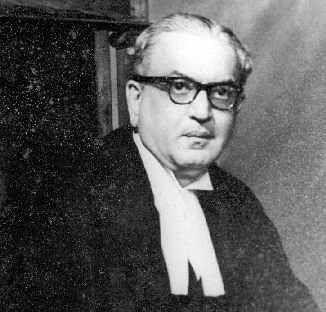
Another Muslim, Mohammedali Currim Chagla, represented India at the Security Council to counter Pakistan’s claim. He told the Security Council (SC), “Pakistan has pretended to show a great solicitude for the Muslims living in India, and the Foreign Minister of Pakistan has stated that hundreds of thousands of Indian Muslims have been pushed out into East Pakistan. When Pakistan talks of the Muslim minority, it gives one the impression that we are dealing with a few thousand or a few hundred of thousands of people in a large country tucked away in some far corner and surrounded by a large mass of Hindu population.
“Now let me inform the Council that Muslims are not a minority in the ordinary sense of the term. They constitute 50 million of the population of India. India is the third largest Muslim State in the world, the first being Indonesia and the second being Pakistan. They are sons of the soil, they are Indian by race, and they enjoy all the rights of citizenship. Every office is open to them, and in fact, many of them hold the highest offices in the land.
“Our civilization is a synthesis of many diverse cultures, and the Muslim contribution is one of the most significant. Ours is a secular State and an egalitarian society where everyone enjoys equal rights and equal opportunities, and equal protection of the law. We have no official religion. Hindus, Muslims, Christians, Buddhists, Sikhs, Parsis, and others have full freedom of worship, and fundamental rights under the Constitution are guaranteed to every citizen. We have no first-class and second-class citizenship.”
Chagla also told the world that India has every right to use its armed forces against Pakistan’s aggression and should redraw the LoC to control infiltration from the other side of the border.
In 2025, when India is again under attack from Pakistan and their propaganda machinery is spreading lies that Indian Muslims are not loyal to their country, they should turn the pages of history to know that these were the Indian Muslims who countered their propaganda during the 1965 war.
source: http://www.awazthevoice.in / Awaz, The Voice / Home> Stories / by Saquib Salim / May 08th, 2025