MAHARASHTRA :
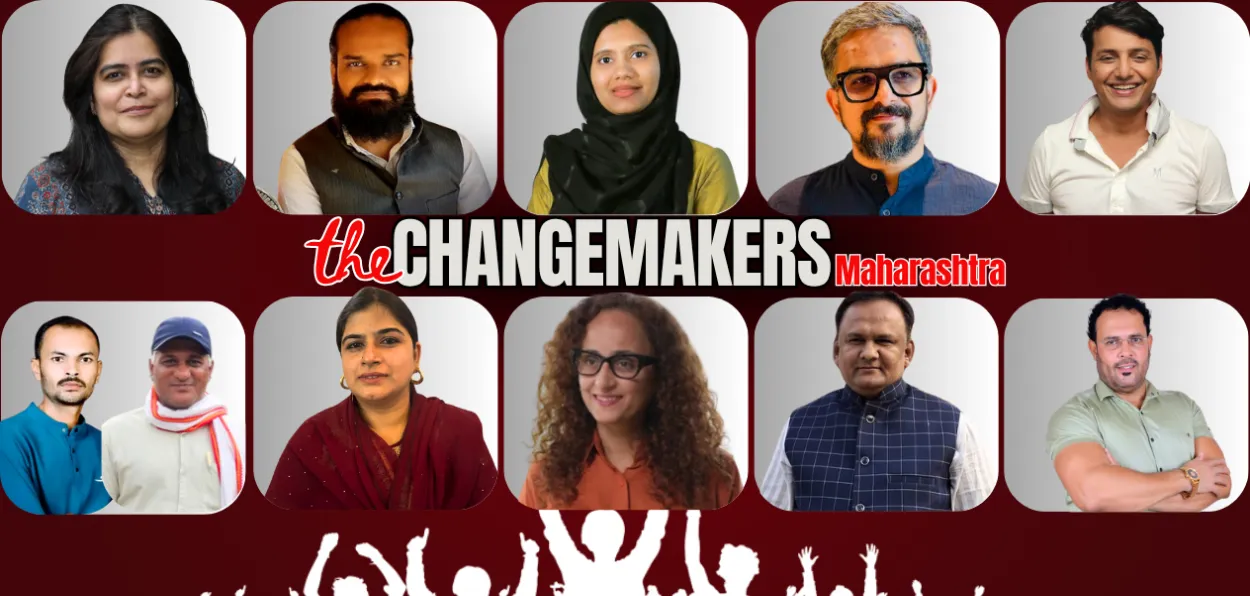
Muslim changemakers of Maharashtra
New Delhi :
Awaz-The Voice, through its ‘The Changemakers’ series, has introduced readers to inspiring figures from Uttar Pradesh, Assam, and Jammu & Kashmir.
Starting July 6, we will feature ten remarkable changemakers from Maharashtra.
These individuals not only embody the state’s vibrant and progressive legacy but are also shaping a future that is tolerant, equitable, harmonious, and inclusive.
Working quietly away from the limelight, their impactful contributions are being brought to the public through Awaz-The Voice. Here’s a glimpse into their inspiring journeys.

Dr. Farah Anwar Husain Shaikh
Dr. Farah Anwar Husain Shaikh leads the Mis Farah Charitable Foundation in Pune’s Dapodi, delivering health, education, and disaster relief to communities. Her bold advocacy for Muslim women’s right to pray in mosques challenges deep-rooted traditions, earning her a doctorate in social work and women’s empowerment. Her story is that of the struggle for equality, Farah’s tireless efforts are transforming lives and reshaping Pune’s social landscape, making her a beacon of grassroots change.
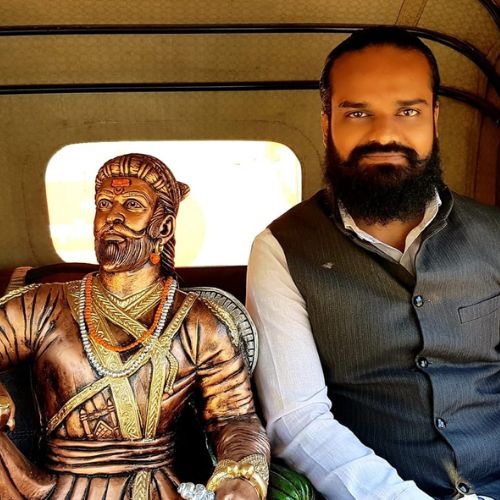
Paigambar Shaikh
Rationalist Paigambar Shaikh is redefining tradition with his “Economic Qurbani” initiative from Pune, transforming the Eid al-Adha sacrifice into a force for community growth. By channeling resources into education, microfinance, and health camps, he blends faith with practicality. He is inspired by the Satyashodhak movement. His innovative approach fosters sustainable development and communal harmony in Maharashtra’s far-flung areas, marking him as a visionary changemaker.
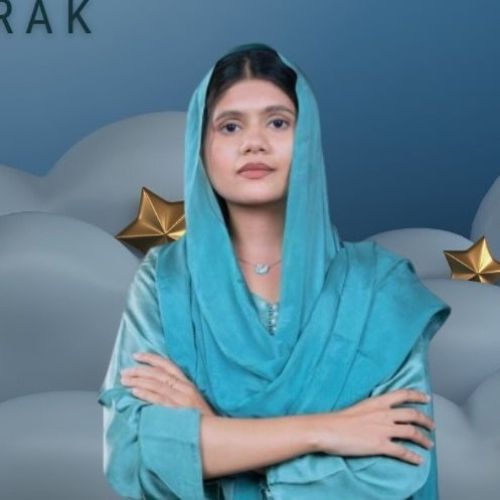
Marziya Shanu Pathan
Marziya Shanu Pathan, 24, is an activist. From leading a march for Malala Yusufzai at age 12 to organizing the vibrant Mumbra-Kausa Children’s Festival, she champions women and youth in her township. Her blend of fiery activism and community initiatives is uplifting Mumbra, proving her dedication to a brighter, more inclusive future.
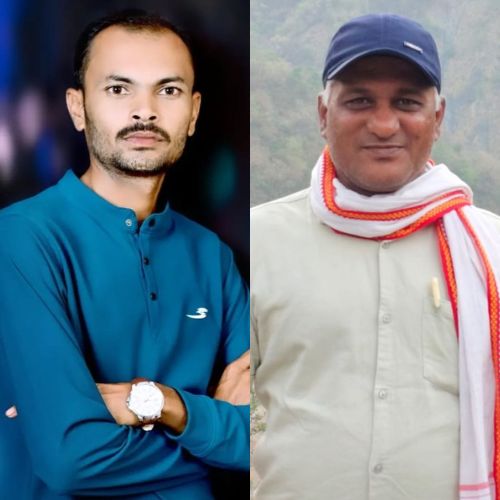
Hazrat Ali Sonikar and Munir Shikalkar
In Sangli’s agricultural heartland, Hazrat Ali Sonikar and Munir Shikalkar are empowering the Muslim community through grassroots activism. Hazrat rallies youth with awareness campaigns and workshops, while Munir bridges gaps with local authorities to secure resources. Their collaborative manifesto, amplifying education and employment, is reshaping the future of the community, showcasing the power of local action.
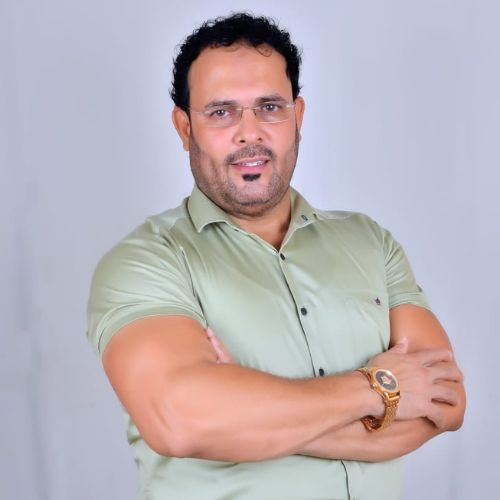
Sakib Gore
In Badlapur, Maharashtra, Sakib Gore is lighting up lives through his ‘Vision Friend Sakib Gore’ initiative, driven by his grandmother’s struggle with blindness. With a belief that glasses are more than a fashion statement—they’re a lifeline to sight—he’s brought eye exams to 2.6 million people, distributed 1.7 million free spectacles, and facilitated 63,000 free cataract surgeries. His ‘Devabhau’ glasses, priced at just 33 rupees, earned him global acclaim and the ‘System Leader Award’ at a World Summit in Kathmandu. Reinvesting every profit into free glasses for the poor, Sakib’s mission is simple but profound: to lift the visually impaired out of darkness, one pair of eyes at a time.
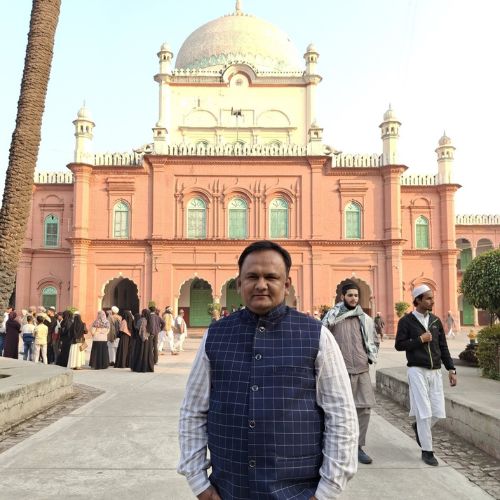
Sarfaraz Ahamad
Solapur’s Sarfaraz Ahamad, a 41-year-old historian, brings Maharashtra’s Deccan heritage to life through his eight books. His books include the acclaimed Hyder Ali, Tipu Sultan, and The Sultanate-e-Khudadaad. As a founder member of the Ghaziuddin Research Center which promotes objective historical research. His writings in Marathi, Hindi, Urdu, and English captivate readers. Sarfaraz’s work is reviving cultural pride and inspiring a new generation of scholars.
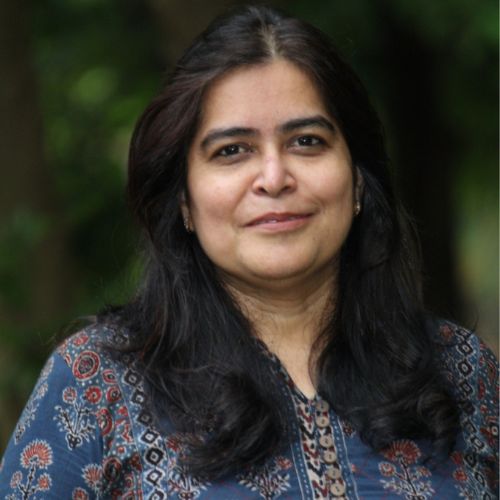
Sabah Khan
Sabah Khan’s NGO Parcham based in Mumbara, empowers girls through football, challenging norms and building confidence among them. Khan, 50, fosters gender equality and religious harmony, securing a dedicated football field and launching the Savitri-Fatima Foundation to support education and economic growth. Sabah’s transformative work offers Mumbra’s youth a vibrant path to self-discovery.
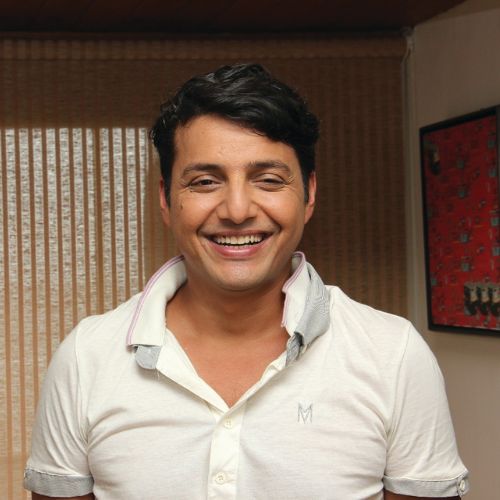
Afroz Shah
Mumbai’s Afroz Shah, a 42-year-old lawyer, turned Versova Beach into the site of the world’s largest clean-up, removing 20 million kilograms of trash. Afroz Shah Foundation now tackles rivers and waste culture, earning him the UN’s ‘Champion of the Earth’ title. From slums to schools, his “dates with the ocean” inspire thousands, proving one man’s grit can spark a movement.
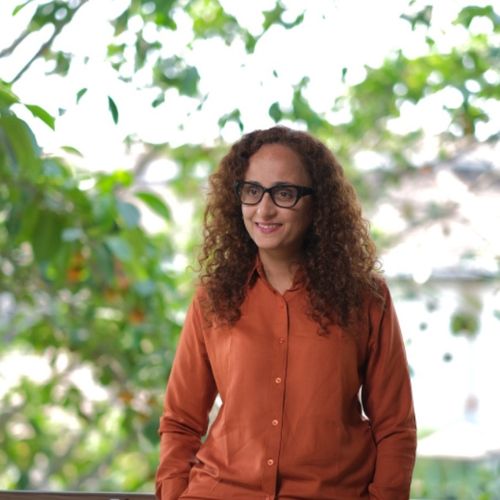
Dr. Sabiha Inamdar
In Nashik, 43-year-old Dr. Sabiha Inamdar, an intimacy and relationship coach, is breaking taboos around sexual wellness. She creates safe spaces for women and couples to discuss intimacy and emotions openly. What makes Dr. Sabiha’s work important is her commitment to normalizing healthy conversations around sex, emotions, and interpersonal connection—especially for women. Her workshops shift mindsets, fostering healthier relationships and emotional well-being across Maharashtra.
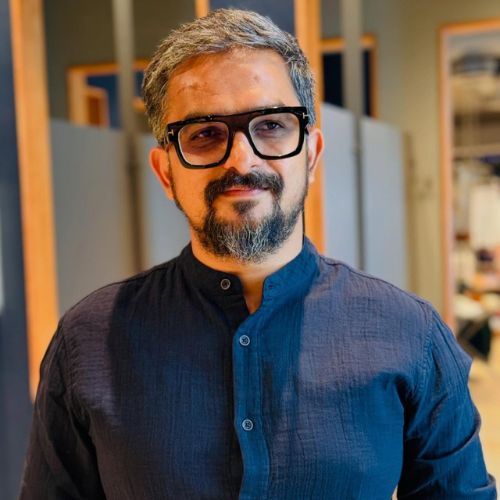
Hussain Mansuri
Mumbai’s Hussain Mansuri, a 40-year-old philanthropist with 7.8 million Instagram followers, spreads compassion across the city’s streets. From feeding street kids to caring for stray animals, his quiet acts of kindness, rooted in Islamic values, touch countless lives. Whether delivering meals near Tata Hospital or comforting the grieving,
Hussain’s selfless mission ripples far beyond Mumbai.
source: http://www.awazthevoice.in / Awaz, The Voice / Home> The Changemakers / posted by Aasha Khosa, ATV / July 05th, 2025