Category Archives: Business & Economy

On Muslim Women’s Day, four Indians share the creative journeys that shaped their identity

INDIA :

Four Indian Muslim women creatives talk about how they discovered what they love.

Art lets us see ourselves in other people. It opens windows so we don’t get lost in the darkness, and reminds us that we’re never alone. 

I believe that every person who thinks creatively is an artist. Whether you’re an entrepreneur or a scientist, you are a creative person if you’re finding new ways to tell stories and experience the world. When we spend time with art, we start to see things differently. When we listen to other people’s stories, we begin to connect to them and also understand more about ourselves.

Today, on the occasion of Muslim Women’s Day, we are presented with a special opportunity to pass the mic and celebrate Muslim women in a world that has historically overlooked them. When I founded the trend report and online community Unapologetically Muslim back in 2017, there was an important cultural shift happening. Donald Trump had issued an immigration ban preventing Muslims from entering the United States, and people were showing vocal support for Muslims, but their identity was also being typecast and commodified. Their stories were being told for them.

In response, I created a platform for Muslim women to tell their own stories. Over the last six years, I have interviewed over 130 women from all over the world and shared their stories on Instagram. I’m not Muslim myself but wanted to find a way to show solidarity. It’s been incredible to speak to women about their creative journeys and their dreams for the future. We have so much to learn from each other.

This year, for Muslim Women’s Day, I interviewed four Indian Muslim women creatives about how they discovered what they love. I hope their words give you some inspiration, and I hope that you take the opportunity to celebrate the Muslim women in your life.

Ruha Shadab, founder of LedBy Foundation
I was born in Saudi Arabia and moved to Noida when I was eight years old. I was a very quiet child but remember speaking about social impact as a six-year-old. At dinner, an uncle asked me what I wished for when I grew up, and I said world peace. He laughed at me, which I thought was amusing because I was being very honest about what I wanted. 

I would eventually go on to create the LedBy Foundation, a leadership incubator for Indian Muslim women. I truly believe that the education and employment of women is one of the most pressing issues we’re facing in India. I hope that every Indian gets the opportunities, support and encouragement to achieve their professional dreams. At LedBy, we focus on helping Muslim women with the hope that it will have a positive externality. We’re giving them the support they need to reach top positions in 10-20 years as they climb the corporate ladder.

During our graduation ceremony last year, we invited parents and family members to speak. One father said, ‘This is the first time I’m speaking on a public platform. LedBy is empowering Ayesha and now Ayesha is empowering me.’ It’s beautiful that our work can have an upstream effect towards parents. The impact is not just at the individual level, but at the family level. Change is already coming and I believe that LedBy is expediting it.

Sana Khan, co-founder of Bombay Closet Cleanse and pole dancer

Growing up in a very conservative family, I was never able to wear what I wanted to. I was pretty shy and underconfident because I wasn’t exposed to a lot. I used to go to tuitions wearing salwar kameez while my friends would wear shorts. I’ve changed outfits in cabs and corners under my building. I had to fight really hard for what I wanted to wear.

After I got married, I became a compulsive shopper and would buy things I didn’t need. I wanted to have everything that I didn’t get to wear as a teenager. I was on this spree of buying, buying, buying. It became my identity. 

At some point, I organised a charity garage sale at my home where about 100 people turned up. I received so much love and warmth from this community and we raised INR 15,000 for the Salvation Army. It was really heartwarming to see the response, so my sister Alfiya and I started a thrift store called Bombay Closet Cleanse. At first, it was just about making space in my closet. Then, slowly, I learned a lot and became very passionate about sustainability.

At the same time, I was at a very low point in my life. I saw burlesque dancers perform in Melbourne and was inspired by their confidence and body positivity. I’ve always gravitated towards sensual dance forms because they make me feel powerful in a way that I didn’t as a child. When I came back to Bombay, I signed up for pole classes and started doing therapy. They worked like magic for my confidence.

I have a pole in my house and I only perform for myself. It’s something that I absolutely love doing and it’s helped heal my childhood trauma. I’ve fought for it so hard that now, everyone has accepted it. 

Sabika Abbas Naqvi, poet and activist
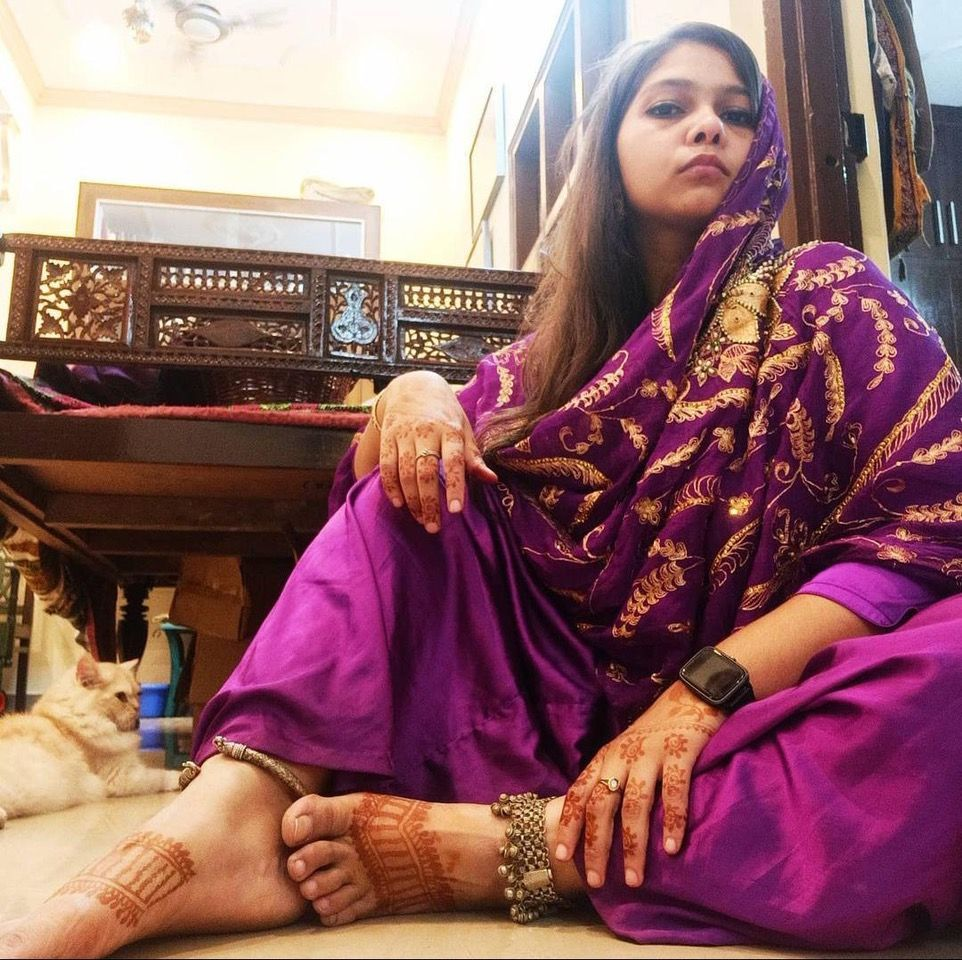
I come from a legacy of care and love. I grew up in a mosque compound in Lucknow with lots of love and appreciation. I was the quiet one and loved books. I had a record of finishing a book a day.

I started writing poetry when I was four years old. I would go upstairs and scribble things and I would come back and people would read it. From the balcony of the masjid, older people would ask me to read what I had written. At that time, I would call my poetry gibberish, but that was the beginning.

I’m Shia Muslim so I come from a huge cultural context of mourning and the noha and marsiya poetry that comes out of it. I had no idea what spoken poetry was, but the performance of that poetry really inspired me and became a tool I used to question everything around me. Now, for me, there is no other way to do poetry. 

My poems are questions that I wanted to ask everyone around me, and they are also answers to questions that I was asked. It’s an all-inclusive theatre of words. It’s not a piece of literature; it’s an experience, and the performance comes with it. It’s not just the words that have to be said, but the way in which the words have to be said: which word is lightly put forward and which word is put forward with tenderness or anger. 

The purpose of this poetry is my lifelong mission. I write poems that are multilingual so that more people can understand them. My poetry must and should be read on the streets in protest and if it is not, then it is a failure of mine. If people can spread hatred on the streets, why can’t I spread love?

Nuzha Ebrahim, chef and owner of Kuckeliku Breakfast House and The Fromagerie

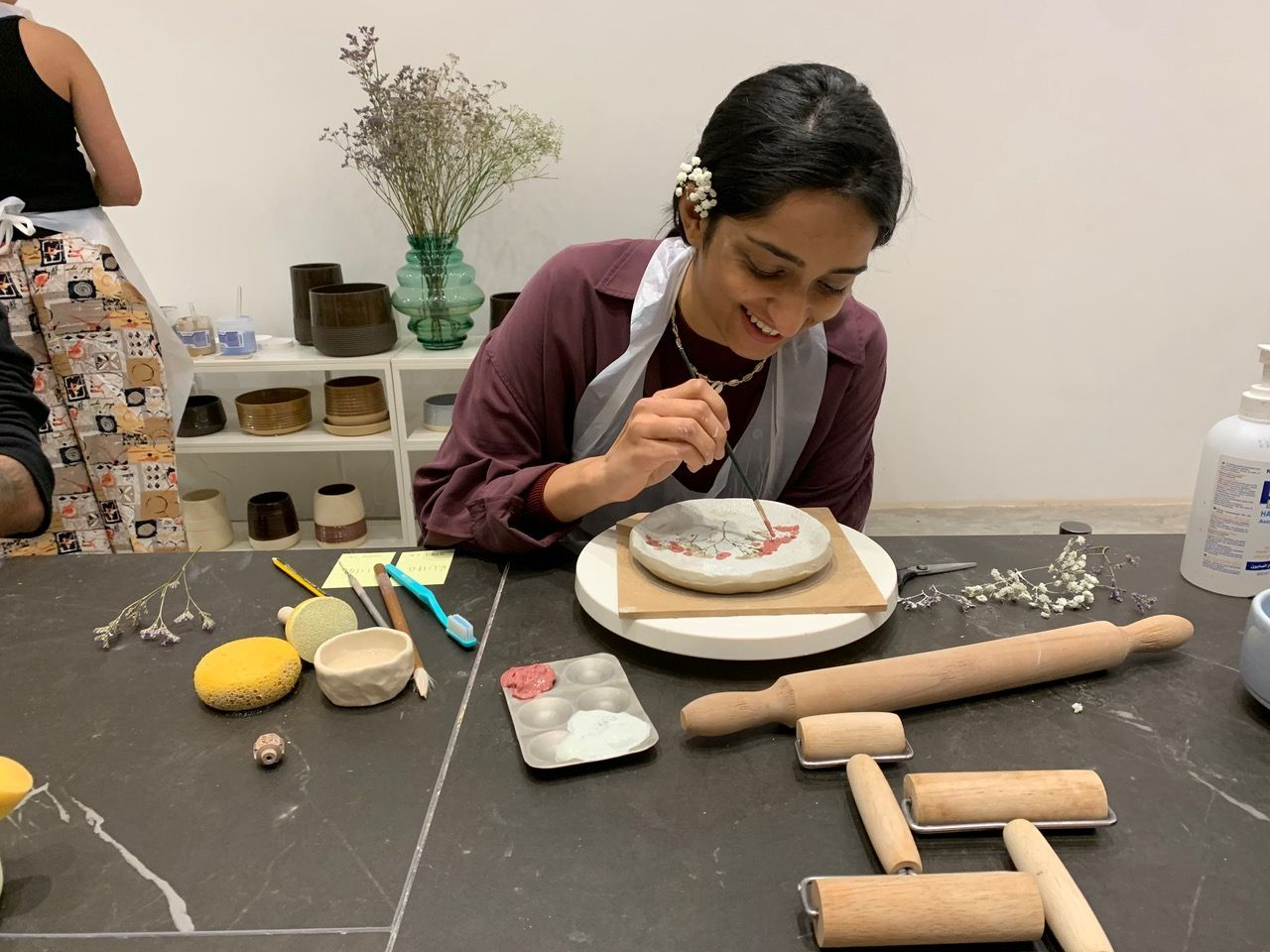
I’ve always been entrepreneurial. Growing up, I tried to use any bit of talent to create things I could sell. In second or third grade, someone gifted me a pottery kit and I went around my building trying to sell misshapen pots to people. In high school, I started painting white Bata canvas shoes and T-shirts and selling them to people. There’s still a Facebook group somewhere. That’s how I made my pocket money and it helped shape what I’m doing now.

I tried to pursue art but it was one of those things where if I did it for money, I would start to hate it and couldn’t stick to it. Retrospectively, I realised that cooking was the one thing I hadn’t quit. It’s one of those things that I just don’t get bored of. Twelve years later, I’m still doing it.

My dad’s side of the family is in the restaurant business. My granddad set up his first restaurant 35-40 years ago so I grew up in that culture, but my parents didn’t really consider that I would take this forward until later in life. They assumed that this was one of the many hobbies I would quit, so I don’t think anyone was taking it seriously.

Cooking is like jazz; you keep riffing and creating something new out of the same ingredients that you have, and that’s really fun for me. When I cook for myself, it’s always about throwing things together and it’s kind of awful because I can never make the same dish twice. If I make something and I really love it, I can never do it again, because I never write things down.

In the restaurant business, every day is a different challenge. I have a grilled cheese business called The Fromagerie and a restaurant called Kuckeliku Breakfast House. There’s never monotony, so it’s always fun. Right now, it’s keeping me quite fulfilled. 

source: http://www.vogue.in / Vogue India / Home> Culture / by Nayantara Dutta / March 27th, 2023
India’s First Muslim Woman Art Conservator Reviving Heritage with Passion, Perseverance

Bahjoi (Sambhal District, Moradabad Division), UTTAR PRADESH / Jaipur, RAJASHTAN :

Maimunah Nargis

From humble beginnings in Moradabad to restoring historic monuments, manuscripts, and paintings, Maimunah Nargis blends traditional techniques with eco-friendly materials

New Delhi :

Art conservation is a field that not only preserves history but also connects generations to their cultural roots. Among the pioneers in this domain is Maimunah Nargis, India’s first Muslim woman art conservator. Her journey is a testament to passion, determination, and resilience, transforming scattered fragments of history into living heritage. 

From childhood, Maimunah nurtured an interest in fine arts, which later became both her profession and life’s calling. After completing her schooling, she enrolled in Fine Arts at Aligarh Muslim University (AMU), but facing challenges in gaining admission to the MFA programme, she opted for a one-year diploma in Museology, a decision that became a turning point in her life. This course took her to New Delhi’s National Museum, where a three-month internship allowed her to experience history beyond books, touching and restoring priceless artefacts firsthand.

In 2002, Maimunah began her career as a curator at Jaigarh Fort in Jaipur, gradually establishing herself in the field of art conservation despite societal and professional hurdles. Wearing a hijab, she often faced doubts from clients, who would sometimes withdraw projects even after they had been approved. Reflecting on these challenges, she said, “This was a lesson for me, not a loss.”

Despite taunts when she left AMU for Delhi, her parents’ unwavering support gave her the courage to pursue her dreams, and her mother even accompanied her to the exam centre, demonstrating faith in her daughter’s ambitions.

Over the years, Maimunah has undertaken numerous landmark projects. She rebuilt the 400-year-old wooden chariot of the Lodwar Jain temple in Jaisalmer, which had been destroyed by termites, using traditional materials without the help of a carpenter. She reassembled broken statues from the 6th to 13th centuries in Akbar’s Fort, Ajmer, ensuring the joints remained invisible. She restored a 400-year-old Sanskrit manuscript in gold and ink at Kota Museum, and meticulously conserved the painted ceilings of 11 rooms in Garh Palace, Jhalawar, preserving three of them without removing a single piece or causing any damage.

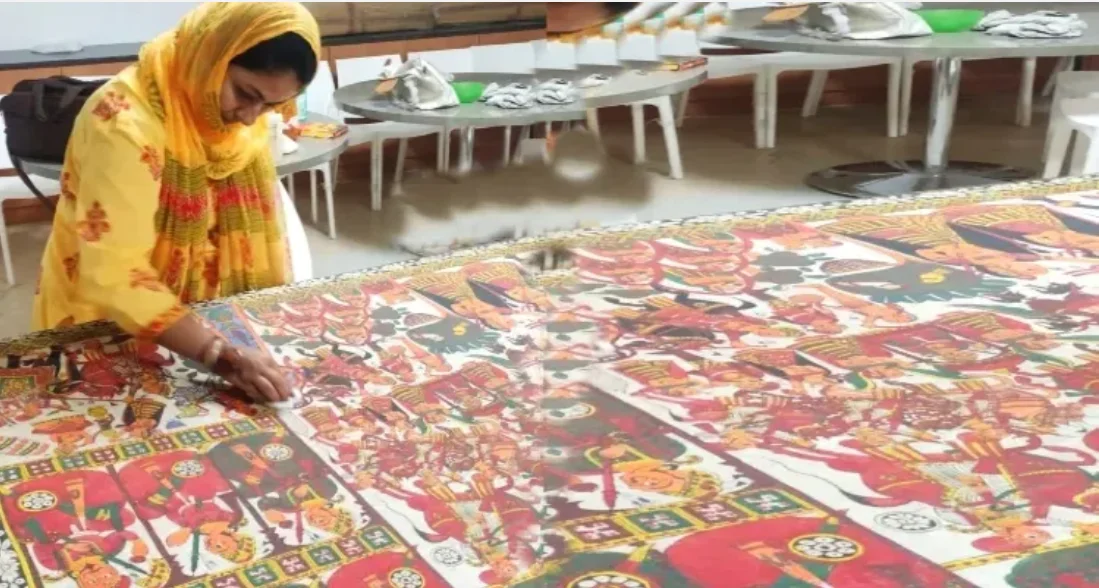
Her work has also reached modern spaces such as Jaipur and Mumbai airports, where she restored a 5,000-square-foot canvas painting on Maratha history, and at Rashtrapati Bhavan, she preserved historic pictures on wooden doors. At the National Museum, she safeguarded historical books including Baburnama, Akbarnama, Shahjahanama, and Jahangirnama, and brought decayed artworks and royal garments back to life.

Maimunah’s approach to conservation goes hand in hand with her respect for the environment. She has often highlighted that cement lasts only 30 years, whereas traditional Indian plaster made of red clay and lime, being both eco-friendly and cost-effective, could endure for thousands of years. She applied these methods while constructing a building in Dehradun on the site of a 400-year-old mansion and a modern farmhouse in Gurgaon.

Her dedication has earned her three national and 28 state awards, as well as recognition from institutions such as Kurukshetra and Jammu University. Her dreams include building a heritage resort in Madhya Pradesh using traditional materials and restoring a 500-year-old temple in Mathura, aiming to help India rediscover its cultural roots and architectural heritage.

Hailing from Bhajoi in Moradabad, Uttar Pradesh, Maimunah grew up in a simple household but with ambitious dreams. Her father, a UP Police officer, always encouraged her, fostering the confidence to pursue an unconventional career path. Today, she resides in Jaipur, remaining hands-on in her work, kneading lime and plastering walls herself. She proudly states, “I am the only Shia Muslim woman art conservator in the country, and this is my identity.” Maimunah Nargis’s life story demonstrates that with passion, courage, and perseverance, a woman can overcome societal barriers, make history, and inspire generations. She has become more than a name; she is a symbol of culture, dedication, and empowerment.

source: http://www.clarionindia.net / Clarion India / Home> Editor’s Pick> Indian Muslim / by Clarion India / September 21st, 2025

Ghiasuddin Babukhan’s legacy: building institutions, empowering lives

Hyderabad, TELANGANA :

Ghiasuddin Babukhan, one of Hyderabad’s most respected builders, philanthropists, and educationists, died Monday at 83. He is survived by his wife, three sons, and a daughter.

Known for his compassion, Babukhan leaves behind a legacy that bridged stone and society — architectural heritage inherited from his father and a philanthropic network of his own making.

He was the son of Khan Bahadur Abdul Karim Babukhan, a legendary builder who left an indelible mark on India’s architectural history. Abdul Karim Babukhan’s construction empire produced some of the most celebrated structures of the 20th century, including the Arts College at Osmania University, the Hyderabad House in New Delhi, and the Kadam Dam in Nirmal, then in Adilabad district.

Ghiasuddin inherited not just this construction legacy, but also the conviction that enterprise must serve society. In the early 1990s, he shifted decisively from business to social service. In 1992–93, he founded the Hyderabad Zakat and Charitable Trust (HZCT), creating a structured and transparent system of charitable giving. For him, philanthropy was not about token donations but about building institutions that could sustain dignity and hope for generations.

The trust focused primarily on education, which Babukhan believed to be the most powerful tool for empowerment. Its annual scholarship program for orphans became one of its most impactful initiatives. For more than a decade, over 10,000 orphaned students across Andhra Pradesh and Telangana pursued education with dignity through these scholarships. Many went on to become doctors, engineers, teachers, and entrepreneurs — living proof of Babukhan’s belief that charity must enable, not merely provide.

Unlike many who confined themselves to charity within their community, Babukhan’s work cut across religious and social lines. He was committed to humanitarian relief, healthcare support, and the preservation of Hyderabad’s plural cultural ethos. His schools, social programs, and charitable initiatives reflected an inclusive philosophy rooted in compassion, justice, and service.

“The passing of Ghiasuddin Babukhan is a great loss for Hyderabad. He was a dedicated philanthropist whose efforts in educating the poor will be remembered. My condolences to his family and friends. May Allah grant him maghfirah and patience to his loved ones,” Hyderabad MP Asaduddin Owaisi said in an X post.

Jamaat-e-Islami Hind president Syed Sadatullah Husaini called him a “true champion of education and a benefactor to the Muslim community.” In a post on X, Husaini said Babukhan’s contributions through the Hyderabad Zakat and Charitable Trust transformed the lives of thousands and would be remembered for generations.

“He was a true champion of education, a liberator of the marginalised, and a benefactor of the Muslim community — an embodiment of the noble spirit of zakat and compassion. Through his philanthropic initiatives, he played a pivotal role in the educational upliftment of the Ummah, poverty alleviation, relief work, and community development,” Husaini wrote.

source: http://www.maktoobmedia.com / Maktoob Media / Home> India / by Maktoob Staff / August 26th, 2025

KEF Holdings’ Meitra Hospital joins KKR’s healthcare platform in India

Kozhikode, KERALA :

Kozhikode:

KEF Holdings, a diversified conglomerate with interests in manufacturing, healthcare, and wellness, has announced that Meitra Hospital, its flagship healthcare institution in Kozhikode, will join the pan-India healthcare platform of funds managed by global investment firm KKR.

The collaboration marks a major milestone in Meitra’s growth journey, aiming to strengthen its mission of delivering world-class healthcare to patients, professionals, and communities across India.

Founded in 2012 by entrepreneur Faizal Kottikollon, Meitra Hospital is JCI-accredited and designed to meet international standards. The hospital spans 450,000 sq. ft, featuring 220 individual patient rooms and suites, eight advanced operation theatres, and 52 intensive care units, supported by cutting-edge medical diagnostics and clinical facilities benchmarked against leading global hospitals.

As part of its expansion plans under the partnership, Meitra will establish a state-of-the-art Oncology Centre and increase its capacity by adding new hospital beds and ICUs, addressing the rising demand for specialized and comprehensive healthcare in South India.

Faizal Kottikollon will continue to serve as Chairman of Meitra Hospital, ensuring continuity of leadership and vision.

Commenting on the development, he said: “Meitra Hospital was founded with the dream of bringing the world’s best healthcare practices and infrastructure to Kozhikode. This strategic partnership with KKR’s healthcare platform will enable us to accelerate that vision, expand our capabilities, and deliver even greater value to the communities we serve. Together, we are building a future-ready healthcare institution for India.”

source: http://www.english.varthabharati.in / Vartha Bharati / Home> India / September 22nd, 2025

Hyderabad Banker Hafiz Syed Musa Kaleem Falahi Honoured with Global Islamic Finance Award in Malaysia

Hyderabad, TELANGANA :

Kuala Lumpur:

Hafiz Syed Musa Kaleem Falahi, an Islamic finance expert from Hyderabad, has been honoured with the Global Islamic Finance Award 2025 at the Global Islamic Finance Summit held in Kuala Lumpur. The award was presented by former Maldivian President Mohamed Waheed Hassan.

The summit was attended by Malaysian Prime Minister Anwar Ibrahim, Deputy Prime Minister Ahmad Zahid Hamidi, and several global dignitaries, alongside leading figures from the international Islamic banking and finance sector. Organised annually by the International Islamic Finance Committee, the summit recognises outstanding contributions in advancing Islamic banking and financial services worldwide.

Falahi, who currently serves as Chief Business and Investment Officer at Siraj Finance in Abu Dhabi, brings over two decades of experience in Islamic banking. He has played a pioneering role in developing Islamic financial products across retail, small, and medium enterprise sectors. Previously, he served as President and CEO of the Islamic Bank of Afghanistan, where he established institutions across major cities, and has also been associated with Dubai Islamic Bank.

Son of the late Maulana Syed Yusuf, former Secretary of Jamaat-e-Islami Hind, and Editor Radiance Viewsweekly, Falahi is recognised as one of South Asia’s leading Islamic finance professionals. The Kuala Lumpur summit also saw participation from prominent figures such as Sheikh Ebrahim bin Khalifa of Bahrain. Leaders at the event emphasised the critical role of Islamic banking in guiding the Muslim world toward sustainable economic development.

source: http://www.radiancenews.com / Radiance News / Home> Pride of the Nation> Awards> Latest News / by Radiance News Bureau / September 18th, 2025

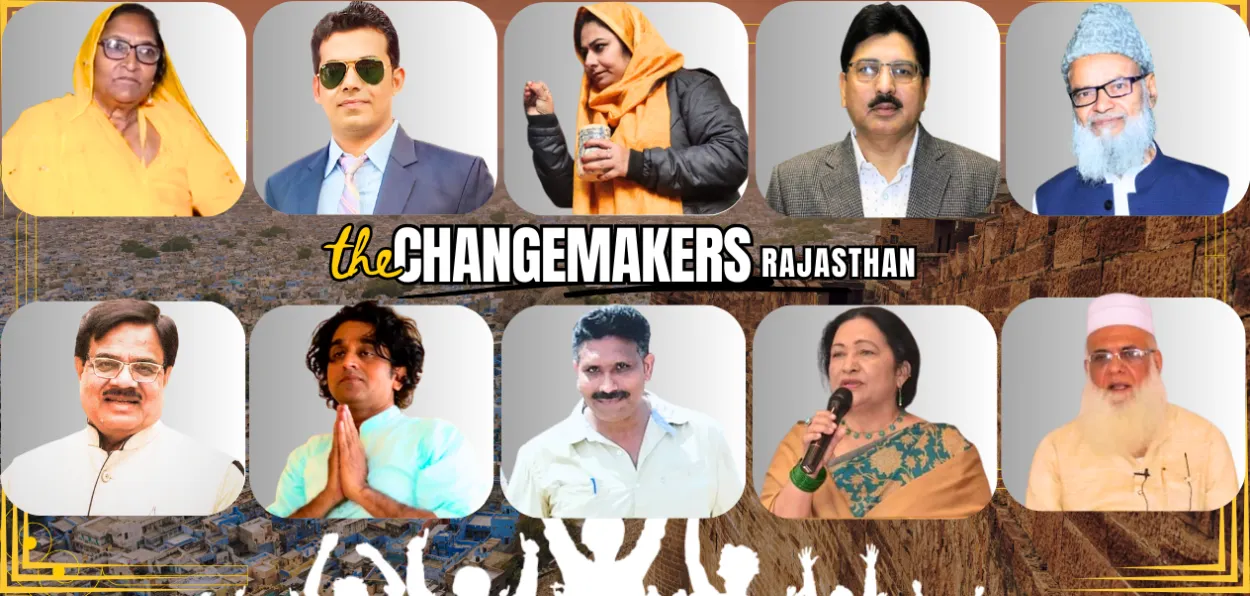
The Changemakers: 10 stars of Rajasthan who have made society proud

RAJASTHAN :

Changemakers of Rajasthan

Jaipur :

Rajasthan is known for its sandy deserts, historical monuments, especially forts, vibrant culture, and above all, its brave people, some of whom are inspiring others and changing society for the better. Under our series ‘The Changemakers’, Awaz-The Voice, brings you ten such personalities of Rajasthan, who have done extraordinary and pioneering work. Batool Begum: A living legacy of musical heritage.

Batool Begum: Woman who took traditional music to the world

One name that resonates in the streets of Jaipur is that of Batool Begum. Born in Kerap village of Nagaur district, Rajasthan, this extraordinary singer is a living legacy of Indian classical music. Batool developed a deep passion for music in her childhood. Despite facing social and economic challenges, she continued her singing.

Her melodious voice and her passion for music not only earned her recognition as an artist but also proved that talent can break all barriers. Her art is a source of inspiration for her community and the entire Rajasthan.

Abdul Salam Johar: A lac bangle maker who received global recognition

The vibrant spirit of India’s Pink City, Jaipur, doesn’t only emanate from its colours and people but also from the traditional handicrafts that are made and sold here. Bangles worth lakhs are made in these streets, which are a symbol of the traditional beauty and hard work of thousands of its people.

Abdul Salam Johar is one such artist who not only preserved the traditional art of the State but also brought about a social change in a major way. Coming from the Manihar community, Johar was born in a family with little means, but his dreams were extraordinary. Seeing the struggles of his grandfather Hafiz Mohammad Ismail and parents Haji Abdul Aziz and Hajjan Qamar Jahan, he made hard work, dedication, and social service the main mantra of his life.

He began his journey from his ancestral shop ‘Indian Kangan and Colour Store’ located in Tripolia Bazaar of Jaipur, and today his wares are being sold under brands ‘Johar Design’, ‘Johar King’ and ‘Indian Crafts’ in the global markets. He is not only a successful entrepreneur, but also a social reformer who took his community and traditional art to new heights.

Abdul Latif ‘Arco’: A confluence of business and social service

Abdul Latif, who lives in Chini ki Burj in the capital Jaipur, and is known as ‘Arko’ in Rajasthan, is one such special personality. Born in a small village of Chomu in 1946, Abdul Latif’s father, Rahmatullah, and mother, Hafijan, taught him hard work, honesty, and the passion to help people, which became the basis of his life.

His company, Abdul Razzaq & Company (ARCO), is today a big name for social service along with electric motors, fans, and coolers. Apart from this, his hotel, ARCO Palace, is a symbol of his hard work and foresight. Abdul Latif’s story is not just of a businessman, but of a person who chose to work as a changemaker by combining his business and social responsibilities.

Qazi Nishat Hussain: A new voice breaking stereotypes

The voice rising from a small office located in the narrow streets of Johri Bazaar in Jaipur, the capital of Rajasthan, is today inspiring society to change. This voice is of Nishat Hussain, Rajasthan’s first Muslim female Qazi, social worker, and a strong advocate of the rights of Muslim women.

Her life journey is an example of courage, struggle, and change, which not only made thousands of women aware but also gave them a new direction to live.

Born in Sitabari Mohalla of Karauli district, Nishat’s childhood was spent in an environment of communal harmony. His family was the only Muslim family in the neighbourhood. There were three temples in front of her house. She says, “We did not know who was a Hindu and who was a Muslim.” In a backward area like Karauli, where girls’ education was not given importance, Nishat created history. She became the first Muslim girl in the district to pass the tenth standard, that too as the only Muslim student among 1200 girls. Today, she has become a torchbearer of the rights of Muslim women.

Captain Mirza Mohtasim Baig and Ruby Khan: An Inspiring couple in social service

An inspirational couple, Captain Mirza Mohtasim Baig and his wife Ruby Khan, hail from Jaipur. Captain Mirza is the first Muslim pilot of Rajasthan and has been operating national and international flights for the last 25 years. At the same time, his wife Ruby is an active social worker and politician.

Both believe that if one wants to bring change in society, then he has to take the initiative. Together, they had organised medical camps, documentation camps, free ration distribution, and offered financial help to families in the marriage of their daughters. The couple is an epitome of change brought about by spirited people.

Dr. Arif Khan: The village scientist who created history

Thirty-four years ago, a child was born in the small village of Masani in the Hanumangarh district of Rajasthan. Today, he is Dr. Arif Khan, a scientist who has brought laurels to India. In his village, most of the people toiled in the fields. His father, Advocate Farid Khan, wanted his son to become a doctor. His mother and grandfather also had the same dream. But there were few schools in Masani, and the path to making dreams come true was difficult. Still, Arif had a passion to do something extraordinary in his life.

With his hard work and dedication, he became a bio-scientist and brought glory to his family and village. His research on milk and food products brought a wave of change. His story proves that if the intentions are strong, then even a boy from a small village can become a scientist and make the country feel proud.

Mainuna Nargis: First Shia Muslim woman in art conservation

In a vast country like India, art conservation is important since it not only preserves history but also connects future generations to our heritage.  Mainuna Nargis, the country’s first and so far the only Shia Muslim woman art conservator, does the same work. Born in Bahjoi, a small town in Moradabad district of Uttar Pradesh, Maimuna’s childhood was ordinary, but her dreams were extraordinary. Rajasthan has now become Mainuna’s second home.

Her father, a Policeman in UP, always encouraged her. After studying Fine Arts from Aligarh Muslim University (AMU), she did a diploma in Museology, which became the most decisive turning point in her life. Maimuna’s story is not just of professional success, but a story of passion, struggle, and self-confidence, which revived the broken pieces of history.

Yoga Guru Naeem Khan: Global journey from music to yoga

The life journey of Yoga Guru Naeem Khan, who rose from the streets of Jodhpur, the cultural capital of Rajasthan, to spread his spiritual aura on international platforms, is a unique example. He rose from a common man to a global yoga guru and presented yoga as a universal energy beyond religion, culture, and boundaries.

Naeem Khan was born in a family where music was in every breath. His grandfather, Ustad Umardin Khan, was the court musician of the Jodhpur royal family, while his maternal uncle was Padma Bhushan-awarded Sarod player Ustad Sultan Khan. However, with changing times, that traditional flame of music started to fade. Naeem and his brother got involved in business, but yoga gave Naeem a new direction, and he took it to a global platform.

Syed Anwar Shah: A man who introduced girls to education

Thirty years ago, a dream was born in a small room in Jaipur, which has today become the light of education for thousands of girls. This is the story of Syed Anwar Shah, whom people fondly call Master Anwar Shah. He not only dreamt of his daughter’s education, but also made it a means of progress for the daughters of society.

Today his educational institution, Al-Jamia-tul Alia, is spreading the message of knowledge and Islamic ethics not only in Jaipur, but also in the whole of India and abroad. After completing his M.A. in Public Administration from Rajasthan University in 1980, he dedicated his entire life to the welfare of society and the service of education. In 1995, when his daughter Alia was born, he decided to set up an institution for the education of girls, which would impart both worldly and divine teachings.

Today, his effort has become a boon for thousands of families.

Padma Shri Shakir Ali: Patron of Miniature Painting

It’s no exaggeration to say that Jaipur is the art capital of Rajasthan. And in the field of miniature painting, the name of Syed Shakir Ali comes to the fore spontaneously. This genre of painting is an identity of the state of Rajasthan. 

Padma Shri awardee Syed Shakir Ali is not only a great practitioner of this art, but he is also the guardian of that heritage, which is an integral part of the cultural identity of Rajasthan. Born in 1956 in Jalesar village of Uttar Pradesh, Shakir Ali’s family soon settled in Jaipur, where his art got a new direction. 

Today, he has given recognition to this traditional art of Rajasthan not only in India but also on international platforms.

source: http://www.awazthevoice.in / Awaz, The Voice / Home> The Changemakers / by Aasha Khosa, ATV / September 14th, 2025

Treasure trove of memories: Khaleel’s scrap museum in Malemar

Mangaluru (Dakshina Kannada District) , KARNATAKA :

Mangaluru : 

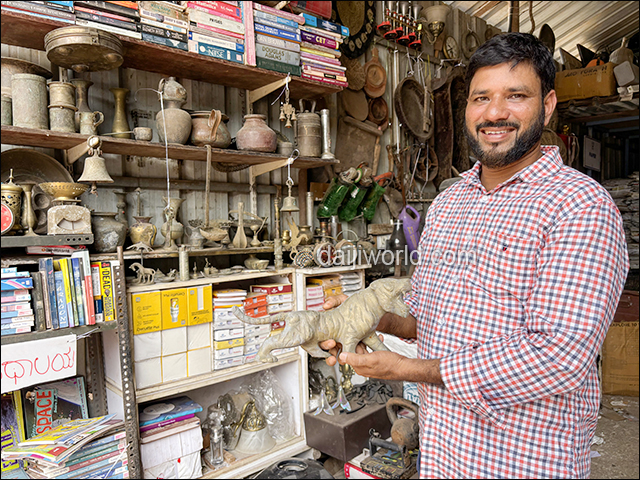
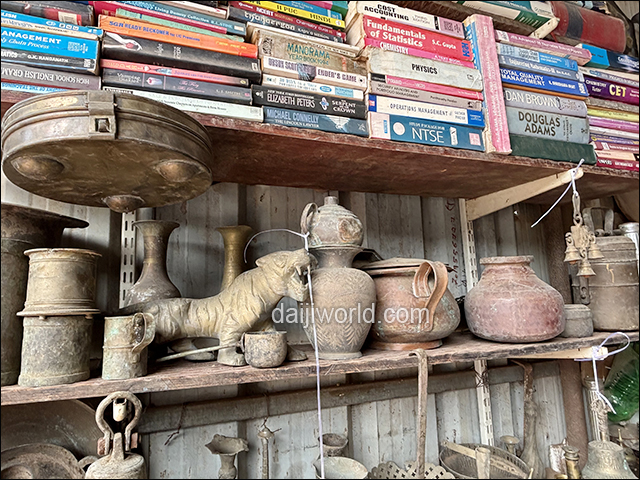
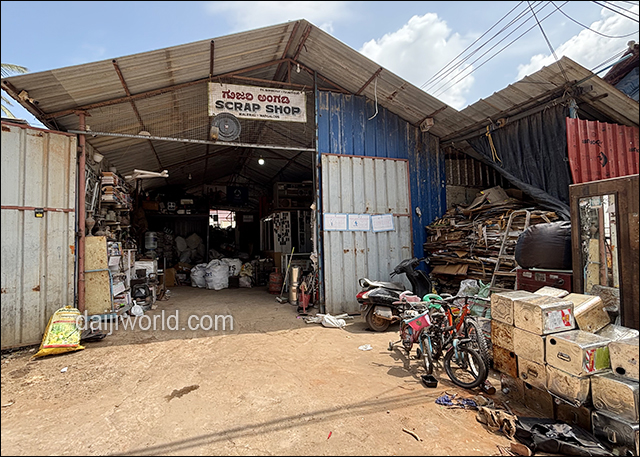
In the heart of Malemar stands a unique museum that has become a treasure trove of memories for the community. What began as a small scrap business two decades ago, and later transformed into a distinctive museum eight years ago, is today capturing the attention of visitors with its fascinating collection of vintage artefacts — all thanks to the dedication of Ibrahim Khaleel.

Originally hailing from Kulur, Khaleel developed the idea of converting his scrap shop into a museum when he noticed antique and traditional pieces entering scrap shops.

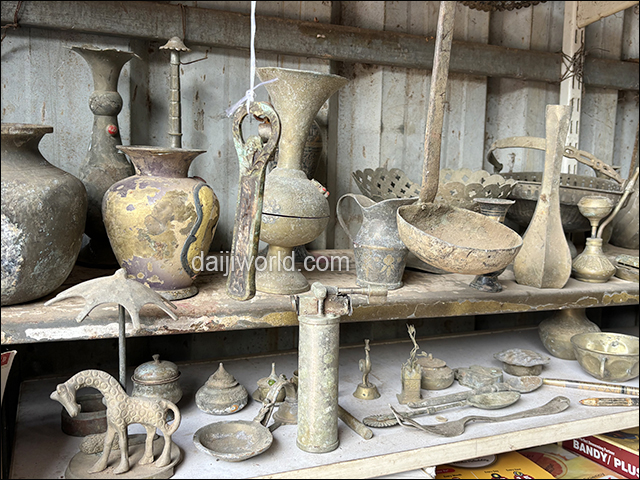
Determined to preserve them for future generations, he began collecting items not only from his own shop but also from households and other scrap dealers. Over the years, his efforts have turned discarded objects into priceless memorabilia — truly creating ‘wealth out of waste’.

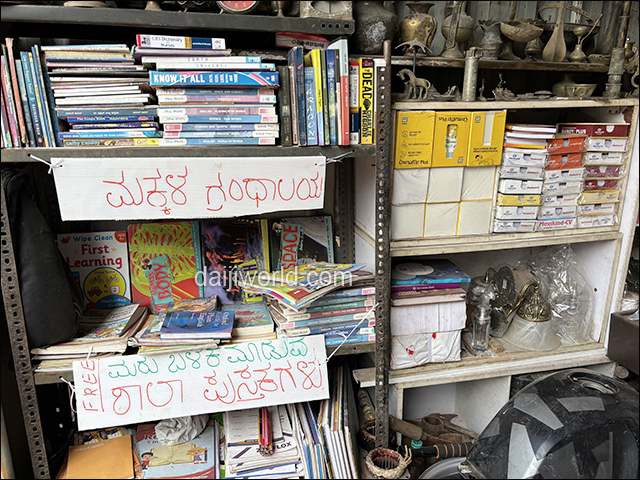
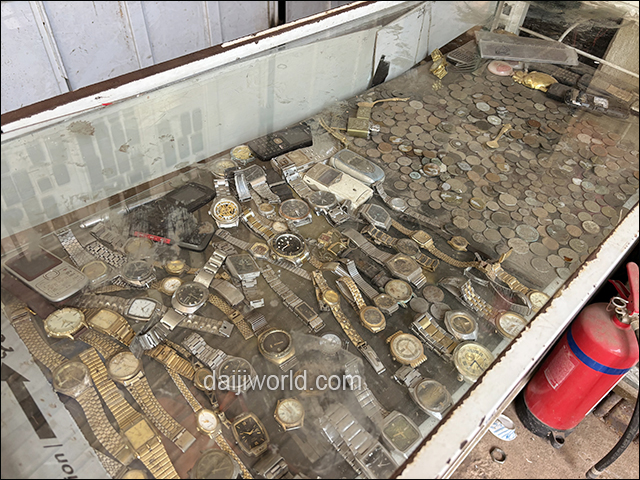
Khaleel’s museum now showcases a wide array of antiques, including coins, watches, tape recorders, gramophones, vintage telephones, lanterns, and traditional household items. He has also created a small library within the museum, where children and students can access books free of cost, making his initiative both nostalgic and educational.

His work has received valuable support from organisations such as Plastic for Change, which helped him organise the scrap shop into different sections. Khaleel has also invested in machines to shred waste paper, ensuring sensitive documents are not misused, and to separate cable wires from copper for effective recycling.

Looking ahead, Khaleel hopes to create a separate, larger space for his museum so that more people can visit, relive memories, and appreciate the craftsmanship and design of a bygone era.

Khaleel’s scrap museum is not just a collection of old objects; it is a space where history lives on, nostalgia is rekindled, and generosity flourishes. For anyone visiting Malemar, it is undoubtedly a must-see destination.

Scrap Shop Turns Museum in Mangalore | Creativity of Ibrahim Khaleel / source: youtube.com

source: http://www.daijiworld.com / Daijiworld / Home> Top Stories / by Daijiworld Media Network – Mangaluru / pics: Dayanand Kukkaje / September 11th, 2025

Asma Hussain The Royal Legacy Behind India’s Fashion Icon

Lucknow, UTTAR PRADESH :

Asma Hussain, an iconic name in the Indian fashion industry, is renowned for her remarkable designs and her deep-rooted connection to the royal family of Awadh. As a descendant of Shuja-ud-Daula, a ruler from the 18th century, Asma carries with her a rich legacy that has greatly influenced her work in fashion. Born into a family that has always been associated with culture and heritage, Asma Hussain’s foray into the world of fashion was a natural extension of her upbringing.

Since unveiling her first collection in 1994, Asma Hussain has become a household name in India and across the world, known not only for her royal heritage but also for her impeccable craftsmanship.

She is the founder of the Asma Hussain Institute of Fashion Technology (AIFT), an institution dedicated to imparting high-quality fashion education to young aspiring designers….

Early Life and Inspirations: Shaping a Designer’s Vision

Asma Hussain’s lineage has greatly shaped her journey as a designer. The royal family of Awadh is known for its contributions to art, culture, and history, and Asma has absorbed these influences into her design philosophy. Raised in a family that placed immense value on tradition, culture, and the finer things in life, Asma’s designs reflect a deep understanding of Indian craftsmanship, royal grandeur, and modern aesthetics.

While Asma’s royal connection often takes center stage in media discussions, it is her extraordinary skill and passion for design that truly sets her apart. Asma’s collection is an intersection of history and modernity, reflecting both her ancestry and the needs of the contemporary fashion world. She drew upon royal Indian textiles, ornate embroideries, and rich fabrics such as silk, velvet, and brocade to create collections that exude royalty while maintaining a sense of modern sophistication.

Her collection’s distinctive blend of Eastern and Western elements has helped her carve a unique niche in the fashion industry. Over the years, she has showcased collections that feature traditional styles combined with avant-garde concepts, which have gained the attention of both Indian and international clientele.

From AIFT to Fashion House: A Pioneer in Fashion Education

In addition to her success as a designer, Asma Hussain has contributed to the fashion industry in another significant way. In 1999, she founded the Asma Hussain Institute of Fashion Technology (AIFT) in Uttar Pradesh. The institute is recognized as one of the top fashion design schools in the country, offering comprehensive courses in fashion design, fashion technology, and merchandising.

AIFT was born out of Asma’s vision to provide young, aspiring designers with the skills, tools, and guidance they need to succeed in the competitive fashion world. Asma’s institute is unique because it goes beyond just offering technical knowledge—it teaches creativity, innovation, and critical thinking. The curriculum integrates both traditional and modern techniques of fashion design, which allows students to learn everything from embroidery and fabric manipulation to fashion history and business strategies.

Since its inception, AIFT has produced several successful fashion designers, many of whom have gone on to work for major fashion houses or start their own design labels. Asma’s role as an educator and mentor has become a cornerstone of her legacy, further cementing her influence on the Indian fashion scene.

https://www.instagram.com/reel/C7wOY5bNws4/?utm_source=ig_web_button_share_sheet

Asma Hussain’s Notable Clients and Collaborations

Asma Hussain’s clientele speaks volumes about her versatility and reach. Her designs have been worn by some of the most influential figures in India, including Bollywood legends, politicians, and celebrities. Asma’s ability to create outfits for a diverse group of people—from film stars to political leaders—demonstrates her exceptional skills and understanding of different tastes.

Some of Asma Hussain’s most notable clients include Bollywood actress Saira Banu, known for her timeless elegance, and Shabana Azmi, an award-winning actress and social activist. In addition to Bollywood icons, Asma’s fashion has also attracted attention from politicians, including the Prime Minister of India, Narendra Modi, and Uttar Pradesh Chief Minister, Yogi Adityanath. The fact that these high-profile figures have chosen Asma’s creations is a testament to her ability to craft outfits that blend traditional beauty with contemporary style.

In 1996, her fashion house was inaugurated by the legendary Bollywood actor Dev Anand, who was known for his style and charisma. Dev Anand’s association with Asma Hussain further solidified her reputation as a designer with a strong sense of elegance and sophistication. Since then, Asma’s creations have graced numerous high-profile events, cementing her position as one of India’s leading fashion designers.

Design Philosophy and Signature Style

Asma Hussain’s design philosophy is deeply rooted in the rich cultural traditions of India, especially those from her home state of Uttar Pradesh. Drawing from the royal aesthetics of Awadh, Asma’s clothing collections often feature ornate embroidery, luxurious fabrics, and rich color palettes. She is known for her use of traditional Indian textiles, such as Banarasi silks, georgette, and velvet, to create elegant yet modern garments.

One of the key elements of Asma’s designs is the intricate work on fabrics, especially hand-embroidered motifs that reflect the grandeur of royal craftsmanship. From sarees to lehengas, and even contemporary Western-style outfits, Asma’s attention to detail and craftsmanship is unparalleled. She is particularly known for her bridal collections, which are often a blend of traditional and contemporary styles, making them perfect for the modern bride who wants to feel regal on her special day.

Her designs are not limited to one particular category or occasion. Whether it is a wedding, a red-carpet event, or a festive occasion, Asma’s clothes can be seen on people from all walks of life. Her ability to create both traditional and contemporary looks has made her a favorite among clients looking for timeless elegance with a modern twist.

The Royal Influence: Awadh’s Rich Cultural Heritage in Every Stitch

The legacy of the royal family of Awadh plays a significant role in Asma Hussain’s designs. As a descendant of Shuja-ud-Daula, a ruler known for his opulence and patronage of arts and culture, Asma’s upbringing was steeped in the cultural richness of the region. The intricate embroidery and regal fabrics used in her creations are reminiscent of the royal courts of Awadh, where intricate craftsmanship was highly valued.

The use of zari work, brocade, and gold thread embroidery in her creations adds an aura of luxury and tradition. Each piece is meticulously crafted to ensure that it embodies the royal aesthetic, while also incorporating contemporary elements that make it relevant in today’s fashion landscape.

The Future of Asma Hussain in the Fashion Industry

Asma Hussain has not only succeeded in her career as a designer but has also played a pivotal role in shaping the future of fashion in India. Through her institute and her dedication to educating young talent, she is creating a legacy that will continue for generations. Asma’s vision for the future of fashion is one that embraces both tradition and innovation, ensuring that Indian fashion continues to evolve while staying grounded in its cultural heritage.

Her influence on the fashion industry is undeniable, and she continues to be a source of inspiration for aspiring designers. Asma Hussain is not just a fashion designer; she is a symbol of how tradition, culture, and modernity can come together to create something truly exceptional.

Asma Hussain’s Legacy in Indian Fashion

Asma Hussain is a name that has become synonymous with elegance, sophistication, and cultural heritage. With her roots deeply entrenched in the royal family of Awadh, Asma has successfully blended her ancestral legacy with her modern fashion sensibility. Her designs reflect the rich cultural heritage of India while catering to the modern woman’s needs, making her one of India’s most respected and successful designers.

Her legacy extends beyond her own creations to the many students who have passed through the Asma Hussain Institute of Fashion Technology, taking forward her vision and continuing to innovate in the world of fashion. Asma Hussain’s contribution to Indian fashion is undeniable, and her influence will be felt for years to come.

source: http://www.atlucknow.com / @Lucknow / Home> Lifestyle / by Mohd Badar / November 09th, 2024

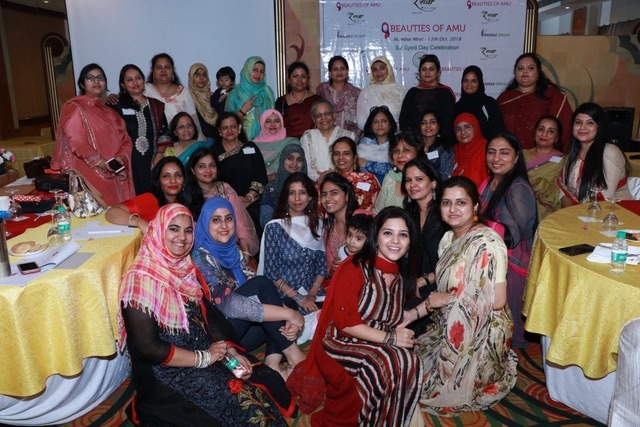
Mumbai : Felicitation of AMU Achievers by Beauties of AMU

Mumbai, MAHARASHTRA :

Mumbai :

The Aligarh Muslim University Alumni Group formed by female community of this iconic citadel of modern education, known as Beauties of AMU held its Mumbai Meet  towards the Sir Syed Day celebrations on 13th October at Hotel Marine Plaza, Mumbai.

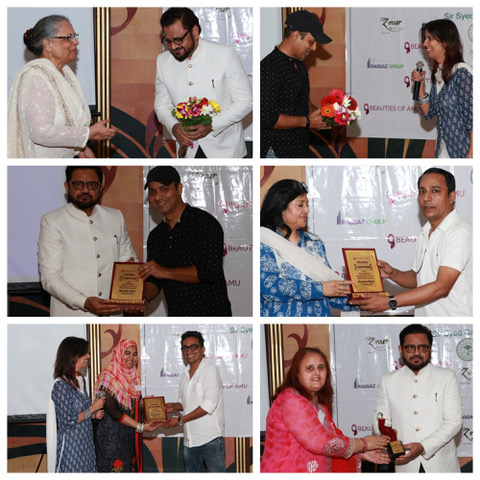
Noted philanthropist, business giant and AMU alumni, Raees Ahmad, MD, Rassaz Group was the Guest of Honour at the event. Faridoon Shehryar, a well known Bollywood journalist was among the AMU stars which illuminated the galaxy of AMU achievers at the event. Faraz Haider, director of War Chhod Na Yaar fame attended the meet in capacity of another AMU stars while famous lyricist Arafat Mehmood stole the show with his magical spell of beautiful words in perfect sync with the event.

The event saw a huge turnout including personalities from all walks of life who build up the social circuit of Mumbai.

Sir Syed lived briefly in the city which now boasts of being the financial capital of India, hence it is imperative to take the message to this very city which had alumni association focussing on male alumni.

Since it couldn’t offer much space to the female alumni based in the city for the nostalgic networking over chai. Beauties of AMU took the plunge and brought them all on the same page, allowing them their own space for discussing and dealing with issues of societal concerns.

At the event Mrs Farrukh Sayyeda highlighted the importance of space for women. She said it’s good to be ‘Mrs Somebody’ but anything that gives you self identity is rather more important and brings self-satisfaction. This identity is not necessarily connected to financial income, added Mrs Farrukh (former principal).

Extending the thoughts, Mr Rais Ahmed (Guest of Honor) talked about the role of Sir Syed in Women Empowerment.

Mumbai is more popularly known for the Indian film industry which has considerable contribution from Aligarh, such as Khwaja Ahmad Abbas, Saeed Jafri, Javed Akhtar, Surekha Sikri, Naseeruddin Shah, Dilip Tahil and to name recent additions, there are Anubhav Sinha, Faraz Haider, Faridoon Sheheryaar and Arafat Mehmood.

Alumni of AMU are front runners in every industry in every corner of the country and the world as well, whether it is Frank Islam of USA, who was the member of Barack Obama’s contingent to deliberate with Muslim world, being a key figure in the economy of USA or the pharma giant Cipla’s founder Khalid Hameed, who has served humanity in Africa so well that nobody would ever find an example like it.

Aligarh has come out of its cocoon with the first and second generations and prepares its next generations following the footsteps of Ismat Chugtai and Qurratulain Haider.

Beauties of AMU is playing the catalyst in this inferno which would reassure the paying back to the great institution of Aligarh, which has contributed largely for the cause of nation building.

Felicitation for AMU Achievers in Bollywood

  1. Faridoon Shahryar- An award winning journalist and known face as an anchor for popular chat show Talking Film, Mr Faridoon was felicitated for his achievements. He participated in event with exuded fervor reminiscing his AMU days with a mention of jumping walls and taste of fritters
  2. Mehmood Arafat- Inspired by his father who is a well known trade unionist, political figure, writer and a popular poet of west Bengal, Mr Arafat is a popular Bollywood Lyricist. His famous work includes songs from Loveyatri, Half Girlfriend, Heartless, Housefull 3, Welcome Back, Sarabjit, Kis kis ko pyar Karen, Machine, Jalebi etc. Mehmood Arafat relived the AMU days by reciting a poem filled with complete nostalgia of AMU, Abdullah Hall, Shamshad Market , Kennedy Hall
  3. Faraz Haider is a well known director of war na chod yaar and Nanu ki Jaanu movie fame attended the event and filled the vibes with laughter and fun by recalling an incident where he got a chance to visit Abdullah Hall

Beauties of AMU(BOA)  is a social welfare organization formed by female alumni of Aligarh Muslim University that functions to spread awareness about education and empowerment of women of all sections of society.

Started off as a Facebook group in 2017, by Iram Raza, a graduate of Department of Mass Communication, Aligarh Muslim University, Aligarh, this group has done meets in 3 cities (New Delhi, Lucknow, Aligarh) so far and the Mumbai Meet Up towards Sir Syed Day was a part of the reunion initiative of the group in the time span of 1 year.

The organization now plans to hold similar events in other parts of country for reuniting the female alumni of the university living in those cities, spreading out the message of goodness and universality.

BOA has been organizing meet-ups in different cities of India for the female alumni who haven’t been included in the old boys associations, providing them a platform to meet and greet and share happiness and nostalgia of their days at Aligarh furthering the reunions to social causes.

BOA has been instrumental in organising several events that contributed well to the cause of social welfare in general and AMU alumni in particular, that makes it stand apart from other alumni associations concerned with AMU.

source: http://www.muslimmirror.com / Muslim Mirror / Home> Exclusive Reports> Indian Muslim / by Faisal Hasan / October 18th, 202

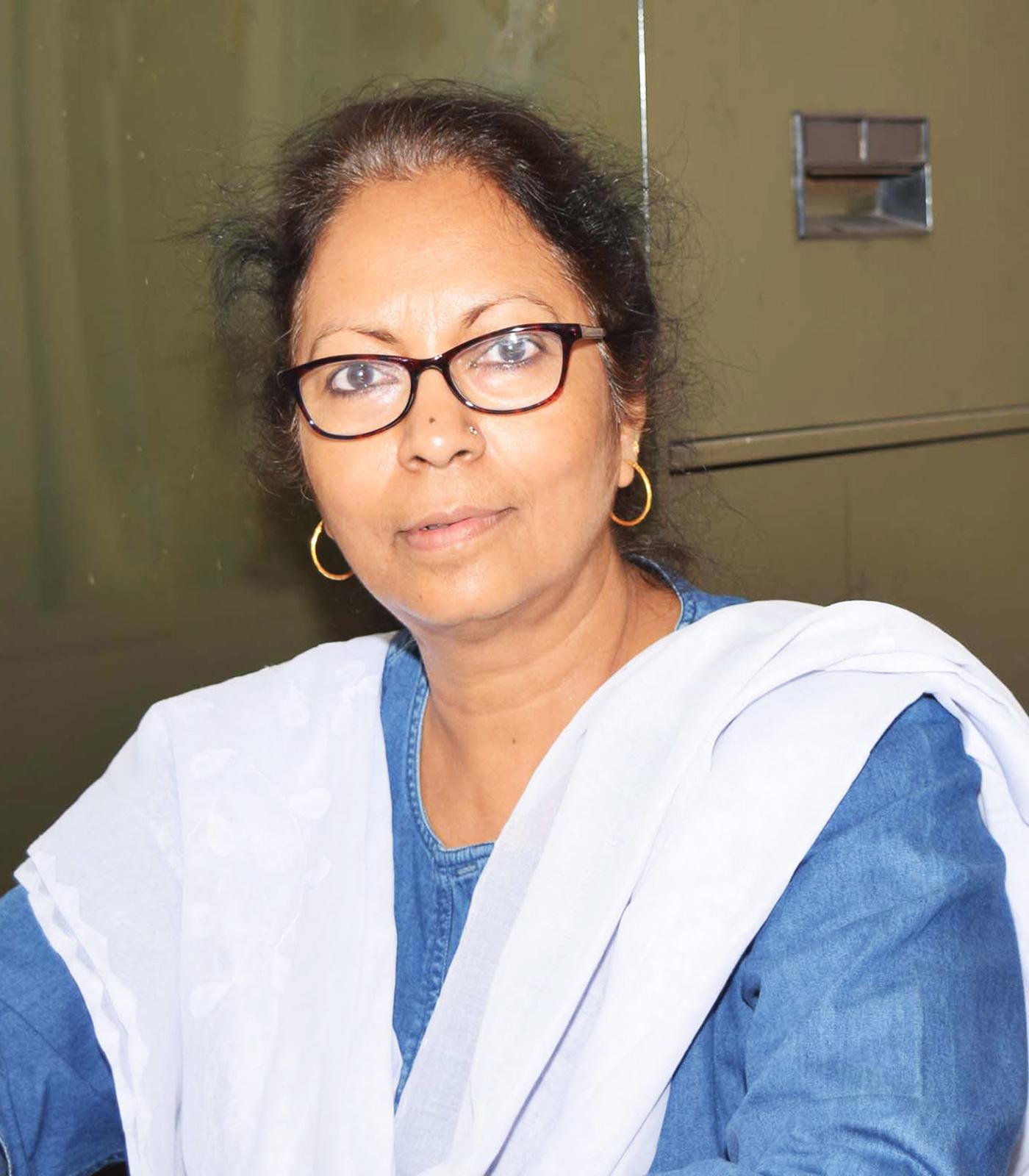
National Women Bioscientist Award 2018 to Dr. Nahid Ali

Kolkata, WEST BENGAL :

National Women Bioscientist Award to Dr. Nahid Ali, 08 March 2018.

Congratulations Prof. Nahid Ali for winning the National Women Bioscientist Award on International Women’s Day 08th March 2018.

source: http://www.iicb.res.in / CSIR-Indian Institute of Chemical Biology