Category Archives: Education

Winds of change: Stories of quiet revolution in Jammu & Kashmir

JAMMU & KASHMIR :

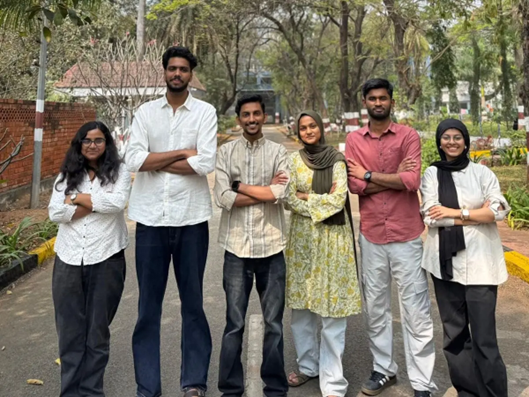
Changemakers of Jammu and Kashmir

Srinagar :

In a land shaped by upheaval—where countless dreams were long overshadowed in remote corners—a silent revolution is underway. Far from the spotlight, a group of remarkable individuals is reshaping the social fabric of Kashmir. They are quietly overcoming obstacles, challenging norms, and inspiring countless others with their unwavering commitment to progress.

Sakeena Akhtar

Sakeena Akhtar is a trailblazer who has shattered deep-rooted gender norms in Kashmir, where women in sports—particularly cricket—have historically faced stigma and exclusion. From being the only girl playing cricket in the narrow lanes of Munawarabad to becoming India’s first female National Cricket Coach from Jammu and Kashmir, her journey is a powerful testament to resilience, courage, and transformation.

Seerat Tariq

At just 19, Seerat Tariq has turned her personal journey of artistic expression into a movement for empowerment and cultural revival. With national records and international accolades to her name, she uses her platform to amplify the voices of others—especially young women in conflict zones—helping them discover their strength and creativity through art.
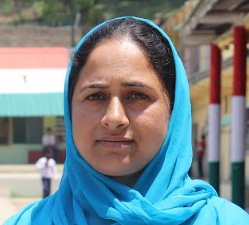
Shabnam Kausar

In a conflict-ridden region, Shabnam Kausar stands as a beacon of purpose-driven leadership. Starting with just four students and no infrastructure, she transformed the Army Goodwill School in Bandipora into a nationally recognized educational institution. Her story exemplifies the transformative power of education, vision, and resilience.

Suhail Saeed Lone

Born in Bandipora and scarred by the violence of militancy, Suhail Saeed Lone could have succumbed to disillusionment. Instead, he channeled his trauma into storytelling through cinema. Now working in Mumbai’s film industry, he uses the medium to share narratives of courage, sacrifice, and patriotism, turning pain into powerful, purposeful expression.
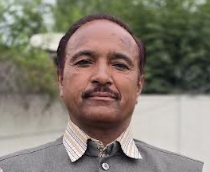
Sarwar Bulbul

Sarwar Bulbul is preserving and redefining Kashmir’s spiritual and cultural legacy through the timeless medium of music. As a celebrated Naat Khwan and founder of the Bulbul Academy of Performing Arts (BAPA) in rural Rafabad, he mentors underprivileged youth in Kashmiri classical, Sufi, and devotional music—ensuring that age-old traditions are passed on with reverence and relevance.

Irtiqa Ayoub

Irtiqa Ayoub is changing the game—literally—for women in Kashmir. As the region’s youngest Rugby Development Officer, she challenges patriarchal norms in a male-dominated sport. Her work promotes empowerment, equality, and confidence among young women, showing that sports can be a powerful platform for social change.
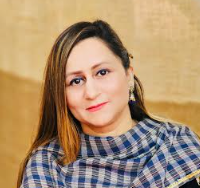
Anissa Nabi

Anissa Nabi seamlessly fuses public service with personal passion. As a JKAS officer and Chief Sports Officer, she champions grassroots sports development across Jammu and Kashmir. A marathoner and fitness advocate, she founded the Wondrous Women community and serves as an ambassador for the Fit India Movement—proving that leadership thrives on action, inclusivity, and inspiration.
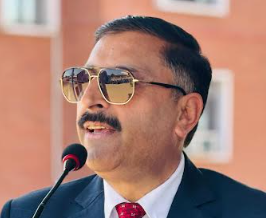
Ghulam Nabi Tantray

Ghulam has launched educational institutions such as a B.Ed. college in Bandipora and the Doon International School in Jammu to mentoring rising sports stars like Tajamul Islam, Ghulam Nabi Tantray has made community empowerment his life’s mission. In times of crisis, he has stepped up with compassion and aid. Despite accolades at the national and international levels, he remains deeply rooted in his community—proving that true leadership begins with purpose, not position.
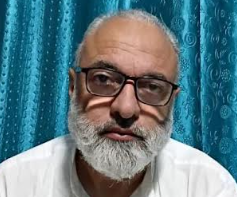
Mohammad Hafeez Furqanabadi

Mohammad Hafeez Furqanabadi has dedicated his life to transforming society through education and compassion. In an environment where girls’ education was often discouraged, he visited homes personally to shift mindsets and advocate for equality. As a teacher and founder of a charitable trust, he has provided free education and resources to countless underprivileged children—regardless of religion or background—promoting communal harmony and opportunity.
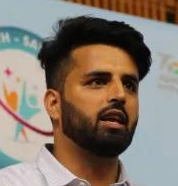
Wajahat Farooq Bhat

Once a stone-pelting teenager driven by rage and radical ideologies, Wajahat Farooq Bhat’s life took a transformative turn after an unexpected encounter with SSP Imtiyaz Hussain in Baramulla in 2018. As a young man from Sheeri village near Baramulla, Wajahat grew up amid narratives of jihad, revenge, and martyrdom, reinforced by mosque sermons and community glorification of violence. However, a deeply personal moment, witnessing the hypocrisy of a local cleric, and later, a heart-to-heart with the soft-spoken SSP during his NCC stint, triggered his awakening. Imtiyaz’s message. Today, he leads Jammu and Kashmir Save Youth Save Future, a grassroots organisation that has helped deradicalise over 3,000 Kashmiri youth. Wajahat aspires to take his mission global, to inspire hope where despair once reigned.

These changemakers may not often make headlines, but their impact is undeniable. Through courage, creativity, and conviction, they are not only rewriting narratives in Kashmir but also illuminating a path for others to follow. Their stories are a reminder that even in the most challenging environments, transformation is possible—quietly, steadily, and powerfully. In the days to come Awaz-The Voice will bring their detailed stories for our readers.

source: http://www.awazthevoice.in / Awaz, The Voice / Home> Stories / by ATV, posted by Aasha Khosa / June 22nd, 2025


IDS student Ayesha Haneena secures first rank in Mangalore University BSc Interior Designing

Mangaluru, KARNATAKA :

Aysha Haneena, who topped Mangalore University in BSc Interior Designing

Mangaluru:

Indian Design School (IDS), Mangaluru, has announced that its student Ayesha Haneena has secured first rank in Mangalore University in BSc Interior Designing and Decoration with a CGPA of 9.4.

According to the institution, Ayesha topped the university examinations, outperforming students from several long-established and experienced colleges. The college described her achievement as a result of dedication, creativity and consistent hard work.

The management of IDS said the rank reflects both the student’s individual excellence and the academic and practical training provided at the institution. They added that the result has brought pride to the college and its faculty.

Ayesha’s performance places her at the top among all students of the programme under Mangalore University for the academic year.

source: http://www.english.varthabharati.in / Vartha Bharati / Home> Karavali / by Vartha Bharati / February 13th, 2026

Proud Moment: Two MA Urdu Muslim Girl Students Clear UGC NET in First Attempt

Mumbai, MAHARASHTRA :

Shagufta Aqida Ahmed and Khan Umeira Irfan from Maharashtra College credit self-study, teachers’ support, mock tests, and steady effort for their success in the national-level examination

Mumbai :

Two Muslim girls from Maharashtra College have achieved a rare academic success by clearing the UGC NET examination in their very first attempt while still pursuing their MA Urdu second year. Their performance has drawn praise from teachers, classmates, and members of the Urdu academic circle.

Shagufta Aqida Ahmed Khan and Khan Umeira Irfan, both MA Urdu students, secured results that place them among the promising young scholars in higher education. Shagufta scored 234 marks out of 300 and qualified for Junior Research Fellowship, along with eligibility for Assistant Professor. Khan Umeira secured 202 marks out of 300 and qualified for Assistant Professor and PhD admission.

The achievement stands out as both students are still completing their postgraduate studies. Many candidates take years after their MA to clear this exam, yet these two students succeeded at an early stage through focused preparation.

Shagufta, a resident of Paydhoni in Mumbai, said her preparation was fully based on self-study. “I cleared this exam through self-study. Repeated reading of previous years’ question papers and regular revision were a key part of my preparation,” she said. She also acknowledged academic support at the college, adding, “Our teacher Dr Mohammad Azfar Khan, took mock tests from time to time, which helped a lot.”

She explained that online learning and books also played a role. “For Paper One and Paper Two, I used YouTube and good-quality books. In such exams, steady effort with full focus is very important. Proper use of time matters a lot. Positive thinking, self-belief, and regular study lead to success,” she said.

Khan Umeira, who lives near Mumbai’s Kurla Hilaal Pul, described her journey as demanding but meaningful. “Preparing for the UGC NET exam was not just an academic step for me. It tested my patience and consistency,” she said. She added that she also relied on self-study throughout the process.

“For Papers One and Two, I selected standard books and studied with a clear goal. I wrote down key points from each topic so that they could guide me when needed,” she explained. She said previous years’ question papers made the syllabus easier to manage, while mock tests helped her improve speed and reduce exam stress.

Speaking about the challenge of managing MA studies alongside NET preparation, she said, “Doing UGC NET preparation along with MA was truly difficult. On one side, there was the MA syllabus, assignments, and exams, and on the other side, the wide NET syllabus. Still, belief and hard work paid off.”

Khan Umeira also shared her plans. “I cleared the UGC NET exam in my first attempt. In the coming years, I want to continue teaching and also complete my PhD,” she said.

Teachers at Maharashtra College described the success as a proud moment for the institution and a sign of the growing academic presence of Muslim girls in higher education. Students from Urdu departments across Mumbai have also shared messages of support, calling the achievement a source of motivation.

At a time when many Muslim students face social and economic barriers, the success of Shagufta Aqida Ahmed and Khan Umeira Irfan shows how focused study, guidance from teachers, and personal effort can lead to strong results in national-level examinations. Their achievement contributes to the long tradition of Urdu scholarship and reflects the growing role of Indian Muslim women in academia.

source: http://www.clarionindia.net / Clarion India / Home> Editor’s Pick> India> Indian Muslim / by Team Clarion / February 08th, 2026

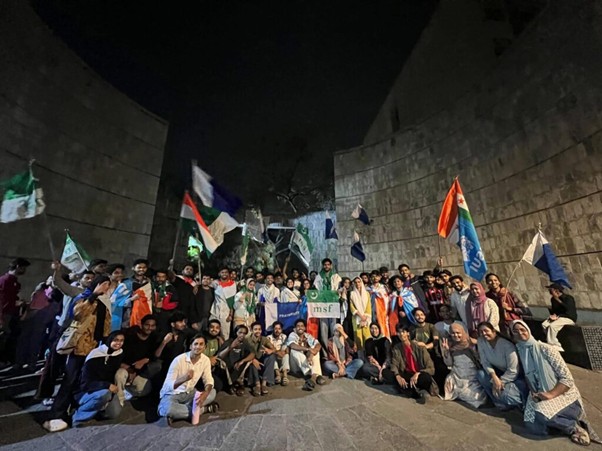
Fraternity Movement–MSF–NSUI Alliance Wins EFLU Students’ Union, Defeats ABVP

Hyderabad, TELANGANA :

Hyderabad:

The Awaaz Alliance—comprising the Fraternity Movement, Muslim Students Federation (MSF), and the National Students’ Union of India (NSUI)—has won all Central Panel posts in the English and Foreign Languages University (EFLU) Students’ Union elections, defeating the right-wing student group Akhil Bharatiya Vidyarthi Parishad (ABVP).

Harshad Shibin NK a PhD student from the Fraternity Movement has been elected as the new Students’ Union president.

Irfan Shajudheen from MSF a student of BA (digital communication) won the post of general secretary, while NSUI’s Sonu Raj 2year BA (English) student was elected vice-president. Other winners include MSF’s Haleemathu SS Adiya studying BA Arabic (Joint Secretary), Fraternity Movement’s Ayisha Neha (Cultural Secretary), and NSUI’s Udita Purkait (Sports Secretary).

ABVP finished second in all seats, while the Left student group Students’ Federation of India (SFI) emerged a distant third across all positions.

“This historic victory demonstrates the growing unity of democratic student forces committed to safeguarding campus diversity, social justice, and students’ rights. The mandate clearly rejects the politics of hatred and polarisation and affirms the students’ aspiration for an inclusive, egalitarian, and vibrant campus culture,” the Fraternity Movement said in a statement.

The newly elected panel members said they are committed to working tirelessly for academic welfare, gender justice, minority rights and democratisation of campuses.

source: http://www.radiancenews.com / Radiance News / Home> Latest News> Report / by Radiance News Bureau / February 07th, 2026

Madrasa Imdadiya in Tamil Nadu Offers Light to Poor and Blind Muslim Students

Chennai/Ranipet, TAMIL NADU :

Visually-impaired children from deprived Muslim families gain education and dignity at the institution founded by Mohammad Usman in Chennai and Ranipet

Chennai :

In the busy streets of Chennai and surrounding districts, where poverty often limits opportunity, one institution is rewriting the story for visually impaired Muslim children. Madrasa Imdadiya, a semi-residential trust founded by Mohammad Usman, offers education, skills, and dignity to children who might otherwise have spent their lives begging.

Ashraf Khan, a Tamil teacher in a private college in Chennai, was born blind into a poor family. He recalls his early years at a small madrasa for blind students in Melvisharam, near Ranipet, as life-changing. Today, he earns about ₹50,000 per month. “Education saved my life,” he says.

Usman draws a stark contrast. He has often seen blind children on streets with equally deprived parents. “This is what happens with the poorest Muslims. When parents are blind and poor, the children end up on the streets,” he explains. This inspired him to act.

Founded in 2010, the madrasa now runs centres in Chennai and Ranipet, inspiring similar institutions in Pune, Ahmedabad, Aurangabad, and Kashmir. The Tamil Nadu centre, the largest, covers 5,000 square feet and hosts 50 blind students, including ten girls, with hostel staff managing daily needs.

The madrasa blends religious and formal education, filling gaps left by government institutions. Students study the Qur’an, Hadith, and other religious texts in Braille, alongside school and college instruction via audio tools. Children with other disabilities are also accepted, though Braille education is separate.

Usman stresses self-reliance. “Some parents still take financial help from the trust, but many become self-reliant through their educated children. This is the real success,” he says. Students often pursue higher education, vocational training, or government jobs, with some returning as teachers.

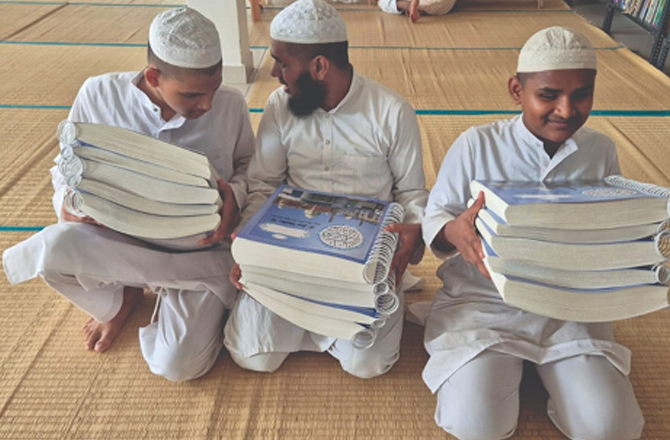
The madrasa also produces copies of Qur’an in Braille, distributed free across India and abroad. Each copy costs about ₹3,500 to print. “All our students become Huffaz and complete Class 12 and degree education,” Usman adds.

Mobina (name changed), a blind and disabled girl who lost her father early, is a shining example. With the madrasa’s support, she now teaches in a government school and earns ₹75,000 per month. “Without this madrasa, I would have remained invisible,” she says.

Challenges remain, especially for girls. Deep social barriers, safety concerns, and marriage prospects keep many girls out of school. Usman says patience is key. “Families do not outright reject education but hesitate. Inclusion is about changing attitudes regarding gender, disability, and value,” he explains.

Disability activists note that blind children in poorer districts often lack access to formal education. Government schools exist only on paper, and families may be unaware of disability certificates, scholarships, or assistive technology. Without early intervention, entire families risk cycles of begging or informal labour.

Madrasa Imdadiya shows how targeted community efforts can break generational poverty and empower blind Muslim children. By providing education, accommodation, and skills, the madrasa transforms lives and reinforces that education is a right, not charity.

“Other communities invest in education, but we do not,” Usman remarks, highlighting a broader challenge within the Muslim community. Yet he takes pride in his students’ successes. With over 500 students across India benefiting from similar madrasas, he dreams of a school for blind children in every district and tuition centre in every village.

“Every story here is regrettable. Happy stories go to cities and private schools; they do not come to my trust’s madrasa,” he admits, underscoring the ongoing need for support for India’s most vulnerable children.

source: http://www.clarionindia.net / Clarion India / Home> Editor’s Pick> India / by Team Clarion / January 10th, 2026

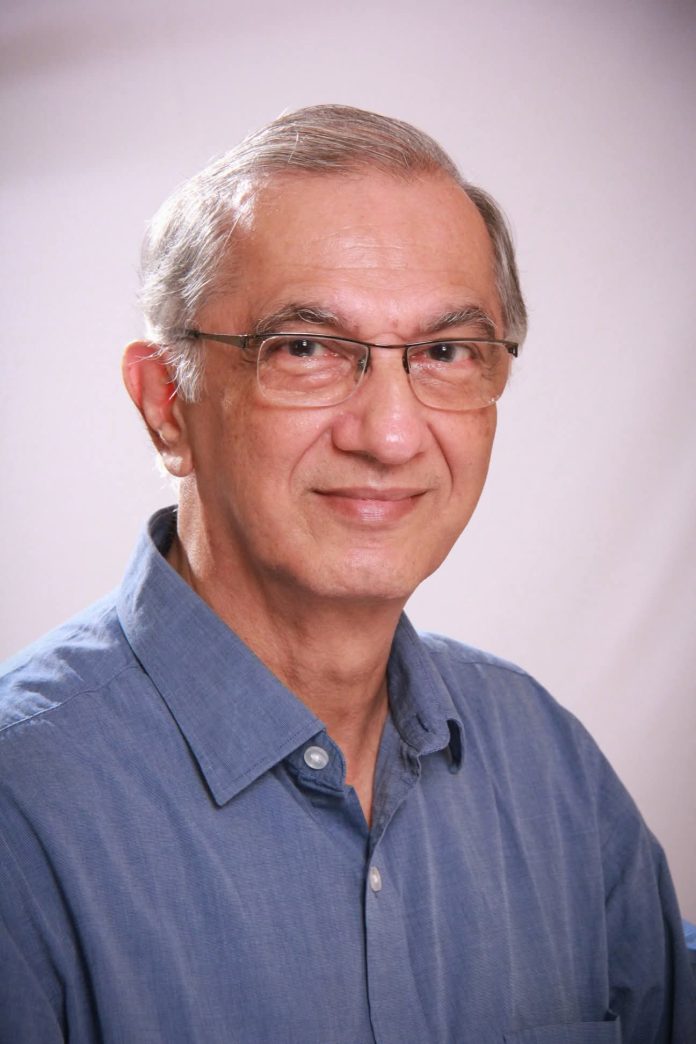
IIT Bombay’s Prof Juzer Vasi Receives Padma Shri for Lifetime Work in Engineering

Mumbai, MAHARASHTRA :

Mumbai:

IIT Bombay has marked a proud moment with the conferment of the Padma Shri on Prof Juzer M. Vasi, former Deputy Director and senior academic of the institute. The national honour recognises his lifelong contribution to science and engineering, with a strong focus on semiconductors, microelectronics, and solar energy research.

Prof Vasi has served Indian academia for over four decades. He remains associated with IIT Bombay as Professor Emeritus in the Department of Electrical Engineering. His work spans nanoelectronics, solar photovoltaic deployment in India, global solar PV systems, nanocrystal-based solar cells, and the reliability of solar modules. These areas hold strong relevance for sustainable development and energy access.

An alumnus of IIT Bombay, Prof Vasi completed his B.Tech in 1969. He earned his Ph.D. in Electrical Engineering from The Johns Hopkins University in 1973. His academic journey reflects deep commitment to knowledge and public service, values strongly rooted in the Islamic tradition of ilm and community benefit.

Prof Vasi joined IIT Bombay as an Assistant Professor in 1981. He rose through the ranks to serve as Professor, Head of the Electrical Engineering Department, and later as Deputy Director from 2006 to 2009. He also taught at IIT Delhi and served as Visiting Assistant Professor at Johns Hopkins University.

Students and colleagues regard him as a dedicated teacher and institution builder. His leadership strengthened academic standards and research culture at IIT Bombay.

The Padma Shri recognises sustained excellence and service to the nation. For the Muslim community, Prof Vasi’s achievement stands as a reminder of the impact of scholarship, discipline, and ethical pursuit of knowledge in public life.

source: http://www.radiancenews.com / Radiance News / Home> Latest News > Report / by Radiance News Bureau / January 27th, 2026

2.5 lakh girls to get Azim Premji Foundation scholarship

Bengaluru, KARNATAKA / INDIA :

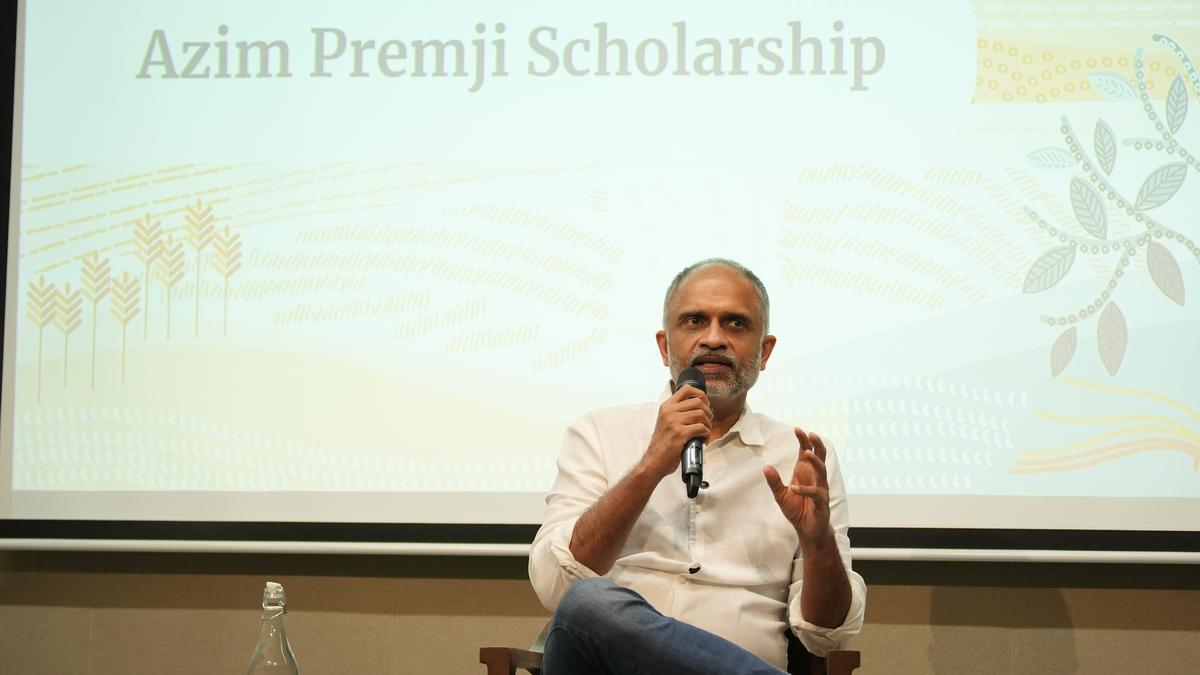
Anurag Behar

The Azim Premji Foundation on Thursday announced the Azim Premji Scholarship for up to 2.5 lakh girl students from government schools across 18 States for pursuing higher education.

A scholarship of ₹30,000 will be given annually to girl students who have passed their 10th and 12th examinations in government schools and have received admission in a bona fide higher education institution (HEI). These bona fide HEIs will include all government HEIs and selective private HEIs as well. The ₹30,000 scholarship will continue for the duration of the girl’s college/university programme, so long as the girl successfully continues in the programme. 

“There is no additional criteria or eligibility for the candidates. We are not conducting any exams or checking the financial backgrounds of the students,” said Anurag Behar, the Chief Executive Officer of the Azim Premji Foundation.

He stated the reason for such a type of screening was that more than 90% of government school children come from disadvantaged backgrounds. The scholarship aims to ease some of the financial burdens of girl students pursuing a higher education, rather than focus on too many checklists or screening processes.

He also noted that while primary school admissions for girls were almost equal to those of boys, higher education admission numbers showed a lesser percentage of girls. “Tuition fees are often waived off or given at a discount for girls from disadvantaged financial backgrounds. But additional expenses like commute, clothes, books etc discourage them from pursuing their higher education,” he explained.

A pilot test of the ‘Azim Premji Scholarship’ was launched in 2024-25 across certain districts of Madhya Pradesh, Uttar Pradesh, Rajasthan, and Jharkhand, where over 25,000 girls were selected for the scholarship. For the academic year of 2025-26, the scholarship has officially been launched across 18 States, some of which include Arunachal Pradesh, Assam, Bihar, Karnataka, Telangana, Tripura, Odisha, and Mizoram.

The application process for 2025-26 will start in September 2025. Students can apply online. The scholarship program is a ₹2,250 crore commitment across three years by the foundation, and is likely to be expanded to cover the entire country in coming years.

source: http://www.thehindu.com / The Hindu / Home> News> Cities> Bengaluru / by The Hindu Bureau / May 16th, 2025

Jamia Hamdard’s Rufaida College of Nursing Hosts Induction Programme for Undergraduate and Postgraduate Batch-2025

DELHI :

New Delhi:

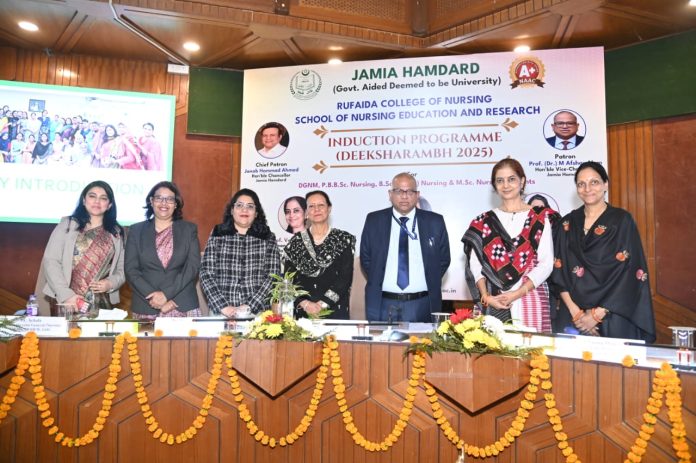
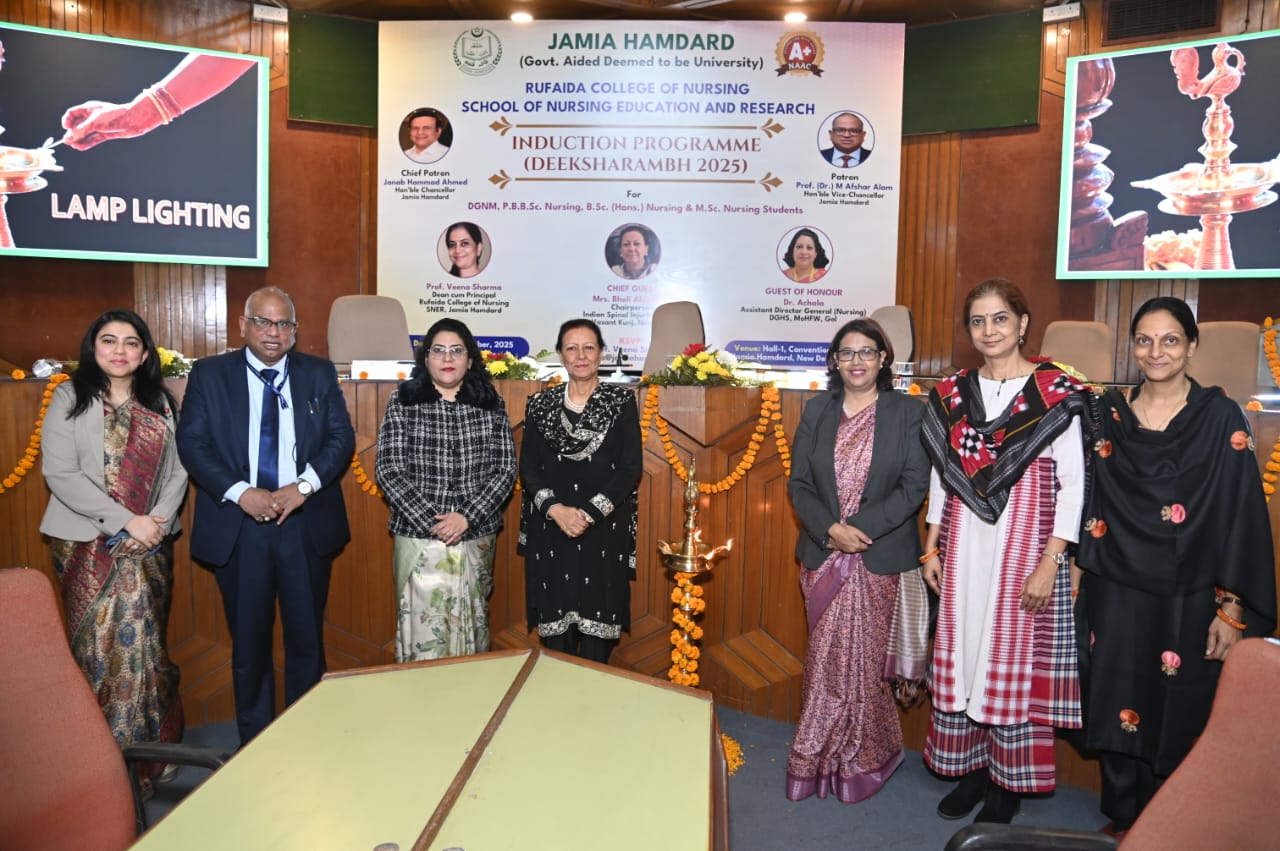
Rufaida College of Nursing, Jamia Hamdard organised its Induction Programme for M.Sc. Nursing, B.Sc. (Hons.) Nursing, Post Basic B.Sc. Nursing, and DGNM First-year students on November 24 at the Convention Centre, Jamia Hamdard, New Delhi. A total of 176 students participated in the programme.

The Chief Guest for the programme was Mrs. Bholi Ahluwalia, Chairperson, Indian Spinal Injuries Centre, Vasant Kunj, New Delhi. The Guest of Honour was Dr. Achala, Assistant Director General (Nursing), DGHS, Ministry of Health and Family Welfare, Government of India.

The inaugural ceremony commenced with the recitation of the Holy Qur’an by Imam Sahib of Rabia Mosque, followed by the Hamdard Tarana presented by the nursing students.

In her welcome address, Prof. Veena Sharma, Dean-cum-Principal, Rufaida College of Nursing, School of Nursing Education & Research, greeted the newly admitted students and paid homage to the university’s founder, Late Hakeem Abdul Hameed. She highlighted the college’s remarkable achievements, strong national ranking, and consistent 100% placement record. She encouraged students to make full use of academic and professional opportunities available at Jamia Hamdard.

In her address, Mrs. Ahluwalia praised the students for choosing a profession rooted in service and emphasised the vital, compassionate role nurses play in healthcare.

Dr. Achala congratulated the new batch and described the induction as the beginning of a transformative journey. She urged students to remain engaged academically and participate actively in extracurricular activities.

In his presidential address, Prof. (Dr.) M. Afshar Alam, Vice Chancellor, Jamia Hamdard, welcomed the students to the NAAC “A+” accredited university. He highlighted the rigorous curriculum and dedicated faculty at Rufaida College of Nursing, reminding students that university life fosters critical thinking, compassion, discipline, and leadership.

The programme concluded with a vote of thanks delivered by Ms. Jamal Fatima Hashmi, Assistant Professor, followed by the national anthem.

source: http://www.radiancenews.com / Radiance News / Home> Education> Latest News / by Radiance News Bureau / November 24th, 2025

A New Chapter in Value-Based Education: Mansoora PU College Opens in Hassan

Hassan, KARNATAKA :

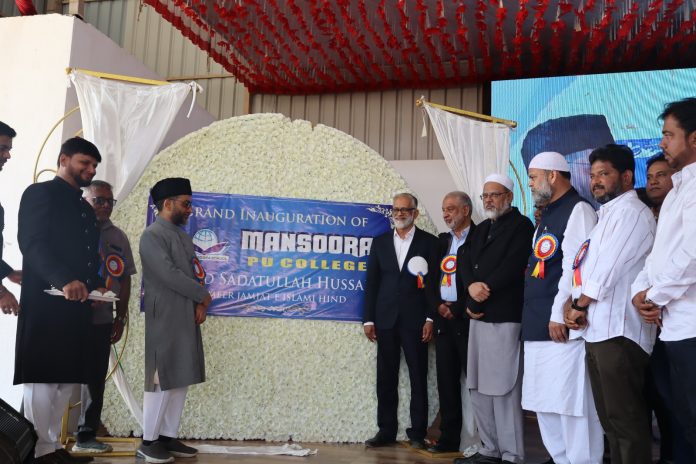
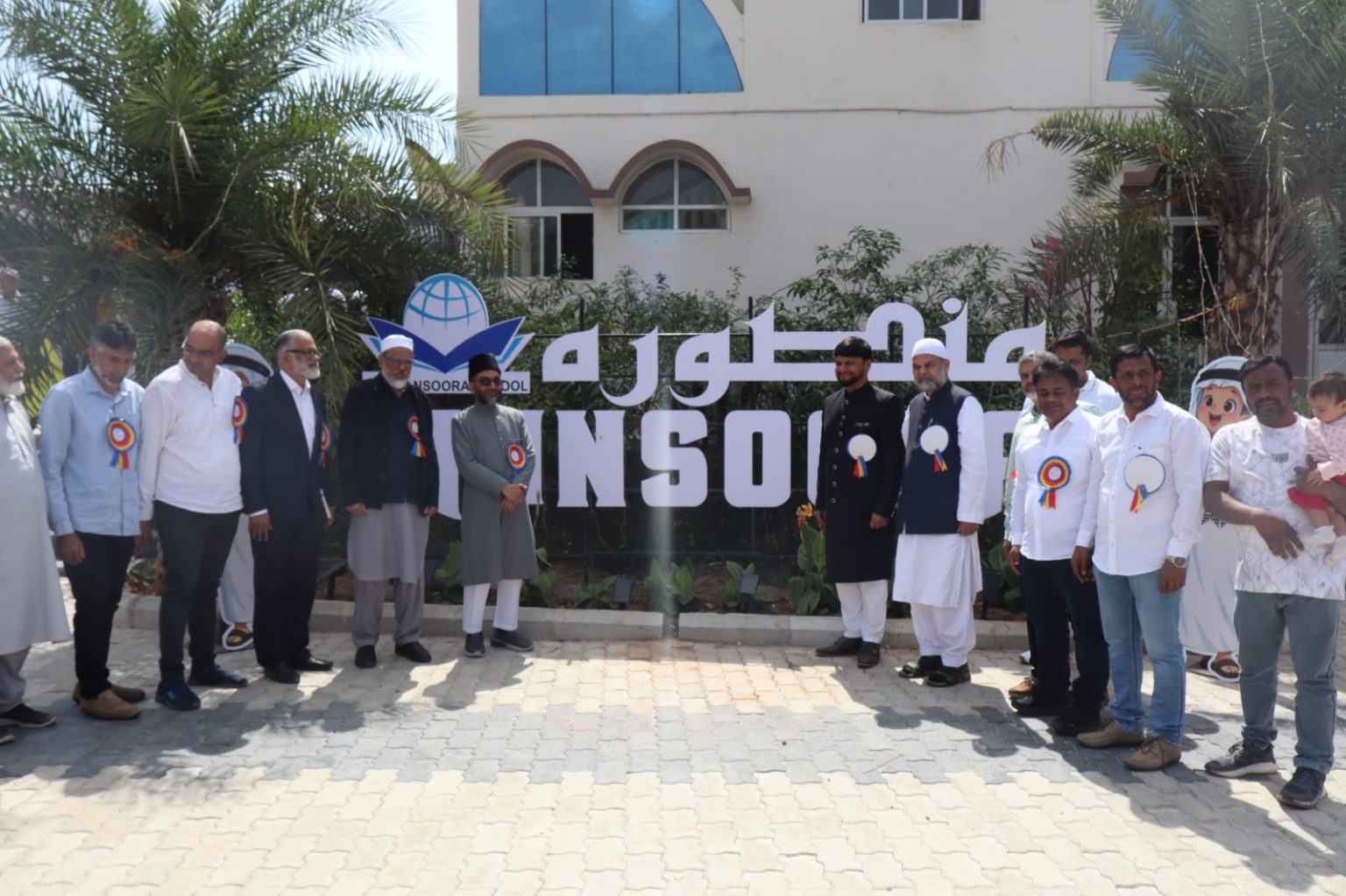
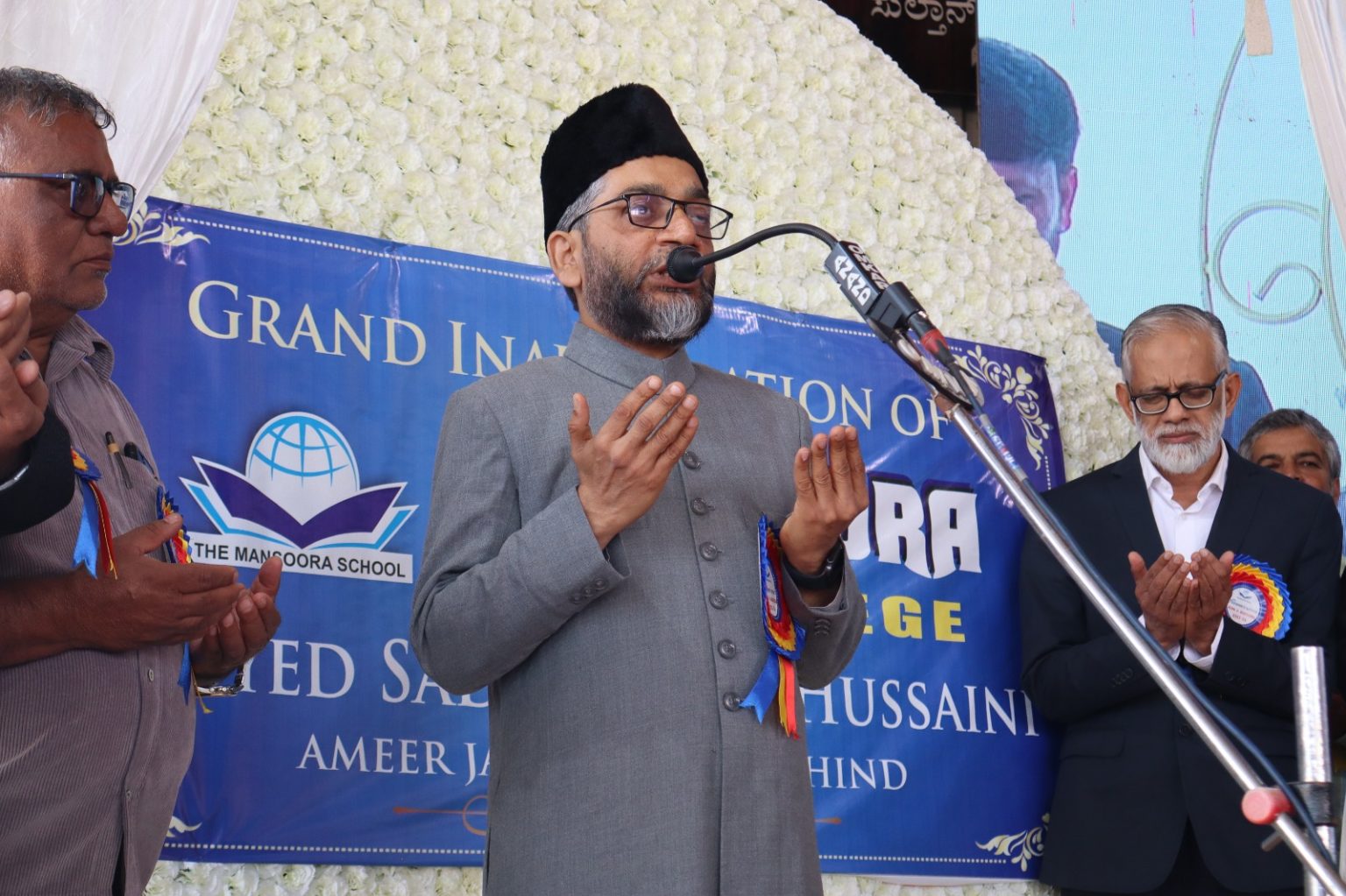
In the gently rolling landscape of Karnataka’s Hassan district, a new academic chapter is being added to a legacy that is already four decades old. With the launch of Mansoora PU College at Alur, an institution long associated with school-level education is extending its vision to the crucial pre-university stage, responding to a growing demand for integrated, value-oriented higher secondary education in the region.

Located on a sprawling campus off the Bengaluru–Mangaluru highway, the new PU college is part of the educational ecosystem nurtured by The Mansoora School, which itself grew out of an initiative started nearly 40 years ago by Jamaat-e-Islami Karnataka circles. What began as the Islamia Arabic College and later evolved into an English-medium school up to Class 10 has now expanded to include pre-university education under the Mansoora name.

Speaking about the motivation behind the expansion, Dr. Taha Mateen, Vice-Chairman – Mansoora Educational Trust, explains that the move was shaped by both continuity and necessity. Many students completing their secondary education were seeking PU colleges that combined academic rigour, competitive exam preparation, and an environment aligned with their cultural and ethical values. “The idea was not just to add another college,” he notes, “but to create a protected, focused academic space where students can prepare seriously for their future.”

Academic Focus with Competitive Readiness
Mansoora PU College opens admissions for the 2026–27 academic year with science and commerce streams that reflect current aspirations among students and parents. The college offers PCMB, PCMC, and EBAC combinations, along with integrated coaching for national and state-level competitive examinations such as NEET, JEE, and KCET. This integrated model aims to reduce the burden of parallel coaching by aligning board curriculum with entrance exam preparation.

Faculty recruitment has been positioned as a cornerstone of the project. According to the management, experienced and well-qualified teachers have been brought in, with special attention to mentoring students who may need additional academic support. There is also a stated emphasis on encouraging girls’ participation in science streams, an area where access and retention often remain challenges in semi-rural regions.

Campus Life and Infrastructure
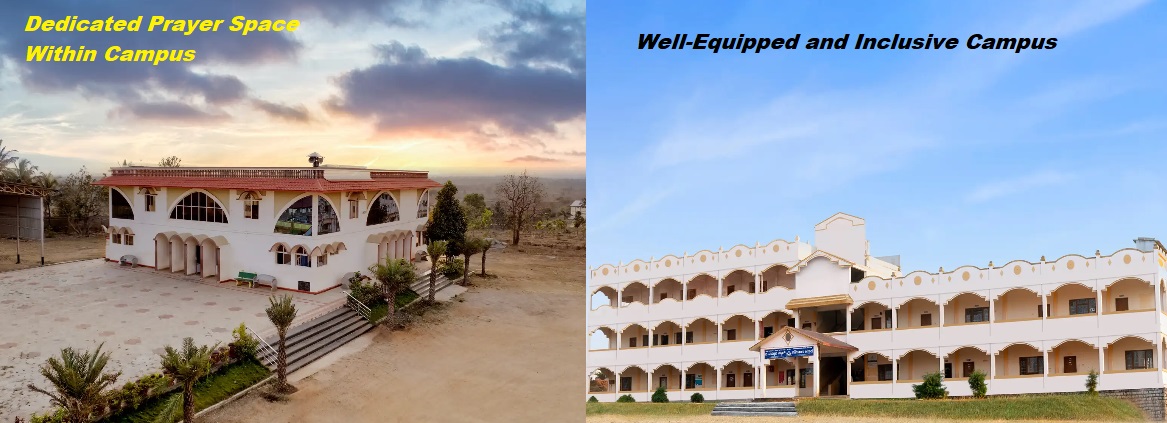
One of the distinguishing features of the new PU college is its fully residential model, with separate hostels and facilities for boys and girls. The girls’ campus includes a residential hostel, exclusive mess, separate classrooms, science and computer laboratories, a library, play areas, and a dedicated namaz hall. Facilities for boys similarly include residential hostels, a masjid, science and computer labs, library, playfields, and a football ground.

The wider campus, described as lush and peaceful, is equipped with CCTV surveillance, first-aid and doctor visit facilities, and structured recreational spaces. The intention, Dr. Mateen explains, is to offer an environment that is academically focused while being insulated from distractions associated with excessive device use and unsupervised digital exposure.

Education with Ethical Grounding
What sets Mansoora apart, its trustees argue, is the attempt to integrate modern education with ethical and religious grounding. Alongside regular academics, the broader Mansoora educational framework includes Deeniyath education, Quranic studies with tajweed, memorisation of daily duas, and structured Islamic studies from the middle grades onward. While the PU college itself focuses primarily on board and competitive curricula, it functions within this larger institutional ethos.

Sports and physical education also form part of campus life, with facilities for football, volleyball, karate, skating, and indoor games, reflecting an understanding that academic excellence is closely tied to physical and mental well-being.

Independence and Institutional Identity
Interestingly, despite informal support and goodwill from well-known coaching ecosystems, the management has consciously chosen to retain an independent identity. Dr. Mateen points out that the decision to operate under the Mansoora name, without external branding, was deliberate. “We felt the institution has its own credibility and history. We wanted to build on that legacy rather than borrow another’s,” he says.

Access, Fees, and Outreach
The college has announced a structured and relatively moderate tuition fee, with early-bird concessions and additional scholarships for meritorious students. Separate hostel fees apply. Admissions are currently open, with limited seats, and the management encourages interested families to visit the campus, interact with faculty, and assess the facilities firsthand.

Situated in Alur, around 200 kilometres from Bengaluru and well connected to Mangaluru, Mansoora PU College positions itself as a regional hub for students seeking a blend of academic ambition, residential discipline, and value-based education.

As Karnataka’s educational landscape continues to diversify, the launch of Mansoora PU College reflects a broader trend: institutions rooted in community histories adapting to contemporary educational demands, while attempting to hold on to the principles that defined their beginnings.

Further details can be obtained from: https://puc.mansoora.in/

source: http://www.radiancenews.com / Radiance News / Home> Education> Features> Focus> Report / by Radiance News Bureau / January 14th, 2026

Noor Aisha Awarded Doctorate Degree

Mysuru, KARNATAKA :

Mysore:

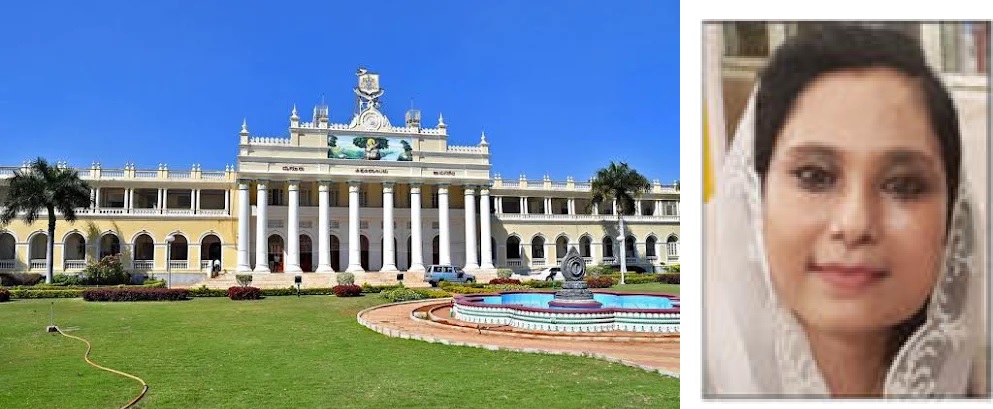
Noor Aisha has been awarded a Doctorate degree in Bio chemistry, marking a significant milestone in her academic and professional journey. The achievement has been widely welcomed by academic circles, social activists, and well-wishers who see it as a moment of pride and inspiration, particularly for young women aspiring to higher education.

According to the details, Noor Aisha is the first Muslim girl to secure a doctorate degree in Science Stream of Mysore University after several years.

Noor Aisha has remained actively engaged in academic and intellectual pursuits from an early age. Throughout her career, she has demonstrated a keen interest in learning, research. Colleagues and mentors describe her as hardworking, disciplined, and deeply committed to academic excellence.

Speaking on the occasion, her parent Mohammed Ali and Noor Jahan expressed happiness over her success, stating that the achievement is not only a personal accomplishment but also a source of motivation for many students, especially women, who face social and economic challenges in pursuing higher education. They emphasized that Noor Aisha’s journey highlights the importance of perseverance, determination, and family support in achieving academic goals.

source: http://www.radiancenews.com / Radiance News / Home> Education> Latest News> Report / by Radiance News Bureau / January 12th, 2026