Category Archives: Science & Technology

AMU Alumnus Yusuf Farooqi Joins Ontario Geological Survey, Canada

Aligarh, UTTAR PRADESH / Ontario, CANADA :

AMU Alumnus Yusuf Farooqi Joins Ontario Geological Survey, Canada

Aligarh:

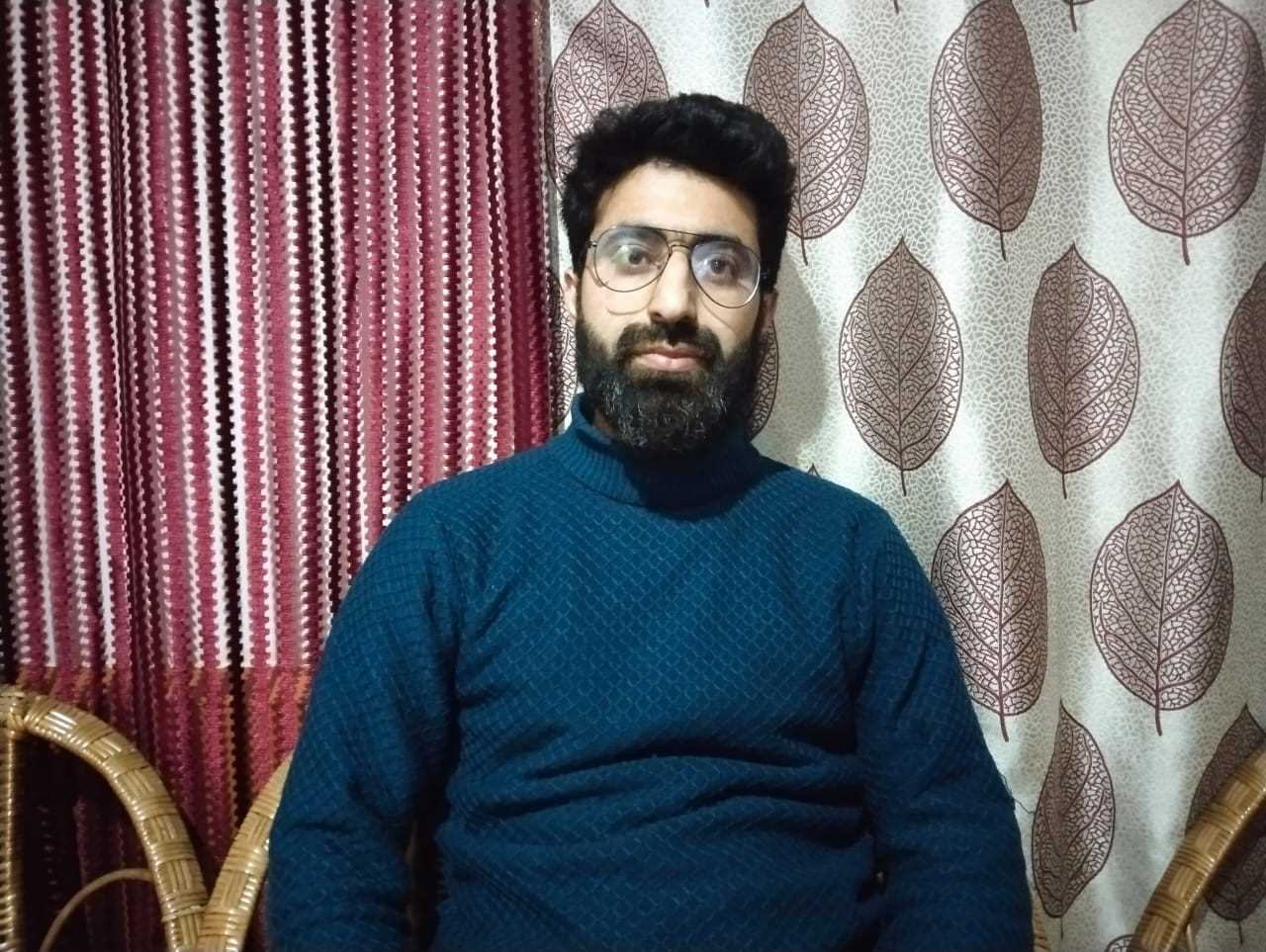
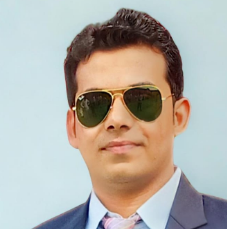
Mr. Yusuf Farooqi, an alumnus of the Department of Geology, Aligarh Muslim University (AMU), has been selected to join the prestigious Ontario Geological Survey, Canada, as a Geological Assistant.

In his new role, Mr. Farooqi will contribute to geological research, conduct fieldwork, collect and analyse geological data, and support technical and administrative aspects of mapping and exploration projects. He completed his B.Sc. and M.Sc. in Geology from AMU in 2019 and 2021, respectively.

Prof. Rashid Umar, Chairperson, Department of Geology, congratulated Mr. Farooqi and expressed pride in his achievement, noting that it reflects AMU’s global impact and the academic rigour of its Earth Sciences programme.

source: http://www.radiancenews.com / Radiance News / Home> Latest News> Markers of Excellence / by Radiance News Bureau / May 15th, 2025

NIMS doctors secure top ranks in NEET-SS 2024, clinch AIR 1 for second year in a row

TELANGANA :

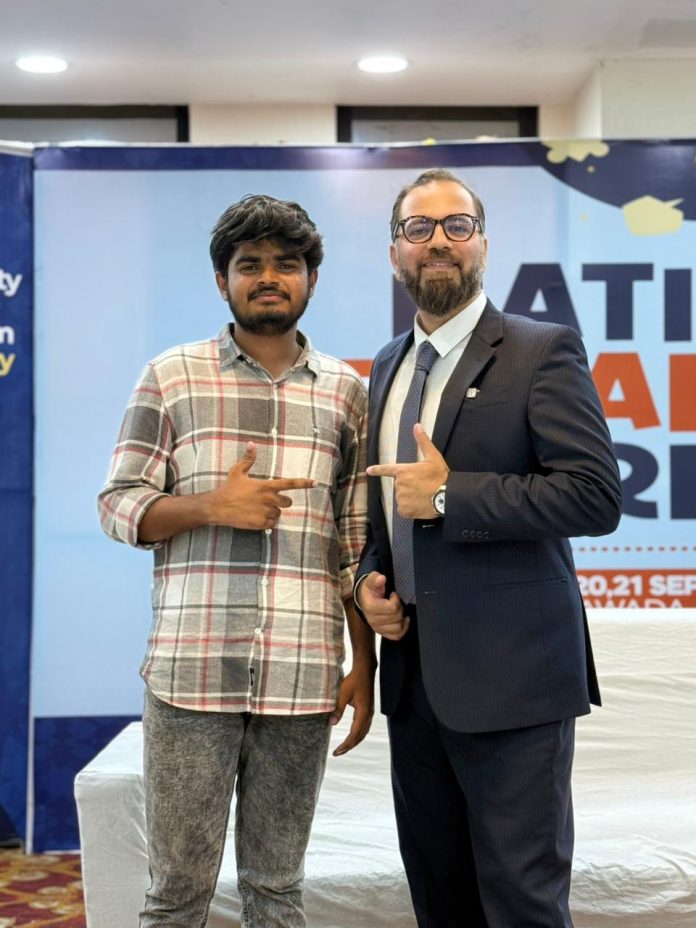
Director of Nizam’s Institute of Medical Sciences (NIMS) Dr. N. Bheerappa and senior faculty along with the top rank-holders of NEET-SS 2024. | Photo Credit: Special Arrangement

Doctors from the Nizam’s Institute of Medical Sciences (NIMS), Hyderabad, have secured top positions in the National Eligibility-cum-Entrance Test Super Speciality (NEET SS) 2024. The institution has produced the national first rank holder for the second year in a row.

Dr. Zakir Hussain led the achievements this year by clinching the All India Rank 1.

In total, twelve doctors from NIMS secured top ranks, ensuring their admission into prestigious super-specialty programmes across the country.

Among the top scorers are Dr. Bhanuchand (Rank 9), Dr. Rohit (14), Dr. U. Soumya (21), Dr. Syed Khalilullah (43), Dr. Krishna Kishore Somani (50), Dr. V. Sai Spurthi (58), Dr. Dheeraj Anirudh (67), Dr. Amtul Rahim Suryam (361), Dr. P.S.N. Rajitha (420), and Dr. A.V.S. Srilekhya (456).

source: http://www.thehindu.com / The Hindu / Home> News> Cities> Hyderabad / The Hindu Bureau / May 04th, 2025

‘TruthIn͏͏ is India’s First Consumer Product Intelligence App’: Dr Aman Basheer Sheikh, Co Founder and Chief Medical Officer, Natfirst

Hyderabad, TELANGANA :

In an exclusive conversation with CXO News and APAC News Network, Dr Aman Basheer Sheikh, Co founder and Chief Medical Officer, Natfirst outlines how they are leveraging AI and data science to disrupt the health tech industry  

How͏͏ does͏͏ NatFirst͏͏ leverage͏͏ AI͏͏ and͏͏ data͏͏ science͏͏ to͏͏ provide͏͏ personalized͏͏ nutrition͏͏ guidance,͏͏ and͏͏ how͏͏ do͏͏ you͏͏ ensure͏͏ the͏͏ recommendations͏͏ are͏͏ both͏͏ accurate͏͏ and͏͏ actionable͏͏ for͏͏ users?

NatFirst is the parent company of the TruthIn͏͏ app, India’s first consumer product intelligence app, which is the go-to source for understanding packaged food labels. It employs advanced AI,͏͏ including vision models and optical character recognition,͏͏ to͏͏ decode͏͏ product͏͏ labels͏͏ and͏͏ provides consumers with insights͏͏. It analyses the nutritional͏͏ content,͏͏ additives,͏͏ processing level and͏͏ ingredient͏͏ quality by decoding the information disclosed on food labels. A simple barcode scan allows users to access this information. At͏͏ the͏͏ heart͏͏ of͏͏ this͏͏ is͏͏ the͏͏ TruthIn͏͏ Rating͏͏ System,͏͏ which͏͏ translates͏͏ the data͏͏ from labels into͏͏ clear,͏͏ science-backed͏͏ health͏͏ scores.͏͏ These͏͏ insights͏͏ help͏͏ users͏͏ navigate͏͏ a͏͏ market͏͏ flooded͏͏ with͏͏ ultra-processed͏͏ foods͏͏ (UPFs)͏͏, ensuring͏͏ that they͏͏ can͏͏ confidently͏͏ distinguish͏͏ between͏͏ genuinely͏͏ healthy͏͏ options͏͏ and͏͏ deceptive marketing claims.

Natfirst comprises of a multi-disciplinary team of experienced doctors, nutritionists, and tech engineers. This team of experts has developed the TruthIn Rating System (TIRS) by studying best practices of global systems such as Nutri-Score, a nutrition labelling adopted by a few EU countries such as France, Belgium, Germany, Luxembourg, Netherlands, Spain and Switzerland. Other international systems studied include the Health Star Rating system used in Australia and NZ, and Nutri-Grade utilised in Singapore. It has also empanelled an advisory board of eminent multi-disciplinary experts who include, K. Sunitha Premalatha, MSC, RD, PHD, (Cancer Nutrition) and Padmashree awardee Dr Manjula Anagani MBBS, MD (Pathology), MD (Obstetrics & Gynecology), FICOG to ensure the TruthIn Rating methodology is as scientifically accurate as possible. Features in the TruthIn app such as the Match Meter help consumers access personalised guidance by aligning portion sizes with individual health goals, making choosing healthier products much easier.

As͏͏ a͏͏ startup͏͏ aiming͏͏ to͏͏ disrupt͏͏ the͏͏ health͏͏ tech͏͏ industry,͏͏ what͏͏ specific͏͏ challenges͏͏ have͏͏ you͏͏ encountered͏͏ in͏͏ differentiating͏͏ NatFirst͏͏ from͏͏ other͏͏ companies͏͏ in͏͏ the͏͏ market?͏͏ How͏͏ do͏͏ you͏͏ overcome͏͏ these͏͏ obstacles?

The innovations͏͏ being developed at Natfirst coincide with the evolving needs of consumers and the demand for healthier, cleaner food products.͏͏ Unlike͏͏ the͏͏ USA or͏͏ EU,͏͏ India͏͏ lacks͏͏ a͏͏ centralized͏͏ database͏͏ of͏͏ packaged͏͏ food͏͏ products. This forced NatFirst͏͏ to build its product dataset͏͏s manually from͏͏ scratch which was a significant challenge but also differentiates Natfirst as one of the few startups in India with such an extensive database.͏͏ With millions of products circulating in the Indian market, the user base of TruthIn has also played an extremely vital͏͏ role in grassroots data͏͏ collection to͏͏ form͏͏ a͏͏ dynamic͏͏ database͏͏ of over͏͏ 16,000͏͏ products which is now set to grow exponentially.͏͏ In that sense, Natfirst is a pioneer in the Indian market with many industry firsts.

Natfirst has also differentiated itself by building a loyal community of users based on trust and consistently promotes its scientifically validated scoring system. Today its flagship product TruthIn, has more than 5 lakh downloads. The brand ambassador of TruthIn is Revant Himatsingka (Food Pharmer), a staunch promoter of scientifically validated information, who has embarked on a mission to educate the average Indian consumer on label literacy. The TruthIn Rating System (TIRS) was specifically designed to help consumers with the most accurate and validated information available to make healthier food choices.

Lastly, to accelerate the process of ensuring that consumers have access to transparent information about all the products, a feature innovation which is very technically challenging is currently being beta-tested. It will enable consumers to analyse products in real-time and TruthIn will become the first app globally to launch such a feature once it goes live.

With͏͏ the͏͏ vast͏͏ amount͏͏ of͏͏ conflicting͏͏ nutritional͏͏ advice͏͏ available͏͏ online,͏͏ how͏͏ does͏͏ NatFirst͏͏ ensure͏͏ that͏͏ its͏͏ platform͏͏ offers͏͏ clear,͏͏ reliable,͏͏ and͏͏ easy-to-understand͏͏ guidance͏͏ for͏͏ individuals?

The 2024 Healthy Snacking report showed that consumers In India are increasingly scrutinising labels. However,  the findings of an ICMR NIN report highlighted͏͏ that͏͏ while͏͏ many͏͏ Indians͏͏ read͏͏ food labels,͏͏ they͏͏ rarely͏͏ look͏͏ beyond͏͏ manufacturing͏͏ and͏͏ expiry͏͏ dates—leaving͏͏ them͏͏ vulnerable͏͏ to͏͏ misinformation, unwanted additives͏͏ and͏͏ inaccurate claims.͏͏ This underscores the importance of tech-driven consumer-focused solutions like TruthIn to navigate hundreds of complex food labels that consumers encounter daily.

By analysing product labels͏͏ factoring in things like fats,͏͏ sugars,͏͏ salt,͏͏ chemical additives,͏͏ artificial flavourings, the͏͏ TruthIn͏͏ Rating͏͏ System͏͏ helps users understand their food better. The product rating system developed by TruthIn analyses a lot of complex information and distils it into a 0-5 score that is easily understandable and helps consumers save countless hours deciphering͏͏ complicated͏͏ labels.

An example of this is the flavoured͏͏ yoghurt category; which is very often͏͏ marketed͏͏ as͏͏ a healthy͏͏ snack. However, it may contain synthetic͏͏ colours such as e102, or͏͏ an excess of added sugar.͏͏ TruthIn͏͏ clearly lists all such information,͏͏ connects͏͏ it to͏͏ reputable͏͏ research,͏͏ and͏͏ offers͏͏ healthier alternatives.͏͏ By emphasising transparency, accuracy,͏͏ creation of simplified visuals and decoding complex jargon, TruthIn͏͏ empowers͏͏ consumers to cut͏͏ through any confusion while choosing products.

In͏͏ the͏͏ realm͏͏ of͏͏ health͏͏ and͏͏ nutrition,͏͏ personal͏͏ data͏͏ security͏͏ is͏͏ crucial.͏͏ What͏͏ measures͏͏ does͏͏ NatFirst͏͏ take͏͏ to͏͏ ensure͏͏ user͏͏ data͏͏ is͏͏ protected͏͏ and͏͏ handled͏͏ responsibly?

NatFirst͏͏ places͏͏ data͏͏ privacy͏͏ at͏͏ the͏͏ forefront,͏͏ employing͏͏ robust͏͏ encryption͏͏ and͏͏ AWS-backed͏͏ secure͏͏ processing͏͏ to͏͏ safeguard͏͏ user͏͏ information.͏͏ Complying͏͏ with͏͏ both͏͏ Indian͏͏ and͏͏ international͏͏ data͏͏ protection͏͏ standards,͏͏ the͏͏ platform͏͏ collects͏͏ only͏͏ what͏͏ it͏͏ needs—dietary͏͏ preferences͏͏ and͏͏ health͏͏ objectives—to͏͏ deliver͏͏ personalized͏͏ guidance. By͏͏ maintaining͏͏ transparency͏͏ in͏͏ how͏͏ data͏͏ is͏͏ used͏͏ and͏͏ stored,͏͏ NatFirst͏͏ aims to build user͏͏ trust.͏͏ Consumers͏͏ can͏͏ feel͏͏ confident͏͏ that͏͏ their͏͏ personal͏͏ information͏͏ is͏͏ protected͏͏ as͏͏ they͏͏ benefit͏͏ from͏͏ tailored͏͏ recommendations,͏͏ fostering͏͏ a͏͏ secure͏͏ and͏͏ supportive͏͏ environment͏͏ for͏͏ informed͏͏ health͏͏ choices.

How͏͏ does͏͏ NatFirst͏͏ integrate͏͏ human͏͏ expertise͏͏ with͏͏ technology͏͏ to͏͏ create͏͏ a͏͏ balanced͏͏ approach͏͏ to͏͏ nutrition͏͏ and͏͏ health͏͏ guidance?

The importance of tech-driven tools such as TruthIn is becoming evident where over 11% of the population suffers from diabetes and 25% are classified as obese as per the ICMR. NatFirst͏͏ marries͏͏ cutting-edge͏͏ AI͏͏ with͏͏ the͏͏ insights͏͏ of͏͏ doctors,͏͏ nutritionists,͏͏ and͏͏ engineers͏͏ to͏͏ ensure͏͏ that͏͏ health͏͏ recommendations͏͏ are͏͏ both͏͏ scientifically͏͏ solid͏͏ and͏͏ easy͏͏ to͏͏ understand.͏͏ While͏͏ AI-driven͏͏ vision͏͏ models͏͏ decode͏͏ labels͏͏ in͏͏ real-time—exposing͏͏ harmful͏͏ additives͏͏ like͏͏ INS͏͏ 102,͏͏ a͏͏ coal-derived͏͏ dye͏͏ linked͏͏ to͏͏ hyperactivity—human͏͏ experts͏͏ validate͏͏ the͏͏ nutritional͏͏ frameworks͏͏ that͏͏ power͏͏ these͏͏ evaluations. The synergistic approach ensures the recommendations are accurate, easily understandable, and actionable. The nutritional framework under which the TruthIn Rating System (TIRS) has been developed by an expert team of nutritionists and doctors and output including the score is further validated by empanelled experts on an ongoing basis. This is the unique way in which TruthIn blend͏͏s human͏͏ expertise͏͏ and͏͏ AI͏͏ innovation͏͏ to help users͏͏ make͏͏ truly͏͏ informed͏͏ choices͏͏ tailored͏͏ to͏͏ their͏͏ unique͏͏ dietary requirements.

Looking͏͏ ahead,͏͏ what͏͏ are͏͏ the͏͏ key͏͏ innovations͏͏ or͏͏ trends͏͏ in͏͏ AI͏͏ and͏͏ health͏͏ tech͏͏ that͏͏ NatFirst͏͏ is͏͏ excited͏͏ to͏͏ explore?

NatFirst͏͏ is͏͏ pushing͏͏ boundaries͏͏ by͏͏ developing͏͏ real-time͏͏ product͏͏ analysis͏͏ and͏͏ looking ahead integrating͏͏ it with Generative͏͏ AI͏͏ (GenAI)͏͏ for͏͏ conversational͏͏ interfaces is something we’re all looking forward to exploring.͏͏ GenAI will enhance the user experience by automating responses, providing instant feedback, and improving decision-making capabilities. This͏͏ will allow users to interact with it seamlessly for real-time guidance. This will solve for efficiency at scale  enables͏͏ instant͏͏ insights͏͏ into͏͏ nutritional͏͏ content,͏͏ ingredient͏͏ implications,͏͏ and͏͏ personalized͏͏ dietary͏͏ recommendation. The tech architecture at Natfirst has been developed for quick category expansion to support the rapid addition of new product categories, ensuring timely updates to meet evolving user needs. Expanding͏͏ on the features of the MatchMeter͏͏ and͏͏ adding͏͏ more͏͏ nuanced͏͏ dietary͏͏ filters͏͏ will͏͏ help͏͏ users͏͏ navigate͏͏ the͏͏ explosive͏͏ growth͏͏ of͏͏ UPFs͏͏ and͏ aid consumers to make much more informed decisions.͏͏

By͏͏ staying͏͏ at͏͏ the͏͏ forefront͏͏ of͏͏ AI-driven͏͏ transparency,͏͏ NatFirst͏͏ aspires͏͏ to͏͏ set͏͏ new͏͏ industry͏͏ standards͏͏ and͏͏ guide͏͏ Indian͏͏ consumers͏͏ toward͏͏ healthier,͏͏ more͏͏ informed͏͏ choices. By focusing on these priorities, NatFirst will ensure it stays ahead of trends while remaining aligned with its vision of enabling healthier, more informed choices.

source: http://www.apacnewsnetwork.com / APAC Media / Home> Healthcare & Wellbeing> Interview / by Bhavya Bagga, APAC News Network / December 21st, 2024

Renowned cancer surgeon Dr Majid Ahmed Talikoti made Honorary Health Commissioner by India-GCC Trade Council

Shakhapur Village, KARNATAKA / NEW DELHI / Bokharo, JHARKHAND:

Dr. Majid Ahmed Talikoti

The India GCC (Gulf Corporation Council) Trade Council has announced renowned oncologist surgeon Dr Majid Ahmed as its Honorary Health commissioner.

Dr. Talikoti was recently recognised as one of the 100 most influential Indian Muslim figures by Muslim Mirror. He is a chairman of a ‘Medicant Hospital’ in Jharkhand’s Bokaro. The hospital is known and praised for treating patients at very affordable fees.

In an event in Delhi, Dr. Talikoti was presented with the appointment letter of honorary health commissioner. The India-GCC Trade Council presented the offer recognising his contributions in the field of oncology and his health initiatives between India and Gulf countries.

Accepting the letter, doctor talikoti said the role offered to me is a significant step and I am eager to contribute to health initiatives that bridge India and Gulf countries together. Let’s work to build strong diplomatic ties and healthy Nations across borders.

Earlier, Dr Talikoti had gained recognition in Dubai and was awarded with Healthcare “Excellence Asian Arab Award 2025.”

AIUTC J&K Pharmacy Wing Formed, Hakeem Mohammad Ashraf Lone Named Provincial President

Baramulla, JAMMU & KASHMIR :

Hakeem Mohammad Ashraf Lone

New Delhi:

The National President of All India Unani Tibbi Congress (AIUTC), Professor Mushtaq Ahmad, has appointed renowned Unani practitioner from Baramulla, Kashmir, Hakeem Mohammad Ashraf Lone as the Provincial President of All India Unani Tibbi Congress Pharmacy Wing.

Additionally, Hakeem Imtiaz Ahmad has been named as the Vice President, and Dr. Mohammad Yousuf Dintho has been designated as the General Secretary.

The General Secretary of All India Unani Tibbi Congress, Dr. Syed Ahmad Khan, in a statement, stated that the Pharmacy Wing has been established to ensure the availability of Unani medicines. He emphasised that increasing the number of Unani dispensaries is essential to ensure the public can access Unani medicines easily.

Along with assigning the responsibility of Provincial President to Hakeem Ashraf Lone, he has been requested to complete the selection process for all office-bearers in J&K within a month as per the prescribed regulations.

source: http://www.radiancenews.com / Radiance News / Home> Latest News> Report / by Radiance News Bureau / March 28th, 2025

AMU Researchers Granted Patent for Novel Brain Cancer Therapeutic Compound

Aligarh, UTTAR PRADESH :

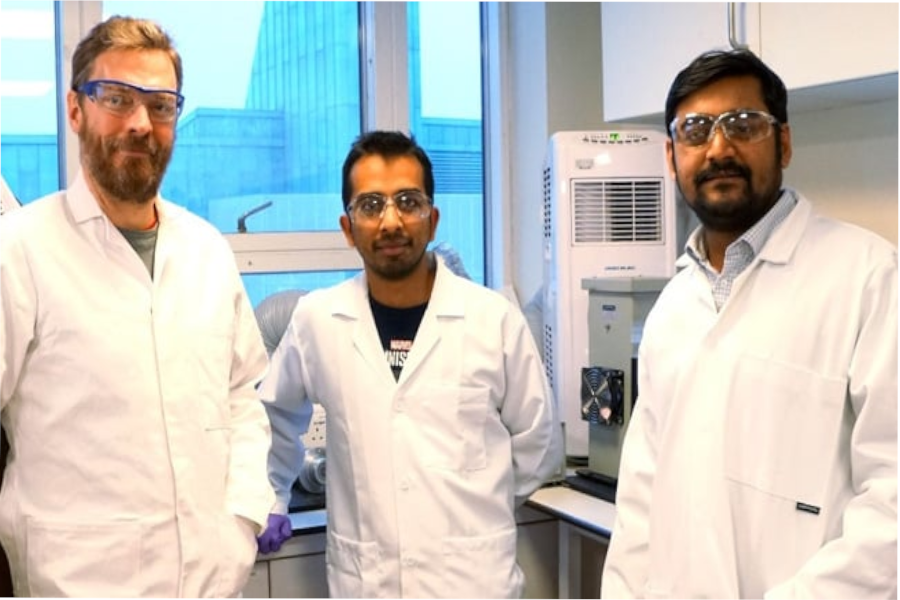
Dr. Mehdi Hayat Shahi with research team comprising Dr. Musheer Ahmad, Arif Ali, Ms. Basree at Brain Research Centre

Aligarh:

In a ground-breaking achievement, the Interdisciplinary Brain Research Centre (IBRC), Faculty of Medicine, Aligarh Muslim University (AMU), has been granted an Indian patent for a novel compound named ARSH-Q. The compound is the result of rigorous research and extensive screening conducted by the Centre in collaboration with the Department of Applied Chemistry.

ARSH-Q has shown exceptional potential in inhibiting brain cancer cells by targeting stem cells, which are major contributors to resistance against radiation and chemotherapy. Given the high recurrence and mortality rates associated with brain cancer, this discovery brings significant hope for more effective treatment options.

Led by Dr. Mehdi Hayat Shahi, the research team, including Dr. Musheer Ahmad, Arif Ali, Mr. Mohd. Muzzammil, Ms. Basree, and Mr. Swalih P., developed ARSH-Q after screening numerous synthesised compounds. Dr. Shahi, whose research on brain tumours has been ongoing since 2005, focused extensively on the Sonic Hedgehog cell signalling pathway – a critical factor in stem cell-mediated brain cancer and other malignancies.

The team’s objective was to develop a compound that surpasses the efficacy of Temozolomide, the current standard chemotherapy drug. After extensive efforts, they successfully synthesised ARSH-Q, which has demonstrated exceptional results in suppressing brain cancer cells in initial studies.

Dr. Shahi and his team are now set to advance their research through pre-clinical studies to validate the efficacy of ARSH-Q. The goal is to develop the compound as either a standalone therapeutic agent or an adjuvant to existing chemotherapy treatments for brain cancer.

The team expressed gratitude to the Vice-Chancellor of AMU, the Dean of the Faculty of Medicine, the Convenor of the IPR Cell, and the Coordinator of IBRC for supporting the patent filing process and facilitating this significant research endeavour.

source: http://www.radiancenews.com / Radiance News / Home> Focus / by Radiance News Bureau / March 22nd, 2025

ISRO scientist Sabir Alam of Chandrayan-3 fame feels he has miles to go

Chhogra Village (Kathihar District), BIHAR :

Sabir Alam with his wife

It is the story of a young boy who once wanted to take his parents to the moon. However, for Sabir Alam, the journey from a small village in Bihar to the one in which he was associated with ISRO’s Chandrayan Mission 3, Moon was a destiny chiselled with grit.

Sabir Ali’s story began in the Chhoghra village in Katihar district, 350 km from Patna, Bihar. Son of a primary school teacher from Seemanchal – one of India’s most underdeveloped regions – this young boy turned his limitations into challenges and life happened to him.

Sabir’s father, Harun Rashid, knew the value of a good education but often wondered how to make his son rise in life with his meagre earnings. “With my limited earnings and the struggle to secure quality education for him, it was a challenging journey,” Harun says.

Sabir Alam having chai

Sabir joined his father’s school, where learning was born from passion rather than resources.

When Sabir cracked the Jawahar Navodaya Vidyalaya (JNV) entrance exam, it was a monumental moment. JNV was a lifeline, offering free education to talented students from rural areas.

He joined the JNV in Kolasi, Katihar, and after his 10th-grade exams in 2012, he shifted to JNV, Puducherry.

Sabir also enrolled in a coaching program run by Avanti, an NGO in collaboration with Tata Motors, to prepare students for competitive exams like IIT–JEE, the gateway to some of India’s most prestigious engineering institutions.

He graduated with a B.Tech in aerospace engineering from the Indian Institute of Space Science and Technology (IIST) in 2018 and then joined the Indian Space Research Organisation (ISRO) at the Vikram Sarabhai Space Centre, Thiruvananthapuram, Kerala.

Sabir Alam with fellow scientists celebrating the launch of Chandrayaan-3

Then came the day that would forever etch Sabir’s name in history. On August 23, 2023, when India made its historic landing on the moon’s South Pole as part of the Chandrayaan-3 mission, Sabir stood among the brightest minds who made it possible.

The moment was both joyous and emotional for his family.

“It was like Eid for us,” says Harun Rashid. “People gathered at our house to congratulate us and shower blessings. It felt natural as a young man from a region often associated with poverty and underdevelopment contributed to the country’s successful lunar mission,” he says with palpable pride and happiness.

Son of the soil : Sabir Alam in his field in the village

Though his mother, a homemaker, may not fully grasp the enormity of the achievement, she stood in quiet pride, holding back her tears. “As a mother, I cannot put my emotions into words. All I know is that my son has made not just Seemanchal but the entire country proud,” she says, her voice trembling with love and joy.

For the family, Sabir’s rise was not about wealth. “There was no financial investment in his schooling,” his mother said.

Sabir’s education was sustained by the values of hard work, sacrifice, and scholarships. The JNV provided the crucial foundation, and scholarships allowed Sabir to scale the mountain that seemed insurmountable to so many.

Did Sabir’s mother ever imagine he would join ISRO or contribute to such a prestigious national mission? I asked her. “I always knew he would succeed,” she said. “He often joked during his visits home that he would take us to the moon one day.”

Sabir Alam showing a model of the lander at the surface of the moon to his son at ISRO center

Mumtaz Naiyer, a scientist based in the United Kingdom, shares a unique bond with Sabir. Hailing from the same region, he always acknowledged Sabir’s abilities. “Sabir has always been extraordinary. He stands out from other youth in Seemanchal because of his approach, temperament, and determination to learn and succeed. Thanks to Sabir, we, the Surjapuri-speaking (local dialect of the region) people, Seemanchalis and Biharis, are now part of history,” Naiyer says.

“This will certainly inspire the youth of this underdeveloped region to dream big,” Naiyer adds. “I also want to thank Sabir’s parents, as their son has brought immense pride to Seemanchal.”

Yet, despite all his achievements, Sabir has never seen himself as someone extraordinary. In a post on Facebook’s page ‘Humans of Seemanchal’ he wrote, “Honestly, I do not feel that I have achieved anything extraordinary or made any significant breakthrough in my field. I do not need to talk much about Seemanchal – its literacy rate already tells its story. I was just fortunate to find a way around the high cost of education.”

For Sabir, it was never about the prestige of joining ISRO. It is simply a milestone. “There are numerous challenges for those from backward areas, but with dedication, hard work, willpower, and, most importantly, awareness, you can overcome them,” he advises.

source: http://www.awazthevoice.in / Awaz, The Voice / Home> Stories / by Tarique Anwar, New Delhi / February 13th, 2025

Youth innovation takes wings in Tiruchi with the help of STEM programme

Tiruchi, TAMIL NADU :

Propeller Technologies’ Youth Innovator Programme is enabling children from different backgrounds to bond together over science

A student with a prototype of a robotic animal at Propeller Technologies, Tiruchi.

On this sunny Friday afternoon, the classrooms of Propeller Technologies in Tiruchi’s Karumandapam area is packed with dreamers and thinkers. Children from government and private schools are huddled around workstations, trying to create products that may one day change the world.

The Tiruchi-based edutech company has been conducting outreach programmes for school children in rural areas to increase awareness about STEM (science, technology, engineering and mathematics) concepts and their use in the real world.

Aided by the launch of Atal Tinkering Labs in schools, and a desire to make the city a hub for regional innovators, Propeller Technologies has teamed up with bigger educational and scientific institutions to actively promote STEM education through its Young Innovator Programme.

Students from private schools in Tiruchi — Montfort School, Kamala Niketan Montessori School, Sri Sivananda Balalaya, Alpha Wisdom Vidyashram and The Indian Public School — are collaborating with kids from Thiakesar Alai Higher Secondary School, Manapparai; Government Higher Secondary School, Thanjavur; Government Higher Secondary School, Manachanallur and Government Girls Higher Secondary School, Ariyalur, as part of the summer outreach programme.

“After interacting with thousands of students from government and private schools, we have realised that there is a wealth of talent among rural communities. And to ensure that promising rural candidates get an equal opportunity to grow, we have requested parents with children in city schools to sponsor them, and follow their progress alongside that of their own kids,” says Aashik Rahman, founder-CEO, Propeller Technologies. “Our in-house team of engineers will be mentoring the children in the projects.”

A student working on a project.

“I am part of a team designing robotic animals, and I got interested in this field through the Atal Tinkering Lab in our school,” says Lingesh Kumar, a 17-year-old student of Thiakesar Alai Higher Secondary School in Manapparai. The youngster, whose father runs a teashop, has been travelling 40 km from home everyday during vacations to work on creating a robotic dog.

With the extension of the programme to Saturdays, the students can keep working on their ideas on the weekends.

“Studying how animals move their limbs is crucial to understanding how they can be made mobile and agile. Our robotic dog could be a pet animal or a mechanical bodyguard for those living alone,” says Lingesh.

Eight-year-old S.N. Shayan, got inspired during the lockdown to start working on an autonomous delivery drone that could help people get medicines or food from nearby shops without human interaction.

“Our drone will be able to hold 200 grams of food and fly in the range of 25 km. We are still calculating how the load can be adjusted to the mechanism’s movement. It can be programmed for pre-set flight distance and destination, but we will also have a person monitoring the drone’s progress from the ground,” says the precocious Shayan, an alumnus of The Indian Public School.

R Boobathi Raj, 16, (Class 12, Thiakesar Alai Higher Secondary School) and A Aadhav, 13, (Class 8, Kamala Niketan Montessori School) are working on a hybrid e-bike that will run on both petrol and electrical charge. “The driver can shift fuel options according to their travel requirements on our bike. The main challenge is to find the space to fit in all the components in the chassis,” says Aadhav. “We are now actively looking for spare parts that can be used in our vehicle, on authorised online dealerships.”

Tutors at the academy say that the courses can be challenging on many levels, especially for children who have never owned or seen a computer. “The first few weeks are spent in orientation, literally from how to switch on the machine,” says Salman, one of the mentor-engineers. “Then to keep the interest levels high, we set aside some time for practicals before going on to the theoretical part of the project. The transformation you see in the students is rewarding in itself,” he adds.

source: http://www.thehindu.com / The Hindu / Home> Sci-Tech> Technology / by Nahla Nainar / June 23rd, 2022

Renowned Journalist Jalaluddin Aslam’s Anthology ‘Naqd-o-Nazar’ Released at Ghalib Academy

INDIA :

New Delhi:

Veteran journalist and writer Jalaluddin Aslam was honored at Ghalib Academy with the release of his selected anthology of essays, Naqd-o-Nazar. The event brought together distinguished scholars, journalists, and literary figures, who acknowledged Aslam’s lifelong dedication to writing and journalism.

Padma Shri awardee Professor Akhtarul Wasey, delivering the presidential address, praised Jalaluddin Aslam’s remarkable contribution to literature and journalism. “He has devoted his entire life to the service of pen and paper. Even in his advanced years, his commitment to writing remains unshaken,” he remarked. Prof. Wasey further emphasized that Naqd-o-Nazar reflects Aslam’s deep thoughts and ideological perspectives and should reach a wider readership.

Renowned journalist Masoom Moradabadi highlighted the humanitarian aspect of Aslam’s life, stating, “The essays in his latest book reflect his deep concern for the nation and community. His life has been marked by selfless service to the needy and deserving.” He underscored that Aslam’s engagement in journalism and literature has always been driven by sincerity rather than financial motives.

Senior journalist Suhail Anjum commended Aslam’s contributions to Urdu language and literature through journalism and writing. “His anthology Naqd-o-Nazar is of archival significance and serves as a valuable resource for researchers,” he stated.

Editor of Urdu Book Review, Mohammad Arif Iqbal, noted that Naqd-o-Nazar contains thought-provoking essays, demonstrating Aslam’s intellectual depth and analytical prowess.

Dr. Syed Ahmed Khan, national president of the Urdu Development Organization, acknowledged Aslam’s silent yet profound contributions to the Urdu language. “Few writers and journalists have served Urdu as selflessly as he has,” he asserted.

Dr. Aqil Ahmed, Secretary of Ghalib Academy, extended his congratulations to the author and urged him to publish his unpublished works as well. Several other prominent figures, including Feroz Hashmi, Javed Rahmani, Dr. Mufti Anwar Javed Dehlvi, and K.L. Narang Saqi, also lauded Aslam’s literary journey.

Among the notable attendees were Maulana Arshad Sirajuddin Maki, Dr. Khurshid Alam, Hakim Aftab Alam, Mohammad Naushad Nadwi, Israr Ahmed Ujini, Danish Rahman, Faizan, Rehan, Zeeshan, Mohammad Owais, Mohammad Hanif, Nadeem Arif, and Mohammad Imran Kannauji.

The event concluded with a vote of thanks by Dr. Abu Zaid.

source: http://www.radiancenews.com / Radiance News / Home> Arts & Culture> Focus / by Radiance News Bureau / February 20th, 2025

3 events in 1979 changed Islamic world, led to extremism, says author Iqbal Hasnain

UTTAR PRADESH / NEW DELHI :

Padma Shri awardee Iqbal Syed Hasnain’s ‘Fault Lines in the Faith: How Events of 1979 Shaped the Islamic World’ was the topic of an animated discussion at Delhi’s IIC earlier this month.

The ‘Fault Lines in the Faith’ book discussion at IIC | Photo: Heena Fatima | thePrint

New Delhi: 

A series of three momentous events irrevocably changed the social, religious, and political fabric of the Islamic world. And they all took place in 1979. This is the central argument of Padma Shri awardee Iqbal Syed Hasnain’s book Fault Lines in the Faith, which became the topic of a lively discussion among academics and history buffs at Delhi’s India International Centre on an early February evening.

Presiding over the panel discussion in IIC’s conference room, Hasnain, who is also an eminent glaciologist, elaborated on the three “fault lines” that sent shockwaves far beyond their immediate contexts.

First, the Islamic Revolution in Iran cleaved the Muslim world along sectarian lines with the establishment of the first Shia state. Second, the siege of Mecca ignited the conservative Sahwa (Islamic awakening) movement in Saudi Arabia, blending Muslim Brotherhood and Salafist ideologies. And third, the Soviet invasion of Afghanistan led to the birth of violent extremist groups like al-Qaeda and its offshoots.

“All these three pivotal points led to the surge of fundamentalist or Islamist jihad,” said Hasnain. He added that what began as a “normal struggle between invading forces and local communities” warped from nationalism to a violent ideological shift with devastating repercussions.

Iqbal S Hasnain | Photo: Twitter/@Rupa_Books

Hasnain further elaborated on the global impact of these events by sharing personal anecdotes from his time studying in the UK. He said he encountered strong anti-Western sentiment among students from Middle Eastern countries during his glaciology programme at the University of Manchester in the 1990s. 

During Friday prayers in a large hall, he said, student speakers often delivered khutbahs (sermons) against Western culture and American exploitation of their regions, with some even advocating for jihad. As American involvement in the Middle East increased, especially with the invasions of Afghanistan and Iraq in the early 2000s, this hostility intensified.

pix: amazon.in

During the book discussion, audience members raised questions about Hasnain’s narrative. One participant, Sumanjeet Choudhary, a retired corporate executive, inquired why there wasn’t more opposition to jihadist activities despite Islam’s rich history and the presence of prominent leaders.

Hasnain countered this view with the example of Morocco’s King Mohammed VI, who has urged Moroccans worldwide to embrace tolerance and reject Islamist extremism.

“King Mohammed VI came out and he stopped the funding [of madrasas] from Saudi Arabia. He changed the whole narrative in the madrasas,” Hasnain said. He acknowledged, however, that while there is an ongoing debate within Muslim communities and their leadership about how to address extremism, it is “not very visible”.

Ripple effects

Hasnain’s book traces the rise of anti-pluralism, misogyny, and severe intolerance within the Arab world. The 1979 Shia Islamic Revolution in Iran, he said, shook the Sunni Arab world. In response, Saudi Arabia, fearing a Shiite revival, actively promoted puritanical Wahhabi Salafism, a strand of Islam that’s deeply hostile not only to Shias but also to Sunni Sufis. He, however, implicates the West as well. In February 1989, after nearly a decade of occupation, the Soviet army left Afghanistan, leaving behind a fractured nation, where tribal warlords and mujahideen groups engaged in an intense tussle for power. The US, having lost interest, “abandoned” the region, he added, leaving a vacuum for the likes of Osama bin Laden to fill.

Ultimately, Hasnain argues that the events of 1979 triggered a chain reaction, including 9/11, the US invasions of Afghanistan and Iraq, and the rise of al-Qaeda and ISIS. In 2021, in what seems like an eerie echo of the past, the US withdrew its troops from Afghanistan, leaving it with no democratic foundation and back in the grip of the Taliban.

When a participant asked about the impact of the 1979 events on India, Hasnain answered that the after-effects “were not limited to West Asia”, with radicalisation spreading to all corners of the world. “In India, to some extent, it was [mitigated] because India practiced a more moderate form of Islam , Hanafi Sufi Islam, which emphasised trade,” he added.

However, as more Indians went to work in Saudi Arabia, they were influenced by Salafi ideology, Hasnain said. For instance, those who’d grown up celebrating Eid-e-Milad (Prophet Muhammad’s birthday) stopped doing so after stints in Saudi Arabia, where Wahhabis do not observe such festivities.

One of the panel’s members was former Indian ambassador to Qatar KP Fabian. Chiming in, he said that it was important tomonitor developments in Muslim-majority countries, given India’s sizeable Muslim population. There may be political borders but “ideas come without a visa”, he pointed out, and vigilance is essential. He also claimed that Arab countries are keeping an eye on India’s Muslims. “They are watching us,” Fabian said. “They are also discreet.”

(Edited by Asavari Singh)

source: http://www.theprint.in / The Print / Home> Features> Around Town / by Heena Fatima / pix of book edited – source amazon.in / February 29th, 2024