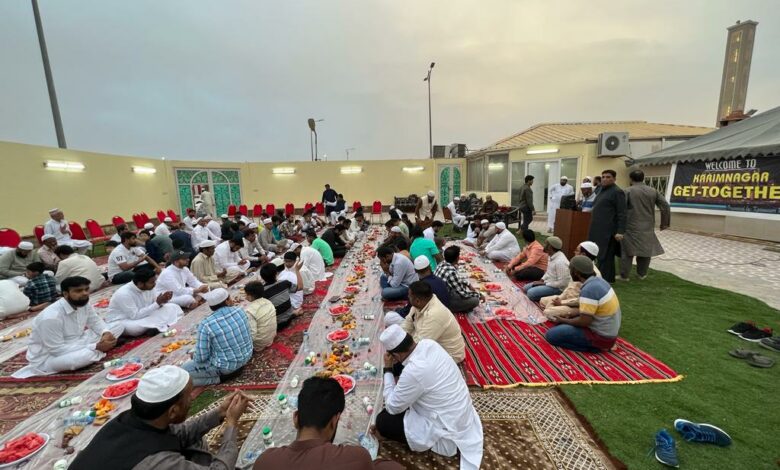
Karimnagar Committee held an annual Iftar party on Friday at a resort on the outskirts of Riyadh.
Jeddah:
In a world of constant connection through social media and cell phones, many expatriates have likely found themselves still feeling disconnected from those around them. Many NRIs don’t even know the people who are from the same niegbourhoods living abroad along with them.
Connecting with compatriots from the homeland not only strengthens bonds within the community in alien land but also renders service to them in rain or shine, this is the concept of the Karimnagar Committee.
Riyadh-based Karimnagar Committee, an expatriate organization that looks after NRIs from Karimnagar town of Telangana is one of the sincere and old organizations in the Saudi capital that has been serving the needs of Karimnagar NRIs for over two decades.
Interestingly it’s the maiden community organization of the Karimnagar NRIs not only in Saudi Arabia but the rest of the Gulf countries yet maintains a low profile and is far away from any publicity.
Karimnagar Committee as it is widely known among the NRIs hailing from the town and working primarily in Riyadh.
In fact, it was the one that facilitated employment opportunities for scores of newly arriving Karimnagar youth in search of green pastures. It imparted job orientation skills among youth before being recruited thus making it dearer to many youngsters in the town.
Only the “Karimnagar” tag is a criterion to find shared accommodation in Hara for unemployed youth of the town.
Ramzan Packs, an initiative kickstarted 20 years ago saw numerous beneficiaries from low income families in need during the holy month of Ramadan.
Karimnagar Committee holds its annual Iftar gathering in a sheer spiritual environment away from so-called leaders and officials. This is the only gathering that enthusiastic Karimnagaris come together, according to organisers.
In a joyful Ramadan atmosphere, the Karimnagar Committee held an annual Iftar party on Friday at a resort on the outskirts of Riyadh, in which it was keen on meeting all Karimnagaris as one family around Dastarkhwan or Iftar mats.
source: http://www.siasat.com / The Siasat Daily / Home> News> Middle East / by Irfan Mohammed / April 09th, 2023
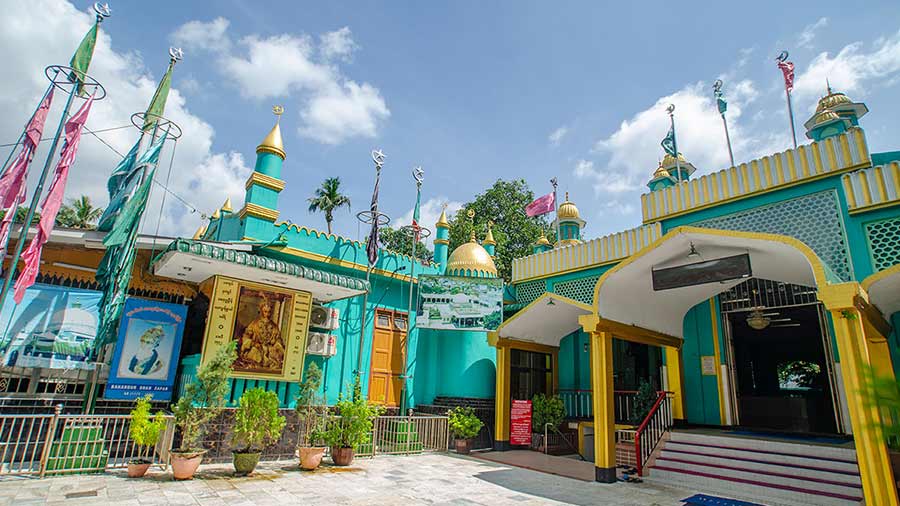
Close to the Shwedagon Pagoda in Myanmar, this dargah is the last tribute to the Mughal ruler and poet.
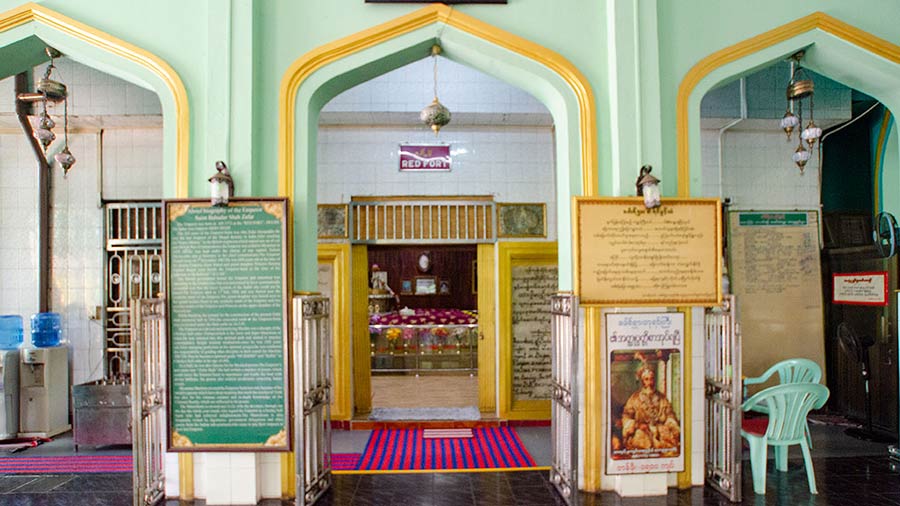
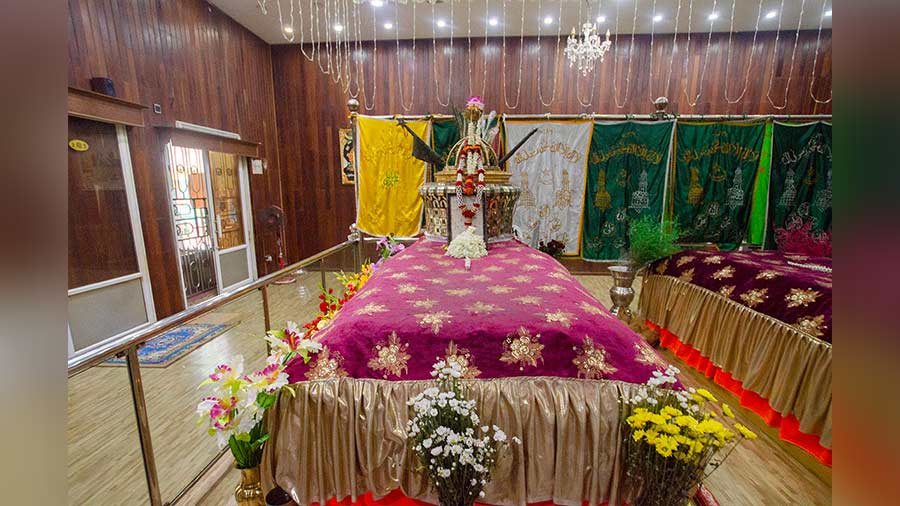
The main hall at the Dargah of Bahadur Shah Zafar Photos: Subhadip Mukherjee
Myanmar (Burma) has some uncanny ties with India when it comes to the freedom struggle. Netaji Subhas Chandra Bose was imprisoned in Mandalay and the last Mughal emperor Bahadur Shah Zafar, who was also imprisoned, later died in Yangon (Rangoon).
If one visits Yangon, then one must visit the Dargah of Bahadur Shah Zafar. It is an irony of sorts when one thinks of the last Mughal emperor not being able to spend the last days of his life in a country where his ancestors once ruled. For the British, Bahadur Shah Zafar was more like a threat; they were constantly worried that he could be used as a proxy leader for another attempt at a revolt in India.
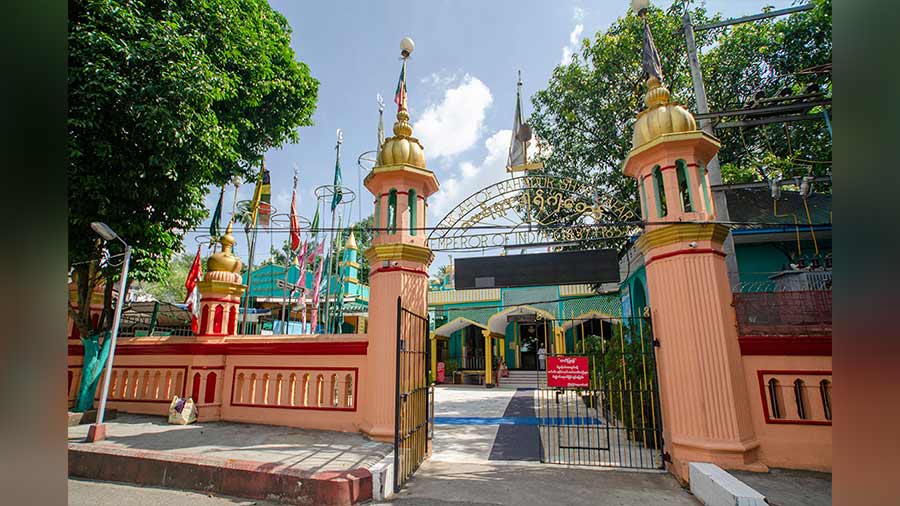
The Dargah of Bahadur Shah Zafar in Yangon
After being arrested from Humayun’s Tomb during the Sepoy Mutiny on September 19, 1857, he was spared the death sentence and negotiated a life in exile instead. They thought it was better to have him sent to exile in Myanmar, and considering his health, they were almost certain that he would never set foot in India again. Bahadur Shah Zafar left Delhi along with his wife, two sons, and some close support staff on October 7, 1858.
More than a rebellious ruler, Bahadur Shah was more into poetry and that’s exactly how he spent the sunset years of his life in Myanmar. The British were paranoid and even prevented him from getting supplies of pen and paper fearing that he would pass messages to his supporters back in India.
Life in Yangon
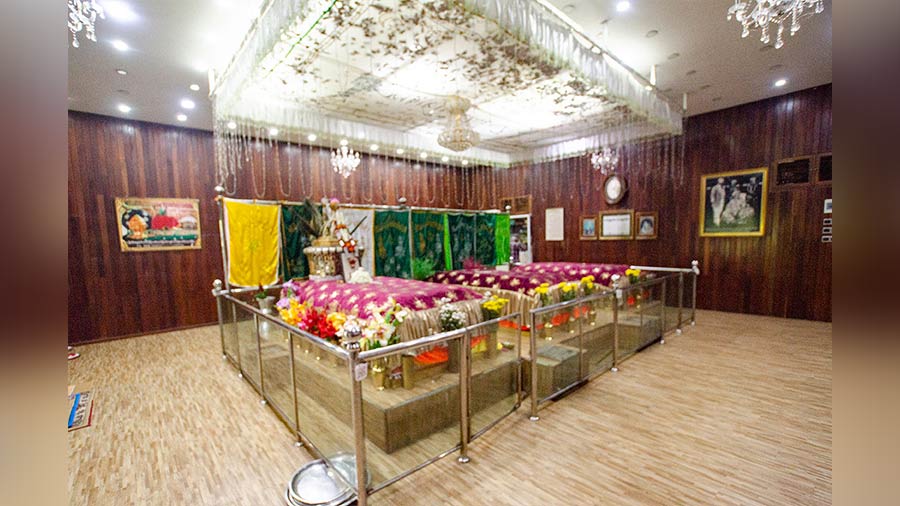
Room next to the main hall, housing the tombs
He lived in a small wooden house that was located very near Shwedagon Pagoda. If you are visiting Yangon, then you’ll find Shwedagon Pagoda as one of the major landmarks in the city. His life was miserable out here with a very limited supply of food and without any pen and paper. So, as a last-ditch attempt, he started using charcoal and scribbled poetry on the wall of his home.
His life came to an end at the age of 87 on November 7, 1862. By then, he was completely bedridden and unable to eat or drink. A very unfortunate end to the last Mughal emperor of India.
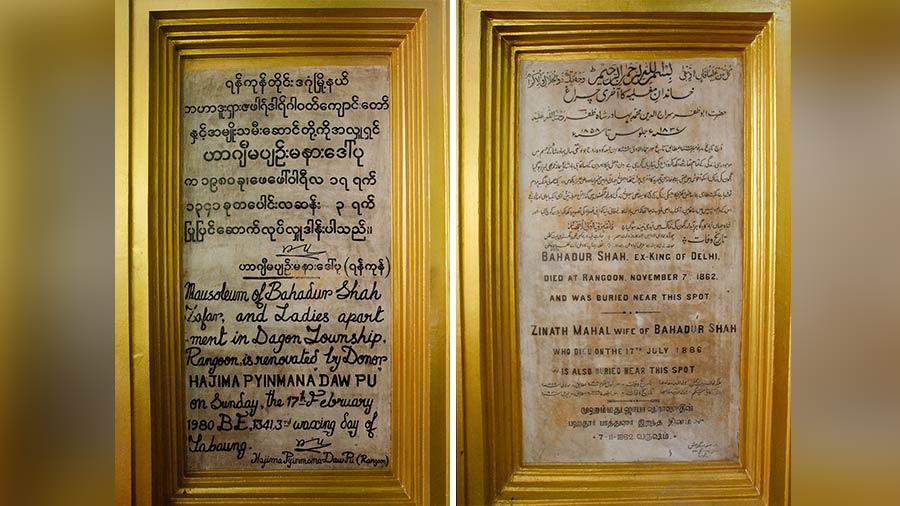
Memorial plaques inside the dargah
Even after his death, the British were paranoid and hurriedly buried him without giving him the last respect that he deserved as the last emperor. Just a small plaque was placed on top of the grave and the rest was kept as simple as possible. This was purposely done to prevent his followers from making this place into a pilgrimage spot.
Four years later, his wife also passed away in Yangon and was buried right next to him.
The Lost Grave
The Lost Grave
With time, people simply forgot about this grave just exactly as the British wanted. To make matters more complicated no official records were kept as to the exact place where he was buried.
The discovery of the grave happened by chance in the year 1991 during an expansion work of a prayer hall that was being carried out by labourers. Two graves were found with small inscriptions on top of them. While one had the name Bahadur Shah Zafar, the one next to it was that of his wife Zinat Mahal.
Further excavation was carried out on the two graves and upon opening up the grave of Bahadur Shah Zafar, the skeletal remains were found wrapped in a silk shroud.
Interiors of Bahadur Shah Zafar Memorial Hall at the dargah
After this discovery and realising the importance of the grave, it was decided to restore and renovate the graves and the surrounding area. With support from the local community, the local government, and further support from the Government of India, a permanent structure was constructed over these two graves. A dargah was constructed at this very spot making it fit for the last Mughal emperor.
Dargah of Bahadur Shah Zafar
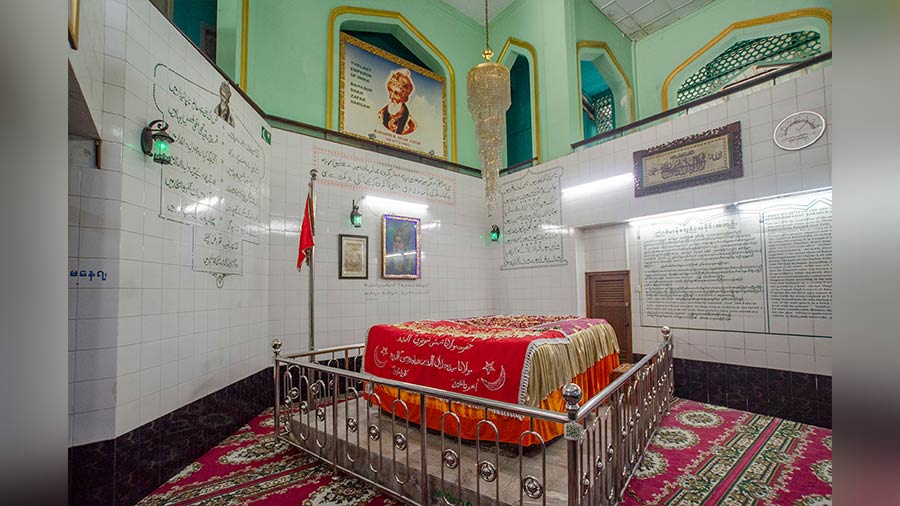
Original grave of Bahadur Shah Zafar at the basement
The dargah has two levels, the top level has a large prayer hall and a room with three decorated tombs. These tombs are that of Bahadur Shah Zafar, Zinat Mahal, and his granddaughter Raunaq Zamani. The surrounding walls in this room have only three known photographs of the emperor and poetry written by him lamenting his life in exile.
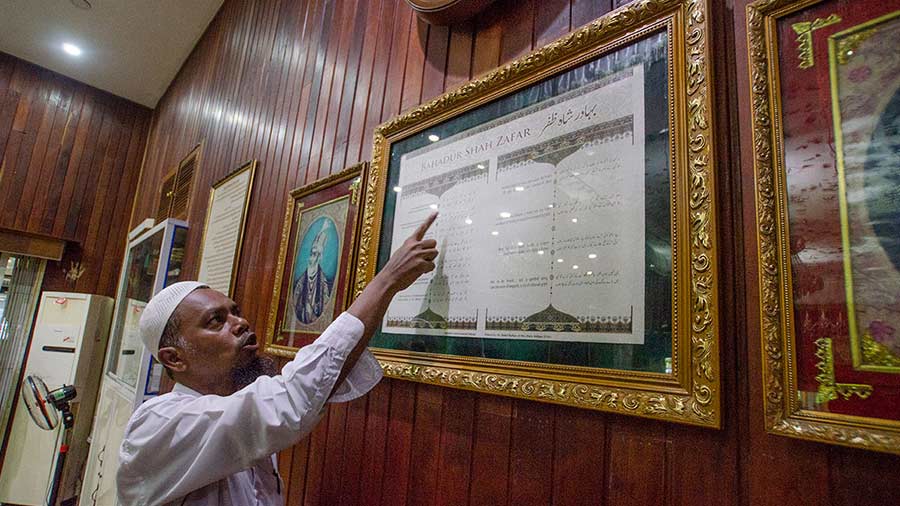
Kitnaa hai badnaseeb ‘Zafar’ dafn ke liye do gaz zamin bhi na mili kuu-e-yaar mein
Bahadur Shah Zafar
There is however another secret to this place. There is a room located in the basement of the dargah. This is the room where the original grave of Bahadur Shah Zafar was located when it was discovered. The grave now has been converted into a decorated tomb. This is the very place where the last Mughal emperor was buried and was thought would be forgotten. But as luck would have it, it is now somewhat fit for an emperor. It’s sad that Bahadur Shah Zafar could never return to the country he once ruled. He remained in exile even after he died in Myanmar.
The Kolkata Connection
A representative from the Dargah reading poetry written by Bahadur Shah Zafar
Bahadur Shah Zafar along with his wife Zinat Mahal were also accompanied by their two sons Jawan Bakht and Jamshed Bakht. His sons never left Burma and settled there and ultimately died there only. Jamshed Bakht had two sons. One of his sons, Mirza Bedar Bakht, came back to India and settled in Kolkata. He married Sultana Begum with whom he had five daughters. Mirza Bedar Bakht had a very quiet life living in a slum and earning by sharpening knives and scissors. He died in the year 1980 in this very city and was buried here in Kolkata.
Working for more than a decade in the book retail and publishing industry, Subhadip Mukherjee is an IT professional who is into blogging for over 15 years. He is also a globetrotter, heritage lover and a photography enthusiast.
source: http://www.telegraphindia.com / The Telegraph Online / Home> My Kolkata> Historical Landmark / by Subhadip Mukherjee / April 03rd, 2023
Former national discus throw champion Tayabun Nisha traced her childhood friend Julekha to return a gold ring the latter had lost in school back in 1967.
Tayabun Nisha (left) and Julekha
Guwahati :
When these two friends met after five decades, one paid off a debt never asked for and acted like the champion that she is.
Former national discus throw champion Tayabun Nisha felt heavy at the burden of an almost weightless finger ring of her friend Julekha, lost way back in 1967 at their Dhai Ali Girls’ High School in Assam’s Sivasagar.
More than 55 years later, Tayabun traced Julekha and arranged a reunion to reclaim those golden years that far outweigh the little ring. She gave her friend an envelope containing Rs 12,000 – the value of the ring.
“We were possibly students of class 7 or 8. Julekha was from an affluent family and she would come to school wearing gold jewellery. One day, she lost her finger ring in the class,” Tayabun, the first Assamese woman athlete to represent India in several international events, said recalling the incident.
“I used to go to school early to play games in the field. Those days, we had to clean our classroom. So, while cleaning it the next morning, I found the ring Julekha lost. However, I didn’t return it for the fear that I might be accused of stealing it and took it home. In due course, my father died and we faced a lot of financial difficulties. Perhaps, it was then that the ring was sold off by my family,” Tayabun said.
As time rolled by, the two friends lost contacts with each other and Tayabun landed a job in the railways in the sports quota but she was mentally disturbed all along.
“I used to think that since I cannot return that very ring to her, I will give her its value when I meet her. I thought I can expiate that way,” Tayabun, who has retired from service, said.
“But I had no idea about her whereabouts. So, I sought the help of my sister. After talking to a whole lot of people, she learnt where Julekha lives. Once I got her number, I called her up to say I would visit her. When I met her (on Tuesday), I told her everything. She initially refused to accept the value that I gave for the ring,” Tayabun said.
She said she would not have got the peace of mind if she had failed to locate Julekha and pay off the debt.
The softspoken Julekha was equally overjoyed to meet Tayabun after decades. “I feel happy that she came. I almost forgot her but she remembered me,” Julekha said.
source: http://www.newindianexpress.com / The New Indian Express / Home> Good News / by Prasanta Mazumdar / Express News Service / March 24th, 2023
“I dedicated my second life to specially-abled people; especially helping the wheel-chair bound cricketers make their careers. Nowadays they are the talk of the town; they are scoring runs and playing well,” Ghazal Khan, CEO of Divyang Cricket Control Board of India (DCCBI), says.
Ghazal Khan, 28, from Agra, Uttar Pradesh, is the youngest woman in the world to be involved in the promotion of wheelchair cricket. She is also the Vice Chairperson of the International Council of Wheelchair Cricket and the Secretary of International Affairs of the International Cricket Council for the Physically Challenged.
Ghazal Khan narrated an incident from her childhood that changed the course of her life,
At the age of 21, Ghazal had a close shave with death. “On 22 December 2015 when I was preparing for the examination of the second semester of the MBA my blood pressure suddenly fell. I was riding a scooter when it happened. I fainted and fell off it. I opened my eyes after 9 days in the ICU of a hospital in Agra.”
Ghazal Khan with the winning team after a tournament
Ghazal spent 20 days in the ICU. He was told that she was in critical condition and on a ventilator for 2 days. Doctors had declared her almost dead and given her only a 2% chance of survival.
“I was reborn on December 24 that year on my birthday. I had been in a coma for 9 days. My face was sewn up to close the injuries. I lost the beauty of my face. When I looked in the mirror, I couldn’t recognize myself.”
After this experience, Ghazal wondered why she survived even after doctors had given her a 2 percent chance.
“I asked myself, why did He (Allah) save me..? During this period, I received several calls from disabled cricketers from my father’s association.”
Ghazal Khan with her father Haroon Rashid (right) and another official
Ghazal’s father Haroon Rashid was a famous pacer of the Indian team. He too met with a mishap and had to give up cricket on doctors’ advice.
He founded the Divyang Cricket Control Board of India (DCCBI) to enable cricketers facing disabilities to pursue their interests. He is the general secretary of the Board and Ghazal the CEO.
Ghazal says, “I volunteered to help them during the first Asia Cup in 2015. It also helped me develop a good relationship with disabled cricketers.
“I realized that I had lost the beauty of my face, but they lost their body parts and yet they are very happy and thankful to the almighty. So, why should I be ashamed of my ugly face?
“I realized that Allah has saved me for a reason; I decided to prepare for UPSC civil services examination and become an IFS officer.
“I was sure of cracking the examination on the first attempt. However, I day before my preliminary exam, I fought with my fiancé. Thereafter I became depressed and was diagnosed with severe clinical depression.
Ghazal Khan posing with officials and the winning team
“Suddenly I behaved like a child of 8-9 years’; had a loss of memory. Biologically, I was 23 but mentally I was 8 years old. I had lost all senses.
“One day while playing with the wheelchair cricketers before the IWPL tournament, a miracle happened. I felt normal. It was a pleasant shock for my family.”
Ghazal decided to work for the disabled cricketers. “This was the moment when I realized why Allah saved me. From that day till now I have given all my time and energy to Divyangjan’s cricket.
Ghazal is also Vice President of the International Council for Wheelchair Cricket (ICWC) and is secretary, International Affairs in the International Council for the Physically Challenged Cricket (ICPCC).
Almost four years ago she launched the Divyang Premier League DPL T-20.
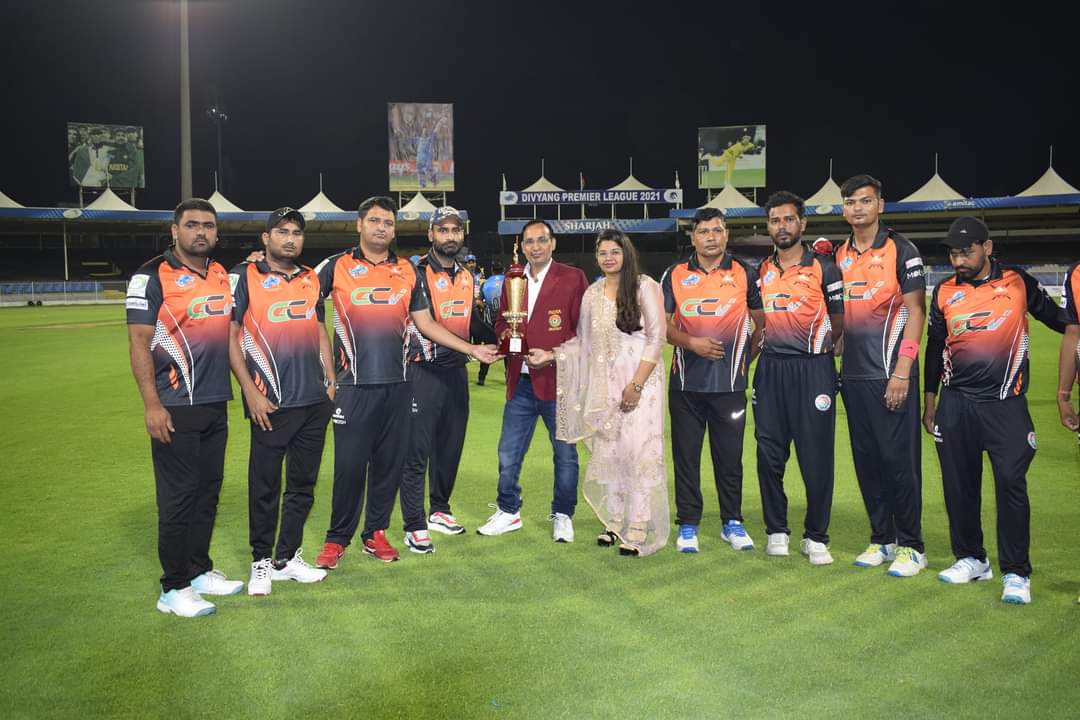
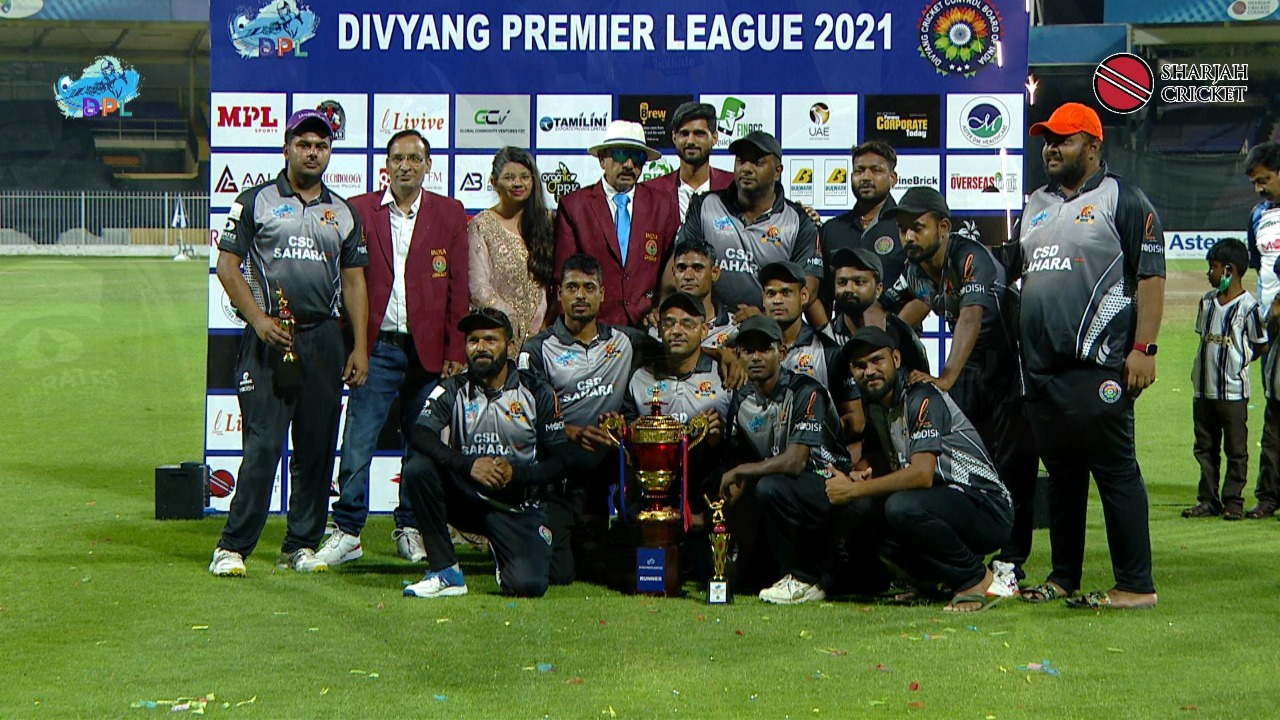
Ghazal says she aims to elevate disabled cricketers to the status of others. Due to her efforts, on the lines of IPL, the Divyang Premier League IPL was played between 6 teams in 2021 at the Sharjah International Cricket Stadium in Dubai.
Ghazal Khan with players
She gives the credit for her success to her father.
Ghazal Khan said she is also influenced by Prime Minister Narendra Modi. She was impressed by Modi’s remarks in o address ‘Mann Ki Baat’ on December 27, 2015, which said that physically challenged people have a divine ability and for this, they should be called Divyangjan and not disabled.
Ghazal Khan recently received the Global Excellence Award from the Samarth Seva Sansthan of Rajasthan. Last year she received the Icons of Asia Award.
Ghazal Khan told Awaz-The Voice that she is also planning to work for women’s disability cricket, improving the commentary of the game and setting up a sports business industry.
source: http://www.awazthevoice.in / Awaz, The Voice / Home> Story / by Onika Maheshwari, New Delhi / March 29th, 2023
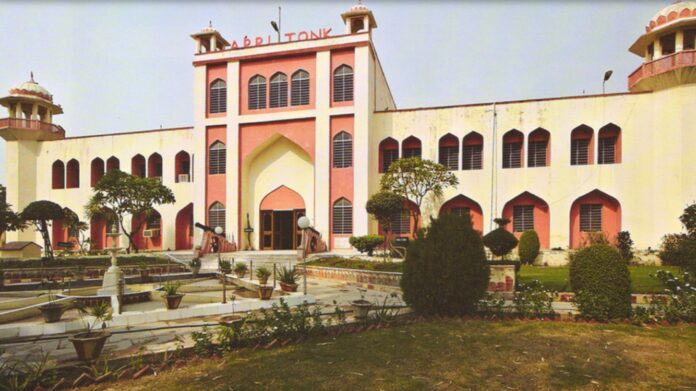
A repository of historic Islamic manuscripts, documents, books and rare artefacts is crying for attention at the Rajasthan Government’s Maulana Abul Kalam Azad Arabic & Persian Research Institute (APRI) in Tonk. A significant project for the conservation and digitisation of manuscripts has come to a standstill following a change of guard at the institute.
Tonk, situated 103 km south of Jaipur, was the only Muslim princely state in the erstwhile Rajputana before Independence. It was considered a major centre of art and culture, as the Nawabs patronised the scholars and invited them to inhabit the town. As a result, many poets, artists and historians came to live in Tonk and made it a hub of intellectuals and professionals. In addition, the Islamic religious preachers established a culture of Quranic sermons and teachings in the town.
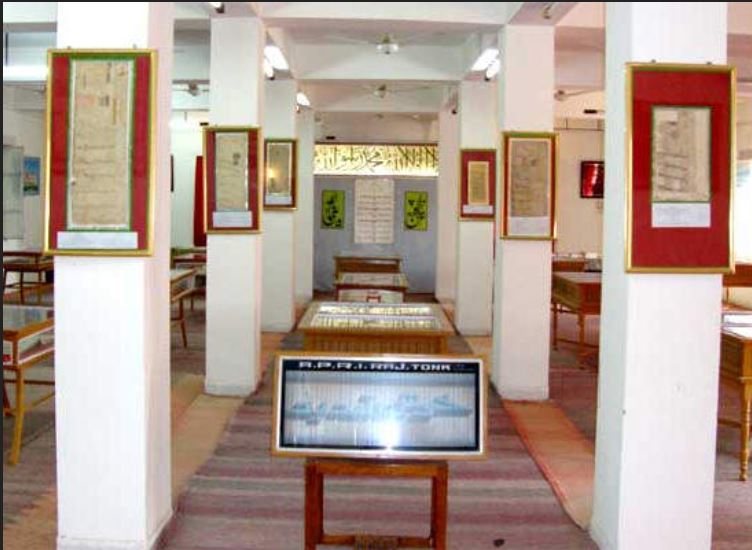
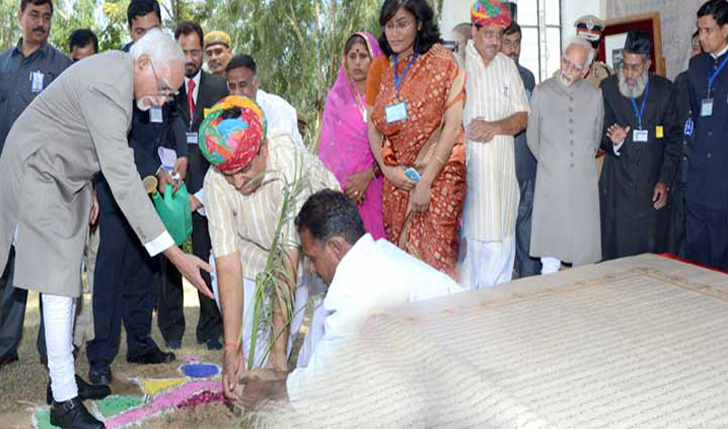
The APRI, established as an independent Directorate of the Rajasthan Government in 1978, boasts of a rare collection of historiography, orientology and Islamic studies and has over 8,000 hand-written volumes. Researchers from India and abroad have been visiting the institute to study manuscripts belonging to the medieval period. Besides, prominent people, such as the Vice-Presidents, Governors and Union Ministers, have visited the institute and seen its rich collection.
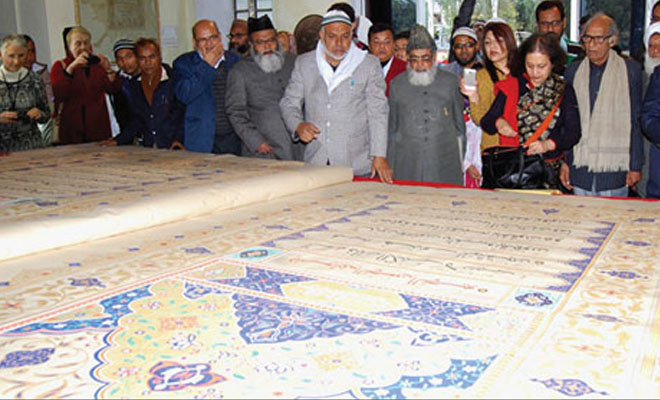
In the treasure trove of historical books, the main attractions include a 17th-century copy of the Holy Quran in bold Naksh calligraphy, autographed by Mughal Emperor Aurangzeb, Hamail Shareef (commentary on the Holy Quran) of 11th century and Unwan-ul-Sharaf of 19th century, comprising five subjects with a single running text. The APRI also has the world’s largest copy of the Holy Quran, prepared in Tonk in 2014.
Most of the rare books and manuscripts in the institute are those shifted from the Saeedia Library of the erstwhile Tonk princely state after 1961 when it was established as the district office of the Rajasthan Oriental Research Institute. The books were collected by Mohammed Ali Khan, the third Nawab of Tonk, who was deposed by the British and exiled to Varanasi.
The collection of books in the APRI may be ranked equal to those in the famous Raza Library in Uttar Pradesh’s Rampur and Khuda Baksh Oriental Library in Patna. The copies of famous books of the Mughal era, Shahjahannama and Tuzuk-i-Jahangiri, are also in its collection. In addition, the institute has about one lakh judgements of Tonk’s Adalat Sharah Shareef (canonical courts), which have been published in several volumes. Besides, there are documents related to Rajasthan’s political and cultural history with special reference to the Tonk state.
The project for the conservation and digitisation of these books and manuscripts was launched four years ago, but it slowed down during the covid pandemic. It picked up pace after the pandemic when the task was assigned to the Patna-based Heritage Consortium in view of the expertise required to deal with the fragility of papers and ink used in the books. A 20-member team was engaged in testing the material of books and their treatment with the appropriate chemical elements.
The local youths were also given a fortnight-long training to join the conservation work with the de-acidification of papers, consolidation of ink, flattening of folios and stitching and binding of books. As a result, the team working at the institute completed the preservation of 80,000 folios after a sluggish pace during the pandemic. In the tedious work, the experts could conserve only 10% of the APRI’s collection, but they also preserved the threads and glue used in the books for research in future.
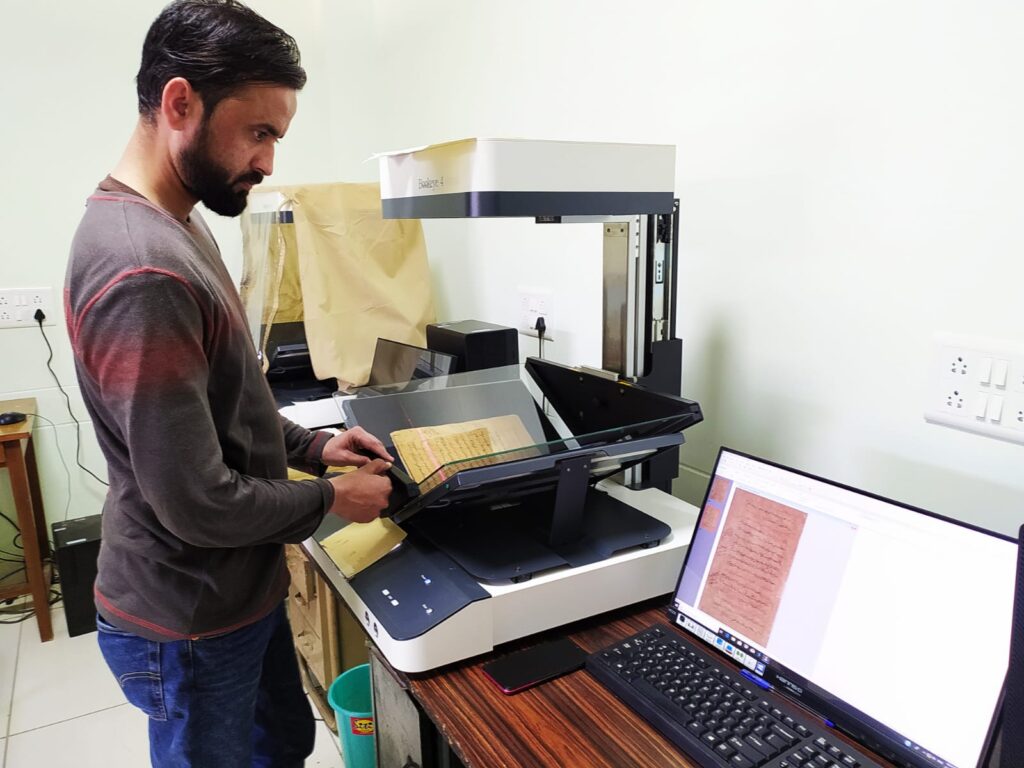
The digitisation project in the institute adopted the meta data format prescribed by the National Mission for Manuscripts and the National Archives of India. The digitisation was carried out by the APRI staff with the state-of-the-art scanners, while the State Government-owned Rajcomp Info Services Limited was also involved in the exercise.
All of these activities have reached a standstill with the recent change of guards at the institute. Syed Sadiq Ali, the new Director of APRI, who took over on February 22, said the State Government’s Art & Culture Department had appointed a Curator to review the conservation and digitisation work and decide on its continuation. The move followed the appointment of a committee on the project in December 2022, when the Director’s post was vacant.
Even as the art and culture experts have expressed concern over the conservation project having been halted, the APRI is organising a series of events, seminars and festivals to promote the Khattati (calligraphy) art and Chaar Bayt (four stanzas) performances. Ali, a retired Associate Professor in Urdu Department at the Government Post-Graduate College, Tonk, has evinced interest in holding the events regularly.
A five-day calligraphy art festival, organised from March 15 to 19, witnessed the participation of a large number of experts and different days were devoted to Chaart Bayt, Mushaira, Ghazal rendition and Qawwali singing. Similarly, a three-day seminar on Insaniyat Ka Paigham (message of humanity) was organised between March 15 and 17 with the participation of 40 experts from across the country. These events elicited a huge response and witnessed the enthusiastic participation of students, researchers and the public.
Ali pointed out that the international researchers also regularly visited the institute since he took over as the Director. They included a research team from France and individual researchers on Islamic manuscripts from Jordan and Iran. Ali said the classes in Arabic and Persian languages, which were stopped earlier, would be restarted, an extension lecture series would be organised during the Rajasthan Mahotsav in March-end, and all the vacancies in the APRI would be filled up shortly.
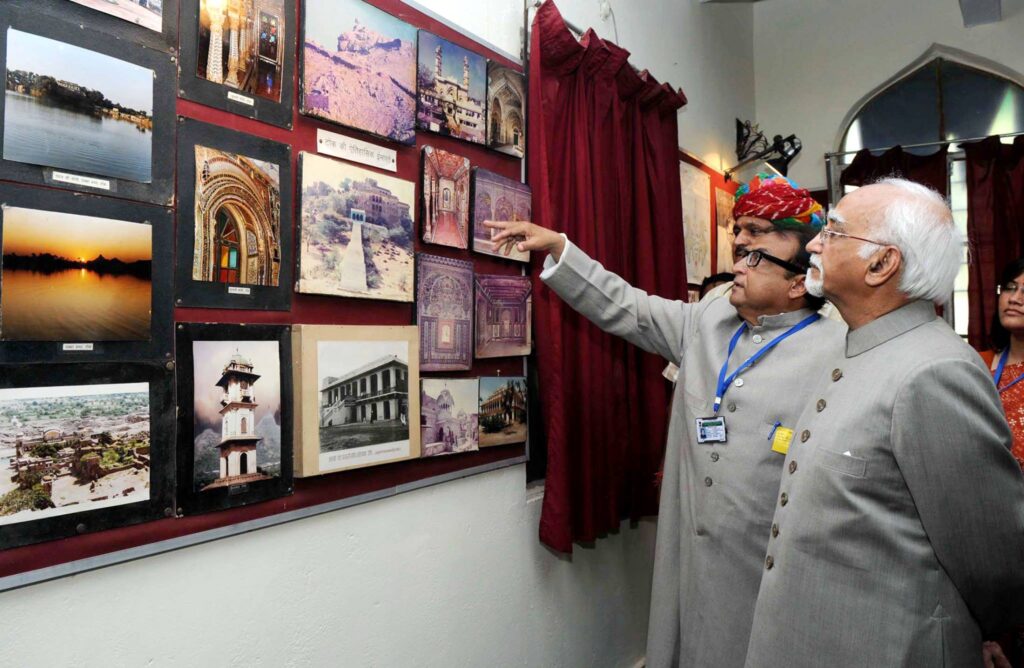
Former Vice-President Mohammed hamid Ansari at APRI, Tonk
The institute also plans to establish a museum on its premises to display rare manuscripts and artefacts in different sections. Chief Minister Ashok Gehlot announced the construction of a Publication and Museum Block in the APRI while replying to the debate on the Finance and Appropriation Bill in the State Assembly on March 17.
Former Vice-President Mohammed Hamid Ansari during his visit to APRI, Tonk.
source: http://www.indiatomorrow.net / India Tomorrow / Home> Education / by India Tomorrow Correspondent / March 27th, 2023
Bazme Sadaf International (BSI) award is to be given to famous Urdu poet Shahida Hassan while Ambareen Salahuddin was selected for the new generation writer award, according to a statement received in Doha.
Ibrahim Kamal Khan (Qatar), Zahoorul Islam Javed (Abu Dhabi) and Sheraz Ali ( UK) were selected for Urdu Movement awards.
The awards will be presented in Doha at a grand ceremony on January 26-27, followed by an international literary festival and poetry symposium.
Delegates and eminent literary personalities from 12 counties are expected to attend the gala event.
Speaking at a press conference in Patna, India, BSI director Prof Safdar Imam Quadri announced the names of awardees of 6th BSI awards and enumerated their literary achievements.
Shahida Hassan is a Canada-based Urdu poet who has published three acclaimed anthologies of poems and also translated select pieces from contemporary literature of other languages into Urdu.
The new generation award, given to a promising writer below 50 every year, has been bagged by Pakistani academic and poet Ambareen Salahuddin. Both the awardees will be arriving in Doha to receive their awards and participate in the literary festival too.
BSI also gives awards to individuals who have served the cause of promotion of Urdu language and literature.
For 2020, this award has been given to Ibrahim Kamal Khan who, as the founder president of Anjuman Mohibban e Urdu in Doha, has provided significant service to the cause of Urdu language in Doha.
Abu-Dhabi-based poet Zahoorul Islam Javed would be given this award for 2021 and UK-based academic Sheraz Ali for 2022.
In the last two years, this award has been renamed after the late Sabih Bukhari, who was the chief patron of BSI until his death.
BSI chairman Shahabuddin Ahmad, in a message sent from Doha, congratulated all the winners and informed that eminent Urdu poets and literary figures from 12 counties have confirmed their participation in the event.
They include Shahida Hassan (Canada), Khalid Irfan (US), Zahoorul Islam Javed (Abu Dhabi), Hassan Kazmi, Safdar Imam Quadri, Azm Skakiri, Shadab Azmi and Dr Shakil (India), Ambareen Salahuddin and Ali Zariyun (Pakistan), Sadaf Mirza ( Denmark), Ateeq Anzar, Ahmad Ashfaq, Nadeem Jilani Danish and Wasiul Haq Wasi (Qatar), Masood Hassas (Kuwait), Ayesha Shaikh Aashi (Dubai) Jamil Ahsan ( Sweden), A M Tahir (Germany) and renowned journalist Dr Mohammed Gauhar.
BSI chief patron Hassan Chougule congratulated the awardees and requested all Urdu lovers to attend the poetry symposium in DPS-Modern Indian School auditorium, Al Wakra on January 27.
BSI Doha chapter president Dr Nadeem Zafar Jilani also expressed his happiness at the announcement of the awards and congratulated the winners.
source: http://www.gulf-times.com / Gulf Times / Home> Community / January 19th, 2023
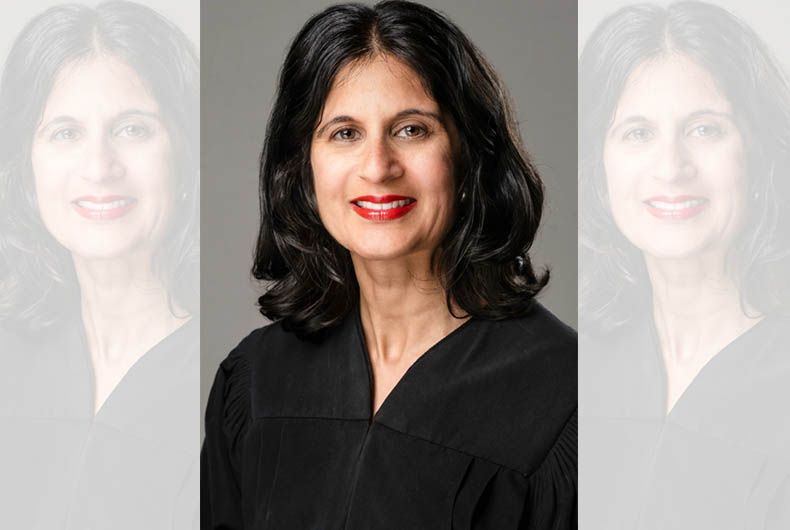
Judge Shama Hakim is the first South Asian American woman and the first Muslim American woman on any appellate court in United States.
New York:
In a first, Indian-American Democrat Shama Hakim Mesiwala has been unanimously confirmed as associate justice of the Third District Court of Appeal in Sacramento, California.
Mesiwala, 48, was administered the oath of office this month by Chief Justice Patricia Guerrero, chair of the Commission on Judicial Appointments.
She was confirmed by a unanimous vote of the three-member commission, which included Chief Justice Guerrero, Attorney General Rob Bonta, and Acting Presiding Justice Ronald B. Robie.
Judge Mesiwala, who would now be the first South Asian American woman and the first Muslim American woman on any appellate court in the country, would fill the vacancy created by the retirement of Justice Coleman A. Blease.
She has served as a Sacramento County Superior Court judge since 2017 and was a commissioner there in 2017.
Mesiwala is the co-founder of the South Asian Bar Association of Sacramento and the president of the Schwartz/Levi Inn of Court.
She served as the Americans with Disabilities judge for the Sacramento County Superior Court Hall of Justice and created the first Indian Child Welfare Act courtroom in Northern California.
Armed with a Juris Doctor degree from the University of California, Davis School of Law, Mesiwala also teaches appellate advocacy as an adjunct professor in the same university.
source: http://www.ummid.com / Ummid.com / Home> United States / by ummid.com with inputs from IANS / February 28th, 2023
The National Barista Championship in Bengaluru featured 60 baristas from across India and from some of the best coffee houses in the industry and home brewers.
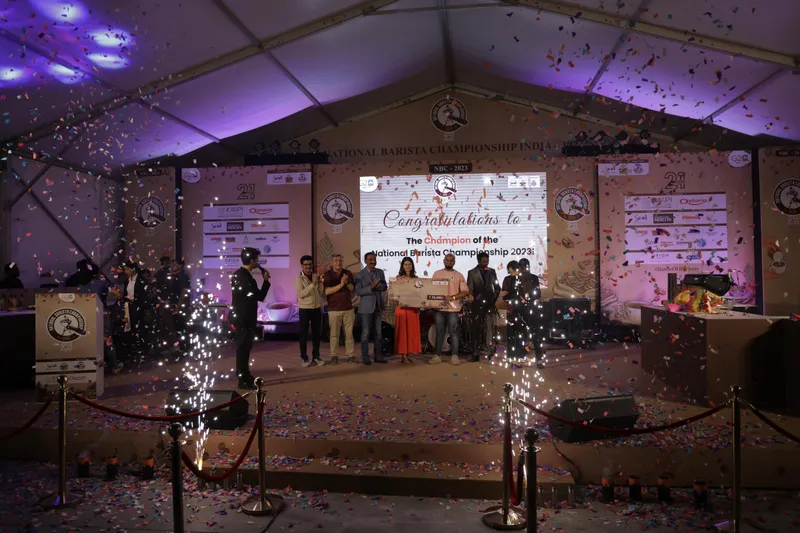
This past week was abuzz with caffeine-induced energy at the 21st National Barista Championship 2023, held between February 14 to 19 at the Orion Mall in Rajajinagar, Bengaluru.
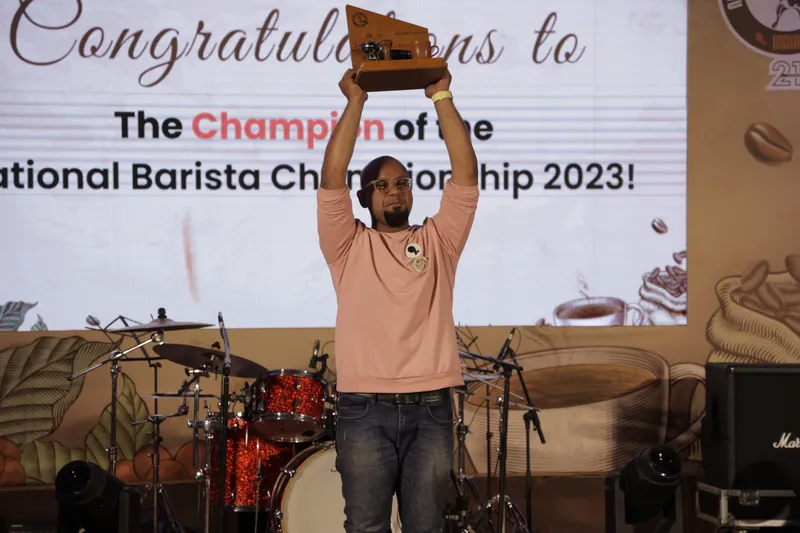
Jaseem Abbas, a home brewer who goes by his handle @ninedotcoffee on Instagram, was crowned the winner, and in June, he will travel to Athens to represent India at the World Barista Championship 2023.
“This used to be a very subtle, small event where we did not have coffee traders, cafe owners, or even equipment manufacturers participate. So, we made it bigger by allowing brands to exhibit their products and expose Indian coffee to the audience,” D. M. Purnesh, President of the Speciality Coffee Association of India, revealed to YS Life.
Jaseem Abbas, Winner of the National Barista Championship 2023
A stroll through the exhibition section will give one insight into how big the event has become. From coffee estates and bean roasters, to cafe owners, and equipment makers, every stage of the coffee bean’s journey is represented.
Attendees could mingle with industry leaders, sample exquisite coffee blends, learn about coffee preparations, equipment and techniques, and enjoy live music and entertainment.
The National Barista Championship featured 60 baristas from across India—some of the best coffee houses in the industry and home brewers who competed for the title of the National Barista Champion. The jury members included certified Q Graders (professionals skilled in the sensory evaluation of coffee), technical judges, and a World Barista Championship Committee-recognised head judge.
The technical judges look at what the barista does behind the counter—station management, skill with the espresso machine, the tamping, coffee extraction times, etc. The sensory judges (Q Graders) evaluate the ‘crema’ of the espresso, the aromas of the beverages, harmony and balance in the taste, the temperature and tactile experience while sipping the beverage, and the functionality of the vessel.
“The barista will tell us how their beverage is supposed to taste. We listen to them for the accuracy of their descriptors too,” explained Mandappa, Divisional Head (Coffee Quality) at the Coffee Board, a certified Q Grader and one of the sensory judges at the championship.
At the National Barista Championship 2023 in Bengaluru
Each barista serves three beverages—first, an espresso, second, an espresso-based milk beverage, third, an espresso-based signature beverage.
“We’re not looking at Latte art here. We’re looking at sheen, synergy, and contrast between the milk and coffee when judging visuals. When we take a sip of the beverage, we see how the espresso is in harmony with the milk,” Mandappa added. The current edition of the rules allows for only cow’s milk, but future editions will allow branded plant-based milk alternatives.
The signature beverage gives baristas the liberty to come up with their own concoctions, as long as the base remains a shot of espresso. “My coffee had pineapple, green grape, mulberry, black tea, Demerara sugar syrup, strawberry syrup, and butter, which I had melted with coffee,” said Suhas Dwarakanath, Owner at Benki Brewing Tools, and one of the contestants.
“These ingredients played with the flavour of the espresso and brought out completely new flavours, like how mixing red with yellow gives us another colour. In the end, my coffee had notes of muskmelon, papaya, salted caramel, and a black tea finish,” he described.
Winner Abbas’ Nitrogen Oxide-infused signature brew had notes of sweet lime, jasmine, orange candy, and sweet papaya. “I used coffee from Tat Tvam Asi Estate as it was one of the most organic and naturally-processed coffees I could find,” he said. “The pressure is intense; there’s no room for error. No sudden movements, no spillage. It’s a beautiful situation to be in. The perfect balance of pressure and cannot be experienced unless one goes up on stage,” Abbas added.
Speciality coffee and Bengaluru have a symbiotic relationship. Karnataka is one of the largest coffee-growing regions in India. The city has a growing cosmopolitan population with the awareness, time, and willingness to experiment with new flavours.
Speak to any brewer or barista, and they’ll have the same things to say: Coffee is not just bitter. One can notice sweetness, florals, fruitiness, and a pleasant bitterness that makes it beautiful and interesting. It’s like tasting a fine wine or a scotch whiskey.
“Coffee can change completely profile-wise with different types of roasting (light, medium, or dark), grind sizes, and brewing equipment. In fact, I came across a variety of cups that allows the coffee to aerate, allowing for more flavour to come out,” said Purnesh.
According to Dwarakanath, one of the challenges in making speciality coffee mainstream is shifting consumers away from the chicory-infused, sugary filter coffees Bengaluru is used to.
“Speciality coffee doesn’t have to be overwhelming. I understand it’s more expensive, but selling smaller portions so they’re affordable is something we do at the Benki cafés. We don’t sell anything above Rs 150, and we use the same premium coffee I used in the competition today,” he added.
Mandappa staunchly believes in drinking what one enjoys while taking the time out to experiment with new food and drinks to develop a refined palate. “It’s always good to experiment and see how a different ingredient tastes, maybe a berry or an exotic fruit,” he said.
“When one is starting, make descriptions easier for yourself and look at basic nuances like sweetness and bitterness (favourable bitterness like bitter gourd, dark chocolate, and stout beer; and unfavourable bitterness like astringent and burnt). The common consumer should first look for a balanced coffee,” added Dwarakanath.
Coffee journeys often start with the quintessential bottle of Nescafe’s instant coffee powder. Speciality coffee, however, works differently.
Right from the quality of the soil and the manure fed to it to the skill of the barista pouring out your drink—each step is crucial in brewing a good cup of coffee.
“It’s about appreciating the journey of the coffee bean. It’s a chain reaction. The farmers, the roasters, the barista—there are hundreds of steps before it reaches your cup,” said Abbas.
“A coffee planter’s job is 365 days, round-the-clock work,” added Purnesh. “We nurture plants through the year for a single crop. The last few years have seen climate change, and the current challenge is adjusting to changing patterns of rain,” he added.
Many coffee planters have developed multi-cropping systems by growing pepper, areca nut, cardamom, avocados, and assorted fruits and vegetables. This keeps a steady flow of income and adds nuances to the flavour of the coffee.
The Speciality Coffee Association of India was set up by passionate coffee planters who wanted to put India’s coffee on the world coffee map. “Everything happens with the support of the Coffee Board, controlled and funded by the Ministry of Commerce and Industry, Government of India. They help us promote coffee in India and the world market. They are one of the main sponsors and supporters of the National Barista Championship,” said Purnesh.
With the close of the 2023 edition of the championship, Abbas is looking forward to his competition in Athens this June. “I’d like to thank my roaster, who introduced me to the coffee I used for the championship. And, since I’m representing India, I want to represent India’s coffee on the world stage. I’ll be going up against the best of the best,” he added.
source: http://www.yourstory.com / YourStory.com – YS Life / Home> Events / by Arjun Mehta / edited by Suman Singh / February 22nd, 2023
Later, he also visited Sira town in Tumakuru district and distributed Saudi Riyal 500 and other essential items to 26 pilgrims.
Congress MLA Zameer Ahmed Khan. (File Photo)
Bengaluru :
Chamarajpet Congress MLA BZ Zameer Ahmed Khan on Saturday arranged Umrah (an Islamic pilgrimage to Mecca) for 16 Accredited Social Health Activists (ASHA) workers at Jagjivan Ram Nagar ward office and distributed Saudi Riyal 500 (Rs 11,097) to each of them.
Taking to Twitter, the MLA said that a pilgrimage send-off programme was organised in his constituency during which he distributed the money and also other Umrah essentials to the workers. Later, he also visited Sira town in Tumakuru district and distributed Saudi Riyal 500 and other essential items to 26 pilgrims.
Meanwhile, the BJP hit out at the MLA saying he was indulging in such activities only to attract voters ahead of the Assembly elections. They have also demanded that the police file a suo motu case immediately and take necessary action.
K Somashekhar, state president, ASHA Workers Association, said that he was not aware of the programme organised by the Congress leader. The MLA was not available for a comment.
source: http://www.newindianexpress.com / New Indian Express / Home> States> Karnataka / by Express News Service / February 27th, 2023
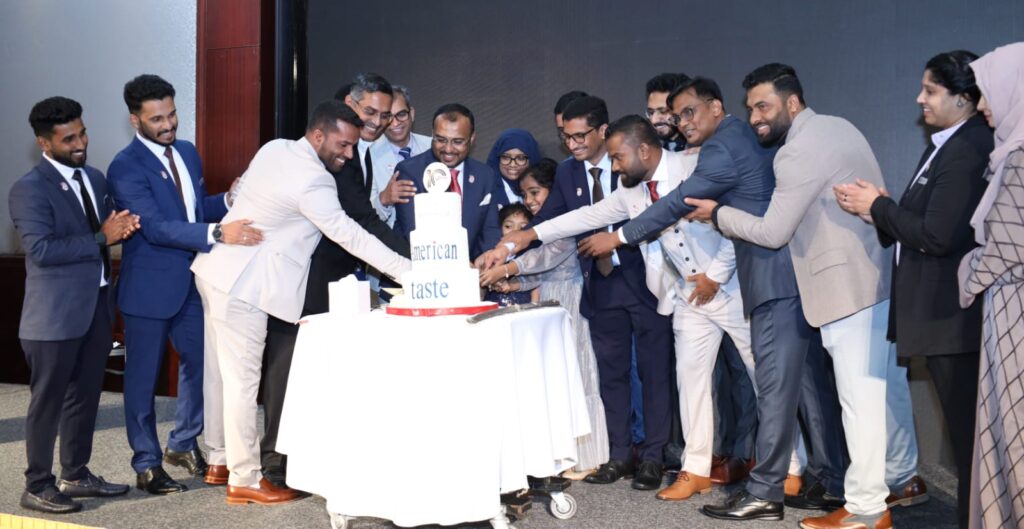
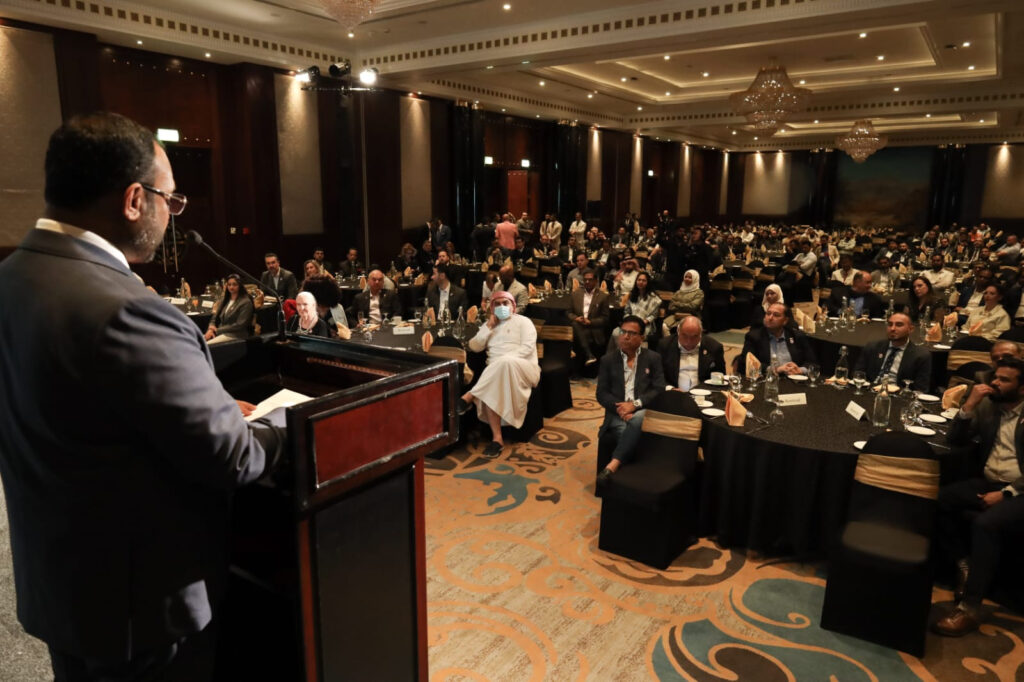
American Specialty Foods Co, on February 19 celebrated its 10th anniversary in Dubai with Valerie Brown, Regional Agricultural Counselor at USDA, US Consulate General Dubai attending the event as the Guest of Honor.
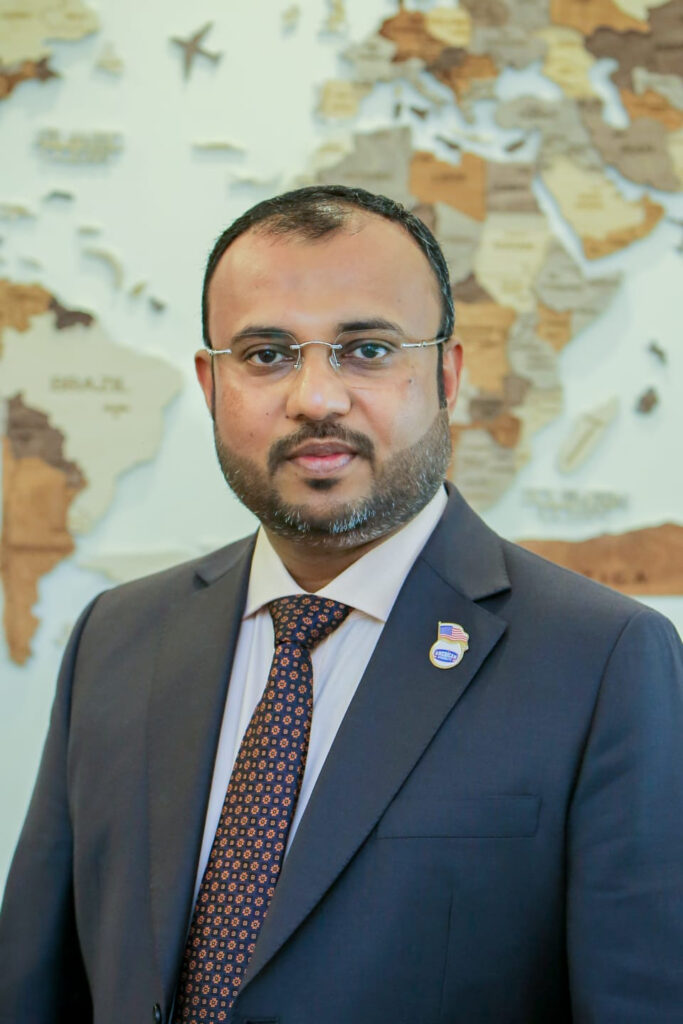
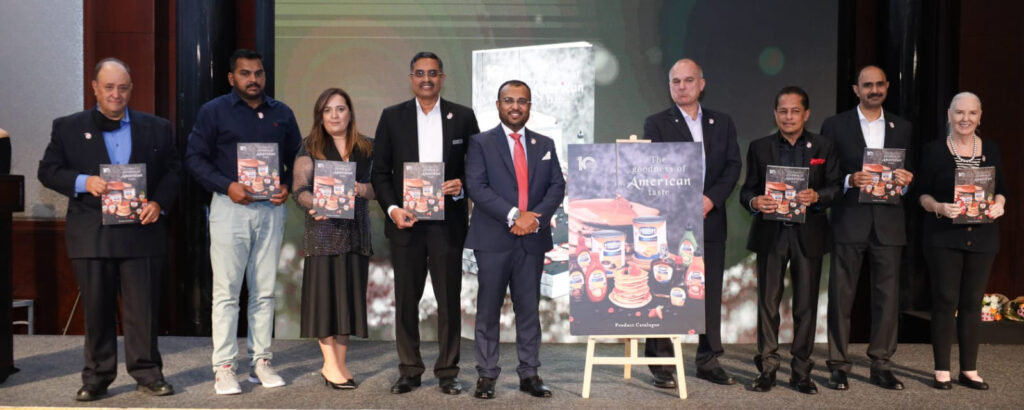
American Specialty Foods Co. that serves the taste of American flavors to over 50 countries with 20 product categories unveiled a brand new catalogue boasting over 650 products. The catalogue was unveiled by worldwide CEO of American Specialty Foods Co. Hany M Haneef, a prominent and dynamic NRI entrepreneur hailing from Mangalore.
“When I founded this company, it was a dream that I aimed to accomplish through passion. Despite the struggles we went through and the challenges we accomplished, it is the undying support of everyone which has enabled the company to achieve more than what we envisioned,” Hany M Haneef said during the event.
Valerie Brown, lauded the company and its achievements adding that the company was epitome of a company that “gets it”.
“They are deliberate, diligent and dynamic in promoting the best the US has to offer. I am delighted to celebrate them,” Valerie said.
Another guest Moroslav Hosek, spoke about the intensity with which Hany works as a professional.
“I have known Hany for five years now, but it feels like I have known him for at least 10 years. So intense a personal and business relationship it is indeed,” he said.
Incorporated in the USA 10 years ago, with a corporate office in Maryland, and a marketing office in New York, American Specialty Foods Co. includes a wide variety of products across 20 categories, including sauces, dressings, mayonnaise, tortilla chips, salsa, potato chips, popcorn, syrups, olives and more.
American Specialty has increased its global footprint, with regional offices in Dubai, London and Mexico.
The company is now venturing into the B2C segment to reach an increased number of households and bring the goodness of American taste to all, a press statement from the company said.
source: http://www.english.varthabharati.in / Vartha Bharati / Home> Gulf / by Vartha Bharati / February 25th, 2023

.webp)
.jpeg)
.jpeg)